Aghoris

Who are Aghoris? Have you heard about them? Being in India, we most frequently encounter them in streets, temples etc but how often can we make an attempt to understand who they really are? Aghoris are sadhus belonging to an unconventional clan who are Shiva worshippers. While some believe that they need divine powers et al. think they’re sadhus with sorcery which may harm people. But undoubtedly they have a mystical personality. Let’s take a glance at a number of the facts about Aghoris.
1. ACCEPTING THE NAKED TRUTH
Aghoris are seen to be mostly naked and accepting of their bodies. You can see Aghori in completely naked bodies covered in ashes from the dead bodies. It definitely scares some people while some people find it enticing.
2. NO HAIRCUT
Aghoris let their hair grow long and believe no haircuts. After all, that’s how we were born and what better thanks to accept our natural self. You will never see Aghori briefly , trimmed hair.
3. CANNIBALISM
It is believed that these sadhus openly eat human meat. They eat already dead corpses and don’t kill to eat and hence nobody questions them. Found mostly in numbers in Varanasi, which is understood for its holy practices, these sadhus are accepted for who they’re . They are also known to eat garbage, human faces and also leftover foods.
4. LORD SHIVA IS EVERYTHING
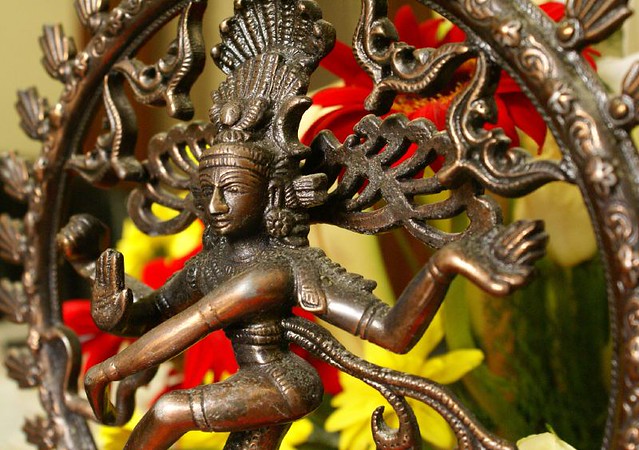
Aghoris immerse themselves within the devotion of Lord Shiva. They believe that Lord Shiva is that the answer to everything as he’s omnipresent and absolute. They perform penance, which is of three kinds that are called Shiva Sadhana, Shav Sadhana, and Smashaan Sadhana. Some people also believe that they’re the incarnations of Lord Shiva.
5. CURE FOR ALL
Aghori’s are said to possess the cure for all the diseases. According to them, the human oil that they take from the pyre when the body is being burnt is extremely powerful and effective. They claim that they need the medicines for even the incurable diseases.
6. MEDITATING WITH CORPSE
Aghori’s are seen to be meditating during a cemetery on a corpse. They also stand on one leg to meditate over a corpse a bit like Parvati, the goddess standing on the chest of Lord Shiva. Now most folks dread to even go on the brink of the cemetery or dead bodies. So that definitely takes tons of guts.
7. INTERCOURSE WITH THE CORPSE
Aghori is understood to possess sexual activity with dead bodies. They say the rationale is just that they find purity in what’s considered by the main population as filth. Also, just like the believers of the goddess Kali, they assert that it’s the deeper desire of the goddess that they need to satisfy . Also, it’s known to be believed by them that doing sex with the dead give them supernatural powers.
8. NO HATE IN THE HEART
These sadhus share their food with the animals within the cremation ground. Be it a cow or a dog, every life is that the same for them. And they believe the one that hates cannot truly meditate. So, it’s important to measure a hate free life for sadhus to meditate.
9. SAGES AND THEIR AGES
Kina ram, the first aghori who set grounds for the rest of the aghoris is said to have lived for 150 years and his death happened in the late 18th century.
10. SURVIVAL FACTS
These sadhus survive the harshest and extreme weather . They are known to measure within the scariest jungles and also the snow clad mountains. They are also found within the hot desert, in conditions where a traditional person doesn’t survive well.
11. ONENESS OF ENVIRONMENT
Aghoris believe that everyone has Aghori in him/her. They believe that when a toddler is born he/she doesn’t distinguish between faeces, toys, and garbage. But the kid is later taught what’s good and bad consistent with society which is how it starts discriminating.
12. THE FACTS ABOUT DARK MAGIC
Aghoris are known to perform sorcery but to not harm anyone or anything but they assert that it heals them and increases their supernatural powers to speak to the dead. They perform tons of rituals, strange within the eye of a standard man to perform dark magic.

Nanoparticles – the future?

A nanoparticle (NP) is an ultrafine unit with dimensions measured in nanometres (nm; 1 nm = 10−9 metre). Nanoparticles exist in the natural world and are also created as a result of human activities. Because of their sub-microscopic size, they have unique material characteristics, and manufactured nanoparticles may find practical applications in a variety of areas. The small size of nanoparticles is especially advantageous in medicine; nanoparticles can not only circulate widely throughout the body but also enter cells or be designed to bind to specific cells. Those properties have enabled new ways of enhancing images of organs as well as tumours and other diseased tissues in the body. Some examples of NP used for medical purposes are metallic NP, carbon nanotube, liposome, gold NP, silica NP and many more. 

The massive use of nanomaterials in biomedical applications enhanced research interest to explore the antibacterial mechanisms of NPs. NPs can alter the metabolic activity of bacteria by maintaining contact with bacterial cells via electrostatic interaction, Van der Waals forces, receptor-ligand and hydrophobic interactions. Further, these NPs can cross the bacterial membrane and assemble along the metabolic pathway influencing the shape and functioning of the cell membrane. Finally, NPs interact with the bacterial cell basic components causing oxidative stress, permeability and gene expression changes, diverse alterations, electrolyte balance disorders, protein deactivation, and enzyme inhibition 

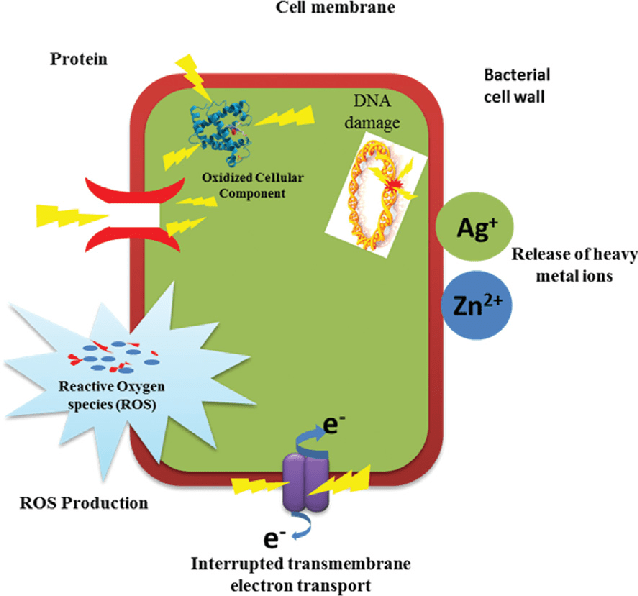
These NPs work on a bacterial cell in three ways, they are as follows:

 Dissolved metal ions: Metal oxide NPs release metal ions and these metal ions are absorbed through the cell membrane. Each metal ion has its sensitivity to different microorganisms. For instance, Ag+ ions react with the sulfhydryl group in enzymes and other cellular constituents leading to cellular dysfunction. Ag+ also prevents cell wall synthesis in Gram-positive bacteria. Ag+ ions can also interact with DNA inhibiting the growth by obstructing DNA replication and cell division.

 Reactive oxygen species: The toxicity of nanomaterial can be mainly attributed to the production of reactive oxygen species ROS that inhibits bacterial growth by restricting amino acid synthesis, lipid peroxidation and DNA replication. The presence of NPS excessive production of ROS leads to an unbalanced state, which results in oxidative stress, creating damage to the basic individual components of bacterial cells. ROS namely Superoxide radical, hydroxyl radical, hydrogen peroxide that is generated by different levels of activity and toxicity.

 Direct contact / Non-oxidative mechanism: The non-oxidative mechanism involves direct interaction on NPs with the cell wall. Direct contact is often but not in all cases a necessary mechanism of toxicity. Direct contact inhibits enzymes and proteins involved in cell metabolism, thus disrupting the normal functioning of the bacterial cell.

(Nanotechnology for Diagnosis and Treatment of Infectious Diseases – Scientific Figure on ResearchGate. Available from: https://www.researchgate.net/figure/Mechanisms-by-which-nanoparticles-kill-bacteria-cells-Notes-Certain-NPs-and-their-ions_fig3_262116106)

Nanoparticles can be used as tags or labels, which will help us in the detection of infectious agents even in small sample volumes directly in a very specific, sensitive and rapid format with lower costs than current in-use technologies. Also, the earlier detections will help in accurate and prompt treatment of the disease. however, nanoparticles that are used in nanomedicines can travel through a mother’s placenta and can assist in the formation of free radicals. 


•Asian Journal of Pharmaceutical Sciences, Vol. 15,  Issue 1, January 2020, pages 42-59https://doi.org/10.1016/j.ajps.2019.03.002

Ashish Ranjan, Nikorn Pothayee, Mohamed N. Seleem, Stephen M. Boyle, Ramanathan Kasimanickam, Judy S. Riffle, Nammalwar Sriranganathan, Nanomedicine for intracellular therapy, FEMS Microbiology Letters, Volume 332, Issue 1, July 2012, Pages 1–9, https://doi.org/10.1111/j.1574-6968.2012.02566.x

https://www.microscopemaster.com/nanotechnology.htmlhttps://www.ncbi.nlm.nih.gov/pmc/articles/PMC7148861/

https://www.nanowerk.com/spotlight/spotid=23695.phphttps://www.sciencedirect.com/science/article/pii/S1818087618309103#fig0005

Online Education- The New Normal

The new normal in education is that the increased use of online learning tools. The COVID-19 pandemic has triggered new ways of learning. All round the world, educational institutions are looking toward online learning platforms to continue with the method of teaching students. The new normal now’s a transformed concept of education with online learning at the core of this transformation. Today, digital learning has emerged as a necessary resource for college kids and schools everywhere the planet . For many educational institutes, this is often a completely new way of education that they need had to adopt. Online learning is now applicable not just to find out academics but it also extends to learning extracurricular activities for college kids also . In recent months, the demand for online learning has risen significantly, and it’ll continue doing so within the future.
As with most teaching methods, online learning also has its own set of positives and negatives. Decoding and understanding these positives and negatives will help institutes in creating strategies for more efficiently delivering the teachings , ensuring an uninterrupted learning journey for college kids .
What Are The Advantages Of Online Learning?
1. Efficiency
Online learning offers teachers an efficient thanks to deliver lessons to students. Online learning features a number of tools like videos, PDFs, podcasts, and teachers can use of these tools as a part of their lesson plans. By extending the lesson plan beyond traditional textbooks to incorporate online resources, teachers are ready to become more efficient educators.
2. Accessibility Of Time And Place
Another advantage of online education is that it allows students to attend classes from any location of their choice. It also allows schools to succeed in bent a more extensive network of scholars , rather than being restricted by geographical boundaries. Additionally, online lectures are often recorded, archived, and shared for future reference. This allows students to access the training material at a time of their comfort.Thus, online learning offers students the accessibility of your time and place in education.
3. Affordability
Another advantage of online learning is reduced financial costs. Online education is way cheaper as compared to physical learning. This is because online learning eliminates the value points of student transportation, student meals, and most significantly , land . Additionally, all the course or study materials are available online, thus creating a paperless learning environment which is cheaper , while also being beneficial to the environment.
4. Improved Student Attendance
Since online classes are often taken from home or location of choice, there are fewer chances of scholars missing out on lessons.
5. Suits A Variety Of Learning Styles
Every student features a different learning journey and a special learning style. Some students are visual learners, while some students like better to learn through audio. Similarly, some students thrive in the classroom, and other students are solo learners who get distracted by large groups.
The online learning system, with its range of options and resources, are often personalized in some ways . It is the simplest thanks to create an ideal learning environment suited to the requirements of every student.
What Are The Disadvantages Of Online Learning?
1. Inability To Focus On Screens
For many students, one of the biggest challenges of online learning is the struggle with focusing on the screen for long periods of time. With online learning, there’s also a greater chance for college kids to be easily distracted by social media or other sites. Therefore, it’s imperative for the teachers to stay their online classes crisp, engaging, and interactive to assist students stay focused on the lesson.
2. Technology Issues
Another key challenge of online classes is internet connectivity. While internet penetration has grown in leaps and bounds over the past few years, in smaller cities and towns, a uniform reference to decent speed may be a problem. Without a uniform internet connection for college kids or teachers, there are often a scarcity of continuity in learning for the kid . This is detrimental to the education process.
3. Sense Of Isolation
Students can learn tons from being within the company of their peers. However, in a web class, there are minimal physical interactions between students and teachers. This often leads to a way of isolation for the scholars . In this situation, it’s imperative that the varsity leave other sorts of communication between the scholars , peers, and teachers. This can include online messages, emails and video conferencing which will leave face-to-face interaction and reduce the sense of isolation.
4. Teacher Training
Online learning requires teachers to possess a basic understanding of using digital sorts of learning. However, this is not the case always. Very often, teachers have a really basic understanding of technology. Sometimes, they don’t even have the required resources and tools to conducts online classes.
To combat this, it’s important for schools to take a position in training teachers with the newest technology updates in order that they will conduct their online classes seamlessly.
5. Manage Screen Time
Many parents are concerned about the health hazards of getting their children spend numerous hours watching a screen. This increase in screen time is one among the most important concerns and drawbacks of online learning. Sometimes students also develop bad posture and other physical problems thanks to staying hunched ahead of a screen.
A good solution to the present would be to offer the scholars many breaks from the screen to refresh their mind and their body.

The Stoneman

The stoneman is the ubiquitous Indian urban legend. Mumbai has its share of them, as does Kolkata.
His presence haunted Kolkata within the summer of 1989, when 13 people were murdered over six months. The first murder happened in June 1989.
The common thread in these murders were that the victims were all hit on their heads with an important stone. Besides, all 13 were homeless, pavement dwellers who slept in dimly lit areas.
They were killed after midnight or within the early morning hours. The police said all the victims were hit on the top with stones, a minimum of 30 kg in weight, when the victims were asleep. None of the victims might be identified as nobody came forward to say their bodies.
Most of the killings were in central Kolkata, adjoining the Howrah Bridge. No one has seen the stoneman, but the Kolkata Police suspects the killer is mentally unstable.
Though the killings ended by 1989-end, a couple of murders bearing the stone man signature are reported since. However, within the complete absence of any eyewitnesses or survivors, no clear-cut leads were available.
Massive deployments of police in various parts of the town in the dark were resorted to, and various arrests were made. The last such murder was in 2003.
After a spell of arrests during which a couple of “suspicious persons” were rounded up for questioning, the killings stopped. However, since there was no incriminating evidence, all those summarily arrested had to be released. One of those temporarily summoned wasn’t mentally fit be questioned, but the media and police were quick to notice that the killings had ceased. The name of that mentally imbalanced man was Duniarmalik Mohammad Ekram.

Who Moved My Cheese

About  Book

Author :  spencer Johnson

Published on :  8 September 1998

Publisher :  G. P. Putnam’s sons

Genres : Fiction and self-help book

My rating : 4.3/5

PLOT

The author has illustrated the change via short story of two mice and two humans. Who moved my cheese has four characters, two mice are sniff and scurry and two humans are hem and haw. They live in a maze and find cheese frequently to survive, but their ways of searching and perception about finding cheese were different. The mice follow simple strategy. They test each path to find cheese, but humans don’t follow the same strategy.

One day they all find a ton of cheese in one place that looks like it’s enough to last them a lifetime. After this their life become more convenient because they don’t have to struggle to find cheese. Inspite of getting cheese in bulk, mice are always vigilant . They always ready to dispatch if cheese disappears. Human usually don’t want to step out of their comfort zone.

One day, cheese gets over. And their response of accepting  the reality varies . Mice quickly move on accepting the fact , but humans are not ready to move on. They believe that they were entitled to the cheese. They decide to stay in hope that cheese will appear again. But nothing happens as they expected.  Haw decides to explore the maze for more cheese and also convince hem. But he refuses to go with him. Eventually ,he meets with a tons of cheese and also with sniff and scurry.

REVIEW :

This book has emphasised on change which  is universal truth of life. Cheese is a metaphor that everyone wants in their life. It could be money, fame, reputation, happiness, success, achievements, or anything else.we can link cheese with our passion , goal , dream. Author has given deeply broad massage with this simple story. Human beings perspective towards any problems or changes differs from each other. Stories four characters react and act as per of their individual sense. We can learn from each character’s attitude and action towards changes.The sooner you accept change and move on, the sooner you will get your cheese (goal).

This book will really help you to move ahead in life if you are stuck anywhere. You can foresaw yourself if you follow the path one of those characters . In case of hem he gets used to of comfort life and easiness. He was not accepting  the change and move ahead. So at the end he did not get the cheese. There is a lot to learn from each characters . Always stay vigilant like sniff and scurry. Make yourself ready for changes that we have to encounter in life. Initially haw deny to admit the fact, but after not changing the situation for long. He decides to move on. It taught us even if we are late but decide to stand , eventually we will get success and will be proud of our decision later.

Put yourself in a different circumstances, make you strong to overcome difficulties and come out as an outstanding personality. Its human tendency he gets used to of old habits and expect different results with doing the same thing. Today each one struggle for getting  easy and convenient life.

About Author  :   Dr. Spencer Johnson is one of the most spectacular thinker and beloved author. His international bestseller books include three books: Who Moved My Cheese?, sold 25 million copies. The One Minute Manager, the most popular management method for over two decades, An A-Mazing Way to Deal with Change, the mostly read  book on change,  and his newest, The Present. Over 40 million copies of Dr. Johnson’s books are printed in 42 language.

The Noises of Modern World

 While everyone is concerned about environmental issues like air pollution and deforestation, there is another issue that has arised in our modern civilization- Noise Pollution. The sound of machines during construction and most importantly the honking in traffic are all contributors of noise pollution. These loud noises have become a part of our daily life. 

Noise pollution is an undesirable sound which generates discomfort to the ears and interferes with our peace of mind. The urban population is the most affected because vehicles contribute the most to noise pollution. WHO describes it as the most hazardous pollution after air and water, and has also listed some of its impacts on health. Not only humans, it also affects the wildlife of land as well as the water bodies. 


Impact on health

Noise pollution has many negative implications on our health. Exposure to noise pollution can cause psychiatric disorders,  anxiety, hypertension, stress, hormonal dysfunction, nausea, changes in mood and makes the person argumentative. Its effect on health also depends on the duration of exposure. 

Extremely disturbing sounds created by the machines disrupt the peace of mind of the person. It can also affect the ear and in adverse conditions may also lead to hearing impairment. In a few cases, exposure to noise can also lead to cardiovascular diseases

Sleep disturbance is a major problem associated with noise pollution. Chronic disturbance in sleep such as difficulty in sleeping, frequent awakening, waking up too early etc.can impact the overall well being of a person. 

Not only health, but also our social behaviour gets impacted by it. It can lead to negative social behaviour because noise builds stress and annoyance. It impacts and changes our everyday behavior and causes aggressiveness and unfriendly behaviour. 

Ways to reduce noise pollution

First step is to stop honking unnecessarily on the road. Most of the noise pollution is caused by honking in the traffic. Avoid playing Radio or Television at an extremely high volume as it can cause noise pollution inside the house as well as in the nearby areas. Try to use appliances with a low noise and turn it off when not in use. 

Planting trees can help to reduce noise because they act as a natural barrier to sound. Some trees have the quality of absorbing sound from the surrounding. A study by the US Department of Energy Study report states that trees can cut the noise levels by 50%. Not only noise, the trees can help to curb other forms of pollution also. 

In the wake of modernization, we have replaced the positive sound of birds and trees swaying in the breeze with a loud morning alarm and honking in the traffic. Some minor steps can help us to reduce the noise around us and restore peace of mind.


Health Benefits of Avocado

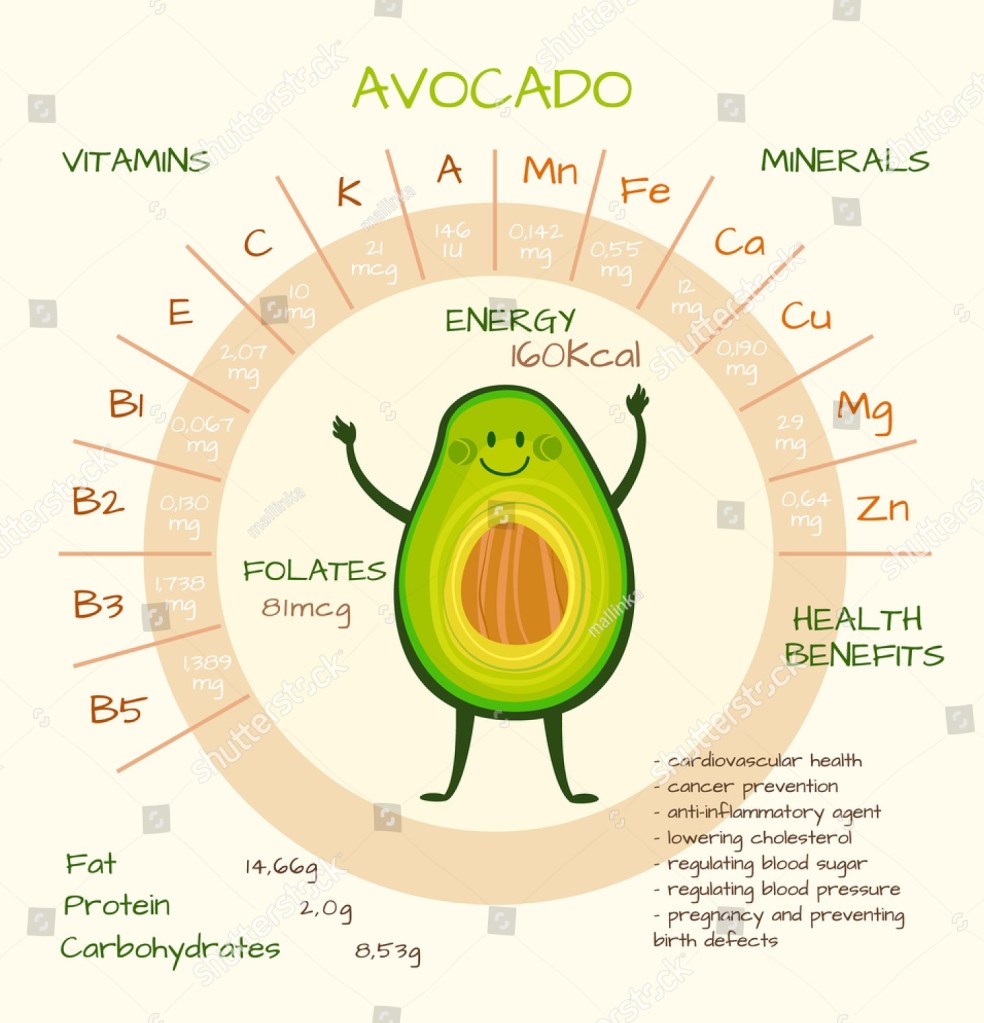
Avocados may seem like just a hipster food, but the fruit can do way more than make brunch photos look cute. Known for their smooth, creamy texture and good-with-just-about-anything taste, avocados have become increasingly popular over the past decade. In addition to being culinary MVPs, avocados provide heart-healthy fats and micronutrients, including potassium, folate, vitamin B6, vitamin C, and magnesium, explains Jaclyn London, MS, RD, CDN, head of nutrition and wellness at WW.

1. It Helps Keep You Smart

Here is some food for thought: avocados are filled with omega-3 fatty acids and natural vitamin E, which are both great for your brain. For instance, they improve the blood supply to your pre-frontal cortex, which is the part of your brain responsible for planning, decision making and critical thinking.

2. Great for vision

Avocados contain lutein and zeaxanthin, two phytochemicals that are especially concentrated in the tissues in the eyes where they provide antioxidant protection to help minimize damage, including from ultraviolet light. As the monounsaturated fatty acids in avocados also support the absorption of other beneficial fat-soluble antioxidants, such as beta-carotene, adding avocados to your diet may help to reduce the risk of developing age-related macular degeneration.

3. It Reduces Cholesterol

Avocado is filled with fats that are good for you, with one cup of sliced avocado providing you with 32% of your daily fat recommendation. The reason the fat is so good for you is because it is monounsaturated fat, which may help to lower bad cholesterol – which has lots of other benefits for your body, such as lowering risks of stroke and heart disease.

Another bonus of monounsaturated fats is that they may also raise levels of good cholesterol in your body.

4. Good for the gut

It’s not the most glamorous topic, but gut health is an important part of overall health. A 2021 study published in The Journal of Nutrition found that daily avocado consumption had a positive effect on diversity of healthful bacteria in participants’ stomachs and intestines. While more research is needed to determine the how, dietary fiber and monounsaturated fats have both been linked to gut health—and avocados provide these nutrients in abundance!

5. Lower risk of depression

Foods containing high levels of folate may help to decrease the risk of depression because folate helps to prevent the build-up of homocysteine, a substance that can impair circulation and delivery of nutrients to the brain. Excess homocysteine can also interfere with the production of serotonin, dopamine, and norepinephrine, which regulate mood, sleep, and appetite.

6. Healthy for the heart

Avocados contain 25 milligrams per ounce of a natural plant sterol called beta-sitosterol. Regular consumption of beta-sitosterol and other plant sterols has been seen to help maintain healthy cholesterol levels.

7. It Helps You To Lose Weight

Want to lose a little weight? Buy some avocados; they contain monounsaturated fatty acids, which means they are likely to be stored as slow burning energy rather than fat. This mean you’ll feel satisfied and full after you’ve eaten avocado,[3] helping to keep your hunger at bay.

8. It Is Beneficial During Pregnancy

If you’re pregnant, try to stock up on avocados. Just one cup of avocado contains nearly 25% of your recommended dose of folate, which is essential for both you and your baby.

Quick tips:

  • Spread avocado on toast in the morning instead of butter.
  • Use avocado instead of mayonnaise in chicken or egg salad, or as a spread on a sandwich.
  • The soft, creamy texture of an avocado and its mild taste make it a perfect first food for babies.

“ALEXANDER THE GREAT” Biography

“Alexander the Great” he was an emperor of Greece he was born on July 20, 0356 BC in pella Macedon ancient Greece. His father’s name was Philip II of Macedon and mother’s name was Olympias. His father was the King of Macedon.

As a child he learnt to read, write, ride, fight and hurt. He grew up to be a brave boy and tamed an unruly horse when he was just 12 years old. The horse named Bucephalas, became his favourite horse and served him for several years King Philip asked the great philosopher Aristotle to teach Alexander and provided the temple of the Nymphs at Mieza as a classroom. Aristotle tutored Alexander and the children of macedonian nobles in kya English subjects like medicine philosophy morals religion and logic and art under his tutelage Alexander also developed a love for literature. When Alexander was 16 his father left him in charge of the kingdom as a Regent while he waged a war against Byzantion. During Philip’s absence, the Thracian Maedi revolted against Macedonia. In spite of still being young boy Alexander responded quickly and bravely Drove them away from their territory. King Philip was assassinated by the captain of bodyguards Pausanias, in 336 BC. Alexander just 20 years old at that time was proclaimed king by the nobles and army up on ascending The Throne he has set upon eliminating all his domestic Enemies and potential revels to the Throne. He and his mother ordered the execution of his cousins and check the buildings who they considered to be treat. The news of king Philip death sparked a series of rebellion from the Thebes, Athens, Thessaly, and the Thracian tribes north of Macedon. Alexander gathered a Macedonian cavalry of 30,000 and forced the Thessalian army to surrender. He what also successful in defeating the Thracian tribes.

In 334 BC, Alexander the great led his army in the battle of the Granicus River fought against the Persian Empire and got victory. He started battle with King Darius III and got a big victory Alexander captured Darius wife, Stateira I, his daughter’s Stateira II and Drypetis, and his mother, Susygambis, and treated all the captured women very respectfully. Alexander and his Army marched into India in 327 BC launching a campaign into the North Western Indian subcontinent by this time he had become very ambitious and decide to conquer the entire known world which the Greek thought ended in North Western India the greatest of Alexander’s battle in India was the battle of the Hydaspes River against King Porus of the Paurava Kingdom on the banks of the Hydaspes River in Punjab in 326. The Macedonians emerged victorious and annexed Punjab. Alexander married three times first to Roxana, at 328 BC, later the Persian princesses Stateira II and Parysatis II at 325 BC. Alexander died of Malaria, in the palace of Nebuchadnezzar II, in Babylon, at the age of 32, in June 0323 BC. ” THERE IS NOTHING IMPOSSIBLE TO HIM WHO WILL TRY”.

Listen to the rhythm of the falling rain

Rainfall is very important for the survival of plants and animals. It brings fresh water to the earth’s surface. If rainfall is less, there is water scarcity which sometime causes drought like situation. If there is excess rain, floods take place which make the life of the affected people miserable.

Human life depends on rain. Rain is the source of fresh water for many cultures where rivers, lakes, or aquifers are not easily accessible.

Rain makes modern life possible by providing water for agriculture, industry, hygiene, and electrical energy.

The poet says that the rain is beautiful because it comes in the hot summer and settles the dust in the air and cools the heat.

The pitter patters of rain on windows and roofs create such a pleasant and peaceful atmosphere.

The white noise created from the rain drops allows your mind to relax and can even help you sleep better. I know I sleep better during the pouring rain.

Rain symbolizes multiple things depending on the context in which it appears, but most commonly Connotes sadness, rejection or despair.

Because rain is a common natural occurrence vital for life, rainfall can also represent rebirth and emotional cleansing.

Rain is a kind of precipitation. Precipitation is any kind of water that falls from clouds in the sky, like rain,hail, sleet and snow. It is measured by a rain gauge. Rain is part of the water cycle.

Clouds will often absorb smoke to create rain, commonly referred to as nature laundry due to this process.

Some places have frequent rain. This makes rainforest. Some have little rain. This makes deserts.

Obesity

Obesity is when a person’s weight greater than what is healthy. Obesity is a chronic condition defined by an excess amount of body fat. A certain amount of body fat is necessary for storing energy, heat insulation, shock absorption, and other functions.

Obesity has reached epidemic proportions in the United States. Over two-thirds of adults are overweight or obese, and one in three Americans is obese. The prevalence of obesity in children has increased markedly. Obesity has also been increasing rapidly throughout the world, and the incidence of obesity nearly doubled from 1991 to 1998. In 2015, nearly 40% of adults were obese in the U.S.

Reasons leading to obesity

  1. Physical inactivity
  2. Over eating
  3. Genetics
  4. Frequency of eating
  5. Medications
  6. Diseases

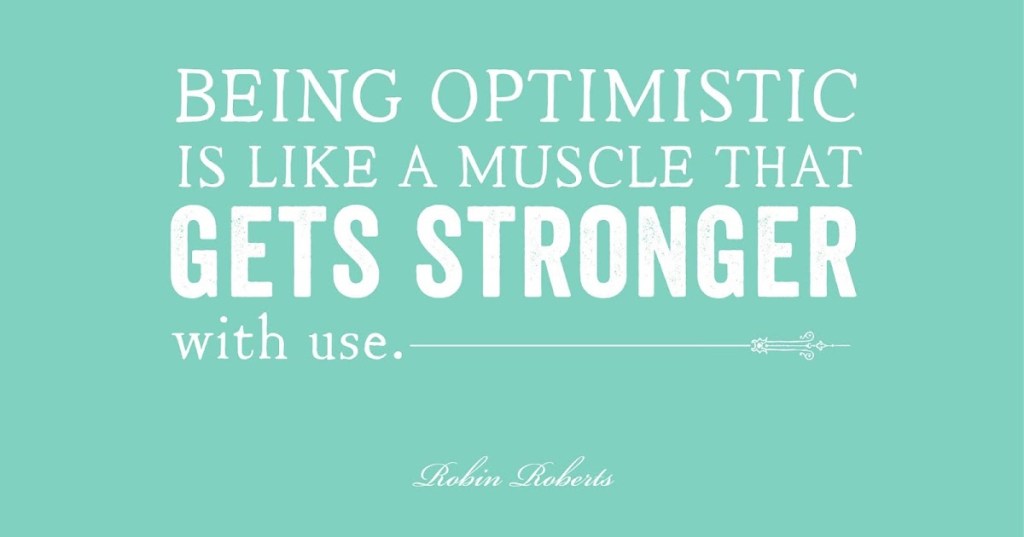
Harness the Power of Optimism.

In the given situation, the provided topic could seem a little absurd like how can we search for positivity in the present scenario. But once you start finding happiness in day to day life, you will end up counting thousands of blessings that will develop a sense of gratitude. The more you look deep into your life, the more satisfied you feel.

Not everyone’s life is the same and ups and downs are parts and parcel of life. Life isn’t a fairytale that we assume as a kid. It’s pretty much living in practicality with low or no expectations. To top it all, the pandemic is here to create havoc and causing distress, which is challenging and quite difficult to cope with.

To deal with such situations we need to be prepared to strengthen up ourselves to tackle the grim situations. And for that matter, we need to harness positivity, that isn’t a walk in a park, I presume.

Looking for positivity is quite challenging because it’s not like you will just sit and think like what all things do I’ve to be grateful for rather you need to develop few disciplines that will make you feel grateful and help in sighting positivity in every aspect. Moving on to the disciplines, that I mentioned before, it could be waking up early in the morning, accomplishing your little morning devotions, working out, meditating or just going for a walk early in the morning.

The aforementioned methods might sound a little too dramatic like who does that for real, but trust me it is very effective and equally helpful that change your entire perspective and will offer an astounding viewpoint to relive your existence.

Polycystic Ovarian Syndrome (PCOS)

Polycystic ovary syndrome (PCOS) is a condition in which the ovaries produce an abnormal amount of androgens, male sex hormones that are usually present in women in small amounts. The name polycystic ovary syndrome describes the numerous small cysts (fluid-filled sacs) that form in the ovaries. However, some women with this disorder do not have cysts, while some women without the disorder do develop cysts.

Symptoms

  • Missed periods, irregular periods, or very light periods
  • Ovaries that are large or have many cysts
  • Excess body hair, including the chest, stomach, and back (hirsutism)
  • Weight gain, especially around the belly (abdomen)
  • Acne or oily skin
  • Male-pattern baldness or thinning hair
  • Infertility 
  • Small pieces of excess skin on the neck or armpits (skin tags)
  • Dark or thick skin patches on the back of the neck, in the armpits, and under the breasts

In-vitro Fertilization (IVF)

n Vitro Fertilization (IVF) describes a technique where a woman’s eggs and man’s sperm are combined in a special laboratory in order to create an embryo(s). Depending on the diagnosis and age of the woman, an embryo or embryos are transferred to the woman’s uterus through her cervix to enhance the chances of pregnancy. 

Step 1: Ovulation induction

Your doctor will monitor your ovaries leading up to and during the IVF process to ensure that you will release eggs to be fertilized at a particular time. Most of the time medication or hormones are used to stimulate the ovaries to produce one or more eggs.

Step 2: Egg retrieval

Under light pain medication, your doctor inserts a very thin needle through the upper vaginal wall and remove fluid, which contains eggs, from the follicles of the ovaries. Immediately after retrieval of the follicle(s), the egg is placed in a dish and transferred to an incubator.

Step 3: Fertilization

A sperm sample is secured, either from your partner or a donor, and analyzed and added to the egg(s) retrieved. Sometimes your doctor may choose to inject the sperm directly into the egg to optimize success. The doctor and then monitors the fertilization process to make sure a healthy embryo is developed.

Step 4: Embryo transfer

Once your doctor and embryologist determine that the embryo(s) is ready for transfer, you go back for “transfer day”. This is a day full of excitement mixed with anxiety because while you’ve reached the final step of the IVF process, there are still many unknowns. The doctor places a speculum into your vagina and transfer the embryo(s) through a small plastic tube placed through the cervix into the uterine cavity.

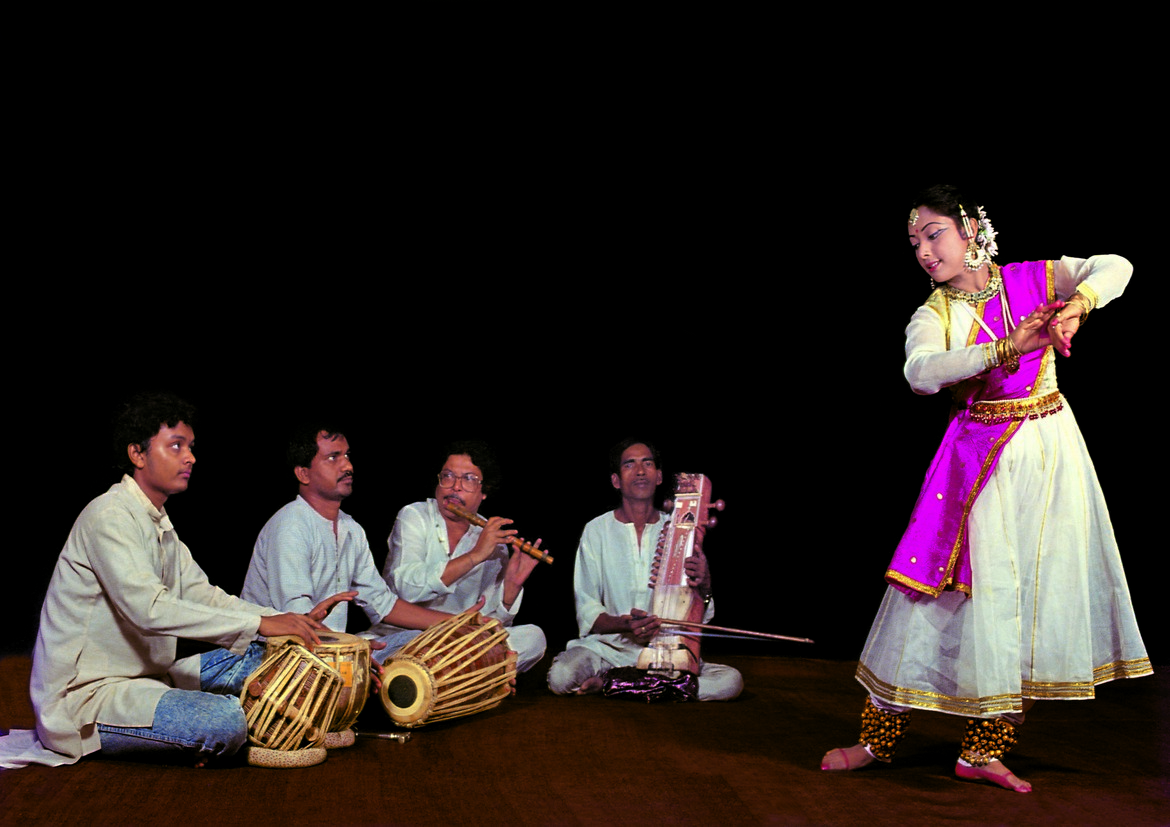
Indian Classical Dances

Dance is an ancient and prominent cultural tradition in India. Folk dances abound all across the country, and huge crowds of people can be found dancing at festivals and weddings. Dance and song feature heavily in Indian cinema (so-called “Bollywood” films), too. But where does Indian dance draw its roots from? There are six of the most important classical dance forms of India including many folk dances.

India has an old tradition of thousands of years regarding fine arts and classical and folk music and dances. Some of the world-famous dance forms that originated and evolved in India are: Bharatnatyam, Kathak, Kathakali, Kuchipudi, Manipuri, Mohiniattam, and Odissi.

(1) Bharatnatyam: Bharatnatyam is one of the most popular classical Indian dances. Bharatnatyam is more popular in South India states of Tamil Nadu and Karnataka. The music accompanying this dance is Carnatic music. It evolved out of the devadasi system of South Indian Temples. Famous dancers associated with Bharatnatyam are E Krishna Iyer, Rukmini Devi Arundale, and Anna Pavlova.

(2) Kathak: Kathak is also one of the most important classical dances of India. Kathak is said to be derived from the word Katha, meaning the art of storytelling. Famous centers are Lucknow and Jaipur. Lucknow school depicts Mughal Court etiquette while the Jaipur school depicts stories of Rajput kings and Gods. Famous exponents are Sitara Devi, Sambhu Maharaj, Uma Sharma Shovana Narayan, etc.

(3) Kathakali: Kathakali is the classical dance form of Kerala. The word Kathakali means the story play. Kathakali is considered one of the most magnificent theatres of imagination and creativity. Famous exponents of Kathakali are Vallathol Narayan Menon, Kunju Kurup, Guru Gopinath, etc.

(4) Kuchipudi: Kuchipudi is one of the classical dance forms of South India. Kuchipudi exhibits scenes from Hindu epics, legends, and mythological tales. Famous exponents of Kuchipudi are Lakshmi Narayan Shashtri, Raja and Radha Reddy, Swapana Sundari and Yamini Krishnamurti.

(5) Manipuri: Manipur is one of the six major classical dances of India. The most striking part of Manipuri dance is its colorful decoration, lightness of dancing feet, the delicacy of abhinaya (drama), lilting music, and poetic charm. Manipuri dance is not only a medium of worship and delight but also essential for all socio-cultural ceremonies of the Manipur people. Popular exponents are the Javeri sisters, Rita Devi, Nirmala Mehta, Guru Bipin Singh, etc.

(6) Mohiniattam: Mohiniattam from Kerala is a solo female dance and is known for its rhythmic and unbroken flow of body movements. Mohiniattam has the grace and elegance of Bharatnatyam and the vigor of Kathakali. Famous exponents of this dance form are Kalyani Amma, Vaijayanthimala, Bharati Shivaji, and Hema Malini.

(7) Odissi: Odissi is one of the well-known classical Indian dances from Odisha state. It is a graceful, elegant, and sensuous dance style and involved the tribhanga (three bends) posture. The three bends symbolize the means to escape the limitations of the body. Famous dancers of Odissi are as follows: Indrani Rehman, Sonal Mansingh, Kiran Sengal, Rani Karan, Sharon Lowen, and Myrta Barvie.