TROUBLESOME TIMELINE OF AFGHANISTAN

Afghanistan’s timeline is replete with political instabilities, wars, massacres and conflicts. Partly due to internal conflicts and majorly due to foreign invasions. Afghanistan has a far longer history as a distinct national entity with continuity to the present than most of its neighbors. Contrary to some views, Afghanistan is a geographically well-defined country. Also, Afghanistan can be effectively governed and politically stable. The monarchial state that ruled from 1933 to 1973 under Zahir Shah was unlike today’s modern industrialized countries. It did, however, keep the peace and maintain order. Although the government did not provide services to most of the population (education and health, for example, were available mostly in urban areas and for elites), it did carry out the above basic state functions, which subsequent governments have struggled to fulfil.

King Zahir Shah, like his father Nadir Shah, had a policy of maintaining national independence while pursuing gradual modernization, creating nationalist feeling, and improving relations with the United Kingdom. However, Afghanistan remained neutral and was neither a participant in World war II nor aligned with either power bloc in the Cold War thereafter. This proved beneficial as the country was friends with both the enemies of Cold War. The trouble started brewing when the King was away to Italy and Daoud Khan launched a bloodess coup and became the first President of Afghanistan, abolishing the monarchy.

 Daud Khan’s social and economic reforms during his time as prime minister and president were thought to be relatively successful, but his foreign policy tensed relations with neighbouring countries, and he was assassinated in 1978 during the Saur Revolution led by the communist People’s Democratic Party of Afghanistan (PDPA). PDPA declared its establishment and Nur Muhammad Tarakki led the party. From here Afghanistan would be laid as hotbed of international terrorism.

In 1979, the Soviet Army took over the land. Between 562,000 and 2,000,000 Afghans were killed and millions more fled the country as refugees, mostly Pakistan and Iran. Between 6.5%–11.5% of Afghanistan’s population is estimated to have perished in the conflict. The war caused grave destruction in Afghanistan and is believed to have contributed to the Soviet collapse  and the end of the Cold War, in hindsight leaving a mixed legacy to people in both territories.


The Taliban emerged in the early 1990s in northern Pakistan following the withdrawal of Soviet troops from Afghanistan. Afghans, weary of the mujahideen’s excesses and infighting after the Soviets were driven out, generally welcomed the Taliban when they first appeared on the scene in the 1990’s. They appeared on the scene as an ultraconservative group with political, religious and social control. Their early popularity was largely due to their success in stamping out corruption, curbing lawlessness and making the roads and the areas under their control safe for commerce to flourish. However they also followed cruel punishments like public execution. They imposed sharia law in the places they undertook.

Taliban fostered Islamic terror groups including al-Qaeda of Osama bin Laden and anti-India terror outfits operating from Pakistan. One of them had hijacked an Indian passenger plane in 1999 and flown it to Kandahar with Taliban security demanding the release of terrorists locked up in Indian jails. At the height of their power, the Taliban controlled nine-tenth of Afghanistan before Osama bin Laden’s al-Qaeda carried out the 9/11 terror attacks in the US killing about 3,000 people. The terror attack evoked an angry response from the US and its Nato allies which was directed against al-Qaeda but rooted out the Taliban from Afghanistan for 20 years. The 9/11 attacks brought the US-led Nato forces to Afghanistan’s Bagram airbase after the Taliban again rejected the demand to extradite Osama bin Laden. The US landed in Afghanistan in October. By mid-December 2001, the Talban were fleeing from their strongholds including Kandahar, and an interim government formed by anti-Taliban groups that had met in Germany took over power in Afghanistan.

The war in Afghanistan — launched on October 7, 2001 in the wake of the September 11 attacks — is the longest ever waged by the United States.

By the end of 2018, the US was firmly committed to completing a pull-out, putting the Afghan government of President Ashraf Ghani under pressure of a resurging Taliban.

In January 2019 the Afghan government admitted it had lost more than 45,000 security personnel in the previous five years during the tenure of Ashraf Ghani and the period of Taliban resurgence.

On the other hand, the Donald Trump administration was determined to bring its soldiers back from Afghanistan. A deal was signed between the US and the Taliban in February 2020 following several rounds of negotiations in Qatar. The US and Nato were to withdraw troops from Afghanistan in a time-bound manner.

The US-Taliban war had ravaged Afghanistan. And, in this war-ravaged country, the Taliban did not face the problem of recruitment and funding for its operations. Pakistani madrasas and Islamic seminaries in Afghanistan kept the supply of jihadi fighters on. The Taliban also got help from the antagonism against American presence within Afghanistan.

The Talibs never gave up on their hold over Afghan land. After its defeat at the hands of American forces, the Taliban resorted to guerrilla warfare. It would strategically target installations, public places or officials, military bases and government convoys from 2001 onward. It has succeeded in its strategy and evidently survived possibly the biggest counter-insurgency operations for 20 years by the most powerful military forces of the US and the Nato.

The 2019 survey showed that less than 15 per cent Afghans were Taliban sympathisers. But it drastically changed when the US entered into a peace deal negotiation with the Taliban in 2020. Close to 55 per cent of the surveyed Afghans said they believed that the Taliban would restore peace and order in Afghanistan.

Reference
https://economictimes.indiatimes.com/news/defence/the-war-in-afghanistan-by-the-numbers/articleshow/84167514.cms?utm_source=contentofinterest&utm_medium=text&utm_campaign=cppst

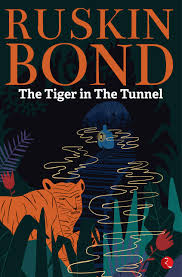
🐯🐅Tiger in the Tunnel – Ruskin Bond 🐅🐯:

🐅🐯INTRODUC TION🐯🐅:

🌟Tiger in tunnel is short story written by Ruskin Bond.
🌟He was born on May 19,1934.
🌟His important works are The Room on the Roof and The Night Train at Deoli.
🌟He received Sahitya Academic award and padma Shri award for contributions to children’s literature.
🌟In this story bond says about the courage and strength of a father and his son.

🐯🐅Baldeo and his son Tembu🐅🐯:

🔹️Tembu is a twelve-year-old child lives with his father Baldeo, mother and his younger sister in a tribal village on the outskirts of a jungle forest in India.
🔹️The family faces a meagre subsistence,as they are dependent upon a nearby rice field for produce,and the field provides very little.
🔹️To earn more money,Baldeo works as a watchman for the railroad.
🔹️Everynight, he stays in a bare hurt near a tunnel cut into the rock,his duty it to keep the signal lamp burning and make sure that you tunnel is clear of obstruction so that the overland mail can pass through safely.


🔹️When he does not have to help his mother and little sister at home,Tembu accompanies his father leaving to check the signak lamp,and he thinks to go with his father.
🔹️Baldeo, told that it is cold outside and he requested him to stay in hut itself.
🔹️Baldeo walks in the forest with confidence.
🔹️He is used to ways of the jungle and carries a weapon, a small axe.
🔹️Whe Baldeo reaches the tunnel,he finds that the signsl light is out.


🔹️Hauling the lamp down by its rope,he relishes it and place it back into position.
🔹️When this task is done,he walks quickly down the length of the tunnel and returns to the entrance.
🔹️He waits for the train at that time one tiger suddenly springs into the area and heads straight towards Baldeo.
🔹️Baldeo stands firmly with his back to the signal-post, and when the tiger attacks, he leaps to the side and tries to get the tigers neck by his age but as the tiger ducks away,the are strikes his forefoot and remains stuck in it almost severing it.
🔹️The tiger groans and pounces upon the punny man and tear his body apart.


🔹️After killing him the tiger sits down licking his leg where he was struck by the axe.
🔹️While Tembu waits for his father to come back, there at stop,the tigers half body was seen still above cow-catcher.
🔹️Tembu comes out to search for his father and as he finds him dead,controls himself and protects his father’s body from the tiger with the help of his father axe.
🔹️Baldeo’s Family was in a shock but life had to go on and Tembu had to take place of Baldeo.

🐅🐯CONCLUSION🐯🐅:

🌟In the end,Tembu was seen sitting at the cutting with the lamp lit and whistling to himself as he was not afraif of anything now for his father had killed the famous man-eating ‘Tunnel Tiger ‘.
🌟Even if there is trouble, he had the axe to his defence.

Fish farming

Fish farming is the raising of fish for personal income or profit Based on the environment in which culture is done.is the fastest growing area of animal food production. Today, about half the fish consumed globally are raised in these artificial environments.

Characters and cultivable fish

The following criteria should be considered before selecting a fish for farming purpose.

⭐Rate of growth:Fish which grow to a larger size in shorter period are suitable for culture.

⭐ Adaptation to climate:The cultured species of fish should be able to adapt to the local climatic conditions of the farm.

⭐Tolerance:The fish should have the capacity to tolerate wide fluctuations in the physico chemical conditions such as oxygen, salinity, temperature etc of the water.

⭐Acceptance of artificial feed:When more number of fish is to be accommodated in a limited space,there is the need for supplementary feeding on compounded diets.The fish should show ready preference for these feeds.

⭐ Resistance:It is desirable that the cultured fish is Hardy enough to resist the common diseases and attack of parasites.

⭐ Amiability and compatibility:The fishes proposed to be cultured together should be able to live together without interfering or attacking the other.

⭐Conversion efficiency:The species of fish which give more edible flesh per unit of food consumed,is preferred.

⭐Consumer’s preference:Food preference of people vary with the geographic regions Hence,the species cultured should be easily marketable locally or to the targeted consumers.

Marine fishes

Besides the food fishes,there is an enormous potential for the mass culture of a variety of ornamental fishes,which can bring in high profit,also from overseas markets.

Fish pond

A successful aquaculture practice with a good harvesting is usually due to proper construction, preparation and maintenance of the fish pond.

Types of fish ponds

Within the fish farming pond system there can be different pond components, namely nursery, rearing, production, segregation and breeding ponds.Nursery ponds are shallow, while the others are moderately deep.In larger production ponds,water can be maintained at a depth of 2 and 3 metres.A fencing around the fish farm,may be construed for protection.

Preparation of pond

Before the culturing of fish,the pond should be conditioned.

Conditioning

A layer of lime is spread over the bottom,for two weeks.It removes the acidity of the soil, facilities desirable geochemical cycles and kills unwanted soil organisms.Water may be let in slowly after two weeks and filled to the desired depth.The quality parameters such as temperature, oxygen content,pH, turbidity,hardness, alkalinity and plankton growth should be checked for their optimal levels,before stocking the fish.

Manuring

After 15 days of limiting,the fertilization is to be done in order to develop the fish food organisms.Manure may be of organic or chemical nature.

Management of fish farm

Feed and water quality are the two major factors governing the productivity of the fish culture pond.Besides,seed quality, stocking and other management measures also determine the extent of fish production.

Feeding

Apart from natural food,most cultured species take artificial feeds.In general artificial feed should contain 30-40% protein,5-10% fat,50-60% carbohydrate,less than 5% cellulose,10% water, vitamins and minerals.

Routine management and diseases

Analysing water parameters, replenishment of water, regular feeding, observation for mortality and disease symptoms should be routine checks in the management of aquaculture ponds.

Star Trek(2009): Explained

Star trek was an amazing television series in the 1960s that followed the adventures of the federation ship USS Enterprise. The series is set in a world where the united federation of planets is protected by an organisation known as Starfleet. The movie is a reboot that puts a little spin on the original characters. The movie takes place in an alternate future, this was deliberately done to separate the reboot from the original series.

The movie starts in 2233 where the federation star ship USS Kelvin investigates a lightning storm in space. The strom serves as some kind of gateway and a Romulan ship Narada comes through it and attacks the Kelvin, Narada’s first officer demands the enterprise’s captain come aboard the ship. The captain is questioned by the Narada’s commander Nero, the captain is killed by Nero and the ship resumes its attack on the Kelvin. George Kirk assumes the command of the Kelvin and orders the others to evacuate while he pilots the Kelvin into a collision course with the Narada to ensure the crews survival. Among the survivors, George’s wife gives birth to James Tiberius Kirk.

Seventeen Years Later James now raised on earth becomes an intelligent but reckless man, meanwhile on Vulcan a young Spock enlists in the Starfleet instead of joining the Vulcan science academy. James gets into a bar fight with Starfleet cadets and meets Captain Pike, Pike convinces James to join the Starfleet to honour his father and use his talents. Kirk meets and befriends Dr Leonard “Bones” McCoy aboard the ship that take them to the Starfleet academy. Three years later James is accused by commander Spock of cheating on a simulation test known as the Kobayashi Maru, and Kirk is put on trial to be expelled from the academy. Before an official result can be had for the trial the Starfleet receives a distress signal from Vulcan, ships are mobilized to respond to the signal. Bones helps James get aboard the Enterprise by faking a medical condition.

Kirk breaks protocol when he realises the lightning storm is the same as the one which claimed his fathers life and convinces Pike that the distress signal is a trap. Upon arriving the Enterprise witnesses a decimated fleet, Narada destroyed the fleet and is drilling into Vulcan’s core. Narada hails the Enterprises and demands Pike to come aboard, Pike agrees but formulates a plan to destroy the drill. He makes James the first officer and enlists James, Hikaru Sulu and Orson to perform a space jump to destroy the drill. James and Sulu are successful in destroying the drill but not before Nero injects red matter in the planets core and sets it off. The enterprise is able to save Spock’s father and the high council before the planets destruction.

Nero tortures Pike to learn about the access codes for Earths defence system. Spock beams James on Delta Vega after James tries to mutiny, James is immediately attacked by a creature and somehow fends it off. On the planet James encounters an older Spock who reveals he is from the future, he tells that Nero destroying the Kelvin created an alternate timeline. The old Spock tells James about Nero’s vengeance against him, Spock couldn’t stop a disaster which resulted in Nero’s planet dying. The duo reaches a Starfleet outpost on Delta Vega where they find engineer Montgomery Scott, Spock helps Scotty develop a warp beam that allows James and Scotty to warp onto the Enterprise.

James manages to prove Spock into attacking him, this forces Spock to relinquish his command to First officer James. Spock decides to help James after a talk with his father. James and Spock beam themselves on the Narada to rescue Captain Pike and save the earth, after a brief fight James manages to veer the Narada into a collision course with the old Spock’s ship. The collision destroys the Narada just before James, Spock and Pike are beamed back to the Enterprise.

James is promoted to captain and he assumes the command of the Enterprise and, Pike is promoted to rear admiral. After some encouragement from his older self Spock joins the enterprise as its First officer and hopes to build a friendship with James.

The movie has 2 sequels and we will be looking at them soon. Until then Live Long and Prosper.

Vikram Vedha- A review

Oru Kadha Sollutama sir (Shall I Tell you a story sir)

There are very few movies that you watch multiple times and yet the magic is never lost. Vikram Vedha is one such movie.

Imagine that a simple folk tale evolved into such a well structured modern story! Beautiful characters!!

Like, every time we see Vedha, we see this playful guy, who wants to get stuff done as well , Cheerful at all times, but doesn’t want work half boiled.

A caring guy, who just wants to earn some money so he does whatever he has to

On the other hand, Vikram, an honest police officer. Honest to the core.

Characters AMAZINGLY well written that honestly, at times The dialogues make the jaw drop.

“Ungalukku pona ratham, engalukku pona thakkali chutney aa!?”

Translation: “if you bleed, it’s blood, but if we bleed is it tomato chutney?”

A BEAUTIFUL DIALOGUE. You know there are certain dialogues that we can imagine Vedha would say. But none of us can imagine Vikram saying the same thing. Cuz, character sketch…

Just EXTRAORDINARY characters, amazingly written and honestly, i don’t think there could’ve been better actors to portray the characters…
Every single time this movie is watched i feel the same excitement as watching it for the first time, which is a really hard feeling to evoke… Every time I listen to Tasaku, i feel like dancing! Every time i imagine the climax fight scene, i laugh at the part where Vedha asks “vikram sir, gun na style aa pudichikkena”

Translation: vikram sir, am I holding the gun in a stylish manner?

That excitement… It’s just… Over and above words!!!

Current Strategies used in Regenerative Medicine

The most common and most used strategy is cell-based therapy. Humans have a complex body structures and parts, having multicellular framework making it complicated and because of this it is difficult to know functions and structural role of each and every cell of the body. The ability of the cells to differentiate into other cells types is defined as “Cell Potency”. There are some cells which lack the ability of differentiation or cell potency.

Cell therapy consists of injecting novel or healthy cells in the pathogenic or injured tissues to just start differentiating there to help the cell grow back like earlier again. Also these cells are difficult to grow in in-vitro conditions as they do not give a considerable amount of cells, also for organs (e.g. liver) with a great replication potential in-vivo, as the cells lose the usual microenvironment needed to proliferate.

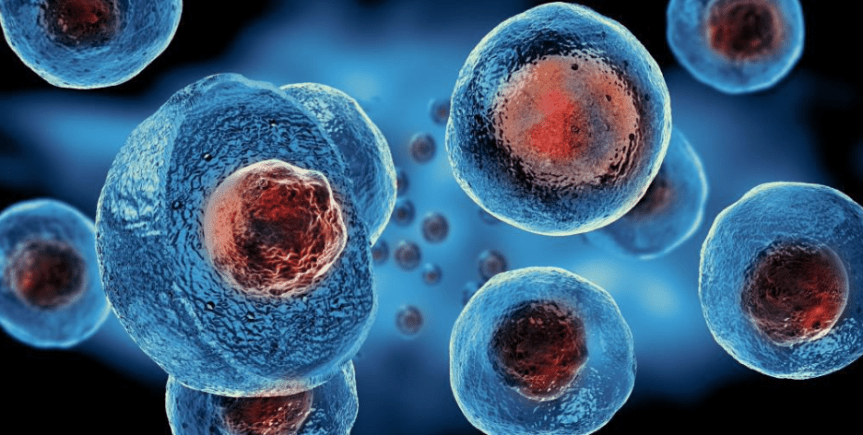
Stem cells can proliferate extensively, with the capacity of self-renewing while they maintain their undifferentiated state, until they are induced to differentiate into a specific cell type. Stem cells can be obtained in several ways, most commonly three ways; they are autologous if derived from patient, allogenic f derived from a human donor and xenogeneic if derived from another animals. And here we are more focused on the third type which is the xenogeneic one as animal regeneration plays very effective role in the human regenerative therapy. As mentioned earlier also these adult stem cells are present in various parts of human body also and has a lot of role or we can say differentiation to do in various parts of our body like one the part where the population of stem is higher is bone marrow which regularly differentiates all cells and which is possible with the presence of stem cells in there.

GERM LAYERDERIVED TISSUES AND ORGANS
EctodermEpidermal tissues and nervous system
MesodermBone, blood , cartilage, muscle, urogenital system, serious membranes
EndodermGI tract, airways

Being pluripotent and having other advantages is great but there are some difficulties and issues also related to stem cell therapy which cannot be ignored:

  • CARCINOGENESIS: The stem cells can develop into treaties which give rise to carcinogens which are causative agents of cancers and tumours in the body. They are fatal to another extent.
  • REJECTION: They are allogeneic, but immune responses can be avoided with some new developing technologies, like therapeutic cloning and adult cell reprogramming.
  • Need for feeder cells for tropic support: first time feeder cells were used in mouse fibroblasts, correlated with the risk of xeno-contamination.
  • ETHICAL AND MORAL ISSUES: They represent a notable source of debate, as theirsource is an embryo, which development is interrupted by the aspiration.

who is a Teacher?

A teacher is someone who sees everyone’s potential and believes that there is a leader in all. A person who helps others to acquire knowledge, competencies or values. It may be formal or informal.

WHAT MAKES A PERSON A TEACHER?

  • A teacher is someone who understandably cares.
  • A teacher is someone who is not afraid to have conversations with his/her students.
  • A teacher believes that their story will inspire.
  • A teacher will motivate the students to achieve higher AIMS.
  • A teacher helps students to realise their inner strengths.
  • A teacher teaches you how to lead.
  • A teacher show you that you are not weak and can achieve much more.
  • A teacher makes his students realise the importance of time management.

ROLE OF A TEACHER

The role of a teacher in the educational set up is very important. It is a two way process i.e. student and teacher, use like the two sides of the same coin. it is beyond argument that a teacher is the backbone of the society, country and the educational system. He/she represents whole of the society in school which is a sub-society or mini society. The citizens of tomorrow are his/her students and the future of the country lies in their hands. Teacher’s is also a social reformer who guides the student in this regards and removes the social evils. According to Vedic period they are ‘spiritual preceptor’. Teacher is a ‘learning facilitator’.

“YOUR BEST TEACHER IS YOUR LAST MISTAKE”

Dr. A.P.J. Abdul Kalam

A good teacher must have a very good personality; there is no second thought about it. Students always get attracted to teachers with good personality which leads to better communication, understanding and ultimately good results. Another important characteristic of good teacher is his/her knowledge and own education. There is saying that ‘a’ teacher is only as good as his knowledge.

One of the very important characteristic of a good teacher is the communication skills. He/she should be a very good speaker, this characteristic will provide benefits in several ways. For example: Firstly, if his/her communication skills are good, he or she can convey lectures with better skills and result. Secondly, if he/she is a good speaker, the class strength increases automatically. People love to hear a person who can speak well enough and there is always a shortage of good speakers in this world.

the power of music

I suppose music in itself is healing,” American musician Billy Joel oncestated. “It’s an explosive expression of humanity. It’s something we’re all touched with the aid of using. No count number what way of life we’re from, all and sundry loves tune.” Most people might wholeheartedly accept as true with this assertion, and it’s far this generic bond with tune that has led researchers throughout the globe to research its healing cap potential. “We have a the sort of deep connection to tune due to the fact it’s far ‘hardwired’ in our brains and bodies,” stated Barbara Else. We can all consideras a minimum one tune that, whilst we pay attention it, triggers an emotional reaction. It is probably a tune that followed the primary dance at your wedding, for instance, or a tune that reminds you of a tough break-up or the lack of a cherished one. “We have a the sort of deep connection to music due to the fact it’s far ‘hardwired’ in our brains and bodies,” Barbara Else, senior marketing consultant of coverage and studies on the American Music Therapy Association advised Medical News Today.

“The factors of tune – rhythm, melody, etc. – are echoed in our physiology, functioning and being.” Given the deep connection we’ve got with tune, it’s far possibly unsurprising that several research have proven it is able to gain our intellectual fitness. A 2011 have a take a observe with the aid of using researchers from McGill University in Canada observed that being attentive to tune will increase the quantity of dopamine produced with inside the mind – a temperimproving chemical, making it a viable remedy for depression. And in advance this yr, MNT pronounced on a have a take a observe posted in The Lancet Psychiatry that cautioned being attentive to hip-hop tunemainly that from Kendrick Lamar – might also additionally assist people to apprehend intellectual fitness disorders. But an increasing number of, researchers are locating that the fitness advantages of tunemay matchpast intellectual fitness, and as a result, a few fitness specialists are calling for tuneremedy to be extra broadly integrated into fitness care settings. In this Spotlight, we take a betta have a take a observed number of the cap potential fitness advantages of tune and have a take a observe whether or not, for a few conditions, tune can be used to improve – or maybe replace – modern-dayremedy strategies. Reducing ache and tension Bob Marley as soon as sang: “One accurate factor approximately tune, whilst it hits you sense no ache.” According to a few research, this assertion might also additionally ring true. Earlier this yr, MNT pronounced on a have a take a observe led with the aid of using Brunel University withinside the UK that cautioned tune might also additionally lessenache and tension for sufferers who’ve gone through surgery. By studying seventy two randomized managed trials regarding extra than 7,000 sufferers who acquired surgery, researchers observed folks who have been performed tune after their manners pronounced feeling much less ache and tension than folks who did now no longer pay attention to tune, and that they have been additionally much less probable to wantachemedicine. This impact turned into even more potent for sufferers who were given to pick out the tune they listened to.

Talking to MNT, have a take a observechief Dr. Catharine Meads stated: “If tuned turned into a drug, it might be marketable. […] Music is a noninvasive, secure, reasonably-priced intervention that have to be to be had to all and sundry present process surgery.” This have a take a observe is simplyone in every of many hailing tune for its outcomestowardsache. In March 2014, researchers from Denmark observedtunecan beuseful for sufferers with fibromyalgia – a ailment that reasons muscle and joint ache and fatigue. Listening to calm, enjoyable, self-selectedtunedecreasedache and expandeduseful mobility significantly” amongst 22 sufferers with fibromyalgia, in line with the investigators. But why does tuneseem to ease ache? While the precise mechanisms continue to be unclear, many researchers consider one cause is due to the factbeing attentive totune triggers the discharge of opioids withinside themind, the frame’s herbalache relievers. Dr. Daniel Levitin, of McGill University in Canada, and associatesspeakapproximately this principle in a 2013 evaluate, bringing upstudies that observedhumansskilledmuch lesssatisfaction from being attentive to their preferredtunewhilst given Naltrexone – a drug that blocks opioid signals – suggesting tune induces the discharge of opioids to ease ache. An powerfulstrain reliever When feeling stressed, you coulddiscoverbeing attentive to your preferredtune makes you sensehigher – and there are variousresearch that aid this impact. A have a take a observepronouncedwith the aid of using MNT remaining month, for instance, observed that toddlers remained calmer for longer once theyhave beenperformedtunein place of spoken to – even if speech concernedtoddlerspeak. The have a take a observe researchers, together with Prof. Isabelle Peretz of the Center for Research on Brain, Music and Language on the University of Montreal in Canada, cautioned the repetitive sample of the tune the toddlers listened to decreased distress, in all likelihoodwith the aid of using promoting “entrainment” – the cappotential of the frame’s inner rhythms to synchronize with outside rhythms, pulses or beats. Research indicatestune lowers stages of the “strain hormone” cortisol. Another have a take a observeperformed in 2013 observed that now no longermost effective did being attentive totuneassistlessenache and tension for kidson the UK’s Great Ormond Street Hospital, it helped lessenstrainunbiased of social factors. According to a few researchers, tunemight also additionallyassist alleviate strainwith the aid of usingdecreasing the frame’s cortisol stages – the hormone launched in reaction to strain. The evaluatewith the aid of using Dr. Levitin and associates, however, indicates this strain-relieving impact is depending on what form oftune one listens to, with enjoyable tune observed maximum probable to decrease cortisol stages. Another mechanism with the aid of using which tunemight also additionally alleviate strain is the impact it has on brainstem-mediated measures, in line with Dr. Levitin and associates, which include pulse, coronary heart charge, blood stress and frame temperature; again, the impact is depending on the form of tune listened to. “Stimulating tune produces will increase in cardiovascular measures, while enjoyable tune produces decreases,” they explain. “[…] These outcomes are in large part mediated with the aid of using tempo: gradual tone and musical pauses are related to a lower in coronary heart charge, breathing and blood stress, and quickertune with will increase in those parameters.” Music’s impact on coronary heart charge and its cap potential as a strain reliever has led some of researchers to consider tune will also be powerful for treating coronary heart conditions. Earlier this yr, MNT pronounced on a have a take a observe provided on the British Cardiology Society Conference in Manchester, UK, wherein researchers from the UK’s University of Oxford observed repeated musical termsmight also additionallyassistmanipulatecoronary heartchargeand decrease blood stressaleven though they statedextrastudiesis needed on this area. Music and reminiscence Certain songs have the cap potential to remind us of positive intervals or occasions in our lives – a few that make us smile, and a few we might instead forget. With this in mind, researchers are an increasing number of investigating whether or not tune might also additionally resourced reminiscence recollect. Studies advisetunemight also additionally resourced reminiscence recollect for adults withinside the early ranges of dementia.

In 2013, a have a take a observe posted with inside the magazine Memory & Cognition enrolled 60 adults who have been gaining knowledge of Hungarian. The adults have been randomized to one in every of3gaining knowledge of tasks: speak unexpected Hungarian terms, speakme the identicalterms in a rhythmic style or making a song the terms. When requested to recollect the terms, the researchers observedmembers who sang the terms had an awful lotbetterrecollect accuracy than the alternativecorporations. “These consequencesadvise that a ‘pay attention-and-sing’ gaining knowledge ofapproach can facilitate verbatim reminiscence for spoken overseas language terms,” say the authors. Evidence from such research has led researchers to indicatetunemight also additionallyassistreminiscencerecollect for humans with cognitive disorders, which include Alzheimer’s disease. A have a take a observepostedwithinside themagazine Gerontologist remainingyr assessed the impact of tune on reminiscencerecollect in people with early-degree dementia. For the studies, 89 humans with dementia and their caregivers have been randomly assigned to both a 10-week making a songtrainingorganization, a 10-week tune listening trainingorganization or normal care. The consequencesfound out that each the making a song and tune listening corporationsnow no longermost effective had highertemper and averagewellbeing that the same old care organization, however they validatedhigher episodic reminiscence on cognitive assessmentsTrusted Source. The making a songorganizationadditionallyconfirmedhigherrunningreminiscence than the same old care organization. “Regular musical enjoymentsportsmay have long-time period cognitive, emotional, and social advantages in mild/mild dementia and willconsequently be applied in dementia care and rehabilitation,” the authors concluded. Helping get bettermind injury, deal with seizures Increasingly, studies is indicating that tune can assistresourcehealing from mind injury – which include that from stroke. A 2008 have a take a observeperformedwith the aid of using researchers from the University of Helsinki in Finland observed that stroke sufferers who listened to tune for round 2 hours each day had higher verbal reminiscence and interest and a extrafinetemper than folks who listened to an audio ee-e book or not anything at all. What is extra, research have proven that tunemight also additionallyresource speech healing following stroke. One have a take a observeperformed in 2013 with the aid of using researchers from Korea, for instance, observed that stroke sufferers who advancedcommuniqueissues after stroke validatedprogressed language cappotential following 1 month of neurologic tune therapyTrusted Source. Commenting at theviableadvantages of tuneremedy for stroke sufferers, Barbara Else advised MNT: “While the neuroscience and studies findings across thediversetuneremedy interventions hired to aid speech, language, and communique are unexpectedlydeveloping and evolving, that is an interesting area. When blended with our colleagues’ running with thosesufferers in associated disciplines, we regularly see accurateconsequences. Many open questions continue to behowever thepaintingscould be very encouraging.” It has additionally been cautioned that tunemight also additionallyassistdeal with epilepsy – a mindailmentcharacterisedwith the aid of using the prevalence of seizures. Reported with the aid of using MNT in August, a have a take a observeobserved the brains of sufferers with epilepsy displaydistinctive responses to tune than the brains of thesewith out the condition. Conducted with the aid of using Christine Charyton, of The Ohio State University Wexner Medical Center, and associates, the have a take a observeobserved the brains of humans with epilepsy confirmedmore synchronization in reaction to tune – a “surprising” locating. “Persons with epilepsy synchronize earlier than a seizure. However, in our have a take a observe, sufferers with epilepsy synchronized to the tunewhile not having a seizure,” Charyton advised us. These consequences, Charyton stated, ought tocausea uniqueremedyapproach for epilepsy. “Persons with epilepsy might also additionally use the tune to relax; strainreasons seizures to occur,” she explained. “By being attentive to the tune, many suffererspronounced that they felt relaxed.” Music remedyhave to be appliedextra in fitness care settings Based at thewidespreadproof that tunegivesseverafitnessadvantages, many specialists are calling for moreusage of tuneremedyinsidefitness care settings. “Music therapists are poised and equipped to assess, supply and recordtuneremedyremedyhoweveradditionally to discuss with our colleagues (physicians, nurses, physiotherapists physical, occupational therapists, speech-language pathologists, etc.) to aid the affected person as a part of the interdisciplinary group and care of the affected person,” Else advised MNT. In addition, Else believes that tuneremedyought toprovide an opportunityremedyalternative for a few conditions – which includeanxiety headaches. “A extracomplex case instance I can consider, even thoughextra rare, is for positivepeople who enjoy seizure hobbyrelated totune and auditory exposures – regularly high-frequency sounds and rhythmic intensity,” she stated. “Customized tuneremedy interventions to deal with the offending acoustic exposures can aid stabilization of the affected person’s signs and might also additionally, in turn, bring about a medicinediscount or taper,” she continued. Based at thestudies to date, there’struelyproof that we’ve gotan awful lotextra than simply an emotional reference totune. So the following time you placed on your preferred track, have a touch dance roundsecurewithinside theunderstandingwhich you are probable to be reaping a fewfitnessadvantages.


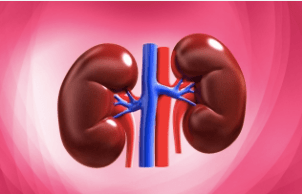
Kidney Regeneration by Human Regenerative Therapy

Animal models are essential for understanding the pathogenetic mechanisms governing the onset and progression of various kidney diseases and for pre-clinically testing novel, more effective, treatments for the patients afflicted with renal impairment. Despite the presence of several non-rodent models, rats and mice remain principal and indispensable species used by investigators in the field of nephrology. Emphasis is placed on several well-established models, such as the ischemic or reperfusion acute renal failure model, remnant kidney model, and unilateral ureteral obstruction model. Undoubtedly, establishment of authentic animal models is of vital importance in delineating the mechanisms of a range of human kidney diseases and in evaluating the feasibility and efficacy of novel therapeutic interventions.

Kidney diseases are fatal and can cause death and its mortality rate is almost 6-8% annually.

Kidney tissue derived from human pluripotent stem cells was generated using organ development mechanism of xenogeneic foetuses, suggesting possibility of generating humanised kidney using animal metanephroi as a scaffold. To apply his concept to humans, the size of the generated animal needs to be increased using larger host animal. Pigs are considered the most suitable f the possible larger animals models, because of their physiological and anatomical similarities to humans. The strategy that underlies humanised kidney generation assumes the transplantation of xenogenic foetal anlagen to adult patients. For this pig metanephroi has to be studied to see the similarities with human nephron so that the differences can be identified so that when the kidney is transplanted into the person the probability of rejection of the graft is already calculated and taken care off. The use of cloned pigs would be beneficial for this type of transplantation study because metanephroi from a cloned pig foetus could be transplanted into a syngeneic adult cloned pig. Thus, engraftment and growth of the graft could be evaluated without being affected by immune rejection. Kidney regeneration using pig metanephroi as a scaffold has potential not only in human medicine but also for companion animals.

The advent of Fashion trends in pandemic life

Photo by Nataliya Vaitkevich on Pexels.com

“Your prolific life flares from the fashion you do, have, and live”. Indeed, fashion is one of the most prominent elements for millennials. The transformation has been one of the processes through which we all humans have gone through since the establishment.

                          Profoundly, pandemic life has changed everything in this course of life, the lifestyle, food we eat, and the clothes we all wear!

 Clothes are evident, and the fashion which we follow affects us posthumously. The fashion of 2021 is back on track with the easy peasy, breezy, comfy life. People are less bothered by societal norms and the trendy life rather than more into their comfort zone.

        Fashion affects human life more as it affects psychologically. As the season occurs, festive emerged, our taste of fashions fluctuates. Humans are uncertain and so their fashion too!

   The advent of fashion portrays us the new normal which we live in, work from home, chilling at home, fam – jam and so on.

Let’s talk about the altering in the fashion world, The mask, a protector weapon in today’s life. though it’s a new rule for all people but rather the rule has converted into a new trend. Women especially have an area of interest in the fashion world and this is how the fashion world aims at women’s society! whether it’s lipstick, shoes, classy dresses, or maybe a cute hat all is on the side of women.

      Women exist, so fashion exists! It’s humor but a reality that we have relied more on masks than other things. Our priorities lie to wear masks. Wearing a mask on any sort of dress makes them trendy. Certain trends of lipsticks have been distorted due to the arrival of the pandemic but it’s vague if we still use lipsticks on masks.

     Still, there is always a way to the dazzling notions in the minds of these crafted minds of the industry. Invisible masks, which are safe yet the best way to make a woman feel more glamourous and enthralling.

It has 2 faces for a matter of any sort of matter. Even fashion has its 2 sides, the pros and cons of masks showcase us how even masks filter up our inabilities to use them. Certain situations like eating, drink made this life more miserable for humans.

       Living with despair and abashed thoughts in the new life of pandemic where hope is the only element present in the world. Fashion made our lives more fruitful to have conventions on ourselves. Today’s fashion is more about having faith in oneself and being confident of what we wear in our life to enjoy our life with our comfort zone. How one can be more indigently glamorous in their way, living aftermath with a bright side with all those flickering optimism and yet not so according to the word.

 Today’s fashion is about you, not about them!

It’s a simple quote, yet a transparent difference one can look into it with their point.

Delhi University: Societies-Importance for students

The Delhi University is well- known for its academics as well as extra- curriculum. It offers a variety of courses in its affiliated and recognised colleges. Students dream of getting admission to DU colleges. Equally are important the societies of DU as much is its academics. They upskill the students and provide a platform to grow and develop. Societies are a good way to improve yourself and prepare for the future. You can take part in any of the societies as per your (career) choice or hobby. It can be a single or multiple based on your capability to manage things but there are some procedures to be selected for a society in DU. Yes, you have to clear either interviews or auditions to be a member. Some are open societies too, i.e. anyone can enter them but you surely have to participate actively and do hard work to make them a success and make your college proud.

What do the DU societies offer to its students ?

  • There are a number of societies in DU which serve the needs of your career along with making you enjoy the membership.
  • It often makes up a small family or a big group of friends where age is no bar; all three year’s students enjoy and party together besides managing the society.
  • It not only builds a community but also introduce you to the corporate world. You get ready for the formal world by participating in the college activities and also get a chance to launch your own ventures.
  • The staff is very supportive in colleges and always ready to assist the newbies. You will never feel alone or bored once you take part in a college society.
  • You will always feel engaged yet enjoy the moments. There won’t be much burden of work but hard work is a necessity in them.

What are the types of societies in DU ?

  • Social service

You will find some student-led societies that work for the welfare of the people especially who are in need. They provide them assistance either by organising food drives or book donation, etc. to help them out. It feels great to have the youth concerning for the nation and putting forward a step to improve the conditions. The students work their best under the guidance of the college staff and sets up a good example for the upcoming ones.

  • Career related

They help the university students get an exposure to the outside world and sharpen their skills. They provide with opportunities to learn and explore. It could be either by assigning responsibilities in the society itself or outside, i.e. through placements in the corporate world. You will learn while doing and would never regret it. Such societies/cells prepare a student for the formal world full of responsibilities and new opportunities to grow.

  • Hobby / Passion

It’s not necessary to always worry for future, instead you should not worry at all since it spoils the joy of the moment. Think about the present and take up a role you would enjoy forever. There are dance societies, fashion societies, creative writing societies and many more which you can choose as per your hobby or passion to pursue. Usually, their selection process is not hard to crack. You will enjoy a lot in the activities of such society if it matches your preference.

Photo by Helena Lopes on Pexels.com

This is too less to say perhaps. The offerings and advantages can’t be listed better than the real experience a person gets. Besides societies, there are cells and units as well, which too, are student-led. The biggest opportunity and advantage is that the societies are run by the students themselves. They manage the operations their own way but in accordance with university rules. The exposure a student gets especially during college fests is hard to express in short lines. You meet the giant community of the university during fest season.

The societies surely have their own classifications and departments bearing responsibilities and hard work based on good knowledge. It seems easy but actually is difficult, to run such organisations at college level. You need to manage time for that and also grow along to keep up with others’.

Psychological Disorders – Part 1

“What health needs is more sunlight, more candor, and more unashamed conversation.”

– Glenn Close

Introduction

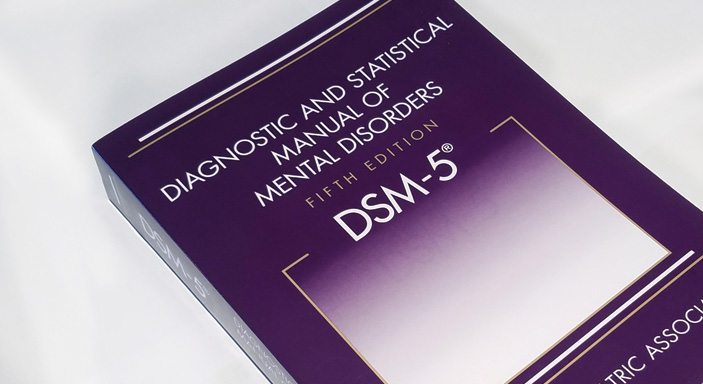
The American Psychiatric Association’s diagnostic manual, the Diagnostic and Statistical Manual of Mental Disorders (DSM-5) defines mental disorder as a syndrome characterized by a clinically significant disturbance in an individual’s cognitive, emotion regulation, or behaviour that reflects a dysfunction in the psychological, biological, or developmental process underlying mental functioning. Mental disorders are usually associated with significant distress in social, occupational, or other important activities. Psychologists focus on behaviour rather than actions. Behaviour that is considered maladaptive and causes significant personal distress and interrupts daily functioning is mostly labelled as a disorder.

What is the DSM?

The DSM is a handbook that is used by health care professionals over the world as a guide to diagnosing mental disorders. It gives a list of descriptions and symptoms related to every recognized mental disorder. The way physicians have a list of symptoms to check for physical health issues to not diagnose things differently from other physicians, the DSM plays the same role for psychologists, it helps in keeping a common diagnosis to not create chaos and confusion.

MAJOR CATEGORIES OF DISORDERS IN DSM-5:

Neurodevelopmental Disorders

These consist of disorders that are usually diagnosed in infancy, childhood, or adolescence like Intellectual Disability, this developmental disorder is originally detected before 18 years of age. This includes limitations in intellectual functioning and adaptive behaviours. This disorder was formerly known as mental retardation. The test to check intellectual ability is the IQ test, if the IQ score is under 70, it points towards intellectual limitations. Limitations in adaptive behaviour can involve a lack of efficiency at everyday things such as self-care, social interaction, and other living skills.

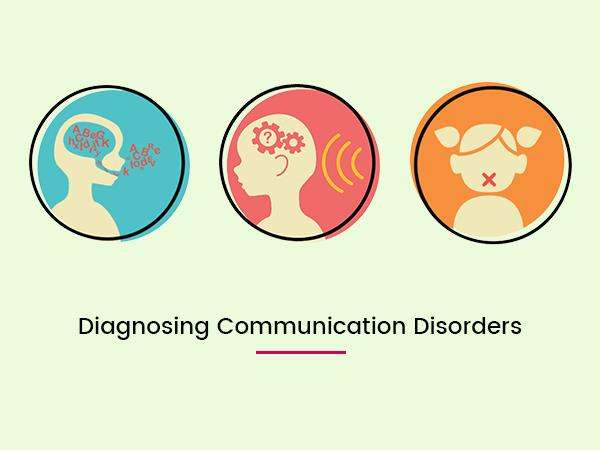
Communication Disorders are related to difficulty in the ability to use, understand, or detect language and speech. The DSM-5 further divides this disorder into four parts – language disorder, speech sound disorder, childhood-onset fluency disorder (stuttering), and social communication disorder.

Autism Spectrum Disorder includes persistent deficits in social interaction and communication. The DSM says that the symptoms for this must be noticed in the early developmental period and these symptoms should interfere in the important parts of life which include social and occupational functioning.

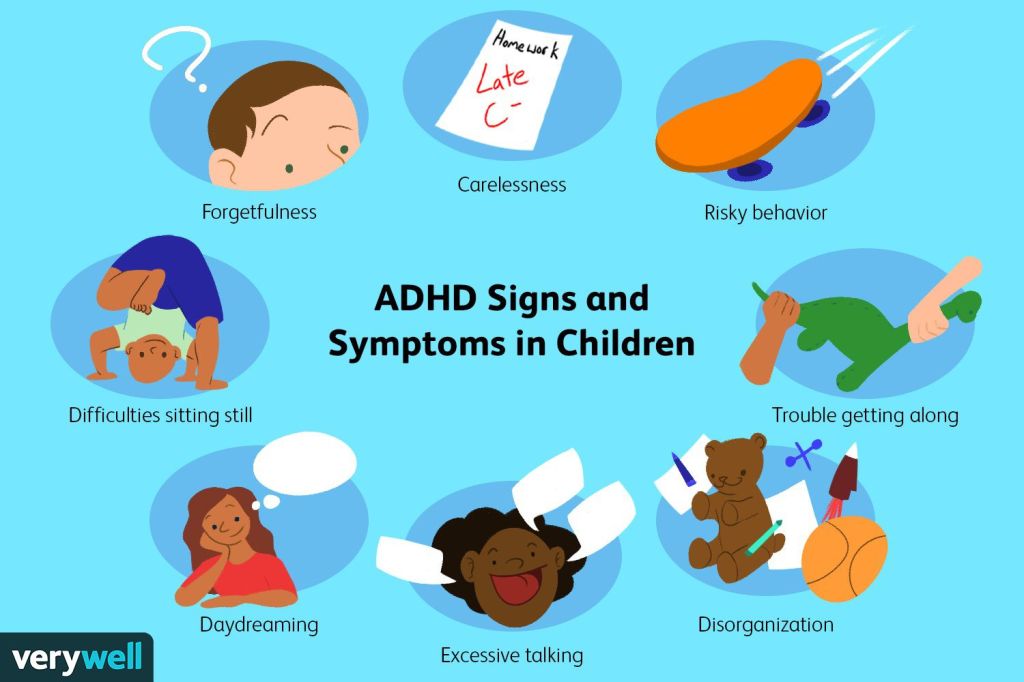
Attention-Deficit Hyperactivity Disorder (ADHD) consists of a persistent pattern of hyperactivity-impulsivity and/or inattention which interferes in the normal working during the day. This can show up at home, school, work, and social situations.

Bipolar Disorders

This disorder consists of a shift in mood from extremely elevated moods to a depressive period. The elevated moods are called mania or hypomania. Mania is the mood when there is a period of elevated, expansive, and irritable mood with increased activity and energy. This period is usually accompanied by excessive confidence. During this period, people tend to engage in activities that can have a negative long-term impact such as buying a mansion without considering the finances.

Depressive Episodes consist of feelings of depression or sad mood with a lack of interest in activities. It also includes feelings of guilt, fatigue, and irritability. People going through this period can experience difficulty in sleeping and also have suicidal thoughts.

Conclusion

It is very important to understand the depression is different from being sad and similarly being very happy is also different from mania. It should be noted that before assuming a disorder and starting medication, you should consult a psychologist and follow the treatment recommended by them. It should also be understood that if a child is showing signs of a neurodevelopmental disorder, you should take them to a doctor or a psychologist and should not brush it off and scold them for it.

References

NOTE: this is just the Part 1 of the Psychological Disorders series.

What is Regenerative Therapy?

Regeneration is the process of renewal, restoration and growth that, makes genomes, cells, organisms. It is basically the process in which an organism regrows its lost parts, so that original function is restored. This ability to regenerate differs in different groups. For example: lizards who lose all or part of their tails can grow new ones, Sharks continually replace lost teeth, spiders can regrow missing legs or parts of legs etc.
It is one benefit or advantage for animals in which they can immediately regrow the parts of body which may be involved in locomotion, reproduction which are one of the most important processes in the life.
On the other hand, Regenerative therapy or regenerative medicine can be defined as the process of replacing or regenerating human cells, tissues, or organs to restore or establish normal function. Regenerative Medicine refers to a group of biomedical approaches to clinical therapies that may involve the use of stem cells. Regenerative therapy may enable scientists to grow tissues and organs in the laboratory or in in-vitro conditions and safely implant them when the body is unable to heal itself. Also rather than a simple scar as a result of injury can regenerate, there are some human organs and tissues that can regenerate. These include liver, fingertips and endometrium. The cartilage cells divides more as we age.

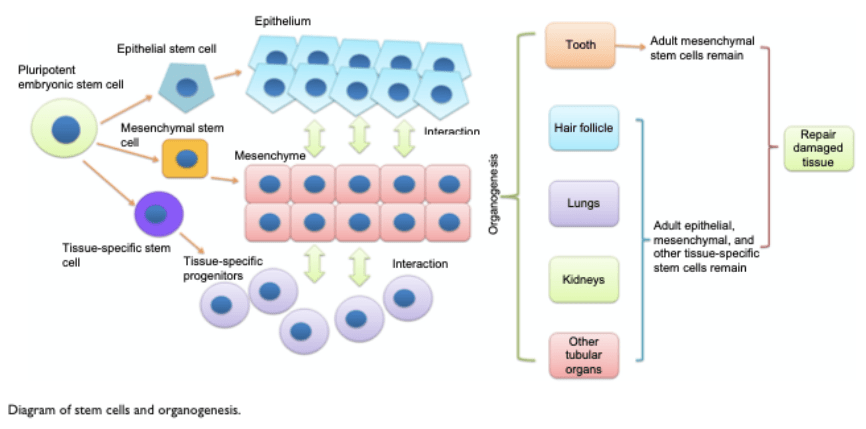
Veterinary medicine have been integral part and has been associated to the development of stem cell therapies. The large experimental animal models have always contributed large to the development of stem cell therapies and refinement of modern hematopoietic stem cell transplantation were noted nearly 5 decades ago. To restore the damaged cells, tissues, organs it is critical to understand the development mental process of specific tissues and them reproduce it. Stem cells play essential roles in organ developmental and tissue repair. Stem cells have always contributed to these experiments and are one of the most used techniques which are used in the field of developmental biology basically in regeneration of different important parts of our body like the bone regeneration or cartilage regeneration and may more. The embryonic stem cells differentiate into multipoint stem cells, including epithelial, mesenchymal, and other tissue- specific stem cells. Stem cells are actually the mesenchymal cell which are pluripotent in nature which means the cells basically are self replicating and are derived from human embryos or human fatal tissue and are known to develop tissues of the three primmer germ layers. Stem cells are present in our body in different types of tissues. A person’s body contains stem cells throughout their life and the body uses them when it needs them. Some parts of body has a regular presence and use stem cells like the bone marrow, dental pulp, adipose tissue, dermis, umbilical cord and the gut, in which the stem cells regularly divide to produce new body tissues for maintenance and repair. Developmental processes are initiated by interaction between these stem cells, resulting in the formation of highly specialised functional tissues and organs. The role of animal models or animal regeneration has a very important role to play in this human regenerative therapy. Right now also the researches on animal regeneration is carried out and works shows some human regenerative therapies can be carried out using them. Researches and advancements in this field which the stem cells and regenerative medicine continue to expand the knowledge of the basic biology and clinical applications of stem cells. Many of the pioneering developments in these fields of stem cells research have been achieved through collaborations of veterinary and human scientists. This review aims to provide an overview of the contribution of the large animal veterinary models in advancing stem cell therapies for both human and clinical veterinary patients may play in the future evolution of stem cell therapies for both human and animal patients will be explored.

Regenerative medicine implies replacement or regeneration of human cells, tissue or organs, to restore or establish normal function. Regenerative medicine or the human regenerative therapy is one of the major advancements in recent years which works on the principles of stem cell technology and tissue engineering in order to replace or regenerate human tissues and organs and restore their functions. This therapy has helped in the field as it can be used in the treatment of acute injuries, chronic diseases and congenital malfunctions. Many advances in regenerative medicine, including the basic and translational researches, have been developed and tested in experimental animals; pigs have played an important role in various aspects of this work. The value of pigs as a model species is being enhanced by the generation of specially enabling more sophisticated research to be performed and thus accelerating the clinical applications of regenerative medicine.

SUCCESSFUL STARTUP – OLA CABS ( YOUTH MOTIVATOR)

 A SUCCESSFUL STARTUP- OLA CABS

Youth Motivators


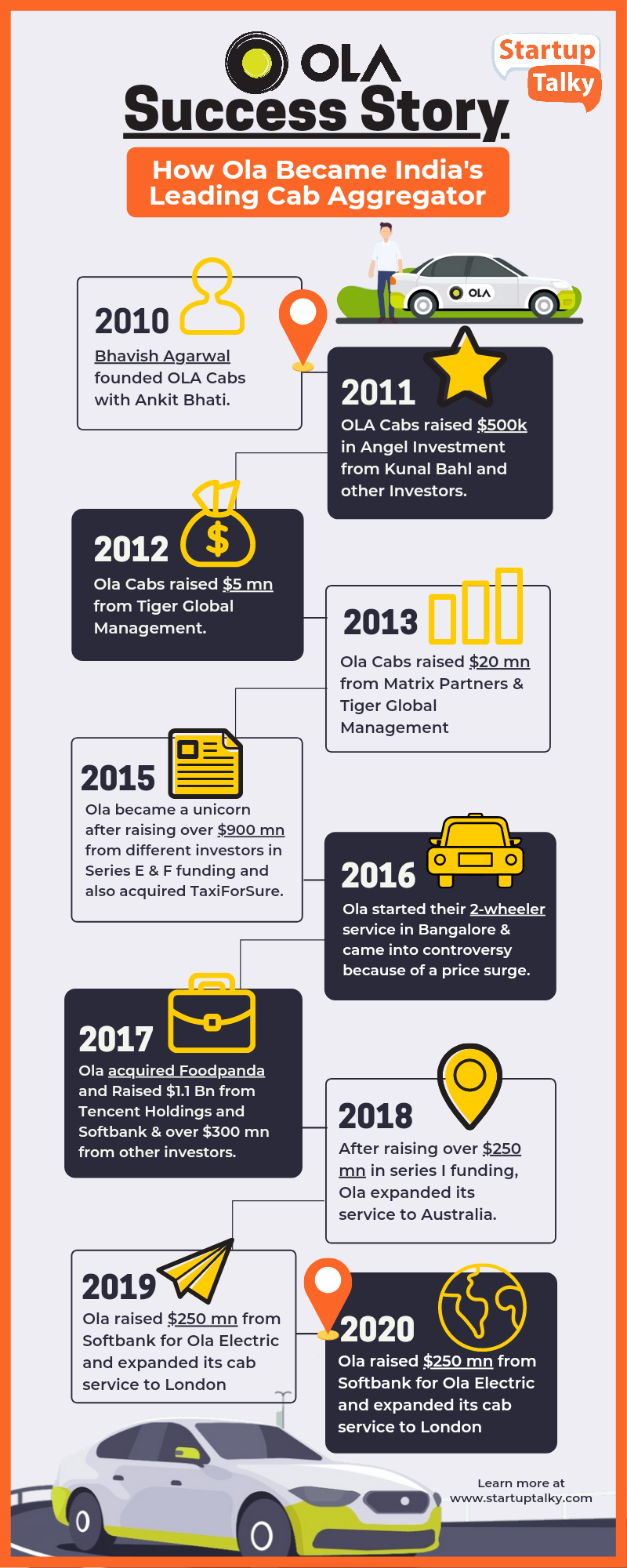
Ola Cabs, more popularly known as Ola, is just like any other plaza online, but more pointedly into furnish best Taxi services. Ola, which commence as an online cab aggregator in Mumbai, now resides in the Silicon Valley of India a.k.a. Bangalore, and is come out as a one of the fastest growing businesses in India, out-beating its competitors Uber & Meru.

Coming back to the man behind Ola; simple yet charming Bhavish, with the success of his prodigy has certainly become the talk of the town. But even after becoming a millionaire, he still prefers to not buy a car and take a cab (to set an example, we presume), certainly doesn’t goes down well with his wife. He believes that, such is a small price that every entrepreneur has to pay.

Anyways, when not crushing his competitors, one can catch Bhavish cycling, playing squash or doing what he loves the most – photography. He also maintains a largely popular photoblog!

OLA – COMPANY HIGHLIGHTS
Headquarter Bangalore
Founders/Owners Bhavish Aggarwal and Ankit Bhati
Sector Transportation
Founded December 2010
Revenue 2,544 crores INR ( US$360 million) 2019
Total Funding $4.3 billion
Valuation over $3.3 billion (March 2021)
Parent Company ANI technologies Pvt. Ltd.

Ola has simplified the process of cab booking. From easy payment options to keeping the passenger entertained on the go with ‘Ola Play’, Ola takes care of everything to ensure a smooth ride. Ola now also operates self-drive cars. Be it self-drive or cab hailing, Ola offers a wide range of cars to choose from depending on the number of travelers, budget, and convenience. For traveling within the city, one can hire shared taxis, autos, bikes, and even e-rickshaws through Ola.


One can opt for ‘Ola outstation’ to travel outside the city and ‘Ola rentals’ to rent a cab on an hourly basis. Ola has also launched ‘Ola select’, a subscription-based membership program that offers premium benefits on rides. ‘Ola pedal’, Ola’s bicycle-sharing service, is already a big hit in the IIT Kanpur and the IIT Madras campuses with over 500 cycles.

In 2016, Ola launched ‘Ola corporate’. When employees book their rides through Ola corporate, the fare is deducted from the company’s Ola corporate prepaid account. Hence, companies can easily track the travel expenses of their employees while ensuring their safety.


Ola also introduced Ola money. The products offered under Ola money are Ola money credit card, Ola money postpaidOla money mobile wallet, and Ola money hospicash. Ola hospicash is a collaboration between Ola and Religare health insurance that allows the policyholders to claim  Rupees.5000 per day in case of hospitalization.

Ola operates with transparency. The commission is given to drivers for every sale made. Ola is known to charge far less than many other cab operators. With the acquisition of FoodPanda in December 2017, Ola also forayed into the cloud kitchen segment.

Ola launched India’s first multimodal electric vehicle project on 26 May 2017. The project brought together industry experts and the Indian government to pioneer electric vehicles for the public and promote shared mobility in Nagpur. Ola is providing 200+ electric vehicles  for booking in Nagpur through its app. Established as a separate entity, Ola Electric Mobility Pvt. Ltd also reached the unicorn status with $250 million investment from SoftBank in July 2019.

Ola Electric raises $100 MN in debt financing from the Bank of Baroda in what is declared as the largest long-term debt financing agreement in the Indian EV industry. These proceeds, as the company mentioned, will go towards the funding and financial closure of the first phase of development of the manufacturing factory of its electric two-wheelers, which is based out of Chennai.

According to OLA’s December 2020 statement, the company had already announced that it would set up Phase 1 of the factory with investments amounting to Rs.2,400 crore.


LIVING WITH PARENTS

Here, if god exists, then Parents are it's another form of course! Parents are a beautiful gift to everyone on this earth, they are the one who bring us into this world, feed us, care for us and develop us.
Since childhood we live with our parents, we do schooling living with them, we learn from them. Aren't we lucky? We have parents who are with us. Many people in this world are either orphans since childhood or sometimes in certain circumstances they are not able live with their parents. Of course, we are lucky.
Normally after spending 17 years with parents under one roof, a time comes when a child becomes an adult, becomes mature, capable and responsible.
Till the age of 17 a child is in need of parents in order to survive, to develop, to gain basic maturity. But at or after 18 he/she doesn't need help of parents, he/she is capable of moving out in the world where he/she can learn, understand and survive on his/her own. This makes him/her a real survivor and an intellectual person. Unless he/she fails, he/she will not learn, cannot grow. This makes a child an adult.
In Indian society neither parents are ready to let go of their children after 18 to live on their own, nor children want to be independent from their parents. Children want freedom of their own, will of their own and decisions of their own, but they want to be economically dependent, don't want to earn money for themselves. Since, parents are feeding their adult child they want to control him/her in every means, they want their child to live according to them, they want to decide when their child will go, where he/she will go, whether he/she can go or not and many more things. Parents name it as the concern, love, affection and worry towards their children but it's hard to make them understand that the time has gone for being concerned, it's time to teach them to be concerned for themselves. So both parent and their children are responsible equally for this system.  
Parents should neither blame themselves if their children fail, nor credit themselves as for the success of their child.  Children too should neither blame nor credit their parents for anything they are achieving and facing. This change is very much in need to be accepted by Indian parents, not because we have to adopt western culture, or it's not that by doing this we are promoting western culture but the reality is here's where development starts, a child becomes capable of decision making for himself/herself.
Children after 18 should distance themselves from their parents, should make their dependency on parents minimum, should study as well as earn their living. This makes them self reliant, allows them to explore themselves, can learn from the challenges and difficulties and the most importantly they gain experiences from life which makes them a better person. All want to be free and live their life according to their own will and that is the real way of living. Nobody should control anyone after a certain age, not even parents.
After 18 somewhere and at some point the thinking, behavior and characters of parents and children do not match. Very rarely, parents in India are able to adjust themselves according to the time and it's demand. Most of the parents impose their mentality and thinking upon their child, because they are feeding him/her. Generation gap after 18 keeps on increasing because a child becomes mature and gains the capability to think and to understand everything, he/she can decide what's wrong and right for him/her.
When a child reaches at the age of 18 and parents at 38-40, neither a child is in need of parents from that point, nor parents are in need of their children. For parents, that's the time where they can live their life without worries.  For children, that's the time where he/she can grow, can settle himself/ herself, and can be a responsible person.
Parents in India should not take the right of children to choose their life partners too. Marriage is a sensitive topic. It should be left to children to find their own partner and marry on their own. Parents should not take the burden of getting their children married. Life can be as easy as one wants. Parents create a dilemma for themselves by taking unnecessary responsibilities of their children even if their kid is able to do that. Therefore it's better not to be a burden on the parents and should do all the stuffs on your own, for self development
When an individual turns 40-50 and their parents turns 75-80 in age, there's where again child and parents should live together under one roof, because after that age, parents need children, also it's the responsibility of children to take care of their parents at old age, spend time with them. 
Living with parents should be according to the need and demand of time and conditions. When both parents and children are not in need of each other they should not be together. This doesn't decrease love and affection towards each other because love is enormous.  Distance increases the value of love.
Then, life becomes beautiful and perfect without harming each other's freedom and thinking.