CASTE SYSTEM IN INDIA IS A GREAT EVIL..

The Caste System is a major evil in Indian society.

Originally, India from its past had this caste system in the society. From the kings reign to till the current society, the caste system is in existence. Caste system, in the king’s era did not give rise to discriminations but the recent society made this a great way of discriminating This caste system, in present India, is misleading the society and its citizens towards bad decisions. It is forcing the people even to the things that should not be attempted.

During the king’s reign, the four-fold caste system was followed. The four castes were namely, Brahmins (teachers, intellectuals/priests), Kshatriyas (Warriors/rulers), Vaishyas (Traders, merchants), Shandra (Laborer’s) and the last category are untouchables (cobblers, street sweepers, larine cleaners etc.). According to Hindu Vedas, it is believed that the Brahmins originated from the head of Brahma, Vaishyas from the thigs of Brahma, Sudras from the feet of Brahma and kshatriyas from the hands of Brahma. That’s why Brahmins were given priority and importance, even treated as Guru.

This system coming to the present society is divided into OC Copen Category), OBC (other Backward classes/castes) SC(scheduled Castes), ST (Scheduled tribes). This present (or) recent division gave rise to discriminations and Conflicts in the society. The people who OC feel that they are great and treat the other classes as interiors. The reservations for the lower classes made the administration particularly in education worse..

If observed, the incidents that took place recently because of caste feeling in the people, made us think whether we are living in a human society, and is humanity. existing questions arise in our minds. If considered, a Situation that took place in Hyderabad A couple loved each other and got married, the girl belongs to upper caste and the boy was from lower caste. The girl’s father was not happy with his daughter’s marriage with a low caste boy .Up to what extent this caste feeling took him is, he brutally killed the poor boy as he belonged to the lower caste and married his daughter. This is where we feel, whether the humanity is existing or not.

The worst thing is, people while electing their representative not all, but most of the people vote for the leader of their caste. This is a really sad thing being in a democratic country .Some political leaders also show partial bias on the people of their caste and wish to always favor them. The most dreadful thing is a party representing a particular Caste in India, it might be a regional party or national party. Even though many rules and laws were made, a kind of feeling in the people exists even to this day..

This caste system creates a lot of disturbances in the Society and gives rise to violence among the people. Like the above incident, continuously the same kind of incidents took place; one after the other, here and there in the Country. The politicians fight and criticize each other by naming their castes which makes the term democracy meaningless.

So, this caste system is the greatest evil that is misleading. people into bad thoughts and decisions. This should be eliminated (or removed (or) put an end to it, in order to establish peace in the country). According to Article 17 in the Indian constitution, the act of untouchability was prohibited. But, here and there in society, it is still in practice. Caste system in India is very rigid, and cannot be removed easily. If people are educated then some changes can be expected. But the bad news is even the educated people follow and believe the caste and act accordingly.

Finally, concluding that the caste system in India is a major evil in the society We cannot expect a model society. It cannot be removed easily from the minds of the people. so, a model society con peaceful society can be attained only through the complete eradication of the caste system.
The World Bank

The World Bank is an international organization dedicated to providing financing, advice, and research to developing nations to help their economic development. It was created in 1944 out of the Bretton Woods Agreement, which was secured under the United Nations after World War II. The Bretton Woods Agreement included several components: a collective international monetary system, the formation of the World Bank, and the creation of the International Monetary Fund (IMF). The World Bank is headquartered in Washington, D.C. with over 10,000 employees globally.

The bank predominantly acts as an organization that attempts to fight poverty by offering developmental assistance to middle and low income countries. They aim to end extreme poverty by decreasing the number of people living on less than $1.90 a day to below 3% of the world population. They also want to increase overall prosperity by increasing income growth in the bottom 40% of every country in the world. The World Bank has expanded to become known as the World Bank Group with five cooperative organizations, sometimes known as the World Banks. These organizations include The International Bank for Reconstruction and Development (IBRD), The International Finance Corporation (IFC), The International Development Association (IDA), The Multilateral Investment Guarantee Agency (MIGA) and The International Centre for Settlement of Investment Disputes (ICSID).

The World Bank has 189 member countries, staff from more than 170 countries, and offices in over 130 locations. The World Bank supplies qualifying governments with low-interest loans, zero-interest credits, and grants, all to support the development of individual economies. Debt borrowings and cash infusions help with global education, healthcare, public administration, infrastructure, and private-sector development. The World Bank also shares information with various entities through policy advice, research and analysis, and technical assistance. It offers advice and training for both the public and private sectors. They also have a Human Capital Project that was started in 2017 which seeks to help nations invest in and develop their human capital to produce a better society and economy. World leaders are urged to prioritize investments in education and healthcare to strengthen the human capital resources of the country. Another project that was started by the World Bank was the Learning for Future Project. It was created to enhance children’s readiness for school and the effectiveness of secondary instruction in Kyrgyzstan communities. The project established 500 community-based kindergarten programs, which allowed for the enrollment of over 20,000 children.

LGBT COMMUNITY

The LGBT community is a loosely defined. Grouping of Lesbian, Gay, Bisexual, Transgender, LGBT Organizations, and subcultures, united by a common culture and social movement. They are generally celebrated pride, diversity, individuality, and sexuality. The term pride or sometimes gay pride expresses the LGBT community’s identity and collective strength; pride parades provide both a prime example of the use and a demonstration of the general meaning of the term. The LGBT community is diverse in political affiliation. Not all people who are lesbian, gay, bisexual, or transgender consider themselves part of the LGBT community.

The group which can be included in LGBT community are gay village, LGBT rights Organizations, LGBT employee groups at companies, LGBT students groups in schools and universities, and LGBT-affirming religious groups.

Symbol:

This LGBT community has some symbol and certain colour. The Greek lambda symbol (“L” for liberation), triangles, ribbons, and gender symbols are also used as “gay acceptance” symbol. There are many types of flags to represent subdivisions in the gay community, but the most commonly recognized one is the rainbow flag. According to Gilbert Baker, creator of the commonly known rainbow flag, each colour represents a value in the community:

pink = sexuality

red = life

orange = healing

yellow = the sun

green = nature

blue = art

indigo = harmony

violet = spirit

Human and Legal Rights:

The LGBT community represented by a social component of the global community that is believed by many, including heterosexual allies, to be underrepresented in the area of civil rights. The current struggle of the gay community has been largely brought about by globalization. In the United States, World War II brought together many closeted rural men from around the nation and exposed them to more progressive attitudes in parts of Europe. In 1947, when the United Kingdom adopted the Universal Declaration of Human Rights (UDHR), LGBT activists clung to its concept of equal, inalienable rights for all people, regardless of their race, gender, or sexual orientation. The declaration does not specifically mention gay rights, but discusses equality and freedom from discrimination. In 1962, Clark Polak joined The Janus Society in Philadelphia, Pennsylvania.

Same-Sex marriage:

In some parts of the world, partnership rights or marriage have been extended to same-sex couples. Opponents of same-sex marriage within the gay community argue that fighting to achieve these benefits by means of extending marriage rights to same-sex couples privatizes benefits (e.g., health care) that should be made available to people regardless of their relationship status. Opposition to the same-sex marriage movement from within the gay community should not be confused with opposition from outside that community.

LGBT multiculturalism:

LGBT multiculturalism is the diversity within the LGBT (lesbian, gay, bisexual, transgender) community as a representation of different sexual Orientation, gender identities—as well as different ethnic, language, religious groups within the LGBT community. At the same time as LGBT and multiculturalism relation, may consider the inclusion of LGBT community into a larger multicultural model, as for example in universities, such multicultural model includes the LGBT community together and equal representation with other large minority groups such as African Americans in the United States.

LUXURY TRAINS OF INDIA

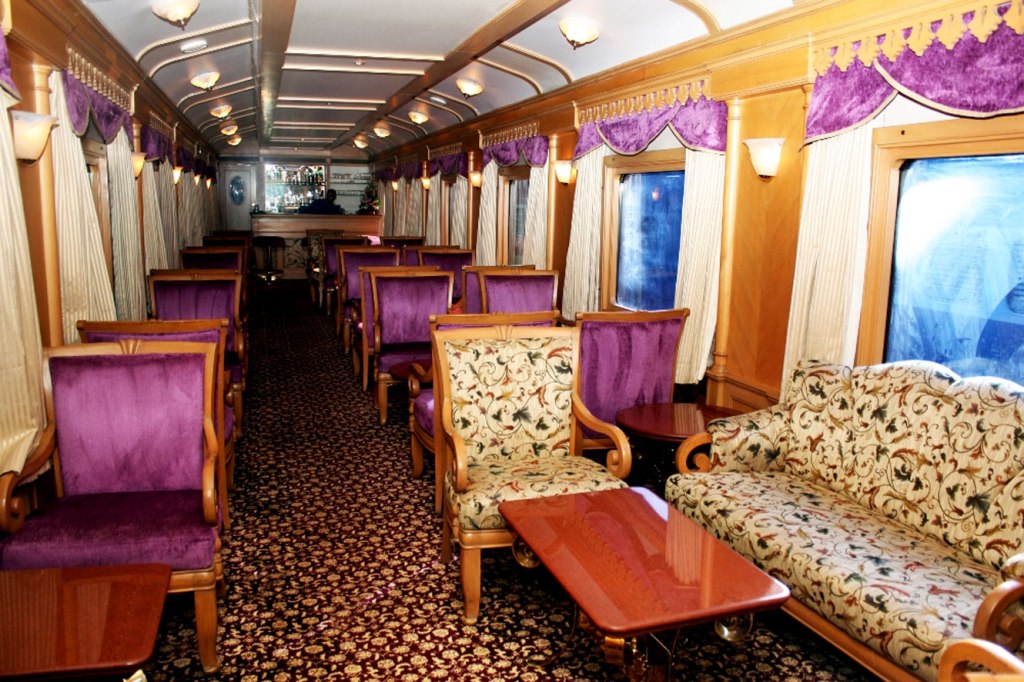
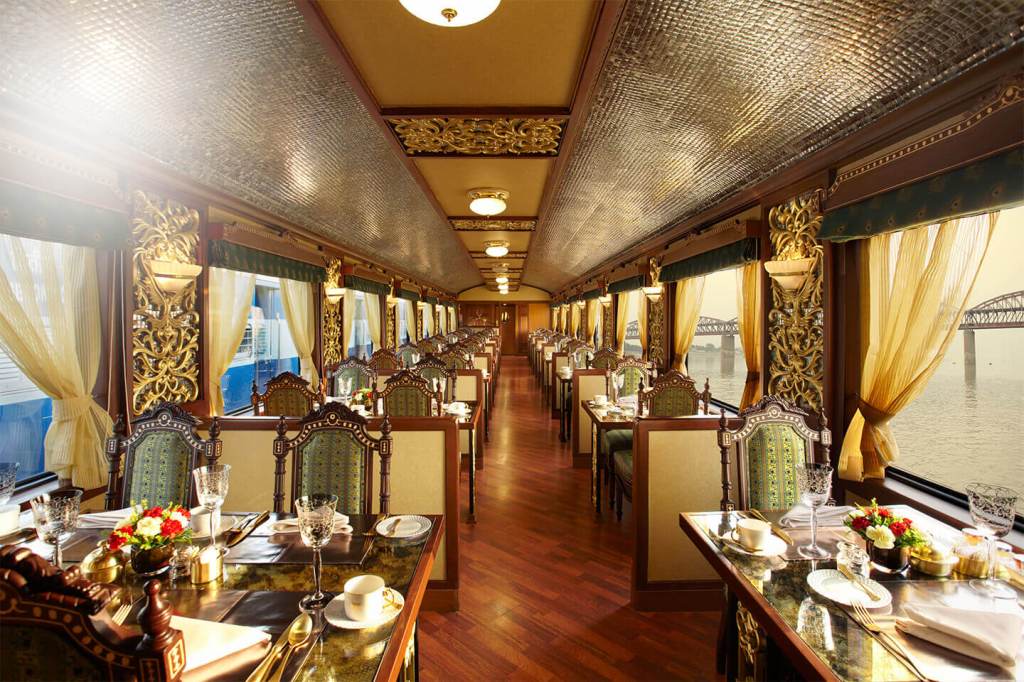
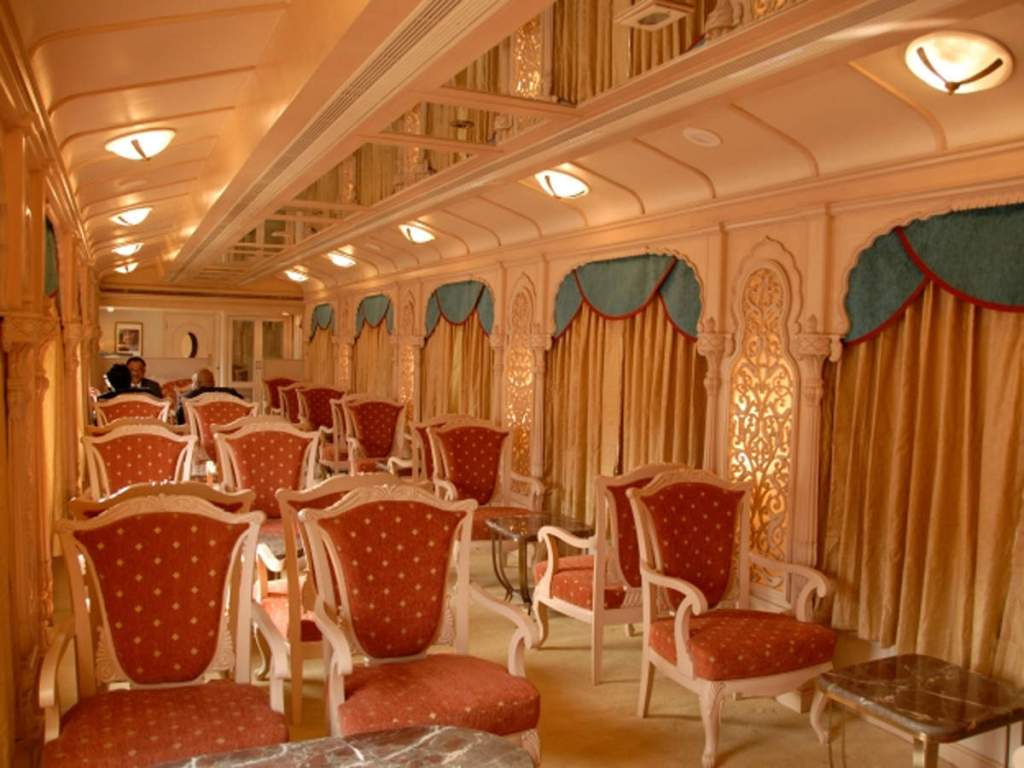
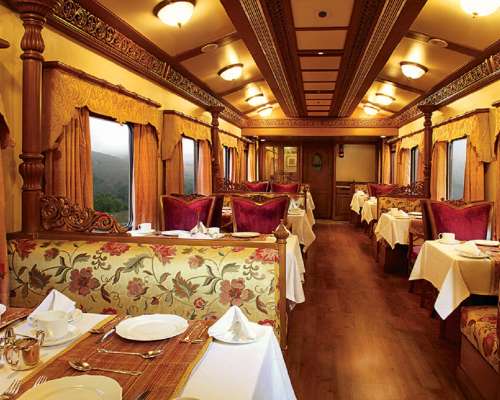
Atithi Devo Bhava” means “Guest is God” and India, with its beautiful & luxurious trains, proves it True. They make India memorable for the visiting tourists by Providing them with the most exquisite & hospitable experience. These trains are the epitome of luxury, offering passengers a glimpse of the country’s rich culture, exotic destinations, and spellbinding sceneries.

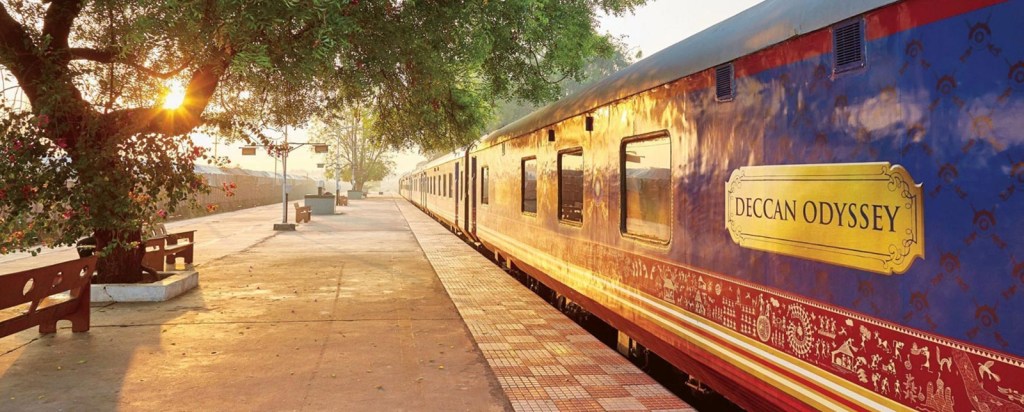
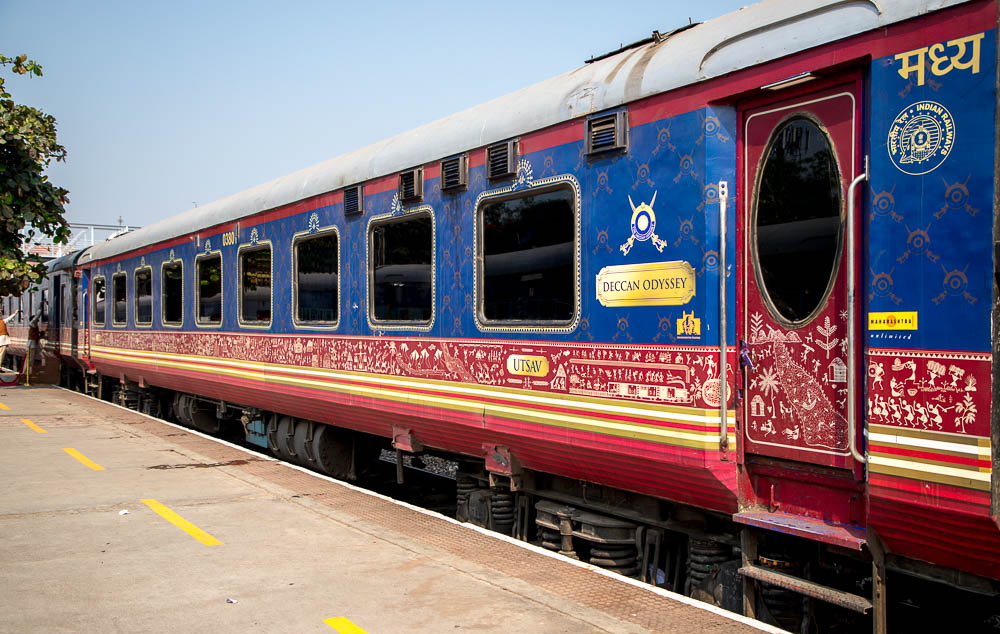
The Deccan Odyssey

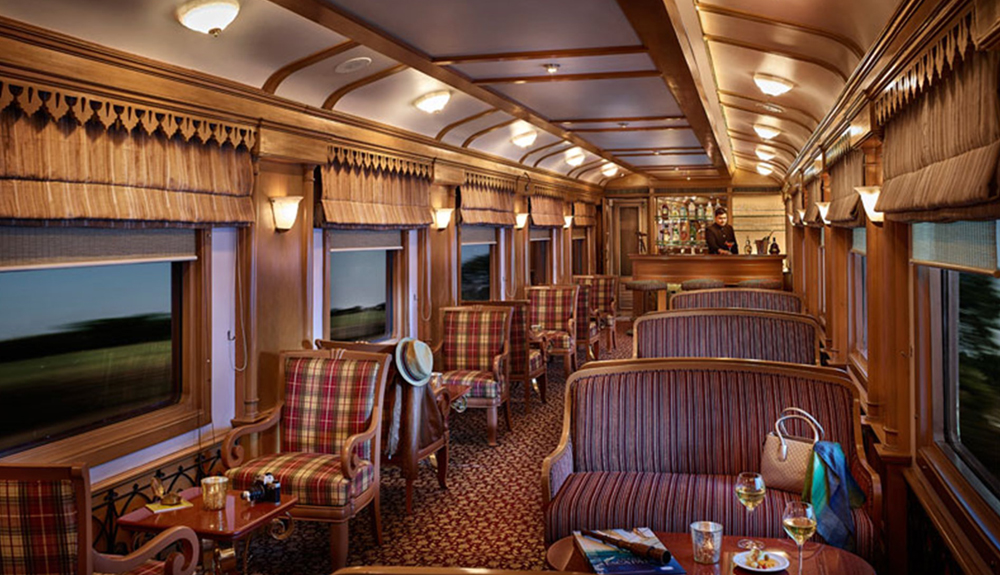
Deccan Odyssey was launched in 2005 to boost tourism in Maharashtra. The Indian Railway and the Maharashtra State Government collaborated on the project. This sumptuous train travels through Maharashtra’s tourism destinations, offering passengers a glance at the state’s culturally rich legacy. The exquisite interiors are reminiscent of a timeless classic, yet with a contemporary twist, creating a wonderful mix for a memorable moment.

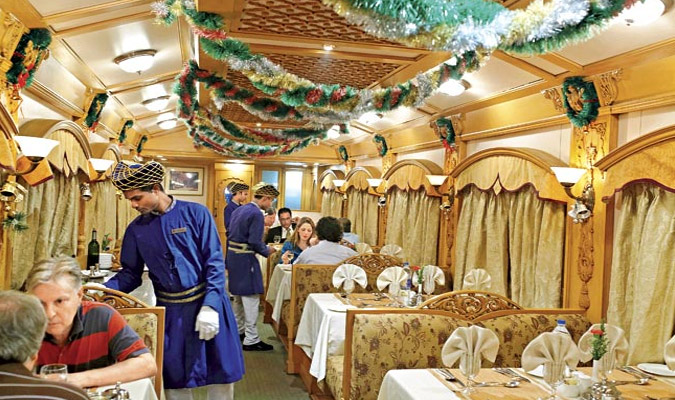
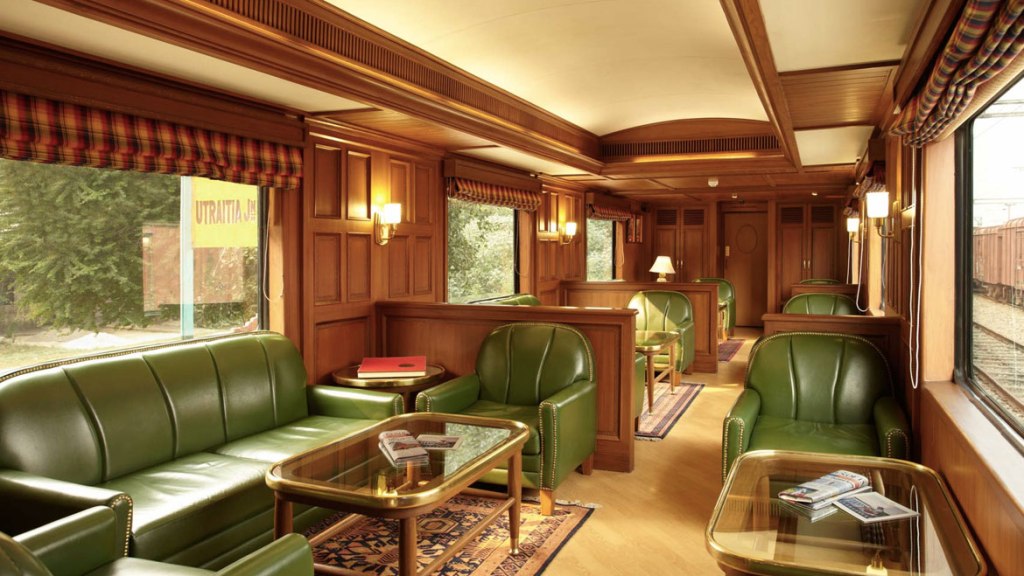
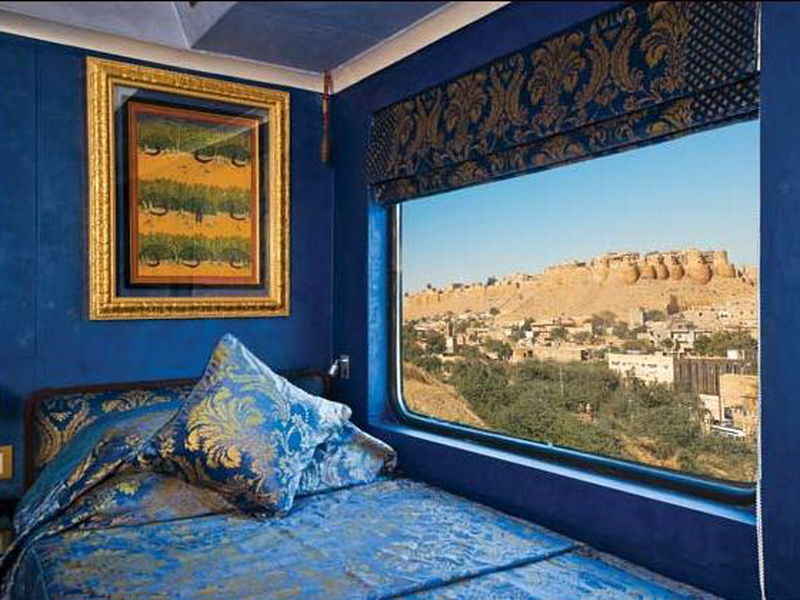
The opulent Deluxe Cabins and Suite Cabins with attached restrooms showcase state-of-the-art amenities and provide passengers with a luxurious voyage. Dining Car, Saloon, Bar Lounge, Mini Gymnasium, Conference Hall, and Ayurvedic Spa are among the other onboard amenities. This regal journey is like a five-star hotel on wheels, with all the luxuries. Twelve passenger cars, one conference car, two dining cars, two generators, luggage cars, two staff cars, one spa car, and one bar car make up the Deccan Odyssey’s 21 coaches.

The train has a crew of over 30 to supervise a pleasant & comfy trip for all the 90 passengers on board. The Deccan Odyssey Train offers six different itineraries for discovering India’s most exotic destinations: Indian Odyssey, Indian Travel, Hidden Treasures of Gujarat, Deccan Jewel, and Maharashtra Wild Trail.

Maharajas’ Express

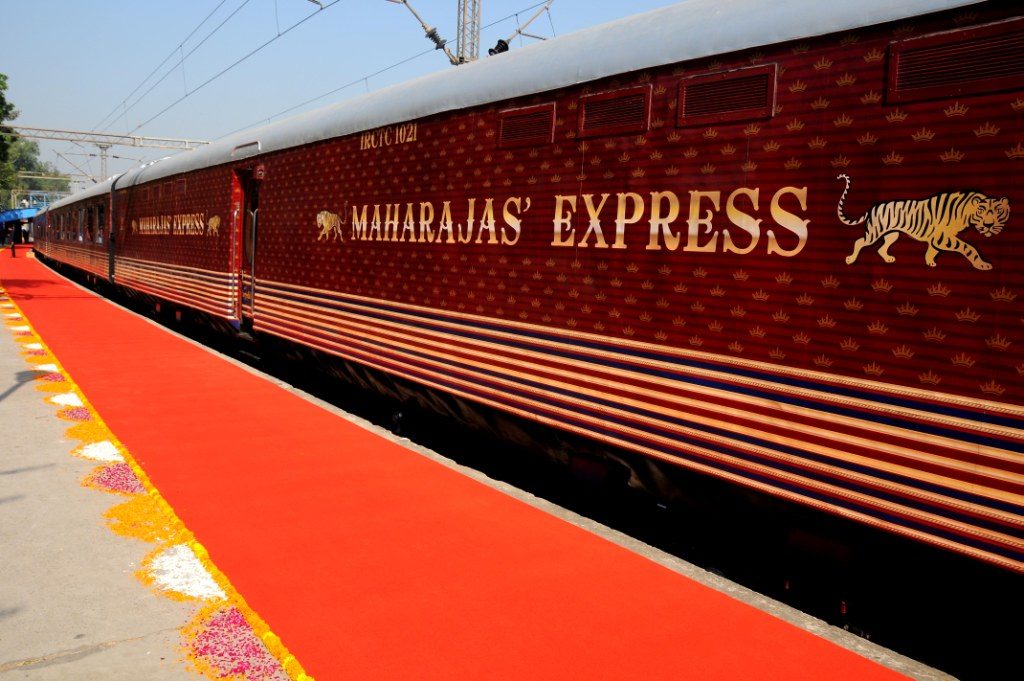
The ‘Maharajas Express‘ train, an ultra-luxury train travel experience, has won the ‘World’s Leading Luxury Train’ award seven years in a row at the annual World Travel Awards. It now ranks higher than other world-class luxury trains like the Royal Scotsman in the United Kingdom, the Orient Express in Europe, and the Blue Train in South Africa.

The Maharajas Express offers four separate routes across North, Central, and Western India, with four different cabin and suites classifications to pick from. Three of the journeys last three nights, while the others last six nights each. All passenger cabins are equipped with individual temperature controls, televisions, DVD players, direct dial telephones, and internet connectivity, to name a few amenities, to make your journey as convenient and pleasant as possible.

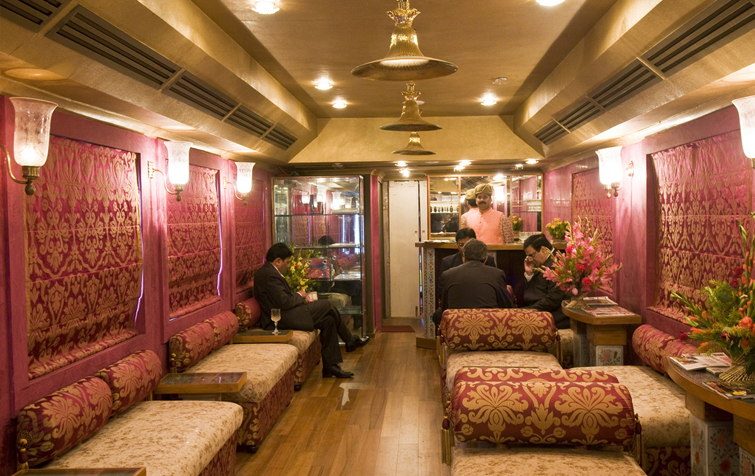
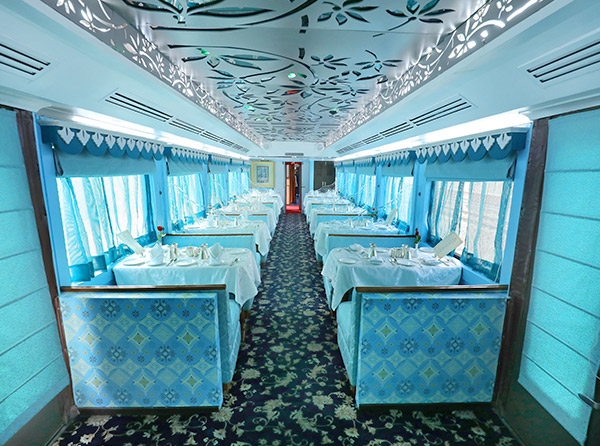
Mayur Mahal and Rang Mahal are two fine dining establishments on the Maharajas’ Express. It has a seating capacity of 42 people, enabling everyone on board to dine together. It also offers an exotic Safari bar with a fine collection of wines, beers, and other refreshments for all passengers. There is also a lounge called ‘Raja Club,’ which includes comfy seats and club armchairs. The Maharajas’ Express also features a high-end boutique with exquisite and one-of-a-kind items.

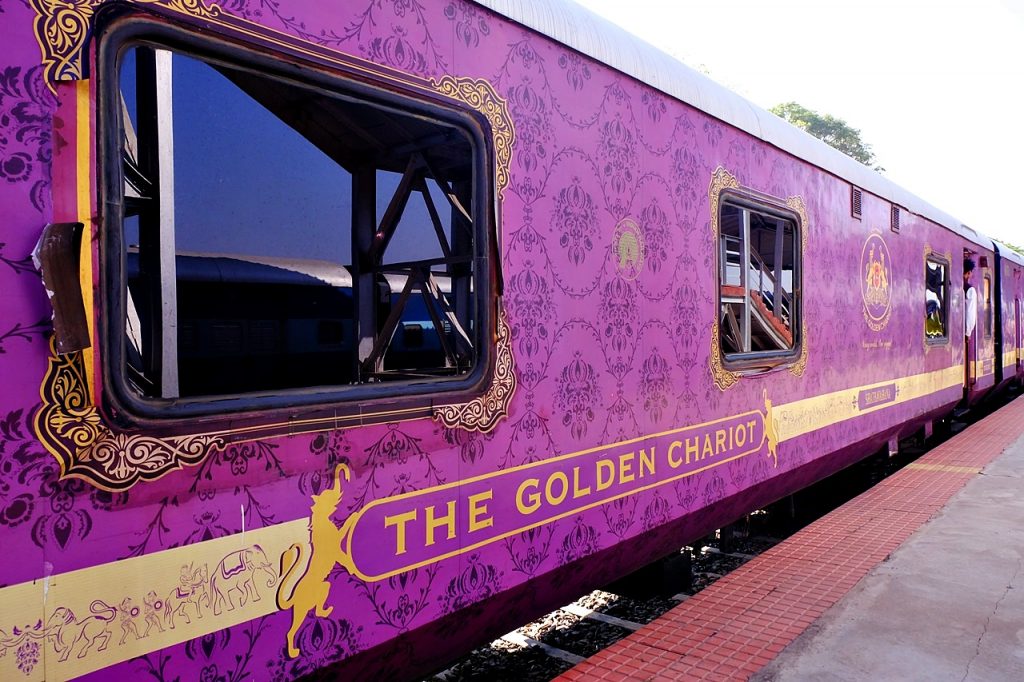
The Golden Chariot

The luxurious Golden Chariot Train travels to Bengaluru, Bandipur, Halebidu, Chikmagalur, Chettinad Kumarakom, Mysore, Hampi, Belur, Badami, Mahabalipuram, Goa, Thanjavur, and Kochi for its passengers. A collaboration between the IRCTC and the KSTDC, The Golden Chariot train aims to exhibit South India’s grandeur in the shortest time feasible. Pride of Karnataka, Jewels of South, and Karnataka’s Glimpses are three of the train’s itineraries, lasting between 4 to 7 days.

Golden Chariot offers perfect travel joy with luxurious interiors and well-appointed cabins designated after Karnataka’s ruling dynasties. The luxury train features an Ayurvedic spa, 2 fine dine restaurants, deluxe wooden suites with private washrooms, a gym, and a conference area. Golden Chariot is sheer grandeur on wheels, inspired by Dravidian art and culture. This 18-coach luxury train includes 44 guest suites that can accommodate approx. 84 people.

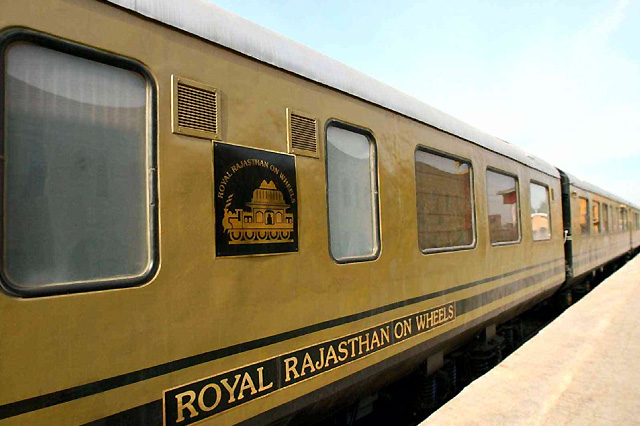
Royal Rajasthan on Wheels

The interiors of Royal Rajasthan on Wheels are magnificent and luxurious. This luxury train has 14 passenger coaches, each named after one of Rajasthan’s majestic palaces. There are 13 deluxe and two super-deluxe saloons. Each saloon is designed elegantly with the highest quality jewels such as ruby, pearl, and sapphire, and offering its visitors a sense of grandeur and imperial lifestyle.

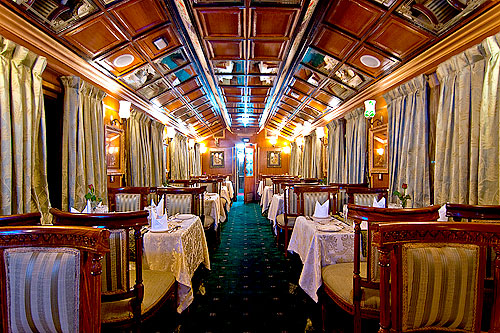
Beautiful silk and velvet bedspreads adorn the coaches, evoking the true beauty and allure of Rajasthan. In addition, each saloon’s vintage furnishings enhance the journey’s elegance and beauty. The coaches are fitted with study tables, chairs, and almost all of the lavish facilities and conveniences, to make the travel extra enjoyable. With its two beautiful restaurants, Swarn Mahal and Sheesh Mahal, a ride on the Royal Rajasthan on Wheels becomes more thrilling and scrumptious. They serve a range of cuisines to their customers, including traditional Rajasthani delicacies, Continental, Chinese, and other international cuisines. While touring on the Royal Rajasthan on Wheels, a spa onboard provides the best leisure and rejuvenation.

Palace on Wheels

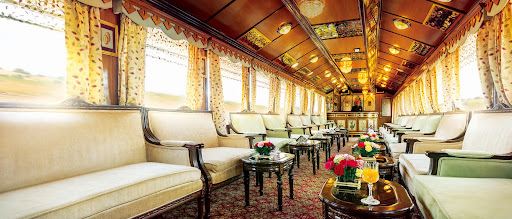
 Palace On Wheels commenced service on January 26, 1982, and has remained a popular mode of travel in Rajasthan ever since. Within a few years, the Palace on Wheels was named one of the world’s top 10 most sumptuous train excursions. The 14 air-conditioned coaches are named after erstwhile Rajput states to reflect the royal past’s beauty and interiors.

Each saloon has a little pantry to ensure the all-time availability of hot and cold beverages, as well as refreshments. Sofas to curl up on, strategically placed lighting to read by, beautifully fitted beds with plush furniture, integrated closets, and enormous window panes to gaze out at the rolling landscape have all been thoughtfully arranged. The train includes two opulent retro bars, “Maharaja” and “Maharani,” both decorated in Rajasthani style and serving mouthwatering Continental, Chinese, Indian, and Rajasthani cuisines. In the eateries, seating is thoughtfully placed near glass windows. The Palace on Wheels also has a well-stocked bar with a wide selection of Indian and international alcoholic beverages.

RUN MACHINE OF INDIAN CRICKET TEAM

Today I’ll be mentioning the hardworking
and determined life of one the greatest player of Indian Team Virat “THE RUN
MACHINE”
Kohli.

Virat Kohli is a right-handed top-order
batsman, the stylish good-looking captain is considered one of the best batsmen
in the world. He was born on 5 November in 1988 into a Punjabi family in Delhi.

According
to Virat’s family, Virat was nearly 3-year old when he used to pick up a bat
and start swinging it as well as asking his father to bowl to him.
Virat
Kohli was raised in Uttam Nagar, Delhi and studied in Vishal Bharti Public
School there. In 1998, The West Delhi Cricket Academy was created and Kohli was
a part of it. He was just 9-year old boy that time, he was coached by Rajkumar
Sharma. His coach told in a interview – “Virat used to practice in a group of
small kids of his age, but he always wanted 
to practice with a group of seniors practicing on the other side there”.

King Kohli is the kohl on the eyes of
Indian cricket. He has been an outstanding batsman and is being rated as the
best in the business in world cricket in present.
He
also used to play matches for Sumit Dogra academy in the Vasundhara enclave
near Noida. Virat was the caption of the Indian under 19 cricket world cup
team.
He also represented Delhi in the Ranji trophy for the
first time in 2006.
His talent and consistency earned him
a place in the Indian cricket team after becoming captain his exceptional
leadership skills brought triumph and glory to our country to date he has
scored more than 20,000 runs in international cricket and 68 centuries?

Kohli
has been the recipient of several prestigious awards such as the Arjuna Award
in 2013 the Padma Shri in 2017 and the Rajiv Gandhi Khel Ratna in 2018.

So, at the age of 9 Kohli enrolled in west
Delhi cricket academy. And his coach identified the spark in the young boy that
is Virat Kohli and he took to professional training quite seriously and thought
of all the different techniques.

Virat also became the greatest Indian
captain in Test cricket with 27 test wins, 12 overseas test wins and highest
winning percentage as captain in both Tests and ODIs. Kohli was ranked eighth
in ESPN’s list of world’s most famous sportspeople in 2016.[6] Virat is the
only current player to have a stand named after him in Delhi Firoz Shah Kotla
stadium to honour his immaculate contributions to Indian cricket.
Virat
Kohli is an inspiration and a role model for the youth today. We have seen his
growing maturity, his consistency, and his leadership abilities.
Virat
Kohli is captain of the Indian National Cricket Team – ODI and Test.

He
is very supportive for young players. He is well known today and appears in
regularly on newspaper and television. Kohli is a very talented and wonderful
player that I like.
 

The 8 Most Weight-Loss-Friendly Foods

PART-2

1.Cottage Cheese

Eating lean dairy products, such as cottage cheese, is one of the best ways to get more protein without significantly increasing your calorie intake.

2.Avocados

Avocados are a good example of a healthy fat source you can include in your diet while trying to lose weight. Just make sure to keep your intake moderate.

3.Apple Cider Vinegar

Adding apple cider vinegar to your vegetable salad may help curb your appetite, potentially leading to greater weight loss.

4.Nuts

Nuts can make a healthy addition to an effective weight loss diet when consumed in moderation.

5.Chili Pepper

Eating spicy foods that contain chili peppers may reduce your appetite temporarily and even increase fat burning. However, tolerance seems to build up in those who eat chili regularly.

6.Fruit

Though fruits contain some sugar, you can easily include them on a weight loss diet. They’re high in fiber, antioxidants and various nutrients that slow the rise of blood sugar after meals.

7.Grapefruit

Studies indicate that grapefruit may suppress appetite and reduce calorie intake when eaten before meals. It’s worth a try if you’re want to lose weight.

8.Coconut Oil

Coconut oil contains medium-chain triglycerides (MCTs) that may increase satiety after meals. MCT oil supplements are even more effective.

Petra

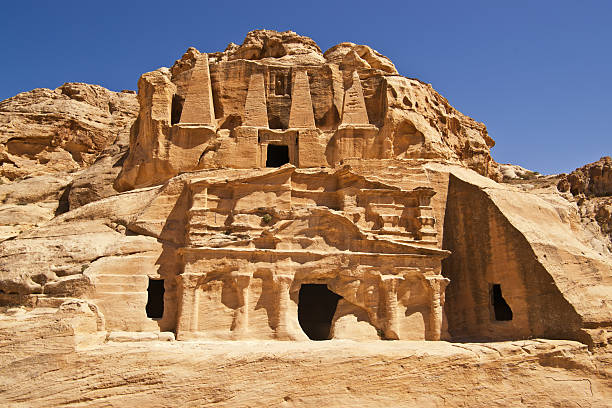
Petra and as the Nabateans used to call it “Raqmu” is one of the most famous cities in Jordan due to its archaeological and architectural history. The city is also known as the Rose City due to its pink rocks formations.

Petra was established in 312 AC, and it became the capital of the Nabateans people, who were referred to in the Bible. They inhabited the region of Petra between the IV AC and II DC. Petra was also a very important commercial center between the Arabic peninsula and Damascus in Syria, and today Petra is the most visited tourist attraction in Jordan.

The Romans conquered Petra in 106 A.C, and they turned the territory into a roman province. During the second and third centuries, Petra continued to grow and in the seventh century, the Romans lost the power of Petra to Islam.

In the 12th century, Petra was once again taken by different leaders and for a while, Petra was hidden until it was found by Swiss explores Johann Ludwig Burckhardt, who was responsible to announce the city into the world with his poem “a rose-red city half as old as time.”

Where is Petra located?

Petra is located in the territory between the Dead Sea and the Gulf of Aqaba, in the mountains of the east side of the Wadi Araba. In the city of Petra, many ancient monuments can be found such as the Roman Theater, the Royal Tombs, and others.

Places to visit in Petra

Bab el Siq

Bab el Siq is the gate of Siq, the main entrance to the city. As you arrive, you will see three square blocks carved into the rock, then you will see the tomb of the 1st century A.D. The bottom is where you can find the Triclinium, a banquet room. On the opposite side of the cliff, you will see a double inscription in Nabataean and Greek.

Al Khazneh (The Treasury)

The entrance to the city of the Nabataeans is made through the Siq, a strait measuring around one km long, flanked by rocks that reach up to 80 meters high. A walk through the Siq is a unique experience. The colors and rock formations you will see are impressive.

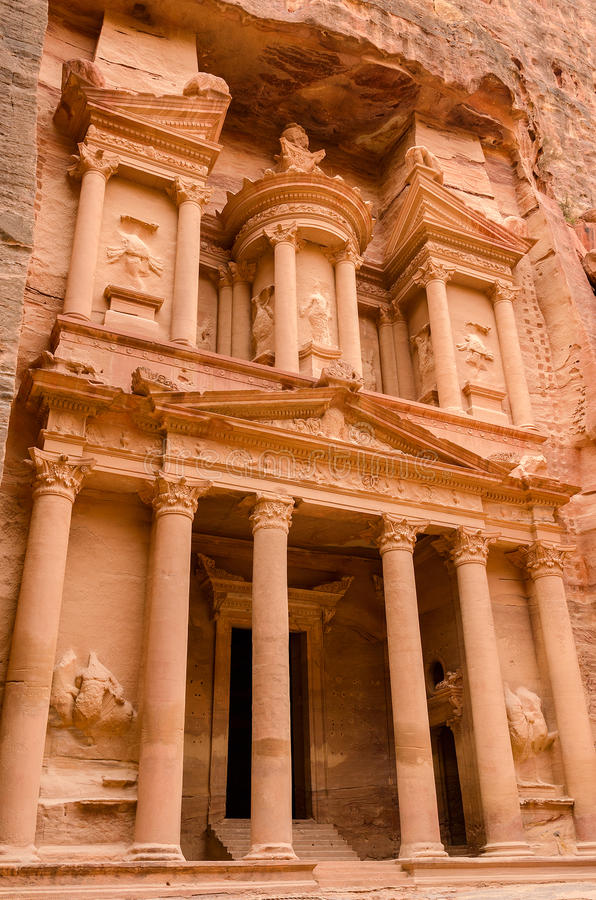
During the walk as you reach the end of the Siq, the great treasure begins to emerge, the postcard Al-Khazneh, one of the ruins of Petra, the most famous among them. The natural beauty and the remarkable architectural features of this place will blow your mind.

The Treasury is one of the wonders you can find in the ruins of Petra. There are several, or rather, hundreds of tombs made in the rock, Roman theater, obelisks, temples, altars for offering sacrifices and colonnaded streets, and, high up in the valley, there is the sumptuous Ad-Deir Monastery.

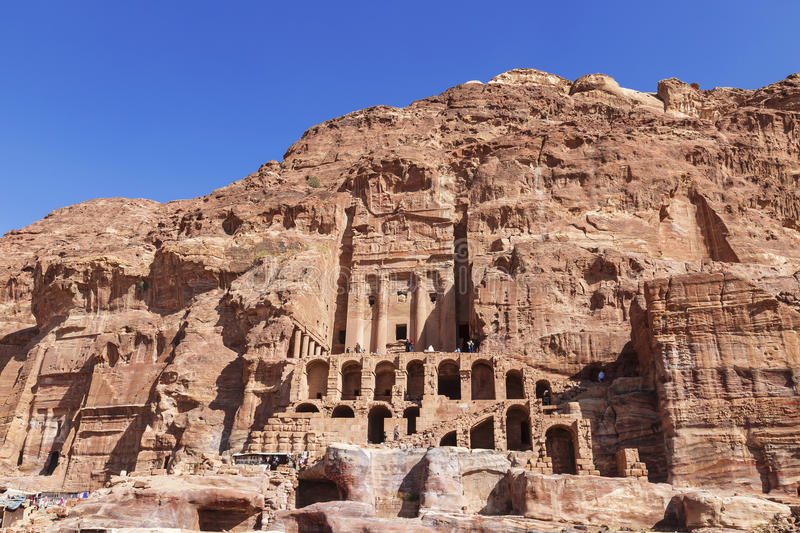
Petra Royal Tombs

Downhill from the Theatre is a larger thoroughfare. Within its west-facing cliffs, there are some of the most impressive burial places in Petra, known collectively as the ‘Royal Tombs’. They look particularly stunning bathed in the golden light of sunset; there are four of them one next to the other. However, they suffered flood damage over the centuries which lead to some of their facades no being as well kept, possibly part of the reason they are not as famous as the Treasury. There are steps that lead up to them and you can actually visit the inside of these tombs.

Petra Today

After the eighth century, when Petra was largely abandoned as a trading center, its stone structures were used for shelter by nomadic shepherds for several centuries.

When Petra was named a UNESCO World Heritage Site in 1985, Petra Bedouin tribespeople who had made homes for themselves within the city’s remaining ruins were forcibly relocated by the Jordanian government.

In the early 2000s, the site was named one of the “Seven New Wonders of the World,” leading to a spike in tourism. Since then, efforts have been made to protect the ruins of Petra from heavy tourism, as well as damage from floods, rain and other environmental factors.

“ALESSANDRO VOLTA” Biography

“Alessandro Volta” was an Italian physicist and inventor of electric battery. He was born in Como, of Milan, on 18 February, 1745. His father’s name was Filippo Volta and mother name was Donna Maddalena. Child he did not display much Intelligence and did not start peking until he was four years old.

He received his early education at the royal seminary in como in 1774 Volta began his career in the field of Physics by teaching the subject at the Royal School of Como. During the year he studied atmospheric electricity and conducted experiments in fields of electrochemistry electromagnetism and electrophysiology in 1775, he pioneered the electroporous, a device that produced a static electric charge. This was a device that would be charged with electricity only bye rubbing and this charge could be transferred to other object between 1776 and 1778 Volta worked in the realm of gases and discovered methane gas in the nature environment which he was able to isolate by the end of this period. In 1880, he invented Volatile the first elected battery. This battery was actually a pile of alternating disc of Copper and zinc, separated by pieces of cardboard soaked in a brine that had tha ability to maintain steady electric current. He also developed the law of capacitance and theorized the law of bimetallic contact. One of the major published works of this ingenious scientist, was “De vi attractive ignis electrici”, on 1769, it was based on his extensive research on attractive force present in the electric fire. He is also regarded as the father of the electric automobile in 1791 he was made a fellow of the Royal Society of London for his groundbreaking work and physics at specially development of electroscope. He married Terasa Peregrini, in 1794, at the age of 48. The couple had three sons in 1794 he was awarded the Copley medal by the Royal Society of London for development of Voltas law of the electrochemical series. In 1801 he was honoured with the title of “Count”, by Napolean Bonaparte after he demonstrated the functionality of his battery to him. He died in Como, Lombardy-Venetia, on 5 March, 1826, at the age of 82.

SAWAN MONTH

Sawan month is considered one of the most sacred months of the year according to the Hindu calendar. It is the fifth month in the Hindu calendar.
But why is this month called Shravan? It is believed that in Poornima or on the full moon or at any time during this month, Sravan Nakshatra or the star controls the sky which is why, this moon gets its name from this nakshatra.
Volunteers providing Patram-pushpam & falam-toyam in Shiva linga Shravan Maas
The month of Shravan is like festivals and good events. It is a very good time to make the most important religious ceremonies, because almost every day in this month is made for shubh arambh, which is a good start. The ruling god of Shravan maas is King Shiva.
This month, every Monday is celebrated as Shravan Somvar in all the temples with Dharanatra hanging over Shiva linga, bathing it with holy water and milk, all day until night. The devotees donated Bael leaves, flowers, holy water and milk, namely Falam-Toyam, Pushpam-Patram to rule Shiva in all Shravan Somwar. They fast until sunset and Nandadeep burns, Akhand Diya.
The Importance of Lord Shiva in the Moon of Shravan (Sawan)
Samudra Manthan is the most important episode according to each Putana. The explosion of the sea, which is Samudra Manthan in search of amrit, occurred during the month of Shravan. During the uproar, 14 different rubies appeared in the ocean. Thirteen rubies were separated between deas and asuras, however, Halahal, the 14th ruby ​​remained untouched because it was the most deadly poison that could destroy the universe and a living creature. King Shiva drank Halahal and kept the poison in his throat. As a result of the toxicity, his throat turned blue and he was called Neelkantha.
Such was the toxic effect of King Shiva wearing the moon on his head and all the loved ones began to offer water to the holy river Ganges to King Shiva to reduce the effects of the poison. Both events took place at Shravan Maas and therefore, it is considered the best way to dedicate the sacred water of the Ganga to Lord Shiva this month.
The importance of wearing Rudraksh in the month of Shravan
Devotees to Lord Shiva consider it good to wear Rudraksha in the month of Shravan. On Monday Lord Shiva was dedicated as his ruling god of the day. However, on Monday the Shravan maas are known as Shravan Somwar and auspicious, and are celebrated with all the antics.

Rituals to follow the month of Shravan (Sawan)


Offering milk to King Shiva During the month of Shravan leads one to receive many punyas.
Wear Rudraksha and use it for japas.
Bhibhuti is considered very important when given to King Shiva. Some of them must also be applied to the forehead.
Offer a panchamrit (a mixture of milk, curd, butter or ghee, honey and jaggery) and Shiva bail bail leaves.
Chant the chalisa shiva and perform the typical aarti of king Shiva.
Shouting the Mahamritunjay mantra is a wonderful thing.
Fast forward to all Shravan Somvars. This is especially important for young women who are looking for the right men

Thunderbolt 5 might provide up to 80 Gbps of bandwidth, according to an Intel leak.

An Intel manager tweeted and then removed an image exposing some details about the Thunderbolt 5 in development, including the fact that Intel is attempting to quadruple the current Thunderbolt bandwidth limitations to 80 Gbps.

Gregory Bryant, the Intel Client Computing Group’s EVP and GM, published a tweet early Sunday that sparked discussion over Thunderbolt’s future as a communications standard. During a visit to Intel’s Israel Research and Development Center, the manager provided four photographs, but one of them was surreptitiously deleted.

Despite the fact that Thunderbolt isn’t mentioned on the poster, Bryan claims in his tweet that the lab tour was about Thunderbolt. The billboard looks to be promoting Thunderbolt 5, given the near closeness of Intel’s Thunderbolt and USB standards, which allows the Thunderbolt 3 specification to be incorporated in the USB 4 standard.

According to the poster, the connection is “designed to complement the existing USB-C ecosystem,” indicating that Intel would continue to use the USB Type-C connection.

On the poster, the use of “new PAM-3 modulation technology” is highlighted in a unique fashion.

When using NRZ coding, the data line transmits one bit at a time using an electrical signal that alternates between two states. Pulse-Amplitude Modulation 4 (PAM-4) is an option that specifies how two bits can be broadcast at the same time, with the number 4 referring to the number of possible bit pairs.

In PAM-3, a data line can be in one of three states: 0, +1, or -1. The system is informed of a three-bit group via a transmission pair, which is roughly 50% more efficient than NRZ.

Thunderbolt 5 should potentially provide consumers much of the same advantages as Thunderbolt 3, including increased power, video, Thunderbolt networking, and fast bandwidth. Thunderbolt 5’s enhanced bandwidth from 40 to 80 Gbit/s enables quicker file transfers and greater data interchange between connected devices with fewer restrictions.

A nation that can’t control its energy sources can’t control its future.

Energy is essential to life and all living organisms. The sun, directly or indirectly, is the source of all the energy available on Earth.

Out energy choices and decisions impact Earth’s natural systems in ways we may not be aware of, so it is essential that we choose our energy sources carefully.

The true cost of energy is more than just dollars and cents; there are important economic, political and social factors and consequences to consider as well.

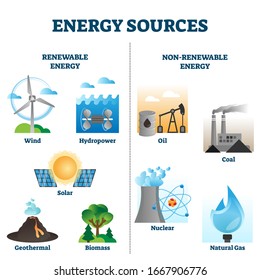
In the united states and many other countries, most energy sources for doing work are nonrenewable energy sources:

• Petroleum

• Hydrocarbon gas liquids

• Natural gas

• Coal

• Nuclear energy

These energy sources are called nonrenewable because their supplies are limited to the amounts that we can mine or extract from the earth.

The major types or sources of renewable energy are:

• Solar energy from the sun

• Geothermal energy from heat inside the earth

• Wind energy

• Biomass from plants

• Hydropower from flowing water

They are called renewable energy sources because they are naturally replenished.

Energy resources: Energy is the capacity to do work and is required for life processes. An energy resource is something that can produce heat, power life, move objects, or produce electricity. Matter that stores energy is called a fuel.

Human energy consumption has grown steadily throughout human history. Early humans had modest energy requirements, mostly food and fuel for fires to cook and keep warm.

In any event, the exploitation of all energy sources with the possible exception of direct solar energy used for heating, ultimately rely on materials on planet earth.

What Is Fast Fashion?

Clothes shopping used to be an occasional event—something that happened a few times a year when the seasons changed or when we outgrew what we had. But about 20 years ago, something changed. Clothes became cheaper, trend cycles sped up, and shopping became a hobby. Enter fast fashion and the global chains that now dominate our high streets and online shopping. But what is fast fashion? And how does it impact people, the planet, and animals?

It was all too good to be true. All these stores selling cool, trendy clothing you could buy with your loose change, wear a handful of times, and then throw away. Suddenly everyone could afford to dress like their favourite celebrity or wear the latest trends fresh from the catwalk.

Then in 2013, the world had a reality check when the Rana Plaza clothing manufacturing complex in Bangladesh collapsed, killing over 1,000 workers. That’s when consumers really started questioning fast fashion and wondering at the true cost of those affordable t-shirts. If you’re reading this article, you might already be aware of fast fashion’s dark side, but it’s worth exploring how the industry got to this point—and how we can help to change it.

What is fast fashion?

Fast fashion can be defined as cheap, trendy clothing that samples ideas from the catwalk or celebrity culture and turns them into garments in high street stores at breakneck speed to meet consumer demand. The idea is to get the newest styles on the market as fast as possible, so shoppers can snap them up while they are still at the height of their popularity and then, sadly, discard them after a few wears. It plays into the idea that outfit repeating is a fashion faux pas and that if you want to stay relevant, you have to sport the latest looks as they happen. It forms a key part of the toxic system of overproduction and consumption that has made fashion one of the world’s largest polluters. Before we can go about changing it, let’s take a look at the history.

How did fast fashion happen?

To understand how fast fashion came to be, we need to rewind a bit. Before the 1800s, fashion was slow. You had to source your own materials like wool or leather, prepare them, weave them, and then make the clothes.The Industrial Revolution introduced new technology—like the sewing machine. Clothes became easier, quicker, and cheaper to make. Dressmaking shops emerged to cater to the middle classes.

Many of these dressmaking shops used teams of garment workers or home workers. Around this time, sweatshops emerged, along with some familiar safety issues. The first significant garment factory disaster was when a fire broke out in New York’s Triangle Shirtwaist Factory in 1911. It claimed the lives of 146 garment workers, many of whom were young female immigrants. By the 1960s and 70s, young people were creating new trends, and clothing became a form of personal expression, but there was still a distinction between high fashion and high street.

In the late 1990s and 2000s, low-cost fashion reached its zenith. Online shopping took off, and fast-fashion retailers like H&M, Zara, and Topshop took over the high street. These brands took the looks and design elements from the top fashion houses and reproduced them quickly and cheaply. With everyone now able to shop for on-trend clothes whenever they wanted, it’s easy to understand how the phenomenon caught on.

How to spot a fast fashion brand

Some key factors are common to fast fashion brands:

  • Thousands of styles, which touch on all the latest trends.
  • Extremely short turnaround time between when a trend or garment is seen on the catwalk or in celebrity media and when it hits the shelves.
  • Offshore manufacturing where labour is the cheapest, with the use of workers on low wages without adequate rights or safety and complex supply chains with poor visibility beyond the first tier.
  • A limited quantity of a particular garment—this is an idea pioneered by Zara. With new stock arriving in store every few days, shoppers know if they don’t buy something they like, they’ll probably miss their chance.
  • Cheap, low quality materials like polyester, causing clothes to degrade after just a few wears and get thrown away.

What’s the impact of fast fashion?

On the planet: Fast fashion’s impact on the planet is immense. The pressure to reduce costs and speed up production time means that environmental corners are more likely to be cut. Fast fashion’s negative impact includes its use of cheap, toxic textile dyes—making the fashion industry the second largest polluter of clean water globally after agriculture. That’s why Greenpeace has been pressuring brands to remove dangerous chemicals from their supply chains through its detoxing fashion campaigns through the years.

Cheap textiles also increase fast fashion’s impact. Polyester is one of the most popular fabrics. It is derived from fossil fuels, contributes to global warming, and can shed microfibers that add to the increasing levels of plastic in our oceans when washed. But even ‘natural fabrics’ can be a problem at the scale fast fashion demands. Conventional cotton requires enormous quantities of water and pesticides in developing countries. This results in drought risks and creates extreme stress on water basins and competition for resources between companies and local communities.

The constant speed and demand mean increased stress on other environmental areas such as land clearing, biodiversity, and soil quality. The processing of leather also impacts the environment, with 300kg of cehmicals added to every 900kg of animal hides tanned. The speed at which garments are produced also means that more and more clothes are disposed of by consumers, creating massive textile waste. In Australia alone, more than 500 million kilos of unwanted clothing ends up in landfill every year.

On workers: As well as the environmental cost of fast fashion, there’s a human cost. Fast fashion impacts garments workers who work in dangerous environments, for low wages, and without fundamental human rights. Further down the supply chain, the farmers may work with toxic chemicals and brutal practices that can have devastating impacts on their physical and mental health, a plight highlighted by the documentary The True Cost.

On animals: Animals are also impacted by fast fashion. In the wild, the toxic dyes and microfibres released in waterways are ingested by land and marine life alike through the food chain to devastating effect. And when animal products such as leather, fur, and even wool are used in fashion directly, animal welfare is put at risk. As an example, numerous scandals reveal that real fur, including cat and dog fur, is often being passed off as a faux fur to unknowing shoppers. The truth is that there is so much real fur being produced under terrible conditions in fur farms that it’s become cheaper to produce and buy than faux fur!

On consumers: Finally, fast fashion can impact consumers themselves, encouraging a ‘throw-away’ culture because of both the built-in obsolescence of the products and the speed at which trends emerge. Fast fashion makes us believe we need to shop more and more to stay on top of trends, creating a constant sense of need and ultimate dissatisfaction. The trend has also been criticized on intellectual property grounds, with some designers alleging that retailers have illegally mass-produced their designs.

What is friendship ?

Friendship This word has many different meanings in our life, what is friendship? It is necessary to have friendship? Are the people of school, college who study together, they are friends?

Friendship is that which can be with anyone, it can be with your grandfather, grandmother or father, mother, brother, sister or even with your friends from college, school. Friendship is that relationship that people maintain even without any relationship. And maybe not. Friendship is that which is in any relationship, then that relationship automatically becomes good. Friendship acts as sweetness in every relationship, in which no matter how angry we get, but the relationship never breaks.

Mr. Krishna has said that friendship has no meaning, this question has meaning that what is the meaning of anarth? Friendship means giving, Your time, your happiness, your feelings And if you do it to ask for something, how is that friendship? And if seen, those who love do not need to get anything, they get it themselves when the time comes. But in today’s time friendship has become of two types, one selfless and the other selfish friendship. But if we see in today’s time or in movies or in our history, then friendship was very important. At that time friendship meant family only. In today’s time, if a person keeps humanity, then that is a big thing.

But even today there is such friendship. Friendship is never done by seeing someone’s caste, religion or whether he is rich or poor, friendship is always from the heart. Friendship is never made by looking big or small, it happens with people of any age. Friendship is between every parent and child, That’s why those people openly tell each other everything about them. Friendship means love without fear and having fun.

Friendship is not only between humans, there is also friendship between humans and animals.

And if said, the friendship of animals more than humans is selfless which is without any meaning. They can’t even speak, they just love, they are the companions of our loneliness, so are the partners of happiness. Animals also love us like us, but they love us more than us, in front of their love, the love of us humans is also less. They are happy with our arrival and they express that happiness by loving us fun, they cannot even speak but they are more than honest people. In today’s time everyone has some pet animal in their house which is a member of their family. To be fair, this is friendship. Friendship supports even in sorrow and even in happiness, friendship is very beautiful, they are very lucky. Those who are destined to have friends who stand by them all the time. And friendship means family, friendship should be such that it becomes family and friendship cannot be more than family. Where we get love without any meaning even after our mistake. So friendship means family. The friendship that is made from the heart, that is friendship without any selfishness.

 it is true that in today's time we are all very busy. But believe that those who love us only want time from us that we should spend some time with our loved ones. So do take some time out for your friends and family members. And wherever you are, may you all be happy and healthy.

Differences between agency and distribution agreement

When a supplier/manufacturer wishes to distribute products, he examines whether he needs to select an agent or a distributor to do so, as this is an essential choice, and forms an agreement accordingly. There are several factors that must be considered while making such a decision. As a result, it is necessary to understand the distinctions between an agency agreement and a distribution agreement.

Now we need to know who is an agent. An agent is defined in section 182 of the Indian Contract Act, 1872. He is a middle man or a mediating person who is involved in making a contract between the primary supplier and the primary client. There are two types of agents where goods are sold i.e. the sales agent who does the sales work and a marketing agent who does the marketing of goods. The sales agent has the authority to enter the agreement on behalf of the supplier and the prescribed agreement is binding to the supplier as well. Unlike the sales agent, the marketing agent doesn’t have the authority to bind the supplier but he can market and endorse the supplier’s goods and articles to potential clients. Now when there is a demand or wish in the market by the client to make a purchase of goods the supplier completes the contract. 

The next step is to determine who is a distributor. In this case, the distributor gets the products from the supplier/manufacturer and then resells them in the market in a specific location where there is demand, on his own description, with complete control over the pricing and profit. Let us continue reading to learn more about the distinctions between an agency agreement and a distribution agreement.

Agency agreement

The agency agreement is a legal document in which the supplier/manufacturer and the agent enter into a contract with certain particular acceptable terms and conditions, and the agent, on behalf of the supplier, mediates between the primary supplier and the client for the sale of products to the market. It establishes a fiduciary connection between the agent and the manufacturer, as well as an indirect link between the manufacturer and the customer.

In this contract, the self-regulating body assumes all the risks in the work and makes all the choices on behalf of the first-party as stipulated in the contract. This contract is defined and controlled by the Agency Agreement Legislation, and it also has the rights of agents specified in the Contract law under sections 217, 219, 225, 222, and 223 and in the Sales of Goods Act, 1930. Agency arrangements might be exclusive, non-exclusive, or sole.

Advantages:

  • To begin, the supplier can reclaim control of the conditions of sale of the goods, namely the price and marketing tactics.
  • Can also establish direct contact with needy consumers on their own, eliminating the necessity for a middleman in sales and reducing competition.
  • In comparison to the margins earned by distributors, the agent generally receives a lesser commission.

Disadvantages:

  • The Commercial Agents (Council Directive) Regulations 1993(the “Commercial Agents Regulations”) shall apply and impart certain legal necessities benefiting the agents wherein the parties cannot exclude the agents. 
  • During the contract, the agent will be entitled to commission and under certain situations, after its termination too as per the Commercial Agents Regulations. 
  • The supplier regains all of the monetary possibilities of those goods which are not sold. 
  • Tax-related issues can arise wherein sometimes a supplier can be held as a dealing person in a place where an agent is based so tax liabilities can lead to him. 
  • An agent would be working for several manufacturers/suppliers so he carries several goods from them. So if some goods of any supplier are not selling well, the agent focuses more on the saleable goods of other suppliers. 

Distribution agreement

This agreement is a legal contract in which the supplier/manufacturer authorises distributors to distribute products for resale in a certain location. A combined partnership of two firms is necessary in such a deal to distribute the goods. It is accomplished through the authorization or commercial practises of the provider. The distributor is the sole authorised party to engage in such operations and is permitted to profit by putting the cost on the goods. As there is no legal regulation, no unified jurisprudence on analogicality of both civil and commercial law applies to the distribution agreement.

There are several types of distribution agreements, such as exclusive rights, sole rights, non-exclusive, selective distributorship agreements, and so on. Exclusive rights agreements forbid the supplier from seeking sales in his region and appointing any other distributors in the same area. Sole rights permit the supplier to seek sales but do not permit the appointment of any other distributor in the same region. Non-exclusive rights are those in which the provider may designate as many distributors as he wishes and pursue direct sales in the same geographic region. Selective distributorship agreements are ones in which the provider appoints distributors based on his own needs.

Advantages:

  • The majority of the supplier’s risk is transferred to the connected items in this case.
  • The distributor is encouraged to sell the majority of the items acquired from the supplier, taking the risk of not generating sales, and the distributor will be held accountable for any difficulties that arise.
  • The supplier will simply be required to validate and check accounts with the distributor.
  • According to the current law, the provider is not obligated to pay any compensation or indemnity upon termination of the agreement.

Disadvantages:

  • Under this case, unlike in an agent arrangement, the supplier has no influence over the distributor’s operations.
  • All risk associated with the location where the distributor is appointed is transferred to the distributor with the credit risk rather than to each client/customer.
  • In this arrangement, the distributor is constantly at danger of violating competition legislation, which jeopardises the agency’s connections.

Differences between agency and distribution agreement

To distinguish the agency agreement from the distribution agreement, both are completely distinct. To begin, an agent is hired to assist the supplier/manufacturer in negotiating and concluding contracts on his behalf, but the distributor is appointed exclusively to resale the supplier’s goods on its own terms. Second, an agent is a paid person who is given a percentage commission by the supplier and distributor to buy and own the products from the supplier, sell them in the market, bear the risk on his own, and add a profit margin to cover its expenses and profit from it.

Third, the agent does not own the products, but the distributor does and also bears the risk of commodities that do not sell in the market for any reason. Fourth, an agent interacts with the client on behalf of the supplier/manufacturer, whereas the distributor interacts with the consumer directly, and the supplier has no idea to whom his goods/products were sold.

When it is necessary to extend the firm into a new market or location, distributorships are utilised as a low-risk method. He accepts legal responsibility for his own conduct or omissions in connection with the sale of products. The distributor assumes a higher amount of risk than the agent in the course of his operation. Because the consumer knows the distributor, if there is a problem with the product/goods, he can sue the distributor rather than the provider.

On the other hand, the agent is a self-employed mediator who negotiates with the customer for the sale of the goods and concludes the deal on behalf of the supplier/manufacturer. He has no ownership of the goods so no risk for any legal issues it remains with the supplier itself. 

Conclusion

We learned about the numerous distinctions between the agency and distribution agreements in the preceding session. Both operate for very distinct purposes and employ entirely different methodologies. Prior to commencing the partnership, it is critical to consider and investigate formalising these commitments in writing. Failure to do so may result in uncertainty, and the connection may result in litigation rather than commercial progress. So, before entering into any commercial contracts, it is essential to evaluate the significance and differences of such agreements.

The Indian courts have made a clear distinction between non-competent covenants after the terms of the agreement and beyond the duration of the agreement. To assess enforceability, the courts consider whether the covenant is or is not a trade limitation. To improve customer service and efficiently manage product sales and price, relevant limitations must be imposed in accordance with contract law and competition law.

Digital Marketing and Its Types

Marketing their products and services is a very important thing for any business and company. Through media outlets such as television, newspapers, and FM radio, some companies market their products directly to homes and attract customers. But despite such marketing methods in this technological world, a method called digital marketing is becoming very popular.

What is this digital marketing? How many types are there? we will find out in this article.

What is Digital Marketing?

Digital marketing is the process by which a company or business makes their products available to the public through the Internet, marketing them, and attracting customers to sell their products. 

In the 21st century, people have been using the Internet more and more actively, especially for a few years. Knowing this, every company knows the needs of the people and adopts the strategy of marketing their products and services through the internet.

You do not need to have vast coding or programming knowledge to enter this digital marketing field. A certain amount of coding knowledge is sufficient. Not only that but an important requirement is to have the ability to understand what customers expect and what their need.

Types of Digital Marketing

1. SEO


SEO is Search Engine Optimization. A business or company will have created a website for them. That website should rank top in search engines like Google. This means that if you search for the name of the company or their products on Google, their website should come in the top rank. To do this, they use keywords or tags when creating the company’s website, and use some coding techniques to bring the website to the top. Not only that but only if the keywords are updated frequently will the company be able to rank in the top rank in the search engine.

2. SMM

SMM is Social Media Marketing. Any company would have created an account for them on social media. I.e. media like Instagram, Facebook, Twitter. They will often update on social media like this about their products. This will increase the chances of attracting customers and selling the product easily.

3. Email Marketing

Every company, they will advertise their products to their customers via email. Each company will advertise their products to their customers via email. For example, if we enter into a website it will ask you to sign up or login. If we put our email ID in and sign up, they will know our email ID. Through this they often advertise their products and services to us via email. 

4. Content Marketing

A company will create blogs and videos about their products and services on their website. When customers see all of this, there is an attraction to their products. So the chances of that company making progress are high.

5. SEM

SEM is Search Engine Marketing. SEM can be said to be the paid version of SEO. A company will pay for their website and make it rank top in the search engine. The company will publish their website on Google AdSense. When customers search for a keyword related to that company on Google it will come up in the top of the search engine.

6. Pay Per Click Ads

It’s something everyone knows. When we enter in to certain websites, apps, we are shown some ads there. Those advertisers will publish their ads on Google AdSense. Related ads will be displayed according to the needs of the customers. Advertisers will pay Google AdSense based on how many customers click on the ads.

7. Affiliate Marketing or Influencer Marketing

A company will select people who have a lot of followers on social media and tell them about their products and services. Tell to people about their products. If someone buys the company’s products through that influencer, the company will pay a certain amount of commission to that influencer. We’ve all seen some of the biggest actors talking about certain products on their social media.