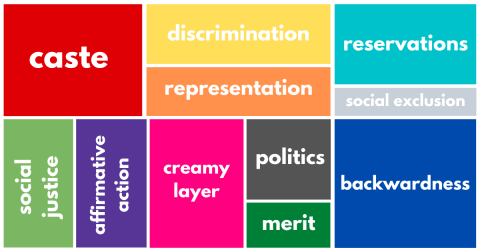
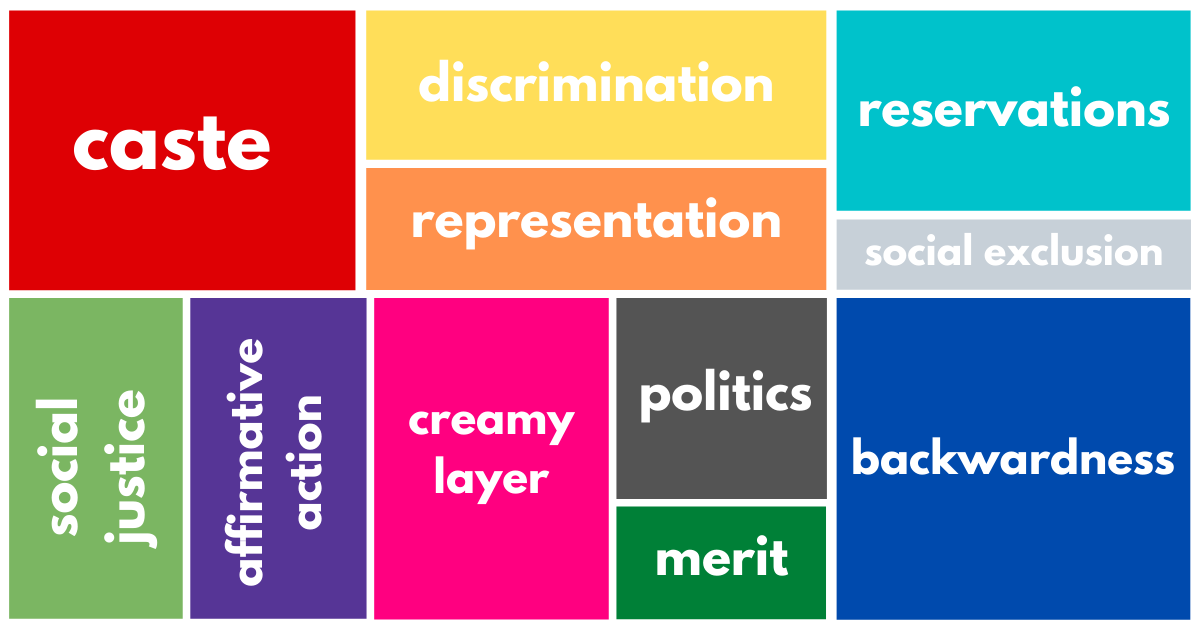
Hello everybody, In order to end caste discrimination from the country, the government introduced the policy of caste reservation after independence. And this has been quite a controversial issue. People debate on this issue a lot but very few have sought answers as to whether caste reservations have actually been effective in changing and improving the lives of SCs and STs and in decreasing caste discrimination. Specifically, we will look at the impact of reservation in three different areas; public education institutes, government jobs and political representation. Outputs vs Outcomes Before talking about the impact of caste reservation, I would like to explain this basic difference to you. What is the difference between output and outcome? It is important for you to understand this so that you can understand the content of this video going forward. These two words sound similar but there is a big difference between the two.
Day: August 4, 2021
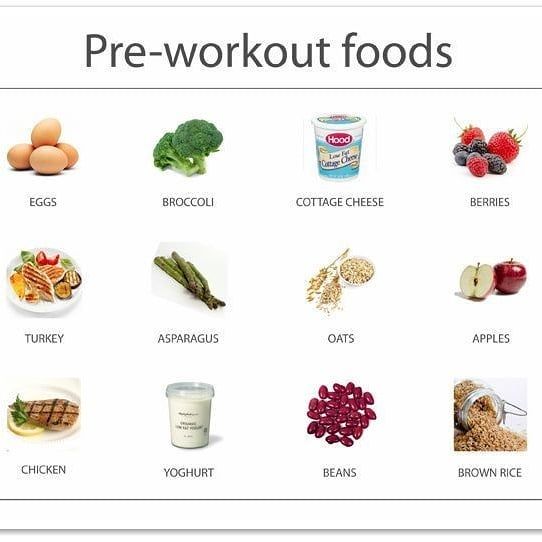
Pre workout meals
Good nutrition can help your body perform better and recover faster after each workout.

Optimal nutrient intake prior to exercise will not only help you maximize your performance but also minimize muscle damage. Fueling your body with the right nutrients prior to exercise will give you the energy and strength you need to perform better.Each macronutrient has a specific role before a workout. However, the ratio in which you need to consume them varies by the individual and type of exercise
Below is a brief look at the role of each macronutrient.
Carbs
Your muscles use the glucose from carbs for fuel.
Glycogen is the way the body processes and stores glucose, mainly in the liver and muscles.
For short- and high-intensity exercise, your glycogen stores are your muscles’ main source of energy (3Trusted Source).
But for longer exercises, the degree to which carbs are used depends on several factors. These include the intensity, type of training and your overall diet (3Trusted Source).
Your muscles’ glycogen stores are limited. As these stores become depleted, your output and intensity diminish (4Trusted Source, 5Trusted Source, 6).
Studies have consistently shown that carbs can increase glycogen stores and utilization while boosting carb oxidation during exercise (6, 7Trusted Source, 8Trusted Source).
Carb loading, which involves consuming a high-carb diet for 1–7 days, is a well-known method to maximize glycogen stores (7Trusted Source, 8Trusted Source).
Protein
Many studies have documented the potential of pre-workout protein consumption to improve athletic performance.
Eating protein (alone or with carbs) prior to exercise has been shown to increase muscle protein synthesis (9Trusted Source, 10Trusted Source, 11Trusted Source).
One study showed a positive anabolic response after participants consumed 20 grams of whey protein before exercise (9Trusted Source).
Other benefits of eating protein before exercise include:
- A better anabolic response, or muscle growth (11Trusted Source, 12Trusted Source)
- Improved muscle recovery (12Trusted Source)
- Increased strength and lean body mass (13Trusted Source)
- Increased muscle performance (11Trusted Source, 12Trusted Source, 13Trusted Source)
Fat
While glycogen is used for short- and high-intensity bouts of exercise, fat is the source of fuel for longer and moderate-to-low-intensity exercise (14Trusted Source).
Some studies have investigated the effects of fat intake on athletic performance. However, these studies looked at high-fat diets over a long period, rather than prior to exercise (15Trusted Source, 16Trusted Source).
For example, one study showed how a four-week diet consisting of 40% fat increased endurance running times in healthy, trained runners (15Trusted Source).
TIMING
To maximize the results of your training, try to eat a complete meal containing carbs, protein and fat 2–3 hours before you exercise.However, in some cases, you may not be able to get in a full meal 2–3 hours before working out.In that case, then you can still eat a decent pre-workout meal. However, keep in mind that the sooner you eat before your workout, the smaller and simpler the meal should be.If you eat 45–60 minutes prior to your workout, choose foods that are simple to digest and contain mainly carbs and some protein.This will help prevent any stomach discomfort during exercis
How to Handle Criticism, Hate & Disrespect
Hello everybody , people did you ever notice that we all are told since childhood that the habit of embracing criticism is the stepping stone to success. But, nobody ever tells us how exactly do you embrace criticism ? If you look at the greatest leaders of all time, the greatest change makers of all time. The one thing you will find common in all of them is their ability to take and act upon the criticism that they receive. Chhatrapati Shivaji Maharaj, one of the greatest kings who ever lived in this country was primarily known to take criticism from everyone.
For him it really did not matter whether it is coming from an ordinary villager or the prime minister of the state himself. A modern day example of the same is Elon Musk, you know what, Elon Musk was once asked at a conference as to what exactly is the most difficult thing in his life. Now, considering the fact that he is already doing crazy things like colonising the Mars and making reusable rockets. You would think that his most difficult thing would be related to either one of these crazy things that he is doing. But you know what he said, and I quote, And here’s where the question arises, as to why is this habit so so important and more importantly, how can ordinary people like you and me learn to take criticism the right way. To give you a deeper understanding of the same, I want to take you back to 1846, Europe. For those of you do not know, this was one of the darkest times in the European history wherein there was a major disease that was on the rise.
This disease was called the black death of child bed wherein as soon as the mothers gave birth to their children they used to die out of something called the Puerperal fever. And just like the Covid-19 death toll today there used to be a consistent increase in the deaths of mothers. And even after years of research and millions of dollars into spending no one could actually find out what exactly caused this problem. But amidst all of this chaos, there was this one guy by the name Dr Ignaz Semmelweis. He very openly started criticising the doctors and was screaming out the solution in every way possible. And he did everything in his capacity to get his word out and prove the solution to the world. But you know what, nobody listened to him and the entire society, especially the doctors they called him crazy for decades. And this poor man died in a mental asylum. But you know what, after years of ‘Research & Development’.
As it turns out, Dr Ignaz had made an observation that the doctors were doing the deliveries in the afternoon after conducting the autopsies in the morning which is why the disease got passed on from the dead bodies into the mother’s body which is why even healthy mothers were dying out of the puerperal fever. So all they had to do was wash their hands and instruments with Chlorine and one of the deadliest disease in the history could have been eradicaed very very easily. Today, Dr Ignaz is considered to be a legend and he is regarded as the ‘saviour of mothers’. But all throughout those years while the doctors were too proud to admit their flaws, god knows how many mothers went inside the ward hoping that they would be able to see their babies only to come of in body bags.
God knows how many children in that generation grew up without a mother just because of the futile ego of the doctors who consider themselves next to god. This is the reason why feedback and criticism is very very important. This story also tells us that criticism is a double edged sword. If taken the right way, it will lead you to greatness and at the same time if not taken the right way, it will become the graveyard of your success. So now the question is, in this big bad world while we have got only a few genuine well wishers and on the other side we have got these dedicated haters who will go out of the way just to pull you down and then we have got these people who often sugarcoat their answers just to keep their image regardless of how pathetic your condition is.
How do you exactly filter through this chaos and take the feedback that really matters ? The answer to this question comes from this book called the culture code wherein Daniel Coyle talks about the method which is used by one of the greatest basketball coaches of all time who goes by the name Gregg Popovich. And this method is very famously known as the magical feedback. And you can use this magical feedback technique by asking three questions to your critic Eventually, you will realize that you are getting constructive feedback. These 3 questions are: That’s it. Once you begin to ask these questions, automatically you will begin to receive constructive feedback from your critics because these questions help the viewer navigate through both the good and the bad and urges him/her to think about the new possibilites of improvement which is what brings constructive feedback.
Once you get all these answers, it’s time to jot them down And work upon treating what works best for you and work upon what is not Then comes the most important question of all How do you exactly process this feedback and how do you decide whom to listen to and who not to. Well always remember, people, that there are 4 broad categories of people who will criticise you. The first category of the people are the haters. These are the people who will criticise you just to pull you down and if you start taking them seriously it will mess up with your focus and stifle your growth. So, block them both from your life and social media and it will work wonders for you. The second category of people are innocent critics. These are people who love you a lot but might sometimes give you baseless advice.
For example, your parents love you a lot that is why they might push you to take a so called safe career. But you need to remember one thing; that their intent is never bad but their advice very well could be. So, never ever take their advice without giving it a clear thought If it makes sense to you, work upon it, if not, learn to ignore it. But the one thing that you need to remember is that you should never ever disrespect them because today they might be giving you baseless advice but tomorrow they could be giving you a sensible advice because ultimately their intent is not evil. But then, if you begin to disrespect them they might eventually stop giving you feedback which is very very bad.
With that we move on to the third category and these are sweet talkers. These are people who will praise you so much that you will knowingly or unknowingly incline towards them just to get validation. And this is where you need to remind yourself that “Ego is the anaesthesia that deadens the pain of stupidity” I repeat So definitely listen to the sweet talkers but don’t ever take them seriously. And last and most importantly we have got constructive critics These are people who love you a lot and will give you feedback that might sound very harsh at the beginning but is very very important. This could be a professor who really cares for you this could be your best friend or even your partner.
And you know what, never ever leave these people and always jot down what they say. And sometimes they might give you baseless advice because nobody is perfect but do make sure to jot down their criticism and work obssessively on it. And once you start doing this, you will begin to witness exponential growth in whatever aspect you’re taking criticism for. This could be your personal life, professional life and this could even be your own business.
And if you do this I am 100% sure that nobody in this goddamn world can stop you from achieving greatness regardless of what you’re doing right now. And every time it gets difficult to gulp down a harsh feedback just tell yourself one thing Criticism is that stone that people will throw at you all the time but it is you who needs to decide to whether to build the castle of your greatness or the graveyard of your success. Now, let that sink in, and think about it for a while.
How to Handle Criticism, Hate & Disrespect
Hello everybody , people did you ever notice that we all are told since childhood that the habit of embracing criticism is the stepping stone to success. But, nobody ever tells us how exactly do you embrace criticism ? If you look at the greatest leaders of all time, the greatest change makers of all time. The one thing you will find common in all of them is their ability to take and act upon the criticism that they receive. Chhatrapati Shivaji Maharaj, one of the greatest kings who ever lived in this country was primarily known to take criticism from everyone.
For him it really did not matter whether it is coming from an ordinary villager or the prime minister of the state himself. A modern day example of the same is Elon Musk, you know what, Elon Musk was once asked at a conference as to what exactly is the most difficult thing in his life. Now, considering the fact that he is already doing crazy things like colonising the Mars and making reusable rockets. You would think that his most difficult thing would be related to either one of these crazy things that he is doing. But you know what he said, and I quote, And here’s where the question arises, as to why is this habit so so important and more importantly, how can ordinary people like you and me learn to take criticism the right way. To give you a deeper understanding of the same, I want to take you back to 1846, Europe. For those of you do not know, this was one of the darkest times in the European history wherein there was a major disease that was on the rise.
This disease was called the black death of child bed wherein as soon as the mothers gave birth to their children they used to die out of something called the Puerperal fever. And just like the Covid-19 death toll today there used to be a consistent increase in the deaths of mothers. And even after years of research and millions of dollars into spending no one could actually find out what exactly caused this problem. But amidst all of this chaos, there was this one guy by the name Dr Ignaz Semmelweis. He very openly started criticising the doctors and was screaming out the solution in every way possible. And he did everything in his capacity to get his word out and prove the solution to the world. But you know what, nobody listened to him and the entire society, especially the doctors they called him crazy for decades. And this poor man died in a mental asylum. But you know what, after years of ‘Research & Development’.
As it turns out, Dr Ignaz had made an observation that the doctors were doing the deliveries in the afternoon after conducting the autopsies in the morning which is why the disease got passed on from the dead bodies into the mother’s body which is why even healthy mothers were dying out of the puerperal fever. So all they had to do was wash their hands and instruments with Chlorine and one of the deadliest disease in the history could have been eradicaed very very easily. Today, Dr Ignaz is considered to be a legend and he is regarded as the ‘saviour of mothers’. But all throughout those years while the doctors were too proud to admit their flaws, god knows how many mothers went inside the ward hoping that they would be able to see their babies only to come of in body bags.
God knows how many children in that generation grew up without a mother just because of the futile ego of the doctors who consider themselves next to god. This is the reason why feedback and criticism is very very important. This story also tells us that criticism is a double edged sword. If taken the right way, it will lead you to greatness and at the same time if not taken the right way, it will become the graveyard of your success. So now the question is, in this big bad world while we have got only a few genuine well wishers and on the other side we have got these dedicated haters who will go out of the way just to pull you down and then we have got these people who often sugarcoat their answers just to keep their image regardless of how pathetic your condition is.
How do you exactly filter through this chaos and take the feedback that really matters ? The answer to this question comes from this book called the culture code wherein Daniel Coyle talks about the method which is used by one of the greatest basketball coaches of all time who goes by the name Gregg Popovich. And this method is very famously known as the magical feedback. And you can use this magical feedback technique by asking three questions to your critic Eventually, you will realize that you are getting constructive feedback. These 3 questions are: That’s it. Once you begin to ask these questions, automatically you will begin to receive constructive feedback from your critics because these questions help the viewer navigate through both the good and the bad and urges him/her to think about the new possibilites of improvement which is what brings constructive feedback.
Once you get all these answers, it’s time to jot them down And work upon treating what works best for you and work upon what is not Then comes the most important question of all How do you exactly process this feedback and how do you decide whom to listen to and who not to. Well always remember, people, that there are 4 broad categories of people who will criticise you. The first category of the people are the haters. These are the people who will criticise you just to pull you down and if you start taking them seriously it will mess up with your focus and stifle your growth. So, block them both from your life and social media and it will work wonders for you. The second category of people are innocent critics. These are people who love you a lot but might sometimes give you baseless advice.
For example, your parents love you a lot that is why they might push you to take a so called safe career. But you need to remember one thing; that their intent is never bad but their advice very well could be. So, never ever take their advice without giving it a clear thought If it makes sense to you, work upon it, if not, learn to ignore it. But the one thing that you need to remember is that you should never ever disrespect them because today they might be giving you baseless advice but tomorrow they could be giving you a sensible advice because ultimately their intent is not evil. But then, if you begin to disrespect them they might eventually stop giving you feedback which is very very bad.
With that we move on to the third category and these are sweet talkers. These are people who will praise you so much that you will knowingly or unknowingly incline towards them just to get validation. And this is where you need to remind yourself that “Ego is the anaesthesia that deadens the pain of stupidity” I repeat So definitely listen to the sweet talkers but don’t ever take them seriously. And last and most importantly we have got constructive critics These are people who love you a lot and will give you feedback that might sound very harsh at the beginning but is very very important. This could be a professor who really cares for you this could be your best friend or even your partner.
And you know what, never ever leave these people and always jot down what they say. And sometimes they might give you baseless advice because nobody is perfect but do make sure to jot down their criticism and work obssessively on it. And once you start doing this, you will begin to witness exponential growth in whatever aspect you’re taking criticism for. This could be your personal life, professional life and this could even be your own business.
And if you do this I am 100% sure that nobody in this goddamn world can stop you from achieving greatness regardless of what you’re doing right now. And every time it gets difficult to gulp down a harsh feedback just tell yourself one thing Criticism is that stone that people will throw at you all the time but it is you who needs to decide to whether to build the castle of your greatness or the graveyard of your success. Now, let that sink in, and think about it for a while.
How to Handle Criticism, Hate & Disrespect
Hello everybody , people did you ever notice that we all are told since childhood that the habit of embracing criticism is the stepping stone to success. But, nobody ever tells us how exactly do you embrace criticism ? If you look at the greatest leaders of all time, the greatest change makers of all time. The one thing you will find common in all of them is their ability to take and act upon the criticism that they receive. Chhatrapati Shivaji Maharaj, one of the greatest kings who ever lived in this country was primarily known to take criticism from everyone.
For him it really did not matter whether it is coming from an ordinary villager or the prime minister of the state himself. A modern day example of the same is Elon Musk, you know what, Elon Musk was once asked at a conference as to what exactly is the most difficult thing in his life. Now, considering the fact that he is already doing crazy things like colonising the Mars and making reusable rockets. You would think that his most difficult thing would be related to either one of these crazy things that he is doing. But you know what he said, and I quote, And here’s where the question arises, as to why is this habit so so important and more importantly, how can ordinary people like you and me learn to take criticism the right way. To give you a deeper understanding of the same, I want to take you back to 1846, Europe. For those of you do not know, this was one of the darkest times in the European history wherein there was a major disease that was on the rise.
This disease was called the black death of child bed wherein as soon as the mothers gave birth to their children they used to die out of something called the Puerperal fever. And just like the Covid-19 death toll today there used to be a consistent increase in the deaths of mothers. And even after years of research and millions of dollars into spending no one could actually find out what exactly caused this problem. But amidst all of this chaos, there was this one guy by the name Dr Ignaz Semmelweis. He very openly started criticising the doctors and was screaming out the solution in every way possible. And he did everything in his capacity to get his word out and prove the solution to the world. But you know what, nobody listened to him and the entire society, especially the doctors they called him crazy for decades. And this poor man died in a mental asylum. But you know what, after years of ‘Research & Development’.
As it turns out, Dr Ignaz had made an observation that the doctors were doing the deliveries in the afternoon after conducting the autopsies in the morning which is why the disease got passed on from the dead bodies into the mother’s body which is why even healthy mothers were dying out of the puerperal fever. So all they had to do was wash their hands and instruments with Chlorine and one of the deadliest disease in the history could have been eradicaed very very easily. Today, Dr Ignaz is considered to be a legend and he is regarded as the ‘saviour of mothers’. But all throughout those years while the doctors were too proud to admit their flaws, god knows how many mothers went inside the ward hoping that they would be able to see their babies only to come of in body bags.
God knows how many children in that generation grew up without a mother just because of the futile ego of the doctors who consider themselves next to god. This is the reason why feedback and criticism is very very important. This story also tells us that criticism is a double edged sword. If taken the right way, it will lead you to greatness and at the same time if not taken the right way, it will become the graveyard of your success. So now the question is, in this big bad world while we have got only a few genuine well wishers and on the other side we have got these dedicated haters who will go out of the way just to pull you down and then we have got these people who often sugarcoat their answers just to keep their image regardless of how pathetic your condition is.
How do you exactly filter through this chaos and take the feedback that really matters ? The answer to this question comes from this book called the culture code wherein Daniel Coyle talks about the method which is used by one of the greatest basketball coaches of all time who goes by the name Gregg Popovich. And this method is very famously known as the magical feedback. And you can use this magical feedback technique by asking three questions to your critic Eventually, you will realize that you are getting constructive feedback. These 3 questions are: That’s it. Once you begin to ask these questions, automatically you will begin to receive constructive feedback from your critics because these questions help the viewer navigate through both the good and the bad and urges him/her to think about the new possibilites of improvement which is what brings constructive feedback.
Once you get all these answers, it’s time to jot them down And work upon treating what works best for you and work upon what is not Then comes the most important question of all How do you exactly process this feedback and how do you decide whom to listen to and who not to. Well always remember, people, that there are 4 broad categories of people who will criticise you. The first category of the people are the haters. These are the people who will criticise you just to pull you down and if you start taking them seriously it will mess up with your focus and stifle your growth. So, block them both from your life and social media and it will work wonders for you. The second category of people are innocent critics. These are people who love you a lot but might sometimes give you baseless advice.
For example, your parents love you a lot that is why they might push you to take a so called safe career. But you need to remember one thing; that their intent is never bad but their advice very well could be. So, never ever take their advice without giving it a clear thought If it makes sense to you, work upon it, if not, learn to ignore it. But the one thing that you need to remember is that you should never ever disrespect them because today they might be giving you baseless advice but tomorrow they could be giving you a sensible advice because ultimately their intent is not evil. But then, if you begin to disrespect them they might eventually stop giving you feedback which is very very bad.
With that we move on to the third category and these are sweet talkers. These are people who will praise you so much that you will knowingly or unknowingly incline towards them just to get validation. And this is where you need to remind yourself that “Ego is the anaesthesia that deadens the pain of stupidity” I repeat So definitely listen to the sweet talkers but don’t ever take them seriously. And last and most importantly we have got constructive critics These are people who love you a lot and will give you feedback that might sound very harsh at the beginning but is very very important. This could be a professor who really cares for you this could be your best friend or even your partner.
And you know what, never ever leave these people and always jot down what they say. And sometimes they might give you baseless advice because nobody is perfect but do make sure to jot down their criticism and work obssessively on it. And once you start doing this, you will begin to witness exponential growth in whatever aspect you’re taking criticism for. This could be your personal life, professional life and this could even be your own business.
And if you do this I am 100% sure that nobody in this goddamn world can stop you from achieving greatness regardless of what you’re doing right now. And every time it gets difficult to gulp down a harsh feedback just tell yourself one thing Criticism is that stone that people will throw at you all the time but it is you who needs to decide to whether to build the castle of your greatness or the graveyard of your success. Now, let that sink in, and think about it for a while.
Why gym rats boast about “pump”
As with most profound physiological processes, the pump results from the complex interplay of a number of related functions. In bodybuilding terms, the required stimulus for an effective pump is, of course, proper weight training. As bodybuilders, they train with weights for the sole purpose of stimulating muscle growth, and the pump indicates we are heading in the right direction as far as this aim is concerned.

To achieve maximum muscular growth a pump (scientific name, hyperemia) is essential, and the only way this can be achieved is to train correctly with the right energy intake, to allow sufficient blood flow to the working muscles. Working muscles need blood to supply them with oxygen and nutrients, and remove waste products (namely, lactic acid and carbon dioxide).When a muscle is trained, blood flow is diverted from many other bodily processes, to supply this muscle with what it needs to perform maximally. The blood first needs to become oxygenated (which is done through gaseous exchange in the alveoli of the lungs) before it is pumped to the working muscles, where it is pooled, thus resulting in the tight feeling we call the pump. It is thought that during training, a muscle can receive up to four times the amount of blood it would ordinarily get. Why exactly do the muscles need all this blood? As mentioned, the muscles require sufficient oxygen and nutrients to continue the sustained contracting that results in a pump. Over time, the pump will also create a greater number of capillaries (tiny blood vessels), which will, in turn, provide the muscles with more nutrients and oxygen and allow for larger pumps and more growth in the long term.
How is the pump achieved?
As mentioned, a number of interrelated factors are required for a muscle to pump with blood. The first of these serves a protective function. When we begin training, the nervous and endocrine systems signal the heart to pump more blood. This blood, made available through an increase in cardiac output and blood pressure, pools in its intended muscle, thereby helping to create the pump.
The fight or flight survival mechanism underlies this process, because the muscles are preparing for vigorous work. Whenever we engage in any form of vigorous activity, blood is diverted from unessential bodily processes (such as the urinary or digestive systems), to be used by muscles relevant to the task at hand.
A muscle that does not receive adequate oxygen will fail to continue contracting over a longer term, thereby limiting the intensity of an exercise, which, in turn, stifles the muscles efforts to pump up sufficiently. Lactic acid (a by product of high intensity work) will also congregate in the muscle, causing it to fall short in terms of energy expenditure.Blood that is supplied to the muscle under conditions of maximal work will help to flush this lactic acid out, thereby assisting the pump. The pump is also achieved when hormones and signaling factors such as nitric oxide (NO), released in response to the acidity caused by high lactic acid levels, cause local capillaries in the muscle to dilate, thereby allowing more blood to flow into the muscle. Blood that is supplied to the muscle under conditions of maximal work will help to flush this lactic acid out, thereby assisting the pump. The pump is also achieved when hormones and signaling factors such as nitric oxide (NO), released in response to the acidity caused by high lactic acid levels, cause local capillaries in the muscle to dilate, thereby allowing more blood to flow into the muscle.
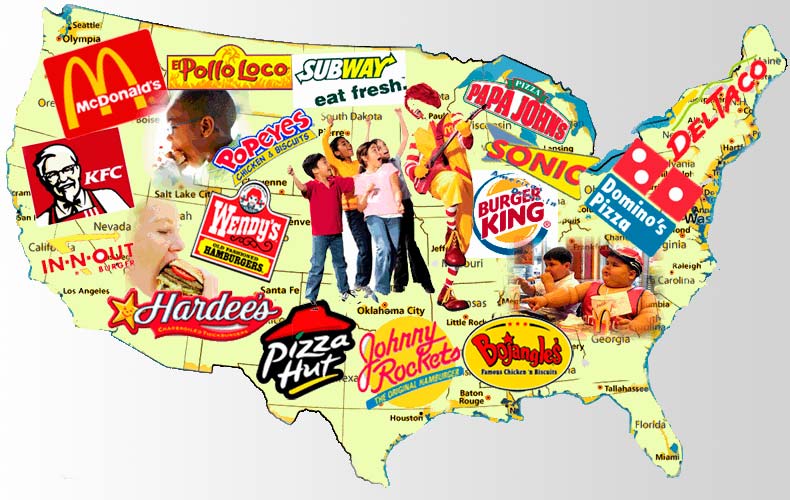
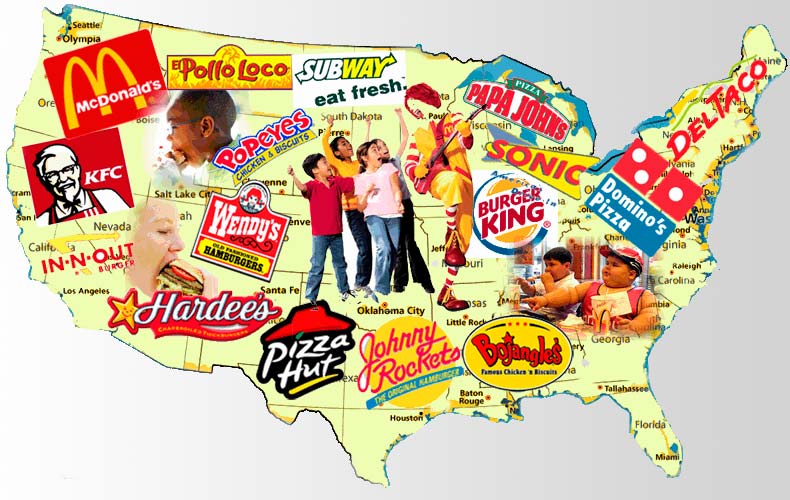
Expanding fast food industries
Fast foods which are lurking right outside our door steps with a rise in the number of restaurants and hotels is expected to boost and accelerate the growth of the fast food market due to rapid prohibition and globalization. The global fast food market size was calculated to be the USD 647.7 billion in 2021 and it is envisioned to reach USD 931.7 billion by the end of 2026 at a CAGR of 4.6% over the period. It is the food that is prepared and served at quick service restaurants or through street vendors. It has also found itself as an alternative to home made food. It was created on the note of a commercial strategy to entice large numbers of busy commuters, travelers and wage workers who barely find time to sit down and wait for their meal.
They consist of pre cooked meals kept in readiness for a customers arrival and hence the name. We may think that a wide variety of food can be cooked at a faster rate even in our home but the fast food is a commercial term limited to food sold in a restaurant or store with frozen, preheated or cooked that are served to the consumers in a well packed form for take away. All these can attribute to the growth of fast food industries. The global fast food market has resisted growth due to the rise in the consumer foodservice sector even during the recession. It dates back from the first fish and chip shops in Britain in the 1860s. Drive through restaurants were first popularized in the 1950s in the United states.
Even though there is an increase in health awareness among consumers and an increase in demand for healthy food as studies have shown that eating more fast food causes overnight, obesity, and other medical problems, the fast food market is greatly increased by the increase in the speed of life of the urban population and the need for faster and cheaper options for the food. The fast food market is also driven by a languid population that expects meals to be delivered at home. Additionally the widespread of many food based app companies comping up with enticing offers and the flourishing trend of online orders may open more opportunities aiding the growth of fast food industries during the forecast period.
Before we actually start eating the food the advertisements start eating our mind with the eye catching and delicious fast foods, in addition the readily available healthy fast food can provide healthy food audiences with options that promote the development of the fast food market, because fast food industries come up with captivating ads that the fast foods available today are healthy with the right mix and proportions of healthy vegetables, fruits and organic ingredients. The new product launches in the fast food markets has also risen the hype and urge for the fast foods. The increase in disposable income has in turn increased the frequency of dining out. The industry also make it possible for the small players to be advantaged of the global market shares fast food by satisfying the needs of the consumers and constantly maintaining the competitive prices. In the contemporary world as both women and men work with parity and women are hired more significantly it becomes quite difficult for them to cook timely and leads to the choice of fast foods. The fast food industries are also fueled by the overall increment in the number of quick service restaurants, hotels and online services.
When there are also many restraints and health risks that comes along with the fast foods, according to a study there has been an increase in levels of calcium and iron especially in the desserts provided. The above mentioned factors and reasons greatly accounts for the rapid growth of the fast food markets. In the present world where everybody are running through a hectic lifestyle the fast food industry has strongly found its place where consumers are looking for convenience, speed, affordability and predictability rather than a memorable dining experience.
IMPACT OF SMARTPHONES
Today I decided to write on the smartphone and literally I am writing on it.
In the last few decades, technology has spread its roots worldwide. It has evolved and is evolving day by day. In ancient times the survival of humans was not hard. People lived without any gadgets and enjoyed their lives, but that didn’t help them to develop, to raise their living standard, to utilize their time smartly.
Why has technology and machineries developed? For efficiency. One can do large amounts of work in a short time now that the technology has evolved.
Earlier, in order to travel 10km people had to walk for a minimum of 3 hours. Then people started using horses and bullock carts to travel for far distances. This took a period of 2-3 days to reach the destination. Time runs with the jet speed and hence transportation facilities improved. From bullock carts people switched to bicycles.
When Britishers were ruling the Indian Subcontinent, in order to export goods and material to Britain, and also within India, they established Railway routes. Today India has one of the biggest railway networks in the world. Railways are convenient and cheap means of transportation. Later road routes were also well established in India.
In earlier times, any message or information was sent with the help of pigeons and messengers. It would take days and months for the message to reach. Later the postal system was developed. And then telephones.
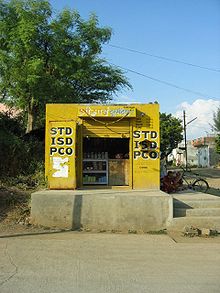
When telephones came into existence only a few could afford it. Sometimes in the entire village there was only one phone line. Later public PCOs opened where anyone could use it by putting a rupee coin and could talk for 2 minutes and that used to be enough.
Later many people bought telephones as the purchasing levels of people increased. The telephone became a source of happiness as communication with one another was now easier.
As the time passed, technology further evolved. Small cell phones were introduced in the first decade of the 2000s in India. In the beginning, cell phones had antennas on them. Antennas helped to get a good signal. Later antennaless phones were introduced which could be easily kept in pocket. Those phones consisted of an SMS system and one or two games, and that's what made everyone happy.
The first phone I saw had a keypad on it. Later, keypad phones too evolved and had more features like cameras and extended memory.
After the decade of 2010, the technology and evolution of smartphones have made rapid progress. Touch screen phones were introduced, along with recording of audio, video and many more features.
Later Google and other social networking sites entered the Indian digital market and from there the interface of smartphones changed. Android phones were introduced with internet facilities and vouchers.
People can now use phones to easily communicate via WhatsApp, Facebook and other social networking sites. After 2015 the Reliance Digital company introduced a Jio mobile network and provided sims to the people for free along with plenty of internet for a day.
Earlier those who were having smartphones could hardly afford internet packs, as the mobile companies like Idea and Airtel provided data packs at higher price.
After the introduction of Jio, it became easy for people to afford data packs. Reliance company has applied good business strategy, first they provided it for free so that it can be well established and later people could purchase their data packs.
No doubt that smartphones have made everyone's life easy, comfortable and convenient. They save time, and make communication easy. One can do a lot of work by sitting in any corner of the world. With the help of Google one can find out any information related to anything. One can book a train seat. One can see where it has arrived and when it will depart. One can track its locations. With the help of YouTube videos, one can learn any skill so easily. One can do business on smartphones. One can learn and teach online. One can explore his talent and can show it to the world with the help of smartphones. How easy and convenient things have become.
It has advantages as well as disadvantages at the same time. One can walk and talk on the phone. One can travel and can spend time in order to avoid boredom, but at the same time one is not enjoying the surrounding natural beauty while walking. One is not enjoying the journey while travelling. Not observing the environment around him does not help expand one’s horizon.

Shot of a young woman using a laptop while working from home
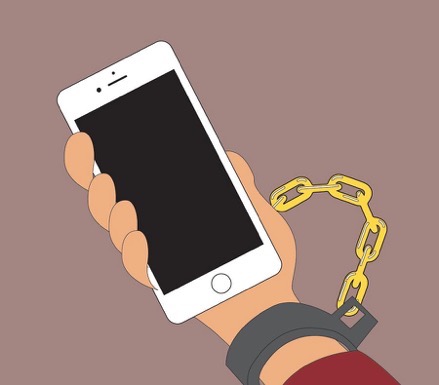
Smartphones have become an indivisible part of our lives. Just like we eat, we drink, we sleep, we breathe, in the same manner we use smartphones and other social networking sites. It's hard for a person to survive without a phone. You will very rarely find anyone without a phone. On one hand after this pandemic of covid-19 we did not face the loss of study, business, money and many more things due to technology, Internet and smartphones. The cycle of work did not stop but on the other hand it has become an addiction for adults, teenagers and kids. Small kids have started using phones so rapidly that they cannot get over it.
A kid of 2-3 year doesn't eat food until and unless he is not given a smartphone in his hand. Kids have forgotten to play outside since smartphones have been given to them.
Every information is available on Google and Wikipedia and hence people don’t think from their own minds. They don't want to take any trouble figuring out the answer. The process of exploring and evolving has slowed down. People have just become a puppet of technology.
On one hand technology is helping to save time and increase efficiency but on the other hand, people are becoming so inefficient, lazy and unproductive. Everything in this world should be balanced and hence the use of technology and smartphones should also. One must be aware of the fact that we invented technology. Technology did not invent us. We should not limit ourselves to being dependent on it. We must know how we can maximize its use for the development of mankind.
We should not allow technology to dominate our senses and self control.
Genius Marketing That To $19.6 Billion – American Express Case Study
Hi everybody, If you want to be a legendary entrepreneur, this episode is for you. because the story that I’m about to tell you today is the story of a brand that has leveraged, perhaps, the most undervalued attributes of mankind and made a billion dollars out of it. And if you learn how to use these attributes you can easily go on to outperform your competition regardless of which domain you belong to. These attributes that I’m talking about are kindness and empathy. Now, in this capitalistic world while most people might consider empathy and kindness to be intangible qualities . I gotta tell you that it’s an open secret recipe that can enable you to design game changing marketing strategies in the 21st Century. To tell you about it, let me take you back to 2010 America.
This is when the American economy was still experiencing the wrath of the 2008 recession which caused the stock market to hit rock bottom, the giant corporations to shut down, and caused millions of job losses within a fortnight. When this happened, while the entire economy was collapsing there was one company that did not just survive but also went on to make a profit of $13.4 billion during the very same times of recession. This company that I’m talking about is the giant American retailer- Walmart. And as it turns out during the two years of recession Walmart improved its profitability by $700 million year on year. Additionally, Walmart never had a return of equity of less than 20% during the same time of recession. Now, on the outside this might sound amazing but if you take a closer look at the impact of Walmart on retail America it’s quite devastating.
In fact, it has even got a term called the Walmart effect. Among the multiple studies that were conducted, it was proved time and again that every time a Walmart store opens up in a city or a town hundreds of small businesses along the radius of the store shut down within 1 year or at max 2 years. This was because Walmart bought all of its product at such high quantities that it was able to lower the price of products to such a low level that small business couldn’t even come close to competing with Walmart’s prices. Now, just to give you an example of the same, let’s say if you have a small retail shop. You would buy notebooks from the wholesaler for ₹30/notebook, alright? And when you buy it at ₹30 , you will sell it at ₹40 in the market but at the same time Walmart would sell the same notebook at ₹28 per piece. Which means what? Walmart’s selling price is lower than your cost price. And this made it impossible for small businesses to survive in the market.
In fact, more often than not there are even protests that are held every time Walmart announces that it’s going to open up a store in a town. But you know what? There was a small twist in the tale here. As it turns out another giant company stepped up and became a saviour for small businesses during the times of recession. And this company lodged a campaign that was such an amazing hit that the senate of the United States itself unanimously passed a resolution to support the initiative. And cherry on the cake, President Barack Obama himself publically supported the campaign. The question is- What is this company and how did the American president himself end up endorsing a marketing campaign. Well, the company that I’m talking about is American Express and the campaign that it launched is known the ‘Small business Saturday’ This was an initiative where American Express gave away $25 dollars of special credit to 100,000 credit card members wherein they could only redeem these $25 if they shopped at a small business on a Saturday, after thanksgiving. And they also gave away $100 of Facebook advertising credits to 10,000 small businesses just so that these small businesses could utilise digital marketing in order to maximise their profits.
On top of the incentives, they also ran T.V. ads, radio ads and even social media campaigns to educate the American population about their impact on the small businesses. And you know what? Soon enough, hundreds of small business owners all across the country participated in the campaign and what followed next was nothing short of a capitalistic miracle that many considered to be impossible. Millions of Americans started walking into a small business store and rather than shopping from a Walmart they began shopping from a small business inspite of knowing that they were making a more expensive purchase as compared to Walmart. In it’s second year, ‘Small Business Saturday’ became even more successful wherein 5,000 small businesses participated in the campaign and 103 million Americans shopped small. And soon enough the Small Business Saturday became such a social phenomenon that it generated over 2.7 million Facebook likes and became a top trend in topic on Twitter. And #SmallBusinessSaturday became so popular that even President Barack Obama tweeted his support towards the campaign.
This is how the capitalistic America went beyond their conventions and came together as a community to spread kindness and showed empathy towards small businesses in their community. By 2012, American Express took the campaign to the next level wherein they did not just give out credit card incentives but they also provided the small business owners with social media kits, email templates and various marketing materials to help them maximise their marketing. This further maximised their sales and within just 2 years Small Business Saturday became a part of the annual American tradition wherein everybody starting from small business owners to the President himself participate in the campaign. And soon enough, it turned into a beautiful occasion with lots of happines, lots of smiles and most importantly it became an occasion of communal unity for the United States of America.
In 2015, President Obama even documented taking his daughters to the local bookstore to promote the initiative of shopping at a small business. Fast forward to 2020, American Express estimates that 110 million people participated in the Small Business Saturday and sales hit a record high with an estimated $19.6 billion in spending and all of this money helped keep small businesses alive even during COVID-19 recession. This is how a bank like American Express was able to use empathy and kindness to make an economic miracle come true even during the toughest times of American history.
Now, there are 3 very important lessons that we need to learn from this case study while we execute these ideas to our domain. Lesson 1, identifying the pain and the interest of the audience is always the key to unlocking extraordinary business ideas. In this case, American Express identified the pain of the shoppers and used its service to give them a $25 credit just so that it could motivate the shoppers to shop from a small business. Therefore, the interest of the shoppers has been addressed, at the same time it has also catered to the pain of small business owners.
Lesson 2, in the 21st Century participatory campaigns will always turn out to be more powerful than even an award winning advertisement. Why? because the new age of marketing is moving from impressions to expressions. So, more than a T.V. ad it is the participation of the customers that is going to create more impact. In this case, because American Express gave out email templates and social media kits the shopkeepers automatically became the local ambassadors who participated in the campaign which eventually led to a chain reaction and got millions of shoppers on board too. This is what we call as participatory marketing campaign.
And last and most importantly, always remember that empathy and compassion are the most undervalued attributes of this capitalistic world and very few people know that these are two of those qualities that are so powerful that they can turn a commoner into a king. In this case, they were powerful enough to give rise to a capitalistic miracle that America will cherish forever.
Child obesity

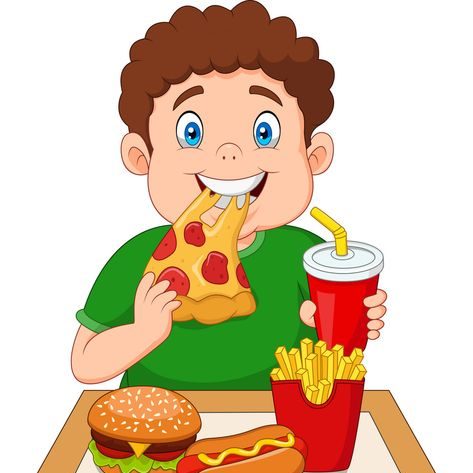
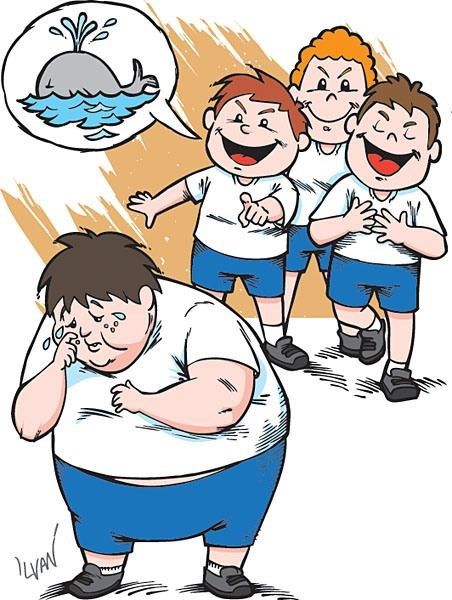
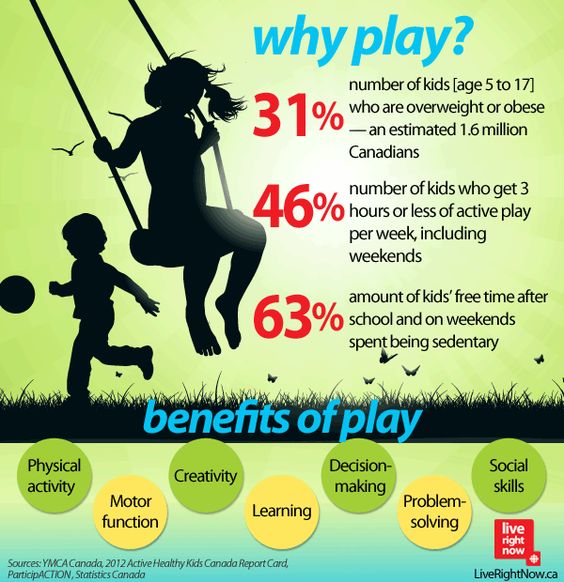
Childhood obesity is a condition where excess body fat negatively affects a child’s health or well-being. As methods to determine body fat directly are difficult, the diagnosis of obesity is often based on BMI. Due to the rising prevalence of obesity in children and adolescents its many adverse health effects it is being recognized as a serious public health concern. One of the best ways to reduce childhood obesity is to improve the eating and exercise habits of your entire family. Treating and preventing childhood obesity helps protect your child’s health now and in the future.
Symptoms
Not all children carrying extra pounds are overweight. Some children have larger than the average body so they may carry weight according to their body. And children normally carry different amounts of body fat at the various stages of development. So you might not know by how your child looks if weight is a health concern.

The body mass index (BMI), which provides a guideline of weight in relation to height, is the accepted measure of overweight and obesity. Your child’s doctor can use growth charts, the BMI and, if necessary, other tests to help you figure out if your child’s weight could pose health problems.
Causes
Lifestyle issues like too little activity and too many calories from food and drinks are the main contributors to childhood obesity. But genetic and hormonal factors might play a role as well.
Risk Factors
- Certain medications- Some prescription drugs can increase the risk of developing obesity. So, you should always be in touch with your family doctor while your child is in medication.
- Socioeconomic factors- People in some communities have limited resources and limited access to supermarkets. As a result, they might buy convenience foods that don’t spoil quickly, such as frozen meals, crackers and cookies. Also, people who live in lower income neighbourhoods might not have access to a safe place to exercise.
- Lack of exercise- Children who don’t exercise much are more likely to gain weight because they don’t burn as many calories as they should.
- Diet- Eating high-calorie foods, such as fast foods, baked goods and vending machine snacks, on a regular basis can led your child in a risk of Child Obesity.
- Family factors- If your child comes from a family of overweight people, he or she may be more likely to put on weight. This can even be possible if the environment is where food with high calorie are always available.
- Psychological factors- Personal, parental, and family stress can increase a child’s risk of obesity.

Complications
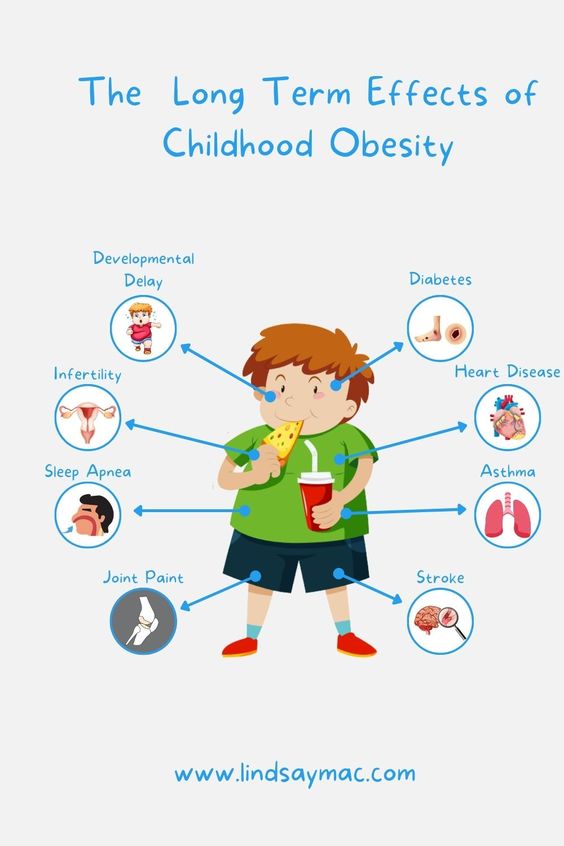
Child obesity can cause various life-threatening complications that can affect their physical, social and emotional well-being.

Prevention
- Make sure that your child gets enough sleep
- Include green vegetables and protein enriched food in his/her diet
- Exercise is must to keep your chil’s health healthy
How did India's MTR Foods Overcome The Economic Downturns
Hello everybody , On 25th of June 1975 the Indira Gandhi government officially declared a nationwide emergency. The fundamental rights were curbed, the press was censored and within a fortnight the livelihood of 620 million Indians was at stake. Little did they know that the next 21 months of their lives would be known as the darkest chapter in the history of Indian democracy. And all of this was happening during a time when India was already witnessing a socioeconomic crisis. During this time, let alone business prosperity even survival was considered to be a miracle. And the story that I’m about to tell you today is the story of one such miracle wherein amidst this economic nightmare while most businesses were shutting down there was one incredible businessman who turned this very same emergency into an business opportunity and built a business empire that now has a revenue of 1000 crores. This businessman is Mr Sadananda Maiya and the company that I’m talking about is Mavalli Tiffin Room which is popularly known as MTR.
The question is- What was so special about MTR and how was it able to turn an economic nightmare into a business opportunity ? The answer to this question lies in the rich history of MTR that dates back to 1924. This is when the Maiya family started the MTR restaurant with the vision to serve the most authentic, hygienic and the tastiest South Indian food to its customers. And the entire family was so dedicated to their profession that even during the post-independence time when the country was witnessing a political turmoil they still served the most authentic, hygienic and the tastiest South Indian food in town. Within a few years the restaurant became so popular that it became a hotspot for tourists television personalities and even film stars. But after 5 long decades of prosperity; in 1975 when the emergency was imposed the family hit a dead end due to the socio-economic crisis.
During this time, apart from the emergency India had already seen 2 bad agricultural years and due to the formation of OPEC the oil prices had quadrupled and the inflation in the country had skyrocketed to 15%. The situation was so bad that the government had to stop all new construction work they froze the wages and salaries in the public sectors And imposed compulsory savings on income tax payers. And this meant that every single rupee was a lifesaver for a middle class person and it obviously meant that rarely anybody ever went to a restaurant. On top of that, the government required every restaurant to conform to prices set by the government and it was practically impossible to run a profitable restaurant business with those given prices. For example, under the President’s rule, the price of Idli was clipped to 10p from 25p while a cup of coffee which costed one rupee was to be sold for just 25p.
Now, people, when something like this happens most of the restaurant owners do either one or many of these 3 things to survive. And this is something that you would’ve seen even during the COVID-19 crisis. Number one, they do extreme cost cutting and fire all of their employees. Number two, they indulge in adulteration and serve extremely low quality food to their customers which eventually leads to health hazards. Or number three they just shut their shop altogether and wait for the situation to get back to normal. And this is exactly what the restaurant owners did in 1975 because they saw no other option to survive. But you know what ? Even during this time MTR foods still served the most authentic, hygienic and the tastiest South Indian food to its customers without compromising on their quality.
And not just that They retained most of their employees and built a supply chain that was so robust that when the emergency was lifted MTR went on to become one of the most successful food companies in the country. The question is- What exactly was this strategy and what was so special about it ? As it turns out, when the government imposed the prices the MTR restaurants started bleeding. They were loosing out ₹25,000 on weekdays and lost upto 1 lakh rupees during weekends. But even during that time Sadanand Maiya sir was not willing to compromise on his family business values. At the same time he did not want to fire any of the employees because they had stayed loyal to the business for decades So you know what ? He took a bold step to shut down the restaurant altogether and made 3 strategic changes to it’s business.
Number one, he realised that inspite of the emergency, the demand for food did not go down. It’s just that the purchase power of the customers had declined drastically. And the supply chain of the restaurant was too costly to actually cater to their demands. So, to reduce the cost he moved from cooked food to packed food. Because of this the heavy cost and loss due to perishable items was completely eliminated. On top of that instead of adulterating the costly ingredients he changed the ingredients altogether. For example, they moved from rice idlis to rava idlis to make idlis cost effective. And even today, Rava Idli is one of MTR’s signature dishes.
Number two since he could not comply by the prices imposed by the government he turned the same restaurant into a grocery store and started selling food mixes via grocery sales. And last and most importantly he trained his entire staff to build an efficient supply chain to make packed food and sold it at an affordable price. In the corporate world this is what we call as reskilling. And that is how ladies and gentlemen MTR was able to survive the emergency without compromising on its business values. And guess what ? As soon as the emergency was lifted MTR restaurant reopened but this time along with the restaurant they had a ready to fire manufacturing chain which produced nothing but high quality products. Soon enough it extended to multiple food mixes like pickles, like spices and even special spice mixtures. Fast forward to today MTR has emerged as one of the finest food brands in the country with a revenue of almost 1000 crores. And MTR exports its products to 21 countries including US, UK, Australia and Japan.
And most importantly it has successfully stood the test of time for 97 years without ever compromising its values And even during the COVID crisis, 10 years after Maiya sir stepped down The company is still setting very high standards for change management in the industry. While most companies were clueless and struggled to keep their supply chain intact during the COVID crisis; MTR foods had already doubled their inventory level from 14 days to 30 days capacity. And while the first lockdown was imposed on 25th of March MTR rigorously started preparing for the crisis way back from 10th March itself. And this is when none of us had a clue that our lives were about to change forever.
And that is how time and again by turning a business threat into a business opportunity MTR has consistently set a benchmark for other brands to follow and from entrepreneurs like you and me to learn from. Now there are 3 very important lessons that we need to learn from this iconic case study. Number one and this is something that has been followed by Dhirubhai Ambani sir better than anybody else wherein his policy was everytime you see a market crisis you need to realize that your competitors are facing the exact same crisis as you are. The question is are you going to see it as an obstacle and succumb to it or treat it as a business opportunity and get way ahead of your competition.
Number two, money can build a company but it takes guts, quality and values to build a brand. And last and most importantly as much as the Internet is filled with American and European business case studies we often fail to realise the fact that India has had a long history of political and economic crisis and the adversity has been so much that let alone business, even staying alive was considered to be a big deal.
But even during these times we have had some incredible entrepreneurs who were able to build a business empire and have established a golden legacy for us to follow and we being in the Indian markets need to pay very close attention to these lesser known goldmines because they have got nuggets of wisdom that can turn us into extraordinary business leaders of this country.
How did India's MTR Foods Overcome The Economic Downturns
Hello everybody , On 25th of June 1975 the Indira Gandhi government officially declared a nationwide emergency. The fundamental rights were curbed, the press was censored and within a fortnight the livelihood of 620 million Indians was at stake. Little did they know that the next 21 months of their lives would be known as the darkest chapter in the history of Indian democracy. And all of this was happening during a time when India was already witnessing a socioeconomic crisis. During this time, let alone business prosperity even survival was considered to be a miracle. And the story that I’m about to tell you today is the story of one such miracle wherein amidst this economic nightmare while most businesses were shutting down there was one incredible businessman who turned this very same emergency into an business opportunity and built a business empire that now has a revenue of 1000 crores. This businessman is Mr Sadananda Maiya and the company that I’m talking about is Mavalli Tiffin Room which is popularly known as MTR.
The question is- What was so special about MTR and how was it able to turn an economic nightmare into a business opportunity ? The answer to this question lies in the rich history of MTR that dates back to 1924. This is when the Maiya family started the MTR restaurant with the vision to serve the most authentic, hygienic and the tastiest South Indian food to its customers. And the entire family was so dedicated to their profession that even during the post-independence time when the country was witnessing a political turmoil they still served the most authentic, hygienic and the tastiest South Indian food in town. Within a few years the restaurant became so popular that it became a hotspot for tourists television personalities and even film stars. But after 5 long decades of prosperity; in 1975 when the emergency was imposed the family hit a dead end due to the socio-economic crisis.
During this time, apart from the emergency India had already seen 2 bad agricultural years and due to the formation of OPEC the oil prices had quadrupled and the inflation in the country had skyrocketed to 15%. The situation was so bad that the government had to stop all new construction work they froze the wages and salaries in the public sectors And imposed compulsory savings on income tax payers. And this meant that every single rupee was a lifesaver for a middle class person and it obviously meant that rarely anybody ever went to a restaurant. On top of that, the government required every restaurant to conform to prices set by the government and it was practically impossible to run a profitable restaurant business with those given prices. For example, under the President’s rule, the price of Idli was clipped to 10p from 25p while a cup of coffee which costed one rupee was to be sold for just 25p.
Now, people, when something like this happens most of the restaurant owners do either one or many of these 3 things to survive. And this is something that you would’ve seen even during the COVID-19 crisis. Number one, they do extreme cost cutting and fire all of their employees. Number two, they indulge in adulteration and serve extremely low quality food to their customers which eventually leads to health hazards. Or number three they just shut their shop altogether and wait for the situation to get back to normal. And this is exactly what the restaurant owners did in 1975 because they saw no other option to survive. But you know what ? Even during this time MTR foods still served the most authentic, hygienic and the tastiest South Indian food to its customers without compromising on their quality.
And not just that They retained most of their employees and built a supply chain that was so robust that when the emergency was lifted MTR went on to become one of the most successful food companies in the country. The question is- What exactly was this strategy and what was so special about it ? As it turns out, when the government imposed the prices the MTR restaurants started bleeding. They were loosing out ₹25,000 on weekdays and lost upto 1 lakh rupees during weekends. But even during that time Sadanand Maiya sir was not willing to compromise on his family business values. At the same time he did not want to fire any of the employees because they had stayed loyal to the business for decades So you know what ? He took a bold step to shut down the restaurant altogether and made 3 strategic changes to it’s business.
Number one, he realised that inspite of the emergency, the demand for food did not go down. It’s just that the purchase power of the customers had declined drastically. And the supply chain of the restaurant was too costly to actually cater to their demands. So, to reduce the cost he moved from cooked food to packed food. Because of this the heavy cost and loss due to perishable items was completely eliminated. On top of that instead of adulterating the costly ingredients he changed the ingredients altogether. For example, they moved from rice idlis to rava idlis to make idlis cost effective. And even today, Rava Idli is one of MTR’s signature dishes.
Number two since he could not comply by the prices imposed by the government he turned the same restaurant into a grocery store and started selling food mixes via grocery sales. And last and most importantly he trained his entire staff to build an efficient supply chain to make packed food and sold it at an affordable price. In the corporate world this is what we call as reskilling. And that is how ladies and gentlemen MTR was able to survive the emergency without compromising on its business values. And guess what ? As soon as the emergency was lifted MTR restaurant reopened but this time along with the restaurant they had a ready to fire manufacturing chain which produced nothing but high quality products. Soon enough it extended to multiple food mixes like pickles, like spices and even special spice mixtures. Fast forward to today MTR has emerged as one of the finest food brands in the country with a revenue of almost 1000 crores. And MTR exports its products to 21 countries including US, UK, Australia and Japan.
And most importantly it has successfully stood the test of time for 97 years without ever compromising its values And even during the COVID crisis, 10 years after Maiya sir stepped down The company is still setting very high standards for change management in the industry. While most companies were clueless and struggled to keep their supply chain intact during the COVID crisis; MTR foods had already doubled their inventory level from 14 days to 30 days capacity. And while the first lockdown was imposed on 25th of March MTR rigorously started preparing for the crisis way back from 10th March itself. And this is when none of us had a clue that our lives were about to change forever.
And that is how time and again by turning a business threat into a business opportunity MTR has consistently set a benchmark for other brands to follow and from entrepreneurs like you and me to learn from. Now there are 3 very important lessons that we need to learn from this iconic case study. Number one and this is something that has been followed by Dhirubhai Ambani sir better than anybody else wherein his policy was everytime you see a market crisis you need to realize that your competitors are facing the exact same crisis as you are. The question is are you going to see it as an obstacle and succumb to it or treat it as a business opportunity and get way ahead of your competition.
Number two, money can build a company but it takes guts, quality and values to build a brand. And last and most importantly as much as the Internet is filled with American and European business case studies we often fail to realise the fact that India has had a long history of political and economic crisis and the adversity has been so much that let alone business, even staying alive was considered to be a big deal.
But even during these times we have had some incredible entrepreneurs who were able to build a business empire and have established a golden legacy for us to follow and we being in the Indian markets need to pay very close attention to these lesser known goldmines because they have got nuggets of wisdom that can turn us into extraordinary business leaders of this country.
How did India's MTR Foods Overcome The Economic Downturns
Hello everybody , On 25th of June 1975 the Indira Gandhi government officially declared a nationwide emergency. The fundamental rights were curbed, the press was censored and within a fortnight the livelihood of 620 million Indians was at stake. Little did they know that the next 21 months of their lives would be known as the darkest chapter in the history of Indian democracy. And all of this was happening during a time when India was already witnessing a socioeconomic crisis. During this time, let alone business prosperity even survival was considered to be a miracle. And the story that I’m about to tell you today is the story of one such miracle wherein amidst this economic nightmare while most businesses were shutting down there was one incredible businessman who turned this very same emergency into an business opportunity and built a business empire that now has a revenue of 1000 crores. This businessman is Mr Sadananda Maiya and the company that I’m talking about is Mavalli Tiffin Room which is popularly known as MTR.
The question is- What was so special about MTR and how was it able to turn an economic nightmare into a business opportunity ? The answer to this question lies in the rich history of MTR that dates back to 1924. This is when the Maiya family started the MTR restaurant with the vision to serve the most authentic, hygienic and the tastiest South Indian food to its customers. And the entire family was so dedicated to their profession that even during the post-independence time when the country was witnessing a political turmoil they still served the most authentic, hygienic and the tastiest South Indian food in town. Within a few years the restaurant became so popular that it became a hotspot for tourists television personalities and even film stars. But after 5 long decades of prosperity; in 1975 when the emergency was imposed the family hit a dead end due to the socio-economic crisis.
During this time, apart from the emergency India had already seen 2 bad agricultural years and due to the formation of OPEC the oil prices had quadrupled and the inflation in the country had skyrocketed to 15%. The situation was so bad that the government had to stop all new construction work they froze the wages and salaries in the public sectors And imposed compulsory savings on income tax payers. And this meant that every single rupee was a lifesaver for a middle class person and it obviously meant that rarely anybody ever went to a restaurant. On top of that, the government required every restaurant to conform to prices set by the government and it was practically impossible to run a profitable restaurant business with those given prices. For example, under the President’s rule, the price of Idli was clipped to 10p from 25p while a cup of coffee which costed one rupee was to be sold for just 25p.
Now, people, when something like this happens most of the restaurant owners do either one or many of these 3 things to survive. And this is something that you would’ve seen even during the COVID-19 crisis. Number one, they do extreme cost cutting and fire all of their employees. Number two, they indulge in adulteration and serve extremely low quality food to their customers which eventually leads to health hazards. Or number three they just shut their shop altogether and wait for the situation to get back to normal. And this is exactly what the restaurant owners did in 1975 because they saw no other option to survive. But you know what ? Even during this time MTR foods still served the most authentic, hygienic and the tastiest South Indian food to its customers without compromising on their quality.
And not just that They retained most of their employees and built a supply chain that was so robust that when the emergency was lifted MTR went on to become one of the most successful food companies in the country. The question is- What exactly was this strategy and what was so special about it ? As it turns out, when the government imposed the prices the MTR restaurants started bleeding. They were loosing out ₹25,000 on weekdays and lost upto 1 lakh rupees during weekends. But even during that time Sadanand Maiya sir was not willing to compromise on his family business values. At the same time he did not want to fire any of the employees because they had stayed loyal to the business for decades So you know what ? He took a bold step to shut down the restaurant altogether and made 3 strategic changes to it’s business.
Number one, he realised that inspite of the emergency, the demand for food did not go down. It’s just that the purchase power of the customers had declined drastically. And the supply chain of the restaurant was too costly to actually cater to their demands. So, to reduce the cost he moved from cooked food to packed food. Because of this the heavy cost and loss due to perishable items was completely eliminated. On top of that instead of adulterating the costly ingredients he changed the ingredients altogether. For example, they moved from rice idlis to rava idlis to make idlis cost effective. And even today, Rava Idli is one of MTR’s signature dishes.
Number two since he could not comply by the prices imposed by the government he turned the same restaurant into a grocery store and started selling food mixes via grocery sales. And last and most importantly he trained his entire staff to build an efficient supply chain to make packed food and sold it at an affordable price. In the corporate world this is what we call as reskilling. And that is how ladies and gentlemen MTR was able to survive the emergency without compromising on its business values. And guess what ? As soon as the emergency was lifted MTR restaurant reopened but this time along with the restaurant they had a ready to fire manufacturing chain which produced nothing but high quality products. Soon enough it extended to multiple food mixes like pickles, like spices and even special spice mixtures. Fast forward to today MTR has emerged as one of the finest food brands in the country with a revenue of almost 1000 crores. And MTR exports its products to 21 countries including US, UK, Australia and Japan.
And most importantly it has successfully stood the test of time for 97 years without ever compromising its values And even during the COVID crisis, 10 years after Maiya sir stepped down The company is still setting very high standards for change management in the industry. While most companies were clueless and struggled to keep their supply chain intact during the COVID crisis; MTR foods had already doubled their inventory level from 14 days to 30 days capacity. And while the first lockdown was imposed on 25th of March MTR rigorously started preparing for the crisis way back from 10th March itself. And this is when none of us had a clue that our lives were about to change forever.
And that is how time and again by turning a business threat into a business opportunity MTR has consistently set a benchmark for other brands to follow and from entrepreneurs like you and me to learn from. Now there are 3 very important lessons that we need to learn from this iconic case study. Number one and this is something that has been followed by Dhirubhai Ambani sir better than anybody else wherein his policy was everytime you see a market crisis you need to realize that your competitors are facing the exact same crisis as you are. The question is are you going to see it as an obstacle and succumb to it or treat it as a business opportunity and get way ahead of your competition.
Number two, money can build a company but it takes guts, quality and values to build a brand. And last and most importantly as much as the Internet is filled with American and European business case studies we often fail to realise the fact that India has had a long history of political and economic crisis and the adversity has been so much that let alone business, even staying alive was considered to be a big deal.
But even during these times we have had some incredible entrepreneurs who were able to build a business empire and have established a golden legacy for us to follow and we being in the Indian markets need to pay very close attention to these lesser known goldmines because they have got nuggets of wisdom that can turn us into extraordinary business leaders of this country.
All you should know about the Twitter trend”#ArrestLucknowGirl”
-Aditi raj
A women from the capital of Uttar Pradesh has received a deserving criticism from the public after a video where she has been spotted slapping a cab driver in middle of a road in Lucknow went viral all over the social media. Expressing their wrath Twitter users started trending #ArrestLucknowGirl on the micro blogging site.
As per the reports, the incident took place at the Awadh crossing in the Uttar Pradesh capital on an unspecified date. This video https://youtu.be/PLvFFywU48A purportedly showing assaulting the cab driver was first posted on twitter by an account named Megh Updates. The caption of the twitter post read” Viral Video: A girl continuously beating a man at Awadh crossing, Lucknow, UP and allegedly damaging his phone in spite of him asking for reason”
The viral video showed the women slapping the cab driver multiple times in front of the traffic police personnel. She kept assaulting the cab driver even as the traffic personnel tried to intervene. Meanwhile, a man could be a heard saying:” Arre badtameez aurat hai yeh “. In the another video, the woman in question has also assaulted a youth who tried to save the cab driver. The youth counterattacked by slapping her.
The sparking outrage and the continuous demand for her arrest by the social media users finally made Lucknow Police to file a FIR against the women. In our nation the pseudo feminism is continuously acting as a toxicant to the society. Women have been provided with so much rights that some of them have started being misused. There are many incidents in our country where women have been caught thrashing men by misusing those rights which are provided for their safety.
Our constitution provides the right to equality which says everyone deserves respect regardless of the gender. The rules shouldn’t be violated by either men or women. Feminism means women should have same rights as men but this should not be mistaken as women should thrash men in order to show her power.
How Facebook become Powerful & Giant Company
Hi everybody, We all know Facebook as the giant, powerful company that it is today but very few of us know that when Facebook actually came out in the market it was neither the first social media product in the market nor was it the best social media website in the market. In fact, when Facebook came out, there was already another social media website that had about 1 million users. And it was already one of the most visited websites on the Internet. But somehow, within the next four years Facebook made history by overtaking this huge company and went onto become one of the most powerful companies on the planet.
And the reason why this happened has got some very very important business learnings for each one of us because more often than not, we all must have had a brilliant idea but then after doing a little bit of research, we tend to realize that there is already a giant company as our competitors doing the exact same thing as we planned to do. And that could be demotivating. But guys, what if I told you that instead, you should be super happy to build a business if there is already a giant competition in the market. And the fact that it will actually provide you a golden opportunity to build a business. The question is- How is it even possible and how can you go on to build a business to compete with a billion dollar company. The answer to this question lies in a story that dates back to 2004.
This is when a social media website called Myspace had arrived on the Internet. It was just like the modern day Facebook which allowed people to form connections and helped them find new friends on the Internet. And within just one year Myspace became a sensation in the making with more than 1 million users signing up within the first month itself. And by the end of the year, Myspace had 5 million users. This is when in 2005, it got purchased by a gigantic media company called News Corp for $580 milllion. Because somehow, News Corp was one of those few organisations that actually realized the potential of social media ads, back in 2005. And the day this purchase happened it marked the beginning of the capitalistic Internet era. During this time, Facebook was just a college student website which was open to only Ivy League students in the US. But on the other side, from 2005 to 2008 Myspace became the most visited social networking site in the world. And in 2006, it even surpassed Google to becoming the most visited website in the world.
But something happened in the next 4 years because of which the same Myspace had 115 million users while on the other side Facebook, the college community website had more than 1 billion users. The question is What exactly happened and how did two companies inspite of being in the exact same space, doing the exact same thing have such a vast difference in their success. The first reason is based on the fundamental concept of social network and human psychology which is known as the triadic closure property. And this is something that was suggested by a german sociologists named Georg Simmel in 1908. In simple words what it means is if there are three people: Shyam, Baburao and Raju If Raju knows Babu and Babu knows Shyam then automatically, Raju will form a connection with Shyam and Raju will be more inclined to trust Shyam. So, basically, if A knows B, and B knows C then A is more inclined to form a connection with C eventually leading to speed of trust. And you must have observed this while you used Facebook or Instagram, that is when you get a request from a person who has 200 mutual friends you easily tend to accept their request.
At the same time if you get a request from a person whom you possibly know but has got zero mutual friends there’s a little bit of skepticism that pops in. This is how the triadic closure property plays out. In case of Myspace and Facebook, the major drawback with Myspace was that it did not allow users to use their real names as their usernames and because of this, although you could meet new people on the Internet through similar interests you couldn’t really tell who exactly are you chatting with. So, this kinda turned into a fine mix of privacy and creepiness. But on the other hand Facebook insisted on getting people to use their real names as their usernames. Why? Because as legend has it, Facebook was meant to stalk girls and if you didn’t know the names of those girls stalking wouldn’t be user-friendly right? Will do anything for girls Just kidding guys! It was meant to be that way because Mark Zuckerberg believed in helping people build authentic connections through digital technology.
And regardless of the truth behind this statement the strategy of using real names turned out to be Facebook’s X factor because of which apart from connecting with people in their own respective social circle users actually started to expand their network to form second and third connections. And this is where the mutual friend feature came in handy and because of this, the networks on Facebook became far more deep rooted and helped people expand their connections beyond their social circle. And this is the reason why in 2006, when Facebook opened itself to the general public people flocked to create a Facebook account inspite of having a Myspace account already. Now, this begs the question If this was just this simple feature of using real usernames that distinguished Facebook from Myspace then why didn’t Myspace incorporate that feature and kill Facebook altogether? In fact, this is what Facebook did with Snapchat right? By introducing Instagram stories. In fact, the Myspace team even had the backing of a large corporation like News Corp, right? Then why couldn’t they incorporate this feature? Well, as it turns out, this is exactly why they couldn’t incorporate the feature in their website. Because News corp turned Myspace into a proper corporate organisation which had to follow protocols and procedures And more than the ideas and the execution, the focus went to register quarterly profits, yearly profits and all the other corporate procedures.
In fact, even if the Myspace team came out with a brilliant idea. It first used to get scrutinized by the lawyers, then by so-called experts and then a series of meetings used to be held and then a series of emails to be sent and it just kept going back and forth. And in the process, things got so slow that the ideas just got lost into bureaucracy and even something as simple as adding a feature also took forever to be executed. While on the other side, Facebook was being run by a bunch of college students who could add, change, modify and delete features overnight. And make major modifications to the website without any formalities. And unfortunately finally when Myspace incorporated the option of real usernames it was already 2008 and Facebook had already surged way ahead.
So, to put that straight, while Myspace became a rigid organisation that was focused on procedures and protocols. And was constantly debating about who is right and who is not. Facebook was obsessively focused on what is right and executed ideas with agility. And this became the second reason for the fall of Myspace and the rise of Facebook. And the story didn’t end here the rigid corporate structure of Myspace also lead to another huge setback that literally became the golden recipe for Facebook to surge way ahead of Myspace. And this recipe also became a game changer for Amazon, Google and Apple. And this was the idea of third party integration wherein Facebook practically tranformed from a product to becoming a platform.
On 24th of May 2007, Facebook launched the Facebook platform to provide a framework for software developers to create applications that could interact with core features of Facebook. For example, Spotify could use Facebook API to allow users to share music directly within the Spotify application itself. Candy Crush used Facebook for instant login and I’m sure most of you must have used it. And thirdly, Nike run club used Facebook API to enable its users to share their achievements of their run with their friends by posting directly to the Facebook’s news feed. So, this way Facebook allowed developers and gave them the freedom to use their technology and build products and services of their own.
Whereas on the other hand, Myspace was set to be a notoriously closed system and Myspace even used to block contents from potential competitors. And for some reason it also ended up blocking Photobucket which was at that time the most popular photo sharing website. And this is the third reason why Facebook became an incredible platform not just for consumers and advertisers but also for developers. And by the way, this concept of going from a product to a platform is also the reason for the unprecedented success of Apple because back then even Steve Jobs was skeptical about allowing third party developers. But when Apple started providing its platform to developers the iconic App Store was born and that changed Apple forever.
Even Android did the same with Play Store. But If you look at Nokia Nokia acted like Myspace and made it very difficult for developers to operate because the symbianOS was too rigid for third party apps to be built upon. And fast forward to 2006, Amazon launched its own version of third party integration by allowing third party sellers to use this technology to sell their products. And guess what? In 2020 alone, Amazon generated $80.46 billion dollars in third-party seller services revenue which is more than the revenue generated by its own sellers. This was the insane revenue stream that Myspace passed on and turned Facebook into the billion dollar company that it is today.
Now, let’s talk about the 3 important lessons from this case study. Lesson number one, Every entrepreneur and a leader needs to realize that the fundamental purpose of an organisational structure is not just to help you make strategic decisions but to enable you to make those strategic decisions before its too late. And the day you realize that these protocols are making the execution of ideas tedious you need to kill those protocols straightaway or else those very same protocols will end up killing your organisation.
Lesson 2, regardless of how marvelous your technology is if you’re building a business to consumer product human centred design must always be taken into consideration because if you see, in this case, it was the simple feature of mutual friends that actually got Facebook the same amount of popularity as Myspace. Because knowingly or unknowingly it abided by the triadic closure property.
And last and most importantly, even if you’re not the first mover in the industry it’s completely fine guys. In fact, it is great because regardless of how big a company is if they are venturing into a new space, they will make mistakes. And if you carefully learn from those mistakes you can save yourself a lot of time, a lot of money and a lot of efforts. And more importantly, merely by learning from those mistakes you will have the opportunity to race ahead of the game Because afterall, wisdom is that attribute that often separates a few legendary entrepreneurs from the many good ones.


You must be logged in to post a comment.