Abraham Lincoln

Abraham Lincoln, the name in itself speaks volumes. He is considered the greatest president of the United States of America. Historians and Political Scientists consistently rank him as the best American president ever. Above all, the man is renowned for ending slavery in his country. This certainly created a world-wide awareness against the evil of slavery. In the realm of social reform, he is holding a lofty status.Many surveys of the Presidents of the United States have taken place. Many scholars and experts of the United States took part in such surveys. Most noteworthy, Lincoln is always ranked in the top 3 in such surveys. Furthermore, there has been an organization of Presidential ranking polls since 1948. Abraham Lincoln certainly has the top rating in most of such polls.

Probably the most famous survey was by Chicago Tribune in 1982. There was a participation of 49 Historians and Political Scientists in that survey. These experts were to rate all the United States Presidents in five categories. The categories were: leadership, crisis management, political skills, appointments, and character/integrity. As was probably the prediction of most people, Lincoln got top place. Most noteworthy, Lincoln got top place in all the categories. This shows his magnificent historical reputation.
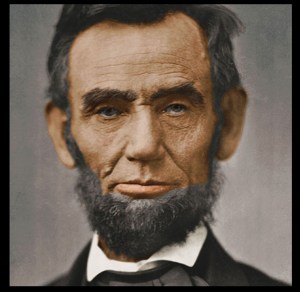
 

Many social reformers view him as a champion of liberty. He has the description of a classic liberal by historians. He is a role model to liberal intellectuals and human rights organizations. Some of his avid supporters even compare his life to Jesus Christ.

Abraham Lincoln appears on many postage stamps in the United States. His image also appears on two United States currency denominations. His sculpture on Mount Rushmore is certainly a world-class memorial. Furthermore, his other memorials include Ford’s theatre, Peterson House, and Lincoln Memorial.

The United States military greatly honors Lincoln. Many believe him to a symbol of national unity and pride. Two United States navy ships bear his name.

Abraham Lincoln was certainly a legendary American president. Probably everyone believes him to be a global icon of peace. His legacy is a powerful symbol against oppression. Above all, his greatest contribution to mankind is the emancipation of slaves. The forces of evil tried to stop him. However, his legacy became more glorious because of such attempts. Finally, his assassination took place at the hands of evil forces. However, this assassination left him as a national martyr. The name of Abraham Lincoln certainly belongs in the pages of greatness.

Lincoln taught himself law, passing the bar examination in 1836. The following year, he moved to the newly named state capital of Springfield. For the next few years, he worked there as a lawyer and serving clients ranging from individual residents of small towns to national railroad lines.

He met Mary Todd, a well-to-do Kentucky belle with many suitors (including Lincoln’s future political rival, Stephen Douglas), and they married in 1842. The Lincolns went on to have four children together, though only one would live into adulthood: Robert Todd Lincoln (1843–1926), Edward Baker Lincoln (1846–1850), William Wallace Lincoln (1850–1862) and Thomas “Tad” Lincoln (1853-1871).

PRESIDENTIAL ELECTION

In 1864, Lincoln faced a tough reelection battle against the Democratic nominee, the former Union General George McClellan, but Union victories in battle (especially General William T. Sherman’s capture of Atlanta in September) swung many votes the president’s way. In his second inaugural address, delivered on March 4, 1865, Lincoln addressed the need to reconstruct the South and rebuild the Union: “With malice toward none; with charity for all.”

As Sherman marched triumphantly northward through the Carolinas after staging his March to the Sea from Atlanta, Lee surrendered to Grant at Appomattox Court House, Virginia, on April 9. Union victory was near, and Lincoln gave a speech on the White House lawn on April 11, urging his audience to welcome the southern states back into the fold. Tragically, Lincoln would not live to help carry out his vision of Reconstruction.
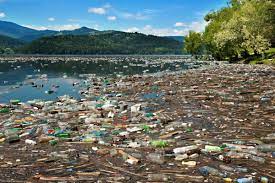
 

WATER POLLUTION

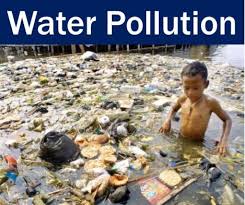
Water pollution is a global problem, affecting every continent and occurring in every type of ecosystem. It can be caused by industrial, agricultural and sewage systems, as well as by natural processes.

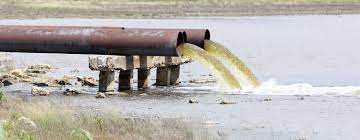
Water pollution does not respect political boundaries (or rivers), and can be managed at the international, national and local level. Water pollution occurs when harmful substances—often chemicals or microorganisms that contaminate a stream, river, lake, ocean, aquifer, or other body of water, degrading water quality and rendering it toxic to humans or the environment. Water pollution can come from a number of different sources. If the pollution comes from a single source, such as an oil spill, it is called point-source pollution. If the pollution comes from many sources, it is called nonpoint-source pollution. Most types of pollution affect the immediate area surrounding the source. Sometimes the pollution may affect the environment hundreds of miles away from the source, such as nuclear waste, this is called transboundary pollution.

550+ Water Pollution Pictures | Download Free Images on Unsplash

Water pollution is estimated to cause over 4 billion lost human lives per year. The global costs of water pollution exceed more than $1 trillion per year, making it the most costly environmental health hazard.Globally more than 2.5 billion people lack adequate drinking water, and another 1.8 billion lack adequate sanitation. More than 40% of the world’s population lives in water-stressed areas. The majority of this population lives in developing countries. In developing countries, water pollution is almost wholly due to point source pollution. The majority of the global burden of disease, injury, and premature mortality is estimated to be due to diseases caused by contaminated drinking water, sanitation, and unsafe sewage. Such major pollution events account for about 40 percent of the world’s total estimated disease burden.

It is well known that there are a number of ways in which water pollution can occur.

TYPES OF WATER POLLUTION

  • Industrial water pollution results when materials that are harmful to humans or the environment are dumped into water. Often industry will be negligent in ensuring that harmful wastes are managed safely.
  • Agricultural pollution derives from the discharge of chemicals to increase crop yields, or pesticides, herbicides, and fertilizers to grow food.
  • Wastewater pollution results from the discharge of human waste, sewage and industrial wastewater.
  • Nonpoint or diffuse pollution is pollution that occurs when substances diffuse into the water from a variety of sources.
  • Point source pollution is the damaging flow of a substance that originates from a single location that can be easily identified, contained or cleaned up.
Water Pollution: The Invisible Threat The World Is Ignoring

EFFECTS OF WATER POLLUTION

  • Virtually all types of water pollution are harmful to the health of humans and animals. Water pollution may not damage our health immediately but can be harmful after long term exposure.
  •  Heavy metals from industrial processes are toxic to marine life such as fish and subsequently to the humans who eat them.They can cause immune suppression, reproductive failure or acute poisoning.
  • Microbial water pollution is a major problem in the developing world, with diseases such as cholera and typhoid fever being the primary cause of infant mortality.
Water pollution - latest news, breaking stories and comment - The  Independent

These are just few effects of water pollution. If you wanna know more do research and know about it.

There are many ways to prevent water pollution and to avoid contaminating the water. Yes, there are various treatment plans to treat polluted water. For example, Sewage treatment plans, denitrification etc. The one thing we can do with the waste water is, Kitchen water can be directed to garden to save water as well as pollution. The things I said today are limited but there are many meaning in it. Hope you know more about it.

Top 6 Causes of Water Pollution and How to Reduce the Risks
SAVE WATER; SAVE LIFE

Read more;

reason behind the dispute

                THE UNSETTLED DISPUTE 

By : Neha Shahab

The boundary dispute between Assam and Mizoram dates back nearly a century and a half. Monday, as firing on the inter-state boundary left at least six Assam policemen dead and over 50 individuals injured. Mizoram borders Assam’s Barak Valley, and both border Bangladesh. The boundary between the two states, which runs 165 km today, has a history dating back to the time when Mizoram was a district of Assam and known as Lushai Hills. Boundary demarcations in 1875 and 1933, particularly the second one, are at the heart of the dispute.
The 1875 demarcation, notified on August 20 that year, derived from the Bengal Eastern Frontier Regulation (BEFR) Act, 1873. It differentiated Lushai Hills from the plains of Cachar in Assam’s Barak Valley. This was done in consultation with Mizo chiefs, and it became the basis for the Inner Line Reserve Forest demarcation in the Gazette two years later.

The 1933 demarcation marks a boundary between Lushai Hills and Manipur, beginning at the tri-junction of Lushai Hills, Cachar district and Manipur. The Mizos do not accept this demarcation on the ground that their chiefs were not consulted this time.

According to Mizo leaders, the only acceptable boundary is the Inner Line of 1875 on the southern frontier of Cachar, notified as per the BEFR Act. (This was subsequently revised in 1878 as it sought to demarcate the Lushai Hills frontier from the plains of Assam.

The dispute has been simmering since Mizoram became a Union Territory in 1972 and then a state in the 1980s. The two states signed an agreement that status quo should be maintained at no-man’s land set up in the boundaries. While alleged transgressions have often happened over the decades, skirmishes have happened very frequently in recent months.

While Assam sees its claimed boundary as transgressed, Mizoram cites unilateral moves by Assam inside Mizoram territory. It alleges that in June last year, Assam officials entered Mamit district and visited some farms; that miscreants entered Kolasib district and burnt down two farm huts; and that Assam officials visited the inter-state border between Vairengte (Mizoram) and Lailapur (Assam) and crossed the duty post manned by the CRPF. Mizoram claims that both Assam and Mizoram authorities have undertaken construction work at Buarchep village of Mizoram, and that the Home Ministry is aware of all these issues.

Last October, Assam Police officers allegedly visited Saihapui ‘V’ in Mizoram and threatened to blockade the inter-state highway. Later that month, the inter-state highway as well as the National Highway connecting the two states was blockaded by individuals at Lailapur in Assam. In November, bombs exploded at Upper Phainuam Lower Primary School in Mizoram. A peace meeting was held between the two states.

In recent months, several huts and small shops have been torched, and violent clashes have taken place on issues as petty as claims over betel nut cultivation, with plantations belonging to two residents of Mizoram allegedly set ablaze. There have been clashes between villagers of Lailapur and Vairengte, and between residents of Karimganj (Assam) and Mamiut (Mizoram).

WBYR- White, Black, Yellow, Red

Photo by Daniel Spase on Pexels.com

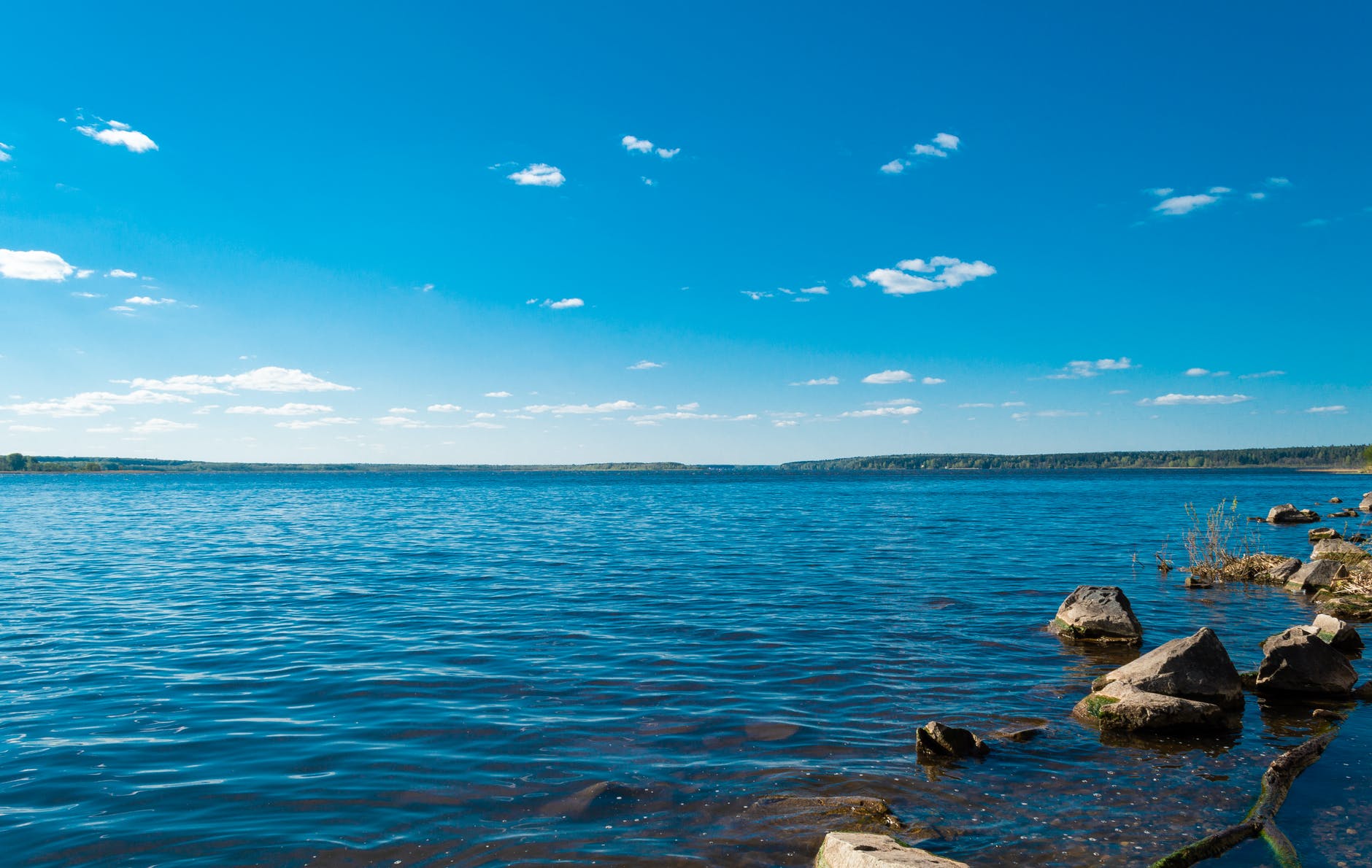
The names of the colors seemed strange, didn’t they? And I bet the picture above makes it all a lot more bizarre. But here’s the thing, all those colors above are names of lakes, well seas actually, that are spread all over the world. For those who knew we were gonna talk about seas, I bet you don’t know what gives them this distinctive name. Do you? Well, if you do know where they are located and why they are named so, you can skip the article. Or, you can read it, you know. It can be a wonderful revision and you can let me know if I miss something.

Well let’s start with black lake, shall we? The black lake helps the Urals, the Caspian sea and the Caucasus define the boundary between Europe and Asia. It shares its boundary with Ukraine to the north, Russia and Georgia to the east, Turkey to the south, and Bulgaria and Romania to the west. The black sea is connected to the small sea of Marmara (via the Bosporus strait) which is connected to Aegean sea via the strait of Dardanelles Well, this is something about the geography of the black sea. Now, to why it is known as the black sea. In earlier times, sailors and pirates saw the sea’s blue-green water appear all dark and black, especially during severe storms. Black sea has high concentration of hydrogen sulfide. When metal objects, dead plants and animal matter sunk deeper into the sea, they get covered with black sludge due to the hydrogen sulfide.

The next is Yellow sea. A marginal sea(sea bordering continents, separated from open ocean by island arcs and land ridges) of Pacific ocean, located between mainland China and Korean peninsula, the northwest part of East China sea. The sea becomes golden-yellow due to the yellow colored sand particles that flow in from the Gobi desert (located in Northern China and southern Mongolia).

The third is the red sea. It is located between the Arabian peninsula and the African peninsula. To the south lies the gulf of Aden and to the north lies the Sinai peninsula, the gulf of Suez and the gulf of Aqaba. Its name is a direct translation of its ancient Greek name, Erythra Thalassa, and many people believe that it derives its name because its normally blue-green water occasionally turns reddish-brown in the presence of a cyanobacteria called Trichodesmium erythraeum.

The last is the white sea. It is located in the North-west coast of Russia(in Europe) and is the southern inlet of Barents sea . It is covered with ice for 6-7 months every year. The covering of ice gives it a white color and hence the name.

This is all for the day. See you tomorrow with some more interesting phenomenon happening all around us.

Motivation

The term motivation is derived from the word ‘Motive’. Motive is a combination of thought, feeling or condition that causes one to act. Motivation is that force which incites individual to perform some activation.

Types of Motivation

  1. Intrinsic Motivation :- Intrinsic motivation is internal. It occurs when person are compelled to do something out of pleasure, importance or desire. Motivation is always intrinsic when it comes from within oneself.
  2. Extrinsic Motivation :- It occurs when eternal factors compel the person to do something. Reward,punishment, praise, blame or cash prize are example of extrinsic motivation.

Techniques of Motivation

  1. Goal Setting :- If you don’t set a goal, you cannot achieve apex position in your life.
  2. Elaborate Arrangement of competition :- Without extensive arrangement of competitions one can’t perform well in such competitions.
  3. Healthy Environment :- Healthy environment consists of good climate, proper wealth, humidity and temperature etc. In such healthy environment one can exhibit good performance in competition.
  4. Motivational Music :- It is a good way to motivate someone.
  5. Positive Attitude :- For proper motivation the one should try to encourage positive attitude among themselves.

BOOK REVIEW: HARRY AND THE DEATHLY HALLOW

From the outset, Harry Potter and the Deathly Hallows moves at breakneck speed. Author J.K. Rowling clambers to tie up loose ends left dangling from the previous six books, creating a final novel with a dark mood and somewhat convoluted story.

As usual, Harry begins by saying good bye to private drive-this time for good. At midnight, the protective charm provided by his mother’s sacrifice will break, leaving his vulnerable to a death eater plot to kidnapped him. During the fray, Voldemort appears and discovers that he needs a stronger wand to defeat and kill the boy. This begins the Dark Lord’s search for the legendary Elder Wand, an unbeatable weapon with a bloody history. To win its allegiance, a wizard must kill its owner.

From here, the bulk of the story surrounds the three main characters staying a step ahead of Death Eaters and camping out in a magically protected tent wherever the Horcrux trail leads. Their search is frustratingly difficult. Tempers run high. Harry is plagued by visions of Voldemort torturing and killing people. And Hermione spends her time poring over a book Dumbledore left her in his will.

Positive Elements:

J.K Rowling did very well in her past and she also continued the same in this work and the excellent character development prove that she is no doubt a great novelist. The reflection of God and Evil was very much clear in this novel. Cruelty reflects the evil nature of those who use it, and the life is assigned value, even in the cases of the most unlovely being. Themes of true friendship and self-sacrifice are touchingly developed. Harry, Ron and Hermione are nearing adulthood, and their relationships reflect this. Trying to convince Ron and Hermione to stay behind in safety, Harry finds his two friends determined to help him fight Voldemort. Ron and Hermione’s romantic relationship blossoms to genuine love. And it does so without any inappropriate sexuality. Throughout the Potter series, pride and hunger for power go hand in hand and almost always accompany evil, even in the noblest of characters. So it is in Deathly Hallows. Imagery of peacocks on the walls of Voldemort’s hideout reflects his over-confident belief in his being the most powerful and wisest wizard, a failing that often blinds him. 

The Final Battle:

We can see violence in the every chapter of Deathly Hallows and some of the imagery would do Stephen king proud, particularly in the case of Bathilda Bagshot, a neighbour of Harry’s parent in Godric’s Hollow. She promised her readers a story of war against pure evil. Resultantly, this book is fraught with injury and death. More than a few characters—some of them beloved by fans—die. One is “splinched,” his flesh ripped away during disapparation. Another takes a curse to the side of the head and loses an ear. Others burst into flame or strangle themselves.

Spirituality:

The visual imagery of magic, of course, continues to be Harry Potter’s primary problem. Because this book is so dark and its themes so sobering, everything seems more intensely real. As Ron, Harry and Hermione fight to remain hidden, they continually summon the benefits of spells to conceal themselves. Each time their tent is erected they encircle the area mumbling protective incantations and drawing shapes around the campsite with their wands. In Rowling’s world, characters embrace many of the same values Christians in the real world espouse. But as Harry, Ron and Hermione struggle to choose between right and wrong, and sort out grey areas, it is the human heart that decides, rather than any divine authority or maxim. Still, Deathly Hallows has a feel for spirituality that comes across as very believable at times. 

Conclusion:

As confusing and troubling as it may seem to have a lightning bolt-branded boy-wizard as a Christ figure, J.K. Rowling tries to create one in Harry. But while he is “savior,” he is also He-Who-Must-Be-Saved. Harry Potter and the Deathly Hallows conjures a world that practically begs for something to have faith in.

There is no doubt that J.K. Rowling will be remembered as one of the most well-read writers of our age. She will also be remembered for ignoring the simple truth of a very old—and sacred—text: We love because He first loved us.

Sleep Deprivation: A serious issue.

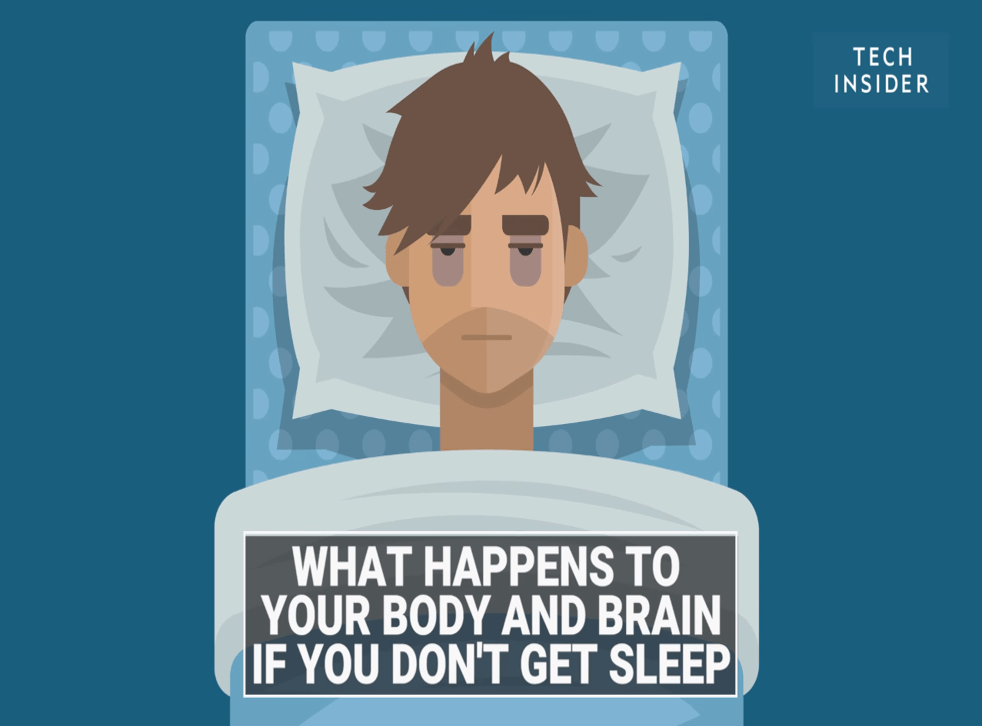
Sleep deprivation is the lack of sleep or reduced duration of sleep that damages one’s health in long run. The main reason behind lack of sleep these days is due to the lifestyle and excess interaction with gadgets such as mobile phones, laptops, tablets etc that promotes laziness and reduce physical activity manifold.

Sleep deprivation is the root cause of health deterioration as well as reduced life expectancy even though no one cares about the hours of sleep needed. Most of us spend two-third of our nights scrolling through phones using social media. Or watching a tv series, that causes insomnia if the habit persists. Sleep deprivation comes with a lot of health issues that we take for granted.

An average hour of sleep that is needed for an adult is around 7-8 hours, which is necessary for the body to perform metabolic activities and maintain homeostasis of the body. The lesser we sleep the more complex it would become for the body to perform efficiently that ultimately damages several organs of our body.

Effects on the body :

  • The cardiovascular system: Lack of sleep can severely damage the functioning of the heart. An adequate amount of sleep helps to maintain blood pressure, sugar levels etc that prevent the chances of increased heart disease.
  • Brain: Sleep deprivation can cause the altered perception as well as visualization. A lack of sleep may also make it harder for a person to form new memories, which can affect learning.
  • Hormonal imbalance: Insufficient sleep can cause a hormonal imbalance that upset the entire machinery. Lack of sleep causes release of stress hormone that builds up unnecessary tension in the muscles and nerves.
  • Fertility: Poor sleep may affect the production of hormones that boost fertility.
  • The immune system: Sleep deprivation may cause a person to be more prone to infections, that leads to various diseases.

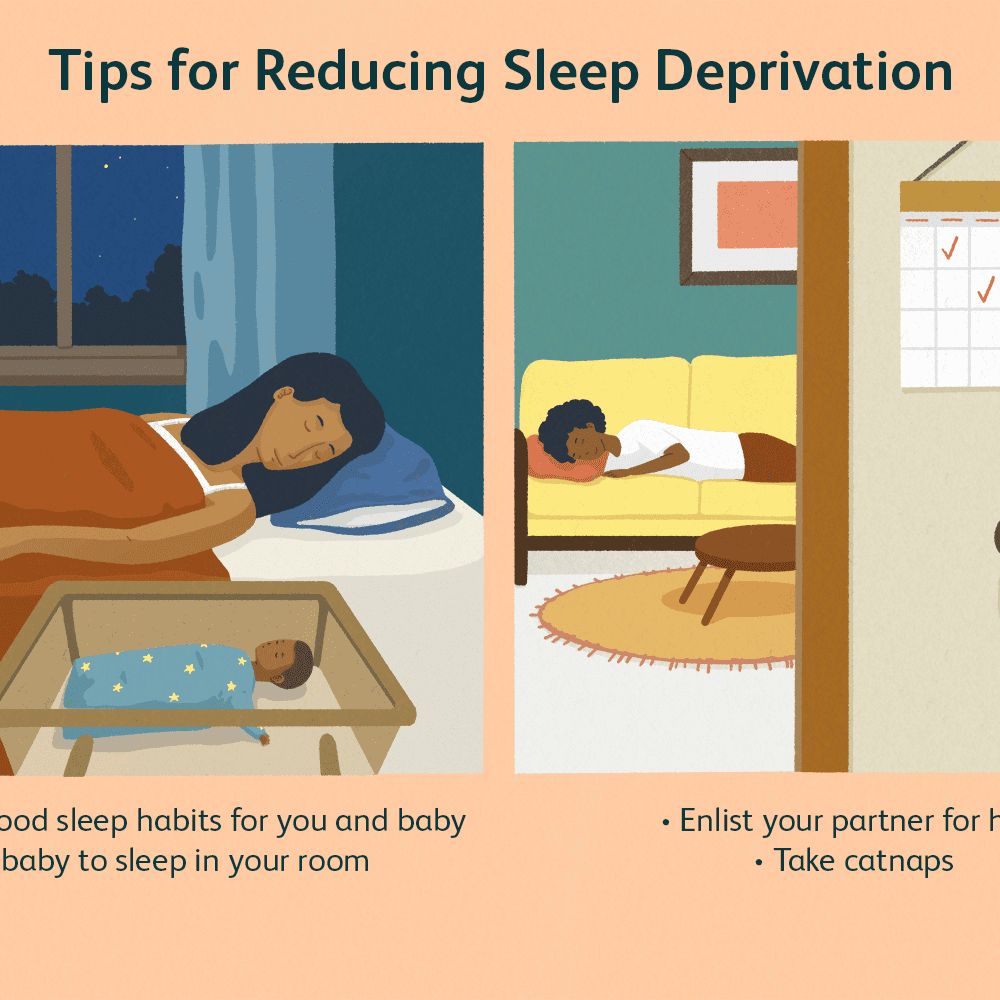
There are lots of ways to tackle the problem of sleep deprivation such as medication, cognitive behavioural techniques, relaxation techniques and Homecare strategies. Among all of the methods mentioned, homecare strategies is the most effective way because of no side effects related to it.

Some of the home care strategies are:

  • Get a regular exercise.
  • Try to take power nap of 15 mins during day time.
  • Avoid having dinner just before going to bed.
  • Limit the consumption of caffeine.
  • Try to go to bed and waking up same time every day.
  • Try to do physical activities or workout a little.
  • After trying to fall asleep for 20 minutes, get up and read, then try again later.

References:

Wildlife and its Conservation

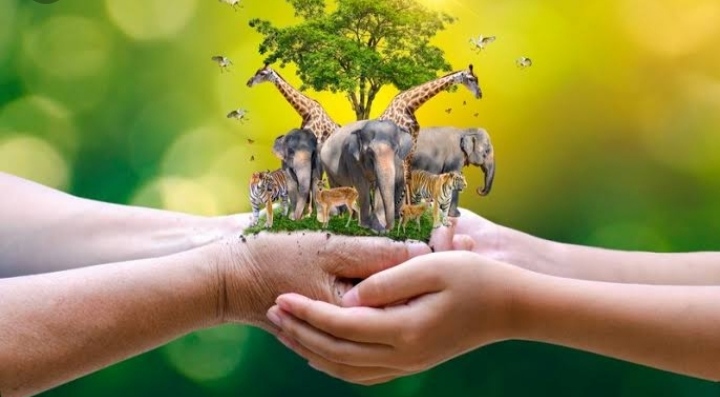
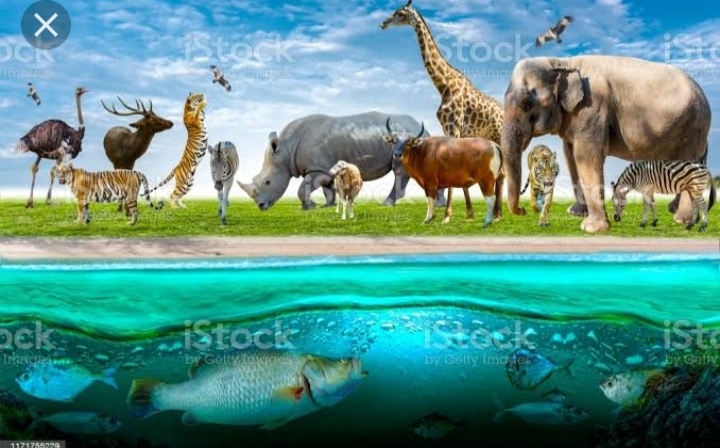
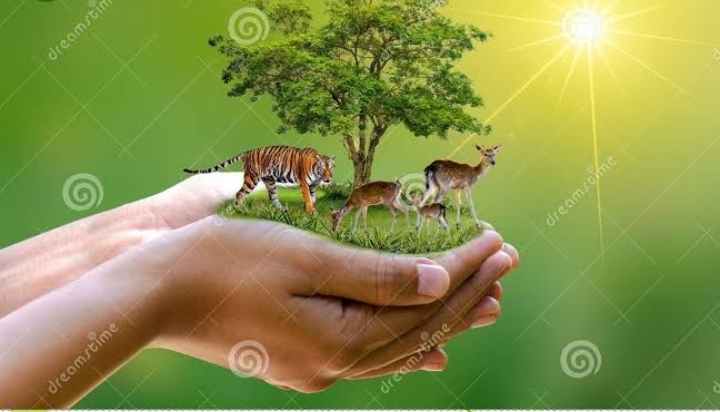
Wildlife refers to the undomesticated animals living in their natural habitats (forests, grasslands and deserts) an area without human habitation. They are needed for maintaining biological diversity. It also helps in promoting economic activities that generates revenue through tourism. Conservation of forest and wildlife is interrelated with each other.

Decline in Wildlife Population

Wildlife of India is a great natural heritage. Exploitation of wildlife resources has decreased global wildlife population by 52% between 1970 and 2014. Over exploitation and shrinking of forest cover areas has resulted in animals becoming extinct, some are threatened and some are on the verge of extinction. In recent years, increase in human encroachment has posed a threat to India’s wildlife.
Aims of Wild life Management

The main aim of wild life conservation are:

To control and limit exploitation of species. To preserve the plants and animals from extinction. Maintenance of threatened species and protect species which are on the verge of extinction. Preserve the endangered species. To study the ecological relationship of the plants and animals in natural habitat. Hunting and poaching should be prohibited. Establishment of National parks, wildlife sanctuaries, protected areas and Biosphere reserves.
The Wildlife Protection Act was established in 1972. The provisions of the act are

Prohibit killing and hunting of specified animals. Constitute sanctuaries, national parks, and closed areas for wildlife conservation. Special schemes for preservation of endangered species. Constitute Central Zoo Authority and recognition of zoos. Restrict, regulate or prohibit trade in Wild animals and products obtained from them.
Organisation Involved in Conservation of Wildlife

Indian Board for Wildlife (IBWL), World Wildlife Fund (WWF) for Nature, World Conservation Union (WCN), International Union for Conservation of Nature and Natural resources (IUCN), Convention of International Trade in Endangered Species (CITES), Bombay Natural History Society (BNHS), Wildlife Preservation Society of India, Dehradun.
OLYMPICS

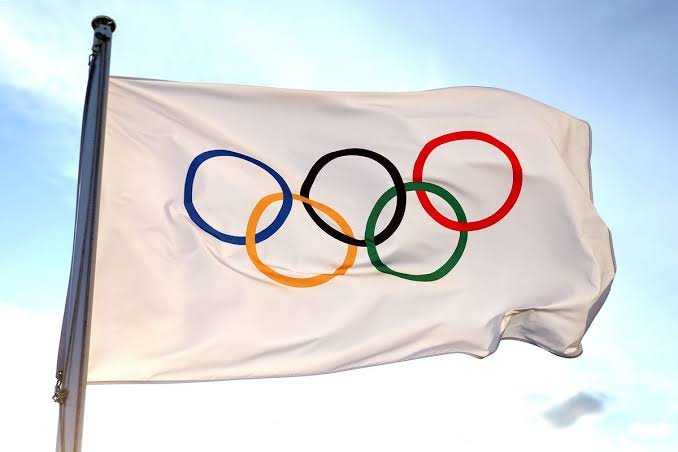
An ancient Panhellenic festival held every fourth year and made up of contests of sports, music, and literature with the victor’s prize a crown of wild olive.
The modern Olympics are leading international sporting events featuring summer and winter sports competitions in which thousands of athletes from around the world participate in a variety of competitions. The Olympic Games are considered the world’s foremost sports competition with more than 200 nations participating.[3] The Olympic Games are normally held every four years, alternating between the Summer and Winter Olympics every two years in the four-year period.

Their creation was inspired by the ancient Olympic Games , held in Olympia, Greece from the 8th century BC to the 4th century AD. Baron Pierre de Coubertin founded the International Olympic Committee (IOC) in 1894, leading to the first modern Games in Athens in 1896. The IOC is the governing body of the Olympic Movement , with the Olympic Charter defining its structure and authority.

The evolution of the Olympic Movement during the 20th and 21st centuries has resulted in several changes to the Olympic Games. Some of these adjustments include the creation of the Winter Olympic Games for snow and ice sports, the Paralympic Games for athletes with disabilities, the Youth Olympic Games for athletes aged 14 to 18, the five Continental games (Pan American, African, Asian, European, and Pacific), and the World Games for sports that are not contested in the Olympic Games. The IOC also endorses the Deaflympics and the Special Olympics. The IOC has needed to adapt to a variety of economic, political, and technological advancements. The abuse of amateur rules by the Eastern Bloc nations prompted the IOC to shift away from pure amateurism, as envisioned by Coubertin, to the acceptance of professional athletes participating at the Games.

International Olympic Committee
The Olympic Movement encompasses a large number of national and international sporting organisations and federations, recognised media partners, as well as athletes, officials, judges, and every other person and institution that agrees to abide by the rules of the Olympic Charter.[86] As the umbrella organisation of the Olympic Movement, the International Olympic Committee (IOC) is responsible for selecting the host city, overseeing the planning of the Olympic Games, updating and approving the Olympic sports programme, and negotiating sponsorship and broadcasting rights.[


“The most important thing in the Olympic Games is not to win but to take part, just as the most important thing in life is not the triumph but the struggle. The essential thing is not to have conquered but to have fought well.”

CASTE SYSTEM IN INDIA IS A GREAT EVIL..

The Caste System is a major evil in Indian society.

Originally, India from its past had this caste system in the society. From the kings reign to till the current society, the caste system is in existence. Caste system, in the king’s era did not give rise to discriminations but the recent society made this a great way of discriminating This caste system, in present India, is misleading the society and its citizens towards bad decisions. It is forcing the people even to the things that should not be attempted.

During the king’s reign, the four-fold caste system was followed. The four castes were namely, Brahmins (teachers, intellectuals/priests), Kshatriyas (Warriors/rulers), Vaishyas (Traders, merchants), Shandra (Laborer’s) and the last category are untouchables (cobblers, street sweepers, larine cleaners etc.). According to Hindu Vedas, it is believed that the Brahmins originated from the head of Brahma, Vaishyas from the thigs of Brahma, Sudras from the feet of Brahma and kshatriyas from the hands of Brahma. That’s why Brahmins were given priority and importance, even treated as Guru.

This system coming to the present society is divided into OC Copen Category), OBC (other Backward classes/castes) SC(scheduled Castes), ST (Scheduled tribes). This present (or) recent division gave rise to discriminations and Conflicts in the society. The people who OC feel that they are great and treat the other classes as interiors. The reservations for the lower classes made the administration particularly in education worse..

If observed, the incidents that took place recently because of caste feeling in the people, made us think whether we are living in a human society, and is humanity. existing questions arise in our minds. If considered, a Situation that took place in Hyderabad A couple loved each other and got married, the girl belongs to upper caste and the boy was from lower caste. The girl’s father was not happy with his daughter’s marriage with a low caste boy .Up to what extent this caste feeling took him is, he brutally killed the poor boy as he belonged to the lower caste and married his daughter. This is where we feel, whether the humanity is existing or not.

The worst thing is, people while electing their representative not all, but most of the people vote for the leader of their caste. This is a really sad thing being in a democratic country .Some political leaders also show partial bias on the people of their caste and wish to always favor them. The most dreadful thing is a party representing a particular Caste in India, it might be a regional party or national party. Even though many rules and laws were made, a kind of feeling in the people exists even to this day..

This caste system creates a lot of disturbances in the Society and gives rise to violence among the people. Like the above incident, continuously the same kind of incidents took place; one after the other, here and there in the Country. The politicians fight and criticize each other by naming their castes which makes the term democracy meaningless.

So, this caste system is the greatest evil that is misleading. people into bad thoughts and decisions. This should be eliminated (or removed (or) put an end to it, in order to establish peace in the country). According to Article 17 in the Indian constitution, the act of untouchability was prohibited. But, here and there in society, it is still in practice. Caste system in India is very rigid, and cannot be removed easily. If people are educated then some changes can be expected. But the bad news is even the educated people follow and believe the caste and act accordingly.

Finally, concluding that the caste system in India is a major evil in the society We cannot expect a model society. It cannot be removed easily from the minds of the people. so, a model society con peaceful society can be attained only through the complete eradication of the caste system.

The World Bank

The World Bank is an international organization dedicated to providing financing, advice, and research to developing nations to help their economic development. It was created in 1944 out of the Bretton Woods Agreement, which was secured under the United Nations after World War II. The Bretton Woods Agreement included several components: a collective international monetary system, the formation of the World Bank, and the creation of the International Monetary Fund (IMF). The World Bank is headquartered in Washington, D.C. with over 10,000 employees globally.

The bank predominantly acts as an organization that attempts to fight poverty by offering developmental assistance to middle and low income countries. They aim to end extreme poverty by decreasing the number of people living on less than $1.90 a day to below 3% of the world population. They also want to increase overall prosperity by increasing income growth in the bottom 40% of every country in the world. The World Bank has expanded to become known as the World Bank Group with five cooperative organizations, sometimes known as the World Banks. These organizations include The International Bank for Reconstruction and Development (IBRD), The International Finance Corporation (IFC), The International Development Association (IDA), The Multilateral Investment Guarantee Agency (MIGA) and The International Centre for Settlement of Investment Disputes (ICSID).

The World Bank has 189 member countries, staff from more than 170 countries, and offices in over 130 locations. The World Bank supplies qualifying governments with low-interest loans, zero-interest credits, and grants, all to support the development of individual economies. Debt borrowings and cash infusions help with global education, healthcare, public administration, infrastructure, and private-sector development. The World Bank also shares information with various entities through policy advice, research and analysis, and technical assistance. It offers advice and training for both the public and private sectors. They also have a Human Capital Project that was started in 2017 which seeks to help nations invest in and develop their human capital to produce a better society and economy. World leaders are urged to prioritize investments in education and healthcare to strengthen the human capital resources of the country. Another project that was started by the World Bank was the Learning for Future Project. It was created to enhance children’s readiness for school and the effectiveness of secondary instruction in Kyrgyzstan communities. The project established 500 community-based kindergarten programs, which allowed for the enrollment of over 20,000 children.

LGBT COMMUNITY

The LGBT community is a loosely defined. Grouping of Lesbian, Gay, Bisexual, Transgender, LGBT Organizations, and subcultures, united by a common culture and social movement. They are generally celebrated pride, diversity, individuality, and sexuality. The term pride or sometimes gay pride expresses the LGBT community’s identity and collective strength; pride parades provide both a prime example of the use and a demonstration of the general meaning of the term. The LGBT community is diverse in political affiliation. Not all people who are lesbian, gay, bisexual, or transgender consider themselves part of the LGBT community.

The group which can be included in LGBT community are gay village, LGBT rights Organizations, LGBT employee groups at companies, LGBT students groups in schools and universities, and LGBT-affirming religious groups.

Symbol:

This LGBT community has some symbol and certain colour. The Greek lambda symbol (“L” for liberation), triangles, ribbons, and gender symbols are also used as “gay acceptance” symbol. There are many types of flags to represent subdivisions in the gay community, but the most commonly recognized one is the rainbow flag. According to Gilbert Baker, creator of the commonly known rainbow flag, each colour represents a value in the community:

pink = sexuality

red = life

orange = healing

yellow = the sun

green = nature

blue = art

indigo = harmony

violet = spirit

Human and Legal Rights:

The LGBT community represented by a social component of the global community that is believed by many, including heterosexual allies, to be underrepresented in the area of civil rights. The current struggle of the gay community has been largely brought about by globalization. In the United States, World War II brought together many closeted rural men from around the nation and exposed them to more progressive attitudes in parts of Europe. In 1947, when the United Kingdom adopted the Universal Declaration of Human Rights (UDHR), LGBT activists clung to its concept of equal, inalienable rights for all people, regardless of their race, gender, or sexual orientation. The declaration does not specifically mention gay rights, but discusses equality and freedom from discrimination. In 1962, Clark Polak joined The Janus Society in Philadelphia, Pennsylvania.

Same-Sex marriage:

In some parts of the world, partnership rights or marriage have been extended to same-sex couples. Opponents of same-sex marriage within the gay community argue that fighting to achieve these benefits by means of extending marriage rights to same-sex couples privatizes benefits (e.g., health care) that should be made available to people regardless of their relationship status. Opposition to the same-sex marriage movement from within the gay community should not be confused with opposition from outside that community.

LGBT multiculturalism:

LGBT multiculturalism is the diversity within the LGBT (lesbian, gay, bisexual, transgender) community as a representation of different sexual Orientation, gender identities—as well as different ethnic, language, religious groups within the LGBT community. At the same time as LGBT and multiculturalism relation, may consider the inclusion of LGBT community into a larger multicultural model, as for example in universities, such multicultural model includes the LGBT community together and equal representation with other large minority groups such as African Americans in the United States.

LUXURY TRAINS OF INDIA

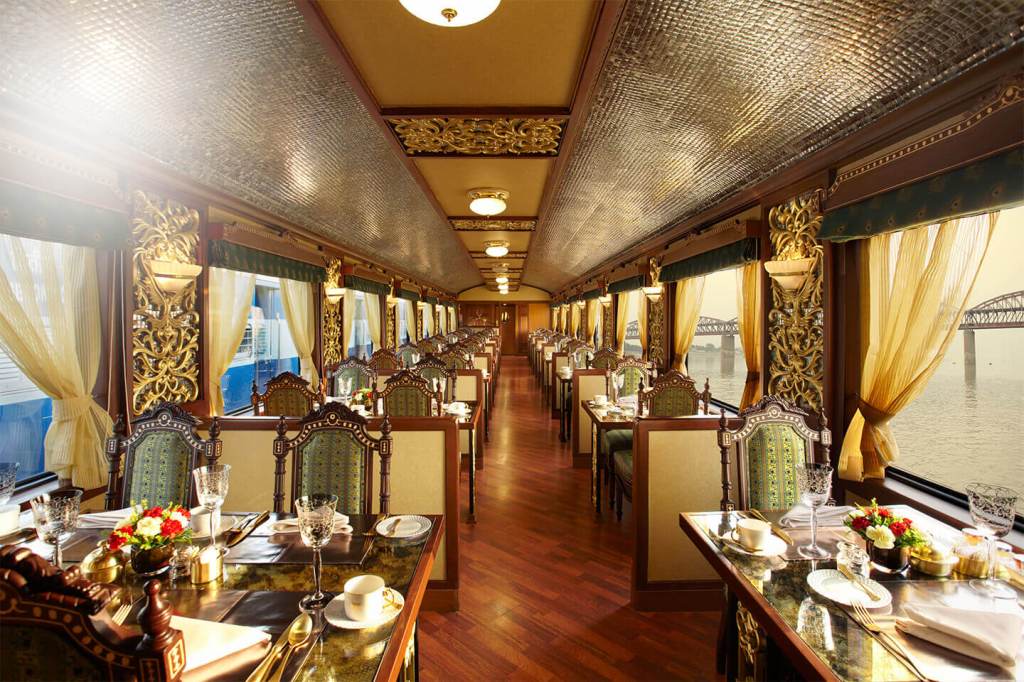
Atithi Devo Bhava” means “Guest is God” and India, with its beautiful & luxurious trains, proves it True. They make India memorable for the visiting tourists by Providing them with the most exquisite & hospitable experience. These trains are the epitome of luxury, offering passengers a glimpse of the country’s rich culture, exotic destinations, and spellbinding sceneries.

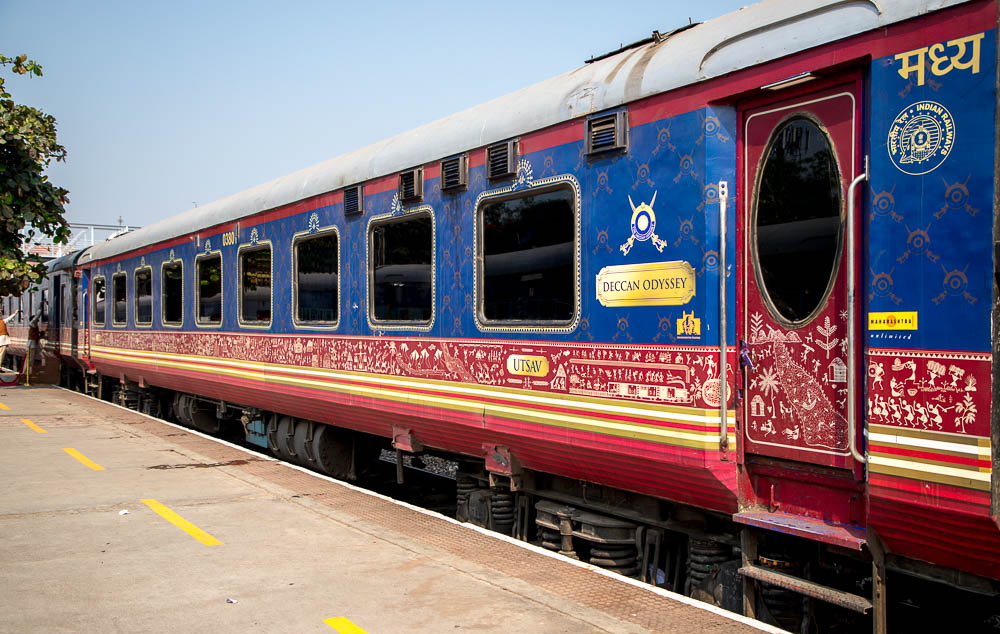
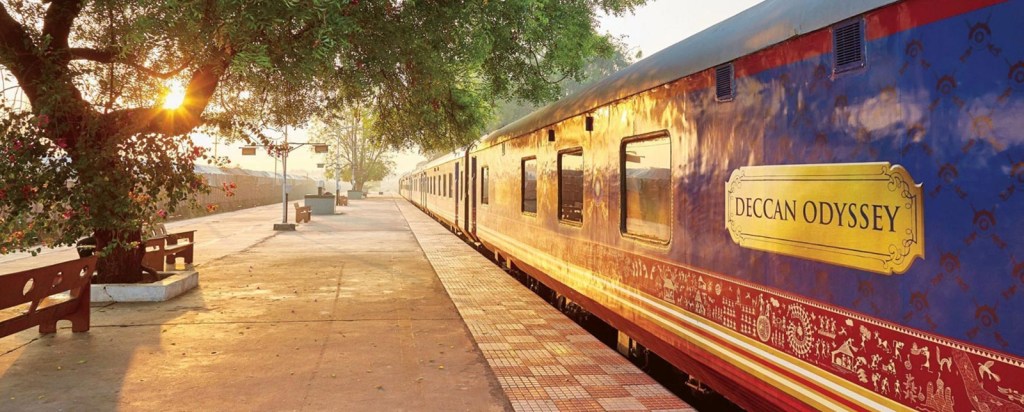
The Deccan Odyssey

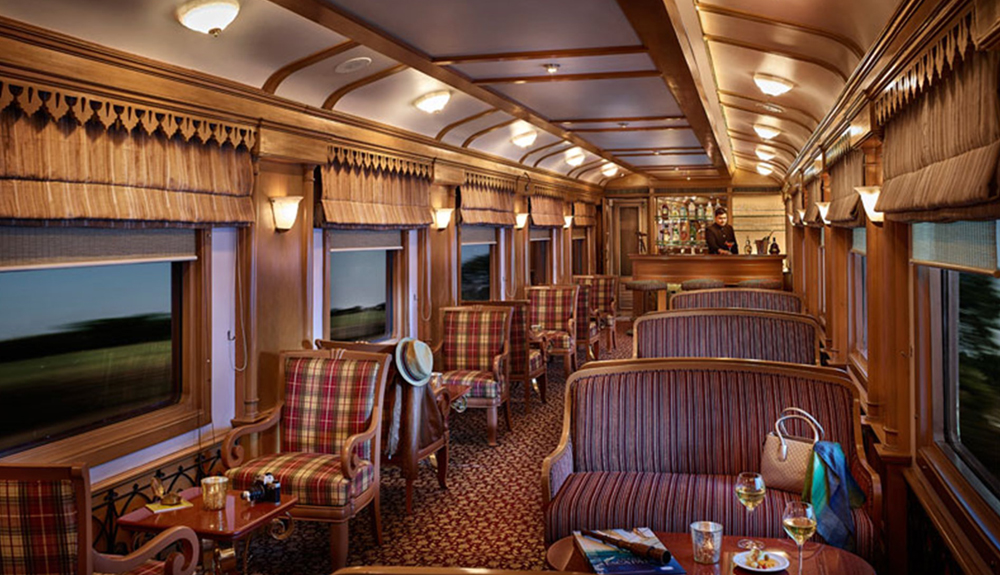
Deccan Odyssey was launched in 2005 to boost tourism in Maharashtra. The Indian Railway and the Maharashtra State Government collaborated on the project. This sumptuous train travels through Maharashtra’s tourism destinations, offering passengers a glance at the state’s culturally rich legacy. The exquisite interiors are reminiscent of a timeless classic, yet with a contemporary twist, creating a wonderful mix for a memorable moment.

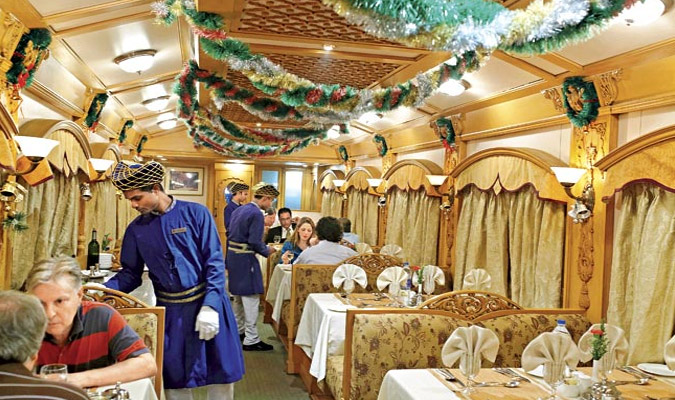
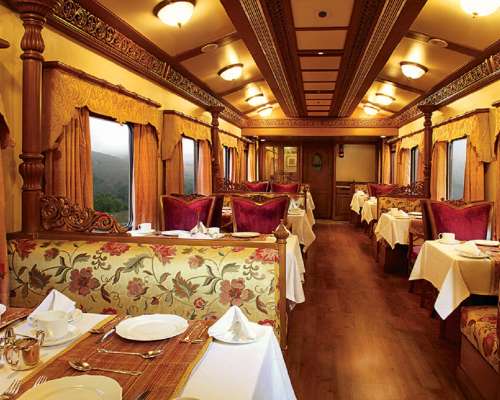
The opulent Deluxe Cabins and Suite Cabins with attached restrooms showcase state-of-the-art amenities and provide passengers with a luxurious voyage. Dining Car, Saloon, Bar Lounge, Mini Gymnasium, Conference Hall, and Ayurvedic Spa are among the other onboard amenities. This regal journey is like a five-star hotel on wheels, with all the luxuries. Twelve passenger cars, one conference car, two dining cars, two generators, luggage cars, two staff cars, one spa car, and one bar car make up the Deccan Odyssey’s 21 coaches.

The train has a crew of over 30 to supervise a pleasant & comfy trip for all the 90 passengers on board. The Deccan Odyssey Train offers six different itineraries for discovering India’s most exotic destinations: Indian Odyssey, Indian Travel, Hidden Treasures of Gujarat, Deccan Jewel, and Maharashtra Wild Trail.

Maharajas’ Express

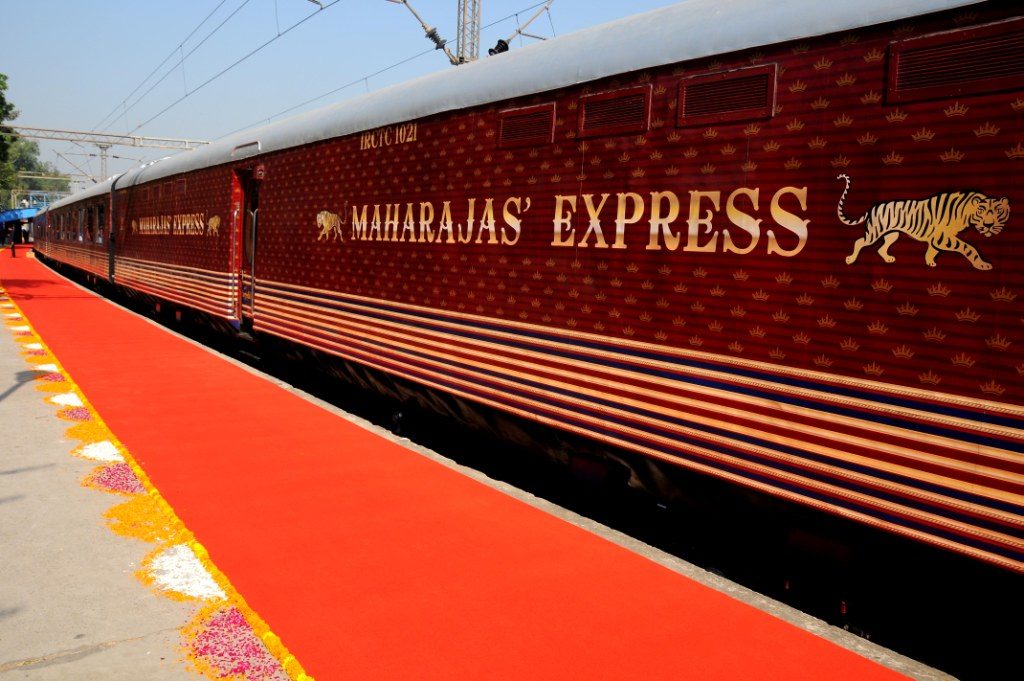
The ‘Maharajas Express‘ train, an ultra-luxury train travel experience, has won the ‘World’s Leading Luxury Train’ award seven years in a row at the annual World Travel Awards. It now ranks higher than other world-class luxury trains like the Royal Scotsman in the United Kingdom, the Orient Express in Europe, and the Blue Train in South Africa.

The Maharajas Express offers four separate routes across North, Central, and Western India, with four different cabin and suites classifications to pick from. Three of the journeys last three nights, while the others last six nights each. All passenger cabins are equipped with individual temperature controls, televisions, DVD players, direct dial telephones, and internet connectivity, to name a few amenities, to make your journey as convenient and pleasant as possible.

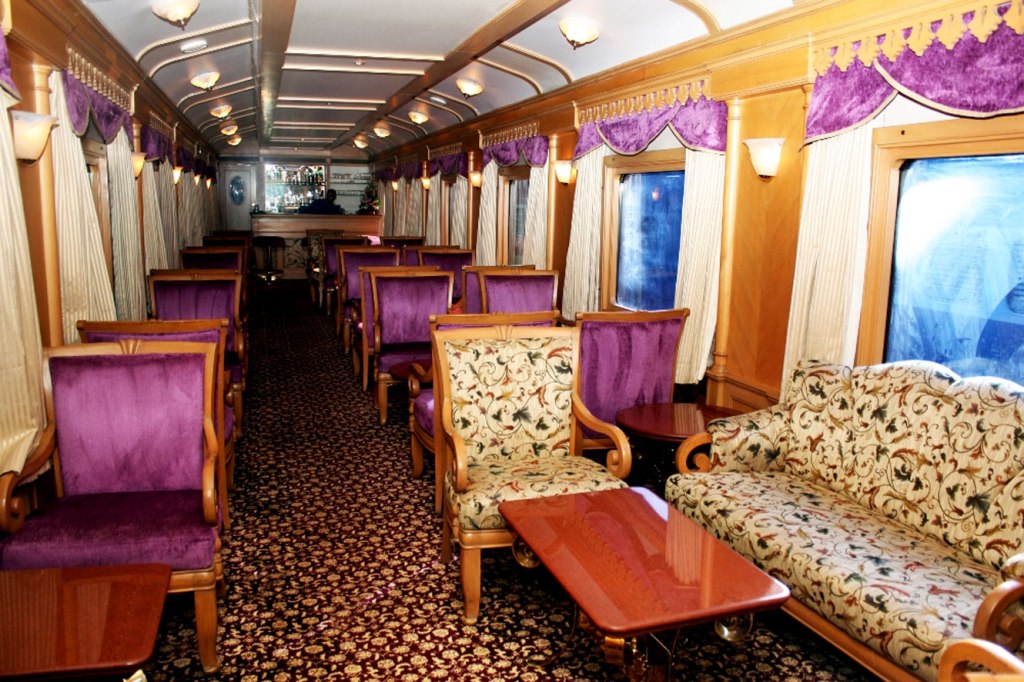
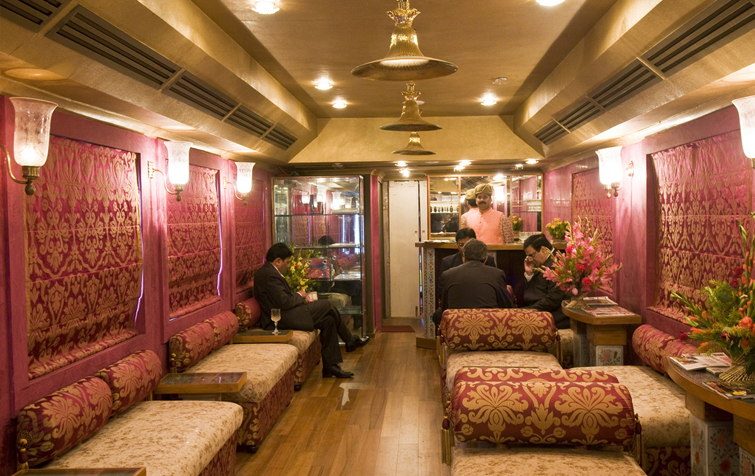
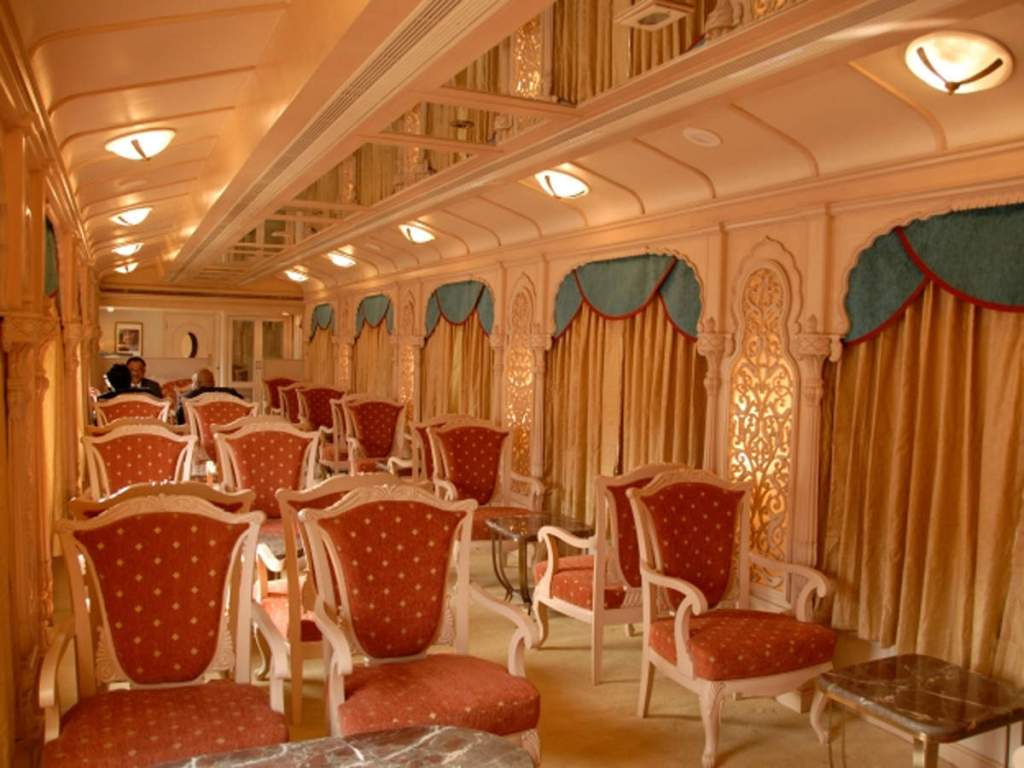
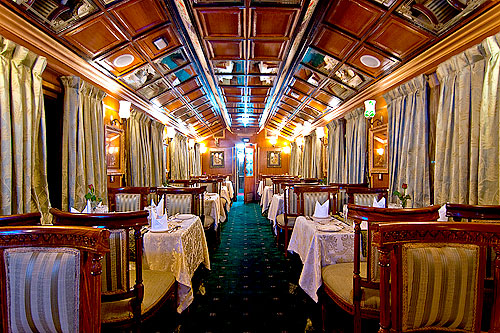
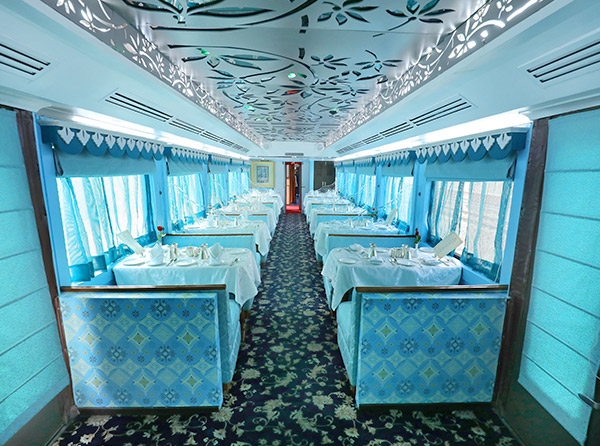
Mayur Mahal and Rang Mahal are two fine dining establishments on the Maharajas’ Express. It has a seating capacity of 42 people, enabling everyone on board to dine together. It also offers an exotic Safari bar with a fine collection of wines, beers, and other refreshments for all passengers. There is also a lounge called ‘Raja Club,’ which includes comfy seats and club armchairs. The Maharajas’ Express also features a high-end boutique with exquisite and one-of-a-kind items.

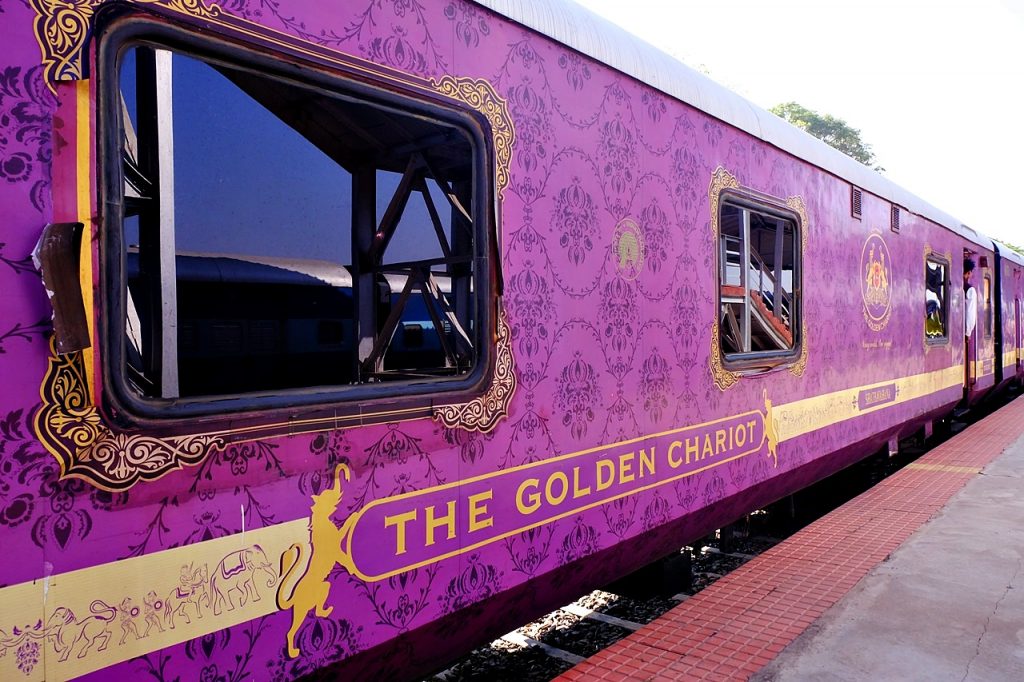
The Golden Chariot

The luxurious Golden Chariot Train travels to Bengaluru, Bandipur, Halebidu, Chikmagalur, Chettinad Kumarakom, Mysore, Hampi, Belur, Badami, Mahabalipuram, Goa, Thanjavur, and Kochi for its passengers. A collaboration between the IRCTC and the KSTDC, The Golden Chariot train aims to exhibit South India’s grandeur in the shortest time feasible. Pride of Karnataka, Jewels of South, and Karnataka’s Glimpses are three of the train’s itineraries, lasting between 4 to 7 days.

Golden Chariot offers perfect travel joy with luxurious interiors and well-appointed cabins designated after Karnataka’s ruling dynasties. The luxury train features an Ayurvedic spa, 2 fine dine restaurants, deluxe wooden suites with private washrooms, a gym, and a conference area. Golden Chariot is sheer grandeur on wheels, inspired by Dravidian art and culture. This 18-coach luxury train includes 44 guest suites that can accommodate approx. 84 people.

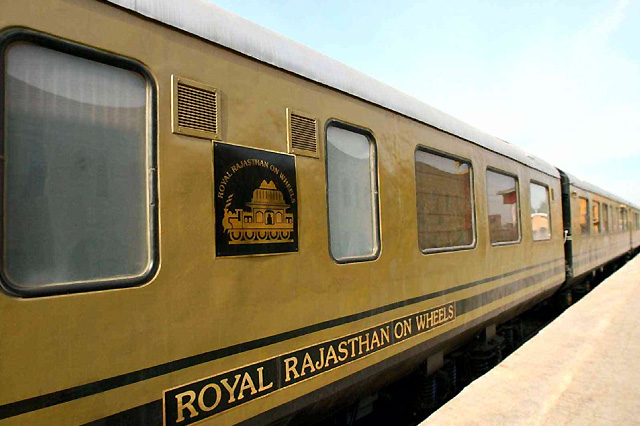
Royal Rajasthan on Wheels

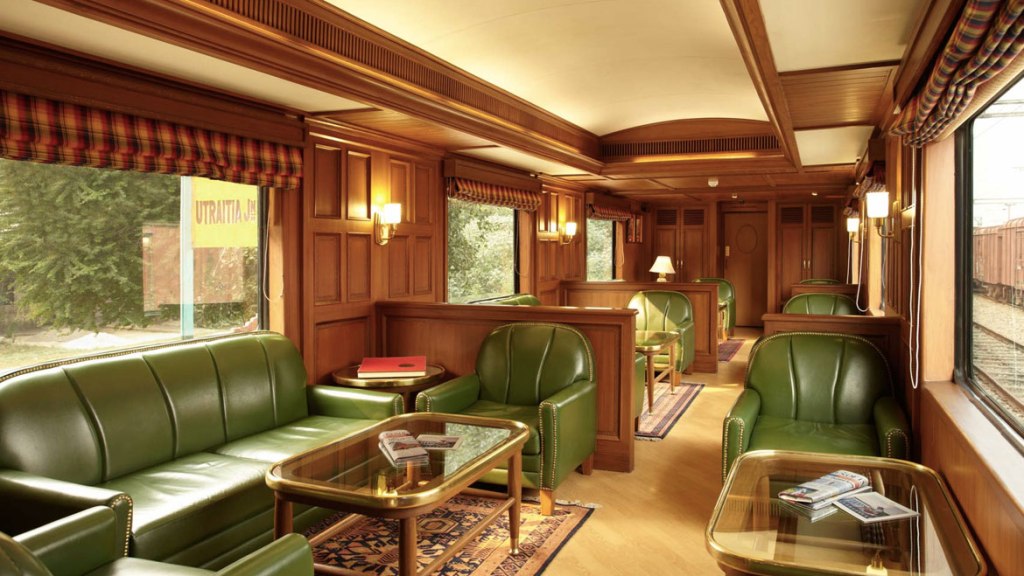
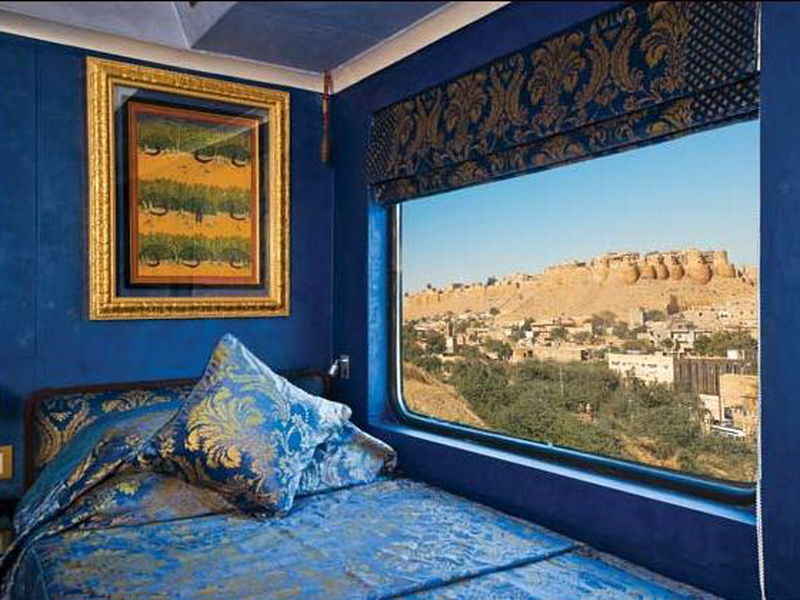
The interiors of Royal Rajasthan on Wheels are magnificent and luxurious. This luxury train has 14 passenger coaches, each named after one of Rajasthan’s majestic palaces. There are 13 deluxe and two super-deluxe saloons. Each saloon is designed elegantly with the highest quality jewels such as ruby, pearl, and sapphire, and offering its visitors a sense of grandeur and imperial lifestyle.

Beautiful silk and velvet bedspreads adorn the coaches, evoking the true beauty and allure of Rajasthan. In addition, each saloon’s vintage furnishings enhance the journey’s elegance and beauty. The coaches are fitted with study tables, chairs, and almost all of the lavish facilities and conveniences, to make the travel extra enjoyable. With its two beautiful restaurants, Swarn Mahal and Sheesh Mahal, a ride on the Royal Rajasthan on Wheels becomes more thrilling and scrumptious. They serve a range of cuisines to their customers, including traditional Rajasthani delicacies, Continental, Chinese, and other international cuisines. While touring on the Royal Rajasthan on Wheels, a spa onboard provides the best leisure and rejuvenation.

Palace on Wheels

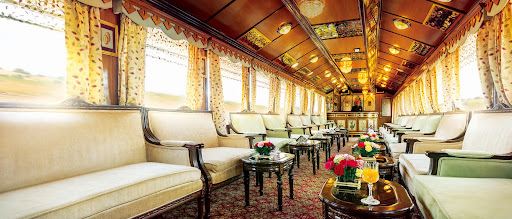
 Palace On Wheels commenced service on January 26, 1982, and has remained a popular mode of travel in Rajasthan ever since. Within a few years, the Palace on Wheels was named one of the world’s top 10 most sumptuous train excursions. The 14 air-conditioned coaches are named after erstwhile Rajput states to reflect the royal past’s beauty and interiors.

Each saloon has a little pantry to ensure the all-time availability of hot and cold beverages, as well as refreshments. Sofas to curl up on, strategically placed lighting to read by, beautifully fitted beds with plush furniture, integrated closets, and enormous window panes to gaze out at the rolling landscape have all been thoughtfully arranged. The train includes two opulent retro bars, “Maharaja” and “Maharani,” both decorated in Rajasthani style and serving mouthwatering Continental, Chinese, Indian, and Rajasthani cuisines. In the eateries, seating is thoughtfully placed near glass windows. The Palace on Wheels also has a well-stocked bar with a wide selection of Indian and international alcoholic beverages.

RUN MACHINE OF INDIAN CRICKET TEAM

Today I’ll be mentioning the hardworking
and determined life of one the greatest player of Indian Team Virat “THE RUN
MACHINE”
Kohli.

Virat Kohli is a right-handed top-order
batsman, the stylish good-looking captain is considered one of the best batsmen
in the world. He was born on 5 November in 1988 into a Punjabi family in Delhi.

According
to Virat’s family, Virat was nearly 3-year old when he used to pick up a bat
and start swinging it as well as asking his father to bowl to him.
Virat
Kohli was raised in Uttam Nagar, Delhi and studied in Vishal Bharti Public
School there. In 1998, The West Delhi Cricket Academy was created and Kohli was
a part of it. He was just 9-year old boy that time, he was coached by Rajkumar
Sharma. His coach told in a interview – “Virat used to practice in a group of
small kids of his age, but he always wanted 
to practice with a group of seniors practicing on the other side there”.

King Kohli is the kohl on the eyes of
Indian cricket. He has been an outstanding batsman and is being rated as the
best in the business in world cricket in present.
He
also used to play matches for Sumit Dogra academy in the Vasundhara enclave
near Noida. Virat was the caption of the Indian under 19 cricket world cup
team.
He also represented Delhi in the Ranji trophy for the
first time in 2006.
His talent and consistency earned him
a place in the Indian cricket team after becoming captain his exceptional
leadership skills brought triumph and glory to our country to date he has
scored more than 20,000 runs in international cricket and 68 centuries?

Kohli
has been the recipient of several prestigious awards such as the Arjuna Award
in 2013 the Padma Shri in 2017 and the Rajiv Gandhi Khel Ratna in 2018.

So, at the age of 9 Kohli enrolled in west
Delhi cricket academy. And his coach identified the spark in the young boy that
is Virat Kohli and he took to professional training quite seriously and thought
of all the different techniques.

Virat also became the greatest Indian
captain in Test cricket with 27 test wins, 12 overseas test wins and highest
winning percentage as captain in both Tests and ODIs. Kohli was ranked eighth
in ESPN’s list of world’s most famous sportspeople in 2016.[6] Virat is the
only current player to have a stand named after him in Delhi Firoz Shah Kotla
stadium to honour his immaculate contributions to Indian cricket.
Virat
Kohli is an inspiration and a role model for the youth today. We have seen his
growing maturity, his consistency, and his leadership abilities.
Virat
Kohli is captain of the Indian National Cricket Team – ODI and Test.

He
is very supportive for young players. He is well known today and appears in
regularly on newspaper and television. Kohli is a very talented and wonderful
player that I like.
 

The 8 Most Weight-Loss-Friendly Foods

PART-2

1.Cottage Cheese

Eating lean dairy products, such as cottage cheese, is one of the best ways to get more protein without significantly increasing your calorie intake.

2.Avocados

Avocados are a good example of a healthy fat source you can include in your diet while trying to lose weight. Just make sure to keep your intake moderate.

3.Apple Cider Vinegar

Adding apple cider vinegar to your vegetable salad may help curb your appetite, potentially leading to greater weight loss.

4.Nuts

Nuts can make a healthy addition to an effective weight loss diet when consumed in moderation.

5.Chili Pepper

Eating spicy foods that contain chili peppers may reduce your appetite temporarily and even increase fat burning. However, tolerance seems to build up in those who eat chili regularly.

6.Fruit

Though fruits contain some sugar, you can easily include them on a weight loss diet. They’re high in fiber, antioxidants and various nutrients that slow the rise of blood sugar after meals.

7.Grapefruit

Studies indicate that grapefruit may suppress appetite and reduce calorie intake when eaten before meals. It’s worth a try if you’re want to lose weight.

8.Coconut Oil

Coconut oil contains medium-chain triglycerides (MCTs) that may increase satiety after meals. MCT oil supplements are even more effective.