“RIGHT TO LIFE AND PERSONAL LIBERTY”

CONCEPT

Every person has the right to life library and security. Among all the fundamental right the right to life is unquestionably. Right to life means that no body can interfere in your freedom including government also. The people have human rights which protect their life and give them right to life. Right to life is concept which explain under the fundamental rights, that the citizen have rights to enjoy there life on there ways no body can stop them or restrictions on there fundamental rights.

The word “personal library” in Article 21[1] means nothing more than the liberty of the physical body, that is, freedom from arrest and detention without the authority of law. Personal liberty is one of the oldest concept which is safeguard by national court. The right to personal liberty as understood means in human rights not to be subjected to arrest any mode that does not admit to legal justification.

Personal liberty was not only merely the liberty of body, it also includes the other, freedom from restraintion and the law shall bind no person. Personal liberty was a widest concept that covers all the various rights. Right to personal liberty also means that free from the unnecessary restriction by the law on the member of the socity.

Every citizen has a right to life, liberty and the security. Among all the fundamental rights, right to life is unquestionably. The right to life and personal liberty is all about the development of human beings life. The right to life is a moral principle based on the right of freedom of peoples. The government should always take a proper measures or action to protect the life of peoples by making laws to protect citizen of their country and also in some conditions, by taking an good step to safeguard there states peoples at any risk.

There are many laws making by the government, which in any circumstance if a person might put in danger and if state was involve on that then the people might have the right to investigate. The main aim of the state to carry out the “justice”. According to the Constitution parliament and the State legislature in India have the power to make law. The meaning of personal liberty is that the citizen of state have there right arrest or detent according to law or if the person is guileless then he have right to protect there legal rights in such conditions. The right to personal liberty was an personal freedom in which no government can abbreviate.

ARTICLE 21

“No person shall be deprived of his life or personal liberty expect according to procedure established by law” [2]

The Article 21 explain about the protection to life and personal liberty, it protects the freedom of citizen. Two teams of Article 21:- First, “Due process of law”(USA).and second,”Procedure established by law”(India). The term “produce established by law” in India it taken from Japan. And in USA if citizen were deprive by law the tha term due process of law used, and in India it’s produce established by law was used. This rights are for both the citizens as well as non-citizen. And for those also how not have the knowledge about this concept.

Due process of the law is a very unique clause of the americanConstitution. It is very broad and formative concept. It is difficultto give the accurate definition which could explain it in very well manner. Due process of law literal meaning of it is ‘guarantee of fair procedure’. The Constitution promises there citizen or individual that government will not deprive him of life, liberty or property without due process of law. After having the brought explanation of life and liberty, now we will deal with the term”procedure established by law”. It does not have the same meaning as express in the due process of law. Procedure established by law express the wider connotation than the expression used in the Indian Constitution.

The Article 21 even thought to frame in negative language, established the person the fundamental right to life and personal liberty and it become the infinite source of many rights. It has the fundamental right for everyone who lives in country shall be live freely in the socity with the right that was enshrined in Article 21.

In Article 21 the right to life is not only with the physical existence of life but it is also for the other elements. Article 21 has proved to be avery fruitful source of right of the peoples.


[1] Protection of life and personal liberty No person shall be deprived of his life or personal liberty except according to procedure established by law.

[2] Article 21

Do We Still Need Grades In The Modern Education System?

Introduction
Examinations and grades have been defining a student’s academic capacity for a long time now.
With increase in competition in all the different fields, the demand for good grades have
increased as well. But in the modern day education system, are grades still required?

Grades: Important or Not?
“Gradeless classrooms are a brave new world”- Mark Barnes.

Education is complex and nuanced. Grades are simple and arbitrary. Thus we can’t rely on this
simple grade scale for something as important as evaluating academic aptitude or to measure
the range of our knowledge. Grading system isn’t necessarily that informative and is less
effective.

Bad grades can stigmatize and discourage those who need help and at the same time it also
leads to self doubt which ultimately results in lower confidence. The grading system is
inherently subjective,punitive and reductive. But it is also deeply entrenched. The strongest
argument in favour of grading system is that it would take an absolutely enormous amount of
infrastructural and systematic change.
But if we’re all being honest with one another, we can acknowledge that the grades aren’t
actually driving us to greater heights of educational enlightenment.Though they cause a lot of
stress and anxiety in the students.
We are deeply conditioned by the grades indeed.The grading system and its unchecked
authority are both long overdue for reconsideration.

Conclusion
Grades don’t tell us how to cultivate talent, help in self management or how to push oneself
beyond the bare minimum. It only helps us to find out who should be rewarded or who need to
be punished. Thus, it can be concluded that grades affect the performance of the majority adversely that can lead to serious mental agony and anguishment.


Civil Wars: A Failure Of National Politicians?

Introduction: A civil war also known as an intrastate war in polemology is a war between organised groups within the same state or country. The aim of one side maybe to take control of the country or a region, to achieve independence or to change government policies. The term was first used to refer to the various civil wars of the Roman Republic in the first century BC. However, in a world full of democracies, are civil wars a failure of national politicians?

Civil Wars: A Failure Or Not?
Countries with strong records of respect for democracy and human rights are far less likely to experience civil wars than hybrid regimes. Although intrastate conflicts have become an increasing share of all armed conflict these wars are most likely to break in countries with weak or failed governing institutions. To lower the risk of conflicts, domestic and international actors should focus on strengthening democratic institutions and respect for human rights by bringing marginalized groups and actors into a legitimate political process.
But in most of the democracies it is often witnessed that an inclusive political process and competitive elections leads to instability and coup. Instead of availing rights, justice, liberty and so on, the government or the politicians are not in a position to establish peace or stability in the region or in the country.
Countries like Cambodia, Yemen are still going through civil wars that have resulted in massive loss and destruction of life and property. In order to prevent such conditions it is the responsibility of the concerned political authority to inculcate positive approach,by keeping aside their urge for power sharing and capturing.

Conclusion
Civil wars are indeed an important matter of concern for the world community. Though it may occur in a particular country but it’s impact is spread out across the globe. The failure on the side of the politicians in maintaining a chaos free environment is responsible in the upsurge of severe civil wars and conflicts.

Implementation of Nanotechnology with DNA

Abstract:

DNA (Deoxyribonucleic acid) is the molecule that stores and transmits genetic information for the development, functioning, growth and reproduction of all living organisms and many viruses. It possesses remarkable binding specificity, thermodynamic stability and can be created with infinite choice of sequences that bind to their complementary nitrogenous bases (namely adenine (A), cytosine (C), guanine (G) or thymine (T)). It is structurally well defined on the nanometre scale and has a persistence length of 50 nanometres under conventional conditions. It can be rapidly synthesized and modified using automated methods. The field of DNA nanotechnology uses its information to assemble structural motifs and connects them together. This field has a significant impact on nanoscience and nanotechnology, and controls molecular self-assembly. Here, we summarize the approaches that are used to assemble DNA nanostructures and examine their emerging applications in areas such as biophysics, diagnostics, nanoparticle and protein assembly.

Introduction:

Nanotechnology is the purist’s approach to biomolecular engineering. This field aims to create molecular structures and devices through the exclusive use of DNA as an engineering material1. The well-characterized nature of DNA base pairing provides an easy means to control DNA interactions. The success of DNA nanotechnology comes from three key ingredients: 1) our quantitative understanding of DNA thermodynamics, which makes it possible to predict how single-stranded DNA molecules fold and interact with one another, 2) the rapidly falling cost and increasing quality of DNA synthesis, and 3) the focus on cell-free settings, where designed reaction pathways can proceed without interference from DNA and RNA processing enzymes that might be encountered in cells. DNA nanotechnology has long been motivated by the goal of building ‘smart therapeutics’, drug delivery systems, tools for molecular biology and other devices that could interact with or operate within living cells. Such applications play to the obvious strengths of nucleic acid nanostructures and devices, particularly their small size, biocompatibility and straightforward manner in which they could be programmed to interact with cellular nucleic acids through hybridization.

Cell-free DNA nanotechnology

To operate reliably in complex, wet environments, living organisms use sensory receptors to detect changes in that environment, motors and actuators to adapt to the environment, computational control circuits to convert sensor information into motor activity, and structural elements that protect and organize these components. Intriguingly, cell-free DNA nanotechnology has made progress towards the construction of most of the functional components — both structures and dynamic devices — required for creating molecular ‘robots’ that can emulate some of the behavioural complexity observed in biology.

DNA nanotechnology in lysates and fixed cells

Cellular conditions are considerably different from that of cell-free experiments. The presence of nucleic-acid-binding proteins, including DNases and RNases, may interfere with device performance, and cellular environments are highly structured, which inhibits the free diffusion of exogenously delivered nucleic acids. Cell lysates, serum and fixed cells provide reaction environments that each capture some of the complexity of live cells and enable testing and optimization of nucleic acid devices in well-controlled conditions.3

CONCLUSION:

DNA-based therapeutics and diagnostics are set apart from more established approaches because of their capacity to respond to the surrounding environment. Molecular logic and conditional (un)hiding of drug moieties could decrease side effects and increase specificity. Even the relatively simple one- or two-input systems built so far have resulted in increased specificity and performance, and could be further improved with more complex multi-input logic. Diagnostic and therapeutic decisions are routinely based on the analysis of panels of multiple molecular markers, be they proteins, RNA, DNA, lipids, sugars or metabolites. For example, immunologists must often consider large numbers of cell surface proteins to delineate all of the various cell types in a blood sample. Gene expression classifiers that reliably distinguish different tissues and disease states are typically built on measurements of tens or hundreds of different RNA species. Given the success of dynamic DNA nanotechnology in scaling up the size and reliability of molecular circuits in cell-free settings, it is intriguing to think that DNA ‘biocomputers’ could eventually perform complex diagnostic tasks based on the analysis of tens of molecular markers directly in living organisms.

REFERENCES:

Seeman, N. C. & Belcher, A. M. Emulating biology: building nanostructures from the bottom up. Proc. Natl Acad. Sci. USA 99, 6451–6455 (2002).
Chen, J. H. & Seeman, N. C. Synthesis from DNA of a molecule with the connectivity of a cube. Nature 350, 631–633 (1991).
Fu, T. J. & Seeman, N. C. DNA double-crossover molecules. Biochemistry 32, 3211–3220 (1993).

First Indian to earn ‘A’ standard Olympic quota

Sajan Prakash created history by becoming the first Indian ever to clear the ‘A’ standard of international swimming, clocking 1:56.38 minutes in the 200m butterfly. Eventually, heads to the Tokyo Olympics as the first Indian to make it to successive Games.

It wasn’t the fastest of races, which meant Sajan had to push himself to set the pace, with Israeli Marc Hinawi as a marker. The Indian was right behind Czech swimmer Lunak Sebastien in Lane 4 at the first turn, which he completed in 25.99s. Sajan would take the lead at 100m, clocking 29.57s on the return, and finish with identical, consistent splits of 30.41s in the second half.


27-year-old, Sajan Prakash from Kerala won gold which is his second in two weeks. After coming agonisingly close to slashing ‘A’ at Belgrade, Serbia, last week. Coach Pradeep Kumar said, “He was spending 19 seconds and 52 metres underwater over four laps, and we focussed on speeding his pace and gaining 80 centimetres in all to breach the ‘A’ Cut.”

Born in Idukki in the shadow of the tallest peak in the Western Ghats – the Anamudi mountains – Sajan swam under coach Saju Sebastien at Neyveli (Tamil Nadu) before heading off to his friend Pradeep Kumar. He would also work in a training stint in Thailand on a FINA scholarship, and was seen as the most consistent performer since his Rio Games outing. The pandemic saw him head to Dubai where he worked in an indoor pool, silently chipping away the seconds.


Former Asiad medallist Virdhawal Khade explained Butterfly is considered the hardest strokes. While Khade reckons said the Butterfly relies on strong shoulders, it is all in the kick that Sajan scores. He further contunied “Even now, he’s not the most dominant guys. But he works hardest and helps young swimmers and is generous with his help. It’s his time now to become the alpha of Indian swimming and lead the others. If youngsters ever needed someone to look up to, there’s none better than this nice guy. Sajan’s put a smile on everyone’s face in Indian swimming,”.

5 HINDU GODS AND YOGA POSTURES YOU NEED TO KNOW

BRAHMA

The first deity of the Hindu trinity, Lord Brahma, is that the god of creation. The trinity being, Brahma, Vishnu, and Shiva. Brahma contains the whole cosmos and every one of its creatures.

Brahma-Hindu god – Hinduism says that point is cyclical. this is often because all creation within the Universe exists a few times then dies. In short, Brahma reminds us of the cycle of birth and death.

The cycle of creation and death is constant and ceaseless. We are born from Brahma then return to Brahma.

One of the prayers to mention before your meal is:

“This food came from Brahma.I am about to eat Brahma.I will return to Brahma”

Indeed, these prayers help to remind us of the impermanence of life. As the god of Creation, Brahma also symbolizes the mind and intellect. This is often because he’s the source of all knowledge necessary for the Universe.

You’ll find Brahma depicted with four faces. The four faces symbolize the completeness of his knowledge. Brahma also has four hands that every represent a facet of the human personality. this often minds, intellect, ego, and consciousness.

Brahma is the god of:

  • Creation
  • Intellect
  • Mind

YOGA POSTURE: BRAHMA MUDRA
Although Brahma Mudra may be a sitting posture that’s practiced before pranayama. So it also helps improve focus and releases negative energies. In yoga, Mudras (hand and body gestures) affect the flow of vital force energy (prana) throughout the body. they assist calm the mind and energize the body.

Brahma mudraBrahma is that the name of the Hindu creator god. the interpretation in Sanskrit is “divine,” “sacred,” or “Supreme Spirit”. Place both hands into fists with the fingers wrapped around the thumbs. The palms face skyward, and both hands pressed together at the knuckles. The hands then rest against the pubis.

VISHNU

The second deity of the Hindu trinity, Vishnu is that the Preserver (of life). He sustains life through his adherence to principle, order, righteousness, and truth. Vishnu’s responsibility is order and balance. He encourages his devotees to point out kindness and compassion to all or any creatures.

Vishnu is depicted with four arms, which represent his omnipotence and omnipresence.

This Hindu deity may be a more esoteric god as compared to those that rule over the wildlife since. he’s liable for the divine essence that pervades the Universe.

It is common to ascertain Vishnu seated upon a coiled snake. This symbolizes the power to stay asleep within the face of fear or worry.

Vishnu is that the god of:

  • Support
  • Order
  • Balance

YOGA POSTURE: VRIKSHASANA
Vrikshasana (tree pose) requires a pointy mental focus. This focus directs and concentrates the mind. And who doesn’t need a mind that has the facility of concentration?

Balancing on one foot requires keeping your eyes on one specific spot.

Vrikshasana || Tree Pose

Balancing yoga postures assists you to direct your energy inward. Keep your eyes focused on a focus – your Drishti. Your Drishti enables you to specialize in staying even keel. Vishnu can maintain peacefulness and steadfastness within the face of fear. When practicing Vrikshasana, you build self-trust by overcoming the fear of falling. Rather than that specialize in tipping over, this posture requires you to only specialize in maintaining balance.

SHIVA

The final deity of the Hindu trinity is Shiva, also referred to as The Destroyer – the destroyer of all our “bad” habits. As you travel throughout India, you’ll see many lingams that represent Shiva. Shiva protects his followers from greed, lust, and anger. He guards them against illusion and ignorance. These are the forces that substitute the way of divine enlightenment.

He is also considered to be liable for death, destroying to bring rebirth and new life. Hindus often call upon Shiva before a ritual with this mantra.

“Om Namah Shivaya”

So this invocation destroys bad energy in physical and energetic space. Shiva is usually depicted with a serpent around his neck, which represents Kundalini, or life energy.

Shiva is that the god of:

  • Destruction
  • Renewal
  • Death

YOGA POSTURE: NATARAJASANA
Natarajasana may be a pose representing the deity in one of his most beloved forms. The word Natarajasana comes from two words: nata, meaning acrobat, and raja, meaning king.

Shiva, depicted as Nataraj, is usually shown dancing to represent this meaning.

Natarajasana || Dancer pose

This dance is ever fluctuating and changing. This expression symbolizes the dynamic cultural expression of life. As in life, the external posture could also be filled with movement and far wobbling once we practice, it requires a still, calm mind to remain balanced. Evoke the cyclical nature of Shiva by adding Natarajasana into your practice.

GANESH (OR GANESHA)

Recognized for his elephant head, Ganesh of the foremost prevalent and best-known deities. (Also referred to as Ganesha.) Ganesh is Shiva’s firstborn son. His large, elephantine head symbolizes the wisdom and knowledge that he bestows upon his seekers. He grants luck to those that offer him, delicious sweets. He is the ruler of astrology, mantra (sound), and yoga and is related to the humanities and sciences.

It is especially common to wish to Ganesha before any significant venture like a marriage or a replacement project because he removes obstacles to success and luck.

Some myths and stories explain how Ganesha came to possess an elephant head. Still, it’s thought that the humorous image stills the rational mind and its doubts. Therefore, in meditation, we practice looking beyond outer appearances and forms.

Ganesh is that the god of:

  • Removing obstacles
  • Wisdom
  • Good Fortune

YOGA POSTURE: VIRABHADRASANA II
Warrior two on the mountain there are a couple of yoga poses that embody Ganesha’s resilient strength and fearlessness. one among these postures is Virabhadrasana or Warrior II.

A yoga posture like Warrior II emphasizes a connection to the basis chakra.

The expansive, stable qualities of Warrior 2 make it the right posture to represent Ganesha’s immense strength. Before embarking on your day or an adventure, you’ll want to practice this pose inspired by one of the foremost well-known Hindu gods.

HANUMAN

Another easily distinguishable Hindu god is Hanuman, the deity depicted as a monkey. Hanuman represents the perfect devotee of the gods. Meditate on Hanuman as a logo of strength, perseverance, and devotion. To embody Hanuman is to embody absolute love and dedication. Yoga is usually considered the practice of having the ability to regulate one’s mind. Since the five senses are the gateway to the mind, Hanuman is that the god of sensory control.

His attributes are often related to extraordinary strength, as long as he believes within the cause!

Hanuman is usually called upon in times of trouble. He teaches us about the unlimited power that lies within the human heart. When we direct our energies to god, as shown within the epic tale Ramayana, anything is feasible.

Hanuman is that the god of:

  • Perseverance
  • Dedication
  • Commitment

YOGA POSTURE: HANUMANASANA
Known as ‘the splits’ Hanumanasana is one posture that needs tons of dedication and therefore the patience of a saint to master.

The monkey god Hanuman represents devotion, selfless service, dedication, and indomitable willpower. The physical posture, Hanumanasana, represents his ability to leap great distances. During the battle between Rama and Ravana within the Ramayana, Hanuman jumped from India to Lanka to comfort Sita.

In the story, he brought Sita a hoop from Rama to remind her of the love that they had for her. Hanuman was so loyal towards Rama, that when offered a gift for his bravery and dedication to Rama and Sita. He asked only to be ready to still serve them. As you practice Hanumanasana, visualize yourself, closing the space between yourself and your goals.

Positive and Negative Impacts of Industrialization

How Can Industrialization Affect National Economies of Less Developed  Countries (LDCs)?

IMPACT OF THE INDUSTRIAL REVOLUTION

The Industrial Revolution started in the 18th century in the United Kingdom and later spread too many other parts of the world, during which the agrarian and handicraft economies changed rapidly to industrial and machine-manufacturing-dominated ones. Not only did this economic change alter how work was done and goods were produced, but it also altered how individuals related to each other and to the world as a whole. Today, this wholesale shift in social organization continues and has created many impacts that have rippled through the political, ecological, and cultural spheres of the World.

POSITIVE IMPACTS OF INDUSTRIALIZATION

Goods became cheaper and more affordable:

The factories and equipment they housed started making goods faster and cheaper than they could make by hand. As the availability of different goods increased, their cost to the customer declined (see supply and demand). Shoes, clothes, household goods, equipment, and other products have become more common and less costly to improve people’s quality of life. For these products, international markets were also established, and the balance of trade changed in favor of the consumer, bringing increased prosperity to the businesses that manufactured these products and adding tax revenue to government coffers. It has, however, also led to the disparity in income between countries producing products and consuming goods.

Manual labour was replaced by machine work:

The rapid manufacture of hand tools and other useful objects has led to the development of new types of instruments and vehicles for moving goods and people from one location to another. The development of road and rail transport and the formation of the telegraph (and its related telegraph infrastructure and later telephone and fiber optic lines) meant that progress in manufacturing, agricultural harvesting, energy production, and medical techniques could be easily communicated between stakeholders. Also well-known products of the Industrial Revolution are labor-saving machines such as the spinning jenny (a multi-spindle machine for spinning wool or cotton) and other inventions, particularly those driven by electricity (such as home appliances and refrigeration) and fossil fuels (such as cars and other fuel-powered vehicles).

Evolution in the field of medicine:

The Industrial Revolution was the catalyst behind numerous medical advancements. Industrialization has made it possible to manufacture medical instruments more rapidly (such as scalpels, microscope lenses, test tubes, and other equipment). Using machine production, refinements to these tools could be more effective for the doctors who wanted them to roll out. When contact between doctors in various fields increased, it was possible to easily spread the information behind new cures and disease treatments, resulting in better care.

Increased standard of living:

Mass production reduced the cost to the common (i.e. non-aristocratic) people of much-needed tools, clothing, and other household goods, which allowed them to save money for other things and create personal wealth. Furthermore, new job opportunities emerged as new manufacturing devices were developed and new factories were established. The average citizen was no longer so tightly tied to land-related issues (such as being dependent upon the wages farm labor could provide or the plant and animal products farms could produce). The emphasis on land ownership as the chief source of personal wealth was diminished by industrialization. The increasing demand for manufactured goods meant that as factory workers and as employees of companies that sponsored the factories, average individuals could make their fortunes in towns, paying better salaries than farm-related positions.

Rise of Professional jobs:

As industrialization advanced, in search of better pay in the factories, more and more rural folk flocked to the towns. To improve the overall productivity of the factories and to take advantage of new business opportunities, factory employees have been qualified to perform specific tasks. The owners of the factory divided their employees into numerous groups, each group concentrating on a particular mission.

Some groups secured and transported the raw materials used in the mass production of goods (namely iron, coal and steel) to factories, while other groups worked different machines. When they broke down, some groups of workers repaired equipment, while others were tasked with making changes to them and the overall operation of the plant.

Additional teachers and trainers were required to pass on advanced skills as the factories expanded and employees became more specialized. Furthermore, factory workers’ lodging, transportation, and leisure needs contributed to the rapid growth of cities and towns. To support these, governmental bureaucracies expanded, and new specialized departments were formed to manage traffic, sanitation, taxation, and other services. As more builders, doctors, attorneys, and other staff were added to handle the diverse needs of the new inhabitants, other industries inside the cities also became more skilled.

NEGATIVE IMPACTS OF INDUSTRIALIZATION

Over crowded cities:

The prospect of better pay attracted refugees, who were ill-prepared to manage them, to cities and manufacturing cities. Although initial housing shortages ultimately gave way to construction booms and the development of new buildings in many areas, first existed crowded shantytowns made up of shacks and other types of poor-quality housing. The sudden influx of people overwhelmed local sewerage and sanitation schemes, and drinking water was frequently polluted. Ideal conditions for outbreaks of typhus, cholera, smallpox, tuberculosis, and other infectious diseases were provided by people living in such close proximity, fatigued by bad working conditions, and consuming contaminated water.

Environmental degradation:

In India two centuries ago, factories emitted toxins such as carbon di oxide, carbon monoxide, and other harmful gases that caused air pollution along with vehicular exhausts that were not heard or seen before. Because of Greedy Indians and their Expansionist conquests, India lost many of its forests and natural ecosystems and botanical and zoological species became Endangered or Extinct overnight. Water contamination is caused by heavy metals, arsenic, lead; hard water and industrial hazardous waste are released into lakes, rivers and other water bodies. Aquatic and aquatic animals are dying as a result of water bodies being polluted. As the human population of the planet continues to rise and more and more people are chasing the material benefits promised by the Industrial Revolution, more and more of the resources of the Earth are appropriated for human use, leaving a diminishing stock of plants and animals on which ecological services the biosphere depends (clean air, clean water, etc.).

Moreover, more than 40 percent of the Earth’s land-based net primary production is used by human beings, a measure of the rate at which plants transform solar energy into food and development. Coal, which had to be extracted or obtained after wood burning, was used by most factories, creating smoke and photo chemical smog in North Indian cities such as New Delhi, where visibility and breathing was difficult. Fossil fuels had to be imported from foreign countries and would again produce smoke, Green House Effect, Global Warming by using them for industrial purposes.

Poor working conditions:

Their owners valued production and profit above all else as factories appeared in the cities and industrial towns. Security and salaries of employees were less important. Compared with farm workers, factory workers received higher wages, but this also came at the cost of time and less than desirable working conditions. Factory staff frequently work six days a week for 14-16 hours a day. Human beings (employees) have become more vulnerable to exploitation, violence at work, more working hours and fewer fixed payments, job instability, and after retirement or termination of their employment, a bleak future. Also, finished Indian products were not on par with global standards and labels, but were more costly than comparatively cheaper imports from countries such as China, Hong Kong, Japan, etc.

Other problems

Nuclear plants are a threat to health and different forms of diseases can be caused by human beings living in close proximity. Farmers, who were in heavy debt to pay their dues to industrialists and real estate sharks, sold agricultural land with fertile and cultivable soil, and these lands have now become less yielding as factories or buildings have been constructed upon them. Inflation in India has always been increasing due to scarce natural resources or lack of availability.

Medical negligence during Covid-19

Law on Medical Negligence in India: How and when to file a case | Medical  Negligence Law Guide

NEGLIGENCE DURING THE COVID-19 PHASE

With the COVID 19 pandemic surrounding the globe and in excess of 2 million active instances of the same, the caring administrations by the medical experts is the main redeeming quality going with the careful steps that are the duty of the considerable number of citizens. Be that as it may, the security of the residents is being taken consideration by the clinical organization yet what it involves for the clinical clique who is over and over being blamed for negligence in discharge of average duty. On one hand the medical practitioners are being hailed as ‘Corona warriors’ but on the other hand, with the increase in cases wouldn’t there be a increase in negligence?

India had only 111 Covid-19 testing   centers to deal with a population of 1.35 billion people. This accounts to the medical negligence of the practitioners along with the hospital administrations especially at a time when every state is trying to reduce the number of cases. The number of beds available in the hospitals is comparatively less and as a result the citizens are dependent on understaffed and under-funded state run health facilities for COVID 19 diagnosis and treatment. This is a serious issue as people do not believe on the state authorities. A lady who was quarantined after her Spain visit states that there is a lack of basic amenities in the hospitals. People fear to come forward as they doubt the skills of the administration to treat their disease. Global health experts claimed that India does not have enough infrastructure and other facilities to face the pandemic. The claim nearly became evident with the increasing number of cases in India. Not only hospital authorities but the government has been lacking service, testing is another major concern. India has performed a little over 100,000 tests — a rate of nearly 47 tests per million people compared with 4,572 tests per million in the U.S., 2,753 tests per million in the U.K, and 8,800 per million in South Korea[1]. At present, India is not adequately testing to identify new cases, which might be hiding the true number of cases. An incident of severe medical negligence was noted when the Patna All India Institute of Medical Sciences (AIIMS-P) handed over the body of a COVID-19 positive patient to his family members.

In the midst of the vulnerability made by the COVID-19 pandemic, the judiciary remains the sole symbol of would like to review the worries of residents oppressed by the absence of satisfactory medical framework and the rising occasions of clinical negligence. There is trust that vital estimates will be taken by the Supreme Court, to safeguard the confidence and any expectation of the individuals.

VIEWS

Medical Negligence is, by and by, a hard issue to set up. On the off chance that negligence cases result from the current emergency, they will be tried comparable to target norms of care. The courts will think about the real factors and conditions of the case, including that the medicinal services staff were acting in an emergency. Considering past cases and the law’s methodology, the significance of clinical rules, conventions, staff preparing, ability appraisal, and enlistment expect a fundamental centrality, and all means should be completely reported. Documentation of steps taken in every one of these issues will demonstrate pivotal in safeguarding any cases brought. In any case, the COVID 19 is a phenomenal occasion and the relevance of the above laws in such conditions of most extreme criticality and affectability stays to be questionable. After the lockdown ends it would be unmistakable component of the lawful framework to observe such case emerging out of clinical carelessness in taking care of crown positive patients.

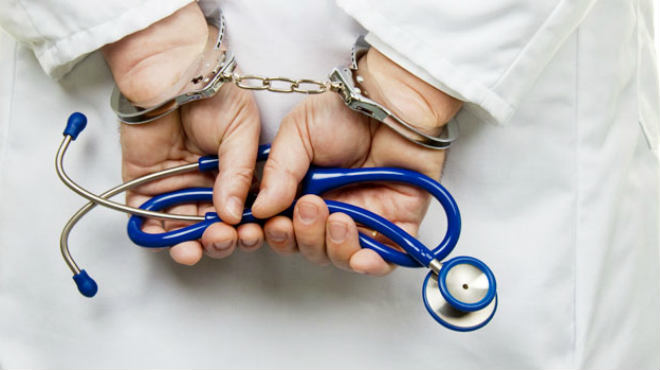
It isn’t expressed that specialists (doctors) are careless or reckless, however while carrying out a duty which requires a great deal of knowledge and care, regularly numerous experts fail to perform their duty towards the patient. Medication which is perhaps the noblest profession requires setting a domain which can profit the victims of different diseases. Numerous specialists even the expert in some cases dismisses little things to be dealt with while practicing which may bring about harms to the patients that could have been maintained with a permanent disability from that time or even the demise of the patients.

This type of negligence makes patients more prone to harm than to heal. And to avoid these sorts of accidents, prevention and careful behavior of doctors is important. The most prevalent way of doing this is relevant laws and statutes to ensure a patients well being. In a case where a US-based doctor who was Indian from origin lost his 29-year-old wife who was a child psychologist during their visit to India fifteen years ago. The Supreme Court asked the Kolkata-based hospital and three doctors to pay over Rs 11.41 crore[2]. “A bench of justices C K Prasad and V Gopala Gowda arrived at a figure of Rs 6.08 crore as compensation after considering aspects such as loss of consortium, pain and suffering and the cost of litigation.”

Another such case was noted where the Apex Court awarded a compensation of 1.8 crores to a women who had lost her eyes in 1996.[3] Cases like this are evidence of the medical malpractice in India. The government requires making strict rules to prevent the same, so that the justice prevails. People of India should be provided with adequate medical facilities, hygiene and sanitation. Laws should be strict for not only medicine but for all such professions to maintain a certain standard of care and prevent breach of duty.


[1] https://www.bbc.com/news/world-asia-india-51922204

[2] THE OUTLOOK

[3] Krishna Iyer v. State of Tamilnadu and Others, 2015 STPL(Web) 1239 SC

DIGITAL INDIAN CAMPAIGN


Digital India is an umbrella programme that covers multiple Government Ministries and Departments. It weaves together a large number of ideas and thoughts into a single, comprehensive vision so that each of them can be implemented as part of a larger goal.
Each individual element stands on its own, but is also part of the larger picture. Digital India is to be implemented by the entire Government with overall coordination being done by the Department of Electronics and Information Technology (DeitY).


Digital India aims to provide the much needed thrust to the nine pillars of growth areas, namely Broadband Highways, Universal Access to Mobile Connectivity, Public Internet Access Programme, e-Governance: Reforming Government through Technology, e-Kranti – Electronic Delivery of Services, Information for All, Electronics Manufacturing, IT for Jobs and Early Harvest Programmes. Each of these areas is a complex programme in itself and cuts across multiple Ministries and Departments.


The Digital India programme aims at pulling together many existing schemes. These schemes will be restructured, revamped and re-focused and will be implemented in a synchronized manner. Many elements are only process improvements with minimal cost implications. The common branding of programmes as Digital India highlights their transformative impact. While implementing this programme, there would be wider consultations across government, industry, civil society, and citizens to discuss various issues to arrive at innovative solutions for achieving the desired outcomes of Digital India.

Why Do We Dream?

Dreams are hallucinations that occur during certain stages of sleep. They’re strongest during paradoxical sleep, or the rapid eye movement stage, once you could also be less likely to recall your dream. Much is understood about the role of sleep in regulating our metabolism, vital sign, brain function, and other aspects of health. But it’s been harder for researchers to elucidate the role of dreams.

When you’re awake, your thoughts have a particular logic to them. once you sleep, your brain remains active, but your thoughts or dreams often make little or no sense. this might be because the emotional centers of the brain trigger dreams, instead of the logical regions.

Though there’s no definitive proof, dreams are usually autobiographical thoughts that supported your recent activities, conversations, or other issues in your life. However, there are some popular theories on the role of dreams.

The role of dreams – Researchers still don’t entirely agree on the aim of dreams. There are, however, some widely held beliefs and theories.

Dreams as therapists – Your dreams could also be ways of confronting emotional dramas in your life. and since your brain is working at a way more emotional level than when you’re awake, your brain may make connections regarding your feelings that your conscious self wouldn’t make.

Dreams as fight-or-flight training – One of the areas of the brain that’s most active during dreaming is that the amygdala. The amygdala is that a part of the brain related to the survival instinct and therefore the fight-or-flight response.

One theory suggests that because the amygdala is more active during sleep than in your waking life, it’s going to be the brain’s way of getting you able to affect a threat.

Fortunately, the brainstem sends out nerve signals during paradoxical sleep that relax your muscles. That way you don’t attempt to run or clock in your sleep.

Dreams as your muse – One theory for why we dream is that it helps facilitate our creative tendencies. Artists of all types credit dreams with inspiring a number of their most creative works. you’ll have awakened sometimes in your life with an excellent idea for a movie or a song, too.

Without the logic filter, you would possibly normally use in your waking life which will restrict your creative flow, your thoughts and concepts haven’t any restrictions when you’re sleeping.

Dreams as memory aides – One widely held theory about the aim of dreams is that they assist you to store important memories and things you’ve learned, get obviate unimportant memories and type through complicated thoughts and feelings.

Research showsTrusted Source that sleep helps store memories. If you learn new information and sleep thereon, you’ll be ready to remember it better than if asked to recollect that information without the advantage of sleep.

How dreams affect memory storage and recall isn’t clearly understood yet. But dreams may help the brain more efficiently store important information while blocking out stimuli that would interfere with memory and learning.

Why can we have nightmares?

Dreams that assist you deal productively with emotions, memories, and other information could seem very helpful. The occasional nightmare is taken into account by a dream that’s simply more frightening or upsetting. Nightmares tend to be caused by stress, anxiety, or sometimes as a reaction to certain medications.

However, if you’ve got nightmares frequently, you’ll have a sleeping disorder. Regularly occurring scary dreams are often labeled a sleeping disorder if the nightmares:

  • cause you to worry about getting to sleep
  • lead to frequent disruptions of your sleep
  • bring about other sleeping or psychological problems
  • Many people experience occasional nightmares throughout their lives. However, the American Sleep Association estimates only about 5 percent of the population experiences persistent nightmares as a sleeping disorder.

What influences dreams?

Some factors that affect us when we’re awake also can influence our dreams.

Health conditions – One of the most important influences on dreams is what proportion or how little you’re sleeping. Being sleep-deprived for an evening or two (or more) can make parts of your brain far more active once you finally do slip into paradoxical sleep. You’re likely to possess more vivid dreams if you’ve had some restless nights. You’re also more likely to recall those dreams, too.

Being pregnant is additionally a catalyst for vivid dreaming. Increased hormone production affects the way your brain processes thoughts and emotions. This often results in some intense dreams.

Mental health disorders like depression and anxiety, also as manic depression and other mood-related conditions, can trigger intense and sometimes disturbing or negative dreams and nightmares. The medications for these conditions, including antidepressants and antipsychotics, also are related to a better risk of nightmares.

Foods – There isn’t indisputable evidence that certain foods cause wilder or better dreams. But it’s clear that some foods may set the stage for you to recollect your dreams better.

High-carb foods, for instance, can offer you quick energy. But after a short time, they will leave you feeling down. Anything that affects your waking mood is probably going to affect your unconscious mood, too. So, if a sugar crash has you moping around during the day, those feelings could carry over into your sleep.

Also, food that causes you to awaken throughout the night may end in you awakening more frequently within the REM stage. When that happens, you’ll probably remember more of your dreams.

Daily activities – Just as little or interrupted sleep often leads to more vivid dreaming, an honest night’s sleep will hamper the extreme dreams you’ll recall.

A small study trusted Source found that one great way to sleep more soundly is to exercise within the morning. an honest run or other cardio workouts before noon helps set your clock in order that you’re more inclined to nod off faster and spend longer in deep sleep than if you didn’t exercise or if you exercised late in the dark.

Runners and other serious fitness enthusiasts tend to spend less time in dreamy paradoxical sleep, which is one among the lightest stages of sleep. Also, the more effectively you’ll de-stress during the day, the less likely you’ll be to bring stress and anxiety to bed. Which ought to help hamper nightmares and interrupted sleep each night.

How to remember your dreams – One of the explanations dreams are often difficult to recollect is that the brain chemical related to memory — norepinephrine — and therefore the brain’s electrical activity that helps with recall are at their lowest levels when you’re dreaming. In fact, if you’ve got a dream but don’t awaken during the dream, you won’t be ready to commit it to memory. The dreams you remember are those that are ongoing once you awaken.

Two ways to assist recall your dreams is to inform yourself as you’re falling asleep that you simply want to recollect your dream. If that’s your last thought, you’ll be more likely to awaken with a dream still somewhat fresh in your memory.

Since dream recall is often easily interrupted by even the slightest distraction, you ought to attempt to remember the maximum amount of your dream as soon as you awaken. Don’t get out of bed or believe anything. attempt to grasp whatever images or memories you’ve got of your dream and write them down on a pad next to your bed or on your smartphone.

Top 14 Worst Natural Disasters of India

The Disastrous natural forces include volcano disasters, floods, Tsunami, and Earthquakes, which are a major explanation for casualties within the history of India. Other than Horrible Temple Stampedes like the Amarnath Yatra tragedy, Mander Devi temple stampede and Sabrimala Kerala temple stampede and major train accidents like Karanjadi train crash and Vaibhavwadi train crash, there are many worst Natural Disasters had happened, latest is most disastrous Uttarakhand Flash Floods and recently happened Cyclone Phailin in Orissa coast.

List of Worst Natural Disasters within the History of India

1770 Great Bengal Famine – The Great Bengal Famine was an outsized famine in Bengal during British rule out the amount of 1769-1773. Bengal famine was caused the deaths of 10 million people in Bengal, Bihar, and a few parts of Odisha.

1839 Coringa Cyclone – The Coringa Cyclone was one of the ten big disasters that shook India, struck at a small village of Godavari district in Andhra Pradesh. the good Coringa Cyclone killed around 20,000 people within the ancient city of Coringa.

1894 Third Plague Pandemic – The major plague pandemic came to British India in 1896, killing quite 12 million people in India and China alone. Third Plague Pandemic was initially seen in port cities like Bombay and Kolkata then spread to small towns and rural areas of the many regions of India.

1979 Lahaul Valley Avalanche – Lahaul Spiti valley receives heavy snowfall during the winter season, which causes Avalanches. The Lahaul Valley disaster in March of 1979 buried 200 people under 20 feet of snow, the sole avalanche within the Himalayas and one among the ten deadliest Avalanches in the History of the world.

1998 Malpa Landslide – Heavy rainfall caused, Malpa landslides was one among the worst landslides in India, at village Malpa in Pithoragarh of Uttarkhand. Around 380 people were killed when massive landslides washed the whole village alongside Hindu pilgrims of Kailash Mansarovar yatra.

1999 Odisha Cyclone – The 1999 Odisha cyclone also referred to as super cyclone 05B was the foremost deadliest tropical cyclone within the Indian Ocean and most destructive Indian storm since 1971. It caused almost the deaths of 15,000 people and made heavy to extreme damage.

2001 Gujarat Earthquake – The massive earthquake occurred on India’s 51st Republic Day on January 26, 2001, at Bhachau Taluka of Kutch District of Gujarat. Gujarat earthquake had a magnitude of between 7.6 and 7.7 and killed around 20,000 people.

2002 Indian wave – India’s wave in 2002 in the south region killed quite 1000 people, Most of the deaths occurred in the state of Andhra Pradesh. the warmth was so intense that birds fell from the sky, ponds and rivers dried up.

2004 Indian Ocean Tsunami – The Indian Ocean earthquake and Tsunami occurred in 2004 on the West Coast of Sumatra, killing over 230,000 people in fourteen countries. Indian Ocean Tsunami was one of the deadliest natural disasters in the history of India.

2007 Bihar Flood – The 2007- 2008 Bihar floods are listed because the worst-hit arrives the living memory of Bihar in the last 30 years. Bihar is India’s most flood-prone State, a recurring disaster appears annual basis and destroys thousands of human lives aside from livestock and assets worth millions.

2005 Mumbai Catastrophes – The 2005 Maharashtra floods occurred only one month after the June 2005 Gujarat floods, Mumbai the capital city was most badly affected and witnessed one among its worst catastrophes within the history of India, killing a minimum of 5,000 people.

2010 Eastern Indian Storm – The Eastern Indian storm was a severe storm that struck parts of eastern Indian states, spanning for 30–40 minutes. a minimum of 91 people died in Indian states and Over 91,000 dwellings were destroyed and partially damaged.

2013 Maharashtra Drought – Maharashtra state was suffering from the region’s worst drought in 40 years,worst-hit areas are Jalna, Jalgaon and Dhule also are suffering from famine. many people in Maharashtra are at serious risk of hunger after two years of low rainfall within the region.

2013 Uttarakhand Flash Floods – In June 2013 Uttarakhand received heavy rainfall, massive Landslides thanks to the massive flash floods, it suffered maximum damage to homes and structures, killing quite 1000 people, sources claimed the price might be get up to 5000. Uttarakhand Flash Floods are that the most disastrous floods within the history of India.

10 Most Spoken Languages in India by Number of Speakers

After searching on Google about the ugliest language in India, the search result displays Kannada which may be a language spoken by around 40 million people in South India. First, it had been seen on debtconsolidationsquad.com. India is home to varied major languages. allow us to examine the search and 10 most spoken languages in India.

If you search on Google about the “ugliest language in India” the search result displays is shocking and therefore the answer displayed is Kannada which is one among the oldest languages within the world. it had been first seen on debtconsolidationsquad.com. due to this, there’s an outrage on social media. People are demanding that Google should apologize and take strict action against it. An IT company named Thincnext in Bangalore has started a petition on charge.org to get rid of the search result from Google.

To know more about it read what’s the ‘Ugliest Language in India’ Controversy?

The most pivotal feature of human existence is that the language that helps humans to speak with one another and develop relations between them.

We know that India is that the world’s seventh-largest country by area also because the world’s second-most populous country. The country features a population of quite 1.3 billion people. There are several religions practiced within the country. It consists of diverse languages and cultures and other people speaking different languages are scattered in several parts of the country.

Do you know that 121 languages are spoken by 10,000 or more people in India, which features a population of quite 121 crores, consistent with a census analysis? quite 19,500 languages or dialects are spoken in India as maternal language, consistent with the analysis of a census. allow us to determine the foremost spoken languages and speakers within the country as per the 2011 Census.

  1. Hindi – 52.83 crore speakers

Hindi is that the most speech in India. it’s one of the official languages of the country. consistent with the 2011 census, the amount of individuals who speak Hindi as a maternal language has increased in 2011 as compared to the 2001 census. In 2001, 41.03% of the people speak Hindi as a maternal language, while in 2011 it’s increased to 43.63%. After Mandarin, Spanish and English, Hindi is additionally the fourth most speech within the world. at the present, there are 52, 83, 47,193 Hindi speakers in India. it’s spoken in most the states of the country including Uttar Pradesh, Bihar, Uttarakhand, Rajasthan, Madhya Pradesh, Chhattisgarh, Himachal Pradesh, and Delhi.

Hindi may be a descendant of the Sanskrit language and is influenced by Dravidian, Arabic, Portuguese, English, Persian, and Turkey languages. Languages spoken in Hindi include Awadi, Braj, and khadi bhasha. Did you recognize that the Hindi word is split into five categories, like Tatsama Ardhatasama, Tadbhav, Deshaj, and Videshi?

  1. Bengali – 9.72 crore speakers

India’s second most speech in Bengali, which is spoken by 9.72 crore citizens i.e. 8.03 percent of the entire population. Bengali is an Indian-Aryan language spoken mostly in South Asia. it’s the foremost prominent language in most of the states, including the Andaman and Nicobar Islands within the northeast of India. Bengali was a secular language of old Indo-Aryans within the beginning and was influenced by Persian and Arabic. This language varies in several states, especially in usage, pronunciation, words, and phonetic form. In India, Bengali is usually spoken within the eastern states of West Bengal, Jharkhand, Assam, and Tripura. This language is additionally spoken within the Middle East, America, Australia, Japan, UK, and Canada. Bengali is additionally a neighborhood of the programs offered by Karachi University.

Do you know that the anthem of India was written within the Bengali language?

  1. Marathi – 8.30 crore speakers

A total of 8.30 crore people speaks Marathi within the country, which is 6.86 percent of the entire population. Marathi is an Indo-Aryan language that’s spoken because of the official language of the states within the western part of the country, including Goa and Maharashtra. There are about 42 different dialects spoken in Marathi. does one know that there are three genders in Marathi grammar?

Top 10 Countries with the longest Coastline within the World

  1. Telugu – 8.11 crore speakers

Telugu may be a Dravidian that’s widely spoken in India in many nations of the country. This language is especially spoken in Andhra Pradesh, Telangana, and Yanam states. Among the opposite dialects in its speech include the Beraad, Wadaga, Domara, Salavari, Nellore, Comtao, and Kamathi. This language is additionally spoken in many countries including the US, UK, New Zealand, Australia, United Arab Emirates, and South Africa.

  1. Tamil – 6.90 crore speakers

The roots of the Tamil language are related to the Dravidian. Although, it’s the official language of both Singapore and Sri Lanka and is additionally a wide speech in India. 6.90 crore people speak Tamil within the country. does one know that Tamil is remarkably referred to as one of the oldest surviving languages of the world? Its literary tradition has been for quite 2,000 years. Most of the Tamil language is spoken in southern India near the coast of Sri Lanka.

  1. Gujarati – 5.54 crore speakers

Gujarati is an Indo-Aryan language spoken by 5.54 crore people in India. this is often the official language of Gujarat, which may be a state located in northwest India. allow us to tell you that the Gujarati language has evolved from Sanskrit.

  1. Urdu – 5.07 crore speakers

There are about 5.07 crore Urdu speakers in India. Urdu is additionally one of the official languages of the country. it’s listed as a politician language within the states of West Bengal, Bihar, Uttar Pradesh, Jammu and Kashmir, Telangana, and Jharkhand. allow us to tell you that Urdu is additionally the official language of Pakistan.

  1. Kannada – 4.37 crore speakers

Like Tamil, Kannada is additionally a Dravidian. it’s spoken by 4.37 crore people in India. does one know that Kannada is one of the oldest surviving languages within the world? This language is additionally spoken outside of India, in places like Australia, the US, and Canada. Many of those speakers also are members of the Indian Diaspora. it’s estimated that there are about 20 different dialects in Kannada.

  1. Odia – 3.75 crore speakers

Odia is that the official language of India and most of the speakers are centered in Odisha state. This language is spoken by 3.75 crore speakers across the country.

  1. Malayalam – 3.48 crore speakers

Approximately, 3.48 crore speakers in India speak Malayalam, which is spoken within the states of Kerala, Puducherry, and Lakshadweep. The roots of this language also are from the Dravidian.

English language – 2,59,678 speakers

With Hindi, the English language is additionally one among the official languages of India’s federal. In some states of India like Nagaland and Arunachal Pradesh, English is a political language. From the times of the Malay Archipelago Company within the 1800s, English was taught in schools in India.

World poverty


Poverty entails more than the lack of income and productive resources to ensure sustainable livelihoods. Its manifestations include hunger and malnutrition, limited access to education and other basic services, social discrimination and exclusion, as well as the lack of participation in decision-making. In 2015, more than 736 million people lived below the international poverty line. Around 10 per cent of the world population (pre-pandemic) was living in extreme poverty and struggling to fulfil the most basic needs like health, education, and access to water and sanitation, to name a few.


While pre-pandemic global poverty rates had been cut by more than half since 2000, the COVID-19 pandemic could increase global poverty by as much as half a billion people, or 8% of the total human population.


For those who work, having a job does not guarantee a decent living. In fact, 8 per cent of employed workers and their families worldwide lived in extreme poverty in 2018. One out of five children live in extreme poverty. Ensuring social protection for all children and other vulnerable groups is critical to reduce poverty.

Recent estimates for global poverty are that 9.2% of the world, or 689 million people, live in extreme poverty on $1.90 or less a day, according to the World Bank.

Money isn’t a complete measure of poverty. Other dimensions of poverty include access (or lack thereof) to work, health, nutrition, education, sanitation, housing, etc.

A study of 13 developing countries found that government spending on education and health accounted for 69% of the total reduction of economic inequality. The entire health budget of Ethiopia, a country of 105 million people, is equivalent to just 1% of the fortune of the world’s richest man, Amazon CEO Jeff Bezos.

DATA SHADOW


A data shadow is a slang term that refers to the sum of all small traces of information that an individual leaves behind through everyday activities. It is a minute piece of data created when an individual sends an email, updates a social media profile, swipes a credit card, uses an ATM and so on.


Surveillance-related data is a particular driver for storage capacity requirements. This data is often recorded and stored long-term, providing a persistent record of activities online and in the physical world. The data presents a privacy concern for individuals and a burden on IT shoulders as it pushes storage demands and potentially exposes sensitive data.


Individuals are recorded on higher resolution video for significant portions of their days in many places. The number of these data files and their size are expected to increase as the number of devices, their resolution and other data detail increases. This massive volume of data calls for consideration into privacy policies, data ownership, retention and disposal. Administrators that are not adequately aware of the problem or keeping up on policy stand to be found responsible for leaks, should data be retained that should have been disposed of or, alternately, responsible for compliance failure should data be found missing that should have been saved.