Death toll in lightning strikes and rain-related incidents across Bihar, UP mounts to 130

In Bihar, the death toll in lightning and rain related incidents in 25 districts of the state during the last 24 hours has reached 106 while 56  others have been injured.

Most of the casualties are farmers who were doing agriculture related works in fields. 14 people were killed in Gopalganj while 39 in six districts of Purnea,Nawada , Madhubani, Bhagalpur, Aurangabad and Siwan. Other 53 casualties were reported from 18 districts.

The Met department has forecast heavy rain and lightning in the  next  three days in different parts of the state. The people have been advised to remain indoors during this period.The state government has appealed to people to take all necessary precautions during turbulent weather.

Chief Minister Nitish Kumar has expressed grief over the loss of lives and announced an ex-gratia of four lakh rupees to the next of kin of the deceased. He has ordered  free treatment to injured people. 

Meanwhile in Uttar Pradesh, at least 24 persons were killed and 12 others  injured due to lightning yesterday. AIR Correspondent reports that as per the report of the Relief Commissioner of the state, 9 casualties were reported from Deoria district where 6 persons were also injured in incidents of lightning.

Six persons lost their lives in Prayagraj while there are reports of 3 deaths in Ambedkarnagar, 2 in Barabanki and one each death in Kushinagar, Fatehpur, Balrampur and Unnao districts.Those who lost their lives were either working in their farms or had taken shelter under trees during lightning strike.

Chief Minister Yogi Adityanath has expressed grief over the deaths and has announced ex-gratia of 4 lakhs for the families of the deceased. He also ordered officials to provide proper medical care to the injured and help the families of victims of this natural calamity immediately.  

Prime Minister Narendra Modi has expressed condolences to the families of those who have lost their lives  due to heavy rains and lightning strikes in some districts of Bihar and UP. In a tweet, Mr. Modi said the state governments are engaged in relief work with promptness. 

Serological survey to determine spread of coronavirus in Delhi begins today covering 20,000 people

Amid rising coronavirus cases in the national capital, a serological survey will be undertaken in Delhi from today. The exercise will be taken up till 10th July.

AIR correspondent reports, Serological survey will be conducted in all districts of Delhi in which sample testing will be conducted of 20 thousand persons spanning all sections and ages. It will help in comprehensive assessment of the spread of infection and will help draw up a comprehensive strategy.

It is part of the new COVID-19 response plan prepared as per the recommendations of the committee, headed by NITI Aayog member Dr V K Paul. On the directions of Home Minister Amit Shah, the Committee was constituted on 14th June to submit a report on Containment Strategy on COVID-19 for Delhi. 

On Sunday, Mr Shah reviewed Delhi’s Covid-19 situation with Lieutenant Governor Anil Baijal and Chief Minister Arvind Kejriwal and discussed recommendations made by the committee. Dr V K Paul committee has also proposed revised demarcation of containment zones and a strict monitoring and control of activities in such containment zones.

Delhi recorded 3788 fresh coronavirus cases yesterday, taking the tally in the city to 70 thousand 390. With this Delhi has already overtaken worst-hit city Mumbai’s tally of 68,410. The death toll in the National Capital has climbed to 2365. 

Meanwhile, the State Disaster Management Authority yesterday approved modification of SOP for home isolation for Covid patients to meet the twin objectives of containment of local spread and provision of timely medical care for Covid positive cases to save precious lives.

In a tweet Delhi Lieutenant Governor Anil Baijal said, Health department will deploy a robust surveillance mechanism. He said, only those COVID positive cases who do not have adequate facilities at home to ensure physical segregation and do not have other medical conditions would require to be shifted to Covid Care centres and other facilities. 

Central team to visit Gujarat, Maharashtra & Telangana to review COVID-19 situation

A Central team will visit Gujarat, Maharashtra and Telangana today to coordinate with State officials to strengthen ongoing efforts for management of COVID-19. During the four days visit, the team will interact with state government officials over the pandemic.  It will be led by the Joint Secretary in the Health Ministry.  

The Central team will review the measures undertaken by the three states for containment of COVID-19.  Maharashtra has reported the highest number of cases in the country.

Meanwhile,  the recovery rate of COVID-19  patients has improved to 57.43 percent in India.  In the last 24 hours,  over 13 thousand  COVID-19 patients have been cured.  With this,  the number of cured cases has reached  over two lakh 71 thousand so far.

Cases per lakh in India currently stands at 33.39 against the world’s 120.21 cases per lakh population. Also, death per lakh population in the country is presently amongst the lowest in the world with 1.06 deaths per lakh against the world average of 6.24 deaths per lakh population.  In a significant ramping of the testing facilities across the country, India now has 1007 diagnostic labs and over 75 lakh COVID-19 tests have been conducted till now.  

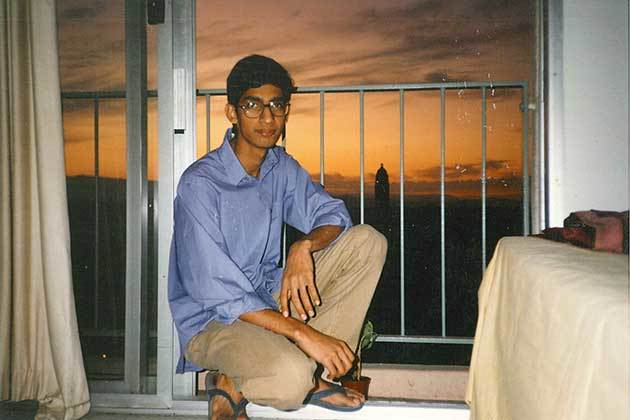
Inspiring story of Google’s CEO: Sundar Pichai – Must read!!!

Growing up in India, like many of you, Sundar Pichai got my first telephone when he was 12. In case it turned out be a rotary phone, so it wasn’t that great for selfies. But he still loved to call my friends, play with it and sometimes take it apart. That telephone cemented my fascination with technology. Sundar Pichai remember in his parents’ house in Chennai, reading about the invention of the transistor at Bell labs. Of course, that initial invention helped found what became referred to as Silicon Valley and out of that came companies like fairchild semiconductor and Intel and every one the computers and software, that we all use today. You can draw an immediate line from that invention to the technology, that powers your Twitter feed or your WeChat messages today.

Google's Sundar Pichai travelled in buses, had no television while ...

Image source : GadegtsNow

When he was younger, people would say, this person didn’t get into this college or something and that is the end of the road. Sundar Pichai thought life is so different from that, and so he think it is important to you know, keep your hopes, keep your dreams and try to follow them and you recognize he think, most of how life plays out is up to you, not up to what happens outside of you. It’s important to keep that in mind and take the long-term view. As a teenager, jumping on to a crowded train. At Chennai and traveling for 24 hours, to attend my school at IIT Kharagpur and that opportunity changed the course of my life. You want to aim high enough that you fail, you know few times thought it is the natural part of the process. In fact, Larry accustomed say if you’re employed on really difficult things, you’re more happy because you’ve got no competition, others aren’t performing on that difficult a drag . And although you fail, you finish up doing something great within the process.

Sundar Pichai Biography - Childhood, Life Achievements & Timeline

Image source: Thefamousperson

You know, working the real world, it is important to be well rounded, it is important to try different things, or you know take some risks, he would encourage people to follow their passions a little bit more. To follow set lanes throughout your career. Getting into an elite institution doesn’t guarantee success, it matters plenty but it doesn’t guarantee success. It is important to stay that perspective in life and life may be a long road, and you know, you would like to require it at the proper pace and luxuriate in what you are doing. Sundar Pichai knew how much hard work it takes to pursue your dream of building a business. The long hours, time faraway from family, the ideas you recognize are brilliant, that just don’t seem to catch on. Reading that and thinking, it is the concept matters. It didn’t matter where you come from or what your background is.
One revolutionary idea, one brilliant invention can unleash other entrepreneurs to revolutionize, industries and ways you could never predict.

black samsung tablet display google browser on screen
Photo by PhotoMIX Company on Pexels.com

PM Modi to launch ‘Atma Nirbhar Uttar Pradesh Rojgar Abhiyan’ for migrant workers today

Prime Minister Narendra Modi will launch Atma Nirbhar Uttar Pradesh Rojgar Abhiyan today which is focused on generating employment for those migrant workers of Uttar Prdesh who recently returned from other states. Today around one crore  25 lakh people will be provided employment in the state in different schemes.  The program will be launched at 11 am through Video-Conference in presence of the Chief Minister of Uttar Pradesh Yogi Adityanath. Ministers of concerned Ministries of the state will also participate in the virtual launch.

‘ROZGAR KA NAYA ABHIYAN, HAR SHRAMIK-KAMGAR KO KAM’ – With this motto, the state government will provide employment to 1.25 crore workers of the state in different schemes of central and state government. A loan amount of 5900 crores will be distributed to 2.40 Lakh units under Atmanirbhar Bharat Package today. 1.11 lakh new units will also get 3226 crore rupees as loan amount.  Around 5 thousand artists will get tool kits through Vishwakarma Shram Samman yojna under one district one product scheme of state.  The Atma Nirbhar Uttar Pradesh Rojgar Abhiyan will be launched in 31 districts of the state. These districts have more than 25,000 returnee migrant workers. These include 5 aspirational districts also.

On this occasion the Prime Minister will interact with villagers from six districts of state which includes Gonda, Sidharth Nagar, Behraich, Sant KAbir Nagar, Gorakhpur and Jalaun.  Villages across all districts of state will join this program through the Common Service Centers and Krishi Vigyan Kendras, maintaining the norms of social distancing in the wake of the Covid-19 pandemic.

Atma Nirbhar Uttar Pradesh Rojgar Abhiyan is focused towards providing employment, promoting local entrepreneurship and creating partnership with Industrial associations to provide employment opportunities. Nearly 30 lakh migrant workers have returned recently from the other parts of state in Uttar Pradesh.  

Can We Sustain?: The environmental challenge Towards Human Existence

Picture Courtesy: Google

In this emerging world crisis what we need to worry about the environment. Biodiversity is being hampered with the living habits of humans. As a part of the environment, We must pay heed to the development of the environment in a right and progressive way. We must know what we are leaving for the next generation. Due to the indifferent nature of human towards the environment and destructive behavior towards nature have called up a pandemic situation like Covid-19. The rising temperature, the growth of the disease, the major wild forests destruction, climatic imbalances all are results of human extravaganza. Our existential security depends on the earth’s existence. So, whenever we are talking about development we have to take the earth under consideration as well. The Hinduism sacred literature talks about ‘Mahabhuta’ which says about the exploitation of the five elements of nature, earth, water, fire, air,  space. Due to the convergence of technology we are running behind the development without thinking who to sustain it.

There are many things we should be worried about. There are many species which are either got extinct or in the way of extinct. Deforestation is one of the main causes of environmental grievance. Reports say nearly 27,000 trees are shot down each day to manufacture toilet paper. Nearly 1 million sea creatures are killed due to plastic pollution. Death of a huge number of animals in ecology, not only push the species towards extinction but also create a disruption in ecosystems and the ecological food chain. Unrestricted fishing can be another cause of the crisis in aquaculture. In this environment, every creature has its own role to play. The popularity of insects is higher than any other living creature on the planet. Due to agricultural safety, many friendly insects are killed. It says female insects travel much comparatively to male insects because they are in the process of pollination. Here if the pollination doesn’t happen, it can lead the human existence to cease. With the spike of the world population( nearly 83 million per year) and carbon footprint sensitizing the consequences like food crisis, economic crises, water problems, climatic changes, and so on. A report says the growing temperature can lead people to kill themselves. 1°C rise in temperature has given a 0.7% rise in the suicidal cases in countries like the US, Mexico. According to a report of WWF, a new disease can arise which will be higher than ever. It will make wreak havoc in the economy, health, and more. Arbitrary wild trade is another resource of ecological imbalance. Expensive release of greenhouse gas from the use of burning fuel like oil and others has indecently increased the rate of pollution, temperature, and other environmental issues.

A report called ‘The Global Tree Restoration Potential’ has remarked tree restoration as one of the efficient strategies to prevent the environmental crisis. Human and environmental development have to be proportional to each other. We can conquer the destruction by choosing sustainable development as a weapon. We are not allowed to perceive the natural beauty apparently as a part of impressionism but we are bound to be careful about securing the existence the beauty so that the next generation also can sense and experience the beauty in the same way.

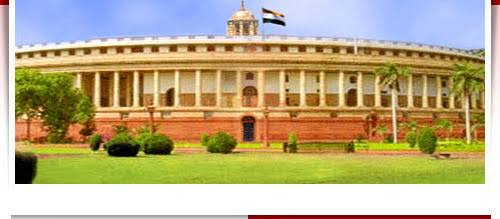
Rajyasabha elections…

The Constituent Assembly, which first met on 9 December 1946, acted as the Central Legislature till 1950, when it was converted as ‘Provisional Parliament’.

During this period, the Central Legislature which was known as Constituent Assembly (Legislative) and later Provisional
Parliament was unicameral till the first elections were held in 1952.

Extensive debate took place in the Constituent Assembly regarding the utility or otherwise of a
Second Chamber in Independent India and ultimately, it was decided to have a bicameral legislature
for independent India mainly because a federal system was considered to be most feasible form of Government for such a vast country with immense diversities.

A single directly elected House, in
fact, was considered inadequate to meet the challenges before free India. A second chamber known as the ‘Council of States’, therefore, was created with altogether different composition and method of election from that of the directly elected House of the People. It was conceived as another Chamber, with smaller membership than the Lok Sabha (House of the People). It was meant to be the federal chamber i.e., a House elected by the elected members of Assemblies of the States and
two Union Territories in which States were not given equal representation. Apart from the elected members, provision was also made for the nomination of twelve members to the House by the President.

The minimum age of thirty years was fixed for membership as against twenty-five years for the Lower House. The element of dignity and prestige was added to the Council of State House by making the Vice-President of India ex-officio Chairman of the Rajya Sabha who presides over its sittings.

Only elected members of the State Legislative Assemblies can vote in a Rajya Sabha election.

The legislators send a batch of new members to the Upper House every two years for a six-year term.

A third of Members of Parliament in the Rajya Sabha from each State retire once in two years and polls are held to fill up the vacancies.

Vacancies that arise due to resignation, death or disqualification are filled up through bypolls after
which those elected serve out the remainder of their predecessors’ term.

Polling for a Rajya Sabha election will be held only if the number of candidates exceeds the number of vacancies.
Since the strength of each party in the Assembly is known, it is not difficult to estimate the number of seats a party would win in the Rajya Sabha poll. Voting is by single transferable vote and on the principle of proportional representation.

The Rajya Sabha polls have a system of open ballot, but it is a limited form of openness.
As a measure to check rampant cross-voting, which was taken to mean that the vote had been purchased by corrupt means, the system of each party MLA showing his or her marked ballots to the party’s authorised agent, before they are put into the ballot box, has been introduced.

Showing a marked ballot to anyone other than one’s own party’s authorised agent will render the vote invalid.

thanks to all

“Stop Worrying and Start Living” – Dale Carnegie – Book review

Dale Carnegie’s how to stop worrying and start living so the first big idea is ask yourself what’s the worst thing that can happen I remember the first year in college constantly worrying about my grades what was I getting to do if I got a B+ rather than an a well surely my life would be over and that i would never amount to anything in life like that was seriously the thought process browsing my 17 year old head now fast-forward five years.

How to Stop Worrying & Start Living
Carnegie tells a story of this guy in World War 2 who’s stuck in a submarine and basically knows that he’ll be dying in the next few hours and he sits there thinking about all the stuff he used to worry about at home and how absurd it was and makes a promise to never waste his life again like that if he survives now that might be hard to resonate with so let me give you a more contemporary example people are having their heads chopped off every single day every single day the only reason it’s not you is because you are born in a certain place. They weren’t that’s it now going back to my friend I told him look here’s what I want you to do every day you will start your morning by watching somebody’s head being chopped off and then you’ll go about the rest of the day.
He started freaking out about how he can’t do that and how he doesn’t like blood and whatever now here’s the thing. I know that’s really crass and morbid but I don’t care if you don’t worry about stuff great you don’t have to watch anything but if you’re worried about stupid all the time you have a disease so you either treat yourself or you never ask about how you can stop worrying again ever. Here’s what I will guarantee you if you start your day by watching someone else have their head chopped off nothing and I mean absolutely nothing could possibly happen to you for the rest of the day that you could get pissed off about and not feel like a complete retard yes when you’ve seen someone’s head chopped off you will have a weird feeling inside you as soon as you start to complain about how you deserve to be paid more at your job or what you’re going to do now since you bought a B+ rather than an A or how your washer is broken you’ll realize that.

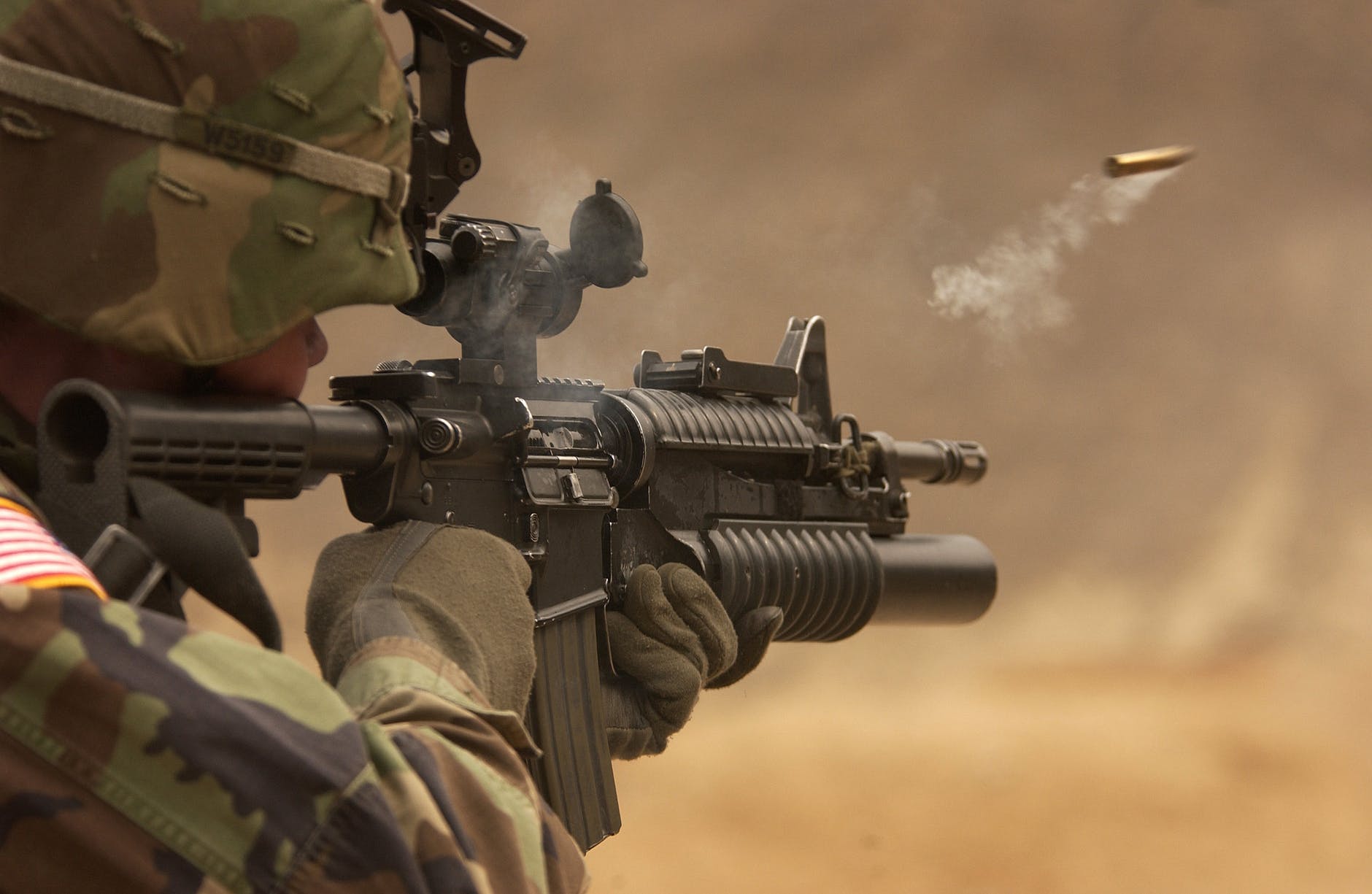
automatic weapon bullet camouflage close up
Photo by Pixabay on Pexels.com

If the guy had been given the chance to live and wear that same dirty shirt for the rest of his life without ever being able to wash it he would have been the happiest man alive realize the absurdity of it all the third big idea staying busy now I don’t mean the average busy person actually those are the people that worry the foremost the guy who works 12-hour days then comes home and watches Fox all night worrying about whether some guy can marry another guy or about all the foreigners who will come and take his job you know because he’s the only one entitled to that job I’m not talking about that kind of busy here’s how I like to stay busy read a book that I like go to the gym with my girlfriend play around on the piano and compose cook amazing food work on a project. I’m passionate about now here’s what happens when you do that your brain can’t think of two things at one time it just doesn’t have that capability you can try right now if you want you can’t think of your broken washing machine and at the same time think of how much you love playing soccer it’s not how your brain works so the best way to get rid of the negative thoughts in your head is to actually start putting positive thoughts in there get busy with what you love and your brain simply won’t even have the power to stress . Finally, a question that really resonated with me here’s what you’re going to do in your life you’re going to work and worry your entire life so you can gather a bunch of stuff like your house and all the stupid.

woman working girl sitting
Photo by Alexander Dummer on Pexels.com

If you’re lucky after 50 years of all that worry and stress all of your stuff could be worth 1,000,000 dollars here’s the question would you sell your legs for a million dollars let me ask you this would you sell your legs for a billion dollars I wouldn’t and you probably wouldn’t either would you sell your arms for another billion dollars no there you go you have already got something that you simply value at two billion dollars actually hopefully more but you do not need to be all Zen you could be a greedy capitalist like me and understand this now here’s what you’re going to do you’re going to ignore and not utilize something worth two billion dollars because you’re too busy worrying and stressing about the things that might amount to 1 million dollars at the end of your life oh and you’ll be considered really lucky if that happens by the way all right.

cheerful barista in apron and hat with portafilter
Photo by Ketut Subiyanto on Pexels.com

So, I don’t know if you’re seeing how crazy that is but that’s kind of like having a huge mansion a personal jet every single car you ever wished for and not using and enjoying those things because you’re too worried about at some point having the ability to shop for a Corolla that’s crazy and sad you have already got everything that you value at billions and billions of dollars so stop ignoring wasting and treating it like for hours and days so you can worry and bitch about how your phone bill went up from a hundred dollars to a hundred and twenty.

You can buy this amazing book from here ( click here )

The Real Face of Current Situation @India 2020 ………//////

It seems like a huge mountain is fall in our countries head! This is the statement which almost every citizen of our country is saying and it’s true somewhere but the real fact is by here or there we only are responsible for it. Now the question how we are responsible? Will raise like a sun and will jump like a rat in empty stomach in your head until you will not get the answer so in this article I will let to understand each and every single point so that the rat of your empty stomach will remain till your stomach only.

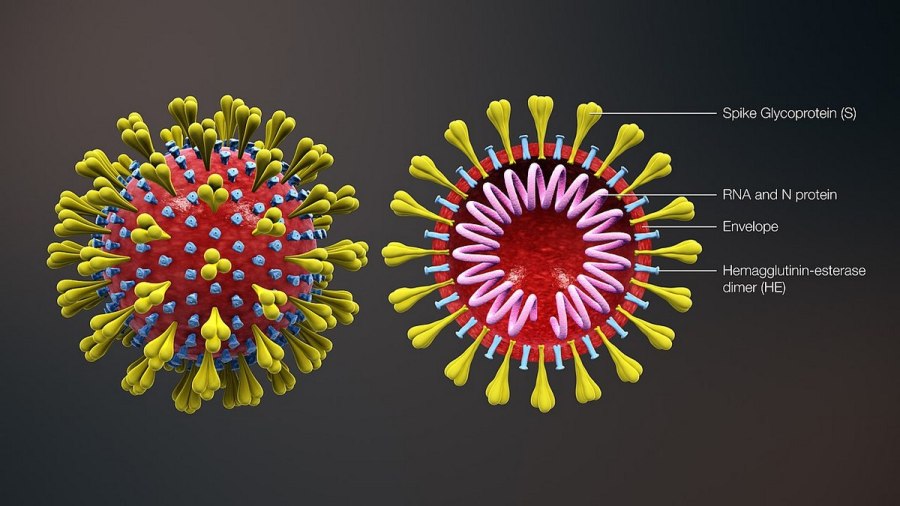
Starting from the biggest threat of the world CORONAVIRUS or COVID 19 VIRUS  so after having a big discussion we all know that from where this virus is came as nobody can hide the truth no matter how big and powerful you are. Today we are talking about India so just focus on the situation of coronavirus in India. We got the first case of corona virus on 30 January 2020 in Kerala which later increase and now we can let’s just pray as the vaccine is not yet discovered and don’t know how much time it will take and by that time how much will left uninfected. Let’s just pray for the best!

Credit : Third Party Reference

You will say why I am writing so negative but I must tell you that it’s not the think to become blindly positive it’s the thing to become preventive. Yes blindly positive and I am using this word because I can see a huge clusters of peoples roaming without mask and eating the street food in street stall by being blindly positive that the corona can’t infect me it seems like covid had signed any contract with them that you just roam in the way you want I will not infect you my majesty; like they had got Chirag-a-Aladdin to fight against the Corona.

After seeing this condition the question which arises in my mind is from where these people got the power to become so blindly positive and the answer which I got is our “respective honourable blind system”  for whom the condition becomes very critical and reaches in its top level when we see cases in thousands and the daily report was in hundreds and now when the condition is totally opposite when we see daily report in thousand, total in Lakh and every state has its own daily hundred then according to our honourable respective system ‘We are doing well, the condition is becoming normal’. I don’t know which normal they are talking about because the ‘normal’ which is there in my dictionary means the condition is improving and far apart I can’t see the even the ‘n’ of ‘normal’.

Credit : Third Party Reference

Do you know who is responsible in bringing corona to our country? Yes we can’t blame one personality or any authority but you all only think of the answer as you all are smart enough I will just tell you’ll some facts and reality. We know that the first case of Covid-19 was detected in November 2019 and the first case in India was detected in 30 January 2020 so that means there was a gap of 2 month so what India has planned in 2 months. What? The trip of Ahmedabad? Because there was no preventative measures was taken during those 2 months, as everyday international flights lands India and there was no checking of those travellers as there was many more and more important things which our government wants to held like in January at Delhi and in February at Ahmedabad. I think you all know about it.

Actually our System wake up when the India starts infected and they put whole India in sleep because that time we are facing a very critical situation which is become normal nowadays remember “normal” and do you know now international flights are also started seems like a Movie is going on where we are running from the reality and only telling lie from ourselves and to their citizens. I think Now it’s our time to wake up because when have seen what our government have done when they wake up. It’s our time to open our eyes and see the real of the condition of our country which can’t be expressed.

Stop being Blind Devotee of anyone first hears them, then use your brain, think that it’s wrong or right and then follow it. Stop being a blind follower otherwise you and our beautiful country will be in big trouble and nobody will come to save us.

So Wake up and See the reality and just remember it is just a big stone of that mountain which I have talked earlier. So I be back soon with another stone of that mountain. Till than is Safe in reality; Stop blindly following anyone, Keeps your Senses open and Be Awake.                     

The cat families…Part 1

Felis catus also called house cat or domestic cat, domesticated member of the family Felidae, order Carnivora, and the smallest member of that family. Like all felids, domestic cats are characterized by supple low-slung bodies, finely molded heads, long tails that aid in balance, and specialized teeth and claws that adapt them admirably to a life of active hunting. Cats possess other features of their wild relatives in being basically carnivorous, remarkably agile and powerful, and finely coordinated in movement.

there are more than, 45 types of cat family members are present around the globe, which include the king lion, tiger, leopard, and many more. Here is the information regarding it.

1.Abyssinian:
undefined
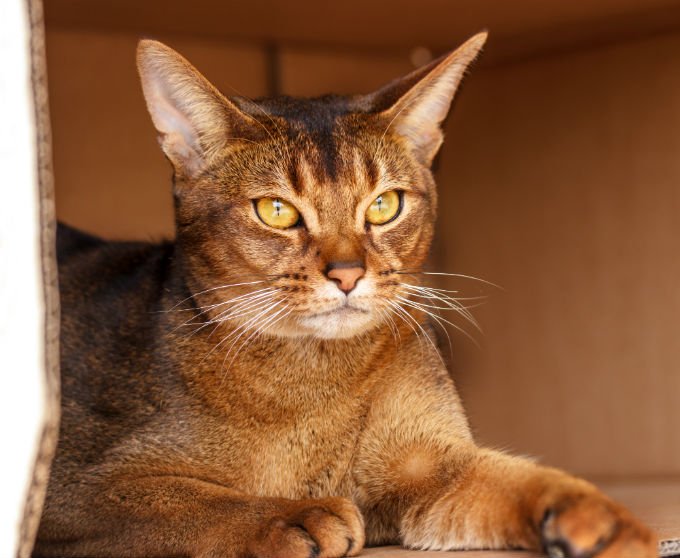
Abyssinian, breed of domestic cat, probably of Egyptian origin, has been considered to approximate the sacred cat of ancient Egypt more closely than any other living cat. The Abyssinian is a lithe cat with relatively slender legs and a long, tapering tail. The short, finely textured coat is ruddy reddish-brown, with individual hairs of the back, sides, chest, and tail distinctively ticked, or tipped, with bands of black or brown. The nose is red, the eyes are hazel, green, or gold, and the tail tip and backs of the hindlegs are black. The Abyssinian is noted for being affectionate and quiet, though generally shy with strangers.

2.African wildcat:
undefined
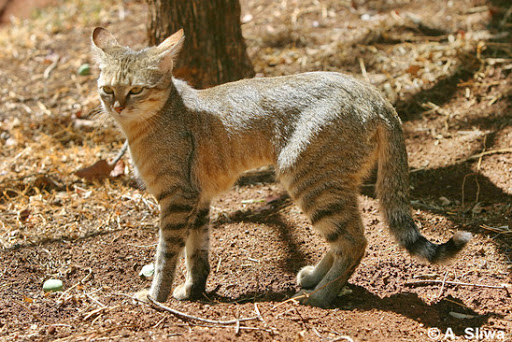
The African wildcat, also called Egyptian wildcat, small, tabby like a cat (family Felidae) found in open and forested regions of Africa and Asia. Likely the first cat to be domesticated, the African wildcat is somewhat larger and stockier than the modern house cat, with which it interbreeds readily. Its coat, paler in the female, is light or orange-brown with narrow dark stripes. The length of the animal is about 70 cm (28 inches), excluding the 40-cm tail; shoulder height averages 23 cm (9 inches), and the cat weighs about 3.5 kg (7.7 pounds). The African wildcat is a solitary nocturnal hunter that preys mainly on birds and small mammals. Mating generally occurs early in the year, and a litter of two to five kittens is born about 56 days later.

3.black panther:
undefined
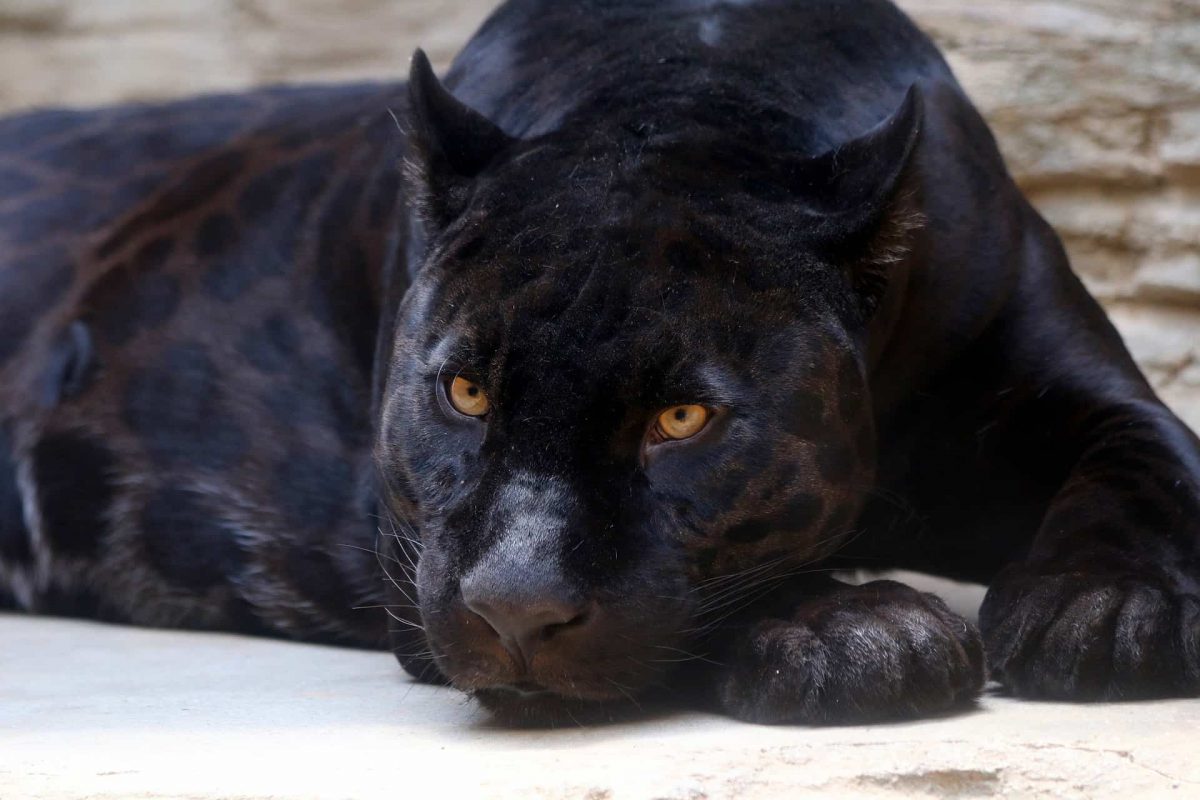
Black panther, colloquial term used to refer to large felines classified in the genus Panthera that are characterized by a coat of black fur or large concentrations of black spots set against a dark background. The term black panther is most frequently applied to black-coated leopard of Africa and Asia and jaguars of Central and South America; black-furred variants of these species are also called black leopards and black jaguars, respectively. Besides, the term is sometimes used to describe dark-colored bobcats, lynx, jaguarundis, tigers, and pumas, even though reports of black-colored representatives of some species, such as the puma, have not been confirmed.

4.bobcat:
undefined
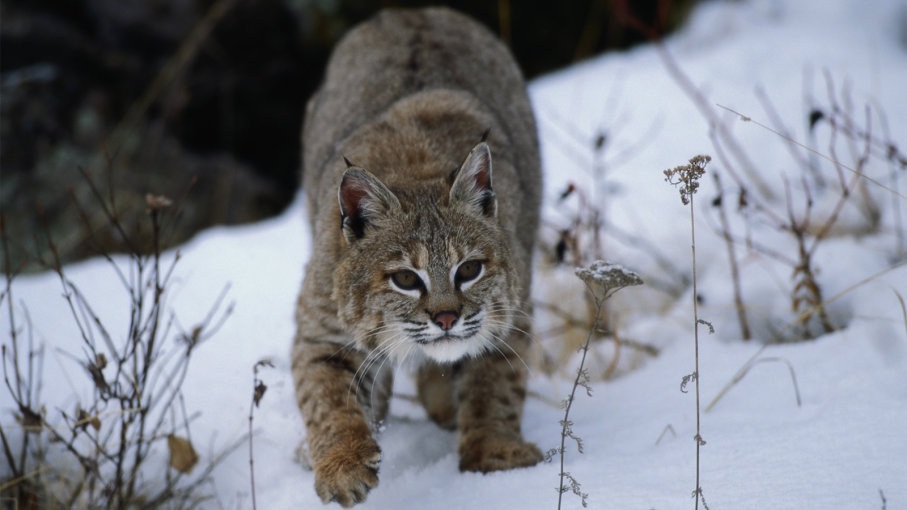
Bobcat, also called bay lynx or wildcat, bobtailed North American cat, found from southern Canada to southern Mexico. The bobcat is a close relative of the somewhat larger Canada lynx.

5.calico cat:
undefined
Burmese, breed of domestic cat, presumably of Asian origin. The Burmese are a compactly built cat with a small, rounded head and wide-set, round, yellow, or golden eyes. The short, finely textured, and glossy coat darkens from a milk-chocolate color in the kitten to a rich sable brown in the adult. The underside is paler than the coat; the ears, face, legs, and tail may be darker. The tail is tapered and may be either straight or kinked near the tip.

6.caracal:
undefined
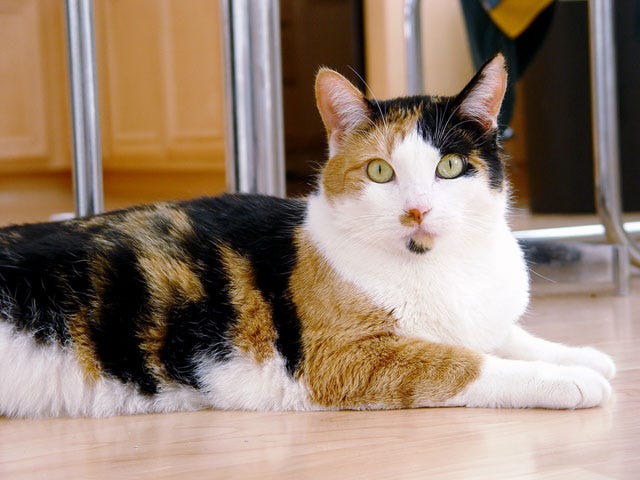
Calico cat, In North America, a blotched or spotted domestic cat, usually predominantly white with red and black patches (a pattern also called tortoiseshell-and-white). Because the genetic determination of some coat colors in cats is linked to the sex chromosome, calicoes are almost always female.

7.cat:
undefined
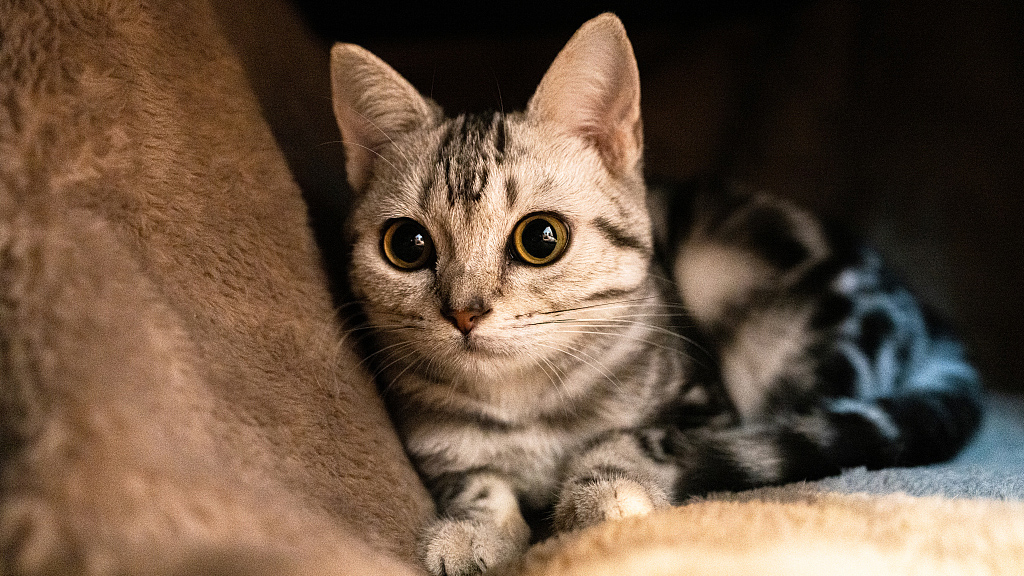
Cat also called house cat or domestic cat, domesticated member of the family Felidae, order Carnivora, and the smallest member of that family. Like all felids, domestic cats are characterized by supple low-slung bodies, finely molded heads, long tails that aid in balance, and specialized teeth and claws that adapt them admirably to a life of active hunting. Cats possess other features of their wild relatives in being basically carnivorous, remarkably agile and powerful, and finely coordinated in movement.

8.cheetah:
undefined
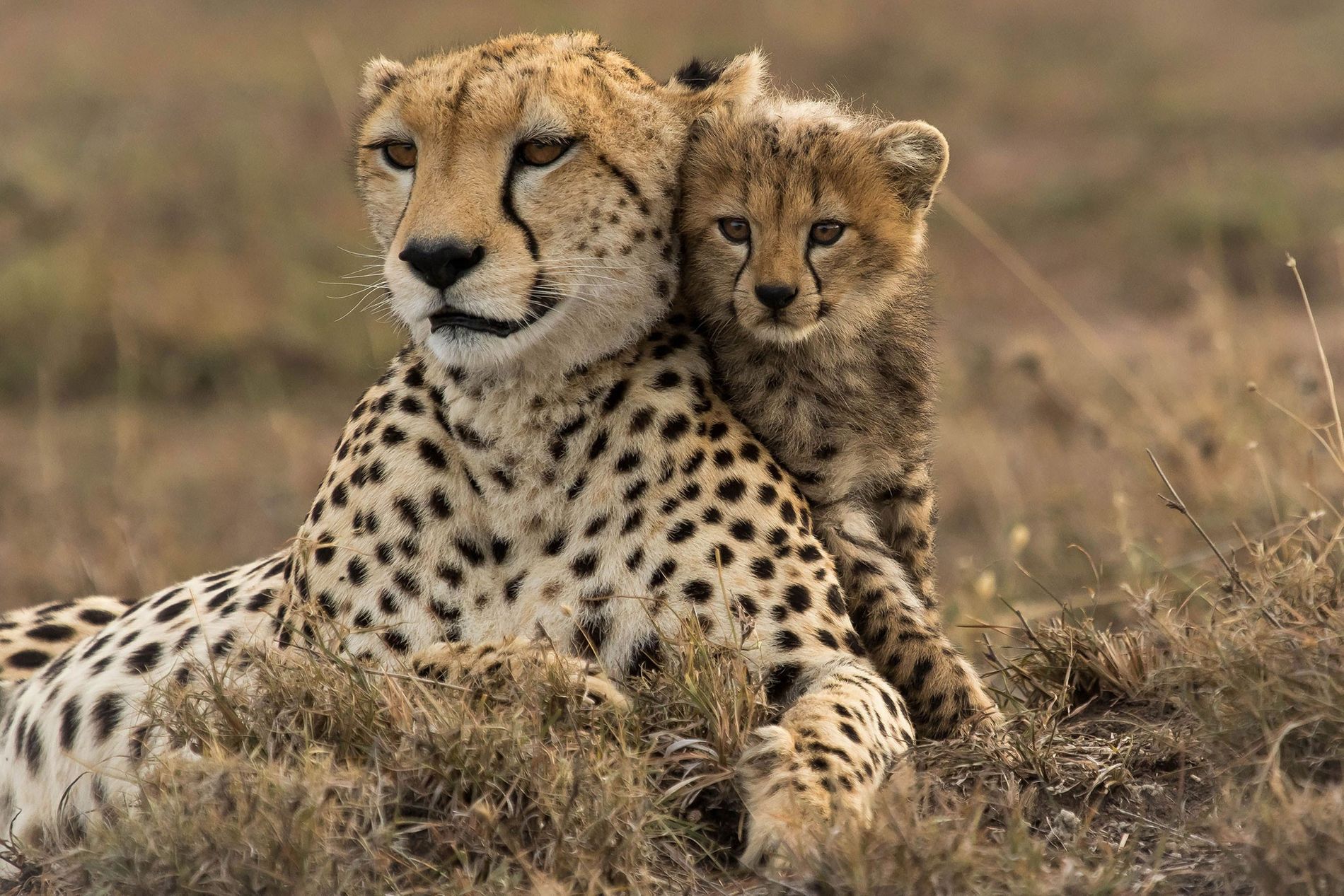
Cheetah, one of the world’s most-recognizable cats, known especially for its speed. Cheetahs’ sprints have been measured at a maximum of 114 km (71 miles) per hour, and they routinely reach velocities of 80–100 km per hour while pursuing prey. Nearly all the cheetahs remaining in the wildlife in Africa.

9.clouded leopard:
undefined
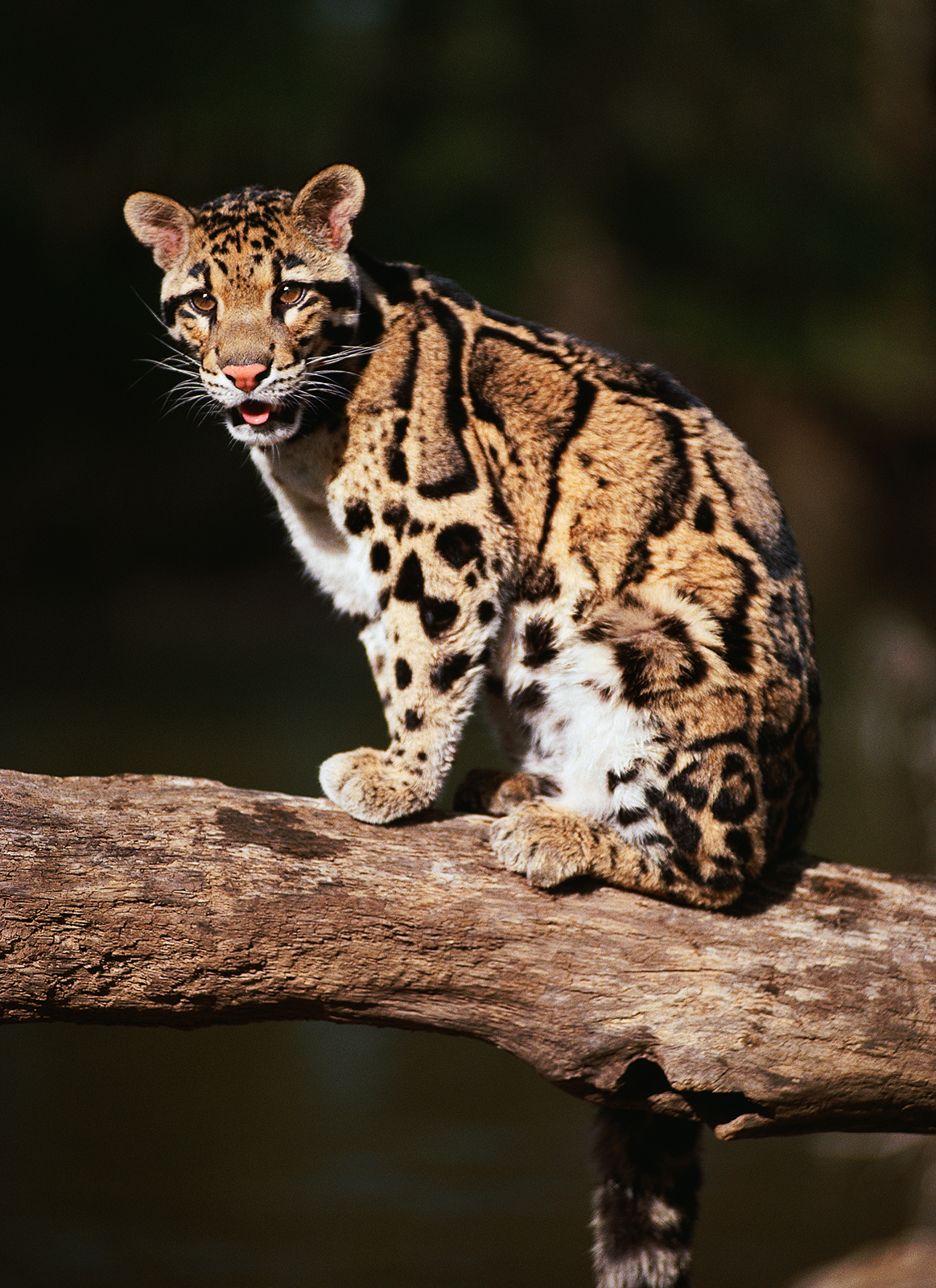
Clouded leopard, also called clouded tiger, strikingly marked cat, very similar in coloring and coat pattern to the smaller, unrelated marbled cat . There are two species of clouded leopard, which are genetically distinct from one another. Neofelis nebulosa, found on the mainland of southeastern Asia, particularly in forests and other wooded regions, and N. diardi, found on the islands of Sumatra and Borneo, are thought to have diverged about 1.4 million years ago. The population of clouded leopards declined sharply in the latter half of the 20th century as a result of hunting and deforestation. They are reported to be nocturnal and to live in trees; they prey on birds and small mammals, such as pigs and monkeys.

10.domestic shorthair:
undefined
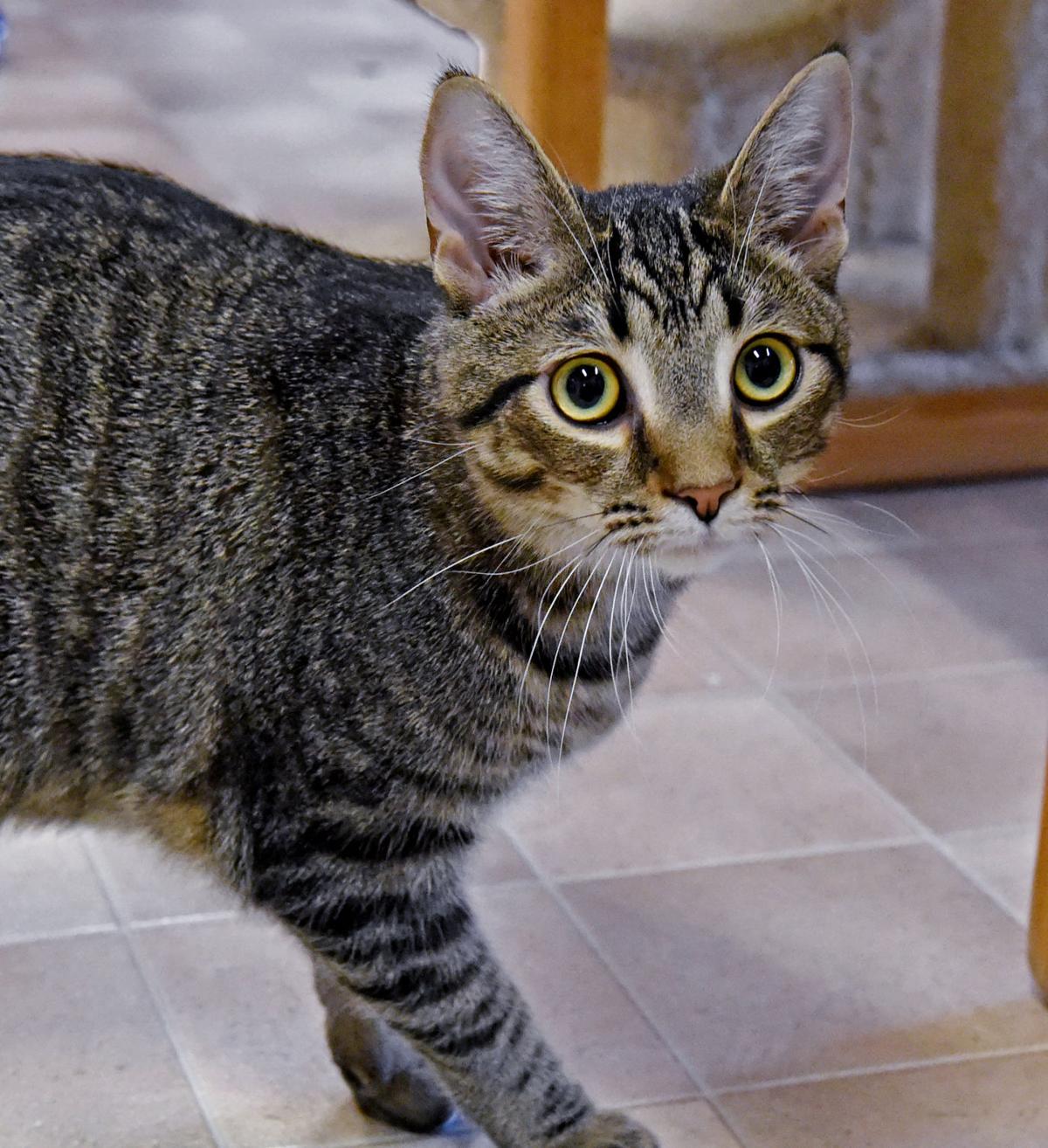
Domestic shorthair, also called British Shorthair, breed of a domestic cat often referred to as a common, or alley, cat; a good show animal, however, is purebred and pedigreed and has been carefully bred to conform to a set standard of appearance.

11.feline:
undefined
Feline any of 37 cat species that among others include the cheetah, puma, jaguar, leopard, lion, lynx, tiger, and a domestic cat. Cats are native to almost every region on Earth, except Australia and Antarctica. They are carnivorous mammals that live in a wide variety of habitats, but they are typically woodland animals.

12.fishing cat:
undefined
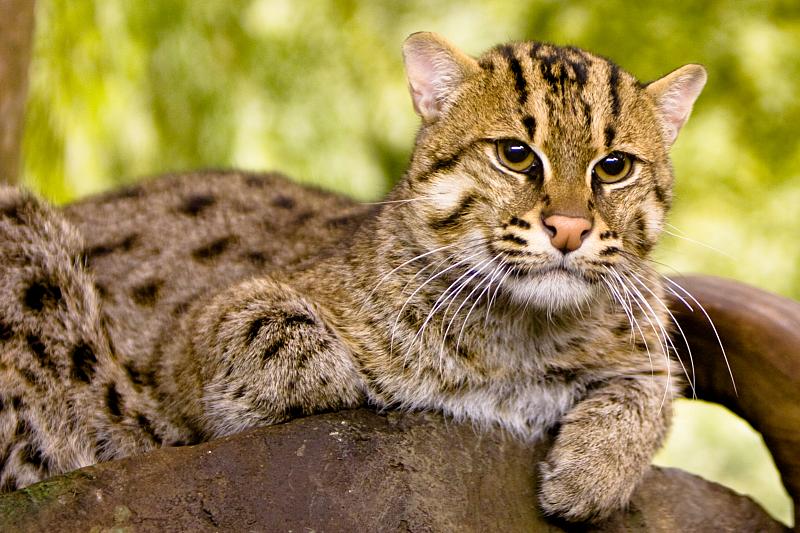
Fishing cat a tropical cat of the family Felidae, found in India and Southeast Asia. The coat of the fishing cat is pale gray to deep brownish-gray and marked with dark spots and streaks. The adult animal stands about 40 cm (16 inches) at the shoulder, weighs 8–11 kg (18–24 pounds), and is from 60 to 85 cm long, excluding the black-ringed tail, which accounts for an additional 25–30 cm. The fishing cat lives near water and in jungles, reed beds, and marshes. It is reported to fish by scooping its prey out of the water.

13.flat-headed cat:
undefined
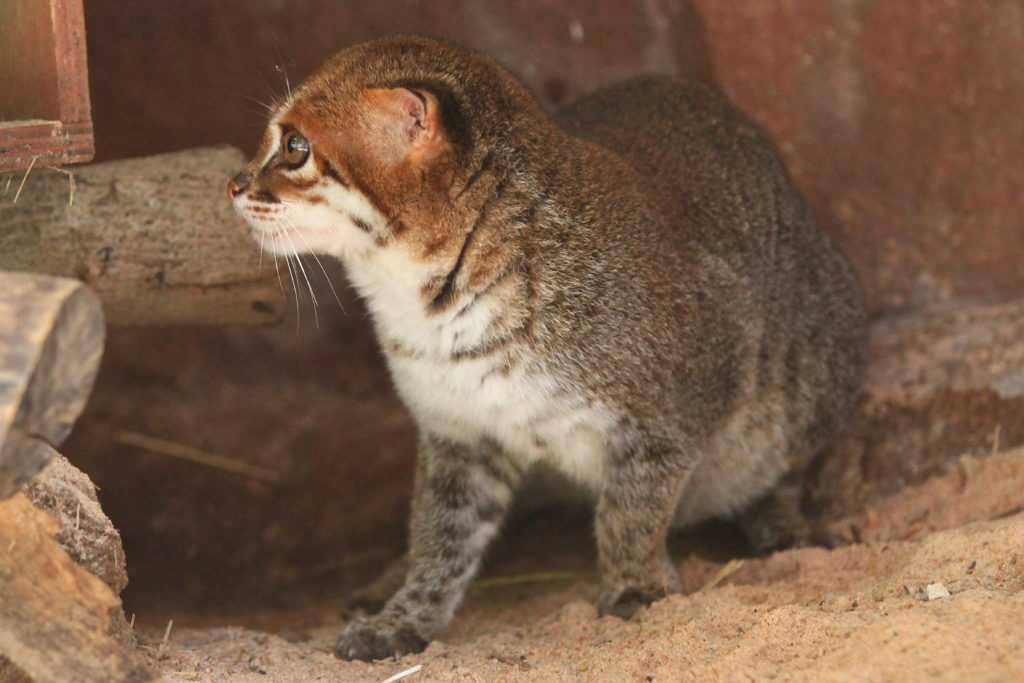
Flat-headed cat extremely rare Asian cat found in the Malay Peninsula, Sumatra, and Borneo. One of the smallest members of the cat family, Felidae, the adult is from 40 to 60 centimeters (16 to 24 inches) long without the 15–20-cm tail and weighs from 1.5 to 2.5 kilograms (3.3 to 5.5 pounds). Its coat is reddish above and white with red spots below; there are white markings around the eyes. It is the only felid known to include any substantial amount of vegetation in its diet, with a preference for fruit and, when available, sweet potatoes and similar foods. Little else is known about this cat, which is reported to be nocturnal and to hunt fish and frogs along rivers.

14.Florida panther:
undefined
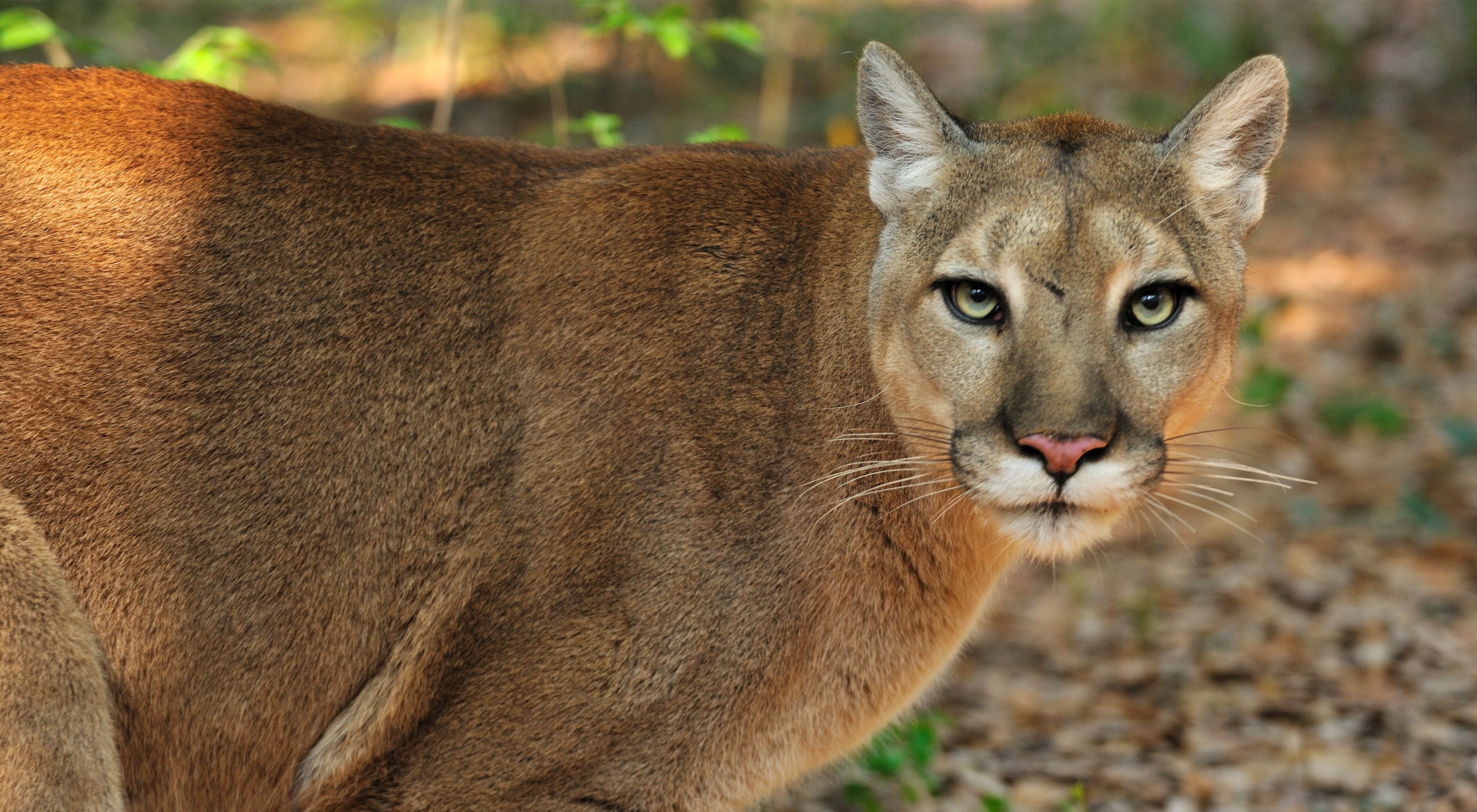
Florida panther, member of a population of large New World cats belonging to the species Puma concolor, family Felidae, confined to a small, isolated, and inbred group in southern Florida. This population is the only breeding group of pumas in the eastern United States. The Florida panther was traditionally classified as a distinct subspecies of puma and was reclassified as a population of the P. concolor cougar subspecies in 2017 after genetic analysis. The Florida panther was one of the first animals listed under the Endangered Species Act when the law first passed in 1973, and it is recognized as the state animal of Florida.

15.Geoffroy’s cat:
undefined
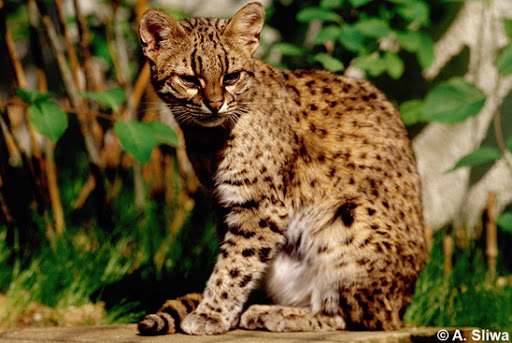
Geoffroy’s cat South American cat of the family Felidae, found in mountainous regions, especially in Argentina. It is gray or brown with black markings and grows to a length of about 90 cm (36 inches), including a tail of about 40 cm (16 inches). Geoffroy’s cat climbs well and preys on small mammals and birds. It breeds once a year; litters consist of two or three kittens.

17.Himalayan:
undefined
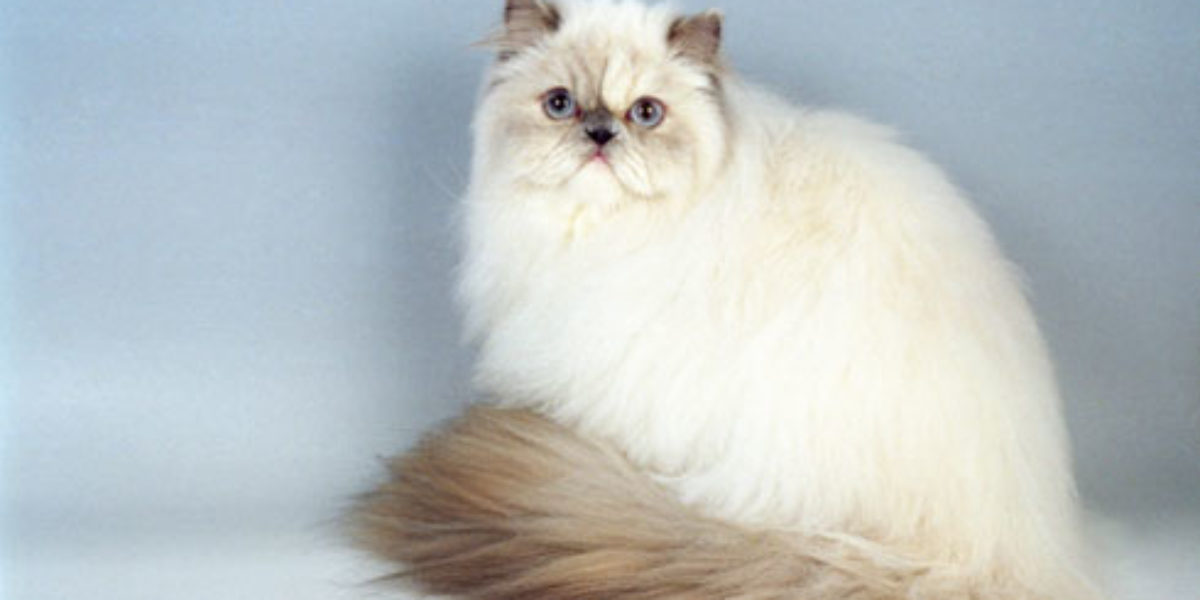
Himalayan, also called colorpoint, or colorpoint, breed of domestic cat with the coloring of the Siamese and the build and coat of the longhair, or Persian. The Himalayan is produced by matings between Siamese and longhairs followed by selected breeding of the offspring to bring out the proper coloring, coat, and build. A good Himalayan is cobby and short-legged with long, soft fur, a broad, rounded head, and round blue eyes. Born cream-colored, it later develops the darker points (ears, face, legs, and tail) of the Siamese. The points, as in the Siamese, maybe deep brown (seal point), lighter brown, blue-gray , pinkish-gray , or reddish-orange .

18.jaguar:
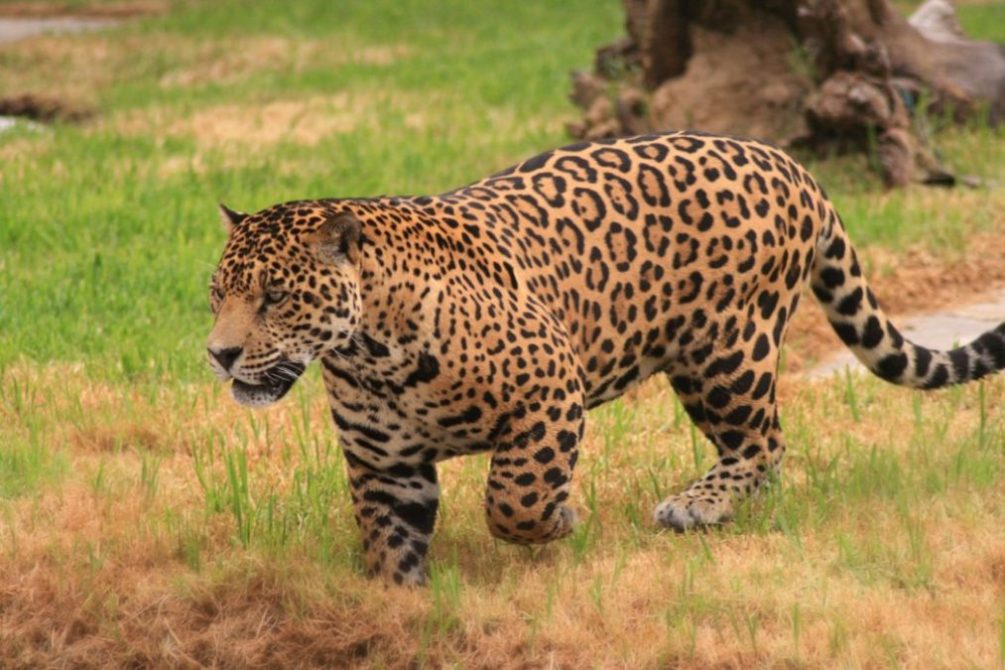
undefined
Jaguar also called el Tigre or Tigre americano, the largest New World member of the cat family, once found from the U.S.-Mexican border southward to Patagonia, Argentina. Its preferred habitats are usually swamps and wooded regions, but jaguars also live in scrublands and deserts. The jaguar is virtually extinct in the northern part of its original range and survives in reduced numbers only in remote areas of Central and South America; the largest known population exists in the Amazon rainforest.

19.jaguarundi:
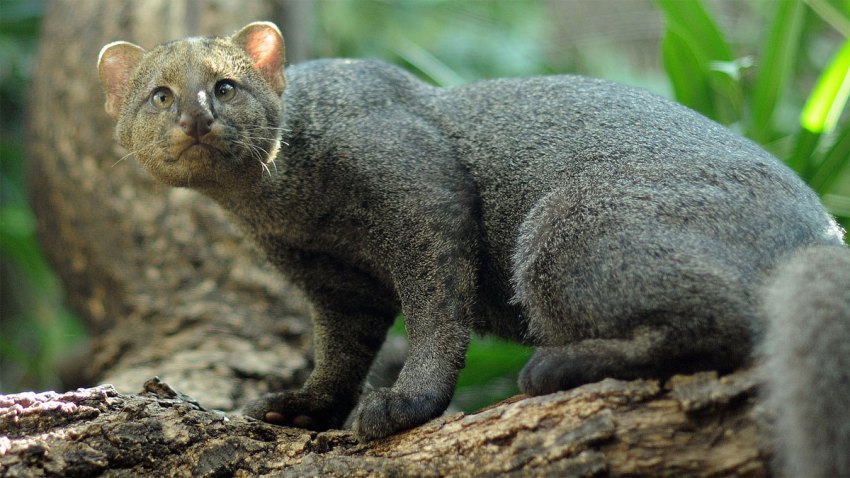
undefined
Jaguarundi, also spelled Jaguarondi small, unspotted New World cat (family Felidae), also known as the otter-cat because of its otterlike appearance and swimming ability. The jaguarundi is native to forested and brushy regions, especially those near water, from South America to the southwestern United States; it is, however, very rare north of Mexico.

20.leopard:
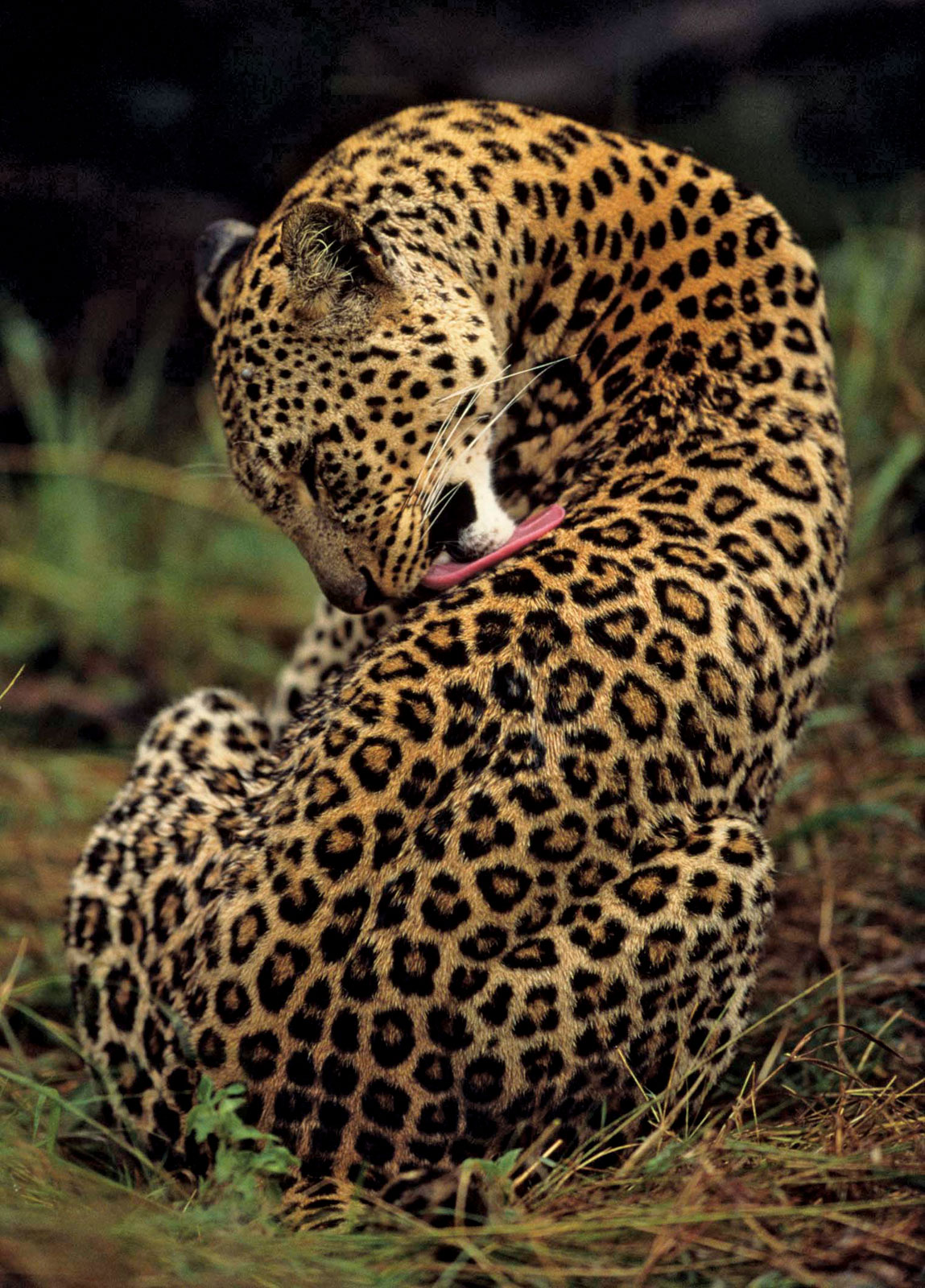
undefined
Leopard also called a panther, large cat closely related to the lion, tiger, and jaguar. The name leopard was originally given to the cat now called cheetah—the so-called hunting leopard—which was once thought to be a cross between the lion and the pard. The term pard was eventually replaced by the name leopard.

21.leopard cat:
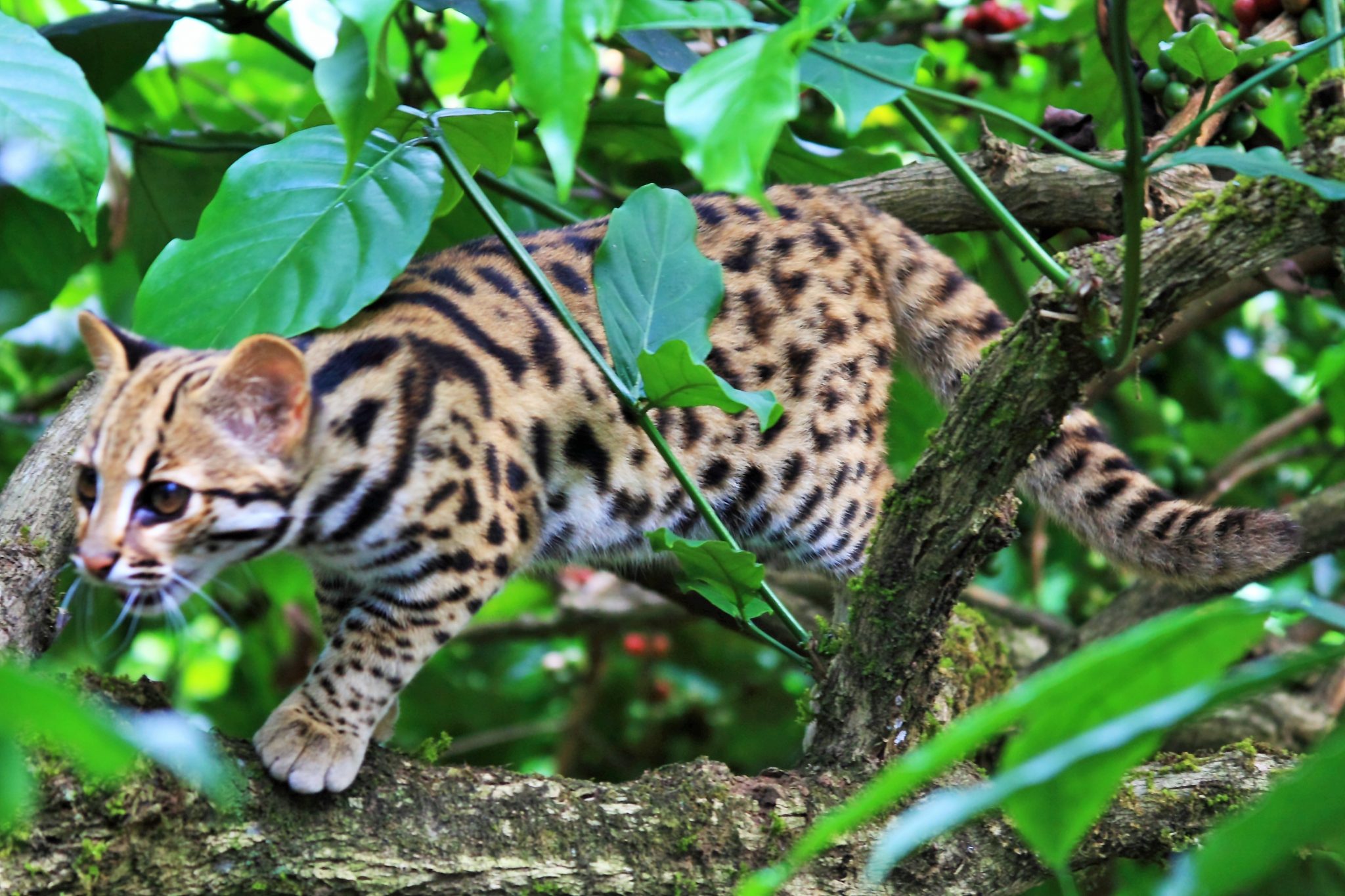
undefined
Leopard cat forest-dwelling cat, of the family Felidae, found across India, Southeast Asia, and nearby islands. The leopard cat is noted for its leopard-like coloring. The species is generally divided into one mainland subspecies, P. bengalensis bengalensis, and several island subspecies—including P. bengalensis borneoensis in Borneo, P. bengalensis Heaney on Palawan, P. bengalensis rabori on the Philippine islands of Cebu, Negros, and Panay, P. bengalensis javenensis on Bali and Java, and P. bengalensis sumatranus on Sumatra and Tebingtinggi.

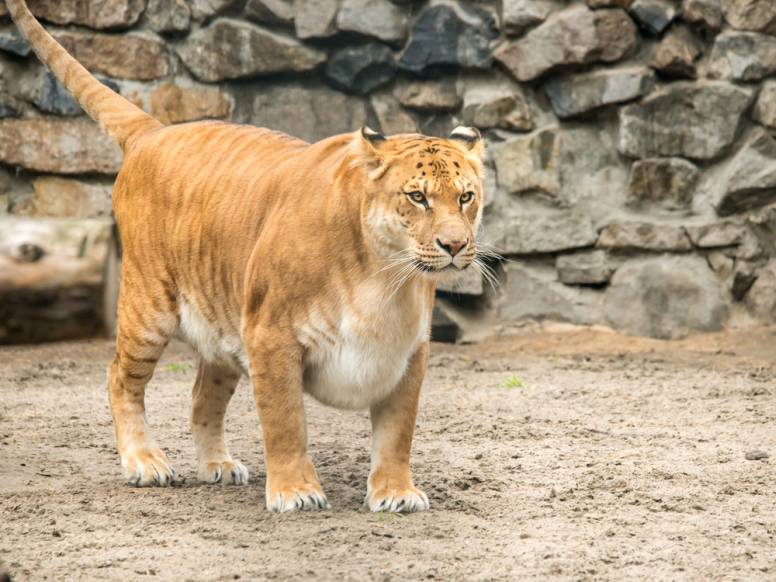
22.liger:
undefined
Liger, offspring of a male lion and a female tiger. The liger is a zoo-bred hybrid, as is the tigon, which is the result of mating a male tiger with a female lion. The liger and the tigon possess features of both parents, in variable proportions, but are generally larger than either. It is thought that most, if not all, male ligers and tigons are sterile. The females, however, on occasion, may be able to produce young. The terms liger and tigon are portmanteaus of the words lion and tiger.

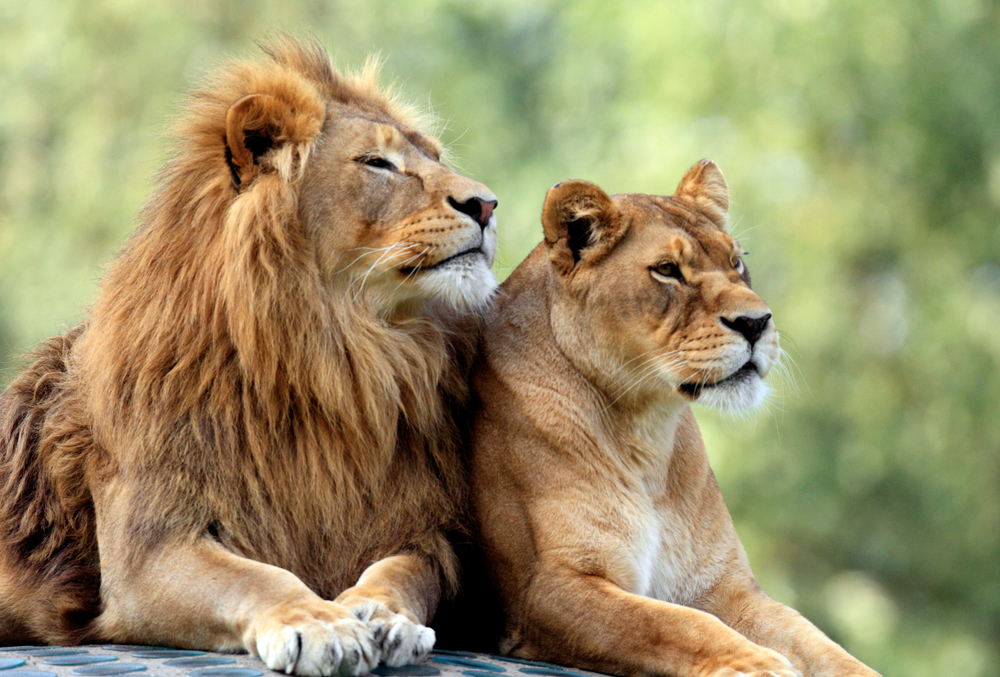
23.lion:
undefined
Lion is large, powerfully built cat that is second in size only to the tiger. The proverbial “king of beasts,” the lion has been one of the best-known wild animals since the earliest times. Lions are most active at night and live in a variety of habitats but prefer grassland, savanna, dense scrub, and open woodland. Historically, they ranged across much of Europe, Asia, and Africa, but now they are found mainly in parts of Africa south of the Sahara. An isolated population of about 650 Asiatic lions constitutes a slightly smaller race that lives under strict protection in India’s Gir National Park and Wildlife Sanctuary.

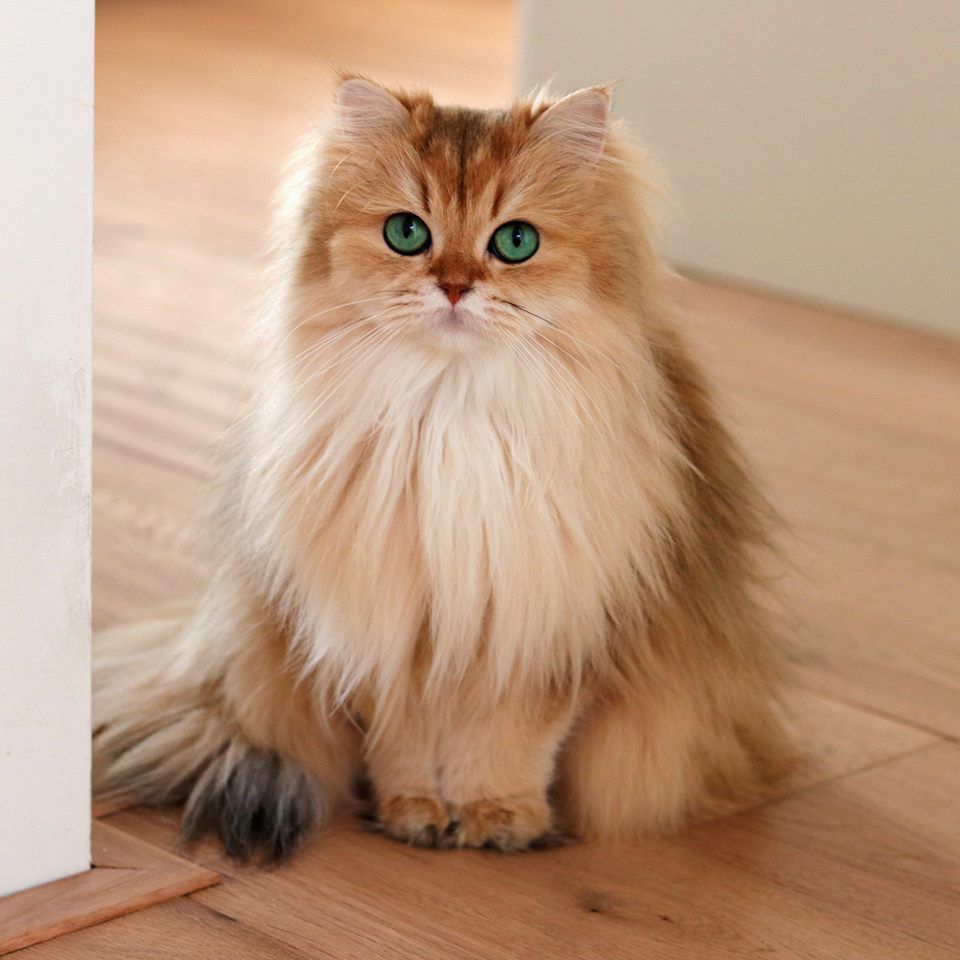
24.longhair:
undefined
Longhair, also called Persian, breed of domestic cat noted for its long, soft, flowing coat. Long-haired cats were originally known as Persians or Angoras. These names were later discarded in favor of the name longhair, although the cats are still commonly called Persians in the United States. The longhair, a medium-sized or large cat with a cobby , short-legged body, has a broad, round head, a snub nose, and a short, heavily haired tail. The large, round eyes may be blue, orange, golden, green, or copper-colored, depending on the color of the cat. The soft, finely textured coat forms a heavy ruff about the neck.

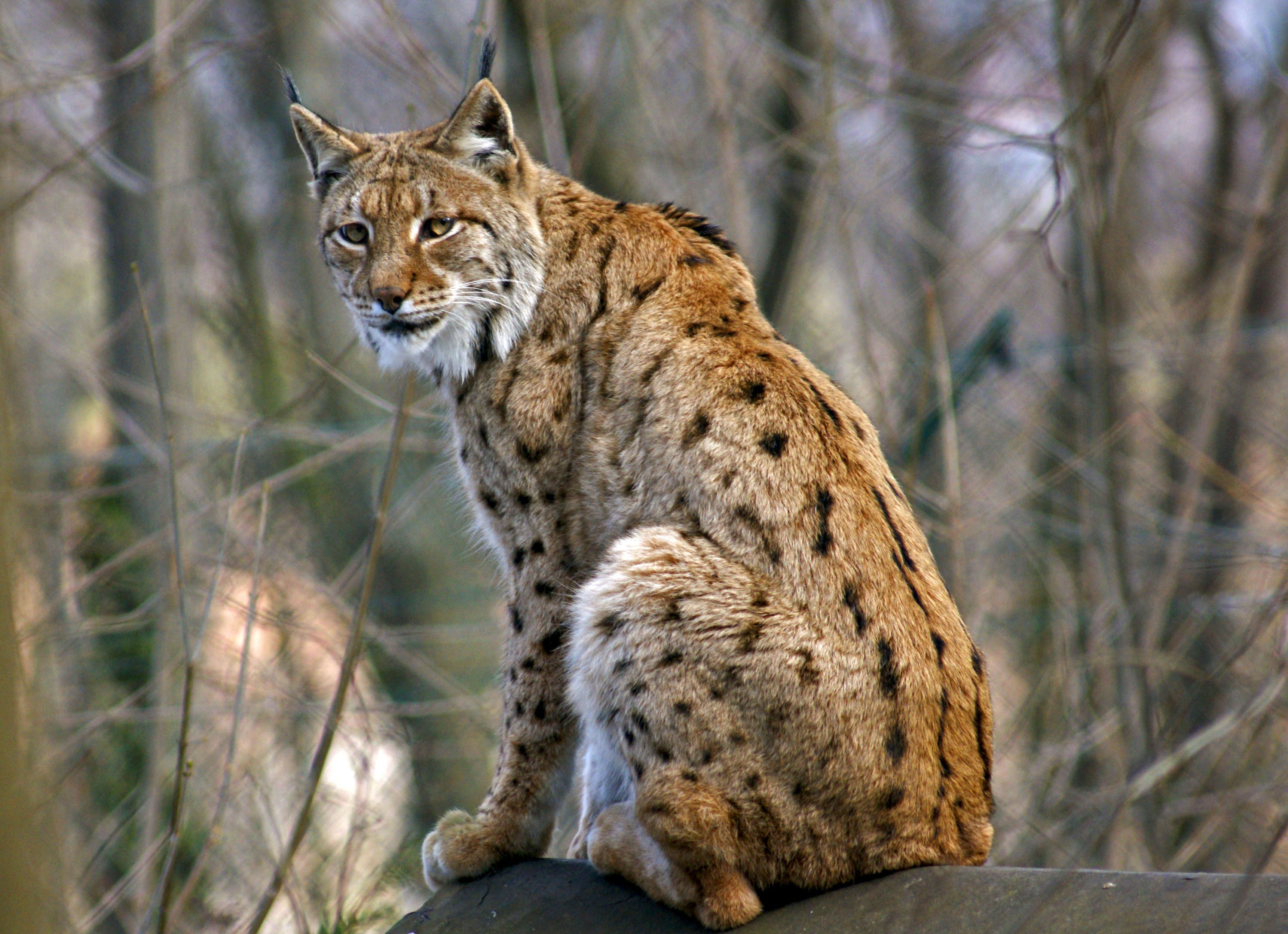
25.lynx:
undefined
Lynx, (genus Lynx), any of four species of short-tailed cats found in the forests of Europe, Asia, and North America. The Canada lynx and the bobcat live in North America. The Eurasian lynx and the Iberian lynx are their European counterparts. The Iberian lynx is the most endangered feline; as of 2013, possibly fewer than 300 individuals remained in the mountainous scrubland of southern Spain.


FORMAL ORGANIZATION

A formal organization is a planned structure which represents the officially established pattern of relationships among individuals, groups, sections, units, departments and divisions to accomplish the goals of the enterprise. A formal organization provides a broad framework and delineates certain prescribed functions and the relationships between them, a formal organization may be defined as a system of consciously coordinated activity of two or more persons towards a given objective. A formal organization may also be defined as:

  1. A pattern of formal relationships and duties, the organization charts, job description and position guides.
  2. Formal rules, policies, work procedures and similar devices adopted by management to guide employee behaviour in certain ways within the structure of formal relationships.

   As Louis A. Allen said, “The formal organization is a system of well-defined jobs, each bearing a definite measure of authority, responsibility and accountability, the whole consciously designed to enable people of the enterprise to work more effectively together in accomplishing their objectives”.  A formal organization facilitates the determination of objectives and policies. Communication, the delegation of authority, and coordination take place according to a prescribed pattern and in fact, formal structure restricts and circumstances the area of operation of individuals working within an organization.

FEATURES OF FORMAL ORGANIZATION

The main characteristics of a formal organization are:

  1. It is based on the division of Labour.
  2. This organization is formed by voluntary thinking.
  3. It is represented by organizational charts and manuals.
  4. In this organization, the rights, duties and liabilities of different persons are clarified on different levels of management.
  5. In a formal organization, unity of command is followed.
  6. It is prepared only for the accomplishment of od predetermined goals.
  7. Here the relationships among members are fully impersonal.
  8. Here delegation of authority flows from top to bottom.

 ADVANTAGES OF FORMAL ORGANIZATION

The main advantages of Formal Organization include:

  1. The best use of resources.
  2. Feeling of cooperation in a formal organization.
  3. No duplication of work.
  4. End of biased opinions from everyone related to any work.
  5. Proper standardisation of work becomes easy to implement.
  6. Helpful in achieving objectives.
  7. Well defined authority and responsibility and accountability avoid any chance of friction and enmity.
  8. Merits of specialisation can be achieved due to the principle of division of labour.
  9. The efficiency of employees can easily be measured due to the predetermination of the rights and duties of each individual.
  10. This type of organization restricts conflicts among executives.

LIMITATIONS OF FORMAL ORGANIZATION

The main limitations of Formal organization include:

  1. Rules are considered more important than the person.
  2. This organization ends the spirit of initiative.
  3. Excessive and undue use of authority takes place in this type of organization.
  4. In this type of organization procedures, programmes, rules etc., are followed strictly and that is why frequent changes are not possible.
  5. A formal organization is impersonal; that is why human feelings have no place here.
  6. There is a lack of coordination among the activities of different persons in different departments.
  7. No consideration is given to the social and human elements.
  8. This organization takes into consideration only the formal communication and creates obstacles in the application of informal communication.

Continuing conflict, instability in Libya is matter of international concern: MEA

India has said the continuing conflict and instability in Libya is a matter of international concern. In response to media query on recent developments in Libya, External Affairs Ministry spokesperson Anurag Srivastava said New Delhi supports efforts towards immediate cessation of all hostilities in Libya.
 
He said, India acknowledges the recent international efforts in this direction, including the Berlin International Conference held on 19th January and the Cairo Declaration of 6th June. He said, country hopes that these initiatives will promote the peaceful resolution of the conflict through an intra-Libyan dialogue taking into account the legitimate aspirations of the Libyan people, while preserving Libya’s sovereignty, unity and territorial integrity. 

Continuing conflict, instability in Libya is matter of international concern: MEA

India has said the continuing conflict and instability in Libya is a matter of international concern. In response to media query on recent developments in Libya, External Affairs Ministry spokesperson Anurag Srivastava said New Delhi supports efforts towards immediate cessation of all hostilities in Libya.
 
He said, India acknowledges the recent international efforts in this direction, including the Berlin International Conference held on 19th January and the Cairo Declaration of 6th June. He said, country hopes that these initiatives will promote the peaceful resolution of the conflict through an intra-Libyan dialogue taking into account the legitimate aspirations of the Libyan people, while preserving Libya’s sovereignty, unity and territorial integrity. 

MSDE Ministry, IBM unveil Free Digital Learning Platform to reach job seekers

Ministry of Skill Development and Entrepreneurship (MSDE) in partnership with IBM has unveiled Free Digital Learning Platform ‘Skills Build Reignite’ to reach more job seekers and provide new resources to business owners in India. Directorate General of Training, DGT, under the aegis of MSDE has also announced a 10-week duration Skills Build Innovation Camp for students, providing hands on project experience, enhanced learning and increased employability.
 
Union Minister of Skill Development and Entrepreneurship Dr. Mahendra Nath Pandey has congratulated DGT and IBM India for their collaborative efforts. He said, it marks a significant milestone in supporting Centre’s efforts in accelerating Indian economy’s revival from the adverse effects of COVID-19 with the launch of SkillsBuild Reignite and Innovation Camp. He further said, in line with Prime Minister Narendra Modi’s Skill India Mission, the Ministry has been working relentlessly to strengthen the skilling ecosystem and leverage the rise in demand for new-age skills by expanding industry cross-collaboration and creating learning pathways through digital learning platforms.
 
He said, IBM‘s expertise in providing multifaceted digital skill training in the area of Cloud Computing and Artificial Intelligence will strengthen the efforts in the recovery of local workforces, communities and economies by supporting job seekers, entrepreneurs and small businesses. IBM has committed to provide multifaceted digital skill training in the area of Cloud Computing and Artificial Intelligence to students and trainers in National Skill Training Institutes (NSTIs) and ITIs.
 
Even in this pandemic period, DGT is lining up with the industry partners for enabling blended, e-learning with a combination of multimedia and similar digital resources for the students, trainees, trainers and the administrators, by providing anytime, anywhere online digital content through its BharatSkills learning platform.