Vishwakarma Puja: A Tribute to the Divine Architect

Vishwakarma Puja is a significant Hindu festival celebrated annually to honor Lord Vishwakarma, the divine architect and creator of the universe. It is observed on Kanya Sankranti or the day after Ganesh Chaturthi, typically falling in September or October.

Significance:

Lord Vishwakarma is revered as the patron deity of craftsmen, artisans, and architects. He is believed to have created the universe and all living beings, and is often depicted as a powerful and skilled craftsman.

Mythological Background:

According to Hindu mythology, Lord Vishwakarma was born from the body of Lord Brahma, the creator of the universe. He was tasked with creating the heavenly abodes for the gods and goddesses, as well as the weapons and chariots used in battles.

Rituals and Celebrations:

  1. Puja Preparation: Devotees clean and decorate their homes, workshops, and tools with flowers, leaves, and rangoli designs.
  2. Idol Installation: An idol of Lord Vishwakarma is installed in homes, workshops, or community centers.
  3. Worship: Devotees offer prayers, flowers, fruits, and sweets to Lord Vishwakarma.
  4. Yajna: A sacred fire ceremony (yajna) is performed to invoke the blessings of Lord Vishwakarma.
  5. Tool Worship: Artisans and craftsmen worship their tools and equipment, seeking Lord Vishwakarma’s guidance and protection.

Regional Celebrations:

  1. West Bengal: Vishwakarma Puja is a major festival in West Bengal, with elaborate processions and festivities.
  2. Odisha: Devotees offer prayers to Lord Vishwakarma at the famous Konark Sun Temple.
  3. Kerala: Vishwakarma Puja is celebrated with traditional rituals and ceremonies.

Importance:

Vishwakarma Puja holds significance for:

  1. Artisans and Craftsmen: Seeking Lord Vishwakarma’s guidance and protection.
  2. Industrialists and Entrepreneurs: Seeking blessings for success and prosperity.
  3. Workers and Laborers: Seeking protection and safety at work.

Conclusion:

Vishwakarma Puja is a celebration of creativity, skill, and innovation. By honoring Lord Vishwakarma, devotees seek to cultivate these qualities and strive for excellence in their work and personal lives.

workshop on Institutional Development Plan for Higher Education Institutes and releases UGC Compendium of Regulations (1957-2023)

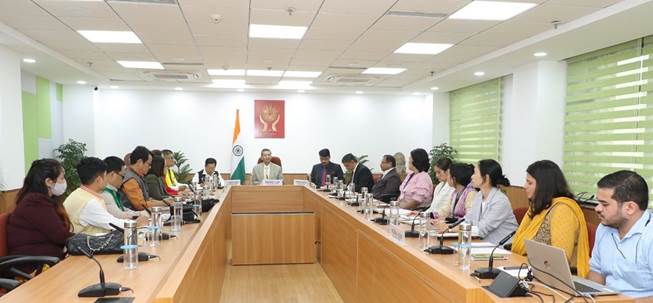
Union Minister for Education, Shri Dharmendra Pradhan, inaugurated a one-day workshop on the Institutional Development Plan for Higher Education Institutes. He also released the UGC Compendium of Regulations (1957-2023) as a single, accessible & reliable source of all UGC rules. Shri Sanjay Murthy, Secretary, Department of Higher Education, Ministry of Education; Dr. N.S. Kalsi, Former Chairman, NCVET and Chairman of the Committee working on formulating the IDP Guidelines; Shri M. Jagadesh Kumar, Chairman, UGC; Vice-Chancellors, Nodal Officers, and other dignitaries were also present at the event.

Shri Dharmendra Pradhan, while addressing the audience said the Higher education Institutes of the country will play a crucial role in realising the vision of Prime Minister Shri Narendra Modi of Viksit Bharat by embracing the core values and spirit of NEP 2020.

Image

He also talked about the role of the HEIs in redefining the purpose and structure of education, empowering youth and making them future-ready, doubling the gross enrolment ratio, bringing a vast majority of the population under the higher education net, effectively utilising demographic advantage, achieving academic, research & innovation excellence and also the way forward for transforming 5000 HEIs into centres-of-excellence through holistic and inclusive approaches.

Shri Pradhan also said that education will propel India from being a consuming economy to becoming a producing economy. The institutional development plan should focus on enhancing the competencies of our vast demography, facilitating learner-centric and multidisciplinary education, integrating Bharatiya Bhasha in higher learning, prioritising innovation, entrepreneurship and job-creation as an outcome, capacity building of teachers and achieving the global standard of research & development, he added.

He also said that education must address 21st-century aspirations and create solutions for local and global challenges. The world looks at India’s talent pool for new models and solutions to challenges of our age, he stated He exhorted the academic fraternity to work in a focused and time-bound manner to reinvent their institutions, transforming the higher educational landscape and achieving national priorities.

Speaking on the relevance and importance of the workshop Shri K. Sanjay Murthy elaborated on the ambitious plan the Ministry of Education had presented to the Prime Minister as part of the social group with the vision for the next twenty-five years. Talent and competency would be needed to back up the tremendous work that would take place and the institutions must rise to the demand to meet the talent requirements, he added. He also emphasized the Future of Work and that the IDP must focus on enhancing the quality of the institutes. Introduction of the IDP will also help the institutes to be at par with the universities of the world, he said.

About the Workshop:

The workshop on Institutional Development Plan (IDP) brings together higher education institutions to discuss strategies for institutional growth and development. The compendium will serve as a valuable resource for institutions as they develop and implement their IDP. Over 170 representatives from HEIs across India are participating in this workshop. Aligning with the National Education Policy (NEP) 2020, the IDP provides institutions with a clear roadmap to develop their vision, mission and goals for a future-ready education system.

Through the two thematic sessions, the participants will have the opportunity to learn about governance enablers, financial planning and management, human resources and supportive-facilitative enablers, networking and collaboration enablers, physical enablers, digital enablers, and research and intellectual property enablers, innovative funding models, and curriculum development. Renowned experts from industry, academia, and government will share their insights and experiences on these critical areas.

In each session, different universities will share their best practices for creating their IDP. In a separate Q&A session, Chairman UGC, Former Chairman, NCVET and the speakers from the Panels will address the queries of the participants.

About UGC Compendium:

To provide a single source of reference to all the stakeholders, UGC has prepared a Compendium of all UGC Regulations, Rules and Notifications from 1957-2023. The compendium includes 15 Rules, 87 Regulations, and 28 Notifications covering a wide range of topics, including inspection, the fitness of institutions for grants, return of information, budget and accounts, establishments, affiliation, autonomy, accreditation, admission & fees, specification of degrees, and other miscellaneous matters. The compendium provides a one-stop reference for all regulatory requirements, ensuring that institutions can easily access and comply with UGC guidelines. This is expected to streamline operations and support informed decision-making, creating an environment of compliance and best practices. This compendium having more than 1100 pages, is available in the form of a PDF and e-book on the UGC website.

About IDP:

Institutional Development Plan (IDP) Guidelines were launched by UGC on 6th February 2024. The IDP Guidelines will help institutions make a strategic Institutional Development Plan with the joint participation of Board members, institutional leaders, faculty, students and staff based on which institutions will develop initiatives, assess their progress, and reach the goals set therein.

Visit: https://www.ugc.gov.in/pdfnews/1713699_IDP-Guidelines.pdf

*****

PRESIDENT OF INDIA CONFERS NATIONAL AWARDS ON TEACHERS

The President of India, Smt Droupadi Murmu conferred National Awards on teachers from across the country at a function held in New Delhi today (September 5, 2024) on Teachers’ Day. The President conferred the National Teachers’ Award 2024 to 82 selected Awardees.

Addressing the gathering, the President said that teachers have to prepare such citizens who are not only educated but also sensitive, honest and enterprising. She stated that moving ahead in life is success, but the meaning of life lies in working for the welfare of others. We should have compassion. Our conduct should be ethical. A successful life lies in the meaningful life. Teaching these values to the students is the duty of teachers.

The President said that teachers play the most important role in success of any education system. Teaching is not just a job. It is a sacred mission of human development.  If a child is not able to perform well, then the education system and teachers have a bigger responsibility.  She pointed out that often teachers pay special attention only to those students who perform well in exams. However excellent academic performance is only one dimension of excellence. A child may be a very good sportsperson; some child might have leadership skills; another child enthusiastically participates in social welfare activities. The teacher has to identify the natural talent of each child and bring it out.

The President said that the status of women in any society is an important criterion for its development. She stated that it is the responsibility of teachers and parents to educate children in such a way that they always behave in accordance with the dignity of women. She emphasised that the respect  for women should not be only in ‘words’ but also in ‘practice’.

The President said that according to Gurudev Rabindranath Tagore, if a teacher himself does not continuously acquire knowledge then he/she cannot teach in true sense. She expressed confidence that all the teachers will continue the process of acquiring knowledge. She said that by doing this, their teaching will remain more relevant and interesting.

The President told teachers that the generation of their students will create a developed India. She advised teachers and students to have a global mindset and world-class skills. She stated that great teachers build a great nation. Only teachers with a developed mindset can create citizens who will build a developed nation. She expressed confidence that by inspiring students, our teachers will make India the knowledge hub of the world.

Every year, India celebrates 5th September, the birth anniversary of Dr. Sarvepalli Radhakrishnan, as National Teachers’ Day. The purpose of the National Teachers’ Award is to celebrate the unique contribution of teachers in the country and to honour those teachers who, through their commitment and dedication, have not only improved the quality of education but also enriched the lives of their students. Each award carries a certificate of merit, a cash award of Rs. 50,000 and a silver medal. 

The Department of School Education & Literacy, Ministry of Education, has selected 50 teachers for this year’s National Teachers’ Awards. They have been selected through a rigorous transparent and online three stage i.e., District, State and National level selection process by the Department of School Education and Literacy. The 50 selected teachers are from 28 States, 3 UTs and 6 Organizations. Out of 50 selected teachers, 34 are males, 16 are female, 2 are differently abled and 1 working with CWSN. In addition, 16 teachers from the Department of Higher Education and 16 teachers from the Ministry of Skill Development and Entrepreneurship were also awarded.

NEP 2020 recognizes that motivated, energized and capable faculty is critical for the advancement of the students, institution and profession. It also envisages incentives such as rewards and recognition to cultivate a culture of excellence in the education ecosystem. As such, in the year 2023, it was decided to institute two categories of awards for HEIs and Polytechnics under the umbrella of NAT, hitherto restricted to School teachers only. The 16 select teachers are from Polytechnics, State Universities and Central Higher Education Institutions.

Below is the list of Awardees from the Dept. of School Education & Literacy:

Sl. No.Name of the AwardeeDesignationSchool Name & AddressState / UT of Org
1AVINASHA SHARMALECTURERGMSSSS NIT 3 FARIDABADHARYANA
2SUNIL KUMARLECTURERGSSS KHARGATHIMACHAL PRADESH
3PANKAJ KUMAR GOYALTEACHERGSSS GIRLS BARNALAPUNJAB
4RAJINDER SINGHTEACHERGOVERNMENT PRIMARY SCHOOL, KOTHE INDER SINGH WALEPUNJAB
5BALJINDER SINGH BRARVICE PRINCIPALGOVERNMENT SENIOR SECONDARY SCHOOL 4JJRAJASTHAN
6HUKAM CHAND CHAUDHARYTEACHERGOVERNMENT SENIOR SECONDARY SCHOOL BSF BIKANERRAJASTHAN
7KUSUM LATA GARIYAACTING HEAD TEACHERGOVERNMENT UPPER PRIMARY SCHOOL VEENAUTTARAKHAND
8CHANDRALEKHA DAMODAR MESTRITEACHERSATYAWATI SOIRU ANGLE HIGHER SECONDARY SCHOOL, MASHEM LOLIEMGOA
9CHANDRESHKUMAR BHOLASHANKAR BORISAGARACTING HEAD TEACHERNAVI BADHADA (BADHADAPARA) PRIMARY SCHOOL, BADHADAGUJARAT
10VINAY SHASHIKANT PATELPRINCIPALR.F.PATEL HIGH SCHOOL, VADADLAGUJARAT
11MADHAV PRASAD PATELTEACHERGOVT MIDDLE SCHOOL LIDHORAMADHYA PRADESH
12SUNITA GODHATEACHERGOVT. HIGH SCHOOL, KHAJURIA SARANGMADHYA PRADESH
13K SHARDATEACHERGOVT UPPER PRIMARY SCHOOL KHEDAMARACHHATTISGARH
14NARASIMHA MURTHY H KTEACHERDAFFODILS ENGLISH SCHOOL, SANJAYNAGAR-19KARNATAKA
15DWITI CHANDRA SAHUTEACHERGOVT HIGH SCHOOL BILLESUODISHA
16SANTOSH KUMAR KARTEACHERJAYA DURGA HIGH SCHOOL, NARLA ROADODISHA
17ASHIS KUMAR ROYTEACHERSRI NARA SINGHA VIDYAPITH, ATHARAKHAIWEST BENGAL
18PRASANTA KUMAR MARIKHEAD TEACHERSHALBAGAN G S F P SCHOOL, 1 NO. GURDAHAWEST BENGAL
19DR URFANA AMINMASTERBHSS SOURAJAMMU AND KASHMIR
20RAVI KANT DWIVEDIHEAD TEACHERPRIMARY SCHOOL BHAGESARUTTAR PRADESH
21SHYAM PRAKASH MAURYATEACHERUPPER PRIMARY SCHOOL MALHUPURUTTAR PRADESH
22DR. MINAKSHI KUMARITEACHERSHIV GANGA GIRLS PLUS 2 HIGH SCHOOL MADHUBANIBIHAR
23SIKENDRA KUMAR SUMANACTING HEAD TEACHERNEW PRIMARY SCHOOL TARAHANIBIHAR
24K SUMATEACHERGMS DUGNABADA AND N ISLANDS
25SUNITA GUPTALECTURERJAWAHAR NAVODAYVIDYALAYA, DHAMANGAWNMADHYA PRADESH
26CHARU SHARMAPRINCIPALDR RAJENDRA PRASAD KENDRIYA VIDYALAYA, NEW DELHIDELHI
27ASHOK SENGUPTATEACHERPM SHRI KENDRIYA VIDYALAYA NO 1 JALAHALLI WEST, KAMAGONDANNAHALLIKARNATAKA
28H N GIRISHLECTURERGOVERNMENT PU COLLEGE FOR GIRLS NN0045 HUNSUR MYSURU 571105KARNATAKA
29NARAYANASWAMY RHEAD TEACHERGOVERNMENT HIGH SCHOOL BASHETTIHALLIKARNATAKA
30JYOTI PANKATEACHERPM SHRI GOVERNMENT HIGHER SECONDARY SCHOOL LONGDINGARUNACHAL PRADESH
31LEPHIZO APONTEACHERGHSS DIMAPUR, UNITED COLONY WARD-20NAGALAND
32NANDITA CHONGTHAMTEACHERSAGOLBAND RISHIKUL UPPER PRIMARY SCHOOL, SAGOLBANDMANIPUR
33YANKILA LAMATEACHERMODERN SENIOR SECONDARY SCHOOL, ARITHANGSIKKIM
34JOSEPH VANLALHRUAIA SAILOLECTURERSYNOD HIGHER SECONDARY SCHOOL, TUITHIANG VENG AIZAWLMIZORAM
35EVERLASTING PYNGROPEPRINCIPALMYNGKEN CHRISTIAN HIGHER SECONDARY SCHOOL, BHOIRYMBONGMEGHALAYA
36DR. NANI GOPAL DEBNATHTEACHERNETAJI SUBHAS VIDYANIKETAN, NETAJI CHOUMUHANITRIPURA
37DIPEN KHANIKARTEACHERCHI CHIA BOKULONI GIRLS HIGH SCHOOL, NO3ASSAM
38DR. ASHA RANIPOST GRADUATE TEACHERPLUS 2 HIGH SCHOOL CHANDANKIYARI BOKAROJHARKHAND
39JINU GEORGETEACHERS.D.V.B.H.S.S, ALAPPUZHAKERALA
40K SIVAPRASADTEACHERVPAUPS KUNDURKUNNU, THACHANATTUKARAKERALA
41MIDDE SRINIVASA RAOTEACHERS.P.S.MUNICIPAL HIGH SCHOOL PLUS, GUDIVADAANDHRA PRADESH
42SURESH KUNATITEACHERZP HIGH SCHOOL URANDURANDHRA PRADESH
43PRABHAKAR REDDY PESARATEACHERZPSS THIRUMALAYAPALEMTELANGANA
44THADURI SAMPATH KUMARTEACHERZPHS DAMMANNAPETTELANGANA
45PALLAVI SHARMAPRINCIPALMAMTA MODERN SR. SEC. SCHOOL, VIKASPURIDELHI
46CHARU MAINIPRINCIPALDAV PUBLIC SCHOOL SECTOR 48-49, GURUGRAMHARYANA
47GOPINATH RTEACHERPANCHAYAT UNION MIDDLE SCHOOL – RAJAKUPPAMTAMIL NADU
48MURALIDHARAN RAMIYA SETHURAMANVOCATIONAL TEACHERTVS HIGHER SECONDARY SCHOOL, MADURAITAMIL NADU
49MANTAIAH CHINNI BEDKETEACHERZ.P.UPEER PRIMZRY DIGITAL SCHOOL JAJAVANDIMAHARASHTRA
50SAGAR CHITTARANJAN BAGADETEACHERSOU S. M. LOHIA HIGHSCHOOL AND JUNIOR COLLEGE KOLHAPURMAHARASHTRA

Below is the list of Awardees from the Dept. of Higher education:

Sl. No.Name of the AwardeeDesignationName & Address of the InstituteState / UT of Org
1Prof. Anitha SuseelanHeadSchool of Architecture at Christ University, BangaloreKarnataka
2Prof. Birinchi Kumar SarmaProfessorInstitute of Agricultural Sciences, Banaras Hindu University, VaranasiUttar Pradesh
3Dr. C. Jaya Sankar BabuAssociate ProfessorDepartment of Hindi, Puducherry UniversityPuducherry
4Dr. A. GandhimathiLecturerDepartment of English, Polytechnic College, SalemTamil Nadu
5Prof. Kapil AhujaProfessorDepartment of Computer Science and Engineering, IIT IndoreMadhya Pradesh
6Prof. S.R. KeshavaProfessorDepartment of Economics, Bangalore UniversityKarnataka
7Dr. Nandavaram Mrudula BabuAssociate Professor & HeadDepartment of Telugu, Govt. Degree College for Women, HyderabadTelangana
8Prof. Nidhi JainProfessorDepartment of Chemistry, Indian Institute of Technology DelhiNew Delhi
9Prof. Nilabh TiwariHeadDepartment of Education, Central Sanskrit UniversityNew Delhi
10Prof. Parmar Ranjitkumar KhimjibhaiHeadDepartment of Electrical Engineering, Government Polytechnic, JunagadhGujarat
11Prof. Shahanaz AyubAssociate ProfessorDepartment of Electronics & Communication Engineering, Bundelkhand Institute of Engineering & Technology, JhansiUttar Pradesh
12Prof. Shilpagauri PrasadAssociate ProfessorDepartment of English, Pune District Education Association’s Prof. Ramkrishna More Arts, Commerce and Science College, PuneMaharashtra
13Dr. Shimi S.L.Associate ProfessorElectrical Engineering Department, Punjab Engineering CollegeChandigarh
14Prof. A.S. Smiline GirijaHeadDepartment of Microbiology, Centre for Infectious Diseases, Saveetha Dental College and Hospitals, Saveetha Institute of Medical and Technical Sciences, Saveetha University, ChennaiTamil Nadu
15Prof. Srinivas HothaProfessorDepartment of Chemistry, Indian Institute of Science Education and Research PuneMaharashtra
16Prof. Vinay SharmaProfessorDepartment of Management Studies & Joint Professor with the Department of Design, IIT RoorkeeUttarakhand

Below is the list of Awardees from the Ministry of Skill Development and Entrepreneurship:

Sl. No.Name of the AwardeeName & Address of the InstituteState / UT of Org
1Smt. Kadia Darshanaben JishneshkumarITI, DashrathGujarat 
2Shri Radhakrishnan PK Govt. ITI, Kozhikode Kerala 
3Shri Muhammad Akbar M Govt. ITI, Koyilandy Kerala 
4Shri Prashant Dixit Govt. Divisional ITI BhopalMadhya Pradesh
5Shri TinkuGovt. ITI, Pusa New Delhi 
6Shri Vivek Chandaliya Govt. ITI, Kolhapur Maharashtra
7Ms. Natasha Oreste CarvalhoGovt. ITI, Mapusa Goa
8Smt. Premlata RahangdaleGovt. Divisional ITI Bhopal Madhya Pradesh
9Shri Shivalingaiah K.J.Govt. ITI, MysuruKarnataka 
10Shri Utpal SaikiaNorth East Skill Centre Guwahati Assam
11Shri Vijay Ganapati ChariGovt. ITI Cacora Goa
12Ms. Sarita DeviGovt. ITI Shamshi Himachal Pradesh 
13Shri Jitendra JangirNSTI, Patna Bihar
14Smt. B Pauvlin Priya NSTI, Chennai Tamil Nadu
15Dr. Jyoti Jain MSME Firozabad Uttar Pradesh 
16Smt. Vanamala SwapnaNational Institute for MEME Hyderabad Telangana

****

International Conference on ‘Spectrum of Literacy’ on the eve of International Literacy Day 2024

Shri Sanjay Kumar, Secretary of Department of School Education and Literacy (DoSEL), chaired an international conference titled “Spectrum of Literacy” today at the CIET, NCERT, New Delhi. The Ministry of Education, Government of India, organized this virtual conference as a prelude to International Literacy Day 2024, to be celebrated tomorrow in an event at Vigyan Bhawan, New Delhi.

Smt. Archana Sharma Awasthi, Joint Secretary, DoSEL; Prof. Dinesh Prasad Saklani, Director of NCERT; Smt. Joyce Poan, Chief of the Education Sector at UNESCO’s Regional Office for South Asia; and other dignitaries attended the conference. It brought together global and national experts, educators, policymakers, and literacy advocates to explore the diverse and evolving dimensions of literacy in today’s world.

Shri Sanjay Kumar in his address mentioned how the definition of literacy now includes Foundational Literacy and Numeracy Literacy, critical life skills, like digital, financial, and legal literacy, etc. Literacy should help people navigate through life, he emphasised. He said that ULLAS is the framework under which we must work to bring down the literacy gap between the urban and rural populations and between males and females. Literacy is to become a powerful force of change and we must carefully negotiate with the strategies and frameworks that underpin our efforts, he said.

Highlighting this year’s theme of International Literacy Day, Promoting Literacy Through Multilingualism, he mentioned that one of the central pillars of the National Education Policy 2020 is multilingualism. Children learn best when they are taught in their Mother Tongue, he added. He underscored the importance of educating women so that their representation increases in the workforce.

Smt. Archana Sharma Awasthi, Joint Secretary, Department of School Education & Literacy (DoSEL), delivered the inaugural address and gave a presentation highlighting the role of ULLAS-Nav Bharat Saaksharta Karyakram, a program introduced to foster adult literacy across the nation.

The conference featured two engaging sessions titled “Exploring the ‘Spectrum of Literacy’ in India” and “Global Perspectives on Literacy Chaired”. The first session was chaired by Dr. Amarendra P. Behera, Joint Director, CIET, NCERT. The session focused on diverse perspectives on literacy within India. Speakers included Ms. Kesang Sherpa, Member Secretary, National Council for Teacher Education (NCTE); Dr. M.K.S. Sundaram, Principal Secretary, Basic Education Department, UP; and Prof. Jai Prakash Dubey, Director, Delhi School of Journalism, University of Delhi.

The second session was chaired by Prof. T.G. Sitharam, Chairman AICTE. This session provided an international perspective on literacy. Renowned global experts such as Mr. Nicholas Jonas from Germany, Prof. Iddo Gal from Israel, and Dr. Anke Grotluschen from Germany discussed critical issues ranging from adult literacy to the impact of artificial intelligence on literacy. Dr. John Benseman provided valuable insights on “Literacy in Social Spaces”. The event concluded with a summary of the steps ahead.

The conference, underscoring the theme “Spectrum of Literacy”, reflected the broad and diverse challenges and opportunities in education globally. It concluded with a call to action to strengthen partnerships and collaborations to build a literate (Jan Jan Saakshar) and inclusive world.

*****

International Literacy day Celebrations at Vigyan Bhawan in New Delhi 

Daily writing prompt
Which topics would you like to be more informed about?

The Vice-President, Shri Jagdeep Dhankhar today called upon everyone to resolve today to make at least one person literate. “ When we make someone literate, we liberate him or her, we help that person discover himself or herself, we make him or her feel dignity, we cut down dependence, we generate independence and interdependence. It enables a person to help himself or herself.It is a supreme facet of handholding”, he added

Image

Addressing the International Literacy Day celebrations as Chief Guest at Vigyan Bhawan in New Delhi today the Vice-President underlined, “The joy and happiness you provide by educating a person, whether a man, a woman, a child, or a girl, is beyond measure. You can’t imagine the happiness it will bring you. It will spread in a positive manner. It will be the greatest affirmative action you can take in Human Resource Development”.

In his address, he called upon everyone to promote literacy.He remarked that it is time for us to be in mission mode with commitment and passion to ensure 100% literacy at the earliest but he said he was sure that this is achievable sooner than we think. Let each one make one literate, this will be a key  contribution for Viksit Bharat, he said.

He further asserted that “Education is something that no thief can take away from you. No government can snatch it from you. Neither relatives, nor friends can take it away from you. There can be no reduction in it. It will grow and continue to grow as long as you keep sharing it”. He also expressed confidence that if literacy is pursued passionately, India can reclaim its ancient status as a centre of learning, like Nalanda and Takshashila.

Image

Appealing to the states that are yet to adopt the Education Policy (NEP) to rethink, revisit their stance, he emphasised that this policy is a game-changer for the nation. “This National Education Policy empowers our youth to fully exploit their talent and energy, giving due importance to all languages,” he remarked.

Highlighting the special significance of mother tongue, Shri Dhankahr stated that it is the language in which we dream. Shri Dhankhar emphasised on India’s unparalleled linguistic diversity, Shri Dhankhar stated that, “There is no country in the world like India. We are a unique nation when it comes to the richness of language, with several languages”.

 Reflecting on his experiences As Chairman of the Rajya Sabha, he shared that  members are given the opportunity to speak in 22 languages. “When I hear them speak in their language, I listen to the translation, but their body language itself tells me what they are saying”, he stated.

He also highlighted the profound significance of Rishi Tradition in Indian culture, and urged everyone to “take resolve to make at least one person literate within six months, so that by the end of the year, we can achieve the goal of educating two individuals.”

Lauding India’s transformative progress over the last decade, Shri Dhankhar emphasised how achievements like electrifying every household, once unimaginable, are now a reality, with future goals focused on self-sufficiency through solar power. He reflected on rural development, highlighting the significant strides like toilets in every household and the impact of widespread digital connectivity. He noted how 4G access in remote villages has revolutionised service delivery, making everyday tasks easier, and eliminating the need for long queues for essential services”.

Cautioning against the people who taint, tarnish and demean our institutions, Shri Dhankhar urged to show path to those misguided souls who are not able to acknowledge the impressive growth of Bharat and are not recognising the ground reality.

Shri Jayant Chaudhary, Minister of State for Education, Shri Sanjay Kumar, Secretary, Department of School Education & Literacy (DoSEL) and other dignitaries were also present on the occasion.

The Ministry of Education’s Department of School Education & Literacy, in collaboration with UNESCO, celebrated International Literacy Day 2024. The theme of this year’s event, “Promoting Literacy through Multilingualism,” highlighted the critical role of linguistic diversity in improving literacy levels across India’s diverse communities.

Shri Jayant Chaudhary, while delivering the inaugural address, highlighted the significance of literacy in improving the health situation, empowering women, and increasing GDP. Literacy is not just a developmental goal; it is the very foundation of our character of a developed India, he added.

The Minister highlighted the unique feature of ULLAs, which is a sense of duty, ‘Kartavyabodh’, with the spirit of volunteerism and community participation. He also expressed his gratitude to Prime Minister Shri Narendra Modi for his vision of Viksit Bharat by 2047 which emphasizes inclusive participation and the use of Indian languages to make progress in various fields. This vision is being realized through the NEP-2020, which seeks to eliminate linguistic barriers and ensure that language does not become a barrier in the educational journey of any learner, Shri Chaudhary said.

Shri Chaudhary emphasized that our efforts towards making everyone literate are part of a global mission. He mentioned, how, in collaboration with UNESCO, the work is going on towards making it in sync with international standards and goals towards a world where every individual has the right to education and the opportunity to reach their full potential. Literacy is not just a national priority; it is a global imperative that will have far-reaching implications for the future, he said.

He urged all States and Union Territories to fully embrace the ULLAAS initiative and work tirelessly towards achieving total literacy by 2030. This is not just a government effort, it is a collective responsibility, he reminded.

Shri Sanjay Kumar in his welcoming address mentioned how the literacy programme is aligned with NEP2020 which aims at achieving 100% literacy. ULLAS symbolizes our relentless pursuit of literacy for all, he said. Towards the students present at the event he highlighted the opportunity the programme presents them to contribute to the country’s literacy mission. He congratulated the UT of Ladakh on achieving full literacy (over 97%). Shri Kumar also mentioned that this year’s theme of the ILD stresses multilingualism and India’s linguistic diversity is one of the greatest assets of the country and by embracing multilingual education it can be made accessible for all. Reaffirming the unwavering determination to achieve 100% literacy he mentioned that along with enhancing literacy this mission is igniting hope, empowering individuals and shaping a bright future for India.

A special film on ULLAS – Nav Bharat Saaksharta Karyakram, was launched during the programme, which captured the journey, milestones, and success stories of the program. The film showcased the transformative impact of the initiative in promoting adult literacy across diverse linguistic regions and empowering communities through foundational literacy and digital skills.

The ULLAS DTH Channel, a significant step towards reaching learners across the nation through literacy programs in multiple languages, was also launched today. This initiative will serve as a crucial tool in bridging the literacy gap, particularly for adult learners in remote and underserved regions.

Some volunteer teachers and neo-literate individuals shared their experiences of learning through multilingual education under the ULLAS program. These stories showcased the transformative power of learning in one’s native language and its profound impact on adult learners, empowering them to participate more actively in their communities and the economy.

Cultural performances showcasing India’s linguistic richness at the event reflected the diverse heritage that is the backbone of the nation’s literacy efforts.

International Literacy Day 2024 reinforced the government’s ongoing efforts to promote literacy through multilingual education, aiming to build a more inclusive, literate, and empowered society where linguistic diversity is celebrated and embraced.

*****

Arkade Developers – Real Estate

Arkade Developers is a well-established real estate development company based in Mumbai, India. Known for its commitment to quality construction, innovative designs, and customer satisfaction, Arkade Developers has carved a niche for itself in the competitive real estate market. The company specializes in the development of residential and commercial properties, with a focus on creating spaces that are not only aesthetically appealing but also highly functional and sustainable.

Overview of Arkade Developers

Founded by Amit Jain, Arkade Developers has been active in the real estate sector for over two decades. The company operates with the vision of building homes and commercial spaces that meet modern-day needs while adhering to the highest standards of construction. With a strong presence in the Mumbai Metropolitan Region (MMR), Arkade Developers has delivered several successful projects that have earned the trust of homebuyers and investors alike.

Key Projects

Arkade Developers is known for creating residential and commercial spaces that reflect luxury, comfort, and sustainability. Some of their notable projects include:

  1. Arkade Earth (Kanjurmarg East): Arkade Earth is a residential project offering 1, 2, and 3 BHK apartments. The project is designed to provide a modern lifestyle, with amenities like landscaped gardens, a clubhouse, a swimming pool, and jogging tracks. The location offers excellent connectivity to key areas in Mumbai, making it a popular choice for homebuyers.
  2. Arkade Crown (Borivali West): Arkade Crown is a luxury residential project located in Borivali West. Known for its spacious apartments and premium amenities, it caters to the needs of urban professionals and families looking for comfortable living spaces in one of Mumbai’s prime suburbs.
  3. Arkade Rise (Mulund West): Arkade Rise is another prominent residential project offering modern apartments with world-class amenities. Its strategic location in Mulund, one of Mumbai’s developing suburbs, provides easy access to commercial hubs, schools, hospitals, and shopping malls.
  4. Arkade Serene (Santacruz West): Arkade Serene is a high-end residential development located in Santacruz West, a sought-after area in Mumbai. The project features luxurious apartments designed for high-net-worth individuals who prioritize comfort, location, and exclusivity.
  5. Arkade Aspire (Goregaon): Arkade Aspire is a well-planned residential project in Goregaon, Mumbai, offering spacious and elegant apartments. This project is equipped with modern amenities, such as a gym, children’s play area, landscaped gardens, and more, making it an attractive option for families and professionals.

Philosophy and Approach

Arkade Developers focuses on delivering projects that combine high-quality construction with thoughtful design. The company believes in creating sustainable developments, ensuring that their projects contribute positively to the environment. They use eco-friendly materials and adopt energy-efficient technologies to minimize the environmental footprint of their developments.

Customer satisfaction is at the core of Arkade Developers’ business philosophy. The company places great emphasis on transparency, timely delivery, and providing value for money. With a dedicated customer service team, Arkade Developers ensures that the homebuying process is smooth and hassle-free for its clients.

Innovation and Technology

Arkade Developers embraces modern construction technologies and innovative architectural designs. They adopt the latest building techniques to ensure durability and safety while maintaining aesthetic appeal. From using advanced construction materials to incorporating smart home technologies, Arkade Developers aims to meet the expectations of the new-age homebuyer.

Corporate Social Responsibility (CSR)

Arkade Developers is also committed to giving back to society. The company participates in various community-driven initiatives, including environmental conservation, education, and healthcare. They emphasize sustainable development by ensuring that their projects have minimal adverse effects on the environment.

Awards and Recognition

Over the years, Arkade Developers has received multiple awards and accolades for its contributions to the real estate industry. These recognitions reflect the company’s dedication to excellence, innovation, and customer satisfaction.

Future Plans

With an ever-growing demand for high-quality housing in Mumbai, Arkade Developers continues to expand its portfolio with new residential and commercial projects. The company’s focus remains on providing homes that meet modern needs while ensuring a strong return on investment for buyers and investors.

Conclusion

Arkade Developers has established itself as a leading player in Mumbai’s real estate market through its focus on quality, innovation, and customer-centric services. With an impressive track record of successful projects and a commitment to sustainable development, Arkade Developers continues to shape the future of urban living in one of India’s most dynamic cities.

Younis Khan : Distinguished and Accomplished Cricketers

Daily writing prompt
Which topics would you like to be more informed about?

Younis Khan is one of the most distinguished and accomplished cricketers in Pakistan’s cricket history. Born on November 29, 1977, in Mardan, Khyber Pakhtunkhwa, Pakistan, Younis is renowned for his technical prowess, resilience, and ability to perform under pressure. Over his international career, which spanned from 2000 to 2017, he earned a reputation as one of the finest Test batsmen in the world, known particularly for his consistency and ability to play in challenging conditions.

Early Life and Career Beginnings

Younis Khan grew up in a family passionate about cricket. His early cricketing years were spent playing in the streets of Mardan, and later, he moved to Karachi, where his professional career took off. His talent was evident from an early age, and after impressive performances in domestic cricket, he was called up to the Pakistan national team.

International Debut

Younis made his international debut for Pakistan in February 2000 in a One-Day International (ODI) against Sri Lanka, and a month later, he played his first Test match against the same opposition. Although he started his career on a relatively low note in ODIs, it was in Test cricket where he truly shone. He scored a century (107 runs) in just his second Test match, signaling his potential as a world-class player.

Rise to Prominence

Younis Khan’s rise in Test cricket was marked by his impeccable technique, strong temperament, and ability to adapt to different playing conditions around the world. Over the years, he became Pakistan’s most reliable middle-order batsman, especially known for his ability to play long innings. Younis played some of his best cricket in foreign conditions, with many of his centuries coming in challenging overseas tours, which earned him great respect globally.

Captaincy and Leading Pakistan to Glory

In 2009, Younis Khan was appointed captain of the Pakistan cricket team, a role that came with immense pressure and expectations. His leadership was instrumental in guiding Pakistan to one of its greatest triumphs—the ICC World Twenty20 Championship in 2009. Under Younis’ leadership, Pakistan won the T20 World Cup, defeating Sri Lanka in the final. This victory was significant as it gave the country a reason to celebrate amidst various challenges and unrest at the time.

Although his captaincy tenure was not without challenges, with ups and downs in the team’s performance and some internal conflicts, Younis’ stature as a player remained untarnished.

Achievements in Test Cricket

Younis Khan’s legacy is most closely associated with his outstanding performances in Test cricket. He is the highest run-scorer for Pakistan in Tests, amassing 10,099 runs in 118 matches at an average of 52.05, with 34 centuries and 33 half-centuries. He remains the only Pakistani player to score over 10,000 runs in Test cricket, a milestone he achieved in 2017 during a series against the West Indies.

One of Younis Khan’s most remarkable achievements came in 2015 when he scored his 30th Test century, surpassing Javed Miandad’s long-standing record of 8,832 runs to become Pakistan’s leading run-scorer in Test cricket. He also holds the record for most centuries by a Pakistani in Test cricket, with 34 centuries to his name.

His most famous innings includes a triple century (313) against Sri Lanka in 2009, one of the highest individual scores by a Pakistani in Test matches. He was also known for his incredible ability to perform in the fourth innings of Test matches, an area where many batsmen struggle. Younis scored five centuries in the fourth innings, the most by any player in the history of Test cricket.

Versatility and Adaptability

Younis Khan’s success in different conditions is a testament to his versatility and adaptability. He scored runs in every major cricket-playing nation, including difficult tours in Australia, England, South Africa, and the West Indies. His ability to play both pace and spin with equal competence made him a complete batsman.

He was particularly skilled at playing on difficult, turning tracks in the subcontinent, often rescuing Pakistan from precarious situations with his patience and composure at the crease. His ability to graft innings and build partnerships made him a pivotal figure in Pakistan’s batting lineup for over a decade.

Retirement and Post-Retirement Role

Younis Khan retired from international cricket in 2017 after Pakistan’s historic Test series win against the West Indies. His farewell was emotional, as he left the game as one of Pakistan’s greatest ever cricketers. His retirement marked the end of an era, leaving a significant void in Pakistan’s batting lineup.

After retirement, Younis Khan remained actively involved in the development of cricket in Pakistan. He took up coaching roles, notably becoming the batting coach for the Pakistan national team in 2020. His experience and knowledge of the game are seen as valuable assets for grooming young cricketers in the country. Additionally, he has been involved in various philanthropic and sports development initiatives.

Legacy and Impact

Younis Khan’s contributions to Pakistan cricket extend beyond his statistics. He is admired for his professionalism, dedication to fitness, and his exemplary work ethic. His ability to inspire and mentor younger players has made him a respected figure in Pakistan cricket circles.

One of Younis’ defining characteristics has been his humility and down-to-earth personality. Despite his numerous achievements, he always remained grounded, often crediting his success to the team and the support of his fans.

Honors and Awards

Younis Khan received numerous awards throughout his career. He was awarded Pakistan’s highest civilian honors, including the Sitara-i-Imtiaz, in recognition of his services to cricket. His name is etched in cricket history as one of Pakistan’s all-time greats, and his legacy will continue to inspire future generations of cricketers.

Personal Life

Younis Khan is known to be a private person when it comes to his personal life. He has a wife, Amna, and they have children together. Younis has often credited his family for being his support system throughout his career, especially during tough times.

In summary, Younis Khan’s cricketing journey is one of hard work, perseverance, and excellence. He is remembered as one of Pakistan’s finest players, a cricketing legend who set new standards for Pakistan’s future generations of cricketers.

National Rural Livelihoods Mission (NRLM): Empowering Rural India

National Rural Livelihoods Mission (NRLM): Empowering Rural India

The National Rural Livelihoods Mission (NRLM) is a flagship program of the Indian government aimed at reducing poverty and vulnerability among rural communities. Launched in 2011, NRLM seeks to promote sustainable livelihoods, social empowerment, and inclusive growth in rural areas.

Objectives:

  1. Promote livelihoods: Enhance income and employment opportunities for rural households.
  2. Social empowerment: Build capacities and confidence among rural communities, especially women.
  3. Inclusive growth: Foster inclusive growth, reducing poverty and vulnerability.

Key Features:

  1. Community-led approach: Empowers rural communities to take ownership of their development.
  2. Self-Help Groups (SHGs): Supports SHGs, promoting savings, credit, and entrepreneurship.
  3. Capacity building: Trains community members in skills, leadership, and entrepreneurship.
  4. Financial inclusion: Facilitates access to financial services, reducing dependence on informal lenders.
  5. Livelihoods promotion: Supports agriculture, animal husbandry, and non-farm activities.

Strategies:

  1. Intensive Block-level Approach: Focuses on intensive capacity building and livelihoods promotion in selected blocks.
  2. Partnerships and collaborations: Fosters partnerships with NGOs, banks, and private sector entities.
  3. Technology-enabled solutions: Leverages technology for capacity building, financial inclusion, and livelihoods promotion.

Benefits:

  1. Improved livelihoods: Enhanced income and employment opportunities for rural households.
  2. Social empowerment: Increased confidence and capacities among rural communities, especially women.
  3. Financial inclusion: Reduced dependence on informal lenders, improved access to financial services.
  4. Inclusive growth: Reduced poverty and vulnerability, promoting inclusive growth.

Challenges and Future Directions:

  1. Scalability and sustainability: Scaling up NRLM’s impact while ensuring sustainability.
  2. Diversification of livelihoods: Promoting diversified livelihoods, reducing dependence on agriculture.
  3. Technology integration: Leveraging technology to enhance NRLM’s impact and reach.
  4. Convergence with other initiatives: Integrating NRLM with other government initiatives for greater impact.

In conclusion, NRLM has been a pioneering initiative in empowering rural India, promoting sustainable livelihoods, social empowerment, and inclusive growth. As the program continues to evolve, addressing challenges and building on successes will be crucial to achieving its vision of a poverty-free, vibrant rural India.

Mid Day Meal: A Game-Changer in Eradicating Hunger and Promoting Education

Mid Day Meal: A Game-Changer in Eradicating Hunger and Promoting Education

The Mid Day Meal (MDM) scheme is a flagship program of the Indian government aimed at providing free lunches to school-going children, with the dual objective of eradicating hunger and promoting education. Launched in 1995, MDM has grown to become one of the largest school meal programs in the world, benefiting over 120 million children across the country.

Objectives:

  1. Eradicate hunger and malnutrition: Provide nutritious meals to school-going children, particularly from disadvantaged backgrounds.
  2. Promote education: Encourage enrollment, attendance, and retention in schools, especially among marginalized communities.
  3. Improve socialization and inclusivity: Foster a sense of community and social equality among children from diverse backgrounds.

Key Features:

  1. Free meals: Provided to all students, regardless of their background or financial status.
  2. Nutritious menu: Meals are designed to meet nutritional standards, with a focus on local and seasonal ingredients.
  3. Decentralized implementation: Meals are prepared and served at the school level, involving local communities and Self-Help Groups (SHGs).
  4. Monitoring and evaluation: Regular monitoring and evaluation to ensure quality and effectiveness.

Benefits:

  1. Improved attendance and enrollment: MDM has led to increased attendance and enrollment rates, especially among girls and marginalized communities.
  2. Enhanced nutrition and health: Nutritious meals have improved children’s health, reducing malnutrition and related health issues.
  3. Increased socialization and inclusivity: MDM has fostered a sense of community and social equality among children from diverse backgrounds.
  4. Supports poverty alleviation: MDM helps reduce the economic burden on families, enabling them to invest in their children’s education.

Challenges and Future Directions:

  1. Quality and consistency: Ensuring consistent quality of meals across the country remains a challenge.
  2. Infrastructure and logistics: Upgrading infrastructure and streamlining logistics to support MDM’s expansion.
  3. Community involvement: Encouraging greater community participation and ownership to sustain the program.

In conclusion, the Mid Day Meal scheme has been a groundbreaking initiative in addressing hunger and promoting education in India. As the program continues to evolve, it is essential to address the challenges and build on its successes to ensure a brighter future for India’s children.

Surya Kumar Yadav: The Rising Star of Indian Cricket

Surya Kumar Yadav, often known as “SKY,” has emerged as one of India’s most exciting cricketers in recent years. Born on September 14, 1990, in Mumbai, Maharashtra, Yadav’s journey to the top of international cricket has been marked by determination, patience, and extraordinary performances in domestic cricket and the Indian Premier League (IPL).

Suryakumar Yadav, of India, hits 4 during the third T20I match between West Indies and India at Warner Park in Basseterre, Saint Kitts and Nevis, on August 2, 2022. (Photo by Randy Brooks / AFP) (Photo by RANDY BROOKS/AFP via Getty Images)

Early Life and Domestic Career

Surya Kumar Yadav was born into a middle-class family, and like many young boys in Mumbai, cricket became his passion early on. He honed his skills at the local parks before receiving formal training. His talent was evident from a young age, and he progressed quickly through the ranks of Mumbai’s cricketing setup.

Yadav made his first-class debut for Mumbai in the 2010-11 Ranji Trophy season. Despite facing stiff competition in the Mumbai cricketing circles, which have historically been a nursery for Indian cricketing greats, Yadav’s consistent performances, particularly his ability to score runs under pressure, made him stand out.

Rise in Domestic Cricket

Yadav’s domestic performances caught the attention of selectors and cricket enthusiasts alike. Known for his aggressive stroke play, especially his ability to dominate spinners, Yadav quickly became a crucial part of Mumbai’s middle order. He also led Mumbai in domestic T20 tournaments and was highly regarded for his leadership qualities.

Throughout his domestic career, Surya Kumar has shown immense versatility, performing across formats in the Ranji Trophy, Vijay Hazare Trophy, and Syed Mushtaq Ali Trophy. His fearless batting style, especially in T20s, soon earned him a place in the IPL, where his career trajectory skyrocketed.

IPL Success and Breakthrough

Surya Kumar Yadav’s breakthrough moment came when he was picked by the Mumbai Indians in the IPL. Initially, he had been with Kolkata Knight Riders, where he was used as a finisher. However, it was his stint with Mumbai Indians (MI) that showcased his true potential. Playing for MI under the captaincy of Rohit Sharma, Yadav found his ideal role as a top-order batsman.

His ability to adapt to different situations in T20 cricket became evident as he played crucial knocks for MI in pressure situations. Yadav was instrumental in MI’s success, helping them win multiple IPL titles during his tenure. His performances in the IPL were characterized by his 360-degree batting style—capable of playing innovative shots all around the ground. He became a fan favorite due to his fearless approach and consistent run-scoring ability.

International Debut

Despite his consistent IPL performances, Surya Kumar Yadav had to wait until March 2021 to make his international debut for India. His debut came during a T20I series against England. He made an immediate impact, smashing a six off the very first ball he faced in international cricket. His fearless stroke play and ability to take on the best bowlers in the world instantly marked him as a player to watch.

Yadav continued to impress in subsequent matches, displaying maturity, calmness, and a wide range of strokes, including his signature “pick-up shot” over fine leg. His ability to score runs quickly and his tactical awareness make him an invaluable asset in the T20 format.

Playing Style and Strengths

Surya Kumar Yadav is widely known for his unorthodox, aggressive batting style. His ability to innovate and play shots in unusual areas of the ground, especially against spinners and during the middle overs, makes him a unique player. Yadav is a natural stroke player, often improvising to find gaps. His signature shots include the ramp shot, sweeps, and lofted drives over cover.

Yadav’s mental toughness, honed by years of grinding in domestic cricket, is another asset. He can play according to the situation, be it stabilizing the innings after a top-order collapse or accelerating the scoring in the death overs.

He is also a brilliant fielder, contributing significantly to his team with his athleticism and sharp reflexes. Whether positioned in the outfield or in the circle, Yadav’s presence is always felt.

ODI and Test Prospects

While Yadav made an immediate mark in T20Is, there have been growing calls for him to be included in India’s ODI and Test setups. His temperament and technical skills indicate that he has the potential to succeed across formats. His adaptability to different conditions and situations would make him a valuable asset in the longer formats as well.

As of 2024, Yadav has already represented India in ODI matches and could potentially break into the Test squad if he continues to showcase his consistent form.

Achievements and Impact

Surya Kumar Yadav’s journey from the domestic circuit to the international stage is a testament to perseverance. His IPL successes, particularly with Mumbai Indians, have made him a household name, and his transition into international cricket has been seamless.

He has won multiple IPL titles with Mumbai Indians and is often lauded for his match-winning contributions during crucial games. His aggressive batting at the top of the order has allowed the Indian team to play with more flexibility and depth in the middle order.

Off the Field

Off the field, Surya Kumar Yadav is known for his humble and grounded personality. Despite his late entry into international cricket, Yadav’s positive attitude and work ethic have earned him respect from teammates and fans alike. He is married to Devisha Shetty, and their relationship has been a cornerstone of his success, with Devisha often supporting him during difficult times in his career.

Conclusion

Surya Kumar Yadav’s rise in cricket exemplifies the power of resilience and determination. After years of performing in domestic cricket and the IPL, he finally got his opportunity to represent India, and he has made the most of it. With his innovative batting, fearless mindset, and ability to handle pressure, Yadav is expected to remain a key player for India in the years to come, especially in white-ball formats.

His journey serves as an inspiration to many aspiring cricketers, proving that persistence, combined with talent, eventually pays off. Surya Kumar Yadav is not just a cricketer; he’s a symbol of modern cricket’s changing face, where innovation and aggression are as valuable as traditional techniques.

Ambernath Gas Leakage Incident: A Detailed Overview

Incident Overview: The Ambernath gas leakage incident, which occurred on January 4, 2024, in the town of Ambernath, Maharashtra, was a significant industrial accident involving the leakage of toxic gases from a chemical plant. The incident resulted in a considerable impact on public health and safety, causing panic, injuries, and fatalities, and highlighted critical issues in industrial safety practices.

Location and Background: Ambernath is an industrial town located in the Thane district of Maharashtra, India. It is home to several chemical and manufacturing plants. The gas leakage occurred at a chemical manufacturing facility operated by a major industrial corporation known for producing various chemicals and industrial products.

Details of the Incident:

  1. Leakage of Toxic Gases: The incident began when a leak occurred in a storage tank containing a hazardous chemical used in the production process. Preliminary investigations suggest that the leak was due to a failure in the tank’s structural integrity or a malfunction in the safety mechanisms designed to contain such gases.
  2. Immediate Impact: The toxic gas released into the atmosphere spread rapidly, affecting nearby residential and commercial areas. The leak caused a strong chemical odor, irritation of the eyes and respiratory tract, and other symptoms among residents. Emergency services and local authorities were immediately alerted to the situation.
  3. Response and Containment Efforts:
    • Emergency Services: Firefighters, police, and medical teams were dispatched to the site to contain the leak and provide medical assistance to those affected. The immediate response included sealing off the affected area and evacuating residents from the danger zone.
    • Medical Treatment: Hospitals and clinics in the area were put on high alert to treat individuals suffering from gas exposure. Symptoms ranged from mild irritation to severe respiratory distress.
  4. Casualties and Injuries:
    • Fatalities: The gas leak resulted in several fatalities, with the exact number varying based on subsequent official reports and updates.
    • Injuries: Many residents and workers experienced respiratory problems, skin irritation, and other health issues due to the gas exposure. Treatment for these conditions was provided at local healthcare facilities.
  5. Environmental Impact: The gas leak also raised concerns about environmental contamination. The released chemicals could potentially affect soil, water sources, and local flora and fauna, leading to long-term ecological consequences.

Narayan Jagadeesan – Cricketer

Early Life and Background: Narayan Jagadeesan was born on December 24, 1994, in Coimbatore, Tamil Nadu, India. He grew up in a cricketing family and developed an early interest in the sport. His father, Narayan S. Jagadeesan, was a former cricketer who played for Tamil Nadu, and his support played a crucial role in Narayan’s cricketing journey.

Cricketing Career:

  1. Domestic Cricket: Narayan Jagadeesan began his domestic cricket career with Tamil Nadu. He first came into the limelight during the 2015-16 domestic season when he played for Tamil Nadu in the Ranji Trophy. Known for his right-handed wicket-keeping and batting skills, Jagadeesan quickly made a name for himself in the domestic circuit.
    • First-Class Debut: Jagadeesan made his first-class debut for Tamil Nadu in the 2015-16 season. His performances in domestic tournaments showcased his potential as a reliable top-order batsman and a skilled wicketkeeper.
    • List A and T20 Debut: He also made his List A and T20 debuts in 2016. His performances in these formats, particularly in the T20s, have been impressive, demonstrating his ability to adapt to different formats of the game.
  2. Indian Premier League (IPL): Jagadeesan’s performances in domestic cricket earned him a spot in the Indian Premier League (IPL), where he has been part of various teams.
    • Chennai Super Kings (CSK): He was first signed by the Chennai Super Kings (CSK) in the IPL. His association with CSK provided him with the opportunity to showcase his talent on a larger stage, benefiting from the mentorship of senior players and the experience of playing in high-pressure games.
    • Kolkata Knight Riders (KKR): Jagadeesan was later picked up by the Kolkata Knight Riders (KKR) for the IPL 2022 season. His stint with KKR was another platform where he continued to develop his skills and gain valuable experience in T20 cricket.
  3. Domestic Achievements:
    • Vijay Hazare Trophy: Narayan Jagadeesan has been a prominent player in the Vijay Hazare Trophy, a domestic one-day competition in India. He has had several notable performances in this tournament, including high scores and crucial innings for Tamil Nadu.
    • Syed Mushtaq Ali Trophy: In the Syed Mushtaq Ali Trophy, a domestic T20 tournament, Jagadeesan has been instrumental for Tamil Nadu, often leading their batting line-up and contributing significantly with both the bat and the gloves.

Playing Style and Strengths: Narayan Jagadeesan is known for his aggressive batting style and solid wicket-keeping skills. His strengths include:

  • Batting: As a top-order batsman, Jagadeesan is known for his ability to play both attacking and anchor roles. He is particularly effective in the shorter formats of the game, where his ability to accelerate and score quickly is a valuable asset.
  • Wicket-Keeping: His wicket-keeping skills are highly regarded, with a reputation for being reliable behind the stumps. His quick reflexes and sharp glovework contribute to his effectiveness as a wicketkeeper.
  • Adaptability: Jagadeesan has shown adaptability across different formats of the game, transitioning smoothly from first-class and List A cricket to T20 formats, which requires a versatile skill set.

Challenges and Future Prospects: Despite his talent and potential, Jagadeesan has faced challenges in securing a permanent spot in the national team. However, his performances in domestic and IPL cricket have kept him in the spotlight as a player with considerable promise.

Personal Life: Narayan Jagadeesan is known for his dedication to the sport and his commitment to continuous improvement. He maintains a relatively low-profile personal life, focusing primarily on his cricketing career.

Conclusion: Narayan Jagadeesan is an emerging talent in Indian cricket, known for his skills as a wicket-keeper batsman. His journey through domestic cricket and the IPL reflects his potential and the hard work he has put into his career. As he continues to develop and gain experience, Jagadeesan is expected to make significant contributions to Indian cricket in the future.

Hindi Diwas: A Comprehensive Overview

Daily writing prompt
Write about your most epic baking or cooking fail.

Introduction: Hindi Diwas is celebrated annually on September 14th in India. The primary aim of this day is to promote and celebrate the Hindi language. It is dedicated to the appreciation of Hindi’s role in Indian culture and its significance as one of the country’s major languages.

Historical Background: On September 14, 1949, Hindi was adopted as one of the official languages of India by the Constituent Assembly of India. This date was specifically chosen because it marked the day when Hindi was officially recognized as a major language under the Indian Constitution. The celebration of Hindi Diwas began in 1953, with the government’s initiative to promote the use and importance of Hindi in various spheres of public life.

Objectives:

  1. Promotion and Encouragement of Hindi: The primary objective of Hindi Diwas is to raise awareness about the Hindi language and to encourage its use in day-to-day communication, literature, and official matters.
  2. Linguistic Awareness: The day also aims to foster a sense of appreciation for the diversity of languages in India and to promote understanding and respect for the linguistic heritage of the country.
  3. Cultural Appreciation: Hindi Diwas serves as a reminder of the rich cultural heritage associated with the Hindi language, encouraging people to connect with their cultural roots and traditions.

Achievements and Celebrations:

  1. Educational and Cultural Programs: Various institutions such as schools, colleges, and offices organize special events on Hindi Diwas. These include speeches, essay writing competitions, poetry recitations, and other cultural activities that highlight the beauty and significance of Hindi.
  2. Awards and Recognitions: The day is marked by the presentation of awards to individuals who have made significant contributions to Hindi literature, education, and promotion. These awards recognize efforts that enhance the stature and reach of Hindi.
  3. Inspirational Activities: Events related to Hindi literature, cinema, and media are organized to showcase the language’s versatility and importance in modern contexts, thus attracting younger generations to appreciate and use Hindi.

Challenges and Solutions: Despite Hindi being one of the major languages in India, it faces several challenges. However, Hindi Diwas provides an opportunity to address these issues and work towards solutions.

  1. Linguistic Diversity: India is home to a vast array of languages and dialects. Hindi Diwas emphasizes the need to respect and honor all languages while promoting Hindi as a significant cultural and administrative language.
  2. Modern Relevance: In the digital age, efforts are made to keep Hindi relevant through technological advancements and media. This includes developing digital tools, applications, and content in Hindi to engage with younger audiences.

Conclusion: Hindi Diwas is more than just a celebration of the Hindi language; it is a reflection of India’s cultural richness and unity. The day highlights the importance of language and literature in shaping national identity and encourages individuals to embrace and promote their linguistic heritage. By celebrating Hindi Diwas, the country reaffirms its commitment to preserving and enhancing the role of Hindi in Indian society and beyond.

Campus Ambassador Program by Eduindex News

Eduindex News is excited to announce its Campus Ambassador Program, an initiative designed to empower students to become education leaders and change-makers on their campuses. As a Campus Ambassador, you will represent Eduindex News and play a vital role in shaping the education conversation among your peers.

Program Objectives:

  • Promote Eduindex News and its mission to provide reliable and timely education news and resources
  • Foster a community of education enthusiasts and thought leaders on campus
  • Organize events, webinars, and discussions on topics relevant to students and educators
  • Provide feedback and insights to Eduindex News to improve its content and services

Responsibilities:

  • Represent Eduindex News on campus and promote its brand and mission
  • Develop and implement a campus outreach plan to engage students and educators
  • Organize at least two events or activities per semester
  • Contribute articles, blog posts, or social media content to Eduindex News
  • Participate in regular meetings and training sessions with the Eduindex News team

Benefits:

  • Leadership and professional development opportunities
  • Networking with education professionals and like-minded students
  • Access to exclusive Eduindex News content and resources
  • Recognition on the Eduindex News website and social media channels
  • Certificate of completion and recommendation letter

Eligibility:

  • Currently enrolled student (undergraduate or graduate) at a recognized university
  • Strong passion for education and leadership
  • Excellent communication and organizational skills
  • Ability to commit to a minimum of 6 months

How to Apply:

If you are a motivated and education-driven student, apply now to become a Campus Ambassador for Eduindex News! Send your resume, cover letter, and a brief statement (max. 250 words) explaining why you are the ideal candidate for this program to [insert contact email or link].

Don’t miss this opportunity to make a difference in the education landscape! Apply now and join our community of Campus Ambassadors!

Port Blair: A Comprehensive Overview

Port Blair, the largest city and the administrative capital of the Andaman and Nicobar Islands, is a unique destination in India. Situated on the southeastern coast of the Andaman Islands, Port Blair serves as a gateway to the scenic and historically significant archipelago that stretches between the Bay of Bengal and the Andaman Sea. This article provides a detailed exploration of Port Blair, covering its history, geography, attractions, and cultural significance.

Photo by Anna Urlapova on Pexels.com

Geographical Location

Port Blair is located on the southern part of South Andaman Island, which is one of the principal islands in the Andaman and Nicobar Islands group. The city is positioned approximately 1,200 kilometers southeast of the Indian mainland. Its geographical location provides it with a tropical maritime climate, characterized by high humidity and relatively consistent temperatures throughout the year.

Historical Significance

Port Blair has a rich and complex history. The city is known for its colonial past, primarily under British rule, and its role in the Indian freedom struggle.

  1. British Colonial Era: During British rule, Port Blair was established as the administrative center for the Andaman and Nicobar Islands. The British constructed a significant part of the city’s infrastructure, including roads and government buildings.
  2. Cellular Jail: One of the most notable historical landmarks in Port Blair is the Cellular Jail, also known as Kala Pani. This prison was used by the British to detain political prisoners and revolutionaries. The jail is infamous for its brutal conditions and is now a National Memorial dedicated to the sacrifices made by Indian freedom fighters.
  3. Post-Independence: After India gained independence in 1947, Port Blair continued to serve as the administrative and economic hub of the Andaman and Nicobar Islands. The city has since evolved into a key location for tourism and regional governance.

Attractions and Landmarks

Port Blair offers a variety of attractions that cater to history enthusiasts, nature lovers, and adventure seekers alike. Some of the key highlights include:

  1. Cellular Jail National Memorial: This historical prison is a must-visit for anyone interested in India’s freedom struggle. The complex includes a museum that exhibits the lives and struggles of the prisoners. The evening light and sound show, which narrates the history of the jail, is particularly evocative.
  2. Ross Island: Located a short boat ride from Port Blair, Ross Island was once the administrative headquarters of the British in the Andamans. Today, it is known for its ruins, which have been overtaken by nature, and its beautiful surroundings.
  3. North Bay Island: Famous for its water sports and vibrant coral reefs, North Bay Island offers excellent opportunities for snorkeling and scuba diving. The island is known for its clear waters and diverse marine life.
  4. Wandoor Beach: Located about 25 kilometers from Port Blair, Wandoor Beach is part of the Mahatma Gandhi Marine National Park. The beach is known for its serene environment and coral reefs, making it a great spot for swimming and snorkeling.
  5. Chidiya Tapu: Situated about 25 kilometers from Port Blair, Chidiya Tapu is known for its bird-watching opportunities and stunning sunsets. The area is home to various species of birds and is a popular destination for nature enthusiasts.
  6. Anthropological Museum: This museum provides insights into the lives and cultures of the indigenous tribes of the Andaman and Nicobar Islands. It offers exhibits on the history, culture, and lifestyle of the tribal communities.
  7. Samudrika Marine Museum: Managed by the Indian Navy, this museum showcases the marine biodiversity of the Andaman and Nicobar Islands. It includes exhibits on coral reefs, marine species, and the history of the islands.

Climate and Best Time to Visit

Port Blair has a tropical rainforest climate, with high humidity and temperatures that range from 23°C to 31°C throughout the year. The region experiences two main seasons:

  1. Monsoon (May to October): This period is characterized by heavy rainfall and high humidity. While the lush greenery is beautiful, travel during the monsoon can be challenging due to frequent showers and rough sea conditions.
  2. Dry Season (November to April): This is considered the best time to visit Port Blair. The weather is pleasant, with lower humidity and minimal rainfall. The dry season is ideal for outdoor activities, sightseeing, and enjoying the beaches.

Cultural and Economic Aspects

  1. Culture: Port Blair is a melting pot of cultures due to its diverse population, which includes people from various parts of India as well as indigenous communities. The city celebrates various festivals, such as Durga Puja, Diwali, and Pongal, with enthusiasm. The presence of different communities adds to the cultural richness of the city.
  2. Economy: The economy of Port Blair is primarily driven by tourism, government administration, and local trade. The city serves as a commercial hub for the Andaman and Nicobar Islands, with various markets and businesses catering to both residents and tourists. Fishing and agriculture also play a role in the local economy.

Connectivity and Transportation

Port Blair is well-connected to the Indian mainland through air and sea routes. The Veer Savarkar International Airport in Port Blair offers regular flights to major cities like Delhi, Kolkata, and Chennai. The city also has a seaport that handles passenger and cargo ships.

Within Port Blair, transportation options include taxis, auto-rickshaws, and public buses. The city is also accessible by ferry services to nearby islands, making it easy for tourists to explore the surrounding regions.

Conclusion

Port Blair is a fascinating destination that offers a blend of historical significance, natural beauty, and vibrant local culture. From its poignant historical landmarks to its stunning beaches and marine life, the city has much to offer both history enthusiasts and nature lovers. As the gateway to the Andaman and Nicobar Islands, Port Blair provides a unique glimpse into the region’s past and present, making it a must-visit for anyone exploring this beautiful part of India.