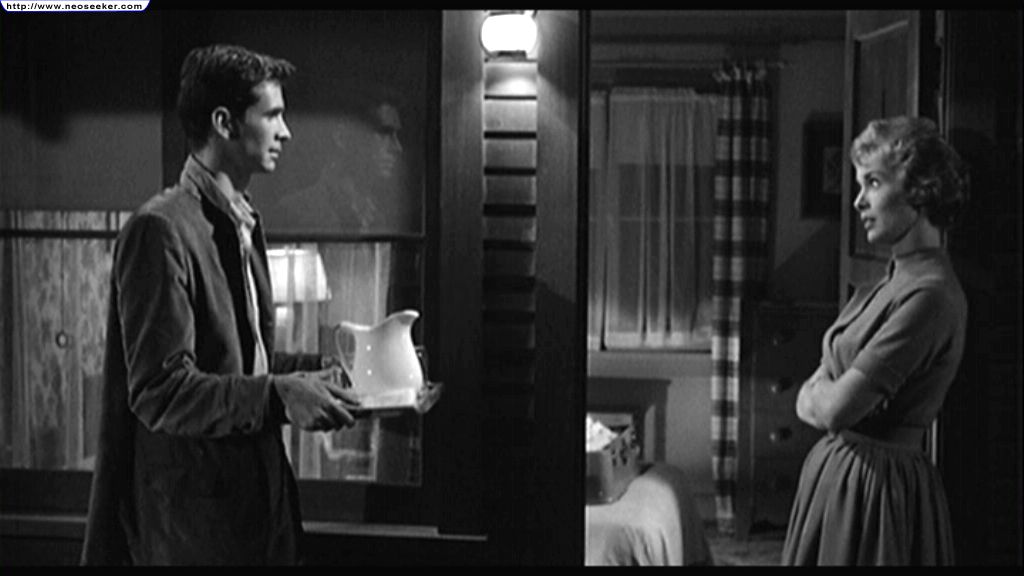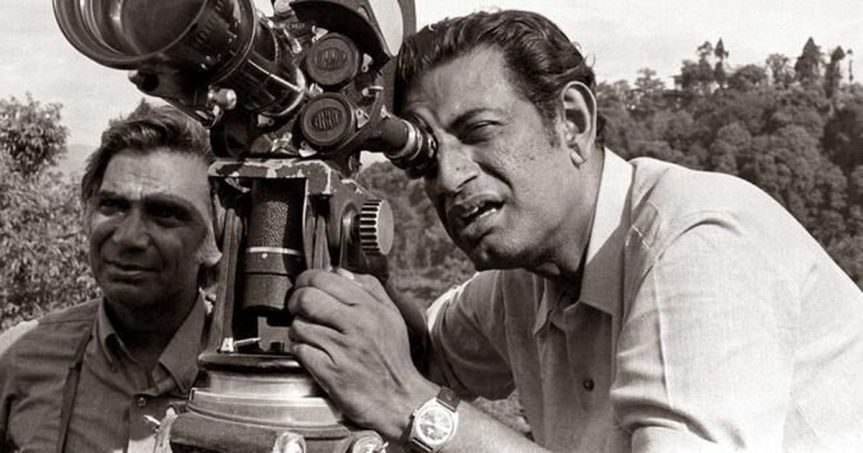
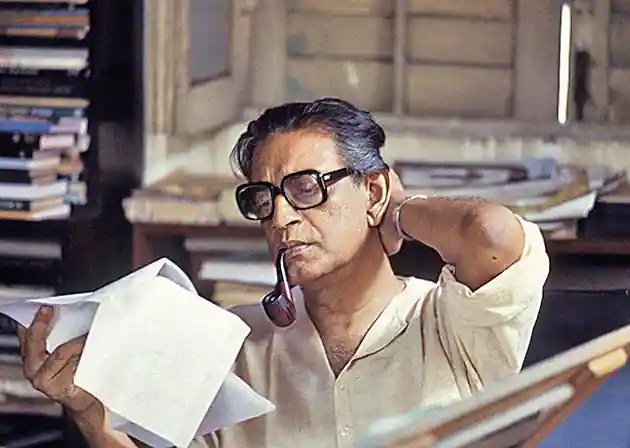
Analysing Satyajit Ray: Through The Eyes of The Master

Satyajit Ray

Introduction

Satyajit Ray was India’s first internationally recognized film-maker and, several years after his death, still remains the most well-known Indian director on the world stage. Ray has written that he became captivated by the cinema as a young college student, and he was self-taught, his film education consisting largely of repeated viewings of film classics by de Sica, Fellini, John Ford, Orson Welles, and other eminent directors.
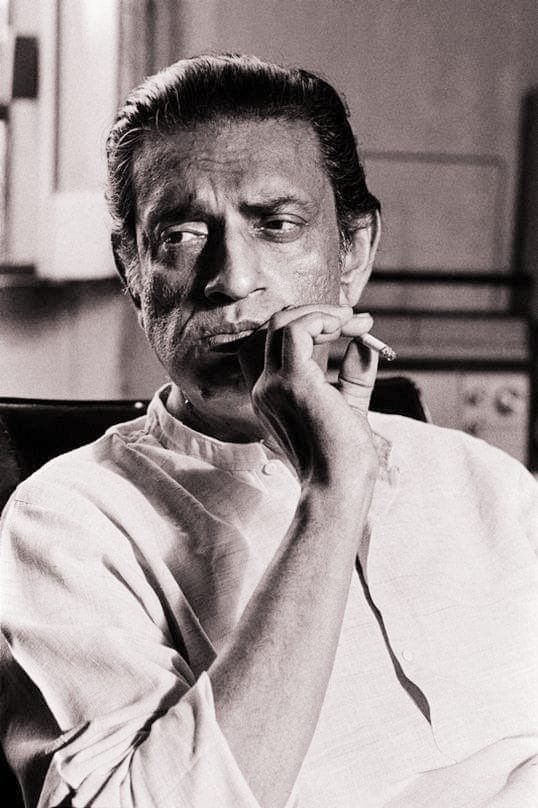
Satyajit Ray

Early Life and Family Background

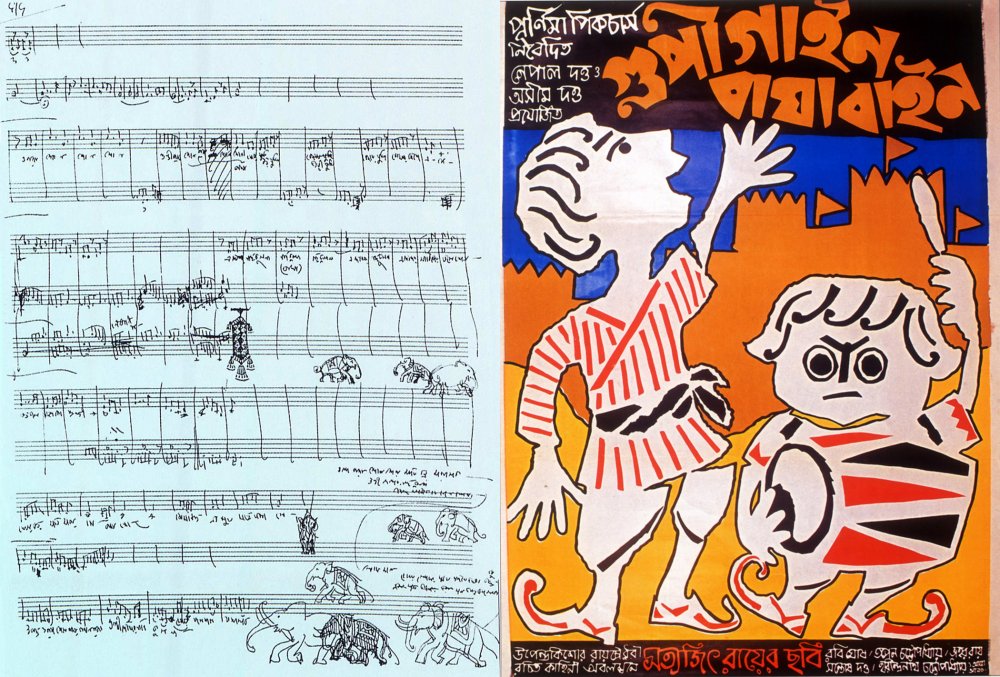
Satyajit Ray was born into an illustrious family in Kolkata (then Calcutta) on 2nd May,1921. His grandfather, Upendra Kishore Ray-Chaudhary, was a publisher, illustrator, musician, the creator of children’s literature in Bengali and a leader of the Brahmo Samaj, a religious and social movement in nineteenth century Bengal. His father, Sukumar Ray, was a noted satirist and India’s first writer of nonsensical rhymes, akin to the nonsense verse of Edward Lear. Having studied at Ballygunge Government High School, Calcutta and completed his BA in economics at Presidency College, Satyajit Ray went on to develop an interest in fine arts. Later in life, Satyajit Ray made a documentary of his father’s life. His film, Goopy Gyne Bagha Byne, was based on a story published by his grandfather in 1914, but even other films, such as Hirok Rajah Deshe, “The Kingdom of Diamonds”, clearly drew upon his interest in children’s poetry and nonsensical rhymes.
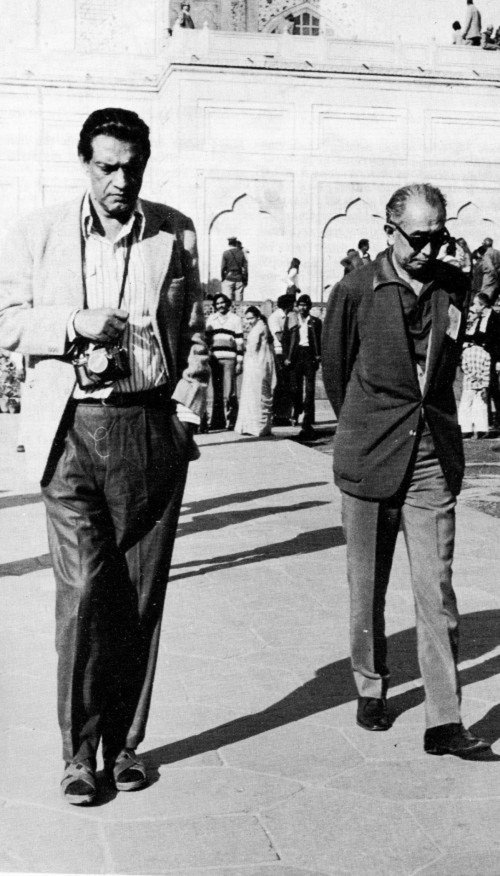
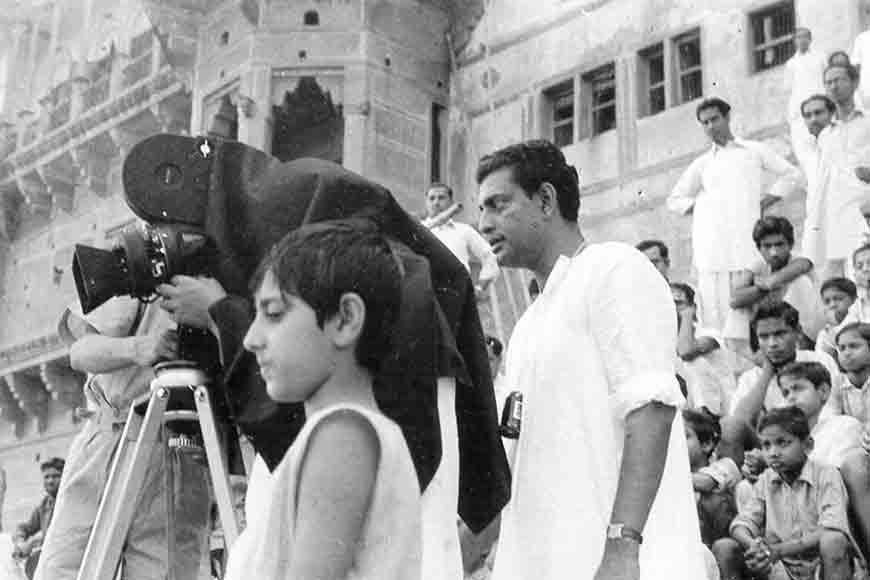
Satyajit Ray with Akira Kurosawa

The Crisis of Indian Cinema Before Ray

From the 1920s to the early 1950s, several directors working within Hollywood—as well as filmmakers in former Soviet Union, France, Italy, Germany, and Japan—considered cinema not as a mere tool of entertainment but as a medium for creative expression. Filmmakers such as Charlie Chaplin, Sergei Eisenstein, Jean Renoir, Roberto Rossellini, Vittorio De Sica, Akira Kurosawa, and others deployed artistically innovative filmic devices to convey profound statements about the complexities of life. Some of the aesthetically satisfying films produced during this period were hailed as cinematic masterpieces. Films in India, however, prioritised cliched elements such as sentimental slush, ersatz emotion, theatricality, romantic tales, spectacle-like songs, and happy endings in these decades. Instead of making serious attempts at formal experimentation, Indian directors continued catering to the lowest common denominator audience.
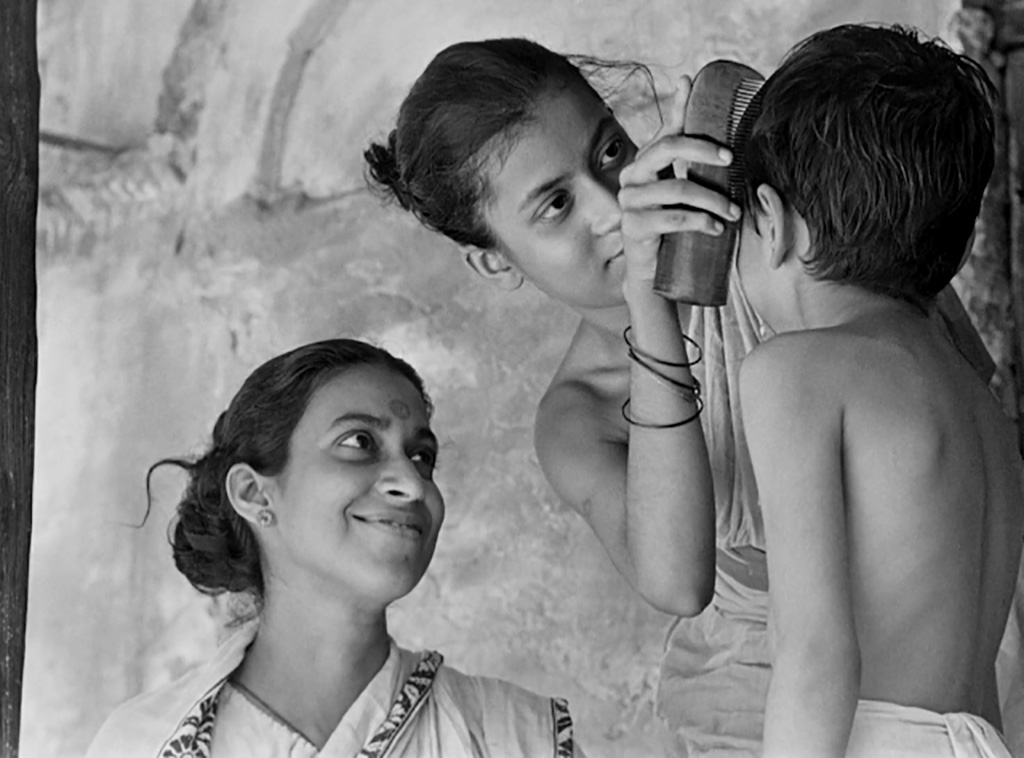
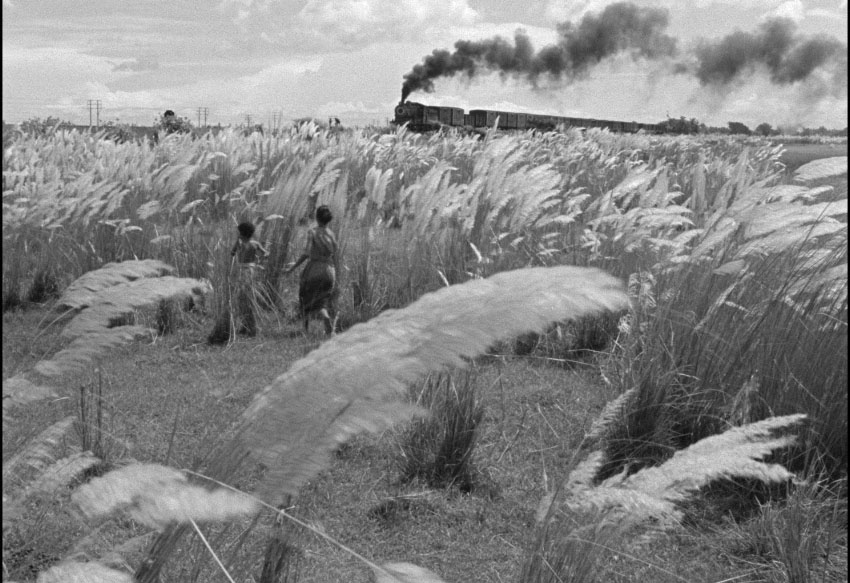
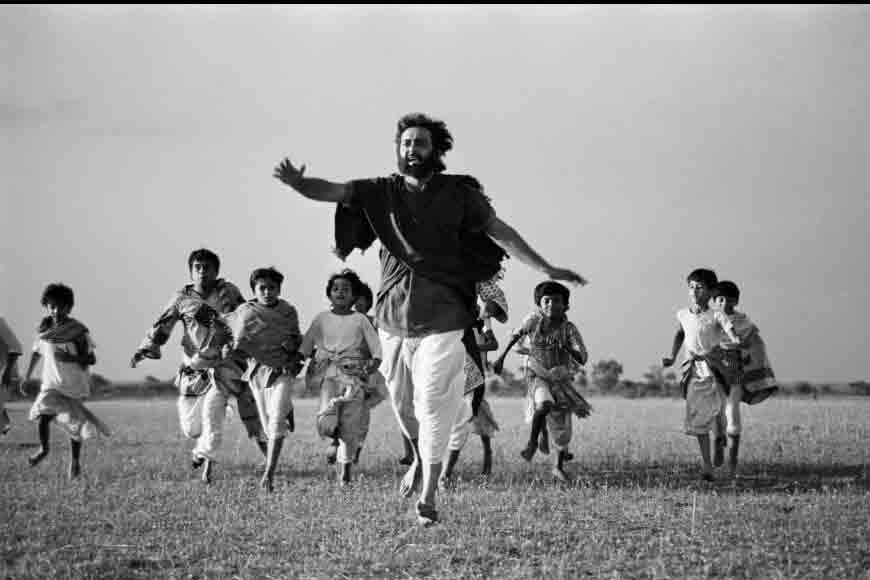
Iconic scene from Pather Panchali (1955)
Pather Panchali (1955)

Breakthrough of Satyajit Ray

A young Ray had grown up on Hollywood movies, so when his ad agency sent him to London for higher training, he spent more and more of his time in the company of films and started “losing interest in advertising in the process,” he once said in an interview. During this trip, he saw Vittorio De Sica’s “Ladri di biciclette” (Bicycle Thieves),in 1948, a neo-realist Italian masterpiece of post-War despair and was entranced by its beguiling simplicity and humanism. Back in Calcutta, he heard that Jean Renoir was in town and walked straight into the hotel where the great French filmmaker was staying to confide in his own dreams of making a movie someday. Renoir, who was location-scouting for The River in Calcutta at the time, encouraged the aspirant. And so began the journey of the song of the little road.

Subir Banerjee as Apu in Pather Panchali (1955)


Ray’s landmark debut, Pather Panchali ( which was adapted from  eponymous 1928 Bengali novel “Pather Panchali” by eminent Bengali novelist Bibhutibhusan Bandopadhay) was on a shoe-string budget in 1955 with a mostly non-professional cast. All the while, he clung on to his job for a safety net even as he shot what would become the first of the classic Apu Trilogy on weekends. The film was apparently being made by a group of neophytes, who had to stop filming more than once, owing to the depletion of their shoestring budget.
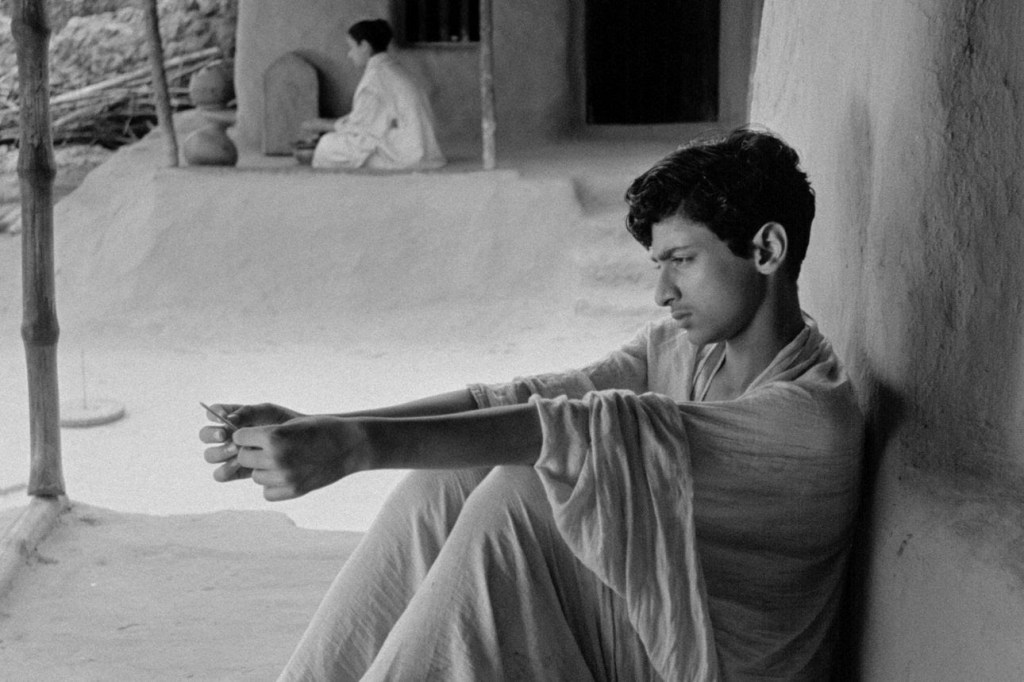
Smaran Ghoshal as Apu in Aporajito (1956)

Notable Films of Satyajit Ray

Ray directed 36 films, comprising 29 feature films, five documentaries, and two short films. Pather Panchali was completed in 1955 and turned out to be both a commercial and a tremendous critical success, first in Bengal and then in the West following a major award at the 1956 Cannes International Film Festival. sured Ray the financial backing he needed to make the other two films of the trilogy: Aparajito (1956; The Unvanquished) and Apur Sansar (1959; The World of Apu). Pather Panchali and its sequels tell the story of Apu, the poor son of a Brahman priest, as he grows from childhood to manhood in a setting that shifts from a small village to the city of Calcutta.
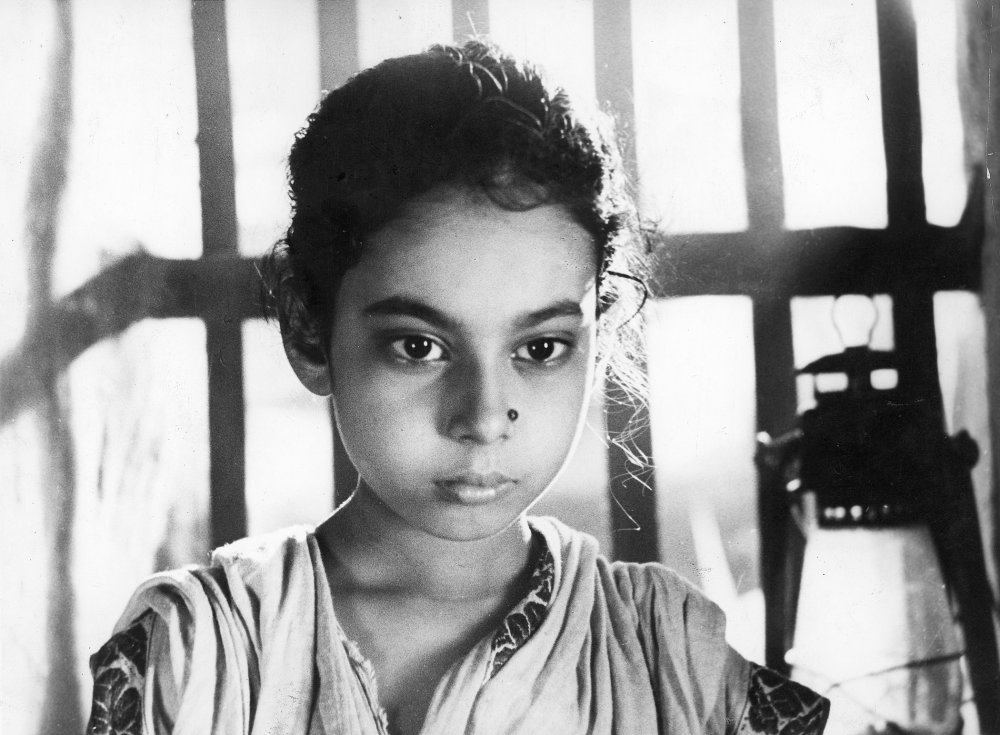
Chandana Banerjee in Teen Kanya (1961)
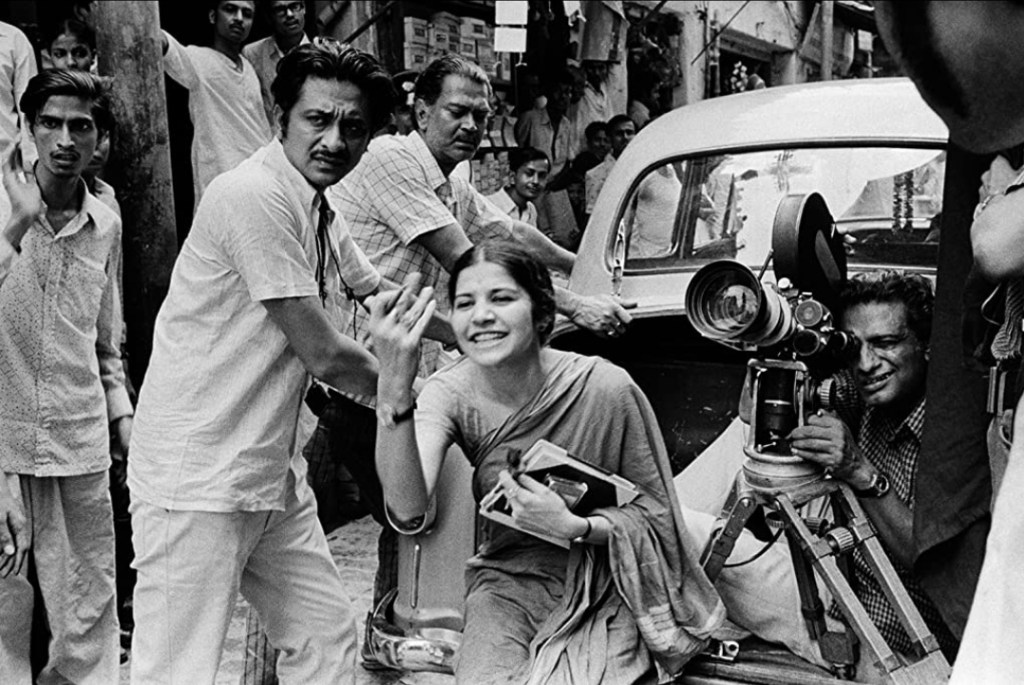
During the Shooting of Jana Aranya (1975)
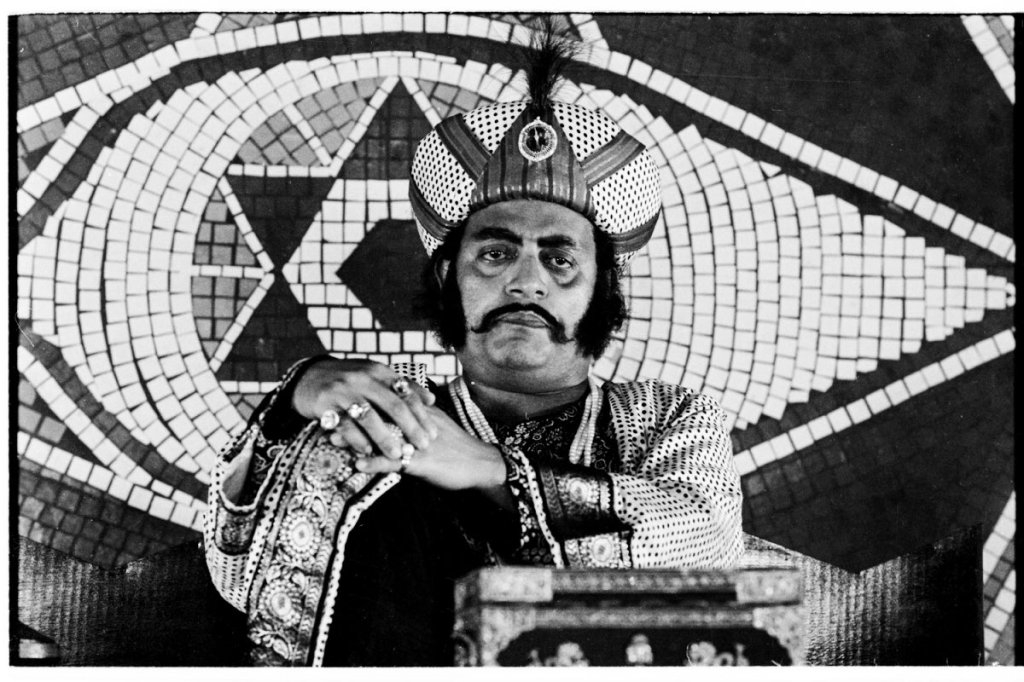
Utpal Dutta in Hirok Rajar Deshe(1980)
Soumitra Chatterjee in Hirok Rajar Deshe (1980)
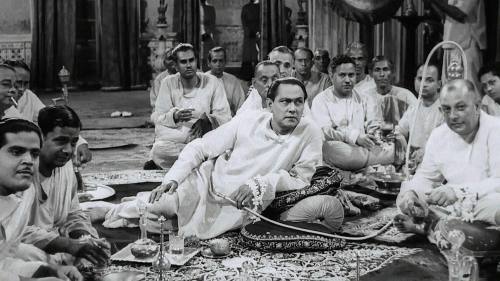
Chhabi Biswas (in middle) in Jalsaghar (1958)
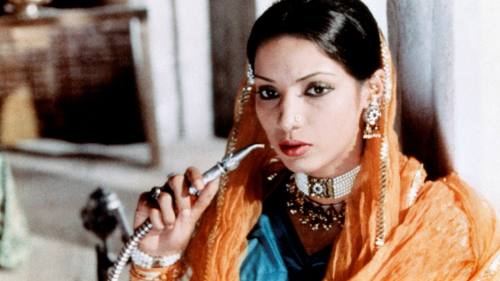
Shabana Azmi in Shatranj ke Khilari (1977)
Satyajit Ray during the shooting of Sonar Kella(1974)

Ray’s major films about Hindu orthodoxy and feudal values (and their potential clash with modern Western-inspired reforms) include Jalsaghar (1958; The Music Room), an impassioned evocation of a man’s obsession  with music; Devi (1960; The Goddess), in which the obsession is with a girl’s divine incarnation; Sadgati (1981; Deliverance), a powerful indictment of caste; and Kanchenjungha (1962), Ray’s first original screenplay  and first colour film, a subtle exploration of arranged marriage among wealthy, westernized Bengalis. Shatranj ke Khilari (1977; The Chess Players), Ray’s first film made in the Hindi Language , with a comparatively large budget, is an even subtler probing of the impact of the West on India. Although humour is evident in almost all of Ray’s films, it is particularly marked in the comedy Parash Pathar (1957; The Philosopher’s Stone) and in the musical Goopy Gyne Bagha Byne (1969; The Adventures of Goopy and Bagha), based on a story by his grandfather. 

His other notable films were Ahsani Sanket (1973; Distant Thunder), Aranyer Din Ratri (1970; Days and Nights in the Forest) , Mahanagar (1963; The Big City) and a trilogy of films made in the 1970s—Pratidwandi (1970; The Adversary), Seemabaddha (1971; Company Limited), and Jana Aranya (1975; The Middleman), Ganashatru (1989; An Enemy of the People),  Shakha Prashakha (1990; Branches of the Tree), and the Agantuk (1991; The Stranger).
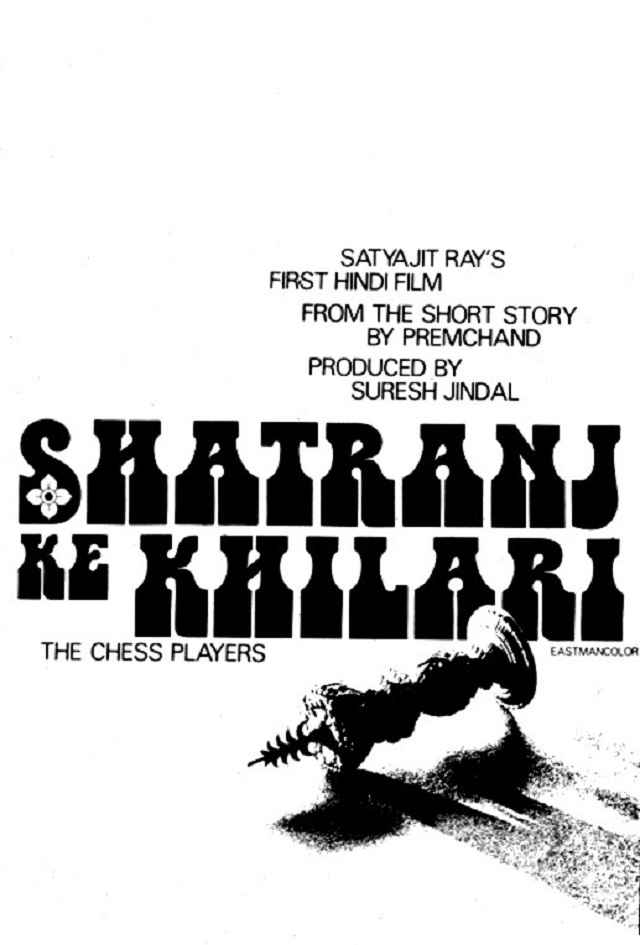
Poster of Shatranj ke Khilari (1977)
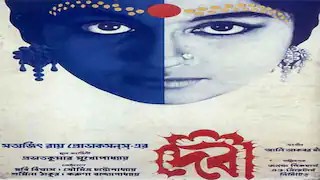
Poster of Devi(1960)
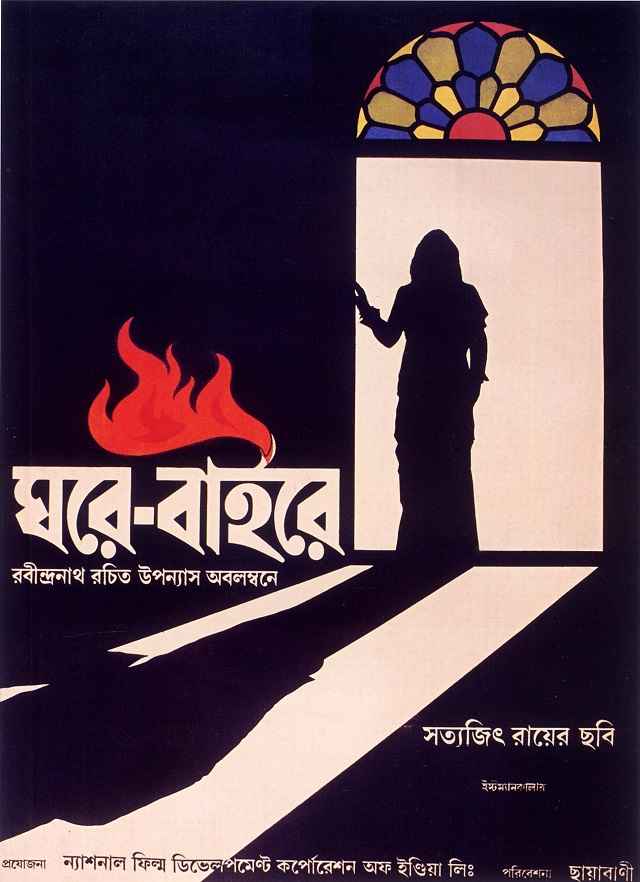
Poster of Ghore-Baire
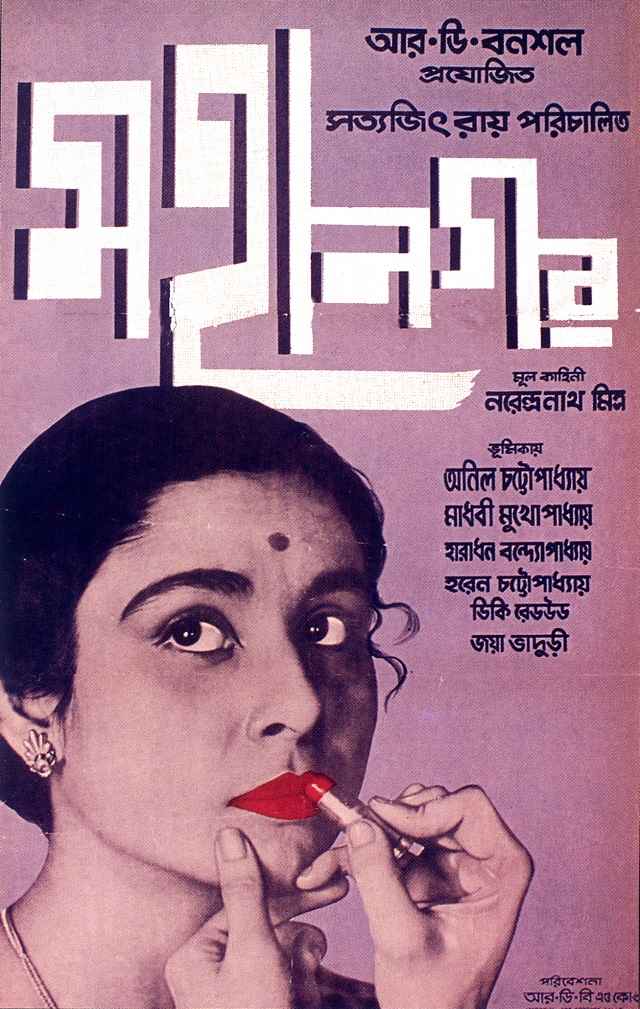
Poster of Mahanagar(1963)
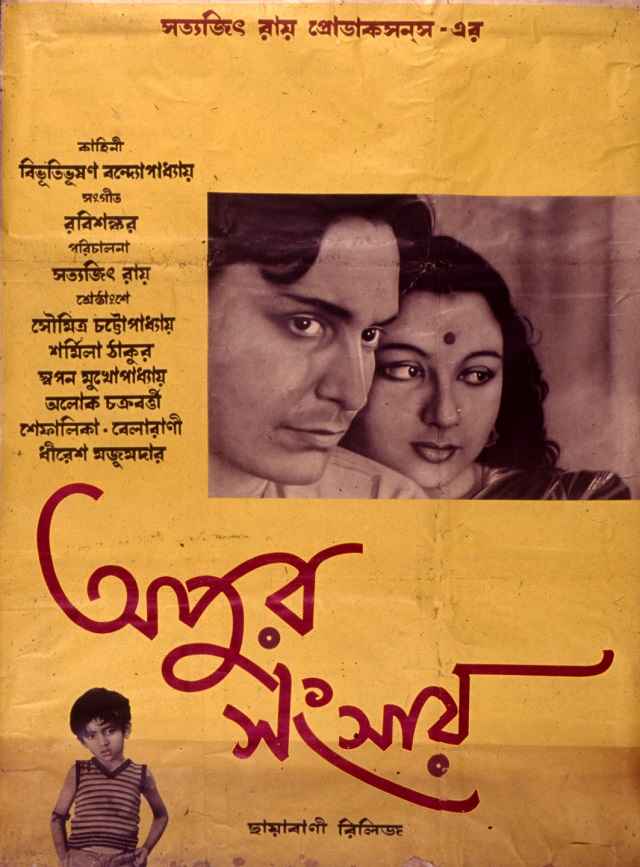
Poster of Apur Sansar (1959)
Poster of Nayak
Poster of Charulata

Work As A Novelist

Ray created two popular fictional characters in Bengali children’s literature—Feluda, a sleuth, and Professor Shanku, a scientist. The Feluda stories are narrated by Topesh Ranjan Mitra aka Topse, his teenage cousin, something of a Watson  to Feluda’s Holmes. The science fictions of Shonku are presented as a diary discovered after the scientist had mysteriously disappeared. Ray also wrote a collection of nonsensical verses named Today Bandha Ghorar Dim, which includes a translation of Lewis Carroll’s “Jabberwocky”. He wrote a collection of humorous stories of Mulla Nasiruddin  in Bengali.  Ray wrote an autobiography about his childhood years, Jakhan Chhoto Chhilam (1982), translated to English as Childhood Days: A Memoir by his wife Bijoya Ray. In 1994, Ray published his memoir, My Year’s with Apu, about his experiences of making The Apu Trilogy.
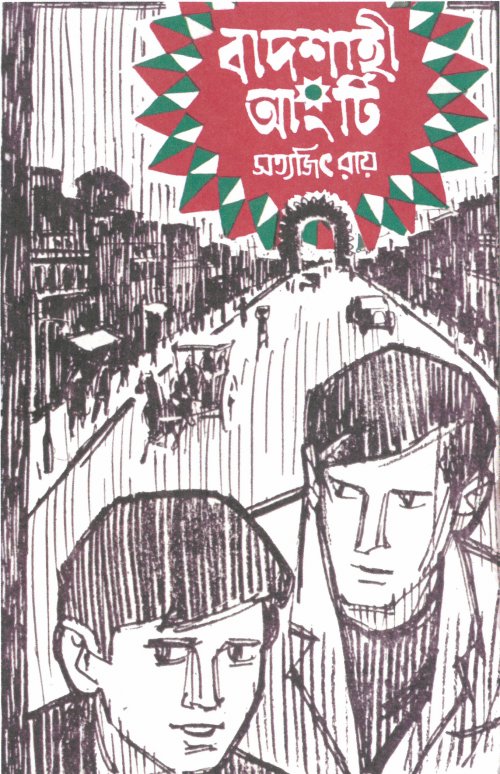
Book Cover illustrated by Satyajit Ray, himself for his first detective novel “Badshahi Angti”.
The musical score and Poster for Goopy Gyne Bagha Byne(1969), done by Satyajit Ray, himself
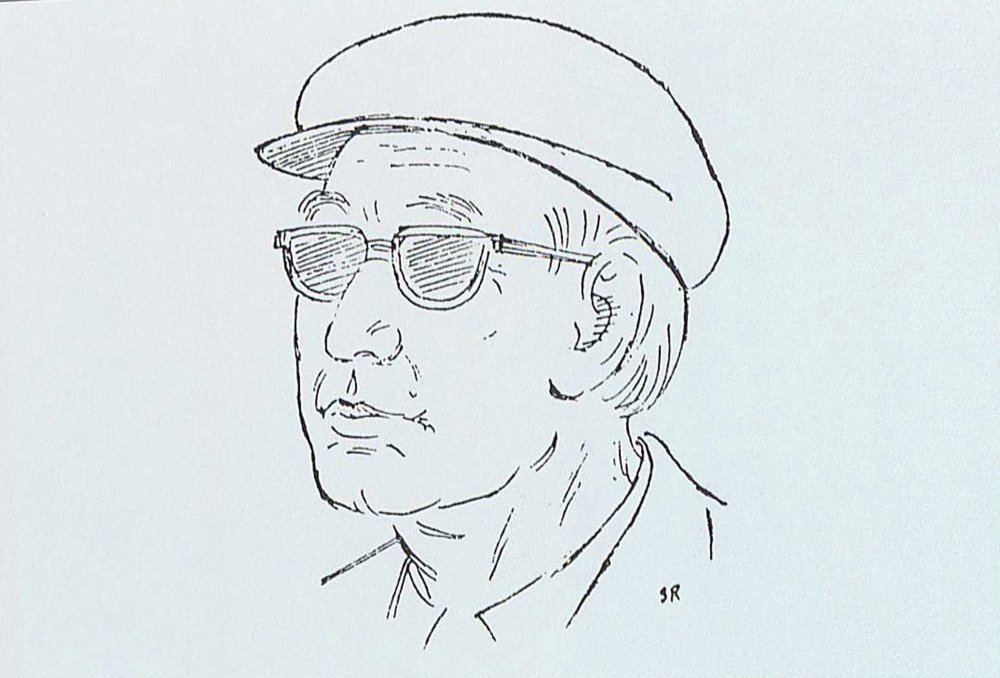
Portrait of Akira Kurosawa, illustrated by Satyajit Ray

Critical Analysis of Satyajit Ray

Instead of acting like a propagandist, Ray wanted to make people aware of the persistence of certain social problems. Devi and Ganasatru show people’s blind religious beliefsSakha Prasakhadiscloses the involvement of the top officials with bribery and corruption, Shatranj ke Khilari indicates the indolence and lack of political consciousness of the wealthy people, Aranyer Din Ratrireveals the insensitivity and boasting of the urban young men, and Mahapurush mockingly exposes the failure of the urban elite to embrace rational thoughts. Given the necessity of making people conscious of the same problems in present-day society, these films are still relevant today. Ray’s films also made a departure from tradition by frequently including strong women characters. Sarbajaya in Pather Panchali and Aparajito, Manisha in Kanchenjungha, Arati in Mahanagar, Charu in Charulata, Karuna in Kapurush, Aditi in Nayak, Aparna and Jaya in Aranyer Din Ratri, Sudarshana in Seemabadhdha, and Ananga in Asani Sanket appear as bolder, more confident, and more resilient than the male characters. In an interview, Ray states that the inclusion of unwavering women characters reflects his own attitudes towards and personal experience with women.

Awards Received by Satyajit Ray

Ray received many awards, including 36 National Film Award  by the Government of India, and awards at international film festival. In 11th Moscow International Film Festival 1979, he was awarded with the Honorable Prize for the contribution to cinema. At the Berlin International Film Festival, he was one of only four filmmakers to win the Silver Bear for Best Director  more than once and holds the record for the most Golden Bear  nominations, with seven. At the Venice Film Festival, where he had previously won a Golden Lion for Aparajito  (1956), he was awarded the Golden Lion Honorary Award in 1982. That same year, he received an honorary “Hommage à Satyajit Ray” award at the 1982 Cannes International Film Festival. Ray is the second film personality after Charlie Chaplin  to have been awarded an honorary doctorate  by Oxford University.

He was awarded the Dadasaheb Phalke Award  in 1985, and the Legion of Honour  by the President of France  in 1987. The Government of India awarded him the Padma Bhusan in 1965 and the highest civilian honour, Bharat Ratna, shortly before his death. The Academy of Motion Picture Arts and Sciences  awarded Ray an Honorary Award  in 1992 for Lifetime Achievement. In 1992, he was posthumously awarded the Akira Kurosawa Award for Lifetime Achievement in Directing at the San Francisco International Film Festival.

Conclusion

Whenever we talk about radical filmmaking in the realm of Bengali cinema, Satyajit Ray’s maiden feature (made in the face of tremendous odds) is mentioned. From Pather Panchali to his last film Agantuk, Ray never compromised on high standards, thereby making a huge impression. Having a greater familiarity with the oeuvre of Ray would enable people to understand the impressive qualities and importance of socially-meaningful cinema. We are surely in need of films that would make us perceive the beauty of a dewdrop on a blade of grass, strengthen our sense of humanism, and raise our social consciousness—hence, the everlasting relevance of the cinema of Satyajit Ray.
Schindler’s Ark: The Book Review

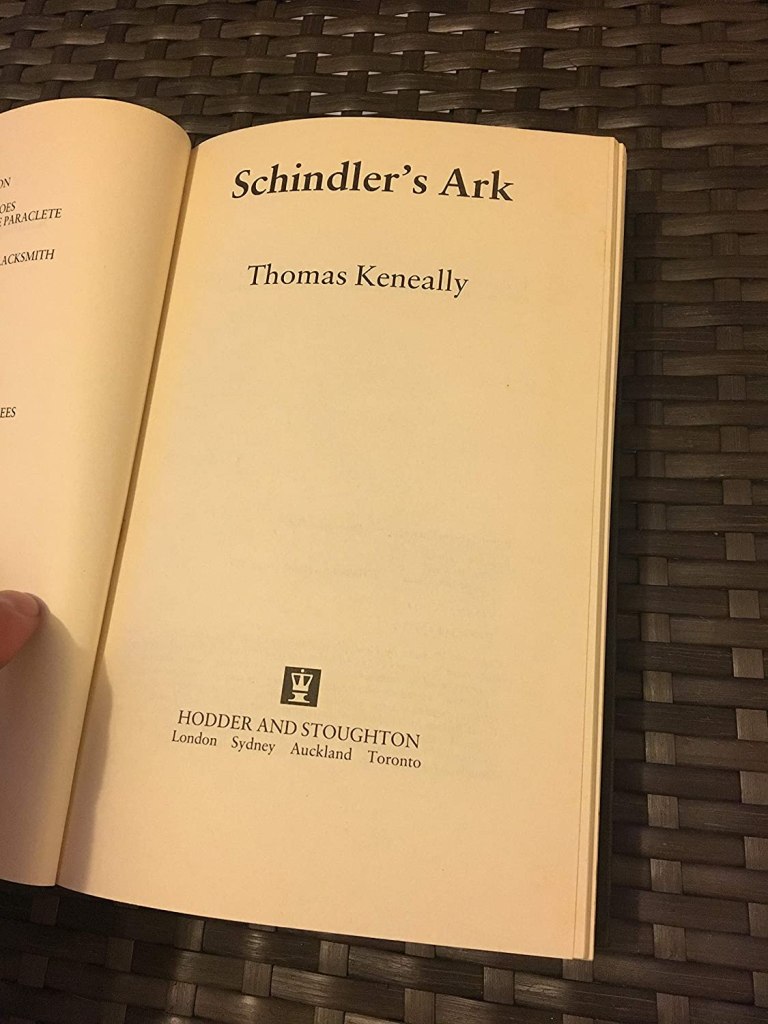
First Printed Edition of Schindler’s Ark

Introduction

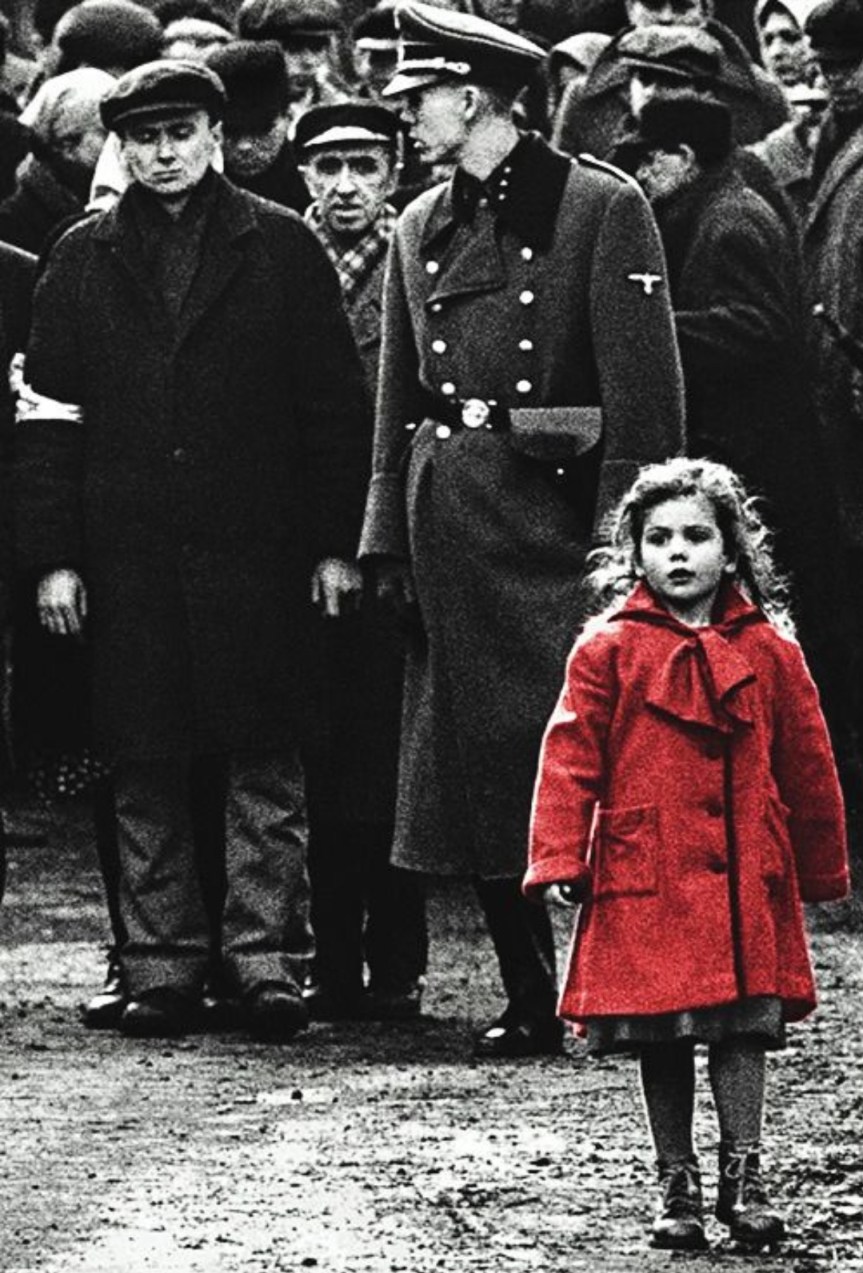
Australian author Thomas Keneally‘s novel first “Schindler’s Ark” (later republished as Schindler’s List) brought the story of Oskar Schindler’s rescue of Jewish people during the Nazi Holocaust, to international attention in 1982, when it won the Booker Prize. It was made by Steven Spielberg into the Oscar-winning film Schindler’s Listin 1993, the year Schindler and his wife were named Righteous Among the Nations.

Schindler’s Ark later republished as Schindler’s List

About The Author

Thomas Michael Keneally, (born 7 October 1935) is an Australian novelist, playwright, essayist  and actor.  Keneally’s first story was published in The Bulletin  magazine in 1962 under the pseudonym Bernard Coyle. By February 2014, he had written over 50 books, including 30 novels. He is particularly famed for his Schindler’s Ark  (1982) (later republished as Schindler’s List), the first novel by an Australian to win the Booker Prize and is the basis of the film Schindler’s List. He had already been shortlisted for the Booker three times prior to that: 1972 for The Chant of Jimmie Blacksmith, 1975 for Gossip from the Forest, and 1979 for Confederates. Many of his novels are reworkings of historical material, although modern in their psychology and style.

Thomas Keneally

Storyline of The Novel

The story of the novel is based on true events, on account of the Nazi Holocaust during World War II. Oskar Schindler, (born April 28, 1908, Svitavy [Zwittau], MoraviaAustria-Hungary  [now in the Czech Republic]—died October 9, 1974, Hildesheim, West Germany), German industrialist who, aided by his wife and staff, sheltered approximately 1,100 Jews from the Nazis  by employing them in his factories, which supplied the German army during World War II.

Poster of Steven Spielberg‘s movie Schindler’s List (1993)

In the shadow of Auschwitz, a flamboyant German industrialist grew into a living legend to the Jews of Kraków. He was a womaniser, a heavy-drinker and a bon viveur, but to them he became a saviour. This is the extraordinary story of Oskar Schindler, who risked his life to protect Jews in Nazi-occupied Poland and who was transformed by the war into a man with a mission, a compassionate angel of mercy.

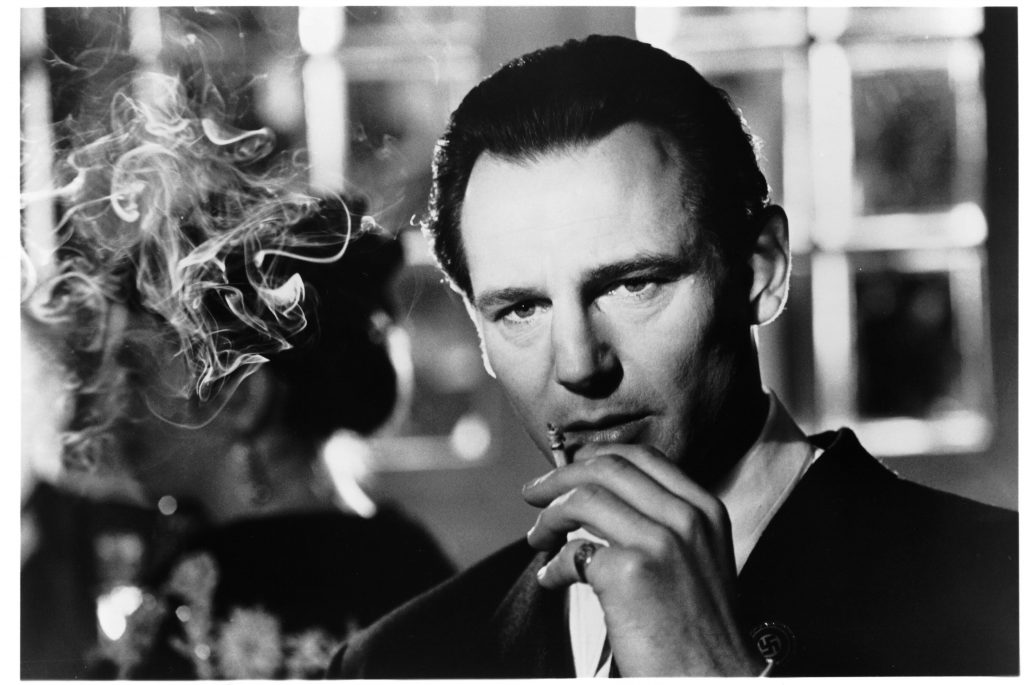
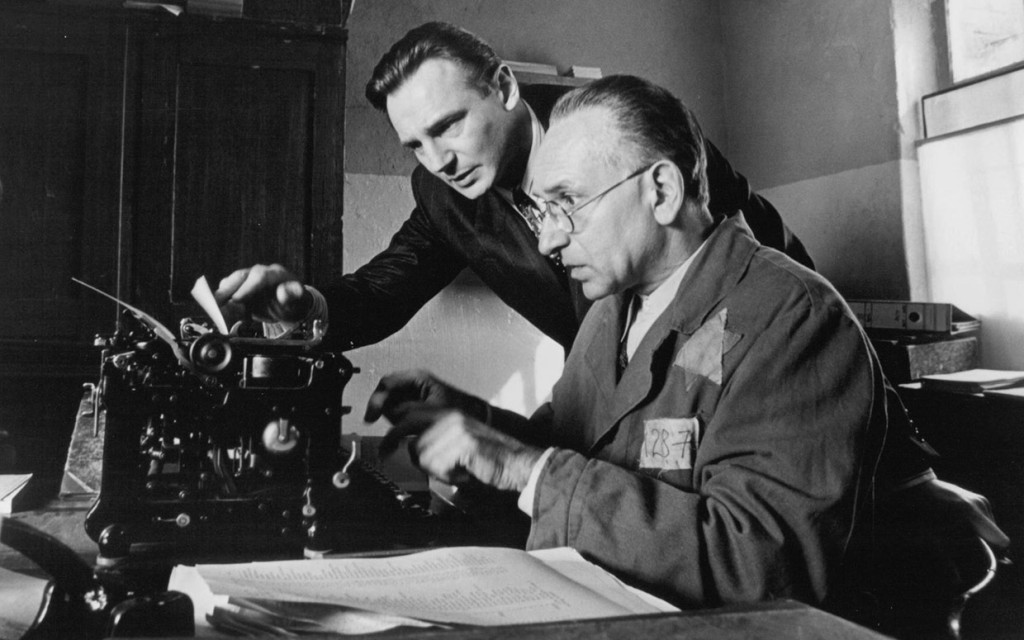
Liam Neeson as Oskar Schindler in Schindler’s List (1993)

Analysis of The Storyline

The novel introduced a vast and diverse cast of characters. However, the focus of the narrative was between Oskar Schindler and Amon Goeth. In the story, there was a dichotomy between what is essentially good and what is evil, that was personified by these two primary characters. Goeth represented everything evil. The war churned out a selfish and heartless sadist who found delight in inflicting pain on the Jews. Ironically, he lusted after his Jewish maid. Schindler, on the other hand, was portrayed as the Good German. He didn’t believe everything that the Nazi regime was saying against the Jews. He was, however, a man of contradictions. Despite being depicted as the epitome of goodness, he lived a self-indulgent lifestyle, which included proclivity towards the bottle and women. His infidelities have been a constant source of pain for his wife, Emilie. He also uses his connections to gain the upper hand in negotiations; it would also be a seminal part of his campaign to save the Jews.  

Ralph Fiennes as Amon Goeth in Schindler’s List (1993)

Criticism of The Storyline

The amount of research poured to recreate the story of Oskar Schindler was astounding. And the starting point to this is as interesting as the novel itself. As noted in the Author’s Note, a chance encounter in 1980 led to the novel. Schindler’s motivation for protecting his workers was rarely ever clear, especially at the start. Questions still hound his true intentions. He, after all, brazenly took advantage of the cheap labour the Jews offered at the start of his enterprise. Is Schindler an anti-hero? The answer can be found in Keneally’s extensive research. Through interviews with surviving Schindlerjuden and different Second World War archives, he managed to identify the point in which Schindler decided to protect the Jews. While horseback riding on the hills surrounding Kraków, he witnessed an SS Aktion unfold on the Jewish ghetto below. The Jews were forcefully taken out of their houses. Those who resisted were shot dead, even in the presence of children. Witnessing the atrocious acts firsthand turned Schindler’s stomach. It was then that he resolved to save as many Jews as he can.

Scene from Schindler’s List (1993)

Overall, what didn’t work was the manner in which Keneally related the story of Oskar Schindler. As the story moved forward, it became clearer that Keneally was unsure of how to deliver the story. His resolve to remain loyal to Oskar’s story was commendable. He endeavored to do just that but it never fully came across. The result was an amalgamation of fiction and historical textbook. The strange mix muddled the story and the result was a perplexing work of historical fiction. It is without a doubt that one of the darkest phases of contemporary human history is the Second World War. Nobody expected that the meteoric ascent of Der Führer, Adolf Hitler, in the German political ladder would lead to a devastation of global scale. As the Axis forces march towards and beyond their boundaries, they would leave death and destruction in their wake, stretching from Europe, to the Pacific, and to the Far East. The consequences of the war would resonate well beyond its time. With genocides, concentration camps, and slave labour commonplace, the war was a reflection of the human conditions. Its peak, the Holocaust, exhibited the extent of the darkest shades of the human spirit. It was a grim portrait.

Indeed, the Second World War brought out the worst in humanity. However, in times of darkness, there are those among us who rise to the occasion. One of them is Oskar Schindler whose story was related by Thomas Keneally in his nonfiction novel, Schindler’s List (1982).

Conclusion

While Keneally‘s dramatization of this great man’s exploits is lacking in novelistic shape or depth, the brutality and heroism are satisfyingly, meticulously presented–as plain, impressive, historical record; and if admirers of Keneally’s more imaginative work may be disappointed, others will find this a worthy volume to place beside one of the several Wallenberg biographies.

Bengali Mishtis: The Delectable Sweet Affair of Bengal

Traditional Sweets of Bengal

Introduction

Bengal is well-known for its music, cinema and delicious food, especially the mouth-watering sweets. In fact, it’s rather hard not to run into a sweet shop in almost every corner of the land, including the narrowest of the lanes. And, it’s equally hard to find a Bengali who is not in love with their ‘mishti’. Bengalees are incredibly proud of the sweets of Bengal and their unique appeal. And for a good reason too — Bengali sweets have wooed Indians and foreigners alike.

Bengali Mishtis

History of Sweets in Bengal

The prominent presence of sweets in Bengali cuisine can be noted throughout history. Ancient Bengal was known as ‘Gauda Banga’, a name believed to be originated from the term ‘Gur’ or molasses that were harvested in abundance in the region. The early Bengali sweets were made from the delicious jaggery or molasses and coconuts. There were several sweets made from ‘khoya and kheer’, which are Bengali names for milk solids and condensed milk, respectively. Sweets like ‘Naru’, ‘Moya’ and ‘Takti’  were popular in ancient Bengal. The uses of different fruits to make a variety of sweets were also prevalent. Books like Manasa Vijaya Kavya, written by 15th-century Bengali poet Bipradas Pipilai, also account for how varieties of ‘pithe’ or Indian Cake made from rice flour, jaggery, kheer and milk solids have been an integral part of Bengali rituals and festivals.

Traditional Coconut Balls or Narkel Naru
Patisapta or Eggless Crepes
Malpua or Indian Pancakes

The introduction of ‘Chhana’ (Cottage Cheese) in Bengali cuisine happened after the Portuguese invaded Bengal, yet it’s interesting how today most of the characteristic Bengali sweets are made primarily from fresh ‘chhana’ (cottage cheese) and sugar. The curdling of milk with an acidic substance was forbidden according to Hindu cultures, but the Portuguese loved their cheese. After settling down in and around Kolkata in the 17th century, the Portuguese tradition of making sweets with cheese inspired the local cuisine as well. The Bengali confectioners then picked up this incredible art of curdling milk and creating mouth-watering ‘Sandesh’ and ‘Rosogollas’ among others.

Some Famous Bengali Sweets

Bengalees love all their sweets but among those, some are all time winners who can brighten up moods on a tiring day, and can even spoil a diet that you are maintaining for too long! Let’s dive deep into the varieties of some scrumptious and unique Bengali Mishtis.

Sandesh

The simplest yet one of the most loved sweet of Bengal, is Sandesh. Generally, made by fine kneading of fresh cottage cheese along with sugar powder, cardamom essence and pistachios to garnish. If jaggery is used, instead of sugar then, it’s called Nolen Gurer Sandesh.

Sandesh

Pantua

One of Bengal’s most loved syrupy sweets, is Pantua. Though it has an uncanny similarity with North India originated Gulab Jamun, taste and procedure wise they are quite different. Balls made of cottage cheese, semolina are deep fried and then tossed in sugar syrup until completely soaked in. And unlike Gulab Jamun, they can be served cold too.

Pantua

Kheer Kadam

The name of this sweet is suggestive of a flower named Kadamphool in Bengal. The flower is bright yellow in colour cover by soft, white spikes and has a distinctive smell. This Mishti resembles the flower, and has a layer of Sandesh covered over small Rosogollas .

Kheer Kadam

Lyangcha

Lyangcha is a cylindrical fried sweet, soaked in sugar syrup and prepared with Fresh Chhena (Cottage cheese) and Mawa/ Khowa. To make soft and tasty Lyangcha use of Fresh Chhena is must. Originated from Shaktigarh, around 80kms from Burdwan in West Bengal, Lyangcha is a staple of Traditional Bengali Mishtis.

Lyangcha

Komola Bhog

As the name suggests, Komola Bhog is literally the orange flavored Rosogolla, (Komola means Orange in Bengali) with the sweetness of Rosogollas and the tanginess of Orange. And of course, they are bright Orange in colour.

Komola Bhog

Jolbhora Sandesh

Jolbhora Sandesh, also known as Taalsas, is a sweet shaped like a ‘taal’ or kernel of the palm fruit. The sweet was created on the event of ‘Jamaisasthi’ by Surjya Modak. It is filled with sweet ‘Nolen gur’ inside and thus got its name. According to stories, Bandopadhay family of Chandernagar requested these sweets for their son-in-law. When he took his first bite of the sweet, the sweet juice spilled out. The sweet, thus, got well-known among the Bengalis.

Jol Bhora or Taal sas Sandesh

Sitabhog

Originated from Burdwan in Bengal, Sitabhog, according to Legends, was Goddess Sita’s favourite dessert and hence the name. Sita Bhog is prepared by frying a dough made of cottage cheese and powdered rice in ghee and then soaking it in sugar syrup. The final product looks like vermicelli served along with mini Gulab jamuns.

Sitabhog

Mihi-Dana

Originated from Burdwan in Bengal , these are one of the famous sweets, that has similarities with Motichur. These are granular, deep fried and soaked into sugar syrup. Recently, Mihi-Dana has received GI Tag from UNESCO and has received its first enormous foreign order to export to The Kingdom of Bahrain.

Mihi-Dana

Ledikeni/ Lady Kenny

Ledikeni or lady Kenny has been a popular Bengali dish since the British rule. The dish is named after Lady Canning, the wife of Charles Canning who was the Governor-General of India during the 19th century. The dish a light brown sweet ball made of Chenna which is fried and then soaked in sugar syrup. It tastes divine and is prepared on most auspicious days. 

Lady Kenny

Rosogollas

Rosogollas has done the honourable deed of introducing many, if not all, North Indians to the Bengali cuisine. These magical balls are prepared by dipping a mixture of cottage cheese and semolina dough into a sweet sugar syrup. The mere thought of those soft and spongy balls makes the mouth water.

Rosogollas

Laal Mishti Doi (Caramelized Sweet Yogurt)

Just like the name, this Bengali dessert is extremely simple and sweet. Mishti Doi is essentially sweetened yogurt which is prepared by adding sugar to boiling milk, then leaving it to ferment overnight and is served chilled. This quintessential dessert is often served in small earthen pots which add to the aesthetics of this dish.

Laal Mishti Doi

Conclusion

Ending on a sweet note, Mishtis are also an important part of the culture and tradition of Bengal. Be it during the festivals or weddings or just greeting guests, Bengali Mishtis are always the stars of the show. If you’re a sweet-tooth, you should try these once in a while. And good news is, that many of them are now available online to order from in India and abroad.

Chokher Bali: The Book Review

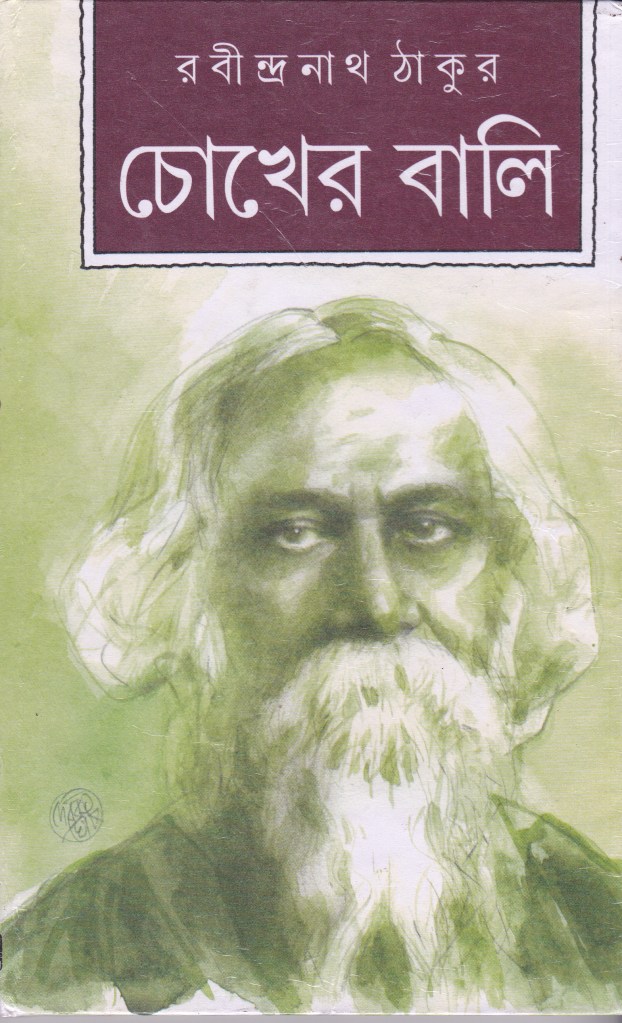
Cover of Chokher Bali (1903) in Bengali

Introduction

Rabindranath Tagore’s 1903 Bengali novel Chokher Bali is often referred to as India’s first modern novel, where he highlighted the issues of women’s education, child marriage and the treatment of widows in 19th and 20th century Bengal. It was first serialised in the Bengali literary magazineBangadarshan first founded in 1872 by Bankim Chanra Chattopodhay and later resuscitated under the editorship of Tagore in 1901.

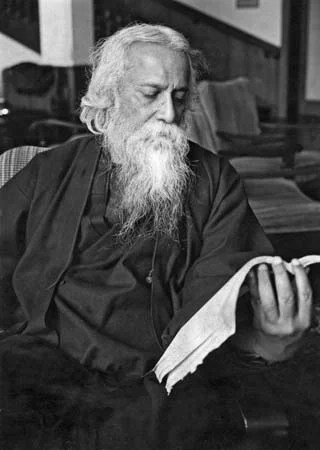
Rabindranath Tagore

About The Author

Rabindranath Tagore (7 May 1861 – 7 August 1941) was a Bengali  Polymath —poet, writer, playwright, composer, philosopher, social reformer and painter. He reshaped Bengali Literature  and music  as well as Indian Art with Contextual Modernism in the late 19th and early 20th centuries. Author of the “profoundly sensitive, fresh and beautiful” poetry of Gitanjali, he became in 1913 the first non-European and the first lyricist to win the Nobel Prize in Literature. Tagore’s poetic songs were viewed as spiritual and mercurial; however, his “elegant prose and magical poetry” remain largely unknown outside Bengal. He was a fellow of the Royal Asiatic Society.  Referred to as “the Bard of Bengal”, Tagore was known by sobriquet: GurudevKobiguruBiswakobi.

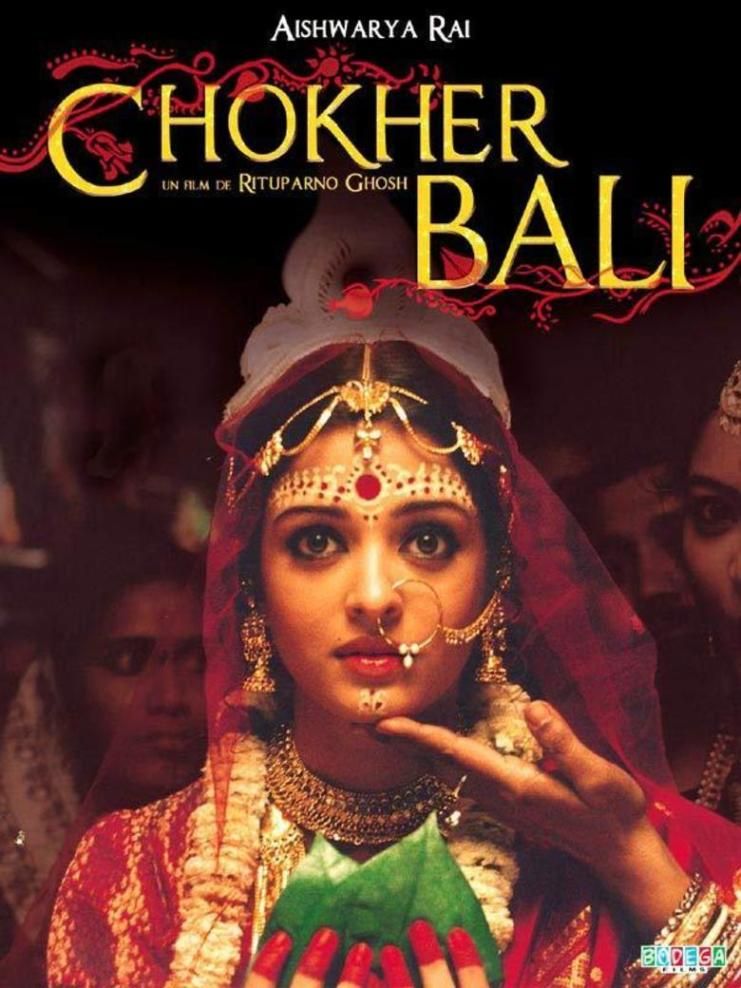
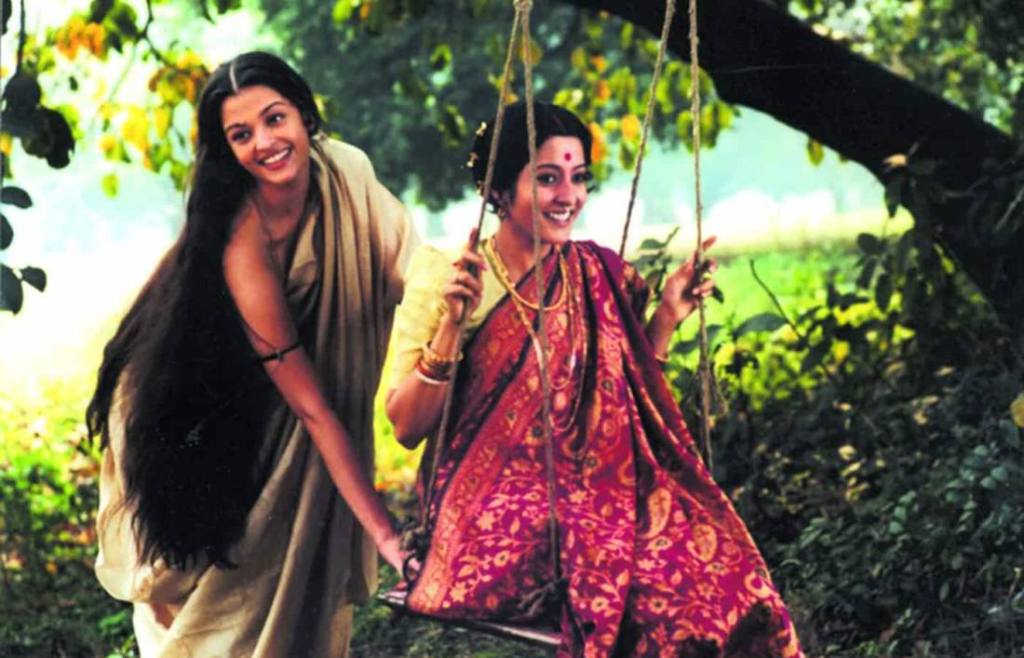
Aishwarya Rai Bachhan as Binodini in Chokher Bali (2003)

Storyline of The Novel

The plot revolves around four protagonists- Mahendra, Ashalata, Binodini and Bihari. Mahendra is the only scion of a rich family based in Calcutta. Bihari is his childhood friend, who frequents his house. Mahendra’s mother wanted him to marry Binodini, her friend’s daughter. But Mahendra refused. Then his mother requested Bihari to marry Binodini and save the poor girl which Bihari refused. Eventually, Binodini got married to a man who died soon after marriage. Meanwhile, Mahendra married Ashalata, a poor orphan girl. Mahendra was besotted with his wife when Binodini came to live in their house. With time, an extra-marital relationship develops between Mahendra and Binodini, which threatens to destroy his marriage with Ashalata. But soon Binodini discovers that Mahendra is a self-obsessed person, unable to provide a safe shelter to her. So she inclines towards Bihari, who lives life by principles. Throughout the novel, there is an implicit implication of Bihari’s affection towards Ashalata, though he never crosses the boundaries of the relationship. In the end, Bihari falls in love with Binodini when realizes her feelings for him. He proposed to marry her, which Binodini refused saying that she doesn’t want to ‘dishonour’ him further. During that period (the novel was written in 1902), widow remarriage was not well accepted in society. That may partially explain the reason behind Binodini’s refusal. In the end, Binodini leaves for Varanasi– a fate that awaited most of the widows in those days.

Aishwarya Rai Bachhan as Binodini and Raima Sen as Asha in Chokher Bali (2003)

Analysis of The Storyline

The term ‘Chokher Bali’ literally means a sand grain in eye  in Bengali  and metaphorically means to be a source of irritation or disturbance in someone’s eyes, which is what Asha and Binodini become for each other. Binodini is presented in many avatars a hopeless widow, a friend, a temptress, and a remorseful woman. Tagore gives readers an insight into her desires and longings, the feeling that many widows at the time had silently undergone. On the other hand, Asha is presented as naive and innocent, which combined with her illiteracy initially results in her subjugation. The narrative almost becomes an implicit debate on love and morality, urging readers to understand Asha and Binodini outside of the social norms of Bengali society. The central character Binodini is not an idealised Indian woman but a woman with shades of grey and very human flaws. Binodini cannot come to terms with her life as a widow, as she is still young and has wants and desires. She feels wronged as she believes she is superior to Asha in all respect and deserves the life she is living. Tagore’s depiction of Binodini is impressive as she subverts the expectation of society for widows to forgo all worldly desires.

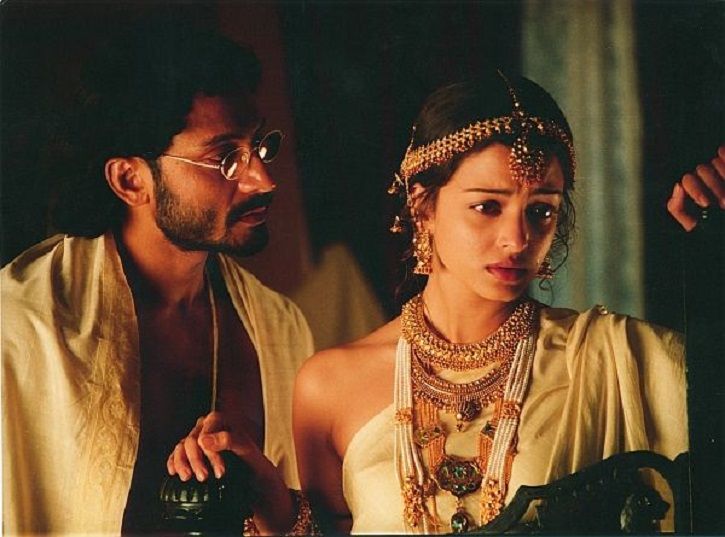
Tota Roy Choudhury as Bihari and Aishwarya Rai Bachhan as Binodini in Chokher Bali (2003)

Criticism of The Storyline

The story of this novel delves deep into many facets of human relationships and how a single wrong decision can make the life disharmonious. Jealousy and deprivation of happiness can result into an emotion strong enough to forget all other ties and relationships.Tagore shows the intellectual interchange between the characters, possible due to education and the interception of letters. The innocent and illiterate child bride Asha fails to understand the exploitation she faces at the hands of her husband and dear Bali (Binodini) whom she trusted blindly. Tagore does not justify Binodini’s actions and actually is sympathetic to Asha, perhaps stressing that Asha would have been able to avoid Binodini’s interference in her marital life, if she were educated enough to understand the intentions behind her friendly nature. However, one of Tagore’s greatest regrets in the novel is the ending. Despite his progressive portrayal of Binodini and Bihar, he does not allow them to marry at the end. Although, today we may see the girl marrying the guy as regressive today in Tagore’s time a widowed woman was not permitted to re-marry. Thus, ending the novel with Binodini and Bihari marrying would have been the most revolutionary.

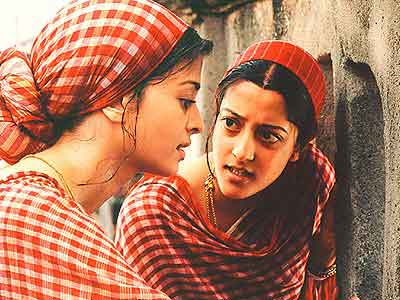
Scene from Chokher Bali (2003)

Movie Adaptation of The Novel

Adapted from Tagore’s Chokher Bali, the movie with the same name was released in 2003, directed by eminent Bengali Moviemaker Rituparno Ghosh, starring Aishwarya Rai Bachhan, Raima Sen, Prosenjit Chatterjee and Tota Roy Choudhury in the lead roles. The movie won the National Film Award for Best Feature Film in Bengali and was nominated for the Golden Leopard Best Film award at the Locarno International Film Festival in 2003. Aishwarya Rai won the Best Actress award at the Anandalok Awards 2003.

Conclusion

A century after Chokher Bali, education is still a struggle for many women to access easily globally. Tagore’s novel is radical and unconventional presenting a viewpoint that is ahead of the conservative times of 19th and 20th century India. Through the story of Binodini, Tagore questions the societal norms. He condemns all kinds of taboos and unjust customs which deprive women and especially widows of their rightful freedom and autonomy; confined to live a mournful colourless life. As a man from a privileged background, his understanding of the emotions of Indian women and his empathetic attitude towards them is remarkable.

Analyzing Mid-day Meal: India’s School Lunch System

Official Logo of Mid-day Meal Scheme

Introduction

Food is a basic need of life.  And Education is important to make the life affluent. A hungry stomach cannot grasp the teachings of Education at school, there to provide better Education, schools all around the world, offer lunch to the students. In India, the system of school lunch is referred to as Mid-day Meal. In today’s editorial, we’re going to share insights about the system of Mid-day Meal in India.

Coverage of Mid-day Meal Scheme in India

Brief Idea of What Mid-day Meal Is

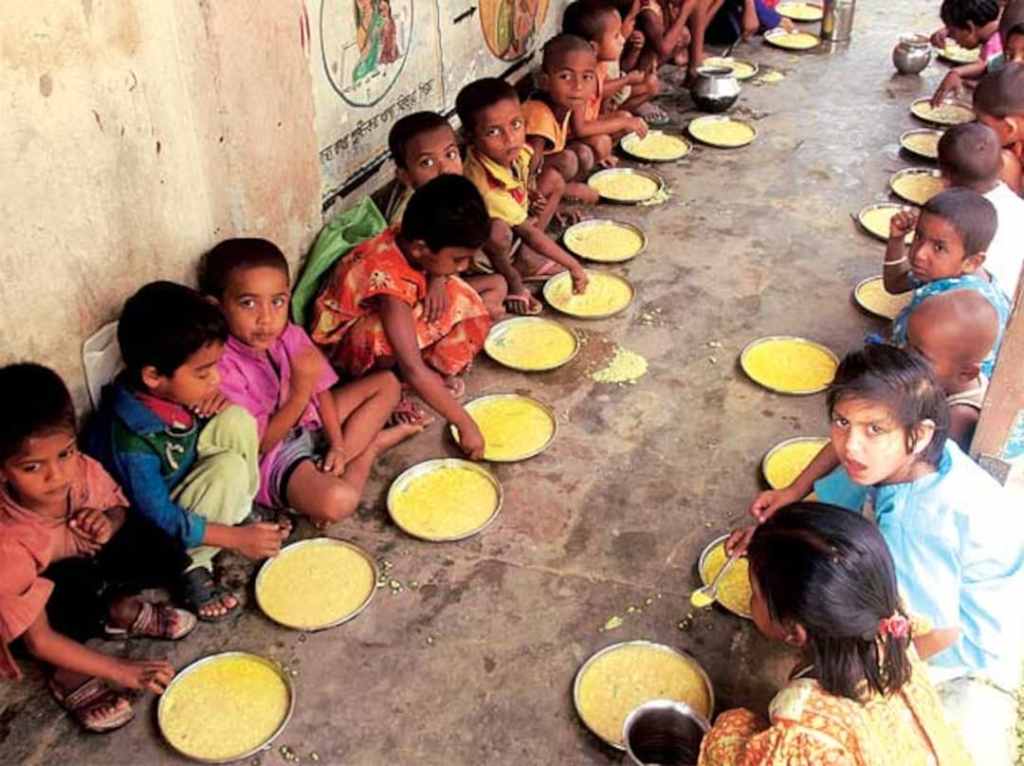
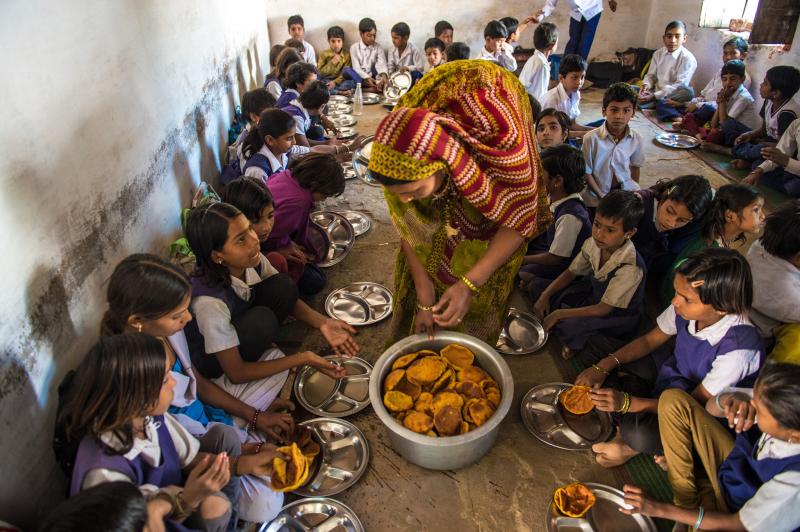
The Midday Meal Scheme, launched in 1995  by former Prime Minister of India, P.V. Narsimha Rao, under the Ministry of Education, is a school meal programme in India designed to better the nutritional  standing of school-age children nationwide. The programme supplies free lunches on working days for children in primary and upper primary classes in government, government aided, local body, Education Guarantee Scheme, and alternate innovative education centres, Madarsa  and Maqtabs  supported under Sarva Shiksha Abhiyan , and National Child Labour Project schools run by the Ministry of Labour. Serving 120 million children in over 1.27 million schools and Education Guarantee Scheme centres, the Midday Meal Scheme is the largest of its kind in the world.

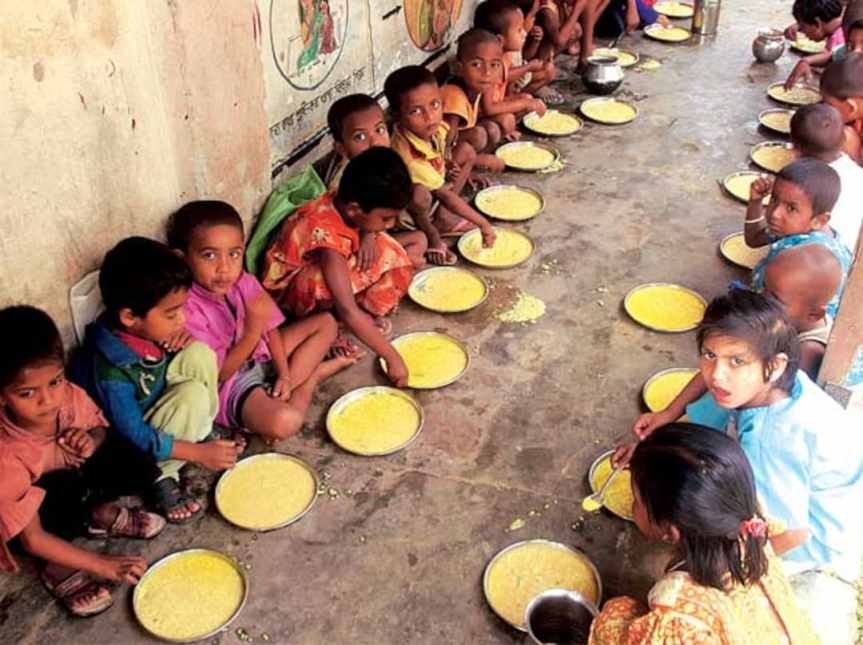
Students having Mid-day Meal at a School in India

Objectives of Mid-day Meal Scheme

  • To increase the enrolment in the schools of children who belong to disadvantaged sections of the society .
  • To increase attendance of students in Government and Government aided schools.
  • To retain the children studying in class I to VIII.
  • To give nutritional support to the children studying in the elementary level, specially in drought-prone areas.
  • To address hunger and malnutrition and increase socialization among the castes.
Mid-day Meal Scheme Timeline in India

Features of Mid-day Meal Scheme

  • It is one of the world’s largest school meal programs intended to achieve the goal of universalization of primary education.
  • For the implementation of the scheme, the Ministry of Human Resources and Development is the authorized body to implement the scheme.
  • It is a centre-sponsored scheme, so, the cost is shared between the states and the centre. Where the share of the centre is 60 percent.
  • The first state to implement the midday meal scheme was Kerala in 1984.
  • Till 2002, the scheme is designed especially for the government, government-aided and local body schools. But later on, the benefit of the mid-day meal scheme is extended to those children who were studying in educational guaranteed scheme centres or Alternative & Educational Centres.
  • In 2004, the scheme is again revised, and central assistance is offered for the cooking cost.  Apart from that, the transport subsidy included for all states, maximum of Rs 100 per quintal is provided to the special category states and Rs 75 per quintal for other states.
  • The provision of serving mid-day meals during summer vacation to the children in drought-affected areas was also added.
  • In 2006, the cooking cost was enhanced to Rs 1.80 per child/ school day for states in North Eastern Region and Rs 1.50 per child/ school day for other states and UTs.
  • In 2007, the scheme benefit is also extended to the children studying in the educationally Backwards Blocks.
  • Apart from the calories and food intake, for micronutrients (tablets and deworming medicines), each child is entitled to receive the amount provided for in the school health program of the National Rural Health Mission.
  • Meals provided under the Mid-day Meal Scheme
Food Norms under Mid-day Meal Scheme
  • The quantity of food items provided under this scheme per child per school day is as follows:
Food itemsPrimary level (Class I-V)Upper level (Class VI-VIII)
Food Grains100 gms150 gms
Pulses20 gms30 gms
Vegetables (leafy also)50 gms75 gms
Oil & fat5 gms7.5 gms
Salt & condimentsAs per needAs per need
Calories IntakePrimaryUpper Primary
Energy450 calories700 calories
Protein12 grams20 grams
Serving of Mid-day Meal

Advantages of Mid-day Meal

  • It satisfies the hunger of many children.
  • Supplying nutrition to children of the poor section helps them in concentrating on their studies better.
  • Students come to government schools daily and won’t be asked to do labour work.
  • Addresses the issue of malnutrition.
PM POSHAN SHAKTI NIRMAN

Recent Improvisation of Mid-day Meal Scheme

During the celebration of India’s 75th Independence Day as Azadi Ka Amrit Mahotsav, the Cabinet approved for the implementation of PM POSHAN SHAKTI NIRMAN for next 5 years i.e. 2021-22 to 2025-26.

Conclusion

There is no doubt that school is the only place that contributes to the socio-economic development of society. Here children from various backgrounds come together for promoting the culture of unity and brotherhood. The education they receive at school prepares them to achieve their goals and lead a successful life. When we talk about government schools, here children mostly come from economically challenged backgrounds. So, even though education schemes like Sarva Shiksha Abhiyaan are being implemented, the difficult financial conditions force these children to skip school and go on work. In such kind of circumstances,  the real potential of mid-day meal surfaces. Mid-day meal acts as an attractive incentive for parents to send their children to school with the sole hope that the young ones will receive at least one plate full of the meal for the day. 

Bauls of Bengal: The Devoted Folk Singers

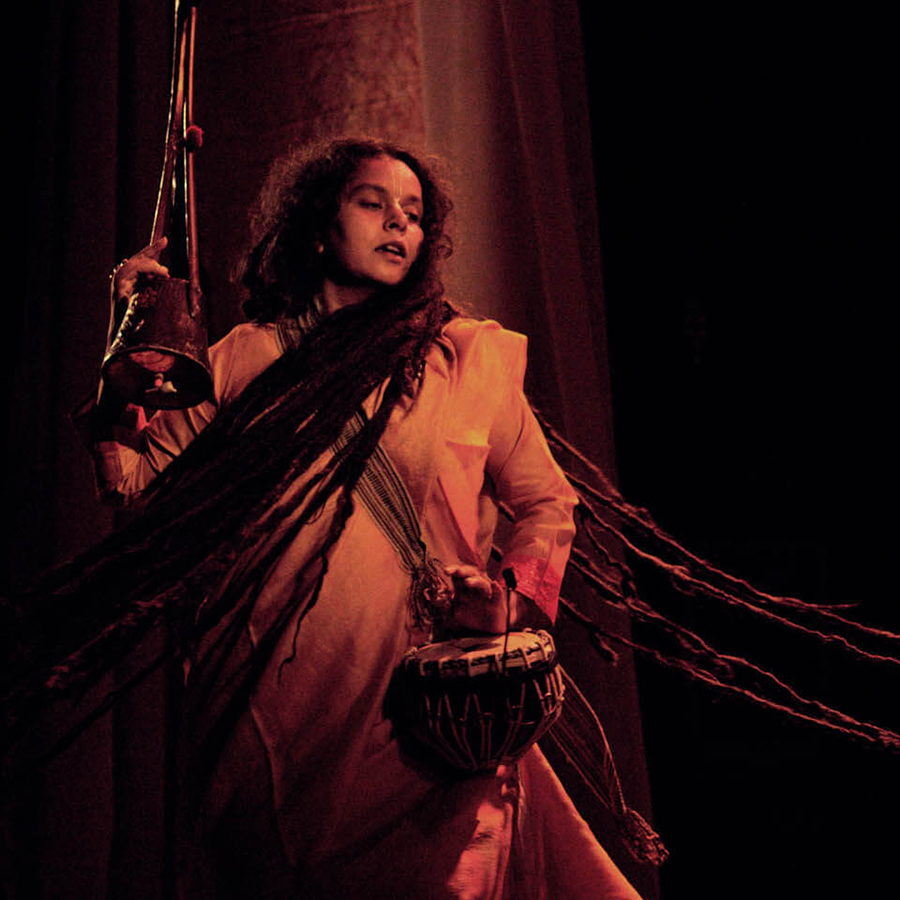
Parvathy Baul

Introduction

The Bauls of Bengal are an order of wandering folk singers that have kept their philosophies alive for centuries. But modern demands threaten to overtake their simple, itinerant lifestyles. Now, an audio-visual record is being taken to keep their vocal traditions alive for generations yet to come.

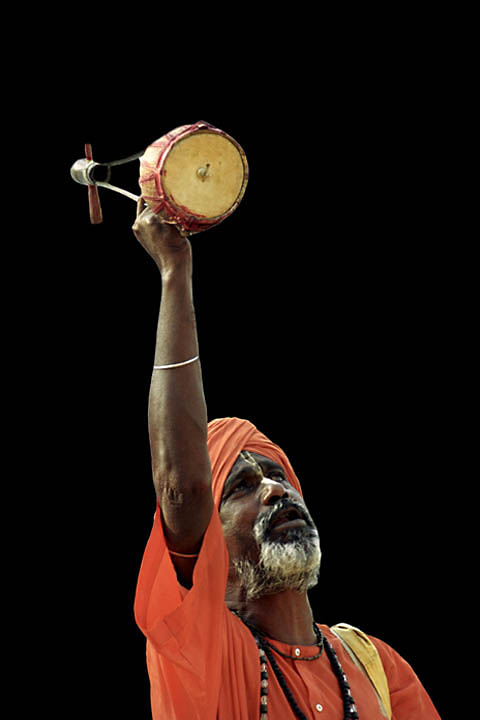
A Baul holding a Dotara

Bauls : Who They Are

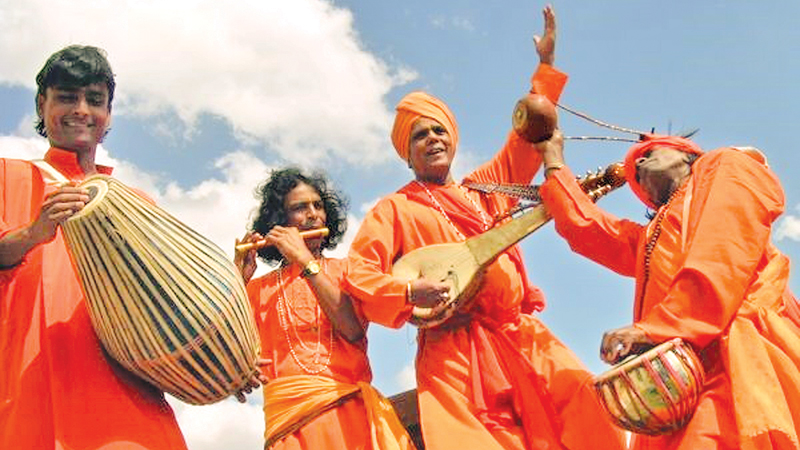
In the Bengal region of South Asia, however, itinerant mystics are still welcomed widely, respected for their sincere but simple way of life, and rewarded for the brilliance of their performances, sharing memorable poetry and music, mainly with rural communities, much as they have done for several centuries. These are the Bauls of Bengal – a group that pursue a life of self-denial and meditative discipline, committed to a belief that ‘the ultimate’ existence is to be found, not so much through rituals in holy places, but in every ‘self’ and are enthusiastic to share this passion almost exclusively through their art. Bauls belong to an unorthodox devotional tradition, influenced by Hinduism, Buddhism, Vaishnavism and Sufi Islam, yet distinctly different from them. Bauls neither identify themselves with any organized religion nor with the caste system, special deities, temples or sacred places. They share only one belief —that God is hidden within the heart of man and neither priest, prophet, nor the ritual of any organized religion will help one to find Him there. To them we are all a gift of divine power and the body is a temple, music being the path to connect to that power.

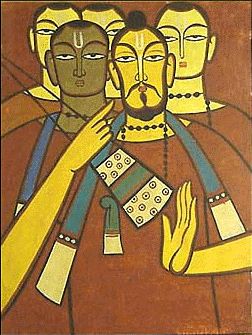
Bauls artwork by Jamini Roy

Historic Background

The word Baul comes from the Sanskrit word “Batul,” which means mad and is used for someone who is possessed or crazy for God. The Bauls are wandering minstrels of West Bengal and Bangladesh, whose song and dance reflect the joy, love and longing for mystical union with the Divine. The Baul tradition of mendicancy – ascetics who entertain in exchange for subsistence – has ancient origins, and seems to have thrived well before the rule of the great Mughal Emperors from the 16th to 18th centuries, a period during which Islam spread eastwards from the Middle East to Bengal and beyond. Originally the district of Birbhum in West Bengal was the seat of all Baul activity. Later, the Baul domain stretched to Tripura in the north, Bangladesh in the east, and parts of Bihar and Orissa in the west and south respectively. In Bangladesh, the districts of Chittagong, Sylhet, Mymensingh and Tangyl are famous for Bauls. Bauls from far off places come to participate in the Kenduli Mela and the Shantiniketan Poush Mela –the two most important fairs held in West Bengal for Baul music.


A group of Bauls in Bengal

The Characteristics and Attires

They can often be identified by their distinctive clothes and musical instruments. It’s easy to identify a Baul singer from his uncut, often coiled hair, saffron robe (alkhalla), a necklace of beads made of basil (tulsi) stems. Bauls use a number of musical instruments: the most common is the ektara, a one-stringed “plucked drum” drone instrument, carved from the epicarp of a gourd, and made of bamboo and goatskin. Others include the dotara, a long-necked fretless lute (while the name literally means “two stringed” it usually has four metal strings) made of the wood of a jackfruit or neem tree; besides khamak one-headed drum with a string attached to it which is plucked. The only difference from ektara is that no bamboo is used to stretch the string, which is held by one hand, while being plucked by another. Drums like the duggi a small hand-held earthen drum, and dhol and khol; small cymbals called kartal and manjira, and the bamboo flute are also used. Ghungur and nupur are anklets with bells that ring while the person wearing them dances.

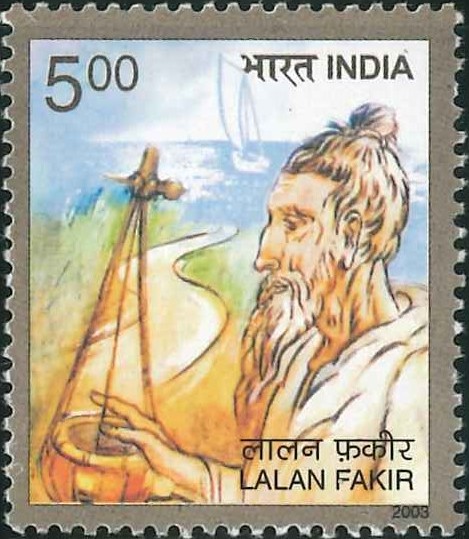
Lalan Fakir

Lalan Fakir : The Legend of Baul Movement

 Lalan Fakir (1774 -1890), the greatest of all Bauls, continued to compose and sing songs for decades without ever stopping to correct them or put them on paper. He composed a thousand songs, of which just 600 can be traced. It was only after his death that people thought of collecting and compiling his repertoire. He rejected the division of society into communities, protesting and satirising religious fundamentalism of all kinds. Lalan’s metaphysical lyrics raise a basic question – that if there is a single creator then why so many religions exist ? This is a pertinent problem in today’s world; we all know that the different ‘Gods’ have created acrimony between races and sects and as of today this concept of different ‘Gods’ remains the most decisive divisive force on planet Earth. His most famous song quoted, “Khanchar Bhitor Ochin Pakhi Kemne Ase Jay”. In 2004, Lalan was ranked 12 in BBC’s poll of the Greatest Bengali of all time.

Parvathy Baul

Baul Philosophy

Bauls do not believe in the pious ‘other world’ and most of the times deny the presence of super powers. Looking from a different angle it can be said that according to them, ‘God’ resides in each human being and it is for the human being to realise this truth, the human beings are the best exponents of spirituality ever to tread on this Earth. Nowhere did this philosophy leave its imprint more powerfully than on the work of Rabindranath Tagore, who talked of Bauls in a number of speeches in Europe in the 1930s. An essay based on these was compiled into his English book ‘The religion of man’. An important part of Baul philosophy is “Deha tatta”, a spirituality related to the body rather than the mind. They seek the divinity in human beings. Often, the lyrics philosophize on love and stress to remain unattached and unconsumed by the pleasures of life even while enjoying them. Baul music celebrates celestial love, but does this in very earthy terms.

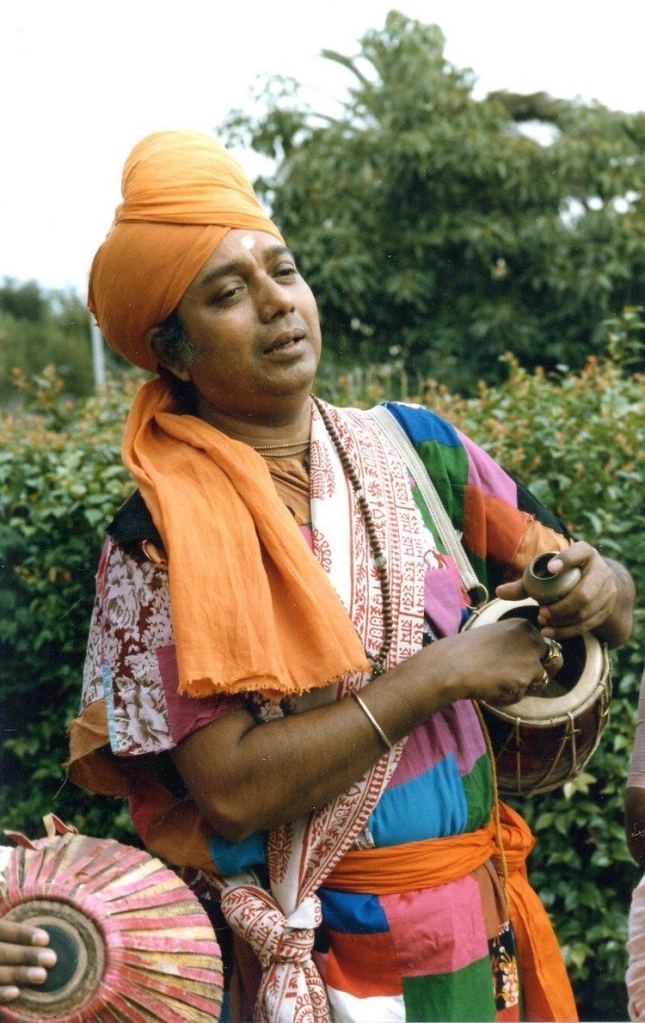
Purna Das Baul

International Connection

Referred to as the Baul Samrat, Purna Das Baul, introduced Baul songs to the West during an eight-months tour of the US in 1965 with stars like Bob Dylan, Joan Baez, Paul Robeson, Mick Jagger, Tina Turner, and all. Dubbed “India’s Bob Dylan” by the New York Times in 1984, Purna Das Baul has played with Bob Marley, Gordon Lightfoot and Mahalia Jackson and the likes. Currently another version of Baul called the folk fusion also called baul rock is also greatly accepted by the audience, especially in West Bengal. Kartik Das Baul has taken baul to different heights by associating himself with folk fusion. This type of baul was brought into the world of music by ‘Bolepur Bluez’, which was world’s first folk fusion band. There are also the Western Bauls in America and Europe under the spiritual direction of Lee Lozowick, a student of Yogi Ramsuratkumar. Their music is quite different (rock /gospel/ blues) but the essence of the spiritual practices of the East is well maintained.

A Baul in Shantiniketan,Birbhum

Conclusion

The tradition is so integral to Bengal that it’s hard to think of Bengali culture sans the Bauls. They’re not only an intrinsic part of Bengal’s music, they’re in the mud and air of this land and in the mind and blood of its people. The spirit of the Bauls is the spirit of Bengal– ever-flowing in its society and culture, literature and art, religion and spirituality.

Contemporary Fashion: The Minimalist’s Coverbook

Models walk the runway at the 3.1 Phillip Lim Fashion Show during Mercedes-Benz Fashion Week Fall 2015 at Skylight Clarkson SQ. on February 16, 2015 in the Brooklyn borough of New York City.

Introduction

The sense of fashion never goes out-of-date for a true fashionista. Among the Millions of fashion lingos in today’s market , one that often dominantly buzzes around, is the term “Contemporary Fashion”.Meant to describe labels with a designer aesthetic and more accessible price points and we use the term “accessible” loosely, with most pieces averaging out around $500 , the term means big bucks where the fashion industry’s concerned, having become one of the biggest areas people spend their money in the last few years.

What Contemporary Fashion Is

Contemporary apparel is clothing that is accessible, in price and in terms of the way people wear it. The contemporary category often contains more modern-style clothes compared to the higher end luxury market. The voice of the contemporary industry is a bit more modern and a tad younger. Contemporary brands appeal to both the luxury shopper and the new breed of aspirational shopper.  This tier has become a go-to for women who can no longer justify shelling out huge amounts of cash on designer garb. It is also appealing to people bored of regular fashion and who are prepared to spend that little bit extra for something that will last.

A great contemporary brand is one with a unique look and feel. Garments and accessories will have interesting construction details and a good-quality finish. The collections are in line with seasonal trends but also incorporate signature items that consumers immediately recognize and associate with the designer brand.

A Harpen Fashion Show

Is It Futurist: The Sustainability Question

In fashion, the term ‘futuristic’ is often used to describe avant-garde clothing designs. It could refer to several things, such as the clothing’s method of production, the materials used, or the garment’s design. Futurism can even refer to the 20th century Italian art movement, and indeed, this movement addressed the problem of designing fashion for the 20th century. We would learn much by examining Futurist fashions in order to understand its legacy in relation to contemporary fashion designers viewed as futuristic today. This paper will review this legacy by looking at five specific examples—Italian Futurists and their contribution to classless and genderless fashion; French designer Yves Saint Laurent’s iconic minidress inspired by the De Stijl art movement; fashion designed specifically for women with active lifestyles; technological advancement and space exploration seen in the designs of André Courrèges and Pierre Cardin; and advancements in textile manufacturing during the late 20th and early 21st century in relation to Karl Lagerfeld, Donatella Versace, and Hussein Chalayan. This leads to the primary analysis of Iris van Herpen and other contemporary designers including Noa Raviv and Neri Oxman. Their designs will be discussed in relation to the problem of labelling fashion as futuristic.
A Paris Georgia Apparel

Challenges of Contemporary Fashion

The contemporary brands fashion market is clearly brimming with a high level of competition. The up-and-coming contemporary designers are forced to continuously compete with older, established luxury brands in the targeting of the younger generation of consumers. The contemporary market began out of consumers’ need and want to own versatile clothing that could be worn on a daily basis.  Stylish consumers were hungry for locating a head-to-toe outfit that luxury brands create, but could be sold at a more reasonable tag.

Simone Racha Catwalk Show at London Fashion Week

Scopes of Contemporary Fashion

Due to the fact that contemporary brands appeal to several groups of consumers, this industry will continue to see global opportunities. Fashion editors and industry insiders agree that contemporary brands have stolen the limelight and are helping to bridge the gap between luxury brands and main street.

Not only will contemporary labels allow you to up your designer arsenal without forcing you to exist on an exclusively Kraft Dinner diet, but the pieces are also constructed with everyday wear in mind (no couture-like assembly required). Not to mention that contemporary lines still boast that oh-so-coveted designer aesthetic and quality craftsmanship—perfect if you’re looking to break away from the usual suspects in fast fashion retail.

Famous Contemporary Fashion Designers and Their Works

Carven: Founded in 1945 in Paris, Carven has enjoyed a resurgence since the hiring of designer Guillaume Henry in 2009, who transformed the house from old-school couturier into the cool girl’s label du jour.

Carven Spring 2014 ready-to-wear collection
Carven Fall-Winter 2015-16 collection

N°21:  Started in 2010 in Milan by designer Alessandro Dell’Acqua, the brand offers a smorgasbord of whimsical designs that can be effortless.

N°21 Spring- Summer 2018 collection
N°21 Spring-Summer 2021 collection

Jonathan Simkhai: Starting from NYC His first womenswear collection was shown in 2010, where Simkhai debuted his take on dressing for today’s cosmopolitan woman. A master at tailoring oversized pieces to flatter the female form, his designs run the gamut from exaggerated boxer shorts to basketball jerseys.

Simkhai Fall 2017 collection
Simkhai Fall 2020 ready-to-wear collection

Sandro : Launched by husband-and-wife duo Didier and Evelyne Chétrite, Sandro is a well-known and popular brand in the contemporary market.  Since its launch in 1984 (in the Marais district of Paris), the label has gathered a cult following with women charmed by its insouciant, season less separates and rock’n’roll aesthetic. Sandro has stores worldwide in places such as New York and Japan, and a flagship store based in Covent Garden, central London.

A Sandro Store
Sandro Spring-Summer 2021 Menswear Collection

Conclusion

Consumers want to feel like they own something special and unique. They want exclusive quality labels that are not mass produced, yet are still affordable.  It is important to keep in mind that this category is less expensive then higher tiers such as Haute Couture, but the prices are clearly higher than budget collections.The changing demographic of fashion consumers and the rise of contemporary brands. To stay in the game, luxury fashion marketers must compete on a global scale.

Cleopatra: The Queen, The Myth, The History

Introduction

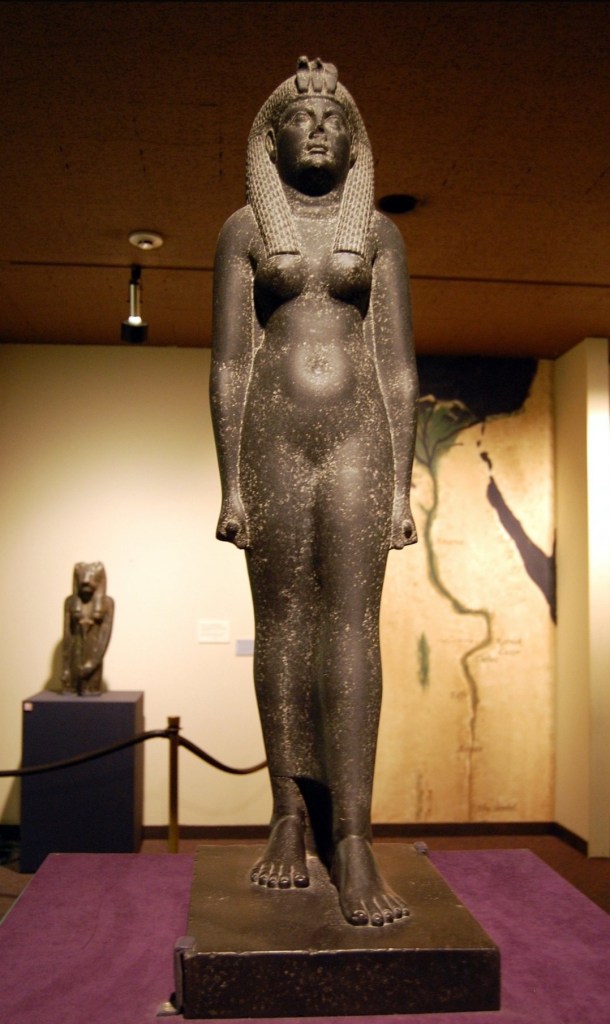
Statue of Cleopatra VII

The studies of History never ceases to amaze us with its unfolding secrets, bizarre facts and notable events that took place throughout ages. History has made many rulers popular, many famous and many infamous through their deeds during their ruling periods. But, Cleopatra VII of Egypt, still remains a fantasy for the connoisseurs of History for her incredible brain and beauty. In Today’s editorial, we’re going to discuss about Cleopatra, the empress of Egypt who enticed the world with her inevitable ruling skills and irresistible charm.

Cleopatra VII

Cleopatra: Who She Was

Cleopatra VII ruled ancient Egypt as co-regent (first with her father, then with her two younger brothers and finally with her son) for almost three decades. She was part of a dynasty of Macedonian rulers founded by Ptolemy, who served as general under Alexander the Great during his conquest of Egypt in 332 B.C. Well-educated and clever, Cleopatra could speak various languages and served as the dominant ruler in all three of her co-regencies. Her romantic liaisons and military alliances with the Roman leaders Julius Caesar and Mark Antony, as well as her supposed exotic beauty and powers of seduction, earned her an enduring place in history and popular myth.

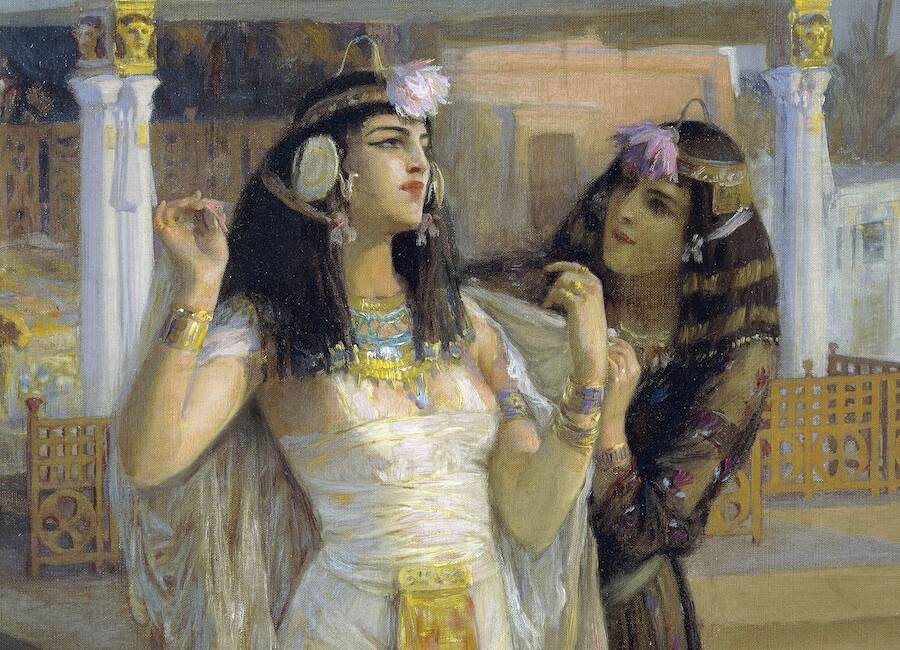
Artwork of Cleopatra, by Frederick Arthur Bridgman (1896)

Early Life and Ascension to The Throne

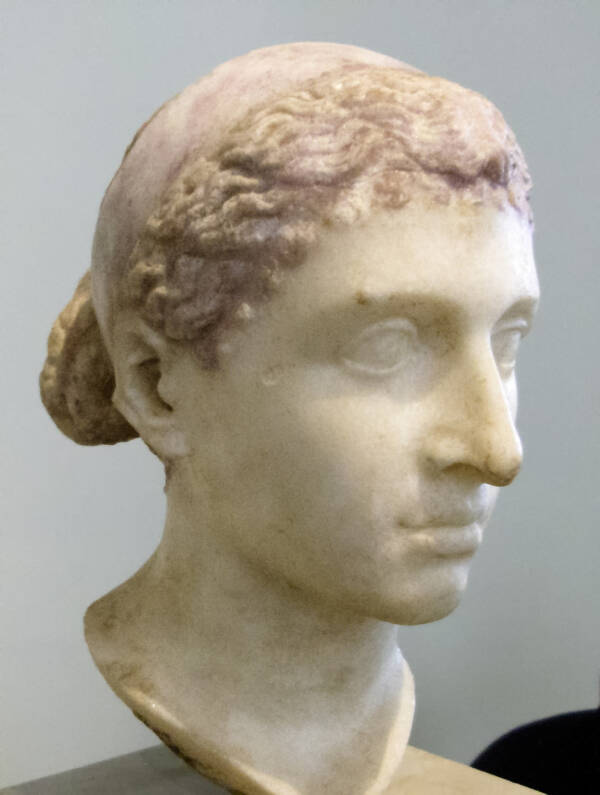
Cleopatra, in full Cleopatra VII Thea Philopator (born 70/69 BCE—died August 30 BCE, Alexandria) was the daughter of King Ptolemy XII Auletes. Cleopatra was destined to become the last queen of the Macedonian dynasty  that ruled Egypt between the death of Alexander the Great  in 323 BCE and its annexation by Rome in 30 BCE. The line had been founded by Alexander’s general Ptolemy, who became King Ptolemy I Soter  of Egypt. Cleopatra was of Macedonian descent and had little, if any, Egyptian blood. Coin portraits of Cleopatra show a countenance  alive rather than beautiful, with a sensitive mouth, firm chin, liquid eyes, broad forehead, and prominent nose. When Ptolemy XII died in 51 BCE, the throne passed to his young son, Ptolemy XIII, and daughter, Cleopatra VII. It is likely, but not proven, that the two married soon after their father’s death. The 18-year-old Cleopatra, older than her brother by about eight years, became the dominant ruler. Evidence shows that the first decree in which Ptolemy’s name precedes Cleopatra’s was in October of 50 BCE. Soon after, Cleopatra was forced to flee Egypt for Syria, where she raised an army and in 48 BCE returned to face her brother at Pelusium, on Egypt’s eastern border. The murder of the Roman general Pompey, who had sought refuge from Ptolemy XIII at Pelusium, and the arrival of Julius Caesar  brought temporary peace.

Statue of Julius Caesar in Rome, Italy

Cleopatra’s Romantic Roman Connection

Cleopatra realized that she needed Roman support, or, more specifically, Caesar’s support, if she was to regain her throne. Each was determined to use the other. Caesar sought money for repayment of the debts incurred  by Cleopatra’s father, Auletes, as he struggled to retain his throne. Cleopatra was determined to keep her throne and, if possible, to restore the glories of the first Ptolemies and recover as much as possible of their dominions, which had included southern Syria and PalestineCaesar and Cleopatra  became lovers and spent the winter besieged in Alexandria. Roman reinforcements arrived the following spring, and Ptolemy XIII fled and drowned in the Nile. Cleopatra, now married to her brother Ptolemy XIV, was restored to her throne. In June 47 BCE she gave birth to Ptolem Caesar  . The Child was believed to be Caesar’s child, and was known by the Egyptian people as Caesarion, or Little Caesar.

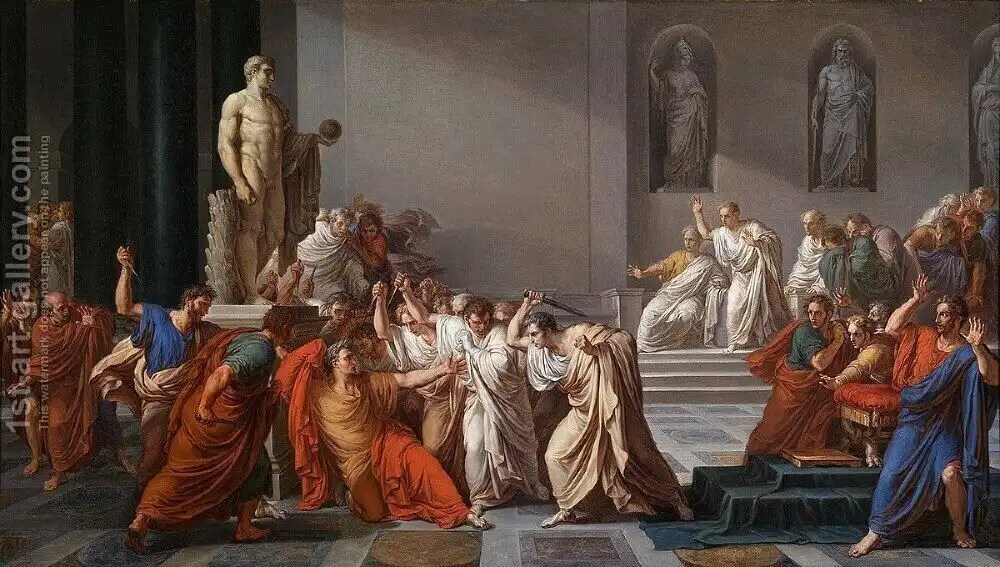
Assassination of Julius Caesar

Sometime in 46-45 B.C., Cleopatra traveled with Ptolemy XIV and Caesarion to Rome to visit Caesar, who had returned earlier. After Caesar was assasinated in March 44 B.C., Cleopatra went back to Egypt; Ptolemy XIV was killed soon after (possibly by Cleopatra’s agents) and the three-year-old Caesarion was named co-regent with his mother, as Ptolemy XV.

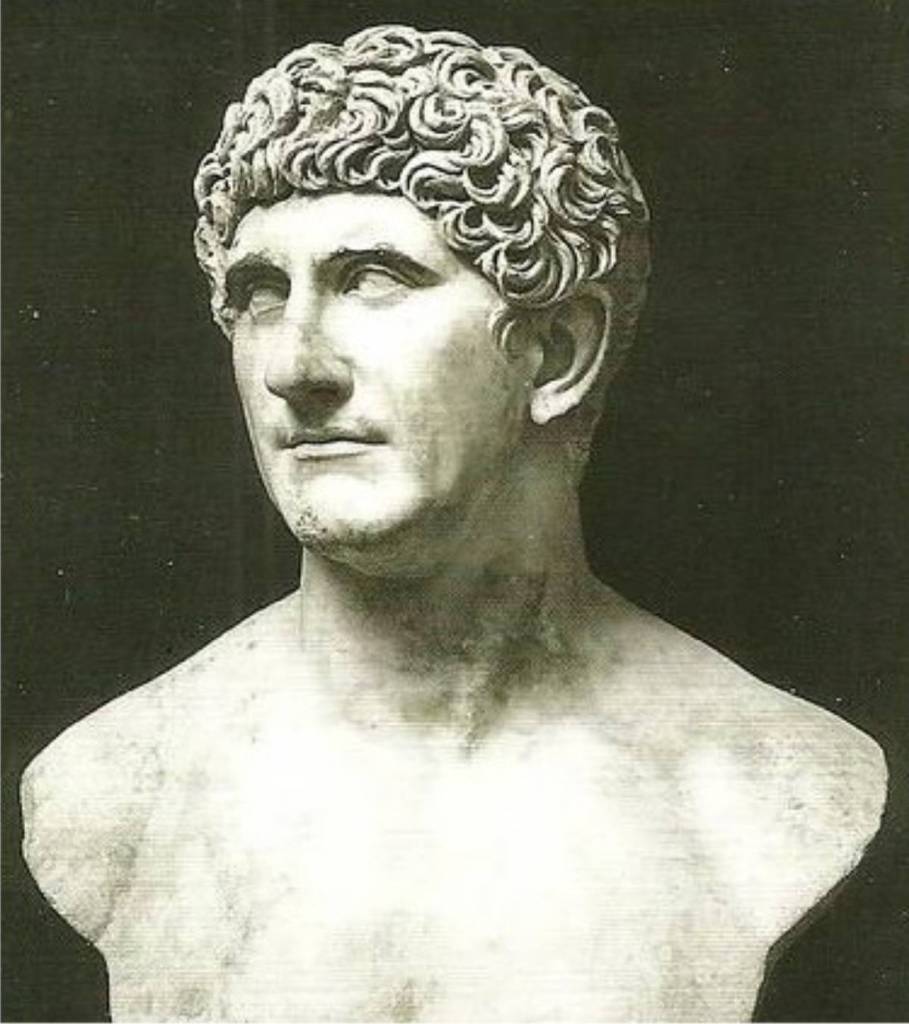
Mark Antony

Mark Antony: The Love of Cleopatra

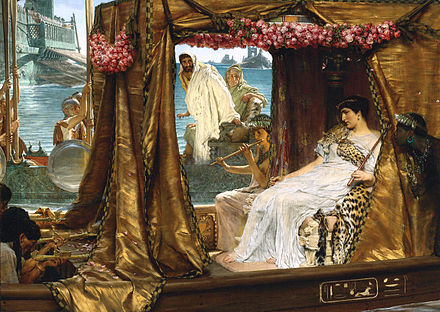
When, at the Battle of Phillpi  in 42 BCE, Caesar’s assassins were routed, Mark Antony  became the heir apparent of Caesar’s authority—or so it seemed, for Caesar’s great-nephew and personal heirOctavian, was but a sickly boy. Antony, now controller of Rome’s eastern territories, sent for Cleopatra so that she might explain her role in the aftermath of Caesar’s assassination. She set out for Tarsus in Asia Minor  loaded with gifts, having delayed her departure to heighten Antony’s expectation. She entered the city by sailing up the Cydnus River in a barge while dressed in the robes of the new Isis. Antony, who equated himself with the God Dionysus, was captivated.

Decadent affair between Mark Antony and Cleopatra

In 40 BCE Cleopatra gave birth to twins, whom she named Alexander Helios and Cleopatra Selene

Cleopatra’s Death: The End

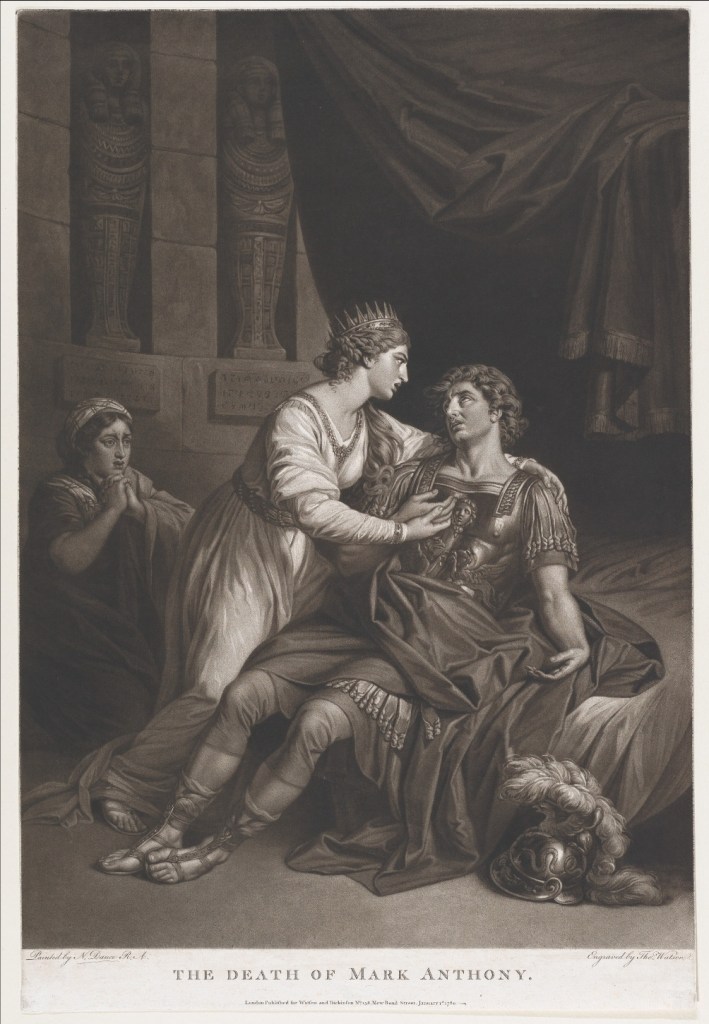
On September 2, 31 B.C., Octavian’s forces soundly defeated those of Antony and Cleopatra in the Battle of Actium . Cleopatra’s ships deserted the battle and fled to Egypt, and Antony soon managed to break away and follow her with a few ships. With Alexandria under attack from Octavian’s forces, Antony heard a rumour that Cleopatra had committed suicide. He fell on his sword, and died just as news arrived that the rumour had been false.

Mark Antony‘s Death

On August 12, 30 B.C., after burying Antony and meeting with the victorious Octavian, Cleopatra closed herself in her chamber with two of her female servants. The means of her death is uncertain, but Plutarch and other writers advanced the theory that she used a poisonous snake known as the asp, a symbol of divine royalty, to commit suicide at age 39. According to her wishes, Cleopatra’s body was buried with Antony’s, leaving Octavian (later Emperor Augustus I) to celebrate his conquest of Egypt and his consolidation of power in Rome.

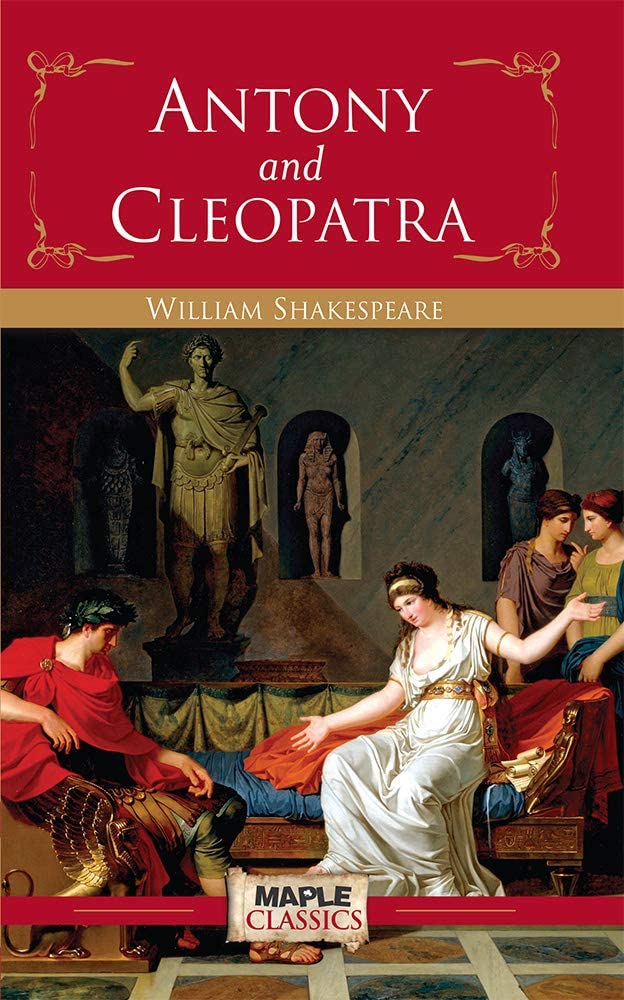
William Shakespeare‘s Antony and Cleopatra

Cleopatra: The Enchantress Throughout Ages

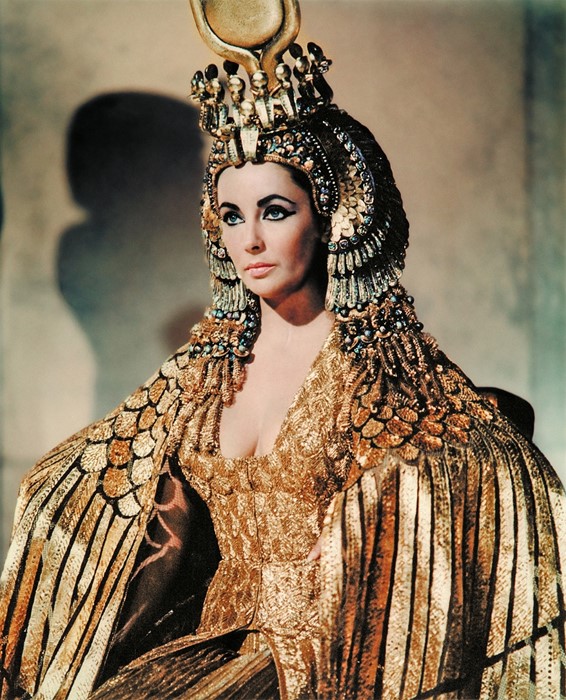
Cleopatra remains a charm to cultures having relevance even today. Her bizarre beauty hacks including pomegranate lip-tint and a bath regime curated out of jennet(female donkey) milk arestill a talk among Beauty enthusiasts. Her famous pearl in vinegar concoction drink stirs curiosity among people. Her life was made into various plays and movies. From Shakespeare stems a wealth of Cleopatra-themed art—plays, poetry, paintings, and operas. In the 20th century Cleopatra’s story was preserved and further developed through film.

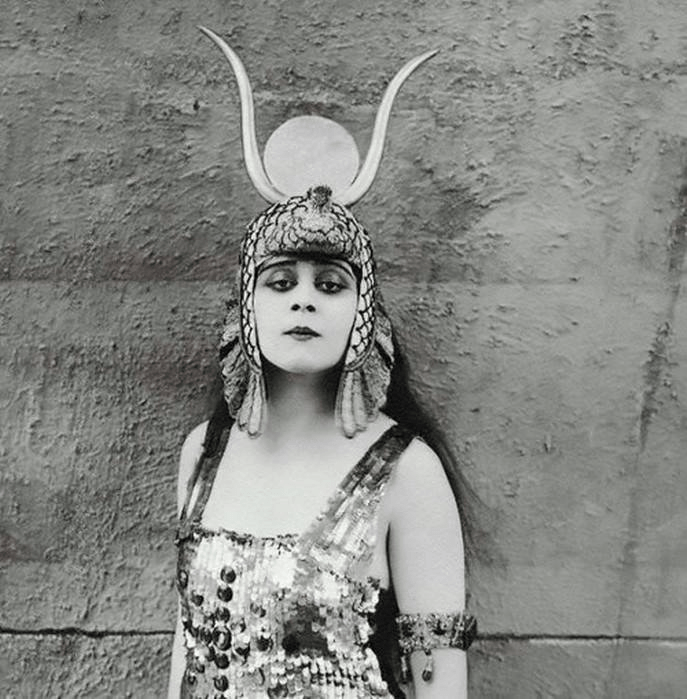
Theda Bara as Cleopatra (1917)
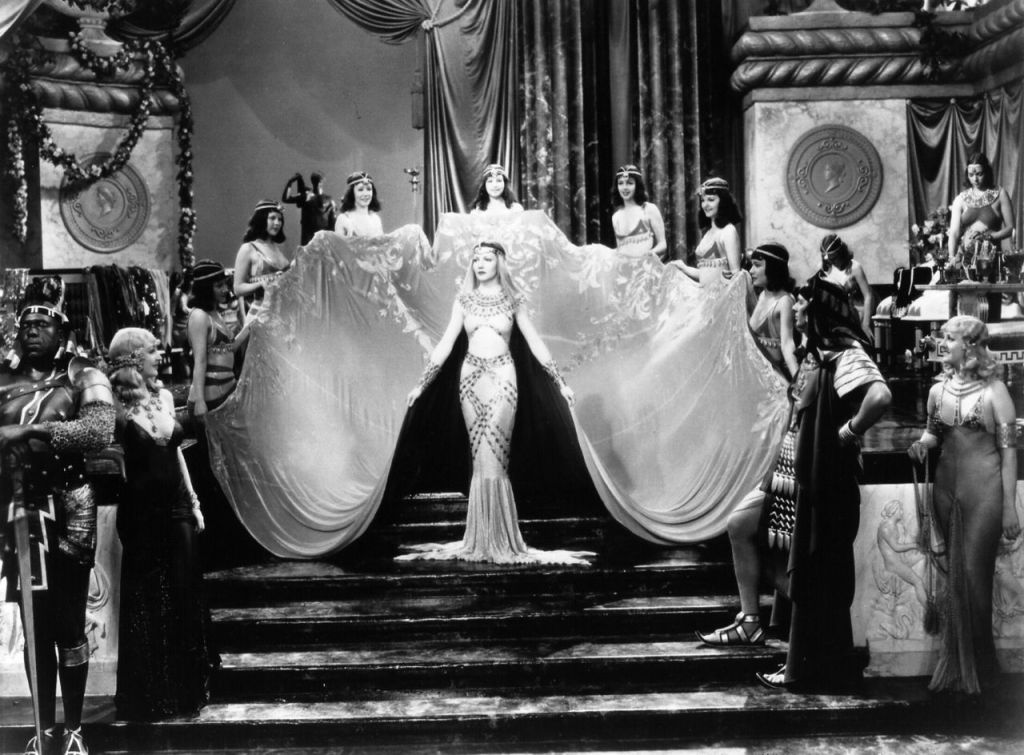
Claudette Colbert as Cleopatra (1934)
Cleopatra (1934)
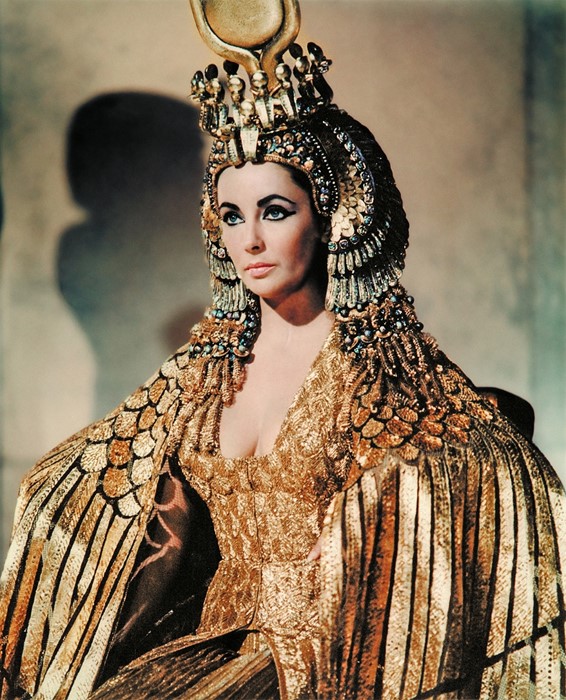
Elizabeth Taylor as Cleopatra (1963)
Cleopatra (1963)
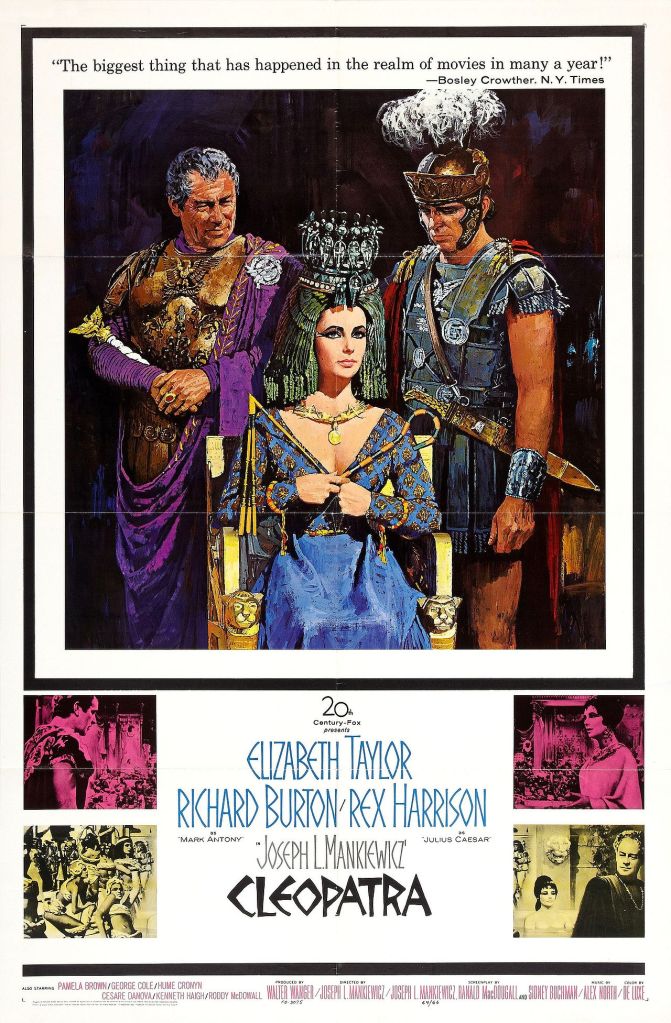
Cleopatra (1963) poster

Many actresses, including Theda Bara  (1917), Claudette Colbert  (1934), and Elizabeth Taylor  (1963), have played the queen, typically in expensive, exotic films that concentrate on the queen’s love life rather than her politics. Caesar and Cleopatra, four-act play by George Barnard Shaw , written in 1898, published in 1901, and first produced in 1906. It is considered Shaw’s first great play. Cleopatra, American epic movie, released in 1963, that was perhaps best known for its off-screen drama, notably production overruns that nearly bankrupted Twentieth Century-Fox  and the affair between stars Elizabeth Taylor  and Richard Burton.

Conclusion

A queen, an empress, a ruler, a passionate lover, a beauty with brainCleopatra was literally all in one. She’s definitely considered as one of the most celebrated queen recorded in World history. Tales of her rule and of her beauty still make her unforgettable to the modern Era of History learners. She was a legend, who is encrypted in History forever, with the never ending myths surrounding her life.

A Jest of God: The Book Review

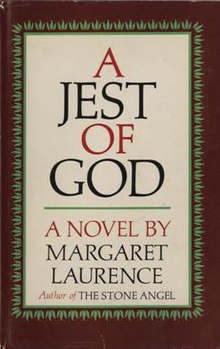
The first cover of A Jest of God (1966)

Introduction

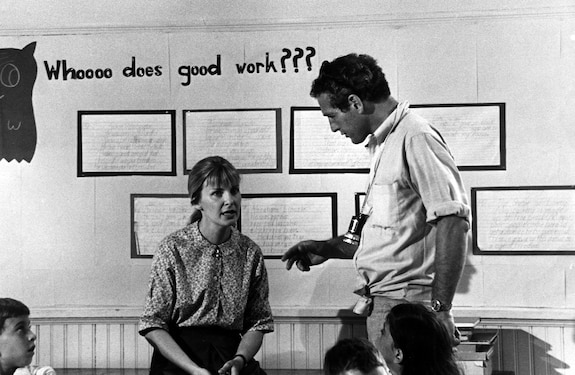
A Jest of God is a novel by Canadian author Margaret Laurence. It was first published in 1966. It won the Governor General’s Award  for 1966 . In 1968, director Paul Newman and screenwriter Stewart Stern  adapted A Jest of God  into the motion picture Rachel, Rachel. It starred Joanne Woodward in the lead role and Estelle Parsons as Calla, both of whom received Academy Award nominations for their performances. It was also nominated for Best Picture.

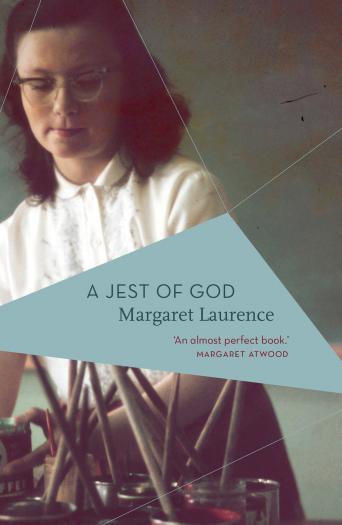
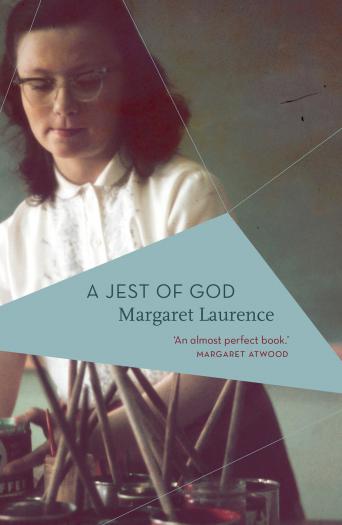
Revised Cover of A Jest of God (1966)

About The Author

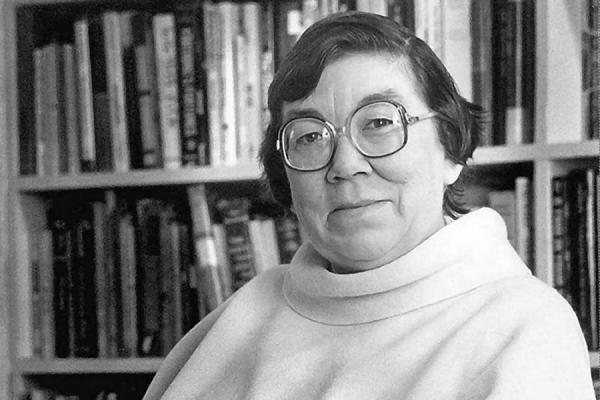
Margaret Laurence (née Jean Margaret Wemyss), was a Canadian novelist (born 18 July 1926 in Neepawa, MB; died 5 January 1987 in Lakefield, ON). Margaret Laurence was one of the pivotal and foundational figures in women’s literature in Canada. Two of her novels — A Jest of God (1966) and The Diviners (1974) — won the Governor General’s Literary Award  for fiction. She also wrote acclaimed poetry, short stories and children’s literature, helped found the Writers’ Union of Canada and the Writers’ Trust of Canada, and served as chancellor of Trent University. She was made a Companion of the Order of Canada  in 1972 and was named a Person of National Historic Significance by the Government of Canada  in 2018.

Margaret Laurence

Storyline of The Novel

The tale of the dutiful daughter who returned home to care for her ailing widowed mother records with appalling accuracy the life of a thirty-four year old spinster schoolteacher in a small town outside of Winnipeg. The relentless confinement of Rachel Cameron‘s life is disrupted the summer the milkman’s son, now a teacher in a Winnipeg high school, returns to visit his parents. Rachel is an easy mark; her affair with Nick brings out passion after awkwardness, and the yearning for a family of her own. The understanding that Nick is married destroys the affair but not her longing, and when she thinks she is bearing his child she determines to go through with her pregnancy. The prospective infant turns out to be a tumour, benign; Nick turns out to be unmarried and the more inaccessible; but Rachel emerges from her experience with a new conception of herself and her environment. She will no longer be a victim, though she may be a reluctant jester, and she makes the needed move to a place where her old responsibilities and limitations will remain but where there will be a greater freedom. Saved from soap opera by an utter sureness and honesty of vision, from dreariness by the aptitude of its portrayals, this carries a compassionate conviction that will reach a limited but sensitive feminine readership.

Poster of movie Rachel, Rachel (1968) based on novel A Jest of God (1966)

Analysis of The Storyline

The novel gets told with difficulty because Rachel’s voice is halting, obsessive. She begins her story as an observer, watching the children in the schoolyard, watching herself both in her immediate present as a teacher and remembering back to her childhood. She thinks of the “secret language” children share. In contrast, her own language is halting, and she finds difficulty establishing a voice. She frequently interrupts to judge her voice critically. She wonders: “Am I beginning to talk in that simper tone?” . Then, as a corrective, she speaks “more sharply than necessary,” and cautions herself to “strike a balance” . But, if we read this story in Jungian terms. (as many critics do),we perceive that Rachel cannot achieve this desired balance until she accepts her shadow side. Locked in a pattern of avoidance, no wonder she finds “my own voice sounds false to my ears”.

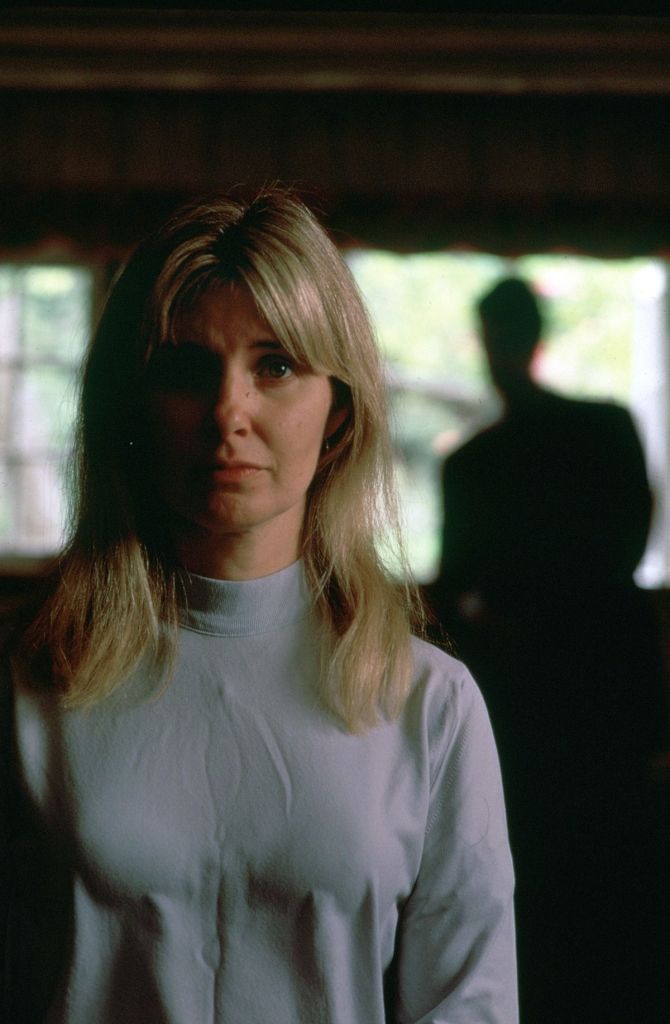
Joanne Woodward as Rachel in Rachael, Rachael (1968)

Because she resists acknowledging her desires, she remains blocked. When she approaches a recognition of her “darker,” “shadow” selves, she retreats, and stops the story. If she fears she is entertaining “morbid” thoughts or eccentric fantasies, she admonishes herself: “This must stop. It isn’t good for me. Whenever I find myself thinking in a brooding way, I must simply turn it off and think of something else”. She retreats from her sexual fantasies : “I didn’t. I didn’t…. Rachel, stop it. You’re only getting yourself worked up for nothing. It’s bad for you”. Yet these private fantasies are colourful and engaging, in vibrant contrast to her stilted public language and constrained behaviour. Fortunately, almost in spite of herself, she comes to acknowledge her desires and to face the implications of sexual passion. Through a symbolic descent into the underworld, the womblike, tomblike mortuary presided over by Hector Jonas (/Jonah), she realizes that she has the power to affirm her passions, to choose life.

scene from Rachel, Rachel (1968)

Conclusion

A Jest of God is beautifully written, a sympathetic, tender novel which sees Rachel come to a new understanding about herself, and her standing with her difficult mother. A thoroughly beautiful novel, that still possesses its relevance to today’s readers.

Organic Farming in India: The Future of Sustainable Agriculture

Organic Farming Produce

Introduction

The term ‘organic’ was first coined by Northbourne, in 1940, in his book entitled ‘Look to the Land’. In recent years, organic farming as a cultivation process is gaining increasing popularity . Organically grown foods have become one of the best choices for both consumers and farmers. Organically grown foods are part of go green lifestyle.

Farmers showing their Organic Harvest

Why Being Preferred These Days: The Importance of Organic Farming

Food quality and safety are two vital factors that have attained constant attention in common people. Growing environmental awareness and several food hazards (e.g. dioxins, bovine spongiform encephalopathy, and bacterial contamination) have substantially decreased the consumer’s trust towards food quality in the last decades. Intensive conventional farming can add contamination to the food chain. For these reasons, consumers are quested for safer and better foods that are produced through more ecologically and authentically by local systems. Organically grown food and food products are believed to meet these demands.

Organic Farming Processes

Organic Farming Process

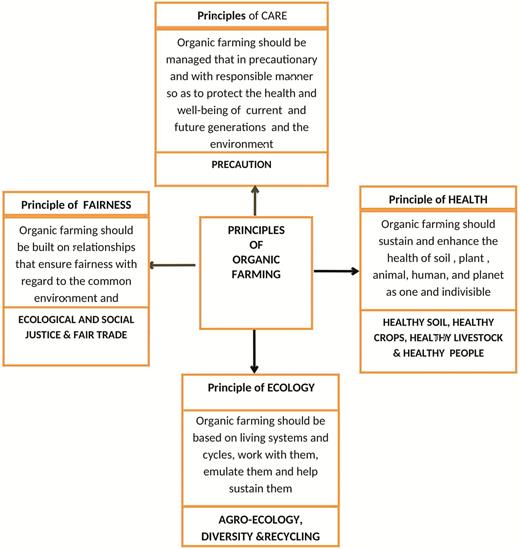
Organic farming and food processing practices are wide-ranging and necessitate the development of socially, ecologically, and economically sustainable food production system. The International Federation of Organic Agriculture Movements (IFOAM) has suggested the basic four principles of organic farming, i.e. the principle of health, ecology, fairness, and care . The main principles and practices of organic food production are to inspire and enhance biological cycles in the farming system, keep and enhance deep-rooted soil fertility, reduce all types of pollution, evade the application of pesticides and synthetic fertilizers, conserve genetic diversity in food, consider the vast socio-ecological impact of food production, and produce high-quality food in sufficient quantity.

Principles of Organic Farming  

According to the National Organic Programme implemented by USDA Organic Food Production Act (OFPA, 1990), agriculture needs specific prerequisites for both crop cultivation and animal husbandry. To be acceptable as organic, crops should be cultivated in lands without any synthetic pesticides, chemical fertilizers, and herbicides for 3 years before harvesting with enough buffer zone to lower contamination from the adjacent farms. Genetically engineered products, sewage sludge, and ionizing radiation are strictly prohibited. Fertility and nutrient content of soil are managed primarily by farming practices, with crop rotation, and using cover crops that are boosted with animal and plant waste manures. Pests, diseases, and weeds are mainly controlled with the adaptation of physical and biological control systems without using herbicides and synthetic pesticides. Organic livestock should be reared devoid of scheduled application of growth hormones or antibiotics and they should be provided with enough access to the outdoor. Preventive health practices such as routine vaccination, vitamins and minerals supplementation are also needed.

Principles of Organic Farming

Types of Organic Farming

Organic Farming are of two types. Here are the two types of Organic Farming being performed in India.

(a) Pure Organic Farming – pure organic farming, there is avoiding every unnatural chemical. In the process of pure farming, fertilizer and pesticides obtain from natural sources. It is called a pure form of organic farming. Pure organic farming is the best for high productivity. 

(b) Integrated Organic Farming – Integrated organic farming consists of integrated nutrients management and integrated pest management.

Organic Farming in India

Organic farming is in a nascent stage in India. About 2.78 million hectare of farmland was under organic cultivation as of March 2020, according to the Union Ministry of Agriculture and Farmers’ Welfare. This is two per cent of the 140.1 million net sown area in the country. A few states have taken the lead in improving organic farming coverage, as a major part of this area is concentrated only in a handful of states. Madhya Pradesh tops the list with 0.76 million of area under organic cultivation — that is over 27 per cent of India’s total organic cultivation area. The top three states — Madhya Pradesh, Rajasthan and Maharashtra — account for about half the area under organic cultivation. The top 10 states account for about 80 per cent of the total area under organic cultivation. Sikkim is the only Indian state to have become fully organic so far. Even though India has very small organic area under cultivation, in terms of number of organic farmers it is being ranked first. India has over 1.9 million farmers as of March 2020, which is 1.3 per cent of 146 million agricultural landholders.

Advantages and Disadvantages of Organic Farming

Advantages of Organic Farming

Organic farming in India is very economical, it uses no expensive fertilizers, pesticides, HYV seeds for the plantation of crops. It has no expenses. 

With the use of cheaper and local inputs, a farmer can earn a good return on investment. This is one of the most important benefits of organic farming in India. 

There is a huge demand for organic products in India and worldwide and can earn more income through export.

Organic products are more nutritional, tasty, and good for health to chemical and fertilizer utilized products. 

Organic farming in India is very environment friendly, it does not use fertilizers and chemicals. 

Disadvantages of Organic Farming

Organic farming in India has fewer choices, and off-season crops are limited.

Organic agricultural products are low in the early years. Farmers find it difficult to accommodate mass production.

The main disadvantage of organic farming is the lack of marketing of the products and Inadequate infrastructure.

Organic Farming in India

Future of Organic Farming in India

India is an agriculture-based country with 67% of its population and 55% of manpower depending on farming and related activities. Agriculture fulfils the basic needs of India’s fastest-growing population accounted for 30% of total income. Organic farming has been found to be an indigenous practice of India that practised in countless rural and farming communities over the millennium. The arrival of modern techniques and increased burden of population led to a propensity towards conventional farming that involves the use of synthetic fertilizer, chemical pesticides, application of genetic modification techniques, etc.

Organic Farming leads to Sustainability and Holistic Growth

Even in developing countries like India, the demand for organically grown produce is more as people are more aware now about the safety and quality of food, and the organic process has a massive influence on soil health, which devoid of chemical pesticides. Organic cultivation has an immense prospect of income generation too. The soil in India is bestowed with various types of naturally available organic nutrient resources that aid in organic farming.

As per data collected from Government of India

Conclusion

India is a country with a concrete traditional farming system, ingenious farmers, extensive drylands, and nominal use of chemical fertilizers and pesticides. Moreover, adequate rainfall in north-east hilly regions of the country where few negligible chemicals are employed for a long period of time, come to fruition as naturally organic lands. Organic farming yields more nutritious and safe food. The popularity of organic food is growing dramatically as consumer seeks the organic foods that are thought to be healthier and safer. Thus, organic food perhaps ensures food safety from farm to plate. The organic farming process is more eco-friendly than conventional farming. Organic farming keeps soil healthy and maintains environment integrity thereby, promoting the health of consumers. Moreover, the organic produce market is now the fastest growing market all over the world including India. Organic agriculture promotes the health of consumers of a nation, the ecological health of a nation, and the economic growth of a nation by income generation holistically. India, at present, is the world’s largest organic producers and with this vision, we can conclude that encouraging organic farming in India can build a nutritionally, ecologically, and economically healthy nation in near future.

Perfume: The Story of A Murderer Book Review

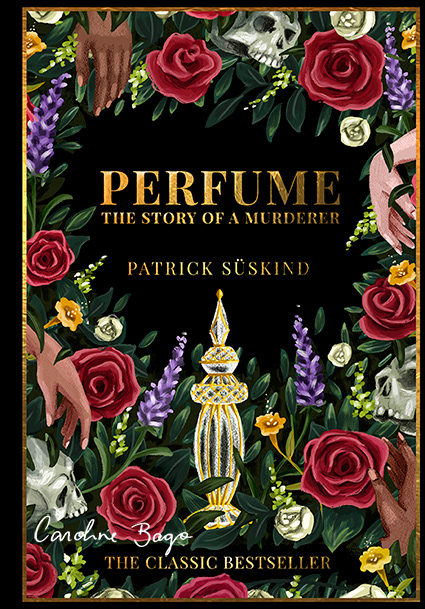
Cover of Perfume: The Story of A Murderer (1985)

Introduction

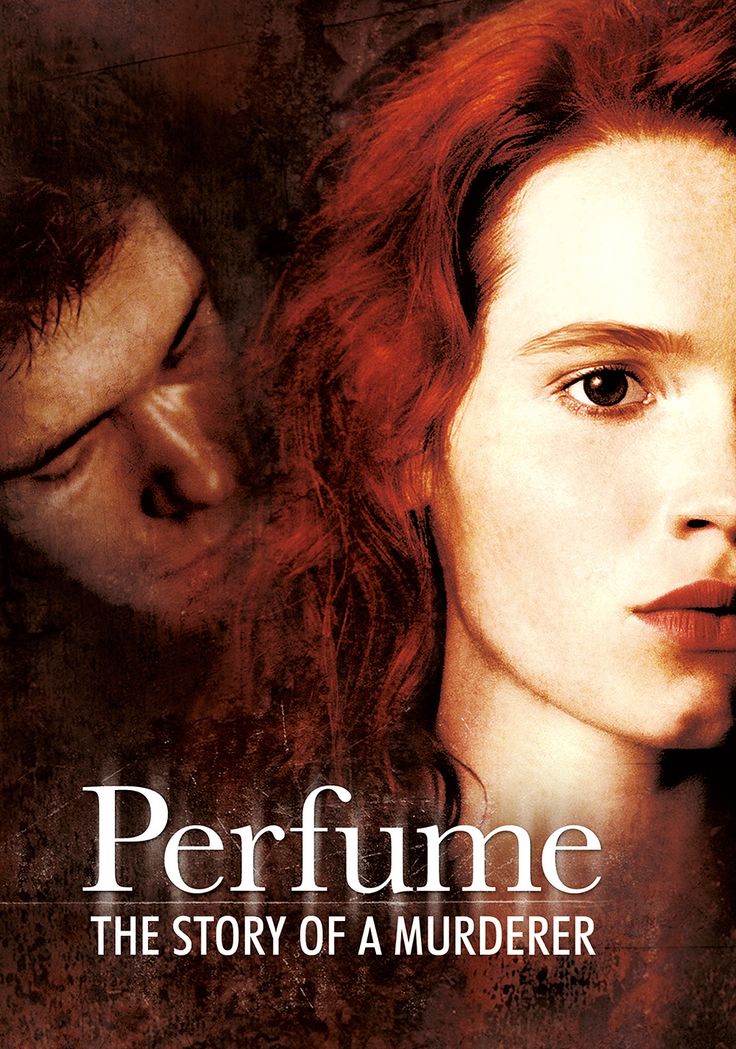
 Perfume: The Story of a Murderer (German: Das Parfum: Die Geschichte eines Mörders ) is a 1985 literary historical  fantasy novel by German writer Patrick Süskind. The novel explores the sense of smell and its relationship with the emotional meanings that scents may have. An acclaimed bestseller and international sensation, Patrick Suskind‘s classic novel provokes a terrifying examination of what happens when one man’s indulgence in his greatest passion – his sense of smell – leads to murder. This novel was later adapted into a famous movie in 2006 with the same name, starring Ben Whishaw, Alan Rickman, Karolina Herfurth and others.

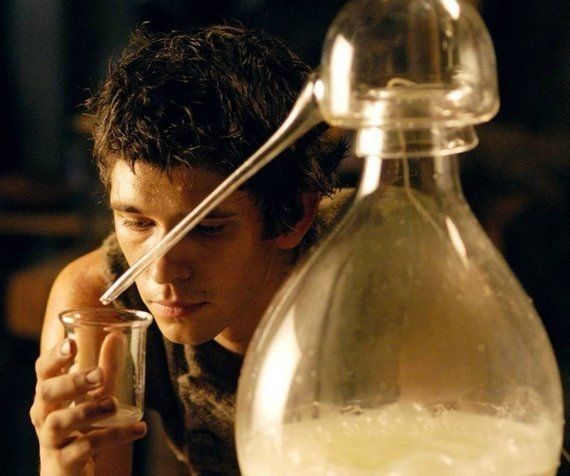
Ben Whishaw as Grenouille in Perfume: The Story of A Murderer (2006)

About The Author

Patrick Süskind ( born 26 March 1949) is a German writer and screenwriter, known best for his novel Perfume: The Story of a Murderer, first published in 1985. Süskind lives as a recluse in Munich, in Seeheim , and in France at Montolieu. After spending the 1970s writing what he has characterized as “short unpublished prose pieces and longer un-produced screenplays”, Patrick Süskind was catapulted to fame in the 1980s by the monodrama Der Kontrabass [The Double Bass, 1981:], which became an instant success and a favourite of the German stage. In 1985 his status as literary wunderkind was confirmed with the publication of the novel Das Parfüm. Die Geschichte eines Mörders [Perfume. The Story of a Murderer], which quickly topped the European best-seller list and eventually sold millions of copies worldwide.The public knows little about him; he has withdrawn from literary society and does not grant interviews or allow himself to be photographed.

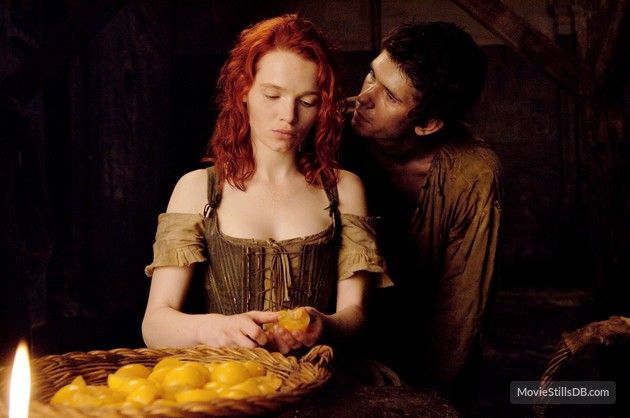
Ben Whishaw as Grenouille and Karolina Herfurth as Girl with Plums in Perfume: The Story of A Murderer (2006)

Storyline of The Novel

The novel is set in Paris in the 1700’s and follows the life of a man named Jean-Baptiste Grenouille who is born with an incredibly strong sense of smell. His nose is so keen that he is able to smell people coming, can locate lost items simply by their scent, and can catalogue smells in his mind. Whilst his sense of smell may be keen, his heart is empty and he seems to be completely unrestrained by everyday emotions. As a young lad, Grenouille encounters the irresistible smell of a young girl entering puberty. He promptly murders her and sniffs every inch of her body to catalogue the unique scent. Believing it is his destiny to bottle such a scent, Grenouille decides to pursue a career as a master perfumer, he works as an apprentice where his unique skills quickly make him the best perfumers in France. The story then follows Grenouille as he becomes a famed perfumer and experiments in scents that allow him to either go unnoticed or incite various emotions among those who smell it. His obsession with scents goes on to reaches a head with extreme consequences for all.

Ben Whishaw as Grenouille in Perfume: The Story of A Murderer (2006)

Analysis of The Storyline

A book about the sense of smell could have been a dull affair, were it not for the excellent way it is written by Suskind. His use of language is beautiful and his descriptions make even some with a dull nose like mine feel like they can smell the essences on the page. It’s not hard to see why this book has become such a modern classic given how excellent Suskind’s prose is. I challenge anyone not to read this and not then start using their nose a little more.

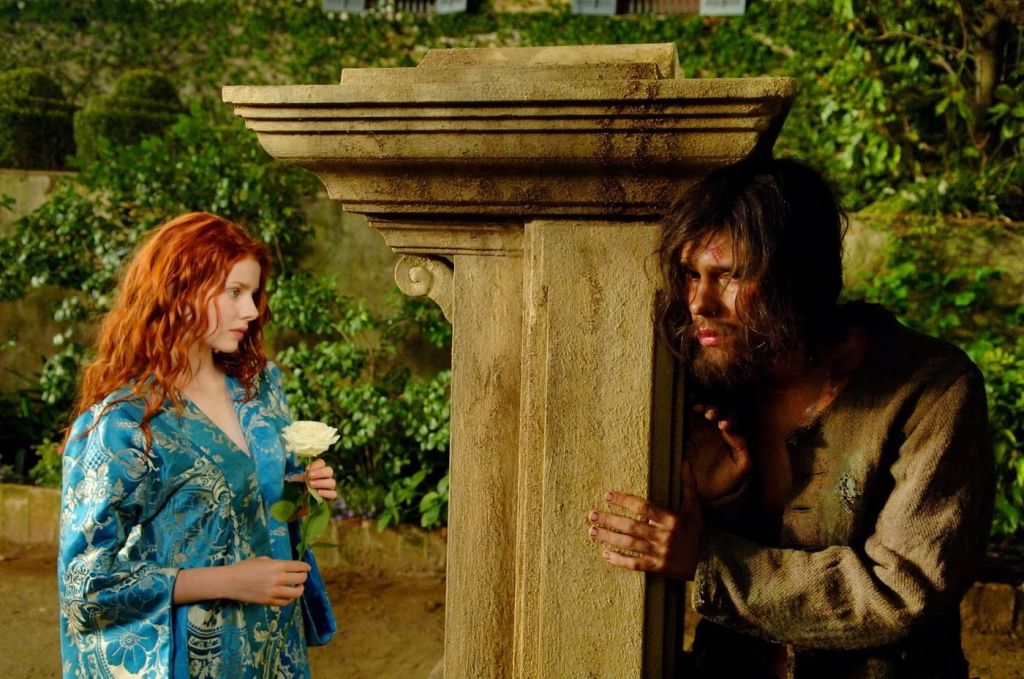
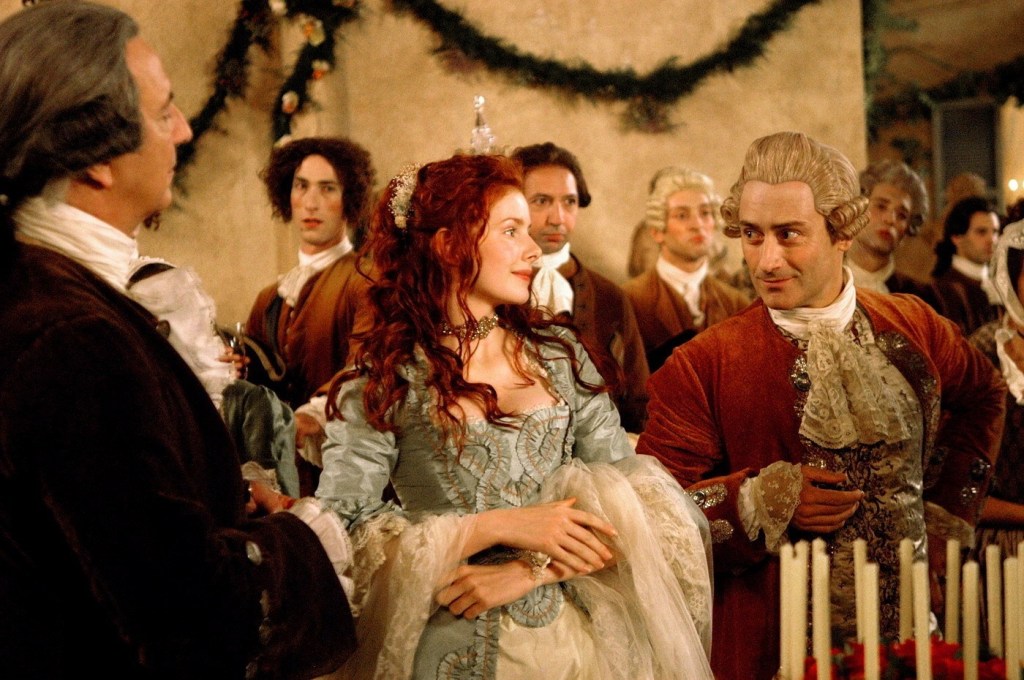
Scene from Perfume:The Story of A Murderer (2006)

The character of Grenouille is both fascinating, sympathetic, and yet also repulsive. In early life he is beat down at every corner and one can’t help but root for the character as he tries to rise above his terrible beginnings. As he becomes more in control of his life, Grenouille quickly becomes insidious and deceptive and there’s something very creepy in the way he is described as living like a tick. Grenouille does indeed live like a parasite, taking whatever he needs from people. As he becomes more unstable, eventually resorting to killing a young virgin, Grenouille turns into a monster, but a compelling one nonetheless. Like Humbert Humbert from Lolita, he’s a character you feel bad for sympathising with, though Grenouille may be a little more redeemable.

Scene from Perfume: The Story of A Murderer (2006)

Criticism of The Storyline

this is in every sense an olfactory novel gives a striking sensory immediacy to the fiction itself. ”Perfume” is a historical novel but one in which the sheer physicality of its theme lends it an honorary present tense. And if Grenouille is the hero of the novel, his obsessions are also its informing presence. Just as he has difficulty with words ”designating non-smelling objects, with abstract ideas and the like,” so the novel itself creates an elemental world in which such abstract matters are only of token significance. The nose is defined here by a priest as ”the primitive organ of smell, the basest of the senses,” with its powers springing from ”the darkest days of paganism”; but it flourishes in Grenouille, even in an age of ”enlightenment,” and the unspoken message of ”Perfume” is that it flourishes still. The point about genuine historical fiction is that it is primarily concerned with the contemporary world. This is not a historical romance, full of ”Prithees!” and strange objects known as poniards, but a meditation on the nature of death, desire and decay.

Scene from Perfume: The Story of A Murderer (2006)

Conclusion

The story of perfume made us really re-evaluate the importance of scents and how certain smells can influence us on a subconscious level. It makes one wonder how much of our everyday lives are dictated by scents without us even realising it. Throughout the book, you get the feeling pressure is mounting and it ends in a finale that sees an orgy of scents come together in one hell of an ending that isn’t likely to leave you any time soon.

Looking Back to Past: Vintage Kolkata in Photos

A busy street of Today’s Kolkata

Introduction

Kolkata, also fondly know as “The City of Joy”, never ceases to amaze generations with its breathtaking beauty, not only with its metro city status of today’s India, but also in the days of past. In today’s editorial, we’re going to take glance at glimpses of Vintage Kolkata from the past.

Brief History and Importance

Kolkata’s recorded history began in 1690 with the arrival of the English East India Company, which was consolidating its trade business in Bengal. Job Charnock, an administrator who worked for the company, was formerly credited as the founder of the city; In response to a public petition, the Calcutta High Court  ruled in 2003 that the city does not have a founder. The area occupied by the present-day city encompassed three villagesKalikataGobindapur  and Sutanuti

Kolkata , also known as Calcutta (official name until 2001) is the capital of the Indian state of West Bengal. Located on the eastern bank of the Hooghly river, the city is approximately 80 kilometres (50 mi) west of the border with Bangladesh. It is the primary business, commercial, and financial hub of Eastern India  and the main port of communication for North-East India .According to the 2011 Indian census, Kolkata is the 7th most populous  city in India, with a population of 45 lakh (4.5 million) residents within the city limits, and a population of over 1.41 crore  (14.1 million) residents in the Kolkata Metropolitan Area. The Port of Kolkata  is India’s oldest operating port and its sole major riverine port. Kolkata is regarded as the Cultural Capital of India.

Vintage Kolkata Album

Here we take a look at the vintage snaps of Kolkata’s most iconic places

Crossing of Harrison Street, Strand Road and Burra Bazaar Area
Park Street
Calcutta High Court
Traditional Goddess Durga Idol
Victoria Memorial Hall
The Hindustan Building on Central Avenue once served as the office of US Army
The Bathing Ghat of Hooghly River
Hustle in front of Calcutta Stock Exchange
Early days of Howrah Bridge
The auspicious Kalighat Temple of Goddess Kali
St. Paul’s Cathedral Church
Burra Bazaar Area
Esplanade Area
Calcutta Town Hall

Conclusion

Though the time has changed, and history has taken many turns but the essence of Kolkata, has remained the same over ages. The Government has come forward to preserve the heritages of Kolkata, that have made the Bengal and Bengalis proud through decades. People are hopeful that this tradition follows down with the upcoming generations by passing love and the celebration of the beauty of Kolkata.

Nothing Ventured: The Book Review

Cover of Jeffrey Archer’s Nothing Ventured (2019)

Introduction

Nothing Ventured heralds the start of a brand-new series in the style of Jeffrey Archer’s New York Times bestselling Clifton Chronicles: introducing Detective William Warwick. But this is not a detective story, this is a story about the making of a detective. The novel was originally published on 3rd September,2019.

About the Author

Jeffrey Howard Archer is an English novelist, life peer and former politician. His work includes novels and short stories such as Kane and Abel & A prisoner of Birth. He is the only author ever to have been a number one bestseller in fiction, short stories, and non-fiction.

Jeffery Archer

Storyline of The Novel

Jeffery Archer starts a new series of books that entails the story of a detective choirboy who fights the city crime against all odds. This new series introduces William Warwick, a family man and a detective who will battle throughout his career against a powerful criminal nemesis. Through twists, triumph and tragedy, this series will show that William Warwick is destined to become one of Jeffrey Archer’s most enduring legacies.

William Warwick has always wanted to be a detective, and decides, much to his father’s dismay, that rather than become a lawyer like his father, Sir Julian Warwick QC, and his sister Grace, he will join London’s Metropolitan Police Force. William Warwick after graduation from Kings’ college reveal to his father, sir Julian Warwick, that he wants to be a copper and has no intention to serve Her Majesty’s court. Under the attentive mentorship of Fred Yates, William begins his life on the beat. After some eighteen months on the beat, William becomes a neophyte detective in Scotland Yard’s Arts and Antiquities squad where one of his cases involves the hunt for a Rembrandt painting stolen some seven years earlier from the Fitzmoleon Museum. His career, both with the Met and with Scotland Yard, will define his life. On his journey to Scotland yard’s William is assigned tasks of Investigating the theft of Rembrandt painting. During his chase of the Rembrandt, he meets the love of his life and the Fitzmolean Museum’s gallery assistant Beth Rainsford. While putting the clues together he comes across a self-styled farmer and suave art collector Miles Faulkner, his friend and lawyer Booth Watson, and Christina (Miles’s wife). Along with the story Christina befriends William and Beth but on whose side is she on, remains a suspense.  

Nothing Ventured (2019)

Analysis of The Storyline

The book starts with William revealing to his father that he’ll not be working in his chambers instead he’s interested in becoming a cop and would like to pursue the same. The author carves the character of William as honest, loyal, and hardworking. We fellow him from his childhood to becoming a successful & ambitions cop. He joins the beat at Scotland yard under the mentorship of Fred Yates who with his oft-repeated pearls of wisdom taught valuable lessons which were far more useful than MET’s handbook. Soon William was assigned to the task of finding a precious/expensive painting on his journey. The book takes you through various twists in the plot which keeps the readers on the edge of their seats. Through the story, each character grows both in their personal and professional lives as well. The end of the book is the lead into its next part “Hidden in Plain Sight”, after a series of twist and turn in the story the Rembrandt finally hangs in Fitzmolean with another prestigious painting named Rubens. The author leaves the reader with a bit of a surprise when the conman Miles invites Constable Warwick to his New York’s apartment “Should you ever find yourself in New York, do give me a call because I would like to invite you round to my apartment to show you the Originals”.

Criticism of The Storyline

Serving as the inaugural book for a new series, “Nothing Ventured” is a genial introduction to William Warwick. With likable characters and some interesting twists in the plot, the narrative keeps the reader’s interest. Throughout the telling of the tale, William grows, both in his career and in his personal life. And then there’s the ending that, while certainly designed to serve as a lead-in to the next book in the series, is sure to leave readers wondering why, given the circumstances, Miles Faulkner would ever voluntarily make such a comment to William. It seems completely out of character for a suave, clever, resourceful man.

Conclusion

The book takes us through the story of a detective, Courtroom, Museum and Conman. The storyline is well rounded with good narratives and less paragraph chunks. Any reader of The Clifton Chronicles will remember Harry Clifton’s work as an author and creator of William Warwick, now Archer has brought Warwick and those books to life by writing them.

Water Crisis in India: The Present and The Future

Queue for daily water collection

Introduction

Water is the most essential element of life and livelihood. And India is having a hard time, coping up with the severe crisis of water. India constitutes 16 per cent of the world’s population, but the country has only four per cent of the world’s freshwater resources. With the changing weather patterns and recurring droughts, India is now declared as “water stressed”.

Statistical representation of India‘s Water Crisis

Background

Archaeological researchers had assumed the fall of Great Indus Civilisation was due to a catastrophic water scarcity caused either by shifting rivers or by drastic climate change that forced people to abandon city settlements. And history seems to repeat for present day India again. According to a NITI Aayog report in 2018, about 600 million people, or nearly half of India’s population, are facing extreme scarcity of water. The three-fourths of India’s rural households do not have stable running water supply and rely on sources that can cause serious health risks. The report also stated that India has become the world’s largest extractor of groundwater, accounting for 25% of the total. Moreover, 70% of the water sources were labelled as contaminated .And the conclusion of the report was ‘India is suffering from its worst water crisis in its history.’ It also pointed out 21 Indian cities to be run out of groundwater by 2020.

Reasons behind Water Crisis in India

1. Climate Change : The North-East monsoon is responsible for 10%-20% rainfall of the total rainfall in India, while the South-West monsoon provides approximately 80% of rainfall. In 2018, the North-East monsoon decreased by 44% and the South-West monsoon was deficient by 10%, causing the total rainfall in the area to decrease by 36 percent in comparison to the 50-year average. Because of the lower rainfall, water levels in reservoirs across the country decreased and led to extreme shortages of water in many major cities of India

. 2. Ground Water Extraction: Groundwater meets more than half of the country’s need of water supply and nearly 89% of the groundwater extracted in India is used for irrigation purposes. The traditional techniques of irrigation are also to blame for the water crisis as they result in a majority of water loss and evaporation during the irrigation process.

3. Pollutions in Our Rivers: Due to the lack of long term water management plans, most of the country’s rivers either run dry or have remained polluted over decades. The national river of Ganges is also the one that is most severely polluted, which is mainly resulted from untreated sewage of densely populated cities, industrial waste as well as due to religious ceremonies in and around the river.

4. Wastage of Unmanaged Water : According to the Central Water Commission, even though climate change has resulted in a reduction in rainfall and lack in underground water reservoirs, the country still receives enough rainfall to meet the needs of over 1 billion people. However, India only catches only 8 percent of its annual rainfall due to poor rainwater harvesting. Also for lacking the treatment of wastewater reuse, approximately 80% of domestic wastewater is drained out as waste and ends up flowing into salt water bodies.

Struggle for daily water collection in water-stressed areas of India

Effects of Water Crisis in India: Where We Stand Today

As many as 256 of 700 districts have reported ‘critical’ or ‘over exploited’ groundwater levels, according to a data from the Central Ground Water Board (2017). Fetching water in India has been perceived as a women’s job for centuries, especially in the rural areas. As groundwater resources come under increasing pressure due to over-reliance and unsustainable consumption, wells, ponds drying out fast, escalating the water crisis and placing even greater burden of accessing water on women. A rural woman in Rajasthan walks over 2.5 kilometres to reach a water source, according to a report by the National Commission for Women. Moreover, according to a non-profit named Water, women around the world spend a collective 200 million hours fetching water for their family. In addition to the time spent collecting water, millions may also spend significant amounts of time finding a place to go to relieve themselves. This makes up an additional 266 million hours lost each day. The acute crisis has even led to polygamy in one drought-prone village of Maharashtra. This involves having more than one spouse to collect water. The arrangement is termed as ‘water wives’.

The struggle for women

The Solution to the Crisis: Future Stands

Children also becoming victims of Water Crisis

The Government has taken up the most important role to eradicate the crisis by forming the Ministry of Jal Shakti and launching “Jal Jeevan mission”- Rural in 2019 to promote “Har Ghar Jal” by 2024. Goa and Telengana have achieved the first two Indian states to reach “Har Ghar Jal“, while Andaman & Nicobar Islands and Puducherry became first Indian Union Territories to reach the milestone. In 2021, “Jal Jeevan mission”-Urban was launched to complement the project. “Jal Shakti Abhiyan-Catch the rain” is also introduced to capture and reuse of rain water at the grassroot level as a Jan Andolan. Along with this, for the cleaning and filtration of Ganges river “Namami Gange” had been rolled out as a national flagship mission. Coastal Reservoirs, Desalination of sea water and improved irrigation techniques are now been adopted to address the crisis.

Conclusion

Along with time, active participation from every layer of society in solving the water crisis of India is being witnessed. The youth has come forward with an appealing message to properly addresses the crisis and solve the drawbacks together. Now, the emerging awareness spreading among masses India can hope for a better future to handle the crisis more effectively.

Analyzing Alfred Hitchcock: The Psychological Genius Mind

Sir Alfred Hitchcock

Introduction

The movies of Alfred Hitchcock, seem to have a permanent place in both American and Global Cinematic history. He is a common topic to turn when discussing auteur directors, film history,  suspense and psychoanalysis. His visual style is very distinct, the close-ups, subjective camerawork, unusual camera angles and the list goes on. Today, in this article, we intend to analysis the visual choices of Hitchcock’s most well known works including Vertigo, Rear Window and Psycho.

Sir Hitchcock before the shooting for Psycho (1960)

About Alfred Hitchcock

Sir Alfred Joseph Hitchcock  (13 August 1899 – 29 April 1980) was an English filmmaker who was one of the most influential figures in the history of cinema. In a career spanning six decades, he directed over 50 feature films, many of which are still widely watched and studied today. Known as the “Master of Suspense“, he became as well known as any of his actors thanks to his many interviews, his cameo roles  in most of his films, and his hosting and producing the television anthology Alfred Hitchcock Presents  (1955–65). His films garnered 46 Academy Awards nominations, including six wins, although he never won the award for Best Director despite five nominations.

Sir Hitchcock

Techniques and Methodology of Hitchcock’s Works

Alfred Hitchcock’s attention to detail in his films is one of the many things that makes him one of the most recognized film auteurs of all time. He was very particular what about he wanted seen on screen and how he wanted to get those shots. From camera movements to the things found in the mise-en-scène, Hitchcock was very precise about every little thing that is seen in his on screen worlds. He would strategically place objects throughout the mise-en-scène and have characters wear certain clothing. By doing this, Hitchcock is able to let the audience know things about the characters and the plot without it having to be said on camera. Hitchcock once said that “If it’s a good movie, the sound could go off and the audience would still have a perfectly clear idea of what was going on” . To Hitchcock, the conversations in his films were not important.  Visuals were of the utmost importance.  He loved point of view shots, which showed a shot of the actor and then cut to a shot of what the actor was looking at in order to convey what the actor is looking at; pretty much, the Kuleshov effect.

Sir Alfred Hitchcock on the set of one of his movies

The soundtrack was extremely important to Alfred Hitchcock, as he managed to sync the music with the actions of the scenes.  His most famous scene would be the shower scene in Psycho, where the orchestra is perfectly correlated with the murder.  In his famous film, Hitchcock also incorporated the use of shot/reverse shot, a standard shot pattern that directors use to film conversations between two characters. In general, the actors avoid speaking directly to the viewer, because doing so acknowledges the audience’s presence and destroys the illusion of a naturally unfolding story. From panning shots, to tracking shots Alfred Hitchcock used his techniques in filming and editing in order to create great products that continue to intrigue audiences to this day.

James Stewart as Jeff and Grace Kelly as Lisa Carol in Hitchcock’s Rear Window (1954) movie

Analysis of The Film “Rear Window” (1954)

The cinematography of Rear Window mainly focuses on the use of lighting and shadows. With the darkness and mystery of the film, Alfred Hitchcock was able to use his lighting to his best advantage. The light always is picking up on important symbols or messages in the scene. Such as the scene when the salesman finally comes into Jeff‘s room, the light only picks up on Jeff’s most valuable senses; his hands and eyes. Along with the lighting, the interesting angles are very common.  Not only did it create suspense, it creates confusion and the viewer wants to see more. Mise en Scene was very important in this film, as all of the scenes happened in the same group of apartments. In the city of New York, everything is very tight because of the huge population. The use of the differently decorated rooms also created personality and character for the roles who didn’t even speak

Scene from Hitchcock’s Rear Window (1954) movie

Although sound and music weren’t always in the film, it was there when it needed to be. The traffic and sounds of the city were placed delicately to remind the viewer of the area. The mix of piano from the songwriter in one apartment, from the screeching violins during nail-biting moments, created emotions for the viewer. Editing was evident everywhere, especially during a fight scene, or used very consciously during high suspense. The fades were apparent from day to day, which helped the viewer better understand the passage of time.

Poster of Hitchcock’s Vertigo (1958) movie

Analysis of The Film “Vertigo” (1958)

Vertigo is a 1958 suspense thriller directed by Alfred Hitchcock, written by Alec Coppel and Samuel Taylor and based upon the 1954 novel ‘D’entre Les Morts’ by Pierre Boileau and Thomas Narcejac. Starring James Stewart, Kim Novak and co-starring Barbara Bel Geddes.

James Stewart as John Ferguson and Kim Novak as Madeleine in Hitchcock’s Vertigo (1958) movie

Vertigo is a film which functions on multiple levels simultaneously. On literal level it’s a mystery suspense story of a man hoodwinked into acting as an accomplice in a murder, his discovery of a hoax, and the unravelling of the threads of the murder plot. On a Psychological level, the film traces the twisted , circuitous routes of a psyche burdened down with guilt, desperately searching for an object on which to concentrate its repressed energy. Finally, on an allegorical or figurative level, it is a retelling of a immemorial tale of a man who has lost his love to the death and in hope of redeeming her descends into the underworld,  the most famous of these stories being that of Orpheus and Eurydice in Greek Mythology. Vertigo’s complexity however does not end with this multilevel approach to its tale, the film also succeeds in blurring the already fine line between objectivity and subjectivity . It takes the viewers so far into the mind of its main characters ( Scottie, played by Hitchcock veteran James Stewart), that audiences’ own objectivity, at least initially, is lost and replaced by complete identification with Scottie’s fantasies and obsessions.

Anthony Perkins as Norman Bates in Hitchcock’s Psycho (1960) movie

Analysis of The Film “Psycho” (1960)

Hitchcock’s Psycho has been commended for forming the archetypical basis of all horror films that followed its 1960 release. The mass appeal that Psycho has maintained for over three decades can undoubtedly be attributed to its universality.

Scene from Hitchcock’s Psycho (1960) movie

In Psycho, Hitchcock allows the audience to become a subjective character within the plot to enhance the film’s psychological effects for an audience that is forced to recognize its own neurosis and psychological inadequacies as it is compelled to identify, for varying lengths of time, with the contrasting personalities of the film’s main characters. Hitchcock conveys an intensifying theme in Psycho, that bases itself on the unending subconscious battle between good and evil that exists in everyone through the audience’s subjective participation and implicit character parallels. The initial confrontation between Marion and Norman Bates is used by Hitchcock to subtly and slowly sway the audience’s sympathy from Marion to Norman. Hitchcock compels the audience to identify with the quiet and shy character whose devotion to his invalid mother has cost him his own identity. Upon the introduction of Norman, Hitchcock introduces the first of several character parallels within Psycho. The clash between Marion and Norman, although not apparent to the audience until the end of the film, is one of neurosis versus psychosis.

Anthony Perkins as Norman Bates and Janet Leigh as Marion Crane in Hitchcock’s Psycho (1960) movie

The fear that Psycho creates for the audience does not arise from the brutality of the murders but from the subconscious identification with the film’s characters who all reflect one side of a collective character. Hitchcock enforces the idea that all the basic emotions and sentiments derived from the film can be felt by anyone as the unending battle between good and evil exists in all aspects of life.The effective use of character parallels and the creation of the audience’s subjective role in the plot allows Hitchcock to entice terror and convey a lingering sense of anxiety within the audience through a progressively intensifying theme. Hitchcock’s brilliance as a director has consolidated Psycho’s place among the most reputable and profound horror films ever made.

Scene from Hitchcock’s Psycho (1960) movie

Conclusion

Alfred Hitchcock who has been entitled to the master of apprehension, suspense and fear, entices the audience to discern his unknown inner in a simulation over cinema curtain. Human, sets back his instincts for years; withholds sex and anger and wrap it in his inner depths where even is impenetrable for himself. But there is always probability of arising it in the society as a coarse event. Eruption of anger from sub-consciousness of Hitchcock’s characters brings along murder, crime and often imagination, tragic psychic disturbances. Anyone might be involved with the condition of these characters in real world. Most of Hitchcock’s movies create suspense in very first minutes of the show. The propensity to know arouses in him. He limits and draws attention of the audience to the film.Dark spaces, long and fearsome roads, deserted places and empty of habitat, are signs and symbols which sometimes refers to unaware and its inner events. Making use of sharp-pointed lines and thorn-shaped edges in locations and shades, which are taken from Gothic style, makes the movies horror and terror. Hitchcock through increasing vigilance, guides the audience toward making a powerful “ego” against incidents which mostly indicates determinism.