Bio – War

Biological warfare, also known as germ warfare, is the use of biological toxins or infectious agents such as plagues, bacteria, viruses, insects, and fungi with the intent to kill, harm or incapacitate humans, animals or plants as an act of war.

Deadliest bio weapon

Bacillus Anthracis (Anthrax)

Bacillus anthracis bacteria, which causes anthrax, is one of the most deadly agents to be used as a biological weapon. It is classified by the US Centres for Disease Control and Prevention (CDC) as a Category A agent, posing a significant risk to national security.

when it is actually started ?

One of the first recorded uses of biological warfare occurred in 1347, when Mongol forces are reported to have catapulted plague-infested bodies over the walls into the Black Sea port of Caffa (now Feodosiya, Ukraine), at that time a Genoese trade centre in the Crimean Peninsula.

Biological warfare is distinct from warfare involving other types of weapons of mass destruction (WMD), including nuclear warfare, chemical warfare, and radiological warfare. None of these are considered conventional weapons, which are deployed primarily for their explosive, kinetic, or incendiary potential

Biological weapons may be employed in various ways to gain a strategic or tactical advantage over the enemy, either by threats or by actual deployments. Like some chemical weapons, biological weapons may also be useful as area denial weapons. These agents may be lethal or non-lethal, and may be targeted against a single individual, a group of people, or even an entire population. They may be developed, acquired, stockpiled or deployed by nation states or by non-national groups. In the latter case, or if a nation-state uses it clandestinely, it may also be considered bioterrorism.

With the onset of World War II, the Ministry of Supply in the United Kingdom established a biological warfare program at Porton Down, headed by the microbiologist Paul Fildes. The research was championed by Winston Churchill and soon tularemia, anthrax, brucellosis, and botulism toxins had been effectively weaponized. In particular, Gruinard Island in Scotland, was contaminated with anthrax during a series of extensive tests for the next 56 years. Although the UK never offensively used the biological weapons it developed, its program was the first to successfully weaponize a variety of deadly pathogens and bring them into industrial production. Other nations, notably France and Japan, had begun their own biological weapons programs.

How to stop bio weapon ?

Elements of preparedness include vaccinating military personnel against anthrax and other diseases caused by biological weapons; developing methods for the rapid detection of biological threat agents; developing and stockpiling vaccines and antimicrobial drugs that could be used to protect the public against diseases

When the United States entered the war, Allied resources were pooled at the request of the British, and the U.S. established a large research program and industrial complex at Fort Detrick, Maryland in 1942 under the direction of George W. Merck. The biological and chemical weapons developed during that period were tested at the Dugway Proving Grounds in Utah. Soon there were facilities for the mass production of anthrax spores, brucellosis, and botulism toxins, although the war was over before these weapons could be of much operational use.
Hinduism | Origin, Deities, Beliefs & some other basic things people should know about.

Hinduism is now the third largest religious community with more than 1 Billion followers around the world. After the British rule, the Hindu Religion came to known as Hinduism, but before that Hindu was termed as Sanatana Dharma, Which means the eternal Duty of life, No matter any caste, gender or race. Every Hindu People used to practice the Sanatana Dharam through their whole life. In texts, Sanatana Dharma Was written as a way of living a healthy Life with honesty, Purity, Goodwill, Mercy, & Patience. According to some Scholars, along with Hindu devotees and priests, beliefs that the Hinduism is the oldest religion and has always existed in this world. Around 90% of the total Hindu population lives in India (also Hindustan or Bharat) with different beliefs and culture. India is well known for their mix culture, traditions and the believe in their deities. In Fact, Buddhism and Jainism were also originated in India.

Hinduism Beliefs

As this religion has no specific founder, nobody knows that when and how it was originated, but as per the Hindu priests and many scholars had specified it as an oldest religion. Hindu believes in karma (law of cause and effect). They Worships a single god with a believe in the existence of the other gods or goddess. They believe in soul (Atman) and a pure & gentler way to live. Hindu believes that people should live together without harming any other religion or People in the name of God or as any part of their worshiping. They believe in Moksha (also called as Mukti) which is an Indian Philosophy & Religion, that means release from the cycle of Rebirth. Their Goal of Life is to live with their Dharma in the very proper way the Dharma asks their devotees to live. There many other Interesting beliefs of Hinudusim, one would know if they explore more about it.

Hindu Deities

Devas and Devis are called as the God and Goddess of Hinduism. Hinduism itself is very wide and have different traditions to worship their Deities and that’s the Beauty of this religion. People with different Traditions are united by Hinduism and they live together. Some of the Deities are:-

  • Lord Brahma
  • Lord Vishnu
  • Goddess Saraswati
  • Lord Shiva
  • Lord Krishna
  • Goddess Lakshmi

Many other religions have also adopted the Hindu Deities and the traditions outside the India. In the medieval era the texts of Hinduism describe the Human Body as Temple and the soul as the deities residing it.

The Yugs (Era)

There are 4 different Yugs (Era) Every Yuga is Shorter than the preceding one and in each Yuga the humanity will be found less than the Old Yugas. The 4 Yugs are:

  • Satya Yug
  • Treta Yug
  • Dvapara Yug
  • Kali Yug

Kali Yug Lasts for 4,320,000 years (12,000 divine years). The Kali Yug (Present Era) is Believed that started around 3102 BCE. In the ancient texts of Purans it was also written that the Kali Yug will be dominated by Hatred, intolerance, lust, and corruption.

Hinduism Origin

The Vedic Period where Vedas Were written was lasted around 1500 BC to 500 BC. At that period rituals Used to make sacrifices, chants, and many other mystical practices of that periodic time. It was really hard to be found the exact time period that when did the Hindu religion was actually originated. As per scholars the birth of Hinduism was found in the Indus River Valley, which runs through Northwest India to Pakistan. It was originated around 4500-5000 BCE. The Indus River Valley was diminished around 1800 BC cause of climatic conditions. It was also named as Sindhu as, a Sanskrit Word. It’s location created a lot of problems because of the Iranian plateau. Around 712 AD, Muslims invaded the The Indus Valley.

Around the 7th century, Muslim Arabs began Invading Areas in India. In 1200 to 1757, Islamic ruler prevented Hindus worshipping their Deities. Some of the Hindu Temples were also destroyed around 1757 to 1947, under British Control. Some Christaniers were also found to convert & westernize the Hindu people, which is still happening around the Country.

Hinduism Holy Books

The Vedas were written around 1500 BC. That Book was filled with prayers and verses written by the Hindu Saints in Sanskrit letters and it includes:

  • The Rig Veda
  • The Samaveda
  • Yajurveda
  • Atharvaveda

Hindu Festivals

Hindu festivals are well known for the way of believing & celebrating it, with full of Joy and worshipping Hindu deities, Devotees enjoy their festival days. Some Of the Hindu festivals Are:

  • Diwali
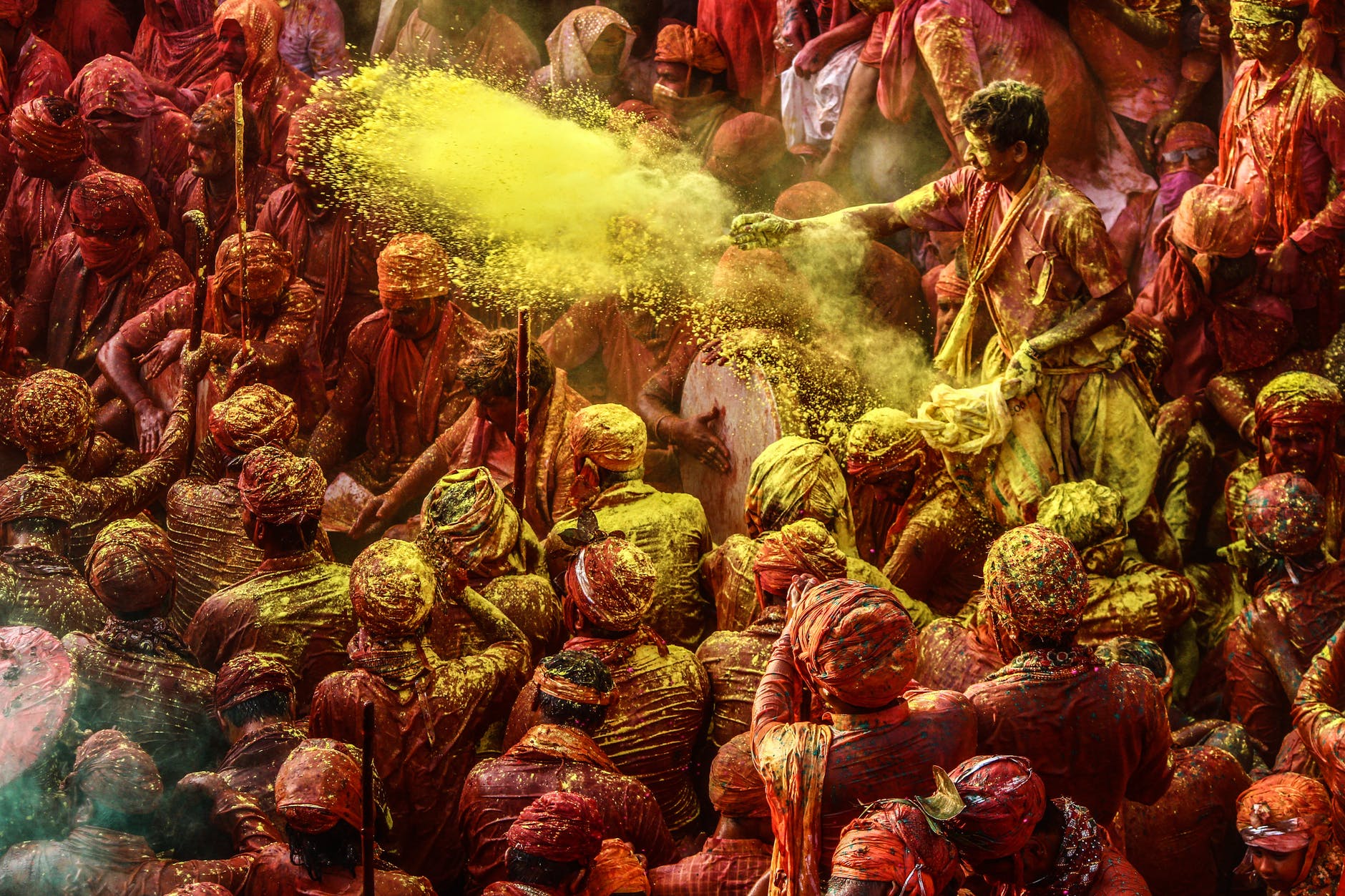
  • Holi
  • Janmashtami
  • Raksha Bandhan
  • Maha Shivratri
  • Navratri
  • Ganesh Chaturti
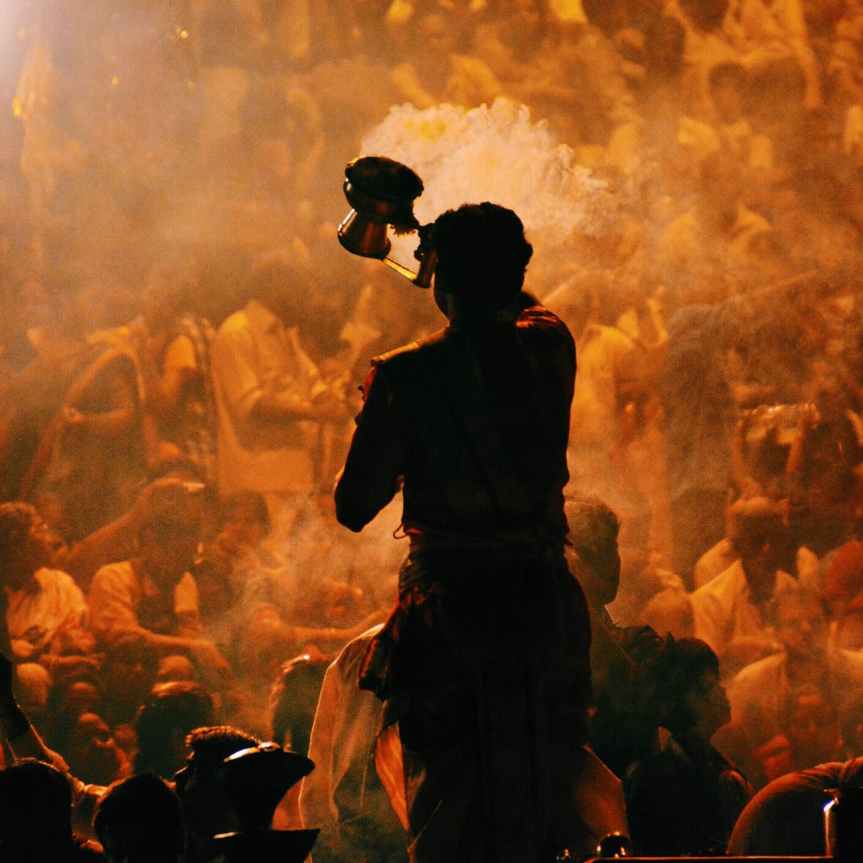
Photo by Yogendra Singh on Pexels.com

Hindu Culture is filled with joy, teaches a better way of living, Unites the people, Gives freedom to worship the god that their devotees believe, and always wanted people to live in a better place with their family and to enjoy the worshipping.

Sources And Links:

https://www.history.com/

https://www.britannica.com/topic/Hinduism

Muhammad-bin-Tughlaq

The Tughlaq administration, also called as Tughluq or Tughluk dynasty, was a Muslim line of Turkey which managed over the Delhi sultanate in medieval India. Its rule began in 1320 in Delhi. Ghiyasuddin Tughlaq was the first ruler of this dynasty. Khusrau Khan, the last ruler of the Khilji administration was executed by Ghazni Malik. Slave dynasty was the one which mark the beginning of delhi sultanate.

He was intellectual of reasoning, philosophy, astronomy, mathematics, calligraphy and physical sciences. He had good knowledge of various languages such as Turkish, Sanskrit, Persian and Arabic. The famous traveller Ibn Battuta visited India during his reign.  He was a liberal king who believed in equality. He gave freedom to Hindu as well as Jains.

Reforms- Taxation in the Doab: The Sultan made a stupid budgetary examination in the Doab between the Ganges and Jamuna. He expanded the rate of duty as well as restored and made some extra Abwabs or cessess, Transfer of Capital (1327): It seems that the Sultan needed to make Deogir as his second capital so that he may have the capacity to control south India better. Deogir was renamed Daulatabad. After two or three years, Muhammad Tughlaq chose to forsake Daulatabad basically on the grounds that he soon found out that he couldn’t control south India from Delhi and he couldn’t control north from Daulatabad, Introduction of Token Currency(1330): Muhammad Tughlaq chose to present bronze coins, which were to have the same worth as the silver coins. Muhammad Tughlaq may have been effective in the approach if he could keep individuals from moulding the new coins, Khurasan Expedition: The Sultan had a dream of widespread victory. He chose to win Khurasan and Iraq and activated a gigantic armed force for the reason. Be that as it may, his campaign demonstrated a disappointment, Quarachi Expedition: This campaign was propelled to counter Chinese attacks. It likewise gives the idea that the campaign was coordinated against some headstrong tribes in Kumaon-Garhwal district with the objective of bringing them under Delhi Sultanate.

He died in Thatta while battling in Sindh against Taghi, a Turkish slave.

BRITISH INFLUENCE ON URBANIZATION IN INDIA

INTRODUCTION

India shares a long history of urbanization, with Indus Valley Civilization dating back to 2350 BC as its first stepping stone towards urbanization. After this and post-independence period, with the emergence of Planning Commission, India witnessed the urbanization which it had never seen before. And this period marks the progression and flourishing of urbanization in India. However, cities in India have been urbanized in number of phases. The urbanization history in India has 5 different phases (given by historians) :

  1. The Pre – Historic Period (Indus): 2350 – 1800 BC
  2. The Early Historic Period (Aryans and Dravidians): 600 BC – 500 AD
  3. The Medieval Period (Mughal): 600 – 800 AD
  4. The British Period: 800 AD – 1947
  5. Post Independence Period: 1947 – till date

URBANIZATION IN BRITISH PERIOD

The British came to India in 1858 when India was one of the most urbanized nations due to Mughal supremacy. But in the early phase of British rule, Indian cities witnessed decline in the level of urbanization and during the later phase of British rule, the Indian cities regained the lost importance and new towns and cities emerged and newer urban form was added to existing cities.

Fort St. William in Calcutta is one of the best examples of factories constructed during British Era and fortified for protection.

URBAN DECLINE IN 19TH CENTURY

The main reasons for urban decline during the British Period were:

  1. Lack of interest in British in economic development, prosperity and growth of India and their negative attitude towards the traditional industries of India which were present during that period.
  2. The alteration of urbanization in India due to the industrial revolution in England.
  3. The diversion in existing trade routes due to sudden growth and building of rail networks.
  4. Disrupted monopoly in trade especially in port towns.

BRITISH CONTRIBUTION TO URBANIZATION SCENES IN INDIA

  1. Emergence of three metropolitan port cities which emerged as leading colonial cities (Calcutta, Bombay and Madras).
  2. Creation of hill stations and plantation settlements.
  3. Modification of urban landscape in existing cities.
  4. Introduction of civil lines, camps and cantonments.
  5. Improvement in connectivity through railways.
  6. Enhanced scope of industrialization.
  7. Improvements in urban amenities and urban administration.

CONCLUSION

British era had both positive and negative impact in India but the extent of positive changes is more. The process of urbanization and building of new cities can be seen as the breaking of the continuum. During British Period, the Indian cities emerged as the focal points of urbanization and westernization. The westernization brought by the British Period continued to guide the destiny of urban elite in India. It helped in transforming the agriculture as a means of commerce by introducing new crops like indigo, tobacco, coffee etc. Thus, British Era can be seen a the period when India came across fundamental economic transition, mechanized industries and developed connectivity through railways and foreign trade. But the British Era didn’t consider the rural – urban conflict which increased the gap between urban and rural areas of India.

Thus, it can be concluded that British rule had definitely been useful in providing the foundation of development and urbanization to India. As per Census 1941, which is the last census before Independence, India had 49 one lakh cities and 2500 urbanized towns. So, when this urbanization is compared to previous trans, it can be seen that the urbanization attained zenith during the end of British period as compared to past events.

žIn 1941, which marks the last census before independence, There were 49 one-lakh cities in India and in all round 2500 urbanized towns. Urbanization attained zenith during end of this period compared to entire past events.

RUSSIAN SCIENTISTS BRING 24,000-YEAR-OLD ZOMBIES BACK TO LIFE

Important lesson Jurassic park though us is ” LIFE ALWAYS FINDS A WAY “. However scientists decided to recreate that and ” bring back organisms from dead “.

ZOMBIES BACK TO LIFE:

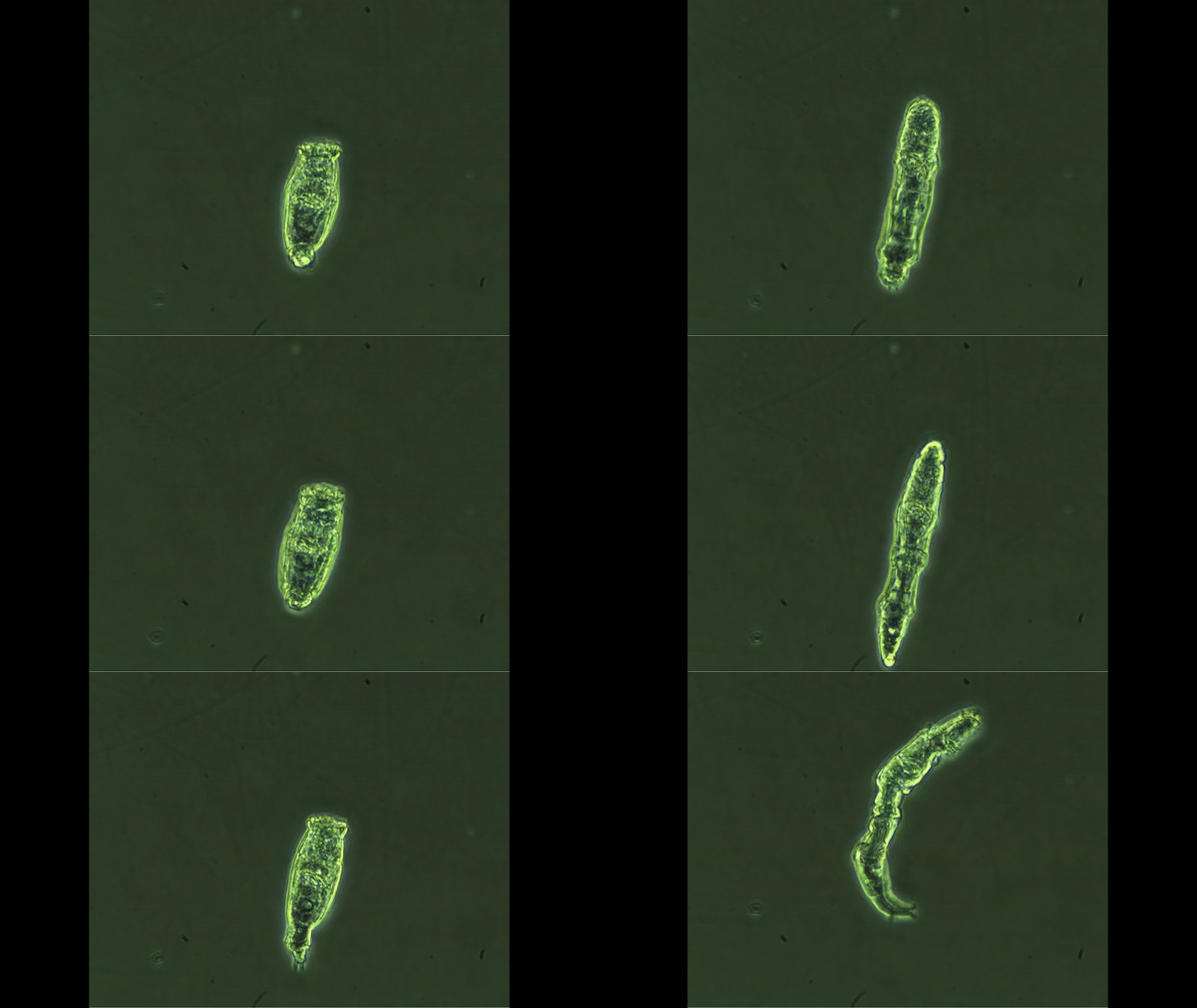
Tiny zombies that were frozen in Arctic permafrost for 24,000 years were recently brought back to life by the scientists of Russia and they further produced clones for them in a laboratory. The undead organisms are called bdelloid rotifers, or microscopic “wheel animals” named for their circular mouths surrounded by tiny hairs. Rotifers are multi cellular organisms that can live in fresh waters and they have been around for about 50 million years. In these years they have learnt to adapt and survive. They can live in astonishing conditions like red-hot undersea vents or the vacuum of space. Later it was found that modern rotifers can be frozen at minus 4 degree Fahrenheit and then can be retrieved up to ten years later.

For this experiment, the scientists went to Siberia and carved off a slice of permafrost ( the term for ground that permanently stays frozen ). This particular area that the scientists carved off has been frozen since at least the end of the Pleistocene epoch ( that is about 2.6 million to 11,700 years ago ). The scientists took the rotifers and thawed them gently. ( thaw – to make something become soft or liquid again after freezing ). By doing so, at a particular point the rotifers came to life again which also included their characteristic sexual reproduction. They also began to reproduce asexually through parthenogenesis which leads to creating clones that were genetic duplicates.

Rotifers evolved to use cryptobiosis because most of the them live in watery habitats that freeze or dry up, Stas Malavin, a researcher and lead author told Live Science. “They suspend their metabolism and accumulate certain compounds like chaperone proteins that help them to recover from cryptobiosis when the conditions improve,” Stas Malavin stated.

By the way, this is not the first time ancient life has been resurrected.

The Beauty of Tierra del Fuego

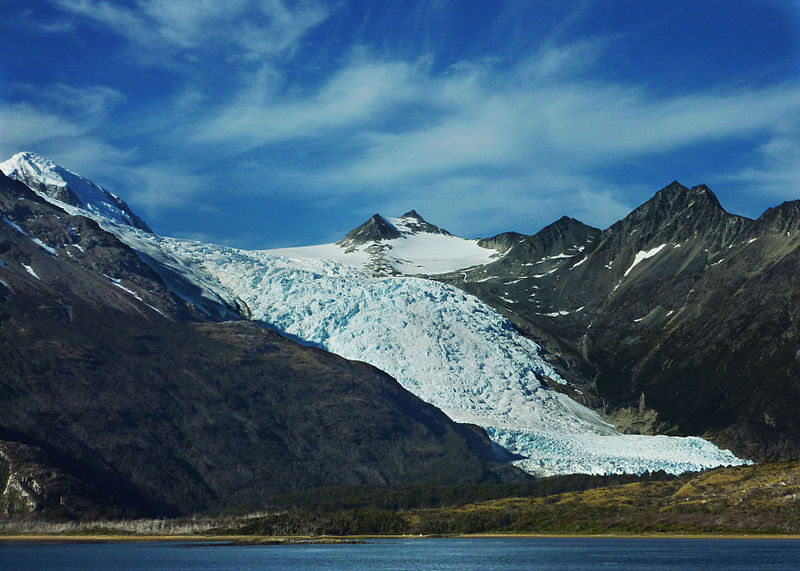
Tierra del Fuego, which stands for “Land of Fire” in Spanish, is an archipelago or a cluster of islands in the southern most tip of South America. It is located across the Strait of Magellan.  The archipelago consists of the main island, Isla Grande de Tierra del Fuego and a group of many islands, including Cape Horn and Diego Ramirez Islands. Tierra del Fuego is divided between Chile and Argentina and is located close to the perennially frozen continent of Antarctica. Tourism is a major component of the local economy.

Brief History

The History of Tierra del Fuego ranges from settlement of the region by the local Yaghan and the Selk’nam people to it’s discovery by the infamous Portuguese explorer Ferdinand Magellan on whom the strait of Magellan is named after, to Spanish European colonization and the genocide of the natives during the gold rushes in the region.

In recent history, both countries have explored the region for oil extraction and formulated their Antarctic claims. In the 1960’s and 70’s there was even a threat of military conflict looming between the two countries over a few islands which almost led to an Argentine invasion of Chile in 1978. Ths very threat of war caused the Chilean regime of Dictator Augusto Pinochet to give logistical support and information to the British during the Falklands War of 1982.

Geography

The archipelago consists of the main Isla Grande de Tierra del Fuego island. Its westernmost part belongs to Chile and the rest to Argentina. The Chilean part is the region named Magallanes y Antarctica Chilena whose capital is Punta Arenas. The village of Puerto Toro located here is probably the Southernmost village in the world.

The eastern part of the main island, and a few small islands in the Beagle Channel, belong to Argentina. They are part of the Tierra del Fuego, Antarctic territory and South Atlantic islands province. The capital is Ushuaia, whis claims the title of the southernmost city of the World.

Flora & Fauna

Only few Islands here forests which are classified as Magellanic subpolar. Trees like winter’s bark, Lenga beech, Magellan’s beech, Northofagus Antarctica etc are found here.

The most notable animals found here are Sea Gulls, Guanacos, Foxes, Kingfishers, Condors, Penguins, Owls, Austral Parakeets, North American Beavers, Sea Lion, Leopard Seals etc.

https://www.adventure-life.com/patagonia/articles/tierra-del-fuego-culture

The life of people between the two world wars

We all know that how the world wars made people life a tragedy during the period 1919-1939. People suffered by many factors that cant be described by words. More than the war the life after the war made an big impact in people who have seen them.

After the beginning of civilization, the world hadn’t seen a war on a large scale as during world war-I. Millions if people died and many countries of Europe were near collapse. At the end of war everyone welcomed the peace treaty which was signed at Versailles in 1919. Britain was one look forward the treaty more eagerly because they are the most affected one. They were not invaded or defeated like France and Germany, but was badly shaken up, she had to repay the great national debt all by herself since her alliez were totally crushed economically.

In 1918, the parliament was selected on an almost universal suffrage. According to the presentation of the people’s act 1918, all men over twenty one and all women over twenty five were given the franchise. Women are no longer be ignored. The end of world war resulted in the demobilisation of the army, this made several hundreds of men unemployed. Employers wished to reduce wages since the profit margin was very narrow. In 1924, the labour party won the election and formed its first government with Ramsay MacDonald as prime minister. It remained in power for just eleven month.

The time between 1924 and 1929 when the conservatives held the reins, was a grim period in England. Trade had declined drastically and the problem of unemployment become more serious. A General strike of all trade unions was declared in 1926. It failed very quickly since the government took steps to provide transport and food. The financial crisis created a panic and the labour government could not deal with the disaster. MacDonald called for a National Government to handle the situation. Drastic measures were adopted by National Government to face the crisis. Gradually, the panic subsided and the economy began to improve. Between 1923 and 1938, certain new industries began to expand. Companies involved in all kinds of electrical work such as writing, cables and lambs grew rapidly.

Economic conditions had not improved and to make matters worse, a crash in the new York stick exchange in 1929 led to a depression which engulfed the whole of Europe. The financial crisis created a panic and the Labour government could not deal with the disaster.

Soon after world war-I ended, the Irish problems became explosive. In 1919, the Irish leaders declared Ireland independent. The British police force was nicknamed the Black and Tans because of their khaki uniforms and black helmets. The new dominion was called the Irish free state. Soon after the war came to an end, there was the immediate post war mood of frivolity and gay abandon. People’s expectations of peacetime prosperity were dashed as inflation and unemployment continued to rage. This led them into self-questioning mood. The people were slowly becoming disillusioned with the ideas of empire and democracy.

Political enfranchisement went far ahead of education with the result that the man in the street become important politically. The experience of the first world war with its large scale devastations, coloured the thinking of the people.

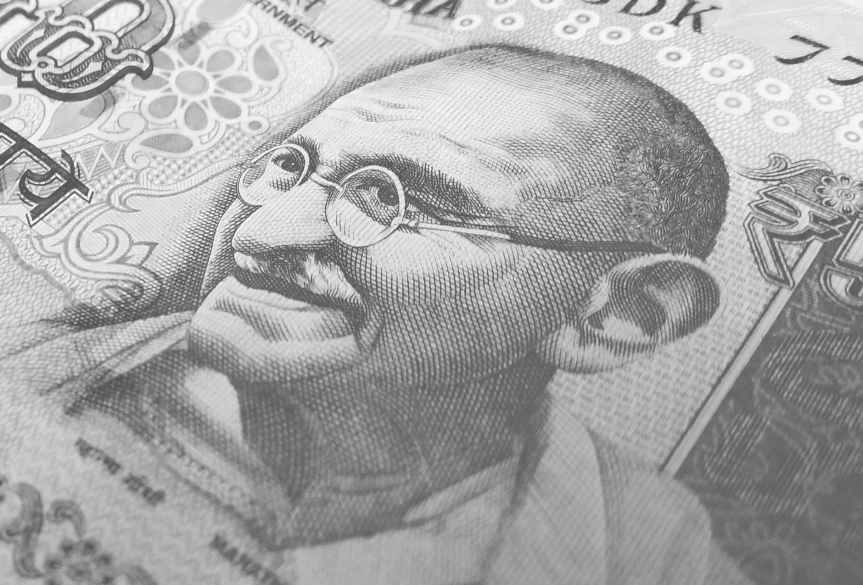
Biography of “Mahatma Gandhi”

Full name- Mohandas karamchand Gandhi

Born- 2 October, 1869 (Porbander, Gujarat)

Death- 30 January, 1948

Father- Karamchand Gandhi

Mother- Putlibai Gandhi

Nationality- Indian

Professions- Politicians, Lawyer, Writer

Wife- Kasturba Gandhi.

The name ‘Gandhi’ needs no introduction. Any part of the world that understands civilisation and humanitarian values appreciates Mahatma Gandhi (October 2, 1869-January 30, 1948). Thus it doesn’t come as a surprise that you find Gandhi fans in a diverse range-from the present American President, Barack Obama to philanthropic groups working in Rio

Movements launched by Mahatma Gandhi:

Mahatma Gandhi overcame insurmountable odds to bring the mighty British Empire to its knees. It is not merely because of the Non-cooperation Movement or the Dandi March (1931) that we know him today. It is true, of course, that these movements, along with the Quit India Movement (1942), brought the British Government to its knees. Gandhi was a man of the masses. Such was his popularity that the British went weak in their knees at the prospect of arresting him. They were afraid of making a martyr of him and thus adding to his popularity. This was no mean achievement for a man described by Winston Churchill as a ‘half- naked fakir’. Gandhi’s idea of non-violent resistance against the British rule appealed to the conscience of the Indian society groaning under the unjust rule of the British since the Battle of Plassey in 1757.

When Gandhi put Satyagraha into action for the first time in South Africa in1906 and became a success there, it didn’t take much time to recognise and hail the arrival of a great leader. But Gandhi was more than a messiah in the world of politics. He was a powerful social reformer who campaigned relentlessly to end discrimination against India’s untouchable class, whom he called the Harijans (children of God).

Mahatma Gandhi Awards:

• In 1930, Gandhi was named the Man of the Year by Time’s Magazine. • In 2011, Time magazine named Gandhi as one of the top 25 political icons of all time. • He did not receive the Nobel Peace Prize despite being nominated five times between 1937 and 1948.

• The Government of India institutionalized the annual Gandhi Peace Prize to distinguished social workers, world leaders, and citizens. Nelson Mandela, the leader of South Africa’s struggle against apartheid was a recipient of the award

About Mahatma gandhi Personality:

The spiritual strength of Gandhi’s personality has to be given due recognition. His autobiography My Experiments with Truth bears a living testimony to this. Gandhiji used his spiritual strength to overcome all opposition. He walked across the country’s villages trying to make its people realise the importance of sanitation and healthy habits. If this does not prove his sincerity, let us remember his fast-unto-death in the riot-hit Calcutta of September 1947, which brought the Hindus and Muslims together again after a terrible violence.

Would any of our leaders today dare to walk the riot-hit streets of Noakhali with only a Tagore song to give him company? It is stupid to question the courage of this man who perhaps might even have achieved the impossible task of unifying India and Pakistan again had he not been shot dead by a fanatic called Nathuram Godse on January 30, 1948.

Film on Mahatma Gandhi:

Ben Kingsley portrayed Mahatma Gandhi in the 1982 film Gandhi, which won the Academy Award for Best Picture. Therefore, Mahatma Gandhi would be remembered forever as he spread the message of non-violence, truth, faith in God, and also he fought for India’s Independence. His methods inspired various leaders, youth not only in India but also out of India. In Indian history, he is considered as a most prominent personality and as the simplest person who wears dhoti. He spread the message of swaraj and taught Indians how to become independent.

Mumbai: The City of Dreams

Mumbai, the capital of Maharashtra and the heart and soul of India. It is called with heck lot of names like- the City of Dreams, and Mayanagri, etc. It has earned these names not just in a day but over the years not just because of limitless opportunities for citizens across the state, but for all citizens all across the Globe. Talking about Mumbai in a bit religious way, it is known to be the city of Sri Mahalaxmi, Siddhivinayak. It is said that the goddess of fortune and abundance resides and grants favors, worshipped by a lot of devotees being it the citizens of Mumbai or elsewhere.

Commercial Center of India

Mumbai is known to be the Commerical capital of India. It is one of the richest city in India. From the Reserve Bank of India, National stock Exchange or the Bombay stock Exchange to the biggest Indian business houses like the Reliance Industries, Tata Group or the Aditya Birla Group, most of the financial institutions have their headquarters here.

The Bollywood Bling and the Largest Film City in India

From several film studios and the television industry to some of the biggest film stars like Amitabh Bachchan or Shahrukh Khan, the Bollywood star bling is unmatchable.

Splendid Architecture

From the historic Gateway of India or the landmark Haji Ali Dargah located on the sea to the gleaming Queen’s Necklace or the recent architectural wonder, the Bandra-Worli sea link, Mumbai is a perfect example of splendid architecture.

Heaven for Migrants

Being the economic hub of India, there’s something for all in this city. From a small business or medium-sized business to different career option including Bollywood exposure, there are opportunities galore in this city.

More facts about Mumbai

A city that never sleeps is Mumbai. It has a very beautiful night life that is what everyone looks for these days. It is known for it’s amazing night life and who so ever experiences it they are fond of it and never forgets. It feels like heaven seeing the Night life near Maine Drive, Haji Ali, Sea link and many more.

Mumbai has a beautiful Heritage sight too and some are given below-

Victorian Gothic and Art Deco Ensembles of Mumbai – World Heritage Site

University of Mumbai, Fort Campus building

Our first World Heritage site in Maharashtra is one of India’s most recent additions: the Victorian Gothic and Art Deco Ensembles of Mumbai. Located in the Fort area of downtown Mumbai, this collection of 94 beautiful buildings date from the 19th and early 20th centuries. They’re a a legacy of the British colonial period. Rich with cash from exports, the local government built enormous grand buildings to make the city of Bombay world-renowned.

And there’s some incredible buildings here. Particular highlights of the Victorian Gothic style include the Bombay High Court, and the University of Mumbai. There’s also the City Civil and Sessions building, plus the incredible Chhatrapati Shivaji Terminus railway station. If you can believe it – the CST railway station is also a separate World Heritage Site!

Chhatrapati Shivaji Terminus (Victoria Terminus) – World Heritage Site

Chhatrapati Shivaji Terminus

Next up, we have Chhatrapati Shivaji Terminus, or CST for short. It’s a very rare example of two World Heritage sites in the same building! CST is the main train station in Mumbai, and the main station in western India as well. Opening in 1887, it took ten years to build! Built to commemorate Queen Victoria‘s Golden Jubilee, the station was known as Victoria Terminus until 1999.

It’s a supreme example of Victorian Gothic architecture, and is partly based on St Pancras railway station in London. The attention to detail here is just marvellous, with beautiful domes, arches, statues and turrets, both inside and out. There’s also a magnificent entry gate loaded with symbolism, crowned by a British lion and an Indian tiger.

Elephanta Caves – World Heritage Site

Elephanta Caves are located on an island in the middle of Mumbai harbour, just a short boat ride from the iconic Gateway of India. This site covers five man-made caves dug directly into the side of the mountain. The caves are dedicated to the worship of Shiva, one of the main Hindu gods, and they’re a spectacular sight to behold.

The main cave here is immense – roughly square shaped, 40 metres on each side, and nearly 10 metres tall. The walls are all covered in carvings depicting the stories of Shiva, done with exquisite detail.

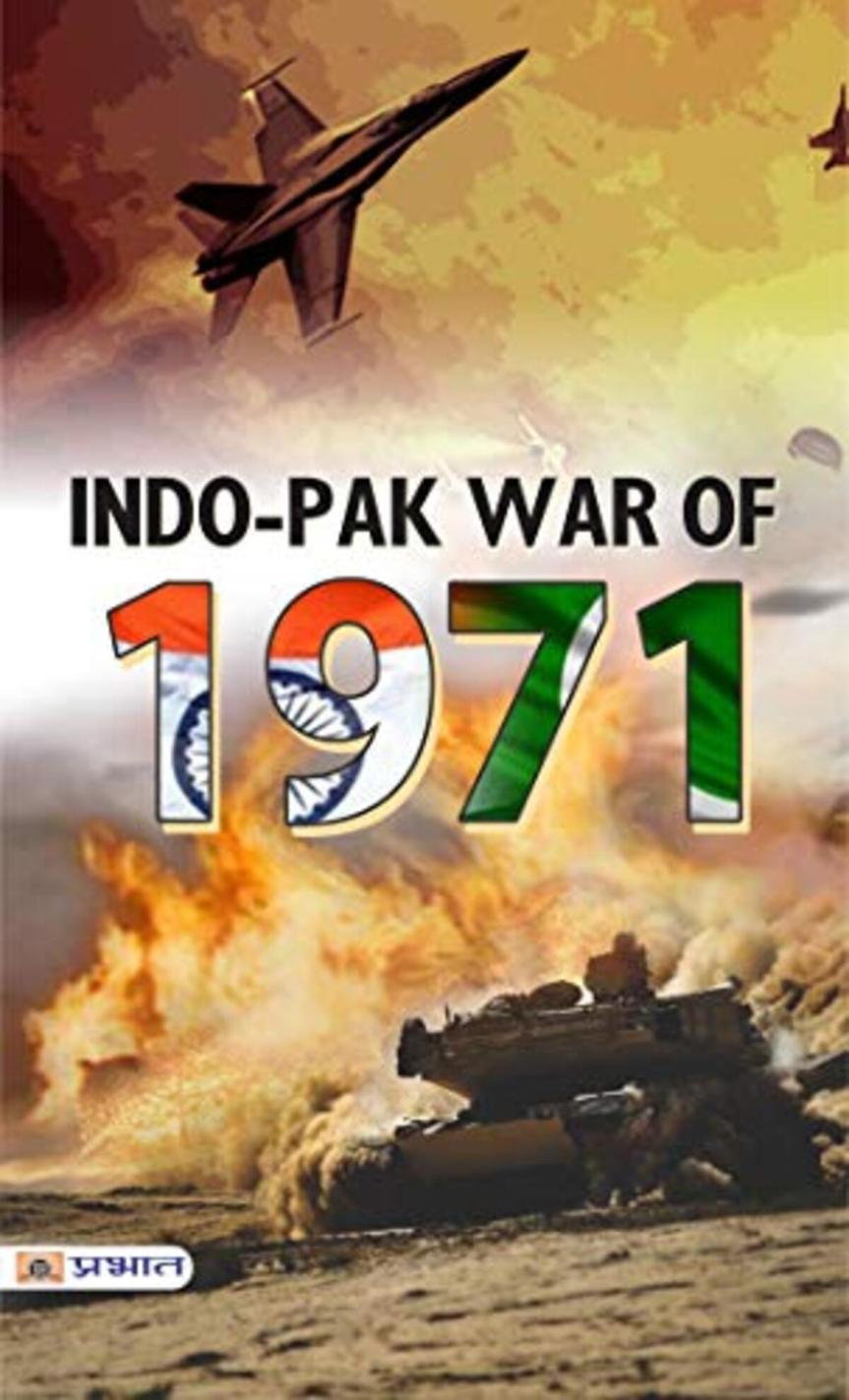
INDO-PAKISTANI WAR OF 1971

Ajay Devgan’s latest film BHUJ: The pride of India trailer was released on Monday. It’s basically based on the Indo-Pakistani war of 1971. The Indo-Pakistan war is one of the most glorious moments in Indian history.
The Indo-Pakistan war bears witness to the bravery and courage of the Indian army and the Indian civilians who helped them in so many ways.
So, let’s take an overview of those proudest moments.

INDO-PAKISTAN WAR 1971

BRIEF OF INDO-PAKISTAN WAR of 1971:-
The 1971 Indo-Pakistani war was a military confrontation between the Indian and Pakistani army during the Bangladesh Liberation War. It is one of the shortest wars in history, lasting only 13 days. During the war, the Indian and Pakistan armies clashed simultaneously in the eastern and western areas. The confrontation started when the Pakistani army launched its “CHENGIZ KHAN” operation and carried out air strikes on 11 Indian air stations.

CASUALITIES AND LOSSES:-
India had lost between 2500 and 3843 soldiers and between 9851 and 12000 soldiers had been wounded during the confrontation. Naval planes, frigates and several aerodromes in West India were also damaged during the war.
While up to 9,000 Pakistani soldiers were killed, 25,000 soldiers were violently wounded and 93,000 civilians, Razarks and soldiers were captured. India also destroyed the two destroyers of Pakistan, a minesweeper, a submarine, three patrol ships and seven gunboats. The main Pakistani port facilities in Karachi and various airfields were also destroyed during the clashes. A part of all these about 3 lakh to 3 crore civilians of Bangladesh was killed by Pakistani military and razarks.

RESULT OF THE WAR:-
The war ended when the eastern command of the Pakistani army signed the instrument of surrender with the Indian army on 16 December 1971 in Dhaka. As a result, the eastern Pakistan was declared as an independent nation named Bangladesh. But due to the brutality of the Pakistani army and Razakars, approximately 8 to 10 million people from Bangladesh fled and became a safe haven in India.

AWARDS AND HONOURS:-
The courageous Indian soldiers who fought valiantly on the battlefield were honored by the “PADAM VIR CHAKRA”.
PADAM VIR CHAKRA award recipients as follows:-

  1. Lance Naik Albert Ekka (Posthumously)
  2. Flying Officer Nirmal Jit Singh Sekhon (Posthumously)
  3. Major Hoshiar Singh
  4. Second Lieutenant Arun Khetarpal (Posthumously)

    Former Indian Prime Minister Indira Gandhi was also honored by the Bangladeshi government by posthumously awarding Bangladesh Swadhinata Sammanona on 25 July 2011.

Each time we read and hear the stories of the Indo-Pakistani war, it is given like a grumble. The Indo-Pakistani war is one of the proudest moments in Indian history that demonstrates to the world that we are no less than anyone else. I hope you all feel equally proud reading this blog as I feel about writing and researching about it.
Finally greet all the soldiers that protect us without blinking.
Have a good day and Happy Reading.


[If there are some mistake and misinformation in the blog so sorry about it and tell us to comment. All the information is taken from trusted sources. Thank you]

The utterly butterly delicious story of Amul

Over the years, Amul, one of the most beloved brands of our country, has become the taste of India, just as its tagline claims. Every Indian millennial has grown up listening to the jingles of its many dairy products, and the Amul girl, the brand’s mascot in the polka-dotted dress, has become a nostalgia-evoking symbol. Amul has truly come a long way since its founding in 1946.

The beginning

Amul was formed as a part of a cooperative movement against Polson Dairy in Anand, Gujarat, which procured milk from local farmers of Kaira District at very low rates and sold it to the then Bombay government. Everyone except the farmers benefited from this trade. The farmers took their plea to Sardar Patel, who had advocated farmers’ cooperatives since 1942. The result was the formation of the Kaira District Co-operative Milk Producers’ Union Limited in Anand.

The union started pasteurising milk produced by a handful of farmers for the Bombay Milk Scheme and grew to 432 farmers by the end of 1948. The rapid growth led to problems including excess production that the Bombay Milk Scheme couldn’t accommodate. To solve this issue, a plant was set up to process all that extra milk into products such as milk powder and butter.

Amul is born

The late Dr. Verghese Kurien, rightly called the Milkman of India, was Amul’s true architect. His journey at Amul began in 1949 when he arrived in Anand to manage a dairy as a government employee. He went from helping farmers repair machinery to revolutionising India’s dairy industry with the White Revolution (or Operation Flood), the largest dairy development programme in the world.

The new dairy with the milk processing plant was ready for operation in October 1955, the year that also saw a breakthrough in dairy technology —buffalo milk was processed to make products for the first time in the world. The word ‘Amul’, derived from ‘Amulya’, which means ‘precious’ or ‘priceless’ in Sanskrit, was used to market the range of milk products developed by the Kaira Union. It is also an acronym for Anand Milk Union Ltd.

Dr Kurien had a vision. He wanted to offer small-scale dairy farmers quality-control units and centralised marketing, which were missing at the time in the dairy economy. Thus, the Gujarat Cooperative Milk Marketing Federation (GCMMF) was created in 1973 to market milk and all milk products produced by six district cooperative unions in Gujarat. GCMMF is the largest exporter of dairy products in India and Amul is the umbrella for all of its products.

Awards, accolades, and a global presence

Over the years, Amul, together with GCMMF, has won numerous awards. Some of these include the Rajiv Gandhi National Quality Award, 1999; the Golden Trophy for Outstanding Export Performance, 2009-10; Best Marketing Campaign, 2014; and World Dairy Innovation Award, among many others. Amul earned recognition all over the world when GCMMF  introduced it on the Global Dairy Trade (GDT) platform, where only the six top dairy players across the world sell their products.

More than a mere slogan

Amul’s famous slogan, which is now a part of its logo, was created in 1994 by Shri Kanon Krishna of a Mumbai-based advertising agency called Advertising and Sales Promotion (ASP). According to Amul, the Taste of India slogan is more than just corporate positioning or advertising jargon. This slogan lends meaning to the brand’s never-ending commitment to taking quality food and products to the rural man, which he otherwise couldn’t have afforded.

The Butter Girl

Amul did not always have the round-eyed moppet as its mascot. The Butter Girl was born in 1966 when Sylvester daCunha, the then MD of the advertising agency handling Amul butter’s account, created her for its campaign. It was a pleasant change from the dull, corporate ads that the previous agency had come up with. Being a seasoned marketer himself, Dr Kurien gave daCunha complete creative freedom to create and release the ads without taking the company’s permission. 30 years later, the Utterly Butterly Girl still wins hearts wherever she is, whether on a billboard or on the packet of butter.

Amul is not just a brand; it is also a movement that represents farmers’ economic freedom. The name is now a household term that is here to stay, and the chubby-cheeked Amul girl will continue to cast a spell on the public.

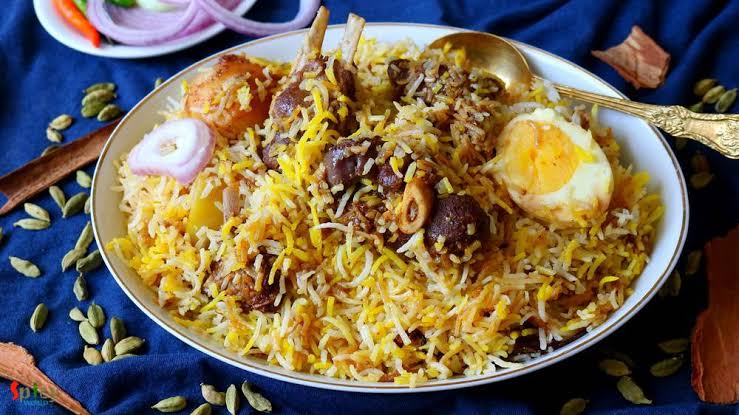
BIRIYANI : THE BLESSINGS OF MUGHALS

The origin of biriyani in India is uncertain. Many theories are put forward in the origin of Biriyani in our country. The delicacy is considered as a food pride of our country. According to historian Lizzie Collingham, the modern biryani developed in the royal kitchens of the Mughal Empire (1526–1857) and is a mix of the native spicy rice dishes of India and the Persian pilaf.Indian restaurateur Kris Dhillon believes that the dish originated in Persia, and was brought to India by the Mughals. Pratibha Karan the author of the book “Biriyani” says that it is derived from a South origin dish called pilaf . She speculates that the pulao was an army dish in medieval India. Armies would prepare a one-pot dish of rice with whichever meat was available. Over time, the dish became biryani due to different methods of cooking, with the distinction between “pulao” and “biryani” being arbitrary.

Biriyani ❤️

INGREDIENTS

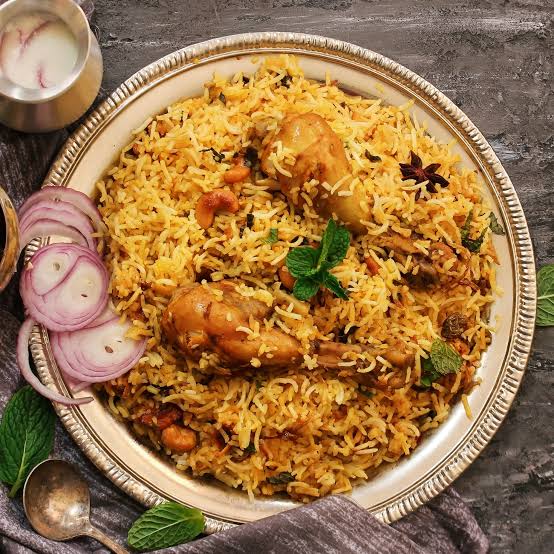
The spices and condiments used in biryani may include ghee (clarified butter), nutmeg, mace,pepper, cloves, cardamom, cinnamon, bay leaves, coriander, mint leaves, ginger, onions, tomatoes, green chilies, and garlic. The premium varieties include saffron.

The main ingredient that usually accompanies the spices is chicken or goat meat; special varieties might use beef or seafood instead. The dish may be served with dahi chutney or raita, korma, curry, a sour dish of aubergine (brinjal), boiled egg, and salad.

The taste of India

VARIETIES OF BIRIYANI

There are many types of biryani, whose names are often based on their region of origin. For example, Sindhi biryani developed in the Sindh region of what is now Pakistan, and Hyderabadi biryani developed in the city of Hyderabad in South India.

Some have taken the name of the shop that sells it, for example: Haji Biriyani, Haji Nanna Biriyani in Old Dhaka, Fakhruddin Biriyani in Dhaka, Students biryani in Karachi, Lucky biryani in Bandra, Mumbai and Baghdadi biryani in Colaba, Mumbai. Biryanis are often specific to the Muslim communities where they originate; they are usually the defining dishes of those communities.

KOLKATA BIRIYANI

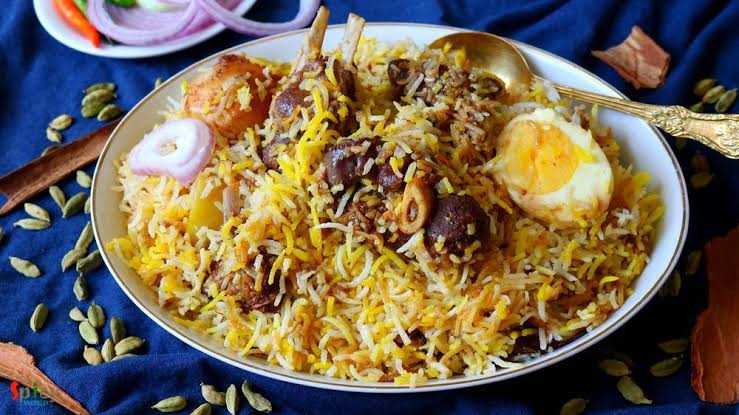
Calcutta or Kolkata biryani evolved from the Lucknow style, when Awadh’s last Nawab Wajid Ali Shah was exiled in 1856 to the Kolkata suburb of Metiabruz. Shah brought his personal chef with him. The Kolkata biriyani is characterized by the unique presence of potato in it, along with meat. It is said that the Nawab, having is lost his kingdom, could not afford meat, so his chefs tried to compensate by adding potato.

Kolkata biriyani
Biriyani is a dish which brings pride to our food culture
Anuj Das

What is a Paper Town ?

A paper town is essentially a copyright trap.

Map making is a tedious and difficult job. So there has always been plagiarism in the map-making industry.

So,to avoid this cartographers came up with a master-plan-Paper towns.

For example A is map-making company,so A will mention a made-up town’s name in their map,if B Map-making company trys to copy from A company,they’d be caught because the town doesn’t exist.

Over the years there have been many paper towns,Argleton,Agloe,moat lane etc.

But a very interesting thing happened with one of the paper town-it became a real town.

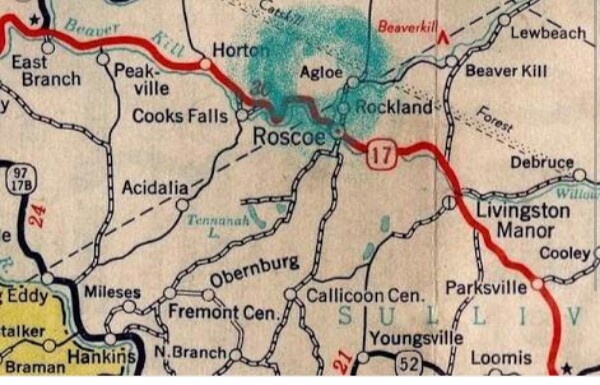
The town was Agloe.

Agloe is situated in Roscoe,New York

Agloe the invention of Lindberg and his assistant, Ernest Alpers; its very name was a mix of their initials (OGL and EA).They sold their maps to Esso company.

But then agloe featured in the maps of another company called Rand mcNally.

Esso thought Rand mcNally had fallen into their trap and sued them for plagiarism.But the Rand mcNally said that agloe was actually a real town.

How did that happen?

Actually in late 1950s the locals of Roscoe opened a general store and named it ‘THE AGLOE GENERAL STORE’,since the they saw the place marked as Agloe in the Esso maps.

Thus Agloe became a real town.

Eventually, the store ran out of business. Agloe was last seen in Google maps in 1990s,but now it has been deleted.

Video Game crash of 1983

In 1983 the video games industry was hit with a recession that almost ended the existence of video games of that time period. This period lasted for almost two years from 1983 to 1985. Many people and journalists who were critical were calling video gaming a fad. Numerous companies went bankrupt or stopped making video games entirely. This recession is known as the Great North American Video Game Crash or Atari Shock (Primarily in Japan).

Video games in the 1970s were dominated by arcade machines and by the end of the decade home game consoles were also getting popular. With the start of the 1980s, the video gaming industry witnessed a boom with numerous companies like Mattel, Atari, and Coleco dominating the market. The early 80s was a time of innovation and growth in the video game industry but there was instability in the industry as well. This was a time period when video games were becoming more mainstream and popular. Many new players entered the market ranging from industries to small developers that had no association or prior experience in game development in general.

Pacman was a big hit in the early 80s and it was not of the most popular video games in the arcades. Its successor Miss. Pacman improved on the formula and was a success as well. After the success of Pacman in the arcades, Atari wanted to replicate the success in the home game consoles. But with the limited constraints with the memory and short development period, the game was not well received by the consumers and critics alike. In 1982 Atari also brought the license to release the video game of the movie for 21 million. The game was developed in a time period of only 5 weeks. The game was negatively received and only 1 million copies of the game were sold off the 5 million manufactured. Many of the sales were also returned to the retailers furthering the damage. During this period video games were being published by small developers with very poor quality and many big developers were producing games that were more of a marketing token than the game. There were many clones of the same games with little to no redeeming quality and replayability. There were also numerous consoles unlike today with too many options that were no different from one another. With the abundance of supply and low sales of games, retailers started to remove stocks of video games and this led to the shrinking of the industry. Atari had lost $500 Million in 1983 and had to cut its workforce from 10,000 employees to just 400 employees.

During the 1980s there was a boom in the Personal Computers market as well. The PCs were much more powerful than consoles and they could play games and do many tasks like word processing and spreadsheets. The PC industry was unaffected by this low point of video game consoles.

In 1985 Nintendo Corporation launched the Nintendo Entertainment systems in North America and Nintendo ensured that only a limited number of games to be released under their license agreement. This ensured a certain threshold of quality for the games that were released for the system and Nintendo emerged out of the survivor from the video game crash. The Nintendo Corporation started to dominate the video game industry with an assurance of quality that was unmatched by any other corporation at that time. Many other entrants like SEGA also emerged after the crash. Nintendo with its approach and license and quality assurance of video games has left a big impact on the industry to this date. Video games industry has only grown since then and also overtaken other source of entertainment. Nintendo can be credited to provide the industry a trajectory that was severely needed after the crash of 83.

References:

A COMPUTER WILL NEVER REPLACE A BOOK

In this digital era we always use an electronic device like computer for getting our works done but coming to the taste of experience a computer will never replace a book. There might be several reasons to say that computer is best than a book but for sure what ever the epic information that we see today in a computer was written in a book priorly. A good book in the words of John Milton is the precious lifeblood of a master spirit, embalmed and treasured up to a purpose of life.

The thoughts and ideas contained in a book are immortal like tulasidas’s Rama Charitra Manas, Veda Vyas Mahabaratha, The Bible and many other religious literary works like shakespere’s play etc… On the other hand, a computer is a machine that can visualize the contents of a specific book but thinking about the replacement of a book by a computer is unthinkable and far fetched.

A book provides the most cost effective for spreading education and literacy. It is available at a fraction of the cost of a computer. Moreover it is extremely portable and handy, it is not dependent on any external factors like availability of power supply, software and space which are essential prerequisites for a computer. To go through the contents of a book, the two basic ingredients required are time and inclination. It can be read at any time of day or night and anywhere, like while travelling or even while dozing off to sleep.

Though the above mentioned all phases can be full filled by an electronic gadget also reading a book does not create any physical discomfort or eye strain. We all are aware of the hazards of back pain and eye strain caused by a long stretch of viewing a computer screen. Another factor in favor of the book is the general high degree of respectability and faith commended by the written word. Thus while we may see or hear event on our computer terminal, there is nothing better than to confirm the same from a newspaper or a book. Besides helping in spreading education to masses, a plays an important role in developing our power of expression, and the generation of new ideas and thoughts, which help in modelling our personality .

A book is a source of knowledge on a particular subject, offering no diversion or distraction while a computer offers multiple sources like reading, entertainment, games or news on one go along with several advertisements which some times leads to the distraction of our mind and consequently hinders the acquisition of knowledge.

Thus the computer can never replace a book either now or in the near future, this is for the conviction and convenience offered by a book and it can never be possible through a computer. Moreover being a machine it has chance to break down or show an error, these factors are non-existent while reading a book.