Ambani – The Indian tycoon

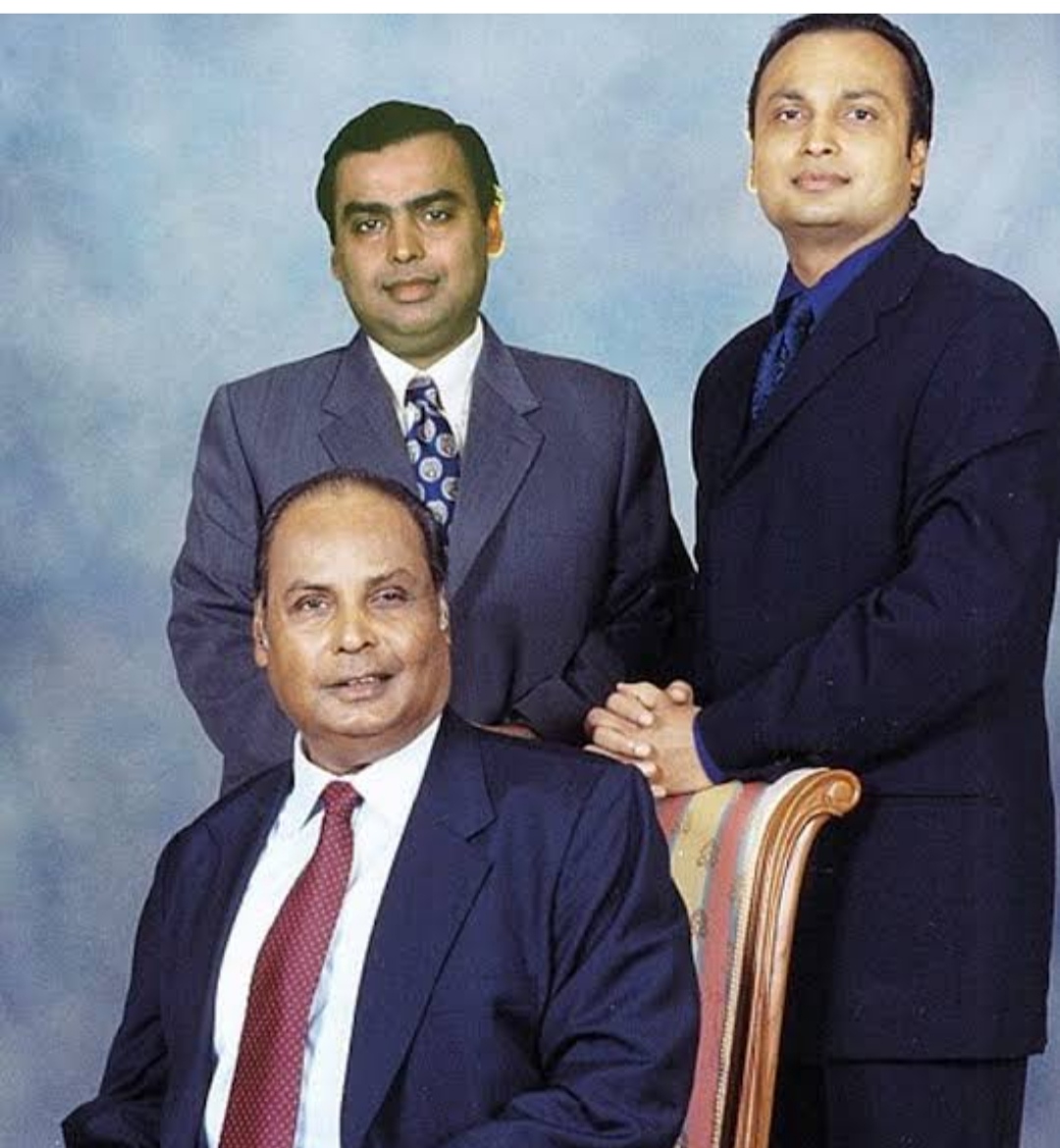
Dhirajlal Hirachand Ambani, popularly known as Dhirubhai Ambani. He is the father of Mukesh Ambani and Anil Ambani

Dhirubhai Ambani was a successful Indian business tycoon who founded Reliance Industries.

Dhirubhai Ambani,Indian industrialist,the founder of Reliance Industries, a giant petrochemicals, communications, power, and textiles.

Reliance is the biggest exporter in India and the first privately owned Indian company.

Dhirubhai Ambani passed away in 2002, before his death itself in 1980’s he handover the reliance corporation to his sons Mukesh Ambani and Anil Ambani.

Reliance Power Limited (R-power), formerly known as Reliance Energy Generation Limited (REGL) is a part of the reliance Anil Ambani Group. It was established to develop, construct, operate and maintain power projects in the Indian and international markets.

Mukesh Ambani runs Reliance industries which has interests in petrochemicals, oil and gas, telecom and retail.

Reliance industries limited, diverse businesses include petrochemicals, natural gas,retail, telecommunications,mass media and textiles. Reliance is one of the most profitable companies in India.

Reliance’s Mukesh Ambani and Nita Ambani are the owners of the second most expensive home in the World, ANTILIA, Mumbai.

Global research on coronavirus disease (COVID-19)

WHO is bringing the world’s scientists and global health professionals together to accelerate the research and development process, and develop new norms and standards to contain the spread of the coronavirus pandemic and help care for those affected.

The R&D Blueprint has been activated to accelerate diagnostics, vaccines and therapeutics for this novel coronavirus.

The solidarity of all countries will be essential to ensure equitable access to COVID-19 health products.

Global research database

WHO is gathering the latest international multilingual scientific findings and knowledge on COVID-19. The global literature cited in the WHO COVID-19 database is updated daily (Monday through Friday) from searches of bibliographic databases, hand searching, and the addition of other expert-referred scientific articles. This database represents a comprehensive multilingual source of current literature on the topic. While it may not be exhaustive, new research is added regularly.

The WHO evidence retrieval sub-group has begun collaboration with key partners to enrich the citations and build a more comprehensive database with inclusion of other content. The database is built by BIREME, the Specialized Center of PAHO/AMRO and part of the Regional Office’s Department of Evidence and Intelligence for Action in Health.

For further information or questions, please contact the WHO Library via email.

Disclaimer: the designations employed and the presentation of the material in publications listed in this database does not imply the expression of any opinion whatsoever on the part of WHO concerning the legal status of any country, territory, city or area or of its authorities, or concerning the delimitation of its frontiers or boundaries. Dotted and dashed lines on maps represent approximate border lines for which there may not yet be full agreement.

The mention of specific companies or of certain manufacturers’ products in publications listed in the database does not imply that they are endorsed or recommended by WHO in preference to others of a similar nature that are not mentioned. Errors and omissions excepted, the names of proprietary products are distinguished by initial capital letters.

By listing publications in this database and providing links to external sites does not mean that WHO endorses or recommends those publications or sites, or has verified the content contained within them. The database has been compiled without warranty of any kind, either expressed or implied. The responsibility for the interpretation and use of publications included in this database lies with the reader. In no event shall WHO be liable for damages arising from its use.

India’s Foreign Trade Policy

Foreign Trade Policy is a set of guidelines for the import and export of goods and services of the country. In India, it is formulated by the Directorate General of Foreign Trade (DGFT) under the Ministry of Commerce and Industry. DGFT is a body formed for promotion and facilitation of exports and imports. The policy is formulated every five years for the next five years.

India’s first foreign trade policy was formulated in the year 1985 with the aim of boosting exports (by finding opportunities and encouraging exporters by making industry-friendly policies), generating employment and improving competitiveness of the local market and the quality of the products. With 2020 coming to an end, it was announced that the 2015-2020 policy has been extended till September 2021. Let’s take a look at the highlights of 2015-2020 policy and the new 2021-2026 policy.

2015-2020 Highlights

  • Policies were simplified and new export incentives were introduced for the following categories- Merchandise Export of India (MEIS) and Service Export of India (SEIS). Under these schemes, countries have been categorized into 3 groups and the rewards vary from 2-5% under MEIS and 3-5% under SEIS.
  • Main focus was on Skill Development and Make in India to increase value-addition.
  • It encouraged ‘ease of doing business’ by promoting E-documentation and Digitalisation.
  • It facilitated and encouraged exports.
  • Export Obligation has been reduced to 75% under Export Promotion Capital Goods scheme (EPCG).
  • It also focused on giving a boost to Defence Exports- Tanks, Helicopters, Aircraft etc.
  • New duty exemptions on certain items.
  • Addressal of quality complaints and improvement.
  • Manufacturers labelled as “status holders” (certified by DGFT for their major contribution leading to growth of India’s exports) to self-certify their goods as a product originated from India. This helps them qualify for preferential treatment under various bilateral and regional trade agreements.
  • Construction of three additional ports (to improve connectivity) which is still in progress. These ports are being constructed in Kerala, Gujarat and Andhra Pradesh.
  • Introduction of duty-free schemes for reduction in tariffs
  • Development of additional export excellence zones. Moreover, fast track clearance facility, permitting inter unit transfer of goods and services and permitting warehouses set ups near ports for businesses located in 100% EOU (Export Oriented Units)/EHTP (Export Hardware Technology Park)/STPI (Software Technology Parks of India).

2021-2026 Highlights

Due to the ongoing pandemic, the new policy mainly revolves around ‘ease of doing business’ and digitalisation to promote and support export business in these tough times. It is an extension of 2015-2020 policy as it was extended till September 2021.

The main highlights of the 2021-2026 policy-

  • Digitalisation of business
  • Simplification of export-import procedures- Making documents accessible in digital form.
  • Ease of business by providing easy access to credit and self-certification.
  • Increasing Export awareness: Many exporters and manufacturers are not aware of the duty exemptions and schemes they can benefit from.
  • Help districts reach their potential as an Export Hub. Commerce department will ensure implementation with the help of the State Governments and Union Territories.
  • Improve infrastructure for domestic manufacturing sector to correct the trade imbalance.

Provide Poor Lunch Organization(PPLO)

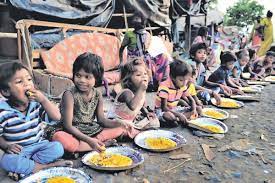
PPLO is started by G.Sanjay on 2019 as an initiative to serve the lunch to the poor people who starve for food.

PPLO’s motive is to “Reduce Shortage by Donating the Wastage“.

FOOD WASTAGE- A SHORT GLIMPSE AND STATS:

Having food is something to celebrate but have you ever wondered consciously just much food you waste. Have you ever stopped to analyze just how much food is wasted in your household, society, country and the world? It is not something that people, who have food readily available whenever they feel hungry, worry about. However, for people who are not even able to eat one meal a day, often wonder if all the food that is being wasted around them on a daily basis could have filled their stomach.

Food waste is an issue of importance to global food security and the environment. But what a lot people may not realise is that is impacts a country’s economy as well. Every day, food suitable for human consumption is wasted in large quantities in medium and high-income countries at the retail and consumer level. In fact, a significant food loss and waste occur at the production to processing stages in the food supply chain in low-income countries. 

Food Wastage in India:

Contrary to the belief of Indians that we don’t waste food, data showed that India wastes as much food as the whole of United Kingdom consumes. In fact, food wastage is an alarming issue in India and country’s streets, garbage bins and landfills have sufficient evidence to prove this. According to the United Nations Development Programme, up to 40 per cent of the food produced in India is wasted and about 21 million tonnes of wheat are wasted annually. 

You don’t even have to scour through several resources to see how much food is wasted in the country. During the nationwide lockdown this year, India registered high wastage because of a poor supply chain. Food delivery website MilkBasket lost 15,000 litres of milk and 10,000 kg of vegetables in a single day after delivery agents were denied entry in societies due to lockdown. Farmers in Belagavi district of Karnataka spilt thousands of litres of milk in a river after they could not reach the people due to the lockdown. Several other reports surfaces which showed how much food was wasted.

Food Wastage stats:

  • Around 67 million tonnes of food is wasted in India every year which has been valued at around Rs 92,000 crores. For context, this amount is enough to feed all of Bihar for a year
  • Annually, nearly 21 million metric tonnes of wheat rots in India. This figure is equal to Australia’s total annual production
  • According to old 2018 BMC data, Mumbai generates close to 9,400 metric tonnes of solid waste per day, from which 73% is food, vegetable, and fruit waste, while only 3% is plastic. 
  • National Delhi also generates around 9,000 metric tonnes of waste per day, with the country’s largest landfill located in East Delhi.

Economic Impact:

Food Wastage not only leads to negative environmental impact but also causes economic loss. According to an FAO report, approximately one-third of all food produced for human consumption is lost or wasted. The economic costs of this food wastage are substantial and amount to about $1 trillion each year. However, the hidden costs of food wastage extend much further.  In addition to the $1 trillion of economic costs per year, environmental costs reach around $700 billion and social costs around $900 billion.

Global food wastage costs as per FAO report:

  • 3.5 Gt CO2e of greenhouse gas emissions. Based on the social cost of carbon, these are estimated to cause $394 billion of damages per year.
  • Increased water scarcity, particularly for dry regions and seasons. Globally, this is estimated to cost $164 billion per year.
  • Soil erosion due to water is estimated to cost USD 35 billion per year through nutrient loss, lower yields biological losses and off-site damages. The cost of wind erosion may be of a similar magnitude.
  • Risks to biodiversity including the impacts of pesticide use, nitrate and phosphorus eutrophication, pollinator losses and fisheries overexploitation are estimated to cost $32 billion per year.
  • Increased risk of conflict due to soil erosion, estimated to cost $396 billion per year.
  • Loss of livelihoods due to soil erosion estimated to cost $333 billion per year.
  • Adverse health effects due to pesticide exposure, estimated to cost $153 billion per year.

Earlier this year, former Union Minister of Consumer Affairs, Food and Public Distribution Ram Vilas Paswan said that in financial year 2019-20, foodgrain wastage in the country stood at 1,930 tonnes, which was 0.002 per cent of the total procurement. The total procurement in FY 2019-20 was 751.72 LMT (Lakh Metric Tonnes). The minister shared the data on Twitter and asserted that the notion that foodgrain wastage is high in FCI (Food Corporation of India) godowns is not true. While he was right, the truth is that over a thousand tonnes of foodgrains was wasted which could have fed millions of people. 

Now that it is clear that food wastage cripples a country’s economy to an extent that most are unaware, some measures that the government needs to take is to include containing wastage in transportation, improve storage facilities. Food processing also needs to be sped up so food is saved and wasted less to feed more. 

PPLO’s WORK:

In PPLO Sanjay and his friends collects the food wasted by common people from their schools and houses and test the quality of the food ensuring that only healthier and good food will be served. We then serve the lunch for the poor people in need instead of throwing to the dusbin. If we find the food has been contaminated we convert the food into a manure by composting.

So in PPLO we ensure that the food is not wasted and it is either used to feed humans or to nurture plants.

Chennai: Fish sales remain extremely poor

Why eat lunch?

Lunch is an important meal for everyone. It provides energy and nutrients to keep the body and brain working efficiently through the afternoon. A packed lunch made at home can be a healthy and delicious choice and gives you control over the foods and ingredients included so the mothers or fathers or children who cook their food for loved ones can able to help the people in need by donating their wastage. So, we took a step to serve the lunch to the needs.

We were able to provide lunch for the slum consisting of 370 people from food collected from a single school. So, we can able to feed the whole world if the wastage is managed properly.

Food waste as fertilizer.

Foods which we find contaminated are transformed to manure to Grow plants. We could use all the food waste and prepare a compost out of them which can be used as organic fertilizer. This way we save the earth from the pollution caused by food waste and also do something productive.

Food waste is unique as a composting agent, it is the main source of organic matters. Fruits, vegetables grains, coffee filters, eggshells can be composted.

PPLO MISSION:

FOOD FOR ALL AND WASTE FOR NONE.

PPLO ACCOMPLISHMENT:

PPLO was successful in providing lunch for nearly 400 people from the food remains generated by a school of 527 students.

If you would like to support PPLO or if you need support from PPLO

Please Contact: s98208366@gmail.com

Money and it’s Functions

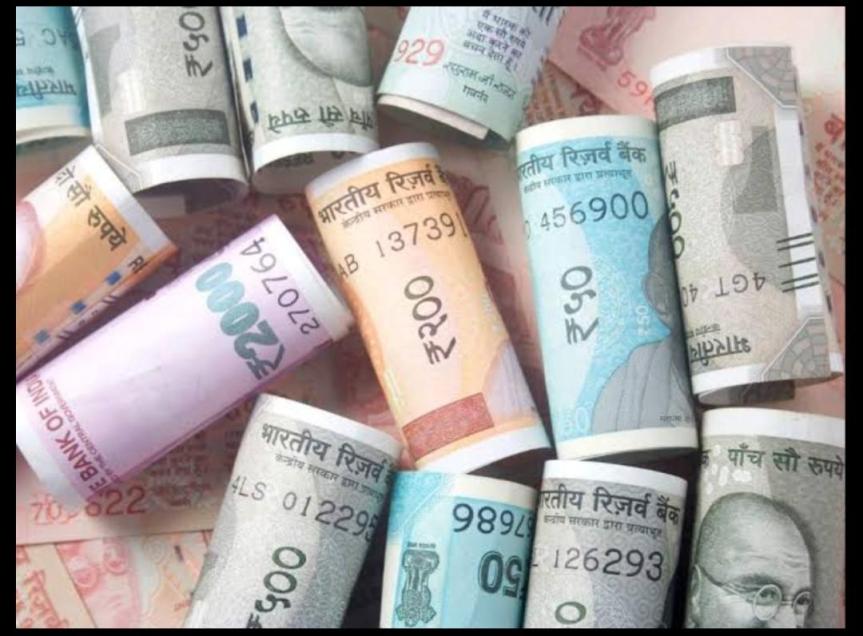
Money a commodity accepted by general consent as a medium of economic exchange. It is basically the legal tender of exchange. The paper currency which we use today has a long history behind it’s origin and evolution. Even today, money is continuously evolving, going from paper to plastic to digital. Over the years, money has changed it’s forms several times but what hasn’t changed is it’s functions. No matter what form it is used in, money almost always serves the same functions.
The functions of money are categorised as primary, secondary and contingent functions.

Primary Functions of Money:

Under this category, money performs it’s two main functions that are medium of exchange and unit of value. In the former case, money has removed the need of double coincidence of wants, something which was very much needed in the batter system which was used earlier. Being a medium of exchange means being generally acceptable. This gives the user freedom of choice and economic independence. It also acts as an intermediary and facilities exchange.
Money as unit of value means money is the standard for measuring values of all goods and services. This value is expressed in terms of price. Price is in terms of monetary unit and money acts as the determiner of rate of exchange. It also helps in calculating important economic parameters like costs, revenue, profits etc.

Secondary Functions of Money:

Under this, money performs three functions. It acts as a standard of deferred payments, it acts as a store of value and as a transfer of value. Money as a standard of deferred payments means that money acts as a standard for payments, which are to be made in future.
Money as a store of value means that money can be used to transfer purchasing power from present to future. Money is a way to store wealth. Although wealth can be stored in other forms also, but money is the most economical and convenient way. Money as a transfer value refers to the fact that money has velocity. It keeps transferring from person to other person.

https://www.yourarticlelibrary.com/economics/money/primary-and-secondary-functions-of-money/30307

Contingent Functions of Money:


Money performs certain contingent functions. These include: distribution of national income, maximization of satisfaction, basis of credit system, money as the most liquid asset. Money helps in distribution of the national product in the form of rent, wage, interest and profit, which are expressed in money terms. Money helps the consumers and producers in maximizing their satisfaction. A consumer derives maximum satisfaction when marginal utility is greater than marginal cost. Money helps in credit creation for banks. Money as a store of value has encouraged savings by people in the form of demand deposits in banks. These deposits are used for generating credit. Money is the most liquid asset of all assets in which wealth is healed. Individuals hold wealth in numerous forms ranging from currency, demand deposits, time deposits to bonds , savings, treasury bills etc. All these forms can be converted into money and vice versa.

https://www.yourarticlelibrary.com/economics/money/contingent-functions-of-money-in-economics/30310

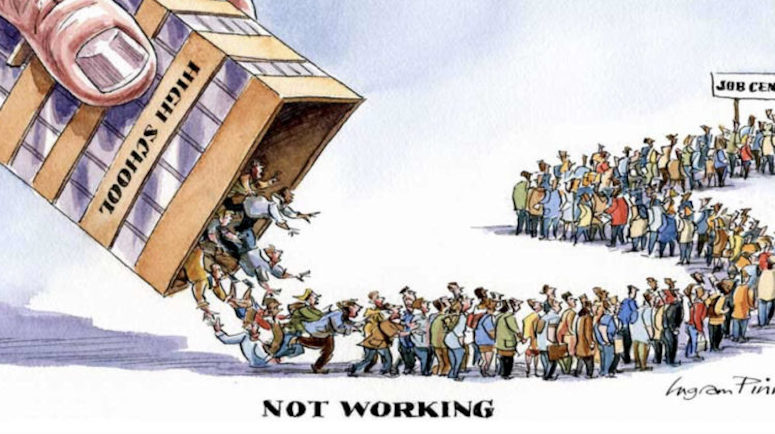
INDIA’S UNEMPLOYEMENT DILEMMA

Unemployment refers to those who are competent and actively seeking employment but are unable to find one. Those in the workforce who are working but are not in a suitable position are included in this category.

In India, because of its rising population and need for jobs, the country’s unemployment difficulties are significant. There are hundreds of thousands of individuals out there that are unemployed.

As per, center for monitoring Indian economy (CMIE) report India’s unemployment rate is 12.81 percent as of June 8th, 2021, despite the lockdown and limitations on movement. Previously, India’s unemployment rate increased from 6.5 percent in March 2021 to 8% in April 2021, rising to 14.7 percent by the end of May, while employment decreased from 37.6 percent in March to 36.8 percent in April. Many companies have been forced to close because of the lockdown to contain the coronavirus epidemic, resulting in increased unemployment across the country. So, if we ignore this problem, it will become the nation’s undoing. 

The administration has taken the situation seriously and is taking steps to reduce unemployment gradually. Following are the initiatives taken by Indian government to tackle the problem of unemployment: –

  1. TRYSEM (Training of Rural Youth for Self-Employment) was established by the government in 1979. The goal of this program was to assist jobless youngsters in rural regions aged 18 to 35 years old in learning self-employment skills. Women and youth from the SC/ST group were given priority. 
  2. In the following year, 1980, the government established the Integrated Rural Development Program (IRDP) with the goal of creating full-time jobs in rural regions.
  3. In 1982, Sri Dharmasthala Manjunatheshwara Educational Trust, Canara Bank, and Syndicate Bank collaborated on a new project called RSETI/RUDSETI. The goal of RUDSETI, which stands for Rural Development and Self Employment Training Institute, was to reduce young unemployment. RSETIs (Rural Self-Employment Training Institutes) are currently handled by banks with active participation.
  4. The Jawahar Rozgar Yojana (JRY) began in April 1989 by combining two existing wage employment programs, the RLEGP (Rural Landless Employment Guarantee Program) and the NREP (National Rural Employment Program), on an 80:20 cost-sharing basis between the state and the center.
  5. The Mahatma Gandhi National Rural Employment Guarantee Act (MNREGA) was passed in 2005, giving individuals the right to work in rural areas. MGNREGA’s employment plan aims to offer social security by guaranteeing all families with adult members who choose unskilled labor-intensive jobs a least of 100 days of paid work per year.
  6. In November 2014, the National Skill Development Mission was established to pursue the ‘Skill India’ goal in ‘Mission Mode,’ bringing together current skill training programs and combining scale and quality of skilling efforts with speed.
  7. In 2015, the Pradhan Mantri Kaushal Vikas Yojana (PMKVY) was introduced. The goal of PMKVY was to enable the country’s young to enroll in industry-relevant skill training to earn a better living
  8. In 2016, the government announced the Start-Up India Scheme. The goal of the Startup India programs was to create an environment that nurtured and promoted entrepreneurship throughout the country.
  9. In the same year, the Stand Up India Scheme was also introduced to help women and SC/ST borrowers get bank loans between Rs 10 lakh and Rs 1 crore to start a greenfield business.

Furthermore, the government makes some restrictions flexible under these programs so that jobs might be produced in the private sector as well. To sum up, we may say that India’s unemployment crisis has reached a tipping point. However, the government and local governments have finally recognized the problem and are striving to address it to minimize unemployment. Also, this problem should be addressed correctly by determining its causes so that it doesn’t create a major social and economic problem that has far-reaching consequences across the board if left neglected. 

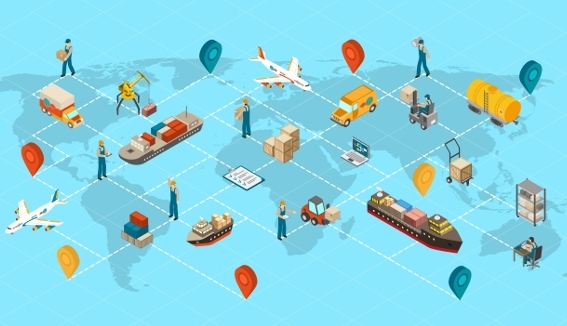
Insight on International Trade

Introduction

International trade is an exchange involving a good or service conducted between at least two different countries. The exchanges can be imports or exportsImports and ExportsImports are the goods and services that are purchased from the rest of the world by a country’s residents, rather than buying domestically. In many countries this trade represents a significant share of their gross domestic product (GDP).

History

While international trade has existed throughout history (for example the Silk Road, Amber Road, Trans Atlantic Slave trade, Salt Roads), its economic, social, and political importance has been on the rise in recent centuries. International trade has a rich history starting with barter system being replaced by Mercantilism in the 16th and 17th Centuries. The 18th Century saw the shift towards liberalism. The First World War changed the entire course of the world trade and countries built walls around themselves with wartime controls. Post world war, as many as five years went into dismantling of the wartime measures and getting back trade to normalcy

Differences with Domestic Trade

1)International trade is, on paper, not different from domestic trade as the motivation and the behavior of parties involved in a trade do not change fundamentally regardless of whether the trade is cross border or not.

2)However, in practical terms, carrying out trade at an international level is usually a more complex process than domestic trade. The main difference is that international trade is typically more costly than domestic trade.

3)This is due to the fact that a border typically imposes additional costs such as tariffs(an excise that is paid on the sale of imported goods), time costs due to border delays, and costs associated with country differences such as language, the legal system, or culture.

Most Traded export products

They are Crude Oil followed by Cars, Processed Petroleum Oils, Phone systems, Integrated Circuits, Autombile parts, Gold, Computers, Aircraft, Diamonds etc.

Top Traded commodities by value – Exports

  1. Mineral Fuels, Distillation products
  2. Electronics
  3. Nuclear Reactors
  4. Machinery
  5. Vehicles
  6. Plastics
  7. Optical Photo
  8. Medical apparatus
  9. Pharma products
  10. Pearls, Precious Stones.

Largest Countries by International Trade

  • European Union
  • United States
  • China
  • Germany
  • UK
  • Japan
  • France
  • Netherlands
  • Hong Kong
  • South Korea
  • Italy
  • Canada
  • Belgium
  • India
  • Singapore
  • Mexico

Is India wrecked by socialism?

India’s economy is socialist, according to the constitution. Mrs. Indira Gandhi introduced this word in the 1970s. As the British occupied India for nearly 150 years, they began as a firm to transfer raw materials from India to the United Kingdom. This has frightened India into reopening its market to the rest of the world. Nehru was unusual in this regard; he permitted only a few enterprises to expand and concentrated his efforts on the agriculture sector.

The term ‘socialist’ was added to the Preamble by the Forty-second Amendment.

In the past, the Indian government implemented many social welfare programmes to demonstrate its socialist credentials, such as bank nationalisation, various job initiatives such as NREGA, and even selling milk. While the majority of these ponzi schemes failed, they added to the government’s financial burden. All of these ideas had a significant impact on citizens. Everyone began to rely more heavily on free goods. People began to expect cheaper rations, a free cooker, and subsidised gasoline or kerosene. Except for a few communities such as the Marwadi and the Gujratis, no one backed private industry, and everyone was focused on government jobs. Entrepreneurs were frequently reprimanded or disheartened. Profit was viewed as a bad thing, and wealthy people were frequently blamed for the country’s plight. In films from the 1970s and 1980s, the villain is typically wealthy, smoking a cigar, holding a peg of whisky in one hand, and plotting how to exploit low-wage workers. Building a business involves time, effort, risk, and expertise. In India, the image of business and the evil it entails is still pervasive. A large number of people still rely on the government to help them. Everything that is wrong with their lives is due to the government in some way.

India gradually up its market to the rest of the world and established a free market economy in 1991. While every step India takes has a significant impact, we have fallen behind other countries such as China, which began reforming a decade ago. China was able to nail down a few details regarding how the business model will work in a communist country. In India, entrepreneurs find it extremely difficult to start a firm because of the so-called red tape that still exists. The Indian bureaucracy is rotting from the inside out. The nature of the “Sarkari Babus” is still incompetent, slow, and corrupt. Obtaining land, establishing a factory, and obtaining a licence are all arduous tasks for entrepreneurs.

India chose a government-directed growth path over a market-driven one when it gained independence. With a GDP of around Rs.36 thousand crores and government revenue of around Rs.330 crores, we were a shaky economy. The average lifespan was only 31 years. That was an opportune time to pass away. We were also hard struck by the costs of World War II, as well as the bloody partition, which saw the largest human migration in history. Market forces would have positioned us as the world’s tailors, cobblers, and domestic assistance suppliers, given our large and impoverished population. Nehru, on the other hand, chose to invest on new infrastructure (the Temples of Modern India) in order to propel India ahead. The four huge steel plants, the DVC, the Bhakra Nangal project, and numerous public sector investments in power, locomotives, railway coaches, paved roads, irrigation, water supply, schools, IITs and IIMs, hospitals, and other areas were among them. The pressures continued to mount until we were on the verge of declaring bankruptcy in 1991. Then came the Narasimha Rao government, with Manmohan Singh as Finance Minister and Chidambaram as Commerce Minister, which changed everything. Nonetheless, all administrations since then have been mindful of the need to help India’s poor, rather than abandoning them to market forces.

Health consciousness.

Consciousness, at its simplest, is sentience or awareness of internal and external existence. Despite millennia of analyses, definitions, explanations and debates by philosophers and scientists, consciousness remains puzzling and controversial, being “at once the most familiar and most mysterious aspect of our lives”. Perhaps the only widely agreed notion about the topic is the intuition that it exists. Opinions differ about what exactly needs to be studied and explained as consciousness. Sometimes, it is synonymous with the mind, and at other times, an aspect of it. In the past, it was one’s “inner life”, the world of introspection, of private thought, imagination and volition. Today, it often includes some kind of experience, cognition, feeling or perception. It may be awareness, awareness of awareness, or self-awareness. There might be different levels or orders of consciousness, or different kinds of consciousness, or just one kind with different features. Other questions include whether only humans are conscious, all animals, or even the whole universe. The disparate range of research, notions and speculations raises doubts about whether the right questions are being asked.

Examples of the range of descriptions, definitions or explanations are: simple wakefulness, one’s sense of selfhood or soul explored by “looking within”; being a metaphorical “stream” of contents, or being a mental state, mental event or mental process of the brain; having phanera or qualia and subjectivity; being the ‘something that it is like’ to ‘have’ or ‘be’ it; being the “inner theatre” or the executive control system of the mind.

And that’s why to be health conscious is better than being careless.

3D PRINTING

3D Printing is an new and emerging field of biotechnology, it’s a field of revolution in science, the earliest record of 3D printing through the additive process was the Japanese inventor Hideo Kodama in 1981. He created a product that used ultraviolet lights to harden polymers and create solid objects. This is a stepping stone to stereolithography (SLA).Overall 3D printing has changed and improved over the past thirty years. SLA, SLS, and FDM show the history of 3D printing, and thus how it became a vital tool for manufacturing. It allows you to make virtually anything simply by creating a computer file

HOW DOES IT WORKS ?

3D printing, also known as additive manufacturing, is a method of creating a three dimensional object layer-by-layer using a computer created design.3D printing is an additive process whereby layers of material are built up to create a 3D part. This is the opposite of subtractive manufacturing processes, where a final design is cut from a larger block of material. As a result, 3D printing creates less material wastage.

3D Printing Technologies :

There are three broad types of 3D printing technology; sinteringmelting, and stereolithography.

  • Sintering is a technology where the material is heated, but not to the point of melting, to create high resolution items. Metal powder is used for direct metal laser sintering while thermoplastic powders are used for selective laser sintering.
  • Melting methods of 3D printing include powder bed fusion, electron beam melting and direct energy deposition, these use laser, electron beams to print objects by melting the materials together.
  • Stereolithography utilizes photopolymerization to create parts. This technology uses the correct light source to interact with the material in a selective manner to cure and solidify a cross section of the object in thin layers.

3D Printing Processes :

3D printing has been categorised into seven groups by ISO/ASTM 52900 additive manufacturing – general principles – terminology. All forms of 3D printing fall into one of the following types:

  1. Binder Jetting
  2. Direct Energy Deposition
  3. Material Extrusion
  4. Material Jetting
  5. Powder Bed Fusion
  6. Sheet Lamination
  7. VAT Polymerization

Applications

  • Most common application is organ transplantation, and are also used for producing metal orthopedic implants. Due to 3D printing’s capabilities for creating porous surfaces, these types of implants more easily integrate with the patient’s own natural bones, allowing them to grow into the implant.
  • 3D printing applications that are used in construction include extrusion (concrete/cement, wax, foam, and polymers), powder bonding (polymer bond, reactive bond, sintering) and additive welding. 3D printing in construction has a wide array of applications in the private, commercial, industrial and public sectors. Advantages of these technologies include allowing more complexity and accuracy, faster construction, lower labor costs, greater functional integration, and less waste.

Public administration and development related

INTRODUCTION:-

public administration at the local, regional, national and international levels where it is directed to managing development processes in low and medium income countries. It gives special attention to investigations of the management of all phases of public policy formulation and implementation which have an interest and importance beyond a particular government and state. PAD has a particular interest in the link between public administration practice and management research and provides a professional and academic forum for reporting on new experiences and experiments. PAD also publishes
articles on development management research in the NGO sector. It is widely read by academics and practitioners alike, including consultants, donors and policy advisers. With its case study approach, it is also frequently used for teaching and training purposes.

Public Administration and Development

Information for Subscribers

Public Administration and Development (Print ISSN 0271‐2075; Online ISSN 1099‐162X at Wiley Online Library, wileyonlinelibrary.com) is published in 5 issues per year. Institutional subscription prices for 2020 are: Print & Online: US$2987 (US and Rest of World), €1929 (Europe), £1528 (UK). Prices are exclusive of tax. Asia‐Pacific GST, Canadian GST/HST and European VAT will be applied at the appropriate rates. For more information on current tax rates, please go to http://www.wileyonlinelibrary.com.tax‐vat. The price includes online access to the current and all online back files to January 1st 2017, where available. For other pricing options, including access information and terms and conditions, please visit wileyonlinelibrary.com/access.

Delivery Terms and Legal Title

Where the subscription price includes print issues and delivery is to the recipient’s address, delivery terms are Delivered Duty Unpaid (DDU); the recipient is responsible for paying any import duty or taxes. Title to all issues transfers FOB our shipping point, freight prepaid. We will endeavour to fulfil claims for missing or damaged copies within six months of publication, within our reasonable discretion and subject to availability.

Services

Adver tisements

Advertisement Sales Department, John Wiley & Sons, Ltd.,

The Atrium, Southern Gate, Chichester, West Sussex

PO19 8SQ, UK.

Tel: +44 (0)1243 770254

Fax: +44 (0)1243 770432

e‐mail: adsales@wiley.co.uk

Commercial Reprints:

E‐mail: corporatesaleseurope@wiley.com;

corporatesalesusa@wiley.com; or

corporatesalesaustralia@wiley.com

Author Reprints (50–300 Copies):

Order online: http://www.sheridan.com/wiley/eoc

Backstock Agent

PSC

Back issues: Single issues from current and recent volumes are

available at the current single issue price from cs‐journals@wiley.com.

Earlier issues may be obtained from Periodicals Service Company,

351 Fairview Avenue ‐ Ste 300, Hudson, NY 12534, USA.

Tel: +1 518 822‐9300

Fax: +1 518 822‐9305,

Email: psc@periodicals.com

General Enquiries

Tel: +44 (0) 1243 779777,

Fax: +44 (0) 1243 775878.

Contact Details within John Wiley & Sons

Journal Customer Services: For ordering information, claims

and any enquiry concerning your journal subscription please go to

http://www.wileycustomerhelp.com/ask or contact your nearest office:

Americas: Email: cs‐journals@wiley.com; Tel: +1 781 388 8598 or

1 800 835 6770 (Toll free in the USA & Canada).

Europe, Middle East and Africa: Email: cs‐journals@wiley.com;

Tel: +44 (0) 1865 778315

Asia Pacific: Email: cs‐journals@wiley.com; Tel: +65 6511 8000

Japan: For Japanese speaking support, Email: cs‐japan@wiley.com;

Visit our Online Customer Help available in 7 languages at

http://www.wileycustomerhelp.com/ask

Copyright and Copying (in any format)

Copyright© 2021 John Wiley & Sons, Ltd. All rights reserved

No part of this publication may be reproduced, stored or trans

mitted in any form or by any means without the prior permission

in writing from the copyright holder. Authorization to copy items

for internal and personal use is granted by the copyright holder

for libraries and other users registered with their local Reproduction

Rights Organisation (RRO), e.g. Copyright Clearance Center

(CCC), 222 Rosewood Drive, Danvers, MA 01923, USA (www

copyright.com), provided the appropriate fee is paid directly to the

RRO. This consent does not extend to other kinds of copying such

as copying for general distribution, for advertising or promotional

purposes, for republication, for creating new collective works or

for resale. Permissions for such reuse can be obtained using the

RightsLink “Request Permissions” link on Wiley Online Library.

Special requests should be addressed to: permissions@wiley.com

Disclaimer

The Publisher and Editors cannot be held responsible for errors

or any consequences arising from the use of information

contained in this journal; the views and opinions expressed do

not necessarily reflect those of the Publisher and Editors, neither

does the publication of advertisements constitute any endorsement

by the Publisher and Editors of the products advertised.

Abstracting and Indexing

Public Administration and Development is covered by the following

abstracting and indexing services: Abstracts on Hygiene &

Communicable Diseases (CABI), ASSIA: Applied Social Sciences

Index & Abstracts (ProQuest), CAB Abstracts® (CABI), CAB

HEALTH (CABI), CABDirect (CABI). Current Contents: Social &

Behavioral Sciences (Thomson Reuters), Emerald Management

Reviews (Emerald), ERA: Educational Research Abstracts Online

(T&F), Forestry Abstracts (CABI), GEOBASE (Elsevier), Global

Health (CABI), Grasslands & Forage Abstracts (CABI), IBSS:

International Bibliography of the Social Sciences (ProQuest),

Journal Citation Reports/Social Science Edition (Thomson Reuters),

PAIS: Public Affairs Information Service (ProQuest), Plant Genetic

Resources Abstracts (CABI), ProQuest Central (ProQuest), Rural

Development Abstracts (CABI), SCOPUS (Elsevier), Social Sciences

Citation Index (Thomson Reuters), Social Services Abstracts

(ProQuest), Sociological Abstracts (ProQuest), Soils & Fertilizer

Abstracts (CABI), Studies on Women & Gender Abstracts (T&F),

Tropical Diseases Bulletin (CABI), Web of Science (Thomson Reuters),

World Agricultural Economics & Rural Sociology Abstracts (CABI),

Worldwide Political Sciences Abstracts (ProQuest).

Online open

Public Administration and Development accepts articles for Open

Access publication. Please visit http://olabout.wiley.com/

WileyCDA/Section/id‐406241.html for further information

about OnlineOpen.

Production Information

For manuscripts that have been accepted for publication,

please contact:

Podhumai Anban

e‐mail: padproofs@wiley.com

Production Details

Printed in Singapore by C.O.S. Printers Pte Ltd.

Identification Statement

PUBLIC ADMINISTRATION AND DEVELOPMENT (Print ISSN

0271‐2075; Online ISSN 1099‐162X) is published in February, May,

August, October and December. US mailing agent: Mercury Media

Processing, LLC 1850 Elizabeth Avenue, Suite , Rahway

NJ 07065 USA. Periodical postage paid at Rahway, NJ.

Postmaster: Send all address changes to PUBLIC ADMINISTRATION

AND DEVELOPMENT, Wiley Periodicals LLC, C/O The Sheridan

Press, PO Box 465, Hanover, PA 17331.

For submission instructions, subscription and all other information

visit: wileyonlinelibrary.com/journal/pad

Wiley’s Corporate Citizenship Initiative Statement

Wiley’s Corporate Citizenship initiative seeks to address the

environmental, social, economic, and ethical challenges faced in

our business and which are important to our diverse stakeholder

groups. Since launching the initiative, we have focused on sharing

our content with those in need, enhancing community philan

thropy, reducing our carbon impact, creating global guidelines

and best practices for paper use, establishing a vendor code of

ethics, and engaging our colleagues and other stakeholders in our

efforts. Follow our progress at http://www.wiley.com/go/citizenship

Statement on Research4Life

Wiley is a founding member of the UN‐backed HINARI, AGORA,

and OARE initiatives. They are now collectively known as

Research4Life, making online scientific content available free or

at nominal cost to researchers in developing countries. Please

visit Wiley’s Content Access – Corporate Citizenship site:

http://www.wiley.com/ WileyCDA/Section/id‐390082.html

Reference Link:-

https://onlinelibrary.wiley.com/journal/1099162x

https://onlinelibrary.wiley.com/loi/1099162x

Courses and programs

Courses and programs for students are the main role to their education .

A program is your degree . A course is one building block (subject) of your program

Our featyre is depends on our Courses and programs

Some of courses

1 B.Com. This is the most popular choice among Commerce stream students. …

2 Chartered Accountancy.

3 Bachelor’s course in Economics.

4 Company Secretaryship course.

5 Law courses. …

6 Management courses. …

7 Technical courses. …

8 Designing courses.          

And some more

Administration Studies

Architecture Studies

Art Studies

Aviation

Business Studies

Construction

Cosmetology Studies

Design Studies

Economic Studies

Education

Educational and academic news and updates

Energy Studies

Engineering Studies

Environmental Studies

Fashion

Food and Beverage Studies

General Studies

Health Care

Humanities Studies

Journalism and Mass Communication

Languages

Law Studies

Life Sciences

Life Skills

Management Studies

Marketing Studies

Natural Sciences

Performing Arts

Professional Studies

Self-Improvement

Social Sciences

Sport

Sustainability Studies n

Technology Studies

Tourism and Hospitality

BYJU’S: India’s most valuable Unicorn.

Photo Credits: BYJU’s

What’s the business about?,

BYJU’s is an Indian multinational educational company which was founded in 2011 by BYJU Raveendran and Divya Gokulnath. Today, it’s the most valuable unicorn in India and world’s most valuable technological educational company.

History of BYJU’S

In 2011, Mr. Raveendran and Ms. Divya Gokulnath founded an educational company with the help of their students which provided online video based learning programmes for students of kindergarten to Grade 12th.

In 2015, with the help of Think and Learn Ltd., the business firm launched its first ever app named BYJU’s: The learning app. After that, in 2017, BYJU launched its second app for mathematics for kids and subsequently they also launched another app for parents to help them track their child’s learning course.

Rose to fame: BYJU’s

By 2018, BYJU’s had more than 15 million users and 9 hundred thousand paid users. In 2019, BYJU’s won sponsorship rights for Indian Cricket Team jersey. Popular Indian actors Mohanlal and Shah Rukh Khan are the brand ambassadors for Byju.

Major Services provided by BYJU.

Initially, educational content was only made for students from classes kindergarten to 12. But now BYJU also trains students for Indian competitive examinations like IIT-JEE, NEET, CAT, UPSC and it also trains students for international exams like GMAT and GRE.

In 2019, the company announced that it would soon start providing classes to students in their respective regional languages in India. The same year it also announced the commencement of an international app for students living in countries outside of India.

Byju’s also launched its Future School which is a Kids Coding Platform where kids are taught to code online by experts.

The video tutorials in the app are about 12-20 minutes long and they’re digital animation videos for classes 4th to 12th and hence this makes it easy for students to grasp and learn.

Road to most valued start up!

BYJU’s has raised 350 million dollars from UBS, private equity Equity Giant Blackstone and also from Abu Dhabi state fund ADQ, Phoenix Rising and Zoom.

Byju’s has raised over 1.5 billion dollars in last eighteen months because of the increase in online learning and teaching due to the COVID-19 pandemic.

Byju’s has also acquired several other small business in the recent past like White Hat Jr, Scholr, Osmo and Toppr. In fact, it’s latest fundraising comes from popular educational chain, The Akash Educational Services, estimated at about 950 million dollars.

According to Mr. Raveendran, the 21st century illiterates are not those who can’t read and write, but those who can’t learn, unlearn and relearn.

Introduction about different Schools, Colleges, Universities

Introduction about different Schools:-

INTRODUCTION:-

ust as teachers may teach a broad spectrum of subject matter from math, science, English, to foreign languages, technology and the arts, they also teach across a wide age range and in many different classroom settings around the country.

The specific type of school in which a teacher teaches can have a huge impact on many aspects of their teaching career. From public schools — including magnet schools, charter schools, urban schools, rural schools and high needs schools — to private schools including military schools and boarding schools, every classroom setting is different and each has it’s own unique benefits and challenges. Deciding where you are best able to make a difference can be difficult.

Learn more about each type of schools to help you decide where you can fit in best:

  • Public Schools
  • Charter Schools
  • Magnet Schools
  • Private Schools
  • High Needs Schools
  • Urban Schools
  • Rural Schools

1. Public Schools:-

 A public school is government funded and all students attend free of cost.Because of funding from several sources, private schools may teach above and beyond the standard curriculum, may cater to a specific kind of students (gifted, special needs, specific religion/language) or have an alternative curriculum like art, drama, technology etc. Public schools have to adhere to the curriculum charted out by the district, and cannot deny admission to any child within the residential school zone.Public schools are often thought of as shoddy, less disciplined and low-grade curriculum.

2. Charter Schools:-

A charter school is a public school that operates as a school of choice. Charter schools commit to obtaining specific educational objectives in return for a charter to operate a school. Charter schools are exempt from significant state or local regulations related to operation and management but otherwise adhere to regulations of public schools — for example, charter schools cannot charge tuition or be affiliated with a religious institution.In other words, charter schools are publicly accountable — they rely on families choosing to enroll their children, and they must have a written performance contract with the authorized public chartering agency. Charter schools are also autonomous — they have more flexibility in the operations and management of the school than traditional public schools.

3. What Is A Magnet School:-

Unlike charter schools or private schools, a magnet school is part of the local public school system. At regular public schools, students are generally zoned into their schools based on the location of their home – students go to the school that is nearest where they live. However, this may not always be true since boundaries can seem arbitrary and in some smaller towns schools are not zoned at all. But, magnet schools exist outside of zoned school boundaries. Whereas private schools are completely separate from local public school districts, and charter schools are public schools with private oversight, magnet schools remain part of the public school system and operate under the same administration and school board.

4. Private Schools:-

Many of the private primary and secondary schools in the United States were founded by religious institutions in order to incorporate religious beliefs and teachings into their students’ education, integrating it with a traditional academic curriculum. Some of the first religious schools were founded by the Catholic Church, and these parochial schools are still prevalent amongst private schools. Since then, however, many other religious denominations have started schools to provide religious education, and families often choose to enroll their children in schools whose policies reflect their own values. Nowadays, Protestant, Jewish, Muslim, Orthodox Christian and other religiously based schools are quite common. In addition, some private schools, boarding schools and military academies, offer their own unique approaches to education.

5. High Needs Schools:-

The No Child Left Behind Act of 2001 External link  defines a high-needs school as “within the top quartile of elementary and secondary schools statewide, as ranked by the number of unfilled, available teacher positions; or is located in an area where at least 30 percent of students come from families with incomes below the poverty line; or an area with a high percentage of out-of-field-teachers, high teacher turnover rate, or a high percentage of teachers who are not certified or licensed.” Essentially, high needs schools require teachers because they cannot fill job vacancies or retain teachers, or they have teachers who are not qualified or who teach in subjects outside their field. High-needs schools also serve communities of higher poverty rates, where classrooms are influenced by the difficulties of their students’ lives. Most high-needs schools are located in rural or urban areas.

6. Urban Schools:-

When thinking of high need schools, the first thing that comes to mind for many people is the image of an inner city school, crowded and poorly funded. The truth is, while this is a stereotype and many urban schools perform exceptionally well, there are still urban schools across the country that are in high need of teachers and resources.At the most technical level, urban schools are classified as city schools by the National Center for Education Statistics External link  (NCES). The NCES categorizes all schools into four locales by their size, population density and location in relation to a city. This is an “urban-centric” classification system. The four locale categories used by the NCES’ urban centric classification system External link  are city, suburb, town and rural. Urban schools are then broken down into three subcategories based on the Census Bureau External link ’s definitions of urbanicity:

7. Rural Schools:-

Ultimately, the technical definition of a rural school corresponds to our general understanding of rural areas; they are characterized by geographic isolation and small population size. All schools are categorized into four locales by their size, population density and location. The National Center for Education Statistics External link  (NCES) defines these locales by the school’s proximity to a city an “urban-centric” classification system. The four locale categories used by the NCES’ urban centric classification system External link  are city, suburb, town and rural. Rural schools are then broken down into three subcategories based on the Census Bureau External link ’s definitions of urbanicity. Rural schools are also all classified as high need schools.

Introduction about different Colleges:-

INTRODUCTION:-

college (Latin: collegium) is an educational institution or a constituent part of one. A college may be a degree-awarding tertiary educational institution, a part of a collegiate or federal university, an institution offering vocational education, or a secondary school.

In most of the world, a college may be a high school or secondary school, a college of further education, a training institution that awards trade qualifications, a higher-education provider that does not have university status (often without its own degree-awarding powers), or a constituent part of a university. In the United States, a college offers undergraduate programs; it may be independent or the undergraduate program of a university, it is generally also used as a synonym for a universitywhile in some instances a college may also be a residential college. A college in francophone countries [fr]—France (see secondary education in France), Belgium, and Switzerland—provides secondary education. However, the Collège de France is a prestigious advanced research institute in Paris.

Learn more about each type of colleges to help you decide where you can fit in best:

  • Community and Junior Colleges
  • Historically Black Colleges and Universities 
  • Liberal Arts Colleges
  • Women’s Colleges
  • Tribal Colleges
  • Technical Institutes and Professional Schools

1. Community and Junior Colleges:-

These colleges offer the first two years of a liberal arts education, as well as career or vocational training. Successful completion of a community or junior college curriculum earns graduates an associates degree. Many students continue on to a four-year institution after completing a community or junior college program.

2. Historically Black Colleges and Universities:-

These colleges originated when African-American students were legally denied access to most other institutions of higher education. Now, these colleges celebrate African-American culture and empowerment, and give black students the chance to experience an educational community in which they are finally part of the majority. A common abbreviation for this type of college is HBCU.

3. Liberal Arts Colleges:-

These colleges focus on the education of undergraduate students (students who are earning a bachelors degree). Classes are generally taught by professors who see teaching as their primary responsibility. Because most liberal arts colleges are smaller than universities, classes tend to be smaller and more personal attention  is available. Instead of preparing for a specific career path, students who attend liberal arts colleges are exposed to a broad sampling of classes. In addition, they select at least one area of in-depth study that is their college “major.” Many employers look for graduates of liberal arts programs.

4. Women’s Colleges:-

These colleges offer women the opportunity to enjoy a learning community where they are in the majority. Additionally, these colleges have a much larger population of female faculty and administrators. Women’s colleges graduate a high number of science majors, as well as students who continue on to graduate school or professional studies.

5. Tribal Colleges:-

Like HBCUs or Women’s colleges, these colleges focus on the needs and education of a group that has been traditionally underrepresented in higher education. In this case, these colleges focus on the education and empowerment of Native American students while celebrating a specific tribe’s unique culture and accomplishments.

6. Technical Institutes and Professional Schools:-

These colleges or institutes enroll students who have made a choice as to what career path they are taking. The curriculum at these colleges focuses solely on preparing students for these specific careers. Most of the career options offered at these colleges are in music, fine arts, engineering, or technical sciences.

Introduction about different Universities:-

INTRODUCTION:-

The original Latin word universitas refers in general to “a number of persons associated into one body, a society, company, community, guild, corporation, etc”. At the time of the emergence of urban town life and medieval guilds, specialized “associations of students and teachers with collective legal rights usually guaranteed by charters issued by princes, prelates, or the towns in which they were located” came to be denominated by this general term. Like other guilds, they were self-regulating and determined the qualifications of their members.

In modern usage the word has come to mean “An institution of higher education offering tuition in mainly non-vocational subjects and typically having the power to confer degrees,” with the earlier emphasis on its corporate organization considered as applying historically to Medieval universities.The original Latin word referred to degree-awarding institutions of learning in Western and Central Europe, where this form of legal organisation was prevalent and from where the institution spread around the world.

Learn more about each type of Universities to help you decide where you can fit in best:

  • Central universities, or Union universities
  • State Universities
  • Private Universities
  • Deemed university

1. Central universities, or Union universities:-

in India are established by an Act of Parliament and are under the purview of the Department of Higher Education in the Ministry of Education.In general, universities in India are recognised by the University Grants Commission (UGC), which draws its power from the University Grants Commission Act, 1956.In addition, 15 Professional Councils are established, controlling different aspects of accreditation and coordination.Central universities, in addition, are covered by the Central Universities Act, 2009, which regulates their purpose, powers, governance etc., and established 12 new universities.As of 1 June 2020, The list of central universities published by the UGC includes 54 central universities.

Other types of universities controlled by the UGC include:

  • State universities are run by the state government of each of the states and territories of India, and are usually established by a local legislative assembly act.
  • Deemed university, or “Deemed-to-be-University”, is a status of autonomy granted by the Department of Higher Education on the advice of the UGC, under Section 3 of UGC Act, 1956.
  • Private universities are approved by the UGC. They can grant degrees but they are not allowed to have off-campus affiliated colleges.

Apart from the above universities, other institutions are granted the permission to autonomously award degrees. These institutes do not affiliate colleges and are not officially called “universities” but “autonomous organisations” or “autonomous institutes”. They fall under the administrative control of the Department of Higher Education.These organisations include the Indian Institutes of Technology, the National Institutes of Technology, the Indian Institutes of Science Education and Research, the Indian Institutes of Engineering Science and Technology, the Indian Institutes of Management, the National Law Schools, the All India Institute of Medical Sciences, and other autonomous institutes.

2. State Universities:-

State universities are run by the state government of each of the states and territories of India, and are usually established by a local parliament act. As of 26 August 2011, the UGC lists 281 state universities, around 170 of which are receiving Central/UGC assistance. The oldest establishment date listed by the UGC is 1857, shared by the University of Mumbai, the University of Madras and the University of Calcutta.

In India, state universities are run and funded by the state government of each of the states of India.Following the adoption of the Constitution of India in 1950, education became a state responsibility. Following a constitutional change in 1976, it became a joint responsibility of the states and the central government.As of 17 March 2021, the UGC lists 426 state universities.

3. Private Universities:-

Private universities are approved by the UGC. They can grant degrees but they are not allowed to have off-campus affiliated colleges. The UGC list from 1 September 2011 lists 94 private universities.

Private universities and private colleges are usually not operated by governments, although many receive tax breaks, public student loans, and grants. Depending on their location, private universities may be subject to government regulation. This is in contrast to public universities and national universities. Many private universities are nonprofit organizations.

4. Deemed university:-

Deemed university, or deemed-to-be-university, is an accreditation granted to higher educational institutions in India, conferring the status of a university. It is granted by the Department of Higher Education.To quote the Ministry of Human Resource Development (MHRD), “An Institution of Higher Education, other than universities, working at a very high standard in specific area of study, can be declared by the Central Government on the advice of the University Grants Commission (UGC), as an Institution ‘Deemed-to-be-university’. Institutions that are ‘deemed-to-be-university’ enjoy the academic status and privileges of a university.”

Deemed university, or “Deemed-to-be-University”, is a status of autonomy granted by the Department of Higher Education on the advice of the UGC, under Section 3 of UGC Act, 1956. The UGC list from 23 June 2008 lists 130 deemed universities. According to this list, the first institute to be granted deemed university status was Indian Institute of Science which was granted this status on 12 May 1958. Note that in many cases, the same listing by the UGC covers several institutes. For example, the listing for Homi Bhabha National Institute covers the Institute of Mathematical Sciences, the Indira Gandhi Centre for Atomic Research and other institutes. The list below includes only the major institute granted the status, and such additional institutes are not listed separately.

Reference Link:-

https://teach.com/careers/become-a-teacher/where-can-i-teach/types-of-schools/rural/

https://www.cappex.com/articles/match-and-fit/the-different-types-of-colleges

https://sites.google.com/site/universitiesindiaonline/types-of-universities-in-india

IMPACT OF COVID-19 ON EDUCATION IN INDIA

India is the one of best and largest place for education systems in the world.

India is the country with over 1,000 universities and 50,000 colleges and institutions. The impact of covid 19 is observed in every sector around the world. The education sectors of India as well as world are badly affected by this.

Due to this pandemic, around 32 crore learners stopped to move schools/ colleges, all educational institutions are halted in India. COVID-19 made all the institutions to grow and opt for platforms , techniques, that are not used before. All the classes suspended and all the examinations, entrance tests are postponed.

This pandemic completely destroyed all the schedules of every student. COVID-19 Impact on education is also leads a great damage on country economy at present and in future.

COVID-19 has created many opportunities and challenges for educational institutions to strengthen their technological knowledge and infrastructure.

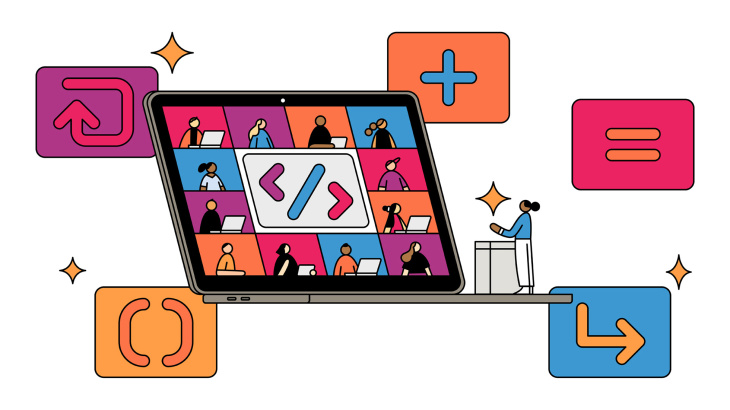
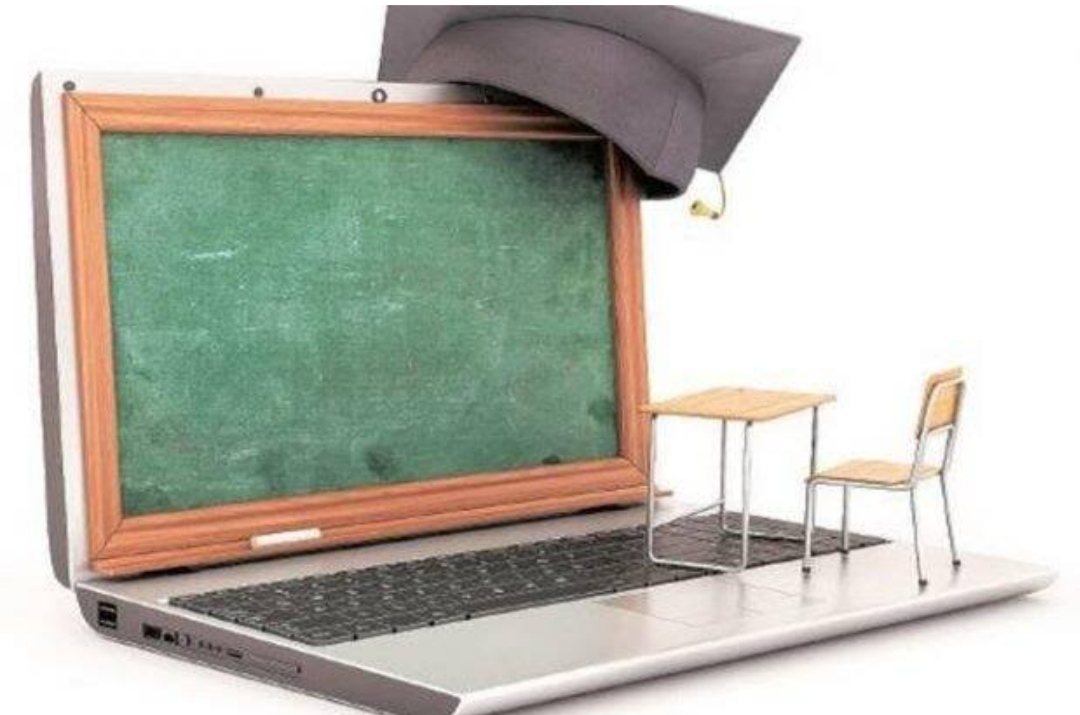
The lockdown made the entire education online, the teachers are teaching and assigning works through online by using some apps like zoom, Google meet, teams, YouTube, Facebook, skype .,etc.

India is not fully equipped to make education reach every corner of the country through online process. The students those who are not having access to internet will suffer a lot due to the present choice of digital platforms.

Universities and the government of India are relentlessly trying to come up with a solution to this problem.