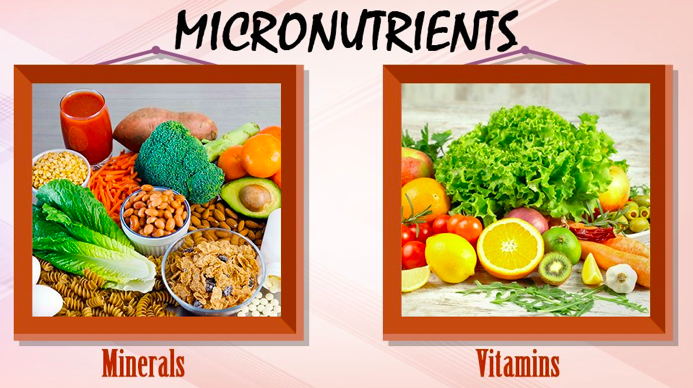
Classification of Micronutrients

‘Micro’ means small, as their name specifies micronutrients are substances which individuals need in their eating routine in just limited quantities. These incorporate minerals and nutrients. Although most nourishments are combinations of nutrients, huge numbers of them contain a great deal of one nutrient and a little bit of different supplements. Nourishments are regularly gathered by the supplement that they contain in abundance.

Vitamins

Aside from Vitamin D, vitamins are fundamental nutrients, important in the eating regimen for good wellbeing. Vitamin D can be combined in the skin within the sight of UVB radiation. Many animal species can synthesize vitamin C, but humans cannot. Certain vitamin like mixes that are suggested in the eating routine, for example, carnitine, are thought helpful for endurance and wellbeing, yet these are not “basic” dietary supplements on the grounds that the human body has some ability to deliver them from different mixes. Also, a huge number of various phytochemicals have as of late been found in food (especially in new vegetables), which may have attractive properties including cell reinforcement movement. Test showing has been interesting yet uncertain. Other fundamental supplements not classed as nutrients incorporate basic amino acids, basic unsaturated fats, and the minerals talked about in the first area. Nutrient inadequacies may bring about illness conditions: goiter, scurvy, osteoporosis, impeded resistant framework, problems of cell digestion, certain types of disease, manifestations of untimely maturing, and poor mental wellbeing (counting dietary issues), among numerous others. Abundance levels of certain nutrients are likewise hazardous to wellbeing. The vitamins are conveniently divided into two major groups, those that are fat soluble and those that are water soluble. Fat-soluble vitamins are A, D, E, and K. Their absorption by the body depends on the normal absorption of fat from the diet. Water-soluble vitamins include vitamin C and the several members of the vitamin B complex.
Minerals

Dietary minerals are inorganic substance components needed by living animals, other than the four components carbon, hydrogen, nitrogen, and oxygen that are available in essentially all the natural atoms. Some have parts as cofactors, while others are electrolytes. The expression “mineral” is age-old, since the aim is to depict essentially the more uncommon components in the eating regimen. Some are heavier than the four just referenced – including a few metals, which regularly happen as particles in the body. A few dietitians suggest that these be provided from nourishments where they happen normally, or if nothing else as mind boggling mixes, or in some cases even from common inorganic sources, (for example, calcium carbonate from ground clam shells). Some are ingested significantly more promptly in the ionic structures found in such sources. Then again, minerals are frequently falsely added to the eating regimen as enhancements; the most notable is likely iodine in iodized salt which forestalls goiter.
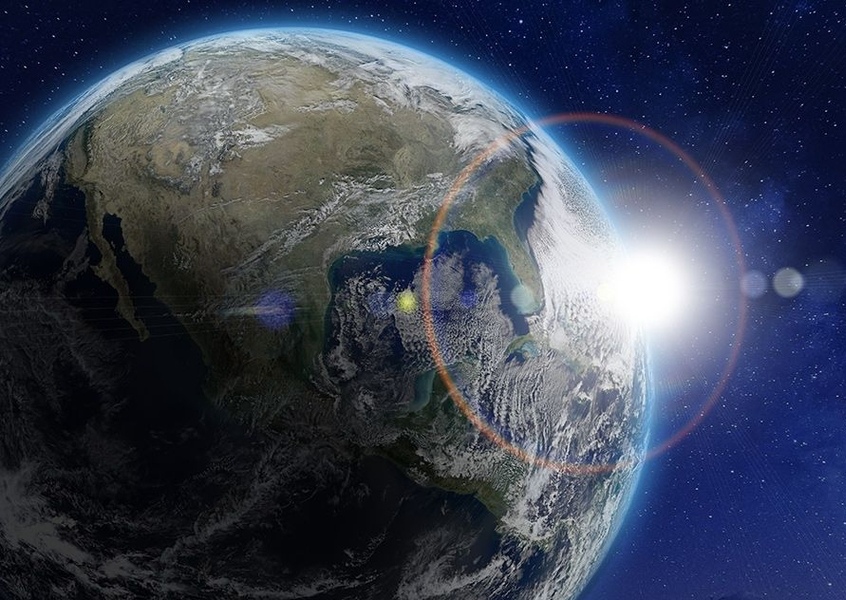
Mother Earth – Our home planet

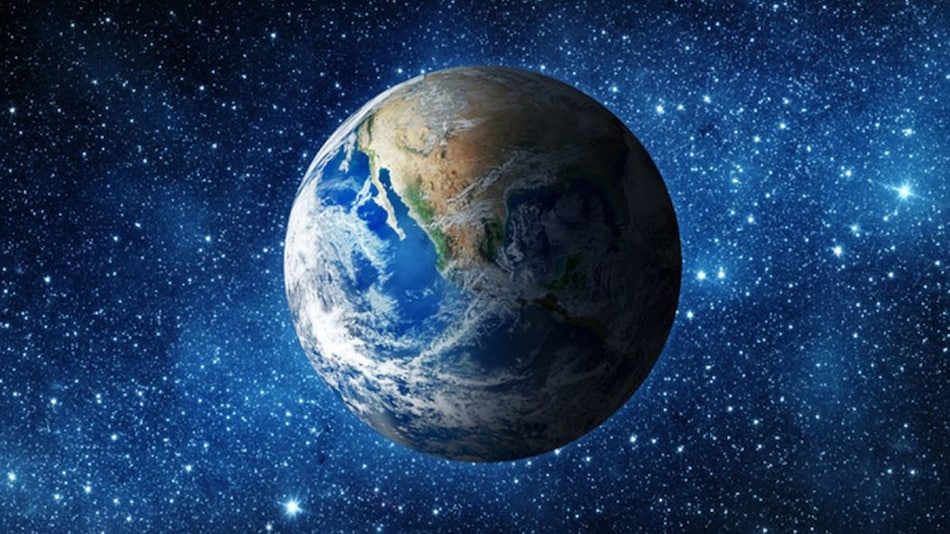
Earth is the only planet where life can exist.

Earth is also called Blue planet.

If we destroy the earth, we destroy the chance of life.

Earth is our mother as we born here,we grow here,we eat ,play and our whole life cycle take place on earth.
Earth  provide everything that we use today whether it is directly or indirectly.

Life existed on earth is as it is suitable for having an atmosphere, suitable temperature and water is present in its liquid form on Earth due to the position of Earth on solar system.

Earth is the third planet from the Sun at a distance of about 93 million miles (150 million km).

We called Mother earth because Earth provide everything to us like a mother. Our existence become possible only due to earth.
Everything that we needed to survive and thrive is only due to our mother earth it provide us  food, shelter, home , water, air, medicine , suitable temperature and everything that we need for our existence.
But we affect our mother Earth in various ways only for the sake of our greed.

Due to our greedy behaviour natural environment of Earth get changes.

Earth provides enough to satisfy Every man’s needs but not Every man’s greed

Mahatma Gandhi

Earth day is celebrated on 22 April.

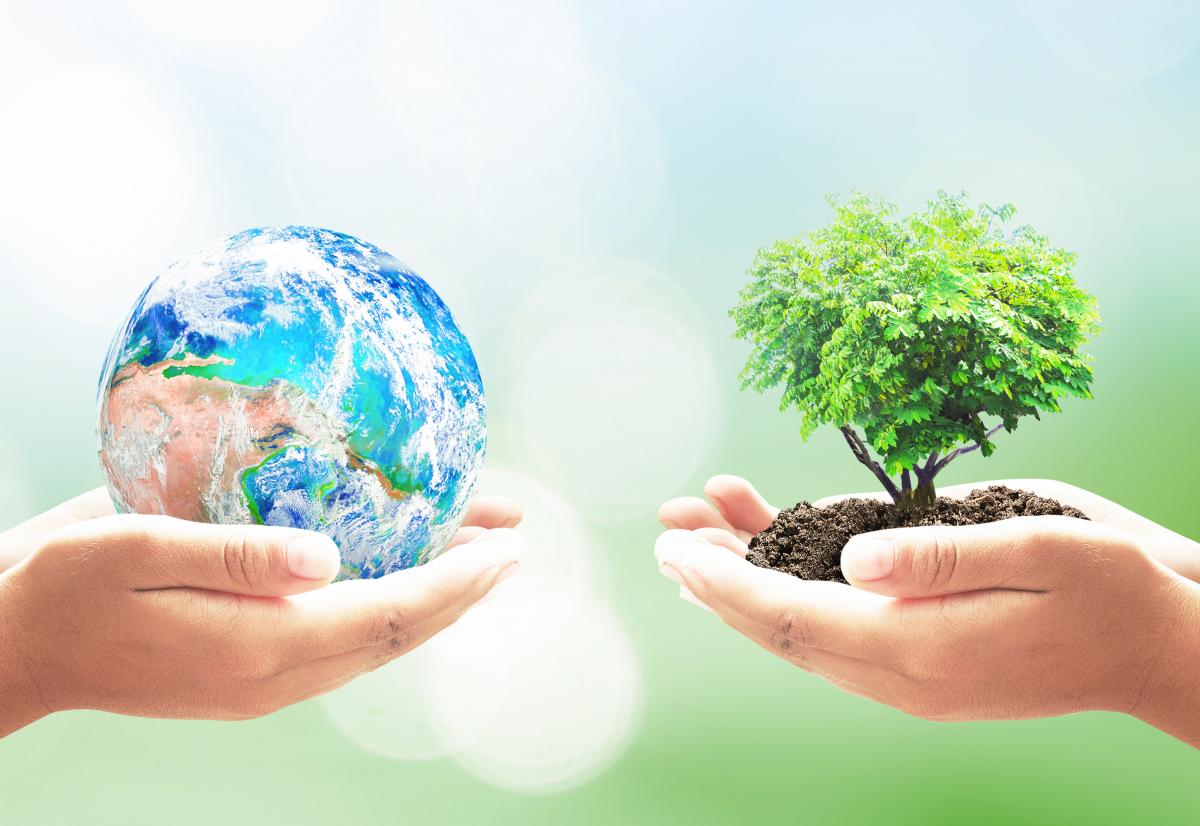
Thus ,there is a need to  save our mother Earth.

The optimal temperature of earth rises ,the glaciers are melting  and every type of pollution like air pollution water pollution ,soil pollution ,noise pollution every thing are going on its peak and that’s why why every living organism get affected by this.


Due to this anthropogenic action every single living organism get affected even when they don’t take part in this  destructive action.

Anthropogenic action is referred to as the action which is done by humans.

Impact of anthropogenic activities on  earth
First of all the major impact is  due to overpopulation –
● Due to overpopulation the overconsumption of resources are at its peak .
Even after the implementation of various sustainable act but it doesn’t make any major changes on environment.
● To fulfill the requirements of population we need more food supplies that’s why there is increase in uses of fertilizers and various chemicals to increase the food production.
■ And it will leads to lack of nutrients in grains ,soil infertility or or it may leads to desertification.
● To fulfill the requirements of people there is need to increase the land area so it has been observed that it leads to deforestation.
● Anthropogenic activities are responsible for an intensive emission of greenhouse gases to the atmosphere, leads to an increase of 35% of carbon dioxide (CO2, greenhouse gases) emissions between 1990 and 2010.
● Emission of large amount of carbon dioxide and other greenhouse gases leads to rise in temperature of Earth, increase pollution and it causes various type of disease also.
● For affordable price and easy to use the production of plastic also increases.


These all are the the main factors that affect the ecosystems too.

Measures taken to save mother earth:-

  • Reduce, reuse and recycle
  • Choose sustainable development
  • Volunteer for clean up our environment
  • Choose long lasting light bulbs
  • Try to use renewable resource more than non-renewable resources
  • Save water
  • Plant more trees
  • Use public transport system
  • Try to avoid plastic use
  • Try to minimise pollution at individual level
  • Use reusable shopping bags
  • Educate others about anthropogenic activities or the impact of anthropogenic actions on our environment and what can we do to prevent its bad effects

Save earth, save home

Classification of Macronutrients

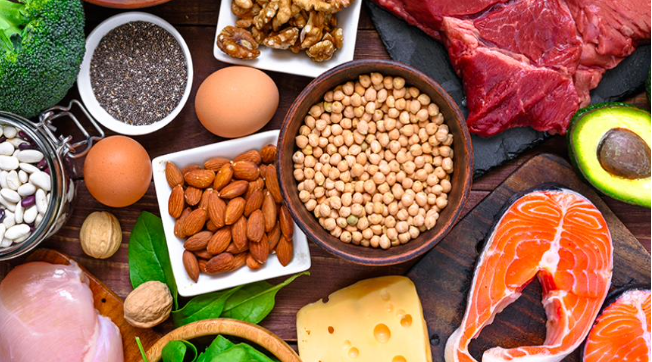
‘Macro’ signifies enormous or large, as their name proposes these are nutrients which individuals need to eat routinely and in a genuinely huge sum. They incorporate starches, fats, proteins, fiber and water. These substances are required for the flexibly of energy and development, for digestion and other body functions. Metabolism implies the cycle associated with the age of energy and all the ‘building squares’ needed to keep up the body and its capacities. Macronutrients give a great deal of calories however the measure of calories gave fluctuates, contingent upon the food source.

Every gram of starch or protein gives four calories, while fat gives nine calories to every gram.

Carbohydrates

Carbohydrates might be delegated monosaccharides, disaccharides or polysaccharides relying upon the quantity of monomer (sugar) units they contain. They are an assorted gathering of substances, with a scope of synthetic, physical and physiological properties. They make up a huge piece of nourishments, for example, rice, noodles, bread, and other grain-based items, yet they are not a basic nutrient, which means a human doesn’t have to eat sugars. The brain is the biggest shopper of sugars in the human body, and uses especially a lot of glucose, representing 20% of all out body glucose utilization. The brain utilises generally glucose for energy; if glucose is inadequate not withstanding, it changes to utilising fats. Monosaccharides contain one sugar unit, disaccharides two, and polysaccharides at least three. Monosaccharides incorporate glucose, fructose and galactose. Disaccharides incorporate sucrose, lactose, and maltose; cleaned sucrose, for example, is utilised as table sugar. Polysaccharides, which incorporate starch and glycogen, are regularly alluded to as ‘intricate’ starches since they are ordinarily long different stretched chains of sugar units.

Proteins

Proteins are the basis of numerous creature body structures (for example muscles, skin, and hair) and structure the compounds that control synthetic responses all through the body. Every protein particle is made out of amino acids which contain nitrogen and once in a while sulfur (these segments are answerable for the particular smell of consuming protein, for example, the keratin in hair). The body requires amino acids to deliver new proteins (protein maintenance) and to supplant harmed proteins. Amino acids are dissolvable in the stomach related juices inside the small digestive tract, where they are consumed into the blood. When ingested, they can’t be put away in the body, so they are either utilized as required or discharged in the urine. Proteins comprise of amino acids in various extents. The main angle and characterising normal for protein from a healthful viewpoint is its amino acid synthesis. For all animals, some amino acids are basic (can’t deliver them inside so they should be eaten) and some are trivial (can create them from other nitrogen-containing mixes). Around twenty amino acids are found in the human body, and around ten of these are fundamental. The combination of some amino acids can be restricted under uncommon pathophysiological conditions, for example, rashness in the newborn child or people in serious catabolic pain, and those are called restrictively fundamental. An eating routine that contains satisfactory measures of amino acids (particularly those that are basic) is especially significant in certain circumstances: during early turn of events and development, pregnancy, lactation, or injury (a consume, for example). A total protein source contains all the basic amino acids; a fragmented protein source needs at least one of the fundamental amino acids. It is conceivable with protein mixes of two inadequate protein sources (e.g., rice and beans) to make a total protein source, and trademark blends are the premise of unmistakable social cooking conventions. In any case, integral wellsprings of protein don’t should be eaten at a similar supper to be utilized together by the body. Abundance amino acids from protein can be changed over into glucose and utilised for fuel through a cycle called gluconeogenesis.

Fats and Oils

A particle of dietary fat ordinarily comprises of a few unsaturated fats (containing long chains of carbon and hydrogen atoms), clung to a glycerol. They are commonly found as fatty oils (three unsaturated fats appended to one glycerol spine). Fats might be delegated immersed or unsaturated relying upon the substance structure of the unsaturated fats included. Immersed fats have the entirety of the carbon atoms in their unsaturated fat chains attached to hydrogen particles, though unsaturated fats have a portion of these carbon molecules twofold reinforced, so their atoms have moderately less hydrogen molecules than a soaked unsaturated fat of a similar length. Unsaturated fats might be additionally delegated monounsaturated (one twofold security) or polyunsaturated (some twofold securities). Besides, contingent upon the area of the twofold security in the unsaturated fat chain, unsaturated fats are named omega-3 or omega-6 unsaturated fats. Trans fats are a sort of unsaturated fat with trans-isomer securities; these are uncommon in nature and in nourishments from normal sources; they are regularly made in a modern cycle called (halfway) hydrogenation. There are nine kilocalories in every gram of fat. Unsaturated fats, for example, formed linoleic corrosive, catalpic corrosive, eleostearic corrosive and punicic corrosive, notwithstanding giving energy, speak to strong insusceptible modulatory particles. Immersed fats (ordinarily from creature sources) have been a staple in numerous world societies for centuries. Unsaturated fats (e. g., vegetable oil) are viewed as more advantageous, while trans fats are to be kept away from. Immersed and some trans fats are regularly strong at room temperature, (for example, spread or fat), while unsaturated fats are normally fluids, (for example, olive oil or flaxseed oil). Trans fats are extremely uncommon in nature, and have been demonstrated to be exceptionally unfavorable to human wellbeing, yet have properties helpful in the food handling industry, for example, rancidity opposition.

Water

Water is the significant constituent of the human body. The body can’t deliver enough water by digestion or acquire enough water by food ingestion to satisfy its requirements. As an outcome, we need to focus on what we drink for the duration of the day to guarantee that we are meeting our day by day water needs, as not doing so may have negative wellbeing impacts. Water is discharged from the body in numerous structures; including pee and defecation, perspiring, and by water fume in the breathed-out breath. In this manner, it is important to satisfactorily rehydrate to supplant lost liquids.
Early proposals for the amount of water needed for upkeep of good wellbeing recommended that 6–8 glasses of water day by day is the base to keep up legitimate hydration. The idea that an individual ought to burn-through eight glasses of water for each day can’t be followed to a trustworthy logical source. Water is the primary constituent of cells, tissues and organs and is essential forever. Regardless of its entrenched significance, water is frequently failed to remember in dietary suggestions, and the significance of sufficient hydration isn’t referenced. As a result, wellbeing experts and nutritionists are here and there confounded and question the need of drinking water consistently, what amount should we drink, and how to know if patients are very much hydrated.

FibRE

Dietary fiber is a carbohydrate, explicitly a polysaccharide, which is not completely assimilated in people and in certain animals. Like all sugars, when it is processed, it can create four Calories (kilocalories) of energy per
gram, however much of the time, it represents not as much as that on account of its restricted retention and absorbability. Entire grains, beans, and different vegetables, organic products (particularly plums, prunes, and figs), and vegetables are acceptable wellsprings of dietary fiber. Fibre is imperative to stomach related wellbeing and is thought to diminish the danger of colon malignant growth. Fiber can help in mitigating both blockage and loose bowels by expanding the weight and size of stool and mellowing it. Fiber gives mass to the intestinal substance, and insoluble fiber particularly invigorates peristalsis – the cadenced strong constrictions of the digestive organs which move digesta along the stomach related lot. Some dissolvable strands produce an answer of high thickness; this is basically a gel, which eases back the development of food through the digestive organs. By easing back the retention of sugar, fiber may assist lower with blooding glucose levels, diminishing insulin spikes and lessening the danger of type 2 diabetes.

Why are supplements bad ?

Anything that changes any natural process is considered to be bad. Supplements used to increase body metabolism by artificial processes are also not good for health, but not all.

What are supplements ?

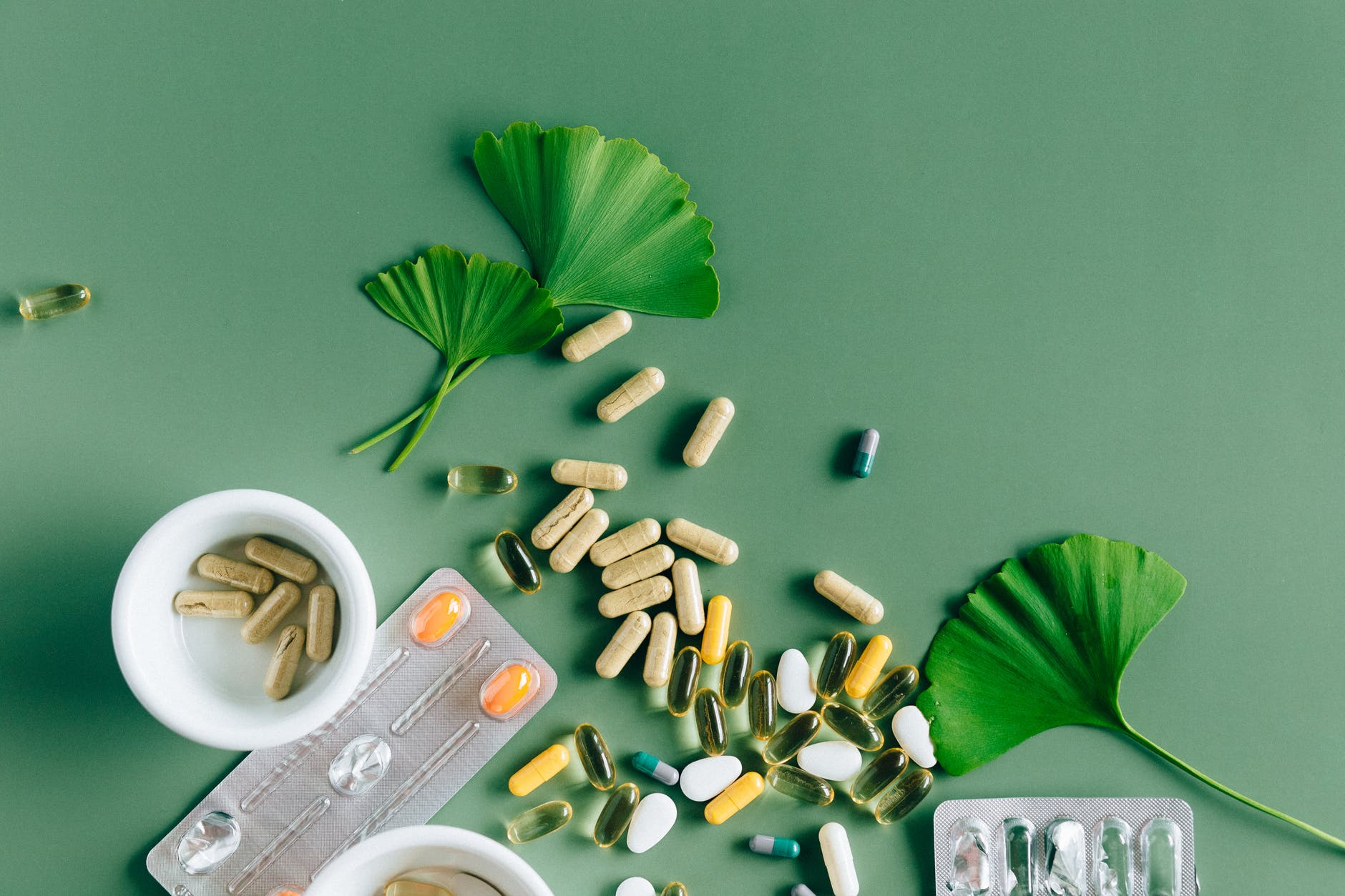
Supplements include vitamins, minerals, enzymes, amino acids and herbs. They are marketed in many different forms like in tablets, capsules, pills or other forms.

Some common supplements

  • Calcium
  • Green tea
  • Vitamin D
  • Garlic
  • Fish oil
  • Ginseng
  • Echinacea
  • Melatonin
Photo by Nataliya Vaitkevich on Pexels.com

Why supplements are bad ?

It is a less known fact that there is no safety testing of the supplements by FDA. There is no such rule that the potential adverse effects be mentioned on the supplements.

Many people using supplements since decades, don’t even know about the harmful effects of supplements. They just use in the hope of maybe curing some allergies or minor diseases. But supplements are not always safe and beneficial.

Some multivitamins are not known to cause health risks but it’s better to be cautious. Many supplements contain some ingredients that may cause severe biological effects. They may complicate your health any lead to harmful effects.

Things to know before using supplements

  1. Although some supplements come from natural sources, that doesn’t mean they are safe to use.
  • Some supplements may contain many contaminants like drugs or chemicals that make them of poor quality.
  • Do not at any cost combine any supplements.
  • It is also advised to not take supplements along with medicines.
  • Do not substitute supplements for the prescribed medicines.
  • Do not consume supplements in a large quantity.
  • Always speak with your healthcare provider before taking any supplements.

Nutrition and Nutrients

Nutrition is the science that deciphers the supplements and different substances in food corresponding to support, development, multiplication, wellbeing and infection of a living being. It incorporates ingestion, retention, absorption, biosynthesis, catabolism and discharge. The eating regimen of a living being is the thing that it eats, which is to a great extent controlled by the accessibility and acceptability of nourishments. For people, a solid eating routine incorporates readiness of food and capacity strategies that protect supplements from oxidation, warmth or draining, and that lessens danger of food-borne ailments.

In people, an undesirable eating regimen can cause deficiency related infections, for example, visual impairment, pallor, scurvy, preterm birth, stillbirth and cretinism, or supplement overabundance health compromising conditions, for example, weight and metabolic disorder; and such normal ongoing foundational illnesses as cardiovascular sickness, diabetes, and osteoporosis. Undernutrition can lead to wasting in acute cases, and the stunting of marasmus in chronic cases of malnutrition.

The seven significant classes of human supplements are sugars, fats, fiber, minerals, proteins, nutrients, and water. Supplements can be assembled as either macronutrients or micronutrients (required in little amounts).

Human nourishment manages the arrangement of basic supplements in food that are important to help human existence and great wellbeing. Helpless nourishment is a persistent issue regularly connected to neediness, food security or a less comprehension of sustenance and dietary practices and poor information about supplements needed by the body at different phases of life to forestall insufficiency of supplements in body which can effect-sly affect body. Lack of healthy nutrients and its results are huge supporters of passings, actual deaths and physical illness around the world. Great sustenance is really important for kids to develop physically and intellectually, and for typical human organic turn of events. The human body contains synthetic mixes, for example, water, starches, amino acids (found in proteins), unsaturated fats (found in lipids), and nucleic acids (DNA and RNA). These mixes are made out of components, for example, carbon, hydrogen, oxygen, nitrogen, and phosphorus. Any investigation done to decide healthful status must consider the condition of the body when tests, just as the compound piece of the entire eating regimen and of the multitude of materials discharged and eliminated from the body.

WHAT ARE NUTRIENTS?

A nutrient is a substance utilized by a creature to endure, develop, and recreate. The necessity for dietary supplement admission applies to creatures, plants, growths, fungi, and protists. Supplements can be joined into cells for metabolic purposes or discharged by cells to make non- cell structures, for example, hair, scales, plumes, or exoskeletons. A few supplements can be metabolically changed over to more modest atoms during the time spent delivering energy, for example, for starches, lipids, proteins, and aging items (ethanol or vinegar), prompting final results of water and carbon dioxide. All creatures require water. Fundamental supplements for creatures are the fuel sources, a portion of the amino acids that are joined to make proteins, a subset of unsaturated fats, nutrients and certain minerals. Plants require more assorted minerals retained through roots, in addition to carbon dioxide and oxygen assimilated through leaves. Parasites live on dead or living natural issue and address supplement issues from their host.
Nutrients might be natural or inorganic: natural mixes incorporate most mixes containing carbon, while all different synthetic substances are inorganic. Inorganic supplements incorporate supplements, for example, iron, selenium, and zinc, while natural supplements incorporate, among numerous others, energy-giving mixes and nutrients.

TEACHER’S DAY

Celebrating Teacher’s day at school is one of the finest memories from the school days. With no doubt, we can say everyone will agree with it.

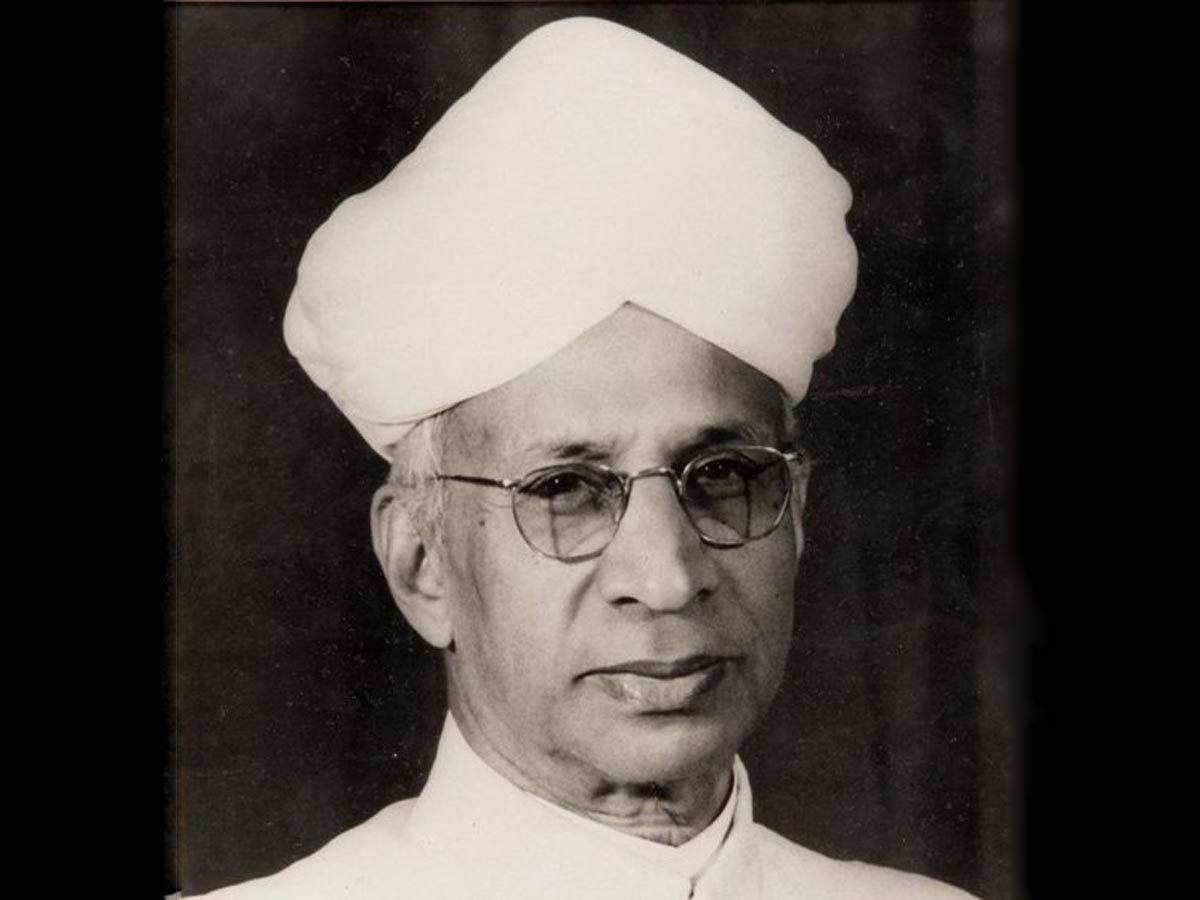
Teachers’ Day is celebrated to honour the memory of India’s first Vice President and to commemorate the importance of teachers in our lives.

The idea of celebrating Teachers’ Day took root in many countries during the 19th century; in most cases, they celebrate a local educator or an important milestone in education.

Why We Celebrate Teachers Day On 5th September?
5th September is the birth anniversary of a great teacher Dr Sarvepalli Radhakrishnan, who was a staunch believer of education and was a well-known diplomat, scholar, the President of India and above all, a teacher.

Sarvepalli Radhakrishnan ( 5 September 1888 – 17 April 1975) was an Indian academic, professor, philosopher, and politician who served as the first Vice President of India (1952–1962) and the second President of India (1962–1967).

What is education according to Radhakrishnan?
Education, according to Sarvepalli Radhakrishnan, is acquiring of knowledge beyond what is academic and professional. Education is the assimilation of values and ideas for character building and preparing to face life’s challenges.

A life of joy and happiness is possible only on the basis of knowledge and science.”

17 July 2021- What is celebrated today!

1)World Day For International Justice Day

2)Toss Away the “Could Haves And Should Haves Day

3)World Emoji Day

4)National Lottery Day

5)National Tattoo Day

1-World Day for international day 2021:

Also known as International Criminal Justice Day or International Justice Day. This day is celebrated in order to recognize and encourage the growth of the emerging systems of international criminal justice and protect basic human rights around the globe. To spread awareness about injustice happening around, emphasizing human rights, to laud, and support the growth of ICC.

The International Criminal Court (ICC) was adopted at a diplomatic conference in Rome, Italy on 17 July 1998. On 1 June 2010, at the review conference held in Kampala (Uganda), the Assembly of Parties decided to celebrate 17 July as the Day of International Criminal Justice

2) Toss Away the “Could Haves And Should Haves” Day

On the third Saturday in July, Toss Away the “Could Haves” and “Should Haves” Day is celebrated in America. This day is celebrated in order to encourage people to let go of the guilt for what they could/should have done. To let go of regrets and turn a new leaf. To learn from the past and begin an afresh journey with a clean slate (plus experiences that will help us sustain better).
Accept that you cannot change the past, accept every act you did, and move forward knowing you acknowledge them and you will believe in yourself to achieve the goals you wish.

3) World Emoji Day

We use emojis to expresses emotions, feelings, or messages which we can’t put into words. Emojis make our communication easier and more vibrant. In 1999, the first emoji was created by a Japanese engineer, Shigetaka Kurita, who worked in a mobile operating company. He created 176 emojis for the release of an integrated service i-mode.
In 2010, Unicode approved the usage of emojis.

Fun fact: The calendar emoji Depicts the date July 17 to celebrate its existence.

Jeremy Burge, the founder of Emojipedia, declared 17 July as the World Emoji Day in 2014.

4) World Lottery Day

Lotteries are believed to have come into existence since the 15th century. They were mainly used to help economically weaker sections by providing them food and clothes. It was also used to fund the defense forces. Although in present times, it is banned and illegal in some places. Others have their stakes high.
Massachusetts State Lottery founded National Lottery Day in 2018.
This day is used to encourage this sector and to give special offers to mark its origin.

5) National Tattoo Day

The word “tattoo” is derived from the Polynesian language for tatau, which means “to tap or to mark.”  A tattoo is a form of art wherein we mark our treasured moments or quotes to remember.
We can consider tattoos as an individual’s self-expression and sometimes tells you things that matter to the person who adorns them.
The culture of body ink dates back to Egyptian and ice mummies which reveals several forms of symbols and status.
Although the history of celebrating Tattoo day is unclear, it is being officially celebrated since 2016

Software Development through – Incremental Model

What is Incremental Model ?

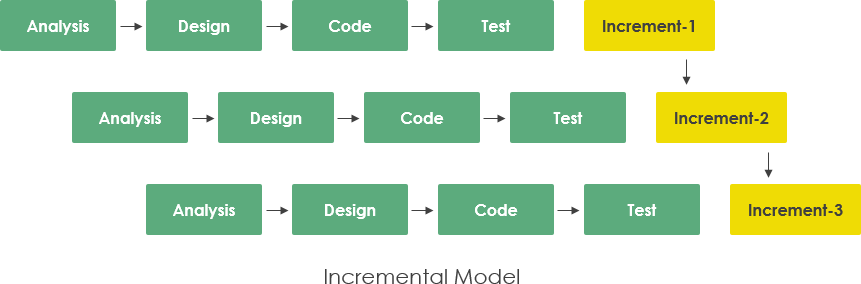
The incremental model uses the “Linear and Parallel” process flow, uses linear sequential flow like waterfall model to develop working release of software.

Situation Where Incremental Model is Useful:

When customer needs limited set of features and functionalities quickly and then they want enhancement in functions in later releases of the software, then incremental model is useful.

Flow

Each linear sequence produces a deliverable “increment” of the software.
It should be noted that the process flow for any increment can uses the prototyping paradigm.
When incremental model is used, the first increment is often the core product (that is only basic requirements are implemented), the next increments are modifications of the core product.

Advantages:


This model is useful when staff required is unavailable.
This model is useful to handle technical risk.
Provide better support for process iteration.
Reduces rework in the software construction process.
Some decisions on requirements may be delayed.
Allow early delivery of parts of the system.
Support easier integration of sub-systems.
Risk of project failure is low.

Disadvantages:


Increments need be relatively small
Needs good planning and design.
Needs a clear and complete definition of the whole system before it can be broken down and built incrementally.
Mapping of requirements to increments may not be easy.
Total cost is higher than waterfall

Conclusion

This model provides better support for iteration and the phases in this model goes on linearly as well as parallelly but their may cause confusion in the output of the phases if proper and sorted planning is not done. As well as, the total cost of this model is also higher than the waterfall model so, if their is any confusion among the output of different phases it may lead to wastage of time as well as cost.

Breast Cancer

Breast cancer is the most frequent invasive cancer in women, and after lung cancer, it is the second largest cause of cancer death in women.

Breast cancer can start in a variety of places in the breast. Lobules, ducts, and connective tissue are the three primary components of a breast. The glands that generate milk are known as lobules.

The ducts are tubes that transport milk from the breast to the nipple. Everything is held together by connective tissue, which is made up of fibrous and fatty tissue. Breast cancer usually starts in the ducts or lobules.

Breast cancer can spread to other parts of the body via blood and lymph vessels. Breast cancer is said to have metastasized when it spreads to other regions of the body.

Photo by Xenia Shtreter on Pexels.com

Since 1989, advances in breast cancer detection and treatment have drastically improved survival rates. There are more than 3.1 million breast cancer survivors in the United States, according to the American Cancer Society (ACS). A woman’s likelihood of dying from breast cancer is about 1 in 38. (2.6 percent ).

According to the American Cancer Society, 268,600 women will be diagnosed with invasive breast disease in 2019 and 62,930 persons will be diagnosed with noninvasive cancer.

Breast cancer will kill 41,760 women in the United States this year, according to the American Cancer Society. Breast cancer fatality rates have been declining since 1989, thanks to breakthroughs in treatment.

The need of screening and being aware of the symptoms are both significant methods to reduce the risk. Breast cancer can afflict men in rare cases, but this article will focus on breast cancer in women. Here’s where you can learn more about breast cancer in men.

SYMTOMS OF BREAST CANCER

The initial signs of breast cancer are usually a thicker tissue area in the breast, a lump in the breast, or a lump in the armpit.

1)Other signs and symptoms include:

2)Armpit or breast soreness that doesn’t go away with the monthly cycle

3)Pitting or redness of the breast skin, resembling the surface of an orange

4)A rash on one of the nipples or around it

5)A nipple discharge, potentially including blood

6)A nipple that is sunken or inverted

7)A change in the breast’s size or shape

8)The skin on your face is peeling, flaking, or scaling.

The size of the tumour and whether it has spread to lymph nodes or other regions of the body are used to classify cancer.

Breast cancer can be staged in a variety of ways. From stage 0 through 4, with subdivided categories at each numbered level, is one way.

The four basic stages are described here, while the precise substage of a cancer may be determined by other tumor characteristics, such as the presence of the HER2 receptor.

CAUSES OF BREAST CANCER

Fat, connective tissue, and thousands of lobules make up a woman’s breast after puberty. Breastfeeding milk is produced by these small glands. Milk travels to the nipple through tiny tubes called ducts.

Cancer produces uncontrollable cell proliferation. They do not die at the expected time in their lives.

Because the tumour consumes nutrition and energy, it deprives the cells around it, resulting in cancer.

Breast cancer is most commonly found in the inner lining of milk ducts or the lobules that provide milk to them. It can then spread to other areas of the body.

Photo by SHVETS production on Pexels.com

THERE ARE TWO TYPES OF BREAST CANCER

Ductal carcinoma is the most prevalent type of cancer that starts in the milk duct.
Lobular carcinoma is a type of cancer that begins in the lobules.


When cancer cells burst out from inside the lobules or ducts and invade adjacent tissue, it is called invasive breast cancer. This makes it more likely for cancer to spread to other places of the body.

Noninvasive breast cancer occurs when the cancer has not migrated beyond its original location. However, these cells can proceed to aggressive breast cancer in some cases.

It is impossible to avoid breast cancer. Certain lifestyle choices, on the other hand, can greatly reduce the risk of breast cancer and other cancers.

These are some of them:

limiting your alcohol consumption

following a nutritious diet rich in fresh fruits and vegetables

obtaining enough physical activity

keeping a healthy BMI (body mass index) (BMI)

Breastfeeding and the use of hormone replacement therapy (HRT) after menopause should both be considered because they can increase the risk.

For women who are at a high risk of breast cancer, preventive surgery is also an option.

The Breast Cancer Healthline app connects users to an online breast cancer community where they may interact with others and receive advice and support through group discussions.

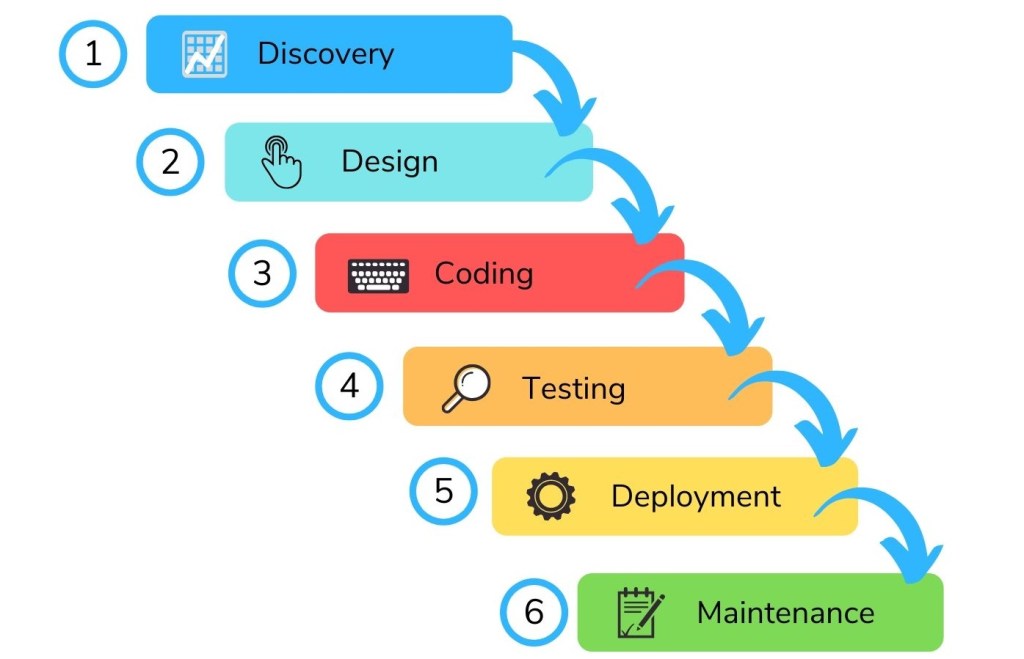
Software Development through – Waterfall Model

What is a Waterfall Model ?

It is also known as the “Classic Life Cycle” model, follows the “Systematic, Sequential “approach of software development.

Situation Where Waterfall Model is Useful:

-When customer wants enhancement or adaptation in already existing software which is well developed then we can use waterfall model.
-Ex. Changes in the Accounting software because of the changes in the rules by government.
-Waterfall Model is also used to develop new software when requirements are completely understood and stable (will not change in the future).

Phases

  1. Communication:

Heavy communication and collaboration with stakeholders-to gather information and requirement of software and to define features and functions of software.

2. Planning:

Defines – schedule of the project, role of each team member, estimation of cost, deadlines or delivery dates of the working modules, what technical task to be performed, risk that can be occurred, and priorities of each module.

3. Modeling:

Design model of software is created to understand the requirements, features and functions of the software.

4. Construction:

Combination of code generation and testing.

5. Deployment:

Software is delivered to the customer, On the basis of the feedback from the customer, software development team makes changes to the software for better quality.

Advantages

•Systematic and Organized approach provides clear separation between different phases of software development.
•This model is simple and easy to understand and use.
•It is easy to manage due to the rigidity of the model – each phase has specific deliverable and a review process.
•In this model phases are processed and completed one at a time. Phases do not overlap.

Disadvantages

•Real projects rarely follows the sequential flow that waterfall model suggests.
•All real projects follow iterative approach indirectly. As a result of this, it causes the confusion among team members when the proceeds.
•It is difficult for the customer to state all the requirements at the beginning of the project.
•A working version of the product is available only late.
•So if there any bug in the software it becomes visible at late which is very dangerous.
•Waterfall Model has a problem of “Blocking States” means some team members has to wait for other team members to complete their dependent work.

Conclusion

Waterfall model is a perspective process model and it’s basically a classic model in which each phase is very sorted and separate from each other so,no confusion occurs but it is not suitable for the changing needs of the Industry as their are tremendous trends coming in the software industry which requires an advanced process of software development with fully defined phases.So, it is suitable for the freshers but they have to adapt and switch to the newer software development techniques.

E- EDUCATION: AN EDUCATIONAL REVOLUTION

Eeducation or elearning is the delivery of education or training by electronic teaching methods like computers or laptops etc. E- Education means Schools on Web and it consolidates virtual classrooms, laboratories and integrates it with your other enterprise applications. These now supplement the face – 2 – face class room and commonly known as Blended Learning. It is the learning experiences from the online information sources. This E-Learning approach helps the students know, makes them understand how to research more and the students can preserve their online resources posterity. It helps the teacher to provide better materials for the students by doing research on various topics and subjects. It normally works over the internet and provides numerous tools such as for assessment, communications, collaborations, uploading of content etc.

Schools On Web help in connecting people with each other and provides new ways of communications and collaborations with the help of all kinds of information’s being provided by it. The aim is – Learning without Limits- anytime, in any place, and at any pace. It provides a platform where students and parents are connected, administrators are empowered and teachers are inspired.

E- Learning

The technologies of web collaborations helps in real time access to subjects or instructors or topic matters directly from the PC of users. The key communication/ participation tools are: e mail, chat rooms, whiteboards, journals etc.

Some of the key benefits are:

  1. Enable the teaching od new or existing courses wuthin virtual classrooms
  2. Interactive sessions which can be recorded
  3. Effective evaluation of virtual classes
  4. Provide instant accesS
  5. Generate academic reports
  6. Enables to track the progress of individual learner

Experiential Learning

Experiential Learning

Experiential Learning stimulates experiments and boosts the dimensions of interest, involvement, imagination and interaction by virtual laboratories, scenario – based learning activities and tests of different concepts. All these can be incorporated into various teaching approaches as pre-labs, as alternatives to textbooks home work and individual or group activities.

Some of the key benefits are :

  1. Highly Interactive Platform
  2. Provide Learning by Doing
  3. Ensures and promotes high level of cognition and retention
  4. Safety and Security is ensured
  5. Simulates real-life environments

Management System

E-Learning helps in managing fee structure, fee submission, generation of time table and management, library management and other reports. Web based Institute Management software is designed which enables better interaction among students, teachers, parents and managing body. Thus, it helps in customization of the system for respective needs at a reasonable cost.

COVID 19 and E – Education

Countries are at different points in their COVID 19 infection rates and worldwide there are nearly 1.2 billion children in 186 countries who are getting affected by school closures due to the pandemic. With such sudden transition and shift away from the classroom many problems and issues have emerged across the globe. In such situations, online learning and e-learning approaches have emerged as solutions and in response to significant demand, many online learning platforms have also moved forward for offering free access to their educational services. With the help of e-learning and online teaching initiatives many issues which were being faced in the field of education have been sorted out but still there are still lots of problems which are associated with the availability of proper infrastructures etc. at each and every corner of the globe which can enable each and everyone to access the facilities of e-learning.

FACTS ABOUT NAILS

  1. Keratin is a type of protein that forms the cells that make up the tissue in nails and other parts of your body.
  2. The part you can see in nails is consists of dead cells. That’s why it doesn’t hurt to cut your nails.
  3. Tiny blood vessels called capillaries sits under the nail bed .
  4. Blood flowing through the capillaries helps nails grow and gives them their pinkish color.
  5. Layer of skin under the nails is called the dermis.
  6. Dermis has sensory nerve endings. These send a signal to your brain when pressure is applied to your nails.
  7. Although the myth about nails growing after death isn’t true.
  8. After someone dies their skin dehydrates and shrinks making it look like their nails grew.
  9. Nails grow faster in summer than in winter.
  10. Stress can cause your nails to grow more slowly or even temporarily stop growing. 

5 Technology a Civil Engineering Student Should Learn : : —

In the present time technology is the basis of human civilization . Moreover, if you are an engineering student then you should be aware of the current technologies .If you are an engineering student you also should learn some Technologies for future perspectives . Civil engineering students also have to learn some Technologies . Some of the must learn technologies are listed below .

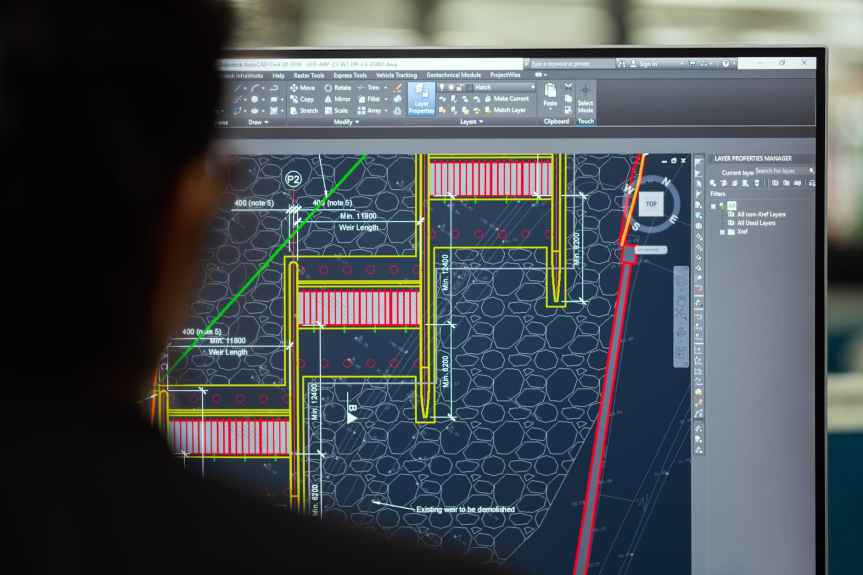
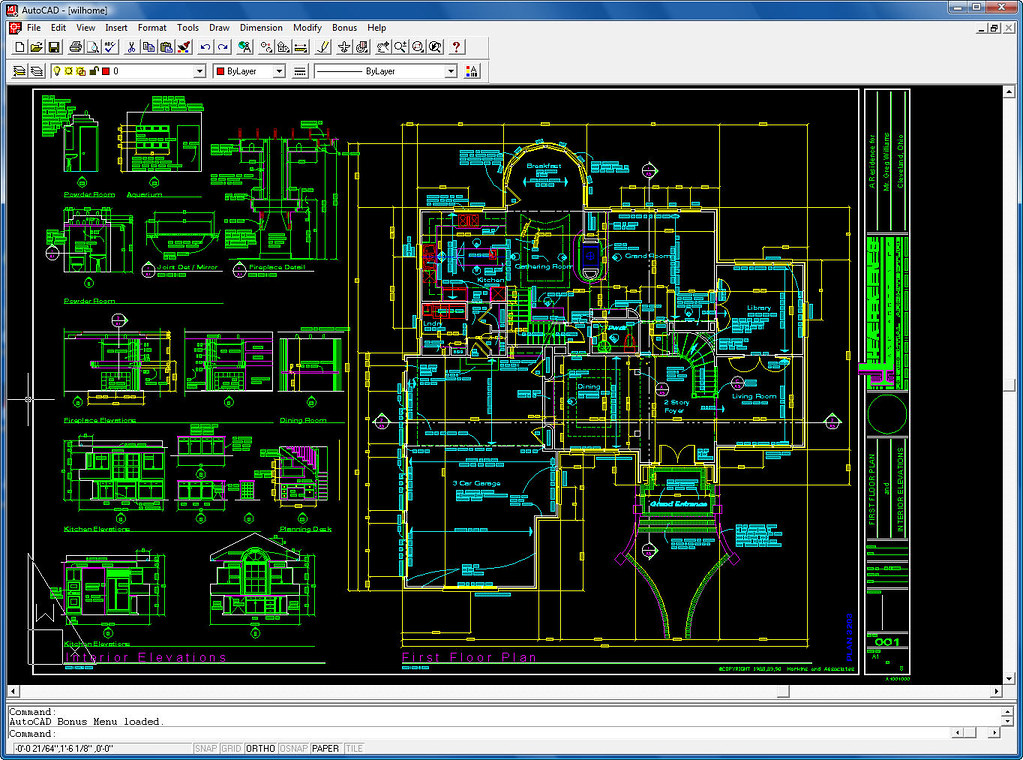
Drawing in AutoCAD
  1. AutoCAD ~~ It is a ‘Computer Aided Design’ or CAD and a drafting software which was first launched in December in the year of 1982 .Autodesk is the developer company of this software . AutoCAD is free of charge for students from all over the world . It is used by civil engineers, Architects , graphic designers, project planners and other professional professionals . It is used for making designs of any part which will be constructed . It is used in the sector of automobile ship construction, aeromodelling architecture etc.AutoCAD can be 2D (2 Dimension) Or 3D (3 Dimension) .
STAAD Pro

2. STAAD Pro ~~ This software was built by Research Engineers International in the year of 1997 and now it is under Bentley systems . It is an analytic software .This software is used for analysis and design works in the structural field . It is used for analysis of the Steel Timber concrete  which are the important elements to build a construction .This software is supportive for almost 90 International design codes .

3DS Max

3. 3DS Max ~~  it is a ‘3D Computer Graphics Program’ software . It is also known as ‘3D Studio Max’ . It is software from Autodesk . It was first released by Autodesk in April of the year of 1996 . It is mostly used by developers for video games , architects for visualizing and interior studios for commercial purposes .

Drawing in Revit

4. Revit ~~ It first appeared on April 5th in the year of 2000 . It was invented by the Autodesk company .It is a ‘Building information Modelling’ type of software .It is used in the field of structural engineering, electrical engineering, mechanical engineering , architecture etc. It is used to design the structure of a building with details in 3D .

Microsoft Excel

Microsoft Excel ~~ It was first released in 1987 by the Microsoft company . It is a spreadsheet application .  It has so many features like graphic tools , various tables ‘Visual Resic of Application’ programming language , and calculation .It is used for collecting data and arranging it in a systematic way and reserves it . It is used in every engineering sector and is a very important and useful application of Microsoft Windows operating system .

Microsoft Project

6. Microsoft Project ~~ It was first released in 1984 by Microsoft .It is a ‘Project Management’ type software . It works only in Windows .It is used for tracking the progress ,collecting datas ,and analyzing it in a better & systematic way . It is usually used by project Managers but As an engineering student it is beneficial to know this application .

These are not the only technologies a civil engineering student should learn . Apart from them there are some more like Primavera ,Maya ,ArcGIS ,Solid Works , IoT (Internet of Things) ,3D Printing ,BIM (Building Information Modelling) etc.

BIODIVERSITY

The different types of organisms found in an area is known as biodiversity or you can define it in a more accurately as ” the totality of genes, species, and ecosystems of a region”.

Biodiversity differ from place to place and dependence of human population has been enormously increased on biodiversity for their necessities.

The known and described number of species of all organisms on the earth is between 1.7 and 1.8 million which is fewer than 15 percent of the actual number. The predicted number of total species varies from 5 to 50 million averages at 14 million. About 61 per cent of the known species are insects. A large number of plant species and vertebrates are known. There are many more species that have not been described.

Biological diversity includes three hierarchical levels :

1. Genetic diversity

We know that each species, varying from bacteria to higher plants and animals, stores an immense amount of genetic information.

Genetic diversity refers to the variation of genes within species. The genetic diversity enables a population to adapt to its environment and to respond to natural selection. If a species has more genetic diversity, it can adapt better to the changed environmental conditions.

2. Species diversity

Species are distinct units of diversity, each play specific role in an ecosystem.

Species diversity refers to the variety of species within a region. Simplest measure of species diversity is species richness, I.e., the number of species per unit area. The no. Of species increases with the area of the site. Generally, greater the species richness, greater is the species diversity

3. Community and Ecosystem Diversity

Diversity at the level of. community and ecosystem has three perspectives. :-

◆ Alpha diversity ( within community diversity). Refers to the diversity of organism sharing the same habitat.

◆ Beta diversity ( between community diversity). Refers to species composition of community along environmental gradient.

◆ Gamma diversity ( diversity of the habitats over the total landscape or geographical area) Greater the dissimilarity between communities, higher is the beta diversity

USES OF BIODIVERSITY

source of food and Improved Varieties. ● Drugs and Medicines. ● Aesthetic and cultural Benefits. ● Ecosystem service

THREATS TO BIODIVERSITY

Habitat loss and fragmentation. ● Disturbance and pollution. ● Introduction of exotic Species. ● Extinction of species.

CONVERSATION OF BIODIVERSITY

Conversation of biodiversity is now important for us. We know that ecosystem are undergoing change due to pollution, invasive species, over exploitation by humans, and climate change.

Most people are beginning to recognise that diversity at all levels – gene pool, species and biotic community is important and need conservation.

There are two basic strategies of biodiversity conservation, institute (on site) and exsitu ( off site).

° Insitu conservation strategies

The in situ strategies emphasis protection of total ecosystems. The in situ approach includes protection of a group of typical ecosystem through a network of protected areas.

Protected Areas

These are areas of land and sea, especially dedicated to the protection and maintenance of biological diversity. Examples are National parks and wildlife sanctuaries.

Biosphere Reserves

It is special category of protected areas of land and coastal environment where people are integral components of the system. There are 13 biospheres in india.

Sacred forests and sacred lakes

These are forest patches of varying dimensions protected by tribal community due to religious factors.

° Exsitu conversation strategies

Cryopreservation

In vitro conservation especially in liquid nitrogen at a temperature of -196℃. It is a storage of vegetatively propagated crops like potato.

Polysaccharides

Polysaccharides are major classes of biomolecules. They are long chains of carbohydrate molecules, composed of several smaller monosaccharides. These complex bio-macromolecules functions as an important source of energy in animal cell and form a structural component of a plant cell. It can be a homopolysaccharide or a heteropolysaccharide depending upon the type of the monosaccharides. Polysaccharides can be a straight chain of monosaccharides known as linear polysaccharides, or it can be branched known as a branched polysaccharide.

Functions of Polysaccharides-

The polysaccharides serve as a structural organization in animals and plants. Other functions of polysaccharides include:

  1. They store energy in organisms.
  2. Due to the presence of multiple hydrogen bonds, the water cannot invade the molecules making them hydrophobic.
  3. They allow for changes in the concentration gradient which influences the uptake of nutrients and water by the cells.
  4. Many polysaccharides become covalently bonded with lipids and proteins to form glycolipids and glycoproteins. These glycolipids and glycoproteins are used to send messages or signals between and within the cells.
  5. They provide support to the cells. The cell wall of plants is made up of polysaccharide cellulose, which provides support to the cell wall of the plant. In insects and fungi, chitin plays an important role in providing support to the extracellular matrix around the cells.