Tropical cyclones

Tropical cyclones are intense circular storms that originate over the warm tropical oceans with more than 119 kilometres per hour speed and heavy rains. Mainly, the greatest damage to life and property caused not from the wind but from other secondary events including storm surges, flooding, landslides and tornadoes. Tropical cyclones are among the foremost destructive weather phenomena and also known as typhoons or hurricanes. They include a number of different hazards that can individually cause significant impacts on life and property, such as storm surge, flooding, extreme winds, tornadoes and lighting.

Tropical cyclones are known by various names in different parts of the world. In the North Atlantic ocean and the eastern North Pacific they are called hurricanes, and in the western North Pacific around the Japan, and China the storms are referred to as typhoons. In the western South Pacific and Indian ocean they are variously referred to as severe tropical cyclones, tropical cyclones, or simply cyclones. All these different names refer to the same type of storm. The tropical cyclone is formed when a transfer of water vapour and heat from the warm ocean to the overlying air occurred primarily by evaporation from the surface of the sea. As we know that warm, moist air rises, it expands and cools, quickly and become saturated and released latent heat due to the condensation of water vapour. By this process, the column of air in the core of the developing disturbance is warmed and moistened.  The temperature difference is formed between the warm, rising air and the cooler environment that causes air to become buoyant and enhance its upward movement. If the surface of the sea is too cool then there will not be enough heat available and the rate of evaporation will be low to provide fuel to the tropical cyclone. Even the supply of energy will also be cut off due to warm surface water layer is not enough deep. It happens because the tropical system modifies the underlying ocean. The sea surface becomes cool due to the falling of the rain from the deep convective clouds and the strong winds in the centre if the storm will further create turbulence. If this resulting mixing brings cool water from the below the surface layer to the surface, the fuel supply for the tropical system will be removed.

A tropical cyclone that remains over the ocean and moves into higher latitudes will change its structure and become extra tropical as it encounters cooler water. Each year the impacts of tropical cyclones and other weather, climate and water extremes around the Earth give rise to multiple casualties and significant damage to property and infrastructure, with adverse economic consequences for communities that can persist for many years. 
 

Afforestation

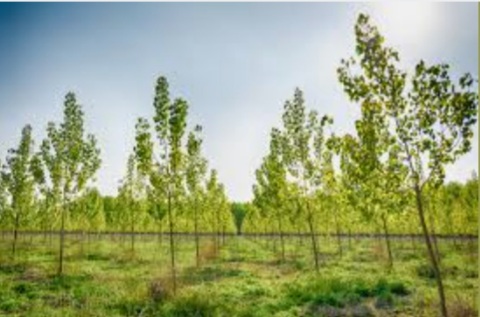
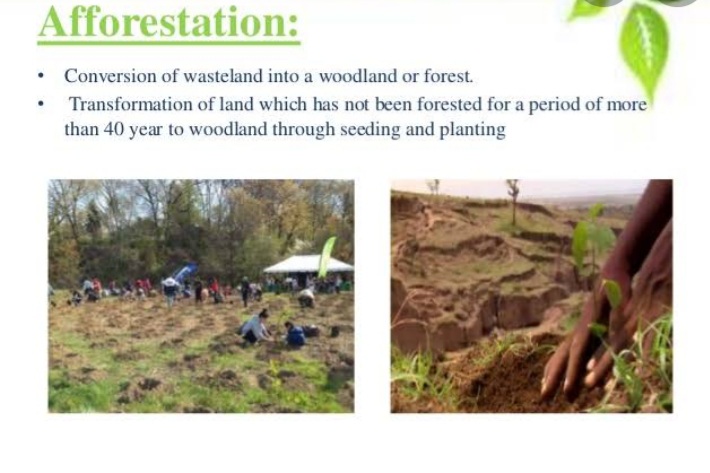
Afforestation is very useful to prevent and maintain the oxygen levels. Due to the deforestation, many of the trees are being cut and the oxygen supply has been reduced very drastically. Afforestation will help to maintain the oxygen levels in the atmosphere and helps the individual and the world to be healthy all the time. Oxygen is the minimum need for the individual to survive on the earth. If there is no oxygen, then which will cannot live or survive. When there is no o2, It is equally difficult for the animals to survive.

It also helps to maintain good forests. Deforestation, that is cutting of the trees makes the land abandoned and trees life less. When an individual takes a step forward to plant trees that is afforestation, good number of trees will be grown and the forests will be developed.

The most important thing for the animal’s survival is trees that give shelter and plants for the food. When the trees are being cut, some of the animals find no shelter and sometimes no food to eat. When afforestation takes place animals will find good shelter and also good food to eat.

Importance of Afforestation :

Afforestation helps to addess all the issues of soil erosion and barren land at the same time. Tress acts as wind barriers thereby weakening the speed of the wind and reducing its impact and ability to carry big soil particles.

The impacts of afforestation is occuring in many parts of world, can modify the nature and transformations of soil organic carbon and associated soil prevents, which in turn can affect plant diversity and ecosystem function. Afforestation also decreased soil bulk density and pH, and increased soil water content.

Types of Afforestation :

Afforestation materials are mainly divided into three categories: seed,seedling,and cutting. The choice of these three types of afforestation materials and methods is related to site conditions, tree species and age.

Various causes of Afforestation :

* Afforestation is highly fundamental in creating an alternative source pool of nature resource.

* Afforestation aids in tackling global warming and stabilizing global temperatures.

* protection of sensitive areas, biodiversity, and natural cycles.

* Afforestation can support wildlif.

* Afforestation creates employment and can provide a source of livelihood.

Advantages of Afforestation :

* A constant supply of forest products.

* prevents soil erosion.

* stabilizes the climate.

* Has the potential of reversing global warming and climate change.

* Better quality air.

* Improve watershed.

* preservation of wildlife.

* provision of employment and economic opportunities.

Disadvantages of Afforestation :

If not properly managed, afforestation can result in a reduction of local biodiversity, the modification of particular biomes, the intriduction of non – native and potentially invasive species, reduced stream flow and lost revenue from agricultural.

Obesity

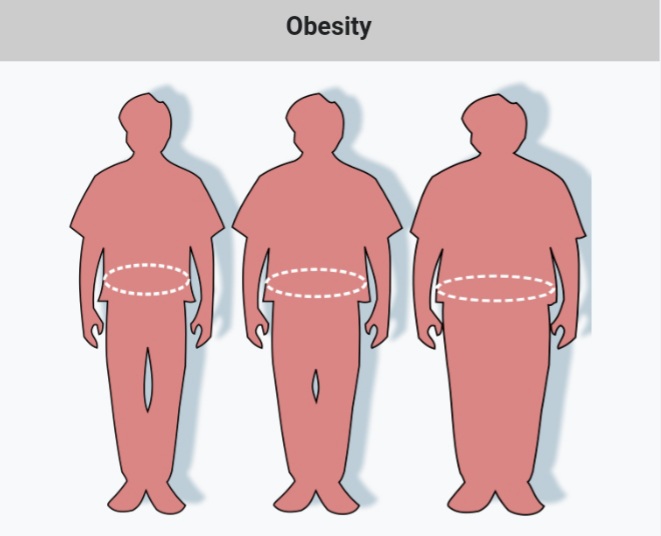
Obesity is described by the BMI (Body mass index). The obesity in the body is nothing but the high level of fat stored in the body. It is a very bad thing which in future leads to many health problems.

Many of the children are falling obese now a days. This is because of not having good food. Many of the children are highly addicted to the junk food. The junk food intake in the body increases the fat levels in the body.

A disorder involving excessive body fat that increases the risk of health problems. Obesity often results from takingin more calories than are burned by exercise and normal daily activities.

Symptoms:

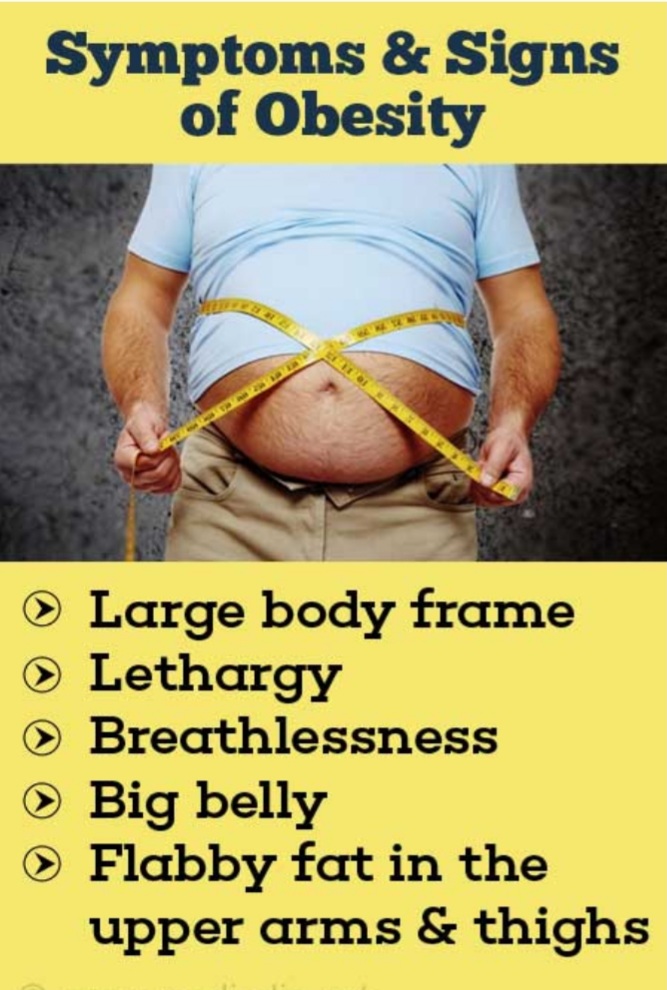
Obesity occurs when a person’s body mass index is 25 or greater . The excessive body fat increses the risk of serious health problems.

What causes obesity?

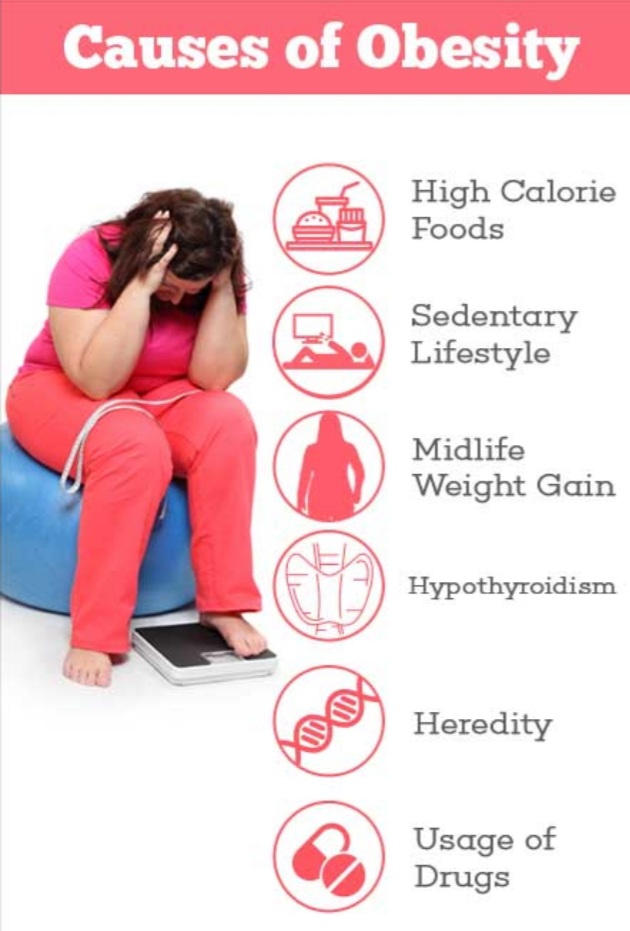
Obesity is generally caused by eating too much and moving too little. If you consume high amounts of energy , particularly fat and sugars, but do not burn off the energy through exercise and physical activity, much of the surpluse energy will be stored by the body as fat.

8 Most common causes of obesity :

* physical inactivity.

* overeating.

* Genetics.

* A diet high in simple carbohydrates.

* A frequency of eating .

* Medications.

* psychological factors.

* Diseases such as hypothyroidism, insulin resistance, polycystic ovary syndrome, and caushing’s syndrome are also contributors to obesity.

Let us now look at some methods to prevent obesity.

*Healthy and nutritious food :

It is very important to consume healthy and nutritious food every day. To gain a sufficient amount of nutrients and and to be healthy it is very important to consume nutritious food. Consuming nutritious food helps us to gain sufficient energy. Being healthy prevents us from Many deadly diseases.
*Exercise :

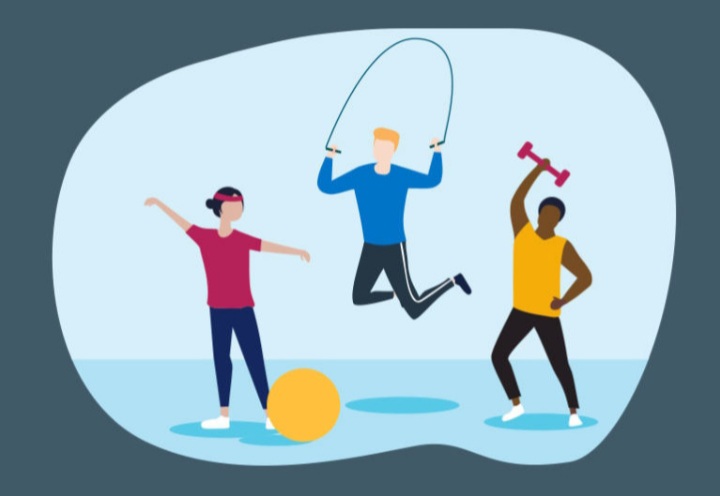
Exercising at least for 10 to 15 minutes a day help the individual to be physically fit and also mentally strong. Exercising every day is a very good habit which everyone need to make it and perfect habit to do. Exercising 10 to 15 minutes also relieves us from the stress and the tension we have had. So, it is better to spend at least 10 to 15 minutes even in our hectic schedule an exercise.

* yoga :

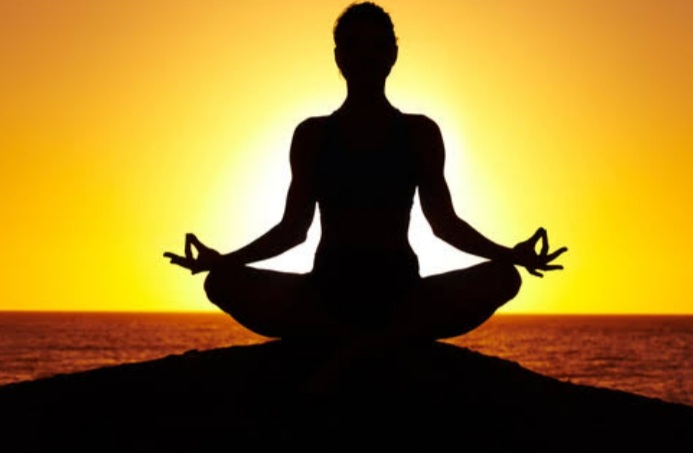
Yoga relives from the stress and tension we have had. Sparing at least 10 to 15 minutes time on yoga benefit is a lot. It relaxes the muscle and comes to mind. It helps to be physically fit and mentally strong. All the asanas and pranayama helps to Gain strength and to be physically fit.

*Meditation :

Meditating for certain minutes helps to calm the brain and soul. It helps and relieving the stress and the tension we have had. It helps us to focus on the things which we are willing to do. It also equally helps us to be mentally strong. It is such a good and a mandatory practice an individual must obtain and must follow without any delays.

* Monitor your weight regularly.

* Be consistent.

Who obese people?

BMI is calculated by dividing a person’s weight in kilograms by the square of their height in metres. A BMI of 25.0 – 29.9 is classified as overweight but not obese, while a BMI of 30.0 or over is classified as obese. A BMI of graeter than 35.0 is classified as severely obese.

Adult BMI calculator

BMI WEIGHT STATUS

Below 18.5 underweight

18.5 – 24.9 Normal

25.0- 29.9 overweight

30.0 and above obese

The negative effect of obesity :

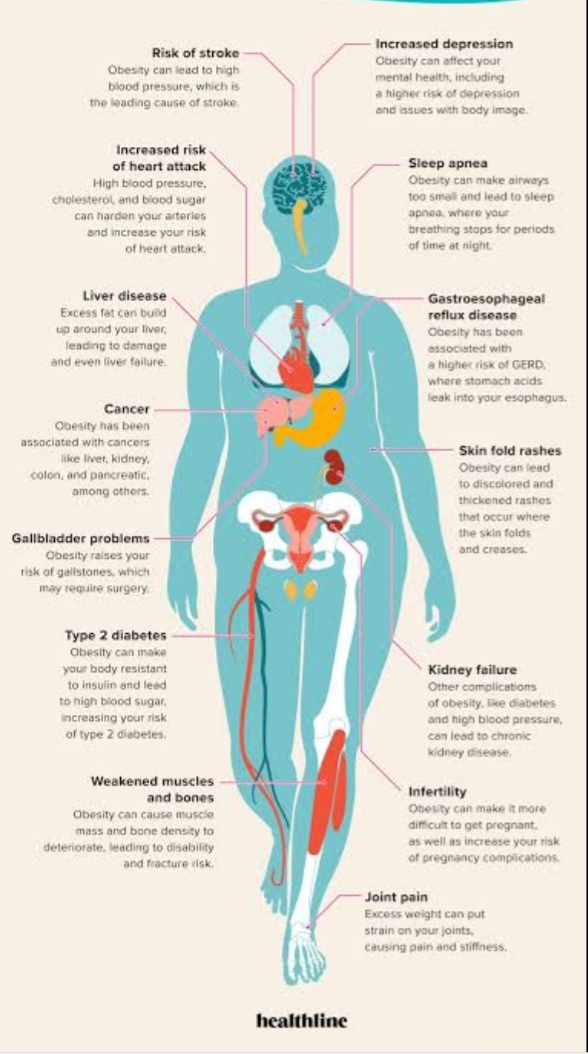
Obesity is serious beacause it is associated with poorer mental health outcomes and reduced quality of life. Obesity is also associated with the leading causes of death in the united states and worldwide, including ,diabetes, heart disease, stroke, and some types of cancer.

Credit Creation by Commercial Bank . ( Explanation , Assumptions , Mathematical Representation , Process , Limitations )


Banks play an important role in financial stability and the economy of a country.
It is a financial institution that accepts deposits from the public and creates a demand deposit while simultaneously making loans.


Credit creation is one of the most important functions performed by commercial banks. It separates a bank from other financial institutions . In simple terms credit creation is the expansion of deposits. A bank expands the demand deposit into multiple cash reserves as demand deposits are the principal medium of exchange.

In words of Newly ” Credit Creation refers to the power of commercial bank to expand secondary deposits either through the process of making loans or through investment in securities “

Credit Creation is a situation in which banks give more loans to consumers and businesses with the result that the amount of money in circulation increases . In other words , it refers to the unique power of banks to multiply loans and advances and hence create credit on the basis of the primary deposit of the account holder .

According to G.N Halm ,
“The creation of derivative deposits is identical with what is commonly called the Creation of Credit .”
__________________________________________
Arguments Regarding Credit Creation .

There have been two views on the Credit Creation by bank by two economists
Hartley Withers
Walter Leaf .

According to Withers , banks can create credit by opening a deposit , every time they advance a loan . This is because every time a loan is sanctioned , payment is made through cheques . As long as a loan is due , a deposit of the amount remains outstanding in the books of the bank . This every loan creates a deposit .


Walter Leaf did not agree with this view . According to them, banks cannot create money out of thin air . They can lend only what they have in cash . Therefore , they cannot and do not create money .

The given argument was related to single bank and hence ,as pointed out by Prof Samuelson ,
“The banking system as a whole can do what each small bank cannot do : it can expand its loan and investments many times the new reserves of cash created for it , even though each small bank is lending out only a fraction of its deposits .”

Thus , banks are able to create credit or deposits by keeping a small cash in reserves and lending the remaining amount .


Basis of Credit Creation


Demand deposits are an important constituent of money supply and the expansion of demand deposits means the expansion of money supply . The entire structure of banking is based on credit . Credit basically means getting the purchasing power now and providing to pay at some time in the future .

Bank deposits form the basis of credit creation.


Bank deposits can be divided into two types :-

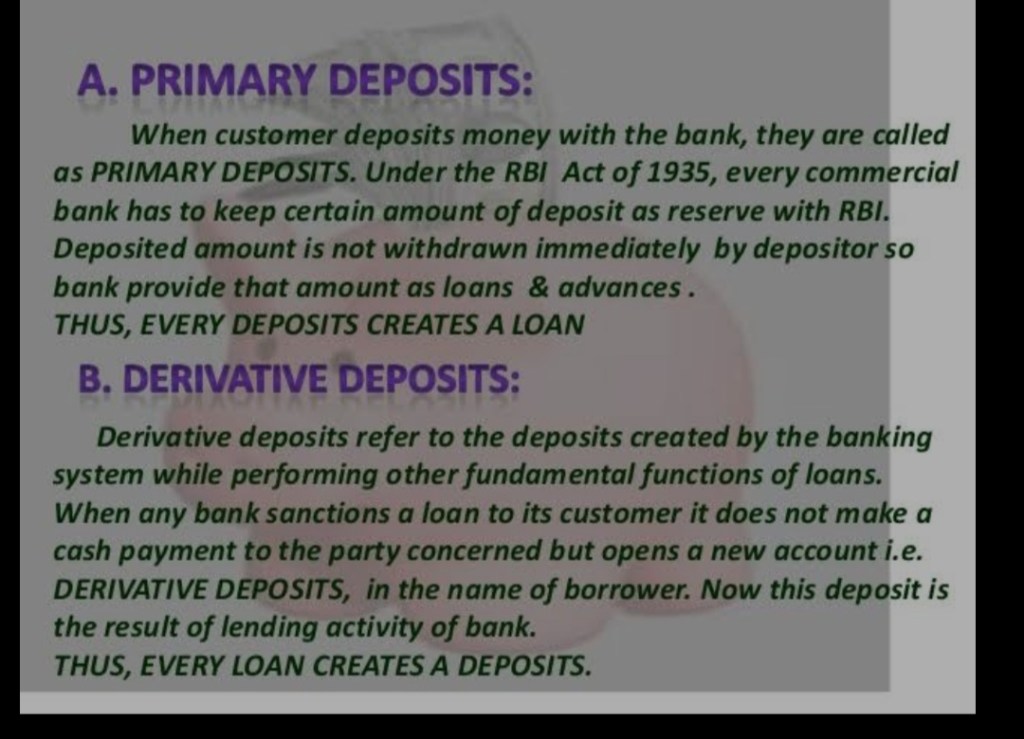
Primary Deposits :- A bank accepts cash from the customer and opens a deposit in his name . This is a primary deposit . These deposits simply convert currency money into deposit money . These deposits form the basis for the creation of credit. These deposit creates a loan .

• Secondary or Derivative Deposit :- A bank grants loans and advances instead of giving cash to the borrower , opens a deposit account in his name . This is the secondary or derivative deposit . Every loan creates a deposit . The creation of a derivative deposit means the creation of credit .

Banks can expand their demand deposits as a multiple of their cash reserves because demand deposits serve as the principal medium of exchange .


Aspects of Credit Creation


The two important aspects of credit creation are :-

Liquidity :- The bank must pay cash to its depositor when they exercise their right to demand cash against their deposit .

Profitability :- Banks are profit – driven enterprises . Therefore a bank must grant loans in a manner which earns higher interest than what it pays on its deposit .


Assumptions :-


The bank’s credit creation is based on the assumption that during any time interval only a fraction of its customers genuinely need cash . The bank also assumes that all its customers would not turn up demanding cash against their deposit at the same time .


Concepts of Credit Creation.


Bank deposit :- Bank deposits are the basis of credit creation . Bank deposits constituent of primary deposit and secondary deposit .

Bank as a Business institution :- Bank is a business institution which tries to maximize profit through loans and advances from deposits.

Borrowing rate :- The rate at which commercial banks accept deposits is known as the borrowing rate.

Lending rate :– The rate at which the commercial banks lend money to the customers is known as the lending rate.

Spread :- The difference between the lending rate and the borrowing rate is known as the spread.

Spread = Lending rate – Borrowing rate.

Concept of Cash Reserve Ratio :- It is legally compulsory for the bank to keep a certain minimum fraction of the deposit as a reserve. This is known as Cash Reserve Ratio (CRR) or Legal Reserve Ratio (LRR).

Banks only keep a fraction of deposits as cash reserves because all depositors do not approach the bank for withdrawal of money at the same time.
There is a constant flow of new deposits into the banks.

• Excess Reserves :- The reserves over and above the cash reserves are the excess Reserves used for loans and credit creation .

Concept of Credit Multiplier :- The credit multiplier or deposit multiplier measures the amount of money that the banks are able to create in the form of deposits with every unit of money that it keeps as a reserve.

It is calculate as,

Money Multiplier (MM or K) = 1/ CRR times


Given a certain amount of cash , a bank can create credit multiple times . In the process of multiple credit creation , the total amount of derivation deposits that a bank creates is a multiple of initial cash .


Mathematics representation of Credit Creation


Formula for Credit Creation :-

Total Credit Creation =

Cash deposit ( initial deposit ) X Credit Multiplier Coefficient .

where , credit multiplier coefficient = 1/ r

r = Cash Reserve Ratio .

Extending the above formula,

Total deposit = Cash Deposit + Credit Deposit .


Let ,

Cash Deposit = ∆ D
Cash Reserve Ratio = r
Total deposit = ∆ M


Derivation :-

∆ M = ∆ D + (1- r) ∆ D + ( 1- r ) ² ∆ D +( 1- r )³ ∆D +……….( 1-r ) ^ n-1 ∆ D .
– (i)

By multiplying both side by (1-r) in equation (i)

( 1- r) ∆M = (1-r ) ∆ D +(1-r)² ∆D + (1-r)³ ∆D ………..(1-r)^ n ∆ D.
-( ii )


Subtracting equation i and ii we get ,

( 1-r) ∆ M – ∆M = – ∆ D + ( 1- r) ^n ∆ D.

∆ M ( 1-r-1 ) = – ∆ D [ 1- ( 1-r) ^n ]

If n = ~
Then , (1-r) ^n =0

So ,

r ∆M = ∆ D ( 1-0 )
r∆ M = ∆ D

∆ M = 1/r × ∆ D .


Hence ,proved ,

Total deposit = Cash deposit × Credit Multiplier Coefficient.


Process of Credit Creation


There are two ways of analyzing the credit creation process:

• Single bank Credit creation system.

• Multiple bank Credit creation system.


Single Bank Credit Creation:-.


In this system, one bank operates all the cash deposits and cheques.

Explanation with hypothetical example :-.

Assumption :-

Bank receives a cash deposit from person A , of Rs. 1000.

The bank requires a CRR of 20 percent.

The remaining money is lent to another person B , C , D …and so on.

Explanation :-

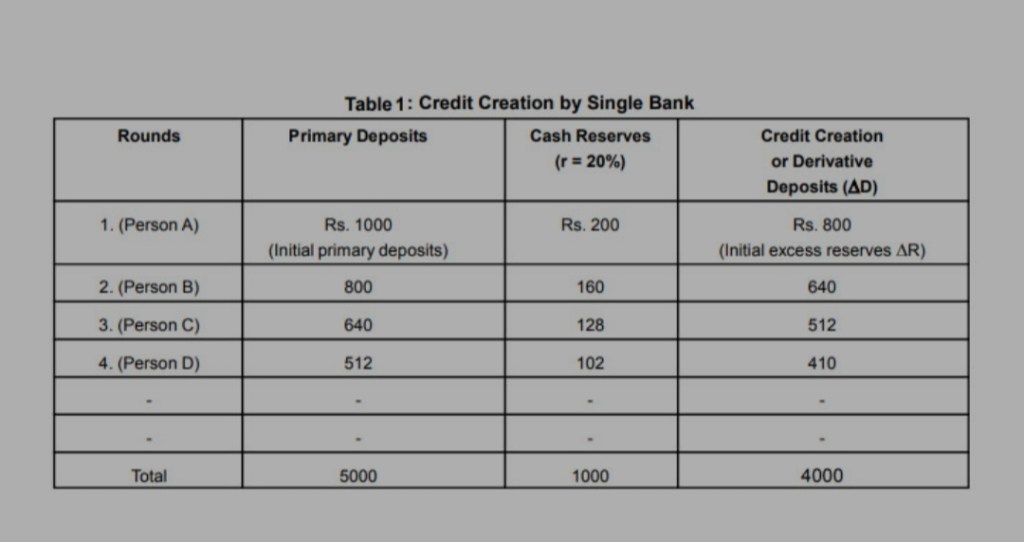
Person A deposits 1,000 rupees with the bank, then the bank keeps only 200 rupees in the cash reserve and lends the remaining 800 to another person B.

They open a credit account in the borrower’s name for the same.

Similarly, the bank keeps 20 percent of Rs. 800 (i.e. Rs. 160) and advances the remaining Rs. 640 to person C.

Further, the bank keeps 20 percent of Rs. 640 (i.e. Rs. 128) and advances the remaining Rs. 512 to person D.

This process continues until the initial primary deposit of Rs. 1,000 and the initial additional reserves of Rs. 800 lead to additional or derivative deposits of Rs. 4,000 (800+640+512+….).

Adding the initial deposits, we get total deposits of Rs. 5,000.

In this case, the credit multiplier is 5 (reciprocal of the CRR) and the credit creation is five times the initial excess reserves of Rs. 800.


Multiple Credit Creation by the Banking System


In multiple credit creation by a bank , deposit of one bank is the gain of deposit for some other bank.
This transfer of cash within the banking system creates primary deposits and increases the possibility for further creation of derivative deposits


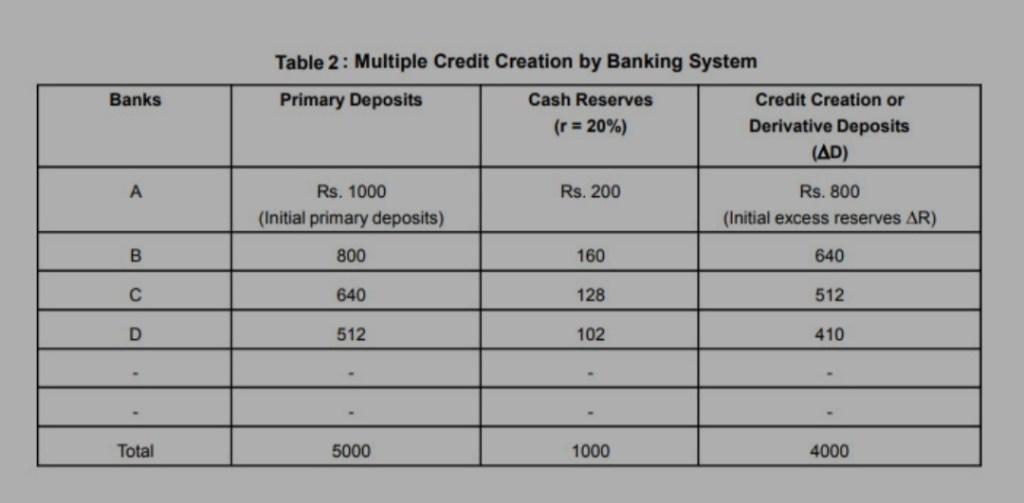
Multiple banking system includes the following assumptions :-

• There are. many banks , say A,B, C ,.etc.

• First Bank has a cash deposit of Rs. 1000.

• The bank requires a CRR of 20 percent.

• The remaining money is lent to another bank B , C , D …and so on.


The initial deposit of Rs. 1,000 with bank A leads to a creation of total deposits of Rs. 5,000.


Limitations :-


Commercial banks have limited power in the creation of credit . The following are the limitations on the power of commercial banks to create credit.

•The credit creation power of banks depends upon the amount of cash they possess .

• An important factor that limits the power of banks to create credit is the availability of adequate securities .

• The banking habits of the people also govern the power of credit creation on the part of banks .

• The minimum legal reserve ratio of cash deposits fixed by the central bank is an important factor which determines the power of banks to create credit.

• The process of Credit Creation is based on the assumption that banks stick to the required reserve ratio by the Central Bank .

• If there are leakages in the credit creation steam of the Banking system , credit expansion will not reach the required level.

• The power of credit creation is further limited by the behaviour of the other banks .

___________________________________________

Referral links :-Cash Reserve Ratio, Credit Multiplier.

Yoga

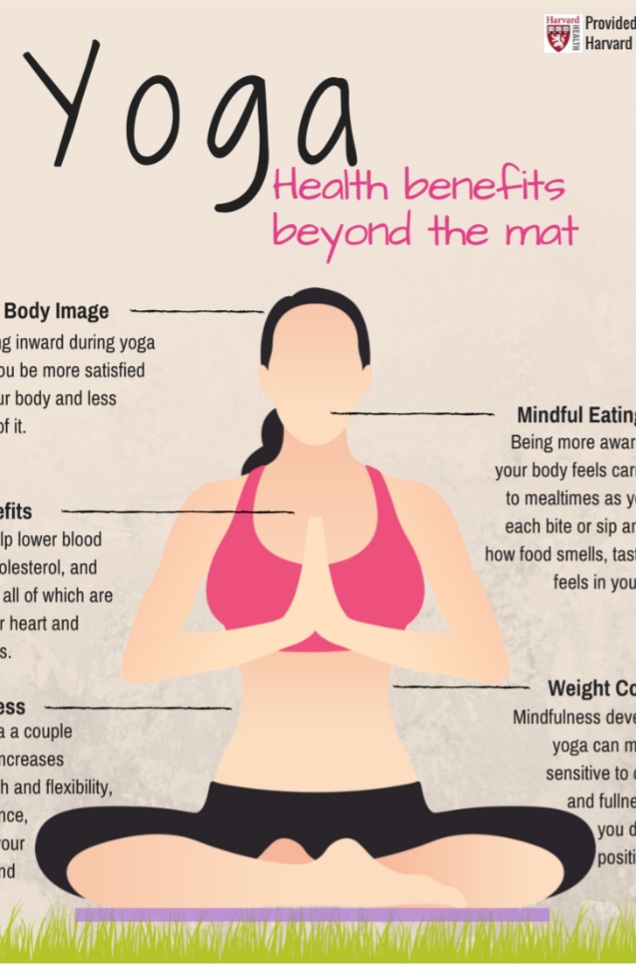
Yoga is also equally important to be mentally calm. Practicing 15 minutes of yoga is so beneficial. All the asanas helps to get stronger muscles with the fitter body and good lifestyle with mental calmness. Yoga relives from the stress and tension we have had. Sparing at least 10 to 15 minutes time on yoga benefit is a lot. It relaxes the muscle and calms the mind. It helps to be physically fit and mentally strong. All the asanas and pranayama helps to Gain strength and to be physically fit.

It helps to be fitter and healthier. It helps to have a healthy lifestyle. Exercise helps to have healthy muscles and it also helps in weight loss who is suffering from obesity and excessive weight. Exercise is the healthy habit that must be added in the healthy lifestyle and must be practiced without any delay.

Exercising, meditation, yoga etc. are great things to regain the strength and to be fitter and also happy.

Types of yoga :

Bhakti yoga :

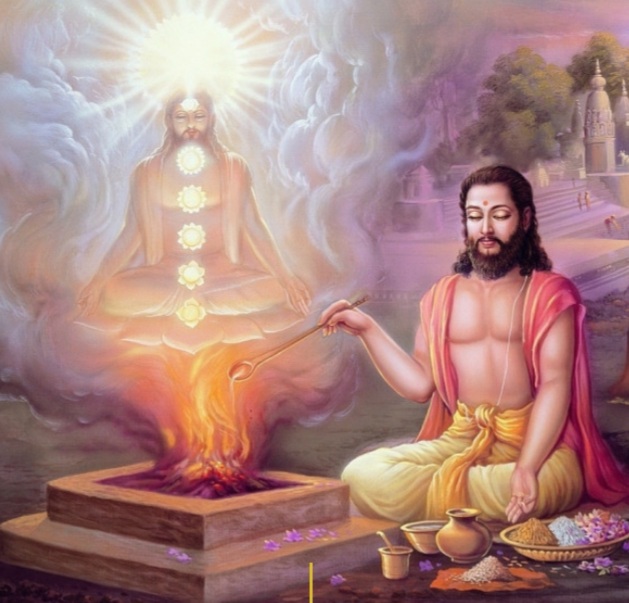
Bhakti yoga, also called Bhakti marga, is a spiritual path or spiritual practice within Hinduism focused on loving devotion towards any personal deity. It is one of the three paths in Hinduism which lead to moksha, the other paths being jnana yoga and karma yoga.The tradition has ancient roots.

The purpose of bhakti yoga is the practitioners of Bhakti yoga ,known as bhaktas, or loving devotees, express their religious devotion through prayer, ritual, and chanting. Their purpose is to develop feelings of unconditional love and devotion

Karma yoga :

Karma yoga, also called karma marga, is one of the three spiritual paths in Hinduism, one based on the “yoga of action”, the others being jnana yoga and Bakti yoga.

Patanjali Ashtanga yoga :

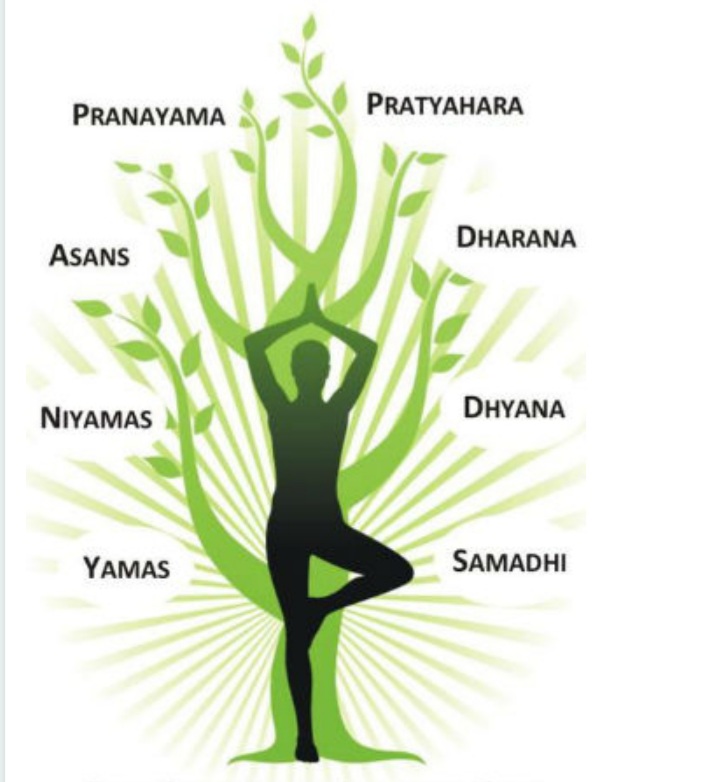
The eight limbs of of yoga is patanjali’s classification of classical yoga, as set out in his yoga sutras. He defined the eight limbs as yamas (abstinences), niyama ( observances), asana ( postures), pranayama (breathing) , pratyahara ( withdrawal), dharana ( concentration), dhyana (meditation), and samadhi( absorption).

The eight limbs form a sequence from the outer to the inner. Postures, important, in modern yoga as exercise, form one limb of patanjalis scheme; he states only that they must be steady and comfortable.

Jnana yoga :

Jnana yoga , also known as jnana marga, is one of the three spiritual paths in Hinduism, which emphasizes the ” path of knowledge”, also known as the ” path of self- realization”. It is one of the three classical paths for moksha. The other two are karma yoga and bhakti yoga.

Swara yoga :

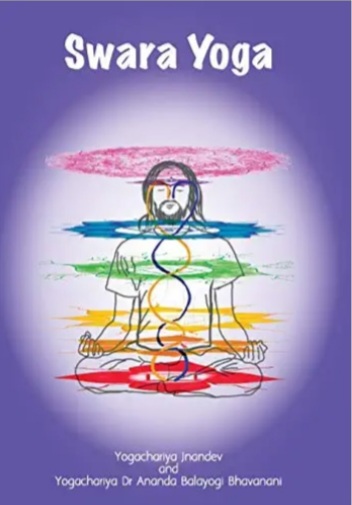
Swara yoga is an ancinet tantric science which involves the systematic study of the breath flow thriugh the nostrils irrelation to the prevalling phases of the moon,time of day and direction. Mainly practiced through the connection of breath and movement, swara yoga creates levels of harmoney that are difficult to reach with other yoga styles. Our main tool is the movement and flow of body through the postures, guided by the breath.

Raja yoga :

In sanskrit, Raja yoga was both the goal of yoga and a method to attain it. The term also became a modern name for the practice of yoga in the 19th century when swami vivekananda gave his interpretation of the yoga sutras of patanjali in his book raja yoga

Kriya yoga :

Kriya yoga is a simple, psycho – physiological method by which the human blood is decarbonized and recharged with oxygen. The atmos of this extra oxygen are transmuted into life current to rejuvenate the brain and spinal centers.

Advanatges of yoga :

* yoga improves strength, balance and flexibility.

* yoga helps with back pain relief.

* yoga benefits heart health.

* yoga relaxes you, to help you sleep better.

* yoga can mean more energy and brighter moods.

* yoga helps you manage stress.

Disadvanatages of yoga :

* yoga may induce your blood pressure.

* phsical dangers of yoga

* Risk of strike.

* Hot yoga is not for eveyone.

* lack of experience or knowledge is risky.

The Origin of Buddhism .

We are what we think. All that we are arises with our thoughts. With our thoughts, we make the world.
Peace comes from within. Do not seek it without.

Lord Buddha

Introduction.

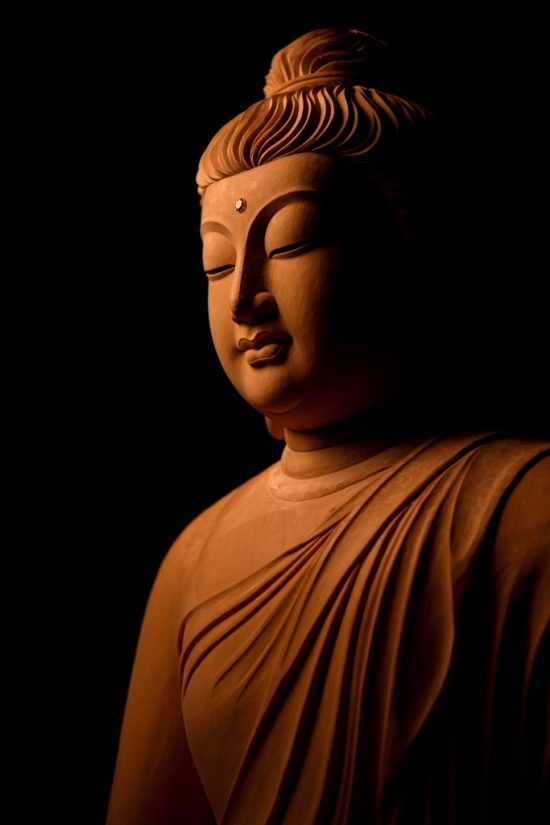
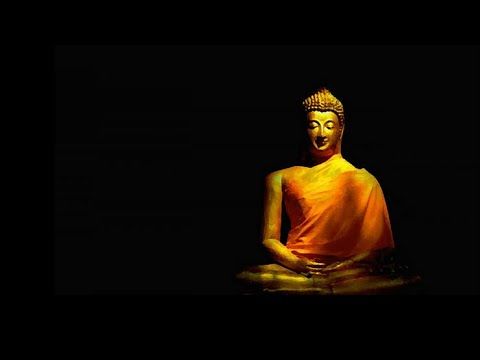
He was a spiritual personality . An ancient teacher and enlightened many . A founder of world religion Buddhism . He was popularly known as Gautama Buddha (also known as Siddhattha Gotama or Siddhārtha Gautama or Buddha Shakyamuni ) .

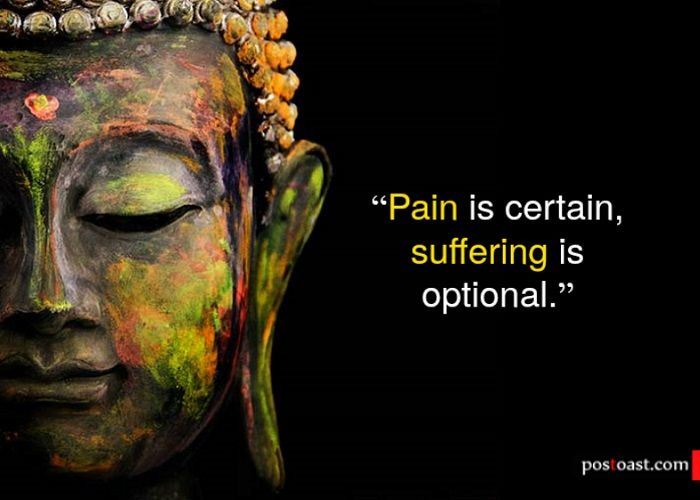
The Enlightened One who rediscovered an ancient path to release clinging and craving and escape the cycle of birth and rebirth. He taught for around 45 years and built a large following, both monastic and lay. His teaching is based on his insight into the arising of duḥkha (the unsatisfactoriness of clinging to impermanent states and things) and the ending of duhkha—the state called Nibbāna or Nirvana (extinguishing of the three fires).

Buddhism

Buddhism, one of the major religions and philosophical systems of southern and eastern Asia and of the world. Buddha is one of the many epithets of a teacher who lived in northern India sometime between the 6th and the 4th century before the Common Era.

The title buddha was used by a number of religious groups in ancient India and had a range of meanings, but it came to be associated most strongly with the tradition of Buddhism and to mean an enlightened being, one who has awakened from the sleep of ignorance and achieved freedom from suffering.

According to the various traditions of Buddhism, there have been buddhas in the past and there will be buddhas in the future. Some forms of Buddhism hold that there is only one buddha for each historical age; others hold that all beings will eventually become buddhas because they possess the buddha nature (tathagatagarbha).

According to Buddhist doctrine, the universe is the product of karma, the law of the cause and effect of actions, according to which virtuous actions create pleasure in the future and nonvirtuous actions create pain.

Your work is to discover your world and then with all your heart give yourself to it.

Lord Buddha

History

Gautama Buddha ( born c. 6th–4th century BCE, Lumbini, near Kapilavastu, Shakya republic, Kosala kingdom [now in Nepal]—died, Kusinara, Malla republic, Magadha kingdom [now Kasia, India]).

Buddha is one of the many epithets of a teacher who lived in northern India sometime between the 6th and the 4th century before the Common Era.

Learnings from Gautama Buddha.

1. “Three things cannot be hidden: the sun, the moon and the truth.”

2. “You will not be punished for your anger; you will be punished by your anger.”

3. “You can search throughout the entire universe for someone who is more deserving of your love and affection than you are yourself, and that person is not to be found anywhere. You, yourself, as much as anybody in the entire universe, deserve your love and affection.”

4. “We are shaped by our thoughts; we become what we think. When the mind is pure, joy follows like a shadow that never leaves.”

5. “Believe nothing, no matter where you read it, or who said it, no matter if I have said it, unless it agrees with your own reason and your own common sense.”

Link

10 FINANCIAL BOOKS YOU SHOULD READ

Financial education is something that everyone should know about it .Everybody should know about how to handle their expenses ,how to plan their future, how to start their start-ups .So here is 10 books that helps you in many ways and you should read this book before start your earning or startups. I hope you all find these books as interested as I liked them. Here is the list of 10 books:-

  1. Rich Dad Poor Dad (1997)

    Author:-ROBERT T KIYOSAKI
    Genre:-Financial Investment , non-fiction
    Description:-Robert T Kiyosaki is an American author and business man .he is the founder of Rich Global LLC and the Rich Dad company. he wrote rich dad poor dad which is one of the best selling book of New York times .It has sold over 32 million copy . He wrote in book how people denied to accepting the truth and how the fear and greed control them through out their life. He also talks about financial strategies . It’s one of the best book on financial education.

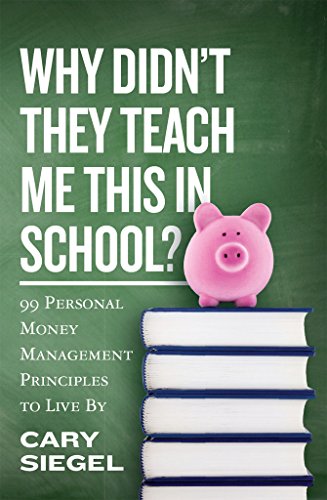
2.Why Didn’t They Teach Me This in School? (2017)

Author:-Cary Siegel
Genre:- Financial education ,Business
Description:-Cary Siegel is a MBA graduate from a university of Chicago. After Graduating from one of the top business school. He started his carrier in sales and marketing and lead several companies in sales and marketing. He shared his experience and finance lesson that he learned through out of his life.
Why didn’t They Teach Me This in School? covered numerous topics like budgeting, spending, credit cards, investing, mortgages, insurances and much more which you will never learn in your school.

3. The Automatic Millionaire (2003)


Author:- David Bach
Genre:- financial Investment, self-help
Description:-David Bach is an American author, Motivational speaker ,entrepreneur and founder of Finish rich.com.
He wrote many books on finance such as Finish Rich series and Automatic Millionaire series.
The Automatic Millionaire is about how can you become financially stable without taking so much risk or if you are frugal then you must read this book.
“The first person who deserves your money is yourself” by DAVID BACH

4. The One-Page Financial Plan (2015)

Author:- Carl Richards
Genre:- Financial Investment and education
Description:- Carl Richards is a certified Financial planner and the author of The Behavior gap and appearing weekly on New York times since 2010.
The one page financial plan is all about how can you do budgeting and make savings to be fun. Set your future goals but change your strategies according to the situation.

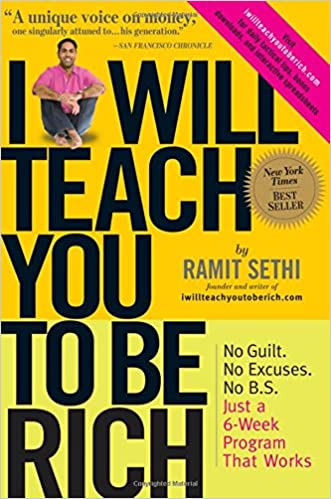
5. I Will Teach You to Be Rich (2009)

Author:- Ramit Sethi
Genre:-Financial education and Investment
Description:-Ramit Sethi is an American personal finance advisor and entrepreneur. he is the best selling author of New York times in 2004.
i Will teach you to be rich talks about how people blame others about their financial problems, smartly spending your earning and start investing from today as it will help you in future.

6. Your Money or Your Life (1992)

Author:-Joseph R. Dominguez, Monique Tilford, and Vicki Robin
Genre:- Financial education and Investment
Description:- Author talks about the minimize spending ,excessive investing and save for Emergencies .

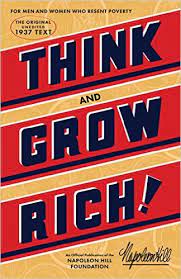
7.  Think and Grow Rich (originally published:-1937)

Author:- Napoleon Hill
Genre:- Non-Fiction, Self-help, Financial education
Description:-Oliver Napoleon Hill was an American author who wrote so many self-help books. Think and Grow rich is one of them and it’s one of the best self-help book of all times.
Hill talks about the belief in yourself ,becoming a stubborn and never your change your decision once you decided and accompany those who are mastermind on your field.

8. The Millionaire Next Door ( originally published:-1996)

Author:-Thomas J. Stanley, William D. Danko
Genre:- Non-fiction
Description:- Thomas J. Stanley was an American author and business theorist . He wrote The millionaire next door which was the New York times best sellers.
The millionaire next door covered about the healthy spending and avoid silly mistakes that mostly people do to handle their financial expenses. It’s one of the most practical book that I had ever read till now

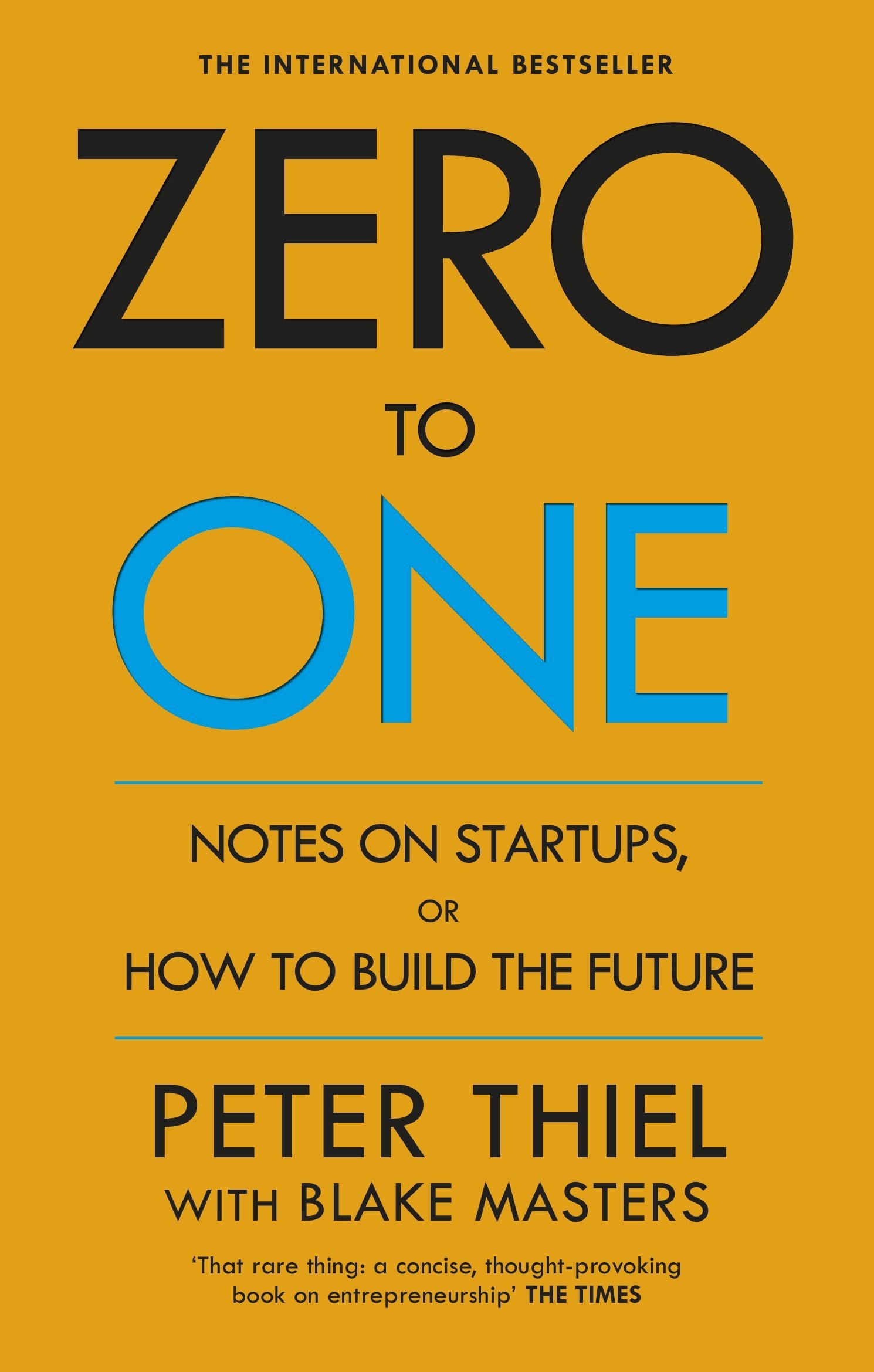
9. Zero to One (2014)

Author:-Blake Masters and Peter Thiel
Genre:- Business, Politics and Government
Description:-Peter Theil is German-American billionaire entrepreneur and venture capitalized. he is the co-founder of PayPal ,Palantir technologies .he was the first outside investor in Facebook .he was ranked four on the Forbes Midas list 2004. peter write about how he thinks about his business and how an you shape the future of the world in the process.

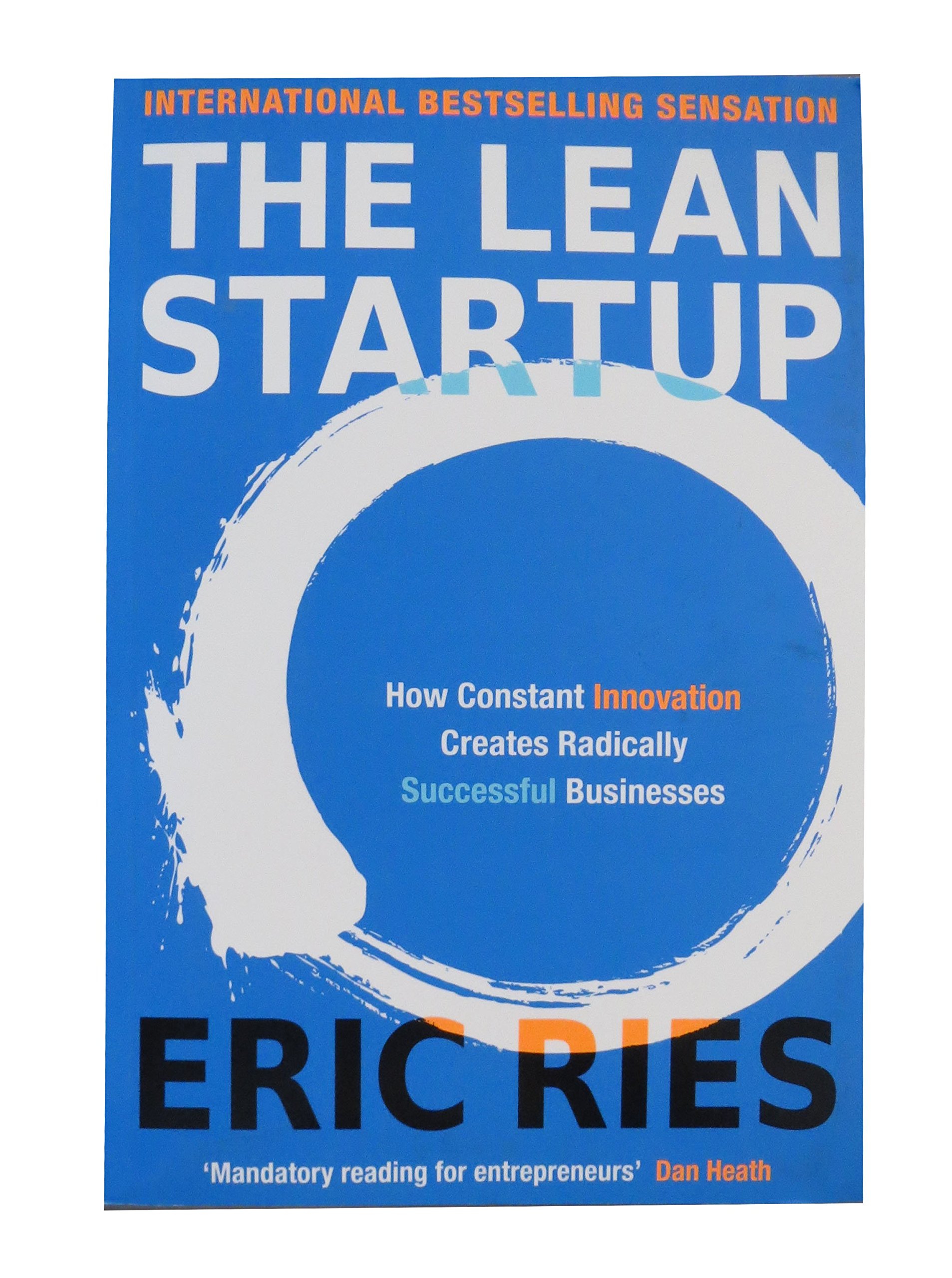
10. The Lean Startup(2011)

Author:-Eric Ries
Genre:-Self-help book
Description:- Eric Ries is an American entrepreneur, blogger and author of The Lean Startup.
the lean startup talk about the customer needs and quickly learn about it, changing the strategies according the customer needs and previous result. Eric Ries divide the book in three section:-
1. vision
2.steer
3.Accerlate

I hope you liked the article .Thank you for giving your precious time to read this article if you like the article pls tell us and comment your feedbacks .
Have a Good day and Happy Reading.

Making of the Indian Constitution

Importunity raised for a Separate Constitution:-Mahatma Gandhi in 1922, lay down the desire for Swaraj and quoted that India’s political destiny should be defined by the Indians themselves, and it would be a deposition of India’s self-expression. The failure of the Statutory Commission and the Round table Conference led to the imposition of the Government of India Act,1935. The demand for a Constitution made by the people of India without any interference was first argued by the National Congress 1935.

Cripps Mission:- However, the demand was continuously countered by the British government. Henceforth World War II took place, the external conditions caused them to realize the necessity of figuring out the Indian Constitutional crisis. In 1940, the Coalition Government in England provided Indians to frame a new Constitution for autonomous India. In March 1942 Sir Stafford Cripps, a member of the Cabinet, with a draft statute on the proposals of the British Government, provided an agreement to the two prominent political parties ( i.e. Congress and the Muslim league) that:-

(1) The Constitution of India to be drafted by an elected Constituent Assembly of the natives.

(2) The Constitution should convey India a Dominion significance.

(3) There should be one Indian Union constituting all provinces and Indian states but,

(4) If any province or state refuses to endorse the Constitution would be free to maintain its Constitutional status.

But the two parties failed to approve and advised to divide India based on communal lines and to make an independent Muslim state. After the refusal of the Cripps proposal, the Quit India movement was launched by Congress.

Cabinet Delegation:- The Cabinet delegation refused the claim for a separate Constituent Assembly and a separate state for Muslims. Various attempts to calm the two parties were made comprising Simla Conference but nothing helped the Cabinet Delegation too failed in making the two parties enter to an agreement.

HMG’s statement of 3 June 1947:- The British Government sent Lord Mount batten to India as the Governor-General, in place of Lord Wavell. Lord Mount batten brought the Congress and the Muslim league into a factual agreement that the two provinces of the Punjab and Bengal would be split to form Hindu and Muslim preponderance regions within these provinces, the plan is known as ‘The Mount batten’s Plan’.

•The Indian Independence Act, 1947: On the 26th of July, 1947 the Governor-General declared the setting up of a separate Constituent Assembly for Pakistan. The Indian Independence Act of 1947, introduced in Parliament on 4th July 1947, received Royal assent on 18th July 1947 and came into force from the date. The act provided that from 15th August 1947 there would be two independent Dominions, to be known as India and Pakistan.

•Constituent Assembly of India:- As a sovereign, the Constituent Assembly for the dominion of India was first set up on 14th August 1947. The essentials of the scheme were:-

(1) The provinces were to elect 292 members while the Indian states were allocated 93 seats.

(2) The seats were distributed among the three main communities Muslims, Sikhs, and General in each province.

(3) Members of each Community in the provincial legislation assembly select their representatives by a single transferable vote.

•Drafting Committee:- The salient features of the proposed Constitution summarized by various committees of the Assembly such as the Union Constitutional committee, the Union Powers Committee, Committee on Fundamental Rights, and after the report of the Committee, the Assembly appointed a Drafting Committee on 29 August 1947. Dr. B.R. Ambedkar was the chairman of the Drafting Committee.

Cybercrime: History, Categories, Types, Prevention.

Crime that involves a computer and a network, where the computer may have been a target or may have been used to commission the crime. It may threaten a person or nation’s security and financial health. Cybercrime crossing national borders and involving a crime committed by at least one nation-state is referred to as cyber warfare. Most, but not all, cybercrime is completed by profit-driven cybercriminals or hackers. Individuals or groups can commit cybercrime. Some cybercriminals are well-organized, employ advanced strategies, and have a high level of technical expertise. Others are newcomers to hacking. These could be either political or personal in nature. Examples: Identity theft, human and drug trafficking, hacking, etc.

In the beginning of 1970s, crimes over telephones were committed. The first person to be convicted of cybercrime was Ian Murphy, also known as Captain Zap, in 1981. He hacked the American telephone company to manipulate their internal clock, so that users could make free calls at peak times. The first cyber criminal in India, Amit Tiwari had been on the watch list since 2003 until he was finally caught in 2011.

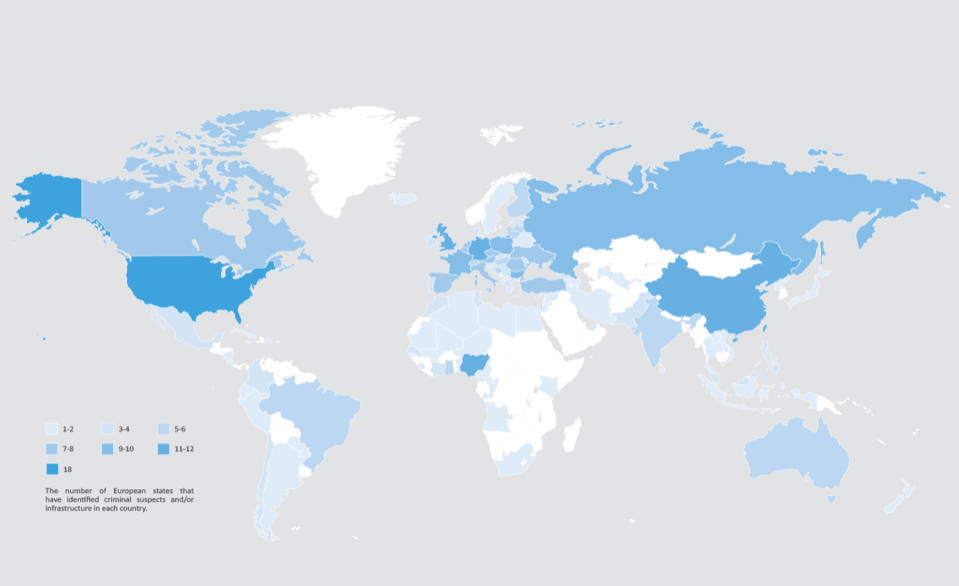
The country with the highest rate of cyber crime is USA (23.9%)  followed by China (9.63%) .

CATEGORIES OF CYBERCRIME

  1. The attack is directed towards a computer, such as a data breach on a corporate network. 
  2. A computer is used as a weapon in an attack, such as a denial of service (DoS) attack. 
  3. A computer is a tool used in the commission of a crime, such as digital identity theft, which leads to the theft of funds from a bank account.

TYPES OF CYBERCRIME

  • Financial Fraud: Dishonest misinterpretation of a fact intended to let another do or refrain from doing something that causes loss. Example: Fake e-mails
  • Online Harassment /Cyber Bullying/ Internet Trolls: Misusing personal information or passing derogatory comments at specific individuals of a race, gender, colour, etc.
  • Hacking: hacking is unauthorised access into a computer system and/or network.Because of the public coverage, government websites are a popular target for hackers. Hackers appreciate the media attention. The motivation for hacking is greed, power, publicity, revenge, adventure and the desire to access restricted information. Shutting down or misusing websites or computer networks.
  • Defamation: It involves any person with intent to lower down the dignity of the person by hacking his mail account and sending some mails with using vulgar language to unknown persons mail account.
  • Cyber Terrorism: Politically motivated use of computers and IT to cause serious disruption and fear in society. Terrorist attacks on the Internet is by distributed denial of service attacks, hate websites and hate E-mails, attacks on service network etc.
  • Child Pornography: In this cyber crime defaulters create, distribute, or access materials that sexually exploit underage children.
  • Virus Dissemination: Malicious malware that infects other programmes. Examples: Web Jacking, email bombing, Virus, Worms, Trojan Horse, Web Jacking etc. 
  • Computer Vandalism: Cyber vandalism is the act of damaging or destroying data rather than stealing or misusing it. This is a type of programme that attaches itself to a file and then circulates it.

PREVENTION

  • It is best not to give out personal information to strangers via e-mail, chat, or other social networking sites. 
  • Avoid transmitting any photograph to strangers through the internet, as incidences of photograph misuse or modification are on the rise. 
  • All netizens should use up-to-date anti-virus software to protect themselves from virus attacks. 
  • To avoid fraud, a person should never send credit card or debit card details to an un-secure website.
  • Using strong passwords for different account can help in prevention.
  • Managing social media settings as we have different private social media setting so that no one can see our private information.
  • Using a full time internet and overall security software.
  • Practicing safe web surfing.

National Simplicity Day

12 July is the day to Honors transcendentalist Henry David Thoreau.Born on 12 July Thoreau was an advocate of living a simple life .He belives that “As you simplify your life,the law of the universe will be simpler.”He was an environmentalist , poet and transcendentalist .He was the man of simplicity who believes “less is more”.

National simplicity day was created to help people to enjoy their life.As simple the word sound ,as complex is when you practice it. livinga simple life,you will find the most beautiful thing in the world.

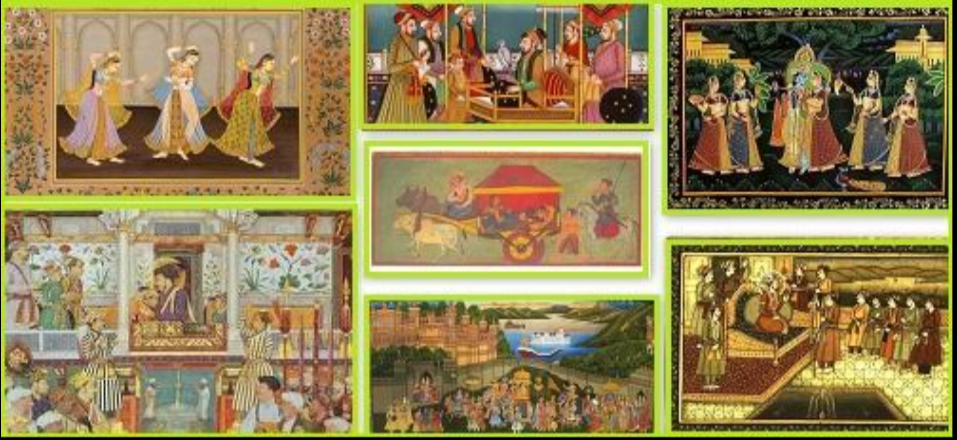
Indian Miniature Paintings

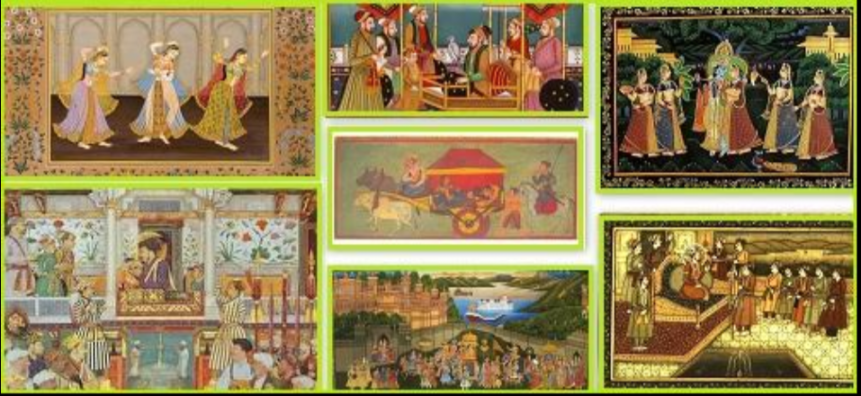
Miniature Art refers to paintings, sculptures, engravings etc. That have small dimensions. Though they are small, they are well detailed. The origin of miniature paintings dates back to the prehistoric times and is profoundly influenced by Indian literature. A miniature painting is generally less than 25 square inches or 100 square centimetres. The subjects in the painting are one -sixth of their actual sizes. Miniature paintings were generally done on materials like cloth, paper, leaves etc. which are quite perishable. These paintings are handmade and very delicate.
Miniature paintings are considered as an ancient art in India and there were many schools for the same, including those of the Rajput’s, Deccan’s and the Mughals. These paintings give an insight into the life of the royals and the common man, the beauty of their womenfolk and the inspirations and devotions of the artists themselves. These paintings are often associated with the Ragas i.e. the melodies of Indian classical music.
Rajasthani School of Miniature Paintings:
This school developed around the areas of Rajasthan, Bundelkhand and Punjab regions. The Rajasthani paintings were greatly influenced by Tulsidas and Kabir. The main theme observed in the illustrations of this school is love in all of its form. Main emphasis is given on the love between human soul and god. This might have been influenced by the Bhakti cult which originated in those days. Paintings are left to the imagination and emotion of the viewers for interpretation.
Features:
Compositions are clear and simple. All figures are in same dimensions. The figure of a woman are duplicated for other women. This is painted as a symbol of femininity. Colours are used harmoniously and are bright with each colour having it’s own specific meaning. The medium mostly used was water colour in tempera hand made paper. The colour scheme is flat and paintings are two dimentional.
Some of the famous Rajasthani miniature paintings:
‘Radha Bani Thani’by Nihal Chand
‘Maru Ragini’ by Sahibdin
‘Chaugan Players’ by Dana

Mughal School of Miniature Painting:
With the advent of Mughal, the Indian miniature paintings shifted to the portraits and richness of colour effects with the unique Persian flavour. During this period, the art specialises in Court and Palace scenes. Themes from Indian epics such as Ramayana, Mahabharata, Bhagvata Purana etc. Are also included. The Indian Miniature painting was at it’s prime time during the period of Mughal Emperor Shah Jahan because he was a great patron of miniature painting. But after his regime, paintings lost their charm and started to decline in the 18th century.
Features:
Mughal paintings denoted the habits of the ruling class. Portraiture was done. Figures were drawn in profile or quarter profile. A decorative border called hasiah was also used. Calligraphy was also done in the paintings. The paintings were male dominated. Portraits of women were drawn from imagination. The medium generally used was water colour in tempera handmade paper.
Some of the famous Mughal Miniature Paintings:
‘Kabir and Raidas’ by Ustad Faquirullah Khan
‘Falcon on a Bird Rest’ by Ustad Mansoor
‘Babur Crossing River Sone’ by Jagannath

https://m.jagranjosh.com/general-knowledge/do-you-know-that-how-indian-art-of-miniature-painting-evolves-1532003322-1

https://artsandculture.google.com/exhibit/indian-miniature-paintings-the-rajasthan-school-academy-of-fine-arts-and-literature/PgLSknKVv0F_JQ?hl=en

“If you don’t kill it, it will kill you”!!

Sound is a symptom of life. The existence of life is felt and perceived through the presence of sound. But loud and shrill sound creates a cacophony instead of a symphony. Of late, sound pollution has reached an alarming stage in human life. It is chasing us in almost every step of life. In schools, colleges, offices, and even in hospitals we often hear an explosion of deafening sound. The quietness of our life has totally vanished. Even within our homes sound has been chasing us. Many are the causes of this problem of sound pollution. Microphones blare out day in and day out. Film songs are played on cassette recorders at top volume even from wayside betel shops! There are the aggressive bullying horns of automobiles. During social and religious festivals, crackers are burst indiscriminately and, as a result, the lives of the children and the aged persons as well as the examinees become miserable. Shouting of slogans also contributes to sound pollution. One can even hear slogans shouting in a closed rooms or silent places like hospitals! Th extent of sound pollution has already crossed the normal limits of human endurance. We must pass strict laws to take effective steps against the misuse of microphones. People must be made aware of the danger of sound pollution. It is dangerous for patient suffering from heart diseases. In many cases it is also responsible for deafness and psychologist imbalance. Of late, judicial bodies are taking steps to control the sound pollution. However, everyone must cultivate the virtues of quietness in domestic as well as in public life.  

Every Indian should be mindful of the potential ten Laws and Rights

The Indian judicial system has bestowed a great deal of authority on the citizens of the country to guard their basic rights. Regrettably, not everyone is aware of their rights and power. As an Indian citizen, it is critical that you are knowledgeable with the country’s laws and rights that not only protect people’s interests but also make our lives easier. Below providing 10 rights and liabilities that everyone should be aware of:-

1.If your cylinder bursts, you are entitled to a 40-lakh insurance payout.

According to the legislation, all registered LPG users are entitled to a Rs 40 lakh insurance policy in the event of death or property damage caused by cylinder explosions. This is a blanket for the whole family. But however, this is partly true as reported, the insurance coverage is not Rs 40 lakh. The court decides the amount according to the victim’s age, salary and other conditions. To claim this compensation, customers must file a FIR with the nearest police station and send it to the gasoline business in question.

2. Motor Vehicle Act 1988

Sections 185 and 202 of the Motor Vehicle Act of 1988 provide that if your 100ml blood contains more than 30mg of alcohol while driving, the police can arrest you without a warrant.

3. Women can only be arrested by female cops.

Only female officers have the authority to arrest women, and they must remain at the police station the whole time. If only male cops have arrived for the arrest, women have the right not to attend to the station. Male police officers should obtain a formal authorization from the magistrate to escort the lady in the event of a serious offence. 

4. Section 46 of Criminal Procedure Code- Before sundown, women should be detained.

Women must be detained before sundown, no lady can’t be arrested earlier than 6 A.M. and after 6 P.M.   

5. In hotels, you can ask for water and use the restroom for free under the Indian Sarais Act of 1887.

A person is permitted by law to request free water from any hotel. Even if you are not a client, you can use a hotel’s toilet for free even if it’s a 5 star hotel. 

 6. Domestic Violence Act of 2005: 

In today’s time live-in relationships are so common because of which this law becomes extremely important to know about. Under this act, It is not illegal for a young boy and a young girl to live together in a “live-in relationship.” Even the baby from this connection is a legal son or daughter who has full ownership of his or her father’s possessions.

7. Maternity profit act of 1961

No company can fire a pregnant woman under the Maternity Profit Act of 1961. It might result in a maximum sentence of three years in jail. 

If the company (government or private) employs more than ten people, the pregnant woman is entitled to 84 days of paid maternity leave.

8.  Section 129 of motor vehicle act

Part 129 of the Indian Motor Automobile Act states that two-wheeler users must wear a helmet. Part 128 of the Motor Vehicle Act sets a maximum of two riders per motorcycle. This regulation also states that if a traffic cop takes something from a car or motorcycle, it is illegal. You have entire authority to file a legal proceeding against the officer.

9. The Most Retail Value Act of 2014

It states that a storekeeper cannot charge more than the written value of a product, but a shopper has the option to pay less than the stated value of a commodity.

10. Part -13 of the Hindu Marriage Act, 1955

It states that any husband or wife may file for divorce in a court of law on the grounds of adultery (a physical relationship outside of marriage), impotency, leaving home without notice, changing Hindu faith and adopting a different faith, madness, incurable illness, and no information about the husband or wife.

Education System Suffering during pandemic

Online education in this pandemic

The Covid created lockdown damaged very badly to education system. schools were closing down and online learning is not everywhere working.

There are some statics

  • Estimated 1.5 million schools across India closed down due to the pandemic A switch to large-scale digital education is not possible now.
  • according to a 2019 government survey.Only 24 per cent house-holds have access to the internet,
  • In rural India, the numbers are far lower, with only 4 per cent households having access The education ministry’s budget for digital e-learning was slashed to Rs 469 crore in 2020-21—the year Covid struck—from Rs 604 crore the previous year

According to world bank :

before the COVID-19 pandemic, world was living in a educational crisis . 258 million children and youth of primary and secondary school age were out of school. quality of education also was very low , meant many who were in school learned too little. The COVID-19 pandemic threatens to make education outcomes even worse. The pandemic has already had profound impacts on education by closing schools almost everywhere in the planet, in the largest simultaneous shock to all education systems in our lifetimes. The damage will become even more severe as the health emergency translates into a deep global recession.

Deepesh Bisht is a first-year student of BAMS in Doon Institute Of Medical Science . He is 18-year-old hasn’t set foot on campus even once since he took admission in 2020 sept . He has taken a virtual tour of the college and has been taking lessons through his laptop and mobile phone. Deepesh isn’t alone in this. That’s how the batch of 2020-the Covid-19 generation-has been experiencing institutional education in a world disrupted by an unprecedented pandemic. Because of this, 47 per cent students have decided against migrating to another city for higher education, revealed a study titled the ‘Big Qs Student Survey’. 50% respondents have also abandoned plans to pursue higher education abroad.

states like Delhi are still confined to homes, spending long hours online, leading to concerns over physical health and stress triggered due to the prolonged use of electronic devices.Even in the national capital, when government schools started online classes during the lockdown, the attendance hovered between “25 and 30 per cent”. students in Assam and several other states have gradually returned to schools and colleges . The education ecosystem of India, already weighed down by myriad issues such as school dropouts, learning deficiencies, teacher absenteeism, gender disparity and lack of infrastructure, now faces yet another big challenge-the widening digital divide.

Hence , this pandemic made our education system digital . This digital education is giving benefit to a part of society only . Poor students were fading away from education. This will create a huge disparity in our society.

GUI in .Net

What is .net and .net framework?

.NET is a software framework which is designed and developed by Microsoft.The first version of .Net framework was 1.0 which came in the year 2002.In easy words, it is a virtual machine for compiling and executing programs
written in different languages like C#, VB.Net etc.It is used to develop Form-based applications, Web-based applications, and Web services.There is a variety of programming languages available on the .Net platform,
VB.Net and C# being the most common ones.It is used to build applications for Windows, phone, web etc.It provides a lot of functionalities and also supports industry standards..NET Framework supports more than 60 programming languages in which 11 programming languages are designed and developed by Microsoft.The remaining Non-Microsoft Languages or Third Party Languages which are supported by .NET Framework but not designed and developed by Microsoft. Framework performs development, execution & deployment of an application. It support multiple languages, technologies & databases.

COMMON LANGUAGE RUNTIME – MICROSOFT LANGUAGES

  • C#.NET
  • VB.NET
  • C++.NET
  • J#.NET
  • F#.NET
  • JSCRIPT.NET
  • WINDOWS POWERSHELL
  • IRON RUBY
  • IRON PYTHON
  • C OMEGA
  • ASML(Abstract State Machine Language)

THIRD PARTY LANGUAGES – NON MICROSOFT LANGUAGES

  • APL
  • COBOL
  • Component Pascal
  • Hakell
  • Perl
  • Python
  • Smalltalk
  • Standard ML

TECHNOLOGY AND DATABASES SUPPORTED BY .NET FRAMEWORK

Technologies supported by .net framework

  • WinForms
  • Asp.net
  • ADO.net

Databases supported by .net framework

  • SQL sever
  • Oracle
  • Ms access

FEATURES OF .NET FRAMEWORK

  • Good design
  • Object Oriented Programming
  • Language independent
  • Platform independent
  • Flexible data access Dynamic web pages
  • Web services
  • Code security