SNDT WOMEN’S UNIVERSITY’S MEDIA MANTRA ROPES IN HIGHLY ANTICIPATED GUESTS FOR TWO QUIRKY PANELS. SNEAK-PEAK INSIDE!

This year marks 15th edition of SNDTWU’s Media Mantra. Education panel aims to gain perspective of edu-systems on how pandemic acted as catalyst in enhancing learning process with virtual shift. It reflects upon how lockdown fueled India’s EdTech platforms. The panel revolves around key game-changers like learning solutions, impact of technology, chance to upskill and institution’s crisis-response methods.

SNDTWU Extension & communication head of department Dr Mira K Desai spoke at length, upon asking how did students cope up with online education, she stated “It was challenging mainly in context of gender division of labor. Many of our students found it challenging to cope with new reality of studying with limited connectivity and manage studies while working from home.”

Media Mantra themed around ‘Unlocking Digital’, a flagship event organized by postgraduate students, since it is held virtually for the first time, Mira shared insights on her experience, “Media Mantra helps students explore their own potential and help them connect with industry. This is the first time that we have Online Media Mantra and it has gone National with panels and activities.”

Virtual event’s education panel will also comprise ‘National Survey’. On Challenges of online lectures, Mira K Desai commented,” You can join our panel to know what happened across the country.” A Voluntary Group of eleven media teachers from nine geographical locations across India got together in 2020 and decided to take up a study to understand impact of teaching-learning in online environment. Main objectives were understanding issues of reach and access of online technologies for online teaching/learning and examinations amongst students and teachers involved in media education.

Mira further added about supposed changes, “While all other processes remained unchanged, Media Mantra is an organically generated event for, of and by students. This year it’s different in terms of being online and also being ‘national’.” 

She concluded what brand value Media Mantra holds, “We would like to believe that SNDTWU Media Mantra is a brand. It was launched in the year 2000 and is growing. This edition is 15th and we have 15 logos, taglines, guest lineup and reflection of Media of that time as perceived by our students.”

Influencer-based viral panel will give warm welcome to a string of millennial influencers who have carved a niche on social media platforms. Shradha Vyas, Fever FM RJ and host will overwhelm the audiences acting as moderator. List of content influencers include popular actor and digital creator Adil Feroz Khan, travel blogger Archana Singh, digital artist Diksha Rai, MTV’s former editor and video creator Nikhil Sidhwani. The edu-based panel will welcome guests such as  Dr Akhil Shahani, MD of The Shahani Group and Rishabh Khanna, Cognitive Scientist and founder of the EdTech firm Suraasa which is a Teacher Education and lifestyle management portal. Dr Uma Shankar Pandey, IAMCR India Ambassador. Media mantra will be held on 26th June, courtesy of Nazrana Creation. 
NUCLEAR DISARMAMENT: IS IT NECESSARY FOR WORLD PEACE?

Somehow we must transform the dynamics of the world power struggle from the negative nuclear arms race which no one can win to a positive contest to harness man’s creative genius for the purpose of making peace and prosperity a reality for all of the nations of the world”.
-Martin Luther King, Jr.

One fathomless longing of the human is for security, peace, and stability. And the possession of a nuclear weapon or other weapons of mass destruction is the greatest menace for humanity.

Nuclear weapons are the most lethal and indiscriminately inhumane weapons ever existed. It’s the only thing present on this planet to be capable of wiping out life.

We have already seen the catastrophic damage it brought upon Japan in 1945. And as time passed by we humans have found out other more deadly and fatal weapons.
Since the Japan bombings, we have not seen any other full-magnitude international war situations not just because there are no serious diplomatic tensions but because many of the nations possess nuclear weapons.

Nuclear disarmament and non-proliferation is not just a global security issue but one in a class of its own, having profound urgency.
The only other weighing global issue being climate change.

The gravest danger today is the existing stockpile of nuclear weaponry. There are at least 23,000 existing nuclear warheads with a combined destructive capability of around 150000 Hiroshima or Nagasaki-sized bombs.

YES, NUCLEAR DISARMAMENT IS NECESSARY


Experts have been urging continuously for complete disarmament, which is completely justified.

In 1963, Saint John XXIII urged the prohibition of an atomic weapon and stated that authentic and lasting international peace cannot rest on a balance of military power, but only upon mutual trust.

Experts say that when a nuclear bomb will explode the surface will become hotter than the sun causing mass destruction, thus bringing annihilation.
The Bulletin of the Atomic Scientists advanced the symbolic Doomsday Clock by 30 seconds in February, which indicates how the world leaders are failing in maintaining peace.

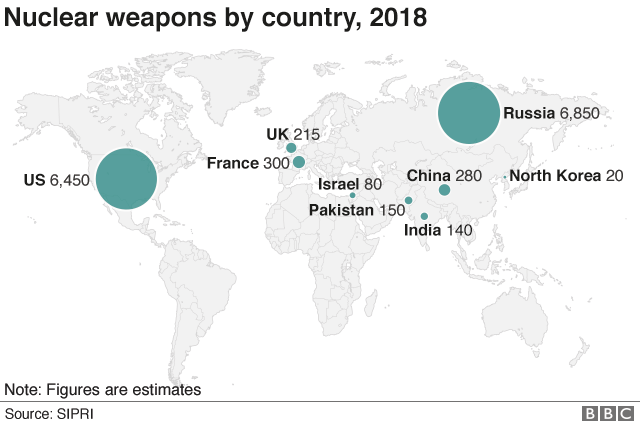
Countries like the USA and Russia have High-alert nuclear weapon(s) whose launch can be ordered (through the National Command Authority) and executed (via a nuclear command and control system) within 15 minutes or less. The USA has 6450 nuclear bombs in hand while Russia holds 6850 of them. With so high a degree of hazard in existence, the threat seems to be present above our head like a dangling sword.

Apart from this, Nuclear Terrorism is undeniable insecurity. Many terrorist organizations are trying hard to obtain nuclear weapons and THE BLACK MARKETING OF NUCLEAR WEAPON MATERIAL IS A GLOBAL THREAT. And if in unfortunate times they got hold of it, the holocaust it would create is beyond imagination.
Even if according to some experts the probability of terrorists having hold of a nuclear weapon is very small due to the weapon’s high security, we should not underestimate their capability as they have tried before and will try again in the future.

The Japanese terror cult Aum Shinrikyo, which used sarin gas in the 1995 Tokyo Metro attack, has also tried to acquire nuclear weapons.
In July 2014, after the fall of Mosul(a city in Iraq)
, ISIS militants captured nuclear materials from Mosul University. Later nuclear experts confirmed the material to be of “low grade”.
Till now terrorists are unsuccessful in acquiring nuclear materials but that does not mean they will not in the future.

Concludingly,

A world of peace, free from nuclear weapons, is the aspiration of millions of men and women everywhere. To make this ideal a reality calls for involvement on the part of all: individuals, religious communities and civil society, countries that possess nuclear weapons and those that do not, the military and private sectors, and international organizations” says Pope Francis in memory of the victims of the Hiroshima atomic bomb during his visit to the Peace Memorial Park on November 24, 2019.

Covid-19: impact on Small Scale Industries

It has been over a year since the Covid-19 pandemic came to India and caused widespread havoc. The virus got noxious day by day even after the implementation of a nationwide lockdown.

This catastrophe was and is still so devastating that it has latched itself on to the economy of the country like a deadly sting of a bee. Though no sector has been left untouched by the pandemic’s spell, the small-scale industries have been hit very hard.

Indian small-scale industries play a key role in India’s export business. 45% to 50% of the Indian export is being contributed by Small Scale Industry sector. Unfortunately, this key business sector has been blown severely by the situation.

More than 80% of the small-scale businesses have suffered a negative impact due to Covid-19 and 70% expect that would take a year for their demands to recover to the pre-pandemic times, as observed by the survey of Dun & Bradstreet, a provider of commercial data, for businesses.

The survey also found out that 60% of the small business would require more support including initiatives by the government to stand up to the ill effects of the pandemic.
It further pointed out the 3 top challenges that might hinder these small businesses to expand, which are- market access (42%), improving the overall productivity (37%), and having access to more finance (34%).

During this time digitization in various sectors and even small businesses have earned them cost reduction and productivity. Small scale businesses have cut their costs by 54% during the time.
The Managing Director of Dun & Bradstreet India says “globally, digital adoption has been accelerated by 7 years due to the covid-19 crisis”.

The pandemic has aggravated the problems of credit facility, market support, and technological advancement that already persisted in pre-covid times.
“Given the intensity and duration of Covid-19, these problems will continue to exist in near future,” says Arun Singh, Global Chief Economist, Dun & Bradstreet, India.

STEPS TO TACKLE THE SITUATION:

  1. Government should allocate funds to these small businesses through financial institutions. These institutions must provide loans at low rates.
    2. These banks must provide loans after obtaining minimum security.
    3.The gap between the customer and producer must be bridged through effective marketing, by organizing fairs and exhibitions.
    4.The licensing procedure must be simple and at ease.
    5.Technological support must be provided to these businesses for their modernization.
    6.Training must be provided to entrepreneurs in technological, managerial, financial, and marketing areas.

We as the citizens of our country and potential customers of the small businesses must also contribute to uplifting them.
After all, what is more, heartwarming than lighting someone’s home and life?

WHAT WE CAN DO FROM OUR SIDE?

There are many small small steps that we can take, for instance,
instead of buying packed flour, we can purchase grains and get them ground from the small local mills.
We can privately fund small incense stick manufacturers and help them in their progress.
We can buy dry snacks from local bakery shops.
Likewise, we can support many other small businesses in our everyday life and bring a difference to them.

After all, helping others is not just a responsibility but it gives real meaning to our lives.

Explained: Net Zero and India’s stand on it

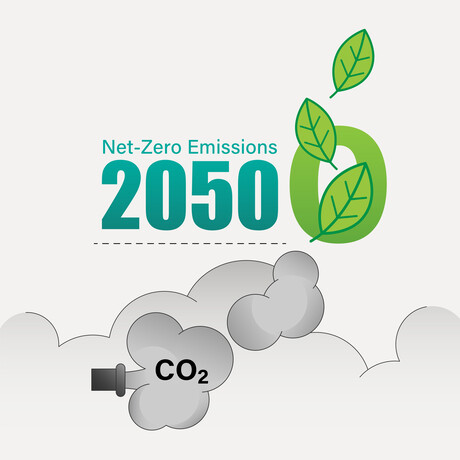
Lately, in April 2021, the US conducted a virtual summit on climate change with 40 world leaders to take bold pledges and chalk out prominent decisions on climate change. The summit has committed to achieving the Net-Zero target by 2050.

What is the Net Zero target?


Net Zero also referred to as carbon-neutrality is that situation where the entire man-made greenhouse gas from the atmosphere has been removed.

The summit held in April decided to achieve a balance on the emission of greenhouse gases and the removal of the same from the atmosphere.
Canada, South Korea, Japan, and Germany have committed to attaining a net-zero future.
India is the third-largest emitter of carbon after the US and China. And India plays a major role in global climate actions.

We all know that there has been a continuous rise in greenhouse gas emissions from industries, transportation, and livestock, resulting in global warming and prominent changes in climate patterns.
These harmful gases trap the heat and don’t allow them to escape the earth, causing temperature rise. The continuous change in climate patterns are causing severe floods, droughts, cyclones, and whatnot thereby leading to mass destruction of lives and property.

“The global temperature rose a total of 4 to 7 degrees Celsius over about 5,000 years. In the past century alone, the temperature has climbed 0.7 degrees Celsius, roughly ten times faster than the average rate of ice-age-recovery warming” as observed by NASA World Observatory.
“Models predict that Earth will warm between 2 and 6 degrees Celsius in the next century”.

If the global temperature rose at this pace, it would prove catastrophic. So in 2015, the 21st meeting of the United Nations Climate change conference took place to collectively agree to limit carbon emission by 1.5 degrees Celsius.

How to achieve Net Zero target?


Thus, the countries jointly agreed to become carbon-neutral or Net Zero carbon emitter by 2050. In achieving so the countries would have to balance their carbon emissions by removing the carbon from the atmosphere.

The countries have to develop renewable energy resources instead of burning fossil fuels, replacing fuel-based vehicles with electric vehicles, developing efficient technologies, etc. Also, the energy, transportation, and manufacturing sectors need to adopt net-zero targets.

Plants and water bodies are great carbon sinks as they absorb carbon from the air. Hence, expanding more forest cover would eliminate the carbon content from the atmosphere.
There are other technological techniques for containing atmospheric carbon.
Carbon sinks are a man-made reservoir where carbon-containing compounds are stored for an indefinite period for future usage, thereby decreasing the CO2 concentration from the atmosphere.

Measures adopted by countries:


Bhutan is the only country in the world that is “carbon negative” which means that it absorbs more carbon than it emits.
Countries like UK and France, have already enacted laws promising to achieve a net-zero emission by the middle of the century. China has promised to go net-zero by 2060.

India’s stand:


For India the scenario is different. India still has to reach the peak of emission, as for over next 2-3 decades the carbon emission would to grow because the country has to pull millions of people out of poverty.
Also, the carbon removal technologies are either unreliable or very expensive.
So, it’s not that India is straightaway striking out the carbon neutrality target by 2050, it’s that India at this point does not want to internationally announce any commitments.

Thus, the decision of attaining the Net Zero target is very arduous and challenging. The developed countries responsible for great carbon emission historically must take urgent steps and help developing nations with technology and capital to fulfill the cause.

JOIN US AND PUBLISH FREE

An open access publishing platform supporting data deposition and sharing.

Publish all your findings including null results, data notes and more.
Engage with your reviewers openly and transparently.
Accelerate the impact of your research

Why you should publish with us

Benefits for Researchers

  • Enables authors, not editors, to decide what they wish to publish.
  • Authors suggest peer reviewers and control the process.
  • All types of research can be published rapidly: traditional articles, data sets, null results, protocols, case reports, incremental findings and more.

Benefits for Research

  • Aims to shift the way research and researchers are evaluated.
  • Moves away from journal-based measures towards direct assessment of individual outputs.
  • Supports research assessment based on the intrinsic value of the research, not the venue of publication.

Benefits for Society

  • Reduces the barrier to collaborative research through data sharing, transparency and attribution.
  • Reduces research waste and helps to remove the bias in our understanding of research.
  • Enables others to build upon new ideas right away, wherever and whoever they are.

An innovative open access publishing platform offering rapid publication and open peer review, whilst supporting data deposition and sharing.

How to Submit Papers

Send papers for review to ijr@ijrjournal.com

Effective speech 101

The first step is to overcome the fear of public speaking. Effective speaking is not an inbuilt talent. You can develop it through correct practices just as we learn other things in life.

You can do this through:

  1. Deep breathing: Before and after your speech
  2. Shifting your focus from how you look and feel to the message you want to share with your audience. Do not imitate others, just be yourself.
  3. Visualizing: Take 10-15 minutes a day to relax, close your eyes and visualize the room you are speaking in, the audience and yourself confidently delivering your speech, smiling and moving across the stage.
  4. Focus on facts, not fears: Instead of focusing on your irrational fears- mind going blank or audience getting bored- focus on the thoughts like ‘I have the sketch, I know the bullet points or I am knowledgeable on this topic.’ Rehearse it with your friends or family.
  5. Focus on speech clarity: Organize the speech around two or more important points rather than including all the information from everywhere.
  6. Never memorize it word to word. Just remember the facts and major points and you will come around. Make brief notes of interesting things or which you don’t want to miss.
  7. Be excited about your subject, include experiences and provide examples. They do wonders!

After overcoming the fear of speaking, begin with all the important points for effective speaking.

  1. Story telling

Audience can forget data and statistics, but they will never forget a delightful story. Use stories from real-life events, something funny to share from your past incidences or challenges, struggle and success stories, etc.

Your stories should be:

  • Relevant to the subject
  • Short and simple
  • At proper intervals
  • Relatable

        You should:

  • Express emotions through body language.
  • Use adjectives and verbs to make the stories more interesting.

You should not:

  • Use more than two stories on the same topic.
  • Fill it with too many minute details or characters which distract the audience from the primary concern.
  • Not use uncommon jargons.

2. Body language: It is our way of communicating through our body movements and gestures to express our emotions, expressions, and actions. We should also read the body language of our audience.

For a positive body language:

  • Posture: Feel comfortable and stay upright. No slouching shoulders or bent posture. Do not lean or grip the lectern. If you are sitting, do not lean, bent or move your legs very much.
  • Body placement: Move as you speak. Use the space, be with the audience and not behind the lectern or just positioned in one place. This cannot apply if you are sitting in a studio where you need to be seated.
  • Arms: Do not use hand gestures which reveal anxiety. Example: Clutching your hands, fiddling with your clothing, cracking fingers, etc.
  • Facial expressions: Smile at your listeners as you talk. It is very effective when you gain their admiration.

3. Tone of voice: The study related to the vocal part of the non- verbal communication is called paralinguistic. And paralanguage refers to the non- verbal elements of communication. These are:

Speech Pace: It is the speed at which we speak. Practice for 150 words per minute. It is the ideal limit. Steady your breathing, focus on enunciation, reflect about punctuation in your speech.

Speech Pitch: It is the placement of your voice on a musical scale from high to low. Usually men have lower pitch than woman. Varying your voice pitch differentiates different emotions and points. It is the easiest way to avoid monotony, add excitement, make certain words and ideas stand out, appear relaxed and confident to the listeners. Identify the exact words and phrases that you want to emphasize. Example: Use higher pitch for excitement and lower pitch for seriousness or to add weight to the message.

Speech Volume: It is the loudness of your voice. It depends on the space of speaking and the size of the audience. It should not look as if you are shouting when you are not. There should not be a difficulty in listening to you. Reach everyone in the distance too. You can change your loudness for creating dramatic effects or expressing powerful emotions.

4. Pauses: Pauses are much needed. There is no need to fill silence with umm, ahm, like, you know or and. There are 3 types of to use in different ways:

  • Brief pause: Last for half a second to 2 seconds. Use it for separating a thought, emphasizing last words, or building anticipation for what is coming.
  • Long pause: Can last anywhere from 3 seconds to a couple of minutes. Used for creating tension.
  • Spontaneity pause: Speakers are to use it when they are searching for the right word or pretending to reflect on something.You can also plan and plot these pauses. They ultimately make your the speech look more real, polished and less rehearsed.

5. Visual aids: These include flip charts, projectors, slide shows, handouts, and certain props.

  • Adding a visual dimension can make a speech look more vivid, graphic, and professional looking.
  • Multiplies understanding
  • Helps to maintain attention
  • Adds humour or creates excitement
  • Organizes complex information

Encourages gesture and movement to connect more with your audience. With good practice and knowledge of your subject, you can easily become an effective speaker.

What is happening in Palestine?

In the beginning of holy month of Ramadan on 13th of April the Israeli security forces installed metal barriers outside the Damascus Gate not allowing access of Palestinians in the area. Ramadan is the holiest month for Muslims where they fast, pray, donate and go to pilgrimages.


The conflict kept rising between them starting from May 7th to May 10th. Clashes took place in the Eastern Jerusalem region. The Israeli forces stormed Al Aqsa Mosque in East Jerusalem. Al Aqsa Mosque is the third most holiest pilgrim place for Muslims around the world. The Israeli security forces used tear gas while people were in the middle of their prayer. There was a video that went viral on the internet that showed that the Israeli forces were dropping tear gas on them in the middle of their prayer. They used stun grenades and rubber tipped bullets on the worshippers. More than 900 hundred Gazans have being injured 31 of them being children since the day of attack. This took place during the final week of Ramadan. Since the evening of May 10th around 250 rockets were launched from Gaza which a city in Palestine into the Israel territories.


Social media platforms are deleting certain posts showing the footage of the violence taking place in Palestine. Freedom of Speech and Right to Information and Mass Media is a fundamental right of every citizen and that is being taken away too. People are scared for their lives. “We felt like we were in a horror movie,” said a local resident Salwa Al-Attar, who escaped the bombardment with her family. “The planes were above us, and the tanks and navy were bombing – and we could not move. The children, women and men were screaming.” This statement is from a BBC news article.
On Friday, May 14th which is yesterday seven Palestinians were killed after Israel launched an airstrike on a house in Gaza City. On Saturday May 15th, Israeli airstrike destroyed a high rise building Al Jalzeera and The Associated Press and other media offices in the Gaza Strip. The airstrike happened an hour after the Israeli military ordered people to evacuate the building. The building had The Associated Press, Al Jazeera and a number of offices. Israeli air strike in Gaza city today killed at least 10 Palestinians majority being women and children.

As each moment passes by the Palestinians are scared and living in terror. They are living with the fear of losing their loved ones. We should post about it, tweet and share it on our stories to spread the awareness and amplify to stand in support of the suppressed. It is the least we can do in the middle of this pandemic that has already cost so many lives.


We can see the unity amongst different countries as they unite and stand together. 100,000s of people were seen in London marching for peace between the two. There are over 70 protests in support of Palestinians across UK, USA, Japan and Jordan. You don’t have to be a Muslim or belong to Palestine to be in support of them it is merely for the sake of humanity.

Four courses you can take as a fitness enthusiast.

In today’s world, there are many interesting career options to choose from and Indian institutes are now offering many unique courses, that helps you earn while learning something that you are passionate about. These are some new-age professions which can fulfil your mind as well as enable you to gain financial security.

Calisthenics Course

Calisthenics is a form of physical training which is majorly focused on mastering your own bodyweight using minimal equipment. The word comes from the Greek words Kalos and Sthenos meaning ‘Beauty’ and ‘Strength’. It is a art and science of body which shows beautiful movement. The benefits of calisthenics workouts, as prescribed by experts, include better long-term health, improved mobility and ease of movement, reduced injury risk, and more calories burned. It is a form of strength training consisting of a variety of movements that helps in exercising large muscle groups, such as standing, grasping, pushing, etc. It also helps in improvement of the psychomotor skills such as balance, agility, and coordination. Studying a course in calisthenics will help you understand body composition in detail and how one can use their own bodyweight to challenge their boundaries of fitness.

Sports Nutrition Course

Nutrition as you all know is an important aspect in the life of an individual but for an athlete it is essential as it impacts their overall strength, endurance, performance as well as recovery. The Sports Nutrition Course is specifically designed while keeping mind the athlete’s goals, training protocols, and according to different sports as well as their current condition. Studying a sports nutrition course provides you with a vast amount of knowledge on different aspects nutrition and body like energy metabolism, macro and micronutrients, supplementation, and energy systems.

Diploma Course in Nutrition and Fitness aligned with University Grants Commission (UGC)

INFS has already launched India’s first ever diploma in Nutrition and Fitness (DNF), with pre-bookings which started from 24th March 2021. The Diploma covers the twin discipline of Nutrition and Fitness which covers all the skills a Fitness Coach needs to be successful. INFS has also followed all the guidelines laid down by the UGC and implemented the required topics mentioned by the NSDC for Fitness Professionals.

Badminton Course

Sports is as old as humanity itself. It has kept societies fit and healthy while building strong communities and boosting morale. In this age of Phone and several other electronic devices, the importance of sports is nowadays more than ever. Being competitive in physical exercise and sports can not only motivate children and adults to get outside and keep fit.

Studying a course of badminton can also provide a comprehensive understanding of the sport beyond just being a player. It gives you the knowledge of basics, techniques and injury prevention while also helping you coach students professionally. This can give your career a boost as the ultimate sports educator.

These are only some of the courses out of many courses which are available to be studied. You can check many suitable courses according to your preferences and your field.

5 coding languages every beginner should learn

There are many different type of programming languages available in today’s technology-driven world, making it quite daunting to opt for one which suits you and can help you get the best result possible from a future perspective. Many professionals have a hard time picking a suitable language for a particular task or project.

Moreover, The beginners or newbie programmers lack the guidance and exposure which makes it more challenging to decide how and where to build a successful career in the programming world.

Most Suitable Programming Language for the beginners are?

To find out the best and worthy programming language, to begin with, one must first know the purpose of learning a programming language.

For instance, if one has a keen interest in the technologies like Artificial Intelligence and Machine Learning, then he/she can opt for language like python which is most suited, or if one is trying to enter into the competitive programming world, he/she can opt for C++.

There are many other things which should be properly analyzed like popularity, market demand, job prospects, efficiency, compatibility, applications, etc. before picking a language.

Some top programming languages which can be pursued without giving a second thought

  1. Python

Python, is one of the most commonly used and recommended language for the beginners in recent years, because it has a easy syntax and a wide range of applications which makes it suitable for high-level programming and easy code readability.

It offers some remarkable features such as extensive support modules and community development, open-source nature, ability to scale complex applications, etc., that makes it easy for beginners to understand.

Several renowned platforms like YouTube, Instagram, Quora, and Pinterest, use Python.

2. C/C++

It is highly recommended that the beginners start with lower-level programming languages so that they can easily start their programming journey without any hassle.

C is a procedural programming language that was basically developed as a system programming language to write operating system and develop major platforms like Microsoft Windows, Linux, etc.

Moreover, C/C++ allows beginners to understand many underlying mechanisms on the ground level and more complicated topics easily.

3. JAVA

From the invention, JAVA has always been one of the most demanding languages in the tech world. It follows on the principle of ‘Write Once Run Anywhere’ of the language which makes it most preferable by the developers.

This is a language which provides several other prominent features, such as automatic memory allocation, multithreading, platform-independent, etc. Though the language is little harder than some other languages like python, etc. but if you are interested in developing android applications or enterprise software, you can opt for this language without giving a second thought.

Furthermore, JAVA is being used by various renowned platforms such as Google, Amazon, Twitter, etc

4. JavaScript

JavaScript is a relevant and worthwhile language for beginners as it can be used in a wide range of applications, is also compatible with various other languages, and is comparatively much easier from various other languages.

In JavaScript there are various frameworks and libraries available such as Angular, React, Vue, etc.

Besides, numerous IT companies such as Google, Facebook, Gmail, etc. also like to rely on JavaScript.

5. Kotlin

If someone new is trying to learn a programming language to develop Android development. In fact, Google has officially announced Kotlin as the first choice for App development.

Moreover, the language offers several outstanding features such as statically-typed, concise, and secure, and many more.

Despite being the new programming language Kotlin is still used by renowned organizations like Pinterest, Basecamp, etc. are using the language for their respective platforms.

Too Much Information- Source of your stress?

Input overloading. Information overload concept. Young woman running away from information stream. Concept of person overwhelmed by information. Colorful vector illustration in flat style

Too much information is harmful for us, yes you read that right. In this age of internet, we are surrounded by so much information on all sides, its actually adding onto our stress levels. With so many sources of information just at the palm of your hand be it work related, entertainment or political, we do not even realize how little of it is actually important for us.

“We are now so preoccupied with keeping up with the bombardment of new facts, new developments, and new points of view that we have no time to listen to the past, or reflect on even the most recent history, much less to make a judicious reckoning of its significance.”

-Regis McKenna, public relations specialist.

Due to information overload in workplace, the employees have to deal with tension between work colleagues and loss of job satisfaction. This amount of stress is affecting the health of the employees and even their personal relationships suffer.

Having too much information interferes people’s ability to make decisions and most of the time is wasted in collecting and searching information. Many people believe that internet is the prime cause of information overload over the years. Wherever you go on social media, be it a social networking site or even our e-mail accounts, it is all filled with so much content totally irrelevant, but we scroll through it anyway, reading and taking in most of it anyway even after knowing that it would be of no use to us.

We should be smart enough to decide how much information we actually need. The key is to ‘filter’ and be selective in our information intake. We know it very well that it’s impossible to gather and analyze all the information related to your work and doing so would leave us no time to complete our necessary task.

Most of the information we absorb on a daily basis is largely irrelevant, both to our business and to our personal lives. So much of it is either sensational or celebrity focused, earlier most of the people depended on it to kill their boredom, but now when we are already so busy, we don’t even have the time to be bored but yet continue to do so.

All we need to do is a social media detox and save some time by cutting low content media from our diet and make sure the content that we are following is beneficial to us in some way. Keeping only the useful and content of our interest will help us to keep our stress levels in control, after all we use the internet as way to release our stress so it should definitely not be a source of it.

National literature award- Sahitya Akademi awards for 2020 announced

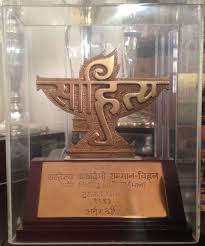
The prestigious Sahitya Akademi Award

The Sahitya Akademi has announced its annual Sahitya Akademi Awards and selected 20 creators, including senior Congress leader Sri M.Veerappa Moily and Hindi poet Ms. Anamika, for the Academy Award of the year 2020. The Sahitya Akademi Award is a literary honour in India, which the Sahitya Akademi, India’s National Academy of Letters, annually confers on writers of the most outstanding books of literary merit published in any of the 24 major Indian languages, i.e., English and the 22 listed languages.

Anamika is the first female poet to be nominated for the Sahitya Akademi Award for Hindi poetry. The names announced on this academy on Friday include seven poets, four novelists, five short-stories writers, two playwrights and one memoir and epic writer.

According to the academy, the awards in 20 Indian languages ​​have been declared, while the names of those in Malayalam, Nepali, Oriya and Rajasthani languages ​​will be announced later. Moily is being awarded for the Kannada epic “Sri Bahubali Ahimsadigvijayam”, while Ms.Arundhati Subramaniam is given the Academy Award for the English poetry “When God Is a Traveller”.

Ms.Anamika to be honored for ”Tokri mein Digant” in her Hindi poetry collection “Their Gatha-2014”.
Other honored authors include Sri Harish Meenashru in Gujarati, Sri R.S. Bhaskar in Konkani, Sri Irungbam Deven in Manipuri, Sri Roopchand Hansdah in Santhali, Sri Maheshchandra Sharma Gautam in Sanskrit and Sri Nikhileshwar in Telugu. For novels Nanda Khare in Marathi, Imaiyam in Tamil and Hussain-ul-Haq in Urdu are included.

The short story will be awarded to Sri Apurba Kumar Saikia in Assamese, late Sri Dharanidhar Owari in Bodo, late Hirday Koul Bharti in Kashmiri, Sri Kamalkant Jha in Maithili and Sri Gurdev Singh Rupana in Punjabi. Sri Gian Singh in Dogri and Sri Jetho Lalwani in Sindhi for his plays, while Bengali writer Sankar (Manishankar Mukhopadhyay) has been chosen for the memoir. All these will be honored with a cash of one lakh rupees, a shawl with a copper-plaque. The date for the ceremony of honor has not been set yet. 21 child authors and 18 teen authors were nominated for Baal sahitya and Yuva Sahitya Akademi awards respectively.

Women and workplace- how far have we come?

Women working from home are facing many challenges. Working women in India are fighting a hard fight for work and salary. They are underestimated a lot in their capabilities. Along with having a full-time job they are burdened with most of the domestic responsibilities. This was revealed in the LinkedIn Opportunity Index, 2021 survey report. According to the report, 22 percent of women in Asia-Pacific countries are not given the expected importance compared to men.

By the 18th century women were able to engage only in occupations related to the textile industry, where they had to work in low wages and in dreadful conditions. The situation changed when all the healthy men enlisted in the army in the First World War. Then women were included in transportation, hospitals and even arms factories.

By the end of the First World War came, women were pressurized to give up their jobs automatically, so that the soldiers who returned from war again can take that job. In her book Feminine Mystique, the American writer Betty Freedom wrote that after the Second World War, women were tried to convince them that their lives were only in the boundary wall

NITI Aayog’s agenda for 2017-20 stated that women are paid less wages and get less productive employment and they get less paid than non-paid jobs. The devaluation of women in the market is because their experience, education and skills are underestimated. Over the decades, there has been an attempt to establish the myth that women themselves do not want employment, but this is not true.

In the year 2018, a study said that India’s eight crore adolescent girls have a lot of expectations about their careers, but their expectations will be fulfilled, it is difficult to say. What is more is that during the calamities and pandemics, all efforts are made to connect women with the labor force and this goal can be achieved if we all work together.

Women are capable of doing all kinds of jobs just like men if not more. This has been proved by women over and over again that they can succeed in all fields if given the opportunity. Women don’t want to oppress anyone but to grow together and make the world better. They are making some great contributions in various fields such as science, literature, medicine and defence.

In India, on Women’s Day a big step was taken in the direction of gender equality. The Navy deployed four women officers on its warships after 24 years, the Navy spokesman said that two women officers have been deployed on INS Vikramaditya and two other INS Shakti. One of the women officers on board the tanker vessel INS Shakti is a doctor.

Creating miracles while fighting air pollution- The inspiring story of Bhutan

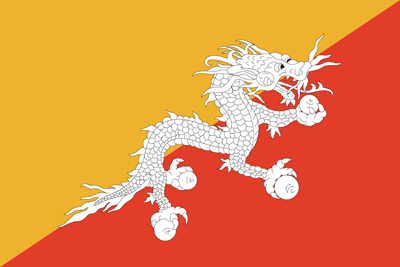
Flag Of Bhutan

The amount of carbon dioxide emission is increasing day by day causing a rise in overall temperature and global warming. Main reason behind the increase is that most of the energy producing sources emit carbon dioxide (for e.g. in thermal plants), burning of combustible substances and even our vehicles and transports emit carbon dioxide.

Usually, the plants and trees are able to absorb most of the carbon dioxide that is emitted but due to increase in deforestation it has become hard to maintain that balance.

While most of the countries are struggling to become carbon neutral that is trying to find a balance between carbon dioxide emission and absorption, Bhutan has already achieved that milestone.

Bhutan may be a small country but it is the only country in this world that is carbon negative.

Carbon negative can be explained by the comparison between total amount of carbon dioxide released to total amount carbon dioxide absorbed in the atmosphere as total amount of carbon dioxide released is lower than the amount of carbon dioxide absorbed.

Bhutan produces around two million tonnes of Carbon Dioxide and absorbs around 7 million tonnes of carbon dioxide.

This milestone was achieved because the 4th king of Bhutan-King Jigme Singye Wangchuck’s belief that Gross National Happiness of the population of Bhutan was more important that Gross National Product. And further development was done by keeping this ideology in mind.

Few steps that were taken to achieve this are as follows-

-By maintaining 60+% of forest cover at all the times and not letting it go below that number played a huge role.

-By building Biological Corridors- People of Bhutan believe in co-existence that is why they have built biological corridors between forests to enable the free movement of wildlife throughout the forests

-By using Hydro-Power plants to generate electricity without causing pollution, and they highly promote the use of sustainable resources.

-By planting more trees, in 2016 on the birthday of the last prince they planted over 1 lakh trees, they even have the Guinness World record for planting the highest no. of trees in one day in the year 2015.

But despite its great efforts to maintain the balance, Bhutan is still suffering from the global warming without any of its own fault. China and India, two of those countries which contribute the most to the world’s pollution, surround Bhutan from two sides and is causing it to suffer from global warming, melting glaciers resulting in flash floods. Some states in India and China have the highest pollution index in the world. Unless some strict actions are taken, it is not possible reduce the pollution. We should learn from Bhutan, even though is has a smaller economy than most of the developed and developing countries but it is still better at controlling the air pollution than most of them.

Real key to success- High IQ or High EQ?

Most of the people believe that high IQ is really important to be successful in life and we also had evidence to prove the fact. Just look at some of the most famous people in the history like Shakespeare, Leonardo Da Vinci, Albert Einstein, Isaac Newton, Stephen Hawkins or Marie Curie; they all something in common and that is high IQ.

And it is only recently that scientists have started realizing the importance of emotional intelligence and its contribution in our journey to be successful.

Emotional intelligence is a form of intelligence that is required to function effectively in a workplace. A good IQ is not enough to be successful in life. You may find many people who are academically talented, but are unsuccessful in their own life. They experience problems in family, workplace and interpersonal relationships.

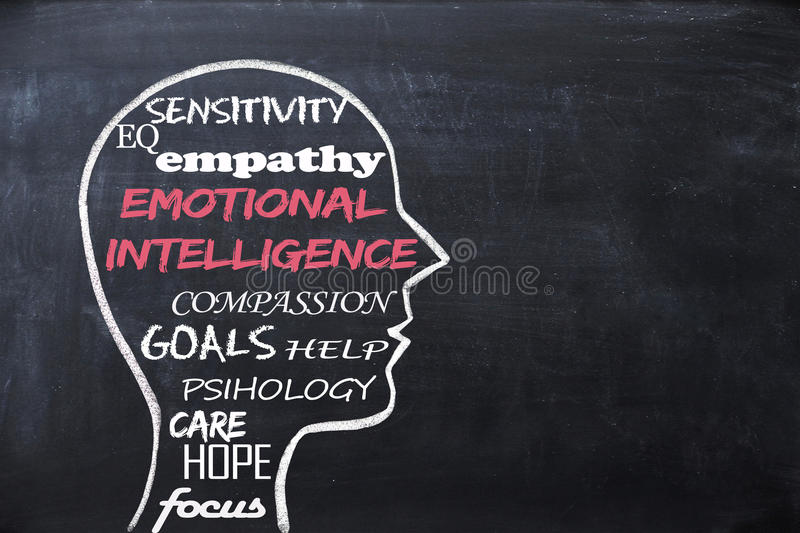
Emotional intelligence is defined as “the ability to monitor one’s own and other’s emotions, to discriminate among them, and to use the information to guide one’s thinking and actions”. Emotional Quotient (EQ) is used to express emotional intelligence in the same way as IQ is used to express intelligence. A person with high EQ is able to express empathy and is able to cooperate and work effectively with colleagues.

Emotional intelligence is receiving increasing attention by schools and employers. Many programmes are being made for improving emotional intelligence as they encourage cooperative behavior, develop better teamwork and are very useful in preparing students to face the challenges of life outside the classroom.

It helps to manage your emotions in stressful situations and encourages positive thinking. It helps us in handling criticism better and instead of getting offended, work on self improvement.

Recent reports show an increase in number of the malnourished in India

According to the Center for Science and Environment (C.S.E.) State of India Environment Report – 2021, the corona epidemic has had a lasting impact on the health and economic conditions of 37.5 million children across the country.

CSE Director General Dr. Sunita Narayan, said that children from new-born to 14 years will have more health-related problems. There is a possibility of low weight of children, lack of physical development according to age and increase in mortality.

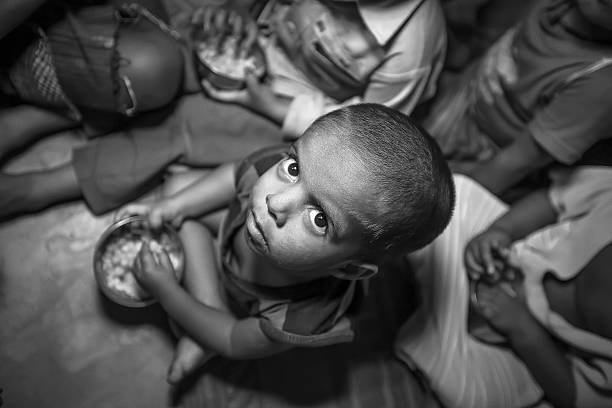
Child from a poverty stricken family gets a free meal at his school.The schools are run by some volunteer organisations or individuals and have inadequate facilities. Yet some people are working relentlessly to help these poor children.

One of the reasons could be India’s struggling with Covid-19 lock down interrupted crucial government schemes that benefit hundreds of millions of women and children. But that still doesn’t explain the rise in malnutrition rates in the years leading up to the outbreak of Covid-19 in 2020.

According to reports, India’s latest National Family Health Survey (NFHS), which shows that children in several states are more undernourished now than they were five years ago, is based on data collected in 2019-20. The survey was conducted in only 22 states before the onset of the pandemic – so experts fear the results will be much worse in the remaining states, where the survey began after the lock down ended.

In rural places the problem seems to have begun earlier. Rural areas have seen a steep rise in the proportion of undernourished children compared with 2015-16, when the last survey was conducted.

Due to malnutrition in infants and young children stunting in growth and even experience wasting away of muscle and anemia. The proportion of severely underweight children has risen. Stunting refers to lower than expected height for age, wasting shows lower than expected weight for height, and anemia is a deficiency of hemoglobin in blood.

Most of the Indian women are anemic and poor women, especially so. According to the experts, the worsening rate of malnutrition could be a result of women struggling to access nutrition benefits because undernourished mothers give birth to undernourished babies.

Migration to cities is also a reason for this. Many families migrate to cities to make a better living. But that also means being left out of massive government schemes that are mostly delivered at local level – so benefits aren’t easily transferred across districts or states.

The National Family Health Survey-5 report, the latest data set on health and nutrition, showed that of the 22 states and Union Territories in the year 2019-20, a majority reported an increase in malnutrition parameters such as stunting and wasting of children, anemia in children and in women between 15-49 years of age.

Due to poor health of children, there may be adverse effects on education and workplace too. This report released online, has been prepared by 60 environmental and other experts from all over the world. The epidemic forced approx. 50 crore children over all the world to leave school. More than 50 percent of these children are in India. Dr. Sunita Narayan said, “An additional 115 million people have come under extreme poverty due to the epidemic.” Most of them live in South Asia.

Given this situation, there is a need to enhance allocations for government schemes to address child malnutrition as well as for schemes promoting nutrition for pregnant and lactating mothers. A group of people should be assigned who provide health and nutrition counseling to pregnant mothers. Better health care and nutritious meals for the pregnant mother, because with proper pre-natal care, adequate food and timely health check-ups, a pregnant woman stays fit and gives birth a healthy child and for that there is a need for huge amount of investments. Different sectors of the government need to coordinate to handle this problem effectively. There are some independent organizations who are working actively to help the unprivileged sections of India and educating others about the problem and with enough funds and support from us maybe they can tackle with the problem more effectively.