TOP 5 AYURVEDIC HERBS

HEALTH BENEFITS OF HERBS.


‘Every plant is a medicine but we don’t have
proper knowledge to discover them

HEALTH BENEFITS OF HERBS


INTRODUCTION:
The number of medicinal herbs vary according to the
books and authors, till date 500+ medicinal plants are
known by the scientist which are capable of curing
anything counting from common flue to cancer because


HEALTH BENEFITS OF HERBS
nature has answer to every question and solution to
every problem.Humans are engaged with herbal solution from ancient
age, it is so much aged that our ancestral species
Neanderthals were also part of it. The most ancient
recorded book on medicines and magic formula is
Atharva veda .
Now, so far we can conclude that consuming various
species of herbs will not only build our health but can
also make up our chances of living longer.

BASIL:


BASIL:

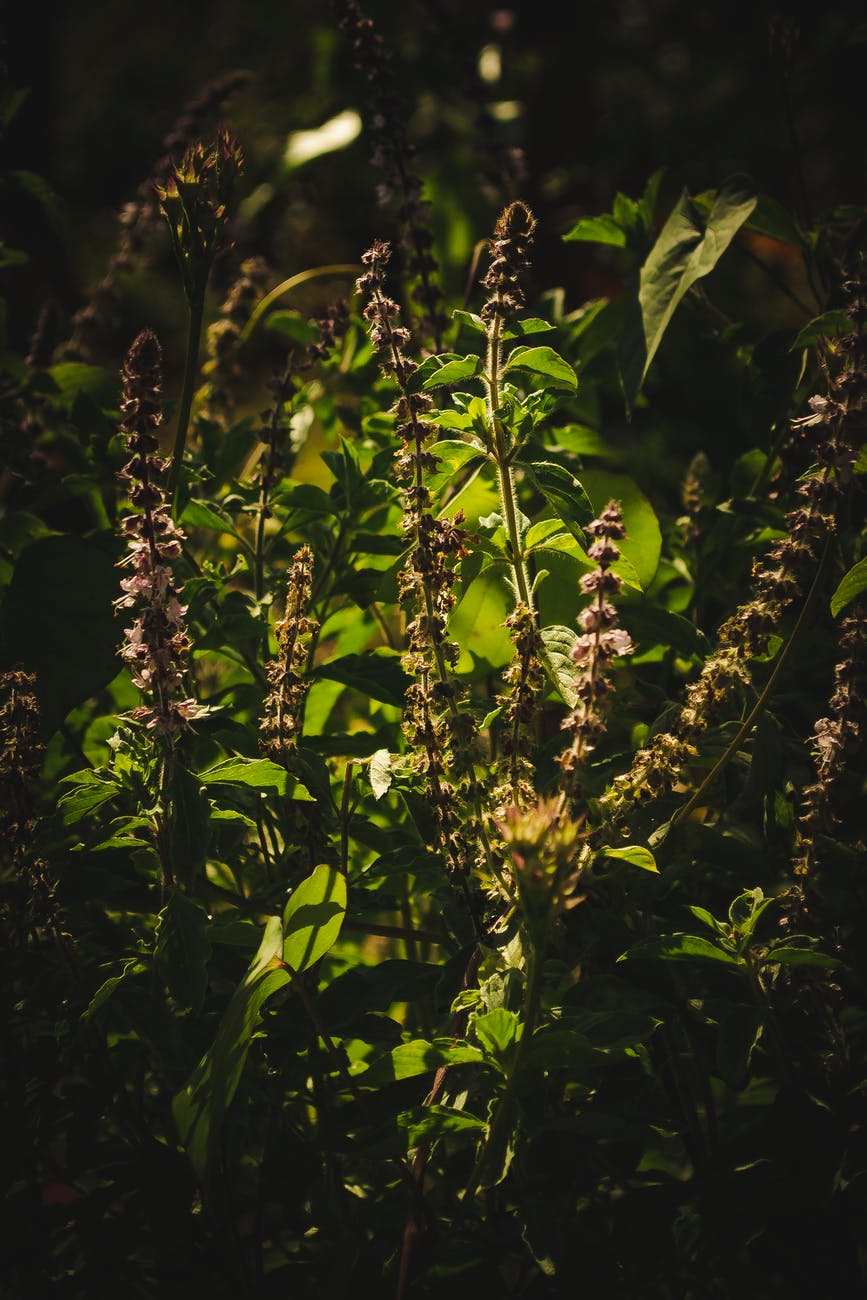
Basil leaves

BASIL
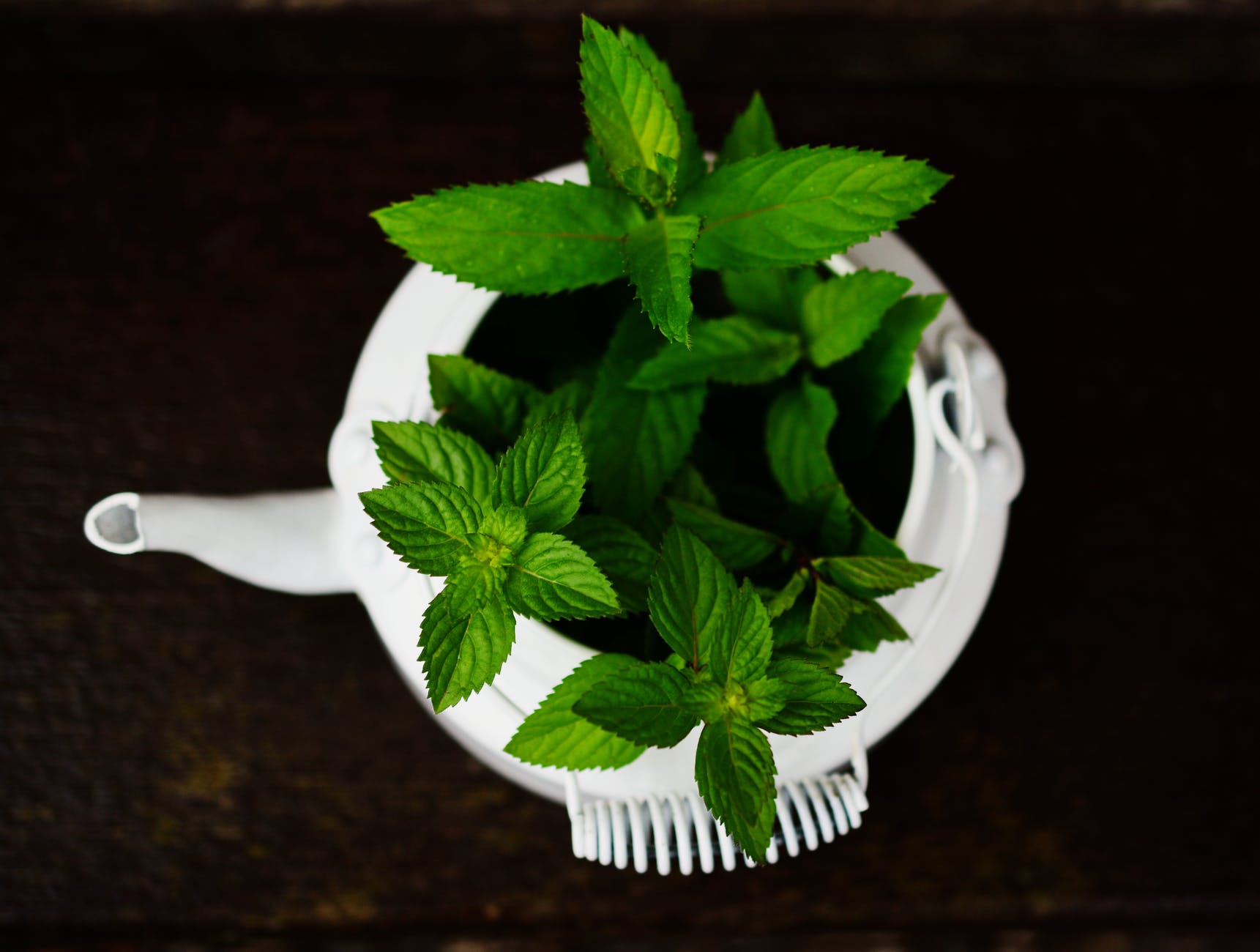
Starting with a very known herb to Indians that is basil
plant. According to hindu culture basil also known as
tulsi is a holly plant and in many other religion it is
considered as one of the lucky plant. Keeping our
believes aside basil is a magical and flavoursome plant
identified by purple green leaves with bushy structure,
originated in Asia and Africa. These are popularly used
for seasoning and making of tea due to its aroma.

HEALTH BENEFITS OF BASIL


HEALTH BENEFITS OF BASIL
There are very potential benefits of extracted basil.

  1. Very precious benefit is, it prevents certain cancers,
    including breast cancer, colon and pancreas.
  2. It relaxes blood capillaries, prevent blood pressure
    and blood sugar level.
  3. Used as insect repellent.
  4. Reduce memory loss.
  5. Reduce depression
    So, adding up basil leaves in your diet is not a bad
    idea.

PEPPER MINT:

Pepper mint known for its aroma and widely used as
mouth freshener, and is very popular in its mint family.
Characterised by it’s long stem and bright green,
slightly fuzzy leaves.

HEALTH BENEFITS OF PEPPER MINT


HEALTH BENEFITS OF PEPPER MINT.
Usually people are fond of pudinah wali chai [pepper
mint tea]. Other than that it has many health benefits
such as

  1. It was traditionally used to treat colic and digestive
    upset
  2. But it can readily be used if you have cold, running
    nose and stuffy nose.
  3. Combining pepper with teaspoon of honey can be a
    great cough syrup curing your sore throat.
    PEPPER MINT
  4. Pepper mint is also favourable for headache and
    migraine.
  5. Most used item of peppermint is pudinhara to cure
    diabetes and stomach inflammation.

ROSEMARY:

ROSEMARY:

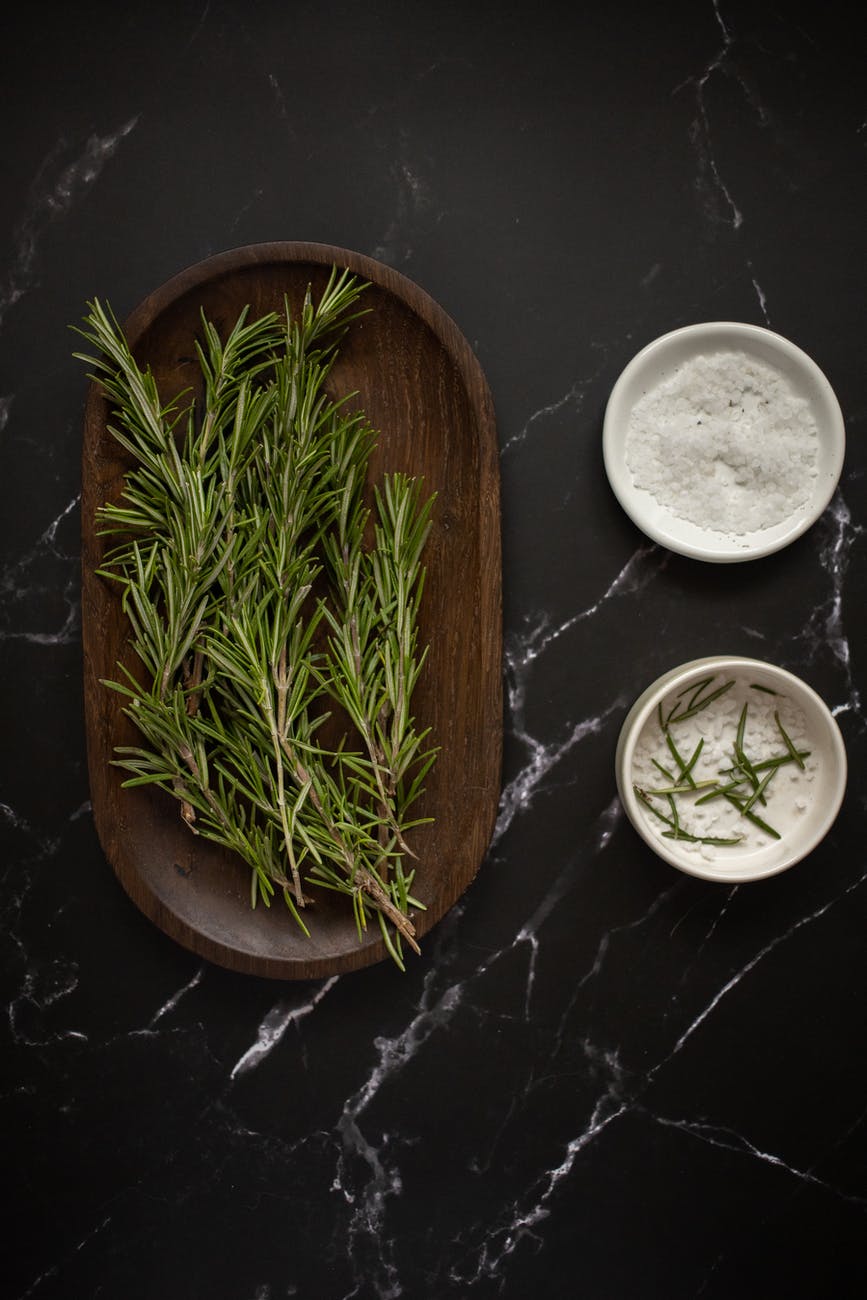
The rosemary herb also known as Rusmary in hindi.
Characterised by its deep green colour on the top and
silver white underneath,. These are popular for their
taste, aroma and nutritional value. The rosemary herb
has been in use as a food seasoning material and as a
natural medicine for over a million years now

HEALTH BENEFITS OF ROSEMARY

.
HEALTH BENEFITS OF ROSEMARY
It was initially used as memory booster but now it has
many known health benefits;

  1. Nutrients present in rosemary helps in stimulating
    the human immune system, improving the
    circulation of blood in the system.
  2. It has anti-inflammatory components and also
    reduce risk of asthma attack
  3. Throat congestion, respiratory allergies ,cold, sore
    throat, bronchial asthma and flu can be reduced by
    rosemary extract.

LAVENDER:

Lavender.

LAVENDER
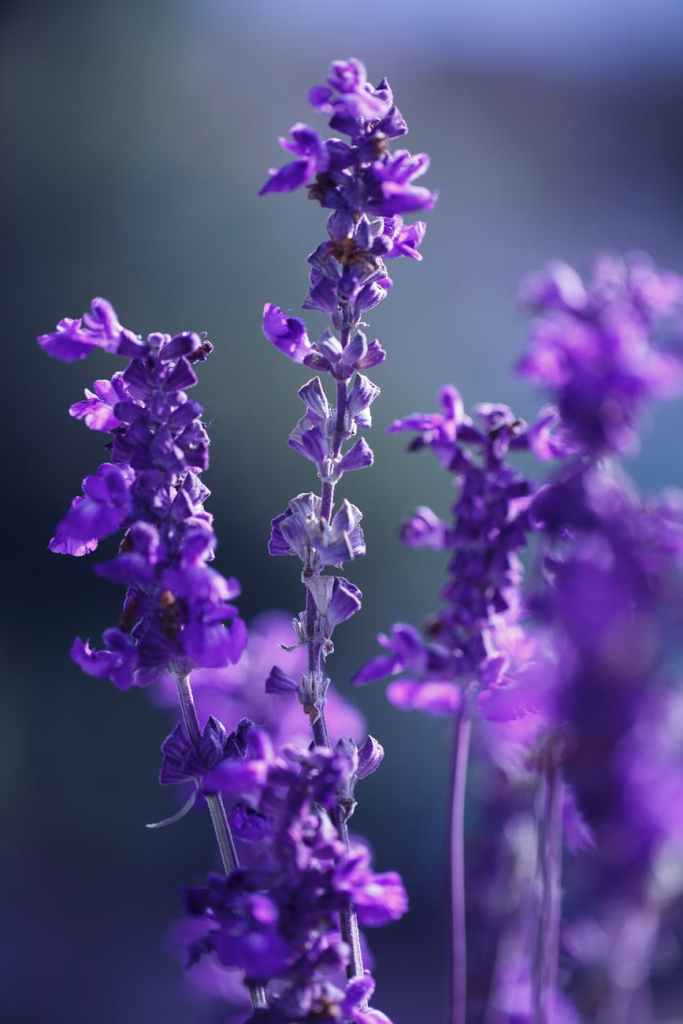
There could be very few people who haven’t heard
about lavender at least once in life. Very known for its
scent, but do it have health benefit? Yes it do! It is
identified by its beautiful bluish purple flowers often
used for decoration, perfumes and medicines.

HEALTH BENEFITS OF LAVENDER


HEALTH BENEFITS OF LAVENDER
Many of the scientist have not yet tested lavender at
its extreme but there are many experienced proof since
old age.

  1. Lavender oil is believed as an antiseptic, antiinflammatory and can be used on minor burns
  2. It helps digestive problems.
  3. Lavender is used to relieve pain such as headache,
    sprain, toothache and soreness.
  4. It also cures fungal skin infections.
  5. Lavender is also used as a home remedy for hair
    loss.

OREGANO:

oregano

Characteristics of Oregano is a short, shrubby herb with
small, deep-green leaves. The leaves have a kind of soft
and almost fuzzy texture. Oregano is bold, deep and
strong in flavour and the fresh herb is considerably
stronger than in its dried form. It is deeply herbaceous
and slightly similar to thyme with faint mint-like
undertones.

HEALTH BENEFITS OF OREGANO


HEALTH BENEFITS OF OREGANO
The impressive health benefits of oregano include its
ability to protect the immune system, prevent the onset
of chronic diseases and further benefits are Oregano

  1. Rich in Antioxidants.
  2. May Help Fight Bacteria.
  3. Could Have Anti-Cancer Properties.
  4. May Help Reduce Viral Infection.
  5. Could Decrease Inflammation.
  6. Easy to Add to Your Diet

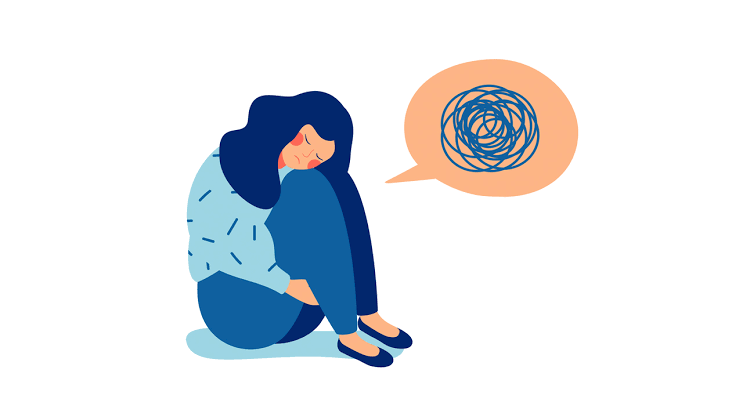
ANXIETY A GROWING PROBLEM

Anxiety a problem faced by millions in the world. Some know about it; others are not even aware of it. They are suffering it all alone. Some suffer with minor, others with major anxiety to the extent that they even try to take away their own life.

What is anxiety ?

So, let’s first know what anxiety is? This is really important to know what anxiety actually means, because there are many who are suffering from it, but are not even aware of it.

Anxiety in simple sense means having worry, fear in some stressful or tensed situation, which is normal. But when somebody experiences it on a daily basis in an intense and excessive manner on small-small things, is actually suffering from anxiety disorder. And this is a very severe disorder to the extent that people are not able to overcome it and end up taking their lives.

Cause

The main causes of anxiety disorder are:

  • Not Living in Present : the first and in most of the cases it is caused to youngsters because of the uncertainty and worry about their future. Their worry rises day by day, and it grows to become a disorder.
  • Expectations: the other cause is worry of not being up to the mark of their expectations or having over-expectations.
  • Results : worry about result is another cause.
  • Thinking negative : what ever they think they are always seeing it negatively.
  • Overthinking : another main cause is overthinking. They keep on thinking about one thing and their mind goes on to think of other related things with it. And ultimately they go into so much deep thinking that they themselves don’t realize.
  • Hopelessness : they become hopeless and think they are of no worth to the world.
  • Being altruistic : it simply means always thinking what others or the world would think about them, which makes them more nervous.

These we some of the causes their might be other reasons too. But now we should look at the solution, because for every problem their is a solutions as every night has a day.

Solutions

  • Start to Live in Present : the first and foremost thing is to start living in the present. Don’t worry about the future as that is not in your hand; what you have is the present just live in the present.
  • Stop Expecting: the other thing is that do not expect anything from time(future) or anyone, because you are disheartened only when you have expection. When you do not expect anything, then whatever you get you are satisfied with it.
  • Don’t worry about results : Stop worring about results as it is not in your hand, just leave it ot God, everything will be fine. You just do your work and don’t worry about the result (hindi saying : karm Kar phal ki chinta mat kar).
  • Think positively : try to be positive as being negative never helps. And just think it yourself as even if you are negative what ever the destiny has decided it will happen. Just keep one thing in your mind whatever happens happens for good (joh hota hai achhe ke liye hota hai).
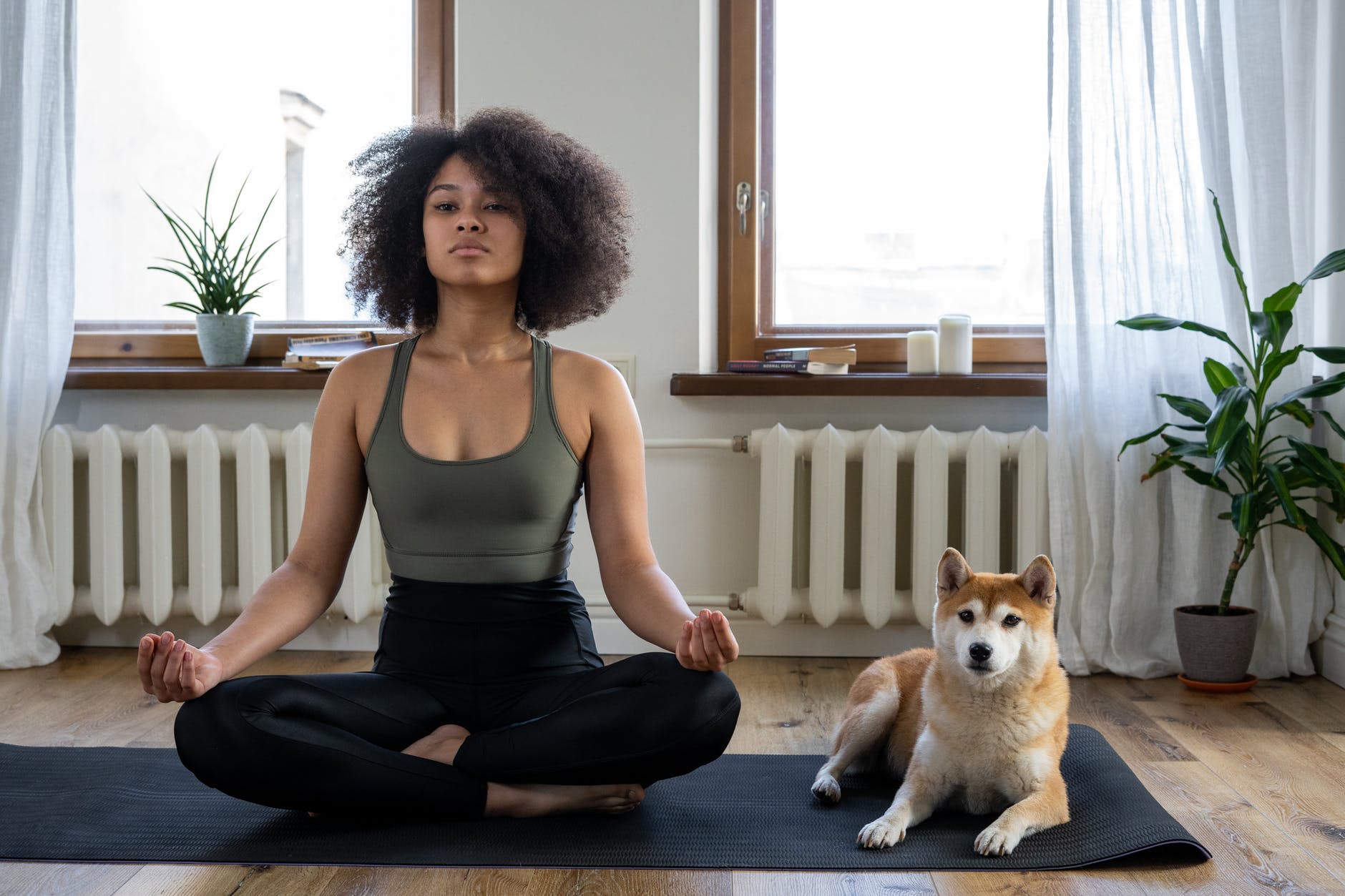
  • Do Yoga : the one of the most effective way to calm your mind is doing Yoga. By doing yoga you to try to make balance between your mind and body. Try to meditate. Whenever any negative thoughts comes to your mind just stop, what ever you are doing and do simple yoga. Watch videos on internet. Try to divert your mind.
  • Don’t worry about what people think : just keep in mind that, whatever you do, you do it for yourself and not to get somebody’s remark or happiness, it’s for you. Just do whatever you like, don’t let them affect you as it’s not worth it because they have no importance in your life.
  • Stop overthinking : when every you realize that you are getting trapped in your endless thinking, just keep everything aside and immediately stop thinking, just take two deep breath and try to relax yourself. And try to remember all the above points, you will feel relaxed.
  • Take a nap : just take a nap if you are feeling stressed.

Just try it once. If then too you are not feeling well, then please do contact a psychiatrist or any friend or your parents or anyone close to you to share your feelings with them. And be positive.

Child Marriage legalised on Rajsthan

Currently, Rajasthan govt released an amendment “Rajasthan compulsory Registration of Marriage Amendment Bill 2021” it allowed registration of child marriages, it’s 21 century and we all are aware of how heinous child marriage is, here are some of my views on this act

In my views law is not wrong
Those who commit or help in child marriage will still be punished, but those who already had marriage were not allowed to have registration and so they were not able to avail all govt schemes and benefits, those saying it will make it easier to do child marriage remember availing govt benefits are everyones fundamental rights.

Those saying it’s illegal look it like this rape is illegal but rape victim and culprit both have some rights that we can’t snatch, like culprit must be allowed to go court etc, ofcourse child marriage is as heinous as rape and here victims are both boy and girl but why they suffer whole life for it, they can’t get rashion, jobs, water, now as everything is more and more digitalizing and you can’t prove you’re married, it will become more hard to avail services like jacha bacha Suraksha and this are thee parents who most need it.

Also one negative point is it will make child marriage easier, but many people will not be able to avail fundamental rights isn’t it totally wrong also we can make child marriage hard by making strong rules. As we have data of child marriage we can ask govt employee who are posted there why they let it happen like police or magistrate, they will become more accountable this way.

If I’m missing some points or you want to share your views here’s my email soni362002@gmail.com

Say ‘YES’ to these habits

Internet has made our lives easy, everything is available there from assignments to math problems but can internet do Everything for us? No, ultimately it’s us, students, who have to study, write for exams and get through this phase of our life. It’s very easy for all of us to get distracted with just one notification on our phone, or thought of our crush😉.
Not everyone can study with all that is going around and concentrate, so many students opt for night time as their study time. But you won’t disagree with fhe fact that it affects our daily routine, makes us feel exhausted for the rest of the day. Night time is for dreaming!! It’s important to rest for our body and our mind. If you are not satisfied with your daily routine, change it. Start with small changes like waking up early, eating healthy and being productive etc,. You don’t have to have a very strict routine, chill you are just a student few ‘habits’ are enough for you.

Photo by cottonbro on Pexels.com

START FRESH🐓

You must have heard your parents saying that you never forget whatever you learn in the morning, can’t bet on it’s authenticity but it’s true that mornings are good to start learning. From my experience it is because there is no or very less disturbance with your family sleeping peacefully it’s easy to concentrate. And you know when you start early most of your work is done by the time others wake up. Your reasons for not exercising are eliminated. It also helps in protecting you against:

  • Stress
  • Respiratory issues
  • Obesity
  • Bad mood

DISTRACT THE DISTRACTION 🥷

Do you find it hard to concentrate while studying? Everytime you open your book your phone calls you and asks to scroll for 5 more mintues? Or your mind starts wandering to some wonderland? Well, it’s normal but it makes the study time difficult. Thankfully you can actually eliminate these small distractions. Let’s start with phone. Keep you phone one silent or block the apps for the time being, download website and app blockers from playstore. Keep your away from the place you’re studying so that you don’t pick up your phone everytime you have the urge to check msgs.
Start with the topic that you find most interesting and make a time period for every subject. Don’t include the boring ones together and study when you feel it.

Make good habits and they will make you

Parks Cousins

TAKE A BREAK

It’s so important to just forget about everything and enjoy for a moment. You can plan a family trip to some nearby hill station or a dinner or you can ask your friends for a weekend reunion. It will help you in keeping your study tension side for a day or two. You will stay up to date with your loved ones and you will have people to share your story. You can explore new things like, a dish, a new restro or a new friend you met online. Just get out of the house feel free, dump everything from your head make it ready for the next week. You don’t wanna start your week burdened with stress of the last one.

SLEEP ON TIME😴

As students we often ignore the importance of sleep and how much it affects us. Lack of sleep can cause many serious issues affecting our brain function and body. It will cause you to feel exhausted all day long and lower your productivity. It can lead to stress and a greater risk of heart attack. A good 7 hour sleep is a must as our brain and body rest at that time. In simple words you have all the reasons in the world to get a good sleep. To keep you healthy, working, efficient, happy. What else reason do you need?? It is the ultimate solution to all your problems. Start sleeping on time and you will discover the ultimate change in your lifestyle. You will have all the time to do you daily chores and still have time in your sleeves to relax.

Reference : https://www.helathline.com

THREE TIPS FOR GOOD COMMUNICATION

From our childhood we are speaking daily with your family, friends, relatives but we can’t speak a good communication skills we the people who are strange to us. But few people have brilliant skill in communication. So, here are some steps to improve the communication skills.

1)BUILT A COMMUNICATION WITH EYE CONTACT

First and main steps to build the communication is eye contact. This plays a important role in the communication. Many of us do mistake while we are speaking like we don’t look at them, we use cellphone during the communication. So, first of all we should correct them and practice eye contact. Many business people use eye contact as the advantage in the negotiation for their purpose. So practice eye contact.

2) Be patience for their speech

Always be patience to the speaking partner. Patience is one of the most valuable skill in the world which may enables us to help in improve decision making, communication and power solving situation. Listen and explore them with your mind what they are taking.

PEOPLE WHO ARE GOOD COMMUNICATOR ARE THE GOOD LISTERS.

Here are some tips practising patience

  1. Be a good listener
  2. Be in present moment
  3. Make smile

3)Look them with smile

When you are starting the conversation starts with smile which may boost your confidence and ensure that you will be kind. Many people things smiling may unwelcome to others but smiling will help you to better communications. Smile is the way to tell the feedback to your partner and also boost our mood.

THE GREATEST SELF IS A PEACEFUL SMILE, THAT ALWAYS SEES THE WORLD SMILING BAD

_

7 spices of India

Photo by Taryn Elliott on Pexels.com

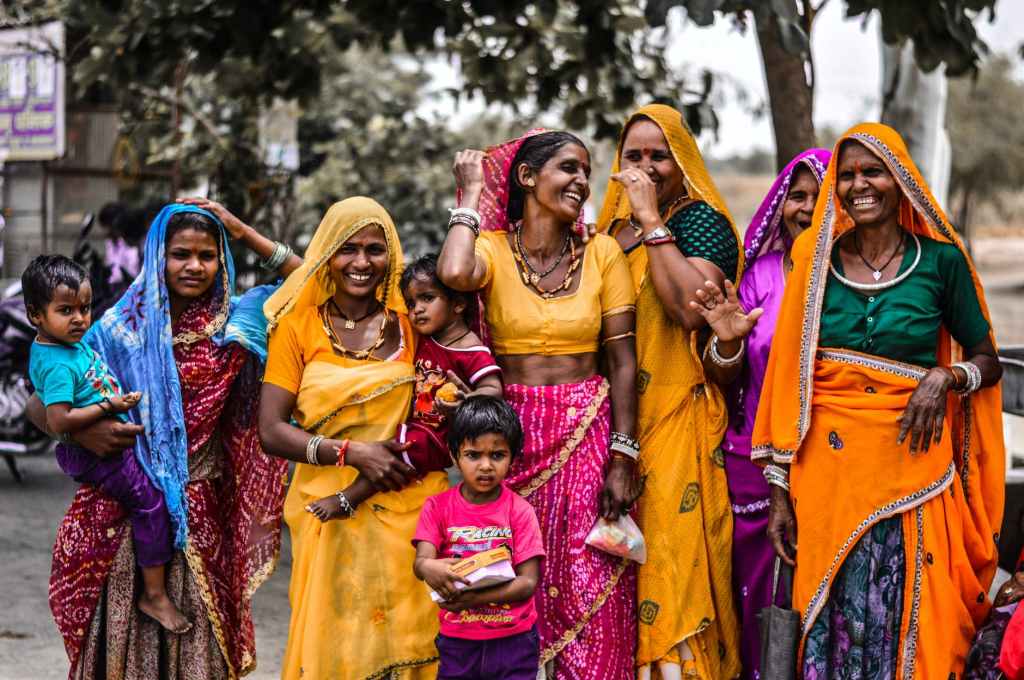
India is the biggest producer, consumer and exporter of spices in the world. India exports about 180 different spices to 150 countries of the world. A wide variety of spices are grown in different parts of the country many of which are native to these places. Others are imported and cultivated locally. Spices have been used in Indian kitchens for centuries, they are one of the most important thing in our daily diet. Spices are added to food to give it flavor, aroma, and to preserve it, also spices are said to be really good for health. Several spices are blended together to give food the known Indian taste. Not only in kitchens but spices play a vital role in pharmaceutical products, medicines, cosmetics, etc. Spices are known to help in curing many deseases like arthritis cancer, diabetes.

Spices add a twist to our foods. Without spices food looks, smells and tastes dull and lifeless, a pinch of common spices is what we all need. Be it cardamom in our tea, turmeric in lentils or curry leaves in curry, all the spices offer something different and are an essential part of our lives. They are known to be effective in gastric problems, blood disorders, infectious diseases. There are 7 spices which are a must to have in indian households. These spices are used for their aroma and spices and for their potential health benefits.

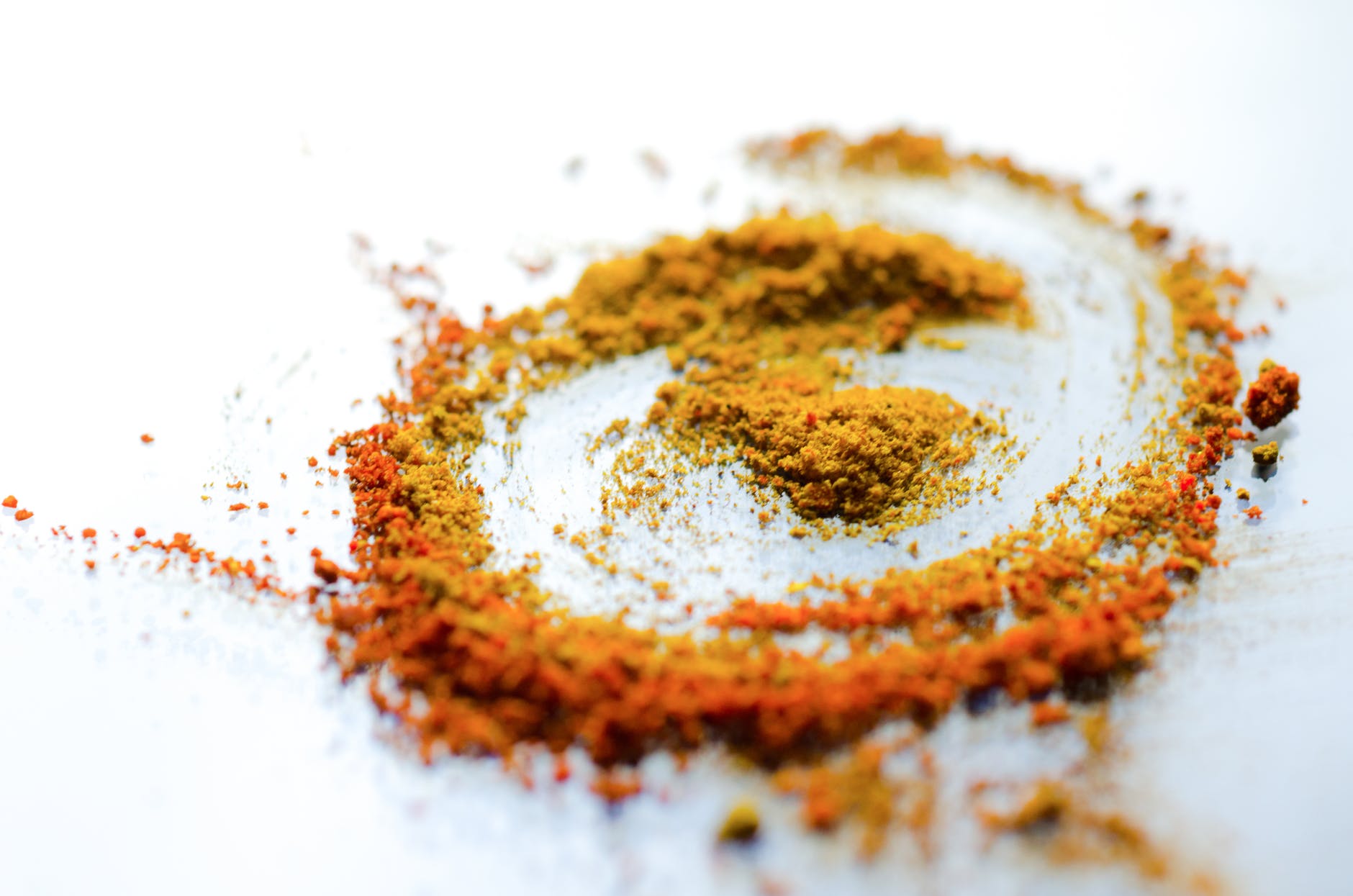
TURMERIC

Photo by Skitterphoto on Pexels.com

Turmeric has been used since ancient times as a healer, coloring agent and most importantly to give a yellow shade to our food and all the health benefits it provides us with consuming just a small amount daily. It is like a sack of nutrients. It has many benefits including, it’s antioxidant and antispetic properties. It has been a prominent ingredient in cosmetic industry as well. Face creams, face washes, etc with the goodness of turmeric are found in abudance. It is grown as a rhizom and can be used as fresh or dried. Cucurmin is the main component of turmeric. It is also helpful in stopping blood for minor cuts. Also known as golden spice or indian saffron. It helps relieve pain, aids digestion and supports immune system. A glass of milk with turmeric can be very effective at night for better sleep and digestion. It is known to provide warmth to the body, clean blood and cure skin realted problems.

CUIMIN

Photo by Jubair Bin Iqbal on Pexels.com

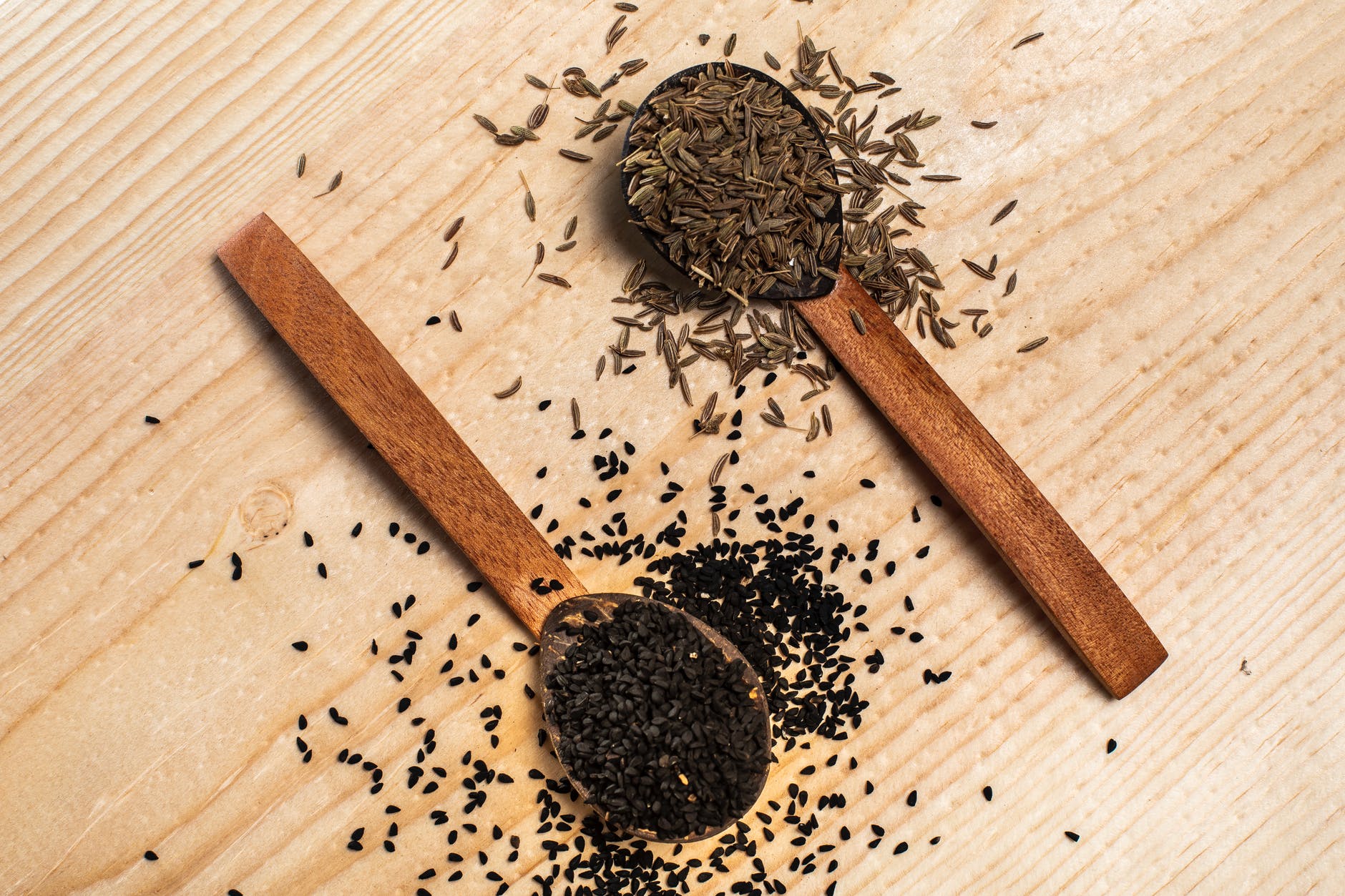
Cumin consists of oil that provide a particular aroma to the seeds. It is the basic and one of the first ingredient used while cooking. Smal boat shaped seeds is an ancient spice used as whole or powder and is infused with the hot oil or lightly roasted to bring out the flavor. It has an earthy aroma, and is beneficial for heart related diseases due to its antioxidant properties and has various vitamins and minerals in it. Cumin seeds improve taste and craving. Cumin oil posesses antifungal and antimicrobial properties. It is helpful in toothache and jaundice as well and is widely used in pharmaceutical industries.

FENUGREEK

Photo by Eva Elijas on Pexels.com

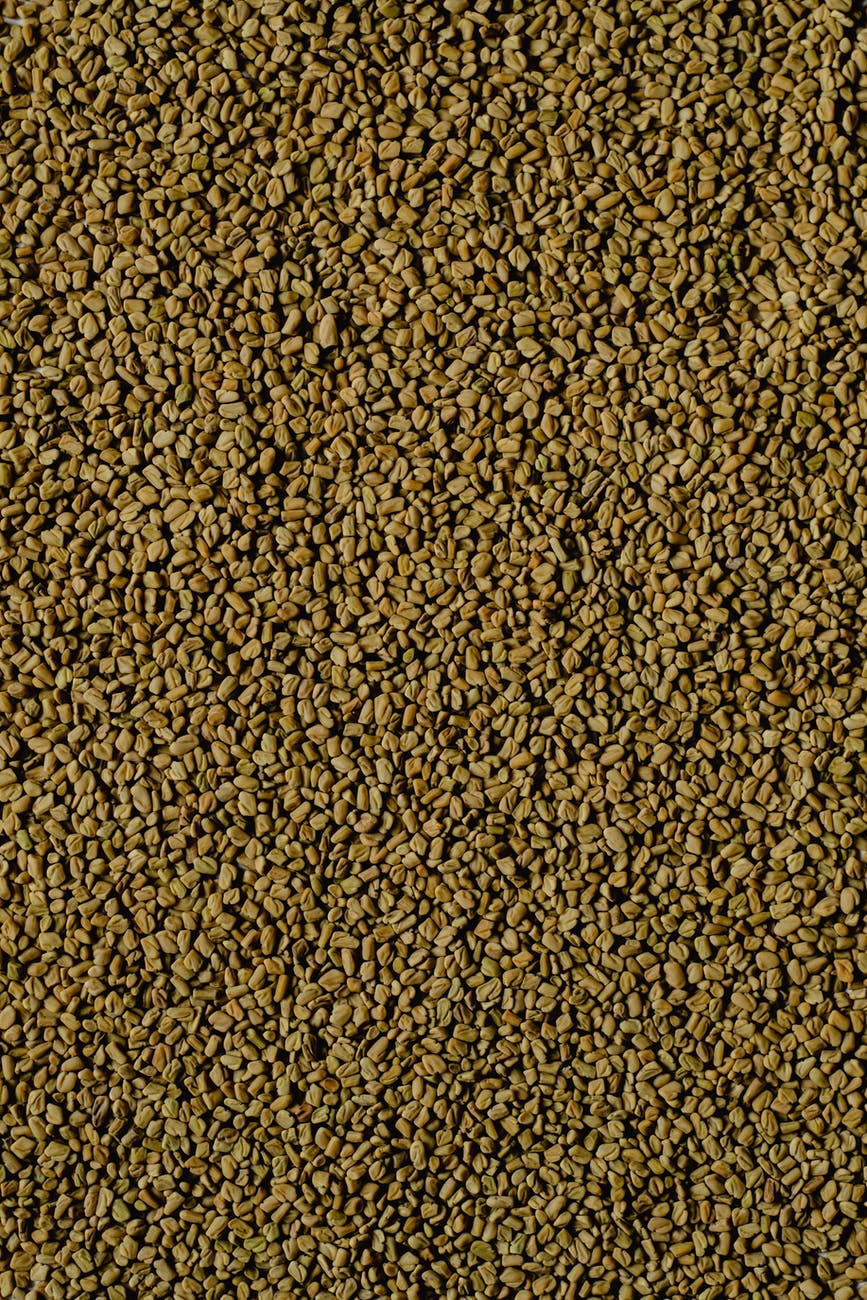
India accounts for the major production of fenugreek and is derived from various states out of which Rajasthan alone gives 80% of the indian output. The majority is cultivated and consumed in India itself. It is used as a herb dried or fresh in cooking, it possesses bitter taste which is reduced by roasting the seeds. Fenugreek plant is about 2-3 feet tall, it’s green leaves and pods that contain small, golden-brown seeds. For many years it has been used in Chinese medicines to treak skin problems many other diseases. And for similar reasons it has long utilized in households and can be found in shampoos and soaps as well. For it’s nutritious value and sweet nutty taste it has been a must to have spice in Indian kitchens. Fenugreek may be helpful in aiding diabetes and is also taken as supplement.

CORIANDER

Photo by Eva Elijas on Pexels.com

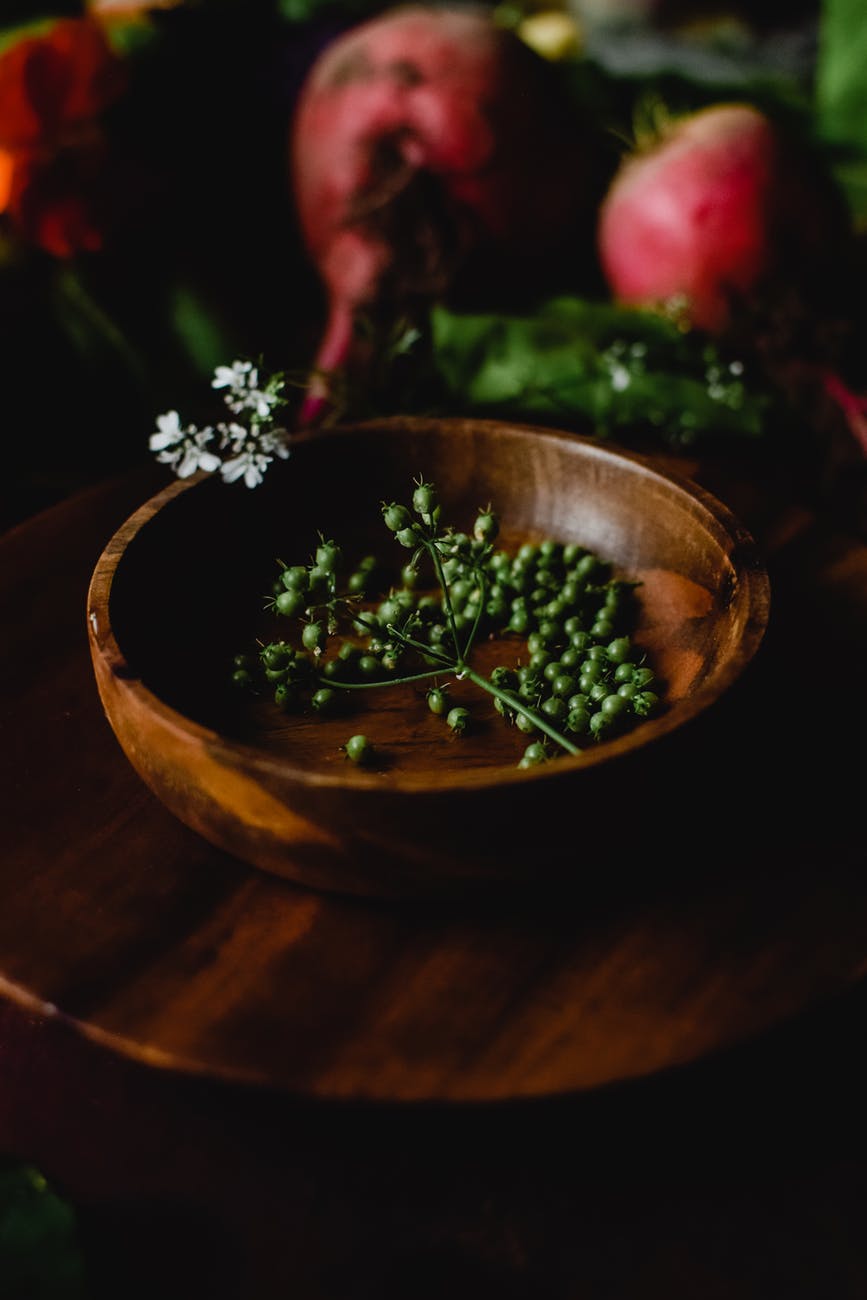
Coriander is one of the most used herb to flavor dishes, the seeds known as Coriander and the leaves as cilantro. Commonly known as dhaniya in india, It is also known as chinese parsley. Used in soups, currie masalas in India, middle, eastern and asian meals. While leaves and dried or ground seeds are used, coriander is useful in lowerin blood sugar, boosting immune system, lower heart related deseases. Both seeds and leaves of coriander are very different in taste. Whole seeds are added to vegetables, pickes, lentils and baked goods. Their aroma is released by warming. While leaves are used to garnish dishes. Coriander seeds are toasted and ground before eating as their texture can be hard to chew. A bright shining green plant. Surprisingly it has several skin benefits. It slowly absorbs the sugar in stomach and stimulates insulin and is found effective in lowering blood sugar levels in diabetic patients.

CLOVE

Photo by Eva Elijas on Pexels.com

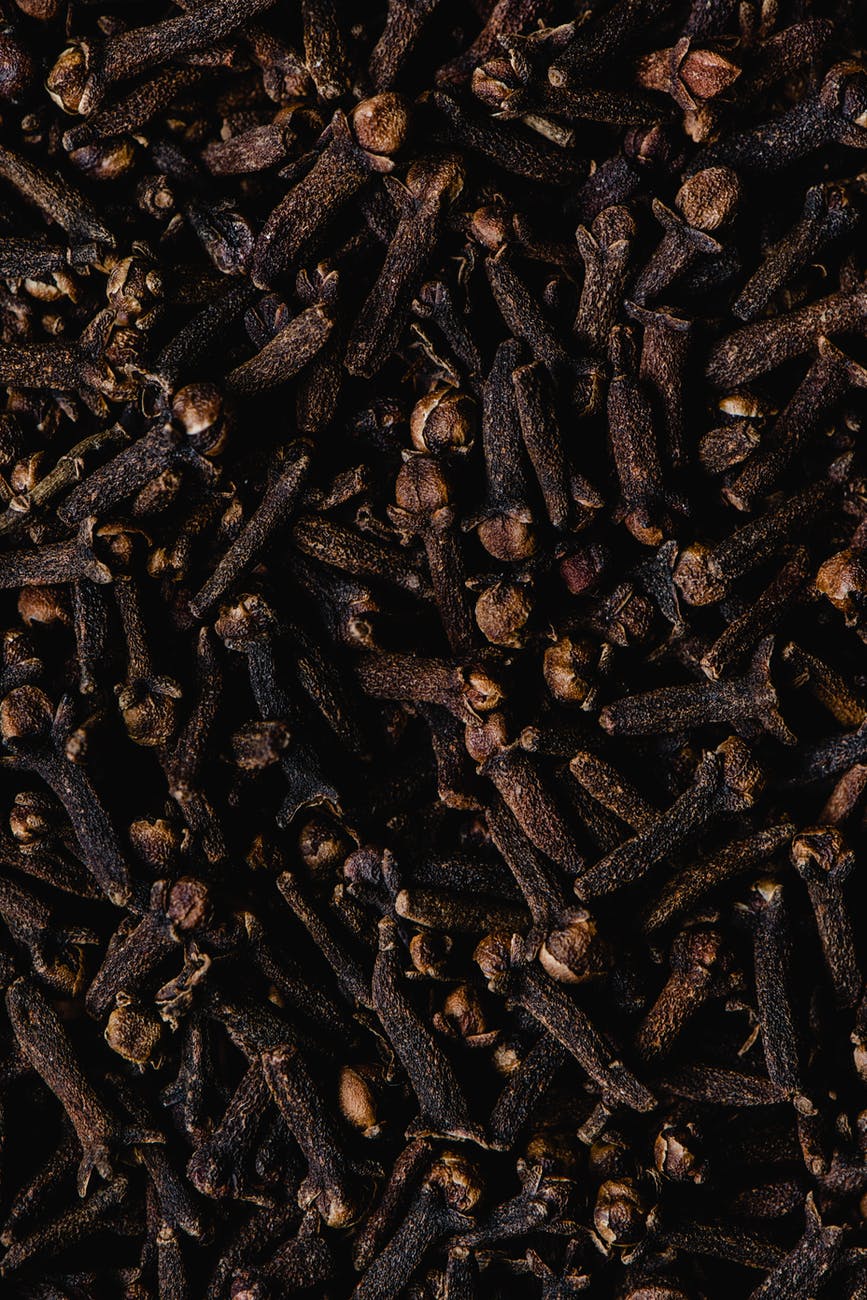
Clove is grown in Asia and America, its oil, stem, dried flower buds and leaves are used in making medicines. Clove is very effective in dental problems and can cure toothache when applied directly to it. Also used as a flavoring in foods and beverages, toothpaste, perfume, soaps and cigarettes. It resembles a nail in shape. It’s use in culinary is mainly for flavoring as it blends both with sweet and savory dishes. Clove oil has antispetic and antibiotic properties and is used especially in dentistry. Clove is often found in indian cuisine for it aroma and flavor and is a part of garam masala, which is a mixture od different spices.

CINNAMON

Photo by Nicole Michalou on Pexels.com

Cinnamon is a spice extracted from bark, leaves, flowers, fruits, and roots of the cinnamon tree and has been a part of traditional medicine for thousands for years. It has many health benefits and is also used for flavoring and fragrance. It is effective in blood sugar levels, lower cholesterol, stomach issues and obesity. It has antioxidant, antibiotic and anti inflammatory properties and has traces of nutrients in it. In india it is used in making chutneys, meat or rice dishes. Sometimes while cinnamon sticks are also used.

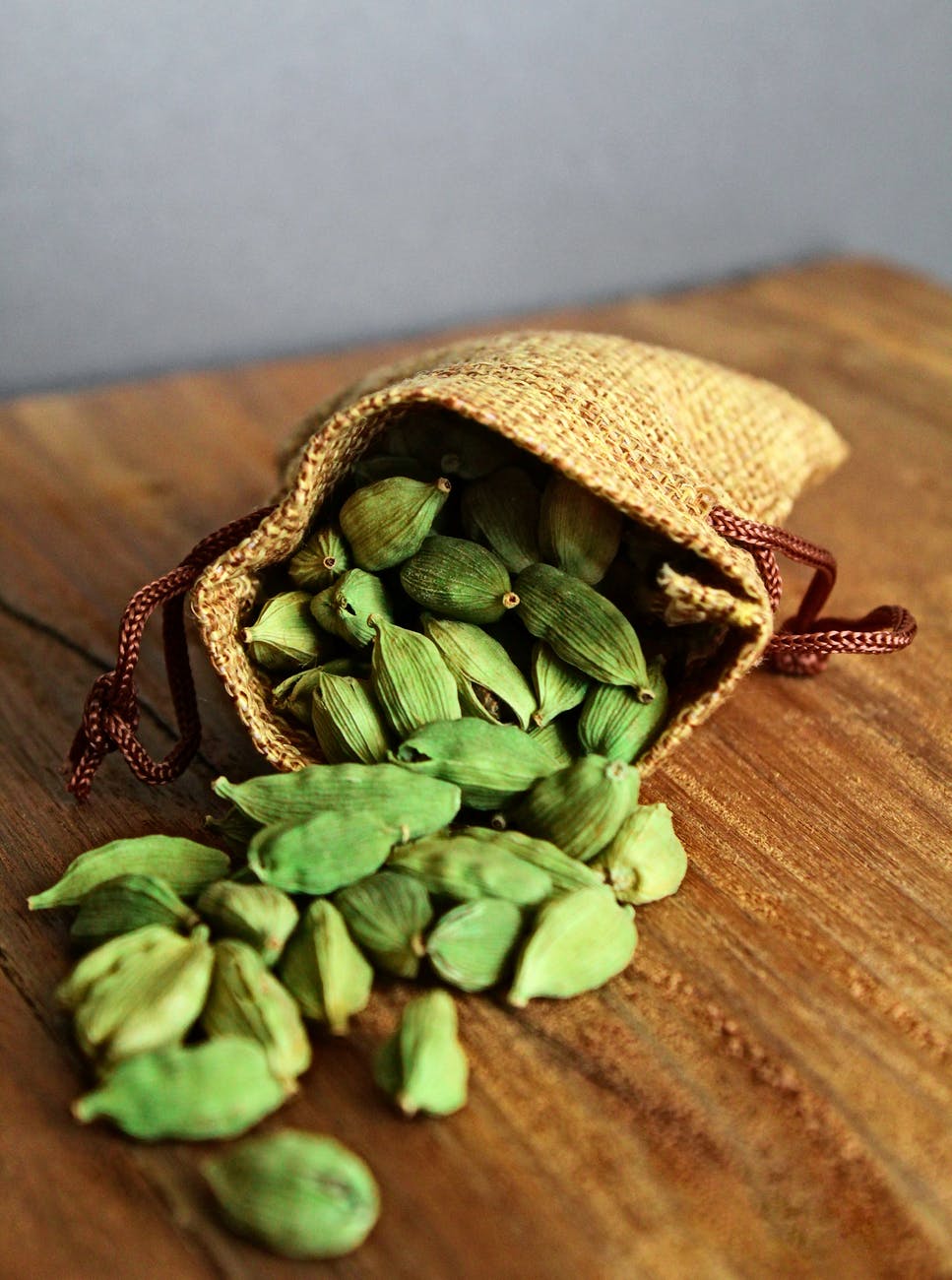
CARDAMOM

Photo by Nidhin K S on Pexels.com

After Saffron and vanilla, cardamom is the most expensive spice in the world. This versatile pod is used in teas, spices and many sweets are garnished using cardamom. In indian cuisine whole pods of cardamom are used in making curry, milk deserts and many other dishes. It is widely used in making chai as it for its aroma and flavor. It benefits in gastric problems, cardiovascular issues, controlling cancer and cholesterol and is rich in nutrients. It is also included in garam masala as an essential ingredient. These small green and black pods have a wide range of uses added to their list.

POVERTY

POVERTY IS THE WORST FORM OF VIOLENCE – MAHATAMA GANDHI.

Poverty can be defined as the condition where an individuals basic necessities are not fulfilled like; shelter, clothing, education. Today world is heading towards globalization, but still poverty remains a prime issue in many countries. Poverty has become a complex problem. It leads to other problems. A poor person is not able to get education which causes increase in illiteracy. An illiterate person is not qualified for jobs roles which leads to unemployment and in many cases humans exploitation and child labour. An unemployed person is not able get proper nutrition diet leading to power health and no energy for work. Most of the underprivileged class lives in slum areas. They lack in proper sanitation and drinking water, eventually leading to an early death. We can say that poverty is the root cause of other problems in society. There are various causes of poverty and one of the chief cause is population explosion. Rising population is putting load over the resources and budgeting of the country. In some countries past civil war had made poverty widespread. Natural disaster has also contributed to countries poverty. Today the rich are getting richer and poor are getting more poor. Government has come up with many plans to eradicate poverty but we can get better by joint efforts of government and people.

HUMAN MICROFLORA

BY DAKSHITA NAITHANI

INTRODUCTION

Microorganisms that survive on another living thing (human or animal) or inanimate item without producing disease are referred to as normal flora. The human body, like most other ecosystems on the planet, provides a vital habitat for millions of microorganisms such as bacteria, fungus, protozoa, and viruses. 

From shortly after birth until death, every human being’s skin and mucous membranes are home to a varied microbial flora. The human body, which has around 1013 cells, is home to about 1014 microorganisms on a regular basis. The typical microbial flora is made up of this bacterial population. The typical microbial flora is very stable, with certain genera occupying different bodily areas at different times in a person’s life. Microorganisms from the typical flora may help, damage, or exist as commensals with the host. Despite the fact that most members of the natural microbial flora found on human skin, nails, eyes, oropharynx, genitalia, and gastrointestinal system are innocuous in healthy people, these organisms commonly cause disease in sick people. Most researchers do not consider viruses and parasites to be part of the normal microbial flora since they are not commensals and do not help the host.

The Human Microbiome Project takes on the task of sequencing the human microbiota’s genome, with an emphasis on the microbes that live in the skin, mouth, nose, digestive system, and vaginal area. When it released its early results in 2012, it marked a watershed moment in the project’s history.

SIGNIFICANCE

The host’s anatomy, physiology, susceptibility to infections, and morbidity are all influenced by the normal flora.

Until germ-free animals became accessible, it was not generally known that the normal flora has a significant impact on the host’s well-being. The investigator got germ-free animals by caesarean delivery and kept them in special isolators, allowing him to raise them in an environment devoid of detectable viruses, bacteria, and other organisms. Two intriguing discoveries regarding animals grown in germ-free environments were made. First, the animals which were free of germs survived nearly twice as long as their traditionally kept counterparts, and second, the principal reasons of mortality in the two groups were different. Infection commonly killed traditional animals, whereas intestinal atonia killed germ-free animals regularly.

Despite the fact that the bacterial flora may be unfavourable, research on antibiotic-treated animals show that the flora protects people against infections. Streptomycin was used to decrease the normal flora, and subsequently animals were infected with streptomycin-resistant Salmonella. Normally, around 106 organisms are required to develop a gastrointestinal infection, however infectious illness was caused by less than 10 organisms in streptomycin-treated mice with altered flora. After birth, humans’ typical flora normally develops in an orderly sequence, or succession, leading to stable populations of bacteria that make up the normal adult flora. The nature of the local environment, which is influenced by pH, temperature, redox potential, and oxygen, water, and nutrient levels, is the most important element influencing the makeup of the typical flora in a body area. The local setting is similar to a concerto in which one main instrument generally takes centre stage.

So, what does the regular flora have to do with anything? The flora appears to impact human anatomy, physiology, longevity, and, ultimately, cause of death, according to animal and human research. Although the causal link between flora and mortality and illness in humans is well established, the human microflora’s participation in these processes requires additional investigation.

FLORA PRESENT ON SKIN

The nature of the microenvironment influences the makeup of the dermal microflora, which differs from site to site. Each of the three areas of skin has its own bacterial flora: (1) axilla, perineum, and toe webs; (2) hand, face, and trunk; and (3) upper arms and legs. Partially occluded skin sites (axilla, perineum, and toe webs) contain more germs than non-occluded skin sites (legs, arms, and trunk). Gram-negative bacteria populate the axilla, perineum, and toe webs more commonly than dry skin regions.

The quantity of germs on a person’s skin remains essentially constant; bacterial survival and colonisation depend on a combination of factors, including skin exposure to a specific environment and innate and species-specific bactericidal action. Bacterial adhesion to epithelial surfaces also requires a high degree of specificity. Staphylococci, which make up the majority of the nasal flora, have a clear advantage over Viridans streptococci when it comes to colonising the nasal mucosa. Viridans streptococci, on the other hand, are rarely found in significant quantities on the skin or in the nose, but they dominate the oral flora.

The density of bacteria on the skin is inconsistent in the microbiology literature; one explanation for this is the diversity of techniques used to collect skin germs. For a particular skin area, the scrub technique produces the highest and most accurate counts. The majority of microorganisms dwell in the Stratum corneum surface layers and the higher portions of hair follicles. Some microbes, on the other hand, live in the deeper parts of the hair follicles and are immune to standard disinfection methods.

FLORA PRESENT IN NAIL

A typical nail’s microbiology is quite similar to that of the skin. Depending on what the nail comes into touch with, dust particles and other foreign things may become trapped behind it. These dust particles may contain fungus and bacilli in addition to existing skin flora. The most common fungus found beneath the nails are Aspergillus, Penicillium, Cladosporium, and Mucor.

FLORA IN ORAL AND UPPER RESPIRATORY TRACT

Dental caries and periodontal disease, which afflict roughly 80% of the people in the Western world, are caused by the oral flora. Many brain, face, and respiratory problems are caused by anaerobes in the oral flora, which are commonly characterised by abscess development.

Anaerobes, Staphylococci, Neisseriae, Diphtheroids, and other bacteria are found in the pharynx and trachea, as well as those found in the normal oral cavity. The pharynx may also include pathogenic organisms such as Haemophilus, mycoplasmas, and pneumococci. Anaerobic microbes are also commonly reported. Pathogens (Neisseria meningitides, C. diphtheriae, Bordetella pertussis, and others) frequently colonise the upper respiratory tract, and it may be regarded the primary point of assault for such organisms.

FLORA OF THE GASTROINTESTINAL TRACT

Bacteria find the stomach to be a hostile habitat. It comprises of germs that have been ingested with food as well as those that have been expelled from the mouth. Helicobacter species that may colonise the stomach are linked to gastritis type B and peptic ulcer disease. In most people, aspirates of duodenal or jejunal fluid contain around 103 organisms per millilitre. The majority of the bacteria cultivated (streptococci, lactobacilli, Bacteroides) are considered transients. The lack of organisms in the upper GI system may be explained in part by rapid peristalsis and the existence of bile. Bacterial populations begin to rise farther up the jejunum and into the ileum, reaching 106 to 108 organisms/ml at the ileocecal junction, with Streptococci, Lactobacilli, Bacteroides, and bifidobacteria predominating.

Although infections are inhibited by the natural flora, several of its members can cause disease in humans. Intra-abdominal abscesses and peritonitis are caused by anaerobes in the digestive system. Appendicitis, cancer, infarction, surgery, or gunshot wounds all cause bowel perforation, which nearly invariably seed the peritoneal space and surrounding organs with the normal flora. Anaerobes can also wreak havoc on the gastrointestinal tract.

The animal microbiota has more information than the human microbiome. According to animal studies, unique filamentous bacteria adhere to ileal epithelial cells and alter host membranes with few or no negative consequences. Microbes have been found on gastrointestinal surfaces and in the Lieberkuhn crypts in dense layers. Other research suggests that the gut flora might influence immune response.

FLORA IN THE UROGENITAL AREA 

Flora which is prevalent in the vaginal area is determined by the host’s age, pH, and hormone levels. During the first month of life, Lactobacillus spp. is predominant in female newborns (vaginal pH, about 5). Glycogen release appears to stop around the age of one month and continues till puberty. Diphtheroids, S. epidermidis, Streptococci, and E. coli prevail at a higher pH during this time (approximately pH 7). Glycogen secretion restarts at puberty, the pH decreases, and women develop an adult flora dominated by Lactobacillus acidophilus, Corynebacteria, Peptostreptococci, Staphylococci, Streptococci, and Bacteroides. The pH increases again after menopause and the flora recovers to that of prepubescent females due to less secretion of glycogen. Yeasts (Torulopsis and Candida) are present in the vaginal area on a regular basis (10 to 30% of women); they can grow and can induce vaginitis.

FLORA IN CONJUNCTIVAL AREA

Flora of the Conjunctiva is limited. Around 17 to 49% of culture specimens are found to be negligible. Lysozyme, which is produced in tears, may have a role in bacterial control by disrupting with the development of their cell walls. Corynebacteria, Neisseriae, and Moraxellae are cultivated when positive samples indicate bacteria. Staphylococci and streptococci are also prevalent, and Haemophilus parainfluenzae has been found in 25 percent of the total of Conjunctival samples, according to latest findings.

INFECTIONS IN THE HOST CAUSED BY NORMAL FLORA

The normal human flora has been briefly described; however, the infectious processes of a species and the clinical syndromes in which they have been implicated have not yet been explored. A breach in mucosal surface frequently leads to the host becoming infected by various members of the natural flora. Infections with species of the regular human flora include caries, periodontal disease, abscesses, foul-smelling discharges, and endocarditis. Furthermore, host impairment or host defences might cause the normal flora to fail to inhibit transitory infections or for members of the normal flora to infiltrate the host. Both the cases may result into the death of the host.


PSYCHOLOGY – DEFENSE MECHANISM

What is defense mechanism? How psychology looks into this aspects? Defense mechanism are something that is studied under topic stress. What do you do when you are stress? You meditate, or listen to your favourite music, etc your some how try to divert your mind or make your mind and fight it. According to psychology defense mechanism are the unconscious strategies used to protect the ego from shattering due to unacceptable and harsh reality, it’s a face saving device. Excessive used of defense mechanism leads us to a habit of escaping from the reality and indulge in falsehood about’s one own self which causes lack of concentration eventually leading to symptoms of mental disorder. Let’s see some of the defense mechanism described by Dr. Sigmund Freud;

1) REPRESSION

Suppose a person has underwent a traumatic experience it’s called repression. It’s an unconscious mechanism devise by the ego to keep disturbing the thoughts outside our conscious awareness. Thoughts that are often repressed are those that would result in feelings of guilt from superego.

2) DISPLACEMENT

Displacement is the redirection of an impulse onto to less powerful target. In this case the person can’t retaliate against the actual source of their impulse and that person redirects it to a less powerful target. Example if your working parent is scolded by the boss in the office they come n vent out that anger on you.

3) SUBLIMATION

It is considered to be the a more adaptive defense mechanism in that it can be transform the negative thoughts and emotions into a more positive energy. It’s like redirecting your emotion into a productive endeavour.

4) DAYDREAMING

A person day dreams to escape the reality. It’s when life appears to be tough and unfair a person often uses fantasy to escape the reality. Adolescent is a stage when they get more into this defense mechanism which can be dangerous for their mental health. If they day dream excessively they may lose touch with the actual world and surrounding.

SOME OF THE MAJOR PSYCHOLOGICAL DISORDERS

1) ANXIETY DISORDERS

The word anxiety is derived from Latin word ‘Anxietas’ which means uneasy or troubled mind. When a person feels nervous without any obvious reason for a long time and it affects the person daily life it is termed as Anxiety Disorder. There are many types of Anxiety Disorder let’s look at few;

GENERALIZED ANXIETY DISORDER

Humans feels tension in their daily life it can be termed as a a good pressure as it compels us to face difficult situation in a systematic and planned manner like studying for exams or some responsibilities. But when this pressure becomes too intense and start to interfere with our daily routine it can be called as generalized anxiety disorder.

– PHOBIC DISORDER

The word phobia is derived from Phobos the name of a Greek god of fear. When an individual has an intense and irrational fear of some object or situation which they are not able to overcome it is termed as phobia; there are many types of phobia like fear of heights, fear of water , social phobia, etc.

2) DEPRESSIVE DISORDER

When a person experiences an extreme feeling of sadness as well as guilt due to some negative incidences or some other external factors for atleast two weeks it is called depressive disorder. People may experience suicidal thoughts, feeling of hopelessness, lack of sleep and many more.

3) BIPOLAR DISORDER

This is also called Manic depressive disorder. An individual experiences alternate phases of extreme sadness, hopelessness, stress at one time and extreme happiness, enthusiasm, and elation at other times. In some cases this conditions happens one after the other. Genetic factors, imbalance in neurotransmitter in brain, mainly norepinephrine, serotonin and dopamine are found to be the main causative factors.

10 Stress-Reducing Activities For Students To Chill Out!

Anyone can get stress from any situation. Dealing with stress does not have to be a boring routine. Stress-reducing activities are simple, relaxing, and you can do them anywhere. Find out why Stress, Anxiety, and Depression in students increased since COVID-19, and ways to stop them!! 

Stress is your body’s response to the physical, mental, and emotional pressure beyond your coping ability. Stress is a silent killer which is responsible for 60% of health issues in your body. Students are more prone to stress since the pandemic.

Let’s see the severity of mental health issues on students.

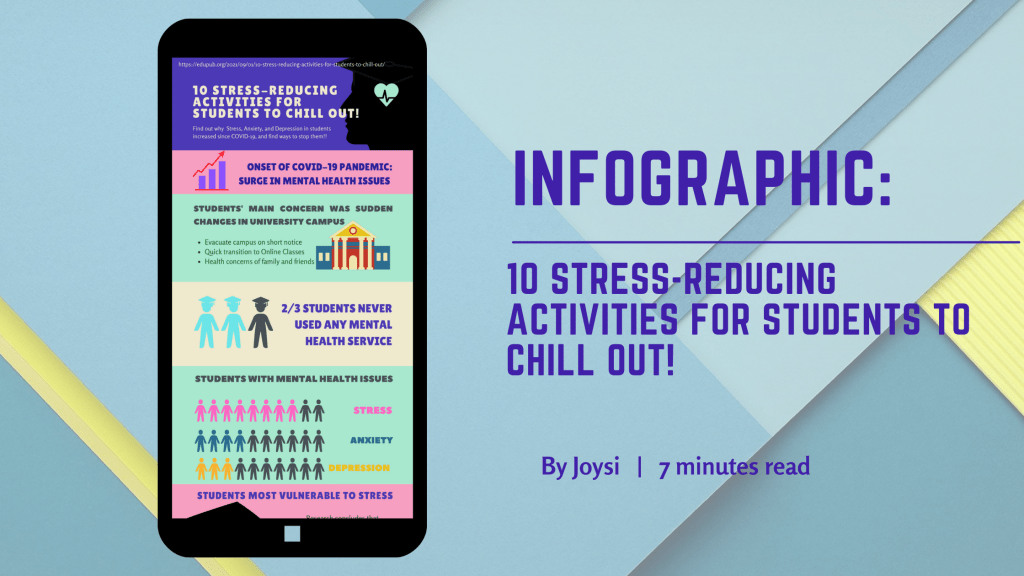
Onset of Covid-19 Pandemic: Surge in Mental Health Issues

Covid-19 has brought stern changes in our lives. People avoid areas of heavy public congestion to stay safe from any contagious virus. 

If you are a student you will know the effects pandemic has brought in your life. You are expected to change your mode of education and take online classes to continue your semester. Many students have seen the demise of their loved ones in the pandemic. 

Because of these sudden changes, students have faced extreme mental and emotional pressure.

Lee, Jeong, and Kimshows in their research show that in the US alone, the early stage of Covid-19 pandemic has marked increased stress in undergraduate students.

The research concluded that about two-third of students never used any mental health services. Moreover,

  • 88% students had moderate to severe stress
  • 44% students had moderate to severe anxiety
  • 36% students had moderate to severe depression

The students that were most vulnerable to these mental health issues were female, rural, low-income(below 22K), and academically underperforming students(cgpa<2.0).

The infographic shows the the need for mental health education in students and 10 Stress-management strategies for students to relax.

Want to display this infographic on your site?

Copy this code to attribute https://edupub.org/.

<a href="https://edupub.org/2021/09/01/10-stress-reducing-activities-for-students-to-chill-out/"><img style="width:100%;" src="https://eduindex.org/wp-content/uploads/2024/04/7a1b4-2a445-10-stress-reducing-activities-infographic-joysi-1.png"></a><br>Made by : Joysi7 from <a href="https://edupub.org/">EDUPUB</a>
INFOGRAPHIC: 10 Stress-Reducing Activities For Students To Chill Out!  Coping with stress; stress management
Infographic:10 Stress-Reducing Activities For Students To Chill Out!

Coping with Stress

Stress is called a silent killer. Why??

Because stress affects your hormones, blood pressure, memory, sleep pattern, appetite, immune system, and cholesterol. That’s a lot of damage to your health.

But you don’t have to worry about it. Managing stress at the initial level is FREE, EASY, and you can do it ANYWHERE. Stress management at the initial level is done by altering your physical, mental, and emotional status, even without taking any medications. Yay!!

Managing stress in the initial level is your best health investment.

Reduce Your Stress with 10 Easy Activities

1. Take a deep breath

This is a simple breathing exercise. Sit still, relax your body, and try to forget your anxieties. Now, take a deep breath count till 5. Exhale and repeat.

This exercise relaxes you in minutes. When you breathe slowly your heart slows down, signaling your nervous system – it’s time to calm down man.

2. Write yourself a motivational letter

You think no one understands you? Why not write a letter to yourself?

Make an inspiring note. You may add affirmations of your choice, and end the letter with motivation you want.

Just add your name here if you don’t have any clue:

Dear (Your/Name)

I know you are going through a lot. But I know you will be great(insert what you want to be) some day. Keep it up and never give up.

Keep a bunch of self motivating notes somewhere. Whenever you are stressed out, pop one out and read it. You will feel calm and composed.

This is a self motivation technique to calm you. It is your words pushing you to get up on your feet and face that day!

3. Brush up dance moves

If you feel no interest in doing any paperwork then this step is for you. Gen Zs are blessed with all the viral(and cringey) dance moves.

Take 5 minutes to practice a crazy step. Take up a viral challenge(safe, ofcourse). This might sound goofy, but it works brilliantly.

Dancing helps your body release endorphins and finishing a challenge motivates you. The result is positive energy and good vibes!

4. Snacks to help

Certain foods are mood boosters. Your empty stomach makes stress worse. So grab a healthy snack, sip your tea and see magic happen.

Try out variations in your snack including dark chocolate, bananas, oats, and berries. These foods release stress-reducing hormones that will elevate your mood. Stress managing activity sounds delicious.

5. IMAGINATION

Find out which visuals make you happy. Feeling calm starts with your mind. Here check the following steps to reach your calm space:

  1. Plug in your favorite soundtrack
  2. Get into a comfortable position
  3. Close your eyes
  4. Visualize your happy place
  5. Enjoy

This step will manage your stress in an hour, and you’ll end up sleeping like a baby. Visualizing is a guided imagery technique that helps to shift your focus from stress to something peaceful.

6. Keep a Happy Face

You have been told to keep a stiff upper lip to compose your emotions. Many, like me, feel an outburst of emotions that are difficult to control. What is needed is a big laugh. Do you need to force it? Yes you do. 

Force smiling releases a stress-reducing hormone that boosts your happiness level, and it’s also free.

7. Clean rooms

Your room mirrors your personality. A cluttered room shows a cluttered personality.

Start by arranging your desk, flipping bits of paper in bins, and re-ordering your books from frequently read to least. Then move to the other areas of your room.

This stress-reducing technique releases endorphins, burns your calories, cleans your room and leaves you with a calm mind.

8. Nature’s touch

A study on the impact of plant’s touch on our body shows:

that active interaction with indoor plants can reduce physiological and psychological stress compared with mental work. This is accomplished through suppression of sympathetic nervous system activity and diastolic blood pressure and promotion of comfortable, soothed, and natural feelings.

doi: 10.1186/s40101-015-0060-8

So bring in the greens in your house, keep a small sapling on your desk. Touching leaves is a great stress buster to gently reduce your blood pressure. Go green thumb.

9. Coloring

People find a variety of activities calming. There are many adult coloring resources available in the market. Coloring is a stress-reducing technique that is a fun and fantastic pre-bed time ritual. 


Creativity makes you happier and relaxed.

10. Nap time

Your health is related to your sleep pattern. Sleeping makes your mind to rejuneivate all the lost strength. Loss of sleep can cause altered blood pressure, fatigue, low concentration, and dull skin. 

And we haven’t even started talking about chaos when you are sleep deprived.

But taking midday sleep, even for 15 minutes, will change your mood game. Mid-day sleep or power naps is a stress reducing activity you can do at your station. You will feel fresh and stress free.

Final thoughts

Your health is the outcome of all the positive efforts you make.

Pro Tip: Tired doing all the activities? 

If you have done all you can to feel better, and still find no change in your mood. Do seek help from your Psychologist. You can also take help from your friends, family or Minister. Frequent mood changes signal an underlying problem. Stress can be more deadly if hidden for a long time.

Stay safe. Eliminate stress for a better life!! 

References:
  1. Jungmin . Hyun Ju . Sujin Kim, “Stress, Anxiety, and Depression Among Undergraduate Students during the COVID-19 Pandemic and their Use of Mental Health Services“, Innovative Higher Education, Springer, 2021. doi: 10.1007/s10755-021-09552-y
  2.  Min-sun . Juyoung . Bum-Jin . Miyazaki, “Interaction with indoor plants may reduce psychological and physiological stress by suppressing autonomic nervous system activity in young adults: a randomized crossover study” J Physiol Anthropol. 2015; 34(1): 21.doi: 10.1186/s40101-015-0060-8
  3. Sclhealth.org/blog/2019/06/the-real-health-benefits-of-smiling-and-laughing/

BRANCHES IN PSYCHOLOGY

Today psychology has evolved to much higher level, it’s an important science in modern day. Now a days more than 50 branches of psychology are existing to study human behaviour from various points. Let’s know few of them;

1) CHILD PSYCHOLOGY

Child psychology is the study of subconscious and conscious childhood development. It deals with the biological, psychological and emotional changes that occur during childhood. A child psychologist uses standardized psychological test to measure intelligence, etc. They perform researches on effective child practice, etc.

2) COGNITIVE PSYCHOLOGY

Cognitive psychology is the scientific study of the mind as an information processor. It focuses on higher mental processes like thinking, reasoning and decision making. It concern about the study of attention, perception, language development, thinking, memory and problem solving.

3) CLINICAL PSYCHOLOGY

Clinical psychology looks into the area of diagnosis and treatment of emotional and behavioural problems like mental illness, alcoholism, etc. To do the diagnosis a psychologist takes the detailed information of the patient by different test and interview. They use proper psychotherapy to help the patient to deal with the problem.

4) CRIMINAL PSYCHOLOGY

Criminal psychology deals with the study of criminal mind and their personality and the causes of this behaviour and suggesting effective methods to prevent this criminal behaviour and implementing it. A criminal psychiatrist plays an important role in forensic department to understand and detect the scene of crime place and interpreting clues for investigation. They generally work with law enforcement department or in a criminal rehabilitation centre or other departments of this field.

13 REASONS WHY?

As a student it is important to have a balanced lifestyle, for the better physical and mental well being. It’s important to find things that your enjoy and it’s possible only when we keep our body, mind and ot⁸her factors in control. We go through several changes at this age, socially and personally so, to be able to sustain a good life we need to check our overall lifestyle. We don’t have to go overboard for it simple habits can make a huge difference.


I have listed a few reasons as to why we should…

1 Wake up early

Photo by Acharaporn Kamornboonyarush on Pexels.com

Every parent has told their child to wake up early in the morning and we all have ignored it like we ignore assignments on holidays. There are ‘n’ no. of reasons to turn into an early bird. It gives us a lot of time for our work, helps in getting a good sleep, decreases stress and respiratory issues. It motivates us to get fresh air and meditate. Gives us enough time to eat our breakfast, most important meal of the day. Girls got a bonus reason for it as it gives a healthy, good skin to flaunt.

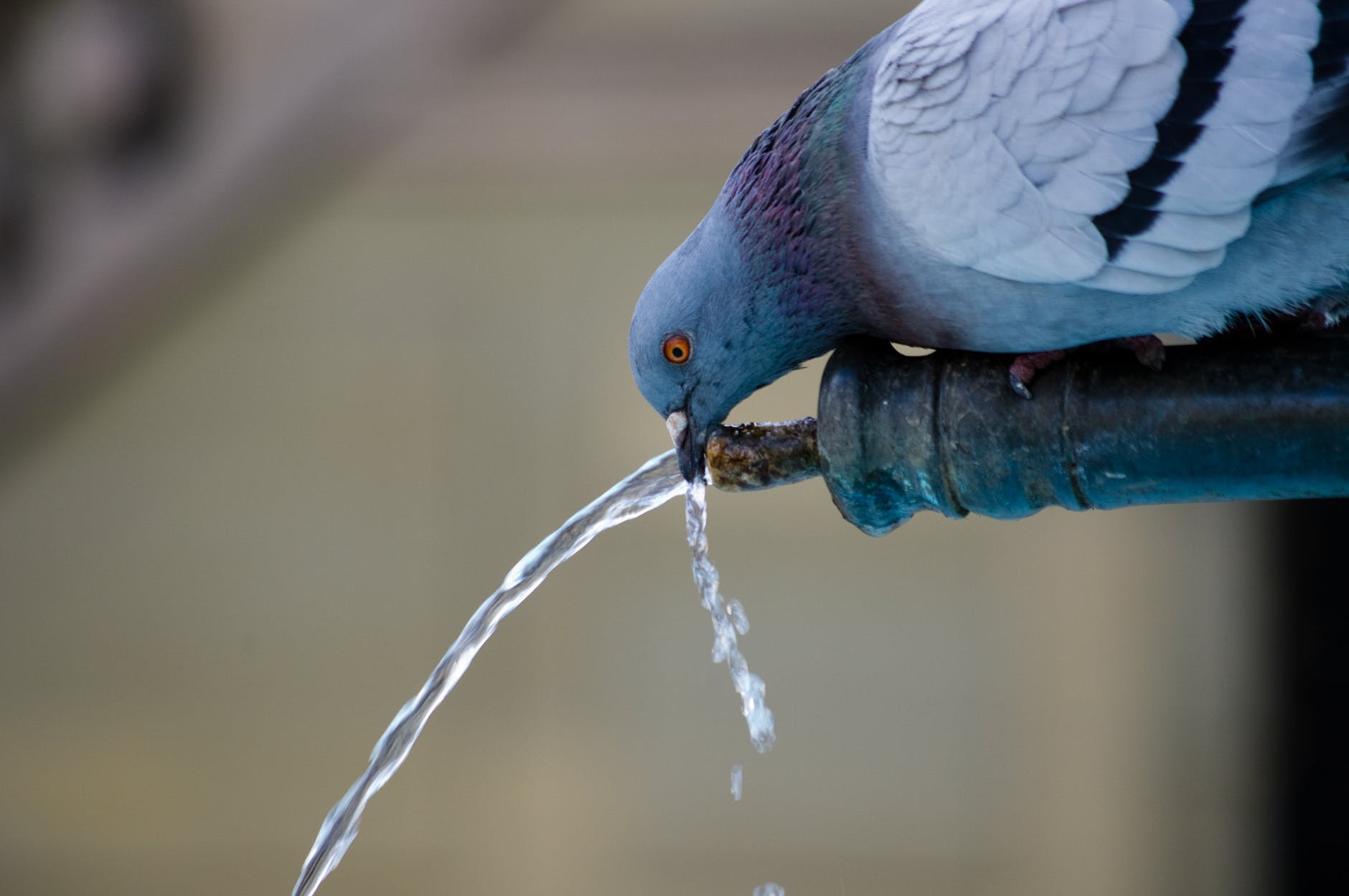
2 Drink water

Photo by Pixabay on Pexels.com

Although water is tasteless but only real drinkers know the taste of water. Water carries oxygen and nutrients to the cells of our body. Drink at least 3 L water daily to get the toxins out of our body, to get a healthy skin and a glow on the face. Helps in flushing bacteria from our bladder and helps indigestion. Water level affects energy and brain function of our body so, drinking a good amount of water is beneficial and it’s the best thing to prevent kidney stones. There are so many health benefits of water that the list can go on and on.

3 Read books

Photo by Mau00ebl BALLAND on Pexels.com

One of the most important habit in a person’s life is reading, from a very young age we are taught it’s importance as it helps in developing the mind. It reduces stres and helps us in escaping the stressful world for a moment. It gives power to our imagination, improves vocabulary and helps us learn new things. We should read everyday even if it’s for few mintues. Every night before sleeping ditch your phone and television with books. It will help you to develop reading habit.

4 Take a walk

Photo by Sebastian Voortman on Pexels.com

After a busy day of studying and scrolling memes on your phone it’s important to give your mind and body a break and what’s better than going out for a walk. A brisk walk for half an hour can be effective in burning a hell lot of calories. It will boost your mood and for your next session of studying you will be as fresh as a new rose bud. You can discover new things as you walk in your neighborhood. It also helps in lowering blood sugar level and will keep the weight in check.

5 Eat healthy

Photo by Jill Wellington on Pexels.com

Eating healthy food is important for students to keep their health as well as mind in proper state. Our mind will work properly only if our body is working properly and to get all the valuable nutrients one should eat vegetables, fruits and lentils in good quantity. Follow a balanced diet and eliminate the unhealthy food. Eating junk once in a while is okay but it should be avoided on a regular basis.

6 Write a journal

Photo by Bich Tran on Pexels.com

With the onset of digital world we have almost forgotten how to write. The only time we take up a pen is while writing our exams otherwise everything including notes are available on mobile phone. Writing has been included as one of the must to have skills. It helps you improve vocabulary and clarifies your thinking. Writing is a powerful skills that can help you get a wider perspective on thing and to influence other people. It gives you the power to frame your creativity and imagination on a piece of paper.

7 Do internships

Photo by Magnetme on Pexels.com

Internships play an important role whenever you apply for a job after all you need to have some experience and also it helps you learn new things related to the respective field. Big companies prefer students with a good number of internships over students with less or no experience in internships. So, take a Internship whenever you can.

8 Take a online course

Photo by Katerina Holmes on Pexels.com

Apart from school and college, there are so many online course available online, you can find and enroll yourself in any of them as per your interests. They will not only enhance your skills but they will provide you with a certificate as well that you can add in your resume. You can easily complete these courses while sitting in your home, you can turn your free time into a productive one.

9 Be socially active

Photo by Lisa on Pexels.com

Maintaining social relationships is equally vital as scoring good marks. You can’t excel in your life without relations. You need people to grow at times and being active socially helps you in a lot of ways like enhancing your communication skills, being up to date. If you are isolated from the outer world there are chances of you to feel depressed. So, for your mental, physical and social well being going out of the house once in a while is crucial.

10 Take up a hobby

Photo by Porapak Apichodilok on Pexels.com

Hobbies are always our best friends. They bring out the best in us, they give us way to express our creativity. They de-stress us and boost our mental health. Hobbies encourage us to have some ‘me-time’ and are like a mental escape from our daily routine. We don’t have to be perfect in something, we can always enjoy our hobbies as we like.

11 Watch series

Photo by John-Mark Smith on Pexels.com

Series or movies are not just for entertainment, many series are educational, motivational and good for mental health. They are a great stress relievers, and you can choose any genre from the heap of series like FRIENDS when you want to feel good, THE OFFICE when you want to laugh.They are also helpful in refining language skills. You can also connect with the characters and also you can write a review of the series it will upgrade your writing skills.

12 Listen music

Photo by Pixabay on Pexels.com

Music has proven to be mood uplifter. When we listen to our favorite music, our brain releases dopamine which promotes positive effects on mood. It reduces stress, anxiety and produces a positive effect on mind. You can even do you homework while listening to music on a low volume. Music is one the best way to kill boredom.

13 Take proper sleep

Photo by u0410u043bu0435u043au0441u0430u043du0434u0430u0440 u0426u0432u0435u0442u0430u043du043eu0432u0438u045b on Pexels.com

A full 8 hour sleep is as important as eating healthy and doing exercise. If the body doesn’t get proper rest all the above mentioned things will be in vain because improper sleeping schedule will affect your body and ultimately your studies. It will affect the brain function as well which will lower your concentration level. So, Keep all your electronics away at night and also eat light food to get a peaceful sleep.

STRESS- CAUSES, EFFECTS,SYMPTOMS AND TREATMENT

BY DAKSHITA NAITHANI

INTRODUCTION

Stress is a human emotion that is natural and affects everyone at some point in their lives. The human body is built to recognise and respond to stress. An individual’s body creates physical and mental reactions in response to changes or difficulties (stressors). It is any sort of change that produces physical, emotional, or psychological pressure. It may be caused by a variety of conditions or life events. When we encounter anything new, unanticipated which challenges our sense of self, or when we believe we have little control over a situation, it is frequently activated.

Your body’s stress reactions assist it in adapting to new conditions. A stress reaction, for example, may help your body work harder and remain awake longer if you have an important test coming up. When stresses persist without release or times of relaxation, it becomes a problem.

To some extent, everyone is stressed. We all handle stress in various ways which also has a significant impact on your wellbeing .Genetics, early life events, personality, and social and economic conditions can all influence our capacity to cope.

TYPES OF STRESS

Not all types of stress are harmful or even negative. Some of the different types of stress that you might experience include:

Acute stress:  We face this type of stress in daily life it is short term and can be either positive or distressing.

 Chronic stress: Chronic stress is a type of stress that appears to be never-ending and unavoidable, such as the stress of a physically demanding profession; chronic stress can also result from catastrophic events and psychological trauma.

Episodic acute stress: Acute stress that appears to be rampant and becomes a way of life, resulting in a life of constant distress, is known as episodic acute stress.

Eustress: Eustress is a thrilling and enjoyable experience. It’s a type of positive stress that can help you stay energised. It’s linked to adrenaline rushes, as when you’re skiing or rushing to reach a target.

CAUSES OF STRESS

There are numerous factors that might generate stress in one’s life. Work, economics, partnerships, parenthood, and day-to-day hassles are all common causes of stress. Workplace stress may also be detrimental to your psychological health. Workplace stress causes people to miss an average of 24 days of work each year due to illness.

Even life changes that are positive in nature such as moving to a larger house, getting a work promotion, or going on vacation can lead to stress. If you’re anxious in certain situations, you could have a hard time understanding why, or you might be hesitant to express your thoughts with others.

The fight-or-flight response, which is usually triggered by stress, is the body’s reaction to a perceived threat or danger. The fight-or-flight response, which was called for its capacity to enable us to physically fight or flee when faced with danger when is triggered in situations where both the responses are not appropriate, such as in traffic or during a stressful day at work. The relaxation reaction does not occur frequently enough in instances of chronic stress, and being in a near-constant state of fight-or-flight might harm the body.

HOW CHRONIC STRESS AFFECTS YOUR HEALTH

When you consider the influence stress has on your life, you can see the link between your mind and body. Physical health problems might arise when you are worried out about a relationship, money, or your living circumstances. It’s also true in reverse. Wellness issues, whether you have high blood pressure or diabetes, will have an impact on your stress level and mental health.

Heart attacks, arrhythmias, and even sudden death can be triggered by severe acute stress, such as being involved in a natural disaster or getting into a verbal altercation. Stress has an emotional impact as well. While mild anxiety or frustration may result from some stress, prolonged stress can lead to burnout, anxiety disorders, and depression. When under a lot of stress, your autonomic nervous system becomes overactive, which can harm your body.

SIGNS AND SYMPTOMS

Continuous activation of the stress response creates wear and tear on the body. When a person is under stress for a long term symptoms manifest themselves in the form of physical, emotional, and behavioural manifestations.

Physical symptoms of stress include:

  • Aches and pains such as chest pain or a feeling like your heart is racing.
  • Feeling exhausted all the time or having trouble while sleeping.
  • Having Headaches, High blood pressure, dizziness or shaking.
  • Muscle tension or jaw clenching (Grinding teeth)
  • Having various digestive problems.
  • It also results in a weak immune system.
  • Clammy or sweaty palms

Stress can lead to emotional and mental symptoms such as:

  • Anxiety or irritability.
  • Depression.
  • Panic attacks.
  • Sadness.
  • Changes in mood

Identifying Stress

Having stress for long-terms has also been related to various gastrointestinal diseases including Irritable Bowel Syndrome (IBS) or stomach ulcers, as well as cardiovascular illness, according to certain studies.

Stress may originate from a variety of places, but even little everyday pressures from job, school, family, and friends can have a negative impact on your mind and body.

If you think it might be bothering you, there are a few things you can look for:

  • Difficulty concentrating, worrying, anxiety, and difficulties remembering are all psychological symptoms.
  • Anger, irritability, moodiness, and frustration are examples of emotional indicators.
  • High blood pressure, weight fluctuations, frequent colds or infections, and changes in the menstrual cycle and libido are among physical symptoms.
  • Poor self-care, not having time for the activities you like, or depending on drugs and alcohol to cope are all behavioural markers to look out for.

TREATMENT

There is no one particular therapy for stress because it is not a separate medical diagnosis. Change the environment, improve stress coping abilities, apply various relaxation techniques and treating conditions that may have been created by chronic stress are all part of stress treatment.

Psychotherapy, medication, and complementary and alternative medicine are some of the therapies that may be beneficial.

HOW TO COPE WITH STRESS

Stress is unavoidable, but can be managed. One can take control of their health and decrease the influence stress has on life once they understand the toll it takes and how to battle it. You can’t escape stress, but you can keep it from becoming overwhelming by using the following methods on a regular basis:

  1. Exercise

Regular exercise is one of the most effective methods to calm your body and mind. Plus it will also lift your spirits. Work up to 2 hours and 30 minutes of moderately intensive activity, such as brisk walks, or 75 minutes of rigorous exercise, such as swimming laps, running, or participating in other sports. Focus on creating realistic fitness goals so you don’t give up.

  • Relax Your Muscles

Your muscles stiffen up when you’re anxious. Stretching, getting a massage and other self-care activities can help loosen them up and rejuvenate your body. Taking a hot bath or shower is a great way to relax. Having a restful night’s sleep is also very important.

  • Deep Breathing

Stopping and taking a few deep breaths can immediately relieve stress. Once you get the hang of it, you’ll be amazed at how much better you feel. Simply take these five steps:

  • Sit with your hands in your lap and your feet on the floor in a comfortable posture.
  • Close your eyes for a moment.
  • Consider yourself in a soothing environment. It may be on the beach, in a lovely field of grass, anyplace else that helps you feel calm.
  • Slowly inhale and exhale deeply.
  • At a moment, do it for 5 to 10 minutes.
  • Eat Well

Eating a good well-balanced, regular diet will make you feel better overall. It may also aid with mood regulation. For energy, your meals should include plenty of vegetables, fruit, healthy grains, and lean protein and make sure you don’t forget any. 

  • Slow Down
  • 5 to 10 minutes ahead of time, set your watch. You’ll be able to arrive a bit earlier and avoid the worry of being late.
  • Switch to the slow lane if you’re travelling on the highway to prevent road rage.
  • Break down projects into manageable chunks. If you don’t have to, don’t try to respond to all 100 emails; instead, respond to a handful of them.
  • Take a Break

 To give your mind a break from stress, schedule some genuine leisure. It may be difficult for you at first if you are someone who enjoys setting objectives for the day. But if you stay with it, you’ll come to like these times. Meditation, Yoga, Tai chi, Prayer, Listening to music, and spending time in nature are all relaxing activities.

  • Make Time for Hobbies

You must schedule time for activities that you like. Every day, try to do something that makes you happy, it helps you to relax. It doesn’t have to take a long time; 15 to 20 minutes would suffice. Reading, knitting, doing an art project, playing golf, watching a movie, doing puzzles, and playing cards and board games are all relaxing activities.

  • Talk About Your Problems

If anything is troubling you, talking about it might help you relax. Family members, friends, a trustworthy priest, a doctor, or a therapist are all good places to start.

So, when you’re worried, pay attention to what you’re thinking or saying. Change the negative message you’re sending yourself to a positive one. Don’t tell yourself, “I can’t do this,” for example. Instead, tell yourself, “I can do this,” or “I’m doing the best I can.”

  • Go Easy On Yourself

Accept that no matter how hard you strive, you will never be able to achieve everything with perfection. So, do yourself a favour and quit being hard over yourself and stop overestimating your abilities. Also, remember to retain your sense of humour. Laughter is one of the most effective ways to relax.

  1. Eliminate Your Triggers

Determine the main sources of stress in your life. Is it your job, your commute, or your schooling that’s the problem? If you can figure out what they are you may get rid of them or at least decrease them in your life.

CHALLENGES ESTABLISHING PSYCHOLOGY AS A SCIENCE.

Wilhelm Wundt a German physician and philosopher in 19th century set up the first psychological laboratory at Leipzig University in 1879 to study human behaviour, through his rigorous experiment, work and efforts made psychology emerged as a science.

However, establishing psychology as a science was a challenge. People still didn’t knew how the mind work and functions. There was still a massive amount of data yet to be gathered. Thought it emerged as a science it was into many controversies and criticism; let see what were they.

1) PSYCHOLOGY IN PRE PARADIGMATIC STATE

According to American philosopher, Thomus Kuhn psychology has not succeeded in producing a cumulative body of knowledge that has a clear conceptual core. It contrasts with other sciences.

2) PROBLEM RELATED TO OBJECTIVITY AND VALIDITY

Methods such as introspection and psychoanalysis are inherently subjective, so in some extant psychology falls short on the criteria of objectivity and validity.

3) OBJECTIFYING HUMANS

Since many experiments on humans and their behaviour some of the scientist from the same field criticised the work. They said it treats human as an object, it sometimes portrayed as dehumanizing.

4) ISSUES RELATED TO PREDICTABILITY AND REPLICABILITY

In psychology making exact prediction is difficult and major goal of psychology is to predict human behaviour and humans respond in different way in different situations thus causing more difficult to understand human behaviour. Therefore causing the test results in psychology are more varied, harder to control and difficult to replicate.