Tobacco – Commit to Quit

World anti tobacco day is observed around the world every year on 31 May. This day informs the people about the dangers of using tobacco and the dangerous businesses practices of tobacco . The world health organisation is conducting this day to fight against the use of tobacco and what people around the world can do to claim their to good health and live a healthy life and protect future generations.

The use of tobacco leads to many severe diseases which leads to even death related diseases. The day has been met with so much enthusiasm from governments around the world to prevent the use of tobacco.It results in lungs failure and causes many diseases. The extensive use of tobacco leads to deaths and the governments all over the world were forced to make an alternative measure. A worldwide no tobacco campaign has arised by the people and it has been getting a positive responses from the young generation.

World tobacco day how it started

In 1987 the member states of the world health organization started the world no tobacco day with the aim of drawing attention to the tobacco epidemic and the preventable death and the diseases it causes .After the resolution has passed it was a major opportunity for the people to go out and deliver the message of harmful uses of tobacco to the world.
This is year the theme of no tobacco day is ‘Quit tobacco and be a winner.’ Around the world there is several campaigns on social media to quit tobacco with several hashtags and spread the message of severe effects of tobacco. The use of tobacco in these difficult times with the spread of the corona virus is much more harmful than the normal and the studies have shown that people with smoking and consumption of tobacco have a greater chance to get the virus.

So let’s take a pledge in this day to prevent the use of tobacco and the spread the message to all the people around the globe .

Menstrual Hygiene Day – 2 products that can make a change

May 28 is celebrated as World Menstrual Hygiene Day to create awareness among every individual about the challenges during menstruation. There are several taboos and stigma around the topic that prevents people from talking about it. These need to be broken and a conversation needs to be made between men and women about the topic to promote awareness and understanding of the issue.   

    A large portion of women in the developing world still uses cloth and other cheap alternatives like ashes and husks during their menstrual cycle. These are highly dangerous and can cause various infections. Switching to sanitary pads and tampons was a revolutionary step at the time as it allowed women to work freely without the fear of leakage. But with the further evolution of menstrual products in the market, much eco-friendly and safer products are made available.   

   Sanitary pads are made of plastics and absorbing chemicals which on burning causes pollution. Also, the amount of plastic sanitary pads used by women in their lifetime is huge. Such pads, if not used properly can cause rashes, urinary infections, and vaginal infections. Therefore better alternatives need to be explored.   

 1.Reusable cloth pads 

 Most women are used to pad-like products and surveys report that the majority of women prefer them as they are comfortable and easy to use. For them, reusable cloth pads are the best options as they act exactly like sanitary pads but not made of plastic. They have good absorbing properties and a pack of about 500 will have 5-6 cloth pads that can be washed and used for every period for about 6 months. These are less expensive and less polluting compared to plastic sanitary pads and tampons   

   2.Menstrual cups 

 Menstrual cups are the best menstrual product available in the market today. They are cups made of silicone. They are flexible cup-shaped products that can be inserted into the vagina. These can be used for up to 12 hours. A single cup can be reused for up to 10 years and the price range between 300-500. The price is very less compared to all other alternatives in the market. It has the least health risks and can be the most eco-friendly product.   Step up and switch to these better products for a greener and safer period!

    Step up and switch to these better products for a greener and safer period!


CRISPR the genetic scissor: Alluring or repelling?

The marvels of human discovery has no bounds. From reaching the moon to creating vaccines, man has always been on the lookout for creating an impact, be it influential or destructive. CRISPR is one such discovery which can revolutionize treatment of diseases. When man landed on moon, people talked about how we may corrupt it. When he created vaccines, people talked about how it may kill instead of curing. Discoveries are followed by heavy criticism. Sometimes, these can be ignorant ramblings. Sometimes, a warning of the inevitable. So, when CRISPR was discovered, critics implied that it may lead to the extinction of an entire species! Is it a useless rambling or a warning?

What is CRISPR?

CRISPR is a gene editing technique which allows us to edit our very origin, the DNA. In simple words, just like using a CTRL C, CTRL V and DEL on our computers, CRISPR allows to us to delete defective gene, copy a good gene and allows us to paste it in place of the mutated gene. Instead of taking care of the aftermaths of a disease causing mutated gene, we now cut it altogether and thus eliminate the disease altogether. Indeed a genetic scissor.

The silver lining of all this is that, it is extremely efficient, fast and cost conservative. Yes, hearing about gene cutting and editing, you could’ve been convinced that it isn’t for the common man. But no, you are gravely mistaken. In fact the reason some people consider it a curse is because of its affordability and efficiency, which when misused, can cause some serious irrevocable damage to the chain of lives.

The science behind

If you do not want to get into the details, then you may very well skip this heading and move onto to the next. But let me tell you, devil’s in the details! Much like a coded computer program our genes are essentially coded patterns of chemicals: adenosine(A), cytosine(C), guanine(G) and thymine(T). Our DNA is a specific arrangement of 6 billion of these chemical building blocks. Just like how a single error in the computer program can disrupt its functionalities, a single error in arrangement of A,C,G,T results in genetic diseases. 1 error among 6 billion and everything breaks into chaos. Read more here.

For instance, lets consider sickle cell anemia where our body doesn’t have enough healthy red blood cells as some of the cells become ‘sickle’ shaped leading to shortage of blood flow. The sickle shape is occurs when A is replaced with T. Without CRISPR, a person suffering from sickle cell anemia has a 15% chance of curing it by bone marrow transplantation, a costly solution. With CRISPR, all we have to do is correct the error. Cut the additional T, prepare a healthy A, and insert it in the place of the second T. Voila, you are now free of sickle cell anemia with your pockets not emptied!

The ethical concerns

The major concern revolving around CRISPR is the aftermaths it may cause. While trying it rectify a genetic error, we may by mistake create a new one by cutting excessive DNA, or pasting a different one. An individual impaired with such unintended consequences of CRISPR, not only suffers himself, but can also pass it to his/her generations due to gene-drive. Gene drive is preferentially inherited by all offspring which in turn can pass it on to their offspring.

CRISPR is actively being used to modify genes of animals and insects. We can now design plants with higher yields and with higher nutritional content, animals which are susceptible to diseases, and even mosquitoes which are rendered sterile. This can lead to the extinction of the entire mosquito species. This can disrupt the entire food chain as a species whose food source was the extinct species, will now be endangered too, setting off a chain reaction.

Designer Babies?

With CRISPR science fiction can come to reality. CRISPR allows us to modify our genes. Genes are who we are. So it literally allows us to modify who we are! Genetically editing human embryo instead of kids or adults, can result in creating the ‘ideal’ baby. Genes which promote increased muscle strength, brain activity can be pasted which allows babies born to be more healthy and intelligent.

You know where this can lead to and the increased concern this can provide. With CRISPR additionally being cost effective, who is to say no to a healthier intelligent baby? This leads to unnatural selection, defying Darwin’s evolutionary natural selection model, producing a race of superhumans. Even though the CRISPR on human embryos is highly disallowed, some may try to misuse it, causing devastating effects.

Concluding remarks

The world is moving at an alarming pace. Who knew 20 years ago that you can communicate across seas with just one click on the phone. While as alarming as it maybe, it has also lifted people up, proving that advancements do more good than bad, forcing us to go with the flow. It is up to the ethics of humankind to keep the good-bad balance and make sure that advancements not only improve the lifestyles of humans, but also the compassion in our hearts, for we are nothing but borrowed fragments of compassion, left by our ancestors.


Compassion isn’t about giving solutions, it is about giving all the love you’ve got.

-Cheryl Strayed

Apoptosis- A potential target for cancer therapy

Introduction

The avoidance of apoptosis by cancer cells is a prominent characteristic of cancer. Since apoptosis inhibition is at the heart of tumour growth, the clearing of malignant cells and retaining a definite number of healthy cells involves tumour-cell death. Cellular death pathway targeting provides some possible therapeutic targets for all cancers. The most obvious strategy for cancer treatment is to concentrate on lesions, particularly apoptosis in tumour cells, which eliminate cell death.

Apoptosis is an essential component of normal development. For keeping normal physiological processes between cell proliferation and cell deaths, homeostatic balance is essential. Aberrant control of apoptotic mechanisms is one of the main characteristics of cancer growth and development. Apoptosis can be activated by triggering two different molecular pathways, a pathway of the extrinsic, a death receptor or a mitochondrial pathway, intrinsic pathway also called apoptotic cascade. Extrinsic pathways from outside the cells are activated by pro-apoptotic receptors, such as CD95 and TNF-related ligands inducing apoptosis (TRAIL) interacting with specialised cell surface death receptors. Mitochondrial (intrinsic) pathways induce the transcription of or the post-translational activation of BH3 proapoptotic B-cell leukaemia / lymphoma 2 (Bcl-2) family proteins from the inside of the cell, as a result of extreme cell pressure such as DNA or cytoskeleton damaging apoptotic protease-activating factor-1 (Apaf-1) and assemblies of Cytochrome c  activate caspase 9. This caspase activates the effector 3, 6 and 7 caspases, which perform apoptosis. Latest development of different therapeutic methods that interfere with apoptosis and are commonly used or studied for cancer treatment are becoming popular. It induces cancer cell death or enhances the response to certain cytotoxic medicines of cancer cells and CCs. Some of them are still in preclinical and clinical trials such as caspase activators, apoptosis modulators or agents targeting apoptosis-related proteins. Future methods for targeting apoptotic pathways in cancer patients with promising application are also seen.

Therapeutically inducing apoptosis strategies

The progressive pre-clinical or early clinical development of many therapeutic approaches inducing apoptosis are seen. The research processes two styles from a mechanical perspective of separate approach: (a) specifically separating tactics induce apoptosis, which is here called pro-apoptotic; and (b) survival-signalling techniques that modulate this to promote apoptosis, which is called permissive approach.

Proapoptotic approach:

Apoptin. A promising tumour killing technique

Apoptin (VP3) is a cell used when sparing normal cells and killing only tumour cells. The chicken anaemia virus is a source of 14,000 proteins. Latest evidence shows that this molecule induces apoptosis in which Caspases are included. Apoptin is very much shown, in vitro findings, that it is active against cancer cells without induction of natural toxicity Cells. The basic effect of it being this tumour killing only could be clarified by nuclear tumour cell location of the protein, activity requirement, whereas the protein in normal cells are Cytoplasm localised. In addition, apoptin is also active and potentially chemo resistant in genetically disrupted cells such as p53, Bcl-2 or tumour cells that express BCR-ABL. Apoptin is under progress in tumour cells in vivo in gene therapy strategies. Multiple injections of adenovirus into healthy rats or nude mouse have not been found toxic in preclinical studies. Furthermore, antitumor effects in the nude s.c. mouse were observed, hepatoma in human beings. These findings, however, remain preliminary and more preclinical work is needed with human cells to ensure safety and evaluate apoptin ‘s potential as an anti-cancer compound better.

Apoptosis was examined for the development and treatment of cancer by attempting to determine its function in chemotherapy cytotoxicity caused by agents. Cytotoxic agents frequently lead to apoptotic by only a fraction of the cells. A significant portion of cells must be recruited into apoptosis to allow maximum use of apoptosis as a mechanism for anti-neoplastic agent response. The only regularly used cytotoxic agents that have been shown to induce apoptosis in breast cancer cells are paclitaxel (Taxol ®). Another of such cytotoxic agents is cyclophosphamide, and furthermore cytosine arabinoside is also used. Quantitative measurements of apoptotic cells were performed by controlling the binding of the phosphatidylserine-binding protein (FITC)-labelled annexin V into cellular cells.

Inhibitor of apoptosis protein (IAP)

The genome of baculoviruses was the original founder of IAPs because of their capacity in infected host cells to inhibit apoptosis. Re-based on the survival and XIAP of recent attempts to use IAPs to obtain anti-cancer treatment. In vitro experiments showed that the anti-apoptotic function of the proteins was inhibited by caspases-3, -7, and -9. As these cases have shown to be important in vitro for chemical apoptosis aimed at its natural inhibitors, the IAPs have been identified as a possible means of increasing chemosensitivity. In fact, NSCLC cells inhibited up to 70 per cent of surviving mRNA expression with the use of the oligonucleotide 4003, resulting in etoposide sensitization of cancer cells. Additionally, the downregulation of XIAP in ovarian cancer cells with wild type p53 by adenoviral antisense expression has caused apoptosis. These promising findings have led to clinical trials using anti-sense IAPs being mapped. The IAPs’ function may be more complex than the in vitro data initially suggested. Indeed, in NSCLC patients c-IAP1, c-IAP2, and XIAP had no precedented response to chemotherapy responses, unlike most of the expected multiple in vitro trials. Moreover, in patients with non-Hodgkin’s lymphoma and AML, there were no variations in reaction to chemical therapy between survivin-positive and negative instances. Furthermore, XIAP expression was not associated and did not have any relation with the apoptotic index of NSCLC patients but was inversely related to tumour growth. In this group of patients, higher XIAP expression has been predictively converted into a considerably longer overall survival. In addition, the nuclear localisation of survivor has shown positive effects on prognosis in a recent study of gastric cancer patients. These findings verified that it may mean that limitless ODN survival inhibition may not be desirable both within the cytoplasm and the nucleus. It is possible that the IAPs are engaged in apoptosis inhibition by the blocking of caspase but also other essential functions including proliferating. These conflicting results can be clarified. In addition, the net effect of IAPs can depend on their interaction with the control molecules Smac / DIABLO, HtrA2 and Factor1 associated with XIAP, an antagonist of the XIAP apoptotic operation. Therefore, while it is potentially promising, additional functional research and IAP interactions are required to better utilise them as goals for anti-cancer therapy.

BH3 Mimetics

There is a common consensus that BH3-only proteins are essential for apoptosis, promulgating inherent and extrinsic pathways of cell death. Based on the blocks of the sequence homology called BH domains, proapoptotic members from the BCL-2 family may be further identified. Only one domain, in general called the α-helical BH3 region is available for all BH3 protein. This preserved BH3 domain played a key role in the treatment of cancer. Three BCL-2 protein subgroups: BH3 (BCL-2 homology 3), BCL-2, BCL-2-associated X-protein (BAX), and the BCL-2 antagonist-killer (BAK), interacting on one another on the mitochondrial membrane, activate the pathway. This is the basis of three distinct groups. BH3-only proteins have been shown to achieve two mechanisms by transmitting signals to induce apoptosis, and only BH3-proteins inducted by transcriptional or post-translational cytotoxic stress. The neutralisation of antiapoptotic BCL-2 proteins or direct activation of BAK and BAX 47 is a clear way to understand the previous mode of action, both structurally and functionally, and hence the goal for production of pharmaceuticals. By attaching its hydrophobic groove by adding four hydrophobe residues it antagonises the BCL-2 antiapoptotic protein family members. Members such as cell-death antagonist BCL-2 and NOxa bind to their anti-apoptotic brothers, while other proteins such as BIM, tBID and PUMA only neutralise other anti-apoptotic agents.

miRNA

The miRNAs (MiRNAs) is a small endogenous class of 18 to 25 nucleotide length non-encoding RNAs which modify gene expression by mRNA degradation or mRNA deletion. The mature-miRNA products are produced by sequential processing by the ribonucleases Drosha and Dicer1 from a longer primary miRNA (pri-miRNA) transcript. miRNAs are known to inhibit thousands of target genes, since the objective mRNA needs only partial complementarity. Thus, one miRNA can target at the same time to a complexity of mRNAs, and several miRNAs can control the expression of one particular mRNA. The alteration of miRNAs includes a varying variety of human diseases, including cancer, by natural mechanisms miRNA are involved in number of process, including cell growth, differentiating, proliferating, apoptosis, and stem cells self-renovation. The de-regulation of miRNA also induces apoptosis avoidance, involving tumorigenesis and pharmaceutical resistance. The functioning of aberrated miRNAs, which are closely linked to the apoptosis mechanism, will act as oncogenes (OncomiRs) or tumour suppressors (TSmiRs) during tumour induction and progression. Manipulation of the levels of miRNA expression affecting apoptosis genes and pathways may also be a clinical approach to develop successful cancer treatment. Furthermore, because cancer cells frequently display a distinct trend for miRNA expression, novel profiles of altered miRNA expression may be useful for tumour-diagnosed molecular biomarkers, disease-specific outcome predictions and tumour-aggression evaluations. Therefore, numerous anti-cancer therapies are being designed to recover miRNA behaviours and rebuild gene regulation networks or drug sensitivity. A number of miRNAs were associated with drug resistance, some of them linked to apoptosis. Deregulation of miR-214 is a frequent phenomenon in ovarian cancer in human beings and it has been shown that miR-214 mainly targets PTEN / Akt pathways and promotes cell survival and cisplatin tolerance. It’s also recognised that the let-7 miR family plays an essential part in a number of cellular functions including opioid sensitivity modulation. The miRNA let-7a, aimed at caspase-3 in human cancers, was over-expressed and demonstrated resistance to a range of drugs, including doxorubicin, paclitaxel and interferon-gamma, which are caspase-3-dependent. Let-7e was up-regulated with improved tolerance to doxorubicin in some ovary cancer cell lines. Conversely, let-7i has been documented as uncontrolled in ovarian cancer resistant to chemotherapy, and the reintroduction of let-7i could sensitise ovarian resistant cell line to platinum-based chemotherapy. The cause of apoptosis induced by the chemo preventive agent curcumin has been shown to be the downregulation of miR-185 in a non-small cell-lung cancer cell line which increased its direct target expression, Caspase-10. The effect on miRNA expression profiles was thus studied by anti-cancer drugs that modulate apoptosis cell proliferation and could help predict the resistance to apoptosis. This will help prevent needless morbidity and represent a new class of biomarks to allow customised care through the awareness of possible miRNAs involved in apoptosis resistance.

Blebbishield Formation

The development of blebbishields is one method used by cancer stem cells to resist apoptosis. The emergency system is enabled to rescue the stem cells in apoptotic cancer. The apoptotic blebs merge together into a formed sphere called blebbishields. Cells undergoing blebbishield development display visual symptoms of apoptosis, but the reaction is prevented and ends in cells living. Serpentine filopodia formation due to endocytosis are involved in blebbishield formation to avoid complete apoptotic reaction. Apoptosis normally results in secondary necrosis from a lack of ATP, blebbishields by activating glycolysis are able to prevent secondary necrosis. In order to ensure clinical effectiveness, cancer stem cells must be blocked to survive in parallel to treatments by apoptosis. A variety of possible candidates were identified including inhibitors of caspase, Smac mimetics and inhibitors of the translation at an internal ribosome entrance site (IRES). IRES translation is regulated by antiapoptotic proteins, such as cIAP-2, and XIAP. IRES translation facilitates survival by converting the cIAP-2, which enflames the mechanism and moves the antiapoptotic to the proapoptotic equilibrium towards antiapoptotic survival. Hemming IRES translation will prevent blebbishield formation from being started. N-Myc is an IRES translation goal intended to avoid the development of blebbishield.

Conclusion

Apoptotic approach to seeking alternative anti-cancer drugs is intriguing, since it is not unique to the form of cancer. In both the extrinsic and intrinsic pathways of cancer there are various mutations that cause cells to evade apoptosis, which is a distinctive characteristic of cancer. A more general cancer cure will also include the opportunity to target and activate apoptotic tract. Many compounds extracted from plants that are not toxic to healthy cells are particularly promising compounds to cause apoptosis.


What is Yellow Fungus? Know causes, effects, prevention and more.

The second tide of coronavirus is finally slowing down with daily cases in India dropping to below 2 lakhs. But new fungal infections are followed by its result. The most recently reported one is the deadly “yellow fungus”. After Black and White fungus, cases of yellow fungus appear in U.P. First case of yellow fungus was reported in Ghaziabad. The 45-year-old patient, who is undergoing treatment, is suffering from yellow fungus as well as black and white fungus. Yellow fungus is known to be more dangerous because it originates internally, which makes it more difficult to detect and treat. 

 Symptoms of yellow fungus 
• Weight loss 
• Sunken eyes 
• Failure of organs 
• Wound heal slowly 
• Permanent death of cells 
• Leakage of pus 
• Malnutrition 

 Causes of yellow fungus 
 Yellow fungus is mainly caused by a lack of hygiene. Poor hygienic people are more tend to be affected by this deadly infection. Humidity levels below 30-40 per cent can also stimulate the growth of fungus. Dull and old food can also lead to the growth of this virus. Remove old food and faecal matter in and around your house to help prevent the growth of bacteria and fungus. 

 Treatment of yellow fungus 
 The only known treatment till now for this infection is Amphotericin B injection, which is an antifungal drug. It is also used in the treatment of black fungus. Precautions to take 
• Keep your house and surroundings clean. 
• Do not consume dull and old food. 
• Check the humidity in the room often. Too much humidity promotes the growth of yellow fungus. Start to maintain cross ventilation. 

• To avoid complications of the yellow virus, covid-19 patients should begin their treatment as soon as possible.

Understanding black fungus

This disease is caused by a kind of mould called ‘micromycetes, present in our surroundings. The infection affects those who are highly immunocompromised and have diabetes. Another cause of its growth is that to deal with COVID-19 patients, steroids are used to lessen the inflammation in the respiratory tracts. Such patients have been detected to be more prone to get this infection. Moreover, people with pre-existing morbidity such as diabetes, impaired kidney function or cancer are at higher risk of getting infected and they need to be very carefull.


The onset of white fungus

White fungus or ‘aspergillosis’ affects people with low immunity and comorbidities such as diabetes. Over usage of steroids is yet a factor in the onset of this disease. Unlike yellow and black fungus, this variant affects numerous parts of the body such as the nail bed, skin, stomach, kidney, brain and reproductive organs.


So, stay informed and alert of health changes arising due to the Covid-19 infection and keep in touch with a doctor.Whether it is about symptoms or side-effects, it is crucial to be doubly sure, so that you don’t run into crisis in any way. The only thing one must do, while dealing with Covid-19 at home, is to be in continual touch with a trusted doctor. If there are any serious symptoms, including low oxygen concentration, chest pain, and more, then it’s necessary to take immediate action. As we know, prevention is better than cure anyway.

Worst hit pandemics thorough ages

The novel Coronavirus has created a catastrophe in the entire world bringing it down to its knees with cases counting more than 16.7Cr, (as per the data provided by Wikipedia).

It’s not the first time that a pandemic has engulfed this large number of people from around the world. History has records of many deadly diseases creating havoc in the world.

Human civilizations have evolved and developed continually, causing population bursts. With no efficient knowledge of sanitation and hygiene, and poor health facilities people have unknowingly created fertile situations for the growth of these deadly infections.

The Centers for Disease Control and Prevention (CDC) has defined a pandemic as “an epidemic that has spread over several countries or even continents. Pandemics usually affect large segments of the population”.

Here’s a list of the worst hit pandemics through history.

Plague of Justinian, 541-542

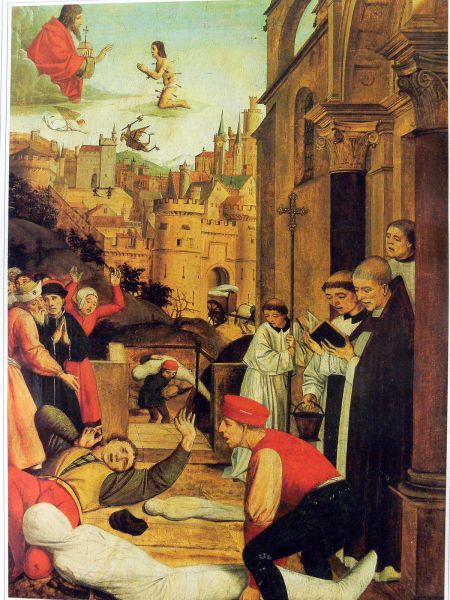
Saint Sebastian pleads with Jesus for the life of a gravedigger afflicted by plague during the Plague of Justinian. (Josse Lieferinxe, c. 1497–1499)
Source pic- Wikipedia


The plague of Justinian was the worst pandemic recorded in history caused by the fatal bacterium called Yersinia pestis.
The plague was brought to Constantinople, the capital of the Byzantine Empire, in 541 CE from Egypt. During the time Egypt was paying a tribute to Emperor Justinian in grains.
The plague-laden fleas infected the rats eating grains.

This lethal disease spread like a forest fire across Europe, Asia, North Africa, and Arabia killing an estimated 30 to 50 million people, almost half of the world’s population.

Black Death (1347-1351)


This was a global bubonic plague that hit Europe in 1347-1351, astonishingly taking a toll of 200 million in just 4 years.
It was a type of plague that was spread via the bite of infected rat fleas.
This plague caused religious, socio-economic upheaval with a profound impact on European history. The bacterium that caused this was the same that brought the Plague of Justinian.

During this time the sailors that had came to Europe were required to stay on their ship for 30 days, which was known as “Trentino” in Venetian law. Later, the Venetians increased the forced isolation to 40 days or a “quarantino”. From here quarantine word was introduced which is now in great implementation.

The painting “Blessed Bernard Tolomei Interceding for the Cessation of the Plague in Siena” by the Italian artist Giuseppe Maria Crespi.
Source pic- Britannica

Spanish Flu 1918:

Source pic- World Health Organization


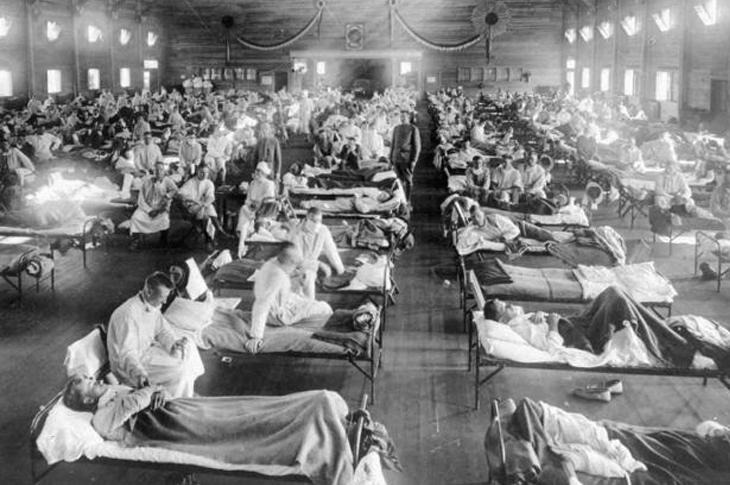
Spanish flu was the most severe and devastating influenza pandemics that the world ever witnessed. Also known as the 1918 influenza pandemic, it infected 500 million people – about a third of the world’s population at the time – in four successive waves.
Though the flu engulfed Europe, America, and parts of Asia, the exact place and cause of its origin are unknown to this day.
Some say that the flu showed itself in the military camp in Kansas, and from the US it spread to Europe when the troops traveled east in World War I.

Though the name is Spanish flu the pandemic did not originate in Spain, the British Medical Journal referred to the virus as “Spanish flu” because Spain was hit hard by the disease.

Small Pox 15th Century:


Smallpox has been estimated to have killed over a 500 million people.
It was in 1980 that the World Health Organization declared smallpox to be eradicated.

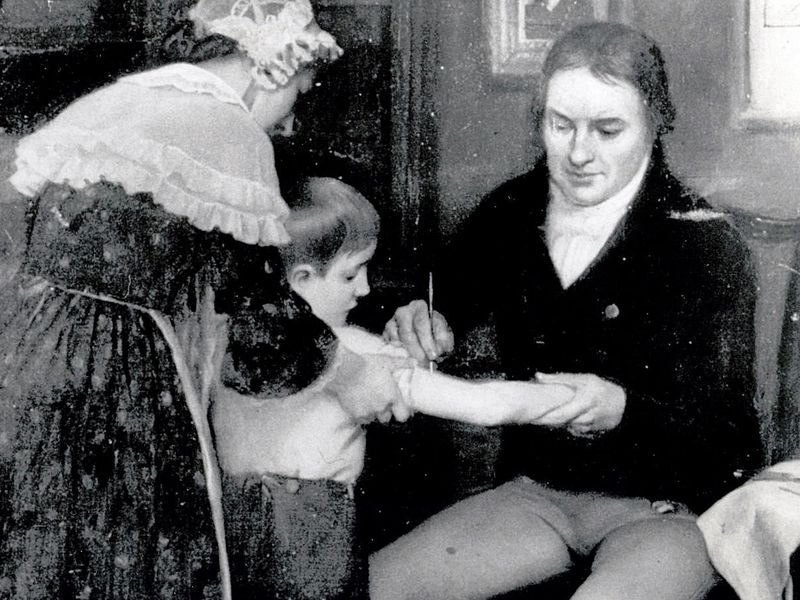
Edward Jenner giving the boy smallpox vaccine.
source pic- Smithsonian Magazine

Smallpox became the first death-dealing pandemic whose vaccine was developed in the late 18th-century, by a British doctor named Edward Jenner.

Edward Jenner observed that some local milkmaids were not exposed to the harsh virus and just showed mild symptoms which were called “cowpox”. Edward then decided to extract a small sample of milkmaid’s pus and inject it into the arm of a young boy named James Phipps. After that, he exposed the boy to the smallpox virus, and to his amazement, the boy showed no illness. This was the first vaccine ever discovered in history.

The yellow fungus: 2021 has one more fatal disease to offer

Looks like the torments are going to take up new dimensions this 2021. While 2020 introduced us to the new normal, 2021 superseded its predecessor and comes bearing a variety of diseases to offer. We faced the mutated Covid-19, the wave of black fungus originating from Rajasthan, a few days ago we came across white fungus and its implications. As a ‘cherry’ on top of it all, today, India reported the first case of yellow fungus in Uttar Pradesh.

What is yellow fungus?

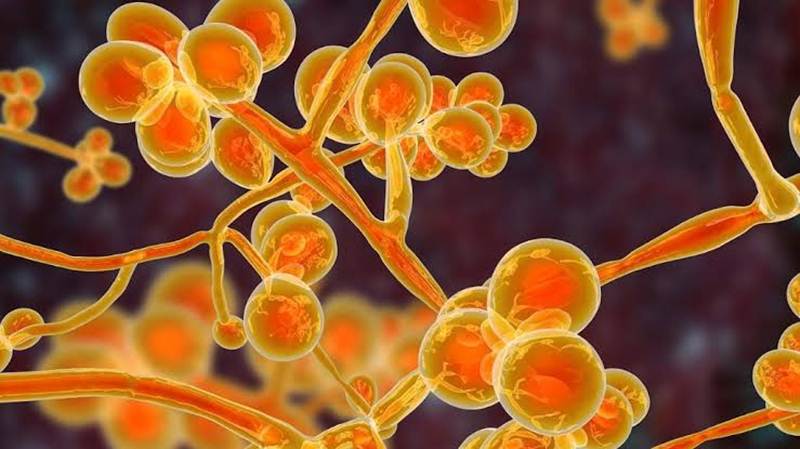
Yellow fungus otherwise known as mucor septicus, is a fungal infection just like black fungus and white fungus. It is said to often occur in lizards rather than human beings and has been classified deadly when compared to black and white fungus. The reason for its fatality is that it is harder to detect it, thus reducing the time to treat it at its earlier stages. In the worst case, it can also lead to organ failure and thus is not to be taken carelessly. The cause of fungal infections, be it black white or yellow, is said to arise due to poor hygiene. Fungal infections grow rapidly in atmospheres with higher humidity(30-40%).

Symptoms

Initial symptoms of yellow fungus are lack of appetite, lethargy and weight loss. The generality of early stage symptoms is the reason for its difficult detection. As the infection spreads, it can lead to sunken eyes, more time to heal wounds, development of pus and ultimately, it can induce necrosis(death of body cells and tissues), affecting organs leading to organ failure and in the worst case, death.

Out of the blue, why are fungal infections surfacing now?

Fungal infections are more likely to attack people with reduced immunity much than people with enriched immunity. Due the backlash faced by people due to Covid-19, the immunity system of people affected remained vulnerable. This vulnerability along with poor hygiene was taken advantage of, leading to rising cases of fungal infections. The director of the New Delhi’s All India Institute of Medical Sciences (AIIMS) Randeep Guleria, stated that another reason for the spread is due to the irrational use of steroids for the treatment of Covid-19 contributing to compromised immunity. Find what Randeep Guleria said regarding this here.

Preventive methods

What can be done on our part to fight fungal infections? The obvious answer to it is clean environment. Some methods to follow:

  • Keep your residing place dry and clean as humidity is a growth factor for fungus.
  • Avoid using damp towels, shoes etc as they can become breeding grounds.
  • Do not wear tight clothing which can lead to absorption of sweat causing humid patches
  • Dispose stale food as soon as possible
  • Covid-19 patients should be careful and should report to hospital immediately on encountering symptoms

Be on the look out during these crazy times. Stay indoors and come out only if it is absolutely necessary. Be safe and take care.

Prophylactic use of antimicrobials – a debatable issue

An ancient and quiet honourable practise has been the use of preventive medicine. For example, the ancient Chinese use to pay their doctors while they remained healthy, however as soon as they felt sick this payment would not be given. The effectiveness of antibiotics as a prophylactic means for protecting healthy individuals exposed to pathogenic bacteria, preventing the development of an infection in chronically ill patients and preventing an infection in patients who undergo surgery is a debatable issue. Many surgeons reported significant reductions in post-operative infection following antibiotic use, and a few did not even reported infections for a period of twenty years. Despite this success, prophylaxis presents certain hazards, including the evolution of antibiotic resistance, superinfections and drug side effects, for the individual patient and for the general public. Therefore, physicians have broad views on the responsible preventive use of antibiotics. However, antimicrobial prophylaxis (AP) should be confined to specific well-accepted evidence for the prevention of excess costs, toxicity and antimicrobial resistance in order to effectively prevent infections. Initial or secondary (recurring prevention or reactivating infections) prophylaxis may also be regarded as primary (prevention of initial infections) or may be administered to prevent infection by killing a colonising organism. Patients should know in detail the potential risks and benefits of AP. The potential risks are allergic reactions with the use of antibacterial agents that can be serious or life-threatening, and clostridium difficile colitis. The risk of tendinitis, including the rupture of the tendon of Achilles should be alerted to patients taking fluoroquinolones.

The pros and cons of using antimicrobials as a prophylactic.

  1. THE PROS: In the diagnosis of life-threatening acute bacterial infections, surgical infectious diseases and if there is an effective use of antimicrobials as prophylaxis, antibiotics can have many benefits.

In bacterial infections: In acute bacterial infections, which were highly mortal before introduction of antibiotics, the benefits of antibiotics as prophylactics is most clearly indicated. Mortality in endocarditis was about 100% prior to 1990 and about 20% total in 2010 although the death rate is usually caused not by unsuccessful antibiotic therapy but by cardiac failure or embolic complications. In bacterial meningitis in 1990, the mortality rate was reduced to 8% to 20% in 2010 and acute osteomyelitis mortality decreased from 50% to less than 1%. Many other infections, in both individual patients and others within the community, have significantly reduced morbidity and serious effects of spraying. In high-risk patients, this included the use of antibiotic prophylaxis for bacterial meningitis. During the systemic inflammatory response (SIR) stage of the infection, the early initiation of broad- spectrum antibiotics was proved critical for preventing the development of sepsis. When appropriate antibiotics are prescribed early in the surgical sepsis, mortality is significantly reduced.

In surgical site infections: Although the technique is still less than good surgical and aseptic technique, the risk of surgical site infection is considerably decreased by antibiotic prophylaxis in high-risk surgical patients such as operations over 2 hours, abdominal procedures, endogenous or exogenous contamination and co-morbidity. The choice of antibiotics depends on the organisms that are most likely to be affected; the kind of operation; the probability of resistance development and the financial cost involved. In felines, the rate of postoperative infections was reduced in the course of the optional orthopaedic surgery by preoperative antibiotic prophylaxis. Therefore, it is usually advisable to treat routine perioperative prophylactic antibiotics, even if numerous orthopaedic operations are categorised as clean. Orthopaedic procedures normally last longer than 90 minutes and the potential infection may be influenced by local wound factors like implants and tissue trauma. In the presence of implants, bone and joint infections are very difficult to treat, increase morbidity and may adversely affect the result. Cefazolin is currently seen as a choice antibiotic because of its outstanding effectiveness, low toxicity and reasonable costs against most surgical wound pathogens. The first dose should be given at a concentration of 22 mg/kg 30–60 minutes before surgery. The dose is usually recommended to be repeated every 90–120 minutes, but there is evidence that the frequency is enough every three hours.

The selection criteria of the antibiotic are:

  • The most prone bacteria that could cause infection should be identified. A prophylactic against frequently found skin bacteria (skin flora) is used when only an incision in the skin is made. An antibiotic is chosen to treat both the skin and the mucosal flora if the mucosal incision is involved.
  • Chemical and drug toxicity characteristics.
  • The least likely antibiotic that is required for serious infections is chosen if different antibiotics are equally helpful for prophylaxis. This helps prevent antibiotic resistance from developing.
  • Sensitivities specific to the environment of the specific hospital. Some hospitals may be very frequent with methicillin-resistant infections, while vancomycin or clindamycin-resistant infections in other hospitals may be more frequent.
  • CONS: The drawbacks of prophylactic antimicrobials are shown by side effects, resistance development and opportunistic pathogens.

Side effects: Their ability to cause serious or fatal adverse reactions sometimes provides a reason to limit the use of antibiotic agents for true therapeutic indications. For example, the most commonly used antibiotics for UTI prevention are nitrofurantoin, trimethoprim/sulfamethoxazole (TMP / SMX), but these drugs have negative reactions in children. Gastrointestinal disturbance, skin reactions such as urticaria, maculopapular rash are the common adverse reactions to nitrofurantoin. Almost exclusively because of sulfamethoxazole, most commonly dermal, adverse events related to trimethoprim/sulfamethoxazole. Serious side effects are extremely rare and mostly reversible when treatment is discontinued but they do exist. The long-term use of low-dose urinary prophylaxis antibiotics is therefore not completely safe. While adverse reactions existed in children to these medications, the lower dose of prevention and the lack of significant co-morbidities and medicinal interactions in children are much less common in children than in adults. In 1% of patients, penicillin causes death from type I anaphylactic shock in sensitive allergic patients and have other harmful consequences. High dose of penicillin may be associated with serum sickness (type III reaction), penicillin, thrombocytopenia, and haemolytic anaemia from cytotoxic antibodies. There is 10 percent cross-sensitivity between the derivatives of penicillin, cephalosporin and carbapenems because they share a similarity between the side chain rather than the beta-lactam structure. Therefore, the same or closely related drug must be avoided to which the patient has shown sensitivity in the past. In certain circumstances, certain drugs are more likely to be toxic. Ampicillin and amoxicillin rash are more common when lymphoid tissue is ebullient, in the case of lymphomas or glandular fever. The following are commonly used antimicrobials for prophylaxis along with their side effects:

  • Penicillin: side effects are reactions of hypersensitivity, renal damage, low potassium (hypokalemia)
  • Cephalosporin: side effects are reactions of hypersensitivity, reduction of blood cell levels such as: neutrophils, leucocytes (leucopoenia) and thrombocytopenia, nausea and vomiting, gastrointestinal problems diarrhoea, anorexia.
  • Metronidazole: side effects are toxicity of the CNS, problems in gastrointestinal tract, neutropenia, blood clotting problems, and alcohol reactions
  • Antibiotic resistant: The bacterial resistance mechanisms are known to include genetic changes, antibiotic metabolism by bacteria, like beta lactamase (beta lactamases), altered receptor site affinity, cell wall permeability alterations (antibiotic efflux pump) and the environmental influence at infection sites. In pus, most bacteria are relatively resistant in the dormant phase. The slow cellular immune mechanism does not affect the intracellular microbes such as tubercle bacillus, Brucella abortus, and Salmonella typhi. This partly explains the slowness of antibiotics in these infections. Infections on heart valves and the meninges, for example, are more resistant to antibiotics than infections elsewhere because the concentrations of polymorphs and macrophages are low. Inappropriate antibiotic treatment facilitates the spread of resistance. In many countries, UTI-associated antibiotic resistance has become widespread. Previous studies showed an increased rate of antibiotic resistance. Antimicrobial resistance in enteric and oropharyngeal flora may be developed through the use of antibiotics for prophylaxis. A recent study has reported a high rate of resistance against third generation cephalosporins in children who received prophylactic antibiotics. Clinicians are advised to carefully use prophylactic antibiotics. Additional hazards are present in antibiotics that inhibit the growth of a range of different types of bacteria. These medications also eliminate benign bacteria that help protect us from diseases by competing with pathogenic bacteria and limiting their propagation. Wide ranging antibiotics may produce deep changes in bacterial population composition and lead to the outgrowth and invasion of so-called superinfections of antibiotic-resistant strains.

Since the V. Cholerae infection dose is high, proper hygiene generally makes immunisation and prophylaxis unnecessary, hence antimicrobial prophylaxis in endemic areas has not proved effective. In the prevention of sexually transmitted diseases, chemical prophylaxis is ineffective. The use of antimicrobials to prevent genital diseases may, indeed, deteriorate the situation by selecting harder resistant strains. Antibiotic products, especially those of a wide activity range, alter the normal flora of the body, allowing resistant and opportunistic pathogens to colonise and multiply. These could cause secondary infections in a healthy female, such as candida vaginitis, or fungal and systemic infection in a highly susceptible patient, such as an immunosuppressive treatment. Clostridium difficile, anaerobic bacterium which can multiply after normal flora is suppressed and is relatively resistant to many commonly employed antibiotics but metronidazole or vanzomycin, causes the severe complication of pseudomembraneous colitis. Between 2000 and 2007, 400 percent of the increased mortality from Clostridium difficile infection was partially due to the emergence of the insusceptible C. fluoroquinolone strain. When pseudomembraneous colitis is developed in transplant patient, it is impaired to absorb the immunosuppressive medications which increase allograft-rejection susceptibility.

Other disadvantages of prophylactic use of antimicrobials are:

  • More expensive treatment: Antibiotics are costly and shouldn’t be used inappropriately. However, the cost of the antibiotics is negligible compared to the cost of hospitalisation for a long stay due to a wound infection in patients at clearly reduced risk of wound infections which were found by prophylaxis. The least cost-effective agent for a short period of time is selected if antibiotic prophylaxis is used.
  • Allergies and toxic reactions: When antibiotics are used, toxic or allergic reactions may occur. These can be reduced for brief periods by using safe agents.
  • The use of antibiotics can lead to a false sense of safety. Careful surgery and precautionary and postoperative care are essential if wound infections are to be minimised.
  • Infection due to side effects by drugs, especially clindamycin, with bacteria such as the Clostridium difficile.

Conclusion:

The use of antimicrobial prophylaxis has led to a large number of infections being prevented and significant declines in surgical infections at the site. Specific, accepted indications should be limited to antimicrobial prophylaxis to avoid excess cost, toxicity and resistance to antimicrobials. The potential risks and benefits of any antimicrobial prophylaxis system should be understood by patients. Although there is evidence based antimicrobial prophylaxis practises, many are based on low evidence or expert advice. Additional antimicrobial prophylaxis studies are necessary. There remain significant controversies in antimicrobial prophylaxis, with many opportunities to practise improvement through rigorous studies. More antibiotics do not always reduce surgical site infection more effectively. There are significant gaps between directives and practises, mainly over the current guidelines on antibiotic prophylaxis.

Mental Health

“Mental health is not a destination, but a process. It’s about how you drive, not where you’re going.”
Mental health refers to cognitive, behavioral, and emotional well-being. It is all about how people think, feel, and behave. Mental health is an integral and essential component of health. The WHO constitution states: “Health is a state of complete physical, mental and social well-being and not merely the absence of disease or infirmity.” An important implication of this definition is that mental health is more than just the absence of mental disorders or disabilities. It is an integral part of health; indeed, there is no health without mental health. Mental health can affect daily living, relationships, and physical health. The COVID-19 pandemic and the resulting economic recession have negatively affected many people’s mental health and created new barriers for people already suffering from mental illness and substance use disorders. It is common for everyone to experience increased levels of distress and anxiety, particularly as a result of social isolation. Physicians and other frontline health care professionals are particularly vulnerable to negative mental health effects as they strive to balance the duty of caring for patients with concerns about their own well-being and that of their family and friends. It is normal to feel fearful and anxious during tough times like this. We must Treat ourselves with kindness and respect, and avoid self-criticism. This is the best time for making time for our hobbies and favorite projects. We can do many things like daily crossword puzzle, plant a garden, take dance lessons, learn to play an instrument or become fluent in another language. Taking care of ourselves physically can improve our mental health. We must eat nutritious meals, avoid smoking and vaping, drink plenty of water, exercise, which helps decrease depression and anxiety and improve moods, get enough sleep. Researchers believe that lack of sleep contributes to a high rate of depression in college students. Some other ways by which people can overcome stress and anxiety are, volunteer your time and energy to help someone else. You’ll feel good about doing something tangible to help someone in need — and it’s a great way to meet new people. Try meditating, Mindfulness and/or prayer. Relaxation exercises and prayer can improve your state of mind and outlook on life. In fact, research shows that meditation may help you feel calm and enhance the effects of therapy. Decide what you want to achieve academically, professionally and personally, and write down the steps you need to realize your goals. Aim high, but be realistic and don’t over-schedule. You’ll enjoy a tremendous sense of accomplishment and self-worth as you progress toward your goal. As rightly said by Michelle Obama –
“Sadly, too often, the stigma around mental health prevents people who need help from seeking it. But that simply doesn’t make any sense. Whether an illness affects your heart, your arm or your brain, it’s still an illness, and there shouldn’t be any distinction…we should make it clear that getting help isn’t a sign of weakness — it’s a sign of strength — and we should ensure that people can get the treatment they need.” In short we can say that mental health is as important as physical health and we must take good care of both.


Home Workout | Get desired body shape at home

Home Workout

In this pandemic, many people are suffering loss and struggle to earn living. Lockdown has made it difficult to shop, travel, etc.  But most importantly people are unable to do their work-out as gyms are closed. This is one of the most important factors that are necessary for a person’s day-to-day life. But in this pandemic, we can’t expect our gym to get open again.


Get desired body shape at home

Yes absolutely! We have ways to keep you fit without a gym in this pandemic. In the gym, we get weights, machines as equipment like dumbbells, barbells, back rowing machines,s and many more. The basic principle of bodybuilding is resistance. We’ve got the best resistance with us i.e. our own body. We can do any body-weight workouts at home so as to fulfill the resistance requirements.

Home Workout


A brief description of muscle building:

The basic principle of muscle building is to generate stress while compressing our muscles. When we create stress/tension on the desired muscle, the muscle fibers break resulting in muscle building. At home, we use our body to generate that resistance to break muscle fibers.

Below are some important points that will help you to train your muscles, they are as follows:


Muscles that need to be trained:

We should train our every muscle but it is not possible if gyms are closed. Still, we’ll try to cover almost every muscle. So the basic muscles on which we’ll concentrate are:

  • Chest
  • Back
  • Quadriceps
  • Biceps and Triceps
  • Abdomen
  • Shoulders


Bodyweight workout for targeted muscles:

  1. Chest:

The most important and most do exercise for the chest is push-ups I.e., to push your body away from the ground. Push-ups can be of three types and those are inclined declined and flat push-ups. Just doing 2 to 3 sets of each type of push-up can be good training for our chest.

  1. Back:

The most effective back exercise is pull-ups i.e., to pull your body away from the ground. This can be done using a pull-up bar or even any rack in your house. This exercise targets our rhomboids and lats and gives our back a perfect V-shape. Other exercises are low, high plank, bridge hold, superman hold, etc.

  1. Quadriceps:

A quadriceps are a group of muscles that are located in the front of the thigh. One of the best workouts for quadriceps is bodyweight squats in which you have to push your hips backward while standing without bending your knees in the front and slowly come down then go back to your initial position. Other workouts are walking lunge, step-up, etc.

  1. Biceps and Triceps:

These two muscles together occupy a major part of our arm. Their main workouts are Diamond Push-ups, Reverse Grip push-ups, chin-ups, bench dips, close grip push-ups, parallel bar dips, etc. These workouts can make our arms defined and ripped if we do 10 reps of each exercise and 3 sets of min.

  1. Abdomen:

The abdomen or abs are the core of our body and these are the muscles that reside just below our chest. The main abs workout comprises L-sit, L-hold, V-sit, Sit-ups, leg raises, bicycle kicks, Planche holds, etc. These workouts are pretty tough but very effective if kept in regular practice.

  1. Shoulders:

Shoulders are also an important muscle of our body as all the body strength depends on them. Some of the most effective shoulder workouts are plank raise tap crunch, Archer push-ups, typewriter push-ups, etc. Shoulders define our upper body and are responsible for the broadness of our arms. One should do shoulder training at least twice a week to get big bulky shoulders!

Hope this gives you a brief understanding of how we can actually work out giving extra efforts to get the desired body shape at home without even joining the gym.


4 Different Types of Workouts to Stay Fit

In today’s sedentary lifestyle people are becoming more lethargic and less active. Nobody is really focusing on their health which is important. Considering today’s situation where everyone is stuck at home, people aren’t physically active and that’s leading to numerous health problems. Here are 4 different types of  highly effective workouts that don’t require a gym.

  1. Pilates


It’s a low-imapct flexibility emphasizing on postural alignment, core strength and training of muscles. It consist of repetitive exercises performed on the mat or other equipments.

Benefits of  Pilates:

  • Increases flexibility and muscle strength
  • Eases back pain
  • Strengthens your core
  • Improves posture


2.  HIIT ( High Intensity Interval Training)


The HIIT List: Five Reasons To Try a HIIT Workout – Les Mills


These workouts include different intense workouts with shorter rest period. HIIT workouts can be combined with any cardio workout.

Benefits of HIIT:

  • No equipment required
  • Increases your metabolism
  • Improves cardio vascular fitness
  • Burns more fat in less time


3.  Walking


Forget the gym: Why a brisk walk is a really great workout | ACTIVE


Probably the most effective exercise  and easiest way to get more active which can be performed by any age group. 30 minutes of walking per day can help your body in so many ways.

Benefits of walking:

  • Helps to maintain a healthy weight
  • Helps to lower blood sugar levels
  • Improves mood
  • Boosts your energy
  • Strengthens the heart


4. Zumba


Learn about Zumba Fitness | Zumba Classes


A fitness program which combines latin and international music with easy dance moves. It’s pretty much fun- enjoy dancing to your favorite songs and side by side helps you to stay fit.

Benefits of Zumba:

  • Helps to burn calories
  • Tones your entire body
  • Greater mobility
  • Proven to be a stress buster


STOCKDALE PARADOX- NEVER LOSING FAITH HEREAFTER ?

“You must never confuse faith that you will prevail in the end- which you can never afford to lose- with discipline to confront the most brutal facts of your current reality, whatever they might be.” –                                       Admiral James Stockdale


No one knows when the current situation will get over, but everyone needs a 360 degree approach in life now. From facing the harshness to sometimes dealing with stress and pessimism a lot has changed since the pandemic arrived at out doorstep. We have lost interest in everything we used to do, surely this pandemic has taught us to deal with our own selves, to not lose hope and be optimistic till the end. But is being optimistic good enough ? Being pessimistic without doing anything is the same as being optimistic without taking a course of action.


The answer surely lies in what we call Stockdale paradox.


Stockdale paradox is a concept which was used by Jim Collins in his book ‘Good to Great’. He ones met a renowned Admiral James Stockdale who was a highest ranking US military officer on Hanoi camp, Prisoner of war during Vietnam war.  He was held for 8 years in the camp from 1965 to 1973 and tortured several times. In his interview with Jim Collins he recounted his experiences of sheer brutality with which he was treated, without any rights of prisoners, with no release date and uncertainty of getting out. 

 When he was asked how he lived with the hope of not getting out, his answer was very different from the optimists who always proposed a date of their release and were very confident and positive about their freedom, but in the end died. He said he never lost faith in the end of the story. Have faith but be ready to face the brutalities that life has imposed on you. He didn’t depend on blind optimism alone but did what was required to improve his chances of survival. He raised morale of his fellow mates, helped them in every way possible and exchanged secret information with his wife through letters. 


The present times demand us to be positive and hopeful that everything will become normal in the coming days. But sitting at our comfort zones and just waiting for time to turn in our favor is folly. We can instead spend this time on productive activities which can help us fulfill our goals. We can take efforts to heal ourselves by finding ways to reduce mental agonies, helping and supporting others, comforting and giving hopes to those who have faced uncertainties.

How can we apply Stockdale paradox in our life –


  1. We all want to be successful, happy and fulfill all our wishes, but reaching this state won’t come simply by being positive. We feel good about this attitude and that’s why love the way motivational speakers influence our minds by changing our life simply by changing our mindset from negative to positive. That is well and good but that is not the only thing required. There must be a sense of self-awareness about the realities and action towards something that moves you in the first place. Confronting situation is fundamental to success along with a bit of positive attitude.
  2. Applying this paradox in business- Optimism drives innovation and can lead to growth but one needs to check whether you are playing in reality and not heading towards something that can’t happen.
  3. The Stockdale paradox can help any leader to improve leadership and plan for forthcoming challenges. It makes us resilient through idea of positivity and confrontation of unpleasant facts of the current situation. 

So, try applying this principle in your life and make things work out for yourselves. 

Signing off 

Janhavi Thakre


Coronavirus Vaccines Highly Effective against B1.617.2 Variant

Coronovirus vaccine is highly effective against B1.617.2 variant, revealed by a Study in UK: A new study was conducted by some health officials in UK. It shocked everyone with its results. For the first time, it has revealed that the two doses of coronavirus vaccines are highly effective against the B1.617.2 variant i.e. the variant which was primarily reported in Maharashtra, India. It has also been referred as a double mutation variant throughout the world.

Coronavirus vaccine

Coronavirus Vaccines effectiveness against B1.617.2 Variant: 

As said by PHE (Public Health England) “The Pfizer or BioNTech vaccine was about 88 per cent effective against symptomatic COVID-19 from the B1.617.2 variant of concern (VOC) two weeks after the second dose, the Oxford/AstraZeneca vaccine was 60 per cent effective against symptomatic disease from the B1.617.2 VOC.”

However after a single dose of jab of vaccine, it was not much effective against VOC found in India. It’s effectiveness was 33% only.

As per Matt Hancock, the health secretary of UK, “This new evidence is groundbreaking – and proves just how valuable our COVID-19 vaccination programme is in protecting the people we love,”. 

He further said that “It’s clear how important the second dose is to secure the strongest possible protection against COVID-19 and its variants – and I urge everyone to book in their jab when offered, I’m increasingly confident we”re on track for the roadmap because this data shows the vaccine after two doses works just as effectively, and we all know that the vaccine is our way out of this”

As per the reports from analysis, the effectiveness of vaccine after two doses of jab is same in B1.617.2 variant as in the variant which is currenty present in UK. PHE (Public Health England) expects that the results will be more better in future and will be more effective against hospitalizations and deaths.

PHE also revealed that the difference in effectiveness between the vaccines after two doses could be explained by the fact that the second doses of AstraZeneca was rolled out a bit later than the Pfizer vaccine. The other data on antibody profiles showed that it usually takes longer to reach maximum effectiveness with the AstraZeneca vaccine.

A statement was also given by the vaccine deployment minister of UK, Nadhim Zahavi that “Today’s data is astounding and a true reflection of just how important it is to get both your jabs when offered. I encourage all those offered an appointment to get their jab booked in as soon as possible and take full advantage of the high levels of protection the vaccines bring”

PHE believes that since there are very less cases and insufficient follow up periods, it is taking longer for them to estimate the effectiveness of coronavirus vaccine against the B1.617.2 variant, but they  believe that they will definitely be able to evaluate this in the future. They estimate this not only in the case of variant primarily reported in India but also in the case of other variants which are being reported from different parts of world.

Newton’s 4th law and a new perspective

Note: This article does not take a scientific spin on Newton’s 4th law rather, a metaphorical one.

How often do you come across reels in your Instagram with aesthetically pleasing setups, where people showcase their productivity by fancy stationary, an iPad and their flawless note taking skills? Quite often right! It makes you question yourself. Am I of any good? Why am I wasting time scrolling on social media? I am worthless. While social media influencers with a fancy lifestyle ask you to motivate yourself with positive affirmations, it can give you a temporary boost of confidence but later you will see yourself slumped on the couch too tired to do work, too tired to rest. But believe, you are not alone.

Newton’s 4th Law

I’d like to call it Newton’s 4th law. The first three laws rule the world. The 4th law also is ruling the world, but no one explicitly acknowledges it. The fourth law states that ‘The value of a person is directly proportional to his/her productivity’. Yes, that is it. This single statement is the sole destroyer of the mental health of people, and ironically the destroyer of their productivity too.

Giving the statement a first glance, you will be virtually staring at me and saying what’s wrong with that. But by the end of this article, I assure you I’d have sparked something in you. The societal rules say that you have to be productive every single moment of your life. You would have heard your parents asking you to read books during your summer break so you can improve your vocabulary. Go to music class, you can be the next Shreya Ghoshal. Go to dance class, chess class and what not. The world basically says to shove skills into your throat so that you can be ‘valued’ as a man in the society.

So what is productivity?

What no one says you is that, productivity is not something measured by the time you spend before a laptop doing ‘work’ or the number of pages read in a book. It is not juggling multiple tasks by half-focusing on each task. It is a feeling of satisfaction that fills your heart. A feeling that cannot be measure by time or effort. You should feel happy that you did something new today. That work can either be a progress or a rollback, doesn’t matter. At the end of the day, all that matters is that your person you are today knows something more than the person you were yesterday. Happiness inspires productivity.

So am I saying that you should lessen the time of work or read fewer pages? Not essentially. You can still say that you are productive without feeling guilty of not crossing your intended checkpoint. You can take breaks instead of working 3 hours straight. You can do a few jumping jacks. You can sit idle for a while and do nothing. By idle, I don’t mean you can catch up on Netflix or scroll your phone.

Just sit idle and don’t do anything at all. Try not to think of anything. When you try not thinking, I can bet that your mind will reel great philosophies which you never would’ve thought about otherwise. It will think about that embarrassing incident that happened 2 years ago. No kidding. Try it and you will be amazed if you follow your train of thoughts. These small techniques not only improve productivity, but also improve your overall physical and mental health.


work hours and productivity
Time and Productivity

What isn’t productivity?

This list can include things which you previously thought belonged to the other list.

  • Working for longer hours=More productivity
  • Multitasking
  • Hoarding up more number of tasks together
  • Not planning on what to do before actually starting to do work
  • Trying to do everything by yourself
  • Neglecting social life

Be careful and identify these red flags. Once you identify it, try to change your mindset. As the old saying goes, mind is THE master.

Concluding remarks

I lined up for you what productivity is and how its definition has been corrupted by the society. Lead life one moment at a time, for life is nothing but the amalgamation of moments silver lined with emotions. I leave you with the quote of a great man.

Improved productivity means less human sweat, not more.

  -Henry Ford


Covid-19: We shall overcome.

A call for unity, action: COVID-19 and principles of responsibility, hope - Opinion - Chinadaily.com.cn

“You may not always have a comfortable life and you will not always be able to solve all of the world’s problems at once but don’t ever underestimate the importance you can have because history has shown us that courage can be contagious and hope can take on a life of its own.”

– Michelle Obama

It’s been almost two years since this  pandemic started. In all these months there have been so many changes in around us and worldwide that we’d never imagine. All that we could find was terrifying news and negativity all over. It’s easy to run over and over the topics that are stressing us out- be that the corona virus pandemic, climate change or something else. People have lost their loved ones, people are facing mental health issue due to this and the economic condition of the country is going for a toss. Essential and health service workers are over burdened with duties yet they aren’t stopping. We need to support them, we need to stay positive and the ray of hope needs to stay.  Connect with your family members, follow the social distancing norms and make your days productive. In times like these people find meditation  and mindfulness really peaceful.Sitting ideally at home would only remind you of the terrifying situation outside, instead try being constructive- learn a new skill, exercise for some time, connect with your family and friends through social media, read books or listen to some music. Utilize your time wisely.  Don’t let negativity ruin your day.  If it’s possible from your part then please try to contribute something to the society, this isn’t the time to be selfish. Indeed it’s a really difficult time for all of us but it’s our unity that matters. We”ll get over this soon, things will get back to normal. Let’s stand together and fight this!