Why Animal Experiments Should Be Banned

Animal experimentation has been increasing at an immense rate. Each year, millions of animals are used to test the safety, effectiveness, and usability of various products like cosmetics, drugs, chemicals, etc. These animals often undergo genetic modification, are deprived of their natural habitats, and tortured all in the name of “Scientific experiments”. Hence, it is a cruel and unnecessary activity and therefore Animal Experiments should be banned.

In the name of ‘Science’ many animals are exploited, ill-treated and made to suffer immense bouts of pains during the experimental process. The animals are cut, burned, poisoned and given crippling diseases in order to test the effects of drugs or to measure the safety of products. For instance, in the Draize Test the substance or product being tested is placed in the eye of the animal and the animal is kept under observation for further damage reports. This experiment not only leaves the animal afflicted with pain and blindness but also proves to be an act full of cruelty. Moreover, the experimented animal is not allowed euthanasia to free it from its misery but caused to bear the pain a long time. Thus, animal experiment is highly cruel and painful and must be banned.

Secondly, there are many better alternatives that can replace animal testing and provide just as much accurate results. For instance, the development of a synthetic cellular tissue that closely resembles human skin. This has enabled researchers to test the potential damage of a product on the skin by using this artificial “skin” instead of testing it on animals. Computers have also been used as an alternative, to simulate and estimate the potential damage that a product or chemical can cause. In another alternative method, in vitro testing, cellular tests are done inside a test tube. All of these tests have been proven to be useful and reliable alternatives to testing products on live animals. Therefore, because effective means of product toxicity testing are available without the use of live animal specimens, testing potentially deadly substances on animals is unnecessary.

Although there are alternatives available and animal testing significantly proves to be painful, some people still argue that animal experimentation is valid because animals are lower than humans. They believe that animals don’t possess the intelligence or knowledge like humans and thus animal experiments are justifiable. However, this is a baseless justification. Medical research proves that even though animals are lower than humans in the evolutionary chart, animals possess many features that resemble humans. For e.g. many animals, especially those belonging to the mammalian class, possess many internal organs and structures that are identical humans. Therefore, animals’ lives should be respected because they have an inherent right to be treated with dignity. The harm that is committed against animals should not be minimized because they are not considered to be “human”.

In conclusion animal experimentation should be banned because it proves to be highly painful and unnecessary. There are plenty of alternatives that can be considered instead of animal testing. Animals have the rights to live freely and to be treated with compassion. Hence, animal exploitation in any form should be banned because it is the most inhumane act that one can do towards other living beings.

What is Beauty?

We live in a culture that is obsessed with beauty. Movies, shows and other media constantly push the idea that we should look good and that we should look for beauty in our partners.

But what is beauty? How do your define it ? What do you find beautiful?

The idea of external beauty tends to be very shallow. A person we know to be cruel and harsh might be attractive, but we would not describe them or see them as beautiful. Even the best make-up or photoshop filters are not enough to make someone truly beautiful.

Beauty is something internal.

A person who is there is for you when you are down, someone who is kind, intelligent, virtuous and giving is lot more beautiful, and that is a beauty that lasts a lifetime.

No matter how well we care for our looks, they will fade and change with time. They might be affected by sickness or an accident or simply age. They are not lasting or deeply purposeful. However, what’s inside is. Beauty is based on empathy and compassion. Beauty is having self-awareness and being willing to admit when we are wrong. Its about being generous and giving, emotionally as well as in the material sense. Its internal beauty that matters, however, what allows us to live truly good lives.

OBESITY

Difference Between Obesity and Morbid Obesity | Difference Between

Nowadays, obesity has become an enormous as well as fatal health problems. This problem not only in India but in other countries also. Even in United States of America, one out in three adults and one out of five children and teenagers are facing the problems of obesity. In India also, we are sailing in the same boat. Most of the people since childhood fall prey to obesity is most of the countries of the world . In fact, ‘obesity is that condition of the body in which the amount of fat increases at extreme level.’ In other words, obesity can be defined as ‘the condition when an individual weighs 20 per cent or more than the ideal weight. ‘ A child weighing around 30 pounds (approximately 13.600 kg ) or more than the ideal body weight is usually considered an obese. In the state of obesity, the body weight of the individual is always more in comparison to height . Due to a number of health risks of obesity , it has been declared a disease . It has been observed that obese persons usually fall prey to diabetes, hypertension, cardiovascular diseases, cancer, arthritis , osteoarthritis, flat foot, respiratory problems , varicose veins , liver malfunctions , etc .

Generally , the questions arises : What should be the ideal body weight of an individual ? Who is obese and who is not? Different methods are used in various countries to know the obesity of an individual .According to the first method , after having a glance over the shape of the body it can be observed whether he/she is obese or not . But this method cannot be called an appropriate method to know about obesity of an individual because the approval of a society about body shape changes with the passage of time . For example , plump females used to be liked by society in yester century in India . According to the second method , if an individual’s body weight is more than in proportion to height (according to height and weight chart) , the individual will be obese . But this method cannot be accepted as the best method. The third method is a more scientific method . In this method , the body fat percentage is calculated . If the body fat percentage of a person is more than the requirement , he/she will be an obese . This is the most accurate method to know the obesity but it is not easy to apply this method . In comparison to other methods , the weight and height chart is still preferred to know one’s obesity because it is easily available , cheap and easy to use . Another method to know the obesity is BMI (or Body Mass Index ). If you want to know your body mass index , then divide your body weight in kg by your height in meter square viz .

Obesity - Lompoc Valley Medical Center

THE DETECTIVE NOVELS

The Detective novel is one in which the story and plot are woven around an initial crime or murder the secret of which is solved by an investigator or detective. He does it by logical assembling and evidence as known as clues.

The Major themes of the Detective novels are:

  • The plot will always begin with a murder or a mysterious case.
  • The case will be superior and unfamiliar to the police
  • So that, they seek the knowledge of detectives to solve the mystery behind the case.
  • The detective will be curious and different from the rest of the characters portrayed in the novel
  • The wrongly accused suspect at whom circumstantial evidence points
  • The villain will be the mysterious element of the novel
  • The startling and unexpected denouement

It was Edgar Allen Poe who launched this literary form with his story “The Murder in the Rue Morgue” in 1841. In the later 19th century, in England, Wilkie Collins preferred the art of the Detective novel with the publication of his “Moonstone” the first full-length detective novel in English. The first full-length detective novel in America was Anna Katherine Green’s “The Leavenworth Case” published in 1878.

In 1887 Sherlock Holmes series by Conan Doyle began to appear and continued up to 1927. His creation of Sherlock Holmes was, however, is the greatest achievement.
The exploits of this sharp sleuth and his companion in adventure and chronicler, Dr. Watson, soon catapulted Doyle to international status. A prolific writer, he has written 4 novels and 56 short stories. Sherlock Holmes series ruled detective novels from all over the world. And which is still cherished by the readers, movie lovers. Many authors adapted the Sherlock Holmes series and created some different versions taken this as a root base.

Detective novels in different ages:

After 1920 a series of novels known for their haunting suspense and artistic structure by Agatha Christie appeared. Hercule Poirot is the detective in her Novels. Agatha Christie is known throughout the world as the queen of crime. She is the author of 80 crime novels and short story collections, 19 plays, and 6 novels written under the name of Mary Westmacott.

Initial causes of it’s wide spread:

The spread of paperbacks and the establishment of book clubs helped the growth and development of the detective novel after the fifties.

Why Detective Novels are so popular:

It satisfies the “puzzle-solving” element of traditional puzzles.
It allows us to invoke our imagination
Be gripped by the suspense of a who done it.
Making the puzzle even more fascinating and the desire to reach the “goal” stronger.

What we learn from them:

Mysteries Often Make Children Central Characters and they can relate to the characters better than they can with other stories. By choosing to read mystery books that are youth-focused, you are helping them become more engaged and interested in the story. Detective novels also help adults to look forward to the mysteries of life inside the books. The stories will be mind-blowing and adults and elder people also will fall into them.

Detective fiction will continue to attract the readers as long as man’s fascination for mystery and suspense does not disappear.

Guide for Solar Water Pumps

In today’s technology driven world, people are turning towards less harmful modes of electricity. For many years now, solar power, hydro power, and wind energy have been the main source of electricity across the globe. But now more advanced technology is known to the world and it is being used to create more effective methods. Scientists and engineers are devising methods to create such sources of energy which will reduce the use of conventional resources furthermore. Solar water pumps are another product of that technology. Many people are already enjoying its benefits. Why aren’t you? Are you searching for the best one? We are here to guide you through the whole of it. At the end of this, you will be able to choose the best solar water pump there is and you can enjoy it too.

What to Look For in a “Solar Water Pump”

  • Efficiency – Efficiency is the most critical factor to check in the solar water pump. The pump should provide great efficiency to work properly.
  • Flow rate – Flow rate defines how fast the water will flow through the pump. More the flow rate, the better. You must remember that the ideal instantaneous water flow rate of a pump must be equal to one-third of its daily consumption.
  • Head – The head of the pump represents the increase in energy accumulated by 1 liter of water. It is also an important factor to consider as it may reduce pressure loss.
  • Power – The power of the solar water pump should be considered properly. It depends on the conversion of solar energy into electrical energy.
  • Speed – Speed is the number of revolutions taken by the pump in a specific interval of time. You need to make sure that you have a high speed pump available.
  • NPSH (Net Positive Suction Head) – Net Positive Suction Head is the main factor to keep in mind while buying a solar water pump. It indicates its inability to create absolute volume.
  • Raw material – You need to check the raw material used to make the solar water pump. It plays an important role in defining the lifetime of the pump. If the pump is made from weak raw materials, it will not last long and will cost you more for maintenance.
  • Quality – Quality is the first and most important factor you keep in mind while buying anything so it applies to solar water pumps too. The quality of a pump varies from company to company and is different for different manufacturers.
  • Size – The size of the pump should also be considered before buying it. It depends on your preference where you want to install the pump or for what purpose you are going to use it.

What do we mean by Solar Water Pump and how does it work?

Solar Water Pumps are also called Solar Photovoltaic Water pumping systems. They are designed like the old, traditional water pumps. But the difference is that they are powered by solar energy instead of fossil fuels.

Photo by eberhard grossgasteiger on Pexels.com

Why use a Solar Water Pump?

There are several purposes for using a solar water pump. Some of them are listed below:

  1. For pumping water for livestock
  2. Providing water for farms and residential areas
  3. For pumping water for crops and irrigation
  4. Providing water supply for general need in households
  5. May be used for water treatment
  6. For pumping fluids across a long distance

And of course, sunlight is free and abundant and water is essential for all living beings. So why not put it to use?

Are they worth it over other conventional options?

Yes, the solar water pumps are worth more than the other conventional options. The main reason is that they are more eco-friendly as compared to the fossil fuels burning for electricity.

Should you just DIY a Solar Water Pump

If you want to experiment with your skills and have much free time on your hands, then you can make a DIY solar water pump at your home. Some of the crucial information you will need to do that is given below:

Main Components of Solar Water Pump

  1. Solar Cell Module –  Solar power generating device that directly converts solar energy into electrical energy.
  2. Solar Pump Inverter – most important equipment of the photovoltaic system. It controls and regulates the operation of the whole system.
  3. Water pump, pipeline, and reservoir – To pump, deliver and store water

Typical Design of Solar Water Pump

  1. Model selection process
  • Confirm head and flow rate of the pump
  • Confirm solar panel capacity
  • Confirm the power of the water pump
  • Confirm the inverter
  • Selection of cable specification
  1. Obtain user demand – Daily water demands, the diameter of the well, depth of the well, area to irrigate, average sunshine daily in the area.

Some Specifications of Solar Water Pumps

  1. Head: 110m
  2. Flow: 1000/(300*0.8*3.5)= 1.19 m3/h
  3. Pump selection: pump motor power 1.5kW, flow 1.2m3/H, head 115m
  4. 1.5KW water pump is equipped with 2.2KW solar pump inverter 
  5. The working voltage of the solar pump inverter is 200V-360V.

Steps of Construction

Step 1: Find a perfect location

  • Before building a solar water pump, the most important requirement is finding a perfect location where you want to lace the water pump. So go on the search right away and get back here to start building your solar water pump.

Step 2: Choose the size

  • The size of the pump is the main factor to look after while building a solar water pump. It is going to affect the amount of water that can be pulled from a water source. For this, you can use a power cord or simply install a solar panel for reducing any further costs.

Step 3: Assemble the pump

  • Assembling the main unit of the pump will be a tiresome job. But it can be easily done by following the instruction manual provided to you with the components of the pump. After you are done assembling the pump, move on to the next step.

Step 4: Add the solar panel

  • Now you are building a solar water pump all by yourself, which means you need to keep a check on your budget. So to ensure that you should install a solar panel instead of a power cord. Choose your solar panel properly. It should be large because you want to absorb as much sunlight as you can. In addition, place it at a proper angle, preferably facing the east or west to absorb light effectively during the day.
  • After installing the solar panel, attach it to the main unit of the pump so that you don’t have to use a power cord. 

Step 5: Cover the pump

  • The last important step you need to follow is to cover the pump so that it is not visible as it may not look good in the middle of the garden. If you don’t want it as decor then consider hiding it in a corner.

Step 6: Modify the pump

  • A solar water pump will be a feast to the eyes in the garden. To decorate it you can add some flowers, some tree leaves, or other things you want it to design it with. You can be creative and make an excellent piece of decor for your garden or pool in the backyard.

That’s it. You are done. In just these 6 simple steps you will have a perfect homemade solar water pump. You can use it to decorate your garden or place it in a pool.

Pros and Cons of Solar Water Pumps

If you are not sure how to decide about the solar water pumps, check out the listed advantages and disadvantages of the same. You will get a proper image of what to look for in a solar water pump before buying. These will help to change your mind about your preference or maybe make you sure of what you want. 

Advantages

  1. Zero fuel cost – Solar water pumps are powered by solar energy so it does not require fuels to operate. Fuel adds a significant cost to the cost of the whole solar water pump system.
  2. Installation costs only – Once you install the solar water pump system, then it only requires sunlight. That means after installation it is free.
  3. Less labor and maintenance – Solar water pumps require very little labor to operate properly. It also does not require much maintenance. In addition, it reduces the time taken to irrigate the farm.
  4.  Environment friendly – They are sustainable and use non conventional energy sources.

Disadvantages

  1. Can’t pump when it’s dark – However great solar water pumps are but they do need sunlight to operate. So this is the biggest disadvantage of them. They can’t operate when it’s dark.
  2. High upfront costs – This may be the reason why it is not much use for the farmers because it is not as easily affordable.

Frequently Asked Questions

Here are some of the important frequently asked questions about solar water pumps.

  1. How does a solar water pump work?
  • It works like any other water pump. The only difference is that it is operated by sunlight.
  1. What is the use of solar water pumps?
  • A solar water pump is useful in irrigation for farms and for extracting water from wells and ponds.
  1. What are the different types of solar water pumps?
  • There are several types of solar water pumps:
  • Submersible pump
  • Surface pumps
  • DC pumps
  • AC pumps
  1. Can a solar water pump be relocated?
  • The system once installed can be relocated but it is not recommended. The process is expensive and can cause severe damage to the system.

NCC

Introduction

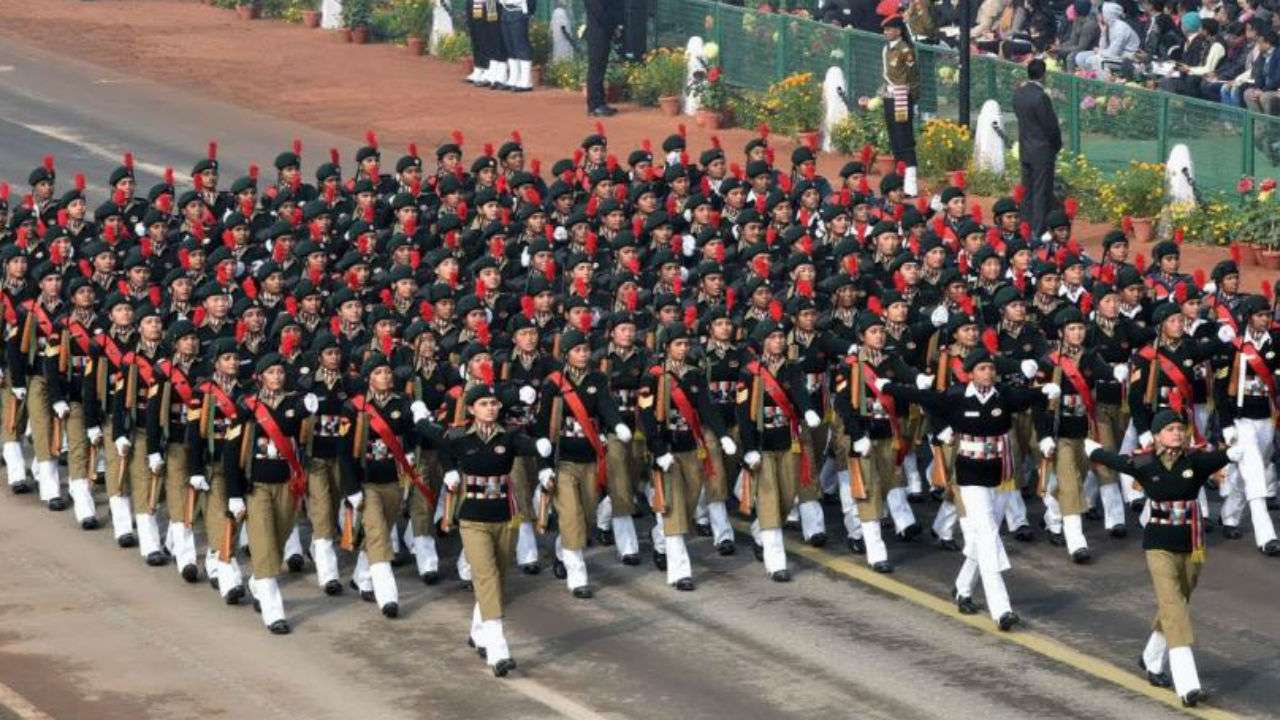
The National Cadet Corps is the youth wing of the Indian Armed Forces with its headquarters in New Delhi, India. It is open to school and college students on voluntary basis as a Tri-Services Organization, comprising the Army, the Navy and the Air Wing, engaged in grooming the youth of the country into disciplined and patriotic citizens.

The soldier youth foundation in India is a voluntary organization which recruits cadets from high schools, higher secondary, colleges and universities all over India. The Cadets are given basic military training in small arms and drill. The officers and cadets have no liability for active military service once they complete their course.

Origin

In 1949, the Girls Division was raised in order to give equal opportunities to school and college going girls. The NCC was given an inter-service image in 1950 when the Air Wing was added, followed by the Naval Wing in 1952. In the same year, the NCC curriculum was extended to include community development/social service activities as a part of the NCC syllabus at the behest of Late Pandit Jawaharlal Nehru who took keen interest in the growth of the NCC. Following the 1962 Sino-Indian War, to meet the requirement of the Nation, the NCC training was made compulsory in 1963. In 1968, the Corps was again made voluntary.

Aim and Motto

The discussion for motto of NCC was started in 11th central advisory meeting (CAC) held on 11 August 1978. At that time there were many mottos in mind like “Duty and Discipline”; “Duty, Unity and Discipline”; “Duty and Unity”; “Unity and Discipline”. Later, at the 12th CAC meeting on 12 Oct 1980 they selected and declared “Unity and Discipline” as motto for the NCC. In living up to its motto, the NCC strives to be and is one of the greatest cohesive forces of the nation, bringing together the youth hailing from different parts of the country and molding them into united and disciplined citizens of the nation.

Skill development

The benefits of joining NCC include receiving basic military training. It develops the students’ interest in three forces – Air force, Army, and Navy. NCC is the first platform that provides opportunities to the cadets to check their efficiency to join the mainstream Indian Defence Services.

The cadets are imparted training in the use of arms, along with communication skills and personality development skills, he said. The NCC helps to develop leadership qualities in students. NCC cadets Indrajith and Yashaswi have been selected for Republic Day parade in New Delhi. The NCC helps to instil confidence.

NCC is an effective organization designed to mould the youth at their most impressionable age with the aims of developing qualities of character, courage, comradeship, discipline, leadership, secular outlook, spirit of adventure and sportsmanship and the ideals of selfless service among the youth to make them useful .

Learning

Discipline, basic arms training, team ethics, following orders, various kinds of physical activities, sports, tours to remote areas, etc. are some of the things you experience and learn in NCC. These lessons are invaluable and make the journey of learning beautiful.

Link

Indian Monsoon

The Indian summer monsoon typically lasts from June-September, with large areas of western and central India receiving more than 90% of their total annual precipitation during the period, and southern and northwestern India receiving 50%-75% of their total annual rainfall. Overall, monthly totals average 200-300 mm over the country as a whole, with the largest values observed during the heart of the monsoon season in July and August.

At the Equator the area near India is unique in that dominant or frequent westerly winds occur at the surface almost constantly throughout the year; the surface easterlies reach only to latitudes near 20° N in February, and even then they have a very strong northerly component. They soon retreat northward, and drastic changes take place in the upper-air circulation. This is a time of transition between the end of one monsoon and the beginning of the next. Late in March the high-sun reaches the Equator and moves farther north. With it go atmospheric instability, convectional (that is, rising and turbulent) clouds, and rain. The westerly subtropical jet stream still controls the flow of air across northern India, and the surface winds are north easterlies.

five special conditions- 1) The Sea Surface Temperature (SST) gradient between the north Atlantic and the north Pacific (conditions during December of the previous year and January of present year)
2) SST of the equatorial south Indian Ocean (conditions during February and March of the present year)
3) Mean Sea Level pressure in east Asia (conditions during February and March of the present year)
4) The surface air temperature over northwest Europe (conditions during January of the present year)
5) The warm water volume of the equatorial Pacific Ocean (conditions during February and March of the present year).

Body Positivity

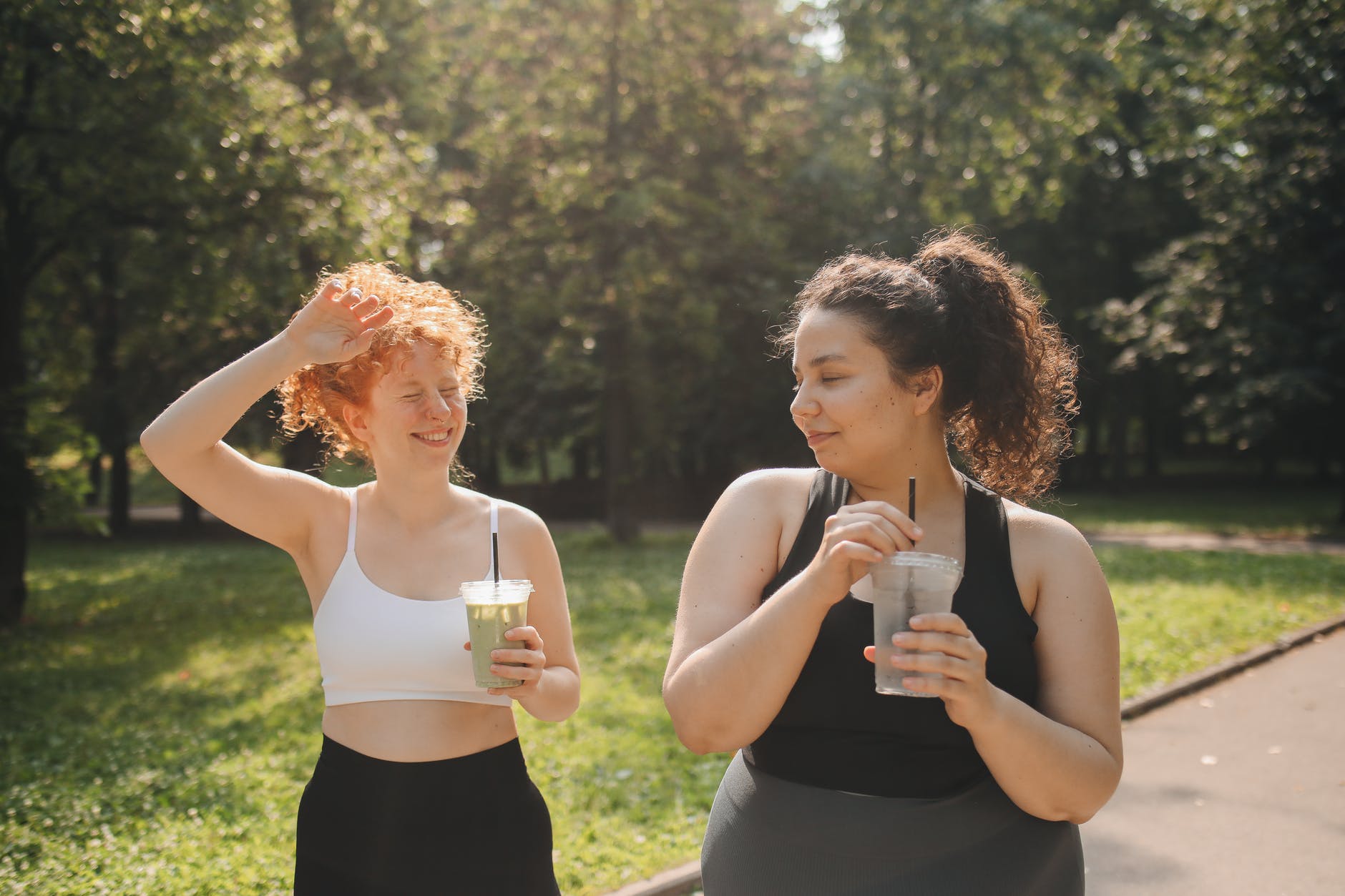
Body positivity is the belief that everyone deserves a good body image, regardless of how society and popular culture define ideal shape, size, or appearance.

Photo by Polina Tankilevitch on Pexels.com

The following are some of the goals of the body positivity movement:

1)Questioning society’s perceptions about the body

2)Advocating acceptance of all people’s bodies

3)Assisting people in developing self-esteem and acceptance of their own bodies

4)Confronting unattainable physical standards

Body positivity, on the other hand, is about more than just questioning how society views people based on their physical size and shape. It also acknowledges that race, gender, sexuality, and disability are frequently used to make judgments.

Body positivity also tries to educate people on how popular media themes influence people’s attitudes toward their bodies, including how they feel about food, exercise, clothing, health, identity, and self-care. People may be able to create a healthier and more realistic relationship with their bodies by better comprehending the impact of such forces.

HISTORY OF BODY POSITIVITY

Body positivity has its origins in the late 1960s fat acceptance movement. Fat acceptance aims to put an end to the culture of fat shaming and prejudice against those who are overweight or obese. The National Association to Advance Fat Acceptance was founded in 1969 and is still working to change the way people talk about their weight.

When a psychologist and an individual who had undergone eating disorder treatment launched the website thebodypositive.org in 1996, the phrase “body positive” was coined. The site provides information and instructional materials to help people feel good about their bodies by shifting the focus away from dieting and exercising in unhealthy ways.

In its current form, the body positivity movement emerged around 2012, primarily focusing on opposing unrealistic feminine beauty standards. As the movement gained traction, the emphasis shifted from weight acceptance to the idea that “all bodies are beautiful.”

Despite the fact that body positivity is becoming more mainstream, many individuals are still unsure what it entails. One of the reasons why body positivity is so misunderstood is that there are so many diverse interpretations of what the movement entails.

REASON BEHIND BODY POSITIVITY

One of the main goals of body positivity is to address how body image affects mental health and well-being. People’s feelings about their appearance and even how they assess their self-worth are influenced by their body image. According to research, having a bad body image is linked to an increased risk of mental illnesses such as depression and eating disorders.

A person’s subjective perception of their own body—which may differ from how their body actually appears—is referred to as body image. Body image feelings, emotions, and actions can have a significant impact on your mental health and how you treat yourself.

The creation of one’s body image begins at a young age. Even small infants, however, can experience body dissatisfaction. More than half of girls and nearly a third of boys between the ages of 6 and 8 believed their ideal body weight was smaller than their present weight, according to a research published by Common Sense Media. The findings also found that 25% of children had tried some form of dieting activity.

While the concept of body positivity is meant to make people feel better about themselves, it is not without flaws and criticism.

One issue is the notion that body positivity entails people doing whatever they think they need to do in order to feel good about their appearance. Unfortunately, people are constantly assaulted with messaging implying that smaller, fitter people are happier, healthier, and more attractive.

Body positivity is meant to promote acceptance and love of one’s own body, yet it can be a struggle that adds to the pressure and unrealistic expectations. The idea of body positivity is that you should modify how you feel about yourself, yet it can also be seen as yet another demand.

SELF CARE IN IMPORTANT

Self-care can sometimes be misconstrued as a means of altering or controlling one’s looks, but it should instead focus on activities that make you feel good about the body you have now.

Respect yourself and your body. Consume nutritious foods to keep your mind and body in good shape. You should exercise because it makes you feel strong and energized, not to change or control your physique.

Remove profiles from your social media feeds that make you feel bad about yourself. You’re less likely to feel good about yourself if you’re continually comparing yourself to others.

Follow accounts that pique your curiosity and leave you feeling uplifted. Many Instagram accounts, in example, are solely dedicated to showcasing perfection or an idealized view of the body.

While it may be difficult, improving the portrayal of all body types in popular media may aid in the fight against poor body image.

Cooperatives

  • Cooperatives play an important role in the growth of a country, although they are rarely the focus of policy planning.
  • According to the government, the formation of a new Union Ministry to manage the cooperatives sector will save it from neglect.
  • Cooperatives aren’t supposed to follow the market logic of maximising profits, but rather to evenly distribute the advantages to all stakeholders.
  • Cooperatives have made major contributions to poverty alleviation, food security, natural resource management, and environmental protection in India, albeit they are not consistent.
  • True, the sector has devolved into a tool of favouritism and plunder. In several states, mismanagement and corruption ruined the sector.
  • Cooperatives are effective at mediating politics at the local level, outside of the parliamentary system, in addition to helping localities and segments that markets may overlook.
  • As market conditions change, cooperatives in states like Kerala have expanded their businesses to include IT parks and medical schools.
  • More expansion opportunities, such as insurance, remain untapped, and the regulatory framework must keep pace.
  • Because cooperatives are on the Constitution’s State List, the Centre will have to come up with new ways to ensure the new Ministry’s legal validity.
  • However, the sector’s distributed capacity can be marshalled by a different Ministry.
  • Conclusion-The need for greater openness and efficiency in the sector is compelling; yet, this goal must be pursued not by terrifying the industry’s very soul, but by fostering a cooperative spirit.

TRAVELLING…

In simple words, Travelling can be defined a transporting or moving from one place to another. Travelling can be an awesome source of education as if enhances the exposure of people to different places, different types of environment, surrounding and people etc. Travelling provides away by which people can share their knowledge and can also be a source of income and an individual can learn many things from travelling.

LEARNING DIFFERNT LANGUAGE: Travelling provides a way to connect with others and visit different places. By commuting to other places and communicating with the native citizens provides an awesome opportunity to learn their language and the interest of the travelers to do so also increases, as they get a chance to interact and enjoy more. Learning a new language helps the travelers to understand them better and make new friends in different areas. Learning a new language gives you an opportunity to learn something new and different and helps you to be creative. Learning the native language can help in a number of ways while traveling. It makes helps in connecting with the local people and helps you to be confident with the help of proper lingual skills and interact with the people smartly.

LEARN HISTORY : Every city or place has its own history and culture which makes it unique from other places and this identity is inherited. A person gets to know about that place and its history by travelling. People get to know about the stories, amazing tales etc. related to that place from the locals which makes the experience more thrilling.

INCREASE YOUR FRIEND CIRCLE: Making new friends is the best part of travelling and make the journey even more enjoyable and interesting. You can make new friends, hang out with them, spend quality time and learn many new things. The current advancement in digital media and communication helps to stay in touch with them. It helps people to understand people of different personalities, nature and behavior. This will help in exploring their places and can also be your guide and can make the tour really effortless and easy.

LEARN NEW SKILLS : Travelling helps in providing new skills by increasing your experience and exposure to different areas and cities. All these new skills and exposure will help you in long run.

ENJOY NATURE : Travelling shows different sides of nature and its beauty. It increases your exposure to beautiful natural spots and places. The world is full of amazing places and excitements. Different places show different sides of nature. There are lot of things that you have not seen yet and travelling helps to explore and find the beauty of nature.

UNDERSTNADING PEOPLE : After living for a few days will help in finding few people who will like you and will be friends. In this way you will be able to learn a lot and understand people of different regions.

There are number of reasons to travel… Travel can be a real fun and can be a source of education and business. On the basis of someone’s financial situations, travelling can be planned.

Psychological Disorders Part 3

Introduction

In Psychological Disorders Part 2, Anxiety and Stress-Related Disorder were discussed. They are the most known and common disorders but they are not the only ones. There are many fewer known disorders. This article will discuss Dissociative and Somatic Symptom Disorders.

Dissociative Disorders

Dissociative Amnesia

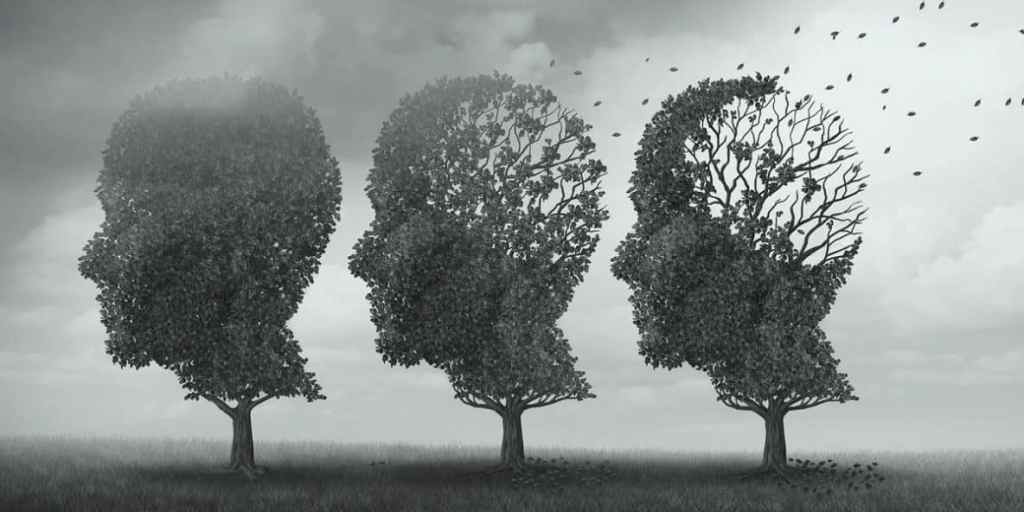
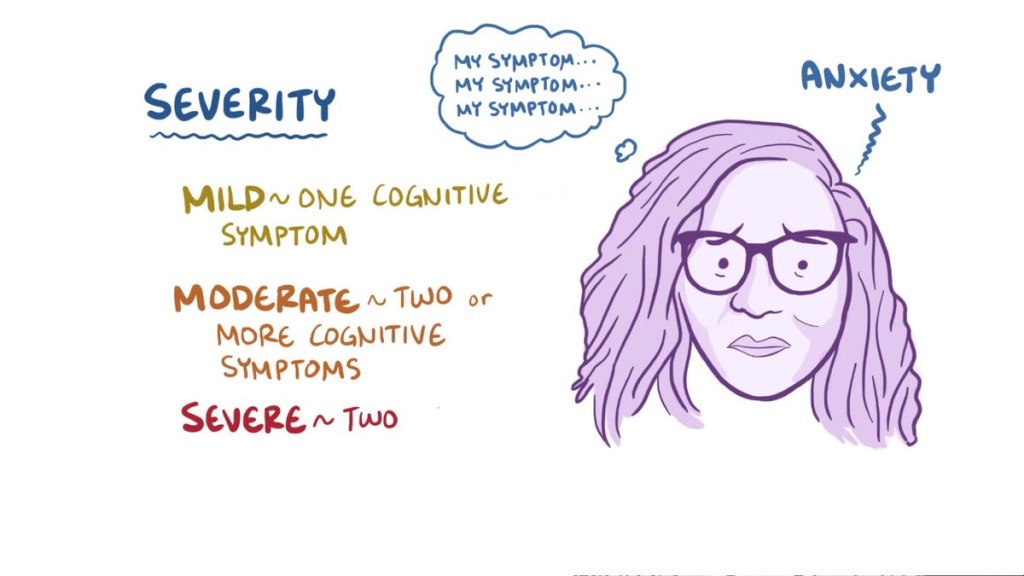
Such disorders include an interruption to consciousness which includes aspects like memory. Dissociative Amnesia involves a temporary loss of memory which can be caused due to some psychological trauma. This disorder should not be confused with forgetfulness. People with this disorder escape reality in ways that disrupt their daily life. Some symptoms of this are memory loss, being detached from yourself and your emotions, blurred sense of identity, inability to cope with emotions, and other mental health problems like anxiety and depression.

Dissociative Identity Disorder

Dissociative Identity Disorder used to be known as multiple personality disorder. The person suffering from this disorder has multiple personalities and these personalities control the person’s behaviour. This can cause memory loss and delusions. Each personality has its own story, identity, history, traits, hobbies. Symptoms of this disorder are anxiety, delusions, disorientation, depression, substance abuse, suicidal thoughts, and memory loss. Example of this disorder can be seen in the movie “Split”.

Depersonalization Disorder

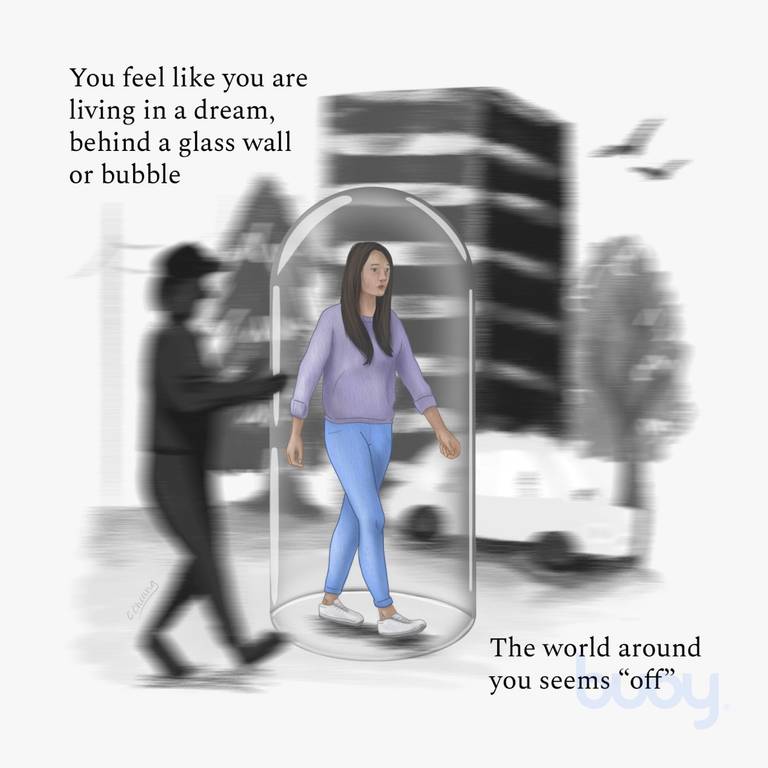
Depersonalization/Derealization Disorder involves a person feeling disconnected from their own body because of which they feel an involuntary disconnect from their memories, consciousness, and emotions. The person suffering from this feels disconnected from their environment. Although this can be a sign of other conditions like brain diseases, dementia, schizophrenia, seizure disorders. Symptoms include feeling as if you are observing your body from outside, panic, and being robot-like.

Somatic Symptom Disorder

These disorders were earlier known as somatoform disorders. The special thing about these disorders is that they involve a notable physical symptom that does not have a diagnosable physical cause. Somatic Symptom Disorder involves someone having a big focus on physical symptoms like weakness or pain which causes the person excessive distress and problems in normal functioning. The person then has continuous thoughts and feelings related to the physical symptom. The physical symptom may or may not be diagnosable as a medical condition but the person believes they are sick and are surely not faking it.

Illness Anxiety Disorder involves having an excessive fear of serious medical illnesses. A person suffering from this disorder pays extra caution about their health. They are easily alarmed by anything that can be diagnosed as some medical illness, for example, a headache can make them worry about having a brain tumor. Symptoms can include finding no assurance from doctor visits and negative results, repeatedly checking for signs of illness, avoiding people or going outside to not take any risks, and frequently searching the internet for symptoms about possible illnesses.

Conversion Disorder is when a person has blindness, paralysis, or other neurological symptoms that cannot be explained by any medical explanation. This can occur because of a psychological conflict. Symptoms include the inability to speak and numbness.

Factitious Disorder is a disorder wherein a person deceives others by appearing sick or by purposely causing injury or sickness to self. People with this disorder know they are causing the symptoms but they do not understand why. Symptoms can include extensive knowledge of medical diseases, vague and inconsistent symptoms, eagerness to have frequent tests, arguing with doctors, conditions that get worse for no reason, and conditions that do not respond in an expected manner. This disorder is very challenging to identify.

Conclusion

These are rarer disorders than anxiety and depression and so less heard of. It is important to note that only in the case of Factitious disorder are the patients faking the illness. These disorders are usually difficult to diagnose and can only be treated by extensive therapy.

References

Note: this is just Part 3 of the Psychological Disorders series.

“SCHOOLS REMOVING MUSIC AS A SUBJECT “, IS IT GOOD ?

Music gives you pleasure that heals your wounds , be it mental , be it physical.

Nearly everyone enjoys music , whether by listening to it , singing , playing instrument. But despite of this universal interest for music , schools are removing music from the list of their subjects that are taught in the schools. Are schools on right path ? Is this decision is in favor of students? NO , they are doing a big mistake ! Schools are not only loosing an enjoyable subject but a subject which enrich students life & help them to focus more on their education . Here are the benefits that music plays in the life of a student.

  1. Musical training helps develop language and reasoning: Students who have early musical training will develop the areas of the brain related to language and reasoning. The left side of the brain is better developed with music, and songs can help imprint information on young minds.
  2. Students learn to improve their work : music brings craftmanship among students, they learn the presentation part of their work
  3. Increased coordination: Students who practice with musical instruments can improve their hand-eye coordination. Just like playing sports, children can develop motor skills when playing music.
  4. Music can be relaxing: Students can fight stress by learning to play music. Soothing music is especially helpful in helping kids relax. A relaxed mind ensures proper work done .
  5. Music teaches discipline : Music teaches an important aspect of life that is discipline , students have to set aside time to learn the instruments that will make them learn discipline
  6. Better self-confidence: With encouragement from teachers and parents, students playing a musical instrument can build pride and confidence. Musical education is also likely to develop better communication for students.

Finally, music is an excellent way to relieve stress.  This is significant for students who may feel overwhelmed by schoolwork and try to balance extracurricular activities. Studies have found that music can reduce burnout and improve mood states. As students enter into the upper grades of the school system and begin considering applying for post-secondary schools, they might feel overwhelmed with the need to keep their grades high. Even young students can experience stress with the increasing amounts of homework school curriculums require. Some students may also have stressful home lives, and music will offer a way to escape from these situations.

Music helps you increase you memory power . Music is good for your memory. I bet you can remember the lyrics of a bunch of songs much better than an article you recently read. In nursing homes, they started using musical therapy in order to let the elderly remember things of their past, which they couldn’t remember without listening to music.

Amity University and CSC collaborate to provide higher education to rural students.

Being a private University, Amity has never been behind when it comes to providing quality education. Recently Amity joins hands with Common Services Centers (CSCs) to provide higher education to rural students. 

It is estimated that approx 15 lakh students in rural areas can now be able to access undergraduate and postgraduate courses with this collaboration of Amity University Online and CSC. Courses like BA, BCom, BCA, BBA, and MCA will be available for the students through over 6000 CSC Academy centers, the Education and CSR wing Of CSC.  Also, courses like BA and BCom will be made available in Hindi considering the language barrier faced by students in rural India. When students will enroll through the CSC Academy center, they will be able to join Amity’s online classes. Also, Amity is going to develop special courses for students, which will be offered through CSC Academy. Amity’s Online team will offer extensive assistance to students throughout the enrolment process. 

Ajit Chauhan (the Chairman of Amity University Online) said, “Amity University Online has always envisioned providing world-class quality education to all its learners. Our endeavor is to bring grassroots-level change and enable professionals in remote areas of India. We hope rural and remote India can benefit through this initiative.” 

MD, CSC SPVDr. Dinesh Tyagi, explaining the collaboration said, “We have endeavored to provide quality education to students and youth in rural areas, particularly to women who miss out on higher education due to societal inequality and patriarchy. Our association with Amity Online is a significant step in that direction and meets the Prime Minister’s vision of Digital India fulfilling the educational needs of rural India. Partnership with Amity will also help us reach out to rural youth with future skills like AI, Machine Learning, and BlockChain.” Also, the Director, Academics of Amity University Online, Dr. Priya Mary Mathew noted, “It is always heartening to see when an education provider looks beyond to create an impact on the society. We are partnering with CSC Academy and their penetration in the remotest parts of India will light up the dreams of the masses to get quality education within their reach.”

This collab will act as a boost to improve enhance rural India’s education base. Amity Online’s team will offer extensive assistance to students throughout the enrolment process.

Is Internship is useful ?

Gaining industry experience has significant benefits whether you are in high school, college or entering into the workforce. Regardless of your current education level or desired career path, an internship can encourage your professional growth.

Why is an internship important?

An internship is important because it can present you with new skills and opportunities that you would not receive otherwise. Interns not only gain technical knowledge within the industry of their choice, but they also learn how to interact with professionals in a workplace setting, and develop essential soft skills like time management, organization, adaptability, problem-solving and teamwork.

virtual internship

A virtual internship is a work experience program where the participant (intern) gains experience while working in a remote professional setting and is not physically present at the job location.

Virtual interns communicate with their employer online through various means including email, Skype, Whatsapp, instant messaging, phone conversations, webinars, project management tools, SMS messaging, etc.

Virtual internships are undertaken by both students and graduates, usually some form of white-collar work, often within fields suitable to remote work such as information technology, media, creative arts, or public relations.

According to career experts, although virtual internships are currently rare, they are growing in popularity due to improving technology and the growth of social media. A rise has been reported in virtual internships — most of which are unpaid — especially from small ventures and start ups seeking additional help. Larger companies are also starting to explore offering these types of internships. They are presently most popular among small to midsize companies and online businesses.

Virtual internships have been criticized for not providing the supervision and guidance that internships are meant to provide. Despite this, virtual or remote internships are a viable option amidst the COVID-19 pandemic, where travel options are limited. They may rival and sometimes exceede what traditional internships offer.

POLLUTION

Pollution is described as the introduction of different wastes into the environment. These material wastes are called pollutants. Pollutants may be either natural which is thrown away by natural disasters, volcanic eruptions or man-made trashes like factory washouts, plastic wastes. Pollutants are harmful as they damage the quality of natural resources such as air, water, and land. Pollutants mixing in the air have a direct impact as they enter the body directly while breathing. Pollutants that mix in water also creates a hazardous effect on people’s life. People residing near the construction and manufacturing work areas are diagnosed with relatively higher hearing ailments. This contributes to noise pollution. Similarly, there are varieties of pollution in our surrounding world, some of which are unaware of by us. The fact is, we humans are the ones creating all this pollution without thinking about neither our life nor the future world and life. It is very difficult to construct a zero-pollution world. Still, the level and consequences of pollution could be decreased by taking some measures and being more sensible.

TYPES OF POLLUTION

AIR POLLUTION – Increasing industrialization has paved the way for poisonous gases to enter the atmosphere. This in turn creates adverse effects like respiratory and other diseases in human beings. The carbon and its oxides released by the burning of coal and fossil fuels are absorbed by the trees. But as we started cutting trees to find areas for accommodation, these carbon oxides mix the atmosphere and pollutes it. The fresh oxygen we breathe thus gets contaminated and can give rise to many skin diseases and respiratory disorders like asthma, bronchitis, etc. These impacts could be decreased by following afforestation and reforestation and adopting the use of natural gases and biogas.

WATER POLLUTION – Introduction of industrial effluents, pesticides and insecticides, domestic waste, detergents, and fertilizers contaminate the water bodies. Water pollutants are released directly to the nearby water sources without proper treatment. These pollutants in water mix up with all the water bodies and finally contaminate the ocean by the formation of algae which creates a threat to aquatic life. It also generates unfavorable effects on humans and affects the food chain. It causes communicable and non-communicable diseases like cholera, typhoid, dengue, etc. This could be prevented by conserving water, treating sewage before it is disposed and use of eco-friendly products.

SOIL POLLUTION – Soil pollution refers to the existence of chemicals, toxic compounds, salts, and radioactive elements in the layers of soil. Discharge of toxicants from industries, stagnation of polluted water, heavy metals, and other solvents stay in the soil and make it infertile for cultivation. Due to this, the texture and quality of the soil are lost damaging the growth of plants and organisms living in the soil. Percolation of dirty water, dumping of fuels and oils, dumping of pharmaceutical and other medical wastes also adds to soil pollution. These influence humans indirectly through the plants that we consume as food. Industrialists should follow the environment protection norms strictly and individuals must start practicing the 3Rs – Reduce, Reuse and Recycle the to lessen soil pollution. 

NOISE POLLUTION – This form of pollution is increasing and creating an unsafe environment. The increase in sound levels becomes dangerous for living creatures and causes several disturbances in society. An increase in industries, technology, use of vehicles, parties, bursting crackers, and loud political meetings contribute a lot to noise pollution. Unlike, other pollution, noise pollution can also bring about serious issues like hearing impairment and other troubles in the eardrums. Not only humans, but this kind of pollution also badly hits the wildlife. We must become aware of these unnoticed yields and help in building a safer and better society.