Learning is the process of acquiring new understanding, knowledge, behaviors, skills, values, attitudes, and preferences. The ability to learn is possessed by humans, animals, and some machines; there is also evidence for some kind of learning in certain plants.
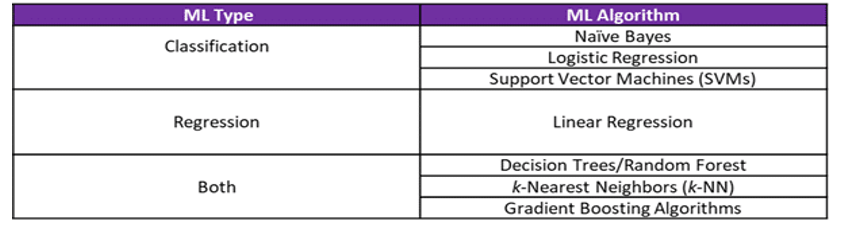
Supervised learning can be further divided into two types of problems:
Classification algorithms are used when the output variable is categorical, which means there are two classes such as Yes-No, Male-Female, True-false, etc.
Multiple classes may also be present.
The output variable or the dependent variable should be categorical in nature.
Example: Diagnosis
“Prone to lung cancer” (output variable) is the dependent variable and “Weight” and “Number of cigarettes smoked” are the independent variables.
Regression
Regression algorithms are used if there is a relationship between the input variable and the output variable. It is used for the prediction of continuous variables, such as Weather forecasting, Market Trends, etc.
Analyse the existing data and
Predict the future data parts.
Let’s say you have two variables, “Number of hours studied” & “Number of marks scored”. Here we want to understand how the number of marks scored by a student change with the number of hours studied by the student, i.e.
“Marks scored” is the dependent variable, and “Hours studied” is the independent variable.
You need to note that “marks scored” is the dependent variable and it is a continuous numerical.
Question: “How many hours should a student learn to get 60 points?”
Ans: The regression model would understand that there is an increment of 10 marks for every extra hour studied and to score 60 marks the student must study for 6 hours.
Example: Weather app in our mobile
This app predicts the weather of the entire next week. How does it do?
By analysing the previous data (say past 10 years weather report data) and predicts the pattern for the next week.
Here, since we deal with large amount of data, it may be difficult for humans to work on it. Hence, the machines are fed with large amount of data and made to predict the future data parts.
In supervised learning, models are trained using labelled dataset, where the model learns about each type of data.
Once the training process is completed, the model is tested based on test data (a subset of the training set), and then it predicts the output.
Example:
Task
Suppose we have a dataset of different types of shapes which includes square, rectangle, triangle, and Polygon. Now the first step is that we need to train the model for each shape.
Training Experience
If the given shape has four sides, and all the sides are equal, then it will be labelled as a Square.
If the given shape has three equal sides, then it will be labelled as a triangle.
If the given shape has six equal sides, then it will be labelled as hexagon.
Now, after training, we test our model using the test set, and the task of the model is to identify the shape.
Performance
The machine is already trained on all types of shapes, and when it finds a new shape, how well it classifies the shape based on number of sides and predicts the output.
Steps involved
First, determine the type of training dataset
Collect/Gather the labelled training data.
Split the training dataset into training dataset, test dataset, and validation dataset.
Determine the input features of the training dataset, which should have enough knowledge so that the model can accurately predict the output.
Determine the suitable algorithm for the model, such as support vector machine, decision tree, etc.
Execute the algorithm on the training dataset. Sometimes we need validation sets as the control parameters, which are the subset of training datasets.
Evaluate the accuracy of the model by providing the providing the test set. If the model predicts the correct output, which means our model is accurate.
The machines are trained using well “labelled” training data, and on basis of that data, machines predict the output.
The labelled data means some input data is already tagged with the correct output.
Supervisor is this training data (labelled data) which helps to predict the output correctly when a new input data point is given as input.
The aim of a supervised learning algorithm is to find a mapping function to map the input variable(x) with the output variable(y).
Step 1: The very first step of Supervised Machine Learning is to load labelled data into the system. This step is a bit time-consuming because the preparation of labelled data is often done by a human trainer.
Step 2: The next step is to train and build connections between inputs and outputs(function). This step is also known as the training model.
Step 3: Then comes the step known as the testing model. As the name suggests, you test the model by introducing it to a set of new data.
Here, the input is an independent variable, and the output is a dependent variable. The goal is to generate a mapping function that is accurate enough so that the algorithm can predict the output when we feed new input.
Example of labelled data:
We have a labelled dataset that consists of images of apples and oranges, with different attributes such shape, colour etc.
Consider the image of an apple shown above with the labels- shape, colour, and apple.
We train the model with this image. Then, we repeat the same training process with other images of both apples and oranges with their attributes.
What we are doing is-
Here, the input data is the independent variable and “Apple” or “Orange” is dependent variable as it is dependent on the input picture given.
Our goal is to generate a mapping function between the dependent and independent variable so we can determine the output when we feed a new data point.
Once the model is trained and the algorithm is built, the accuracy can be tested with the help of a test dataset.
When we feed the model with a new apple image, it scans the image and matches the attributes of the image with other trained images. Then depending upon the accuracy of the model, it returns the output ‘apple’.
When new data point is given as input, say,
The machine should be able to guess the output as “Apple”.
This labelled data or the training data (acts as supervisor), helps to predict the output as “Apple”.
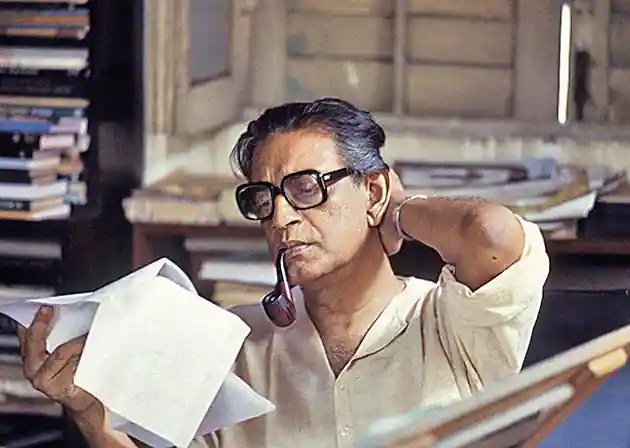
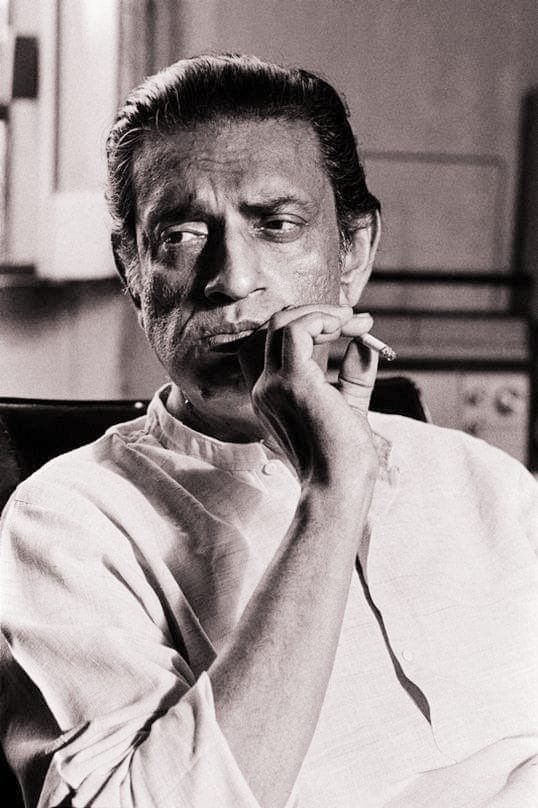
Satyajit Ray was India’s first internationally recognized film-maker and, several years after his death, still remains the most well-known Indian director on the world stage. Ray has written that he became captivated by the cinema as a young college student, and he was self-taught, his film education consisting largely of repeated viewings of film classics by de Sica, Fellini, John Ford, Orson Welles, and other eminent directors.
Satyajit Ray
Early Life and Family Background
Satyajit Ray was born into an illustrious family in Kolkata (then Calcutta) on 2nd May,1921. His grandfather, Upendra Kishore Ray-Chaudhary, was a publisher, illustrator, musician, the creator of children’s literature in Bengali and a leader of the Brahmo Samaj, a religious and social movement in nineteenth century Bengal. His father, Sukumar Ray, was a noted satirist and India’s first writer of nonsensical rhymes, akin to the nonsense verse of Edward Lear. Having studied at Ballygunge Government High School, Calcutta and completed his BA in economics at Presidency College, Satyajit Ray went on to develop an interest in fine arts. Later in life, Satyajit Ray made a documentary of his father’s life. His film, Goopy Gyne Bagha Byne, was based on a story published by his grandfather in 1914, but even other films, such as Hirok Rajah Deshe, “The Kingdom of Diamonds”, clearly drew upon his interest in children’s poetry and nonsensical rhymes.
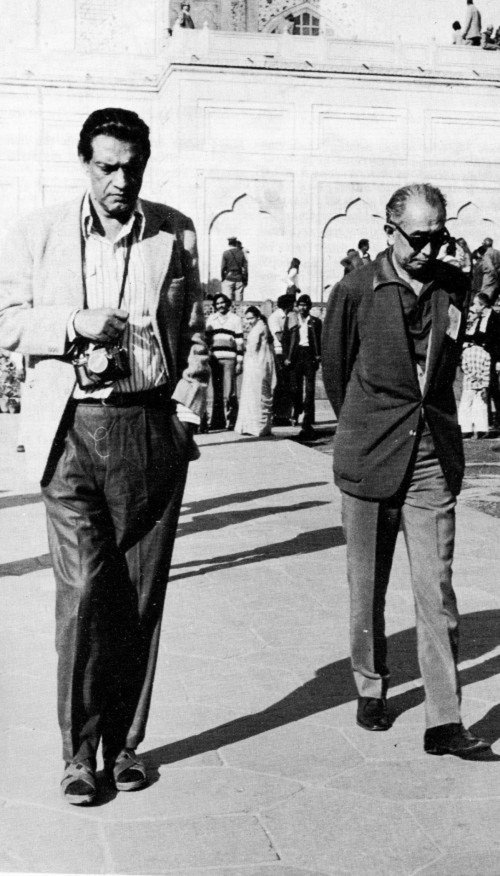
Satyajit Ray with Akira Kurosawa
The Crisis of Indian Cinema Before Ray
From the 1920s to the early 1950s, several directors working within Hollywood—as well as filmmakers in former Soviet Union, France, Italy, Germany, and Japan—considered cinema not as a mere tool of entertainment but as a medium for creative expression. Filmmakers such as Charlie Chaplin, Sergei Eisenstein, Jean Renoir, Roberto Rossellini, Vittorio De Sica, Akira Kurosawa, and others deployed artistically innovative filmic devices to convey profound statements about the complexities of life. Some of the aesthetically satisfying films produced during this period were hailed as cinematic masterpieces. Films in India, however, prioritised cliched elements such as sentimental slush, ersatz emotion, theatricality, romantic tales, spectacle-like songs, and happy endings in these decades. Instead of making serious attempts at formal experimentation, Indian directors continued catering to the lowest common denominator audience.
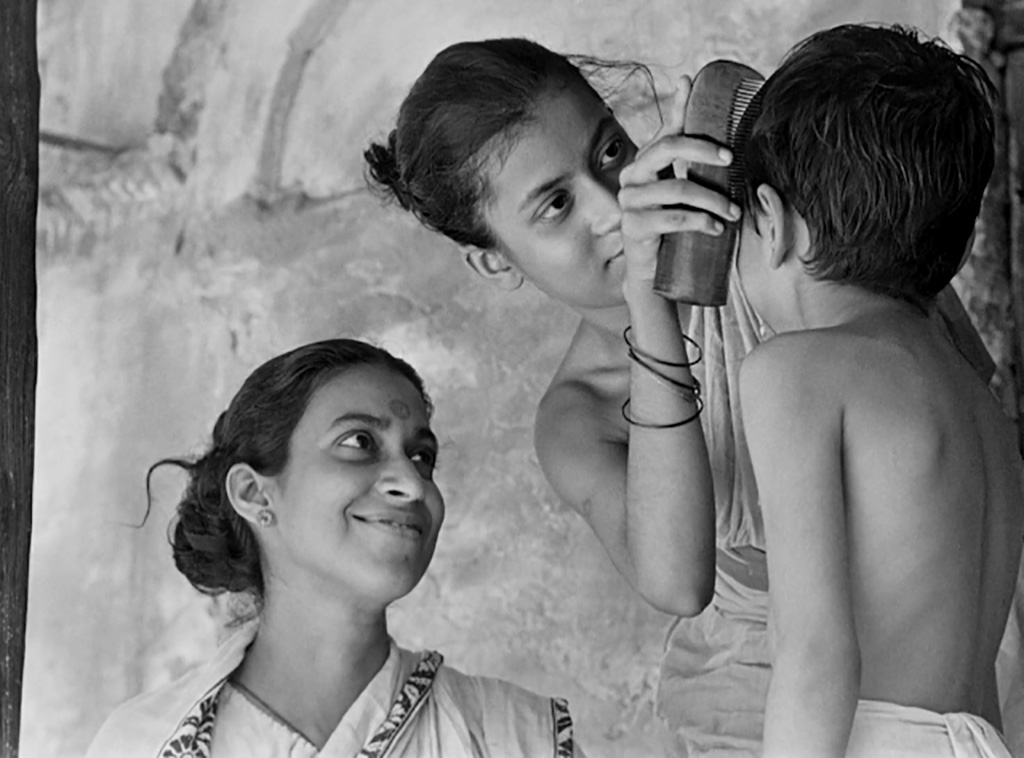
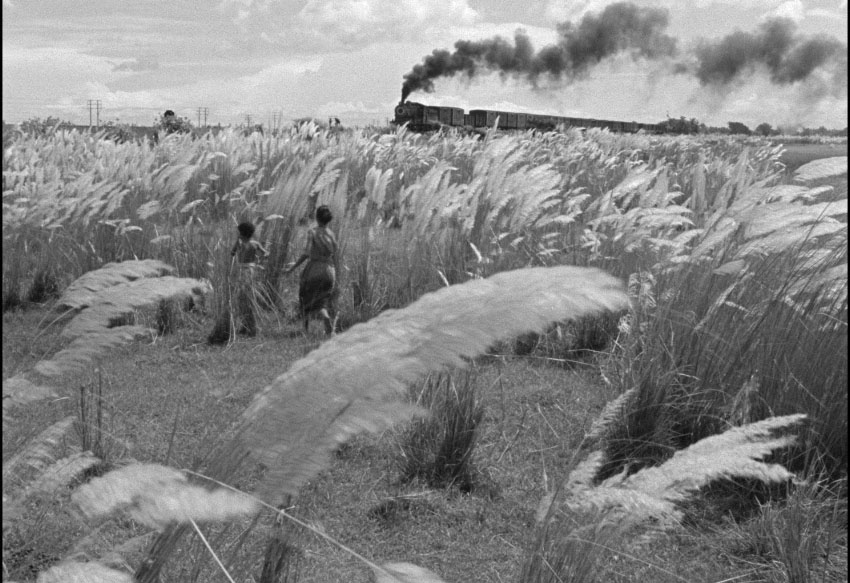
Iconic scene from Pather Panchali (1955)Pather Panchali (1955)
Breakthrough of Satyajit Ray
A young Ray had grown up on Hollywood movies, so when his ad agency sent him to London for higher training, he spent more and more of his time in the company of films and started “losing interest in advertising in the process,” he once said in an interview. During this trip, he saw Vittorio De Sica’s “Ladri di biciclette” (Bicycle Thieves),in 1948, a neo-realist Italian masterpiece of post-War despair and was entranced by its beguiling simplicity and humanism. Back in Calcutta, he heard that Jean Renoir was in town and walked straight into the hotel where the great French filmmaker was staying to confide in his own dreams of making a movie someday. Renoir, who was location-scouting for The River in Calcutta at the time, encouraged the aspirant. And so began the journey of the song of the little road.
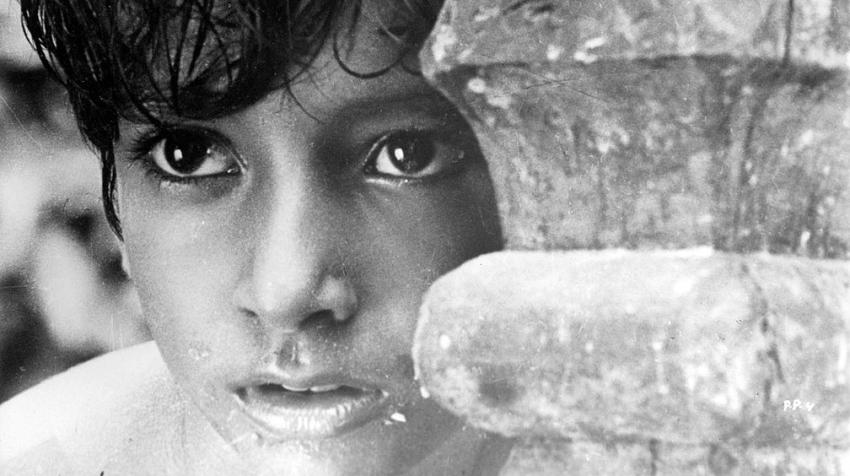
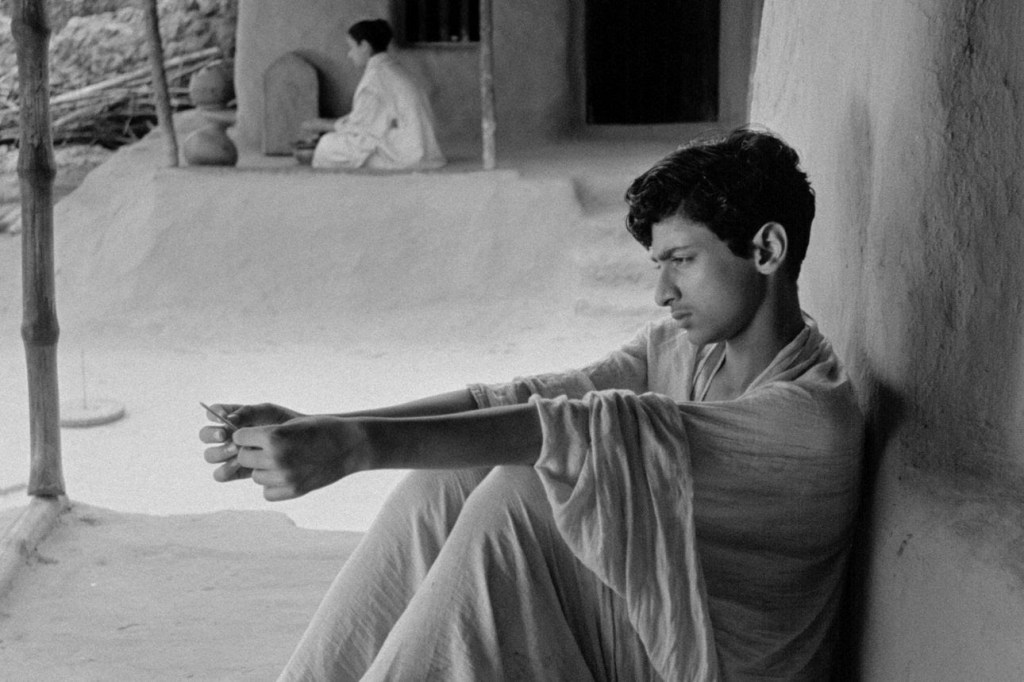
Subir Banerjee as Apu in Pather Panchali (1955)
Ray’s landmark debut, Pather Panchali ( which was adapted from eponymous 1928Bengali novel “Pather Panchali” by eminentBengali novelist Bibhutibhusan Bandopadhay) was on a shoe-string budget in 1955 with a mostly non-professional cast. All the while, he clung on to his job for a safety net even as he shot what would become the first of the classic Apu Trilogy on weekends. The film was apparently being made by a group of neophytes, who had to stop filming more than once, owing to the depletion of their shoestring budget.
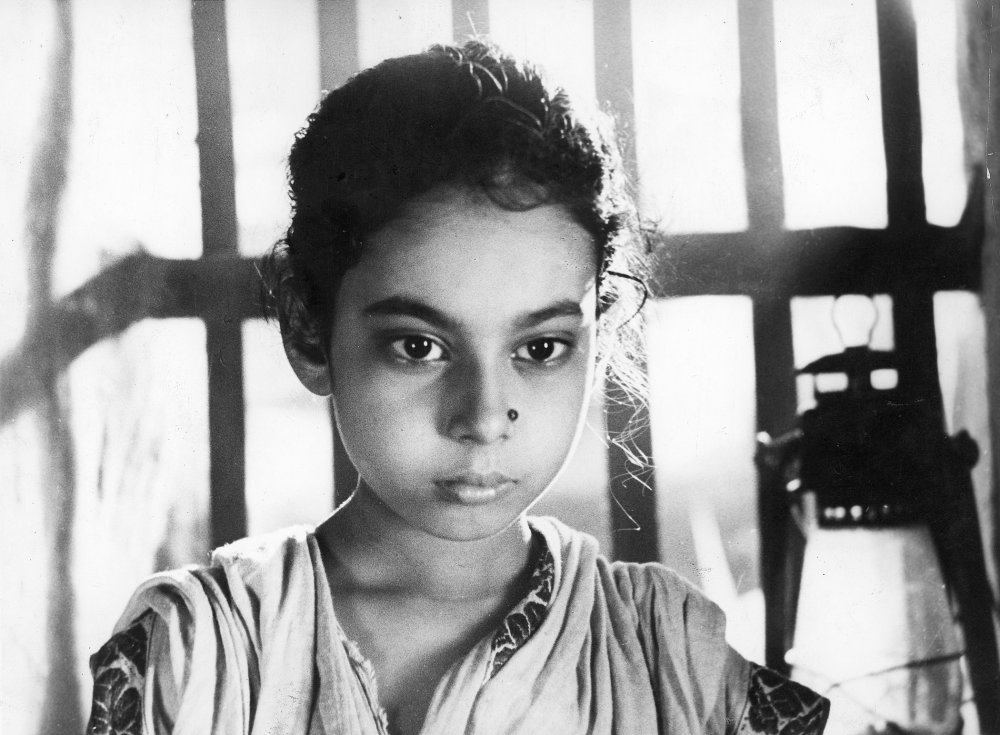
Smaran Ghoshal as Apu in Aporajito (1956)
Notable Films of Satyajit Ray
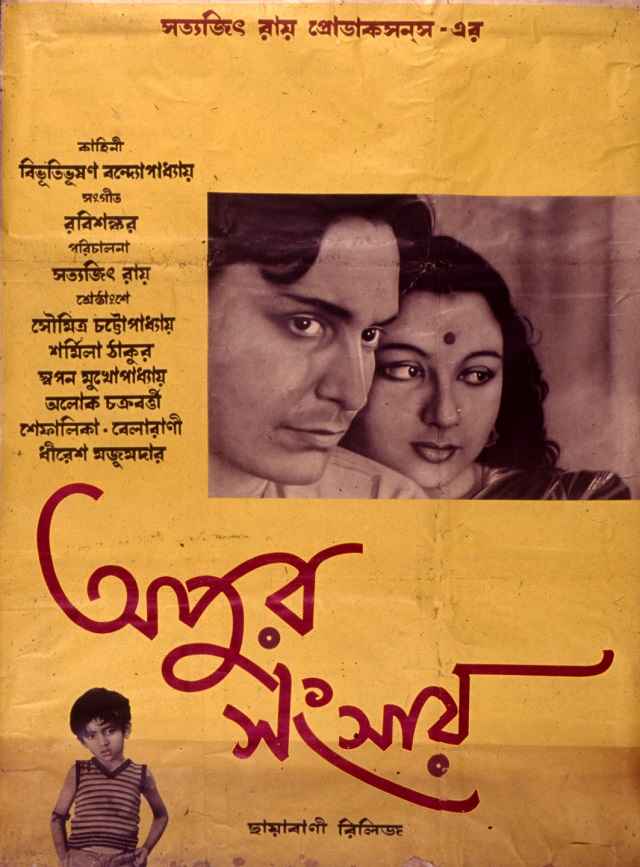
Ray directed 36 films, comprising 29 feature films, five documentaries, and two short films.Pather Panchaliwas completed in 1955 and turned out to be both a commercial and a tremendous critical success, first in Bengal and then in the West following a major award at the 1956 Cannes InternationalFilm Festival. sured Ray the financial backing he needed to make the other two films of the trilogy: Aparajito (1956; The Unvanquished) and Apur Sansar (1959; The World of Apu).Pather Panchaliand its sequels tell the story of Apu, the poor son of a Brahman priest, as he grows from childhood to manhood in a setting that shifts from a small village to the city of Calcutta.
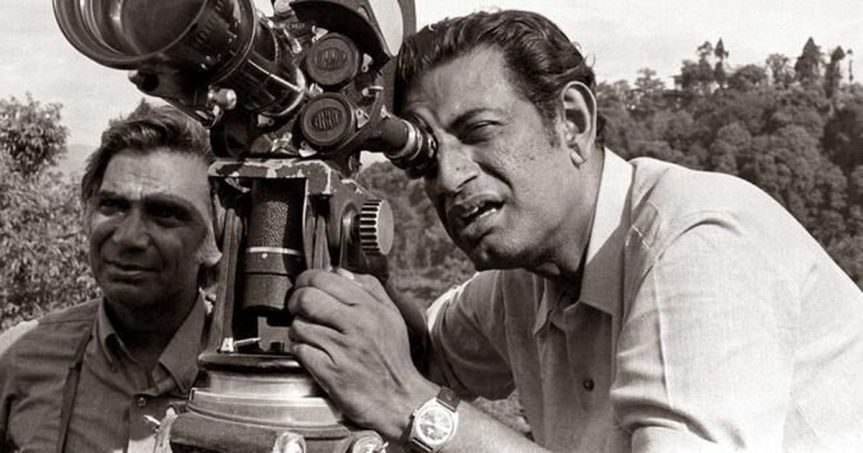
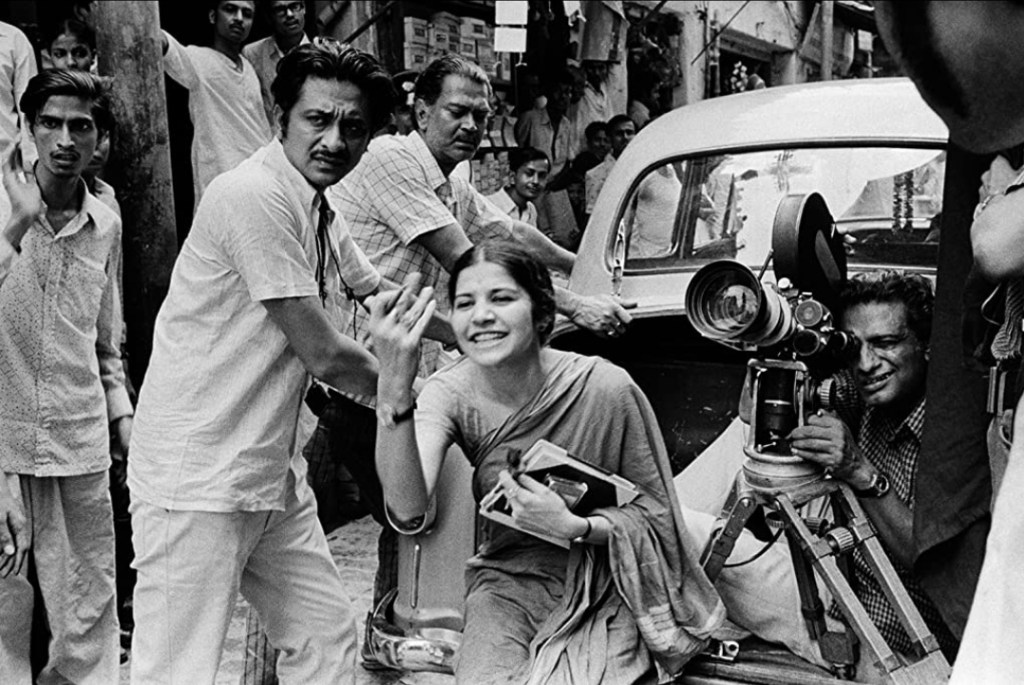
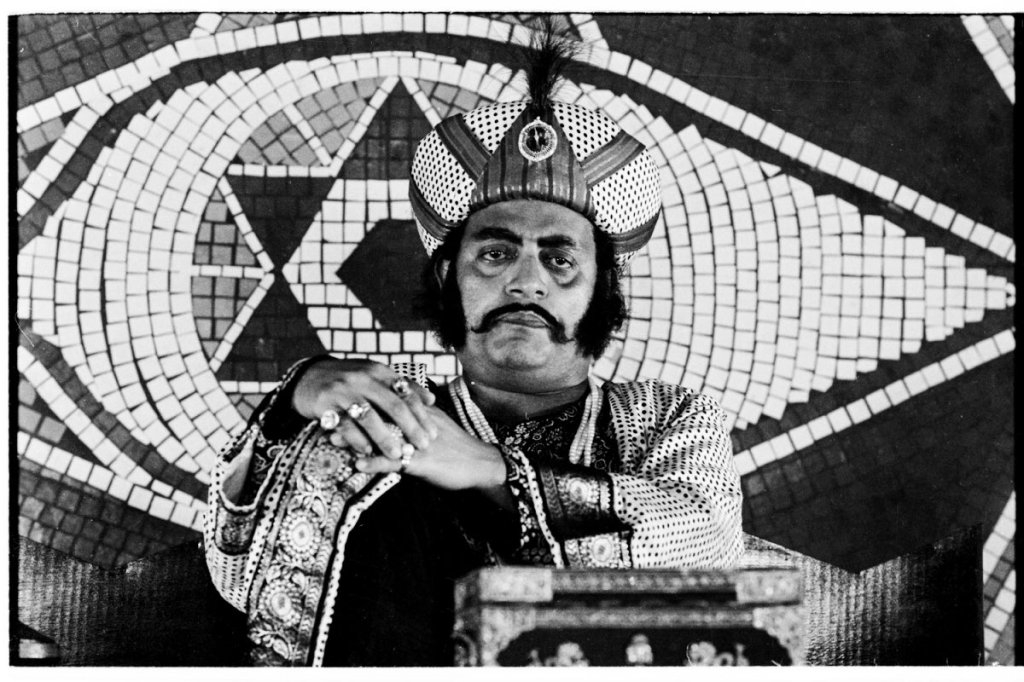
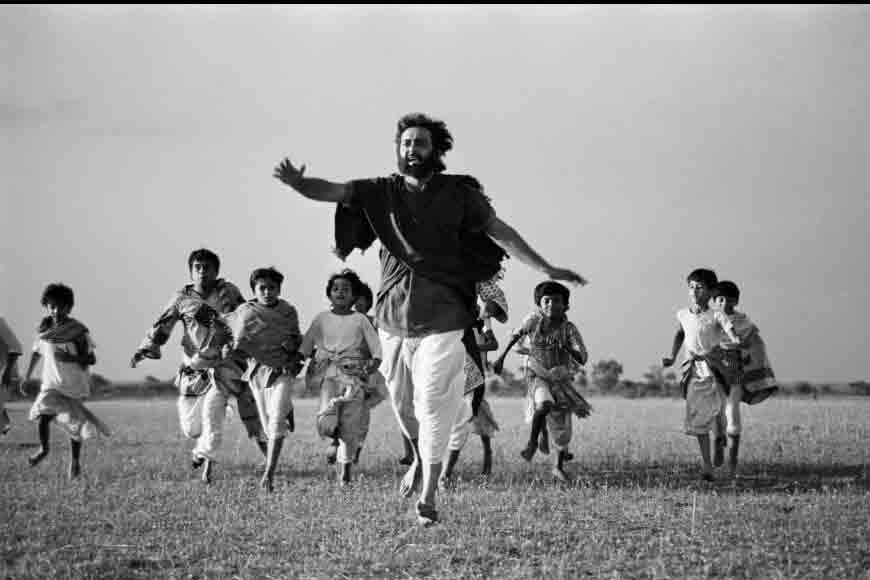
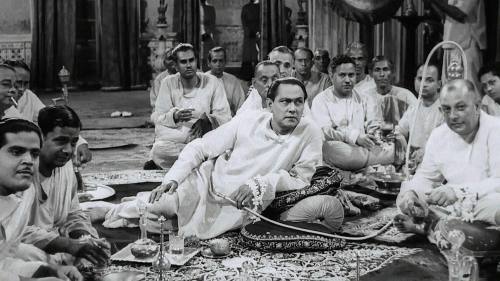
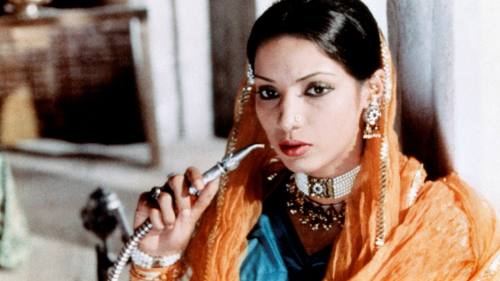
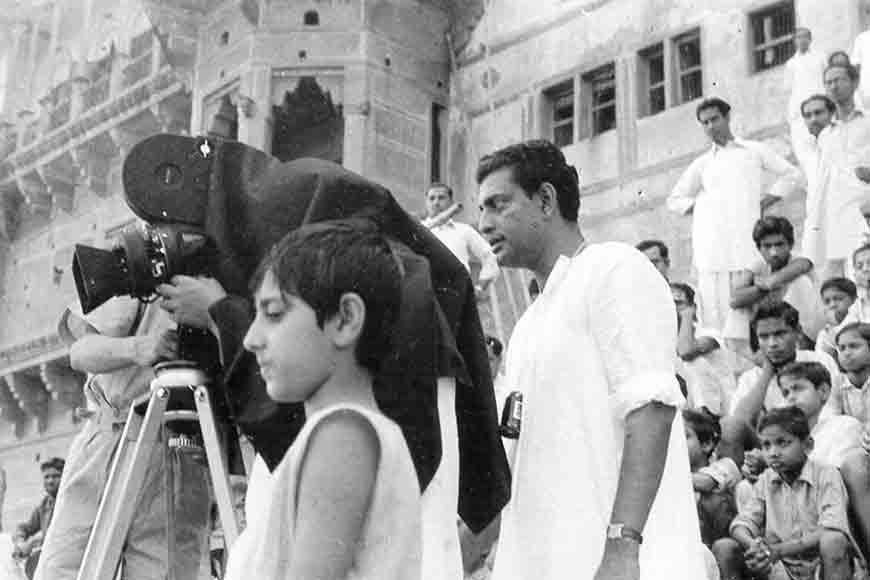
Chandana Banerjee in Teen Kanya (1961)During the Shooting of Jana Aranya (1975)Utpal Dutta in HirokRajar Deshe(1980)Soumitra Chatterjee in Hirok Rajar Deshe (1980)Chhabi Biswas (in middle) in Jalsaghar (1958)Shabana Azmi in Shatranj ke Khilari (1977)Satyajit Ray during the shooting of Sonar Kella(1974)
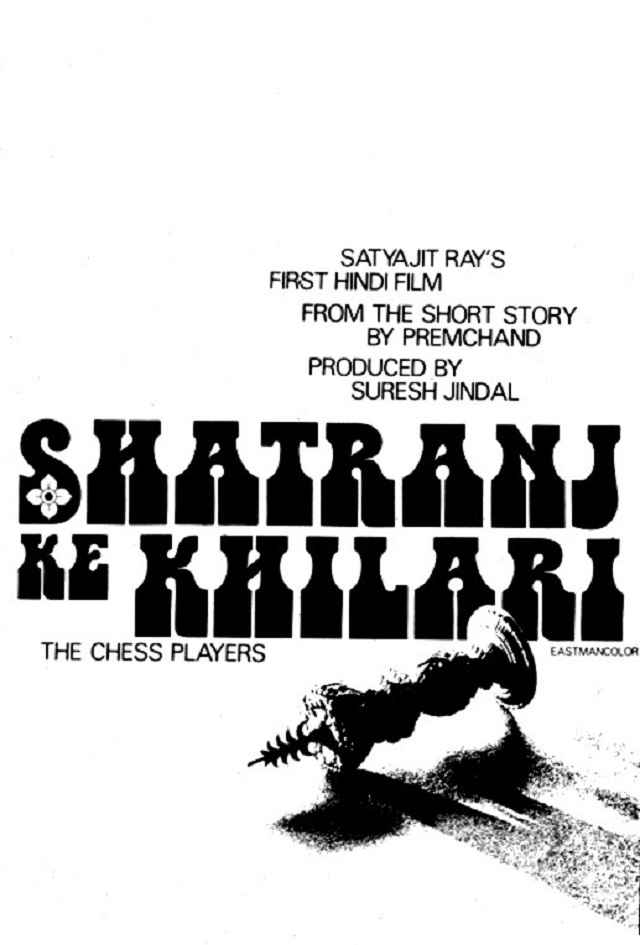
Ray’s major films about Hindu orthodoxy and feudal values (and their potential clash with modern Western-inspired reforms) include Jalsaghar (1958; The Music Room), an impassioned evocation of a man’s obsession with music; Devi (1960; The Goddess), in which the obsession is with a girl’s divine incarnation; Sadgati (1981; Deliverance), a powerful indictment of caste; and Kanchenjungha (1962), Ray’s first original screenplay and first colour film, a subtle exploration of arranged marriage among wealthy, westernized Bengalis.Shatranj ke Khilari (1977; The Chess Players), Ray’s first film made in the Hindi Language , with a comparatively large budget, is an even subtler probing of the impact of the West on India. Although humour is evident in almost all of Ray’s films, it is particularly marked in the comedy Parash Pathar (1957; The Philosopher’s Stone) and in the musical Goopy Gyne Bagha Byne (1969; The Adventures of Goopy and Bagha), based on a story by his grandfather.
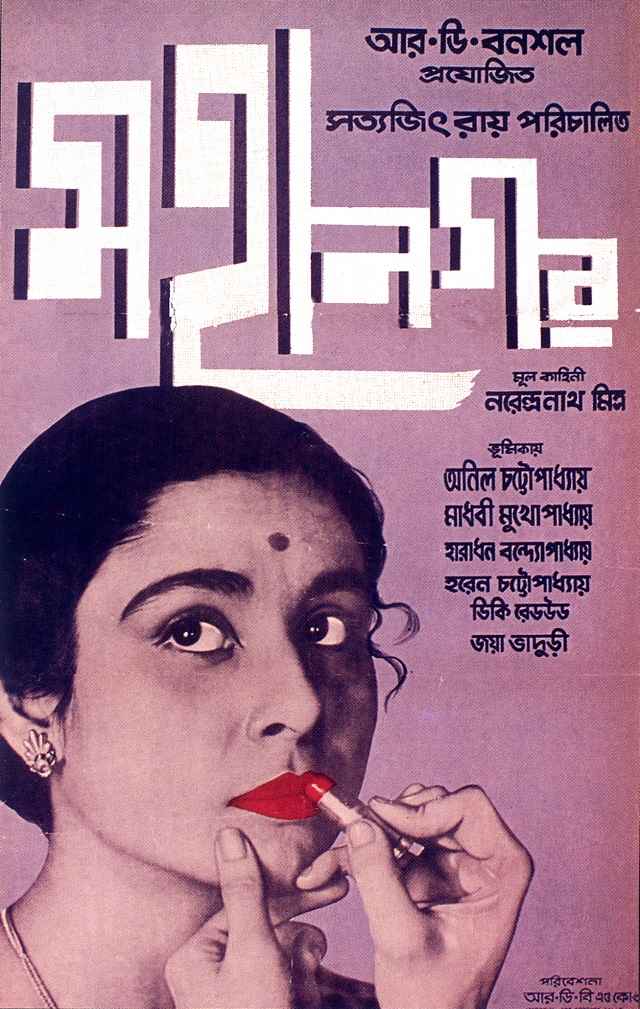
His other notable films were Ahsani Sanket (1973; Distant Thunder), Aranyer Din Ratri (1970; Days and Nights in the Forest) , Mahanagar (1963; The Big City) and a trilogy of films made in the 1970s—Pratidwandi (1970; The Adversary), Seemabaddha (1971; Company Limited), and Jana Aranya (1975; The Middleman), Ganashatru (1989; An Enemy of the People), Shakha Prashakha (1990; Branches of the Tree), and the Agantuk (1991; The Stranger).
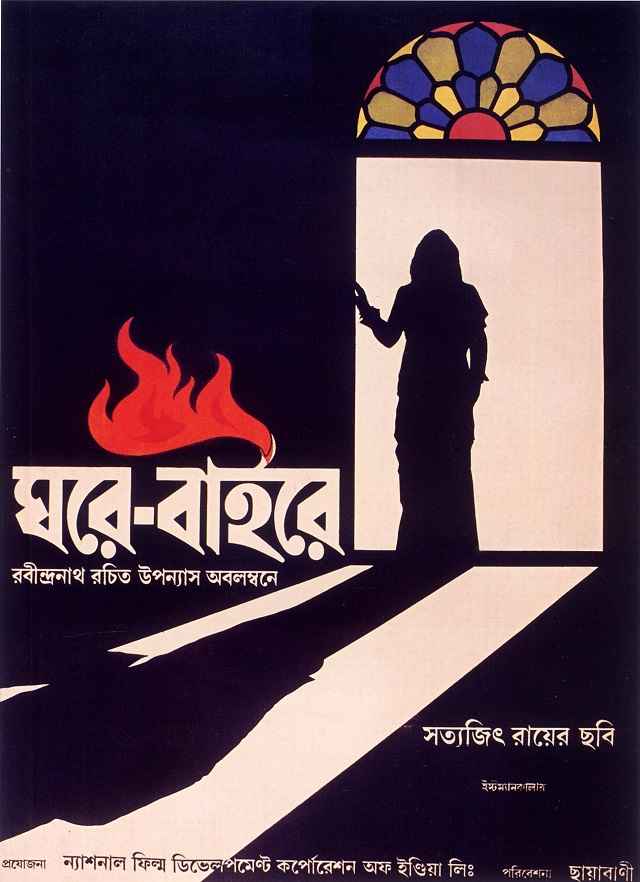
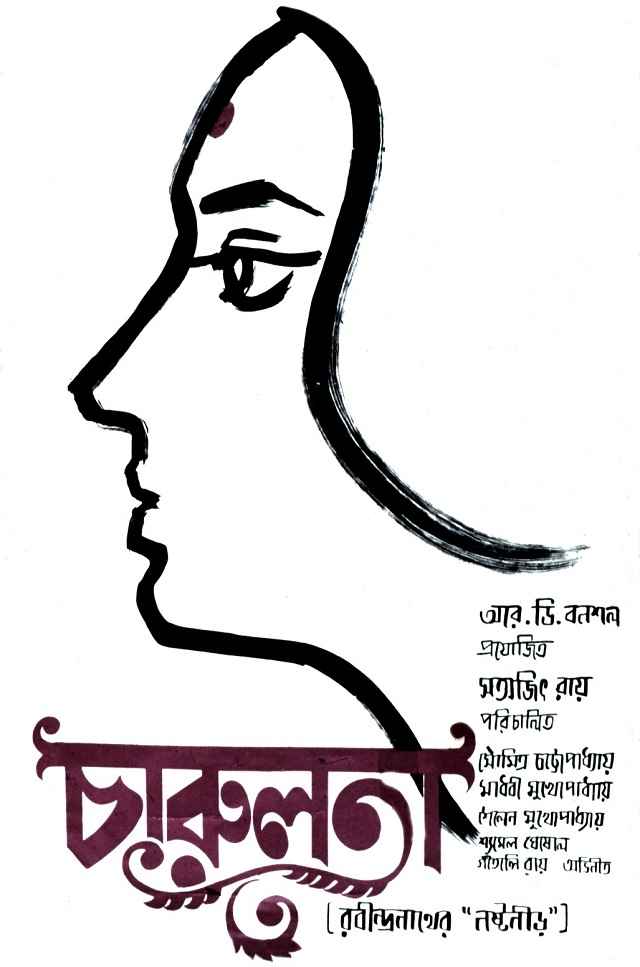
Poster of Shatranj ke Khilari (1977)Poster of Devi(1960)Poster of Ghore-BairePoster of Mahanagar(1963)Poster of Apur Sansar (1959)Poster of Nayak Poster of Charulata
Work As A Novelist
Ray created two popular fictional characters in Bengali children’s literature—Feluda, a sleuth, and Professor Shanku, a scientist. The Feluda stories are narrated by Topesh Ranjan Mitra aka Topse, his teenage cousin, something of a Watson to Feluda’s Holmes. The science fictions of Shonku are presented as a diary discovered after the scientist had mysteriously disappeared. Ray also wrote a collection of nonsensical verses named Today Bandha Ghorar Dim, which includes a translation of Lewis Carroll’s “Jabberwocky”. He wrote a collection of humorous stories of Mulla Nasiruddin in Bengali. Ray wrote an autobiography about his childhood years, Jakhan Chhoto Chhilam (1982), translated to English as Childhood Days: A Memoir by his wife Bijoya Ray. In 1994, Ray published his memoir, My Year’s with Apu, about his experiences of making The Apu Trilogy.
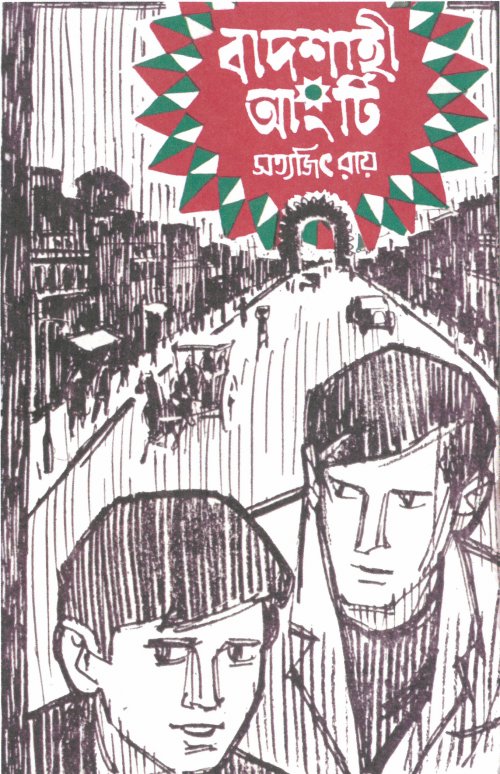
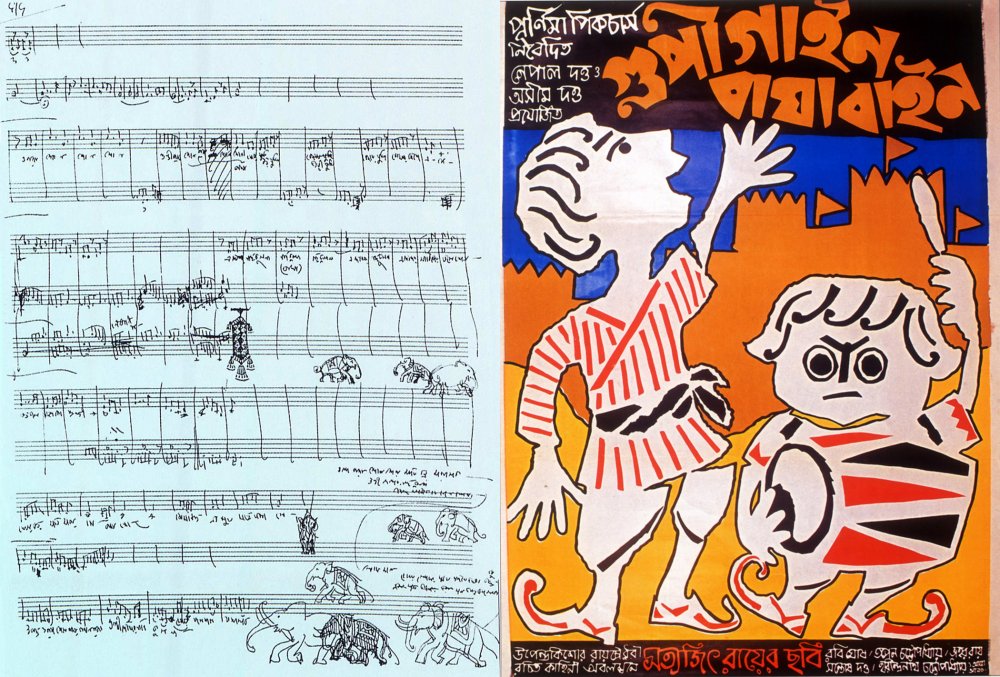
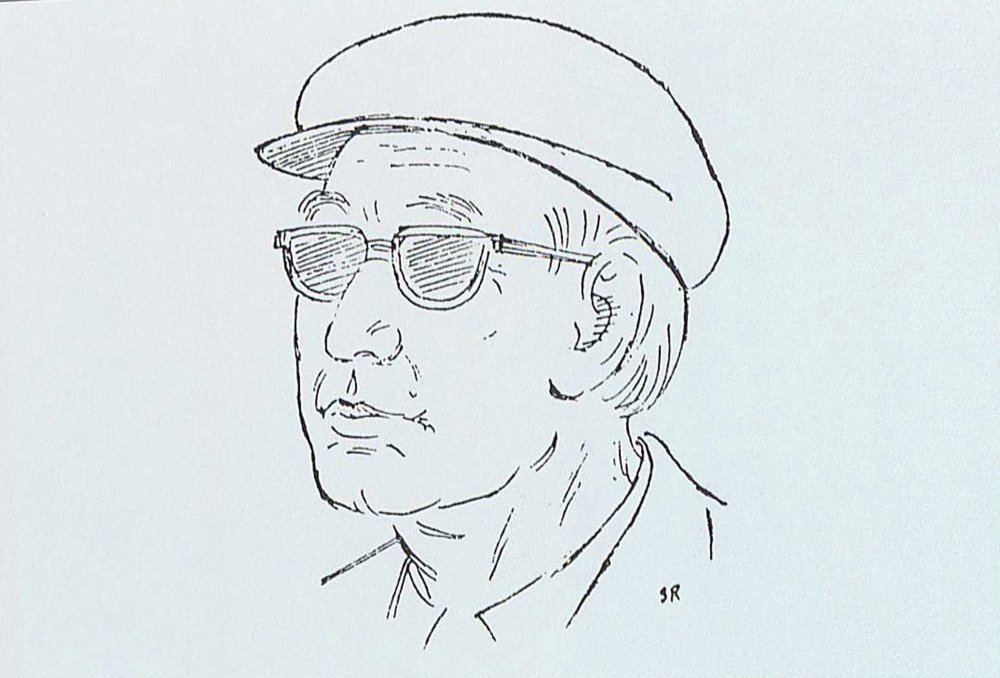
Book Cover illustrated by Satyajit Ray, himself for his first detective novel “Badshahi Angti”.The musical score and Poster for Goopy Gyne Bagha Byne(1969), done by Satyajit Ray, himself Portrait of Akira Kurosawa, illustrated by Satyajit Ray
Critical Analysis of Satyajit Ray
Instead of acting like a propagandist, Ray wanted to make people aware of the persistence of certain social problems. Devi and Ganasatru show people’s blind religious beliefs, Sakha Prasakhadiscloses the involvement of the top officials with bribery and corruption, Shatranj ke Khilari indicates the indolence and lack of political consciousness of the wealthy people, Aranyer Din Ratrireveals the insensitivity and boasting of the urban young men, and Mahapurushmockingly exposes the failure of the urban elite to embrace rational thoughts. Given the necessity of making people conscious of the same problems in present-day society, these films are still relevant today. Ray’s films also made a departure from tradition by frequently including strong women characters. Sarbajaya in Pather Panchali and Aparajito, Manisha in Kanchenjungha, Arati in Mahanagar, Charu in Charulata, Karuna in Kapurush, Aditi in Nayak, Aparna and Jaya in Aranyer Din Ratri, Sudarshana in Seemabadhdha, and Ananga in Asani Sanketappear as bolder, more confident, and more resilient than the male characters. In an interview, Ray states that the inclusion of unwavering women characters reflects his own attitudes towards and personal experience with women.
Awards Received by Satyajit Ray
Ray received many awards, including 36National Film Award by the Government of India, and awards at international film festival. In 11th Moscow InternationalFilm Festival 1979, he was awarded with the Honorable Prize for the contribution to cinema. At the Berlin International Film Festival, he was one of only four filmmakers to win the Silver Bear for Best Director more than once and holds the record for the most Golden Bear nominations, with seven. At the Venice Film Festival, where he had previously won a Golden Lion for Aparajito (1956), he was awarded the Golden Lion Honorary Award in 1982. That same year, he received an honorary “Hommage à Satyajit Ray” award at the 1982 Cannes International Film Festival. Ray is the second film personality after Charlie Chaplin to have been awarded an honorarydoctorate by Oxford University.
He was awarded the Dadasaheb Phalke Award in 1985, and the Legion of Honour by the President of France in 1987. The Government of India awarded him the Padma Bhusan in 1965 and the highest civilian honour, Bharat Ratna, shortly before his death. The Academy of Motion Picture Arts and Sciences awarded Ray an Honorary Award in 1992 for Lifetime Achievement. In 1992, he was posthumously awarded the Akira Kurosawa Award for Lifetime Achievement in Directing at the San Francisco International Film Festival.
Conclusion
Whenever we talk about radical filmmaking in the realm of Bengali cinema, Satyajit Ray’s maiden feature (made in the face of tremendous odds) is mentioned. From Pather Panchali to his last film Agantuk, Ray never compromised on high standards, thereby making a huge impression. Having a greater familiarity with the oeuvre of Ray would enable people to understand the impressive qualities and importance of socially-meaningful cinema. We are surely in need of films that would make us perceive the beauty of a dewdrop on a blade of grass, strengthen our sense of humanism, and raise our social consciousness—hence, the everlasting relevance of the cinema of Satyajit Ray.
Bengal is well-known for its music, cinema and delicious food, especially the mouth-watering sweets. In fact, it’s rather hard not to run into a sweet shop in almost every corner of the land, including the narrowest of the lanes. And, it’s equally hard to find a Bengali who is not in love with their ‘mishti’. Bengalees are incredibly proud of the sweets of Bengal and their unique appeal. And for a good reason too — Bengali sweets have wooed Indians and foreigners alike.
Bengali Mishtis
History of Sweets in Bengal
The prominent presence of sweets in Bengali cuisine can be noted throughout history. Ancient Bengal was known as ‘Gauda Banga’, a name believed to be originated from the term ‘Gur’ or molasses that were harvested in abundance in the region. The early Bengali sweets were made from the delicious jaggery or molasses and coconuts. There were several sweets made from ‘khoya and kheer’, which are Bengali names for milk solids and condensed milk, respectively. Sweets like ‘Naru’, ‘Moya’ and ‘Takti’ were popular in ancient Bengal. The uses of different fruits to make a variety of sweets were also prevalent. Books like Manasa Vijaya Kavya, written by 15th-century Bengali poet Bipradas Pipilai, also account for how varieties of ‘pithe’ or Indian Cake made from rice flour, jaggery, kheer and milk solids have been an integral part of Bengali rituals and festivals.
Traditional Coconut Balls or Narkel NaruPatisapta or Eggless CrepesMalpua or Indian Pancakes
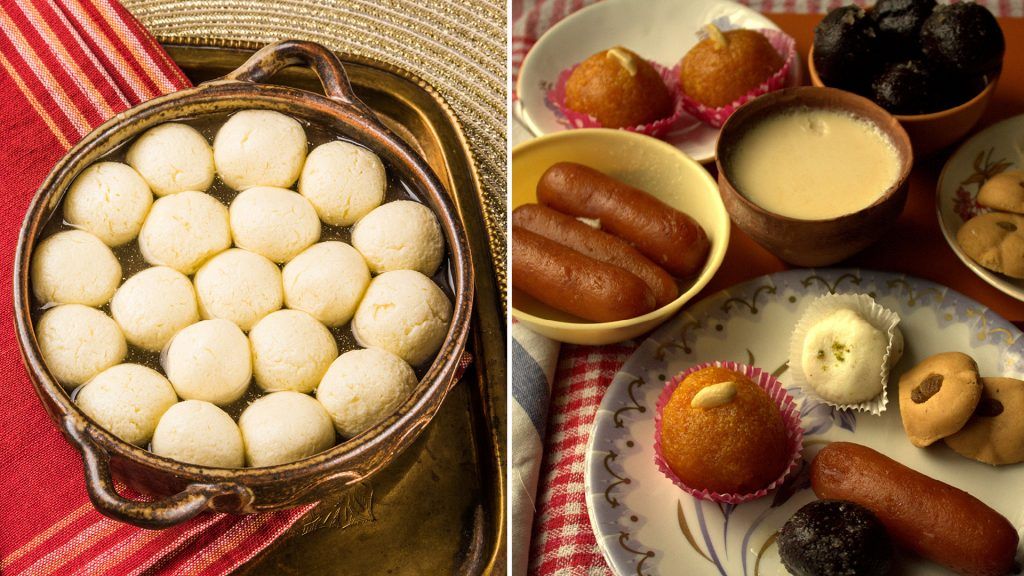
The introduction of ‘Chhana’(Cottage Cheese) in Bengali cuisine happened after the Portuguese invaded Bengal, yet it’s interesting how today most of the characteristic Bengali sweets are made primarily from fresh ‘chhana’ (cottage cheese) and sugar. The curdling of milk with an acidic substance was forbidden according to Hindu cultures, but the Portuguese loved their cheese. After settling down in and around Kolkata in the 17th century, the Portuguese tradition of making sweets with cheese inspired the local cuisine as well. The Bengali confectioners then picked up this incredible art of curdling milk and creating mouth-watering ‘Sandesh’ and ‘Rosogollas’ among others.
Some Famous Bengali Sweets
Bengalees love all their sweets but among those, some are all time winners who can brighten up moods on a tiring day, and can even spoil a diet that you are maintaining for too long! Let’s dive deep into the varieties of some scrumptious and unique Bengali Mishtis.
Sandesh
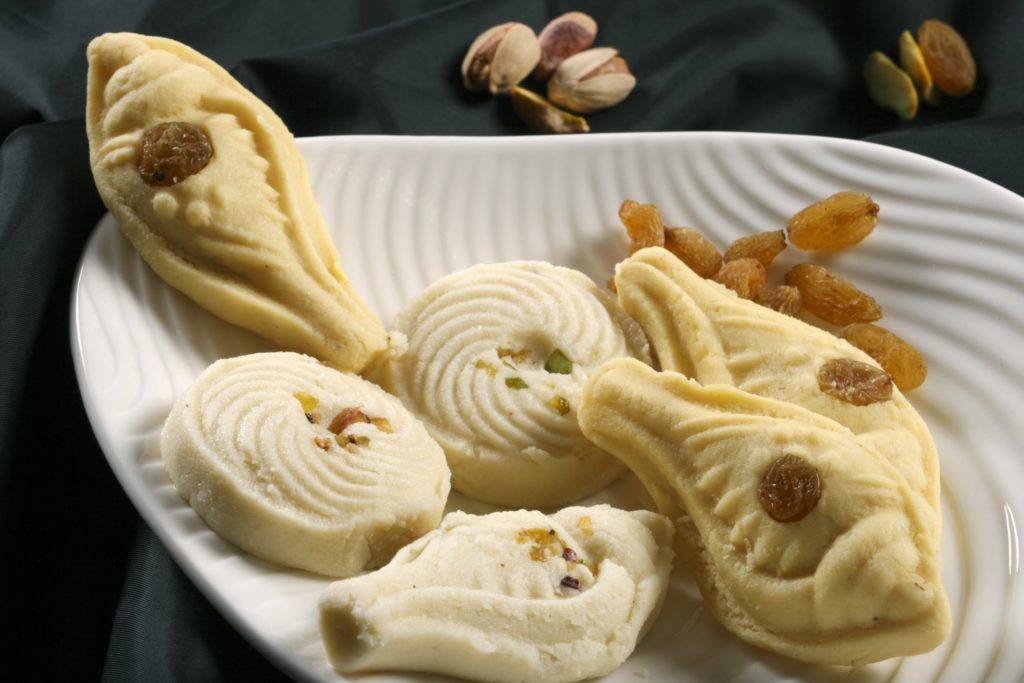
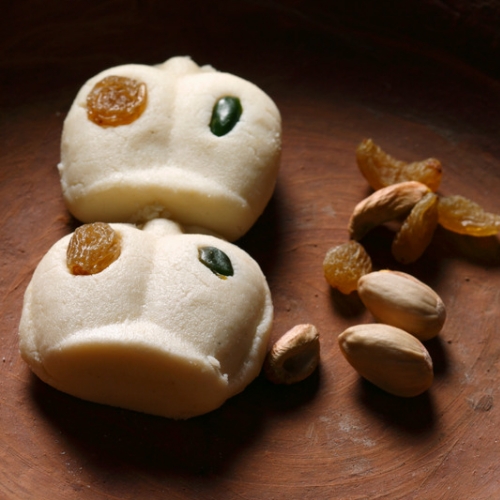
The simplest yet one of the mostloved sweet of Bengal, is Sandesh. Generally, made by fine kneading of fresh cottage cheese along with sugar powder, cardamom essence and pistachios to garnish. If jaggery is used, instead of sugar then, it’s called Nolen Gurer Sandesh.
Sandesh
Pantua
One of Bengal’s most loved syrupy sweets, is Pantua. Though it has an uncanny similarity with North India originated Gulab Jamun, taste and procedure wise they are quite different. Balls made of cottage cheese, semolina are deep fried and then tossed in sugar syrup until completely soaked in. And unlike Gulab Jamun, they can be served cold too.
Pantua
Kheer Kadam
The name of this sweet is suggestive of a flower named Kadamphool in Bengal. The flower is bright yellow in colour cover by soft, white spikes and has a distinctive smell. This Mishti resembles the flower, and has a layer of Sandesh covered over small Rosogollas .
Kheer Kadam
Lyangcha
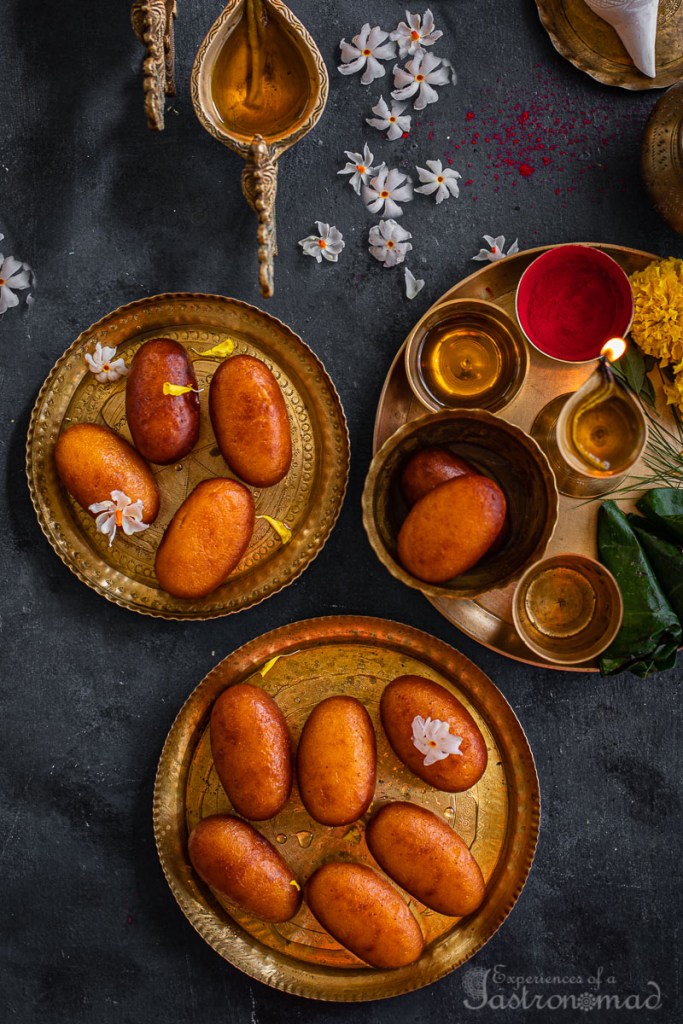
Lyangcha is a cylindrical fried sweet, soaked in sugar syrup and prepared with Fresh Chhena (Cottage cheese) and Mawa/ Khowa. To make soft and tasty Lyangcha use of Fresh Chhena is must. Originated from Shaktigarh, around 80kms from Burdwan in West Bengal, Lyangcha is a staple of Traditional Bengali Mishtis.
Lyangcha
Komola Bhog
As the name suggests, Komola Bhog is literally the orangeflavored Rosogolla, (Komolameans Orange in Bengali) with the sweetness of Rosogollas and the tanginess of Orange. And of course, they are bright Orange in colour.
Komola Bhog
Jolbhora Sandesh
JolbhoraSandesh, also known as Taalsas, is a sweet shaped like a ‘taal’ or kernel of the palm fruit. The sweet was created on the event of ‘Jamaisasthi’ by Surjya Modak. It is filled with sweet ‘Nolen gur’ inside and thus got its name. According to stories, Bandopadhay family of Chandernagar requested these sweets for their son-in-law. When he took his first bite of the sweet, the sweet juice spilled out. The sweet, thus, got well-known among the Bengalis.
Jol Bhora or Taal sas Sandesh
Sitabhog
Originated from Burdwan in Bengal, Sitabhog, according to Legends, was Goddess Sita’s favourite dessert and hence the name. Sita Bhog is prepared by frying a dough made of cottage cheese and powdered rice in ghee and then soaking it in sugar syrup. The final product looks like vermicelli served along with mini Gulab jamuns.
Sitabhog
Mihi-Dana
Originated from Burdwan in Bengal , these are one of the famous sweets, that has similarities with Motichur. These are granular, deep fried and soaked into sugar syrup. Recently, Mihi-Dana has received GI Tag from UNESCO and has received its first enormous foreign order to export to The Kingdom of Bahrain.
Mihi-Dana
Ledikeni/ Lady Kenny
Ledikeni or lady Kenny has been a popular Bengali dish since the British rule. The dish is named after Lady Canning, the wife of Charles Canning who was the Governor-General of India during the 19th century. The dish a light brown sweet ball made of Chenna which is fried and then soaked in sugar syrup. It tastes divine and is prepared on most auspicious days.
Lady Kenny
Rosogollas
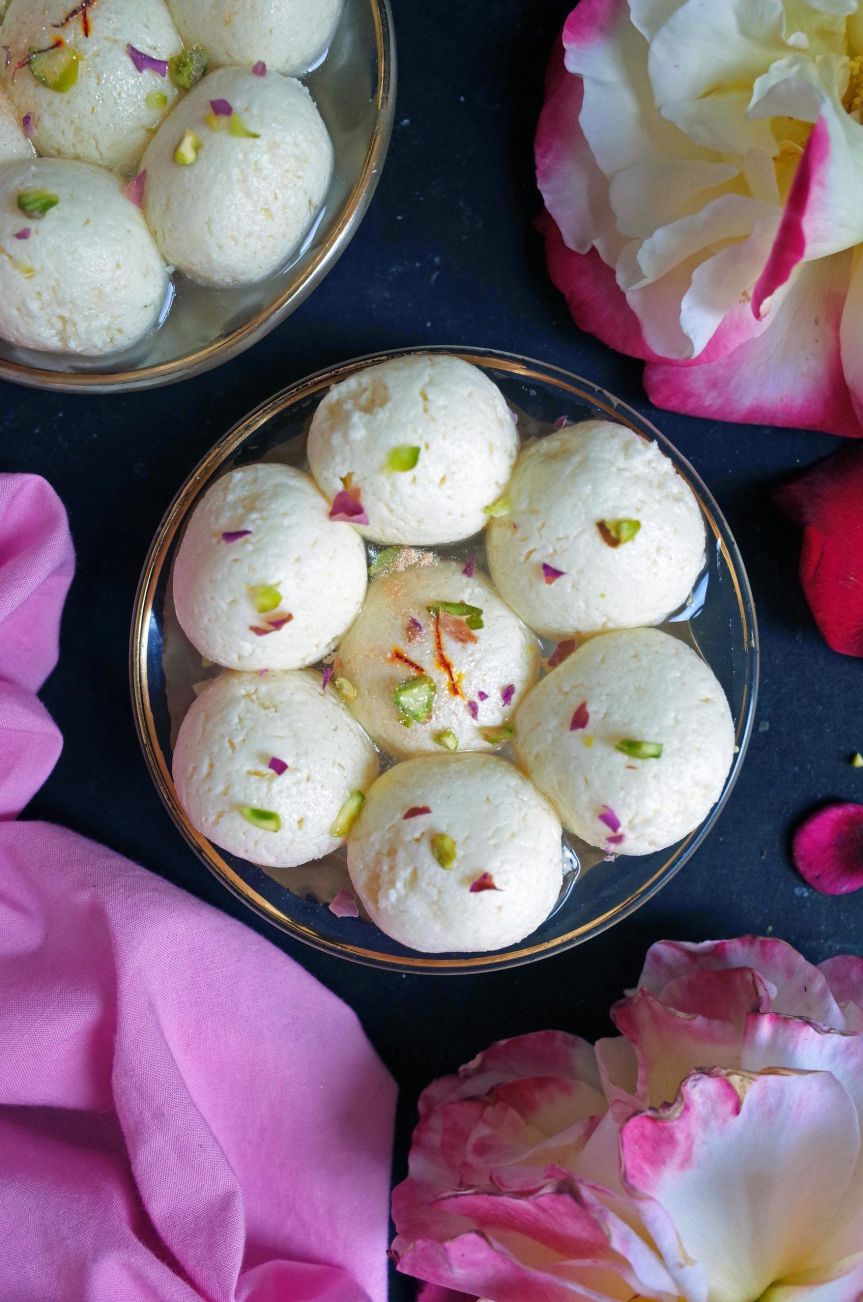
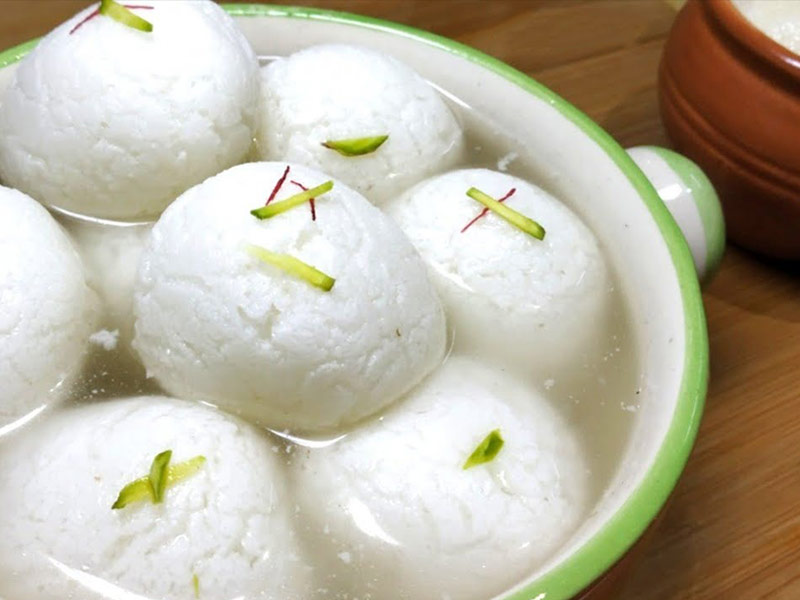
Rosogollas has done the honourable deed of introducing many, if not all, North Indians to the Bengali cuisine. These magical balls are prepared by dipping a mixture of cottage cheese and semolina dough into a sweet sugar syrup. The mere thought of those soft and spongy balls makes the mouth water.
Rosogollas
Laal Mishti Doi (Caramelized Sweet Yogurt)
Just like the name, this Bengali dessert is extremely simple and sweet. Mishti Doi is essentially sweetened yogurt which is prepared by adding sugar to boiling milk, then leaving it to ferment overnight and is served chilled. This quintessential dessert is often served in small earthen pots which add to the aesthetics of this dish.
Laal Mishti Doi
Conclusion
Ending on a sweet note, Mishtis are also an important part of the culture and tradition of Bengal. Be it during the festivals or weddings or just greeting guests, Bengali Mishtis are always the stars of the show. If you’re a sweet-tooth, you should try these once in a while. And good news is, that many of them are now available online to order from in India and abroad.
We all feel under the weather from time to time, but if you have been feeling emotianlly drained for a long length of time, then it is likely you are suffering from a mental disorder and you should immediately consult with an expert. Ignoring your mental health can have negative impacts on your physical health as well. Here are 5 common impacts that your mental health can impose on your body –
1) Weight fluctuation Mood disorders can often lead to you eating more and less and not maintaining a proper balanced diet and henceforth can result in weight gain and weight loss.
2) high blood pressure Extreme stress can cause your blood pressure levels to rise up and leave you feeling tired and weak.
3) Insomnia Poor mental health can cause you difficulty to sleep and lack of proper sleep can disrupt your daily schedule.
4) Drugs and Smoking People with mental health conditions often resort to drugs, liqour and smoking in order to avert their problems and feel at ease. This in turn proves detrimental to their health. Expert consultations are always recommended in such cases.
5) Weak Immune System Poor mental heath can weaken your immune system making you more vulnerable to get colds and other infections.
If you are a bookworm and like your leisure time reading books, then listed below are the names of five books you should give a read, in case yiu haven’t yet.
1) The diary of a young girl, by Anne Frank
Anne Frank’s diary is a first hand account of a yoing girl’s life as she and her family tries their best to hide from the Nazis. It is deeply influential since despite the torture on inflicted upon the Jews by the Nazis, Anne still believes the world to be a beautiful place where people live with good hearts.
2) The Harry Potter Series, by J.K Rowling
Are you an ardent fan of the Harry Potter movies? If yes, then the books are a must read for you. You can simply sit at your home and get transferred to the world of magic via the Harry Potter books. Come and join Harry as he discovers himself and fights against all odds and grows into one of the most celebrated literary characters in the world.
3) The girl with Seven names, by Hyeon – seo Lee
This is a North korean Defector’s story. It tells us the journey of a young girl who manages to escape from the frightening and ruthless regime in North Korea, all the while hoping that life would be better for her outside but what follows are a series of unexpected and tragic events and she soon realises that the journey to freedom is a long way indeed. The book vividly describes how life is really like in North Korea and gives us an insight of the young girl’s struggle as she tries her best to avoid repatriation and guide her family out of North Korea.
4) If i Stay , by Gayle Forman
The protagonist of the story named Mia is a 17 year old girl who loses her entire family in a catastrophic car accident. In one day, Mia becomes an orphan. How Mia manages to survive and struggles to deal with the aftermath is what the book is all about.
5) The Alchemist, by Paulo Coelho
It is the story of a shepherd boy who lives his land in search of his dream of finding a treasure. The book qoutes – “When you want something, all the universe conspires in helping you to achieve it.” Meaning that when a person strives to achieve his dream and works against all odds to accomplish it, nature helps him out. The reader can learn a lot of things from the book as the protagonist learns from his journey.
Sleep is one of the most important part of our lives . We spend about one third of our life sleeping. It is as necessary as food and water. Sleep affects almost every type of tissue and system in the body.
Anatomy of sleep
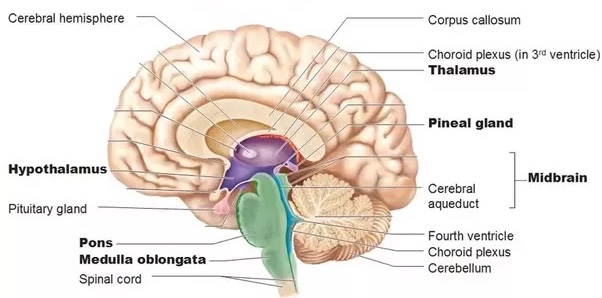
Hypothalamus
It is a peanut- sized structure above the Pituitary gland deep in the brain. It acts as the control centre responsible for shutting down the brain’s arousal signals that affect sleep. The nerve cells of neurons in the hypothalamus are strongly activated during sleep. Within the hypothalamus is the Suprachiasmatic nucleus (SCN)- groups of thousands of cells that receive data about light exposure directly from the eyes and controls the sleep rhythm.
Brain stem
The Pre-optic neurons and the brain stem produce a neurotransmitter called Gamma Amino Butyric Acid (GABA) which acts as an inhibitor as it blocks certain of signals and decreases activity in the nervous system.
Pons and Medulla
Pons, Medulla and mid brain send signals to relax or `paralyse’ muscles essential for body movement in the REM( rapid eye movement )sleep. This prevents The body to move the limbs in dreaming state and protects it from any damages by acting out.
Thalamus
It acts as a relay for information from the senses to the Cerebral Cortex. The cerebral cortex processes data from memory. In deep sleep stage, thalamus becomes quiet but during REM sleep or when we are dreaming, it becomes active sending out sounds,pictures or emotions that make our dreams.
Pineal gland
It is situated in the middle of the brain and is the major site for the production of hormone called Melatonin. This hormone helps put the body asleep when the lights go off. It helps with the timing of Circadian rhythm (internal biological clock) and with sleep.
Amygdala
An almond -shaped structure located deep within the temporal lobes of the brain. It is involved in the processing of emotions and memories. It becomes highly active during REM sleep.
Release of adenosine ,which is a chemical released by cells in the basal forebrain supports sleep drive. Taking caffeine blocks the action of this chemical.
Stages of sleep
Stage 1 Non REM sleep (NREM)
The brain slows down.
The heartbeat , eye movements and breathing slows.
Body relaxes and muscles may twitch.
Lasts 5-10 mins.
Stage 2 NREM sleep
The body becomes less aware of the surroundings.
Body temperature drops.
Eye movements stop.
Lasts about 20 minutes per cycle
The brain also produces rapid,rhythmic brain waves known as sleep spindles. This allows it to gather ,process and filter newly acquired memories.
Stage 3 NREM
Slow brain waves called Delta waves are produced.
It allows you to feel refreshed the next day.
This is the state of deepest sleep.
You are blood pressure drops and breathing slows.
REM sleep
Voluntary muscles become immobilised.
Rapid eye movement from side to side.
You are breathing becomes faster and irregular.
Heart rate and blood pressure increase.
You dream ( about 2 hours every night).
Begins about 90 minutes after falling asleep.
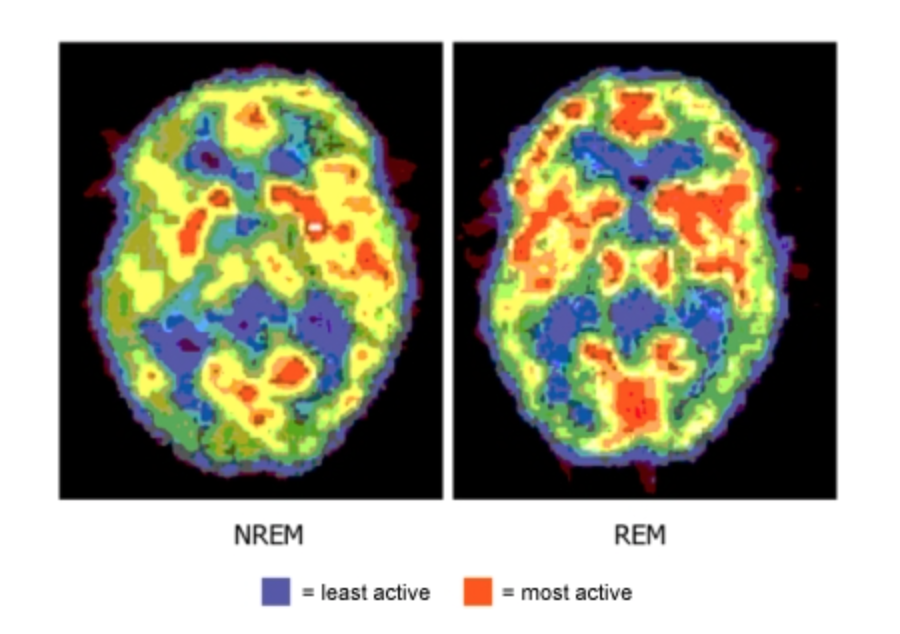
Brain wave activity
An average sleep cycle lasts about 90 minutes . Ideally, we need 5-6 cycles of sleep every 24 hours. Adults need 7 to 8 hours of sleep a night. Although scientists are still trying to learn exactly why we need sleep but studies show that sleep is necessary for survival. The amount of sleep affects our immune system ,nervous system, growth and memory. After all , it is a well know fact that:
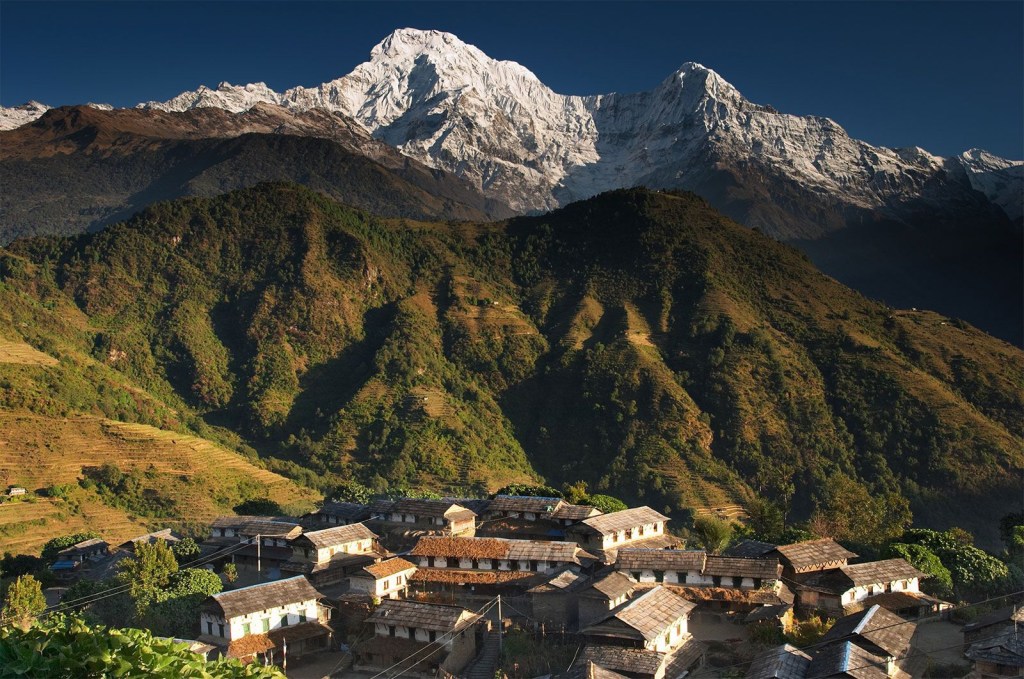
The Himalayan mountain range stretches from Brahmaputra to the Indus River. It ranges over 2500 km and about 250 km thick. So how were these Great Himalayas built?
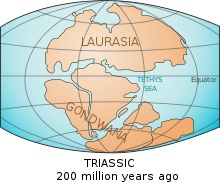
During the late Neoprotozoic era (1000mya-541mya) and early Palaeozoic (541-252mya) , the Indian tectonic plate was a part of the southern Gondwana land .This was separated by the Eurasian plate by the large Tethys ocean . In the early Carboniferous period , an early stage of rifting developed between the Indian subcontinent and the Gondwana land.
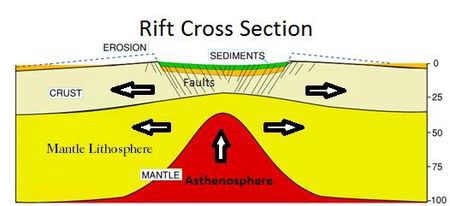
What is a Rift?
A rift is a zone where the lithosphere layer is stretched or pulled apart. In the early stage ,the upper part of the lithosphere starts to extend . As it evolves,some of the fault zones start to connect with each other and become even larger bounding faults .The crust becomes thin causing the rise of Asthenosphere. This way two new tectonic plates are formed from the older single one.
In the Norian period(210 mya), after a major drifting episode the Gondwana land split into two parts. The Indian subcontinent became a part of East Gondwana along with Australia and Antarctica. Later in the early Cretaceous(130 -125 mya), the Indian plate broke off from Australia and Antarctica with the ‘formation’ of Southern Indian Ocean.
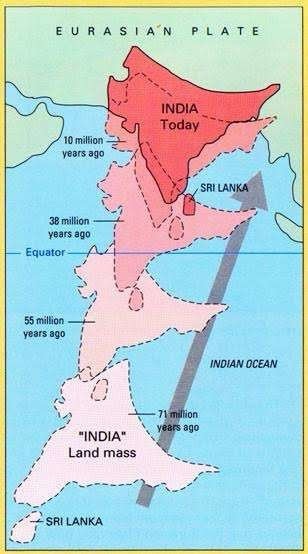
At the end of Cretaceous period ,the Indian plate started drifting northward at speeds of about 18 to 20 cm per year which is the highest among all the continental drifts. It covered a distance of more than 6000 km in that time and rotated about 45° counterclockwise relative to the Eurasian plate. Interaction of the Eurasian plate with the coming Indian plate started at about 65 million years ago with the oceanic crust of the latter subducting under the Eurasian plate.
This started the formation of the youngest mountain ranges of the world , The Great Himalayas . This collision was so strong that till present also the Indian plate is colliding northward and the Himalayas continue to rise more than 5 mm a year but due to the stretching of Eurasian plate horizontally and effect of gravity this rising is affected.
Effect on Climate
According to a report of ‘Nature’ magazine, the Himalayan range ormation may have also started Asia’s monsoon about 8 million years ago and contributed to several ice ages that began 2.5 million years ago. The mountain’s and Tibetan Plateau’s uplift gave rise to a dry Central Asia that resulted in the formation of Gobi and Mongolian deserts.
This may have caused a dustier phase in the earth’s atmosphere . The Himalayan range obstructs the passage of cold continental air from north into India in winter and also forces the south westerly monsoon winds to give up most of their moisture before crossing the range northward.
The Himalayas are gigantic and lively and on the other hand they are calm and tranquil, perfect for the soul to grow spiritually.
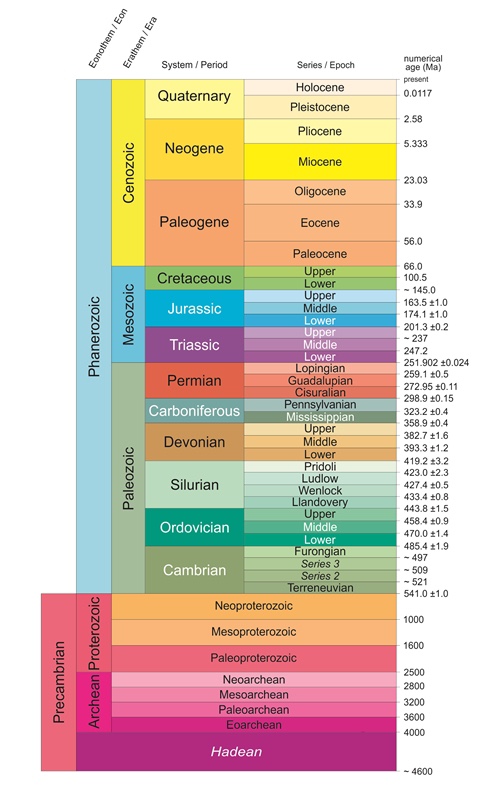
Geologists subdivide timescale by events that happened in geological history . These time intervals are unequal in length, geological timescale describes the timings and relationship of those events that changed Earth’s geology. This time scale is developed by carefully studying and analysing the rock layers ,evolution of species, rock dating, fossil samples and atmosphere.
Eons
Eons are the largest divisions in geological Time and span to millions of years . There are four eons catalogued till present day, these are — Hadean, Archean, Protozoic and Phenerozoic eon . The first three eons are collectively referred to as the Precambrian super eon.
Hadean Eon
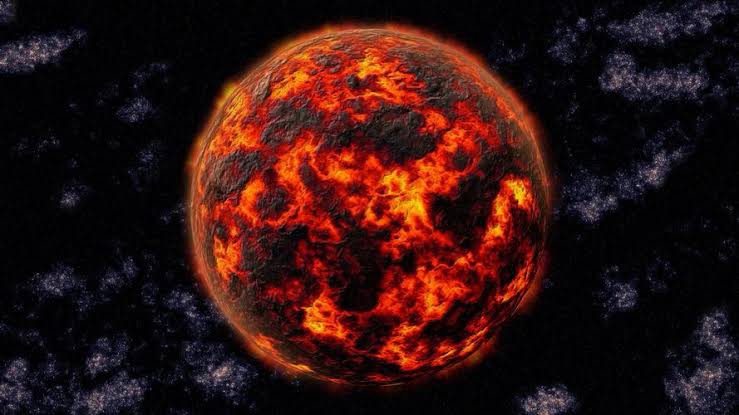
The Hadean eon began when the earth formed about 4.6 billion years ago and ended 4 billion years ago . The planet’s condition was very dynamic , earth was still very hot and frequently collided with other planetary bodies.
Archean Eon
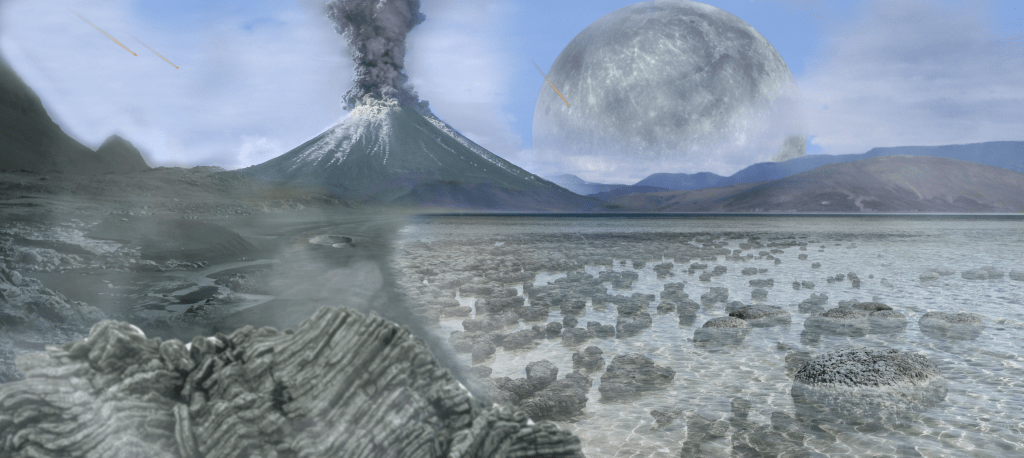
It began about 4 billion years ago till 2.5 billion years . The earth’s crust slowly started cooling and stabilising to form landmass .The earliest lifeform probably anaerobic microbes called stromatolites survived. example – Cyanobacteria, Proteo bacteria , microbial mats. Volcanic activity was very high and Archean rocks were often metamorphosised water segments like volcanic segments and mud rocks.
It is further divided into eras:
Eoarchean
( 4000 mya-3600 mya)
(mya- million years ago)
The first Supercontinent Vaalbara appeared.
Earth possessed a firm crust for the first time.
Prokaryotic microbes called Archaea appeared.
Paleoarchean
( 3600-3200mya)
Earliest confirmed evidence of life.
Stromatolites may have been created.
Microbial mats work present.
Mesoarchean
( 3200-2800mya)
Tectonic plates subduction.
Expansion of microbial life.
Ocean temperatures around 55-85°C
High levels of methane and carbon dioxide in the atmosphere.
Neoarchean
(2800-2500 mya)
Major development in complex life and continued formation.
Rise of oxygen in the atmosphere.
Proterozoic Eon
It spanned the interval from 2500-541 mya . For the first time oxygen appeared in the earth’s atmosphere . Mountain formation activity began because of the continuation of continental accretion .Glaciers began to form . Processes like subduction were active due to high tectonic plate movement. It is further divided into 3 eras-
Paleoproterozoic era
(2500-1600 mya)
Longest era
Continents stabilised
One day duration was 20 hours.
Enormous increase in oxygen.
Anaerobic life form largely died because oxygen was highly toxic for them.
First mass extinction happened.
Eukaryotes emerged.
Periods in which this era is divided- Siderian, Phyacean and Orosirian.
Mesoproterozoic era
( 1600-1000 mya)
Evolution of sexual reproduction.
Development of multi cellular organisms.
Break up of Columbia supercontinent.
Periods – Ectasian and Stenian .
Neoproterozoic era
( 1000-541 mya)
Most glaciation.
Ice sheets reached equator.
Snowball Earth formed.
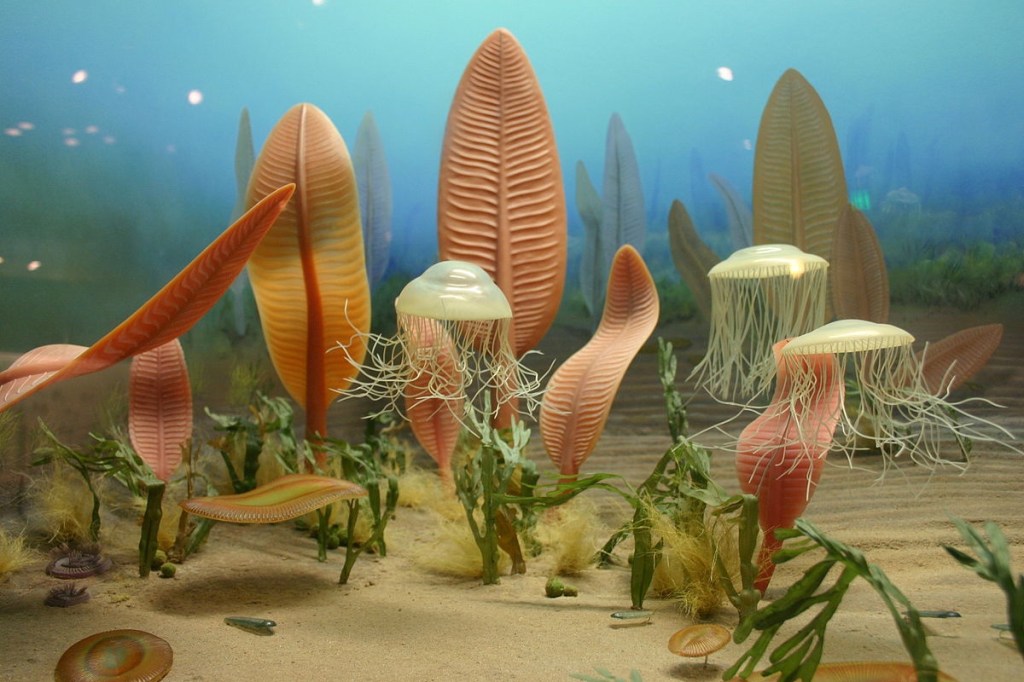
First appearance of Trilobites ans Sponges.
Periods- Tonian, Cryogenian and Ediacaran.
Phanerozoic Eon
It covers timeline from 541 million years ago to the present. At the start of this eon , complex plants and multi cellular organisms with hardshells appeared . There was a single landmass known as Pangaea. It is divided into 4 eras:
Paleozoic era
(541-252 mya)
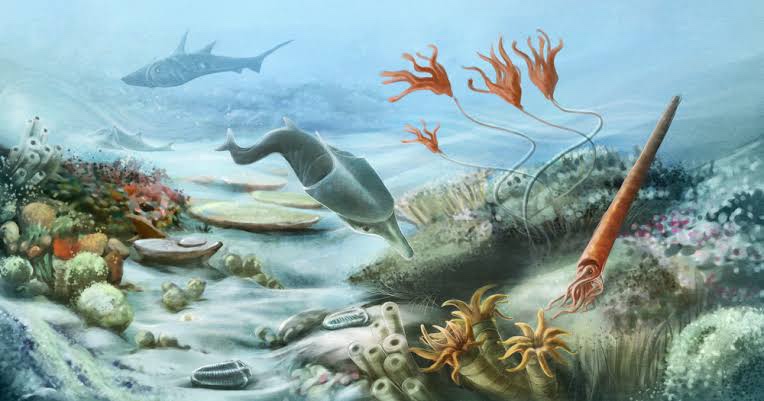
Most rapid diversification of life called Cambrian explosion.
Evolution of arthropods ,fish and amphibians.
Life transition to the land.
Forests of primitive plants appeared.
Largest extinction event called Permian- Triassic extinction event happened.
Appearance of invertebrate animals phyla.
Reptiles prospered.
Periods- Cambrian, Ordovian, Silurian, Devonian, Carboniferrous and Permian.
Mesozoic era
(252-66 mya)
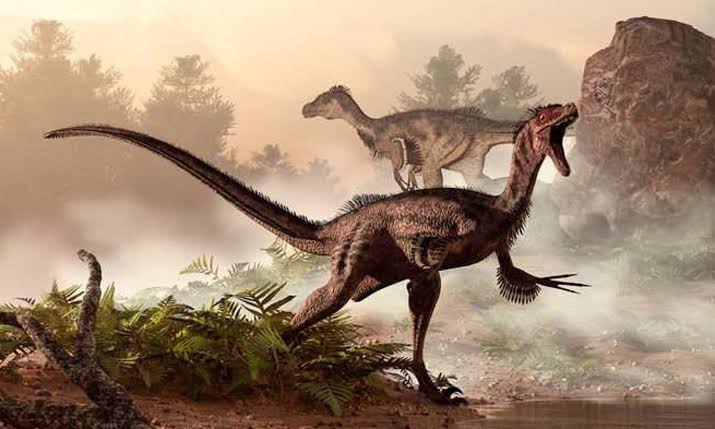
Dominance of reptiles like dinosaurs.
Abundance of Conifers and Ferns.
Breakup of Pangaea.
Dinosaurs appeared in mid Triassic period and remained till early Jurassic period (about 150-135 mya).
Archaic birds appeared in Jurassic period.
Flowering plants appeared in early Cretaceous period.
Periods- Triassic, Jurassic and Cretaceous.
Cenozoic era
( 66 mya – present)
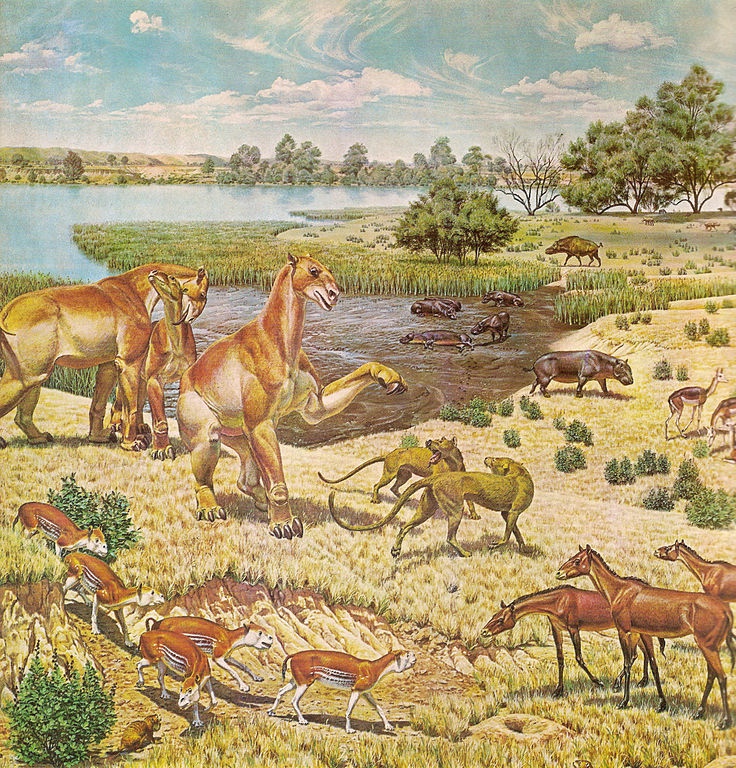
Dominance of mammals , birds and flowering plants.
Cool and dry climate.
Complex life evolved.
This error started with mass extinction event called Cretaceous spell Eugene extension event in which many species including non-even dinosaurs became extinct possibly due to a large asteroid impact
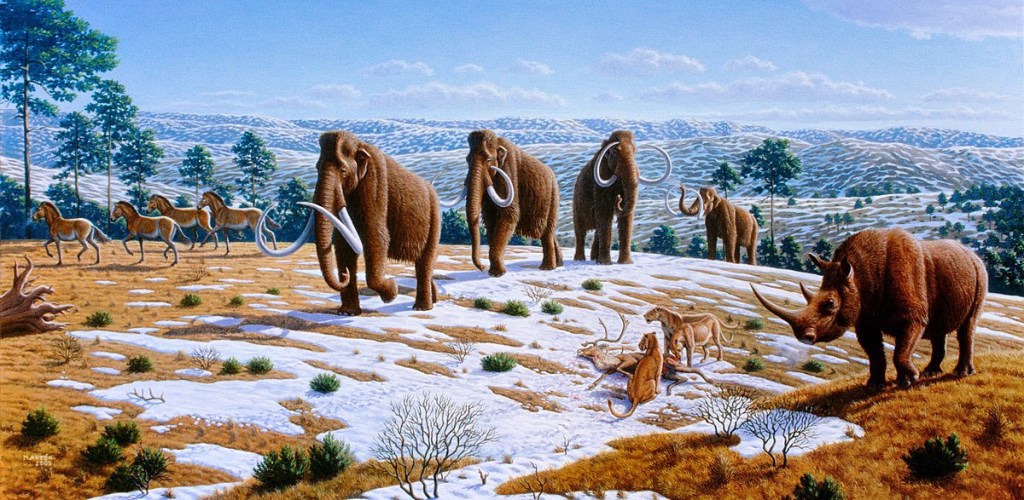
The Quarternary period saw Mammoths and wooly animals. It was marked by ice ages due to the cooling trend of earth.
Around 50 million years ago , Earth entered a cooling period mainly due to the collision of Indian tectonic plate with Eurasia. This caused the rise in the Himalayas.
Periods- Paleogene, Neogene and Quaternary.
The Earth went through many violent and beautiful events before Homosapians arrived . We must make sure to protect and cherish our dear planet .
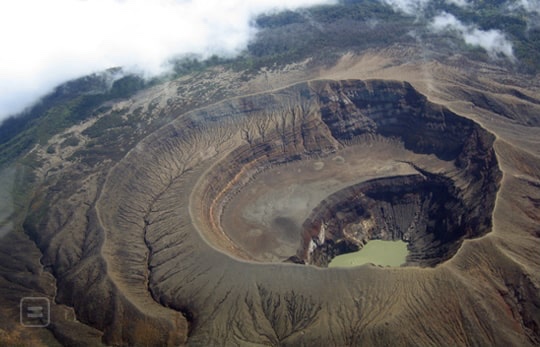
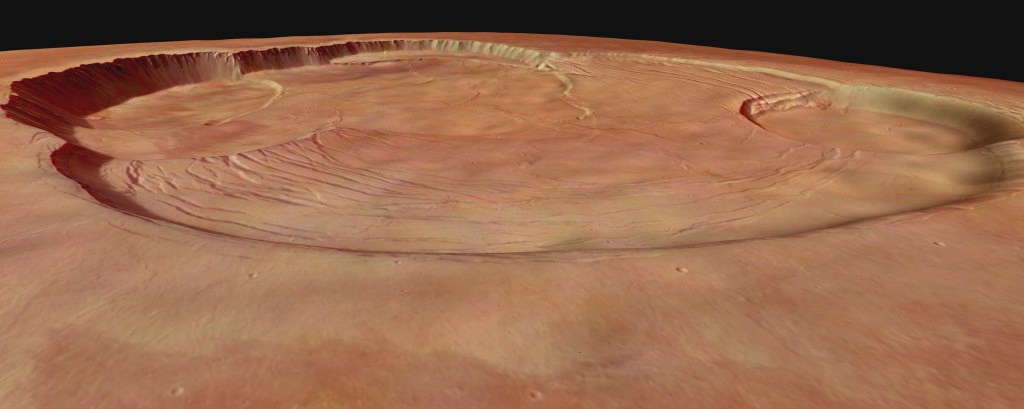
A Caldera is a large depression or a hollow area that forms when a volcano erupts and the magma chamber below it empties. This results in the collapse of side and top of the volcano.Without any structural support below the area, the erupting volcano vent collapses inwardly due to gravity creating a bowl shaped Caldera. There is a difference between a Caldera and crater. Craters form by the outward explosion of materials from a volcano. Craters are more circular than a caldera because in the latter the land collapses unevenly.
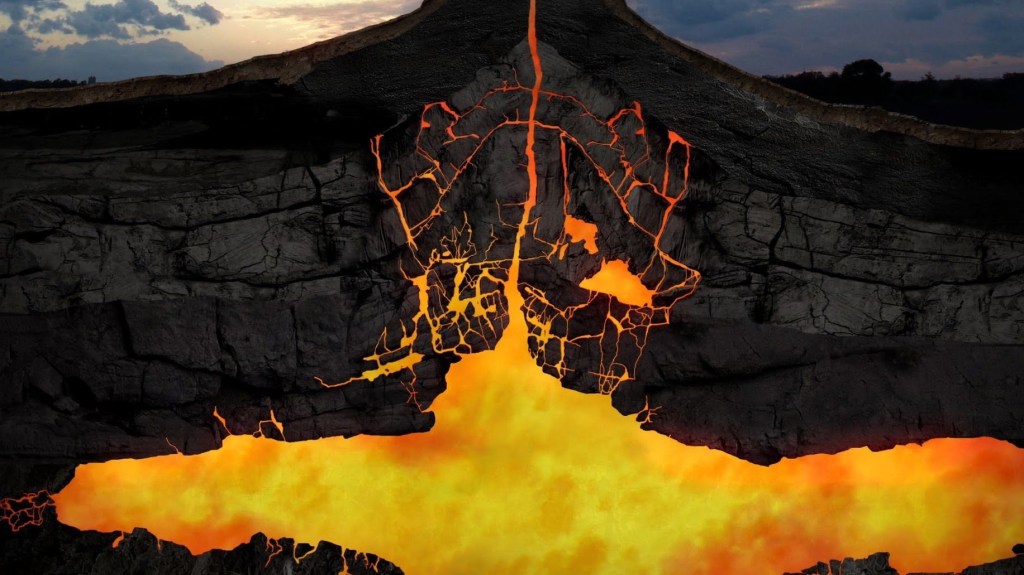
Magma chamber
It is a large pool of molten rock or magma below the surface of earth or under the existing volcano . The density of magma is less than that of the surrounding hard rocks so it starts to rise through cracks beneath the crust. When the magma is not able to find its way to the surface of the earth ,it is collected and pools into a magma chamber . Over the passage of time , this magma chamber grows in size due to the successive injections from horizontal and vertical magma and thus the pressure inside the chamber increases.
The magma chamber bears the weight of the volcano above it due to the buoyant forces which are acted upon the chamber by the surrounding rocks . The buoyant force gives a resultant upward push to the pool of magma chamber .
Sometimes when a volcano erupts, the whole pool of magma beneath it empties and this results in a void . Now there is nothing to support the weight of volcano. This causes volcano to collapse and form a caldera . Calderas are rare ; only 7-8 of them have known to occur in the last century. They are more than 25 kms in diameter and several kms deep.
Magma chamber ( pool of magma at the bottom)
Types of calderas
Explosive calderas
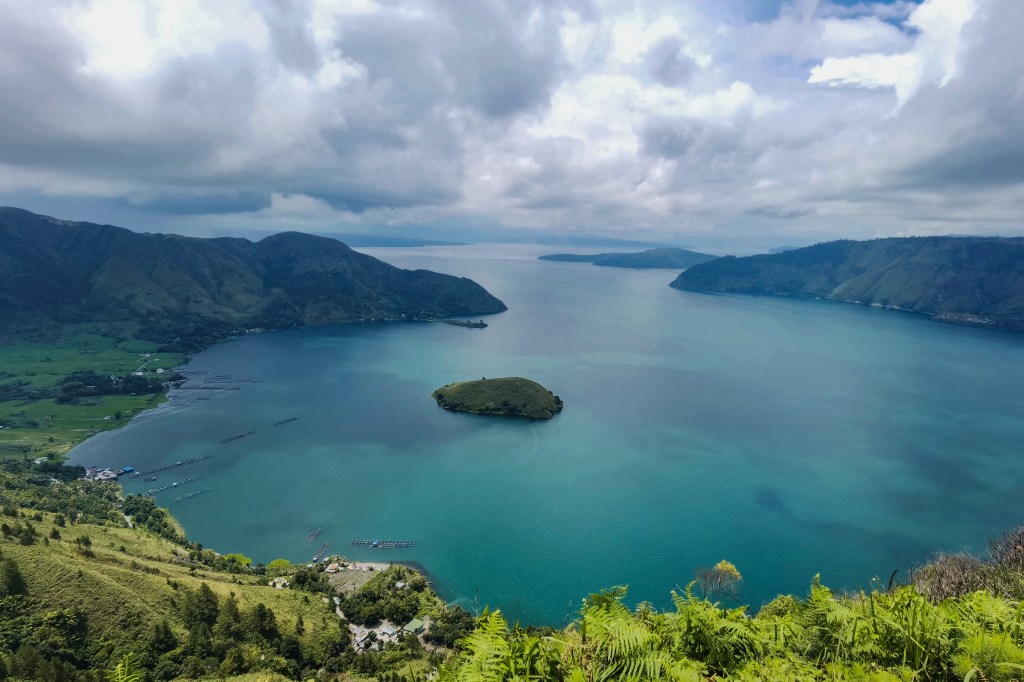
Explosive caldera forms when large magma chambers filled with silica (highly viscous)and gas move upwards. The high viscosity silica holds the gas bubbles under high pressures but as the material rises to the surface, due to decrease in the pressure the gas expands . This causes an enormous explosion which throws away rocks and magma to form a caldera . eg. Yellowstone caldera ,Toba caldera.
Toba caldera lake
Non-explosive calderas
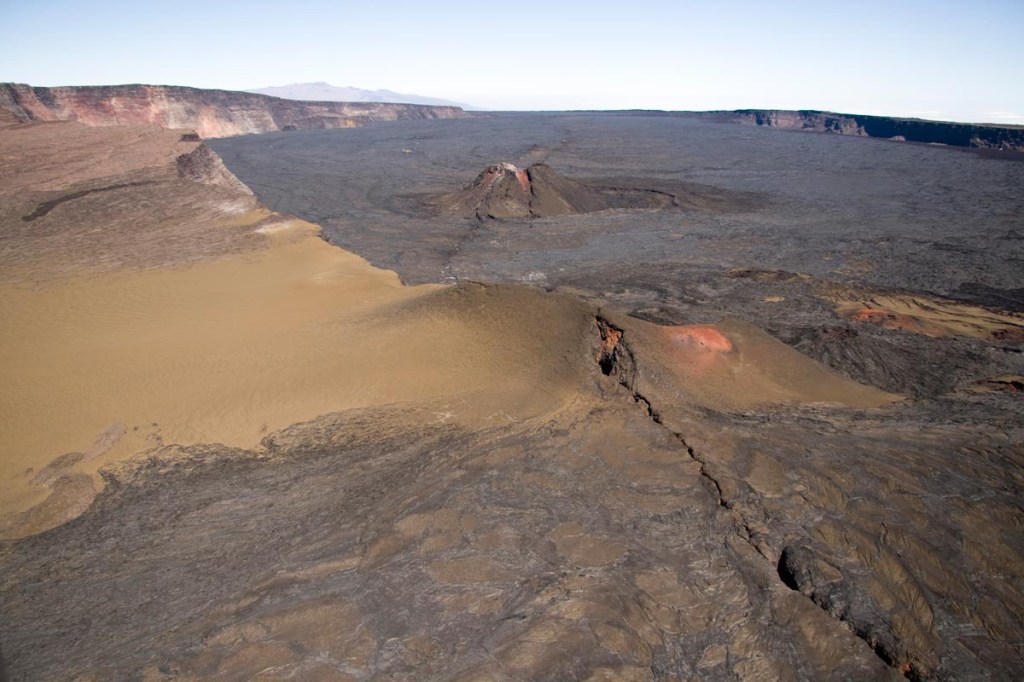
When the matter is composed of basalt , which is much less viscous, the magma chamber is gradually drained by large lava flows rather than a single explosive eruption. eg. caldera atop Fernandina Island and Mauna Loa caldera.
Mauna Loa caldera
Calderas are not limited to Earth . Other planets like Venus and mars or our moon also has caldera formations.
Caldera of Olympus Mons( Volcano on Mars- largest volcano known in the Solar System)
This branch of philosophy deals with beauty , art and taste of things. It examines what happens in our minds when we are involved in aesthetic objects like art, music, poetry or while exploring Nature. Aesthetics consider why we like some specific thing over other. Aesthetic judgements may be linked to emotions and mood. When we say an object or art piece is beautiful , it triggers an aesthetic pleasure in ourselves . Beauty is a positive aesthetic value in contrast to ugliness, which is negative.
Epistemology
It deals with questions on nature and scope of knowledge. It focuses on sources of people’s consciousness, cognition ( structure and forms) and the relationship between mind and reality. It examines questions such as ‘ what we mean when we say we know something?’ ; the ability to differentiate between what one knows and what one believes.
Ethics
Ethics is the study of morals and the concept of right and wrong conduct. It deals with questions such as – What is morality ; does morality exists? It has 3 types :
Meta ethics ~ deals with foundations and nature of moral values.
Normative ethics ~ deals with systems of morality and questions on how one ought to act morally.
Applied ethics~ deals with what a person is obliged to do in specific situations.
Logic
It is the act of being rational by application of reason. The reasoning process can be done well or badly. Logic allows human beings to distinguish good reasoning from bad. In logic , we study rules and techniques that enables us to do correct ( whether good /bad ) reasoning. A logic must formulate precise standards for evaluating reasoning by developing proper set of arguments.
Metaphysics
Metaphysics deals with existence. It concerns with the fundamental nature of reality.
Theme 1~ The study of first causes — It studies that which does not change and from which the world has come into play. Some identify it with God.
Theme 2~ The study of being— Study of the fundamental categories of being or which exists. This field is also called Ontology.
It is further divided into disciplines such as cosmology, rational psychology and theology. Specific issues like immortality , free will are discussed.
Philosophy of mind
The branch of philosophy that deals with nature of mind and its relation with body . The aspects of mind such as thought, mental properties , consciousness are studied. It addresses issues like the hard problem of consciousness. It tries to explain how a supposedly non materialistic mind can influence material body and vica-versa. Rene Descartes was the first person to clearly identify mind with consciousness and self-awareness and to distinguish it from the brain , where intelligence lies.
Axiology
It is the study of origin of values or study of worth. Through axiology, one can determine what is valuable and why something can be said to be valuable.
Philosophy of language
It investigates nature of language , meaning, language use and language cognition. It explains how the meaning of complex sentences is derived from the meaning of their parts.
Political philosophy
Political philosophers seek to establish basic principles that will justify the formation of state, show individuals their rights and tell the fair distribution of society’s resources among its members . This usually involves analysing ideas like freedom , justice , authority and democracy and then applying them to institutions in a methodological way.
Philosophy of Science
It studies assumptions , foundation and implications of science. Questions addressed are: What is science; does science lead to certainty and truth; nature of statements and conclusions or how does science explain , predict and harness technology. It deals with the reliability of scientific theories and the ultimate purpose of science .
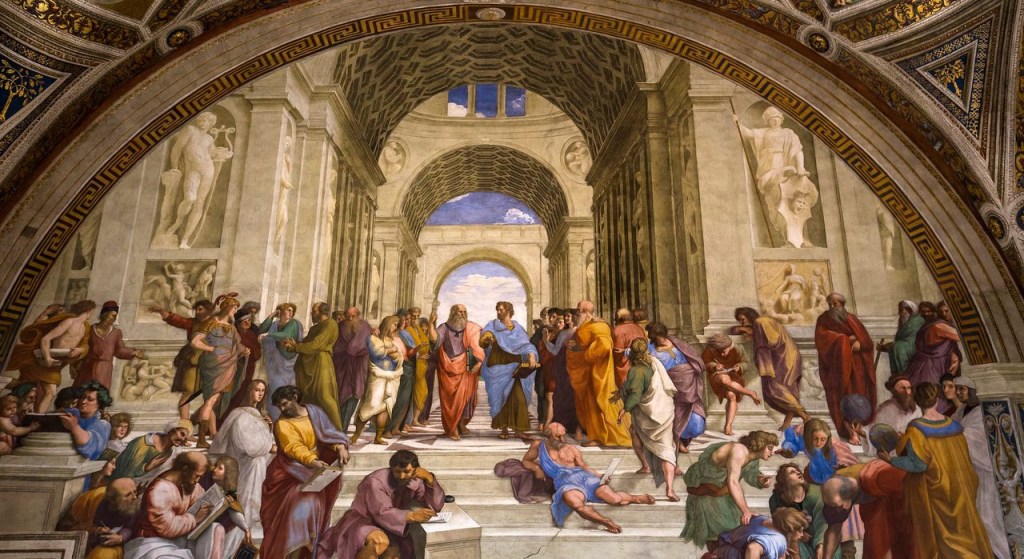
The word philosophy means ‘ love of wisdom ’ in Greek. It is the pursuit of wisdom , truth and knowledge. It is the study of life’s fundamental questions involving truth, morality, ethics, reasons, logic and existence. A human being , at some point in his life , has wondered upon questions such as ‘ why am I here’ , ‘what is truth’, ‘what is reality’ , ‘is there a free will’ , ‘ what is right and wrong’ etc. These questions come in the realm of philosophy. It is closely related to natural sciences.
History of philosophy
Western philosophy
The ancient western era was dominated by Greek philosophical school of thoughts. This era was largely influenced by Socrates and Aristotle. The common topics discussed included metaphysics, cosmology, atomism and monism . In the medieval period , with the rise of the Roman Empire and Christianity , questions such as mature of God , evil & good were pondered upon. Modern philosophy concerned with developing a secular foundation and discarded the authority of religion.
Islamic Philosophy
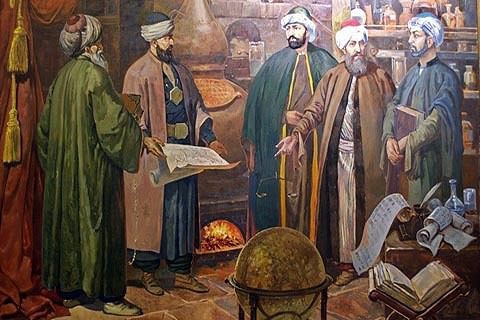
Islamic philosophy is mostly done in Arabic . Two main schools of thought were Kalam ( which focused on Islamic theology) and Falsafa. Philosophers such as Al Kindi , Avicenna and Averroes were greatly influenced by the work of Aristotle whereas Al Ghazali was highly critical of him. The 19th and 20th century Arab world witnessed Nahda movement ( The Awakening or The Arab Renaissance). This shaped the modern Islamic philosophy.
Indian Philosophy
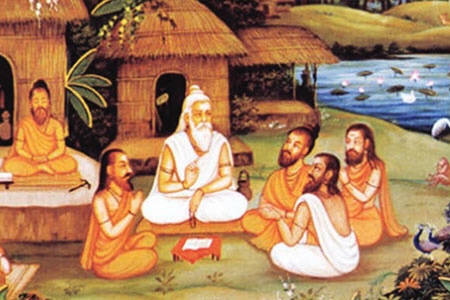
Indian philosophy included concepts like dharma , karma, pramana , dukha-sukha and moksh. It is grouped based on teachings of Vedas and Upanishads . The Himdu philosophers of various orthodox ( astika) schools investigated topics such as metaphysics, ethics , psychology. These schools presented different interpretation within the framework of Vedic knowledge. On the other side , the unorthodox (nastika) traditions rejected the ideas of Atman , Brahman and Ishwara . Jainism accepted atman bit discarded ishwara, vedas and brahman. Buddhism only accepted concept of rebirth and karma.
East Asian Philosophy
The Chinese philosophy saw the rise of schools such as Confucianism , Legalism and Taoism. These traditions developed metaphysical , political and ethical theories such as Tao, Yin & Yang , Ren & Li. Buddhism arrived in China through Silk route and transformed into Chinese form Zen. Many different philosophies such as that of Korea, Japan and Vietnam were influenced by the Chinese philosophy. In modern era, China and Japan philosophers have incorporated ideas of western philosophy. Kokugaku thinker from Japan returned to pure traditions called Shinto that is untainted by foreign influence.
Indigenous American Philosophy
This consists of variety of beliefs including principle of presence of ‘ The Great Spirit’ and concept of Orenda or spiritual power. The practices to access the transcendental experiences of mind came to known as Shamanism. The Nahua metaphysics proposed the concept of an ultimate universal energy which it says is single, vital , self generating sacred force.
An author, politician and former International civil servant, Shashi Tharoor, once said – ” India matters to me and i would like to matter to India.” He is currently a third-term Lok Sabha MP representing the Thiruvananthapuram constituency. People mostly regard him as “Oxford dictionary”, because of his impeccable knowledge of English Literature. Shashi Tharoor, in his book named An Era of Darkness: The British empire in India that was published in the year 2016 talked about colonization and the disastrous effects it had on Indians. In his book, he explained about the evils of British rule and how it affected us Indians, deeply explaining how we were being trampled upon by the Britishers and treated as animals without any freedom. Tharoor wrote in details how the Britishers looted India off of it’s rich resources, culture and wealth. In one of the most famous lines from the book, he writes:
“They (the British) basked in the Indian sun and yearned for their cold and fog-ridden homeland; they sent the money they had taken off the perspiring brow of the Indian worker to England; and whatever little they did for India, they ensured India paid for it in excess. And at the end of it all, they went home to enjoy their retirements in damp little cottages with Indian names, their alien rest cushioned by generous pensions supplied by Indian taxpayers.” Tharoor has remarked that every single thing or development that occured in British India such as establisment of Railways, parliamentary democracy, rule of law and others were simply done for their own benefits and luxury and not for Indians or for India’s progress and betterment. Tharoor explains that though some British legacies proves to be useful today, however they were just mere side effects that came along with colonial authoritarianism. Tharoor genuinely believes that after 200 years of immense brutality and injustice to Indians, Britain owes an apology to India and Indians. Some of the most outrageous events in history of India took place under British reign. For instance, according to recent studies, the Bengal Famine of 1943 that costed millions of lives was caused not only by drought but also by the complete failure of the policy of British India under the Ministry of Winston Churchill, who is remembered as the man who caused the Bengal famine. Furthermore, the horrendous Jallianwala Bagh massacre was a heinous crime committed under British Raj. Today, Indian society is divided along lines of caste, creed, religion and culture but it is little known fact that the Colonial Government ignited such divides and pitted one community against the other. Shashi Tharoor did a marvellous job with the book and made us realise what we had forgotten with passage of time.
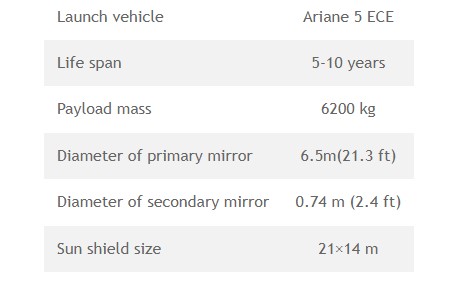
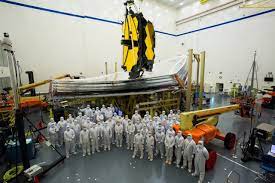
The success of Hubble Space Telescope after its repair mission in 1993 motivated the organizations to make a larger infrared light telescope that could see the past better. Hubble telescope system’s temperature interfered with the infrared radiation it received from the outer space. A new innovative next generation telescope was needed which was faster , better and cheaper. In 2003, NASA’s initial contract for James Webb Space Telescope(JWST) was $824.8 million collaborating with European Space Agency (ESA) , Canadian Space Agency(CSA). in 2005 after major redesign and re-planning , the mission cost reached a hefty amount of $4.5 billion. The telescope has a history of major cost overruns and delays due to backlashes from people and lack of funds.
Nevertheless, JWST launched on December 25, 2021 in Ariane 5 rocket from NASA Goddard Space Flight Centre, French Guiana. this orbiting infrared observatory will complement and extend the discoveries of the Hubble space telescope.
The telescope will cover a wavelength of 0.6 – 28.5 microns for the light falling from red till mid infrared wave spectrum .
Location
JWST will not orbit earth but will be move in a orbit of second Lagrange point(L2 point) which is about 1.5 million km away from the earth. The L2 point is sufficiently near to the earth allowing proper signal communication and the sun shield will prevent any infrared radiation coming from the Sun.
Sun-shield protection
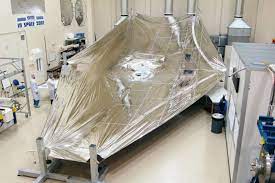
For it to make observation in the infrared spectrum , it must be kept under 50K (−223.2 °C) otherwise the infrared radiation from its system , the earth , moon and sun will interfere with the data. It uses a large 5 layered tennis court sized sun-shield to block that radiation and maintains its surface temperature. the single layer is as thin as a human hair and made with polyamide films . the membranes are coated with aluminium from both sides and a silicon doped layer facing the sun. the shield can be folded 12 times to fit in the Ariane rocket .
The Honeycomb mirrors
The primary optical mirror is beryllium reflector with area 25.4 m2 . gold is used to coat all the 18 mirror segments because it is a highly reflective material for infrared wavelength. The honeycomb pattern utilizes the best use of space available and are also deployable .
Mission goals
Search for galaxies formed after the big bang . It can look 13.5 billion years into the past , about 400 million years after the big bang.
How galaxies evolve.
Observe the formation of stars.
Measure physical and chemical properties of the planetary systems including the Solar System.
This mission will take the Space Science to the next level, thanks to our Scientists……

































 Eduindex
You must be logged in to post a comment.