RACISM

Racism, also known as racialism, is the belief that humans can be divided into distinct biological entities known as “races,” that there is a causal link between inherited physical traits and personality, intellect, morality, and other cultural and behavioral characteristics, and that some races are innately superior to others.

While contemporary social science considers race and ethnicity to be distinct categories, the two terms have a long history of equivalency in public usage and earlier social science literature.

“Ethnicity” is frequently used in a sense similar to that of “race”: the classification of human groups based on attributes thought to be inherent or necessary to the group.

The term “racial discrimination” refers to any distinction, exclusion, restriction, or preference based on race, color, descent, national or ethnic origin that has the purpose or effect of nullifying or impairing the recognition, enjoyment, or exercise of human rights and fundamental freedoms on an equal footing in the political, economic, social, cultural, or other fields of public life.

The phrase also refers to political, economic, or legal institutions and systems that participate in or perpetuate racial discrimination or otherwise exacerbate racial disparities in wealth and income, education, health care, civil rights, and other sectors.

With the rise of critical race theory, an extension of the critical legal studies movement, such institutional, structural, or systemic racism became a special focus of scholarly research in the 1980s.

Since the late twentieth century, biological race has been recognized as a cultural construct with no scientific foundation.

Racism dictated that different races (primarily blacks and whites) be separated from one another, that they should have their own distinct communities and develop their own institutions such as churches, schools, and hospitals, and that it was unnatural for members of different races to marry in North America and apartheid-era South Africa.

BLACK LIVES MATTER

On June 6, half a million people showed out in approximately 550 locations around the United States for the recent Black Lives Matter rallies, which peaked on June 6. That was just one day in a month of protests that are still going on today.

Photo by Life Matters on Pexels.com

Four recent polls, including one released this week by Civics Analytics, a data science firm that works with businesses and Democratic campaigns, estimate that between 15 million and 26 million people in the United States have participated in protests in recent weeks in response to the death of George Floyd and others.

These figures would make the recent protests the largest movement in the country’s history, according to interviews with scholars and crowd-counting experts.

While it’s likely that more people stated they protested than actually did, even if only half of them were telling the truth, the surveys indicate that over seven million people took part in recent protests.

There have been protests in more than 40% of counties in the United States (at least 1,360).

Unlike previous Black Lives Matter events, approximately 95 percent of counties with recent protests are majority white, with nearly three-quarters of counties having a white population of more than 75 percent.

Half of those who claimed they demonstrated indicated it was their first time participating in some type of activism or protest.

Within the recent year, the majority of people claimed they had seen a video of police violence against protestors or the Black community. And half of those polled thought it strengthened their support for the Black Lives Matter movement.

According to the Crowd Counting Consortium, the number of protests has decreased significantly over the last two weeks, notwithstanding a rise on Juneteenth.

“Our ability to reach unity in diversity will be the beauty and the test of our civilization.”

– Mahatma Gandhi, 1925

Professor McAdam stated, “It appears, for all the world, that these protests are accomplishing what very few do: putting in motion a period of profound, persistent, and broad social, political change.” “We look to be on the verge of a social transformation tipping point, which is both rare and possibly significant in society.”

Investing lesson of Peter Lynch


Peter Lynch is one of the most successful and top value investor of all time. He was a legendary fund manager who gave 29% returns to their investors for 13 years in a row. He wrote books on value investing , where he shared his investment lessons which he learned and used during his journey as an investor. He is one of the greatest value investor of all time. He is a firm believer that an average investor can also pick winning stocks as Wall Street professional with right research, patience , steady discipline and common sense.


Some of his investment principles are –

1. Invest in what you already know – “The worst thing you can do is invest in companies you know nothing about. Unfortunately buying stocks on ignorance is still a popular American pastime.” -Peter Lynch
People can perform well by investing in what they already know. For instance if a doctor wants to invest in banking sector (about which he know nothing) , he will not have that great return as compared to if he will invest in pharmaceutical companies ( as he already knew about drugs, healthcare sector and their companies)
“Invest in what you know. It leaves out the role of serious fundamental stock research. People buy a stock and they know nothing about it. That’s gambling and it’s not good.” -Peter Lynch
So, it’s better to choose the company whose products/services are either used by you or you are familier of the products/services of that company in some way or other. These knowledge will lead you to invest in better stocks .
2. Invest in companies not in stocks – “Look for small companies that are already profitable and have proven that their concept can be replicated. • Be suspicious of companies with growth rates of 50 to 100 percent a year”-Peter Lynch

Behind every stock there is a company. If companies will perform well, the stocks automatically will perform well. So, it’s important to know about the company, it’s business model. Choose a company whose fundamentals are strong. A company whose business model is so easy to understand that anyone can understand and run that company.

“Go for a business that any idiot can run – because sooner or later any idiot probably is going to be running it” -Peter Lynch

Know a companies management, it’s fundamentals and then ask yourself , “are you able to understand the mission and vision of the company? “ or “If you’ll be given the responsibility to run this company, will you be able to run the company? “
If the answers to the above questions are a YES then it’ll be great to invest in that company.
So always remember that you have to invest in a company and not in a single stock.


“Behind every stock is a company. Find out what it’s doing.” -Peter Lynch

“Never invest in a company without understanding its finances. The biggest losses in stocks come from companies with poor balance sheets.”

3. Don’t take unnecessary risks. Take calculated risks – You don’t have to take risks which you can’t bear. Only take calculated risks.
Let’s say, you have $10 dollar, maybe if you will lost this, you won’t regret. But what if you lost $100 or $1000! Always buy stocks of the amount if you lose won’t regret. You are not required to put all your money in market and risk all that money. Instead put only that amount which if you lose won’t make you regret of investing.
Also, invest only the amount you will not need ever back in your life
4. Peter Lynch said that the most important thing that keep in mind while investing is : know why you own it.

“ You have to know what you own ,and why are you own it .” -Petrr Lynch

It sounds simple but it is not . He said when I asked most people they just don’t know why they own a stock . 80% of investors have no answer to this question .

They maybe hear some tip from anywhere and put their money at risk and when they lose it they blame institutions .
First you have to know the reason . Why you should invest in this company ,research about that company . Check their balance sheets . Without proper research you are not investing you are just gambling . Read and know as much as you can about the company. And remember to buy the company and not just a stock.

“If you’re prepared to invest in a company, then you ought to be able to explain why in simple language that a fifth grader could understand, and quickly enough so the fifth grader won’t get bored.” – Peter Lynch

5. Invest for long time- Lynch used to hold stocks for long period of time. He used to sell the stocks when the fundamentals of any company gets changed. This is his advice for all investors out there to not go behind short term profits but invest for a long period of time.
He even conducted many studies to understand the power of compounding.

“People who succeed in the stock market also accept periodic losses, setbacks, and unexpected occurrences. Calamitous drops do not scare them out of the game.”


Some more investment lessons by Peter Lynch :

• “Never invest in any idea you can’t illustrate with a crayon .”

• “The trick is not to learn to trust your gut feelings, but rather to discipline yourself to ignore them. Stand by your stocks as long as the fundamental story of the company hasn’t changed”

• “Whenever you invest in any company, you’re looking for its market cap to rise. This can’t happen unless buyers are paying higher prices for the shares, making your investment more valuable.”


• “There’s no shame in losing money on a stock. Everybody does it. What is shameful is to hold on to a stock, or worse, to buy more of it when the fundamentals are deteriorating.”

• “Never invest in any company before you’ve done the homework on the company’s earnings prospects, financial condition, competitive position, etc”

• “Big companies have small moves, small companies have big moves.”

• “Good management, a strong balance sheet, and a sensible plan of action will overcome many obstacles, but when you’ve got weak management, a weak balance sheet, and a misguided plan of action, the greatest industry in the world won’t bail you out.”

• “In the long run, a portfolio of well chosen stocks and/or equity mutual funds will always outperform a portfolio of bonds or a money-market account. In the long run, a portfolio of poorly chosen stocks won’t outperform the money left under the mattress.”


This is how he succeed in the world of investment. You can learn from him and help yourself to reach the level you want in investment.


Thank you.

Classification of Micronutrients

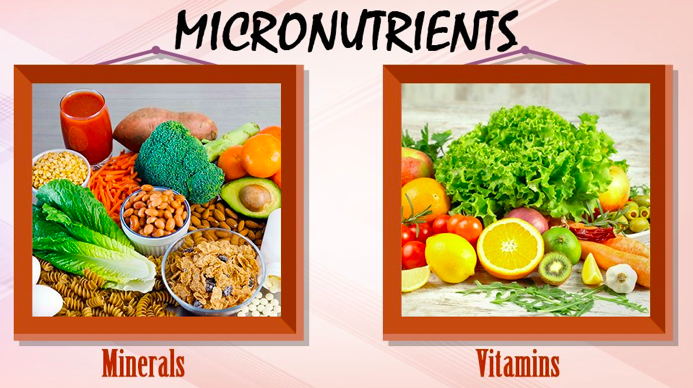
‘Micro’ means small, as their name specifies micronutrients are substances which individuals need in their eating routine in just limited quantities. These incorporate minerals and nutrients. Although most nourishments are combinations of nutrients, huge numbers of them contain a great deal of one nutrient and a little bit of different supplements. Nourishments are regularly gathered by the supplement that they contain in abundance.

Vitamins

Aside from Vitamin D, vitamins are fundamental nutrients, important in the eating regimen for good wellbeing. Vitamin D can be combined in the skin within the sight of UVB radiation. Many animal species can synthesize vitamin C, but humans cannot. Certain vitamin like mixes that are suggested in the eating routine, for example, carnitine, are thought helpful for endurance and wellbeing, yet these are not “basic” dietary supplements on the grounds that the human body has some ability to deliver them from different mixes. Also, a huge number of various phytochemicals have as of late been found in food (especially in new vegetables), which may have attractive properties including cell reinforcement movement. Test showing has been interesting yet uncertain. Other fundamental supplements not classed as nutrients incorporate basic amino acids, basic unsaturated fats, and the minerals talked about in the first area. Nutrient inadequacies may bring about illness conditions: goiter, scurvy, osteoporosis, impeded resistant framework, problems of cell digestion, certain types of disease, manifestations of untimely maturing, and poor mental wellbeing (counting dietary issues), among numerous others. Abundance levels of certain nutrients are likewise hazardous to wellbeing. The vitamins are conveniently divided into two major groups, those that are fat soluble and those that are water soluble. Fat-soluble vitamins are A, D, E, and K. Their absorption by the body depends on the normal absorption of fat from the diet. Water-soluble vitamins include vitamin C and the several members of the vitamin B complex.

Minerals

Dietary minerals are inorganic substance components needed by living animals, other than the four components carbon, hydrogen, nitrogen, and oxygen that are available in essentially all the natural atoms. Some have parts as cofactors, while others are electrolytes. The expression “mineral” is age-old, since the aim is to depict essentially the more uncommon components in the eating regimen. Some are heavier than the four just referenced – including a few metals, which regularly happen as particles in the body. A few dietitians suggest that these be provided from nourishments where they happen normally, or if nothing else as mind boggling mixes, or in some cases even from common inorganic sources, (for example, calcium carbonate from ground clam shells). Some are ingested significantly more promptly in the ionic structures found in such sources. Then again, minerals are frequently falsely added to the eating regimen as enhancements; the most notable is likely iodine in iodized salt which forestalls goiter.

Mother Earth – Our home planet

Earth is the only planet where life can exist.

Earth is also called Blue planet.

If we destroy the earth, we destroy the chance of life.

Earth is our mother as we born here,we grow here,we eat ,play and our whole life cycle take place on earth.
Earth  provide everything that we use today whether it is directly or indirectly.

Life existed on earth is as it is suitable for having an atmosphere, suitable temperature and water is present in its liquid form on Earth due to the position of Earth on solar system.

Earth is the third planet from the Sun at a distance of about 93 million miles (150 million km).

We called Mother earth because Earth provide everything to us like a mother. Our existence become possible only due to earth.
Everything that we needed to survive and thrive is only due to our mother earth it provide us  food, shelter, home , water, air, medicine , suitable temperature and everything that we need for our existence.
But we affect our mother Earth in various ways only for the sake of our greed.

Due to our greedy behaviour natural environment of Earth get changes.

Earth provides enough to satisfy Every man’s needs but not Every man’s greed

Mahatma Gandhi

Earth day is celebrated on 22 April.

Thus ,there is a need to  save our mother Earth.

The optimal temperature of earth rises ,the glaciers are melting  and every type of pollution like air pollution water pollution ,soil pollution ,noise pollution every thing are going on its peak and that’s why why every living organism get affected by this.


Due to this anthropogenic action every single living organism get affected even when they don’t take part in this  destructive action.

Anthropogenic action is referred to as the action which is done by humans.

Impact of anthropogenic activities on  earth
First of all the major impact is  due to overpopulation –
● Due to overpopulation the overconsumption of resources are at its peak .
Even after the implementation of various sustainable act but it doesn’t make any major changes on environment.
● To fulfill the requirements of population we need more food supplies that’s why there is increase in uses of fertilizers and various chemicals to increase the food production.
■ And it will leads to lack of nutrients in grains ,soil infertility or or it may leads to desertification.
● To fulfill the requirements of people there is need to increase the land area so it has been observed that it leads to deforestation.
● Anthropogenic activities are responsible for an intensive emission of greenhouse gases to the atmosphere, leads to an increase of 35% of carbon dioxide (CO2, greenhouse gases) emissions between 1990 and 2010.
● Emission of large amount of carbon dioxide and other greenhouse gases leads to rise in temperature of Earth, increase pollution and it causes various type of disease also.
● For affordable price and easy to use the production of plastic also increases.


These all are the the main factors that affect the ecosystems too.

Measures taken to save mother earth:-

  • Reduce, reuse and recycle
  • Choose sustainable development
  • Volunteer for clean up our environment
  • Choose long lasting light bulbs
  • Try to use renewable resource more than non-renewable resources
  • Save water
  • Plant more trees
  • Use public transport system
  • Try to avoid plastic use
  • Try to minimise pollution at individual level
  • Use reusable shopping bags
  • Educate others about anthropogenic activities or the impact of anthropogenic actions on our environment and what can we do to prevent its bad effects

Save earth, save home

Classification of Macronutrients

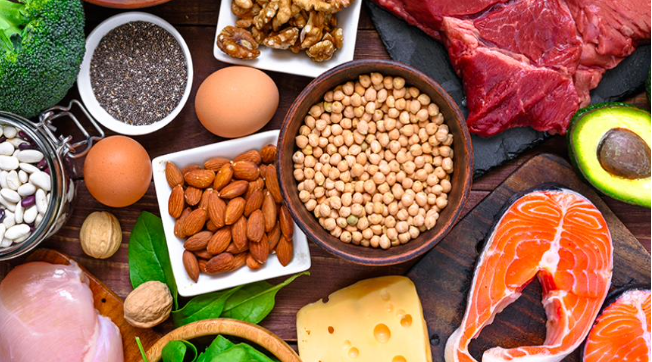
‘Macro’ signifies enormous or large, as their name proposes these are nutrients which individuals need to eat routinely and in a genuinely huge sum. They incorporate starches, fats, proteins, fiber and water. These substances are required for the flexibly of energy and development, for digestion and other body functions. Metabolism implies the cycle associated with the age of energy and all the ‘building squares’ needed to keep up the body and its capacities. Macronutrients give a great deal of calories however the measure of calories gave fluctuates, contingent upon the food source.

Every gram of starch or protein gives four calories, while fat gives nine calories to every gram.

Carbohydrates

Carbohydrates might be delegated monosaccharides, disaccharides or polysaccharides relying upon the quantity of monomer (sugar) units they contain. They are an assorted gathering of substances, with a scope of synthetic, physical and physiological properties. They make up a huge piece of nourishments, for example, rice, noodles, bread, and other grain-based items, yet they are not a basic nutrient, which means a human doesn’t have to eat sugars. The brain is the biggest shopper of sugars in the human body, and uses especially a lot of glucose, representing 20% of all out body glucose utilization. The brain utilises generally glucose for energy; if glucose is inadequate not withstanding, it changes to utilising fats. Monosaccharides contain one sugar unit, disaccharides two, and polysaccharides at least three. Monosaccharides incorporate glucose, fructose and galactose. Disaccharides incorporate sucrose, lactose, and maltose; cleaned sucrose, for example, is utilised as table sugar. Polysaccharides, which incorporate starch and glycogen, are regularly alluded to as ‘intricate’ starches since they are ordinarily long different stretched chains of sugar units.

Proteins

Proteins are the basis of numerous creature body structures (for example muscles, skin, and hair) and structure the compounds that control synthetic responses all through the body. Every protein particle is made out of amino acids which contain nitrogen and once in a while sulfur (these segments are answerable for the particular smell of consuming protein, for example, the keratin in hair). The body requires amino acids to deliver new proteins (protein maintenance) and to supplant harmed proteins. Amino acids are dissolvable in the stomach related juices inside the small digestive tract, where they are consumed into the blood. When ingested, they can’t be put away in the body, so they are either utilized as required or discharged in the urine. Proteins comprise of amino acids in various extents. The main angle and characterising normal for protein from a healthful viewpoint is its amino acid synthesis. For all animals, some amino acids are basic (can’t deliver them inside so they should be eaten) and some are trivial (can create them from other nitrogen-containing mixes). Around twenty amino acids are found in the human body, and around ten of these are fundamental. The combination of some amino acids can be restricted under uncommon pathophysiological conditions, for example, rashness in the newborn child or people in serious catabolic pain, and those are called restrictively fundamental. An eating routine that contains satisfactory measures of amino acids (particularly those that are basic) is especially significant in certain circumstances: during early turn of events and development, pregnancy, lactation, or injury (a consume, for example). A total protein source contains all the basic amino acids; a fragmented protein source needs at least one of the fundamental amino acids. It is conceivable with protein mixes of two inadequate protein sources (e.g., rice and beans) to make a total protein source, and trademark blends are the premise of unmistakable social cooking conventions. In any case, integral wellsprings of protein don’t should be eaten at a similar supper to be utilized together by the body. Abundance amino acids from protein can be changed over into glucose and utilised for fuel through a cycle called gluconeogenesis.

Fats and Oils

A particle of dietary fat ordinarily comprises of a few unsaturated fats (containing long chains of carbon and hydrogen atoms), clung to a glycerol. They are commonly found as fatty oils (three unsaturated fats appended to one glycerol spine). Fats might be delegated immersed or unsaturated relying upon the substance structure of the unsaturated fats included. Immersed fats have the entirety of the carbon atoms in their unsaturated fat chains attached to hydrogen particles, though unsaturated fats have a portion of these carbon molecules twofold reinforced, so their atoms have moderately less hydrogen molecules than a soaked unsaturated fat of a similar length. Unsaturated fats might be additionally delegated monounsaturated (one twofold security) or polyunsaturated (some twofold securities). Besides, contingent upon the area of the twofold security in the unsaturated fat chain, unsaturated fats are named omega-3 or omega-6 unsaturated fats. Trans fats are a sort of unsaturated fat with trans-isomer securities; these are uncommon in nature and in nourishments from normal sources; they are regularly made in a modern cycle called (halfway) hydrogenation. There are nine kilocalories in every gram of fat. Unsaturated fats, for example, formed linoleic corrosive, catalpic corrosive, eleostearic corrosive and punicic corrosive, notwithstanding giving energy, speak to strong insusceptible modulatory particles. Immersed fats (ordinarily from creature sources) have been a staple in numerous world societies for centuries. Unsaturated fats (e. g., vegetable oil) are viewed as more advantageous, while trans fats are to be kept away from. Immersed and some trans fats are regularly strong at room temperature, (for example, spread or fat), while unsaturated fats are normally fluids, (for example, olive oil or flaxseed oil). Trans fats are extremely uncommon in nature, and have been demonstrated to be exceptionally unfavorable to human wellbeing, yet have properties helpful in the food handling industry, for example, rancidity opposition.

Water

Water is the significant constituent of the human body. The body can’t deliver enough water by digestion or acquire enough water by food ingestion to satisfy its requirements. As an outcome, we need to focus on what we drink for the duration of the day to guarantee that we are meeting our day by day water needs, as not doing so may have negative wellbeing impacts. Water is discharged from the body in numerous structures; including pee and defecation, perspiring, and by water fume in the breathed-out breath. In this manner, it is important to satisfactorily rehydrate to supplant lost liquids.
Early proposals for the amount of water needed for upkeep of good wellbeing recommended that 6–8 glasses of water day by day is the base to keep up legitimate hydration. The idea that an individual ought to burn-through eight glasses of water for each day can’t be followed to a trustworthy logical source. Water is the primary constituent of cells, tissues and organs and is essential forever. Regardless of its entrenched significance, water is frequently failed to remember in dietary suggestions, and the significance of sufficient hydration isn’t referenced. As a result, wellbeing experts and nutritionists are here and there confounded and question the need of drinking water consistently, what amount should we drink, and how to know if patients are very much hydrated.

FibRE

Dietary fiber is a carbohydrate, explicitly a polysaccharide, which is not completely assimilated in people and in certain animals. Like all sugars, when it is processed, it can create four Calories (kilocalories) of energy per
gram, however much of the time, it represents not as much as that on account of its restricted retention and absorbability. Entire grains, beans, and different vegetables, organic products (particularly plums, prunes, and figs), and vegetables are acceptable wellsprings of dietary fiber. Fibre is imperative to stomach related wellbeing and is thought to diminish the danger of colon malignant growth. Fiber can help in mitigating both blockage and loose bowels by expanding the weight and size of stool and mellowing it. Fiber gives mass to the intestinal substance, and insoluble fiber particularly invigorates peristalsis – the cadenced strong constrictions of the digestive organs which move digesta along the stomach related lot. Some dissolvable strands produce an answer of high thickness; this is basically a gel, which eases back the development of food through the digestive organs. By easing back the retention of sugar, fiber may assist lower with blooding glucose levels, diminishing insulin spikes and lessening the danger of type 2 diabetes.

7 Ways to Retain More of Every Book You Read

There are numerous advantages to perusing more books, however maybe my most loved is this: A decent book can give you another approach to decipher your previous encounters.

At whatever point you gain proficiency with another psychological model or thought, it resembles the “product” in your mind gets refreshed. Out of nowhere, you can run the entirety of your old information focuses through another program. You can take in new exercises from old minutes. As Patrick O’Shaughnessy says, “Perusing changes the past.”

Obviously, this is just evident in the event that you disguise and recall experiences from the books you read. Information will possibly compound in case it is held. At the end of the day, what makes a difference isn’t just perusing more books, yet getting more out of each book you read.

Acquiring information isn’t the solitary motivation to peruse, obviously. Perusing for delight or amusement can be a great utilization of time, however this article is tied in with perusing to learn. Considering that, I’d prefer to share probably the best perusing understanding procedures I’ve found.

  1. Stop More Books

It doesn’t take long to sort out in case something merits perusing. Talented composition and top notch thoughts stick out.

Subsequently, a great many people ought to presumably begin a greater number of books than they do. This doesn’t mean you need to peruse each book page-by-page. You can skim the list of chapters, section titles, and subheadings. Pick a fascinating area and plunge with regards to for a couple of pages. Possibly flip through the book and look at any bolded focuses or tables. Shortly, you’ll have a sensible thought of how great it is.

Then, at that point comes the urgent advance: Quit books rapidly and without blame or disgrace.

Life is too short to even think about squandering on normal books. The chance expense is excessively high. There are such countless astonishing things to peruse. I think Patrick Collison, the organizer of Stripe, put it pleasantly when he said, “Life is too short to not peruse the absolute best book you are aware of this moment.”

Here’s my proposal:

Start more books. Stop a large portion of them. Peruse the incredible ones twice.

  1. Pick Books You Can Use Instantly

One approach to further develop perusing perception is to pick books you can promptly apply. Setting the thoughts you read in motion is extraordinary compared to other approaches to get them in your psyche. Practice is an extremely compelling type of learning.

Picking a book that you can utilize likewise gives a solid motivation to focus and recollect the material. That is especially evident when something significant remains in a critical state. In the event that you’re beginning a business, for instance, you have a ton of inspiration to get all that you can out of the business book you’re perusing. Also, somebody who works in science may peruse The Origin of Species more cautiously than an irregular peruser on the grounds that it interfaces straightforwardly to their day by day work.

Obviously, few out of every odd book is a down to earth, how-to direct that you can apply quickly, and that is fine. You can discover shrewdness in various books. However, I find that I’m bound to recall books pertinent to my every day life.

  1. Make Searchable Notes

Keep notes on what you read. You can do this notwithstanding you like. It shouldn’t be a major creation or a confounded framework. Simply successfully underline the significant focuses and entries.

I do this in various manners relying upon the arrangement I’m devouring. I feature entries when perusing on Kindle. I type out fascinating statements as I pay attention to book recordings. I canine ear pages and translate notes when perusing a print book.

In any case, here’s the genuine key: store your notes in an accessible arrangement.

There is no compelling reason to leave the errand of perusing appreciation exclusively up to your memory. I keep my notes in Evernote. I favor Evernote over different alternatives since 1) it is immediately accessible, 2) it is not difficult to use across numerous gadgets, and 3) you can make and save notes in any event, when you’re not associated with the web.

I get my notes into Evernote threely:

I. Book recording: I make another Evernote document for each book and afterward type my notes straightforwardly into that record as I tune in.

II. Digital book: I feature sections on my Kindle Paperwhite and utilize a program called Clippings to send out the entirety of my Kindle features straightforwardly into Evernote. Then, at that point, I add an outline of the book and any extra considerations prior to presenting it on my book synopses page.

III. Print: Similar to my book recording system, I type my notes as I read. On the off chance that I run over a long section I need to decipher, I place the book on a book remain as I type. (Composing notes while perusing a print book can be irritating in light of the fact that you are continually putting the book down and picking it back up, yet this is the best arrangement I’ve found.)

Obviously, your notes don’t need to be advanced to be “accessible.” For instance, you can utilize Post-It Notes to label certain pages for future reference. As another choice, Ryan Holiday proposes putting away each note on a record card and ordering them by the subject or book.

The center thought is something similar: Keeping accessible notes is fundamental for getting back to thoughts without any problem. A thought is just helpful in the event that you can discover it when you need it.

  1. Consolidate Knowledge Trees

One approach to envision a book resembles an information tree with a couple of major ideas framing the storage compartment and the subtleties shaping the branches. You can find out more and further develop perusing perception by “connecting branches” and incorporating your present book with other information trees.

For instance:

While perusing The Tell-Tale Brain by neuroscientist V.S. Ramachandran, I found that one of his central issues associated with a past thought I gained from social work specialist Brené Brown.

In my notes for The Subtle Art of Not Giving a F*CK, I noticed how Mark Manson’s concept of “committing suicide” covers with Paul Graham’s exposition on keeping your personality little.

As I read Mastery by George Leonard, I understood that while this book was about the cycle of progress, it likewise shed some light on the association among hereditary qualities and execution.

I added every knowledge to my notes for that specific book.

Associations like these assist you with recalling what you read by “snaring” new data onto ideas and thoughts you as of now comprehend. As Charlie Munger says, “In the event that you get into the psychological propensity for relating what you’re perusing to the fundamental design of the basic thoughts being illustrated, you step by step amass some shrewdness.”

At the point when you read something that helps you to remember another theme or promptly starts an association or thought, don’t permit that idea to travel every which way without notice. Expound on what you’ve realized and how it associates with different thoughts.

  1. Compose a Short Summary

When I finish a book, I challenge myself to sum up the whole content in only three sentences. This imperative is only a game, obviously, however it compels me to think about what was truly significant about the book.

A few inquiries I think about while summing up a book include:

What are the principle thoughts?

On the off chance that I carried out one thought from this book at the present time, which one could it be?

How might I portray the book to a companion?

As a rule, I find that I can typically get the same amount of valuable data from perusing my one-section synopsis and exploring my notes as I would on the off chance that I read the whole book once more.

In the event that you feel like you can’t press the entire book into three sentences, think about utilizing the Feynman Technique.

The Feynman Technique is a note-taking procedure named after the Nobel Prize-winning physicist Richard Feynman. It’s really basic: Write the name of the book at the highest point of a clear piece of paper, then, at that point record how you’d disclose the book to somebody who had never known about it.

On the off chance that you wind up stuck or on the other hand on the off chance that you see that there are openings in your agreement, survey your notes or return to the content and attempt once more. Continue to work it out until you have a decent handle on the principle thoughts and feel certain about your clarification.

I’ve discovered that barely anything uncovers holes in my intuition better than expounding on a thought as though I am disclosing it to an amateur. Ben Carlson, a monetary expert, says something almost identical, “I track down the most ideal approach to sort out what I’ve discovered from a book is to compose something about it.”

  1. Encompass the Topic

I regularly think about the statement by Thomas Aquinas, “Be careful the man of a solitary book.”

On the off chance that you just read one book on a subject and utilize that as the reason for your convictions for a whole class of life, indeed, how solid are those convictions? How exact and complete is your insight?

Perusing a book requires exertion, yet over and over again, individuals utilize one book or one article as the reason for a whole conviction framework. This is considerably more evident (and more hard to survive) with regards to utilizing our one, singular experience as the reason for our convictions. As Morgan Housel noticed, “Your own encounters cosmetics perhaps 0.00000001% of what’s occurred on the planet yet perhaps 80% of how you think the world functions. We’re completely one-sided to our very own set of experiences.”

One approach to tackle this issue is to peruse an assortment of books on a similar theme. Dive in from various points, take a gander at similar issue through the eyes of different creators, and attempt to rise above the limit of your own insight.

  1. Peruse It Twice

I’d prefer to wrap up by getting back to a thought I referenced close to the start of this article: read the extraordinary books twice. The rationalist Karl Popper clarified the advantages pleasantly, “Anything worth perusing isn’t just worth perusing twice yet worth perusing over and over. Assuming a book is advantageous, you can generally make disclosures in it and discover things in it that you didn’t see previously, despite the fact that you have perused it commonly.”

Moreover, returning to extraordinary books is useful in light of the fact that the issues you manage change after some time. Certainly, when you read a book twice perhaps you’ll get some stuff you missed the first run through around, yet all things considered, new entries and thoughts will be pertinent to you. It’s just regular for various sentences to jump out at you relying upon your point throughout everyday life.


Why are supplements bad ?

Anything that changes any natural process is considered to be bad. Supplements used to increase body metabolism by artificial processes are also not good for health, but not all.

What are supplements ?

Supplements include vitamins, minerals, enzymes, amino acids and herbs. They are marketed in many different forms like in tablets, capsules, pills or other forms.

Some common supplements

  • Calcium
  • Green tea
  • Vitamin D
  • Garlic
  • Fish oil
  • Ginseng
  • Echinacea
  • Melatonin
Photo by Nataliya Vaitkevich on Pexels.com

Why supplements are bad ?

It is a less known fact that there is no safety testing of the supplements by FDA. There is no such rule that the potential adverse effects be mentioned on the supplements.

Many people using supplements since decades, don’t even know about the harmful effects of supplements. They just use in the hope of maybe curing some allergies or minor diseases. But supplements are not always safe and beneficial.

Some multivitamins are not known to cause health risks but it’s better to be cautious. Many supplements contain some ingredients that may cause severe biological effects. They may complicate your health any lead to harmful effects.

Things to know before using supplements

  1. Although some supplements come from natural sources, that doesn’t mean they are safe to use.
  • Some supplements may contain many contaminants like drugs or chemicals that make them of poor quality.
  • Do not at any cost combine any supplements.
  • It is also advised to not take supplements along with medicines.
  • Do not substitute supplements for the prescribed medicines.
  • Do not consume supplements in a large quantity.
  • Always speak with your healthcare provider before taking any supplements.

Nutrition and Nutrients

Nutrition is the science that deciphers the supplements and different substances in food corresponding to support, development, multiplication, wellbeing and infection of a living being. It incorporates ingestion, retention, absorption, biosynthesis, catabolism and discharge. The eating regimen of a living being is the thing that it eats, which is to a great extent controlled by the accessibility and acceptability of nourishments. For people, a solid eating routine incorporates readiness of food and capacity strategies that protect supplements from oxidation, warmth or draining, and that lessens danger of food-borne ailments.

In people, an undesirable eating regimen can cause deficiency related infections, for example, visual impairment, pallor, scurvy, preterm birth, stillbirth and cretinism, or supplement overabundance health compromising conditions, for example, weight and metabolic disorder; and such normal ongoing foundational illnesses as cardiovascular sickness, diabetes, and osteoporosis. Undernutrition can lead to wasting in acute cases, and the stunting of marasmus in chronic cases of malnutrition.

The seven significant classes of human supplements are sugars, fats, fiber, minerals, proteins, nutrients, and water. Supplements can be assembled as either macronutrients or micronutrients (required in little amounts).

Human nourishment manages the arrangement of basic supplements in food that are important to help human existence and great wellbeing. Helpless nourishment is a persistent issue regularly connected to neediness, food security or a less comprehension of sustenance and dietary practices and poor information about supplements needed by the body at different phases of life to forestall insufficiency of supplements in body which can effect-sly affect body. Lack of healthy nutrients and its results are huge supporters of passings, actual deaths and physical illness around the world. Great sustenance is really important for kids to develop physically and intellectually, and for typical human organic turn of events. The human body contains synthetic mixes, for example, water, starches, amino acids (found in proteins), unsaturated fats (found in lipids), and nucleic acids (DNA and RNA). These mixes are made out of components, for example, carbon, hydrogen, oxygen, nitrogen, and phosphorus. Any investigation done to decide healthful status must consider the condition of the body when tests, just as the compound piece of the entire eating regimen and of the multitude of materials discharged and eliminated from the body.

WHAT ARE NUTRIENTS?

A nutrient is a substance utilized by a creature to endure, develop, and recreate. The necessity for dietary supplement admission applies to creatures, plants, growths, fungi, and protists. Supplements can be joined into cells for metabolic purposes or discharged by cells to make non- cell structures, for example, hair, scales, plumes, or exoskeletons. A few supplements can be metabolically changed over to more modest atoms during the time spent delivering energy, for example, for starches, lipids, proteins, and aging items (ethanol or vinegar), prompting final results of water and carbon dioxide. All creatures require water. Fundamental supplements for creatures are the fuel sources, a portion of the amino acids that are joined to make proteins, a subset of unsaturated fats, nutrients and certain minerals. Plants require more assorted minerals retained through roots, in addition to carbon dioxide and oxygen assimilated through leaves. Parasites live on dead or living natural issue and address supplement issues from their host.
Nutrients might be natural or inorganic: natural mixes incorporate most mixes containing carbon, while all different synthetic substances are inorganic. Inorganic supplements incorporate supplements, for example, iron, selenium, and zinc, while natural supplements incorporate, among numerous others, energy-giving mixes and nutrients.

Can Guinea Pigs Eat Apples ?

“An apple a day, keeps the doctor away.” Everyone must have heard this. But is it true for guinea pigs ? Can guinea pigs eat apples ? Are apples safe for them ? Allow us to enlighten you on the fact that guinea pigs can in fact eat apples but with some restrictions. If you pet a guinea pig and are curious to know about their diet then you have come to the right place. Come on, let’s have a look.

Can Guinea Pigs Eat Apples ?

Yes, guinea pigs can eat apples. But listen guinea pig owners, this is for you. You certainly can give your pet apples. But first you just have to take care of the conditions which come with feeding apples to your guinea pig. Here we will tell you all about guinea pigs and apples. This is the perfect guide for your pet regarding apples.

Photo by Scott Webb on Pexels.com

Are Apples safe for Guinea Pigs ?

Yes, apples are safe for guinea pigs but only in moderation. Apples contain a high sugar content which is not considered appropriate for guinea pigs. Here are some listed conditions to take care of before serving apples to guinea pigs.

  1. Apples are safe for guinea pigs but the stem and the seeds  of the apple can have a damaging effect on their health. The seeds contain enough cyanide to have an adverse effect on their health but not enough to kill them. The main reason to not feed apple seeds to guinea pigs is that they might choke on them.
  • Guinea pigs can have apples in a small quantity. Excessive feeding can lead to various problems like diarrhoea and other health issues.
  • Apple skin contains most of the nutrients which are good for guinea pigs. They can eat apples with their skin on and enjoy the  crunchiness of the fruit. Apple skin or peel contains fibre which is good for their health. Unwashed for waxed skin may damage their health.
  • Guinea pigs do like apples, but ensure that you feed them as a treat and not include them in their daily diet.
  • In addition to the crunchy fruit you can also feed them apple leaves. Apples contain calcium which is good for guinea pigs.
  • Unripe, sore or rotten apples can also damage guinea pigs’ health.
  • Guinea pigs enjoy the hard fibrous core of the apples, but make sure they are seed free and not so sour to eat.

What happens if a guinea pig eats too much Apple ?

If your pet ate too much apple, it’s nothing to worry about. It may have a bit of diarrhoea, but it will be fine. Don’t worry about taking it to the vet because there will not be any long-term problems.

Consider feeding them small apple chunks. Since apples are high in sugar content you may want to restrict their diet of apples to once a day or maybe only 2-3 a week.

Too much of an apple to guinea pig may lead to bloating. You may also want to know that Vitamin C is the most important ingredient in a guinea pigs’ diet. And apples have a higher Vitamin C content than most fruits. Apples are considered to be safe and enjoyable for Guinea pigs but they are not the best diet for them.

Till now we have made sure that you know the answer to the main question, which is, “Can Guinea Pigs eat apples ?” Now coming on to the types of apples they can consume and how you should feed them.

Which Type of Apples can Guinea Pigs Eat ?

Apples are the most diverse fruit. It comes in many types, about 2500 different varieties. Let us have a look on which type of apples your furry pet would like to munch on.

Guinea pigs can eat both red and green apples. But as green apples are much more sour than the red ones, your pet may not like them.

Apples come in many varieties, textures and flavours, so you might want to know the preference of your pet before feeding them.

How Much Apple Should a Guinea Pig be Given ?

Guinea pigs can eat apples, but that doesn’t mean they can eat a whole one of them. You should not give your pet a whole apple to eat, maybe not even a half. Guinea pigs like to be served with small chunks of apples for them. Giving anything in excess to them is a health hazard. And as well as apples are not an essential part of a guinea pigs’ diet.

Guinea pigs can also be fed different snacks of apples like apple sticks, apple leaves and many more for your pet. So now, are you sure about your answer to the question, “can guinea pigs eat apples ?’

Most guinea pigs like eating this crunchy food but as we humans, these furry animals are also moody and some of them may not like apples. But it is certain that yes, guinea pigs can absolutely enjoy apples.

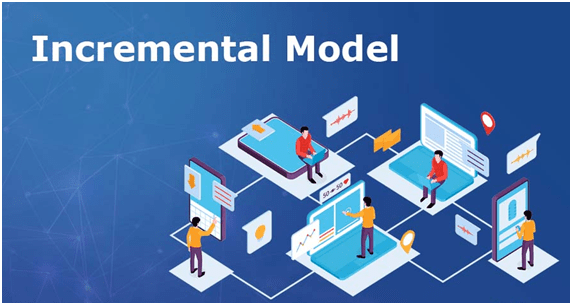
Software Development through – Incremental Model

What is Incremental Model ?

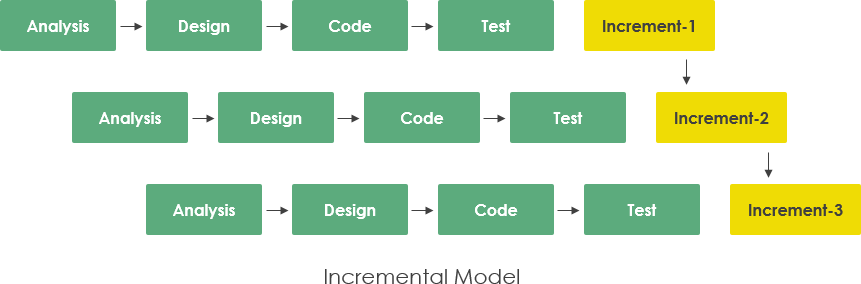
The incremental model uses the “Linear and Parallel” process flow, uses linear sequential flow like waterfall model to develop working release of software.

Situation Where Incremental Model is Useful:

When customer needs limited set of features and functionalities quickly and then they want enhancement in functions in later releases of the software, then incremental model is useful.

Flow

Each linear sequence produces a deliverable “increment” of the software.
It should be noted that the process flow for any increment can uses the prototyping paradigm.
When incremental model is used, the first increment is often the core product (that is only basic requirements are implemented), the next increments are modifications of the core product.

Advantages:


This model is useful when staff required is unavailable.
This model is useful to handle technical risk.
Provide better support for process iteration.
Reduces rework in the software construction process.
Some decisions on requirements may be delayed.
Allow early delivery of parts of the system.
Support easier integration of sub-systems.
Risk of project failure is low.

Disadvantages:


Increments need be relatively small
Needs good planning and design.
Needs a clear and complete definition of the whole system before it can be broken down and built incrementally.
Mapping of requirements to increments may not be easy.
Total cost is higher than waterfall

Conclusion

This model provides better support for iteration and the phases in this model goes on linearly as well as parallelly but their may cause confusion in the output of the phases if proper and sorted planning is not done. As well as, the total cost of this model is also higher than the waterfall model so, if their is any confusion among the output of different phases it may lead to wastage of time as well as cost.

Breast Cancer

Breast cancer is the most frequent invasive cancer in women, and after lung cancer, it is the second largest cause of cancer death in women.

Breast cancer can start in a variety of places in the breast. Lobules, ducts, and connective tissue are the three primary components of a breast. The glands that generate milk are known as lobules.

The ducts are tubes that transport milk from the breast to the nipple. Everything is held together by connective tissue, which is made up of fibrous and fatty tissue. Breast cancer usually starts in the ducts or lobules.

Breast cancer can spread to other parts of the body via blood and lymph vessels. Breast cancer is said to have metastasized when it spreads to other regions of the body.

Photo by Xenia Shtreter on Pexels.com

Since 1989, advances in breast cancer detection and treatment have drastically improved survival rates. There are more than 3.1 million breast cancer survivors in the United States, according to the American Cancer Society (ACS). A woman’s likelihood of dying from breast cancer is about 1 in 38. (2.6 percent ).

According to the American Cancer Society, 268,600 women will be diagnosed with invasive breast disease in 2019 and 62,930 persons will be diagnosed with noninvasive cancer.

Breast cancer will kill 41,760 women in the United States this year, according to the American Cancer Society. Breast cancer fatality rates have been declining since 1989, thanks to breakthroughs in treatment.

The need of screening and being aware of the symptoms are both significant methods to reduce the risk. Breast cancer can afflict men in rare cases, but this article will focus on breast cancer in women. Here’s where you can learn more about breast cancer in men.

SYMTOMS OF BREAST CANCER

The initial signs of breast cancer are usually a thicker tissue area in the breast, a lump in the breast, or a lump in the armpit.

1)Other signs and symptoms include:

2)Armpit or breast soreness that doesn’t go away with the monthly cycle

3)Pitting or redness of the breast skin, resembling the surface of an orange

4)A rash on one of the nipples or around it

5)A nipple discharge, potentially including blood

6)A nipple that is sunken or inverted

7)A change in the breast’s size or shape

8)The skin on your face is peeling, flaking, or scaling.

The size of the tumour and whether it has spread to lymph nodes or other regions of the body are used to classify cancer.

Breast cancer can be staged in a variety of ways. From stage 0 through 4, with subdivided categories at each numbered level, is one way.

The four basic stages are described here, while the precise substage of a cancer may be determined by other tumor characteristics, such as the presence of the HER2 receptor.

CAUSES OF BREAST CANCER

Fat, connective tissue, and thousands of lobules make up a woman’s breast after puberty. Breastfeeding milk is produced by these small glands. Milk travels to the nipple through tiny tubes called ducts.

Cancer produces uncontrollable cell proliferation. They do not die at the expected time in their lives.

Because the tumour consumes nutrition and energy, it deprives the cells around it, resulting in cancer.

Breast cancer is most commonly found in the inner lining of milk ducts or the lobules that provide milk to them. It can then spread to other areas of the body.

Photo by SHVETS production on Pexels.com

THERE ARE TWO TYPES OF BREAST CANCER

Ductal carcinoma is the most prevalent type of cancer that starts in the milk duct.
Lobular carcinoma is a type of cancer that begins in the lobules.


When cancer cells burst out from inside the lobules or ducts and invade adjacent tissue, it is called invasive breast cancer. This makes it more likely for cancer to spread to other places of the body.

Noninvasive breast cancer occurs when the cancer has not migrated beyond its original location. However, these cells can proceed to aggressive breast cancer in some cases.

It is impossible to avoid breast cancer. Certain lifestyle choices, on the other hand, can greatly reduce the risk of breast cancer and other cancers.

These are some of them:

limiting your alcohol consumption

following a nutritious diet rich in fresh fruits and vegetables

obtaining enough physical activity

keeping a healthy BMI (body mass index) (BMI)

Breastfeeding and the use of hormone replacement therapy (HRT) after menopause should both be considered because they can increase the risk.

For women who are at a high risk of breast cancer, preventive surgery is also an option.

The Breast Cancer Healthline app connects users to an online breast cancer community where they may interact with others and receive advice and support through group discussions.

Jane Austen-A great novelist

If you have read any novel of Jane Austen, when you hear name her name what comes in your mind is her critical comments on society not harsh but smooth, and her art of characterization. How strong she depicts female characters and male characters soft. It comes to mind that she is a kind of feminist.
Jane Austen, an English novelist. She is one of the great novelists of the 19th century. She is known for her six major novels that interpret, critique, and comment upon British society at the end of the 18th century. Her writings, the way she uses biting irony, along with her realism, humor, and social commentary made her one of the great masters of English novels. Her novels are about the typical life of normal people and families.
Jane Austen died at the age of 41 on 18 July 1817. Even after two centuries of her death, her novels are still considered as best. Austen was not so much famous during her lifetime. At that time female writers were not acceptable so like many female writers she started publishing anonymously. When they were published her works were considered as fashionable but received only a few reviews. By the middle of the 19th century, her novels were admired by various members of the literary elite. They viewed their appreciation of her works as a mark of cultivation. In early 1838 her novels were being recommended on school reading lists.
After reading her novels one can find out that in her novels she depicts characters who seem familiar to her and most of the character’s chief interest was matrimony. She, in her novels, presents criticism of rural society around her and it seems that she confines herself to the middle-class society.
Mainly the themes of the novels of Jane Austen are love and marriage. In her novel “Pride and Prejudice” the opening line says “It is a truth universally acknowledged, that a single man in possession of a good fortune, must be in want of a wife” this is one of the best opening lines of English literature which shows Jane Austen’s satirical comment on society. In her novels, a young woman falls in love with a rich and desirable man. And after all the difficulties faced by the female protagonists, everything ends very well.
The most interesting and praiseworthy thing in the novels of Jane Austen is her art of characterization. She creates living characters, minutely portrayed and well described. In her novels, males are soft than female characters. The female characters especially protagonists of novels are so bold and perfect. The way she used to present female characters, females from the 21st century can learn a lot. This shows how she imagines at that time about the freedom and rights of females. Hence, we can say that she feminized an English novel. Her most memorable characters like Darcy Elizabeth, Emma and John Thrope, etc.
Name of her famous novels
1811 – Sense and Sensibility
1813 – Pride and Prejudice
1814 – Mansfield Park
1815 – Emma
1818 – Northanger Abbey (posthumous)
1818 – Persuasion (posthumous)

Software Development through – Waterfall Model

What is a Waterfall Model ?

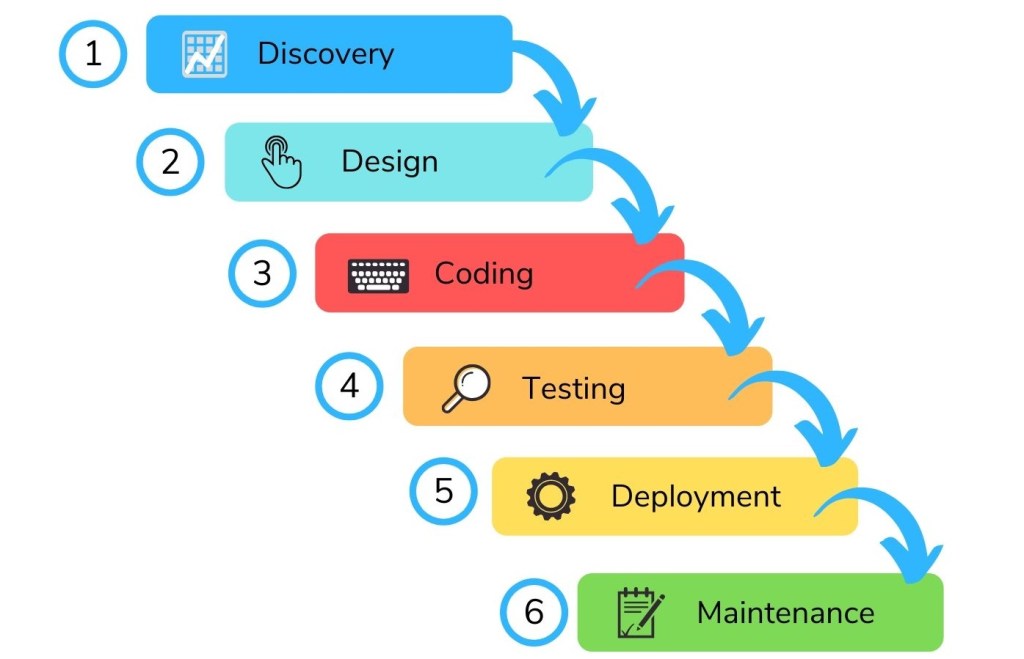
It is also known as the “Classic Life Cycle” model, follows the “Systematic, Sequential “approach of software development.

Situation Where Waterfall Model is Useful:

-When customer wants enhancement or adaptation in already existing software which is well developed then we can use waterfall model.
-Ex. Changes in the Accounting software because of the changes in the rules by government.
-Waterfall Model is also used to develop new software when requirements are completely understood and stable (will not change in the future).

Phases

  1. Communication:

Heavy communication and collaboration with stakeholders-to gather information and requirement of software and to define features and functions of software.

2. Planning:

Defines – schedule of the project, role of each team member, estimation of cost, deadlines or delivery dates of the working modules, what technical task to be performed, risk that can be occurred, and priorities of each module.

3. Modeling:

Design model of software is created to understand the requirements, features and functions of the software.

4. Construction:

Combination of code generation and testing.

5. Deployment:

Software is delivered to the customer, On the basis of the feedback from the customer, software development team makes changes to the software for better quality.

Advantages

•Systematic and Organized approach provides clear separation between different phases of software development.
•This model is simple and easy to understand and use.
•It is easy to manage due to the rigidity of the model – each phase has specific deliverable and a review process.
•In this model phases are processed and completed one at a time. Phases do not overlap.

Disadvantages

•Real projects rarely follows the sequential flow that waterfall model suggests.
•All real projects follow iterative approach indirectly. As a result of this, it causes the confusion among team members when the proceeds.
•It is difficult for the customer to state all the requirements at the beginning of the project.
•A working version of the product is available only late.
•So if there any bug in the software it becomes visible at late which is very dangerous.
•Waterfall Model has a problem of “Blocking States” means some team members has to wait for other team members to complete their dependent work.

Conclusion

Waterfall model is a perspective process model and it’s basically a classic model in which each phase is very sorted and separate from each other so,no confusion occurs but it is not suitable for the changing needs of the Industry as their are tremendous trends coming in the software industry which requires an advanced process of software development with fully defined phases.So, it is suitable for the freshers but they have to adapt and switch to the newer software development techniques.

E- EDUCATION: AN EDUCATIONAL REVOLUTION

Eeducation or elearning is the delivery of education or training by electronic teaching methods like computers or laptops etc. E- Education means Schools on Web and it consolidates virtual classrooms, laboratories and integrates it with your other enterprise applications. These now supplement the face – 2 – face class room and commonly known as Blended Learning. It is the learning experiences from the online information sources. This E-Learning approach helps the students know, makes them understand how to research more and the students can preserve their online resources posterity. It helps the teacher to provide better materials for the students by doing research on various topics and subjects. It normally works over the internet and provides numerous tools such as for assessment, communications, collaborations, uploading of content etc.

Schools On Web help in connecting people with each other and provides new ways of communications and collaborations with the help of all kinds of information’s being provided by it. The aim is – Learning without Limits- anytime, in any place, and at any pace. It provides a platform where students and parents are connected, administrators are empowered and teachers are inspired.

E- Learning

The technologies of web collaborations helps in real time access to subjects or instructors or topic matters directly from the PC of users. The key communication/ participation tools are: e mail, chat rooms, whiteboards, journals etc.

Some of the key benefits are:

  1. Enable the teaching od new or existing courses wuthin virtual classrooms
  2. Interactive sessions which can be recorded
  3. Effective evaluation of virtual classes
  4. Provide instant accesS
  5. Generate academic reports
  6. Enables to track the progress of individual learner

Experiential Learning

Experiential Learning

Experiential Learning stimulates experiments and boosts the dimensions of interest, involvement, imagination and interaction by virtual laboratories, scenario – based learning activities and tests of different concepts. All these can be incorporated into various teaching approaches as pre-labs, as alternatives to textbooks home work and individual or group activities.

Some of the key benefits are :

  1. Highly Interactive Platform
  2. Provide Learning by Doing
  3. Ensures and promotes high level of cognition and retention
  4. Safety and Security is ensured
  5. Simulates real-life environments

Management System

E-Learning helps in managing fee structure, fee submission, generation of time table and management, library management and other reports. Web based Institute Management software is designed which enables better interaction among students, teachers, parents and managing body. Thus, it helps in customization of the system for respective needs at a reasonable cost.

COVID 19 and E – Education

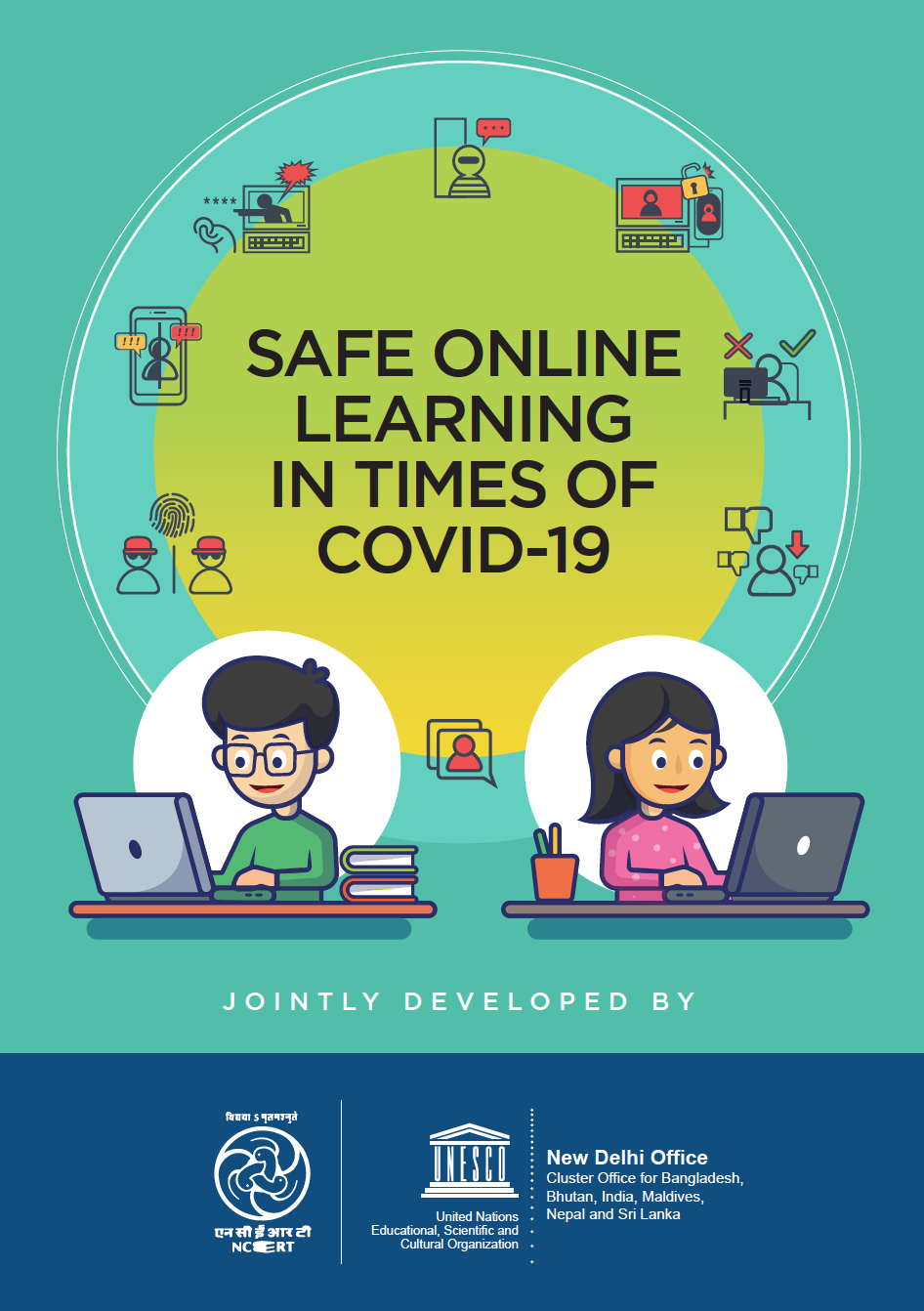
Countries are at different points in their COVID 19 infection rates and worldwide there are nearly 1.2 billion children in 186 countries who are getting affected by school closures due to the pandemic. With such sudden transition and shift away from the classroom many problems and issues have emerged across the globe. In such situations, online learning and e-learning approaches have emerged as solutions and in response to significant demand, many online learning platforms have also moved forward for offering free access to their educational services. With the help of e-learning and online teaching initiatives many issues which were being faced in the field of education have been sorted out but still there are still lots of problems which are associated with the availability of proper infrastructures etc. at each and every corner of the globe which can enable each and everyone to access the facilities of e-learning.

FACTS ABOUT NAILS

  1. Keratin is a type of protein that forms the cells that make up the tissue in nails and other parts of your body.
  2. The part you can see in nails is consists of dead cells. That’s why it doesn’t hurt to cut your nails.
  3. Tiny blood vessels called capillaries sits under the nail bed .
  4. Blood flowing through the capillaries helps nails grow and gives them their pinkish color.
  5. Layer of skin under the nails is called the dermis.
  6. Dermis has sensory nerve endings. These send a signal to your brain when pressure is applied to your nails.
  7. Although the myth about nails growing after death isn’t true.
  8. After someone dies their skin dehydrates and shrinks making it look like their nails grew.
  9. Nails grow faster in summer than in winter.
  10. Stress can cause your nails to grow more slowly or even temporarily stop growing.