Swearing has always been a man’s thing to be manly, this doesn’t mean that woman’s don’t swear, they do, and to an extent it’s perfectly normal to use certain adjective, sometimes it’s unconsciously used in your lingo, sometimes you do it forcefully to seem cooler and more acceptable among your peers, but more often than not, the use of profanity is used to show off masculinity.
How so? Mens in their natural habitat — hanging out with their peers, start acting immaturely, and extend that immaturity into conversations and things escalate and you normalise using a very colourful vocabulary.
Is it redundant to use this same argument? Possibly for some, but the fact-of-the-matter is that while just simply talking, you don’t need to get aggressive, don’t need to raise your tone, or anything like hat to get your point across, you do.
Would you like to cutdown on it? You should, its not pleasant to have a potty mouth, nor is it flattering, and it could get you into situation within a professional set up and you would do something and can’t turn back again, thus it make a compelling argument that you need to throw off your male ego, you masculinity crutch of profanity and try being better, and if you have swearing as a crutch to feel masculine, then you have much bigger and intense problem about your identity than anything else.
What next, clean up your act! Be human, be more vocal with your certifiably tremendous vocabulary, and if anytime you feel the ‘itch’ to use such words, breathe to it and try finding suitable replacements to it.
Jumping straight into the topic . Do you guys know how old the school you studied in ? Have you ever heard of an institution that might be established hundreds of years ago and present till know?
I asked that question because I recently got to know about an institution that is almost 479 years old and also is present till now . Fascinating isn’t it!
As the saying goes “Old is Gold” this 479 year old institution is also a “treasure”.
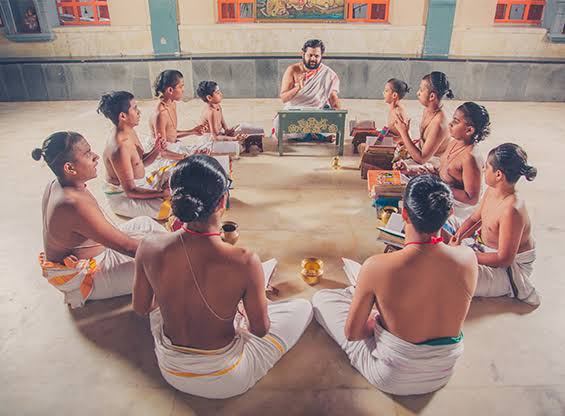
This 479 years old Educational Institution in India still continues the tradition of imparting knowledge
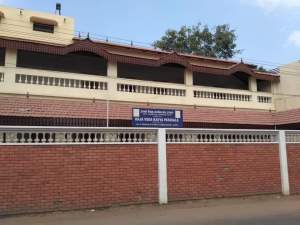
This institution is Raja Veda Kavya Patasala, established in 1542 AD. It is located in Kumbakonam,Tamilnadu,India.
Started by Govinda Dikshitar, the prime minister of Nayaka kings. The Veda Patasala still runs in Kumbakonam today .
Source:Unkown
This patasala is providing vedic education for almost 5 centuries without any interruption adds another feather to it’s cap.
This institution is established on the southern banks of the river cauvery with prime aim of imparting the knowledge of Vedas and sastric studies.
From:veda patashala
It’s speciality is students here don’t use pen and paper to mug up the answers later ,they don’t carry heavy bags here everything is taught vocally and people also should remember which inturn increase the memory capacity of the students.
These are the institutions that still carry on the legacy of our Indian Vedic culture to our future generations.
These type of institutions are the backbone of our country’s vedic knowledge. They are the torch bearers for future generations.
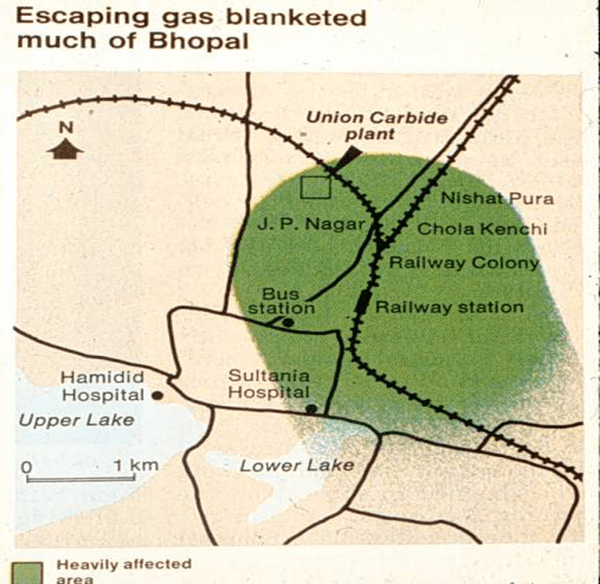
Around 1 a.m. on Monday, the 3rd of December, 1984, In the city of Bhopal, Central India, a poisonous vapour burst from the tall stacks of the Union Carbide pesticide plant. This vapour was a highly toxic cloud of methyl isocyanate. 2,000 people died immediately, 300,000 were injured. 7,000 animals were injured, of which about one thousand were killed.
AFFECTED AREA
POSSIBLE CAUSES
A tank containing methyl isocyanate (MIC) leaked. MIC is an extremely reactive chemical and is used in production of the insecticide carbaryl. The scientific reason for the accident was that water entered the tank where about 40 cubic meters of MIC was stored. When water and MIC mixed, an exothermic chemical reaction started, producing a lot of heat. As a result, the safety valve of the tank burst because of the increase in pressure. It is presumed that between 20 and 30 tonnes of MIC were released during the hour that the leak took place. The gas leaked from a 30 m high chimney and this height was not enough to reduce the effects of the discharge.
The high moisture content (aerosol) in the discharge when evaporating, gave rise to a heavy gas which rapidly sank to the ground. A weak wind which frequently changed direction, which in turn helped the gas to cover more area in a shorter period of time (about one hour). The weak wind and the weak vertical turbulence caused a slow dilution of gas and thus allowed the poisonous gas to spread over considerable distances.
One of the main reasons for the tragedy was found to be a result of a combination of human factors and an incorrectly designed safety system. A portion of the safety equipment at the plant had been non-operational for four months and the rest failed.
LAPSES ON THE PART OF THE GOVERNMENT
The Madhya Pradesh State government had not mandated any safety standards. Union Carbide failed to implement its own safety rules. The Bhopal plant experienced six accidents between 1981 and 1984, at least three of which involved MIC or phosgene.
WHY DID THE PEOPLE STAY QUITE ??
The country needed pesticides to protect her agricultural production. MIC is used to produce pesticides that control insects which would in turn, help increase production of food as a part of India’s GREEN REVOLUTION. Initially, India imported the MIC from the United States. In an attempt to achieve industrial self-sufficiency, India invited Union Carbide to set up a plant in the state of Madhya Pradesh to produce methyl isocyanate. To the people of the city of Bhopal, Union Carbide was a highly respected , technically advanced Western company. This coupled with political power and scientific expertise worked together to changed the people’s perception of what was dangerous and more importantly what was safe.
Suggested Solution
Alpha Napthol on carbonyl group addition followed by reaction with methyl amine would eventually gives carbaryl. This process does not generate or require handling the of Phosgene. This process does not require storage of MIC. Inherently safe process.
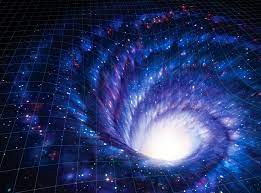
Wormholes were first theorized in 1916, though that wasn’t what they were called at the time. While reviewing another physicist’s solution to the equations in Albert Einstein’s theory of general relativity, Austrian physicist Ludwig Flamm realized another solution was possible. He described a “white hole,” a theoretical time reversal of a black hole. Entrances to both black and white holes could be connected by a space-time conduit.
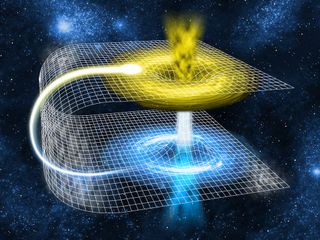
In 1935, Einstein and physicist Nathan Rosen used the theory of general relativity to elaborate on the idea, proposing the existence of “bridges” through space-time. These bridges connect two different points in space-time, theoretically creating a shortcut that could reduce travel time and distance. The shortcuts came to be called Einstein-Rosen bridges, or wormholes.
“The whole thing is very hypothetical at this point,” said Stephen Hsu, a professor of theoretical physics at the University of Oregon, told our sister site, LiveScience. “No one thinks we’re going to find a wormhole anytime soon.”
Wormholes contain two mouths, with a throat connecting the two. The mouths would most likely be spheroidal. The throat might be a straight stretch, but it could also wind around, taking a longer path than a more conventional route might require.
Einstein’s theory of general relativity mathematically predicts the existence of wormholes, but none have been discovered to date. A negative mass wormhole might be spotted by the way its gravity affects light that passes by.
Certain solutions of general relativity allow for the existence of wormholes where the mouth of each is a black hole. However, a naturally occurring black hole, formed by the collapse of a dying star, does not by itself create a wormhole.
Through the wormhole
Science fiction is filled with tales of traveling through wormholes. But the reality of such travel is more complicated, and not just because we’ve yet to spot one.
The first problem is size. Primordial wormholes are predicted to exist on microscopic levels, about 10–33 centimeters. However, as the universe expands, it is possible that some may have been stretched to larger sizes.
Another problem comes from stability. The predicted Einstein-Rosen wormholes would be useless for travel because they collapse quickly.
“You would need some very exotic type of matter in order to stabilize a wormhole,” said Hsu, “and it’s not clear whether such matter exists in the universe.”
But more recent research found that a wormhole containing “exotic” matter could stay open and unchanging for longer periods of time.
Exotic matter, which should not be confused with dark matter or antimatter, contains negative energy density and a large negative pressure. Such matter has only been seen in the behavior of certain vacuum states as part of quantum field theory.
If a wormhole contained sufficient exotic matter, whether naturally occurring or artificially added, it could theoretically be used as a method of sending information or travelers through space. Unfortunately, human journeys through the space tunnels may be challenging.
“The jury is not in, so we just don’t know,” physicist Kip Thorne, one of the world’s leading authorities on relativity, black holes and wormholes, told Space.com. “But there are very strong indications that wormholes that a human could travel through are forbidden by the laws of physics. That’s sad, that’s unfortunate, but that’s the direction in which things are pointing.”
Wormholes may not only connect two separate regions within the universe, they could also connect two different universes. Similarly, some scientists have conjectured that if one mouth of a wormhole is moved in a specific manner, it could allow for time travel.
“You can go into the future or into the past using traversable wormholes,” astrophysicist Eric Davis told LiveScience. But it won’t be easy: “It would take a Herculean effort to turn a wormhole into a time machine. It’s going to be tough enough to pull off a wormhole.”
“A wormhole is not really a means of going back in time, it’s a short cut, so that something that was far away is much closer,” NASA’s Eric Christian wrote.
Although adding exotic matter to a wormhole might stabilize it to the point that human passengers could travel safely through it, there is still the possibility that the addition of “regular” matter would be sufficient to destabilize the portal.
Today’s technology is insufficient to enlarge or stabilize wormholes, even if they could be found. However, scientists continue to explore the concept as a method of space travel with the hope that technology will eventually be able to utilize them.
“You would need some of super-super-advanced technology,” Hsu said. “Humans won’t be doing this any time in the near future.”
What are soft skills and why do they take a prominent role in building & formulating a splendid career? How are soft skills interrelated with the work we do?
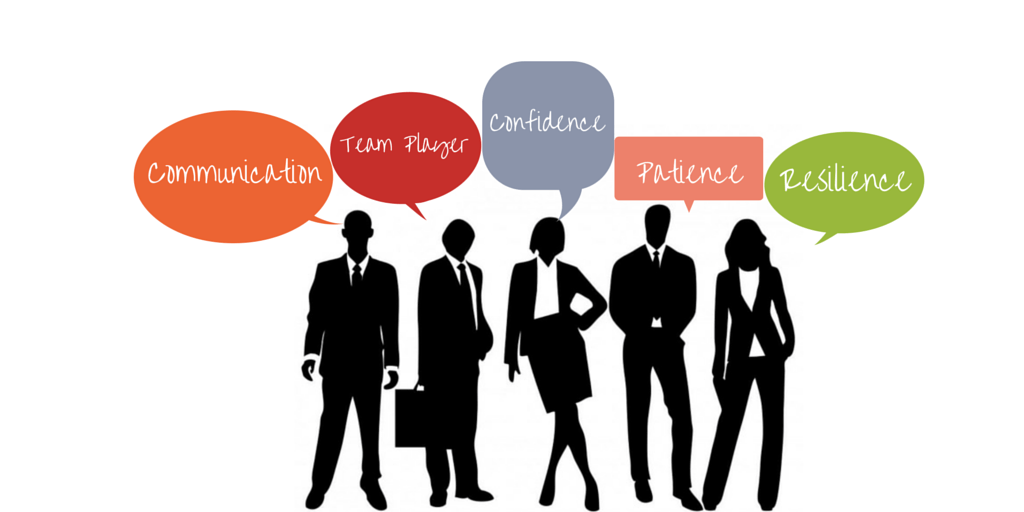
Many come up with similar questions when they face several challenges in an interview which is the most salient part to get placed in a job and some become obsessed with it when they are not able to grasp the opportunities due to the lack of soft skills. Soft skills play a vital part that makes you fit in a particular role at the workplace. It is the essence by which a person gets qualified for a job or an employee is been promoted/retained by the employer on this grounds. We cannot ace the interviews under the shadow of hard skills because the managing team hire individuals initially, on how the participants present and carry themselves in an interview. Every interview demands the parity of both hard and soft skills. Soft skills consistently deals with a person’s EQ ( Emotional Quotient), it is a combination of interpersonal traits, time management, team work, flexibility, public speaking, leadership qualities, basic etiquettes, critical thinking, communication skills etc. There should be an ultimate professionalism in the conversations that we have at our work place and that’s why soft skills play a major role. Soft skills doesn’t demand for some external course or trainings to acquire them. They are some of the innate qualities that we possess or need to develop for an engrossing career such as,
Expand your network and build a positive circle.
Broaden your mindset for a mindful learning.
Develop self esteem and embolden self reflection.
Get out of the comfort level and explore new horizons.
Strive to get along with people easily, be amiable and emphasize team work , by this you can promote the leadership qualities. Organize events, take up the lead roles and responsibilities to exhibit the inner leader in you.
Have a self assessment , be open to constructive criticisms, update yourself and don’t be reluctant to learn and gather knowledge.
Do not stand still, adapt to different circumstances which is the most eminent trait at a work place.
All these skills are very efficient because they make you stand out from others and aids you to ace in the career. Soft skills are the cluster of personal and professional qualities that the companies and firms look for value in their forces in today’s world. This increases the chances for employability that the proprietors consider because such skills are needed to get sideways with the colleagues and customers. Hard skills could be acquired by many as we all get a strong platform through universities and virtual courses to nourish it but soft skills is the abilities and qualities that we nurture on our own. Soft skills also helps us on a personal standard to formulate into a better person. Let us see some of the important soft skills in brief to pursue a triumphant career.
LEADERSHIP
Leadership is the potential of an individual to lead and influence the other team members by their mission and vision. This is a very eminent attribute of individuals and those who exhibit this quality can ascend to many prestigious positions in life.
COMMUNICATION
The ability to communicate effectively is perhaps the most important of all soft skills. At its simplest it is the act of conveying ideas and information from one to the other. To have an effective communication the person should first listen and comprehend the opponents point of view and then share his/her views in a precise manner & clearly and should not be overlooked. This can help in every nuance of life from the professional stratum to the social gatherings.
CRITICAL THINKING
Critical thinking is the analysis of facts and ideas to arrive to a solution or judgement. It is the ability to think clearly and rationally, comprehending the logics inter connected with the ideas. It comprises of a set of skills like observation, interpretation, analysis, evaluation, problem solving and decision making ability.
INNOVATION AND CREATIVITY
Individuals should be able to adapt to the upcoming and the changing technologies and put forth their innovative ideas in problem solving. They should not be conservative with their ideas and should evolve with time. They should reach the solution for the different tasks and challenges posed on them in a new and different way.
TEAM WORK
Coordination is very vital among a set team members to envision ideas , to establish them in the finest way and to produce magnificent results. Effective communication is the foundation for team work. So we can come to know that all the soft skills are inter related with each other. The capability to put forward the point and truly interpret & understand what others say is the cornerstone of effective teamwork.
FLEXIBILITY
Flexibility is being able to adapt oneself to various situations, works and places and to fit in effectively. You should bend yourself to deal with unexpected challenges calmly and efficiently and then you would arrive at strategies to meet the ends.
The Pradhan Mantri Khanij Kshetra Kalyan Yojana was launched on 17th September 2015 for the welfare of the people and areas affected by mining operations. Funds for this scheme are generated by District Mineral Foundations (DMFs). And most of these areas are occupied and inhabited by the scheduled tribes. In all the districts that are affected by the mining, District Mineral Foundations (DMFs) under the Mines and Minerals (Development & Regulation) Amendment Act, 2015, the Central Government has fixed rates payable by miners to the District Mineral Foundations. An amount of 30% of royalty has to be paid by the miner if the lease executed dates before 12th January 2015 and for the mining leases after 12th January 2015, it is 10% of the royalty payable. These Mines and Minerals (Development & Regulation) (MMDR) funds are then used for the implementation of the Pradhan Mantri Khanij Kshetra Kalyan Yojana. The directly and indirectly affected people (as specified by the government) by such mining or excavation activities should be covered under this scheme. The list of such directly and indirectly affected people and local communities should be maintained and updated by the District Mineral Foundations (DMFs). People having legal or traditional rights over the land on which mining, excavation, or any such activity is performed come under the list of affected people or traditional communities. The families which get displaced because of these mining activities need to be rehabilitated by the authorities. At least 60% of MMDR funds are required to be utilized in the following ‘High Priority Areas’:
• Health Care – Implementation of Group Insurance Scheme for the mining-affected people should be taken care of. Primary or secondary health facilities should be provided in consideration to the existing available health facilities of the central government, state, or any local bodies to the people of the mining-affected areas. While preparing for such infrastructure the knowledge available with the ‘National Institute of Miner’s Health’ should be included for taking care of diseases and illnesses related to mining. • Drinking Water – Water purification facilities, drinking water facilities, and water connection pipes should be taken care of. • Education – Construction of school buildings, hostels for students as well as teachers in remote areas, classrooms, labs, toilets, transportation facilities, and such more education-related resources should be considered. • Sanitation – Proper collection and disposal of mining waste and fecal sludge, cleaning of public places, and construction of toilets. • Development of Women and Children – Special programs can be carried out for spreading awareness for maternity-related issues, infections, malnutrition, and child health issues. • Skill Development – Developing skills of the willing and deserving local people by setting up centers, providing training, and to the Self-Help Groups (SHGs) for generation of economic activities among the backward. • Safeguard of Old and Disabled – Organizing programs for the welfare of the old and people with disabilities. • Pollution Control and Environment Preservation – Opting for environment-friendly and sustainable mining techniques, prevention of lakes, ponds, groundwater, and other water resources, prevention of air pollution due to mining, and proper drainage system for mining dump. Utilization of up to 40% MMDR funds in the following ‘Other Priority Areas’: • Irrigation – Opting for sustainable and advanced irrigation techniques. • Watershed and Energy – Establishing rainwater harvesting systems and alternative sources of energy. • Infrastructure – Developing required infrastructure such as – roads, railways, and water projects. • And more such measures for sustainable resources and improved environmental conditions in mining districts.
The vulnerable and marginalized communities such as the tribal are empowered through this scheme. It is said, annually Rs 6000 crore is utilized for the development of people and areas affected by mining activities. According to the reports of the ministry, till now an amount of Rs 22,999 crore has been approved out of which an amount of Rs 6,944 has been utilized.
Used alone, UV radiation does not improve the taste, odor, or clarity of water. UV light is a very effective disinfectant, although the disinfection can only occur inside the unit. There is no residual disinfection in the water to inactivate bacteria that may survive or may be introduced after the water passes by the light source. The percentage of microorganisms destroyed depends on the intensity of the UV light, the contact time, raw water quality, and proper maintenance of the equipment. If material builds up on the glass sleeve or the particle load is high, the light intensity and the effectiveness of treatment are reduced. At sufficiently high doses, all waterborne enteric pathogens are inactivated by UV radiation. The general order of microbial resistance (from least to most) and corresponding UV doses for extensive (>99.9%) inactivation are: vegetative bacteria and the protozoan parasites Cryptosporidium parvum and Giardia lamblia at low doses (1-10 mJ/cm2) and enteric viruses and bacterial spores at high doses (30-150 mJ/cm2). Most low-pressure mercury lamp UV disinfection systems can readily achieve UV radiation doses of 50-150 mJ/cm2 in high quality water, and therefore efficiently disinfect essentially all waterborne pathogens. However, dissolved organic matter, such as natural organic matter, certain inorganic solutes, such as iron, sulfites and nitrites, and suspended matter (particulates or turbidity) will absorb UV radiation or shield microbes from UV radiation, resulting in lower delivered UV doses and reduced microbial disinfection. Another concern about disinfecting microbes with lower doses of UV radiation is the ability of bacteria and other cellular microbes to repair UV-induced damage and restore infectivity, a phenomenon known as reactivation.
UV inactivates microbes primarily by chemically altering nucleic acids. However, the UV-induced chemical lesions can be repaired by cellular enzymatic mechanisms, some of which are independent of light (dark repair) and others of which require visible light (photorepair or photoreactivation). Therefore, achieving optimum UV disinfection of water requires delivering a sufficient UV dose to induce greater levels of nucleic acid damage and thereby overcome or overwhelm DNA repair mechanisms.
UV Irradiation Pretreatment
Either sediment filtration or activated carbon filtration should take place before water passes through the unit. Particulate matter, color, and turbidity affect the transmission of light to the microorganisms and must be removed for successful disinfection.
UV is often the last device in a treatment train (a series of treatment devices), following reverse osmosis, water softening, or filtration. The UV unit should be located as close as possible to the point-of-use since any part of the plumbing system could be contaminated with bacteria. It is recommended that the entire plumbing system be disinfected with chlorine prior to initial use of a UV system.
Types of UV Disinfection Devices:;
The typical UV treatment device consists, of a cylindrical chamber housing the UV bulb along its central axis. A quartz glass sleeve encases the bulb; water flow is parallel to the bulb, which requires electrical power. A flow control device prevents the water from passing too quickly past the bulb, assuring appropriate radiation contact time with the flowing water. It has been reported that turbulent (agitated) water flow provides more complete exposure of the organism to UV radiation.
A UV system housing should be of stainless steel to protect any electronic parts from corrosion. To assure they will be contaminant-free, all welds in the system should be plasma-fused and purged with argon gas. The major differences in UV treatment units are in capacity and optional features. Some are equipped with UV emission detectors that warn the user when the unit needs cleaning or when the light source is failing. This feature is extremely important to assurance of a safe water supply. A detector that emits a sound or shuts off the water flow is preferable to a warning light, especially if the system might be located where a warning light would not be noticed immediately.
UV radiation has three wavelength zones: UV-A, UV-B, and UV-C, and it is this last region, the shortwave UV-C, that has germicidal properties for disinfection. A low-pressure mercury arc lamp resembling a fluorescent lamp produces the UV light in the range of 254 manometers (nm). A nm is one billionth of a meter (10^-9 meter). These lamps contain elemental mercury and an inert gas, such as argon, in a UV-transmitting tube, usually quartz. Traditionally, most mercury arc UV lamps have been the so-called “low pressure” type, because they operate at relatively low partial pressure of mercury, low overall vapor pressure (about 2 mbar), low external temperature (50-100oC) and low power. These lamps emit nearly monochromatic UV radiation at a wavelength of 254 nm, which is in the optimum range for UV energy absorption by nucleic acids (about 240-280 nm).
In recent years medium pressure UV lamps that operate at much higher pressures, temperatures and power levels and emit a broad spectrum of higher UV energy between 200 and 320 nm have become commercially available. However, for UV disinfection of home drinking water at the household level, the low-pressure lamps and systems are entirely adequate and even preferred to medium pressure lamps and systems. This is because they operate at lower power, lower temperature, and lower cost while being highly effective in disinfecting more than enough water for daily household use. An essential requirement for UV disinfection with lamp systems is an available and reliable source of electricity. While the power requirements of low-pressure mercury UV lamp disinfection systems are modest, they are essential for lamp operation to disinfect water. Since most microorganisms are affected by radiation around 260 nm, UV radiation is in the appropriate range for germicidal activity. There are UV lamps that produce radiation in the range of 185 nm that are effective on microorganisms and will also reduce the total organic carbon (TOC) content of the water. For typical UV system, approximately 95 percent of the radiation passes through a quartz glass sleeve and into the untreated water. The water is flowing as a thin film over the lamp. The glass sleeve is designed to keep the lamp at an ideal temperature of approximately 104 °F.
UV Radiation (How it Works)
UV radiation affects microorganisms by altering the DNA in the cells and impeding reproduction. UV treatment does not remove organisms from the water, it merely inactivates them. The effectiveness of this process is related to exposure time and lamp intensity as well as general water quality parameters. The exposure time is reported as “microwatt-seconds per square centimeter” (uwatt-sec/cm^2), and the U.S. Department of Health and Human Services has established a minimum exposure of 16,000 µwatt-sec/cm^2 for UV disinfection systems. Most manufacturers provide a lamp intensity of 30,000-50,000µwatt-sec/cm^2. In general, coliform bacteria, for example, are destroyed at 7,000 µwatt-sec/cm^2. Since lamp intensity decreases over time with use, lamp replacement and proper pretreatment are key to the success of UV disinfection. In addition, UV systems should be equipped with a warning device to alert the owner when lamp intensity falls below the germicidal range.
As per the Public Procurement Policy for Micro and Small Enterprises, it is mandatory to procure a minimum of 25% of the total annual value of goods and services from the Micro and Small Enterprises, in which 4% of goods and services should be procured from SC / ST owned Micro and Small Enterprises and 3% of goods and services should be procured from Micro and Small Enterprises owned by women, for the Central Government Ministries, Departments, and Public – Sector Undertakings. Tenders are published by Central Public Service Enterprises (CPSEs), Public Sector Units (PSUs), and Government Organizations. These tenders are then bid upon and after the order is won, a Performance Bank Guarantee (PBG) is mandatorily required to be submitted for the CPSEs or large firm tenders, against the total value of the tender. This PBG agreement acts as a guarantee that the bank would pay the specified amount in case the Micro & Small Enterprises which is the applicant, fails to meet the ‘financial’ and ‘performance’ obligations. The bank charges an annual fee against its guarantee which generally ranges from 0.5 – 3% per annum. This application fee is paid one time, at the time of issue of the PBG. However, this charge varies based on the ‘risk profile’ of the applicant and various other aspects. Although, these charges are of small amount but somehow add a little burden on the part of entrepreneurs. To lower this burden on the Scheduled Cast / Scheduled Tribes Micro & Small Enterprises (SC / ST MSEs) the government has set the National SC-ST Hub (NSSH). This committee is chaired by Shri Milind Kamble the chairman of the Dalit Indian Chamber of Commerce and Industry (DICCI). It provides financial assistance to the SC / T MSEs by reimbursing the bank charges that any SC / ST MSE has paid for issuing PBG for government tenders. For the SC-ST Hub the Ministry of Micro, Small and Medium Enterprises, from 2016 to 2020, made an initial fund allocation of Rs 490 crore.
The objective for providing financial assistance to the ST / ST MSEs under this scheme are as follows: • For achieving the target of 4% procurement of goods and services under the Public Procurement Policy, by the SC / ST MSEs. • To provide exposure to the SC / ST MSEs to the global market. • To provide a competitive platform to the MSEs and help them with their marketing skills. • To provide exposure to large industries and buyers. The nodal agency to look after the implementation of this scheme is the National Small Industries Corporation Ltd. (NSIC). The financial assistance under this scheme is provided from the National SC-ST Hub (NSSH) fund and has a limit of 50% or Rs 1,00,000 whichever among the two is less. This amount is exclusive of GST and other taxes applicable. Although, in a financial year the scheme can be availed multiple times by the SC / ST MSEs the amount remains limited as mentioned above. The reimbursement s done based on valid documents or receipts showing payment details, bank statements showing debit of BG charges, GST invoice generated through the system, and a copy of PBG issued (which should be certified). For availing the benefit under this scheme, the following criteria need to be fulfilled: • If a proprietorship firm wants to be recognized as SC / ST MSE the proprietor should belong to SC / ST category. • If a partnership wants to be recognized as SC / ST MSE then at least 51% of shares should be held by the SC / ST partners. • If a private limited company wants to be recognized as SC / ST MSE then the company should have at least 51% shares held by SC / ST promoters. • The SC / ST MSEs must have their Udyog Aadhaar Memorandum (UAM) number, PAN number and must be registered under the Goods and Service Tax (GST) to avail of the scheme benefit.
After the evaluation and approval of the reimbursement by the NSSHO and NSIC, the reimbursement amount is transferred to the bank account of the applicant from where the PBG charges are debited and this is directly transferred through the Public Financial Management System (PFMS). The claims by the applicant are required to be submitted within 45 days from the time PBG is issued. This scheme can be availed by the PBG issued on or after 14th November 2018 till the NSSH scheme exists or there are any revisions or amendments made to this scheme.
Impact
The SC / ST Hub also provides professional support to the SC / ST MSEs and provides training and skill development programs. In 2016 – 17 it has provided for 3 capacity building training programs (skill entrepreneurship development) to 83 candidates, in 2017 – 18 64 programs with 1,311 candidates, in 2018 – 19 288 programs to 6,514 candidates and for the year 2019 – 20 provided with 513 programs to 13,362 candidates which come to a total of 868 programs to a total of 21,270 candidates. 823 crore procurements have been made from SC / ST owned MSEs by 162 CPEs and a total of 17,537 SC / ST candidates have been assisted as per the reports of the SC-ST Hub under the Ministry of Micro, Small & Medium Enterprises. This scheme is helping nurture the Micro and Small Enterprises through the involvement of the marginalized, that is the Scheduled Tribes and Scheduled Castes, giving them equal opportunities to grow and develop financially as well as socially.
Nothing social remains the same , nothing social abides .
Nature is never at rest . Change is present in the world because change is the Law of Nature . Like Heraclitus an ancient Greek philosopher said , ” It is impossible for a man to step into the same river twice “ According to Heraclitean philosophy , “Neither remains the same “, ” the reality of change , the impermanence of being the inconstancy of everything but change itself “
Society we live in is changing . It’s not a static phenomenon but a dynamic entity . It’s an “ongoing process “subject to constant change due to many forces and factors that irresistibly cause changes .
The perfect example can be observed in our own history , where the man’s rise and growth from the Paleolithic age to the Neolithic age, then to the Stone Age and next to the copper age to development over time, technologies expand, ideologies and values take on new components; institutional functions , modernization etc .
Incessant changeability is the very inherent nature of human society . Hence , social change is due to the fact that humans are dynamic beings and undergo variation .
Meaning of social change
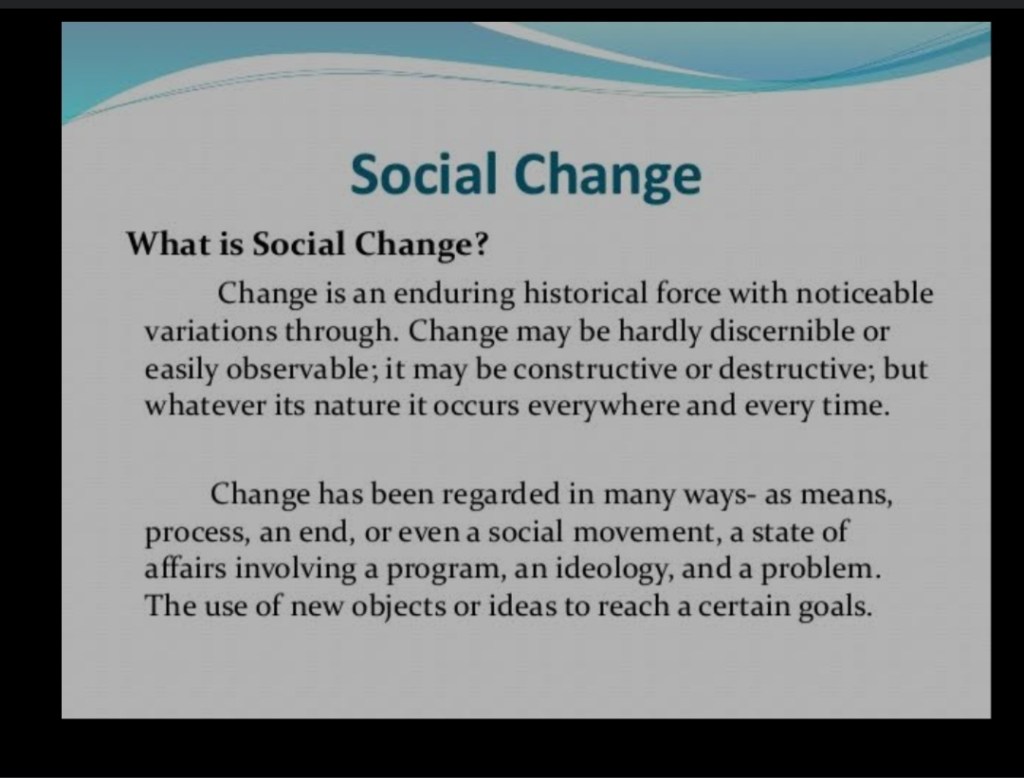
Social change in general means change in society . Society is a web of Social relationships .
Social relationships include social processes and social interactions .
Hence , ‘social change ‘ is used to indicate the changes that take place in human interaction and interrelations .
Society is composed of a vast and complex network of patterned human relationships in which all humans participate. When human behaviour is in process of modification , this is another way of indicating social change. Thus , apparent alteration in the mutual behaviour between individuals which takes place is a sign of social change .
Definitions :-
“Social change is a term used to describe variations in or modification of any aspect of social processes , social patterns , social interactions or social organisation .” – M.E. Jones
“ By social change is meant only such alterations as occur in social organisation , that is structure and functions of society “ – Kingsley Davis
” Social change may be defined as a new fashion or mode , either modifying or replacing the old ,in the life of a people – or in the operation of society “ – Majumdar ,.H.T
” Social change refers to a ‘ process ‘ responsive to many types of changes ; to changes in the man-made conditions of life ; to changes in the attitudes and beliefs of men , and to the changes that go beyond human control to the biological and the physical nature of things .” – MacIver and Page
MacIver also refers to social change as simply a change in human relationships .
Thus , social Change includes alternations in the structure and functions of the society .
Characteristics of Social Change
1: Social Change is Continuous
2: Social change is universal
3: Social Change in Environment
4: Social Change is Human change
5: Social Change Results from Interaction of a Number of Factors
6: Social Change May Create Chain Reaction
7: Social Change Involves Tempo (or Rate) and Direction of Change
8: Social Change maybe planned or unplanned
9: Social Change is an Objective Term
10: Social Change can be a short as well as long run process.
11: Social Change is Temporal
Sources of Social Change
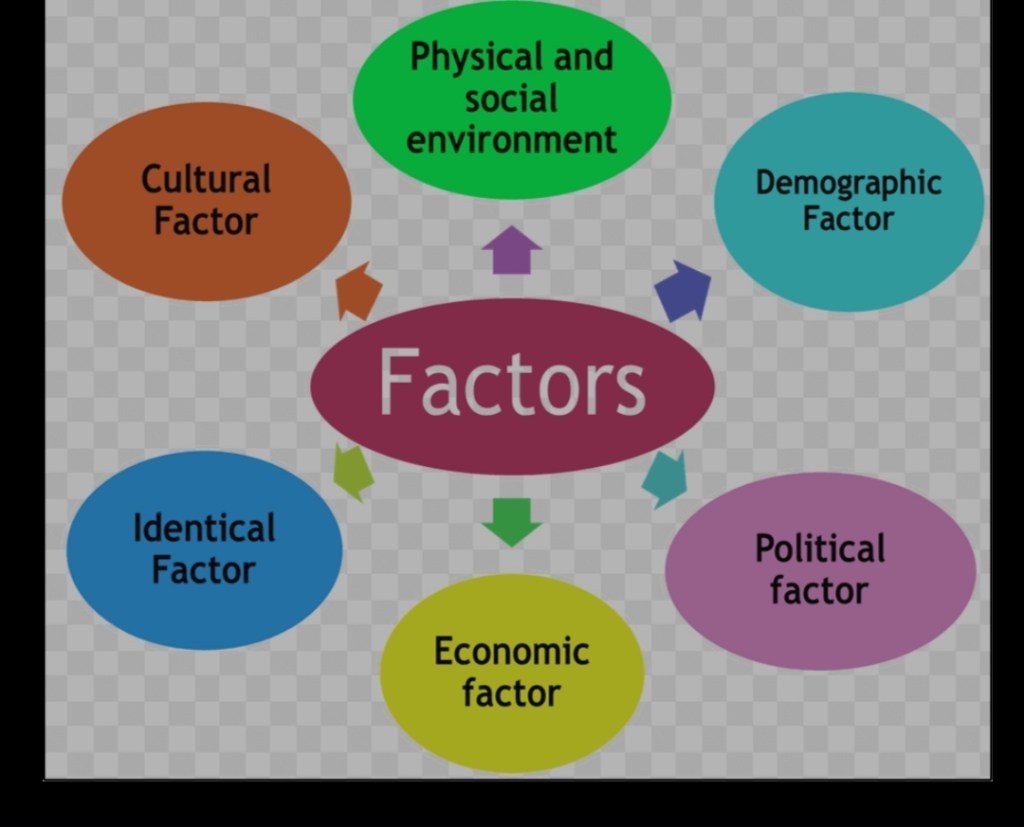
There are several factors due to which social relationships undergo constant alterations . Sociologists as well as many anthropologists have been debating and discussing the sources of social change .
Fundamentally , there are two factors that are major sources of social change according to various discussions by several sociologists.
• Diffusion • Inventions
The source of social change is to be found in both diffusion and invention .
Social change takes place due to cultural diffusion i.e spread of elements of culture from one local group to another . Every society borrows the cultural elements of another society for its progress directly or indirectly . Many tribes became more civilized by diffusion of cultural elements from several local groups.
Social change also takes place because of the inherent capacity of people to invent . Invention refers to the rearrangement of known traits into new patterns or configurations . Inventions in every field whether industrial , agricultural , communication or transportation had a huge impact on society . Hence , inventions constitute the major source of social change.
Causes of Social Change
There is no single cause that produces change in society . Several factors operate together to cause social changes .
According to Harry M. Johnson the cause of social change are of three types
i) the causes of social change are inherent either in the general social system or in any specific social system.
ii) the change is caused because of some impact from the social environment of the social system.
iii) changes due to impact from a non – social environment .
The physical , biological , cultural and the technological factors have been generally regarded as the potential factors of social change. Lapiere regarded these factors as ‘intervening variables ‘ rather than just ‘ causal or determining ‘ factors .
• Geographical / Physical Factors
This factor emphasised the impact of the geographical environment upon human society . According to Huntington ,. alternation in climate is the sole cause of the evolution and devolution of civilization and cultures. Some social ecologists have attributed much importance to geographical factors for social change. The physical factors such as climate , rivers ,climate , mountains , natural vegetation etc have profound influence on human society but these factors cannot solely explain the cause of rise and fall of civilization . Hence , the influence of geographical factors are neither decisive nor negligible.
• Biological Factors
Biological factors include living and non living creatures. Man is influenced by non-human biological factors and modifies them to serve his purposes . The biological factors influence the numbers , the composition ,the birth rate , the death rate , the fertility rate and hereditary quality of the successive generations. Among the biological factors is the qualitative aspect of population , that produces major social change which has dynamic relations with man and society.
• Cultural Factors
According to Max Weber theory of comparative study of religious and economic institutions , the main cause of social change is cultural factors. Cultural factors consist of values and beliefs , ideas and ideologies , morals and manners , customs and traditions and various institutions . Ideas and ideals , ideologies and philosophies are inherently changeful ,hence not only social values direct social changes but change themselves . Dawson and Getty have written that culture gives speed and direction to social change and determines the limits beyond which social change cannot occur . Our behaviour , living , thinking etc are influenced by the changes in social values.
• Technological Factors
Technological Factors have immense influence on social change . Ogburn stated , ” Technology changes society by changing our environments to which we ,in turn , adapt . The change is usually in a material environment and the adjustment we make to the changes often modifies customs and social institutions .”
The increase in new machines , new discoveries had a very great influence upon society. Technology is the product of civilization .It is a systematic knowledge through which using tools and running machines helps to serve human purpose . A single invention may have innumerable social changes . In the modern age technological factors are among the predominant causes of social change.
Role of Great Men in Social Change
Great Men like Buddha , Mahavira , Shankaracharya , Jesus Christ , Zoroaster , Prophet Mohammed , Confucius and many other great personalities introduced revolutionary change in the realms of religion . Napoleon Bonaparte, Washington , Lincoln , Karl Marx, Lenin , Mao Tse Tung , Kemal Pasha , Mahatma Gandhi , Hitler , Mussolini , Khomeini and many others have caused revolutionary changes in the political field . Similarly many writers , scientists , philosophers have many contributions to social changes .
Great Men and their leadership , revolutionary thoughts , extraordinary talents , powerful expression , ability and efficiency have brought revolutionary and long lasting changes in society .
All Social changes occur because of the actions of men and women .
As Robert Bierstedt said ,
” Culture is not self innovating , ideas are not self creating , and technology is not self inventing . Somehow , somewhere , in a society , a man breaks however slightly from tradition . He does some things in a different way . He finds a shortcut . He has a new idea or makes a new discovery . When that happens whether he is a ‘ great man’ or not , he has distributed the stream of culture and like a stone , tossed into the waters , it’s ripples may go on forever . It may affect a while , all the compartments of culture and all the sectors of society .”
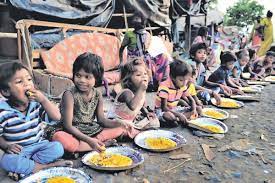
PPLO is started by G.Sanjay on 2019 as an initiative to serve the lunch to the poor people who starve for food.
PPLO’s motive is to “Reduce Shortage by Donating the Wastage“.
FOOD WASTAGE- A SHORT GLIMPSE AND STATS:
Having food is something to celebrate but have you ever wondered consciously just much food you waste. Have you ever stopped to analyze just how much food is wasted in your household, society, country and the world? It is not something that people, who have food readily available whenever they feel hungry, worry about. However, for people who are not even able to eat one meal a day, often wonder if all the food that is being wasted around them on a daily basis could have filled their stomach.
Food waste is an issue of importance to global food security and the environment. But what a lot people may not realise is that is impacts a country’s economy as well. Every day, food suitable for human consumption is wasted in large quantities in medium and high-income countries at the retail and consumer level. In fact, a significant food loss and waste occur at the production to processing stages in the food supply chain in low-income countries.
Food Wastage in India:
Contrary to the belief of Indians that we don’t waste food, data showed that India wastes as much food as the whole of United Kingdom consumes. In fact, food wastage is an alarming issue in India and country’s streets, garbage bins and landfills have sufficient evidence to prove this. According to the United Nations Development Programme, up to 40 per cent of the food produced in India is wasted and about 21 million tonnes of wheat are wasted annually.
You don’t even have to scour through several resources to see how much food is wasted in the country. During the nationwide lockdown this year, India registered high wastage because of a poor supply chain. Food delivery website MilkBasket lost 15,000 litres of milk and 10,000 kg of vegetables in a single day after delivery agents were denied entry in societies due to lockdown. Farmers in Belagavi district of Karnataka spilt thousands of litres of milk in a river after they could not reach the people due to the lockdown. Several other reports surfaces which showed how much food was wasted.
Food Wastage stats:
Around 67 million tonnes of food is wasted in India every year which has been valued at around Rs 92,000 crores. For context, this amount is enough to feed all of Bihar for a year
Annually, nearly 21 million metric tonnes of wheat rots in India. This figure is equal to Australia’s total annual production
According to old 2018 BMC data, Mumbai generates close to 9,400 metric tonnes of solid waste per day, from which 73% is food, vegetable, and fruit waste, while only 3% is plastic.
National Delhi also generates around 9,000 metric tonnes of waste per day, with the country’s largest landfill located in East Delhi.
Economic Impact:
Food Wastage not only leads to negative environmental impact but also causes economic loss. According to an FAO report, approximately one-third of all food produced for human consumption is lost or wasted. The economic costs of this food wastage are substantial and amount to about $1 trillion each year. However, the hidden costs of food wastage extend much further. In addition to the $1 trillion of economic costs per year, environmental costs reach around $700 billion and social costs around $900 billion.
Global food wastage costs as per FAO report:
3.5 Gt CO2e of greenhouse gas emissions. Based on the social cost of carbon, these are estimated to cause $394 billion of damages per year.
Increased water scarcity, particularly for dry regions and seasons. Globally, this is estimated to cost $164 billion per year.
Soil erosion due to water is estimated to cost USD 35 billion per year through nutrient loss, lower yields biological losses and off-site damages. The cost of wind erosion may be of a similar magnitude.
Risks to biodiversity including the impacts of pesticide use, nitrate and phosphorus eutrophication, pollinator losses and fisheries overexploitation are estimated to cost $32 billion per year.
Increased risk of conflict due to soil erosion, estimated to cost $396 billion per year.
Loss of livelihoods due to soil erosion estimated to cost $333 billion per year.
Adverse health effects due to pesticide exposure, estimated to cost $153 billion per year.
Earlier this year, former Union Minister of Consumer Affairs, Food and Public Distribution Ram Vilas Paswan said that in financial year 2019-20, foodgrain wastage in the country stood at 1,930 tonnes, which was 0.002 per cent of the total procurement. The total procurement in FY 2019-20 was 751.72 LMT (Lakh Metric Tonnes). The minister shared the data on Twitter and asserted that the notion that foodgrain wastage is high in FCI (Food Corporation of India) godowns is not true. While he was right, the truth is that over a thousand tonnes of foodgrains was wasted which could have fed millions of people.
Now that it is clear that food wastage cripples a country’s economy to an extent that most are unaware, some measures that the government needs to take is to include containing wastage in transportation, improve storage facilities. Food processing also needs to be sped up so food is saved and wasted less to feed more.
PPLO’s WORK:
In PPLO Sanjay and his friends collects the food wasted by common people from their schools and houses and test the quality of the food ensuring that only healthier and good food will be served. We then serve the lunch for the poor people in need instead of throwing to the dusbin. If we find the food has been contaminated we convert the food into a manure by composting.
So in PPLO we ensure that the food is not wasted and it is either used to feed humans or to nurture plants.
Why eat lunch?
Lunch is an important meal for everyone. It provides energy and nutrients to keep the body and brain working efficiently through the afternoon. A packed lunch made at home can be a healthy and delicious choice and gives you control over the foods and ingredients included so the mothers or fathers or children who cook their food for loved ones can able to help the people in need by donating their wastage. So, we took a step to serve the lunch to the needs.
We were able to provide lunch for the slum consisting of 370 people from food collected from a single school. So, we can able to feed the whole world if the wastage is managed properly.
Food waste as fertilizer.
Foods which we find contaminated are transformed to manure to Grow plants. We could use all the food waste and prepare a compost out of them which can be used as organic fertilizer. This way we save the earth from the pollution caused by food waste and also do something productive.
Food waste is unique as a composting agent, it is the main source of organic matters. Fruits, vegetables grains, coffee filters, eggshells can be composted.
PPLO MISSION:
FOOD FOR ALL AND WASTE FOR NONE.
PPLO ACCOMPLISHMENT:
PPLO was successful in providing lunch for nearly 400 people from the food remains generated by a school of 527 students.
If you would like to support PPLO or if you need support from PPLO
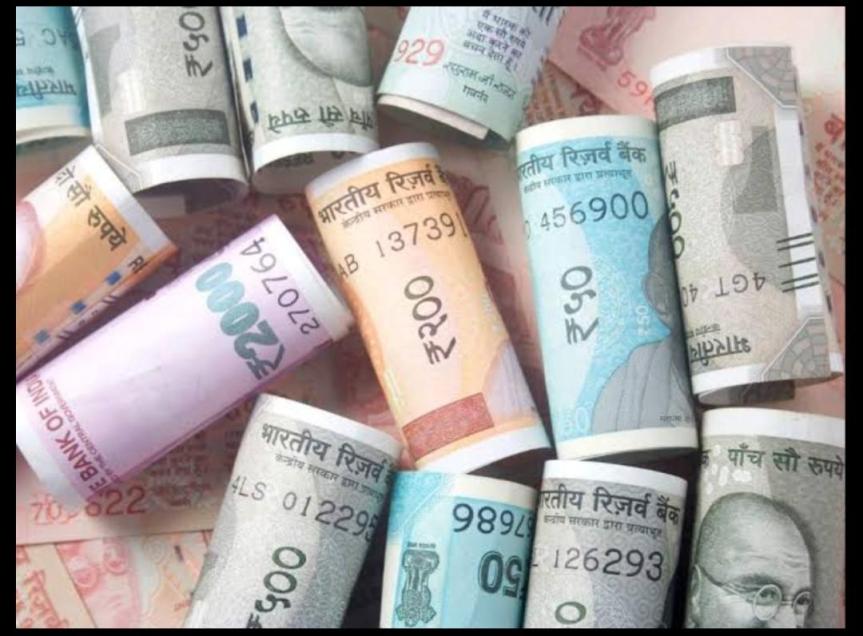
Money a commodity accepted by general consent as a medium of economic exchange. It is basically the legal tender of exchange. The paper currency which we use today has a long history behind it’s origin and evolution. Even today, money is continuously evolving, going from paper to plastic to digital. Over the years, money has changed it’s forms several times but what hasn’t changed is it’s functions. No matter what form it is used in, money almost always serves the same functions. The functions of money are categorised as primary, secondary and contingent functions.
Primary Functions of Money:
Under this category, money performs it’s two main functions that are medium of exchange and unit of value. In the former case, money has removed the need of double coincidence of wants, something which was very much needed in the batter system which was used earlier. Being a medium of exchange means being generally acceptable. This gives the user freedom of choice and economic independence. It also acts as an intermediary and facilities exchange. Money as unit of value means money is the standard for measuring values of all goods and services. This value is expressed in terms of price. Price is in terms of monetary unit and money acts as the determiner of rate of exchange. It also helps in calculating important economic parameters like costs, revenue, profits etc.
Secondary Functions of Money:
Under this, money performs three functions. It acts as a standard of deferred payments, it acts as a store of value and as a transfer of value. Money as a standard of deferred payments means that money acts as a standard for payments, which are to be made in future. Money as a store of value means that money can be used to transfer purchasing power from present to future. Money is a way to store wealth. Although wealth can be stored in other forms also, but money is the most economical and convenient way. Money as a transfer value refers to the fact that money has velocity. It keeps transferring from person to other person.
Money performs certain contingent functions. These include: distribution of national income, maximization of satisfaction, basis of credit system, money as the most liquid asset. Money helps in distribution of the national product in the form of rent, wage, interest and profit, which are expressed in money terms. Money helps the consumers and producers in maximizing their satisfaction. A consumer derives maximum satisfaction when marginal utility is greater than marginal cost. Money helps in credit creation for banks. Money as a store of value has encouraged savings by people in the form of demand deposits in banks. These deposits are used for generating credit. Money is the most liquid asset of all assets in which wealth is healed. Individuals hold wealth in numerous forms ranging from currency, demand deposits, time deposits to bonds , savings, treasury bills etc. All these forms can be converted into money and vice versa.
“We are, all of us, growing volcanoes that approach the hour of their eruption, but how near or distant that is, nobody knows- not even God.”
~ Friedrich Nietzsche
We always talk about , what it would be like to see volcano eruption in front of your eyes ?
How amazing it would be like to find out , how the volcano erupt ?
There are many things that we don’t know exist in our earth 🌍. Do you want to know about it . If yes , than read the editorial .
Introduction
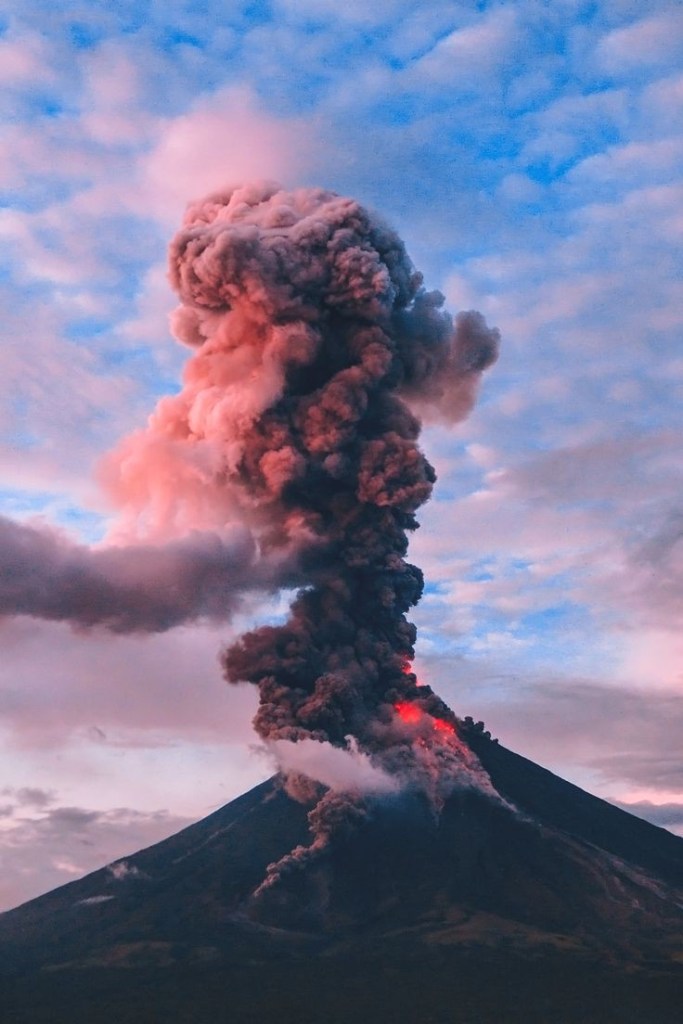
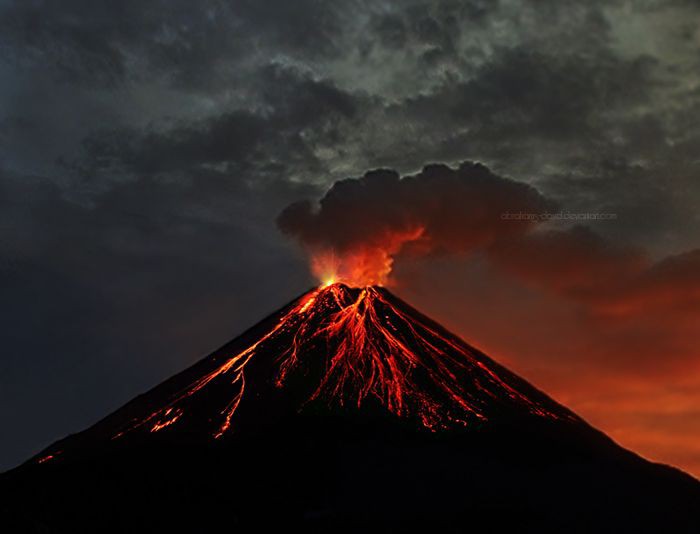
A volcano is a rupture in the crust of a planetary-mass object, such as Earth, that allows hot lava, volcanic ash, and gases to escape from a magma chamber below the surface.
On Earth, volcanoes are most often found where tectonic plates are diverging or converging, and most are found underwater.
The word volcano is derived from the name of Vulcano, a volcanic island in the Aeolian Islands of Italy whose name in turn comes from Vulcan, the god of fire in Roman mythology.
Many ancient accounts ascribe volcanic eruptions to supernatural causes, such as the actions of gods or demigods. To the ancient Greeks, volcanoes’ capricious power could only be explained as acts of the gods, while 16th/17th-century German astronomer Johannes Kepler believed they were ducts for the Earth’s tears.[87] One early idea counter to this was proposed by Jesuit Athanasius Kircher (1602–1680), who witnessed eruptions of Mount Etna and Stromboli, then visited the crater of Vesuvius and published his view of an Earth with a central fire connected to numerous others caused by the burning of sulfur, bitumen and coal.
Types of eruptions
Hydrothermal eruption. An eruption driven by the heat in a hydrothermal systems.
Phreatic eruption. An eruption driven by the heat from magma interacting with water.
Phreatomagmatic eruption.
Lava.
Strombolian and Hawaiian eruptions.
Vulcanian eruptions.
Subplinian and Plinian eruptions.
How do volcanoes erupt?
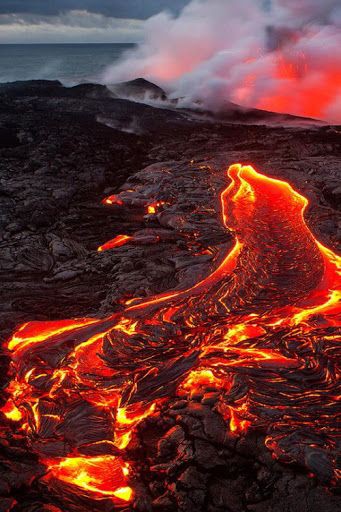
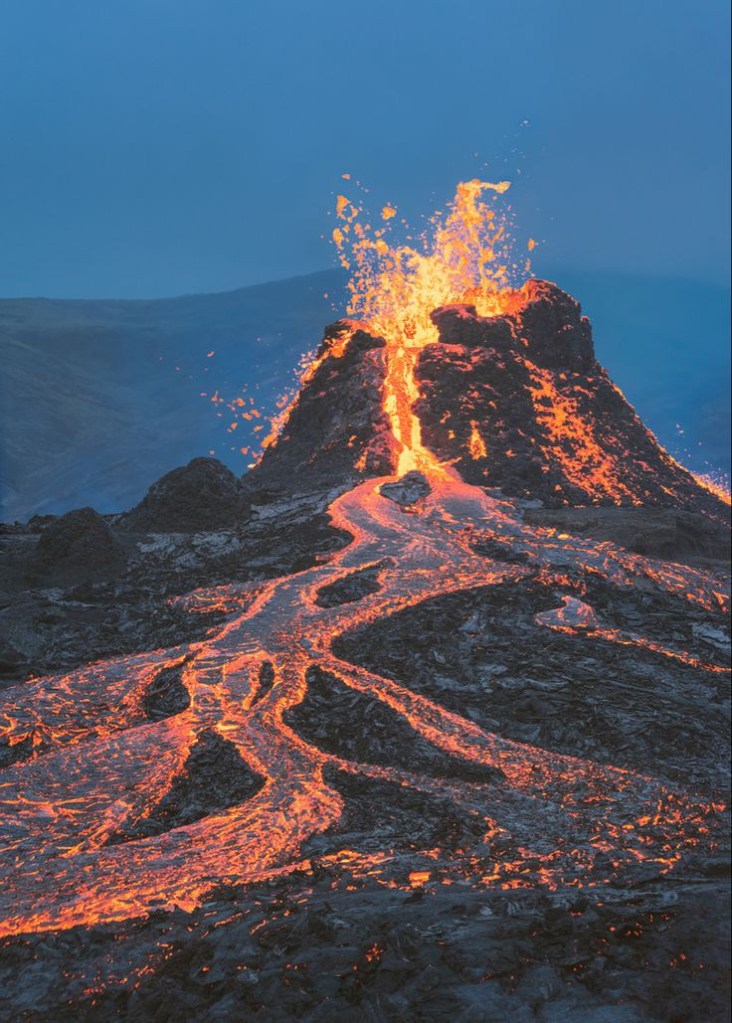
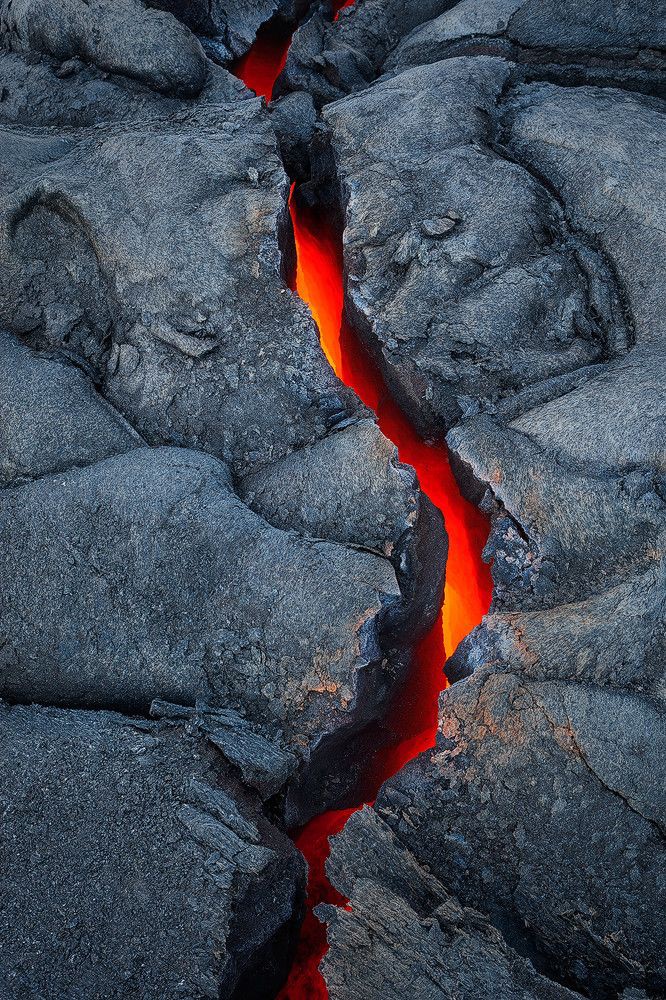
Deep within the Earth it is so hot that some rocks slowly melt and become a thick flowing substance called magma. Since it is lighter than the solid rock around it, magma rises and collects in magma chambers. Eventually, some of the magma pushes through vents and fissures to the Earth’s surface. Magma that has erupted is called lava.
The explosivity of an eruption depends on the composition of the magma. If magma is thin and runny, gases can escape easily from it. Explosive volcanic eruptions can be dangerous and deadly.
Humans and volcanoes
Volcanic eruptions pose a significant threat to human civilization. However, volcanic activity has also provided humans with important resources.
Although volcanic eruptions pose considerable hazards to humans, past volcanic activity has created important economic resources.
Volcanic ash and weathered basalt produce some of the most fertile soil in the world, rich in nutrients such as iron, magnesium, potassium, calcium, and phosphorus.
Volcanic activity is responsible for emplacing valuable mineral resources, such as metal ores.
The paradox of volcanoes was that they were symbols of destruction but also life. Once the lava slows and cools, it solidifies and then breaks down over time to become soil – rich, fertile soil. She wasn’t a black hole, she decided. She was a volcano. And like a volcano she couldn’t run away from herself. She’d have to stay there and tend to that wasteland. She could plant a forest inside herself.
Maintaining good personal hygiene is very important for your health and social reasons. Also, the presence of the COVID-19 virus makes it much necessary to maintain good personal hygiene. Well, it’s a poor choice if you don’t maintain good hygiene. And if you do maintain it, it’ll benefit your health and also it impacts the people around you. It necessitates keeping your hand, head, body, and the place around you clean, to stop the spread of germs and illness.
We also must see the social benefits as it is associated with cleaning your body on a day-to-day basis, it reduces the chances of body odor and thus preventing any chances of embarrassment at school or work.
Why does a good personal hygiene routine look like?
As of now, we know the necessity and importance of maintaining a good personal hygiene routine – but what does it contain?
Given below are steps one can follow to keep themselves and their families clean and free of germs that could cause future illness.
Hand washing
Our hands are the biggest carriers of germs. We use our hands to interact with different surfaces like shaking hands with people, eating our meals, while playing, using a keyboard, using a common telephone, etc.
Maintaining good hand hygiene can protect you from illness caused by germs and bacteria such as cold, cough, flu, etc. You can protect yourself from illnesses caused by germs and bacteria by washing your hands frequently with soap and water, sanitizer, or any liquid soap. You should wash your hands:-
★Before and after eating.
★Before cooking fold.
★After using the toilet.
★After being in contact with an animal.
★After coughing, sneezing, or being in contact with someone who is ill.
Dental Care
Maintaining oral hygiene is as important as maintaining hand hygiene. Maintaining it can prevent gum disease, bad breath, tooth decay, and many other infections. Always remember to:-
★Floss your teeth daily.
★Make sure you brush your teeth twice a day.
★Store your toothbrush in a clean, dry place and replace it regularly.
Bathing
Do take baths on a day-to-day basis to maintain good personal hygiene. Daily bathing is an essential part of good personal hygiene because:-
★Taking bath with soap and warm water can kill odor-causing bacteria.
★Skin infections can be reduced by washing and drying the infected area.
★ Shampooing and conditioning your hair at least once a week can keep the scalp clean and free from head lice.
Hygienic Clothes
Germs and bacteria also can stick to your clothes. It is very important to wash your clothes after each use, especially after being contacted by an ill person. You can add antiseptic liquids to your laundry load to remove germs.
Maintaining a personal hygiene routine is not that difficult. Once you get used to it, it becomes a habit. And also it is important to give a message to your family members, and especially children, to make their own hygiene routines.
Weight loss obviously varies from person to person, As someone who has lost 25 kilos in a year I feel like I am qualified to give you some tips. Just remember that every body is different what worked for someone else may not work for you but you should not be disheartened and also remember that weight loss is possible. I personally thought i would never lose weight but here i am. These tips I am going to give you are tips that you can adopt into your lifestyle even after you have lost the weight, even if you don’t want to lose weight and you want to maintain these tips, will help you. Also if you want to lose weight start now, you cannot give any excuses as it is your life. If you lose weight it will benefit you and if you continue your unhealthy lifestyle it will affect no one but you.
Change your diet.
I cannot stress how important it is to change your diet. No matter how much you workout if your diet is bad you will never lose weight. First thing you need to do is go to a dietician. These people are professionals, they have learnt how to figure out what is the root cause of the weight gain. One thing you need to remember is that everyone gains weight for a reason. A dietician finds that reason and fixes it. Even if you change your diet and workout less you will see a change in your weight. Usually carbs are the main reason for the increase in weight, so your dietician may ask you to lay off of it for a while. When you suddenly change your diet your body is not able to cope and ends up shedding the fat. I understand how hard it is to not eat your favorite food because I have gone through it but trust me the results are totally worth it.
2. Get at least 30 mins of physical activity a day.
Everyday for at least 30 mins you must do some sort of physical activity. it can be walking, cycling, running, yoga, Pilates, dance or you can even go shopping. Your body needs to move. The human body has not been designed to stay in one position for a long time. By not moving your body you are actually doing harm to your body. The muscles built for movement are wasting away. 30 mins a day is all you need. Of course as you lose more weight the time you allocate for exercise needs to increase as it gets harder to lose weight. I personally hate working out in gyms, so I initially at the start of my weight loss used to dance and then now I do a mix of walking and other workouts for YouTube.
3. Control your snacking
Personally I can talk about this all day. My main problem was snacking. I never ate huge meals, infact I always ate lesser than everyone. But i was a huge snacker. I loved fried food like chips, biscuits, puffs etc. I was a person who ate when I was bored. I could probably finish a huge packet of chips all on my own even now. I also want to say that snacking is not bad, it is essential to snack throughout the day but you must see how much and what you eat. Establishing a control on my mind to help stop snacking was hard but I was able to do it, and I realize that it is harder for some to stop snacking but you can start slow. Its the change that matters. Don’t skip meals because that is going to make you hungrier and in turn is going to make you snack more. Some changes that I brought into my lifestyle were, whenever I was hungry I ate something, never starve yourself. I ate healthier snacks like fruits, nuts, healthy whole wheat biscuits. Ensure that the nuts are unsalted. You need to keep in mind that even the healthy snacks need to be eaten in moderation.
4. Eat homecooked meals
Home cooked meals are the best. They are delicious, nutritious and cost efficient. I cannot deny that fast food or the food you get in restaurants is not good, they are really good but we don’t know what exactly goes into the food. Once in a while food from outside is ok but never make it a habit. You may have noticed that you may eat a lot of food and home and not feel full but if you eat even a little from outside you instantly feel full, this is because of Sodium. The combination of fat, sugar, and lots of sodium (salt) can make fast food tastier to some people. But diets high in sodium can lead to water retention, which is why you may feel puffy, bloated, or swollen after eating fast food.
5. Try to avoid sugar
Did you know that sugar is also known as the ‘White Poison’. Sugar is so tasty but not even its taste can make up for its disadvantages. Increased sugar consumption obviously can lead to diabetes and if you are obese your chances are increased by 75%. In my case I have a family history of diabetes and being obese caused my blood sugar to be really high. I was on the verge of being diabetic but luckily I reduced my blood sugar. Lesser known fact is that most of the fast foods have not only a huge amount of salt but sugar as well.
These are some basic tips that helped me change my life for the better. Nothing is impossible and you are never too late. But first and foremost you need to accept that you are unhealthy and that you need help. So make the first step towards a happier and healthier life.












 Eduindex
You must be logged in to post a comment.