Gen Alpha

The successors of Gen Z (1997-2012), the youngest adults currently, the gen Alpha were welcomed to the earth about a decade ago. The gen Alpha (or the gen A) comprises of all the people born after 2012 to maybe, around 2025. These people are the future of the world and though currently, all those reading this article might belong to Gen Z or Gen Y, (or millennials as you all like to call yourselves), knowing about our successors won’t hurt.

Photo by cottonbro on Pexels.com

Let us first begin with why are the generations named after alphabets.

It all started post World War-2. Americans at that time enjoyed a new found prosperity which resulted in a lot of children being born. The children in this era came to be known as ‘baby boomers’. Well, the name here is self explanatory though, so no issue. The children born after this era, didn’t have any special cultural identifier that made them different. And so here, the name ‘Gen X’ originated, illustrating the diminishes characteristics that would later be known. The generations next was by default known as ‘Gen-y’, though they later adopted a new name- ‘the Millennials’, when the impending turn of the millennium began to feature heavily in the cultural consciousness.

It is now assumed, though, that both the ‘gen-Z’ and the ‘gen-A’, will later adopt a new name that suits their interests. Some potential names for ‘gen-z’ include Gen Tech, post-Millennials, iGeneration, Gen Y-Fi, and Zoomers.

Gen-A is the first generation to be born completely in the 21st century and most off them are the children of millennials. Generation Alpha is expected to reach two billion by 2025. Many members of Generation Alpha have and will grow up using smartphones and tablets as part of their childhood entertainment as well as education with many being exposed to devices as a soothing distraction or educational aids, especially now with the global pandemic. Generation Alpha have also been surrounded by adult Internet use from the beginning of their lives, much more even when compared to gen-x (whose parents are primarily gen-x). Their parents, primarily Millennials, are heavy social media users and rely heavily on gadgets for work and even entertainment (Alexaaa!). Broadcast television viewing among children has declined during the early lives of Generation Alpha. Statistics from the United States suggested that viewing of children’s cable networks among American 2- to 11-year-olds were falling sharply in early 2020 and continued to do so even after them being at home due to pandemic(source: Wikipedia). After some time, we might not even see cartoon channels in the wake of the children belonging entirely to Gen-Alpha or Gen-Beta .

The first wave of Generation Alpha will venture into adulthoods in 2030s. By that time, the human population is estimated to be just under nine billion, and the world will have the highest ever proportion of people aged over 60. Gen Alpha has a huge burden waiting for them.


Emily Dickinson – An intellectually Rebellious and the most memorable poet of all time.

About Emily Dickinson, her writing style, favorite works and Amazing facts about her. Dickinson Series- Apple TV

Emily DIckinson

Birth, inspirations, and how her works were saved.

Emily Dickinson was born on December 10, 1830, in Amherst, Massachusetts. She attended Mount Holyoke Female Seminary in South Hadley for one year. Dickinson’s poetry was influenced by the Metaphysical poets of seventeenth-century England. She also read Book of Revelation, admired the poetry of Robert and Elizabeth Barrett Browning, and John Keats. She was dissuaded from reading the verses of Walt Whitman (Due to his daring writeups). Yet Walt Whitman and Emily Dickinson ending up being two of the most famous poets from the time period who revolutionized both the subject and style of American poetry. The first volume of her work was published posthumously in 1890 and the last in 1955. She died in Amherst in 1886. Dickinson’s family found forty volumes of nearly 1,800 poems (or “fascicles”).

Dickinson assembled these booklets by folding and sewing five or six sheets of stationery paper, what seem to be final versions of poems. The original order of the poems was not restored until 1981, when Ralph W. Franklin used the physical evidence of the paper itself to restore her intended order. He relied on smudge marks, needle punctures, and other clues to reassemble the packets.

The Manuscript Books of Emily Dickinson (Belknap Press, 1981) is the only volume that keeps the order intact.

Her Writing Style:

Her features were of verse forms suggesting hymns and ballads, with lines of three or four stresses. Her unusual off-rhymes have been seen as influenced by the 18th-century hymnist Isaac Watts. The intellectual content of her work amazed many and her writings were exceptionally and beautifully bold and original. Her verses has distinct quality by their epigrammatic compression, haunting personal voice, enigmatic brilliance, and lack of high polish.

Her major themes include nature, law, music, commerce, medicine, fashion, finding oneself, death and immortality, and love. She had a unique usage of Capitalization. She is best known for her use of slant rhyme.

Facts:

  • Unconventional approach to poetry, she interspersed her writing with many dashes of varying lengths and orientations (horizontal and vertical)
  • She could play piano.
  • She called herself a pagan.
  • She had an older brother named William Austin and a younger sister called Lavinia.
  • She wrote about the benefits of science over religion.
  • She lived with her family throughout her life. She shared her poems via letters to Susan, her alleged love interest. Who became her sister-in-law later.
  • She sent 250 poems.
  • Dickinson was a fan of the book ‘Jane Eyre’.
  • Her sister and Mabel Loomis Todd (An alleged mistress) published her works after Dickinson’s death.
  • Her second Tombstone reads “Called Back”, reference to an 1880 novel by Hugh Conway called “Called Back” that Dickinson enjoyed loved. This was the idea of Martha Dickinson Bianchi, her niece. The reason could be that she wrote a letter to her cousins before her death to her cousins which had only “Called Back” written.

Emily Dickinson’s well-known must-reads!!

  1. I’m Nobody! Who are you?
  2. Because I could not stop for Death
  3. Success is Counted sweetest
  4. Wild nights – Wild nights!
  5. I taste a liquor never brewed
  6. I Felt a Funeral, in my Brain
  7. Hope” is the thing with feather
  8. Tell all the truth but tell it slant
  9. My Life had stood – a Loaded Gun
  10. ‘Hope’ is the thing with feathers

Emily Dickinson and Susan Gilbert

Ps… Dickinson is believed to have a lifelong love affair with her childhood friend Susan Gilbert, who agonizingly became her sister-in-law. Emily had written many letters to Susan till the end. The letters are believed to be indirect confession and expression of love. Austin’s mistress Mabel Loomis Todd -Editor and publisher- erased references to Susan from Emily’s letter, but the fact that the Mysterious “Master” poem – letters (Alleged love interest of Emily) were sent to Susan, doesn’t hide much. But, well historians will still call them “Best Friends”, right?

There’s a book called “Emily Dickinson’s Intimate Letters to Susan Huntington Dickinson”

Summary: For the first time, selections from Emily Dickinson’s thirty-six year correspondence to her neighbor and sister-in-law, Susan Huntington Dickinson, are compiled in a single volume. Open Me Carefully invites a dramatic new understanding of Emily Dickinson’s life and work, overcoming a century of censorship and misinterpretation.

MY FOREVER FAVOURITE FAVOURITE POTRAYAL OF EMILY DICKINSON.

Dickinson (2019) : SEASON 1 AND 2!!

An American comedy streaming television series about Emily Dickinson, created by Alena Smith and produced for Apple TV+.

Hailee Steinfeld as Emily Dickinson and Ella Hunt as Susan and many more !! Their acting is top-notch and the series will hold you till the end and leave you wanting for more.

It is a must-watch.

References:

https://poets.org/poet/emily-dickinson

ARUNACHAL PRADESH

The land of dawn-lit mountains

Arunachal Pradesh is an Indian state in Northeast India. It was formed from the erstwhile North-East Frontier Agency (NEFA) region, and became a state on 20 February 1987. It borders the states of Assam and Nagaland to the south. It shares international borders with Bhutan in the west, Myanmar in the east, and a disputed border with China in the north at the McMahon Line. Itanagar is the state capital of Arunachal Pradesh. Arunachal Pradesh is the largest of the Seven Sister States of Northeast India by area. Arunachal Pradesh shares a 1,129 km border with China’s Tibet Autonomous Region.

Arunachal Pradesh, meaning ‘the land of the rising sun’ is a state comprising of 24 districts with 26 major tribes including various sub tribes. It is equally rich and diverse in both cultural and ecological aspects, however for a long time much of the world remained elusive to this richness because of the state’s remote location.
An exploration of the cultural roots of Arunachal Pradesh therefore, takes us on a fascinating anthropological journey.

PEOPLE –
A place brimming with tremendous anthropological richness, Arunachal Pradesh is home to several groups of indigenous people. Broadly speaking there are three cultural groups; first being Monpas and Sherdukpen of Tawang and West Kameng districts who are followers of the tradition of Mahayana Buddhism. The second group comprising of Apatanis, Adis, Galos, Mishmis, Nyishis, Tagins, Akas etc worship the Sun and Moon God while the third group including Noctes, Wanchos and Khampti (tribal communities of TLCN – Tirap, Longding, Changlang, Namsai) follow basic Vaishnavism and Buddhism respectively and are ruled by a hereditary chief. Additionally there are the Galo, Nyishi, Tagin, Apatani and Adi communities who are commonly known as Tani clans due to their connection with Abotani (abu/abo-father, tani-tribes) – from whom the mythical heritage of mankind’s origin is associated.

LANGUAGE –
The people’s languages are mostly derived from Tibeto-Burman language with more than 50 dialects spoken by specific tribes. The Tani clans have similarities within each other’s social languages. Assamese is spoken by most people since prolonged influence of the Ahom dynasty era. Hindi and English are currently the most widely spoken languages for people across the state, besides their own tribe’s language.

CULTURE AND TRADITION –
living in close proximity with nature since centuries, people were depended on Mother Nature for everything. From traditional handicrafts, fishing and hunting tools etc – the people developed many unique skills over the years and even today many of these skills are passed down. Apong (rice/millet wine) is the prominent drink induced by the people, especially in festivals. People used to drink it to honor the spirit guardians. Dance is an important element of the people’s heritage and traditional dancing along with priest/priestess chants, war dance and ritual dance with Buddhist connection etc are mostly performed by men. Ponu is performed in groups by both men and women for the celebration of joyous and fortunate events in the future. A rich oral collection of folklores and chants, usually in a ballad tone, have been passed down from centuries about the historical events, myths, power of spirits and calling of deities.

International Youth Day- 12th August 2021

Theme 2021, why do we celebrate this day? Importance to speak up for the coming youth. Movies for youth, what else is celebrated today!

 Theme: “Transforming Food Systems: Youth Innovation for Human and Planetary Health

The main aim is to highlight that every action which needs to be taken for the better of life on Earth, cannot be achieved at a global level without the contribution of the youth. With, Increasing population the need for not only a larger volume of healthier food more sustainably will not ensure human and planetary wellbeing but also poverty reduction, social inclusion, health care, biodiversity conservation, and climate change mitigation.

 The United Nations in 1999 after a recommendation was made by the World Conference of Ministers Responsible for Youth. Then the first International Youth Day took place in the summer of 2000.

 It is mainly to empower young people to participate in public life so that they can have opportunities to contribute to society’s development across the world and be heard completely. It is not just to protect them, but to incorporate them in the development of communities regardless of their ethnicity, background, and status. It honors the traits of young people and acknowledges the challenges that today’s ferocious youth face.

Youth with the support and wisdom of old are the torch-bearers of this world.

Examples:

In partnership with UNDP, Bibliothèque sans frontières (Libraries Without Borders) young staff travel across Burundi, are disturbing knowledge through e-books, paperbacks, educational games, internet-ready mobile devices and so on.

Mercy and Shetuuka, sibling farmers working to reduce hunger. Also, create jobs in Namibia through eco-friendly farming.

In Egypt, a group of tiny activists has been traveling village to village, determined to end female genital mutilation in their country.

One of UNDP’s 600 transportation projects to promote economic development in rural Afghanistan, encouraging more boys and girls enrolling in primary school, while addressing safety concerns on the village’s main road.

The list is endless and we need support, we need to be heard, and taken seriously irrespective of our age. Youth brings many issues which violate basic human rights to surface and fight for them.
https://undp.medium.com/17-ways-youth-are-changing-the-world-505a489e91dc

 Movies putting forward importance of youth participation and their situation:

Into the Wild (2007,Must see)

The Perks of Being a Wallflower (2012).

The Edge of seventeen.(2016)

Moxie.(2021)

Love, Simon. (2018)

Quotes:

Older men declare war. But it is the youth that must fight and die. —Herbert Hoover

The duty of youth is to challenge corruption. —Kurt Cobain

“The surest way to corrupt a youth is to instruct him to hold in higher esteem those who think alike than those who think differently.”
—Friedrich Nietzsche

“In youth, it was a way I had,
To do my best to please.
And change, with every passing lad
To suit his theories.

But now I know the things I know
And do the things I do,
And if you do not like me so,
To hell, my love, with you.”


― Dorothy Parker, The Complete Poems of Dorothy Parker

Other Days Celebrated Today:

Black Womens Equal Pay – United States

World Elephant Day – Canada, United Kingdom, United States & South Africa

The most interesting things about Pune

For new-comers Pune may appear to be arrogant, rude and not-so-friendly, but after spending some time in Pune you will realize that they are actually sweet, a bit arrogant but kind. When you login in Pune you can’t logout.
For them who wants to live in Pune, here are some most interesting things about Pune you should know.

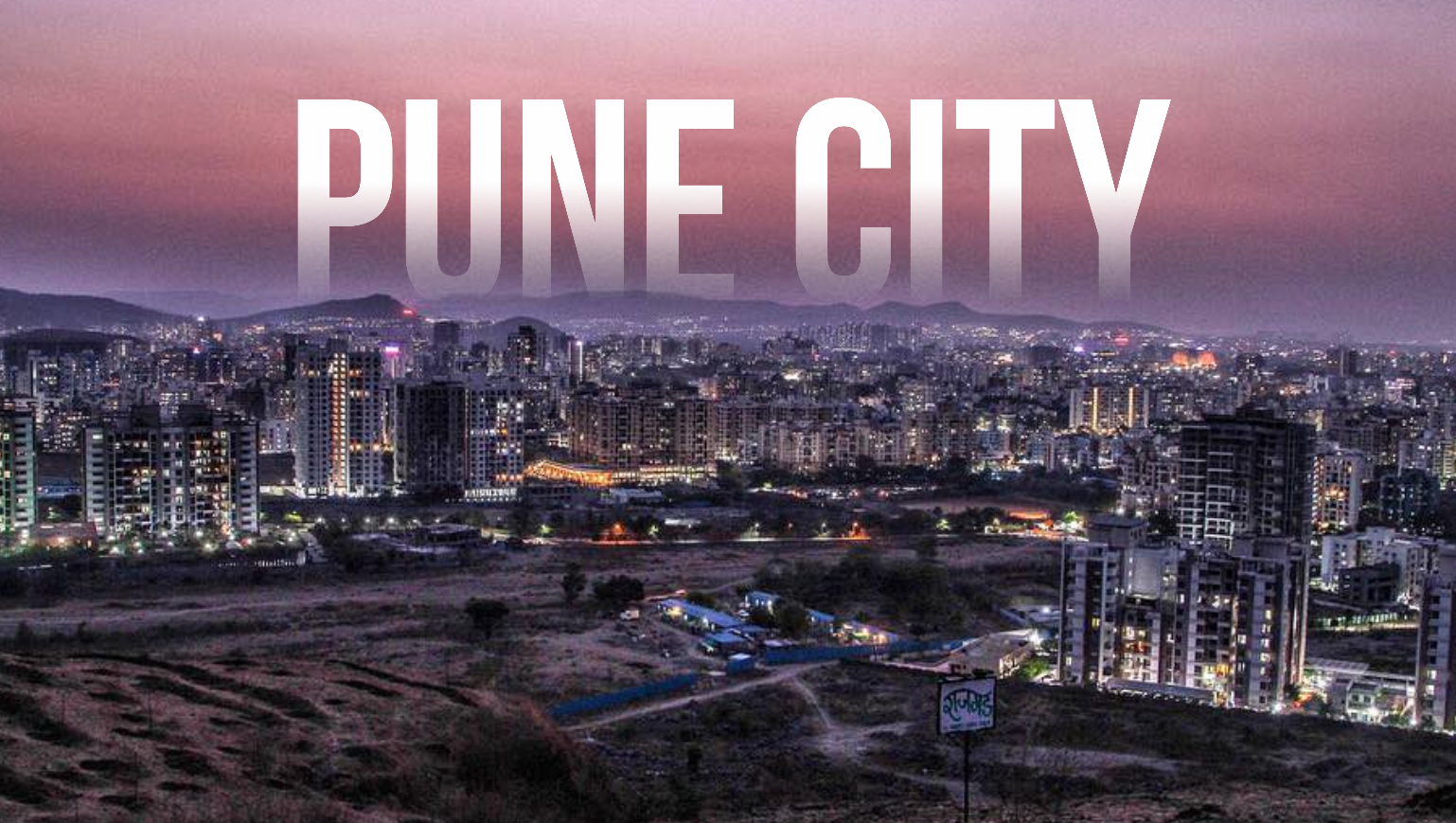
Pune, formerly known as Poona is the second-largest city of Maharashtra, after Mumbai and eighth-most populous city in India.

India’s first indigenously-run girl’s school was started in Pune by Savitribai Phule along with her associate Fatima Sheikh.

Pune is widely regarded as the second major “IT hub of India” and the top “automobile and manufacturing hub of India”
Pune is where Badminton originated in India.

Pune has 21 engineering colleges, which is highest in the world in a given city. There are many popular and old institutes in Pune and because of this in our Marathi language we called Pune as “ Shikshanache Maherghar ” it means Hometown of Education.

Pune has the highest number of software companies in India.

Beside this Pune has some unique things that you will only see in Pune.

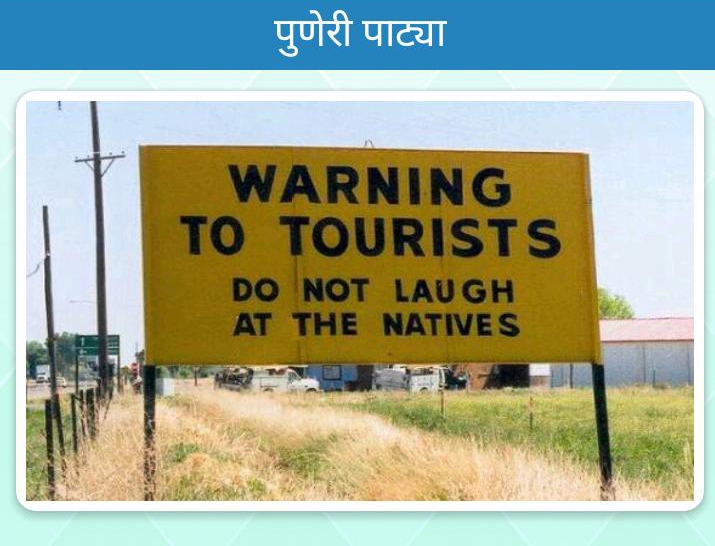
1. Puneri Patya

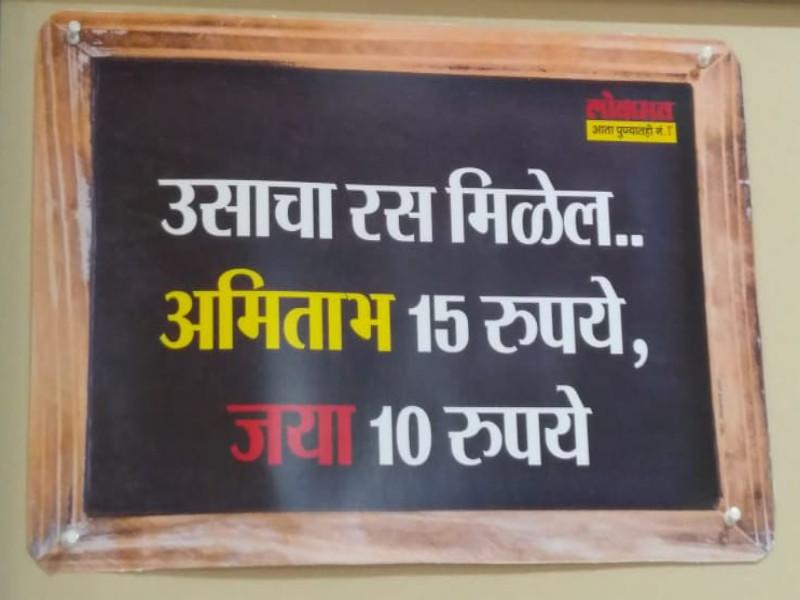
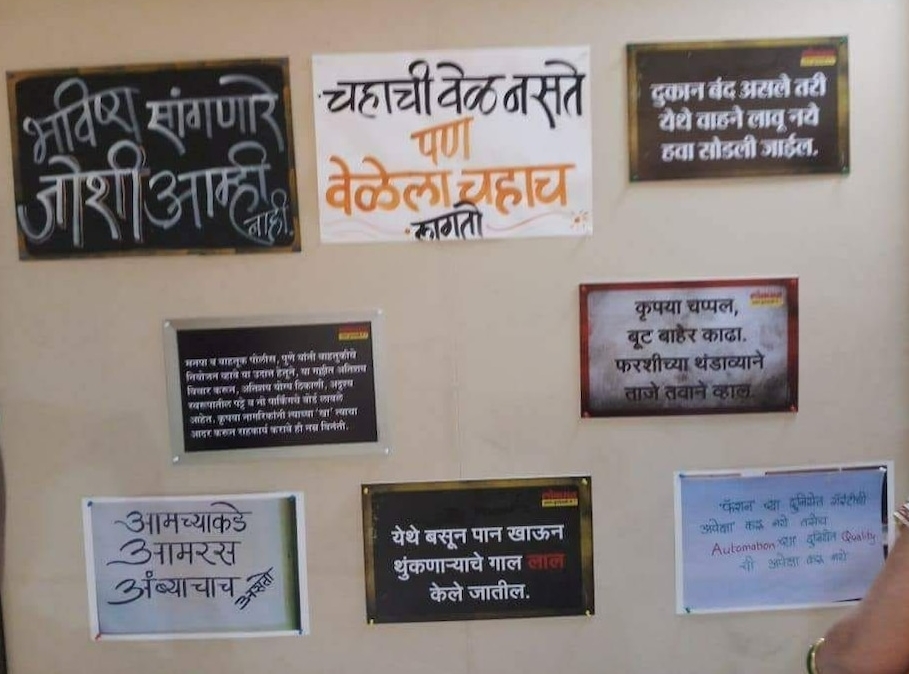
People who mostly come from outside the city come across those ubiquitous Puneri Patya, which are known for their bluntness and arrogance, while they appear funny to the uninitiated. A typical Punekar thinks and acts as though they have the sole right to educate people in their own ways. A Punekar believes in calling a spade a spade. They want order and discipline around them, which is absent when it comes to traffic though. They don’t want to repeat the same thing to visitors or passers-by. Hence, the Patya culture has been thriving in Pune dishing out advice, warnings and at times, threats to those who have not adopted the city’s culture.
From this unique way of expressing their thought we can say that Punekars love to educate others and finding the mistakes of other peoples.
Being a Punekar myself, I never found these Patya strange. However, some people from other cities always made fun of these signages. It seems pun is part of Pune’s life as these signages indicate.

2. Puneri Misal

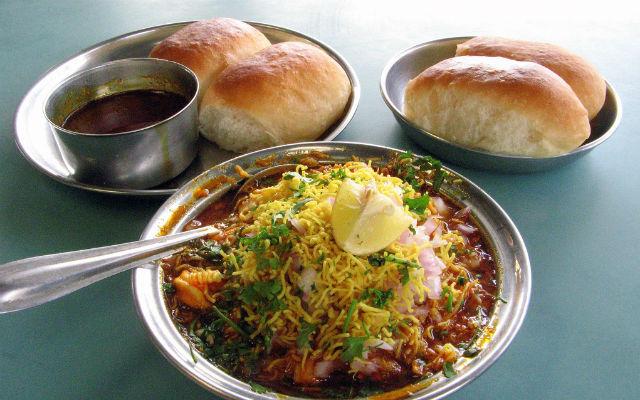
Famous Puneri Misal you should definitely try if you are traveling to Pune. Misal is like full time meal for Punekars, they can eat Misal all day without getting bored. Misal the local spicy snack of Punekars. It is the all time favourite dish of Punekars and you would find every restaurant and even the smallest hotel at the corner serving them.

3. No work between 1pm to 4pm

In Pune during some time in afternoon like about 2 hours from 1pm to 4pm you will notice that every shop even the smallest one at nook is closed.
Outsiders an those who are new at Pune think this habit of Punekar a bit weird, outsiders find it strange that almost all shops are closed for some hours in the afternoon since their owners take a nap during that time.

4. Puneri Chaha

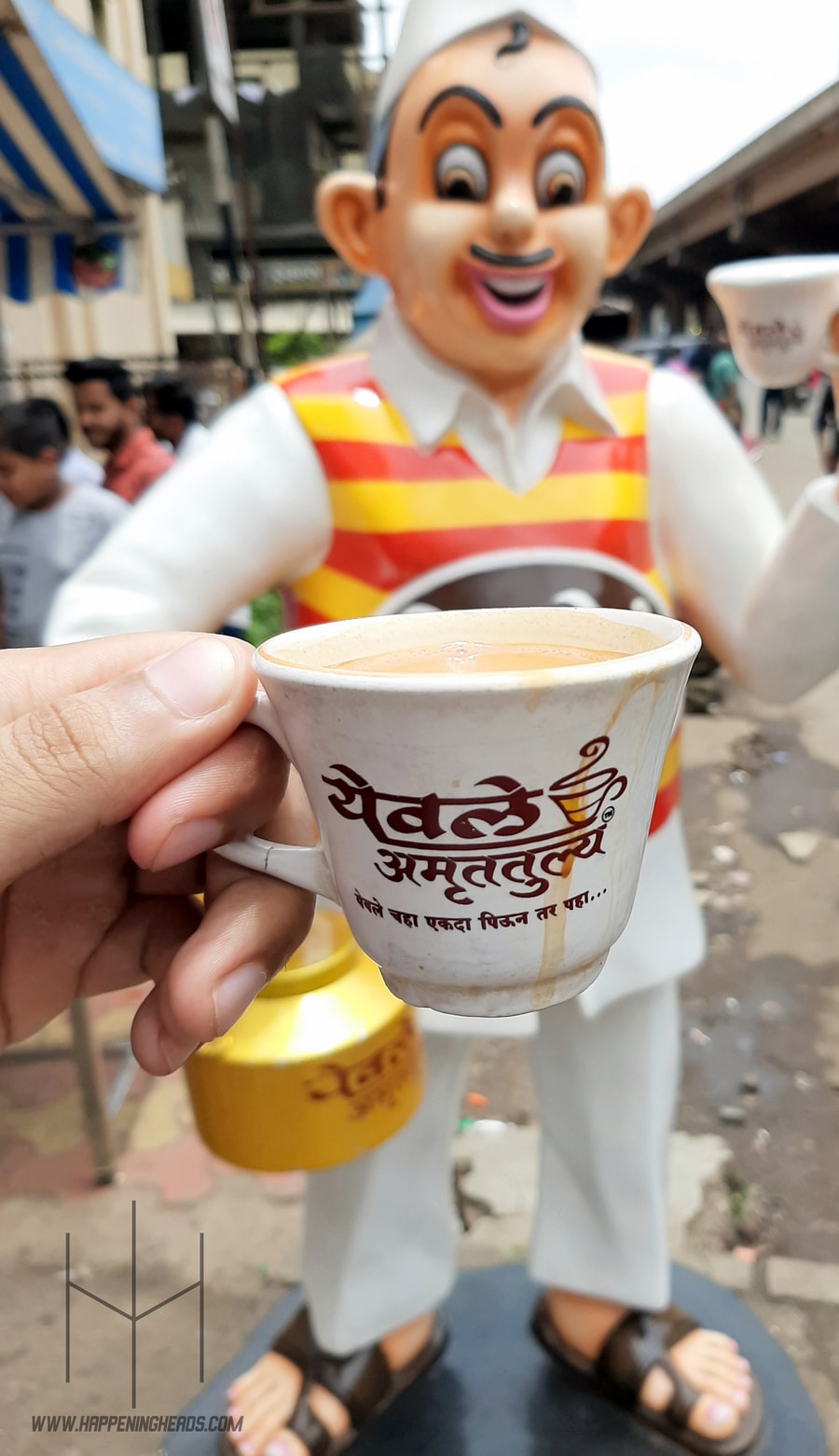
Pune’s most favourite and famous tea destination “Yewale Amruttulya”. You will find it strange that, a tea shop is as famous as Starbucks. Many people travel far away just to taste “Yewale Amruttulya”, you have to stand in long lines just to taste a tea.

Traffic Rules and Regulations

What are traffic rules?

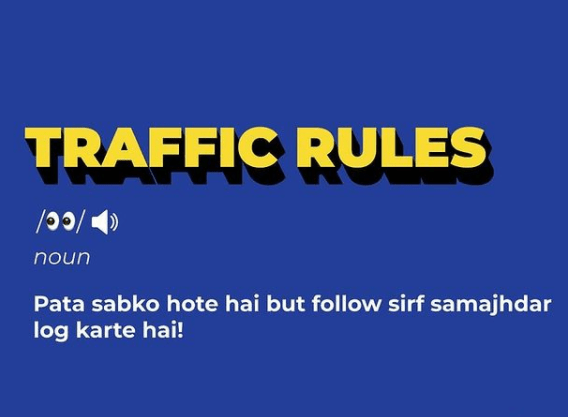
I feel like both pedestrians and the drivers should be disciplined and obey all the rules and regulations. So, I request every citizen of this country to follow these do’s and don’t listed down below for pedestrians and drivers, respectively.

DO’s for pedestrians:

  • DO walk in a straight line down the sidewalk.
  • DO stop at crosswalks and pay attention to the signals.
  • DO pay attention to your surroundings when walking, especially at night and alone.
  • DO take the time to enjoy your walk even if you are in a hurry… look around and see.
  • DO smile if you happen to make eye contact with another human being.

DON’Ts for pedestrians

  • DON’T stop randomly on the sidewalk without checking that people are right behind you.
  • DON’T jaywalk without looking.
  • DON’T wear headphones and have your music turned up so loud you can’t hear what’s happening on the street.
  • DON’T cut across the sidewalk to get to a shop or something without looking behind you.
  • DON’T walk into things while your head is down looking at your phone… trust me, it happens!

DO’s while driving

  • Do always wear a helmet while riding a 2 wheeler.
  • Do always wear a seat belt. ±Do follow the speed limit.
  • Do be courteous towards other drivers and riders.
  • Do give pedestrians the right-of-way in crosswalks.
  • Do make room for bicycles. ±Do pay attention while driving, even if you are familiar with the area. A surprising number of accidents take place only blocks away from home!
  • Do use indicators.
  • Always keep to the left.
  • Do keep a safe distance.
  • Do always carry the important papers and your driving license.
  • Do drive cautiously in severe weather.
  • Do plan your long route journeys in advance. Take proper gaps in between.

DON’Ts while driving

  • Don’t drive alcohol and drive, and don’t get in a car with a driver who has been drinking or using drugs.
  • Don’t talk on your cell phone and drive at the same time. If you need to make or answer a call, pull over at a safe place and then resume your journey.
  • Don’t let your emotions and frustrations get the best of you. Don’t engage in road rage, no matter how irritating another driver might be to you.
  • Don’t tailgate other cars, pass on shoulders, run stoplights or stop signs, or break any other rules on purpose.
  • Don’t drive if you are underage.
  • Don’t overtake suddenly.
  • Don’t use brakes suddenly.
  • Don’t overspeed over potholes.

DS0101EN: Introduction to Data Science course by edX

Hey peeps! Here is a course for all the engineering students out there who want to pave their way towards being a data scientist. So, gear up and tighten the seat belts. Let’s get into the world of data science.

Top 10 Careers in Data Science that are Shaping the Future

In this course you will:

  • Meet people who work in data science
  • Explore definitions of data science
  • Learn about data science in a business context
  • Discover some use cases and applications of data science

Syllabus

Module 1 – Defining Data Science

  • What is Data Science?
    • Fundamentals of Data Science
    • The Many Paths to Data Science
    • Advice for New Data Scientists

Module 2 – What Data Scientists Do

  • A Day in the Life of a Data Scientist
    • Old problems, new problems, Data Science solutions
    • Data Science Topics and Algorithms
    • Cloud for Data Science

Module 3 – Data Science in Business

  • Foundations of Big Data
    • How Big Data is Driving Digital Transformation
    • What is Hadoop?
    • Data Science Skills and Big Data
    • Data Scientists at New York University

Module 4 – Use Cases for Data Science

  • What is the Difference?
    • Neural Networks and Deep Learning
    • Applications of Machine Learning

Exercise – Computer Vision with IBM Watson

Module 5 – Data Science in Business

  • How Data Science is Saving Lives
    • How Companies Should Get Started in Data Science
    • Applications of Data Science

Module 6 – Careers and Recruiting in Data Science

  • How Can Someone Become a Data Scientist
    • Recruiting for Data Science
    • Careers in Data Science
    • High School Students and Data Science Careers

MODULE 1:

Learning Objectives

In this module you will:

  • Hear from data science professionals to learn what data science is.
  • Learn about the many paths to data science.
  • Hear from data science professionals as they give advice to anyone who is passionate about data science.
  • Learn some statistics about the field of data science, the demand for data scientists, and some of the qualities of excelling data scientists.
  • Learn why data science is the sexiest job of the 21st century.

SUMMARY:

In this module, you have learned:

  • Data science is the study of large quantities of data, which can reveal insights that help organizations make strategic choices.
  • There are many paths to a career in data science; most, but not all, involve a little math, a little science, and a lot of curiosity about data.
  • New data scientists need to be curious, judgemental and argumentative.
  • Why data science is considered the sexiest job in the 21st century, paying high salaries for skilled workers.

MODULE 2:

Learning Objectives

In this module you will:

  • Hear from data scientists as they share with you what a typical day in the life of a data scientist looks like.
  • Hear from data scientists as they share with you what tools, algorithms, and technologies they use on a daily basis.
  • Hear from data scientists as they try to explain the term “cloud”.
  • Learn about data science, data scientists, and how each is defined.

In this module, you have learned:

  • The typical workday for a Data Scientist varies depending on what type of project they are working on.
  • Many algorithms are used to bring out insights from data. 
  • Accessing algorithms, tools, and data through the Cloud enables Data Scientists to stay up-to-date and collaborate easily.

MODULE 3:

In this module, you have learned:

  • How Big Data is defined by the Vs: Velocity, Volume, Variety, Veracity, and Value.
  • How Hadoop and other tools, combined with distributed computing power,  are used to handle the demands of Big Data.
  • What skills are required to analyse Big Data. 
  • About the process of Data Mining, and how it produces results.

MODULE 4:

Learning Objectives

In this module you will:

  • Hear from Norman White, the Faculty Director of the Stern Centre for Research Computing, at New York University.
  • Hear from Norman White as he talks about data science and what skills are required for anyone interested in pursuing a career in this field.
  • Hear from Norman White as he explains some of the popular data science tools and algorithms.
  • Hear from Norman White as he gives advice to high schools students, in particular, and anyone, in general, who are looking to start a career in data science.
  • Learn about data mining, and the steps the comprise the process of mining a given dataset.
  • Learn about regression and what questions can be put to regression analysis.

SUMMARY:

In this module, you have learned:

  • The differences between some common Data Science terms, including Deep Learning and Machine Learning.
  • Deep Learning is a type of Machine Learning that simulates human decision-making using neural networks.
  • Machine Learning has many applications, from recommender systems that provide relevant choices for customers on commercial websites, to detailed analysis of financial markets.
  • How to use regression to analyze data.

MODULE 5:

Learning Objectives

In this module you will:

  • Learn about what companies need to do in order to start with data science.
  • Learn about some of the qualities that differentiate data scientists from other professionals.
  • Learn about some applications of data science.
  • Learn about analytics and what important role data scientists play in this process.
  • Learn about story-telling and the importance of an effective final deliverable.
  • Learn about the main components of an effective final deliverable.
  • Apply what you learned about data science to answer open-ended questions.
  • Demonstrate your understanding of the readings to define what data science and data scientist mean.
  • Demonstrate your understanding of the readings to answer a question about the final deliverable of data science project.

Summary:

In this module, you have learned:

  • Data Science helps physicians provide the best treatment for their patients, and helps meteorologists predict the extent of local weather events, and can even help predict natural disasters like earthquakes and tornadoes.
  • That companies can start on their data science journey by capturing data. Once they have data, they can begin analysing it.
  • Some ways that data is generated by consumers. 
  • How businesses like Netflix, Amazon, UPs, Google, and Apple use the data generated by their consumers and employees.
  • The purpose of the final deliverable of a Data Science project is to communicate new information and insights from the data analysis to key decision-makers.

MODULE 6:

Learning Objectives

In this module you will:

  • Learn about what companies need to do in order to start with data science.
  • Learn about some of the qualities that differentiate data scientists from other professionals.
  • Learn about some applications of data science.
  • Learn about analytics and what important role data scientists play in this process.
  • Learn about story-telling and the importance of an effective final deliverable.
  • Learn about the main components of an effective final deliverable.
  • Apply what you learned about data science to answer open-ended questions.
  • Demonstrate your understanding of the readings to define what data science and data scientist mean.
  • Demonstrate your understanding of the readings to answer a question about the final deliverable of data science project.

SUMMARY:

In this module, you have learned:

  • The length and content of the final report will vary depending on the needs of the project.
  • The structure of the final report for a Data Science project should include a cover page, table of contents, executive summary, detailed contents, acknowledgments, references, and appendices.
  • The report should present a thorough analysis of the data and communicate the project findings.

Noise Pollution- Causes, Effects & more

Noise is usually defined as unwanted sound or a sound without value that causes discomfort to the listener. Noise is usually measured in units of decibels and is denoted by dB.

1. On human beings:-

Mental health

Exposure to intense levels of noise can cause personality changes and violent reactions. Noise has also been shown to be a factor that attributed to violent reactions. 
Psychological health effects from noise include depression and anxiety stress. Individuals who have hearing loss, including noise induced hearing loss, may have their symptoms eased with the use of hearing aids. Individuals who do not seek treatment for their loss are 50% more likely to have depression than their aided peers. These psychological effects can lead to detriments in physical care as reduced self-care, work-tolerance, and increased isolation.

Physical health

Exposure to loud sound or longer exposure causes threshold shift. Noise-induced threshold shifts are seen as a notch on an audiogram from 3000 to 6000 Hz, but most often at 4000 Hz.
Exposure to loud noises, either in a single traumatic experience or over time, can damage the auditory system and result in hearing loss and sometimes tinntius as well. Noise induced hearing loss is sometimes unilateral and typically causes patients to lose hearing around the frequency of the triggering sound trauma.

2. On animals:-

Marine animals

Two main reasons that make an environmental impact of noise in marine life a grave are – 1. Noise travels much more in water, covering greater distances than it would do on land while travelling though air, and secondly because the marine life is extremely sensitive to noise pollution and an absence of any mechanism to safeguard them against it, underwater noise pollution disrupts marine life in more serious ways.

The deaths can occur because of haemorrhages, changed diving pattern, migration to newer places, and damage to internal organs and an overall panic response to the foreign sounds. There is also a disruption in normal communication between marine animals because of underwater noise pollution. This means animals prone to noise pollution cannot call their mates, look for food or even make a cry for help under such circumstances.

Birds

Anthropogenic noise, emitted from the oil and gas compressors, is becoming a global issue. The idea of the study was to measure the stress levels of the birds compared to the distance they were nesting with the oil and gas compressors.

So much so that they were showing Post Traumatic Stress Disorder-like (PTSD) symptoms. In the birds, their corticosterone levels were relatively low. And that isn’t exactly what you would expect to see in a high-stress situation. This is likely to be what was happening with the birds. It triggered health defects such as stunted growth, issues with their reproduction, and fewer feathers on the birds. Their ability to hear predators also seemed to be jeopardised because of the noisy surroundings.

Preventive measures to reduce noise pollution

  • Factories should be established away from the settlements.
  • Settlements should be located 20 kms away from the mining areas and coal areas.
  • Explosives should be not used in mountainous, forest and mining areas.
  • Use of horn in public places should be banned.
  • The sound of musical instruments should be controlled to desirable limits.
  • The use of sound amplifiers of high power should be banned in religious events.
  • The use of sound absorber tiles should be encouraged in the construction of multi-storeyed buildings.
  • In industrial, commercial and hospital buildings, adequate soundproof systems should be installed.
  • Intensive plantation should be made in the entire building complex.
  • Planting green trees along the roadside reduces the intensity of noise pollution.
  • Protective tools should be provided for workers.
  • Legal provisions should set limits on noise and control over noise pollution.

Terrorism

Terrorism is a criminal act that seeks to instil terror in ordinary people. It is a danger to mankind. It covers anybody or any organisation who spreads violence, such as riots, burglaries, rapes, kidnappings, fights, bombs, and so on. Terrorism is a cowardly act. Terrorism is also unrelated to religion. A terrorist is a terrorist, regardless of whether he or she is Hindu or Muslim.

Types of Terrorism

Terrorism is classified into two types: political terrorism, which causes widespread alarm, and criminal terrorism, which involves abduction for ransom money. Political terrorism is even more dangerous than criminal terrorism since it is carried out by well-trained individuals. As a result, it becomes difficult for law enforcement organisations to apprehend them in a timely manner.

Terrorism spreads at both the national and international levels. Regional terrorism is the most violent type of terrorism. Because terrorists believe that dying as a terrorist is precious and holy, they are prepared to go to any length. All of these terrorist organisations are formed for a variety of reasons.

Causes of Terrorism

There are several major causes of terrorism, including rapid population growth, politics, social and economic problems, dissatisfaction with the country’s system, a lack of education, corruption, racism, economic inequality, and linguistic differences. Terrorism is used as a weapon to show and justify one’s point of view. The most well-known riots are those between Hindus and Muslims, although there is a distinction between caste and terrorism.

The Effects Of Terrorism

Terrorism instils fear in individuals, and as a result, people in the country feel insecure. Terrorist attacks damage millions of products, take the lives of thousands of innocent people, and slaughter animals. After witnessing a terrorist attack, disbelief in mankind grows, giving rise to another terrorist. There are several forms of terrorism in various areas of the country and throughout the world.

Today, terrorism is not just a concern in India, but also in our neighbouring nation, and governments all over the world are working hard to combat it. The September 11, 2001, terrorist attack on the World Trade Center is widely regarded as the world’s biggest. Osama bin Laden attacked the world’s tallest skyscraper, resulting in millions of injuries and the deaths of thousands of people.

Terrorist Attacks in India

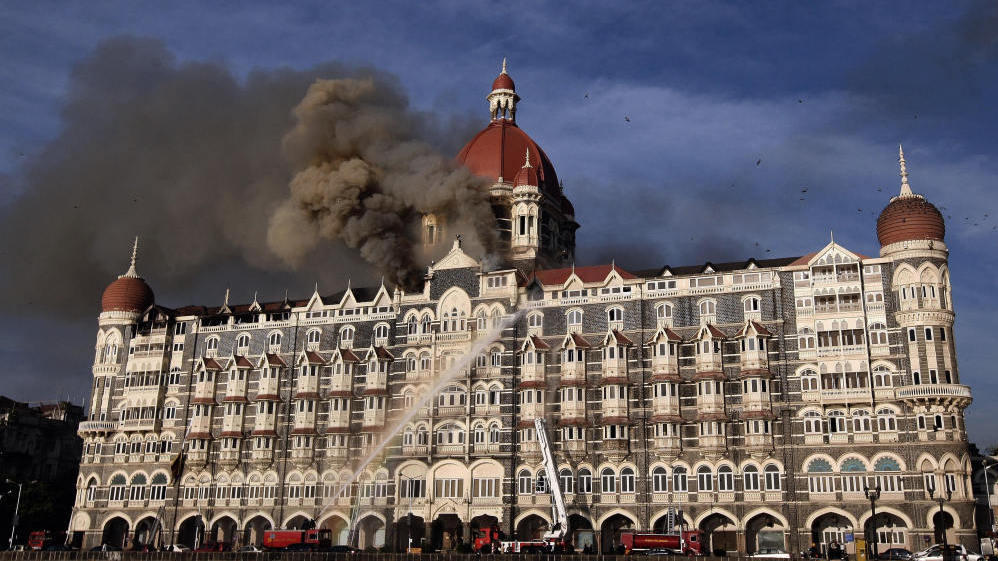
India has suffered several terrorist attacks which created fear among the public and caused huge destruction. Here are some of the major terrorist attacks that hit India in the last few years: 1991 – Punjab Killings, 1993 – Bombay Bomb Blasts, RSS Bombing in Chennai, 2000 – Church Bombing, Red Fort Terrorist Attack,2001- Indian Parliament Attack, 2002 – Mumbai Bus Bombing, Attack on Akshardham Temple, 2003 – Mumbai Bombing, 2004 – Dhemaji School Bombing in Assam,2005 – Delhi Bombings, Indian Institute of Science Shooting, 2006 – Varanasi Bombings, Mumbai Train Bombings, Malegaon Bombings, 2007 – Samjhauta Express Bombings, Mecca Masjid Bombing, Hyderabad Bombing, Ajmer Dargah Bombing, 2008 – Jaipur Bombings, Bangalore Serial Blasts, Ahmedabad Bombings, Delhi Bombings, Mumbai Attacks, 2010 – Pune Bombing, Varanasi Bombing.

The recent ones include 2011 – Mumbai Bombing, Delhi Bombing, 2012 – Pune Bombing, 2013 – Hyderabad Blasts, Srinagar Attack, Bodh Gaya Bombings, Patna Bombings, 2014 – Chhattisgarh Attack, Jharkhand Blast, Chennai Train Bombing, Assam Violence, Church Street Bomb Blast, Bangalore, 2015 –  Jammu Attack, Gurdaspur Attack, Pathankot Attack, 2016 – Uri Attack, Baramulla Attack, 2017 – Bhopal Ujjain Passenger Train Bombing, Amarnath Yatra Attack, 2018 Sukma Attack, 2019- Pulwama attack.

Agencies fighting Terrorism in India

To combat terrorism in India, many police, intelligence, and military institutions have created specific agencies. In India, major anti-terrorism agencies include the Anti-Terrorism Squad (ATS), the Research and Analysis Wing (RAW), and the National Investigation Agency (NIA).

Conclusion

Terrorism has evolved into a worldwide concern that must be addressed at the outset. Terrorism cannot be handled only by law enforcement forces. People all across the world will need to band together to combat the rising menace of terrorism.

Floods in Maharashtra

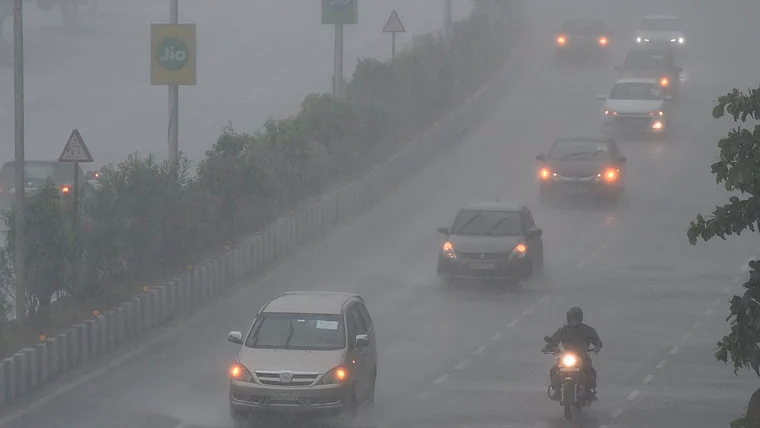
Navi Mumbai Weather Update: As rain lashes city, NNMC shares monsoon  estimates for Vashi, Belapur, Nerul and Airoli
when it rained,
after days, after months,
after years, I felt alive
when the rain touched,
my cheeks, they blushed,
and grinned. As they do,
when they meet a long-lost friend
i wanna go out and say hi,
say that it’s been rough,
without you,
but I can’t.
me grinning and blushing,
and dancing hands in hands,
in rain, would bring back wounds,
the ones that are healed,
the ones that are to be healed.

Climate change is real!

Maharashtra has been dealing with two disasters; Floods in the midst of this ongoing pandemic. These floods have posed a grave threats to all the people.

Maharashtra witnessed high-intensity floods due to the incessant rains over the past few weeks. At least 209 people have died due to the floods in Maharashtra and eight still remain missing. A total of 4,34,185 people from eight districts have been evacuated to safer places, as rescue operations continue.1Among the 209 fatalities, the Satara district reported 46 deaths, followed by 35 in Ratnagiri, 15 in Thane, seven in Kolhapur, four in Mumbai, three in Pune, four in Sindhudurg and two each in eastern Maharashtra’s Wardha and Akola districts.

A total of 3,221 animals have died. Meanwhile, the floodwater has entered the roads and fields, submerging many areas of the Sangli district in Maharashtra making it hard for people to commute from one place to another.

Heavy rainfall in Maharashtra has caused flooding in several areas of the state, including Kolhapur. Houses, roads, and commercial establishments remained partially submerged in floodwater in Kolhapur on Monday.

MUMBAI: Despite the fact that the rains have lessened this week after last week’s torrential downpour, Mumbai has already received 93 percent of the season’s average rainfall. The average rainfall for this season is 2205.8 mm, with 2052.7 mm recorded at the Santacruz observatory. There are two more months of monsoon left to cover the remaining 7% of the seasonal rain target.
While there were no rains at the IMD’s Colaba observatory, the Santacruz observatory recorded 4.3mm of rain, which is considered light rain. Significant weather systems, such as the offshore trough from Karnataka to Kerala’s coast, as well as the low pressure region, have become less prominent, according to IMD sources.
Most of the season’s rainfall so far has been recorded in a heavy rain spell restricted to just a few hours.
This resulted in significant water logging, as well as the loss of life and property. Since the start of the monsoons, IMD’s Santacruz observatory has recorded 235mm of rain on July 17-18, and 253mm on July 16-17. A total of 231.3mm fell in a 24-hour period between June 9 and 10. The IMD has issued a green alert till Thursday, indicating only light to moderate rain activity.

In these past months,

India’s medal in Tokyo Olympic 2020

India Medal Tally Tokyo Olympics – 1 Gold, 2 Silver, 4 Bronze, Medal table is given here. Check the Tokyo Olympic Medal tally for India from here. Tokyo Olympic 2020 is organized in Japan this year. Players from all around the world are performing to win medals for their country. India already has broken its previous record of 6 medals in a single Olympic as they have won 7 medals on Tokyo Olympic 2021 already.

India finished 48th on the medal tally in Tokyo, its highest ranking in over four decades (if one were to go by the total number of medals, India would have actually finished 33rd. However, ranking is done primarily based on gold medals won). The previous best in this period was the 51st rank finish at Beijing in 2008, when India won three medals, including Abhinav Bindra’s gold.India has finished significantly higher in the era in which it used to win gold in hockey, but that time is not really comparable both because of the dozens of countries that have come into being since then and the expansion in the number of sports and hence medals. In Moscow, for instance, India finished at 23rd rank but with just a solitary medal, the hockey gold. A repeat of that at Tokyo would have placed India at joint 63rd, a measure of how different the two eras are.In London 2012, India had finished 57th despite winning more medals than in Beijing because the medal table ranks countries by gold, silver and bronze in that order and India didn’t win a gold in London. In Rio in 2016, the medal tally crashed to just two and so did the ranking to 67th. From there, it’s now gone up nearly 20 places.

The saven warriors

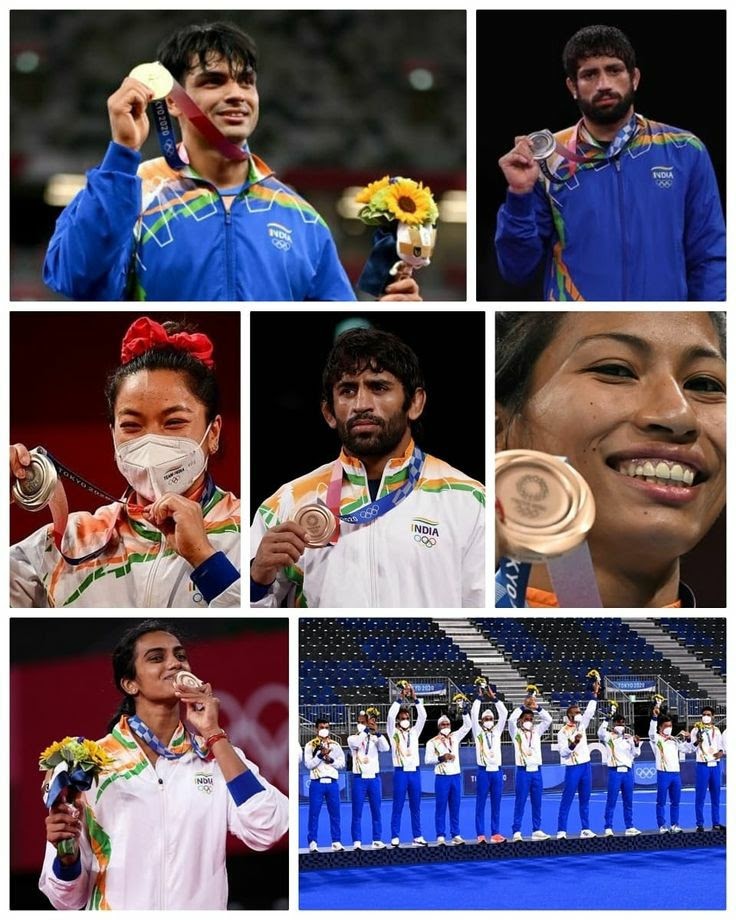
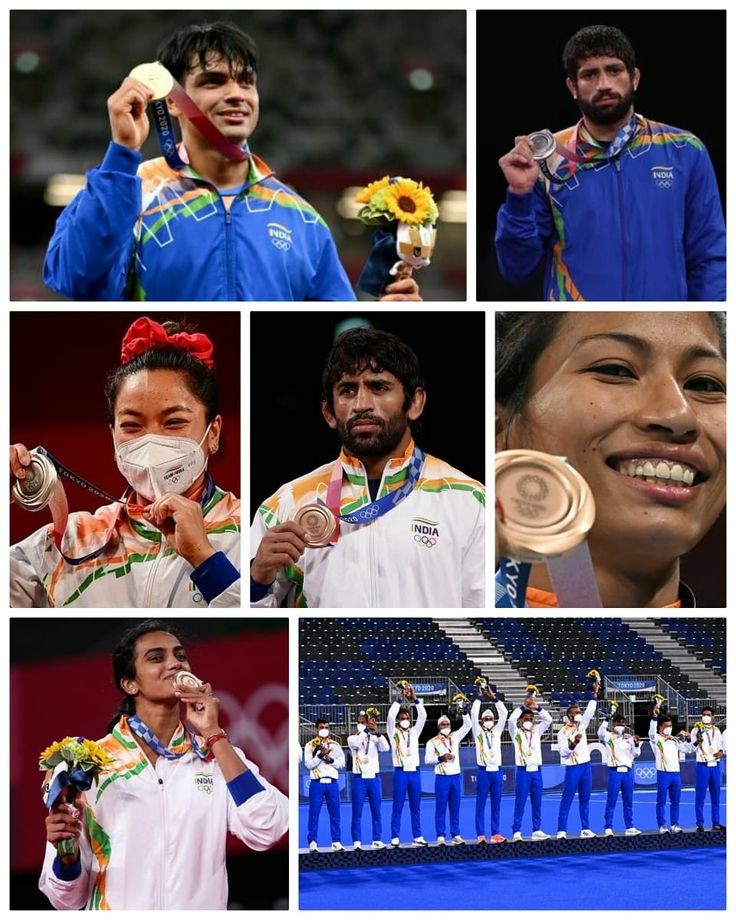
1gold, 2 silver, 4 bronze – India produced it’s richest-ever medal haul and the finest performance of all time at the 2020 Tokyo Olympics, which ended on Sunday. Here are the men and women of steel and thunder who made India proud and gave the nation something to cheer about in these dark times of a deadly pandemic.

1.neeraj chopra

There were bigger names with better records in Tokyo. But while most succumbed to the pressure of the big stage, the 23-year-old boy from Haryana’s Panipat district relished and revelled in the moment. Following his golden throw, millions became emotional on hearing the national anthem at the Olympics for the first time since Beijing 2008. A fitting climax to the story of Neeraj Chopra, who chanced upon the sport while trying to lose weight and who overcame a clutch of injuries to give Indian athletics its greatest moment on the world’s biggest sporting stage .

GameAthleteMedal
Javelin throwneeraj chopraGold

2.Saikhom Mirabai chanu

Much was expected from Mirabai Chanu at Rio 2016. She flopped, failing to make a single clean and jerk lift. The pressure to deliver was crushing at Tokyo 2020. But coached by Vijay Sharma, the amiable 26-year-old from Manipur made light work of the heavy weights to clinch a silver with a smile in the 49kg category. Redemption had never been more satisfying and sweeter for the woman who picked up logs to gather winter fuel for her family as a child.

Game AthleteMedal
Weight Lifting (49 Kg Women)Mirabai ChanuSilver

3.Ravi Kumar Dahiya

He was ranked world no. 4. But in the run-up to the Olympics, the focus was hardly ever on the 23-year-old Olympic debutant from Sonipat. Unmindful, Kumar produced a performance of stunning audacity and endurance while trailing 2-9 against opponent Nurislam Sanayev in the semis. Desperate to get out of his iron grip, the Kazakh bit him badly in his forearm but Dahiya wouldn’t let go till the tide was turned. Dahiya fought hard but lost in the final to become India’s second silver medal-winning wrestler after Sushil Kumar. A fiercely determined athlete, he could well improve upon his medal colour in 2024.

GameAthleteMedal
Wrestling (57 KG)Ravi Kumar DahiyaSilver

4.Men’s team ( hockey)

None of them was born when India last won an Olympic medal in hockey. But nothing, not even a potentially morale-sapping 7-1 loss to Australia, could stop captain Manpreet Singh’s boys from their tryst with the podium. The defeat spurred them to deliver one superlative performance after another, resulting in a bronze playoff. The match against Germany was for the ages. You can keep watching India’s 5-4 triumph for the rest of your lives. But this team holds the promise of many more wins to come.

GameAthleteMedal
HockeyIndian Hockey TeamBronze

5.pv sindhu

In the early stages in Tokyo, she looked below her best. But like a finely-tuned precision instrument, Pusarla Venkata Sindhu hit the perfect notes as the tournament peaked. She simply swatted aside Chinese He Bing Jiao 21-13, 21-15 in the bronze medal playoff to add a second Olympic medal in her kitty. When it’s PV Sindhu, once is not enough.

GameAthleteMedal
Women’s Singles BadmintonPV SindhuBronze

6.Lovlina Borgohain

Covid-19 affected her preparation. But the tall pugilist from Assam tried to make the best of the situation. She lifted LPG cylinders, worked in the paddy fields to keep fit. In Tokyo, Lovlina showed the world she could fearlessly box with the best. Five feet, nine inches tall, she used her long reach to devastating effect to fashion an amazing medal story.

GameAthleteMedal
Women’s Welterweight BoxingLovlina BorgohainBronze

7.Bajrang punia

Wrestler Bajrang Punia, also in his debut appearance at the quadrennial event, beat Kazakhstan’s Daulet Niyazbekov in the men’s 65kg freestyle wrestling playoff to claim the bronze medal. Punia, who belongs to Khuddan village in Jhajjar district, pinned Kazakhstan’s Daulet Niyazbekov.It was India’s sixth medal of the Tokyo Olympics – equalling their best-ever haul at a single edition of the Olympics.

GameAthleteMedal
Wrestling (65 Kg)Bajrang PuniaBronze

for more sports news related to Olympics visit the site link given below 👇

https://youtube.com/c/Olympics

https://youtube.com/c/TheLallantop

5 Forts You Must Visit Near Pune

“Forts are the very basis of a kingdom. They are the real treasure, the real wealth of a kingdom. They are our best form of defense against the enemies. Forts themselves are the kingdom.”

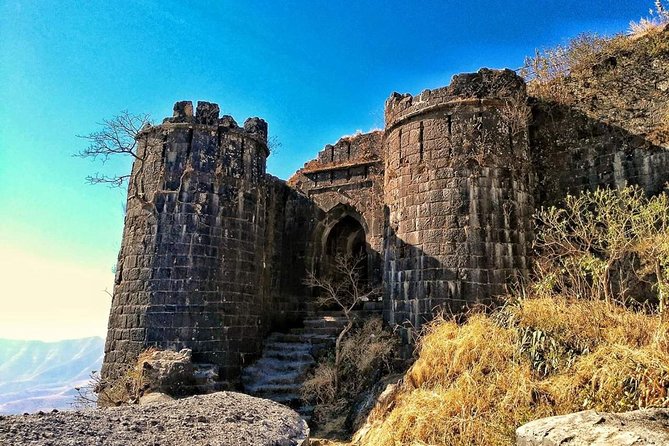
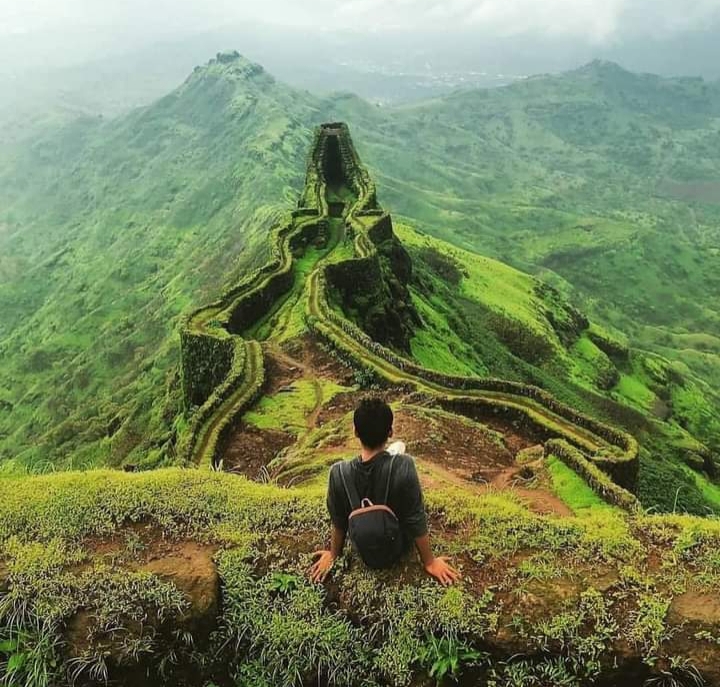
Rulers of almost every dynasty in Maharashtra gave tremendous importance to the construction and maintenance of forts. That’s one of the reasons you will find a fort in every nook and cranny of Maharashtra. Pune is a city that has a large number of forts around it. Many of these forts were built by Chhatrapati Shivaji Maharaj, the great Maratha warrior king. These Forts are like real treasure of Maharashtra.

So here are top 5 forts near Pune you must visit.

1. Sinhagad Fort

Sinhagad Fort Formerly known as Kondhana is one of the most beautiful fort to visit near Pune.

The forts has been the site of many battles, with the Battle of Sinhagad (1670) being the most notable of all. The fort was named ‘Lion Fort’ (Sinhagad) to honor the sacrifice of Subhedar Tanaji Malusare by Chhatrapati Shivaji Maharaj, who lost his life while fighting the Mughals in the battle.

The fort, built on the top of a hill, offers an amazing view of the lush greenery surrounding it. Pune Darwaza and Kalyan Darwaza are the two entrances to the fort, with the former being the main entry point for visitors. There are a few temples and a memorial built for Tanaji Malusare inside the fort.

Although there is a motorable road till the entrance, trekking to it is preferred by many youngsters. The 13-km trek has a medium difficulty level which makes it one of the best forts near Pune for trekking.

Distance from Pune : Around 30 km via Sinhagad Ghat Road and Sinhagad Road

2. Torna Fort

The historical significance of Torna Fort is that it was the first fort captured by Chhatrapati Shivaji Maharaj; thereby, making it the foundation of the Maratha empire. With an elevation of over 4600 feet above sea level, it is also the highest fort near Pune. Over the years, it has become one of the favourite destinations for anyone who wishes to experience history amidst the opulence of natural beauty.

Torna Fort is also a popular trekking hotspot, and the best time to visit it, is in between September and December. The trek begins from Velhe village as its base. One will first get the exalted view of the fort in the distance after a walk of 200 m. The entire trail is dotted with rocky patches hemmed by dense vegetation. The 4-hour trek goes through various structures like Bini Darwaza, Menghai Goddess Temple, Budhla Machi and the majestic Zunjar Machi. If you are trekking to the fort during the monsoon, be a little careful as the trail becomes slippery in patches. The view from top of the fort is very beautiful and mesmerising.

Distance from Pune : Around 71 km

3. Shivneri Fort

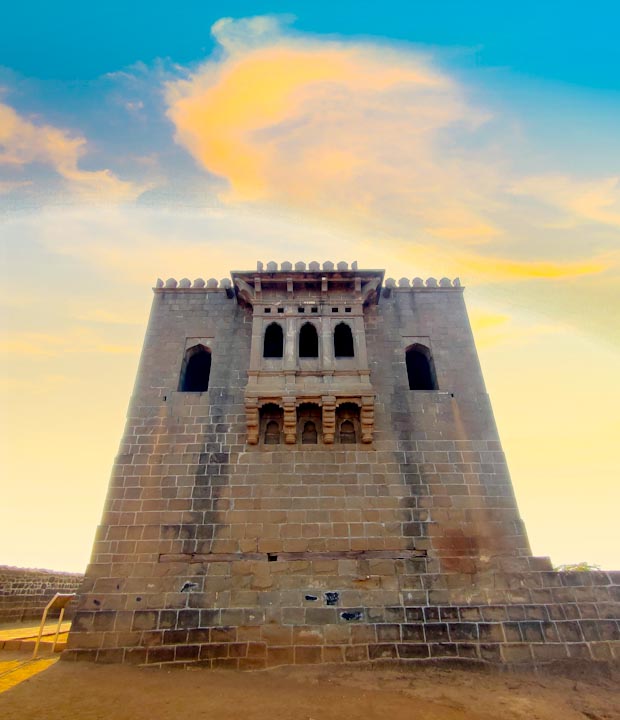
Shivneri Fort : the birthplace of Chhatrapati Shivaji Maharaj, the founder of the Maratha empire. Located near Junnar town, the military fortification has a memorial of Chhatrapati Shivaji Maharaj, known as Shiv Kunj right in the center.

The fort offers a panoramic view of the picturesque mountainous and beautiful lakes in the backdrop.

The fort has been rightly rated as one of the most favorite places for sightseeing as it has some interesting spots, such as the temple of Goddess Shivai.

Distance from Pune: 93 km

4. Raigad Fort

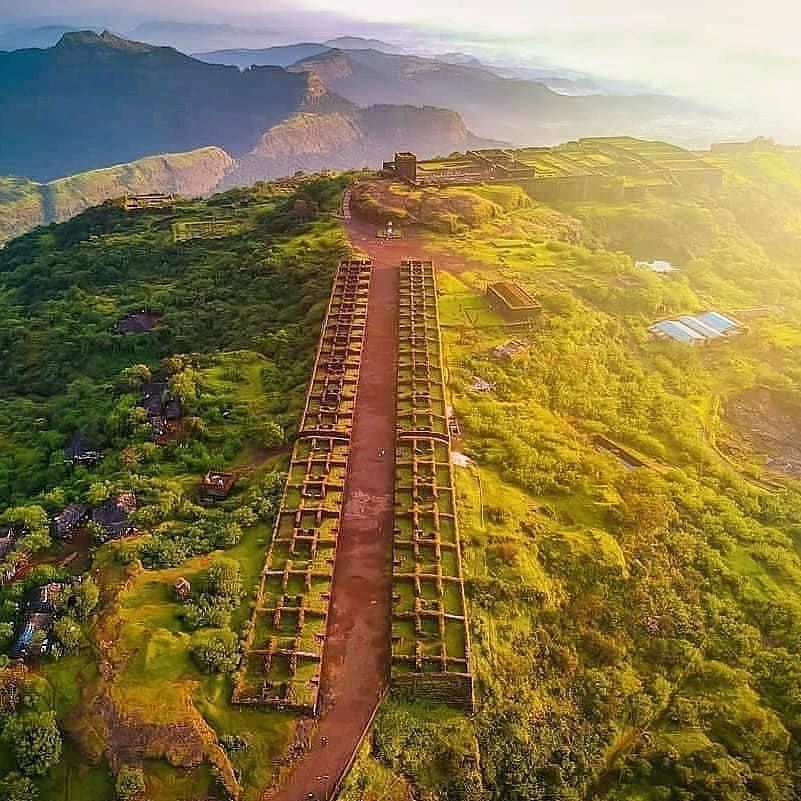
Raigad Fort is another witness to the glorious past of the Maratha empire, be it the coronation of Chhatrapati Shivaji or the various battles that were fought here. The hill fortress was the capital of the Maratha empire during the reign of Chhatrapati Shivaji Maharaj. Though many portions of the fort are in ruins, the remaining structures stand tall, testifying why Raigad Fort was called the ‘King of Forts’ as well as ‘Gibraltar of the East’. There are towers, grand entrances, artificial lakes, a Shiva temple and many other structures inside the fort.

Raigad Fort is a favourite among adventure enthusiasts because you have to either use the ropeway or trek to the fort, which is 2700 feet above sea level. Those who want to trek to the fort need to climb around 1700 steps from the foothills to reach the fort.

Distance from Pune : 131.4 km via Tamhini Ghat Road and Mulshi Road

5. Pratapgad Fort

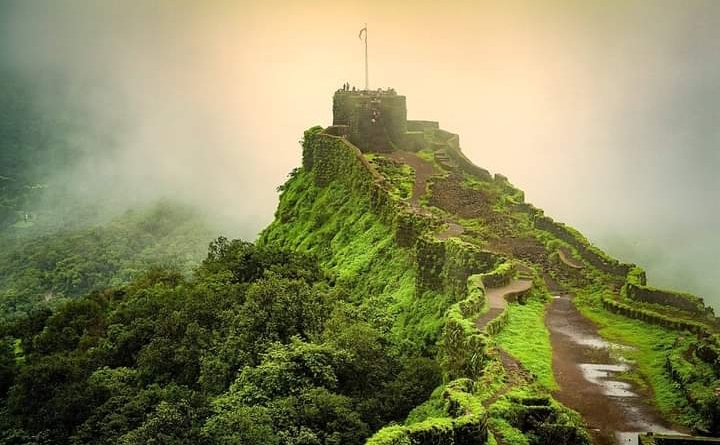
If you want to indulge in a day full of adventure, history and scenic beauty, Pratapgad Fort is the place to be. It is one of the most well  historical marvels in Maharashtra. Pratapgad Fort is also known as the Valour Fort as the heroic battle between Chhatrapati Shivaji Maharaj and Afzhal Khan took place here. The fort is divided into parts – the upper fort and the lower fort. The lower fort is largely occupied by Bhawani temple, whereas the upper fort includes several eye-catching structures.

As Pratapgad Fort is located near Mahabaleshwar, it is frequented by several tourists. Around two to three hours of strolling around are enough to check out every nook and corner of this architectural beauty and its majestic surroundings. The best time to visit is around March and September as the weather remains pleasant during these periods.

Distance from Pune: Around 140 km

Global warming- The ever increasing threat

Photo by Brent Olson on Pexels.com

Global warming yet again comes to news as it has been for the past soo many years and there’s gonna be nothing we are going to do about it once again. Even then, as a moral duty, I feel this compelling desire to inform all of my fellow malefactors of the supplementary and thoroughly under-appreciated results of our activities.

Let’s bestow upon them our much needed, though short term, attention. Today, I read on the newspaper about how the Ladakh glaciers are retreating due to global warming and decreased winter precipitation and that the Atlantic Meridional Overturning Circulation (AMOC)- a prominent warm ocean current belt particularly important for Europe and by extension, the whole earth has weakened over the centuries and reached a tipping point.

Lets start with the issue of the Ladakh Glacier. “The Pensilungpa Glacier located in Ladakh’s Zanskar Valley is retreating due to an increase in temperature and a decrease in precipitation during winters”, a recent study conducted by a team of scientists from the Wadia Institute of Himalayan Geology(Dehradun) revealed. Now with the increasing temperatures and retreating glaciers, it might be very well possible for the current snowfall in those areas to be replaced with rainfall: the snowfall that is responsible for balancing temperature of the lower altitude zones. It is now very much a possibility that the summer and winter patterns of surrounding regions are very much likely to be changed. We might very well be having winter rains real soon people, and floods.

And now, lets move towards the AMOC- The Atlantic Meridional Overturning Circulation-a result of difference in the water’s density(caused due to temperature and salinity difference). Well, that plus the combined effort of continental boundaries and Coriolis force(due to gravity). A large system of ocean currents, it is quite prominent in the Atlantic ocean. It is quite easily recognizable with the northward flow of warm, salty(salt dissolving capability increases with temperature. In colder regions, after being provided a sufficient time to cool off, these waters descend as denser and cold waters) water in the upper layers and a southward flow of colder, deep waters. Global warming is one of the main reasons of the slowing down of this current, contributing by causing the Arctic circle to warm, Greenland(a prominent ice sheet zone) to melt, rainfall to increase and the flow of fresh water to the Northern sea to intensify(It initially had high salinity due to no fresh water river drainage and less intermixing caused by ocean currents). Though, it is being said the rising temperature of the Indian ocean will keep the current going. The increased precipitation in the Indian ocean will draw winds from other parts of the world, lowering the amount of rainfall in the Atlantic ocean. It will increase the salinity of the AMOC current waters and increase the strength of the flow of current.

Seems like the global warming is creating a problem and further creating another one with the purpose of solving the first one and somehow completely increasing both the problems together. Wait, replace the global warming with humans. Quite amusing, how we managed to create a string of issues and now they are finding more and more beads to stitch, and we sit by and watch it all unfold. Well, not all of us, obviously. Most of us don’t even know of these unique products of our everyday activities. But, now that we are at it, we will let them know and invite, or rather force them all to join us in the midst of the unfolding of a future disaster, as we all sit by and do nothing.

I have started this chain, would be later adding more to it. You all share it. After all, the more the merrier. Right?

True FEMINISTS aren’t Against MEN.

Term ‘Feminism’ was initially brought up as a Label for women to fight against the discriminations happening towards them under it’s name. The purpose of the concept was to retrieve back the rights of women, breaking all the Stereotypes and putting an end to the prejudice beared by females since the earliest times. The beginners fought for women rights but never had a mission to demean males’ in any form or lower their status or rights so as to provide a higher position to women. Feminism was never invented to disregard men’s existence but all it was meant for is making the society aware of the fact that women deserve to have the same standard and respect EQUAL to that of Men. Majority of each and every person who has come across the notion, considered it worthy of all the attention and a very important agenda for empowerment. Feminism raised several issues and even unveiled injustices occurrings taking place against women in tremendous ways worldwide. For example, To receive an equal pay – as of the Male worker in the company while working on the same position, To get the freedom of working, dressing and living with their own choice, To ensure safety, To fight against domestic violence, sexual harassment and the superstitious harmful practices such as Female genital mutilation / cutting.

Image source

HOWEVER!!!

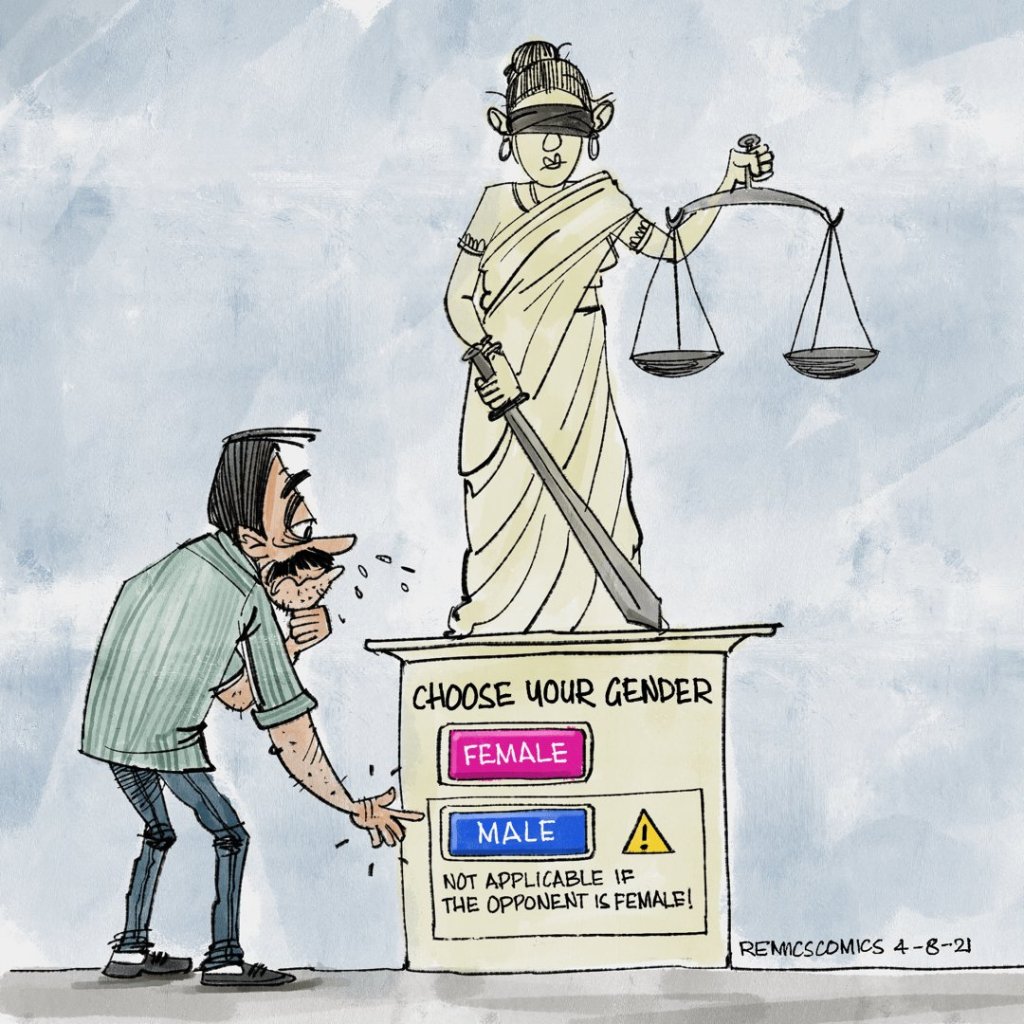
Likewise every law has a loophole, there are always Some people in a crowd who just couldn’t think Right! So Here’s where came a wave of demolishing the concept of Feminism. While, the movement was bringing a good change in the social norms and actually convincing the people about the shortcomings on the grounds of Building Equality, the fake flag bearers of Morality amd virtue started exaggerating the agenda. They created a state of Gender Bias all around. Some women would try to take unfair benefits in the name of feminism namely, a practice called PSEUDO FEMINISM. This includes examples such as; women’s income tax slab is higher than men’s. A woman who earns till 3,00,000-3,50,000 is exempt from tax payment. If both men and women earn the same account, why should it only be the men who pay tax. Another example is As of 2009, 175 men had been kidnapped and abducted for the purpose of illicit intercourse, according to the 2012 NCRB data. As per a reliable source the cases were registered under the Indian Penal Code (IPC) Sec 363 to 369, 371 to 373. Such cases are not dealt with in the same way as the abuse committed on women, even under regulation.

A Dilemma

But Why can’t we just accept, respect and treat both the genders equally at the same time? We are already living in a culture where both Women and Men face so many challenges everyday due to Orthodox mindsets of people. Upon that, these Psuedo feminists suggest that women deserve more respect, priority, benefits than any other genders everywhere. They believe that the world should be governed/ controlled by females and they also potray all men as nemesis, responsible for all crimes against women. Little do they know, The most brutal crimes against women are conducted by another women themselves at many places. You get enough proofs of this on daily basis especially, when you are an Indian citizen. As here, there’s no place to be where you won’t find an elder Lady or even young girls judging others for one’s clothes or casual behaviour. The biggest example to this (in India) is when “A women is proclaimed as responsible for her own rape. She is ashamed for wearing certain clothes and provoking Men herself to do this injustice to them”. Now this is why Not only the “Men” But every single person irrespective of their gender or age having that narrow mindset with preconceived representations in their head of how a Women is a weaker gender, supposed to be kept and treated like slaves, etc. are responsible. And an even bigger mistake that Pseudo feminists do here is to blame and hurt those who are innocent considering it their right. Such incidents not only could hurt the image as well as emotions of the ones who are actually decent but also can pave a way for their thoughts to turn in a wrong direction. It creates an unjust impression of the actual concept of Feminism in everyone’s mind specially, in today’s era where every news is spread on social media at an incredible pace amd affects millions of brains which could even change the supporters and drive their views to become Feminism’s antagonists.

LATEST NEWS.

Is it true?

We all are familiar with case of Priyadarshani yadav from lucknow, taking advantage of her gender to prove herself as the victim for hiding the cruel deed of her’s. A video that is now quite viral on social media shows a woman in Uttar Pradesh’s Lucknow getting into a fight with a cab driver and during this, the woman slapped this driver not once or twice but more than 20 times. The girl could be seen crossing the road when the traffic light was green. She claimed that the driver was coming with a high speed and ran into her, while the cab driver (Saadat ali) said that the girl suddenly came in front of the car but he immediately stopped it. However, whatever the case might be no person haves a right to take law in his/ her hands and hit a person in midst of the road in front of a wholesome crowd. This incident has left the netizens in rage and a hashtag called #arrestlucknowgirl is trending on Twitter. All the support on social media is with cab driver who is clearly be seen calmly handling the situation. He further ranted in his statement in an interview that, being a guy if he had done such cruelty thousands of amendments would have been cast on him, he would be criticised by the whole country and his image and self respect would have been damaged by herher which is indeed a true scenario fabricated by pseudo feminists.

Conclusion.

Image source

On the contrary, the actual lesson what our country need to get is to stop favouring citizens according to their gender. Rather, everyone should be influenced to treat each other with Equality and Respect no matter the sex. And mainly, acquire the knowledge of deciding Right and wrong after learning all the facts and figures instead of judging and building conclusions and defaming anyone while being exposed to only one side of the story, just because some fake feminists motivate us to do so.

International Cat Day!! 8th August 2021!

Theme this day and importance. Ways we can adopt, protect, and cherish our feline friends, and Important facts to know about them.
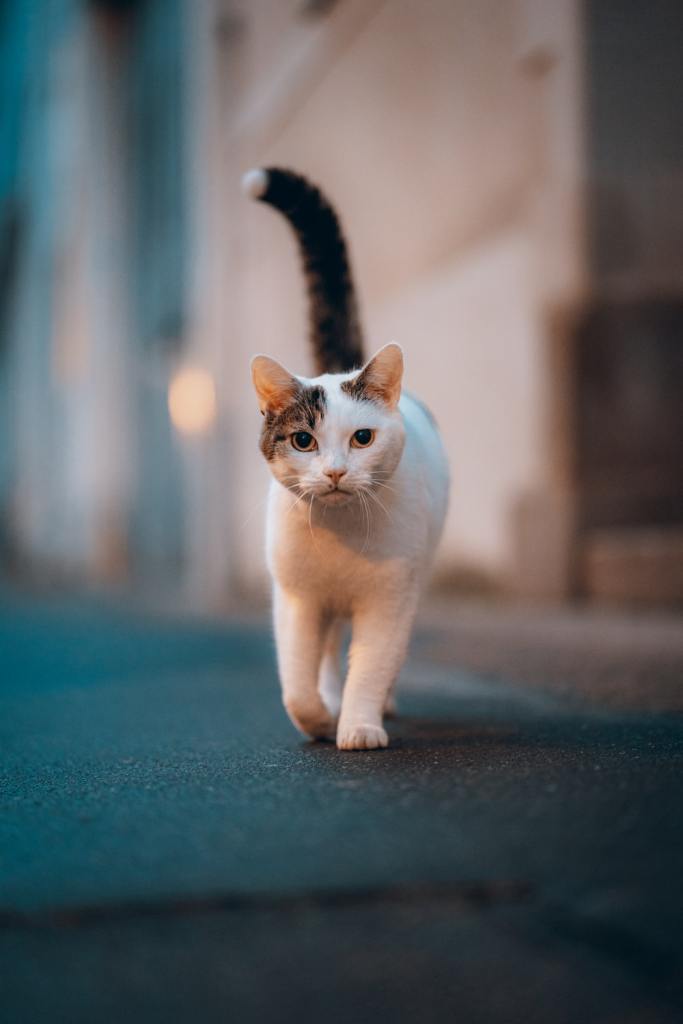
Theme : ‘ BE CAT CURIOUS’

Cats: Fluffy, mature, savage, intellectually and emotionally sharp, and blessed divine gifts. Besides my intense love for them let’s dive into some scientific knowledge about cats. The cat is a domestic, small carnivorous mammal. It’s Binomial Name is Felis Catus. Often, they are called Domestic Cats to distinguish them from the Wild Cats. Usual types of cats: Farm cat, a house cat or a feral cat. Around 7500BC, Cats are known to be first domesticated in the Near East especially in the Ancient Egypt.

Cats have inborn hunting and territorial characteristics. it’s very, very important for them to survive. Being wary of humans and other animals helps them not to fall in the traps of horrific poachers and deadly animals. There are terrible people who lure cats in just to torture, sell your pets by kidnapping them, and all of this just for alleged “Fun” or “Money”. Abuse surrounding feline creatures have been growing. You can not only protect your cat partners but also donate, foster, food drive, neuter drive, and protect animals around you as well. Remember that your one act of kindness gives a safe home for cats. It isn’t necessary to care for them by bringing them home.

 First time celebrated in 2002 by the International Fund for Animal Welfare (IFAW), Canada

IMPORTANT NOTE: For their safety and wellness, make sure your cat wears a safety collar and an ID tag.

Cats are naturally curious and love to explore. Due to vehicles (Crossing road or sleeping under cars for shade), poachers, coyotes, owls, and what not. Obviously, we don’t want to rob outside life from cats just to keep them completely safe since indoor things or genetic diseases can hurt them as well.

It is always better to train them about goods and bad, cat-friendly leashes for walking if they like it, and taking precautions. You can take following steps to care for them:

  • Build an outdoor Catio.
  • Do not put bells on their collars
  • Have a back-up caretaker, like a neighbor(Not completely), siblings, or a trusted friend.
  • VACCINATIONS! VACCINATIONS like rabies, feline leukemia and feline distemper vaccine.
  • Always leave a bowl of extra food and water before you go out.
  • Tend to injuries immediately.
  • GET AN ID TAG! An ID tag has the cat’s name and your phone number.
  • Do not declaw very often They need it to protect themselves.
  • Neutering cats might feel a little extreme, but it is for their own safety.
  • Get acknowledged with flea-, tick-, and intestinal parasite–preventive medications with veterinary directions. About 250 heritable genetic disorders have been identified in cats,

Aim is to enable and inspire people to understand cats’ individual needs and perspective, and to act in the interests of each cat’s welfare. We do this by creating and sharing knowledge, insights, skills and current best practice so people can feel confident in their ability to help cats and to challenge ignorance and misconceptions,

– International Cat Care

Facts:

  • Cats can actually taste the air.
  • A cat can also heal itself by purring.
  • Cats love milk, they are actually lactose intolerant and must avoid it.
  • A female cat can be referred to as a molly or a queen, and a male cat is often labeled as a tom.
  • A cat’s nose is as distinctive as a human’s fingerprint.
  • Left paw is typically their dominant paw.
  • Cats are known to represent mythic symbols of divinity.
  • Cats can jump up to six times their length.

Look out for stray cats if you can’t adopt them. NGOs conduct neuter drive, food drive, fostering kittens or adult cats. You can donate to them who take actions and take baby steps while learning how to help and advocate for stray cats.
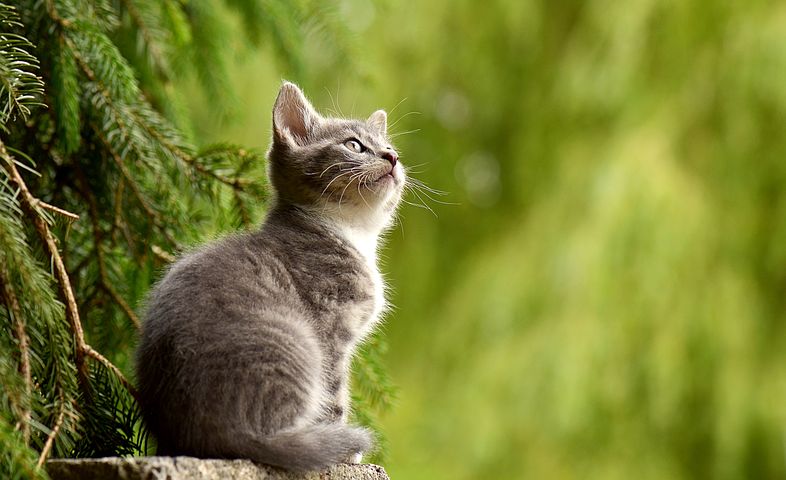
Consider:

  • Adopt a senior cat.
  • Foster newborn babies.
  • Donate for the cause.
  • If possible, start a group to gather money and have a checkup of cats around you.
  • Give them loads of love, you will never ever regret it.

Cats are so precious beings. They will be your parent, sibling, baby, best friends forever, nanny, ninja cat just for biting and licking afterwards. Their varies personalities will amaze you and fill you with love. They are truly one of the best companions.