Telangana: Forester finds new waterfall in Asifabad

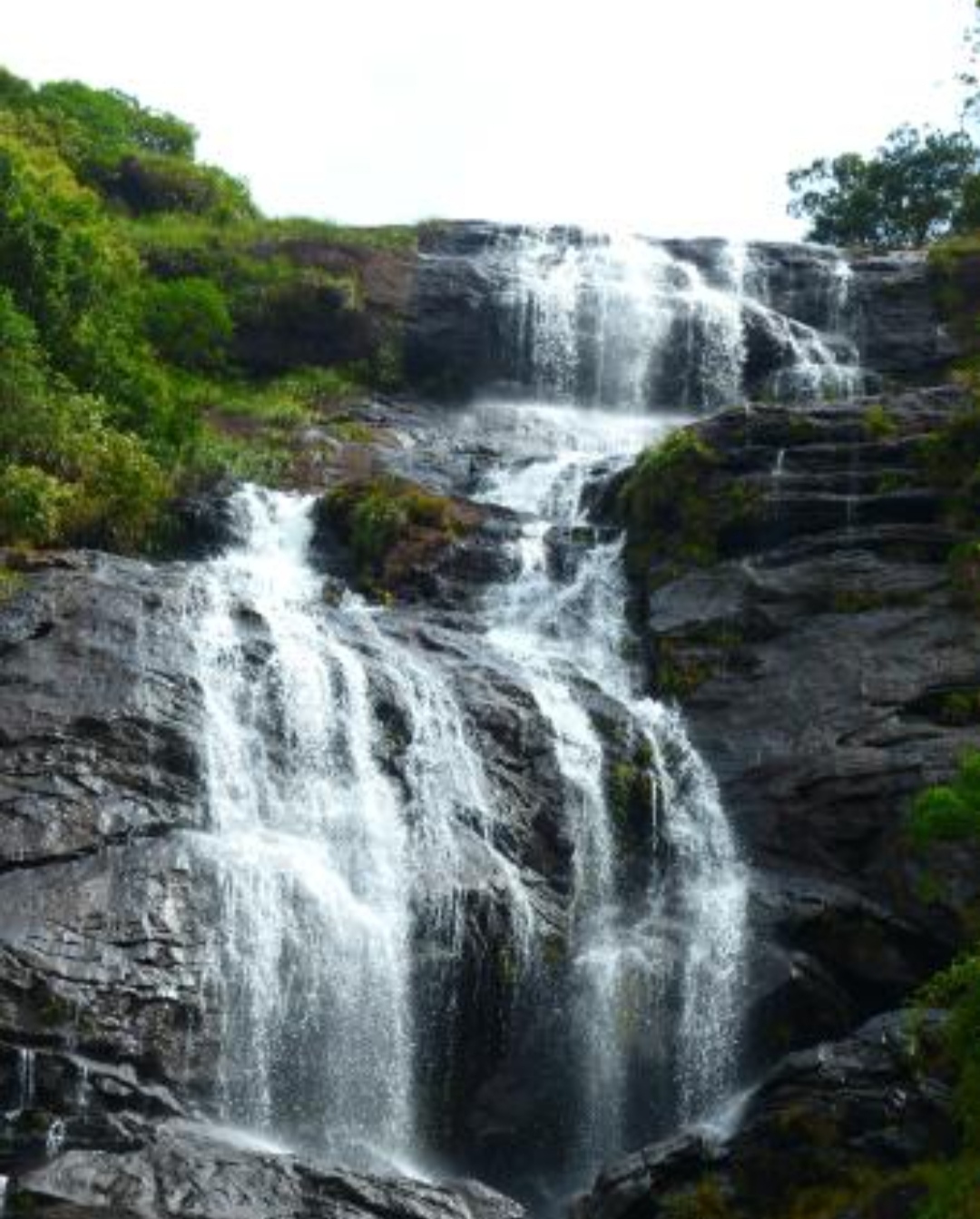
A new waterfall plunging about 60 meters has come to light in the forests of Tiryani mandal, a remote area in Kumaram Bheem Asifabad forest division, Telangana after a forester on foot patrol on a new route made the chance discovery. 

The waterfall, which is now named Bison Waterfall, was discovered in Ginnedhari forest range by the forester a few days ago and is about 2km from the popular Gundala waterfalls.

Ginnedhari forest range officer (FRO) Thodishetty Pranay said he spotted the waterfall while perambulating in the forest. “While I was patrolling the area I happened to take a new route to see what lies ahead. After trekking for about 5km, I was surprised to discover this natural wonder that cascades down from around 60 meters.”

The FRO said even the tribal population in the area said they were unaware of the spot when he enquired with them.

“We decided to name it Bison Waterfall after noticing a huge rock adjacent to it resembling the head of a bison. There is also a deep gorge suitable for adventure tourism and can be added to the adventure tourism circuit of Asifabad forest division by taking some precautions to ensure there is no negative impact on local environment,” said Pranay.

The forest areas of Kumaram Bheem Asifabad district are primarily known for the presence of tiger population, some rare species of birds among other flora and fauna.

Olympics 2021: India (4,5,6,7th Aug)

4th August2021 – Neeraj Chopra and Shivpal Singh (Javelin Throw), Lovlina Borgohain (Boxing), Aditi Ashok and Diksha Dagar (Golf), Indian hockey Hockey Team (Women), Rahi Kumar Dahiya and Anshu Malik ( Wrestling).

5th August 2021: Havildar Irfan Kolothum Thodi, Sandeep Kumar, Rahul Rohilla ( Men’s 20km walk ), Aditi Ashok and Diksha Dagar (Golf), Indian Men’s Hockey Team, Ravi Kumar(Finals), Deepak Punia(Bronze match), Vinesh Phogat and Anshu Malik(Wrestling).

6th August 2021: Aditi Ashok and Diksha Dagar (Golf), Gurpreet Singh(50km walk), Bhawna Jat and Priyanka Goswami (Women’s 20km Walk Finals), Anas, A. Jacob, N.N. Tom, N. Pandi ( Men’s 4x400m relay ), indian women’s hockey team, Bajrang Punia and Seema Bisla (Wrestling)

7th August 2021: Neeraj Chopra(Javelin Throw FINAL), Aditi Ashok and Diksha Dagar (Golf FINALS), Bajrang Punia (Wrestling Bronze Match)

,

Athletics

Men’s javelin throw

Neeraj Chopra bagged First position by throwing at a distance of 86.65m in Qualifications of Group A.  

The first javelin thrower to enter an Olympic final and also the first to finish on top of the qualification round. 

Shivpal Singh secured 12th in the Group B Qualifications. But, only Top 8 qualify for the seccon round.

Neeraja Chopra to compete in The finals on 7th August at 4:30pm.

Subedar (Indian Army Rank) Neeraj Chopra created history by winning Gold Medal in Athletics.

Men’s 20km walk

Sandeep Kumar came 23rd in the 20km finals on 5th August. Massimo Stano from Italy bagged 1st position.

Men’s 50km Walk

Gurpreet Singh failed to complete 50km walk. He tagged out after 35km by putting up a good fight.

Womens 20km walk finals

Bhawna Jat and Priyanka Goswami will be competing on 6th August in the finals of 20km Walk. Priyanka complete the competition and ranked 17th.

Men’s 4x400m relay

A. Rajiv, M. Anas, A. Jacob, N.N. Tom, N. Pandi will be competing on 6th august at 5pm. India fought till the end and missed the 3rd pace by mere mere seconds failing to qualify for finals.

Boxing

Women’s welterweight

Busenaz Surmeneli gave Lovlina Borgohain a tough fight in the Semi-Finals. B. Surmeneli won by the scores as 5-0.

Lovlina Borgohain fought for the Bronze Medal and won it.

Golf

Women’s individual

Aditi Ashok had an excellent start as she finished Round 1 in second position and Diksha Secured 56th position.

Aditi Ashok fabulously played and came second in the round 2 on 5th August and Diksha secured 53rd position.

On 6th August she continued her lead and went into next round by securing 2nd position and Diksha Dagar secured 51th position.

Aditi Ashok and Diksha Dagar will be competing in finals on 7th August at 3am.

Aditi Ashok had a great lead throughout the Match. But, she slipped to 4th position at the eleventh hour. Yet, Aditi Ashok has paved a way for Indian Golfers by reaching finals and remaining in top5 through and through.

Hockey

Women’s tournament

A grueling match between Argentina and India at the Semi- Finals today. It ended with Argentina scoring 2-1 to enter the Finals.

On 6th August, India played against Great Britain for the Bronze medal match.. India put up a brave fight but went down to Britain by marginal scores of 4-3.

Men’s Tournament

Indian Men’s Tournament will be fighting for the Bronze Medal against Germany team on 5th August at am. India won Bronze Medal.

Wrestling

Men’s freestyle 57kg

Ravi Kumar Dahiya wrestled amazingly through 1/8th Finals, 1/4th Finals and Semi- Finals and entered finals at Multiple rounds today – 4th Aug.

Ravi Kumar vs Zaur Uguev will be putting on a wrestle for the Gold Medal on 5th August. It was nail-biting and split decision match. Zaur Uguev won Gold medal and Ravi Kumar won Silver Medal.

Men’s freestyle 86kg

Deepak Kumar lost to David Taylor Iii in semi-finals on 4th aug.

D. Kumar vs Myles Amine on 5th August will be wrestling for the Bronze Medal. The match was grueling from the start. By mere seconds, Myles won the Bronze Medal.

Women’s freestyle 53kg

Vinesh Phogat Vs Sofia Mattsson for 1/8th finals on 5th august. Vinesh Phogat won the 1/8th match and went for the 1/4th match. Wherein she wrestled against Vanesa Kaladzinskaya. Vanesa Won the 1/4th match by fall.

Women’s freestyle 57kg

Iryna Kurachkina from Belarus defeated Anshu Malik in 1/8th Finals with scores 8-2.

Anshu malik vs Koblova Valeria in Repechage round 2 on 5th August. Valeria won this round with scores 5-1.

Men’s freestyle 65kg

Bajrang Punia wrestled his through multiple matches against Iran and Kyrgyzstan to enter the semi-finals of multiple matches on 6th August.

He will be wrestling against Haji Aliyev from Azerbaijan in the semi-finals.He barely slipped through the crack and lost to his opponent.

Bajrang Punia won the bronze Medal in his match against Daulet Niyazbekov, Kazakhstan.

Women’s freestyle 50kg

Sarra Hamdi from Tunisia defeated Seema Bisla in the 1/8th finals.

ENRON SCANDAL : VOILATION OF BUSINESS ETHICS

Business ethics is the study of appropriate business policies and practices regarding potentially controversial subjects including corporate governance, insider trading, bribery, discrimination, corporate social responsibility, and fiduciary responsibilities. The law often guides business ethics, but at other times business ethics provide a basic guideline that businesses can choose to follow to gain public approval.

ENRON corporation was an American energy commodities & service company based in Houston , Texas . It was a merger between Houston natural gas & inter north . Founder of ENRON was Jeffrey Skilling & Kenneth Lay . Earlier they used historical cost accounting method , A historical cost is a measure of value used in accounting in which the value of an asset on the balance sheet is recorded at its original cost when acquired by the company. But in 1992 , this company started using Mark to market method , Mark to market (MTM) is a method of measuring the fair value of accounts that can fluctuate over time, such as assets and liabilities. Mark to market aims to provide a realistic appraisal of an institution’s or company’s current financial situation based on current market conditions , with the help of this method only they did the whole scandal . The fraud was , they took loan from banks & other corporations , but didn’t show them in their books of accounts . They bought a MEDIATIOR , SFS ( special purpose vehicles ). They sold their assets to SFS & in return SFS asked loan from the banks . But they didn’t showed that they sold their assets in their books of accounts . They took loans , raised their capital & did the fraud of billion dollars .The value of shares of ENRON raised from 20$ to 90$ . The whole scandal was they hide the losses , showed fake revenues & profits , used complex accounting methods & did unethical things with the books of accounts by manipulating them .

But in 2001 , scandal burst , ENRON suffered a loss of 618 billion $ . Company did the scandal of 70 billion $ . Many investors , general public & employees suffered huge losses . Company’s one time Chief Jeffrey Shilling was sentenced to 24 to 24 years in prison in 2011 . Business ethics enhances the law by outlining acceptable behaviors beyond government control. Corporations establish business ethics to promote integrity among their employees and gain trust from key stakeholders, such as investors and consumers.

Amidst growing scrutiny of business practices, it’s more important than ever for companies to carry out work the right way. Ethics programs are an exceptional tool for promoting moral conduct. Organizations also need employees dedicated to ethical decision-making.

7 tips to crack GATE 2022

1. The Early You Start, The Better It Is.

GATE is an exam that requires a consistent long-term study. It is helpful to start early because you get enough time to study the topics in-depth and revise regularly. The ideal time to prepare for GATE is in the 3rd year of Engineering. You need to devote at least a few hours per week, say on the weekends for GATE preparation. The competition is high as there are aspirants preparing for the exam for over 2 years.

2. Know the GATE Exam Pattern and Syllabus

Before starting your GATE preparation, be clear with the GATE 2022 exam pattern and syllabus. The Exam has both MCQ and Numerical type of questions. There is negative marking as well except for the numerical type questions.

The next step is to check the GATE Syllabus 2022. Shortlist the subjects and topics based on your conceptual knowledge and understanding of the subject. Categorize the topics based on your strengths and weaknesses, which will help you decide which topics should be focused more. Besides that, choose the core subjects which you need to study thoroughly in order to score more.

3. Make a proper study plan

The study plan will vary for each candidate–whether the candidate is a fresher or a repeater, depending on their strengths and weaknesses, etc. To prepare an effective study plan, closely examine the exam pattern, syllabus, and difficulty level of the exam. Design a long-term plan, monthly, and daily. Practice a variety of problems from different sources. Take mock tests, solve previous year’s papers, and sample papers.

4. Manage Your Time Efficiently

Time is a very important factor in GATE preparation. Create a practical timetable and use your time effectively. Preplan the time required to cover the syllabus and allocate separate time slots for every task related to your GATE Preparation. Revision is the key; take it seriously and practice a variety of question papers to manage time in a better way during the exam.

5. Take Mock Tests and Analyze the Results

At every stage of your preparation, you need to keep track of your performance which can be done by taking mock tests. Only taking mock tests is not sufficient, it is equally important to analyze the results. Know the mistakes you made and the areas that need to improve.

6. Focus on General Aptitude & Engineering Mathematics

If you want to clear GATE 2022, focusing on Mathematics and Aptitude act as saviors. Prepare these two subjects thoroughly because in this section you will score much easily compared to other sections. The Aptitude section carries 15 marks and the Mathematics section too carries 15 marks. Thus, it is an excellent strategy to prepare for this section without fail.

7. Join an Online Test Series

Online Test Series is one of the best ways to know your preparation level. These are prepared by expert faculties and also contain previous year questions. These will help you compete with the actual appearing candidates for the year and you can also analyze your AIR. For details regarding the best test series, you can take the help of your seniors and teachers are they might already be enrolled.

Think beyond the bookish knowledge and find the day-to-day applications of the concepts in engineering. This will help you in making things interesting and real. Develop the power of visualization and try to find the links and relationships between the concepts. This will help you learn more effectively. Create analogies to explain topics and concepts. Take good care of your health and sleep adequately. Revise regularly and keep cool on the day of the exam.

You can check my other blog attached below to know more about the different opportunities after GATE exam.

Different opportunities after the GATE exam

why is china so successful in olympics ?

In terms of athletes from a young age, training hard, and often away from families to go to training centers, this is true, but one needs to understand the context within China, the opportunities that present to these athletes (pay, education, better life), and these athletes’ background (from low socioeconomic families), before passing simple judgment. I will elaborate on this below at the bottom, as I also did in comment on someone else’s answer.

These facts below however are true of why China athletes succeed at the Olympics:

1) The Chinese train harder than anyone else in the world; as other foreign coaches working with China’s Olympic Team have stated in media in past: The Guardian. Following Confucius beliefs, the Chinese believe hard work gets results, and following a progressive long-term athletic development model with repetition of technique and skill they perfect every movement until optimised (thus why they succeed in sports like table tennis, diving, gymnastics, and even weightlifting requires perfection of technique).

2) Centralised Training Program with High Government Support & Funding: The Chinese government has a heavily fund and centralized top-down training model; with the one goal to achieve Olympic Gold. The exact figures of the funding are unknown, and not as transparent as other nations, but still estimated to be the highest funded high performance program in the world. These funds help to pay athletes’ salaries, have full-time staff supporting those athletes, get the best coaches & foreign expertise to improve it further, build big training facilities, and really do anything they want. With a structured pyramid program, with around 5000 sports schools, filtering into province training centers, and then the best up into the Olympic center. Ensuring that the Chinese Olympic program can run smoothly and succeed at its goal.

3) Foreign Expertise: The big jump made at Beijing 2008 and beyond, had a lot to do with foreign expertise. The sourced the world for the best coaches, the best staff. Head coaches alone, there were 28 foreign coaches for the last Olympics; so to say Chinese coaches are “torturing” kids, then ask yourself but what about the foreign coaches? I even know examples where athletes get injured and they fly in experts from around the world for their opinions. This spending of money for an athlete is rarely done elsewhere.

4) Strong talent Identification and Long-term Athletic Development Model: At young ages they look for kids who have the physical capabilities that will allow them to succeed in a sport, and then build on-top of that strong base with a long-term athletic development plan. E.g., start with basic skills and foundation until that is perfected, then build on top of that with another skill, etc.

5) Top-down sports system vs. bottom-up: China is a top-down sports system, a system where the top level controls and manages everything with the goal to achieve Olympic success. Meaning the entire reason athletes enter the system at the bottom (the sports schools), is with the aim to achieve the government’s goal of Olympic success. Some other Asian nations however have similar systems. This contrasts however to Western nations, whereas it’s a bottom-up system, whereas the community and club levels develop athletes, and athletes enter sport for their own goals. One where they just naturally develop going through lower levels, until they have a talent, and then get recognised and selected for national program (and not until then does the government or national sports governing body have much influence on that athlete’s life). Of course arguments and debate on which is optimal. However it’s not hard to see that if you have a control of athlete’s life and sports development from the day they enter sport, and plan & goal for those athletes to succeed at Olympics, then it is much easier to plan for accomplishing that goal (in point 4 above), e.g., what education do they need, what skills do they need, what physical requirements do they need, how much sleep do they need, what medical support do they need, etc.

6) Year round structured training (More prepared): Not to say not all athletes train year round, but the Chinese have a 365 days/year training together as a team generally in most sports. Although some sports like Basketball they have around 6 months (as they spend the other 6 months in their professional teams), but that’s still lot more time together in national team than other nations. What does this mean? Well it means they are going to function better as a team, be more prepared to work with the national coach, better skilled, and better in team environment & teams culture, and with the physical resilience and technical skills to succeed. A lot of other programs in Olympic sports around the world do not follow such a professional program, for example some Olympic teams athletes train independently and then only come together to join the national team in the months or even just weeks before the games.

7) Smart Allocation of Funding: They concentrate on sports that they can win, or succeed at, be it sports that they see an opportunity (less competitive) or sports that they know they win (e.g., table tennis). For example many gymnasts are changed into snow boarding, aerial skiing, and diving. Because of the Chinese athletes’ great gymnastic abilities, they thus would make a good for a similar sports that requires these skills to help and thus can become more competitive then people without those same gymnastic abilities. They also focus on sheer medal numbers; they concentrate on sports with different weight classes (e.g., weight lifting or wrestling) or sports with more medals (e.g., swimming). But then this same approach is done by most centralized sports systems, including Australia.

8) Repetition of Skill or Technical Focused Training: the old rule, repeat until you are perfect or ‘practice makes perfect’. Very much following Confucius thinking here, in China the kids do ONE sport, and repeat the same skill over and over, day in and day out. This is something not done or rare in many nations, for example kids in Australia or America would play many sports in their childhood, they develop better motor skills and coordination but not fine tuning one skill like the Chinese. Is thus the reason China often succeed in technical focused sports like table tennis, diving, gymnastics, because they have trained until they perfected the routine. However all sports do have a technical focus, even track & field, weightlifting, and swimming; related to efficiency and ease of movement.

9) Rewards for Athletes & Better Life: The rewards for those who make it are great. Some Olympic athletes earn more a week than their poor family can in a year. That way it’s a great way forward for poor families to jump to a better social class. This provides excellent motivation for them to train hard. China Olympic champions are suggested to get $200,000USD for an Olympic Gold (figure appears to vary in different sources), and add in houses, a high level job within the government upon retirement; even winning the All-China Games grants athletes $100,000USD (depending on the province). Most of these athletes come from families that work in factories, and/or farms, earning just enough to feed the family.

10) National Pride: sports is seen as a sign of power similar to GDP. A collective culture still, looking to better the community they are within. They do it for the family, nation, and less for themselves (opposite to the west). A way to show a strong and powerful nation.

However above all, one big factor: they want it more than anyone else in the world (similar to the Kenyans in distance running), that motivational factor is big thing in elite sport.

Woh Din

When you are wasting another important year of your life but this time it’s isn’t your fault.

Now it’s been more than a year, the students haven’t seen the colleges and schools, even some of the students are now gonna start their second year in colleges but still they don’t even know how their college campus look like. It is the most hurtful thing that we are spending our most beautiful years of life like this, infront of the laptop and smartphone screens. When the lockdown started I was studying in first year and now I’m third year engineering student, I still don’t know how my classroom, classmates and faculty members look like in real life.

The “Woh Din” which were supposed to filled with joy, happiness, fun with friends and lots of travel are ending with “ Am I audible? Yes sir”. In this lockdown many students suffered and some are still suffering from stress, anxiety and demotivation, besides some are just enjoying it like holidays. Lockdown and the online mode education is pretty nice, just enjoy your time with family, learn new things and many more, until then, the thoughts of future knocks at the door.

While the students are struggling to learn through online mode, the teachers and the colleges are mostly focusing on how they can complete the syllabus as early as possible, teachers are also want to help the students and they are doing their best from their side but everything have some advantages and disadvantages like this, online education also have it’s own disadvantages and advantages.

First we thought that the world is testing our patience but, even the nicest person has it’s limit and now we all have had enough of this, we are too young to dealing with all this but we haven’t given up, but now we really want our college life back, those cafeteria talks, waiting for your friends in parking lot, computer lab fun, bunking class and hanging out with your friends, campus rides and many more.

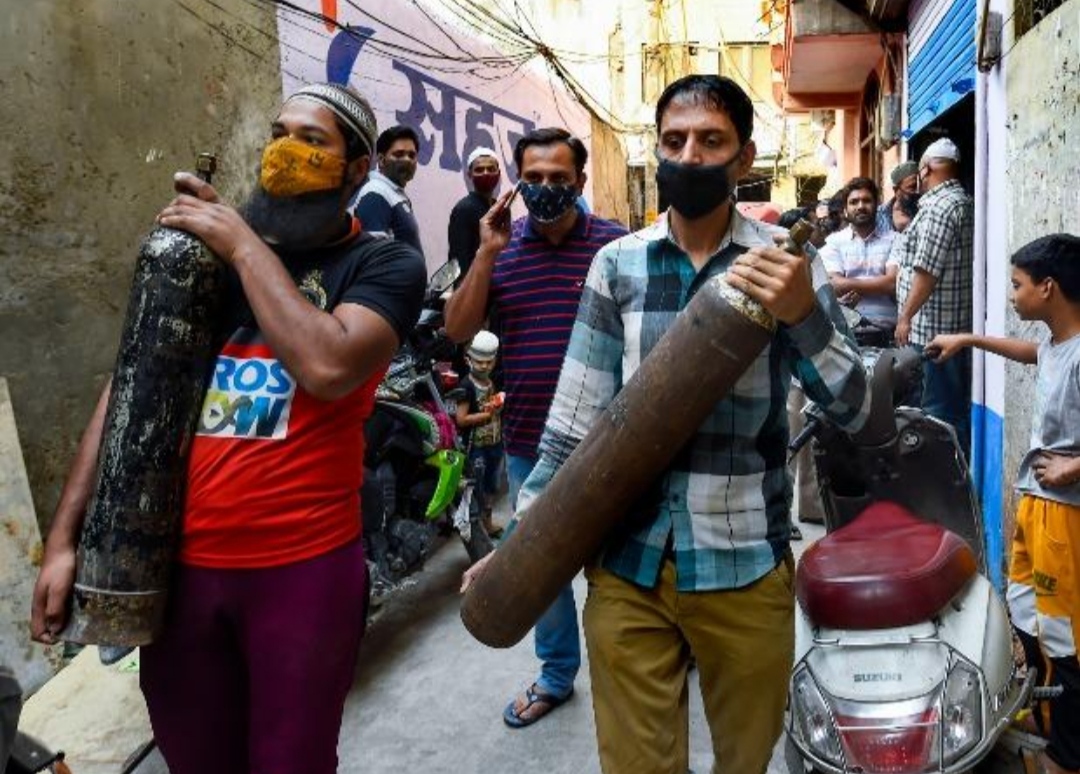
Now we all are going to complete 2 years, while fighting against this covid19 situation and online mode, in this period we all have experienced a lot of good and bad things like, the time we spent with our family. Similarly, we all struggled with lack of oxygen cylinders, hospital beds and most important is FOOD and after all this time we want is to end this “ Mask-World ”. Hope it will really end very soon and we all will get our old life back with No-Mask and the colleges will start soon, hope the world will come to it’s oldself very soon. But until then please give mental support to them who are suffering from depression and those who are tested covid positive.

And last but not the least please stay home and don’t worry this time also will pass very soon.

Take care.


Give Data on Number of Deaths Due to Oxygen Shortage During 2nd Wave, Centre Tells States

The central government wrote to the states and sought data on the number of deaths that took place due to lack of oxygen during the second Covid-19 wave. The data will be collated and presented in Parliament before the monsoon session ends on August 13.

“We have been getting repeated questions on oxygen deaths in the parliament ” a govt official told CNN-News18.

Last week, responding to a question on the acute shortage of oxygen during the second wave of the pandemic, the Health Ministry had said in Rajya Sabha that “no deaths due to lack of oxygen have been specifically reported by States and Union Territories.”

Delhi Health Minister Satyendar Jain had then said that there have been several deaths because of oxygen shortage in Delhi and other places across the country.

The second wave had seen several private hospitals across the country, especially the national capital, take to twitter with SOS messages pointing out acute shortage of oxygen and demanding urgent help.

Safety Of Women In Public Transport

Have you ever travelled in a public transport or in any bus, train, or metro train? Do you think public transports are safe for women? Being a women do you feel safe while travelling in any mode of public transport? Public transport is on essential service that provides individuals with access to work, to an education and to all of life’s opportunities. And yet, the access of many women and girls to safe public transport options is threatend by the potential of being assaulted or victimised. The findings revealed that 59% of women use public transport like buses, trains and on demand taxis as it is affordable but only 9% of women feel public transport is completely safe, while 3% claim it is completely unsafe and rest 47% claiming that they felt somewhat safe using it during the day, but not at night. The fear of molestation, assault, eve-teasing and male-gaze makes women feel unsafe in modes of public transport. Everyday 7 out of 10 women face some kind of bad behaviour, molestation, male-gaze while travelling in a public transport. Travelling late at night alone in train, bus, on demand taxis is a topic of concern for women. As you remember the Nirbhaya case happened in 2012, a 23 year old girl was beaten, gang raped and tortured in a bus in which she was travelling. Lack of road lighting is a key factor behind feeling unsafe, with 40% women stating only major roads were well lit. Sanitisation is also a problem for women in public transport/bus. Train stations and trains are vulnerable spaces for women due to crowded space or, due to isolated areas where there is no one available to intervene and help in case of emergency. Sexual assault, molestation and even rape are reported on trains and have been on the rise. Not reporting sexual harassment is also a common occurence. Only 30% women report the case of molestation as the women fears that reporting the case will degrade her family’s reputation. More than 50% of the cases remain upreported and the culprit live freely in the society.

The cases against women in public transport are on a rise but the following written measures can be taken to stop the increasing and high pace of these evil acts. Improving the lighting on the roads and on railways; bus and metro stations will have a direct influence over the perception of safety. Having more entry and exit prints to ease congestion. Improving infrastructure including toilets; staircase and pedestrain bridges; publicising helpline numbers; having functional and visible helpdesks where women can get immediate assistance; Making reporting incidents simple and easy so that more women do it- this can help show the patterns and trends and lead to pre-emptive solutions.

In conclusion, i would like to say that the world is changing at a rapid pace and we are living in the 21st century in a technological world but still the women in our society doesn’t feel safe while travelling in a public transport. Women fear molestation, rape, assault and male-gaze in public transport. Measures should be taken to safeguard women as women are the important pillar of our society and safeguarding them is the need of the hour. Men and boys should also be taught to respect women instead of disrespecting them and seeing them as a sex object. Both women and men are equal in society and should be treated equally and respected to make the society a better place for living.

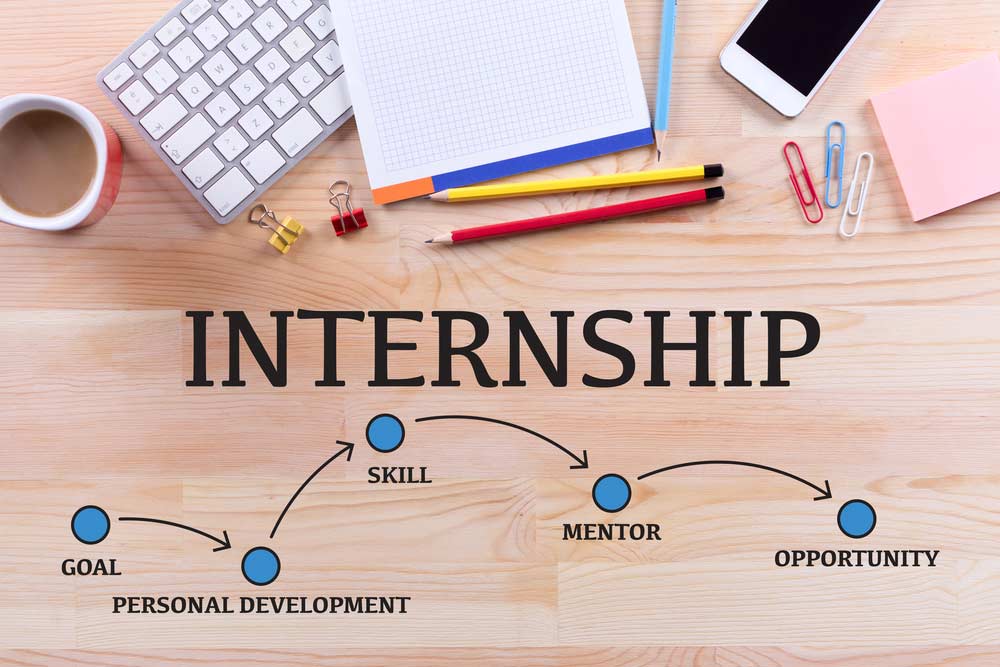
What to expect from an Internship

1. Networking

One of the most rewarding takeaways from internship is definitely Networking. It helps build professional relationship right at beginning of your professional career. Networking during an internship is really important for your career growth and social life. The power of relationships can provide you with professional opportunities in the future that you would never dreamed of. It will help you to hear tips and gain advice from others who are successful. There are so many advantage of networking, it will definitely help you to build a great future. Exchanging information on challenges, experiences and goals is a key benefit of networking because it allows you to gain new insights that you may not have otherwise thought of. Similarly, offering helpful ideas to a contact is an excellent way to build your reputation as an innovative thinker.  

In the future, these contacts could be potential references and may be also help connect you to new opportunities.


2. Soft Skills

Apart from enhancing skills in your professional domain, internships come bearing gifts in the form of soft skills. Alongside time management, teamwork and communication skills, you also learn to work with people who get on your nerves, adapt to demanding superior and long work hours and take accountability for your work. Skills like punctuality, multi-tasking, creative thinking, problem solving will help you with your full time job.

3. Working World Experience

Internship essentially serve as blueprint of how professional offices work. Regardless of the responsibilities, most internship follow a similar profile. Through an internship, you can learn more about responsibilities, hierarchies and schedules in a real time office. When students have an opportunity to experience real-world situations, it allows them to practice the skills they learn about in their books and truly understand the task at hand. Teamwork is an extremely important thing in the industry.

So if you want to try those big girl pant before buying them, an internship is your way to go!!

4. Compensation

We are gonna be loud and clear for everyone to hear, experience does not pay bills. You’ll come across internship offering ‘learning’ and ‘experience’ as compensation for your work. And often, in the rush to add a few lines to your resume you may be tempted to take up the first internship that comes your way. Trust me, there are tons of internship out there that will monetarily compensate you for your efforts and skills.

If an internship offers you all of these just grab it!!


21.5 million lost jobs in tourism sector, says Centre

Significant job loss due to lockdown, Tourism Minister tells Rajya Sabha.

With the tourism industry among the hardest hit due to the pandemic, it is estimated that about 21.5 million people working in the sector lost their jobs during the nine-month period from April 2020-December 2020, as per the data shared by the government recently.

In a written reply to the Rajya Sabha, Tourism Minister G. Kishan Reddy said a significant number of jobs were lost in the tourism sector once the lockdown was implemented.

“About 14.5 million jobs during Q1, 5.2 million during Q2 and 1.8 million jobs during Q3 were expected to have been lost as compared to estimated 34.8 million jobs in the pre-pandemic period of 2019-20,” the Minister said.

Mr. Reddy said this was one of the key findings of the study done by the National Council of Applied Economic Research (NCAER) for the Ministry of Tourism to assess the extent of losses to the sector.

As per the report, due to overall economic slowdown during 2020-21, tourism economy or tourism direct gross value added (TDGVA) saw a fall of 42.8% in April-June 2020, 15.5% in July-September 2020 and fall of 1.1% in October-December 2020.

“Due to significant drop in tourist arrivals and hence tourism expenditure, during the pandemic, it is estimated that TDGVA plummeted by as much as 93.3% in Q1 of 2020-21 over its level in the same quarter of previous year,” the Minister stated, adding that it picked up slightly to post a decline of 79.5% and 64.3% in second quarter and third quarter respectively.

However, Mr. Reddy added that the Tourism Ministry did not maintain data on revenue generated from tourism.

Replying to another query, the Minister said no formal study had been instituted by the Ministry to assess whether the movement of people from all States increased at tourist places, which might raise fears of the increase in COVID-19 positive cases after the second wave.

Further, Mr. Reddy said that as per the Bureau of Immigration, the number of foreign tourist arrivals in India stood at 10.93 million in 2019, declining to 2.74 million in 2020 and about 0.42 million till June 2021.

According to the data compiled by the Ministry of Tourism, domestic tourist visits during the calendar year 2019 stood at 2321.98 million and in 2020 at 610.21 million.

Indian Education System

Education plays an important role in the development of an individual and making him a knowledgeable citizen. It is the education that makes an individual self-reliant, helps to suppress the social evils and contribute towards the development of the society and nation as a whole. Education helps in unravelling the mystery of nature. It enables us to understand and improve the working of our society. It creates conditions for a better life. Education brings out the capabilities to fight injustice happening in society. Every individual has the right to education. 

Indian Education is one of the largest and complex education systems in the world along with China. India is committed to providing basic education to its citizens, the framework of which is defined in the National Policy of Education. Elementary education is now compulsory in India. At the time of Independence, only 14% of India’s population was literate. Now after so many decades since Independence, the number of literates has increased by fivefold.

History of Education System

The history of Indian education system comes from the times of Ramayana and Mahabharata. The historic Indian education system is also called the Gurukula system. There were gurus then who are now known as teachers and shishyas who are called students now. The gurus and the shishyas lived together under one roof in Gurukula until the completion of their education. The shishyas were expected to help the guru in all the daily chores as part of their learning. The children belonging to higher strata of the society were taught all the subjects from Sanskrit to Holy Scriptures and mathematics to metaphysics by the gurus. The Gurukulas during those times focused on the practical aspects of life. The students were taught in the open classroom in the surrounding area of nature. This early system of education in India continued for many years until the modern education system came into the picture in the nineteenth century.

In the early 19th century, during the British period, the modern education system was brought into our country by Lord Thomas Babington Macaulay. The basic strength of this modernized education system was the examinations and a well-defined curriculum, which gave importance to subjects like science and mathematics and subjects like philosophy, metaphysics were given a back seat. The brick and mortar classrooms replaced the open classrooms in the Gurukulas. The essence of the guru shishya bond was taken over by a more formal relationship between the teacher and the student. To understand the progress of any student, examinations were conducted at frequent intervals. The focus of the education system shifted from learning to memorizing of the concepts to score good marks in the examinations.

Problems of Indian Education System

Over a period of time, it has been observed that there are many loopholes in the system of education in India. Instead of understanding the concepts, students started cramming and memorizing the lessons. Knowledge is given a backseat and scoring in high rankings takes importance. The modern parents have tuned their mindsets accordingly and their goal is to ensure that their children score good marks instead of acquiring knowledge right from the primary level. 

Private schools and colleges have been rapidly increasing in the country but the results produced by them are far beyond satisfactory. It has also been observed that the quality of teachers deteriorated with the passing of time. Our examination system is responsible for the wide skill gap. India is producing lakhs of engineers and professionals every year but only a fraction of this number is actually getting employed. This is because the Indian examination system focuses more on scoring good percentages rather than the actual continuous comprehensive evaluation. 

Research and development, which should be the cornerstone of our system, are given the least importance. The private schools and colleges focus on the admission of more students and are least interested in the quality of their education. This is the major reason why the faculties and the teachers lack skills and specialization. This is quite evident from the fact that a single professor is assigned to teach multiple subjects. 

How Can We Improve the Indian Education System?

First and most importantly we should improve the grading system. Rote learning should be discouraged completely. Teachers and faculties should focus more on the analytical skills of the students and grade them accordingly. There should be more focus on comprehensive evaluation instead of scoring only good marks. Workshops must be organized for teachers on a regular basis to keep them updated about the latest developments in the sector of education. At the same time, the curriculum should be reframed according to the present needs of education in India. 

The payroll structure of the teachers and the faculties especially in the government institutions should be improved. This step will help in motivating the teachers to develop their skills and they will take a keen interest in grooming or shaping up a student’s life and career. The government and other entities who are associated with the education sector, need to understand the importance of quality of education. Education should be a holistic process that must focus on the overall development of the physical, emotional, social and cognitive skills of a child. It needs to be a slow and cyclic process and must take place gradually to help the child develop into an autonomous, independent and knowledgeable individual.

Conclusion

An educated individual is an individual who should be able to contribute towards the betterment of the economic and social development of the society as well as the country. The true goal of education must exceed awarding the degrees and certificates to the students. Education is not a tool to earn livelihood but it is a way to liberate the mind and soul of an individual. 

Indian men and women Hockey teams reaches semi finals, creates history

Both Indian men and women Hockey teams are having a wonderful Olympics so far as the both teams has reached semifinals . Yesterday Indian men’s team defeated great Britain by 3-1 and will play semifinal match on a Wednesday 7:00 AM (IST). they have reached semifinals after 49 years. On the other hand , Indian women team stunned Olympic favorites today and beat Australia 1-0.

After these two emphatic wins , the medal hopes are very high from our hockey team. Indian men were very confident against great Britain . India scored 3 field goals in the match, first goal was scored by Dilpreet Singh(7 th minute), 2nd goal from (16th minute) and Hardik Singh’s goal was the final goal from India. Great Britain tried there best but India managed to keep them away from comeback. only one goal was scored by great Britain and that was from Sam Ward.(source of the information 😦 https://timesofindia.indiatimes.com/sports/tokyo-olympics/indiatokyo/india-beat-great-britain-3-1-to-enter-semis-of-olympics-mens-hockey-after-49-years/articleshow/84947034.cms)

But the results which was totally unexpected was from today’s women team match, where our women hockey team defeated world champion Australian team. Indian women team was not totally in good touch from starting . They were defeated badly in there first few matches badly and no one in country would have believed at that time, that this team will be in semi finals. They defeated Ireland and South Africa in group matches from where they found a momentum. that is some unbelievable achievement from women’s team. and the way they played today and handled the pressure shows what an remarkable team it is.

Talking about today’ s match, Gurjit Kaur scored the lone goal of the match in 22nd minute through penalty corner. after that both teams tried to score goal but India did very well and Australia was not able to score a goal .Australia got many penalty corners but India did very well to counter that.

Indian men team was in very good touch from starting, they defeated New Zealand in there first match of Tokyo Olympic by 3-2, but then came the match against Australia, where they were blown away with a heavy 1-7 defeat. but the thing to appreciate was India’s comeback. After that match ,they didn’t lose any match and won matches against Argentina, Spain and Japan. This is not an easy thing to do because these type of loses like that against Australia can easily demotivate and and affect your confidence for upcoming matches.

Indian hockey has seen different phases from winning 8 gold medals till 1980 to not able to qualify in Beijing Olympics in 2008.In Rio Olympics 2016, India managed to enter quarter final but was defeated in next round. For a country like India who gave many great hockey players like Major Dhyan Chand , it is very difficult to believe that we were not not able to win an Olympic medal since 1980. But this Indian hockey team has that capability to win a medal for country and they have shown that again and again. If Indian hockey team(either men or women) manages to win a medal in hockey that will be a very huge boost to Hockey in India. it will revive again, India ‘s golden days in hockey will be back.

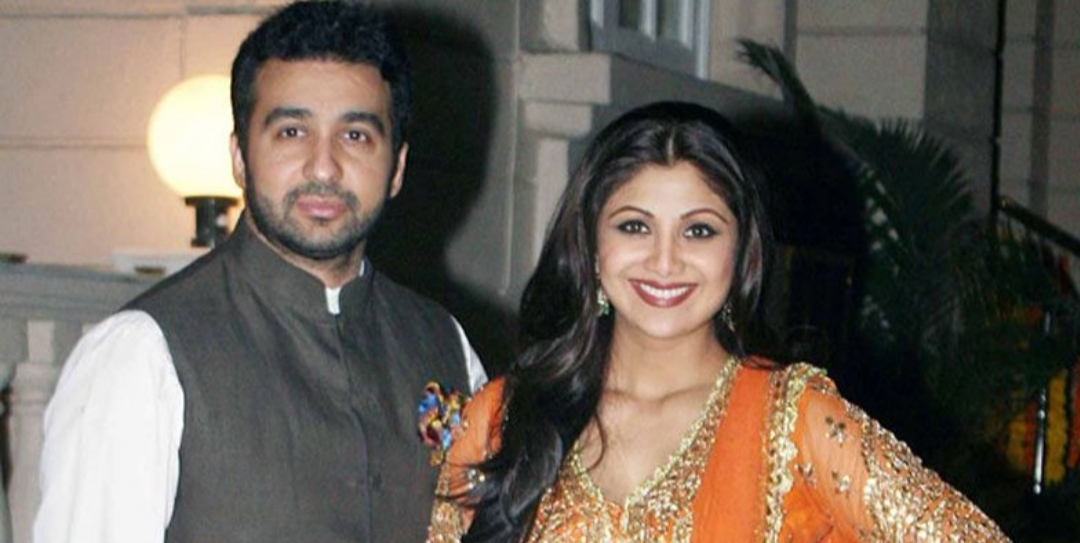
Shilpa Shetty, Raj Kundra and their company Viaan Industries fined Rs 3 lakh by SEBI in insider trading case

The Securities and Exchange Board of India (SEBI) has imposed a penalty of Rs 3 lakh on Bollywood actor Shilpa Shetty Kundra, her businessman husband Raj Kundra and their company Viaan Industries for violating insider trading rules.

Kundra, Shetty and Viaan have been fined for a three-year delay in the disclosure of an allotment of preferential shares.

In 2015, Viaan Industries had made a preferential allotment of 500,000 equity shares. Of this 1.28 lakh equity shares each were allotted to Kundra (referred to as Ripu Sudan Kundra) and Shetty, the promoters of the company.

According to SEBI’s Prohibition of Insider Trading Rules, 2015, the promoters had to disclose this transaction to the company within two days if it exceeded Rs 10 lakh in value. The company, in turn, has to relay this disclosure to the stock exchanges within two trading days.

In this case, SEBI said the value of the transaction was Rs 2.57 crore each and the disclosures pertaining to the 2015 transaction were made only in 2019.

In reply to a notice from the regulator, Shetty and Kundra acknowledged the mistake and said it was not done with malafide intent.

However, the SEBI adjudicating officer Suresh B Menon refused this explanation and imposed a fine.

Moneycontrol has reached out to Shetty and this copy will be updated when she replies.

Kundra could not be reached as he is police custody in an unrelated case. He was arrested on July 19 for allegedly making, publishing, and distributing pornography. Earlier a Mumbai court rejected his bail plea.

Indian athletes at Tokyo 2020.

In 1920, India sent a team to the Olympic Games at Antwerp, Belgium. And after that, India never stopped and has commenced participating in every summer game since then.

India’s surge in sports and athletes from 1964-2020. If we see earlier, in 1964 India had 52 males athletes and 1 female athlete in 8 games. And now there are 68 males and 52 female athletes in 18 games.

We’ve seen a rise in each of its past three editions at the Summer Olympics and all signs make a fact that the finest athletes of our country are continuing the movement at Tokyo 2020.

It is quite impressive that more than 100 athletes from India have qualified for the Olympic Games comprising one men’s hockey team, one women’s hockey team, and two relays.

This time India is participating in 18 games so Let’s see some information about our Indian athletes at Tokyo 2020.

1. Archery

If we talk about archery, there are no changes in the team, but this time the men’s trio will also compete as a team.

Men’s recurve.
1 Tarundeep Rai
2 Atanu Das
3 Pravin Jadhav

Women’s recurve.
In the women’s team, there’s only one lady, Deepika Kumari who will compete in Tokyo 2020.

2. Badminton

Looking ahead in badminton, the women singles silver medalist of Rio 2016 PV Sindhu is ready and she will exemplify again in Tokyo 2020.

Men’s singles.

1 B Sai Praneeth 

Men’s doubles.

1 Satwik sairaj rankireddy and Chirag Shetty.

The update is that this time there will be no mixed doubles and women’s doubles pair in the Indian badminton team.

3. Equestrian

After 20 long years, Fouad Mirza is the first Indian equestrian ever to qualify for the summer games.

He locked his allotment in the evening after crowning the group in the individual event category at the Southeast Asia Oceania qualifiers in November 2019. We hope the best from India’s first equestrian.

4. Golf

1 Anirban Lahiri

2 Udayan Mane

Representing women’s events.

1 Aditi Ashok

This time at Tokyo summer games 2020, India’s participation in golf will feature Anirban Lahiri and Udayan Mane from the men. The good news is from men’s Udayan Mane who cut a replacement, will be making his Olympic debut, and while in women’s event, Aditi Ashok will represent.

5. Fencing

Coming to fencing, Chennai’s Bhavani Devi became the first Indian fencer to qualify for the Summer Olympics. The sabre fencer reserved her opening for Tokyo 2020 through the (AOR) adjusted official ranking method at the sabre world cup Budapest, Hungary, it was an Olympic qualifying event.

6. Gymnastics

This time Deepa Karmakar

Is not participating but, our second Indian woman gymnast Pranati Nayak is qualified for the Olympics. The artistic gymnast made the slash in may month via the Asian quota.

7. Hockey

Seeing India’s craze and energy will be continuing in the 20th Olympic games as it will feature the men’s hockey team while the women’s team will be making their third appearance and second in progression.

From the men’s team, Manpreet Singh and the women’s team Rani Rampal qualified their teams in November 2019 and each of them will carry the squad at the summer Olympics 2020.

8. Judo

When it’s about judo, India eyes on the only judo participant at summer 2020 Shushila Devi Likmabam, in women’s extra lightweight (48kg) category, she cut the highest-ranked Asian judoka outside the top 18 on the (OGQ) Olympic game quota rankings list.

9. Rowing

Coming to rowing, in the Doubles sculls event at the Asian qualifiers at Tokyo, Japan in may the Indian rowers Arjun Jat and Arvind Singh made themselves qualified for the summer Olympics.

10. Sailing

Talking about sailing, India never had more than two sailors at a single Olympics before. But now, for the first time, team India will be competing in more than one sailing event at the games, Nethra Kumanan became the first Indian woman sailor to qualify for the Olympics at the mussanah open championship in April 2021. And not only that, but three other Indian sailors also made the Tokyo 2020 cut in Oman.

Laser radial category:

1.Nethra Kumanan

Laser standard category:

1.Vishnu Saravanan

49er category:

1.KC Ganapathy 

2.Varun Thakkar

11. Swimming

Let’s have a look at how our three Indian swimmers will compete at the Tokyo Olympics. 

Men’s 200m freestyle, 100m butterfly, 200m butterfly.

1.Sajan Prakash

Men’s 100m backstrokes.

1.Srihari Natraj

Women’s 100m backstrokes.

1.Maana Patel

Talking about Sajan Prakash, he became the first Indian swimmer to qualify directly for the summer Olympics, just after achieving an elusive ‘A’ cut.

Srihari Natraj also managed to achieve the tricky ‘A’ cut in the 100m backstrokes a day later. While Maana Patel qualified via the universality quota, which secures their seat in Tokyo Olympics 2020.

12. Weightlifting

This time, Mirabai Chanu will be India’s only representative in weightlifting at the Summer Olympics 2020. 

Ranking no.2 in the world, former world champion Mirabai Chanu is among the idols for a medal in the women’s 49kg division. 

13. Tennis

Women’s doubles:
1.Sania Mirza
2. Ankita Raina

Men’s singles:
1.Sumit Nagal

Talking about our men’s singles player Sumit Nagal, he will be making his Olympic debut this year. And whereas Sania Mirza qualified for Tokyo Olympics via her protected ranking and chose Ankita Raina as a partner for women’s doubles.

14. Wrestling

Women’s freestyle category.

1.Seema Bisla 50kg

2.Vinesh Phogat 53kg

3.Anshu Malik 57kg

4.Sonam Malik 62kg

Men’s freestyle category.

1.Ravi Kumar Dahiya 57kg

2.Bajrang Punia 65kg

3.Deepak Punia 86kg

Competing at Tokyo 2020, all the seven wrestlers secured a quota place for our country in their respective categories, the wrestling association of India (WAI) has confirmed their seats in the summer Olympics with Sonam malik winning the quota in the 62kg category, the bad news is Rio 2016 bronze medalist Sakshi Malik will not be wrestling at Tokyo 2020.

15. Table tennis

Players.

1.Sharath Kamal

2. Sathiyan Gnanasekaran

3. Sutirtha Mukherjee

4. Manika Batra

These players qualified for the Olympics at the Asian qualifiers at Doha, Qatar in March 2021. Talking about Sharath kamal, who will be making his 4th impression at summer games. While Sathiyan G and women’s singles player sutirtha mukherjee fastened their seats to Tokyo 2020. Manika Batra and Sharath Kamal booked their place on the basis-based ones.

And also they will compete together in the mixed doubles after their Olympic piers at the Asian qualifiers.

16. Boxing

Men’s category.

1.Vikas Krishan 69kg

2. Ashish Kumar 75kg

3. Manish Kaushik 63kg

4. Amit Panghal 52kg

5. Satish Kumar 91kg

Women’s category.

1.Lovlina Borgohain 69kg

2. Pooja Rani 75kg

3. Simranjit Kaur 60kg

4. MC Mary Kom 51kg

Qualifying at Asia Oceania boxing Olympic qualifiers held in Amman, Jordan. All the nine Indian boxers smacked all the nine tickets to the summer Olympics.

17. Shooting

Categories.
Women’s air rifle 10m
1.Anjum Moudgill
2. Apurvi Chandela

Men’s air rifle 10m
1.Divyansh Singh Panwar
2. Deepak Kumar

Women’s 3rd position rifle 50m
1.Tejaswini Sawant

Men’s 3rd position rifle 50m
1.Sanjeev Rajput
2. Aishwarya Pratap Singh Tomar

Women’s air pistol 10m.
1.Manu Bhaker
2. Yashaswini Singh Deswal

Men’s air pistol 10m
1.Saurabh Chaudhary
2. Abhishek Verma

Women’s pistol 25m
1.Rahi Sarnobat
2. Chinki Yadav (replaced by elaveneil valerian)

Men’s skeet.
1.Angad Singh Bajwa
2. Mairaj Ahmed Khan

The 15 outstanding shooters of the Indian team have achieved Olympic capability so far, making it the country’s biggest faction at any game.

The following athletes secured their place by their participation at the showpiece event was decided by the national rifle association of India (NRAI).

18. Athletics

Athletics has never been India’s strong suit at the Olympics, but rising players like javelin throwers Neeraj Chopra and Shivpal Singh, the 4×400m mixed relay, and race walking have put up confidence this time at the Olympics.

4×400m mixed relay will make its first debut at the Summer Olympics, we will see an Indian team that has Asian games gold medalist Muhammad Anas, after finishing third at the world athletics championship in 2019.

The first Indian athlete to qualify for the summer Olympics KT Irfan gave us the first hope in 2019. While our ace sprinter Dutee Chand is set for her second Olympic appearance.

Categories.

Men’s 20km race walking. 1.KT Irfan

2. Sandeep Kumar

3. Rahul Rohilla

Men’s 50km race walking.

1.Gurpreet Singh

Women’s 20km race walking.

1.Bhawna Jat

2. Priyanka Goswami

Men’s 3000m steeplechase.

1.Avinash Sable

Men’s long jump.

1.Murali Sreeshankar

Men’s 400m hurdles.

1.MP Jabir

Men’s javelin throw.

1.Neeraj Chopra

2. Shivpal Singh

Women’s javelin throw.

1.Annu Rani

Men’s shot put.

1.Tajinderpal Singh Toor

Women’s 100m and 200m.

1.Dutee Chand

Women’s discuss throw.

1.Kamalpreet Kaur

2. Seema Punia

4×400m Mixed Relay

Mens 4×400m Relay

Thank you so much for reading this blog!!!

For more content like this please visit, @eduindexnews


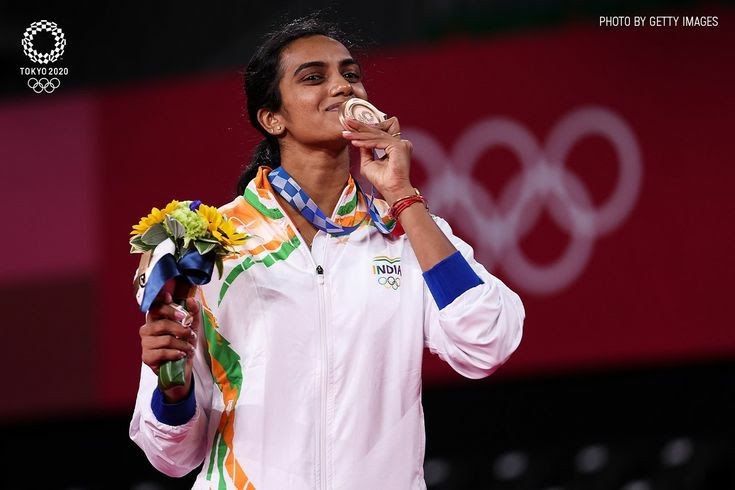
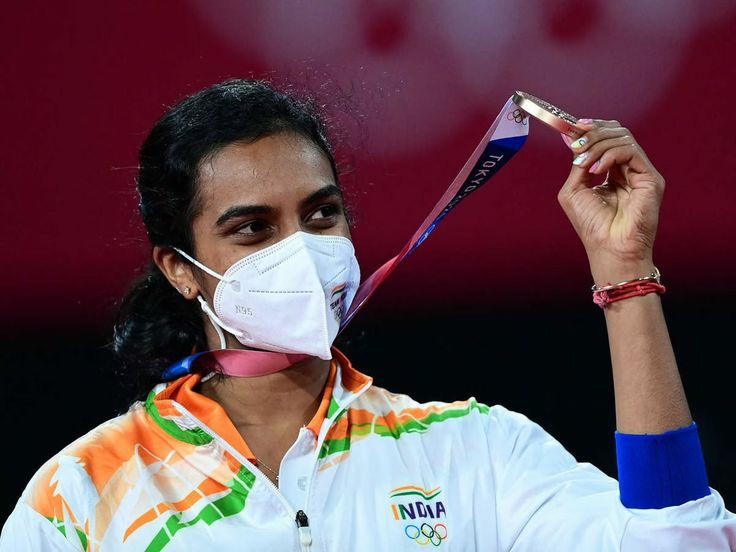
Sindhu wins historic bronze; Beats He Bing Jiao to at Tokyo Olympics

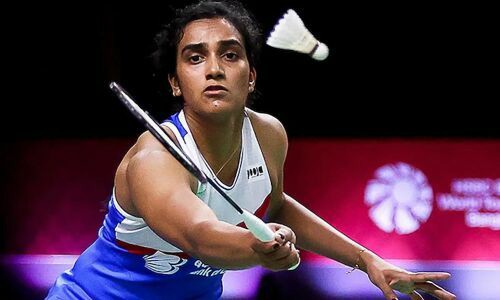
PV Sindhu created history on Sunday as she defeated He Bing Jiao of China to become the first Indian woman to win two individual Olympic medals. Sindhu defeated He Bing Jiao 21-13 and 21-15 in the bronze medal match. Sindhu was clinical throughout the contest and didn’t give her opponent any chance in the match. Sindhu had suffered a heart-breaking loss to world no.1 Tai Tzu Ying in the semi-final on Saturday. Sindhu lost the semi-final 18-21, 12-21.

Saturday was a day of heartbreaks as India’s biggest medal hope PV Sindhu crashed out of the Gold medal race with a loss against her Chinese Taipei opposition. Kamalpreet Kaur in Discuss was the big story from Saturday. Participating in her maiden Olympics, she qualified for the Discuss final in the second position. Archer Atanu Das was knocked out and so were Amit Panghal and Pooja Rani in boxing. Another good news was the fact that the Rani Rampal-led women’s hockey team beat South Africa in a must-win match.

pv sindhu India’s pride,one of our most outstanding Olympian: pm Narendra Modi

Prime Minister Narendra Modi on Sunday hailed ace badminton player PV Sindhu as India’s pride after she won bronze in the Tokyo Olympics. He tweeted, “We are all elated by the stellar performance by PV Sindhu. Congratulations to her on winning the Bronze at @Tokyo2020. She is India’s pride and one of our most outstanding Olympians.”

Reaction over social media

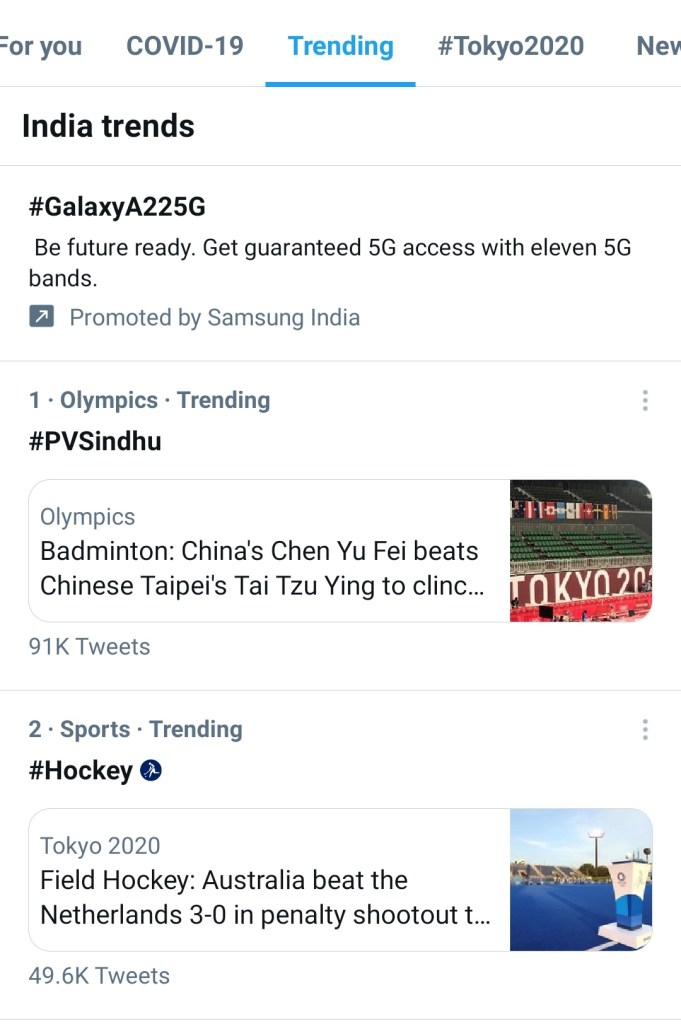
Within an hour of Sindhu’s historical victory, her name trends over the various social media plateform. #pvsindu lies at the top of twitter trend in india.