Argentina into FINALS (COPA AMERICA 2021)

It is Brazil vs Argentina in the Copa America 2021 final!

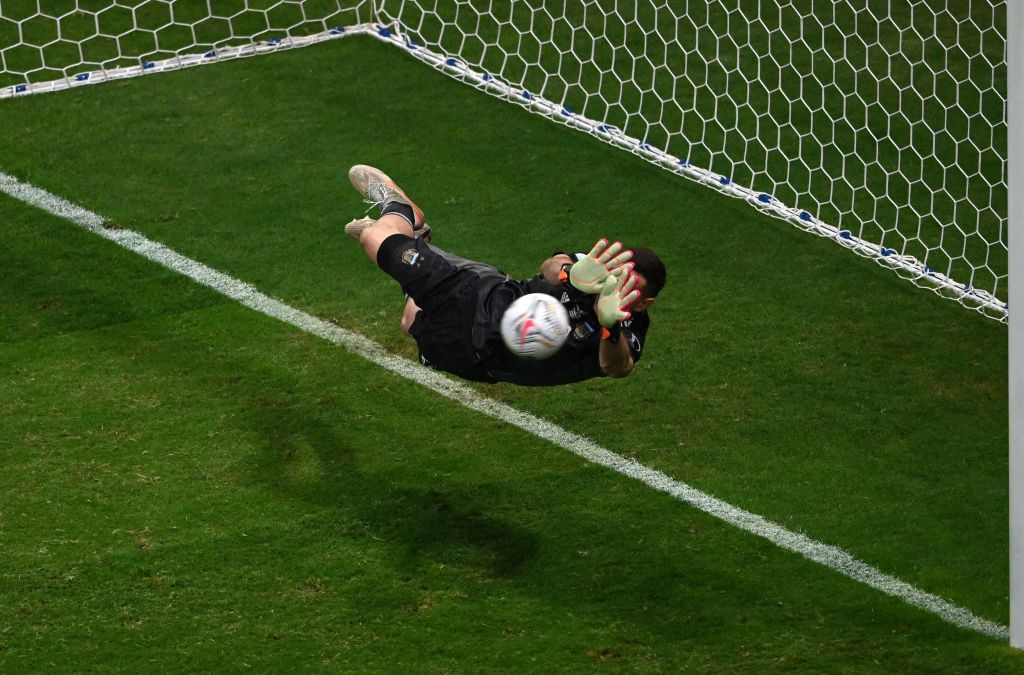
Colombia cause all sorts of problems for Argentina after the Luis Diaz equaliser but eventually falter in the penalties due to Emiliano Martinez’ excellence at goal to save three penalties as Argentina advance 4-2.

In tears, Martinez said after the match he wanted to face the Brazilians in the final in the Maracana Stadium.

“It is a great team, the favorite. But we have a great coach, we have the best player in the world and we will try to win it,” he said.

Mental health and screening time in lockdown

Yes, lockdown was bad for mental health but, If national lockdowns hadn’t been implemented, many more people would have been infected with the virus – which would mean many more people living with the mental health consequences of the disease.

These can be difficult times for all of us as we hear about spread of COVID-19 from all
over the world, through television, social media, newspapers, family and friends and other
sources. The most common emotion faced by all is Fear. It makes us anxious, panicky and can
even possibly make us think, say or do things that we might not consider appropriate under
normal circumstances.

Owing to several days of isolation and confinement in houses due to the pandemic-induced lockdown, many are increasingly addicted to long screen time. Apart from spending time on mobile phone or laptops for office work or attending virtual classes, experts believe, people are becoming habituated to spending more time on screen either browsing random things, playing games or watching videos on OTT platforms.

Dr Balhara said that if the screen time is increased because of education or work-related issues, it does not impact the mental well-being but if there is increase in engagement with sedentary screen, which means watching videos, reading news, just looking at social media and responding to it, then the mental well-being goes down. “Excessive screen time weakens the brain’s ability to process information and control thoughts. According to a new research led by investigators at the Saint James School of Medicine, an increase in screen time among young adults during covid 19 pandemic can be correlated with a rise in pandemic-related distress.

Anxiety, depression, sleep disturbances and irritability can be attributed to increased screen time. In addition, isolation and lower threshold of patience are other behavioural changes noted among people,” stated Dr Sandeep Vohra

What is the ideal duration to spend on screen?

  • For professional use, regular interval breaks of 15-20 mins
  • Non-professional use should not be more than 2-3 hours per day

What complications can Arise with excessive use of mobile phones?

  • Headaches, several eye problems, muscle aches, decreased attention, shortness of temper, sleep disorders and depression. Long-term effects of increased screen time can include neurological problems

How to deal with such complications?

  • Planning a schedule for screen time as well as physical activities separately
  • Ensuring that the overhead lighting is not very bright, to avoid any glare on the screen harming the eyes
  • Ensure to take breaks every 15-20 minutes
  • Keep the screen 20 to 24 inches from your eye level and adjust the display settings of your device to reduce eye strain and fatigue

INDIA’S UNEMPLOYEMENT DILEMMA

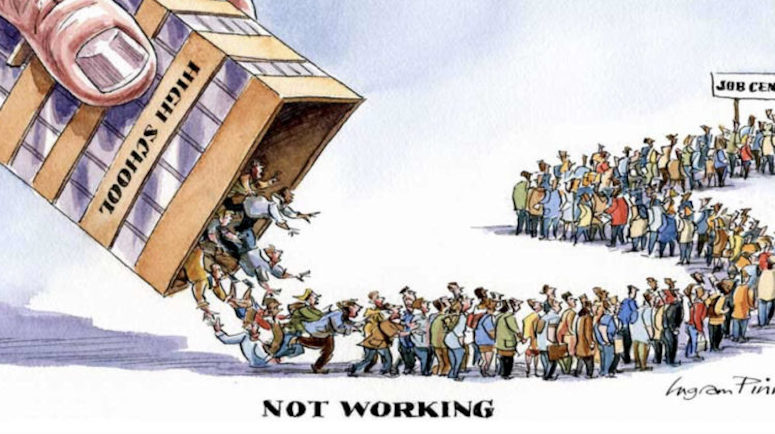
Unemployment refers to those who are competent and actively seeking employment but are unable to find one. Those in the workforce who are working but are not in a suitable position are included in this category.

In India, because of its rising population and need for jobs, the country’s unemployment difficulties are significant. There are hundreds of thousands of individuals out there that are unemployed.

As per, center for monitoring Indian economy (CMIE) report India’s unemployment rate is 12.81 percent as of June 8th, 2021, despite the lockdown and limitations on movement. Previously, India’s unemployment rate increased from 6.5 percent in March 2021 to 8% in April 2021, rising to 14.7 percent by the end of May, while employment decreased from 37.6 percent in March to 36.8 percent in April. Many companies have been forced to close because of the lockdown to contain the coronavirus epidemic, resulting in increased unemployment across the country. So, if we ignore this problem, it will become the nation’s undoing. 

The administration has taken the situation seriously and is taking steps to reduce unemployment gradually. Following are the initiatives taken by Indian government to tackle the problem of unemployment: –

  1. TRYSEM (Training of Rural Youth for Self-Employment) was established by the government in 1979. The goal of this program was to assist jobless youngsters in rural regions aged 18 to 35 years old in learning self-employment skills. Women and youth from the SC/ST group were given priority. 
  2. In the following year, 1980, the government established the Integrated Rural Development Program (IRDP) with the goal of creating full-time jobs in rural regions.
  3. In 1982, Sri Dharmasthala Manjunatheshwara Educational Trust, Canara Bank, and Syndicate Bank collaborated on a new project called RSETI/RUDSETI. The goal of RUDSETI, which stands for Rural Development and Self Employment Training Institute, was to reduce young unemployment. RSETIs (Rural Self-Employment Training Institutes) are currently handled by banks with active participation.
  4. The Jawahar Rozgar Yojana (JRY) began in April 1989 by combining two existing wage employment programs, the RLEGP (Rural Landless Employment Guarantee Program) and the NREP (National Rural Employment Program), on an 80:20 cost-sharing basis between the state and the center.
  5. The Mahatma Gandhi National Rural Employment Guarantee Act (MNREGA) was passed in 2005, giving individuals the right to work in rural areas. MGNREGA’s employment plan aims to offer social security by guaranteeing all families with adult members who choose unskilled labor-intensive jobs a least of 100 days of paid work per year.
  6. In November 2014, the National Skill Development Mission was established to pursue the ‘Skill India’ goal in ‘Mission Mode,’ bringing together current skill training programs and combining scale and quality of skilling efforts with speed.
  7. In 2015, the Pradhan Mantri Kaushal Vikas Yojana (PMKVY) was introduced. The goal of PMKVY was to enable the country’s young to enroll in industry-relevant skill training to earn a better living
  8. In 2016, the government announced the Start-Up India Scheme. The goal of the Startup India programs was to create an environment that nurtured and promoted entrepreneurship throughout the country.
  9. In the same year, the Stand Up India Scheme was also introduced to help women and SC/ST borrowers get bank loans between Rs 10 lakh and Rs 1 crore to start a greenfield business.

Furthermore, the government makes some restrictions flexible under these programs so that jobs might be produced in the private sector as well. To sum up, we may say that India’s unemployment crisis has reached a tipping point. However, the government and local governments have finally recognized the problem and are striving to address it to minimize unemployment. Also, this problem should be addressed correctly by determining its causes so that it doesn’t create a major social and economic problem that has far-reaching consequences across the board if left neglected. 

Constitution and Constitutionalism

Constitution

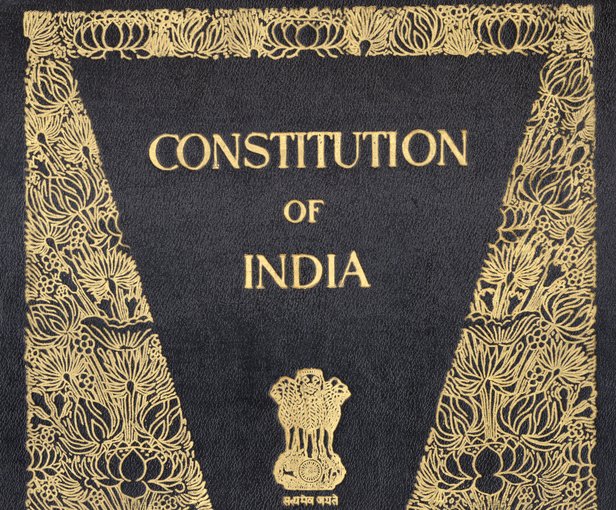
Constitution is a document with legal force that contains a set of fundamental principles and laws of a state. The concept of constitution is connected with the philosophy of constitutionalism. The government of a state has to conduct itself according to this document. Legally, it is the supreme law of the land and above everyone including the government. Constitutions have been classified into certain types by different scholars. They are:

Evolved/Cumulative Constitution: Evolved or Cumulative constitution is not a constitution created through a national convention. It is a product of evolution of many years. It has not come into force suddenly. The elements of this type of constitution have been cumulatively added over a period of time. For example, the Constitution of the UK is a cumulative constitution.  

Enacted/Conventional Constitution: Enacted or Convention Constitution is a document which has been  developed and framed by a Constituent Assembly.  It has come into force at a specific date.

For example: The US Constitution, and the Indian Constitution. 

Legal Constitution: Legal Constitution is nothing but the bare text of the written Constitution. 

Real: This type of Constitution also includes, in addition to Legal Constitution, conventions and judicial decisions relating to it form the real Constitution. 

Other types of Constitution include written and unwritten and rigid and flexible. According to the opinion of Dr. Garner, a written and enacted Constitution, and an unwritten and evolved Constitution, is essentially the same. Rigid Constitution refers to a type in which the provisions are difficult to amend and can be done only through a complicated procedure. Example: the US constitution. Flexible Constitution refers to a Constitution whose provisions can be easily amended. Example: the Swiss Constitution. 

There are certain features of an ideal Constitution. A good constitution has to be clear and should not be ambiguous. All the provisions contained in it have to unambiguous. Secondly, there has to be a balance between precision and comprehensiveness. It should not be verbose and must be precise in its expression. While achieving preciseness, it must not sacrifice comprehensiveness. It has to comprehensive to account for all possibilities. An ideal Constitution should aim for a balance between precision and comprehensiveness. It should also aim for a balance between rigidity and flexibility. Though rigidity makes a Constitution stable, there is a disadvantage of becoming unresponsive to changing circumstances. Flexibility allows to introduce changes to meet the changing requirements. Therefore, a right balance between rigidity and flexibility has to be achieved.

Constitutionalism

Constitutionalism is the philosophy that there must exist a Constitution that guides the government of a state how to and how not to act. According to this philosophy, every citizen of a state and the government itself must obey the Constitution. An ideal Constitution has to reflect the ideals and desires of the state’s citizens. The goal of constitutionalism is to prevent arbitrary usage of power and abuse of power. According to Don E. Fehrenbacher, constitutionalism is “a complex of ideas, attitudes, and patterns of behaviour elaborating the principle that the authority of government derives from, and is limited by, a body of fundamental law.” According to constitutional scholar David Fellman, the touchstone of constitutionalism is the concept of limited government under a higher law. 

The roots of constitutionalism can be traced back to Athens, Greece. Athens was a well-known city state in its time. The state was run on the basis of Constitution built on the basis of direct democracy.

Between 624 – 404 BCE, there existed 11 Constitutions which governed Athens. Aristotle has studied and described a large number of Constitutions in his seminal work ‘Politics’. In this work, he discusses about constitutional government. Plato also regarded a constitutional government the best form of government. According to Plato, the philosopher-king is the best king, but even such a king should be subject to restrictions. 

How I lost 25 kilos.

Weight loss obviously varies from person to person, As someone who has lost 25 kilos in a year I feel like I am qualified to give you some tips. Just remember that every body is different what worked for someone else may not work for you but you should not be disheartened and also remember that weight loss is possible. I personally thought i would never lose weight but here i am. These tips I am going to give you are tips that you can adopt into your lifestyle even after you have lost the weight, even if you don’t want to lose weight and you want to maintain these tips, will help you. Also if you want to lose weight start now, you cannot give any excuses as it is your life. If you lose weight it will benefit you and if you continue your unhealthy lifestyle it will affect no one but you.

  1. Change your diet.

I cannot stress how important it is to change your diet. No matter how much you workout if your diet is bad you will never lose weight. First thing you need to do is go to a dietician. These people are professionals, they have learnt how to figure out what is the root cause of the weight gain. One thing you need to remember is that everyone gains weight for a reason. A dietician finds that reason and fixes it. Even if you change your diet and workout less you will see a change in your weight. Usually carbs are the main reason for the increase in weight, so your dietician may ask you to lay off of it for a while. When you suddenly change your diet your body is not able to cope and ends up shedding the fat. I understand how hard it is to not eat your favorite food because I have gone through it but trust me the results are totally worth it.

2. Get at least 30 mins of physical activity a day.

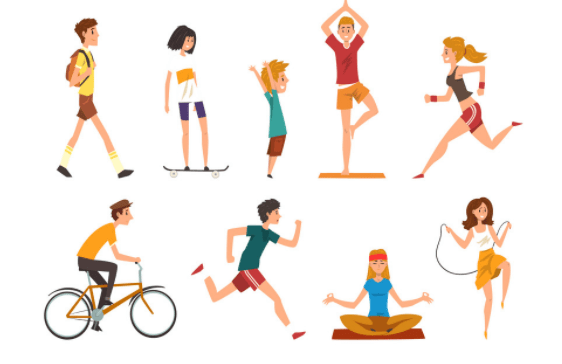
Everyday for at least 30 mins you must do some sort of physical activity. it can be walking, cycling, running, yoga, Pilates, dance or you can even go shopping. Your body needs to move. The human body has not been designed to stay in one position for a long time. By not moving your body you are actually doing harm to your body. The muscles built for movement are wasting away. 30 mins a day is all you need. Of course as you lose more weight the time you allocate for exercise needs to increase as it gets harder to lose weight. I personally hate working out in gyms, so I initially at the start of my weight loss used to dance and then now I do a mix of walking and other workouts for YouTube.

3. Control your snacking

Personally I can talk about this all day. My main problem was snacking. I never ate huge meals, infact I always ate lesser than everyone. But i was a huge snacker. I loved fried food like chips, biscuits, puffs etc. I was a person who ate when I was bored. I could probably finish a huge packet of chips all on my own even now. I also want to say that snacking is not bad, it is essential to snack throughout the day but you must see how much and what you eat. Establishing a control on my mind to help stop snacking was hard but I was able to do it, and I realize that it is harder for some to stop snacking but you can start slow. Its the change that matters. Don’t skip meals because that is going to make you hungrier and in turn is going to make you snack more. Some changes that I brought into my lifestyle were, whenever I was hungry I ate something, never starve yourself. I ate healthier snacks like fruits, nuts, healthy whole wheat biscuits. Ensure that the nuts are unsalted. You need to keep in mind that even the healthy snacks need to be eaten in moderation.

4. Eat homecooked meals

Home cooked meals are the best. They are delicious, nutritious and cost efficient. I cannot deny that fast food or the food you get in restaurants is not good, they are really good but we don’t know what exactly goes into the food. Once in a while food from outside is ok but never make it a habit. You may have noticed that you may eat a lot of food and home and not feel full but if you eat even a little from outside you instantly feel full, this is because of Sodium. The combination of fat, sugar, and lots of sodium (salt) can make fast food tastier to some people. But diets high in sodium can lead to water retention, which is why you may feel puffy, bloated, or swollen after eating fast food.

5. Try to avoid sugar

Did you know that sugar is also known as the ‘White Poison’. Sugar is so tasty but not even its taste can make up for its disadvantages. Increased sugar consumption obviously can lead to diabetes and if you are obese your chances are increased by 75%. In my case I have a family history of diabetes and being obese caused my blood sugar to be really high. I was on the verge of being diabetic but luckily I reduced my blood sugar. Lesser known fact is that most of the fast foods have not only a huge amount of salt but sugar as well.

These are some basic tips that helped me change my life for the better. Nothing is impossible and you are never too late. But first and foremost you need to accept that you are unhealthy and that you need help. So make the first step towards a happier and healthier life.

Transportation tech post COVID-19

The Covid-19 pandemic has driven education for children of all ages from school to home, and often a hybrid of both. As remote learning stretches into the new school year in many areas, parents are worried, with parents of young children especially concerned about writing.More than half of parents of young children (54 percent) say that “writing is the area of greatest concern,” in terms of remote learning, according to a survey conducted by Learning Without Tears (LWT), a company that has been providing writing and other educational materials to parents and teachers for more than 40 years.Parents faced with remote learning want to know how to develop and improve their children’s handwriting without the guidance of a teacher in a classroom setting.”Whether you are employed outside the home, or a stay-at-home parent, remote learning is challenging. Some subjects, like handwriting, are particularly difficult without a teacher’s direct instruction, which creates a lot of angst at home,” says Lana Dugdale, from Southborough, MA, mother of three young kids, including a rising first-grader.LWT is meeting the home-based learning challenges with improved and innovative updates to its classic and proven products.”It’s clear now that too many students were left behind as the country moved to distance learning,” says Terry Nealon, CEO of Learning Without Tears.”During a child’s elementary years, any gap in learning can result in setbacks that impact that student for the rest of his/her life. Learning Without Tears has always focused on improving learning outcomes; we don’t have to accept those gaps.”To enhance remote learning, families can choose from a range both digital and print resources: activity books geared towards various elementary school grades, including books on letters and numbers, printing, and cursive, as well as keyboarding programs. In addition, with sharing materials out and hand sanitizer in, individual manipulative packs for hands-on learning are the ideal solution for single student use in the classroom, or for parents opting for homeschooling in small groups or pods.Need more handwriting resources? There’s an app for that. Designed to help young children learn the correct way to form letters and numbers and to show parents how to support that learning, LWT has launched “Wet, Dry, Try,” for use on an iPad. With over four hours of instruction and technology that identifies individual student needs, the app provides a multisensory approach, with customized audio instructions that give teachers a way to monitor student progress remotely, when they can’t be in school.Learning loss during school shutdown has parents, teachers, and kids worried, stressed, and looking for solutions, and LWT resources are improving this unsettled situation. So teachers can be as effective remotely as they are in the classroom, LWT’s +Live Insights – its platform that brings all of its solutions together for in-school, at-home, and hybrid teaching – facilitates crucial data-driven individualized student instruction, as well as “whole class” gallery approach that was typical of remote teaching in the spring.The only thing certain about back-to-school this year, is its uncertainty. Visit LWTears.com for more information about early education products and resources for families and teachers to weather the new world of remote learning and beyond.

MESSIER 87-The Galaxy that gives Hope

M87
The elliptical galaxy M87 is the home of several trillion stars, a supermassive black hole and a family of roughly 15,000 globular star clusters. For comparison, our Milky Way galaxy contains only a few hundred billion stars and about 150 globular clusters. The monstrous M87 is the dominant member of the neighboring Virgo cluster of galaxies, which contains some 2,000 galaxies. Discovered in 1781 by Charles Messier, this galaxy is located 54 million light-years away from Earth in the constellation Virgo. It has an apparent magnitude of 9.6 and can be observed using a small telescope most easily in May.
This Hubble image of M87 is a composite of individual observations in visible and infrared light. Its most striking features are the blue jet near the center and the myriad of star-like globular clusters scattered throughout the image.
The jet is a black-hole-powered stream of material that is being ejected from M87’s core. As gaseous material from the center of the galaxy accretes onto the black hole, the energy released produces a stream of subatomic particles that are accelerated to velocities near the speed of light.
At the center of the Virgo cluster, M87 may have accumulated some of its many globular clusters by gravitationally pulling them from nearby dwarf galaxies that seem to be devoid of such clusters today.
For more information about Hubble’s observations of M87, see:
http://hubblesite.org/news_release/news/2008-30
http://hubblesite.org/news_release/news/2000-20
http://hubblesite.org/news_release/news/2013-32
locator star chart for M87

Done Class 12th , What Next?

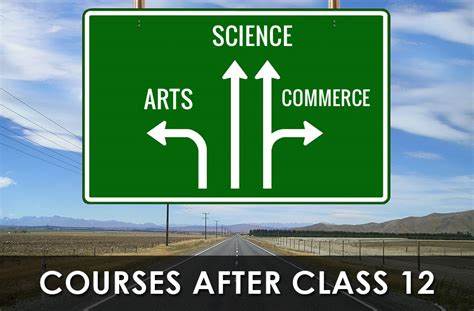
After the class 10th and 12th people usually have a dilemma of what to do next. Most of the children opt for medical and non-medical lines eying to become a computer science engineer or a doctor. In most cases people chose these streams purely based on pay, some due to parental pressure – Well Sharma Ji’s son and daughter are engineer and doctor so how can their relative’s children chose arts or commerce. This is a common notion throughout the country. Other professions are not considered at par. But what exactly are other professions?

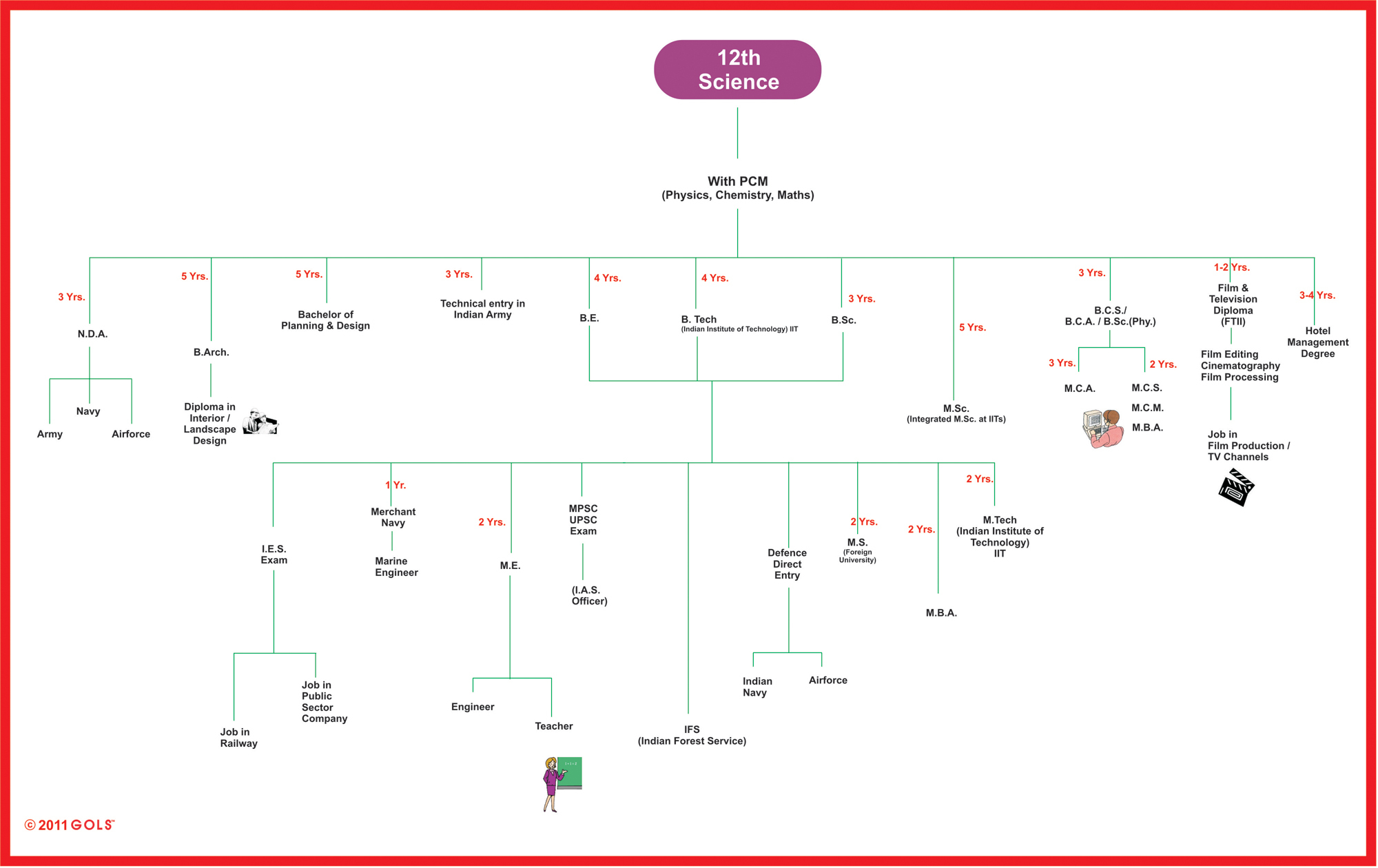
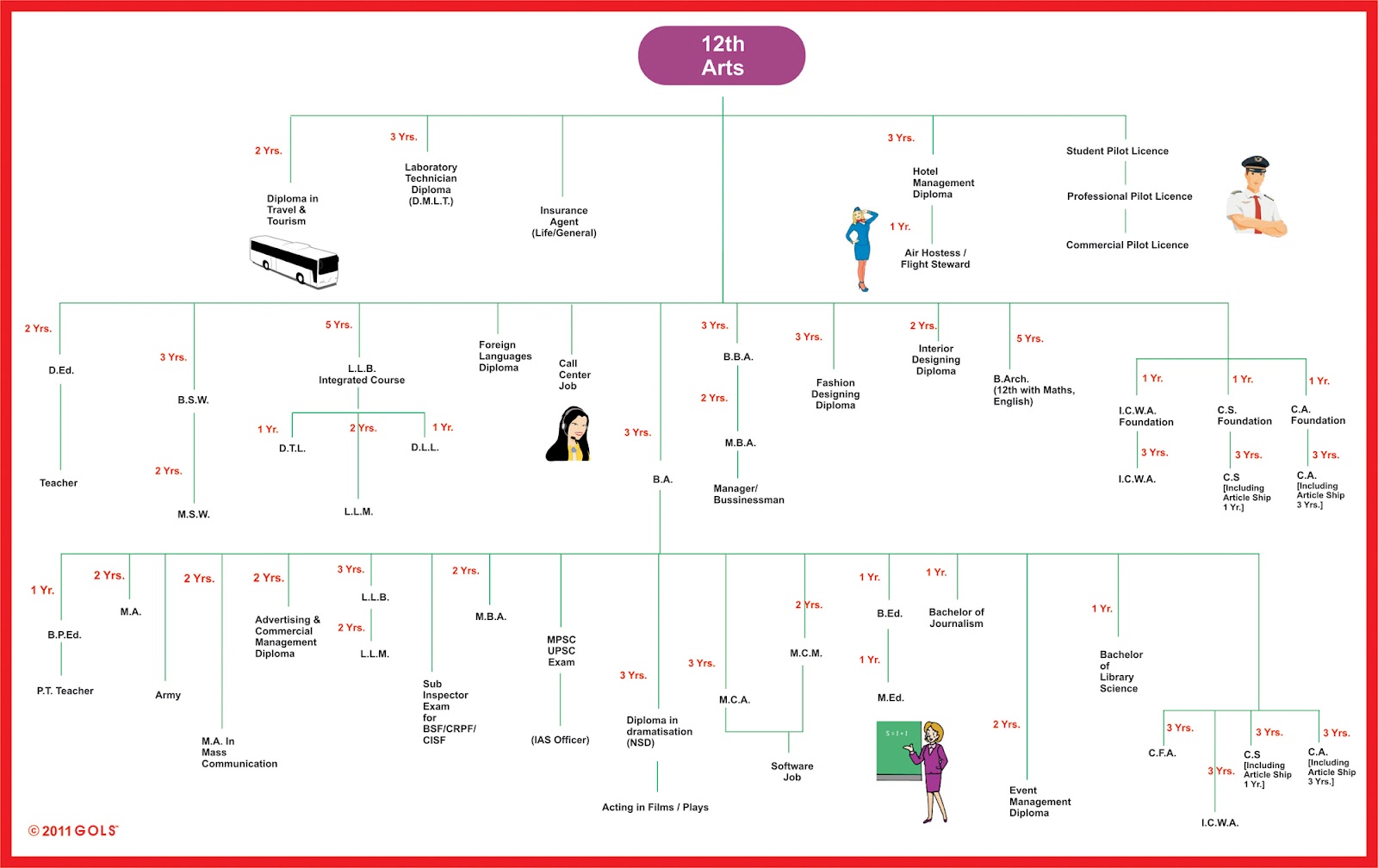
After class 10th streams are broadly divided into Medical, Non-medical, Commerce, and Arts. The detailed professions after class 12th are below:

See the source image

Non-Medical

It mainly comprises physics chemistry and math. Most of the people do BTech which is further branched into a plethora of fields like Computer science, Mechanical Engineering, Chemical and so on. People also do Bachelor of Architecture which comprises building construction. Besides this people can also opt for 3 year long BSc courses in the field of Mathematics, Chemistry, Physics, Computer Application.

Medical

After completing physics chemistry and biology students have options like MBBS, BDS which comprises of Dental Science, B Pharma. ( a 4 year long for becoming a chemist) , BSc Nursing, BHMS (Bachelor of Homoeopathic Medicine and Surgery), BAMS (Bachelor of Ayurvedic Medicine and Surgery). Just like Non, medical students can also opt for B.Sc. in Chemistry, Biology, Physics.

See the source image

Commerce

They have math, economics, accounts, business studies as their subjects. The most popular stream followed after class 12th is B.COM, a 3-year long course consisting of subjects related to finance and commerce. People who further want to do MBA usually opt for B.COM. There also other courses like BBA (Bachelor of Business Administration), CA, etc.

Arts

There are innumerous subjects like political science, history, English, economics, etc. Usually, people opt for BA after class 12th which can be done for various subjects like philosophy, political science, English, etc. People whose interest lies in drawing and painting chose BFA (Bachelor of Fine Arts). After that, they can take various professions like interior designing, etc.

Common courses

There are various courses which a student can opt after class 12th irrespective of their branch. People interested in law can opt for LLB (Bachelor of Law). People belonging to the agriculture domain opt for B.Sc. Agriculture. To become a fashion designer students do B.Sc. in Fashion Design. Students having a passion for teaching opt for B.Ed. in their particular domain. People who are intrigued by mass communication and journalism opt for BJMS(Bachelor of Journalism and Mass Communication. Likewise, there are various other fields.

Although there are various fields to explore students usually are restricted to particular fields like medical and non-medical. However, if someone has a passion in a particular domain, he/she will find success one day or another …

Origin of vedas

The Vedas are a large body of religious text originating in ancient India. Composed in Vedic Sanskrit, the texts constitute the oldest layer of Sanskrit literature and the oldest scriptures of Hinduism. Vedas are considered as the earliest literary records of Sanskrit Literature, written by Rishi Vyasa. It is bealived to be the oldest book in hinduism. Vedas means knowledge.  It is a Sanskrit word from the root “Vid”, which means finding, knowing, acquiring, or understanding. The Vedas formed the earliest segment of Vedic literature. The Vedic literature had been evolved in the course of many centuries and was handed down from generation to generation by the word of mouth. The Vedas are the collection of hymns, prayers, charms, litanies, and sacrificial formulae. The ideas, teachings, and practices described in the Vedas formed the basis for the six major schools of Hindu philosophy – Nyaya, Vaisheshika, Samkhya, Yoga, Mimamsa, and Vedanta.

There are four Vedas: the Rigveda, the Yajurveda, the Samaveda and the Atharvaveda.and all of them together are attributed to as ‘Chaturveda’

Rig Veda − It is the oldest Veda. It is a collection of hymns.

Samveda − it is a collection of songs, which are mostly taken from Rig Veda.

Yajurveda − It is a collection of sacrificial formulae.

Atharvanaveda − it is a collection of spells and charms.

The Rig Veda serves as the principal one and all three but the Arthaveda agree with one another in form, language, and content. Each Veda has been subclassified into four major text types or four portions.

The Samhitas, the most ancient layer of text in the Vedas, consisting of mantras, hymns, prayers, and benedictions which has in literary terms put together or joined the other three texts;

The Aranyakas which constitute the philosophy behind the ritual sacrifice,

The Brahmanas which in turn has the commentary on hymns of four Vedas and

The Upanishads, which consist of conversations between teachers and students which clarify the philosophical message of the Vedas.

Rigveda

The Rigveda Samhita is the oldest extant Indic text. It is a collection of 1,028 Vedic Sanskrithymns and 10,600 verses in all, organized into ten books. The hymns are dedicated to Rigvedic deities.  Two Sanskrit words Rig and Veda constituting it translates to ‘praise or shine’ and ‘knowledge’ respectively

Like the other three Vedas, the believers of the Hindu dharma regard the Rig Veda too as Apauruṣeya; meaning, not of a man or impersonal and also not belonging to a particular author. The hymns and the verses were written by the Rishis (Sages) and as the ardent believers of the Sanatana dharma claim the revered Lord himself taught the Vedic hymns to the sages, who then handed them down through generations by word of mouth.

The Mandalas of the Rig Veda which are ten in number and were composed by poets from different priestly groups over a period of several centuries is structured based on clear principles The Rigveda is structured based on clear principles. The Veda begins with a small book addressed to Agni, Indra, Soma and other gods, all arranged according to decreasing total number of hymns in each deity collection; for each deity series, the hymns progress from longer to shorter ones, but the number of hymns per book increases. Finally, the meter too is systematically arranged from jagati and tristubh to anustubh and gayatri as the text progresses.

Rigveda, in contemporary Hinduism, has been a reminder of the ancient cultural heritage and point of pride for Hindus, with some hymns still in use in major rites of passage ceremonies.  Musicians and dance groups celebrate the text as a mark of Hindu heritage, and these have remained popular among the Hindus for a long time. However, the contemporary Hindu beliefs are distant from the precepts in the ancient layer of Rigveda Samhitas.

Sama Veda

The Samaveda Samhita consists of 1549 stanzas, taken almost entirely (except for 75 mantras) from the Rigveda. While its earliest parts are believed to date from as early as the Rigvedic period, the existing compilation dates from the post-Rigvedic Mantra period of Vedic Sanskrit, between c. 1200 and 1000 BCE or “slightly later,” roughly contemporary with the Atharvaveda and the Yajurveda.

The Samaveda samhita has two major parts. The first part includes four melody collections and the second part three verse “books”. A melody in the song books corresponds to a verse in the arcika books. Just as in the Rigveda, the early sections of Samaveda typically begin with hymns to Agni and Indra but shift to the abstract. Their meters shift also in a descending order. The songs in the later sections of the Samaveda have the least deviation from the hymns derived from the Rigveda.

In the Samaveda, some of the Rigvedic verses are repeated. Including repetitions, there are a total of 1875 verses numbered in the Samaveda recension translated by Griffith. Two major recensions have survived, the Kauthuma/Ranayaniya and the Jaiminiya. Its purpose was liturgical, and they were the repertoire of the “singer” priests.

Yajurveda

Yajur Veda, of Sanskrit origin, is composed of Yajus and Veda; the two words translate to ‘prose mantras dedicated to religious reverence or veneration’ and knowledge respectively. Third of the fourth canonical texts of the Hindu dharma, this liturgical collection is famous as the ‘book of rituals’. Of the ancient Vedic text, it is a compilation of ritual offering formulas or the prose mantras to be chanted or muttered repeatedly by a priest while an individual performs the ascertained ritual actions before the sacrificial fire or the Yajna.

The earliest and most ancient layer of Yajurveda samhita includes about 1,875 verses, that are distinct yet borrow and build upon the foundation of verses in Rigveda. Unlike the Samaveda which is almost entirely based on Rigveda mantras and structured as songs, the Yajurveda samhitas are in prose and linguistically, they are different from earlier Vedic texts. The Yajur Veda has been the primary source of information about sacrifices during Vedic times and associated rituals.

The Yajurveda is broadly grouped into Krishna Yajurveda and Shukla Yajurveda, also referred to as the Black Yajurveda and the latter as the White. In reference to the verses of the Krishna Yajurveda being un-arranged, unclear, and disparate or dissimilar, the collection is too often referred to as Black Yajurveda. In contrast, the well-arranged and imparting a particular meaning, the Shukla Yajurveda is known as the White Yajurveda.

Yajurveda, in contemporary Hinduism, has been a reminder of the ancient cultural heritage and point of pride for Hindus. The text is a useful source of information about agriculture, economic, and social life during the Vedic era. The verse, translated from the Shukla Yajurveda, for example, lists the types of crops considered important in ancient India.

Atharvaveda

The Artharvaveda Samhita is the text ‘belonging to the Atharvan and Angirasa poets. It has about 760 hymns, and about 160 of the hymns are in common with the Rigveda. Most of the verses are metrical, but some sections are in prose. Two different versions of the text – the Paippalāda and the Śaunakīya – have survived into the modern times. The Atharvaveda was not considered as a Veda in the Vedic era, and was accepted as a Veda in late 1st millennium BCE. It was compiled last, probably around 900 BCE, although some of its material may go back to the time of the Rigveda, or earlier.

The Atharvaveda is sometimes called the “Veda of magical formulas”, an epithet declared to be incorrect by other scholars. The Samhita layer of the text likely represents a developing 2nd millennium BCE tradition of magico-religious rites to address superstitious anxiety, spells to remove maladies believed to be caused by demons, and herbs- and nature-derived potions as medicine. The text, states Kenneth Zysk, is one of oldest surviving record of the evolutionary practices in religious medicine and reveals the “earliest forms of folk healing of Indo-European antiquity”. Many books of the Atharvaveda Samhita are dedicated to rituals without magic, such as to philosophical speculations and to theosophy.

The Atharva veda has been a primary source for information about Vedic culture, the customs and beliefs, the aspirations and frustrations of everyday Vedic life, as well as those associated with kings and governance. The text also includes hymns dealing with the two major rituals of passage – marriage and cremation. The Atharva Veda also dedicates significant portion of the text asking the meaning of a ritual.


Minimum Support Price

Minimum support price or MSP is the guaranteed price at which farmers can sell their produce and goods. The government buys the crops from the farmers at pre-set prices to save the farmers from price fluctuations or lack of market access. These price fluctuations occur due to poor market integration, poor monsoon and lack of information. The Commission for Agricultural Costs and Prices (CACP) fixes the MSP for various crops twice a year. These crops include wheat, maize, bajra, ragi, groundnut, cotton, jute etc. MSP was introduced in 1966 when India was facing a deficit in crop production. In the wake of the Green Revolution, the Indian Government realised that they needed to give some incentives to farmers to grow labour intensive crops like wheat and paddy. These crops also didn’t fetch good prices in the market.

The CACP while fixing the prices, takes into consideration some costs. These costs are:-

A2: Expenses incurred on seeds, fertilisers, labour, irrigation and fuel

A2+FL: A2 costs and also includes the value of unpaid family labour

C2: Includes A2+FL and revenue on owned land and interest on fixed capital that is foregone.

The CACP generally uses A2+FL while fixing the MSPs for several crops. C2 costs are kept as a benchmark to check if the recommended prices cover the costs in major producing states. Various other Ministries and Departments also help the CACP in determining the MSPs. In the last decade, the growth rate of MSPs has consistently been declining for both rabi and kharif crops.

Advantages of MSP- MSPs provide an incentive for farmers to grow a crop which may be in short supply, It has helped in transferring incomes to the rural areas, It leads to crop rotation, Profits coming from MSP can be invested in new machinery and equipment by the farmer and also can prevent farmer suicides.

Disadvantages of MSP- Only 6% of Indian farmers actually sell at MSP because of the lack of awareness, As the MSP is announced just before the sowing season many farmers may have started growing some other crop, lack of government machinery and procurement measures, some states benefit more than others.

In the future a higher budget must be allocated toward MSP and adopt a more scientific approach to increase product per hectare. Awareness must be spread about crop diversification as this can prevent supply shocks. Modern warehousing infrastructure is needed like storage facilities and weighing bridges to extend shelf life and prevent rotting of crops. Lastly, MSP should be fixed based on current costs and not on historical costs. These are some ways the MSP system can be improved.

Is Recycling really good for the environment?

Ever since we were children we have heard that if we want to save the environment we should follow the 3R’s Reuse, Reduce and Recycle. But have you wondered if recycling is actually good for the environment. You may not know but recycling has many disadvantages. Recycling is really expensive. In order to repurpose certain recycled materials, separate manufacturing plants need to be built and used. This would counteract the advantage recycling has of creating less pollution, since more may actually be generated as a result of the additional factory. It makes us wonder whether it is really worth it to eat the high costs to impact the planet in such a small way over a long period of time? For recycling to work more people need to participate, as the world is getting more advanced more recycling technologies are being introduced but it will take a long time before a significant amount of people start participating. Recycled products are often of lesser quality. Products made from used, repurposed materials simply don’t stand up quality-wise to new material. They’re often fragile and overused. The more a piece of material gets recycled, the worse it gets. Recycling Sites Are Commonly Unsafe, Items thrown into the recycling bin is a form of trash. As with any waste, it has to be transported and processed somewhere. This means there are many locations having potentially hazardous waste. These heaps of trash are grounds for bacteria, disease, and many other diseases. Also recycling sites are also industrial plants. This means they are not without their own forms of pollution. waste produced is frequently mixed with large bodies of water, leading to broader scale pollution. Quite the opposite effect of what recycling advocates are going for. What we can do instead of recycling is we can Reuse. Reusing items is extremely beneficial to the environment because it prevents pollution caused by reducing the need to harvest new raw materials, saves energy also it saves a lot of money.
TRANSPORTATION

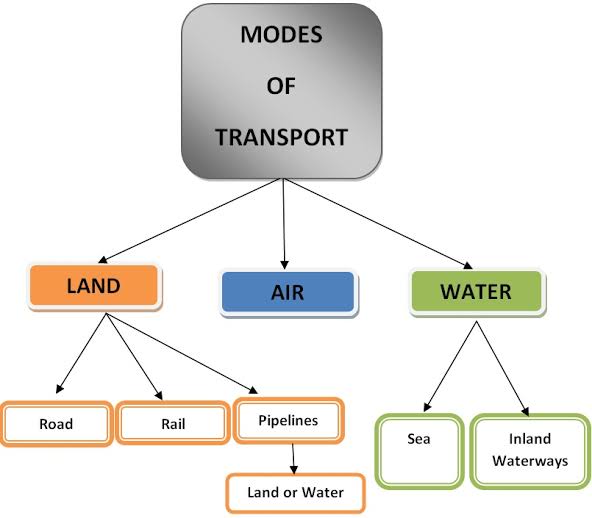
Transport is a system in which passengers and goods are carried from one place to another. Transport system is considered as the lifeline of a country. Earlier man travelled on foot or used animals for transport. With the discovery of wheel, transport was made easier and gradually different means of transport were developed. There are three major means of transport in the world.

Roadways

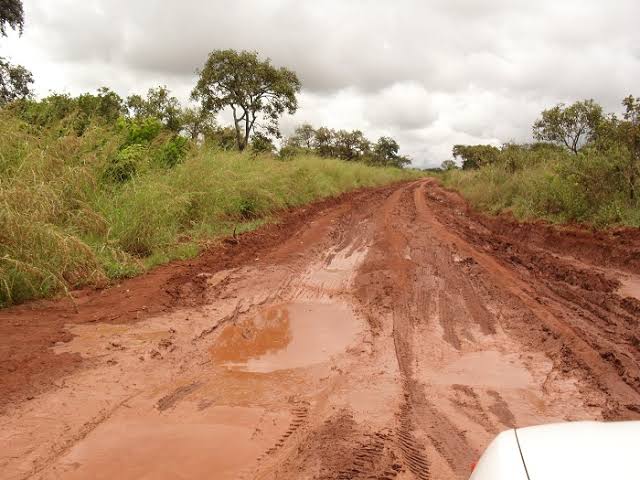
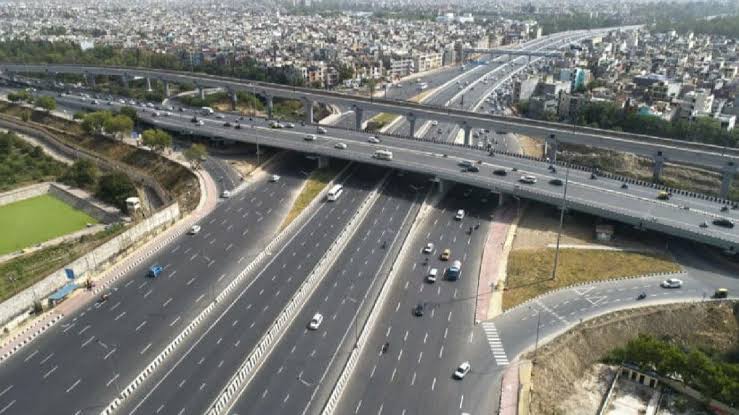
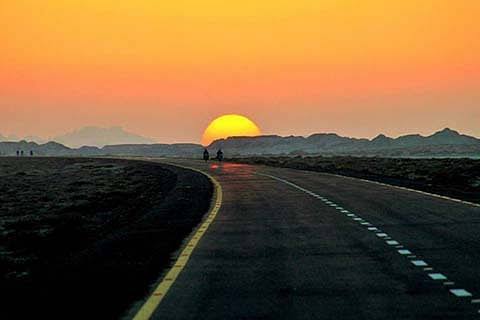
Roads play an important role in carrying goods and passengers for short, medium and long distances. It is highly suitable for short distance services. It is comparatively easy and cheap to construct and maintain roads. Road transport system can establish easy contact between farms, fields, factories and markets and can provide door to door transport services. Roads are the most universal mode of transport. Indian roads are cost efficient. It is used by all sections of people in the society.

For the purpose of construction and maintenance, roads are classified into National Highways (NH), State Highways (SH), District Roads, Rural Roads (Village roads), Border Roads and International Highways.

Classification of Roads in India

National Highways (NH)

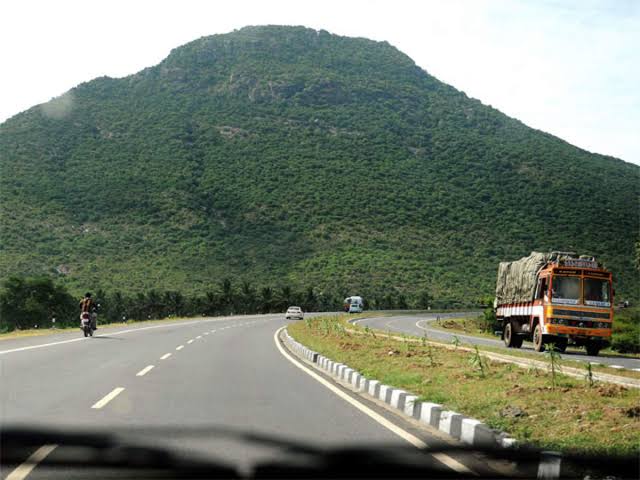
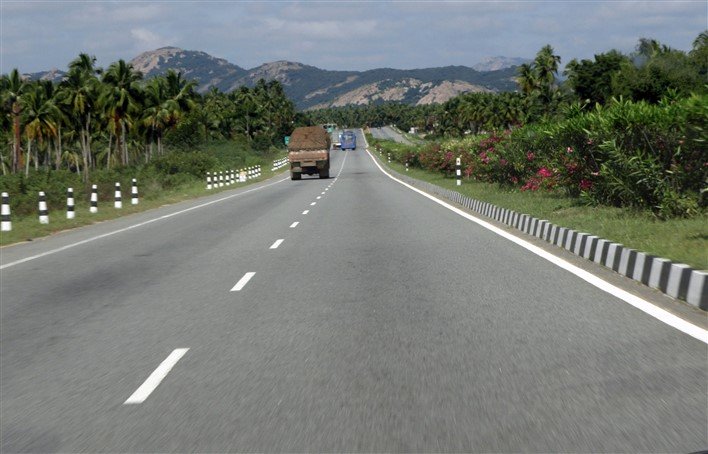
National Highways form the most important system of road Transportation in India. These highways are running through length and breadth of the country connecting capitals of states, major Ports, rail junctions, industrial and tourist centres. Ministry of Road Transport and Highways of India, is responsible for the development and maintenance of National Highways in India. The longest National highway is NH-44 which runs from Varanasi in Uttar Pradesh to Kanniyakumari in Tamil Nadu covering a distance of 2369 km. The shortest national highway is NH-47A, which runs from Ernakulum to Kochi port (Willington Island) covering a distance of 6km.

State Highways

The state highways are usually roads that link important cities, towns and district headquarters within the state and connect them with national highways or highways of neighbouring states. These roads are administered and financed by state governments.

District Roads

District Roads provide connectivity between the district and taluk headquarters with the state highways and national highways. District Roads are constructed and maintained by the Public Works Department of the states.

Rural Roads (Village Roads)

These roads are vital for providing links in the rural areas. It links the different villages with their neighbouring towns. They are maintained by Village Panchayats.

Border Roads

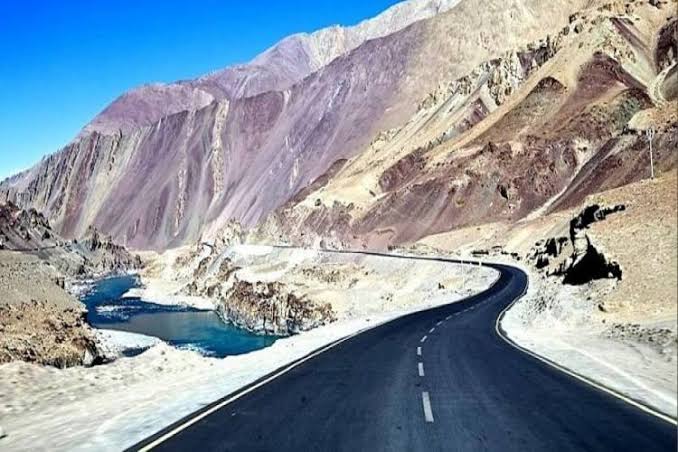
These are the roads of strategic importance in border areas. They are constructed and maintained by Border Roads Organization. It was established in 1960 for the development of the roads of strategic importance in the northern and northeastern border areas. Border Roads Organization has constructed world’s highest road joining Chandigarh and Leh in Ladakh. This road runs at an average altitude of 4,270 meters.

Golden Quadrilateral

Golden Quadrilateral 5,846 km long road of 4/6 lanes connects, India’s four metropolitan cities: Delhi-Kolkata-Chennai-Mumbai-Delhi. This project was launched in 1999.

North-South and East-West Corridors

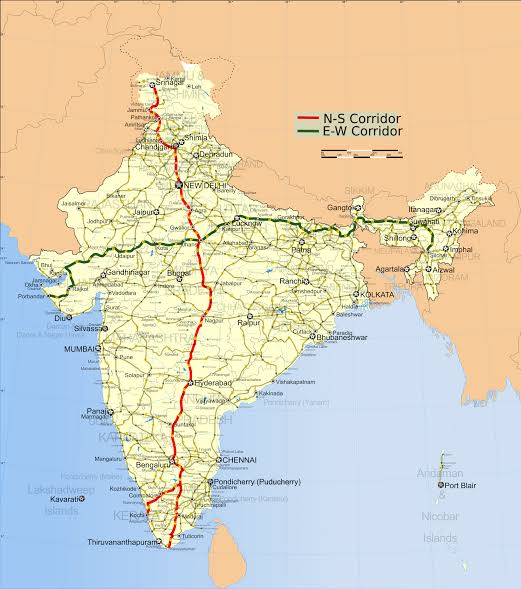
North – South corridor aims at connecting Srinagar in Jammu and Kashmir with Kaniyakumari in Tamil Nadu (including Kochi – Salem Spur) with 4,076km long road. The East – West corridor has been planned to connect Silchar in Assam with the port town of Porbandar in Gujarat with 3,640km of road length. The two corridors intersect at Jhansi.

Expressways

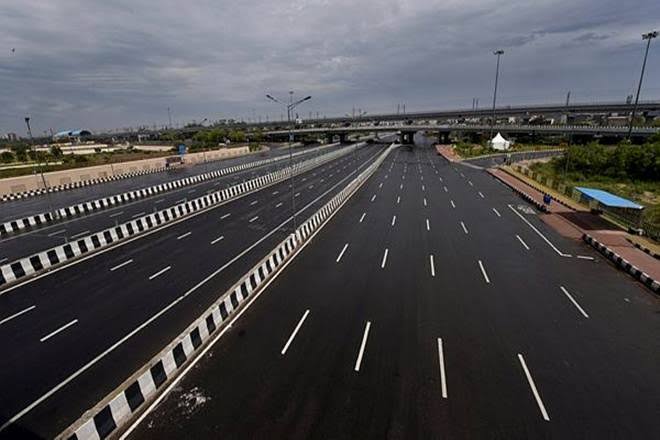
These are multi – lane good quality highways for high speed traffic. Some of the important expressways are;

☆ Mumbai – Pune Road

☆ Kolkata – Dumdum Airport road

☆ Durgapur – Kolkata road

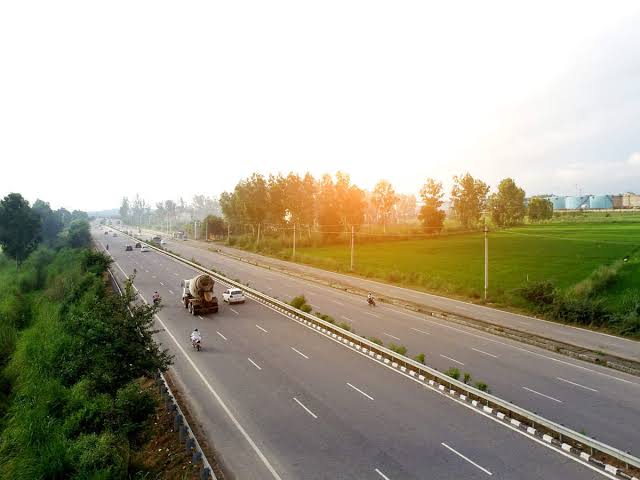
☆ Yamuna expressway between Delhi and Agra.

International Highways

These are the roads that link India with neighbouring countries for promoting harmonious relationship with them. These highways have been constructed with an aid from world bank under an agreement with the Economic and Social Commission for Asia-Pacific (ESCAP). These roads connect important highways of India with those of the neighbouring countries such as Pakistan, Nepal, Bhutan, Bangladesh and Myanmar.

Railways

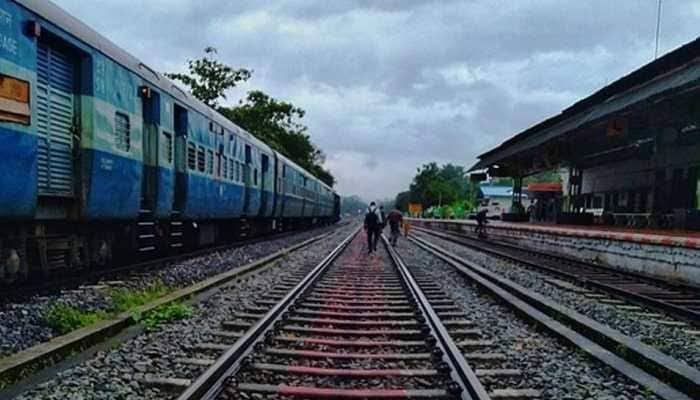
Indian railway system is the main artery of the country’s inland transport. Railways cater to the needs of large scale movement of traffic, both for freight and passenger, thereby contributing to economic growth. Railways are considered as the backbone of the surface transport system of India. It promotes national integration by bringing people together. It also promotes trade, tourism, education etc. Railways help in the commercialization of the agriculture sector by facilitating the bulky movement of perishable goods. Its role in transporting raw materials to industries and finished goods to markets is invaluable. Indian railways network is the largest in Asia and second largest in the world.

On the basis of width of the track, the Indian railways fall under four categories.
✓Broad gauge (1.676 meter width)
✓Meter gauge (1 meter width)
✓Narrow gauge (0.762 meter width)
✓Light gauge (0.610 meter width)

Metro Railways in India

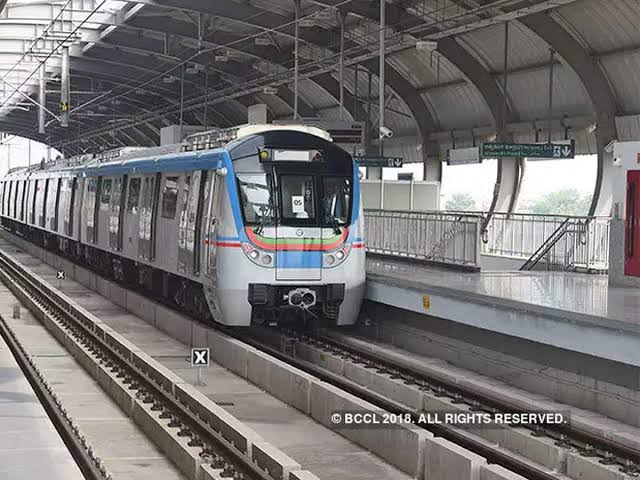
There are 8 cities with metro rail connectivity in India. They are Kolkata (West Bengal), Chennai (Tamil Nadu), Delhi, Bengaluru (Karnataka), Gurgaon (Haryana), Mumbai (Maharashtra), Jaipur (Rajasthan) and Kochi ( Kerala). The metro in Kolkata is the first one in India. It is also called as Mass Rapid Transit System (MRTS). As of September 2018, India has 507 km of operational metro lines and 381 stations.

Waterways

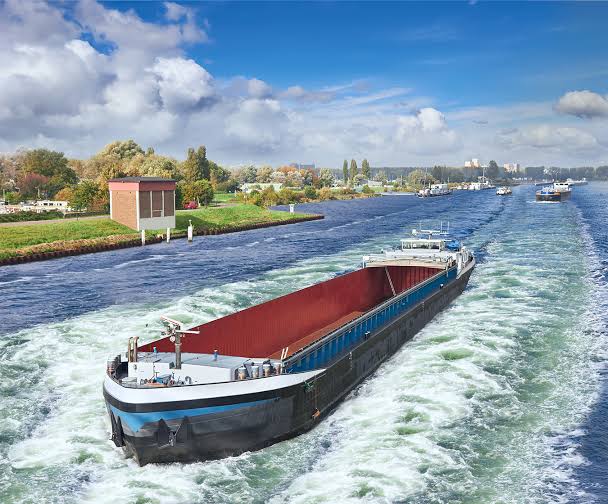
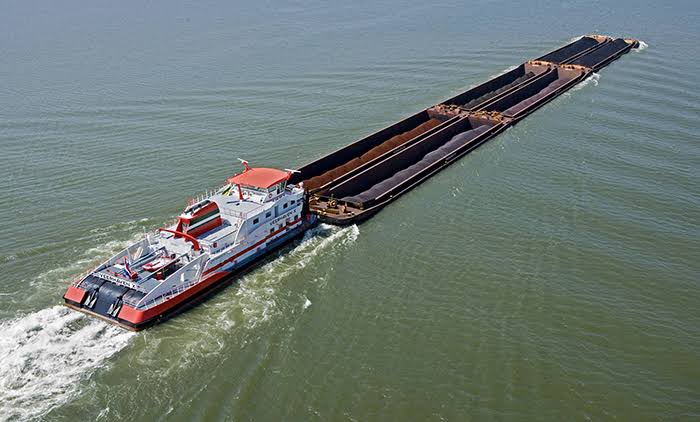
A waterway is an important mode of transport for both passenger and cargo traffic in India. It is the oldest and also the cheapest means of transport and most suitable for carrying heavy and bulky materials from one country to another. It is a fuel-efficient and eco-friendly mode of transport. The water transport is of two types-

Inland Waterways

Ocean Water ways (sea routes)

Air Transport

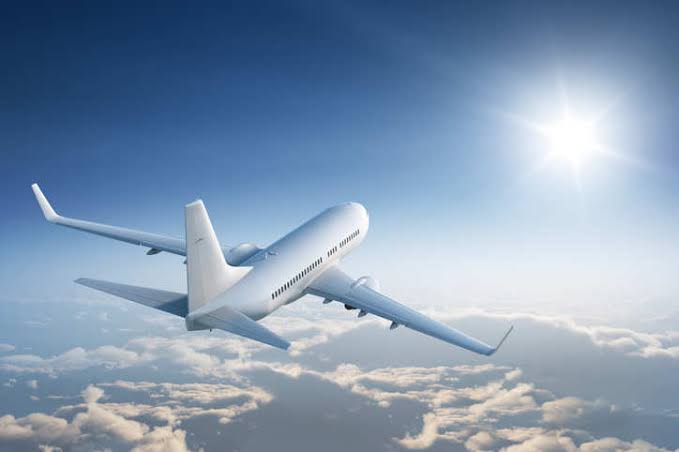
Airways are the quickest, costliest, most modern and comfortable means of transport, Air transport facilitates connectivity on a national, regional and international scale. It has made accessibility easier by connecting difficult terrains like high mountains and sandy deserts. It carries passengers, freight and mail. Air transport plays a key in times of emergency as well as in the event of natural and man-made calamities like floods, epidemics and wars.
Should the death penalty be banned?

“Capital punishment is the most premeditated of all murders.” Everyone has different views about capital punishment also known as the death penalty. According to me the death penalty should be given in only very critical situations, eg- if a person keeps repeating the crime even after they have been punished because they clearly show no interest in becoming better and people like this are a constant threat to society. Whether legal or not death penalty is a murder and I believe we have no right to take someone’s life. Criminals who do heinous crimes like murder, rape etc. are supposed to suffer in jail and repent for having done those actions, killing them would do no good. By killing them we are actually letting them go easy. Everyone deserves a second chance because we are humans we can make mistakes. By giving them a second chance I don’t mean freeing them. What I am trying to imply is by placing them in jail they will get a chance to hopefully change for the better. Like Archbishop Desmond Tutu said, “There is no justice in killing in the name of justice,” In case of murder the victims family will not get the victim back the only way they can cope with the immense pain they are going through is by knowing that the killer is suffering in jail. Our justice system must be developed in the way that the right criminal gets the death penalty. But death penalty should be a unanimous choice after all a life is a life. There are many cases where the criminal has done something really bad and they themselves ask for the death penalty because they know that in their cell block whatever they have done will forever haunt them, and if they don’t get the death penalty then end up killing themselves. What we don’t understand are that these criminals are also humans no matter how crazy they are they have a little humanity. It is extremely hard to live with that guilt of doing something wrong.

PARADISE LOST: BEELZEBUB, MAMMON, MULCIBER AND MOLOCH

Beelzebub in Paradise Lost Book I, is the first mate of Satan. He is Satan’s “bold compeer” and next to him “in power, and next in crime.” There are few legends in The Bible associated with Beelzebub, but, Milton seems to portray him in Paradise Lost rather as an allegorization invented by St. Jerome, in which Beelzebub is the “lord of the flies”, flies being a symbol of pertinacity. Beelzebub never ceases the human race in every way. He, however lacks Satan’s “indomitable courage” in Book I. He would have surrendered unconditionally to God had not Satan cheered up his failing spirits by his fiery eloquence. Beelzebub’s first speech, following immediately that of Satan, is in marked contrast to his leader. He does not talk about a never-ending war against God but rues the “dire event” that had lost him, and the other fallen angels, “Heaven”. He fears that the future might hold even greater punishment and humiliation for them as, having lost the war, they are now slaves to God by the “right of war”. It is now in God’s hand to humiliate them as he wishes; he might torture them as and when he pleases or he might use them “to do his errands in the gloomy deep.” He accepts Satan’s argument that being immortal, they can hope for their strength to return but laments that it can be of little use against “almighty” God. He rather fears that being eternal they would only be forced to “undergo eternal punishment”.

This is an especially critical moment in the play as Satan’s plan of continuing “eternal war” can only be feasible if he can rouse his army and if he cannot rouse Beelzebub, his closest comrade, there is little hope of doing so. He, therefore, is quick to point out to Beelzebub, “Fall’n Cherub, to be weak is miserable”. Like an able general he points out God’s “minister of vengeance and pursuit” no longer torment them and hence they should not let “slip th’ occasion”. He asks Beelzebub to follow him to the “yon deary plain, forlorn and wild”. This desolate plain is where they would reassemble and plan their future course of action. It is a burning testimony to Satan’s leadership qualities that the next time we meet Beelzebub, he is a far cry from the diffident fallen angel earlier seen. It is he who suggests that Satan should call upon his fallen angels and is utterly confident that they would respond to his “voice, their liveliest pledge/ Of hope in fears and dangers…” He is now full of vigour and confident that the fallen angels, after one call from Satan, “will soon resume/ New courage and revive…” His judicious nature is evident in his astute understanding of the situation. The fallen angels in Book I indeed react exactly in the manner he had predicted. It is quite clear that his advice would be of great use to Satan in his battle against God.

Another major fallen angel who Milton singles out for mention in Book I is Mammon. He is greed personified as even during his stay in heaven he could never moved his eyes from the “gold” pavements of Heaven. This made him the “least erected spirit that fell”. The word “Mammon”, meaning riches, or the greed for the riches that takes man away from God appears in Matthew 6.24: “Ye cannot serve God and Mammon” at the same time. He is considered by angelologists to be the prince of the lowest order of angels. He is entrusted by Satan in Book I to collect the necessary metal for building “Pandemonium”, Satan’s palace in Hell. He performs his duty with perfection and within hours rips open the bowel of mother earth to collect enough gold for building the palace. Milton indicates that it is the spirit of Mammon that prompts men to dug Mother Earth and excavate gold, a metal responsible for much human misery. It is he who fuels our desire for worldly riches that inevitably takes us away from the divine path.

Mulciber is one of the major fallen angels in Satan’s horde. There are many legends surrounding his fall, but Milton believes he fell along with Satan and his crew. The Italians erroneously believe that Jupiter hurled him out of heaven and fell into the Isle of Lemnos, but Milton considers him to be a part of the “horrid crew” that God punished along with Satan. He is reputed to have built many palaces in Heaven and he proves his expertise once again by giving shape to the grand palace called Pandemonium. His name literally means “one who refines ore by melting it and pouring it into mould” is also associated with Vulcan, a Roman fire God, or God of Smiths.

Among the large catalogue of angels that Milton considers as the major warriors in Satan’s camp, Moloch stands supreme. The name literally means “king” and he is worshipped in the form of a huge brass idol with the head of a calf and outstretched hands. There is a large hollow in his idol’s stomach where burns a continuous fire into which misguided worshippers threw live children to satisfy his eternal hunger. The priests play loud music during such ceremonies to drown the cry of the dying children. He is by far the most horrid of Satan’s companions and the very valley where he is worshipped Gehenna, came to stand for a synonym for Hell. He was successful in convincing the aged Solomon to build a temple for him on the “opprobrious hill”. The Egyptian name for the planet Mars, often associated with war and bloodshed is Moloch and Milton might have known of this when he conceived Moloch as warlike.

The list of horrid angels who supported and fell with Satan highlights the evil that they wish to perpetuate. Their sole delight, like their leader is to “do ill”. Beelzebub and the rest give an epic grandeur to Milton’s work by providing a truly frightening picture of Satan’s army.

Top 10 Bollywood Movies to watch before you die

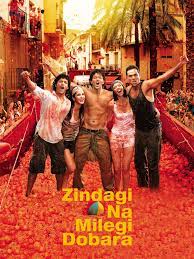
  1. Zindagi na milegi dobara

Friends Kabir , Imran and Arjun take a vacation in spain before Kabirs marraige. This trip turns into and opportunity to mend fences , heal wounds , fall in love with life and combat their worst fear . this friendship based story has its own impact on the audience with such a beautiful cast and story telling .Its a worthy watch for sure.

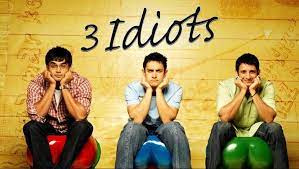
2. 3 Idiots

this story is also about there friends wo are studying in IIT where they struggle with the education system and their careers ahead . this story is a must watch for the students a life changing experience with a exceptional cast Aamir Khan , Shraman Joshi and R.Madhavan . the story tells us to not fear the future but live in the present

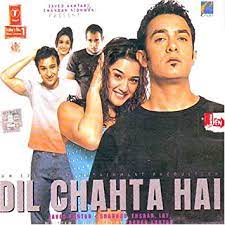
3. Dil Chata Hai

This romantic comedy, directed by then newcomer Farhan Akhtar, was a revitalizing, truthful take on bond and affection.This story was really hearttouching with not only love but the friendship it showed . the was beautiful and storytelling was also exquiste

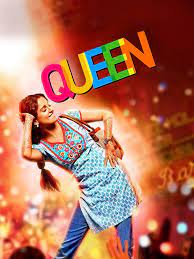
4. Queen

After being left at the altar Rani decides that she will buid herself a new future and goes on her honeymoon to Europe alone an dhas expereince of a lifetime . a very beautiful movie to watch for all women and become independent .

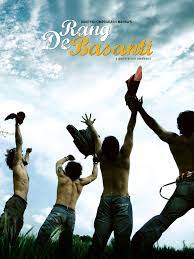
5.Rang de Basanti

The story of six young Indians who assist an English woman to film a documentary on the freedom fighters from their past, and the events that lead them to relive the long-forgotten saga of freedom.When Sue selects a few students to portray various Indian freedom fighters in her film, she unwittingly awakens their patriotism. The emotional and mental process turns them into rebels for a cause.

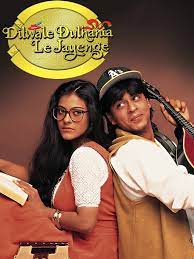
6. Dilwale Dulhania Le Jayenge

Shot throughout India, London, and Switzerland, the beloved “DDLJ” (The Big-Hearted Will Take the Bride) follows one man’s quest to win over the hand of a woman he meets by chance on a trip to Europe. The only trouble is, her father has already arranged for her to marry someone else.

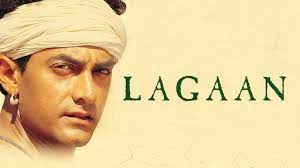
7. Lagaan

Set in the early 1890s amidst India’s colonial British Raj, Lagaan tells the tale of one village’s journey out of their overtaxed debt under their British rulers. The wager for overcoming their unjust circumstances? Beating their officers in a game of cricket.

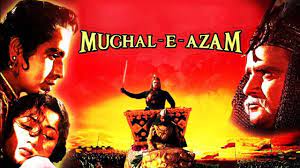
8. Mughal-e-Azam

One of the oldest industries of all time Indian Cinema evokes a sense of colour, splendour and effervescence in viewers. The industry that dates to 1896 has contributed immensely to make Indian cinema what it is today.Today, we are taking you through 20 of the most amazing and greatest Indian movies that created a remarkable mark in the industry!

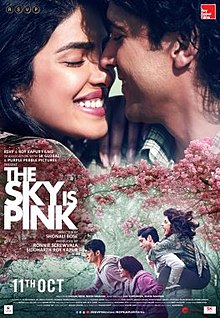
9. The Sky Is Pink

The Movie is based on the true story of Aisha Chaudhary, who suffered from severe combined immunodeficiency and pulmonary fibrosis, and tells the story of her parents Aditi and Niren as they navigate their marriage while dealing with their daughter’s illness.

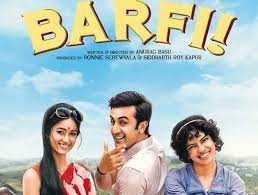
10.Barfi

When Shruti leaves Barfi heartbroken, he meets and forms a special bond with Jhilmil, a girl with autism. However, months later, a chance encounter with Shruti causes old feelings to resurface.

by ISHITA PILLAY

IG : bibliomaniac me