Bollywood Movies That Should Be Watched

The Bollywood industry is not sensitive towards the LGBTQ+ community, colourism, casteism, classism, rape culture, harassment, sexism, mental health problems, et cetera. This significantly affects the quality of the productions in Bollywood, be it movies or songs. This defeats the purpose of overcoming these problems in our country by popularising them further among the youth. We tend to imitate our ideals, thus, when we see our favourite actor or actress performing something problematic, either we accept it or dismiss it. Thus, we need to avoid these movies and promote the ones that are actually good. Some of the movies produced by the Bollywood cinema which must be watched are in stark contrast with each other, however, they have an important place in the industry. They are: 

-Article 15

Caste hierarchy existed in India for a long time, thus, our Constitution makers presented a draft in the November of 1948 immediately after India achieved independence. Article 15 states that “The State shall not discriminate against any citizen on grounds only of religion, race, caste, sex or any of them” and it aims to eliminate the caste system from the deep roots of our society. This movie raises awareness about the multi-layered casteism that prevails in our country, more frequently observed in the rural areas. Directed and written by Anubhav Sinha, it primarily focuses on the Indian caste system and along with it corruption, rape, politics, and many more social issues and how an IPS, born and brought up in a city away from these issues, fights for justice. 

-Kapoor & Sons

A complete genre than Article 15 but equally emotionally exhausting, Kapoor & Sons portrays problems that are faced by a family. It shows how every family member plays a significant role in the family. Eventually, roles get defined for every member such as the funny one, the fighter, the rational one, et cetera. In this movie, we see the Kapoor family coming together after overcoming the issues that they had with each other. This movie takes us on an emotional roller coaster, from laughing with the grandfather (Amarjeet, played by Rishi Kapoor) to crying when many family problems come to light. 

Some other movies include Pad Man which is about a husband who works towards making affordable sanitary pads after his marriage when he realises his wife’s struggle of using cloth during her menstruation. He further works for providing women with the pads that he made and raises awareness about periods. 

Bulbbul is another movie which focuses on child marriage, domestic violence, rape, and sexism. In this movie, Bulbbul, the protagonist, suffers in her marriage and dedicates herself towards stopping crime against women in her village. It is a movie which will leave you shocked about the harsh reality of India. 

Other movies that you can add to your list are Pink, Barfi, Toilet: Ek Prem Katha, Peepli Live, and many more. There are some movies that should not be watched as well, such as Kabir Singh, a movie which was widely questioned but managed to be a blockbuster. 

BIHAR SCHOOLS TO OPEN PARTIALLY FROM 28TH SEPTEMBER FOR HIGHER CLASSES

Schools in Bihar will partially reopen from September 28, for students of Class 9 to Class 12 belonging to non-containment zones. An order issued by the state education department on Tuesday said that Classes 9-12 students will be allowed to visit schools for seeking academic guidance, following health advisories and SOPs issued by the Central Government.

However, hostels and coaching institutes in the state will continue to remain closed. Classes 9-12 students visiting schools will be subject to written consent from parents, the order said.

Bihar School Reopening Guidelines & SOPs

  1. No students or teachers from containment zones to be permitted to attend the school
  2. Proper sanitization protocol, as laid out by the Health Ministry, has to be followed before the schools reopen and thereafter.
  3. Only 50 per cent teaching and non teaching staff allowed to schools on any given day
  4. Only one third of students allowed to attend classes
  5. School management would be required to prepare a schedule for the classes such that students are allowed to attend the classes for two days in a week
  6. Wearing for face mask is mandatory for students whilst in schools – in classrooms as well as on the campus
  7. Instructions to manage social distancing properly to be provided to students and strictly maintained
  8. Students will have to carry their own hand sanitisers and wash their hands at regular intervals

Bhagat Singh & killing of saunders

Bhagat Singh was an Indian socialist activist who at 23 years of age made him a hero of the Indian independence movement by two acts of dramatic violence against British citizens in India and his executions.

The Simon Commission was set up by the British government in 1928 to report on the situation in India. The Commission was boycotted by many Indian political parties because there were no Indians in it and there were protests throughout the world. Lala Lajpat Rai led a demonstration in protest against it when the Commission visited Lahore on 30 October 1928. Attempts by the police to disperse the crowd have contributed to violence. Police Superintendent James A. Scott ordered police charges against the demonstrators and targeted Rai personally, who was wounded. On 17 November 1928, Rai died of a heart attack. Doctors suspected that the injuries he had suffered may have hastened his death. The British Government denied any involvement in Rai ‘s death when the matter was discussed in the parliament of the United Kingdom.

Bhagat was a prominent HRA member and was possibly primarily responsible for his change of name in 1928 to HSRA. The HSRA promised Rai ‘s death to avenge her. Singh conspired to destroy Scott in cooperation with revolutionaries such as Shivaram Rajguru, Sukhdev Thapar and Chandrashekhar Azad. In a mistaken identity, however, on 17 December 1928 the plotters shot John P. Saunders, an assistant police superintendent, leaving the Lahore Police Headquarters.

The current reaction to the killing differs significantly from the adulteration which occurred later on. In addition to the HSRA, the Naujawan Bharat Sabha, who coordinated the Lahore demonstration, noticed that attendance at subsequent public meetings was dropping drastically. Politicians, activists and publications, including The People, founded by Rai in 1925, stressed the preference for violence to not cooperate. Mahatma Gandhi, the Congress leader, denounced the killing as a retrograde step but later Jawaharlal Nehru wrote:

         It was not his act of terrorism that made Bhagat Singh famous but because he seemed to comfort Lala Lajpat Rai for the moment, and the nation through it. In just a few months, each village and town of the Punjab and to a lesser extent in the rest of northern India, he became a symbol, the act was forgotten, the symbol remained and resounded with its name. Countless songs about him grew and the popularity that the man got was awesome.

The group escaped from the district police station through the D.A.V. college entrance after the killing of Saunders. Chanan Singh, the chasing head of the Constable, was wounded fatally by covering fire from Chandrashekhar Azad. They then raced away to safe houses by bicycle. A large search operation was conducted by police and all entries and exits from and to the city were blocked; all young men who left Lahore were tracked by the CID. For the next two days, the fugitives concealed. On 19 December 1928, Sukhdev appealed to Bhagwati Charan Vohra to support Durgawati Devi, often referred to as Durga Bhabhi, wife of a HSRA member. Early the next morning, they decided to take the train from Lahore to Bathinda on the way to Howrah.

The following day Singh and Rajguru left the house early, both with loaded revolvers. In Western clothes, Singh and Devi went as a young couple carrying Devi’s sleeping boy, while Rajguru wore their luggage as their servant. Singh managed to disguise its identity during ticket transactions at the station and the three boarded the train to Cawnpore. There they boarded the Lucknow train, as passengers in the direct train from Lahore normally were checked by the Howrah Railway Station CID. Rajguru left for Benares at Lucknow while Singh, Devi and the child went to Howrah and all of these people came back to Lahore a couple of days later, except Singh.

THE PARTING

Michael Drayton, was an English poet, the first to write odes in English in the style of Horace. The Parting by Michael Drayton is a sonnet. It is a poem about the breakup of the relationship between the poet and his companion. This sonnet has a very strict form and the poet has been cautious in composing his poetry, to assure that it fits the design constraints. The sonnet is very short, it consists of only 14 lines. Oftentimes, he has to synopsize in a single line of the poem, something he would ordinarily have penned a. The line, “Shake hands forever, cancel all our vows” summarizes quite a precise sense of the dispute signifying enduringly, with no chance of reconciliation. There is a change from the aggression of the first half of the poem, there remains a slight hint in the second half, as the author threatens his lover, telling her that if she leaves him, then she will be a murderess, who has killed not only their endearment but love itself. The language is harsh and cold, and after the Volta, in the third and fourth quatrains, the language is softer and more personal. Again, this is a function of the form of the sonnet; there must be a drastic change of ideas after line eight. For example, there is the brutally aggressive “you get no more of me” in the second line, and the much gentler “Now at the last gasp of love’s latest breath”. The poet uses the Volta not just to change the language but also to the entire message. Instead of pushing her apart from him as he did in the first eight lines, he is now emphasizing her of how consequential the end of the relationship will be. He goes from demanding to practically pleading. The orders in the first two quatrains such as “be it not seen” are replaced with conditionals, such as “if thou would’ st”; it seems almost as though he is pleading with her. Also, worth noting is how he goes from using the aggressive “you” to the gentler “thou” after the Volta.

In a sonnet, the rhythm is always iambic pentameter, which means that there must always be ten syllables per line, with each second syllable being stressed and the author breaks this pattern. Besides, to the constraints of the number of lines, because of which the poem is compressed, simplifying the poem’s purpose, and enhances it. For example, in the first line, “SINCE there’s no help, come let us kiss and part— ” there should be no stress on the third syllable, but the author has written the poem so that there is, stressing the “no” and giving weight to the preciseness of the first two quatrains. The author again breaks the rhythm in the last two lines that are ” —Now if thou would’st, when all have given him over, From death to life thou might’st him yet recover.”  using eleven syllables instead of ten. This is not a blunder or an accident, it has been done for one of two purposes; to add importance to these lines because it appears out of place due to their length, or because the poet thought that he clearly could not sum up his feelings in the eleven syllables that the conventional sonnet allows him. When looking at the rhythm, we should look not only at the line length but also at the rhyme scheme. In the first two quatrains, the rhyme words are very harsh, distancing the author from the poem. For example, there are the very harsh consonant sounds of “part” and “heart”, However, in the third quatrain, there are much softer sounds, such as “breath”, “death”, “lies” and “eyes”. The harsh ‘r’s and ‘t’s are replaced by softer ‘th’s and ‘s’s. This pattern is mirrored throughout the poem; in the first two quatrains. 

The structure of the sonnet has considerably added to the essence of the poem. In perfecting the poem to suit the constraints, the poet has illuminated the message and intensified the sense of what he is trying to say. Besides, where the poet for some purpose breaks the rules of the poem which adds more meaning to the poem, highlighting specific elements and making other parts exceptional.

Tariq Anwar honored by All India Qaumi Tanzeem

Tariq Anwar was honoured by a welcome reception thrown by the All India Qaumi Tanzeem.


He has been elevated to the All India Congress Committee (AICC) as a general secretary and was also Included in the top most policy making part – Congress working committee (CWC) for which the ceremony was conducted.


It was organised under the guidance of Abdul Sami Salmani, director of AIQT, Delhi. On this occasion. The Delhi director and the South Delhi Director Syed Kamruddin, Both said that Tariq is a known face in the Congress party, experienced politician and the party will be benefited after this elevation. The both thanked the Congress President Sonia Gandhi and Rahul Gandhi and added that the Tanzeem will work towards strengthening the party.


Syed Kamruddin said, “Static unwed has a clear past and we will all play an important role in making the Congress stronger. We will follow the rules of Tariq ji because His previous tenure cannot be forgotten as he always worked for the betterment of the society as a whole, without discriminating. The Congress took the right step at the right time.”


Abdul Sami Salmani said, “In the past, Tarik Anwar has been honoured with this position, He has great achievements in that tenure and will have that in future too.”


Maulana Allauddin, MD. Imtiaz, MD. Yusuf Chowdhury, Shankat Ali, Subrat Ali, Foorkhan Salmani were also present in this reception.

Implicit and explicit type conversion in C

Some of the primitive sata types in C are int, float, double, char etc. We know that int is a small data type and double is a large data type. We say this by comparing the range of the data types. The data type, it’s storage and range is given in following table.

Data typeStorageRange
char1 byte-128 to 127 or 0 to 255
unsigned char 1 byte0 to 255
signed char 1 byte-128 to 127
int2 or 4 bytes-32,768 to 32,767 or -2,147,483,648 to 2,147,483,647
unsigned int 2 or 4 bytes 0 to 65,535 or 0 to 4,294,967,295
short2 bytes-32,768 to 32,767
unsigned short2 bytes0 to 65,535
long 8 bytes-9223372036854775808 to 9223372036854775807
unsigned long8 bytes0 to 18446744073709551615

Implicit Type Conversion

C permits mixing of constants and variables of different types in an expression. C automatically converts any intermediate values to a proper type so that the expressions can be evaluated without losing any significant. This automatic type Conversion is known as Implicit Type Conversion.

During evaluation, it binds to very strict rule of type conversion. If the operands are of different types then the lower type automatically gets converted into higher type before the operation proceeds. The result is of higher type.

Consider the following expression in C,

int x = 10;
char y = 'a'; 
x = x + y;
printf(“%d”, x) ;

Output: 107

Below is the sequence of rules that are applied while evaluating the expressions.

All short and char are automatically converted to int. Then,

  1. If one of the operands is long double, then the other will be converted i to long double and the result will be in Long double.
  2. Else, If ine of the operands is double, then the other will be converted into double and the result will be in double.
  3. Else, if one of the operands is float, then the other will be converted into float and the result will be in float.
  4. Else, if one of the operands is unsigned long int, then the other will be converted into unsigned long int and the result will be in unsigned long int.
  5. Else, if one of the operands is long int and the other is unsigned int, then 1. If unsigned int can be converted into long int, then unsigned int operand will be converted and the result will be in long int. 2. Else, both Operands will be converted into unsigned long int and the result will be unsigned long int.
  6. Else, if one of the operands is long int, the other will be converted into long int and the result will be in long int.
  7. Else, if one of the operands is unsigned int, the other will be converted into unsigned int and the result will be in unsigned int.

This automatic type conversion of lower data types into higher is called Implicit Type conversion. In implicit Type conversion there is no data loss occurs.

Explicit type conversion

The final result of an expression is converted to the type of the variable on the left of the assignment sign before assigning the value to it. However the following changes may occur during the final assignment.

  1. Float to int causes truncation of fractional part.
  2. Double to float causes rounding of digits.
  3. Long int to int causes dropping off the excess higher order bits.

So here in the above example, the right side expression of the assignment operator is evaluated and will be of type double. But this double value has to be assigned to the variable x, which is of type int, which is lower data type compared to double. The process to convert higher data types to lower types is called explicit type conversion. I explicit type conversion some data loss occurs as said in above there points.

so, to convert higher data types to lower, the syntax is:

lower_data_type_variable = (lower_data_type)higher_data_type_variable;

Example,

int y;
double d=11.22;
y = (int)d; //this gives double value in int by truncating fractional part.
printf(“%d”, y) ;

output: 11

How to get the right solutions in life by The lessons and learning of others

Article by – Shishir Tripathi

Intern at Hariyali Foundation
In collaboration with
Educational News

Article by – Shishir Tripathi

Intern at Hariyali Foundation
In collaboration with
Educational News

In life an individual faces different types of problems every day. Each time a person falls, stands up, walks and again falls. The same cycle repeats everyday and hence every time with almost everyone. Sometimes, there are the life experiences which help the person to stop doing those things which cause trouble to him in future. Whereas, sometimes when caught in strange situations, a person needs help from outside.

There are friends, mentors and especially parents to help and guide in such tough walks of life. Even sometimes, when people are hesitant they start searching solutions to problems from the World Wide Web i.e., Internet. People start searching solutions form influencers available on different platforms like YouTube, Facebook, etc.

The person who has faced problems in life is the one who’ll be able to understand and feel that how it feels when there is no way to go out of that situation. People need a support just even from a pebble, for coming out that dark ocean of problems. A hand of affection, love and also good advice is just sufficient to help a person stand up and start walking again. But things don’t go as simple as they are said and written. There are problems at ground level which are needed to be talked about.

Parents, family, friends, mentors and everyone want the person to come out of the situation and become happier and normal like previously. Man being a social animal, needs love and attention. Attention for his problems, attention for his difficulties. Hence, everyone tries to give the best possible solution to person.

Everyone tries to give advices and solutions to the person from their own life experiences, the situations they’ve encountered, the type of people they’ve met, the type of life they’ve lived and the habits and the lifestyle they’ve followed themselves. People always try to uplift their loved ones from the dark ocean of confusion and sadness.

But it is generally heard from people that they are not able to solve problems in life even after the suggestions and advices from their loved ones. Now the problem arises that why this happens?

This basically happens with everyone. For instance a medicine used for curing a particular disease cannot be used for curing some other disease. The other disease will not get cured, but some other complications will occur to the patient. Similarly, life experiences and solutions from one person’s life cannot be the clear cut solution in some other person’s life. The reason being that each person is different, their thinking is different, lifestyle is different and entirely all the aspects of their lives are different.

Now question arises that how to solve such problems and get back to a normal life. The solution too is again very, very simple. Calmly, just listen to the advice the people, the loved ones of yours are giving to you. Now as you know that you live a different life with totally different thinking then try finding out similar ways to solve the problems by taking into consideration, the solutions by others. Now what happens if you find a solution by some other person better? Just don’t blindly follow people and try to deeply ponder upon the after effects and the probability of the accuracy of the solutions.

Whenever in life, you face some problem; just don’t at all remain quit. Try to discuss it with your parents or friends or your wife or even your children too (if they are well grown and turned into adults). Try finding different approaches to the problems in life and after all the analysis just follow one way, one solution and one remedy. If it works then thank God and person who gave the advice and even if it doesn’t works have faith on yourself and hope in your heart. Try different solutions in life and whichever suits you, follow it and start walking again with your head raised high, smile on your face and hope in your heart.


Therefore, in such way you’ll be able to cross each sea of difficulties gracefully.

Issues related to Food Security: Few points from FAO’s recent publication

Food is most important for all human beings and that is why a baby immediately after his/her birth cries and mother gives her milk. After passing of time, we require different types of food including veg and non-veg as desired by the person, inter alia of which are carbohydrate, protein, vitamins, minerals etc.  In the world an organisation that has been doing research on eliminating hunger and improving nutrition is popularly known as FAO i.e.  Food and Agriculture Organization (FAO), oldest permanent specialized agency of the United Nations, established in October 1945 with “the objective of eradicating hunger and scaling up of nutrition and standards of living by increasing agricultural productivity”. Recently, FAO has published a Report under the banner of “THE STATE OF FOOD SECURITY AND NUTRITION IN THE WORLD, 2020”. A few points based on the Report are presented here for the benefit of readers and for further academic research by the young researchers. In this context, I wish to mention that I visited FAO, Rome about 10 years ago as resource person and observed they have been doing praiseworthy work.

  1. Let me first present the data and information about the Asia as I am from Asia.  Asia is the home to more than half of the total undernourished people in the world – an estimated 381 million people in 2019. Yet, the prevalence of undernourishment (PoU) in the population for the region is 8.3 percent, below the world average (8.9 percent), and less than half of that of Africa. Another highlighting point is that in Asia the number of hungry people in recent years, has scaled down by 8 million since 2015.
  2. In Africa situation is not rosy. The prevalence of undernourishment (PoU) in Africa was 19.1 percent of the population in 2019, or more than 250 million undernourished people indicating increased percentage which was 17.6 percent in 2014. This prevalence is more than twice the world average (8.9 percent) and is the highest among all regions.

I was in some countries in Africa and observed there are some issues in many countries; one is lack of good governance.

  • Another shuddering point is that as per the publication while in Asia there would be 330 million hungry people in 2030 indicating its share of the world’s hunger would shrink substantially. On the other hand, Africa would overtake Asia to become the region with the highest number of undernourished people (433 million), accounting for 51.5 percent of the total.
  • In Latin America and the Caribbean region, the prevalence of undernourishment (PoU) was 7.4 percent in 2019, below the world prevalence of 8.9 percent indicating 48 million undernourished people. But it is noteworthy to mention that there was a rise in hunger in the past few years, with the number of undernourished people increased by 9 million between 2015 and 2019 in the region.
  • According to the Report 9.7 percent of the world population (746 million people) was exposed to severe levels of food insecurity in 2019. In all regions of the world except Northern America and Europe, the prevalence of severe food insecurity has gone up from 2014 to 2019.
  • While 746 million people facing severe food insecurity are of utmost concern, an additional 16 percent of the world population, or more than 1.25 billion people, have experienced food insecurity at moderate levels. People who are moderately food insecure do not have regular access to nutritious and sufficient food, even if not necessarily suffering from hunger.

  According to WHO, a healthy diet protects against malnutrition in all its forms, as well as non-communicable diseases (NCDs) such as diabetes, heart disease, stroke and cancer. Before conclusion, it is suggested that FAO and other organisations should see that people across the world should get minimum food and for this more research is sine qua non to increase production and productivity of food grains and production of tobacco like crop may be discarded or should be less. Also it is suggested that control of population growth is the need of the hour by adhering 2-Child norm across the world. Also it may be mentioned here that the 1943 Bengal famine, which is estimated to have caused over three million deaths, resulted not from a drought as is widely thought but from the British Government’s policy should not occur in the present world in any form anywhere.

Dr Shankar Chatterjee, Hyderabad

Beauty standards.

Throughout human history, the world has witnessed several unusual and downright bizarre traditions when it comes to upholding standards of beauty. Through the ages, standards of beauty, and the means to achieve them, have tested our limits for gross and gag-inducing phantom pains.

From the long list of strange beauty practices, here is our rundown of the most bizarre rituals from across the world. Beauty truly lies in the eyes of the beholder, or the tribe or community that conditions you to buy in to a painful oppressive notion of beauty. Here’s proof.

1. Receding Hairline.
In 14th century England, the forehead was considered the most beautiful part of a woman’s face, and women went to great lengths to expose their forehead. From plucking their eyebrows to gradually pulling out and reducing their hairline, women tried it all to get the perfect oval face.

2. Men’s calves over abs.
Women’s legs are highly admired these days, but back in the Middle Ages and well through the 18th century, men’s calves were what it was all about. Men wore stockings like women in order to show off their well-shaped calves, and some even wore padding inside their stockings to improve their unsatisfactory gams. King Henry VIII, for example, was renowned for his excellent calves.

3.Beauty Patches were in.
In the 18th century, the previous standard of bare-faced women disappeared, and women began wearing heavy makeup. They also started wearing beauty patches, small pieces of fabric that were adhered to the face. They came in many shapes, such as stars, circles, and squares, and their placement on the face had specific meaning. For example, one by the mouth implied flirtatiousness, and one on the right cheek meant that the woman was married.

4. Dimple horror in the 1930’s.
In 1936, Isabelle Gilbert invented a machine that allegedly created dimples. Marketed to women, the machine had two knobs that pressed into the wearer’s cheeks.
The device was painful, and it didn’t even work. Plus, the American Medical Association said it could potentially cause cancer. Luckily, this trend didn’t last long

5. Thin waist madness.
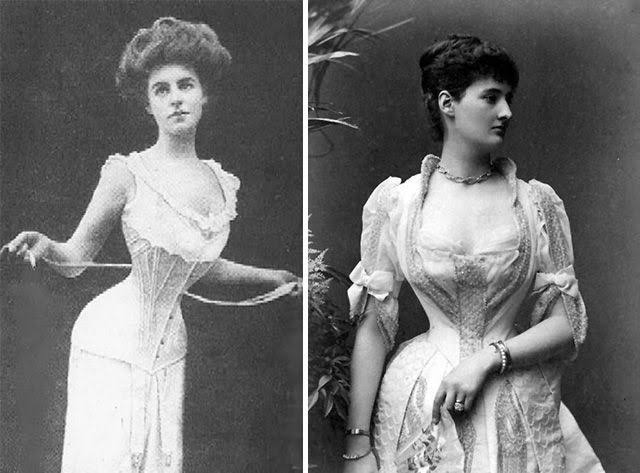
Although the hourglass figure has always held a special appeal across Western cultures, the Victorians took their obsession to a whole new level in their use of corsets. These waist-cinching devices, while successful in achieving a “wasp waist,” had some major health repercussions. Besides causing fainting spells, which the era’s ladies unsurprisingly became famous for, the restriction on women’s lungs likely worsened potentially deadly ailments like pneumonia and tuberculosis.

6. Unibrow.
The Greeks embraced a truly low maintenance beauty look: the unibrow. Yes, that’s right—no need for tweezers back in the ancient days. This singular stretch of hair was so desirable—it denoted intelligence—that separated brows were even joined using kohl or dark pastes.

7. Obsession with Fair skin tone.
In India, fair complexion is considered the ultimate beauty standard. Although the natural skin of Indian women is of beautiful brown colour, still they are compelled by society to use products to make their skin colour ‘lighter’ and hence ‘beautiful truly’.

Korean women, also consider fair, very fair skin to be the ultimate beauty standard. In the country, darker skin is considered a sign of low social status and lesser wealth. They willingly hide their naturally beautiful porcelain skin under an artificial sham of blinding fairness.

Financial Literacy – Its components and significance

Financial literacy is the possession of the set of skills and knowledge that allows an individual to make informed and effective decisions with all of their financial resources. Raising interest in personal finance is now a focus of state-run programs in countries including Australia, Canada, Japan, the United States and the United Kingdom. Understanding basic financial concepts allows people to know how to navigate in the financial system. People with appropriate financial literacy training make better financial decisions and manage money better than those without such training.

The Organization for Economic Co-operation and Development (OECD) started an inter-governmental project in 2003 with the objective of providing ways to improve financial education and literacy standards through the development of common financial literacy principles. In March 2008, the OECD launched the International Gateway for Financial Education, which aims to serve as a clearinghouse for financial education programs, information and research worldwide. In the UK, the alternative term “financial capability” is used by the state and its agencies: the Financial Services Authority (FSA) in the UK started a national strategy on financial capability in 2003. The US Government established its Financial Literacy and Education Commission in 2003.

Components of Financial Literacy :

There are five core competencies of financial literacy: Earning, Saving and Investing, Spending, Borrowing, and Protecting.

Earning –

“Earning” refers to bringing money home from a job, self-employment, or return on various investments. Most individuals earn money via employment in the form of a paycheck. The average employee pays between 28-30% of their gross income in taxes and other deductions before receiving their net income or take-home income. It is extremely important to understand gross versus net in a paycheck, in addition to understanding the federal, state and local individual income tax imposed on citizens and residents of the country.

Saving and Investing –

“Saving” and “Investing” deals with the understanding of financial institutions and services available to you. First of all, you should have a saving and a checking account to manage your own financial transactions. Start SAVING EARLY and PAY YOURSELF FIRST to help you understand the concept that saved money grows over time which also leads you to explore long-term investments for retirement planning.

Spending –

“Spending” is probably the most important concept because it is a personal reflection of your values, lifestyle, and your financial behavior. Differentiating between NEEDS and WANTS is the basic concept of controlling spending.  Budgeting is the most powerful and impact-full tool you can adopt to control spending to allow for saving and investing.

Borrowing –

“Borrowing”is acquiring debt to create assets. Most students have to borrow student loans to finance their educational goals, and with a financial plan for repayment, they can turn this investment in their education to their advantage. Mortgages or loans to buy homes are another form of borrowing or acquiring debt to create assets.  Business loans to create self-employment opportunity or build a business, and real estate investments, are also good examples of how borrowed money can be turned into assets and wealth accumulation.

Protecting –

“Protecting” deals with insurance, ID theft, and retirement planning. The idea is to stay protected at all levels in your life; on personal, health, and social levels. You will need to understand risk management, insurance coverage, identity theft protection, fraud, and scams, in order to master self and family financial protection in life.

Significance of Financial Literacy :

Financial Literacy helps in improving the financial knowledge of individuals. It brings clarity on basic financial concepts and principles such as compound interest, debt management, financial planning etc. It enables you to manage your personal finances efficiently. It helps in making appropriate financial decisions about investing, saving, insurance, managing debts, buying a house, child education, retirement planning etc. It helps individuals to achieve financial stability and financial freedom. It helps in understanding the difference between assets and liabilities. It helps in developing the skill sets required for better financial planning and managing your money. It provides in-depth knowledge on financial education and strategies which are indispensable for achieving financial growth and success. It helps you in generating, managing, saving, spending and investing money. It enables you to be debt free by inculcating financial knowledge and debt strategies.

In India, Financial Literacy has still not become a priority like other developed nations. Lack of basic financial knowledge results in poor investments and financial decisions. That’s why most people invest in short-term plans and physical assets to accomplish their personal goals which give lesser benefits and does not help in the economic development of the country. According to a global survey, about a staggering 76% of Indian adults do not understand basic financial concepts and are unfortunately financially illiterate even today. The survey confirms the financial literacy rate in India has been consistently poor as compared to the rest of the world. It is indeed high time for a developing country like India to realise the importance of financial literacy as such poor financial literacy rate can prove to be a major setback to India’s ambition of becoming an economic superpower in the coming years.

Financial Literacy has become one of the topmost priorities for most nations today as understanding basic financial concepts allows people to manage their wealth in a more organized way which in turn helps in the economic growth of the nation. It is proved that people with appropriate financial education and knowledge make better financial planning and makes the most of the available financial resources for maximum benefit. In the United States of America, financial literacy was initiated way back in 1908 by the American Credit Union Movement. In 1957, financial education was made mandatory by the state of Nevada and then other states followed. Australia also provides financial literacy education through customised programs. Singapore and Indonesia are among few of the Asian countries who have started this initiative and have taken the first step towards Financial Literacy.

Data Scientist Evergreen Career – Demand for Data Scientist is growing around the World

Data consumption has already increased manifold during the global pandemic anyway. As much data is being generated, its consumption is also being done accordingly. Mobile phones, social media, apps, payment wallets are generating so much data that the need of experts is being felt to manage it.

According to a study, the demand for data scientists around the world is estimated to increase by about 28 per cent. At the same time, India is second after the US in terms of making the most appointments in the field of data science or analytics.

Actually, data scientists study data. By analyzing the data, they help companies or institutions plan for the future. Under this, they first collect data. Then store them and then sort them into different categories i.e. packaging of data. Finally, data delivery takes place. Simply to say that data scientists know how to visualize data better. Apart from all this, they also help in finding the lost data, removing the chaos and avoiding other flaws.

Important skills with academics

To become a data scientist, a candidate must have an M.Tech or MS degree in Maths, Statistics, Computer Science, Engineering, Applied Science. Under Data Science people have to study Maths, Algorithm Techniques, Statistics, Machine Learning and Programming languages like Python, Hive, SQL, R, etc. which requires a lot of hard work, time and patience. The data scientist should also have a good understanding of the business and strong communication skills. Also, it is good to gather complete information about any program or course before selecting it. 

Course

Many top institutes in the country offer courses related to it. For example, the Post Graduate Diploma in Business Analytics (Data Science) program jointly run by IIM Calcutta, ISI Calcutta and IIT Kharagpur is quite popular. Apart from this, you can also do a course from IIIT Bengaluru. If you want to learn online, you can explore the platforms of Simplilearn, Jigsaw Academy, Edureka, Learnbay, etc. According to experts, the maths background is beneficial for making a career in data science.

The possibilities

By 2026, it is expected to be around 11 million new jobs coming in this sector. Talking about India, the demand for data scientists in 2018 was seen to increase by 4.17 per cent, which is likely to continue in the coming time. Youngsters aspiring to pursue a career in this field can work on the profiles of data engineers, data administrators, statisticians, data and analytics managers, etc. There will be good demand in sectors like agriculture, healthcare, aviation, cybersecurity etc.

Hiring will increase even after COVID 19

Data scientists play a key role in building business analytics, data products, and software platforms. Today, 2.5 quintillion bytes of data is being created in the world every day, which will require skilled professionals to manage. There will be tremendous opportunities for them. Especially in Big Data Analytics and IT industry, they will have special demand.

According to a global study, after COVID 19, millions of data science professionals will be needed in the US alone. Global companies will hire a large number of data scientists to manage their businesses.

A similar situation will prevail in India. For this, youth can enrol in postgraduate courses offered in different universities of the country or can also take online courses from Coursera, Metis, MIT (EDX), Harvard or Udemy. But doing a full course would be better. If you can work with machine learning in deep learning frameworks like Neural Networks, TensorFlow, Keras, PyTorch, and have working knowledge of Hadoop and Spark, then there can be golden opportunities to move forward in the industry. It is also important for the data scientist to have critical thinking.

Premier Institutes:

ASI Calcutta

http://www.isical.ac.in

IIM, Calcutta

https://www.iimcal.ac.in/

IIT Kharagpur

http://www.iitkgp.ac.in/

Indian Institute of Management, Bangalore

https://www.iimb.ac.in/

Great Lakes Institute of Management, Tamil Nadu

https://www.greatlakes.edu.in/

IIIT Bangalore

https://www.iiitb.ac.in/

Stock Market

Shares –

A share is the division of the total capital of the company in certain number of units. The owners of these shares are the owners of the company. The person having shares in a particular company are termed as the shareholders of that company. The amount required by the company to start the business is acquired by these shareholders. The denominated value of a share is called its face value. The total of the face value of issued shares represent the capital of a company, which may not reflect the market value of those shares. The income received from the ownership of shares is a dividend.  The shares are collectively known as “stock”.

Stocks –

Stock is all of the shares into which ownership of the corporation is divided. A single share of the stock represents fractional ownership of the corporation in proportion to the total number of shares. This typically entitles the stockholder to that fraction of the company’s earnings, proceeds from liquidation of assets, or voting power, often dividing these up in proportion to the amount of money each stockholder has invested. Not all stock is necessarily equal, as certain classes of stock may be issued for example without voting rights, with enhanced voting rights, or with a certain priority to receive profits or liquidation proceeds before or after other classes of shareholders.

Stock Market –

A stock market is the aggregation of buyers and sellers of stocks, which represent ownership claims on businesses. These may include securities listed on a public stock exchange, as well as stock that is only traded privately by stock holder, such as shares of private companies which are sold to investors through equity crowd-funding platforms. Investment in the stock market is most often done via stockbrokerages and electronic trading platforms. Investment is usually made with an investment strategy in mind. Stocks can be categorized by the country where the company is domiciled.

A stock exchange is an exchange where stockbrokers and traders can buy and sell shares (equity stock), bonds, and other securities. Many large companies have their stocks listed on a stock exchange. This makes the stock more liquid and thus more attractive to many investors. The exchange may also act as a guarantor of settlement. These and other stocks may also be traded “over the counter” (OTC), that is, through a dealer. Some large companies will have their stock listed on more than one exchange in different countries, so as to attract international investors.

Stock exchanges may also cover other types of securities, such as fixed-interest securities (bonds) or (less frequently) derivatives, which are more likely to be traded OTC. Trade in stock markets means the transfer (in exchange for money) of a stock or security from a seller to a buyer. This requires these two parties to agree on a price.  Equities (stocks or shares) confer an ownership interest in a particular company.

Participants in the stock market range from small individual stock investors to larger investors, who can be based anywhere in the world, and may include banks, insurance companies, pension funds and hedge funds. Their buy or sell orders may be executed on their behalf by a stock exchange trader.

Some exchanges are physical locations where transactions are carried out on a trading floor, by a method known as open outcry. This method is used in some stock exchanges and commodities exchanges, and involves traders shouting bid and offer prices. The other type of stock exchange has a network of computers where trades are made electronically. A potential buyer bids a specific price for a stock, and a potential seller asks a specific price for the same stock. Buying or selling at the market means you will accept any ask price or bid price for the stock. When the bid and ask prices match, a sale takes place, on a first-come, first-served basis if there are multiple bidders at a given price.

The purpose of a stock exchange is to facilitate the exchange of securities between buyers and sellers, thus providing a marketplace. The exchanges provide real-time trading information on the listed securities, facilitating price discovery.

NSE –

National Stock Exchange of India Limited (NSE) is the leading stock exchange of India, located in Mumbai, Maharashtra. NSE was established in 1992 as the first dematerialized electronic exchange in the country. NSE was the first exchange in the country to provide a modern, fully automated screen-based electronic trading system which offered easy trading facilities to investors spread across the length and breadth of the country. Vikram Limaye is Managing Director and Chief Executive Officer of NSE.

National Stock Exchange has a total market capitalization of more than US$2.27 trillion, making it the world’s 11th-largest stock exchange as of April 2018.  NSE’s flagship index, the NIFTY 50, a 50 stock index is used extensively by investors in India and around the world as a barometer of the Indian capital market. The NIFTY 50 index was launched in 1996 by NSE.  However, Vaidyanathan (2016) estimates that only about 4% of the Indian economy / GDP is actually derived from the stock exchanges in India.

The National Stock Exchange of India Limited (NSE) commenced trading in derivatives with the launch of index futures on 12 June 2000. The futures and options segment of NSE has made a global mark. In the Futures and Options segment, trading in NIFTY 50 Index, NIFTY IT index, NIFTY Bank Index, NIFTY Next 50 index and single stock futures are available. Trading in Mini Nifty Futures & Options and Long term Options on NIFTY 50 are also available.  The average daily turnover in the F&O Segment of the Exchange during the financial year April 2013 to March 2014 stood at ₹1.52236 trillion (US$21 billion).

On 29 August 2011, National Stock Exchange launched derivative contracts on the world’s most-followed equity indices, the S&P 500 and the Dow Jones Industrial Average. NSE is the first Indian exchange to launch global indices. This is also the first time in the world that futures contracts on the S&P 500 index were introduced and listed on an exchange outside of their home country, USA. The new contracts include futures on both the DJIA and the S&P 500 and options on the S&P 500.

On 3 May 2012, the National Stock exchange launched derivative contracts (futures and options) on FTSE 100, the widely tracked index of the UK equity stock market. This was the first of its kind of an index of the UK equity stock market launched in India. FTSE 100 includes 100 largest UK listed blue chip companies and has given returns of 17.8 per cent on investment over three years. The index constitutes 85.6 per cent of UK’s equity market cap.

On 10 January 2013, the National Stock Exchange signed a letter of intent with the Japan Exchange Group, Inc. (JPX) on preparing for the launch of NIFTY 50 Index futures, a representative stock price index of India, on the Osaka Securities Exchange Co., Ltd. (OSE), a subsidiary of JPX.

Moving forward, both parties will make preparations for the listing of yen-denominated NIFTY 50 Index futures by March 2014, the integration date of the derivatives markets of OSE and Tokyo Stock Exchange, Inc. (TSE), a subsidiary of JPX. This is the first time that retail and institutional investors in Japan will be able to take a view on the Indian markets, in addition to current ETFs, in their own currency and in their own time zone. Investors will therefore not face any currency risk, because they will not have to invest in dollar denominated or rupee denominated contracts.

In August 2008, currency derivatives were introduced in India with the launch of Currency Futures in USD–INR by NSE. It also added currency futures in Euros, Pounds, and Yen. The average daily turnover in the F&O Segment of the Exchange on 20 June 2013 stood at ₹419.2616 billion (US$5.9 billion) in futures and ₹273.977 billion (US$3.8 billion) in options, respectively.

Small yet distinct

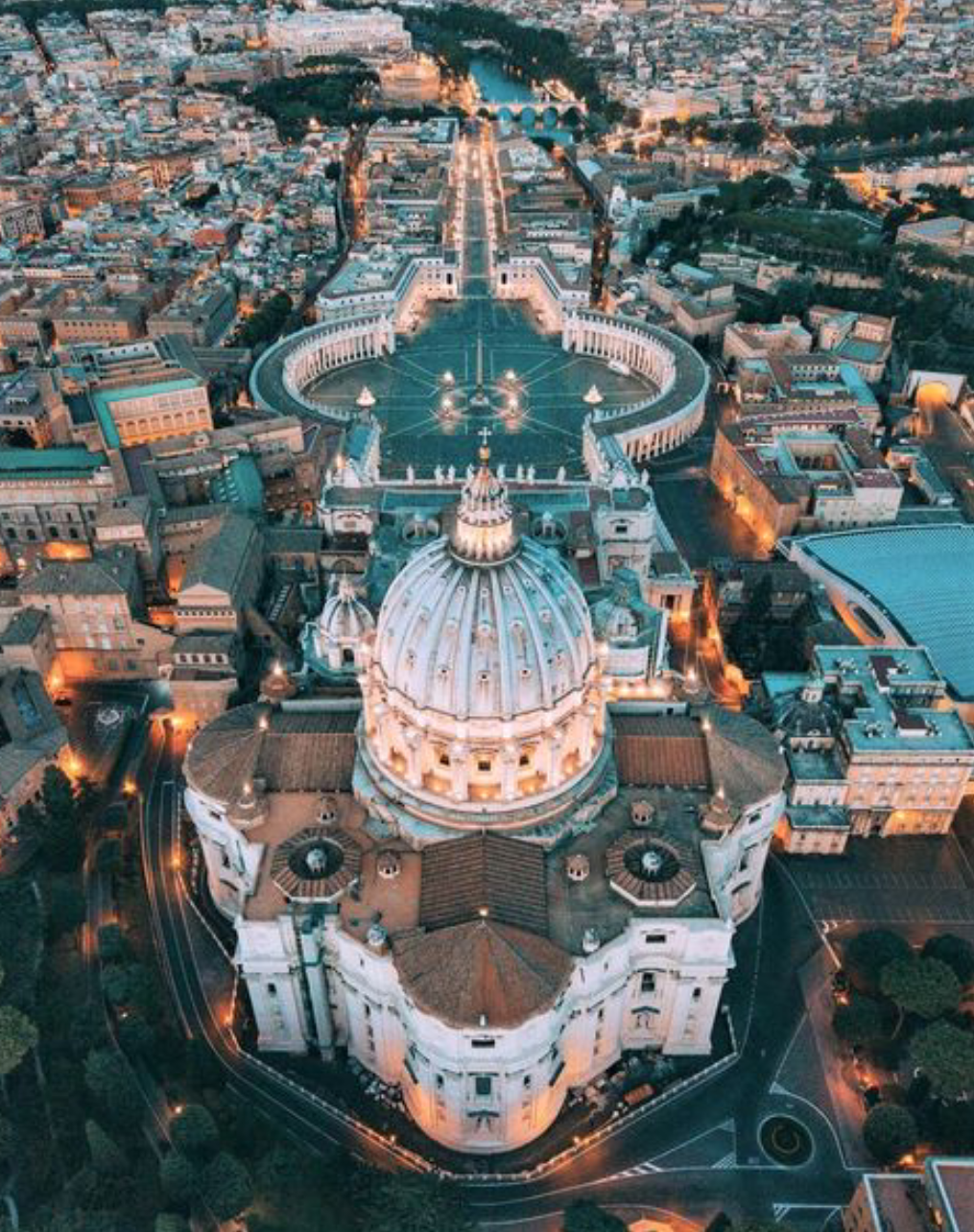
The word ‘country’ makes one think of a large land mass. However, not every country is huge. There are some countries that are really small in size. They are so tiny, that some of them can even be covered by foot! Some of these countries can fit entirely within the city of another country. The smallest country in the world, the Vatican City, for example, can fit into the city of Rome, capital of Italy. Many of these countries are only small in size. With their wealth and natural resources, they can even compete with any of the larger countries. So, here’s a showcase of some of the small, yet distinct countries.

• Vatican City

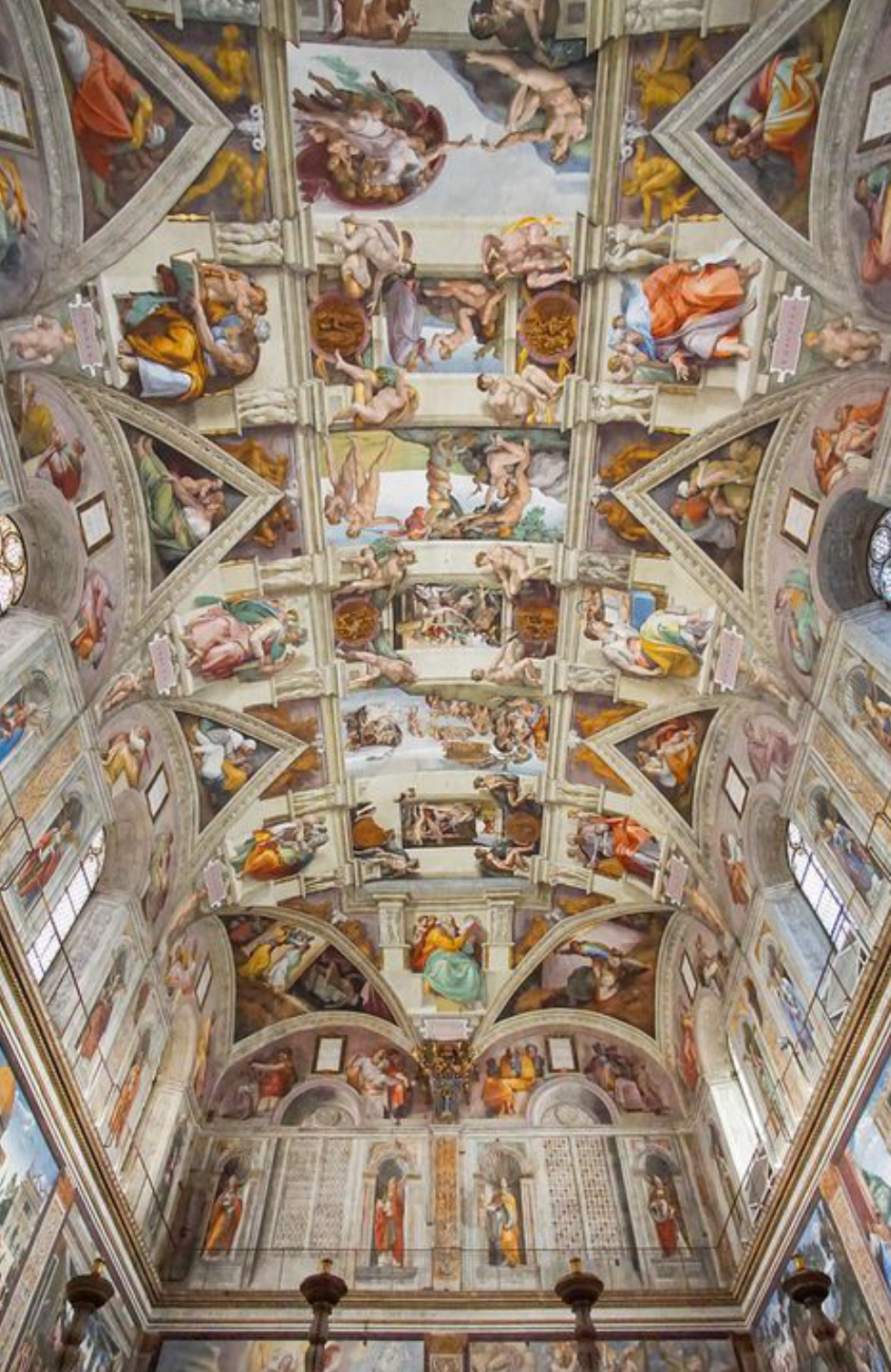
Vatican City is the world’s smallest fully independent nation state. It is also the smallest by population. Situated on the western bank of the Tiber river, the Vatican City’s 3.2 kilometre border is landlocked by Italy. The Vatican City has served as the official home of the pope of the Catholic church since 1377. However, Vatican City was not declared an independent state until the Lateran treaty of 1929 which created the independent state of Vatican City for the Catholic church. Today nearly 75% of the Vatican’s citizens are members of the clergy. Along with the centuries old buildings and gardens the Vatican maintains its own banking and telephone systems post office pharmacy newspaper and radio and television stations. Its 600 citizens include the members of the Swiss guard a security detail charged with protecting the Pope since 1506. The most significant building in Vatican City is Saint Peter’s Basilica. It is the Italian language that is used by most of those located within the state however the official documents are written in Latin.

• South Korea

Compared to the giants of Asia like India and China, South Korea is much smaller in size. Its total area is 100,032 square kilometres. South Korea has one pf the most homogeneous populations in the world which are thought to be descended from several Mongol tribes that migrated from central Asia. Tourism is a fast growing industry in South Korea.

• Portugal

Portugal is a sovereign state in Western Europe. It comprises of the continental part of Portugal on the western coast of the Iberian Peninsula and the small archipelagos of Madeira and the Azores in the Atlantic Ocean.

• Hungary

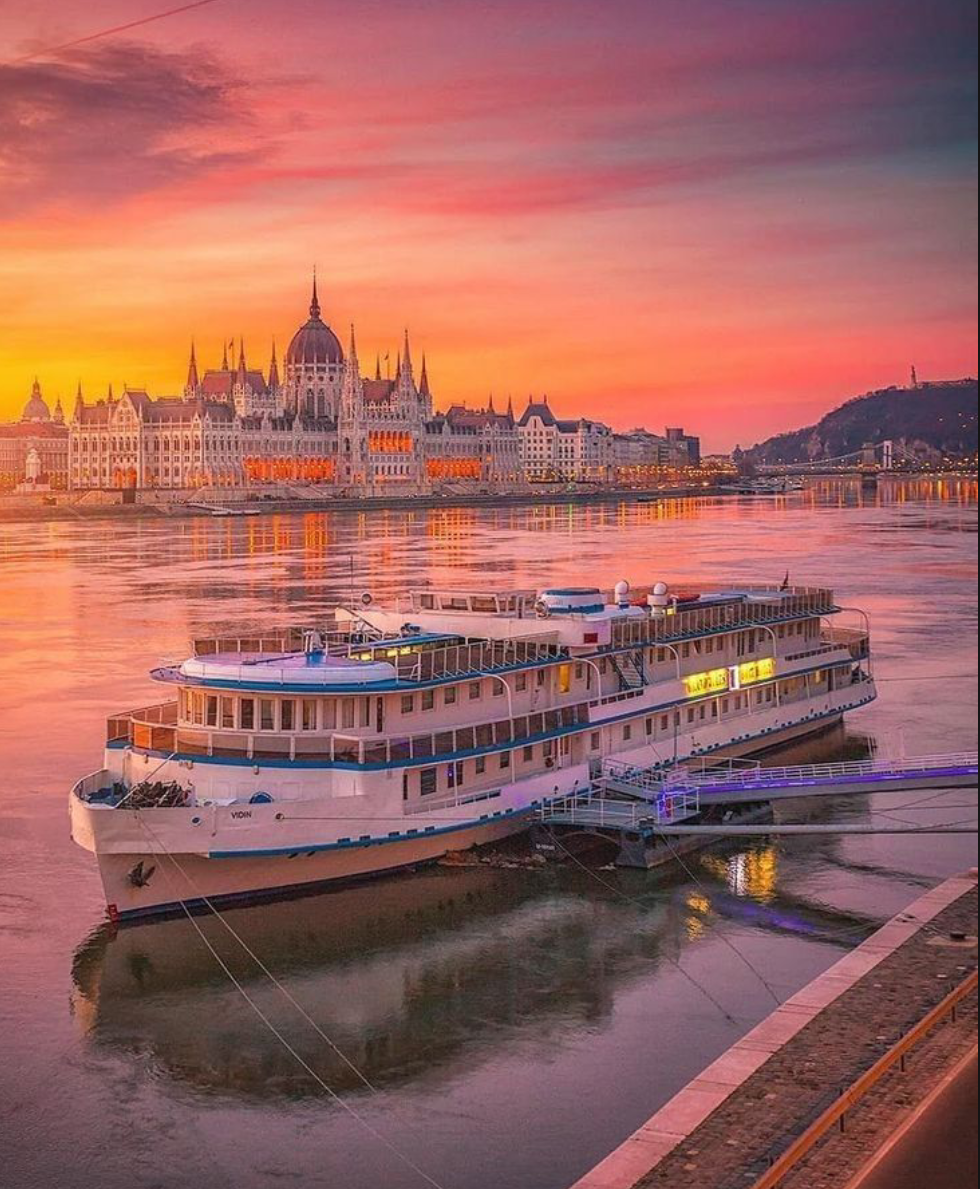
The name “Hungary” may very well come from the medieval Latin word ‘Hungaria’ which translates as “Land of Huns”. Another source states that the name is derived from the Turkish words on ‘Ogur’ meaning ‘ten arrows’ or ‘ten people’

• UAE

The United Arab Emirates is a constitutional federation of seven Emirates; Abu Dhabi, Dubai, Sharjah, Ajman, Umm al-Quwain, Ras al-Khaimah and Fujairah. The federation was formally established on 2nd December, 1971. The UAE’s oil reserves are the seventh largest in the world while its natural gas reserves are the worlds seventeen largest. The Dubai police fleet includes Lamborghini, a Ferrari and a Bentley. This is to allow them to catch speeders who can outrun other cars.

• Dominican republic

The island of Hispaniola, the second largest island of the Antilles in the Caribbean contains two separate countries, the Dominican republic and Haiti. The Dominican republic is the only country in the world to have an image of the Holy Bible on its national flag.

• Panama • Georgia • Ireland • Iceland • Sri Lanka • Costa Rica • Bhutan • Switzerland • Belgium • Israel • Fiji • Qatar • Jamaica • Singapore • Maldives …to name a few others.

Thank you for reading. Have a nice day!🌼

Tamil Helmsman- Part-2

You can refer here for more details

Vulaganathan Othapidaram Chidambaram Pillai or V.O.C was born on 05 September 1872 to an eminent lawyer Vulaganathan Pillai and Paramyee in Ottapidaram, Tirunelveli district of Tamil Nadu state in India. After completing schooling in Othapidaram and Tirunelveli he worked for a few years in the Othapidaram district administrative office. Later following his father’s footsteps he completed law.

As a lawyer he often pleaded for the poor, at times appearing against his father, who appeared for the affluent. Among his notable cases, he proved corruption charges on three sub-magistrates. In the Kulasekaranallur Asari case he proved innocence for the accused.

V.O.C., drawing inspiration from Ramakrishnananda, a disciple of Swami Vivekannanda, resorted to Swadeshi work. Following requests by local citizens, he initiated steps to break the monopoly of British shipping in the coastal trade with Ceylon.

On 12 November 1905, V.O.C. formed the Swadeshi Steam Navigation Company, by purchasing two steamships ‘S.S. Gaelia’ and ‘S.S. Lawoe’, thanks to the assistance and support of Lokamanya Bal Gangadhar Tilak and Aurobindo Ghose. The ships commenced regular service between Turicorin and Colombo (Srilanka), against the opposition of the British traders and the Imperial Governmetn. V.O.C. was thus laying the foundation for a comprehensive shipping industry in the country, more than just a commercial venture.

Until then the commerce between Tuticorin and Colombo was a monopoly enjoyed by the British India Steam Navigation Company (BISN). This was later to be merged with P&O lines and its Tuticorin agents, A & F. Harvey.

His efforts to widen the base of the Swadeshi movement, by mobilizing the workers of the Coral Mills (also managed by A. F. Harvey) brought him into increasing conflict with the British Raj. On 12 March 1908, he was arrested on charges of sedition and for two days, Tirunelveli and Tuticorin witnesses’ unprecedented violence, quelled only by the stationing of a punitive police force. But newspapers had taken note of VOC. Autobindo Ghosh, acclaimed him in Bande Mataram (March 27, 1908)

“Well Done, Chidambaram! A true feeling of comradeship is the salt of political life; it binds men together and is the cement of all associated action. When a political leader is prepared to suffer for the sake of his followers, when a man, famous and adored by the public, is ready to remain in jail rather than leave his friends and fellow workers behind, it is a gign theat political life in India is becoming a reality. Srijut Chidambaram Pillai has shown throughout the Turicorin affair a loftiness of character, a practical energy united with high moral idealism which show that the is a true Nationalist. His refusal to accept release on bail if his fellow-workers were left behind is one more count in the reckoning. Nationalism is or ought to be not merely a political creed but a religious aspiration and a moral attitude. Its business is to build up Indian character by educating it to heroic self-sacrifice and magnificent ambitions, to restore the tone of nobility which it has lost and bring back the ideals of the ancient Aryan gentleman. The qualities of courage, frankness, love and justice are the stuff of which a Nationalist should be made. All honor to Chidambaram Pillai for having shown us the first complete example of an Aryan reborn, and all honor to Madras which has produced such a man”.

The British had assumed the Indian venture would collapse like a house of cards, but soon found the Indian company to be a formidable challenge. To thwart the new Indian company they resorted to the monopolistic trade practice of reducing the fare per trip to Re.1 (16 annas) per head. Swadeshi company responded by offering a fare of Re. 0.5 (eight annas). The British company went further by offering a free trip to the passengers plus a free umbrella, which had ‘S.S. Gaelia’ and ‘S.S. Lawoe’ running nearly empty. By 1909 the company was heading towards bankruptcy.

To widen the Swadeshi base and to create awareness of British Imperialism V.O.C. became instrumental in mobilizing the workers of Coral Mills (also managed by A. & F. Harvey) (now part of Madura Coats) in Tirunelveli. This brought him into increasing conflict with the British Raj. On 12 March, 1908, he was arrested on charges of sedition and for two days, Tirunelveli and Tuticorin witnessed unprecedented violence, quelled only by shooting four people to deah (a Muslim, a Dalit, a baker and a Hindu temple priest). Punitive police forces were brought in from neighboring districts.

But newspapers had taken not of V.O.C. Sri Aurobindo’s nationalist Bengali newspaper Bande Mataram (splet and pronounced as Bonde Matorom in the Bengali language) acclaimed him (March 27, 1908) with “Well Done, Chidambaram”. Apart from the Madras press, Ananad Bazaar Patrika from Koldata (Calcutta) carried reports of his prosecution every day. Funds were raised for his defence not only in India but also by the Indians in South Africa.

Apart from the Madras press, Ananad Bazaar Patrika from Koldata (Calcutta) carried reports of his prosecution every day. Funds were raised for his defence not only in India but also by the Indians in South Africa. Bharathy gave evidence in the case which had been instituted against him. V.O.C was confined in the Central Prison, Coimbatore from 9 July 1908 to 1 December 1910.

Man vs Machine

Human beings and machines work differently as machines are the creation of Human. Machines were created to make human life easier. A machine is only a motorized gadget consisting of different parts. When it comes to artificial intelligence vs human brain then there are some people who believe artificial intelligence is more efficient than the human brain. As time passed by humans became dependent on machines. Humans have a need to interact with each other because communication is not possible with machines. We feel comfortable in expressing, probing and getting our problems solved with humans.Our history and our literature show us that for most of human history machines were seen as tools to help people do more than they were capable of on their own. From simple stone tools to the inventions of the Iron Age and Bronze Age, technology augmented human capability for survival, competitive advantage and convenience. The ancient Greek legend of Icarus and Daedalus told the story of augmenting humans with wings so they could fly like the birds. For thousands of years life and art mirrored each other in a story of man AND machine, working together for the betterment of humanity.Over the years, man has come up with countless inventions, each more resourceful than the last. However, as the computer age continues, mankind is threatened. Ridiculous, some may say, but I say look around! The computer has already begun to control so many of the vital functions that man has prided himself upon before. Our lives are now dependent on a computer and what it tells you. Even now, I type this essay on a computer, trusting that it will produce a result far superior to what I can do with my own to hands. Humans are creative and imaginative. They can create and invent new things but machines cannot do such types of work because they use artificial intelligence. Machines are operated and guided by humans. Humans are blessed with intelligence and emotions while machines have artificial intelligence. Humans have many diverse abilities in several things such as language, pattern recognition, and creative thinking.

As jobs are automated we again see people in the labor force striking back against the machines in an effort to maintain their livelihood. The fight itself evolved during this time as workers were now represented by unions and many companies are no longer led by a single individual but rather faceless shareholders creating an depersonalized, institutional “us versus them” dynamic.We see the conflict play out in a wide range of stories, but especially in science fiction as writers imagine how new technologies can be used evil as well as good.A person can work with a wide variety of methods, seeing new, more efficient ways of handling problems. It can come up with infinite ways of getting around problems encountered in day to day life, while a computer has a limited memory of new tricks it can come up with, limited by its programming. Should improved programming be introduced, it is the human brain that figures out the programming that will allow any improvements for the computer. The human brain can learn to understand anything, it can grasp the central concept of anything. Also, emotions are not capable in a computer. It allows the human brain to have evolved beyond a problem-solving machine. Emotions open the mind to an endless realm of possibilities.Machines and technology are replacing manpower for certain jobs and this is the big reason for unemployment and which is also a drawback of the machines. As humans are being replaced by machine hence certain jobs are disappearing. The industrial revolution has also led to unemployment, as a result, there is a loss of medium skill jobs in various sectors.

The reason why computers cannot create is because of the lack of emotions. For example, anger allows the imagination to roam, inventing concepts of new, ever more powerful weapons of destruction. Puzzlement causes the mind to think of solutions. Curiosity leads to attempts to satisfy it, producing new discoveries and ideas. Some effects of a machine on humans are competency, wars, and destruction, The radiation released from smartphones is absorbed by human bodies which can cause tumor, and also the power consumption has increased.

Technology is advancing faster than ever. Even new business and economic models, from the gig and sharing economies to crypocurrencies and initial coin offerings, are both creating new opportunities for those who know how to take advantage of them as well as threatening long established business and jobs. Threats no longer come head on from known competitors but can come from any direction, including companies that seemingly pop out of nowhere. To be successfully you need to not only understand the environment you are in but also to understand who you are. You cannot be an expert in all the new technologies, including the technologies in your own field.

On the other hand, the computer is clearly superior in many other aspects. In sheer speed of computation and retrieval of data, the computer is obviously by far the stronger. Machines have become a very important part of our lives and are helpful in many ways. Though it also has a negative impact on our lives as well. There is no competition between humans and machines because humans are the creators of the machine. Humans have created machines for various purposes and it is also important to know the purpose of developing artificial intelligence and its impact on human life. Machines are used for creation as well as destruction by the power of human intelligence.