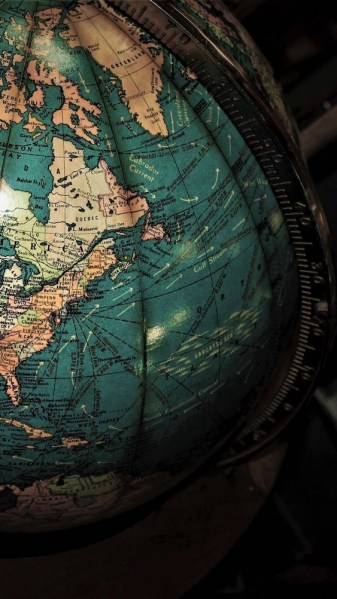
Salient features of world’s physical geography

Earth is splendid terrestrial haven. It is imperative to know physical geography through its display of environmental diversity. In scientific studies, it is established that Geography is a word that originated from two Greek roots. Geo-denotes to “Earth,” and graphy stands for “picture or writing.” Geography is the study of earth as the home of present day human being (Sagmit, 1998).The main objective of geography is the assessment, and explanation of Earth, its variability from place to place, the way places and features transform over time, and the processes responsible for these variations and changes. Geography is termed as the spatial science because it incorporates recognizing, analysing, and explaining the variations, similarities, or differences in phenomena situated on the surface of Earth. Geography is unique among the sciences by virtue of its characterization and central purpose. It describes the values and attitudes towards environment and sharpen intellectual and practice skill.

Earth’s structure is divided into three zones that include crust, Mantle and core. Crust is the solid outer layer of the Earth, and its depth is usually never more than 1 per cent of the Earth’s radius, or averaging 40–50 km, but this varies significantly around the sphere. These are two different types: oceanic and continental. Mantle is the region within the Earth’s interior that range from 25 to 70 km below the surface, to a depth of ~2,900 km. It is composed mainly of silicate rocks, rich in iron and magnesium. At the base of the mantle, temperatures may reach up to 5,000°C. These high temperatures may help to generate convection currents which drive plate tectonics. Core is the very centre of the Earth and is composed of iron and nickel. It consists of an outer core (semi-molten) and inner core (solid). The temperature at the very centre of the Earth (~6,300 km below surface) may reach 5,500°C.

Geography is inherently encompassing discipline. It brings together facts from other sciences such as physical biological and social. Physical geography is related to the physical science. Physical geography includes the processes and attributes that constitute Earth which incorporate human activities where they interface with the atmosphere. Different branches of Physical geography are climatology, Meteorology, Geomorphology and pedageography (Sagmit, 1998).Scientific studies have revealed that physical geographers are more interested in comprehending all aspects of Earth and can be considered generalists because they are qualified to scrutinize a natural environment in its entirety, and how it functions as a unit. In physical geography, researchers study about lithosphere, atmosphere, hydrosphere, and biosphere. Due to interaction of these elements, numerous changes occur on earth surface. Most physical geographers concentrate on advanced study in one or two specialties. For instance, meteorologists and climatologists believe how the interaction of atmospheric components influences weather and climate. Meteorologists focus their studies learning the atmospheric processes that affect daily weather, and they use current data to predict weather conditions. Climatologists are interested in the averages and extremes of long-term weather data, regional classification of climates, monitoring and understanding climatic change and climatic hazard, and the long term impact of atmospheric conditions on human actions and the surroundings.
The factors involved in landform development are as varied as the environments on Earth, and include gravity, running water, stresses in the Earth’s crust, flowing ice in glaciers, volcanic activity, and the erosion or deposition of Earth’s surface materials. Biogeographers scrutinize natural and human-modified environments and the ecological processes that influence their characteristics and distributions, including vegetation change over time. They also research and explain the ranges and patterns of vegetation and animal species, seeking to find out the environmental factors that limit or facilitate their distributions. Several soil scientists are geographers, who are concerned in mapping and analysing soil types, determining the aptness of soils for certain uses, such as agriculture, and working to conserve soil as a natural resource. Geographers are broadly concerned to study water bodies and their processes, movements, impact, quality, and other features. They may serve as hydrologists, oceanographers, or glaciologists. Many geographers involved with water studies also function as water resource managers, who work to ensure that lakes, watersheds, springs, and groundwater sources are suitable to meet human or environmental needs, provide an adequate water supply, and are as free of pollution as possible. Hydrology is merging science. It helps to understand the processes in which water plays an important role in nature through oceans, rivers and glaciers in sustaining life forms of earth surface.


IN OUR CHANGING WORLD NOTHING CHANGES MORE THAN GEOGRAPHY

Genral issues on Environmental ecology

The environment plays a significant role to support life on earth. But there are some issues that are causing damages to life and the ecosystem of the earth. It is related to the not only environment but with everyone that lives on the planet. Besides, its main source is pollution, global warming, greenhouse gas, and many others. The everyday activities of human are constantly degrading the quality of the environment which ultimately results in the loss of survival condition from the earth.There are hundreds of issue that causing damage to the environment. But in this, we are going to discuss the main causes of environmental issues because they are very dangerous to life and the ecosystem.

Pollution – It is one of the main causes of an environmental issue because it poisons the air, water, soil, and noise. As we know that in the past few decades the numbers of industries have rapidly increased. Moreover, these industries discharge their untreated waste into the water bodies, on soil, and in air. Most of these wastes contain harmful and poisonous materials that spread very easily because of the movement of water bodies and wind. Greenhouse Gases – These are the gases which are responsible for the increase in the temperature of the earth surface. This gases directly relates to air pollution because of the pollution produced by the vehicle and factories which contains a toxic chemical that harms the life and environment of earth. Climate Changes – Due to environmental issue the climate is changing rapidly and things like smog, acid rains are getting common. Also, the number of natural calamities is also increasing and almost every year there is flood, famine, drought, landslides, earthquakes, and many more calamities are increasing.

Development recognises that social, economic and environmental issues are interconnected, and that decisions must incorporate each of these aspects if there are to be good decisions in the longer term.For sustainable development, accurate environment forecasts and warnings with effective information on pollution which are essential for planning and for ensuring safe and environmentally sound socio-economic activities should be made known.


THE EARTH IS WHAT WE
        ALL HAVE IN COMMAN

History of India & Indian National Movement.

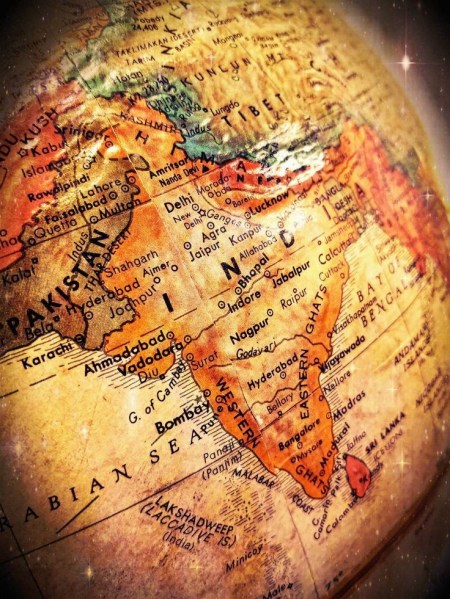
Early times the Indian subcontinent appears to have provided an attractive habitat for human occupation. Toward the south it is effectively sheltered by wide expanses of ocean, which tended to isolate it culturally in ancient times, while to the north it is protected by the massive ranges of the Himalayas, which also sheltered it from the Arctic winds and the air currents of Central Asia. Only in the northwest and northeast is there easier access by land, and it was through those two sectors that most of the early contacts with the outside world took place.

Within the framework of hills and mountains represented by the Indo-Iranian borderlands on the west, the Indo-Myanmar borderlands in the east, and the Himalayas to the north, the subcontinent may in broadest terms be divided into two major divisions: in the north, the basins of the Indus and Ganges (Ganga) rivers (the Indo-Gangetic Plain) and, to the south, the block of Archean rocks that forms the Deccan plateau region. The expansive alluvial plain of the river basins provided the environment and focus for the rise of two great phases of city life: the civilization of the Indus valley, known as the Indus civilization, during the 3rd millennium BCE; and, during the 1st millennium BCE, that of the Ganges. To the south of this zone, and separating it from the peninsula proper, is a belt of hills and forests, running generally from west to east and to this day largely inhabited by tribal people. This belt has played mainly a negative role throughout Indian history in that it remained relatively thinly populated and did not form the focal point of any of the principal regional cultural developments of South Asia. However, it is traversed by various routes linking the more-attractive areas north and south of it. The Narmada (Narbada) River flows through this belt toward the west, mostly along the Vindhya Range, which has long been regarded as the symbolic boundary between northern and southern India.

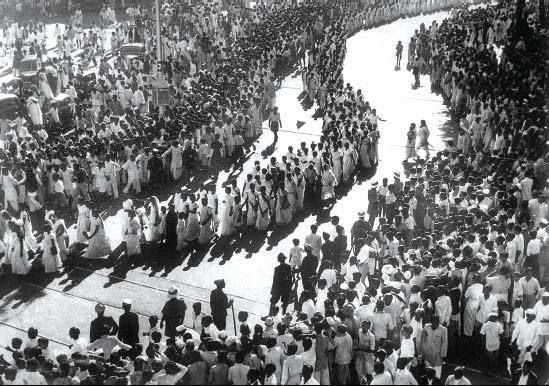
India’s movement for Independence occurred in stages elicit by the inflexibility of the Britishers and in various instances, their violent responses to non-violent protests. It was understood that the British were controlling the resources of India and the lives of its people, and as far as this control was ended India could not be for Indians.

On 28 December 1885 Indian National Congress (INC) was founded on the premises of Gokuldas Tejpal Sanskrit School at Bombay. It was presided over by W.C Banerjee and attended by 72 delegates. A.O Hume played an instrumental role in the foundation of INC with an aim to provide Safety Valve to the British Government.
A.O Hume served as the first General Secretary of INC.
The real Aim of Congress is to train the Indian youth in political agitation and to organise or to create public opinion in the country. For this, they use the method of an annual session where they discuss the problem and passed the resolution.
The first or early phase of Indian Nationalism is also termed as Moderate Phase (1885-1905). Moderate leaders were W.C Banerjee, Gopal Krishna Gokhale, R.C Dutt, Ferozeshah Mehta, George Yule, etc.
Moderates have full faith in British Government and adopted the PPP path i.e. Protest, Prayer, and Petition.
Due to disillusionment from Moderates’ methods of work, extremism began to develop within the congress after 1892. The Extremist leaders were Lala Lajpat Rai, Bal Gangadhar Tilak, Bipin Chandra Pal, and Aurobindo Ghosh. Instead of the PPP path, they emphasise on self-reliance, constructive work, and swadeshi.
With the announcement of the Partition of Bengal (1905) by Lord Curzon for administrative convenience, Swadeshi and Boycott resolution was passed in 1905.


ONE INDIVIDUAL MAY DIE; BUT THAT IDEA WILL, AFTER HIS DEATH, INCARNATE ITSELF IN A THOUSAND LIVES.

-Netaji Subhash Chandra Bose

Women organizations and their role in India

Women’s Organisations emerged in India as a result of the spread of education and the establishment of the notion of the new woman. There was an improved level of communication among women which made them aware of the different problems that they faced and their rights and accountabilities in society. This awareness led to the upsurge of women’s organizations that fought for and signified women’s causes

An exclusive feature of the Indian women’s crusade is the fact that early efforts at women’s liberation were set in motion by men. Social reformers such as Raja Ram Mohan Roy, Maharishi Karve, and Swami Dayanand Saraswati challenged the conventional subservience of women, stimulated widow remarriage, and supported female education and impartiality in matters of religion, among other issues. Mahila mandals organized by Hindu reformist organizations such as the Arya Samaj and Brahmo Samaj encouraged women to go out of the boundaries of their homes and interact with other members of society. Pandita Ramabai, who was considered as one of the innovators of the feminist movement, with the help of Justice Ranade established the Arya Mahila Samaj in 1882. She envisioned creating a support network for newly educated women through weekly lectures and lessons at homes, where women could learn and gain confidence through interactions.

Women’s auxiliaries of general reform associations also served as a ground for women to deliberate social issues, express opinions, and share experiences. The Bharata Mahila Parishad of the National Social Conference was the most protruding among such opportunities. Though the National Social Conference was formed at the third meeting of the Indian National Congress in 1887, the Mahila Parishad was launched only in 1905.

These initiatives greatly influenced the social status of women. Early attempts at encouraging women to converse outside their families and local committees thus, stemmed from the broader social reform movement and efforts to upgrade the conditions of women.

The pre‐Independence period saw women’s issues related to the nationalist agenda at various junctures. In this period, a major enhancement of women was in terms of political participation of women, calling for a redefinition of conventional gender roles. Women began openly demonstrating their opposition to foreign control by supporting civil disobedience actions and other forms of protest against the British. Opportunities to organize and participate in agitations gave women much‐needed confidence and a chance to develop their leadership skills. Cutting across communal and religious barriers, women associated themselves with larger problems of society and opposed sectarian issues such as communal electorates. Political awareness among women grew, owing to a general understanding that women’s issues could not be separated from the political environment of the country. During this period, the initial women’s organizations formed within the historical background of the social reform movement and the nationalist movement were as follows.

•The Women’s India Association (WIA).
National Council of Women in India (NCWI).
•The All India Women’s Conference (AIWC) in 1917, 1925, and 1927 correspondingly.
Each of these organizations emphasized the importance of education in women’s progress.
•The WIA, created by Margaret Cousins in Madras, worked widely for the social and educational emancipation of women. •Associated with the Theosophical Society, it encouraged non‐sectarian religious activity and did creditable work in promoting literacy, setting up shelters for widows, and providing relief for disaster victims.
•Women in Mumbai, Chennai, and Kolkata through networks developed during World War I work, allied their associations together, and created the NCWI in 1925. A national branch of the International Council of Women, its most prominent member was Mehribai Tata, who aggressively campaigned against inert charity and advised men to support female education.
•The most important of the women’s organizations of the time was the All India Women’s Conference. Though its initial efforts were directed towards improving female education, its scope later extended to include a host of women’s issues such as women’s franchise, inheritance rights.

The Constitution of India enlisted in 1950 which permitted equal rights to men and women. Rights such as the right to vote, right to education, right to enter into public service, and political offices brought in satisfaction among women’s groups. In this period, there was limited activity in the area of women’s rights. Many women’s organizations such as the National Federation of Indian Women (1954) the Samajwadi Mahila Sabha (1559) were formed to work for supporting the cause of Indian women. Since the country was facing a social, political crisis after British rule, many demands of the women activists were not supported by the Government. But during this period from 1945, the Indian women got an opportunity to participate in confrontational politics.


In post-independent India, the women’s crusade was divided, as the common opponent, foreign rule, was no longer there. Some of the women leaders formally joined the Indian National Congress and took a powerful position as Ministers, Governors, and Ambassadors. Free India’s Constitution gave universal adult franchise and by the mid-fifties, India had fairly liberal laws concerning women. Most of the demands of the women’s movement had been met and there seemed few issues left to organize around. Women’s organizations now observed that there was an issue of implementation and consequently there was a pause in the women’s movement.

Some women organizations such as the Banga Mahila Samaj, and the Ladies Theosophical Society functioned at local levels to promote contemporary ideas for women. These organizations deal with issues like women’s education, abolition of social evils like purdah and Child marriage, Hindu law reform, moral and material progress of women, equality of rights and opportunities.

It can be believed that the Indian women’s movement worked for two goals.

•Uplift of women.
•Equal rights for both men and women.

Currently, there are many women organizations in India:

•All India Federation of Women Lawyers
•All India Women’s Conference
•Appan Samachar
•Association of Theologically Trained •Women of India
•Bharatiya Grameen Mahila Sangh
•Bharatiya Mahila Bank
•Confederation of Women Entrepreneurs
•Durga Vahini
•Friends of Women’s World Banking
•Krantikari Adivasi Mahila Sangathan

The major objective of this organization is:

•Strengthening and building new initiatives, networks, forums, etc., for protecting women’s rights
•Monitoring the Government of India’s commitments, implementing the Platform for Action with special focus on the eight-point agenda discussed at the Conference of Commitment, CEDAW, the Human Rights, and other United Nations Convention.
•Advocacy, lobbying, and campaigning on women-related issues.
•Information Dissemination and Documentation.
•Solidarity and linkages with other regional and global forums.


Another women organization in India is Swadhina (Self-esteemed Women) which was formed in 1986. It is principally a civil society organization focused on the Empowerment of women and Child Development based on Sustainable Development and Right Lively hood. At Swadhina, it is believed that positive social change has a direct effect on the lives of women and that change is possible only through equal and spontaneous participation of Women. Organization members are active in five states across the country in remote tribal districts of Singbhums in Jharkhand, Purulia, and West Midnapur in West Bengal, Kanya Kumari in Tamil Nadu, Mayurbhanj in Orissa, and East Champaran in Bihar.

Due to the women’s movement, several legislations were passed like the Equal Remuneration Act, Minimum Wage Act, Maternity Benefit Act, etc. to ensure equal status to women in society & more importantly at work. However, illiteracy amongst the major women workforce (87% of women are employed in the unorganized sector), fear of losing employment & lack of awareness of the laws enacted to protect them, make it difficult for women to benefit from them.


A girl should be two things:

who and what she wants.

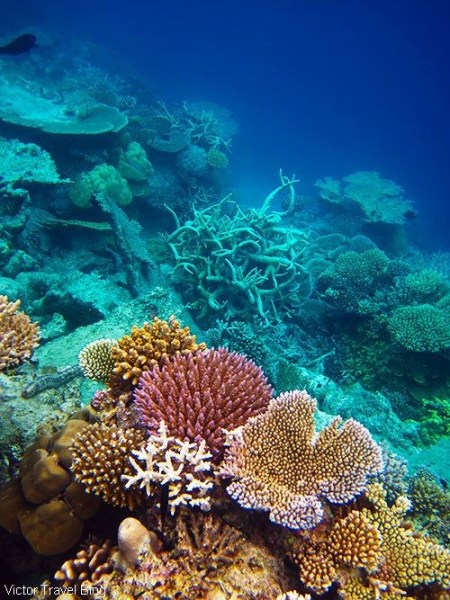
Marine Biology

The ocean’s beauty, mystery, and variety of life, are the main attractions for people to study marine biology. Marine biology is the more general science of biology applied to the sea. Most of the disciplined in biology are represented in marine biology. Marine biology has many branches, viewpoints, and approaches. It is also closely related to oceanography, the scientific study of the oceans. Geological oceanographers study the sea floor, chemical oceanographers study ocean chemistry, and physical oceanographers study waves, tides, currents, and other physical aspects of the sea.


Life on earth is believed to be originated in the sea, therefore the study of marine life teaches us much about all life on earth, not just in the sea. Marine life helps determine the very nature of our planet. Marine organisms produce much of the oxygen we breathe and help regulate the earth’s climate. Thus, to make full and wise use of the sea’s living resources, to solve any kind of problems marine organisms may create, and to predict the effects of human activities on the life of the sea, we must learn all we can about marine life. In addition, marine organisms provide clues to the earth’s past, the history of life, and even our own bodies that we must learn to understand. This is the challenge, the adventure, of marine biology.

From the first time people saw the ocean, they started to learn about marine life. Archaeologists have found ancient harpoons and simple fishbooks of bone or shell. While they gathered food, people learned through experience which things were good to eat and which were bat-tasting or harmful. Knowledge of the ocean and its organisms expanded as people gained skills in seamanship and navigation.

The Phoenicians were the first accomplished Western navigators and by 2000 B.C. they were sailing around the Mediterranean Sea, Red Sea, Black Sea, eastern Atlantic Ocean, and Indian Ocean. Ancient Greeks had considerable knowledge of nearshore organisms in the Mediterranean region. They even used an electric ray (Torpedo) to deliver the first electrical simulation therapy. During the 4th century B.C., the Greek philosopher Aristotle described many forms of marine life. He even recognized, among other things, that gills are the breathing apparatus of fish. Therefore, Aristotle is considered by many the first marine biologist. During the 9th and 10th centuries the Vikings continued the exploration of the northern Atlantic Ocean and they discovered Vinland, what we now call North America. Furthermore, Arab traders and people in the Far East also continued to explore and learn about the sea.

During the Renaissance, a lot of voyages of exploration began by the Europeans. Christopher Columbus rediscovered the “New World” in 1492. In 1519 Ferdinand Magellan embarked on the first expedition to sail around the globe. Fairly accurate maps, especially of places outside Europe, began to appear for the first time. The explorers were soon interested and curious about the ocean they sailed and the things that lived in it. James Cook, an English sea captain, was one of the first to make scientific observations along the way and to include a full-time naturalist among his crew. Furthermore, Cook was the first to make use of a chronometer” that enable him to prepare reliable charts.

By the nineteenth century it was common vessels to take a naturalist along to collect and study the life forms that were encountered. Perhaps the most famous of these shipboard naturalists was the Englishman, Charles Darwin. He sailed around the world on HMS Beagle for five years, horribly seasick most of the time. The Beagle’s primary mission was to map coastlines, but Darwin used the opportunity to make detailed observations of all aspects of the natural world. This set off a train of though that led him, years later, to propose the theory of evolution by natural selection”. Darwin made many other contributions to marine biology. He explained, for example, the formation of the distinctive rings of coral reef called atolls.


“I felt the full breadth and depth of the ocean around the sphere of the Earth, back billions of years to the beginning of life, across all the passing lives and deaths, the endless waves of swimming joy and quiet losses of exquisite creatures with fins and fronds, tentacles and wings, colorful and transparent, tiny and huge, coming and going. There is nothing the ocean has not seen.”

-Sally Andrew

Personal Habits: Over-Apologizing

How would it feel when a person you know apologizes for something which isn’t their fault? If someone dashed into him, he would apologize saying, “ I am sorry, I didn’t see you coming my way.” There is a limit for everything and after a while it feels weird to hear them say sorry for so many things. 

There are so many factors that lead you to apologize for things. It could be how you have been raised or it’s something you have seen your family do, maybe it’s how you see the world. Apologizing is good for finding peace in conflicts or relationships. You say sorry for the mistake you have made so you don’t repeat it again. It reassures a person that you genuinely didn’t expect the outcome that has come and you want to amend your mistake. 

You should not apologize for something you have not done or you have done for something that needed help. When you dash into someone, you apologize because you should have seen him coming, but you shouldn’t apologize for someone who dashed into you when you have been standing quietly. 

A lot of people apologize for the reason of avoiding conflict or because they feel that they made the other person feel bad. It usually is either of them. Sometimes, it’s guilt that drives them. Guilty for joking/pranking, guilty for ignoring them, guilty for not asking them or the feeling of guilt for putting themselves first.

Reasons why you feel like apologizing:

  1. You were taught to put others first: When you were a kid, you saw someone fall down. You rush to their aid and lift them up with your itty-bitty strength, and they thank you for helping them. You are praised by your family and the incident’s talked about at various family gatherings. It gives you the feeling of responsibility and makes you feel that you have to put others first and it should be your priority over anything. Fast forward to now, your friends ask for your help on their project, and you rush. You complete their project but yours gets delayed. Your sir calls you out in front of the class saying that you delay your work because of your laziness and your friend doesn’t stand up. Neither do they tell the sir after nor give you credit. You don’t say anything because your friend was first even if you were called out. You apologize to sir because you couldn’t finish it and not for helping your friend before yourself.

Truth: By putting others first, you don’t gain much but you do lose out on time that you could have used for yourself. If you had taken time to complete yours along with theirs, the work would have been completed quickly and efficiently with time to go over errors.

  1. You were taught to help others without seeing what you need: You always gave your grandpa medicine on time, you helped your mother in cooking, you would take the newspaper to your dad along with his morning tea/coffee, and you were always told to help people. Today, you help someone, no matter how much stress/workload you have. They ask for anything and you help them out. Sometimes, it’s just a text to their crush on how to ask out and you help them, despite the deadline of your project. So you apologize when you can’t help them because you are placing yourself first.

Truth: You need to see what help you need first so you can complete the necessary task at hand. The text can be sent anytime but your deadline can only be given once. You need to help others but you need to see if it is something that actually needs help.

  1. Scolded when you placed more importance on yourself: A lot of children are told to share and to not be selfish. If you have 2 chocolates, give it to your friend because you are a “good boy/girl”. After growing up, whenever you need new shoes or your family needs a new appliance, you choose the second option because it feels like a need but yours feels selfish.

*Appliance is used twice and placed for “Future Use”*

Truth: Sometimes, being selfish is good. You need new shoes and your home has enough appliances. By getting new shoes, you will stop getting the foot ache that you have been facing for the past 2 months. If you get new shoes, then you can work with more focus and more energy. 

  1. Avoiding Conflict: In most cases, when you were a kid, your tantrums would cause your parents to scold you and you would face punishment, or your friends would distance you because you get angry frequently. The last one pushes a child to socializing issues and causes anxiety on how others perceive them for every single action they take. So, they apologize whenever someone raises their voice a little bit, no matter what the conversation is about. They want to avoid the conflict because they don’t want to face what happened earlier and become outcasted.

Truth: You will face conflicts in future, either in relationships or friendships, you need to understand why you should apologize and for what you should stand your ground. Conflicts are what brings people closer to understand the other person better by learning their needs. If you never have a fight, how will you know what the other person actually feels?

  1. Harmed someone in childhood: When a kid unknowingly harms someone, they get scared and cannot move because they don’t know what to do. Their mind goes blank and they freeze because this feeling is new to their system and it’s hard to know what to do next. The kid is then scolded and constantly lectured over and over again to the point the kid feels anxious to touch a person. When they grow, the anxiety grows with them and it constantly pricks them. What if the casual punch hit harder than it should? What should I do if I dash into someone a little too hard? Should I give them a handshake or fist bump? What if I punch them too hard? Let’s go with the handshake so I don’t hit them too hard.

Truth: It’s okay to give a fist bump or handshake or high-five to a person whom you know. You just need to relax your mind. If you want to touch the person but are scared of the force you put into it, then show a sign of initiation. For a handshake, raise your hand out in the form of a handshake, and wait for them to accept it. By showing initiation, you let the other person engage and guide you through the conversation.

Saying sorry is well and good but exceeding it drains you of your self-confidence. You are a person at the end of the day and you need to stop saying sorry for that. You are existing which means that you will make mistakes and you will learn, but saying sorry for things that don’t require an apology then it will just drain you. It’s not going to get fixed overnight because you have taken years to build this habit. It will be fixed if you work on it every time you notice it happening.

Thank you for reading this article. It is something I have faced and I have learnt how to overcome it. Leave a comment on how has overaplogizing affected your life and how have you overcome it or trying to overcome it.

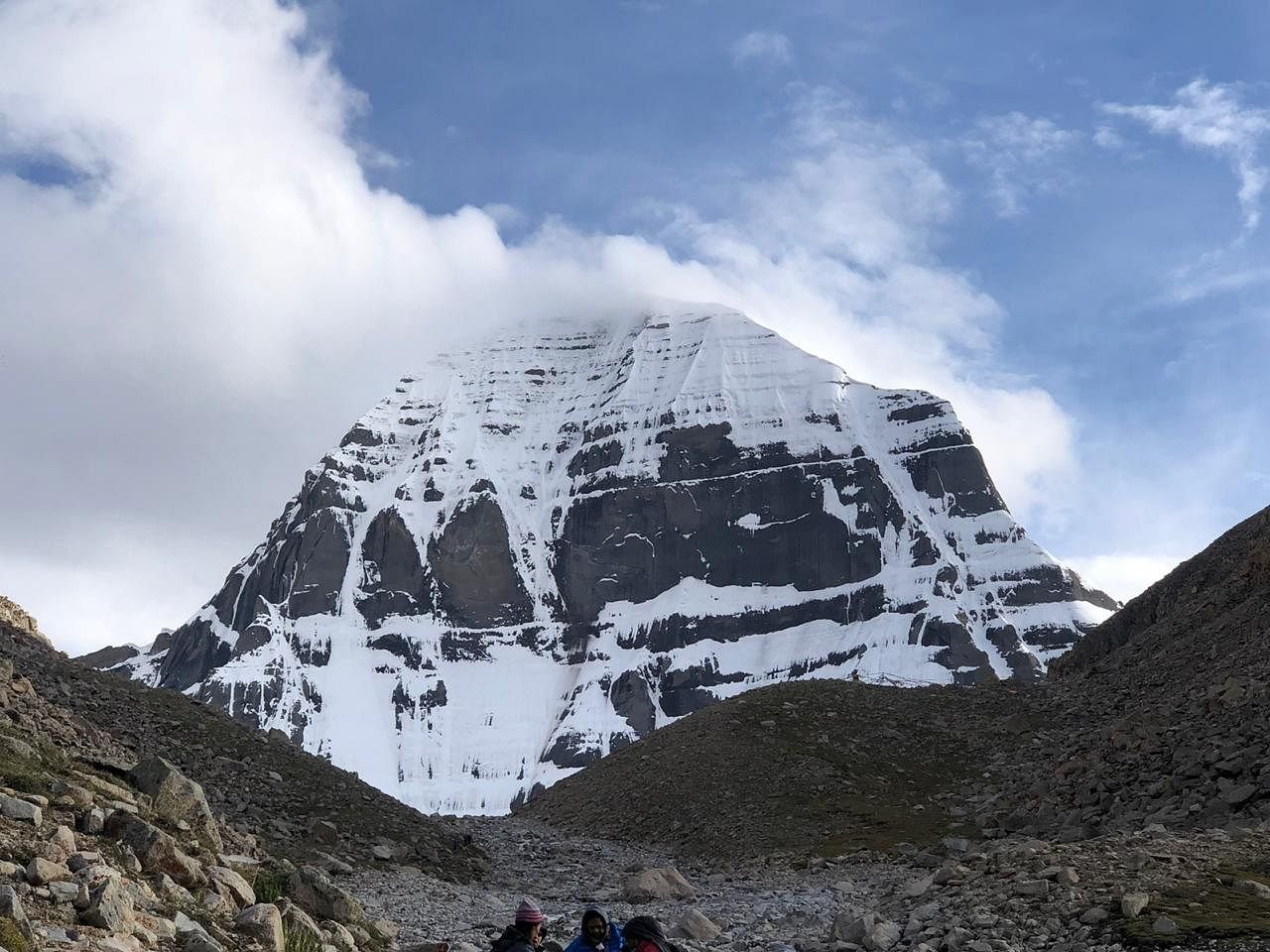
SOME INTRESTING FACTS ABOUT KAILASH MANASAROVAR

Mount Kailash is located near Lake Manasarover and Lake Rakshastal, near the Indus River, the headwaters of Asia’s longest river. Sutlej; Brahmaputra; Karnali also known as Ghaghara (a tributary of the Ganges) in India. Mount Kailash is considered to sacred in four religions. Receipts; Buddhism; and Jainism.

SOME INTRESTING FACTS ABOUT KAILASH MANASAROVAR

• Stairway to Heaven: Mount Kailash in Tibet is considered a “stairway to heaven”. According to Hindu mythology, it is the residence of Lord Shiva and Goddess Parvati. Climbing this sacred mountain peak is forbidden, as other religions also considered it sacred.
•Sacred to different religions: Mount Kailash is sacred to four religions, including Hinduism, Jainism, Bonn, and Sikhism.
Kailash Strange Structure:The strange pyramid shape of Kailash Manasarovar led to the theory that it was an artificial mountain. According to Russian researchers, Kailash is not a mountain because it is too perfect and symmetrical to be considered a natural event. According to scientists, it’s an artificial vacuum pyramid surrounded by hundreds of small pyramids.
• Kailash cannot be conquered :Kailash, just 6,656 meters above sea level, is not the highest mountain in the world, but it is still unconquerable. There were several trekker trying to climb Mount Kaikash, but none reached the summit. It is believed that climbing this sacred summit will protect the gods.
• Unexpected death of a climber: There are certain points in time when subsequent visits are prohibited. Siberian mountaineers visited once before this point and quickly aged decades earlier. Surprisingly, they died a year later at an old age. Divinity Dwelling: Mt. Kailash is a physical embodiment of Mt. Meru and is believed to have the technical expertise of the superhuman being of God.
Earth’s Energy Center: This sacred mountain is considered the center of the universe. It is considered the axis of the universe, the center of the world, and the pillars of the world. It is the place where the earth and the sky meet.
• Accelerating Aging Near Mt.Kailash: Scientists believed that the aging process would accelerate here. People who spend nearly 12 hours here have been shown to grow their hair and nails. This is equivalent to two weeks in normal life.
• Kailash satellite view: The satellite view of Kailash shows that the shadow of Kailash represents the smile of Lord Shiva.
• Kailash Mystery: You can see the Hindu symbol OM (ॐ) from the southern ridge of Kailash. The formation of a huge ice valley and horizontal rocks from the top of the mountain make up this symbol. Headwaters of the Great Rivers: There are four great rivers in Asia that spring from Kailash Manasarobar. Lake Mansarobar are the sources of the Indus, Sutlej, Brahmaputra and Karnali rivers, which form the main left tributaries of the Ganges.
• Lakes of Good and Evil: The Kailas Himalayan region has two lakes, Lake Manasarovar and Lake Rakshastal. There are many myths surrounding these two lakes. They also show both the good and the bad of humanity.
• Birthplace of Sir Ganesha: Gauri Kund is located near Lake Manasarovar, which is believed to be the birthplace of Lord Ganesha. This is the place where the goddess Parvati surrounded Sir Ganesha with bubbles while taking a bath.
Mount Kailash is said to be non-flying area, you cannot fly over Mt. Kailash by helicopter or any other means.

” It’s pointless giving advice to people who will not listen. It only reduces the value of your words. “

– Author: Farahad Zama

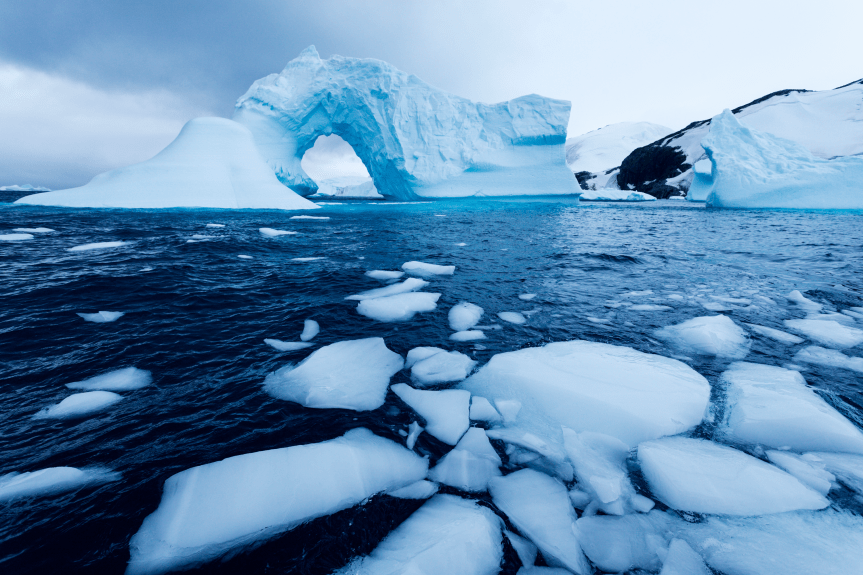
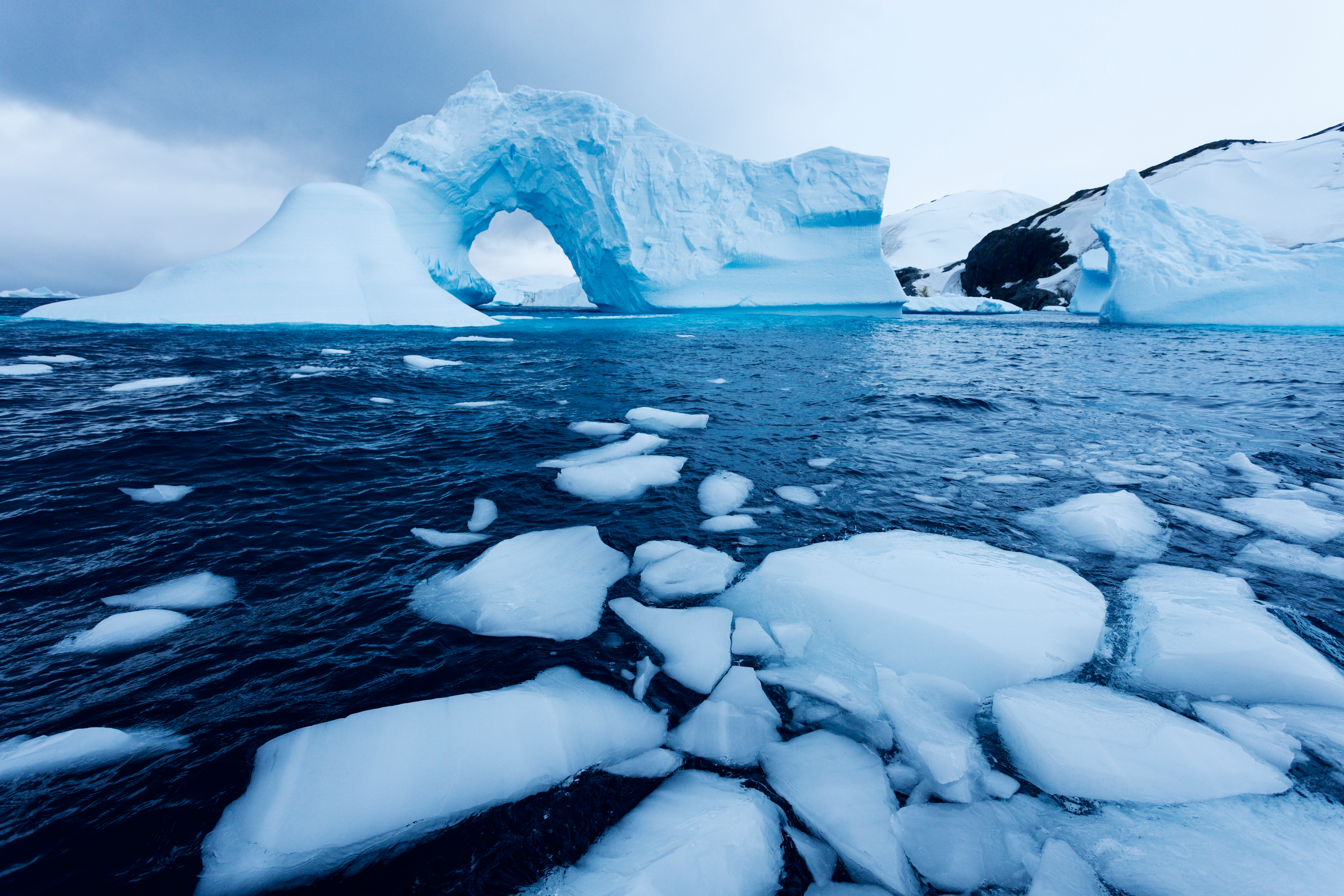
Melting of Glaciers – A topic which should not be avoided.

Glaciers are persistent chunks of dense ice that are constantly moving under their own weight. Glaciers are formed where snow accumulation exceeds its erosion over the years, and often centuries.

Rising global temperatures have undoubtedly been the cause of glacier melting throughout history. Due to the rate at which climate change is occurring today, it can become extinct at record rates.

Some of the other reasons:
Carbon dioxide gases Emissions: Atmospheric concentrations of carbon dioxide and other greenhouse gases (GHGs) produced by human activities such as industry, transportation, deforestation, and burning fossil fuels warm the earth and melt glaciers. Glacier savings can be achieved if CO2 emissions can be reduced by 45% over the next decade before reaching zero by 2050.
Ocean warming: The ocean absorbs 90% of the earth’s heat. This fact mainly affects the melting of sea glaciers near the poles and on the coast of Alaska (USA) and other heavy snow covered areas.

The main consequences of melting glaciers are:
Sea Level Rising- Sea level is rising and covers most of the continental region. This means that which means within years most of the areas can be a complete flooded regions.
Less freshwater – No glaciers also mean less water for population consumption, less hydropower capacity, and less water available for irrigation.
Climate change-The balance between cyclone and anticyclone structure and meteorological patterns is deteriorating.
Food Chain Imbalances-The habitats of some marine and terrestrial species are changing and they may harms to them in maintaining their natural circulation and habitat.

Temperature imbalances, extensive processes of deforestation, and rainfall can be other reasons for global warming that lead to glacier melting.
Glaciologists believe that despite the massive ice loss, there is still time to save the glacier from the predicted disappearance. It can done through to curb climate change and save glaciers from getting extinct. Scientists believe that controlling climate change can prevent glaciers from melting and disappearing.

“The earth has a skin and that skin has diseases; one of its diseases is called man.”

– Friedrich Nietzsche

Post-traumatic Stress Disorder.

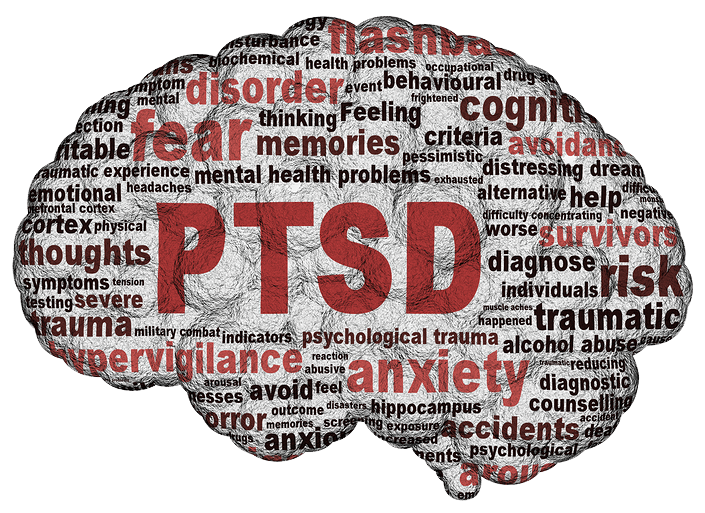
Post-traumatic stress disorder (PTSD) is an phychological disorder that a person can face who has experienced or witnessed a traumatic event such as a natural disaster, terrorist attack, war/combat, rape, or death, sexual violence or serious injury.

People with PTSD have intense and annoying thoughts and feelings associated with their experience that last long after the traumatic event is over. One may relive the event through flashbacks and nightmares. They may feel sad, afraid, or angry. And they may feel separated or alienated from others. People with PTSD can avoid situations and people that are reminiscent of traumatic events and have a strong negative reaction to mundane things such as loud noises and accidental contact.

According to reports in context to United States, about 3.6% of people about 5.2 million adults develop PTSD in time of last year , and an estimated 7.8 million Americans will develop Women are more likely to develop PTSD than men. This may be because their are high chances that women are more likely to be victims of domestic violence, abuse and rape.

Symptoms:
• Intrusive thought: Intrusive thoughts such as repeated involuntary reminders. A miserable dream; or a flashback of a traumatic event. Flashbacks are so vivid that people feel like they are remembering or seeing the traumatic experience in front of them.
• Avoidance: Avoiding the memory of traumatic events may include avoiding people, places, activities, objects, and situations that can cause disastrous memory. People may try not to remember or think about traumatic events. They may resist talking about what happened and how it makes them feel.
• Mood changes and Behaviour : Negative thoughts and feelings that lead to persistent and distorted beliefs about oneself and others, such as not being able to remember important aspects of traumatic events. Distorted thoughts about the cause or effect of an event can lead to false accusations of yourself or others. Persistent fear, fear, anger, guilt, or shame. There is much less interest in the activities that I enjoyed before. Feeling alienated or alienated from others; or unable to experience positive emotions (lack of happiness or satisfaction).

Treatment:
It is important to note that not everyone who experiences trauma develops PTSD, and not everyone who develops PTSD requires psychiatric treatment. For some people, the symptoms of PTSD disappear over time. Others are better with the help of their support system (family, friends,etc) . However, many people with PTSD need specialized medical treatment to help recover from psychological stress. It is important to remember that trauma which causes the PTSD can lead to serious distress. The sooner a person is treated, the more likely one can recover fast from PTSD.
Psychiatrists and other mental health professionals use several effective ( authorized and proven) methods to help people recover from PTSD. Both talk therapy and medical dosage provide effective evidence-based treatment for PTSD.

Importance of Cybersecurity.

Cyber security is the protection of Internet-connected systems such as hardware, software, and data from cyber threats. This technique is used by individuals and businesses to protect against unauthorized access to data centers and other computerized systems.

Cyber security is important because it protects all categories of data from theft and damage. This includes sensitive data, intellectual property data, government and industry information data and systems information,personally identifiable information , protected health information and personal identified information . Without cybersecurity programs, organizations cannot protect themselves from data breaches campaigns and are attractive targets for cybercriminals.
Global connectivity and the use of cloud services such as Amazon Web Services to store sensitive and personal information increase both inherent and residual risks. Along with increasingly sophisticated cybercriminals, widespread misconfiguration of cloud services means an increased risk for businesses suffering from successful cyberattacks and data breaches. Executives can no longer rely solely on off-the-shelf cybersecurity solutions such as antivirus software and firewalls, cybercriminals are smarter, and their tactics are more resilient to traditional cyber defense. It is important to cover all areas of cybersecurity to remain fully protected.
Cyber threats can come from all levels of an organization. Organization should educate employees about common cyber threats such as social engineering fraud, phishing, ransomware attacks and other malware designed to steal intellectual property and personal information. Should include cybersecurity awareness training for.

Types of Cyber Threats :
Malware-This is a type of malicious software that can use arbitrary files or programs to harm computer users. This includes worms, viruses, Trojan horses, and spyware. Ransomware-This is another type of malware. This involves an attacker locking the victim’s computer system files and requesting payment to unlock them.
Social Engineering-This is an attack that relies on human interaction to trick users into breaking security procedures and gaining sensitive information that is normally protected.
Phishing-This is a form of social engineering that involves sending deceptive emails or text messages similar to those from trusted or known sources. Often in random attacks, the purpose of these messages is to steal sensitive information such as credit cards and login information.
Spear phishing – This is a type of phishing attack aimed at targeted users, organizations, or businesses.

Cyber security is very important today. Our society is more dependent on technology than ever before and in today’s digital time data breaches that could lead to the theft of personal information which are easily disclosed to social media accounts. Sensitive information such as social security numbers, credit card information, and bank account details are now stored in cloud storage services such as Dropbox and Google Drive. In fact, whether you are an individual, a small business, or a large multinational company, in today’s time everyone rely on computer systems every day .

Applied Psychology

Photo by meo on Pexels.com

Applied psychology is the application of psychological principles and methods to resolve problems of human experience which may be related to human experience, health, family, workplace, etc. It is that field of psychology which validates psychological theories and focuses on putting practical research into action to achieve the desired result.

VARIOUS FIELDS OF PSYCHOLOGY:

  1. Educational psychology:
    1. Helps in developing strategies for better teaching approaches.
    2. Improves learning environment and gives advice on curriculum formation
  2. Occupational psychology:
    1. Helps in increasing the employee productivity, job satisfaction at work and overall effectiveness of an organization.
    2. Ids in organizational functions such as staff recruitment training, employee relations, performance appraisal, motivation, counselling and maintaining work environment.
  3. Health psychology:
    1. Helps diseases individuals to cope with illness, develop positive attitude, recover from illness and lead quality life.
    2. Educates and motivates people to make better health choices, contribute to improving the healthcare system and aid the government in designing healthcare policy.
  4. Cognitive psychology:
    1. Aids in treating learning disorders, structure. The educational curriculum to augment learning and improve desicion making ability.
    2. Provides help to cope with increased stress levels, memory disorders brain injury and additional difficulties.
  5. Clinical psychology:
    1. Helps in diagnosis,rention and treatment of emotional disturbances and behavioral problems.
    2. Helps the individual to promote well being and personal development.
  6. Sports psychology:
    1. Helps athletes and sports person to cope with the intense pressure generated out of competition.
    2. Enhances the performance of an athlete, motivates him and hastensthe recovery from injuries too.
    3. Teaches the common man to enjoy sport and promote well being by sticking to an exercise regimen.
  7. Developmental psychology:
    1. Aims to resolve individual’s issues mostly related to society, school, career, family and health.
  8. Criminal psychology:
    1. Assissts law enforcement agencies in apprehend in the criminals.
    2. Provides an understanding of will, intention, thoughts, feelings and reactions of criminals with the main goal of reducing crimes.
  9. Social psychology:
    1. Talks about social perceptions and interactions that are key to understanding social behavior.
    2. Looks at a wide range of other topics such as aggression, prejudice and non verbal behavior.

Everything about cancer

Photo by Miguel u00c1. Padriu00f1u00e1n on Pexels.com

Cancer is a group of diseases involving abnormal cell growth with a potential to invade or spread to other parts of the body. There are over a hundred types of cancer that affect humans. In2015, bout 90.5 million people had cancer. About 14.1million new cases occur every year causing 8.8 million deaths. The not common types of cancer in males are lung cancer, prostrate cancer and stomach cancer whereas in females, the most common types are breast cancer, lungs cancer and cervical cancer. In children, acute lymphoblastic leukemia and brain tumors are most common.

Possible symptoms of cancer include a lump ( a compact mass of a substance without a definite shape), abnormal bleeding, prolonged cough, unexplained weight loss, etc. These symptoms may differ according to the type of cancer.

Causes of cancer:

  1. Environmental Factors:
    1. Tobacco: Tobacco in various forms of its usage (smoking, chewing) is the major environmental cause of cancer of lungs, pancreas and kidney.
    2. Alcohol: Excessive intake of alcohol is associated with oesophagal and liver cancer. It is estimated that 3% of all cancer deaths are caused by alcohol.
  2. Dietary factors: These factors are depended on our food consumption. For example, smoked fish is related to stomach cancer, dietary fiber is related to intestinal cancer and high fat is related to breast cancer.
  3. Occupational exposure to chemicals: Exposure to a wide variety of chemicals such as asbestos, arsenic, benzene, chromium, cadmium, etc, through work environment also causes cancer.
  4. Other factors such as unlught, radiation, water pollution and exposure to pesticides are also some causes of cancer.

Prevention of cancer:

  1. Primary prevention:
    1. Control of tobacco and alcohol consumption.
    2. Improving personal hygiene.
    3. Reducing the exposure to radiation.
    4. Protection from occupational exposure to chemicals.
    5. Immunization
    6. Consumption of healthy food
    7. Medical treatment
    8. Education and awareness
  2. Secondary Prevention:
    1. Camcer registration
    2. Early detection of cases
    3. Proper healthcare facility and treatment.

“Freedon from cancer” is now considered as the right of cancer patients.

Coronary Heart Disease (CHD)

Photo by Karolina Grabowska on Pexels.com

Coronoary Heart Disease is defined as “the impairment of heart function due to the inadequate blood flow to the heart.” It causes 25-30% death in industrialized countries. The epidemicity, that is the relative ability to spread from one host to another in a locality, of CHD began at different times in different countries. The countries where the epidemic started early are showing a decline in the number of cases detected but still CHD poses as one of the largest health problems across the globe. CHD was the leading cause of death globally resulting in over 7million deaths. It may affect individuals of any age but becomes more common at progressively at older ages. It is estimated that 60% of the world’s cardiovascular disease occurs in the South Asian subcontinent. Males are at a higher risk of getting affected by CHD than the females.

CHD in India

The pattern of CHD in India is reported as follows:

  • CHD occurs in the population who have attained the age between 51-60 years.
  • Males are affected more than females.
  • Hypertension and diabetes account for about 40% of all the cases.
  • Heavy smoking is also reslonsible for CHD in higher number.

The risk factors that can lead to CHD include smoking, high blood pressure, diabetes, obesity, sedentary lifestyle and stress.

Prevention of CHD:

WHO has recommended the following strategies for the prevention of CHD:

  1. Population strategy:
    1. CHD is primarily a mass disease. The strategy should have a mass approach focusing mainly on the control of underlying risk factors.
    2. Small changes in the risk factor levels can achieve the biggest reduction in mortality.
    3. The population strategy is centered around the areas such as Dietary changes, smoke free society, blood pressure measurement and physical activity.
  2. High risk strategy: By means of simple tests such as blood pressure and serum cholesterol management, it is possible to identify individuals at a special risk.
  3. Secondary prevention: Secondary prevention must be seen s he continuation of primary prevention. The aim of secondary prevention is to prevent the recurrence and progression of CHD.

In a world where health risk factors are present everywhere, we should do our best to avoid falling prey to any kind of health risk.

Population Ecology

Photo by Skitterphoto on Pexels.com

Population: A group of individuals of a given species that live in a specific geographic area at a given time is known as population. Population include individuals of same species but may have different genetic makeup such as hair, eyes or skin color and size between themselves and other population.

The term “population ecology” is often interchangeably used with the term such as population biology or population dynamics. Population ecology is important in conservation biology especially in the development of population viability analysis. The human population is growing at a logistic rate and has been affecting the population of other species in return. Population ecology is the study of how the population sizes of a species change over time and space.

Control Methods of Population:

  • Population control may involve culling, translocation and manipulation of the reproductive capability.
    • Culling: It is the process of segregating organism from a group according to desired or undesired characteristics.
    • Translocation: It is a type of chromosomal abnormality.
    • Manipulation: skillful handling, controlling or using something or someone.
  • The growth of a population maybe limited by environmental factors such as food supply or predation.
  • The main biotic factors that affect population growth include-
    • Food: Both the quantity and quality of food are important. For example; snails can’t reproduce successfully in an environment low in calcium, no matter how much food there is because they need calcium for their growth.
    • Predator: As the prey population becomes larger it becomes easier for the predators to find prey. If the number of predators suddenly, falls, the prey species might rise.
    • Competitor: The organisms may require the same resources from the environment and reduce the growth of population. Competition for territory and for mates can drastically reduce the growth of individual organisms.
    • Parasites: These may cause disease and slow down the growth and reproduction rate of organisms within a population.
  • Important a biotic factors affecting growth are:
    • Temperature: Higher temperature speed up enzyme catalyzed reactions and increase growth.
    • Oxygen availability: It affects the rate of energy production by respiration.
    • Light availability: For photosynthesis light may also control breeding cycles in animals and plants.
    • Toxins and pollutants: Tissues growth can be reduced by the presence of pollutant like sulphur dioxide (SO2) and toxins like oestrogen.

Methods of Population Planning:

  • Higher taxation of parents who have too many children.
  • Abstinence: The practice of restraining oneself from indulging in something.
  • Reducing infant mortality so that parents do not need to have many children to ensure at least some would survive to adulthood.
  • Sterilization
  • Abortion
  • One child or two child policies
  • Family planning
  • Create small family role models
  • Migration from rural areas to urban areas
  • Emigration
  • Family planning: It is used to ensure that a women gets a child when she actually wants it. It reduces accidental pregnancies and ensures an controlled family size.
  • Raising level of education: Education, particularly that of woman, is very important in population control. It changes cultural beliefs and attitudes. It makes people liberal in approach.

Shortage in Indias Power Supply.

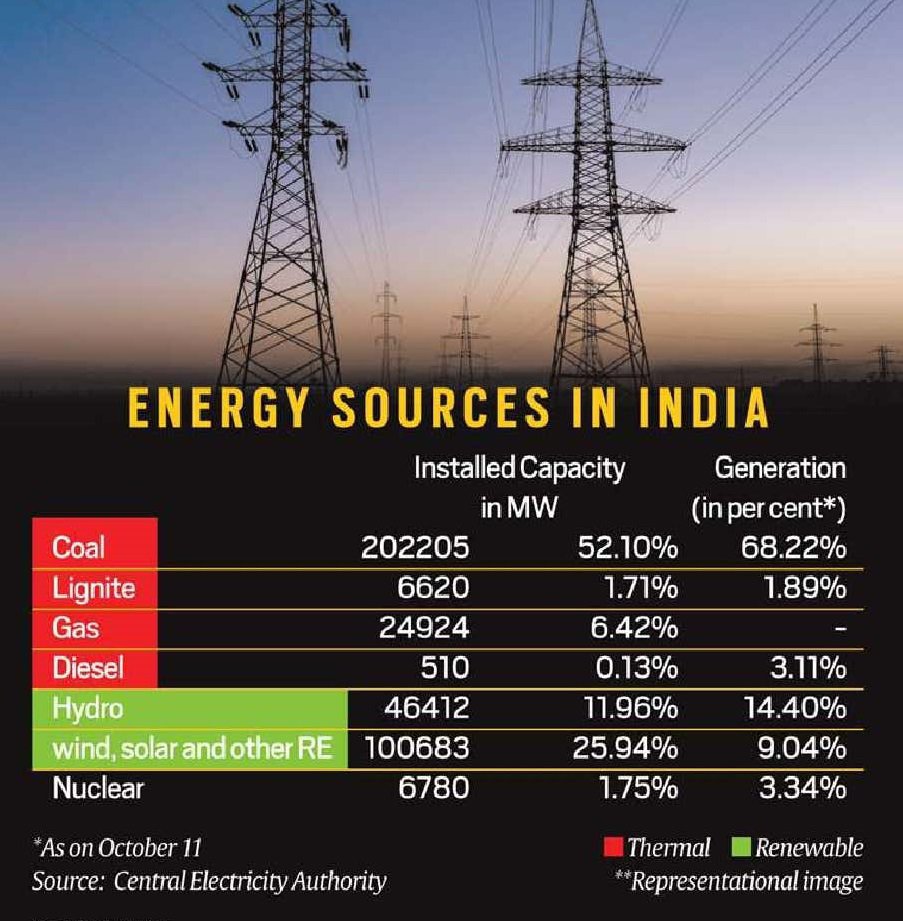
India has the fourth largest coal deposit in the world. It is the second largest fossil fuel producer after China and is home to Coal India, the world’s largest coal mining mine, which accounts for 80% of domestic production. Already allocated coal block mining capacity exceeds expected demand in 2030 by approximately 15% to 20%.


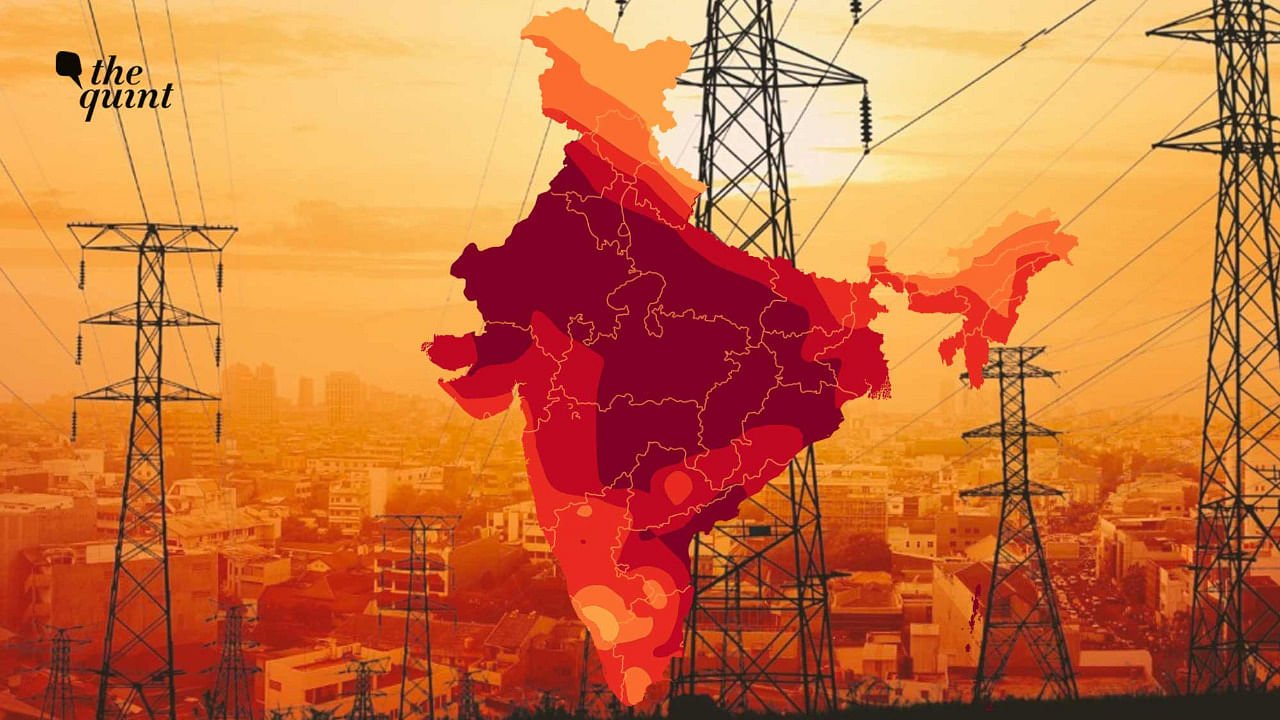
So why are India’s power plants facing coal shortages each year, leading to widespread power outages, exposing parts of the country to darkness and endangering industry?
There are several factors. India has a long time policy of minimizing coal imports. In February 2020, Coal Minister Pralhad Joshi announced that the country would stop importing steam coal from 2023 to 2024.
Mr Joshi said the Ministry of Coal will work with the Ministry of Railways and the Ministry of Shipping to allow Coal India, prisoners and commercial miners to discharge more coal from their supply by 2030. And the coal supply at power plants is running out at an alarming rate. The Department of Energy is currently blaming the decline in coal imports due to the current crisis. In 2018-19, 21.4 million tonnes of coal were imported for mixing, down to 23.8 million tonnes in 2019-20 and 8.3 million tonnes in 2021-22.


Power plant coal inventories have fallen by about 13% since April, reaching pre-summer lows. And for the first time since 2015, Coal India will import fuels used by state-owned and private power companies. The Ministry of Energy said almost all states showed that multiple state bids for coal imports would cause confusion and that the decision was made after calling for centralized procurement by Coal India.
Imported coal costs five times as much as domestic mining, so the center is being pushed back by the state.
Recently, the government has also pressured utilities to increase imports to mix with local coal. Last year, after a two-year break, three tranches of coal auctions were held and nine blocks were successfully awarded.

In September 2021, the Ministry of Coal issued a strict warning to owners of confined coal blocks, stating that their mines should increase production or face restrictions on coal supply by the CIL.
The ministry has discovered that these mines are producing below target.

Of the 43 coal mines outsourced to private companies in the energy, steel and metals sectors, none have met their annual production targets.
On May 6, Coal India announced that it would provide the private sector with 20 closed and abandoned underground coal mines and reopen and operate its revenue sharing model.

According to journalist Shreya Jai the current power supply chain does not seem ready to handle periods of high growth and state discos cannot pay gencos, but the power supply chain starts with state discos and needs repairs. Railroads, on the other hand, are struggling to align the thermal power industry’s demands for faster coal supply with those from other industries. Rakes must be prepared to meet the growing demand for almost all other bulk commodities, from cement and steel to sand and edible grains. By strengthening the value chain of the electric power sector, it is possible to resolve the coal supply-demand mismatch in the long run.