Astronomers Detect a Lurking Cosmic Cloud, Bigger Than The Entire Milky Way.

In the yawning vacuum of intergalactic space, something large is lurking.

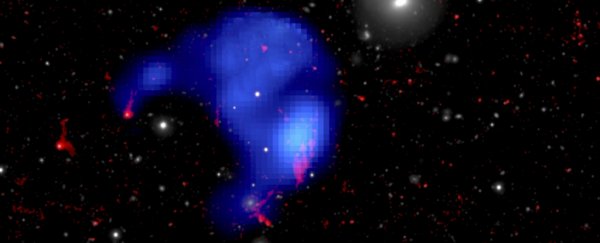
Not a galaxy, although it’s of a comparable size: A vast cloud of hot, faintly glowing gas, bigger than the Milky Way, in the space between galaxies congregating in a huge cluster.

Scientists believe this cloud may have been unceremoniously stripped from a galaxy in the cluster, the first gas cloud of this kind we’ve ever seen. Even more surprisingly, it hasn’t dissipated, but has remained clumped together for hundreds of millions of years.

This not only tells us something new about the environments inside galaxy clusters, it suggests a new way to explore and understand these colossal structures.

“This is an exciting and also a surprising discovery. It demonstrates that new surprises are always out there in astronomy, as the oldest of the natural sciences,” said physicist Ming Sun of the University of Alabama in Huntsville.

Galaxy clusters are, as the name suggests, groups of galaxies that are bound together gravitationally. The galaxy cluster where our ‘orphan’ gas cloud was found is called Abell 1367, or the Leo Cluster, around 300 million light-years away. It contains at least 72 major galaxies, and makes up part of a larger, supercluster complex.

Such environments often have a lot going on, and astronomers like to peer into them to try and figure out how our Universe is connected. In 2017, astronomers using Japan’s Subaru Telescope spotted what appeared to be a small, warm cloud in Abell 1367; since its origin was unclear, they went back with more instruments to take a closer look.

A team led by astronomer Chong Ge of the University of Alabama in Huntsville used the ESA’s XMM-Newton X-ray telescope and the Multi Unit Spectroscopic Explorer (MUSE) on the Very Large Telescope, in addition to Subaru – and, to their surprise, they found X-ray emission showing the cloud was larger than they first thought.

Much larger, in fact – bigger than the Milky Way galaxy, with a mass around 10 billion times that of the Sun. And it didn’t seem to be associated with any known galaxy in the cluster. It was just drifting there. But the wealth of data allowed the researchers to take the the temperature of the gas, in turn providing clues as to its provenance.

The cloud’s temperature ranges between 10,000 and 10,000,000 Kelvin – consistent with gas that can be found within galaxies, the interstellar medium. The much more tenuous hot gas of the intracluster medium (the space between galaxies in the cluster) is hotter still, at around 100 million Kelvin.

This suggests that the cloud of gas was stripped from a galaxy as it moved through space.

“The gas in the cloud is removed by ram pressure of the hot gas in the cluster, when the host galaxy is soaring in the hot gas with a velocity of 1,000 to 2,000 kilometers [620 to 1,240 miles] per second,” Sun said.

“It is like when your hair and clothes are flying backward when you are running forward against a strong headwind. Once removed from the host galaxy, the cloud is initially cold and is evaporating in the host intracluster medium, like ice melting in the summer.”

This is fascinating, but kind of weird – because the researchers couldn’t find any nearby galaxies that could account for this occurring recently. Yet, if the gas had been ripped from its galaxy hundreds of millions of years prior, as this lack of proximity suggested, how had it not been diffused into the intracluster medium?

To work this out, the team performed calculations, and found that a magnetic field could hold the gas cloud together against the instabilities that ought to otherwise tear it apart, for long periods of time.

Given the high mass of the cloud, the team has inferred that the parent galaxy from which it was torn was a large and massive one. This could help them track down which galaxy it was; another clue could be traces of gas that extend from the cloud, which might point in the right direction.

In addition, now that one lonely cloud has been identified, scientists have a set of data that will help to identify other such clouds in the future. This will provide valuable information about intracluster dynamics, and the distribution of matter in galaxy clusters.

Plus, we now have observational evidence that the intracluster medium can divest galaxies of their gas.

“As the first isolated cloud glowing in both the H-alpha spectral line and X-rays in a cluster of galaxies, it shows that the gas removed from galaxies can create clumps in the intracluster medium, and these clumps can be discovered with wide-field optical survey data in the future,” Sun said.

Mobile Phone Radiation Effects and Measures

Mobile Phone Radiation Effects on the Skin

  • Dermatitis: Dermatitis is a broad word that refers to any type of skin irritation. This condition causes your skin to become red and itchy, and it can manifest itself in a variety of ways owing to a variety of factors. Bloated rashes, blisters, oozes, or flake-offs are sometimes present, and the skin appears dry, swollen, and red. Antigens are accelerated considerably more by mobile phone radiation in allergy sufferers. When combined with radiation, the usage of nickel and cobalt in phone trims can cause skin dermatitis.
  • Crow’s feet: Crow’s feet are a type of branching wrinkle that appears near the outside corner of a person’s eye. The term comes from the fact that these lines typically deviate from a point in a bird footprint pattern. Because of small muscular contractions that occur every time you make a facial expression, crow’s feet develop over time. Long periods of gazing at a smartphone device or constant staring down might cause wrinkles around the eyes and neck. The issue is aggravated by the decreased text size and reduced brightness.
  • Wrinkled Neck: The continuous craning of your neck to stare down at your computer or phone screen has an effect on the structure of your spine and can lead to the formation of fine lines and wrinkles around the neck. Continuously staring down for an extended period of time can produce wrinkles on the neck, which are one of the first indications of aging. The collagen in the neck is eventually harmed by constant and regular staring. Neck wrinkles occur as a result of this.
  • Dark Circles: This is one of the most well-known and often noticed skin effects. The blue light emitted by mobile phones has an effect on sleeping habits. The less sleep a person gets, the more likely they are to develop eye bags and dark circles beneath their eyes. Staring at a television or computer screen for long periods of time may put a lot of pressure on your eyes. Blood vessels around your eyes may expand as a result of this stress. The skin around your eyes may darken as a result.
  • Skin allergies and acne: Mobile phones have been found to be important carriers of bacteria and pathogens, according to studies. Mobile phones, according to experts, are even more unhygienic than public restrooms. Throughout the day, the phones come into contact with a variety of surfaces, transferring germs. We continue to use our phones in the same manner, without understanding how many germs we are allowing into our bodies, resulting in allergies and pimples.

Measures to Protect Skin from Mobile Phone Radiation’s Harmful Effects

  • Do not stare at your phone screens for an extended time.
  • Before going to bed, avoid using your phone.
  • Using sanitizers/alcohol swabs, clean your cellphones throughout the day.
  • When the phone is hot, do not use it. Overexposure decreases the synthesis of melanin in the skin, resulting in uneven skin tone and even dark patches.
  • Keep an eye out for skin problems on the dominant side of your face that comes into touch with the phone.

Global research on coronavirus disease (COVID-19)

WHO is bringing the world’s scientists and global health professionals together to accelerate the research and development process, and develop new norms and standards to contain the spread of the coronavirus pandemic and help care for those affected.

The R&D Blueprint has been activated to accelerate diagnostics, vaccines and therapeutics for this novel coronavirus.

The solidarity of all countries will be essential to ensure equitable access to COVID-19 health products.

Global research database

WHO is gathering the latest international multilingual scientific findings and knowledge on COVID-19. The global literature cited in the WHO COVID-19 database is updated daily (Monday through Friday) from searches of bibliographic databases, hand searching, and the addition of other expert-referred scientific articles. This database represents a comprehensive multilingual source of current literature on the topic. While it may not be exhaustive, new research is added regularly.

The WHO evidence retrieval sub-group has begun collaboration with key partners to enrich the citations and build a more comprehensive database with inclusion of other content. The database is built by BIREME, the Specialized Center of PAHO/AMRO and part of the Regional Office’s Department of Evidence and Intelligence for Action in Health.

For further information or questions, please contact the WHO Library via email.

Disclaimer: the designations employed and the presentation of the material in publications listed in this database does not imply the expression of any opinion whatsoever on the part of WHO concerning the legal status of any country, territory, city or area or of its authorities, or concerning the delimitation of its frontiers or boundaries. Dotted and dashed lines on maps represent approximate border lines for which there may not yet be full agreement.

The mention of specific companies or of certain manufacturers’ products in publications listed in the database does not imply that they are endorsed or recommended by WHO in preference to others of a similar nature that are not mentioned. Errors and omissions excepted, the names of proprietary products are distinguished by initial capital letters.

By listing publications in this database and providing links to external sites does not mean that WHO endorses or recommends those publications or sites, or has verified the content contained within them. The database has been compiled without warranty of any kind, either expressed or implied. The responsibility for the interpretation and use of publications included in this database lies with the reader. In no event shall WHO be liable for damages arising from its use.

The Big Bang

Ever heard of the Big Bang? No, not the TV show. The beginning of the Universe as we know it. 

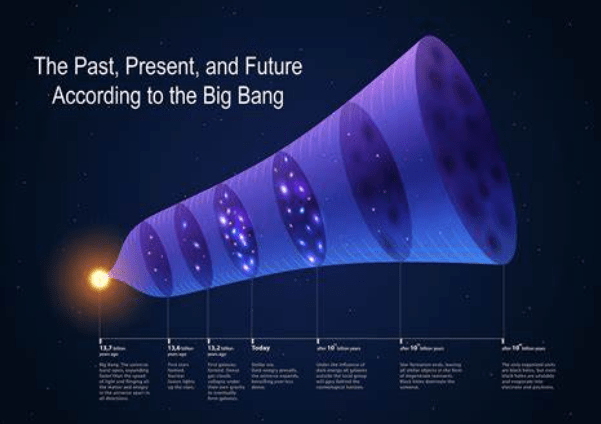
The Big Bang theory is the prevailing cosmological model explaining the existence of the observable universe from the earliest known periods through its subsequent large-scale evolution. The model describes how the universe expanded from an initial state of high density and temperature,  and offers a comprehensive explanation for a broad range of observed phenomena, including the abundance of light elements, the cosmic microwave background (CMB) radiation, and large-scale structure.

Crucially, the theory is compatible with Hubble–Lemaître law—the observation that the farther away a galaxy is, the faster it is moving away from Earth. Extrapolating this cosmic expansion backwards in time using the known laws of physics, the theory describes an increasingly concentrated cosmos preceded by a singularity in which space and time lose meaning (typically named “the Big Bang singularity”). Detailed measurements of the expansion rate of the universe place the Big Bang singularity at around 13.8 billion years ago, which is thus considered the age of the universe. 

Timeline

The first second after the Big Bang, the entire universe was a soup of subatomic particles, superheated to 10 billion degrees. In that first second, amazing things happened: The force of gravity separated out from the electronuclear force and was joined soon thereafter by the electromagnetic force. The universe changed from being a hot soup of quarks and gluons (elementary particles), and protons and neutrons began to form. At the ripe old age of one second, the newborn universe was cool enough that it began forming deuterium (a form of hydrogen) and helium-3. At this point, the newborn universe had doubled in size at least ninety times!

Over the next three minutes, the infant universe continued to cool down and expand, and the creation of the first elements continued. 

For the next 370,000 years, the universe continued its expansion. But it was a dark place, too hot for any light to shine. There existed only a dense plasma, an opaque hot soup that blocked and scattered light. The universe was essentially a fog. 

The next big change in the universe came during the era of recombination, which occurred when matter cooled enough to form atoms. The result was a transparent gas through which the original flash of light from the Big Bang could finally travel. We see that flash today as a faint, all-encompassing, distant glow called the cosmic microwave background radiation (sometimes shortened to CMB or CMBR). The universe was leaving its cosmic dark ages behind. Gas clouds condensed under their own self-gravity (possibly helped along by the gravitational influence of dark matter) to form the first stars. These stars energized (or ionized) the remaining gas around them, lighting up the universe even more. This period is called the Epoch of Reionization.

From the Big Bang to You 

Pre–Big Bang: quantum density fluctuations

Pre–Big Bang: cosmic inflation

13.8 billion years ago: the Big Bang

13.4 billion years ago: the first stars and galaxies 

11 billion years ago: the Milky Way Galaxy starts to form 

5 billion years ago: the Sun begins to form, along with the planets 

3.8 billion years ago: the first life appears on Earth 

2.3 million years ago: the first humans appear Modern time: you were born

https://en.wikipedia.org/wiki/Big_Bang
https://science.nasa.gov/astrophysics/focus-areas/what-powered-the-big-bang

The Stunning Galaxies

A galaxy is a gravitationally bound system of stars, stellar remnants, interstellar gas, dust, and dark matter.The word galaxy is derived from the Greek galaxias , literally “milky”, a reference to the Milky Way. Galaxies range in size from dwarfs with just a few hundred million (108) stars to giants with one hundred trillion (1014) stars, each orbiting its galaxy’s center of mass.

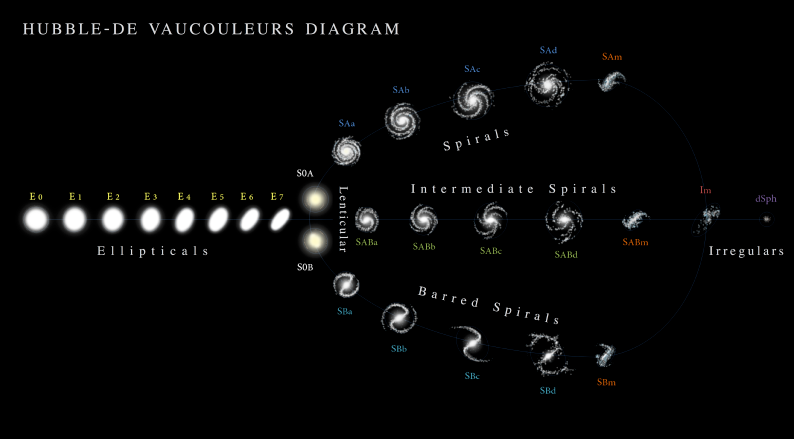
Galaxies are categorized according to their visual morphology as elliptical, spiral, or irregular. Many galaxies are thought to have supermassive black holes at their centers. 

Some famous Galaxies: 

1]Milky Way

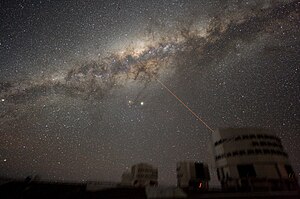
ESO-VLT-Laser-phot-33a-07.jpg

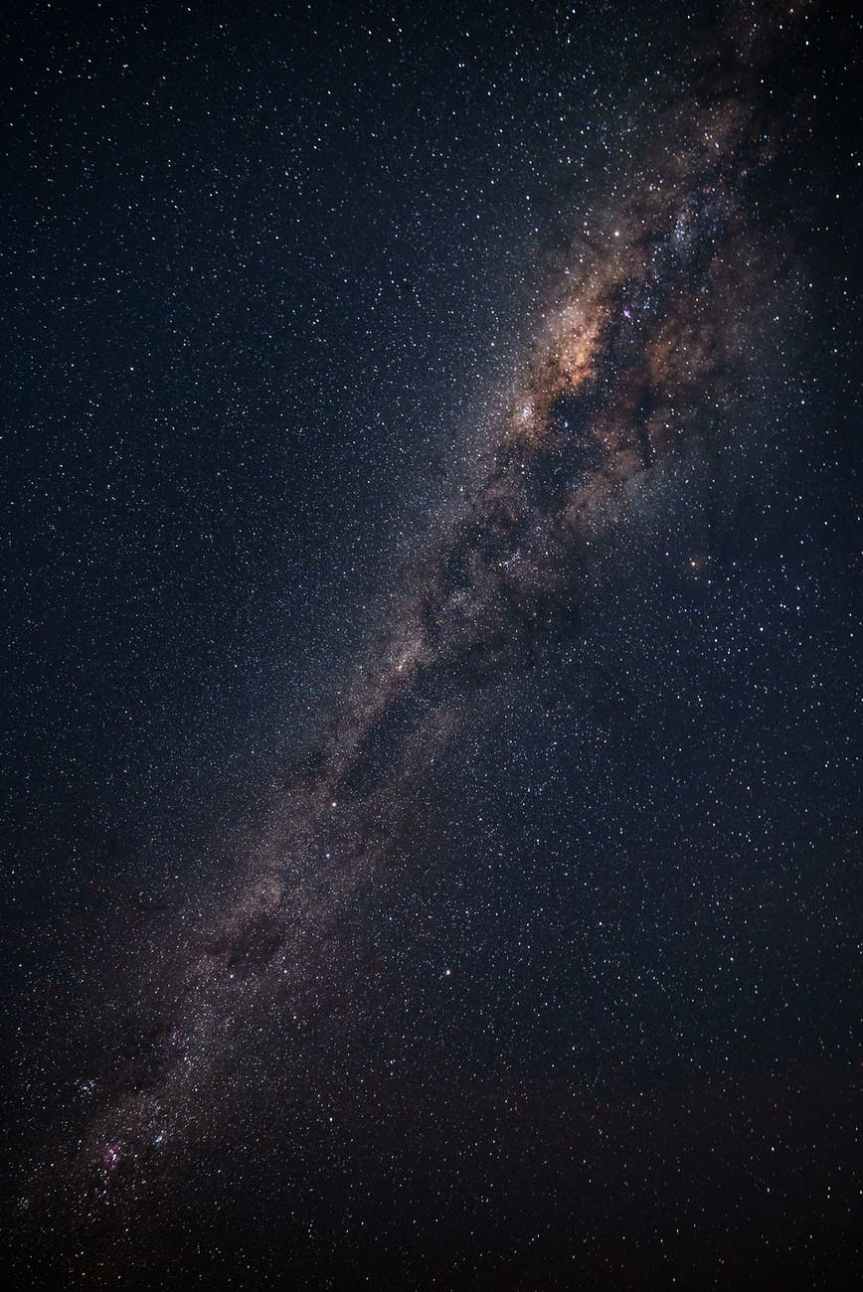
The Milky Way is the galaxy that includes our Solar System, with the name describing the galaxy’s appearance from Earth: a hazy band of light seen in the night sky formed from stars that cannot be individually distinguished by the naked eye. From Earth, the Milky Way appears as a band because its disk-shaped structure is viewed from within. Galileo Galilei first resolved the band of light into individual stars with his telescope in 1610. The Milky Way is a barred spiral galaxy with an estimated visible diameter of 100,000–200,000 light-years. Recent simulations suggest that a dark matter disk, also containing some visible stars, may extend up to a diameter of almost 2 million light-years. The Milky Way has several satellite galaxies and is part of the Local Group of galaxies, which form part of the Virgo Supercluster, which is itself a component of the Laniakea Supercluster.

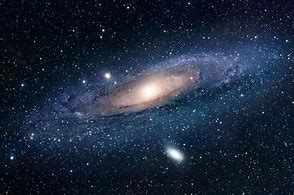
2]Andromeda-

The Andromeda Galaxy also known as Messier 31, M31, or NGC 224 and originally the Andromeda Nebula, is a barred spiral galaxy approximately 2.5 million light-years (770 kiloparsecs) from Earth and the nearest major galaxy to the Milky Way. The galaxy’s name stems from the area of Earth’s sky in which it appears, the constellation of Andromeda, which itself is named after the Ethiopian (or Phoenician) princess who was the wife of Perseus in Greek mythology. The virial mass of the Andromeda Galaxy is of the same order of magnitude as that of the Milky Way, at 1 trillion solar masses (2.0×1042 kilograms). The Andromeda Galaxy has a diameter of about 220,000 ly (67 kpc), making it the largest member of the Local Group in terms of extension. The number of stars contained in the Andromeda Galaxy is estimated at one trillion (1×10¹²), or roughly twice the number estimated for the Milky Way.

3]Barnard’s galaxy

NGC 6822

NGC 6822 (also known as Barnard’s Galaxy, IC 4895, or Caldwell 57) is a barred irregular galaxy approximately 1.6 million light-years away in the constellation Sagittarius. Part of the Local Group of galaxies, it was discovered by E. E. Barnard in 1884 (hence its name), with a six-inch refractor telescope. It is one of the closer galaxies to the Milky Way. It is similar in structure and composition to the Small Magellanic Cloud. It is about 7,000 light-years in diameter.

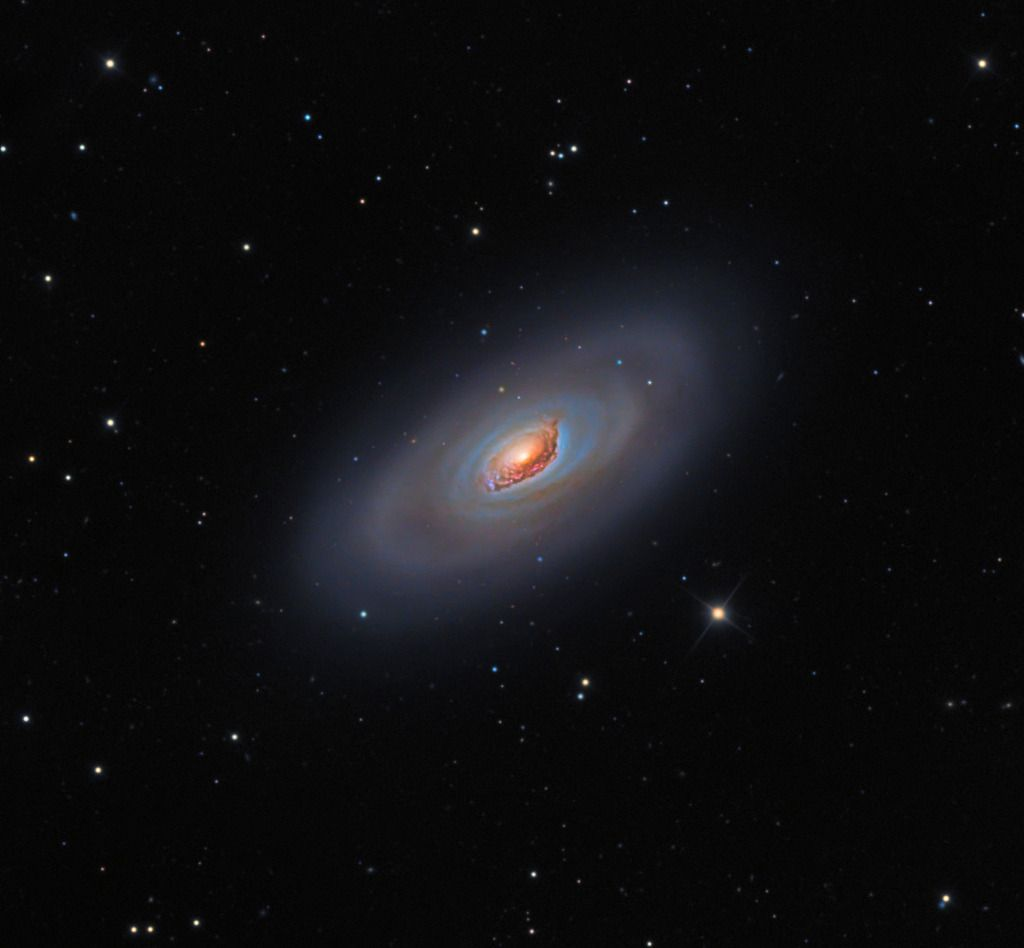
4]Black eye galaxy

The Black Eye Galaxy (also called Sleeping Beauty Galaxy or Evil Eye Galaxy and designated Messier 64, M64, or NGC 4826) is a relatively isolated spiral galaxy 17 million light-years away in the mildly northern constellation of Coma Berenices. It was discovered by Edward Pigott in March 1779, and independently by Johann Elert Bode in April of the same year, as well as by Charles Messier the next year. A dark band of absorbing dust partially in front of its bright nucleus gave rise to its nicknames of the “Black Eye”, “Evil Eye”, or “Sleeping Beauty” galaxy. M64 is well known among amateur astronomers due to its form in small telescopes and visibility across inhabited latitudes.

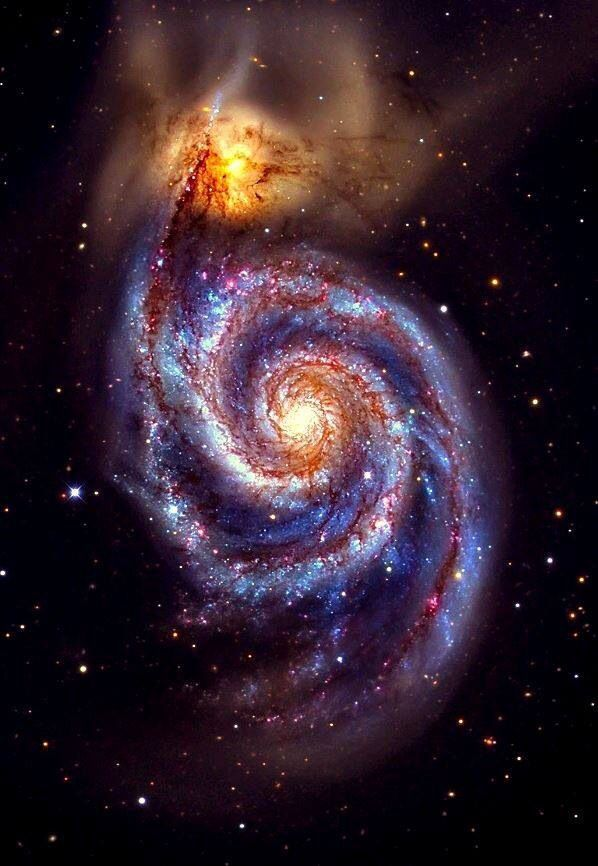
5]Whirlpool galaxy

The Whirlpool Galaxy, also known as Messier 51a, M51a, and NGC 5194, is an interacting grand-design spiral galaxy with a Seyfert 2 active galactic nucleus. It lies in the constellation Canes Venatici, and was the first galaxy to be classified as a spiral galaxy. Its distance is estimated to be 31 million light-years away from Earth

http://en.wikipedia.org/wiki/NGC_6822
https://en.wikipedia.org/wiki/Black_Eye_Galaxy

Skincare

This is a topic that each one of us need to address, and over the years, there is definitely been a rise in discussions on but what has predominantly tampered these discussions are the issues of finance, because skincare isn’t just for the middle class or the elites, it’s is for everyone, even if the common consensus is not for the same. 

Undoubtedly, there are startups and other companies that cater to the lower side of budget scale, and even deliver a somewhat mediocre result, but it still isn’t cost effective for everyone. 

Next, the complicated process that is served to us, makes us blinded towards what our needs are or what our skin needs, we are normalised to ignore the nourishments our skin needs, the lil’ TLC we deserve, rather we are fished by companies, complicating the process and many celebrities add more to this complication, just because it suits their skin, it doesn’t necessarily suit yours, and these celebrities are more often than not are paid to promote a certain product, or are using products that are capable to leave a dent on your pockets.

So what’s the best line of action? Some R&D, dig through articles, figure what skin type you have, read what could suit your skin, what could benefit you, and is good for you — ingredient wise, and one that, start filtering what suits your budget, and what is easily available to you, read more about the products and the company, their ethical practices, and its cruel-free deliverance, and once you are satisfied with your choice, go for it, trust you gut, since its about self care, start loving yourself as well. 

And make sure, you always, ALWAYS, listen to your skin’s needs, they will speak to you and depending upon that go by your routine, nothing has to be rigid. 

Pituitary gland and hormones secreted by it.

Pituitary gland is one of the most important endocrine glands. It secretes a number of hormones which control a wide range of body functions. Pituitary gland is situated just below the mid brain behind the optical chiasma and lies in the cavity of sphenoid bones called Sella turcica. It is about 10mm in diameter and average weight is 0.5-0.6g in males and 0.6-0.7g in females.

It has two lobes. The anterior lobe called adenohypophysis and the posterior lobe is called neurohypophysis.

Hormones secreted by the anterior lobe or adenohypophysis are:

  1. Somatotrophic hormone: It is also called as growth hormone. It stimulates the body growth by influencing protein synthesis. Mobilization of fat from the adipose tissue and the free acids in the blood is accelerated by this hormone.

It also increases the intestinal absorption of calcium as well as its excretion. As it stimulates the growth of long bones and also the soft tissues, maintains retention of other minerals such as potassium, phosphate, sodium, magnesium and chloride.

Deficiency of this hormone in childhood retards growth and leads to dwarfism and over secretion causes gigantism.

  • Thyroid stimulating hormone: It mainly controls the activity of the thyroid gland. These hormones speedup oxidative energy releasing process, thus controlling the rate of metabolic activities and growth.

It also influences the release of thyroxine from the thyroid gland.

Hypersecretion of TSH shows that person has hypothyroidism and thyroid gland is underactive. Less amount of TSH in blood shows thyroid gland is producing too much thyroid hormone, and the condition is called hyperthyroidism.

  • Adrenocorticotropic hormone: It regulates the normal functioning of adrenal cortex and release of glucocorticoids and mineralocorticoids. It helps in the increase of the total protein synthesis and also causes the synthesis of steroid hormone from cholesterol.

Increased secretion of this hormone results in Addison disease, Cushing syndrome etc.

  • Follicle stimulating hormone: In females this hormone stimulates the growth and maturation of graafian follicles and prepares them for ovulation and the action of Luteinizing hormone and enhances the release of estrogen. Hence, we can say that this hormone is very active during menstrual cycle.

In males, it stimulates growth of seminal tubule and testicular growth and early stages of spermatogenesis, the process of generation of sperms.

High FSH level shows low chances of getting pregnant. In males shows damaged testicles. It may also indication of Klinefelter syndrome.

  • Luteinizing hormone: This hormone continues the action of follicle stimulating hormone and helps in maturation of graafian follicle and ovulation. This also involves in the development of corpus luteum. This hormone also stimulates the secretion of estrogen and progesterone.

In males, this hormone stimulates the interstitial cells of the testes to secrete testosterone thereby maintains the spermatogenesis.

Increased LH secretion may cause irregularities in menstruation and troubles to get pregnant.

  • Prolactin or Lactogenic hormone: This hormone promotes the growth of mammary glands during pregnancy. This hormone also helps in milk secretion after delivery of the baby. Prolactin is secreted in high amount if a female is pregnant or a new mother.
  • Melanocyte stimulating hormone: It influences the melanin secretion and deposition on human skin by acting on melanocytes. Increased levels of the hormone mean increased melanin deposition.

 Hormones secreted by posterior lobe or neurohypophysis are,

  1. Oxytocin: This hormone controls the contraction of muscles of the uterus during labor. It also helps in stimulation of lactation after child-birth. This is also a chemical messenger to the brain and controls the reproductive system.
  2. Vasopressin: this hormone has a major role in controlling the water balance of the body. This increases the reabsorption of water from the distal tubules of nephron. If there is failure in secretion of enough amount of this hormone, large amount of dilute urine which causes excess amount of thirst. This condition is called diabetes insipidus.

WORMHOLE-That helps you to teleport

Wormhole theory

Wormholes were first theorized in 1916, though that wasn’t what they were called at the time. While reviewing another physicist’s solution to the equations in Albert Einstein’s theory of general relativity, Austrian physicist Ludwig Flamm realized another solution was possible. He described a “white hole,” a theoretical time reversal of a black hole. Entrances to both black and white holes could be connected by a space-time conduit.

In 1935, Einstein and physicist Nathan Rosen used the theory of general relativity to elaborate on the idea, proposing the existence of “bridges” through space-time. These bridges connect two different points in space-time, theoretically creating a shortcut that could reduce travel time and distance. The shortcuts came to be called Einstein-Rosen bridges, or wormholes.

“The whole thing is very hypothetical at this point,” said Stephen Hsu, a professor of theoretical physics at the University of Oregon, told our sister site, LiveScience. “No one thinks we’re going to find a wormhole anytime soon.”

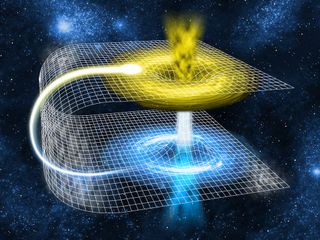
Wormholes contain two mouths, with a throat connecting the two. The mouths would most likely be spheroidal. The throat might be a straight stretch, but it could also wind around, taking a longer path than a more conventional route might require.

Einstein’s theory of general relativity mathematically predicts the existence of wormholes, but none have been discovered to date. A negative mass wormhole might be spotted by the way its gravity affects light that passes by.

Certain solutions of general relativity allow for the existence of wormholes where the mouth of each is a black hole. However, a naturally occurring black hole, formed by the collapse of a dying star, does not by itself create a wormhole.

Wormhole

Through the wormhole

Science fiction is filled with tales of traveling through wormholes. But the reality of such travel is more complicated, and not just because we’ve yet to spot one.

The first problem is size. Primordial wormholes are predicted to exist on microscopic levels, about 10–33 centimeters. However, as the universe expands, it is possible that some may have been stretched to larger sizes.

Another problem comes from stability. The predicted Einstein-Rosen wormholes would be useless for travel because they collapse quickly. 

“You would need some very exotic type of matter in order to stabilize a wormhole,” said Hsu, “and it’s not clear whether such matter exists in the universe.”

But more recent research found that a wormhole containing “exotic” matter could stay open and unchanging for longer periods of time.

Exotic matter, which should not be confused with dark matter or antimatter, contains negative energy density and a large negative pressure. Such matter has only been seen in the behavior of certain vacuum states as part of quantum field theory.

If a wormhole contained sufficient exotic matter, whether naturally occurring or artificially added, it could theoretically be used as a method of sending information or travelers through space. Unfortunately, human journeys through the space tunnels may be challenging.

“The jury is not in, so we just don’t know,” physicist Kip Thorne, one of the world’s leading authorities on relativity, black holes and wormholes, told Space.com. “But there are very strong indications that wormholes that a human could travel through are forbidden by the laws of physics. That’s sad, that’s unfortunate, but that’s the direction in which things are pointing.”

Wormholes may not only connect two separate regions within the universe, they could also connect two different universes. Similarly, some scientists have conjectured that if one mouth of a wormhole is moved in a specific manner, it could allow for time travel

“You can go into the future or into the past using traversable wormholes,” astrophysicist Eric Davis told LiveScience. But it won’t be easy: “It would take a Herculean effort to turn a wormhole into a time machine. It’s going to be tough enough to pull off a wormhole.”

However, British cosmologist Stephen Hawking has argued that such use is not possible. [Weird Science: Wormholes Make the Best Time Machines]

“A wormhole is not really a means of going back in time, it’s a short cut, so that something that was far away is much closer,” NASA’s Eric Christian wrote.

Although adding exotic matter to a wormhole might stabilize it to the point that human passengers could travel safely through it, there is still the possibility that the addition of “regular” matter would be sufficient to destabilize the portal.

Today’s technology is insufficient to enlarge or stabilize wormholes, even if they could be found. However, scientists continue to explore the concept as a method of space travel with the hope that technology will eventually be able to utilize them.

“You would need some of super-super-advanced technology,” Hsu said. “Humans won’t be doing this any time in the near future.”
Additional resources:

UV Disinfection of waste water

Used alone, UV radiation does not improve the taste, odor, or clarity of water. UV light is a very effective disinfectant, although the disinfection can only occur inside the unit. There is no residual disinfection in the water to inactivate bacteria that may survive or may be introduced after the water passes by the light source. The percentage of microorganisms destroyed depends on the intensity of the UV light,  the contact time, raw water quality, and proper maintenance of the equipment.  If material builds up on the glass sleeve or the particle load is high, the light intensity and the effectiveness of treatment are reduced.  At sufficiently high doses, all waterborne enteric pathogens are inactivated by UV radiation. The general order of microbial resistance (from least to most) and corresponding UV doses for extensive (>99.9%) inactivation are: vegetative bacteria and the protozoan parasites Cryptosporidium parvum and Giardia lamblia at low doses (1-10 mJ/cm2) and enteric viruses and bacterial spores at high doses (30-150 mJ/cm2). Most low-pressure mercury lamp UV disinfection systems can readily achieve UV radiation doses of 50-150 mJ/cm2 in high quality water, and therefore efficiently disinfect essentially all waterborne pathogens. However, dissolved organic matter, such as natural organic matter, certain inorganic solutes, such as iron, sulfites and nitrites, and suspended matter (particulates or turbidity) will absorb UV radiation or shield microbes from UV radiation, resulting in lower delivered UV doses and reduced microbial disinfection. Another concern about disinfecting microbes with lower doses of UV radiation is the ability of bacteria and other cellular microbes to repair UV-induced damage and restore infectivity, a phenomenon known as reactivation. 

UV inactivates microbes primarily by chemically altering nucleic acids. However, the UV-induced chemical lesions can be repaired by cellular enzymatic mechanisms, some of which are independent of light (dark repair) and others of which require visible light (photorepair or photoreactivation). Therefore, achieving optimum UV disinfection of water requires delivering a sufficient UV dose to induce greater levels of nucleic acid damage and thereby overcome or overwhelm DNA repair mechanisms.

UV Irradiation Pretreatment

Either sediment filtration or activated carbon filtration should take place before water passes through the unit. Particulate matter, color, and turbidity affect the transmission of light to the microorganisms and must be removed for successful disinfection.

UV is often the last device in a treatment train (a series of treatment devices), following reverse osmosis, water softening, or filtration. The UV unit should be located as close as possible to the point-of-use since any part of the plumbing system could be contaminated with bacteria. It is recommended that the entire plumbing system be disinfected with chlorine prior to initial use of a UV system.

Types of UV Disinfection Devices:;

The typical UV treatment device consists, of a cylindrical chamber housing the UV bulb along its central axis. A quartz glass sleeve encases the bulb; water flow is parallel to the bulb, which requires electrical power. A flow control device prevents the water from passing too quickly past the bulb, assuring appropriate radiation contact time with the flowing water. It has been reported that turbulent (agitated) water flow provides more complete exposure of the organism to UV radiation.

A UV system housing should be of stainless steel to protect any electronic parts from corrosion. To assure they will be contaminant-free, all welds in the system should be plasma-fused and purged with argon gas. The major differences in UV treatment units are in capacity and optional features. Some are equipped with UV emission detectors that warn the user when the unit needs cleaning or when the light source is failing. This feature is extremely important to assurance of a safe water supply. A detector that emits a sound or shuts off the water flow is preferable to a warning light, especially if the system might be located where a warning light would not be noticed immediately.

Drinking Water Treatment with UV Irradiation

Ultraviolet (UV) rays are part of the light that comes from the sun. The UV spectrum is higher in frequency than visible light and lower in frequency compared to x-rays. This also means that the UV spectrum has a larger wavelength than x-rays and a smaller wavelength than visible light and the order of energy, from low to high, is visible light, UV, than x-rays. As a water treatment technique, UV is known to be an effective disinfectant due to its strong germicidal (inactivating) ability. UV disinfects water containing bacteria and viruses and can be effective against protozoans like, Giardia lamblia cysts or Cryptosporidium oocysts. UV has been used commercially for many years in the pharmaceutical, cosmetic, beverage, and electronics industries, especially in Europe. In the US, it was used for drinking water disinfection and treatment in the early 1900s but was abandoned due to high operating costs, unreliable equipment, and the expanding popularity of disinfection by chlorination.

Because of safety issues associated with the reliance of chlorination and improvement in the UV technology, UV has experienced increased acceptance in both municipal and household drinking water treatment systems. There are few large-scale UV water treatment plants in the United States although there are more than 2,000 such plants in Europe. There are two classes of disinfection systems certified and classified by the NSF under Standard 55 – Class A and Class B Units.

Class A — These ultraviolet water treatment systems must have an ‘intensity & saturation’ rating of at least 40,000 uwsec/cm2 and possess designs that will allow them to disinfect and/or remove microorganisms from contaminated water. Affected contaminants should include bacteria and viruses
“Class A point-of-entry and point-of-use systems covered by this Standard are designed to inactivate and/or remove microorganisms, including bacteria, viruses, Cryptosporidium oocyst and Giardia cysts, from contaminated water. Systems covered by this standard are not intended for the treatment of water that has obvious contamination or intentional source such as raw sewage, nor are systems intended to convert wastewater to drinking water. The systems are intended to be installed on visually clear water.”

Class B — These ultraviolet water treatment systems must have an ‘intensity & saturation’ rating of at least 16,000 uw-sec/cm2 and possess designs that will allow them to provide supplemental bactericidal treatment of water already deemed ‘safe’. i.e., no elevated levels of E. coli. or a standard plate count of less than 500 colonies per 1 ml. NSF Standard 55 “Class B” UV systems are designed to operate at a minimum dosage and are intended to “reduce normally occurring non-pathogenic or nuisance microorganisms only.” The “Class B” or similar non-rated UV systems are not intended for the disinfection of “microbiologically unsafe water.”

Therefore, the type of unit depends on your situation, source of water, and your drinking water quality. Transmitted UV light dosage is affected by water clarity. Drinking water treatment devices are dependent on the quality of the raw water. When turbidity is 5 NTU or greater and/or total suspended solids are greater than 10 ppm, pre-filtration of the water is highly recommended. Normally, it is advisable to install a 5 to 20 micron filter prior to a UV disinfection system.

Provide Poor Lunch Organization(PPLO)

PPLO is started by G.Sanjay on 2019 as an initiative to serve the lunch to the poor people who starve for food.

PPLO’s motive is to “Reduce Shortage by Donating the Wastage“.

FOOD WASTAGE- A SHORT GLIMPSE AND STATS:

Having food is something to celebrate but have you ever wondered consciously just much food you waste. Have you ever stopped to analyze just how much food is wasted in your household, society, country and the world? It is not something that people, who have food readily available whenever they feel hungry, worry about. However, for people who are not even able to eat one meal a day, often wonder if all the food that is being wasted around them on a daily basis could have filled their stomach.

Food waste is an issue of importance to global food security and the environment. But what a lot people may not realise is that is impacts a country’s economy as well. Every day, food suitable for human consumption is wasted in large quantities in medium and high-income countries at the retail and consumer level. In fact, a significant food loss and waste occur at the production to processing stages in the food supply chain in low-income countries. 

Food Wastage in India:

Contrary to the belief of Indians that we don’t waste food, data showed that India wastes as much food as the whole of United Kingdom consumes. In fact, food wastage is an alarming issue in India and country’s streets, garbage bins and landfills have sufficient evidence to prove this. According to the United Nations Development Programme, up to 40 per cent of the food produced in India is wasted and about 21 million tonnes of wheat are wasted annually. 

You don’t even have to scour through several resources to see how much food is wasted in the country. During the nationwide lockdown this year, India registered high wastage because of a poor supply chain. Food delivery website MilkBasket lost 15,000 litres of milk and 10,000 kg of vegetables in a single day after delivery agents were denied entry in societies due to lockdown. Farmers in Belagavi district of Karnataka spilt thousands of litres of milk in a river after they could not reach the people due to the lockdown. Several other reports surfaces which showed how much food was wasted.

Food Wastage stats:

  • Around 67 million tonnes of food is wasted in India every year which has been valued at around Rs 92,000 crores. For context, this amount is enough to feed all of Bihar for a year
  • Annually, nearly 21 million metric tonnes of wheat rots in India. This figure is equal to Australia’s total annual production
  • According to old 2018 BMC data, Mumbai generates close to 9,400 metric tonnes of solid waste per day, from which 73% is food, vegetable, and fruit waste, while only 3% is plastic. 
  • National Delhi also generates around 9,000 metric tonnes of waste per day, with the country’s largest landfill located in East Delhi.

Economic Impact:

Food Wastage not only leads to negative environmental impact but also causes economic loss. According to an FAO report, approximately one-third of all food produced for human consumption is lost or wasted. The economic costs of this food wastage are substantial and amount to about $1 trillion each year. However, the hidden costs of food wastage extend much further.  In addition to the $1 trillion of economic costs per year, environmental costs reach around $700 billion and social costs around $900 billion.

Global food wastage costs as per FAO report:

  • 3.5 Gt CO2e of greenhouse gas emissions. Based on the social cost of carbon, these are estimated to cause $394 billion of damages per year.
  • Increased water scarcity, particularly for dry regions and seasons. Globally, this is estimated to cost $164 billion per year.
  • Soil erosion due to water is estimated to cost USD 35 billion per year through nutrient loss, lower yields biological losses and off-site damages. The cost of wind erosion may be of a similar magnitude.
  • Risks to biodiversity including the impacts of pesticide use, nitrate and phosphorus eutrophication, pollinator losses and fisheries overexploitation are estimated to cost $32 billion per year.
  • Increased risk of conflict due to soil erosion, estimated to cost $396 billion per year.
  • Loss of livelihoods due to soil erosion estimated to cost $333 billion per year.
  • Adverse health effects due to pesticide exposure, estimated to cost $153 billion per year.

Earlier this year, former Union Minister of Consumer Affairs, Food and Public Distribution Ram Vilas Paswan said that in financial year 2019-20, foodgrain wastage in the country stood at 1,930 tonnes, which was 0.002 per cent of the total procurement. The total procurement in FY 2019-20 was 751.72 LMT (Lakh Metric Tonnes). The minister shared the data on Twitter and asserted that the notion that foodgrain wastage is high in FCI (Food Corporation of India) godowns is not true. While he was right, the truth is that over a thousand tonnes of foodgrains was wasted which could have fed millions of people. 

Now that it is clear that food wastage cripples a country’s economy to an extent that most are unaware, some measures that the government needs to take is to include containing wastage in transportation, improve storage facilities. Food processing also needs to be sped up so food is saved and wasted less to feed more. 

PPLO’s WORK:

In PPLO Sanjay and his friends collects the food wasted by common people from their schools and houses and test the quality of the food ensuring that only healthier and good food will be served. We then serve the lunch for the poor people in need instead of throwing to the dusbin. If we find the food has been contaminated we convert the food into a manure by composting.

So in PPLO we ensure that the food is not wasted and it is either used to feed humans or to nurture plants.

Chennai: Fish sales remain extremely poor

Why eat lunch?

Lunch is an important meal for everyone. It provides energy and nutrients to keep the body and brain working efficiently through the afternoon. A packed lunch made at home can be a healthy and delicious choice and gives you control over the foods and ingredients included so the mothers or fathers or children who cook their food for loved ones can able to help the people in need by donating their wastage. So, we took a step to serve the lunch to the needs.

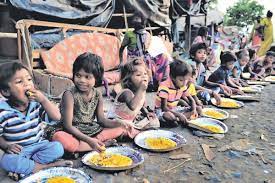
We were able to provide lunch for the slum consisting of 370 people from food collected from a single school. So, we can able to feed the whole world if the wastage is managed properly.

Food waste as fertilizer.

Foods which we find contaminated are transformed to manure to Grow plants. We could use all the food waste and prepare a compost out of them which can be used as organic fertilizer. This way we save the earth from the pollution caused by food waste and also do something productive.

Food waste is unique as a composting agent, it is the main source of organic matters. Fruits, vegetables grains, coffee filters, eggshells can be composted.

PPLO MISSION:

FOOD FOR ALL AND WASTE FOR NONE.

PPLO ACCOMPLISHMENT:

PPLO was successful in providing lunch for nearly 400 people from the food remains generated by a school of 527 students.

If you would like to support PPLO or if you need support from PPLO

Please Contact: s98208366@gmail.com

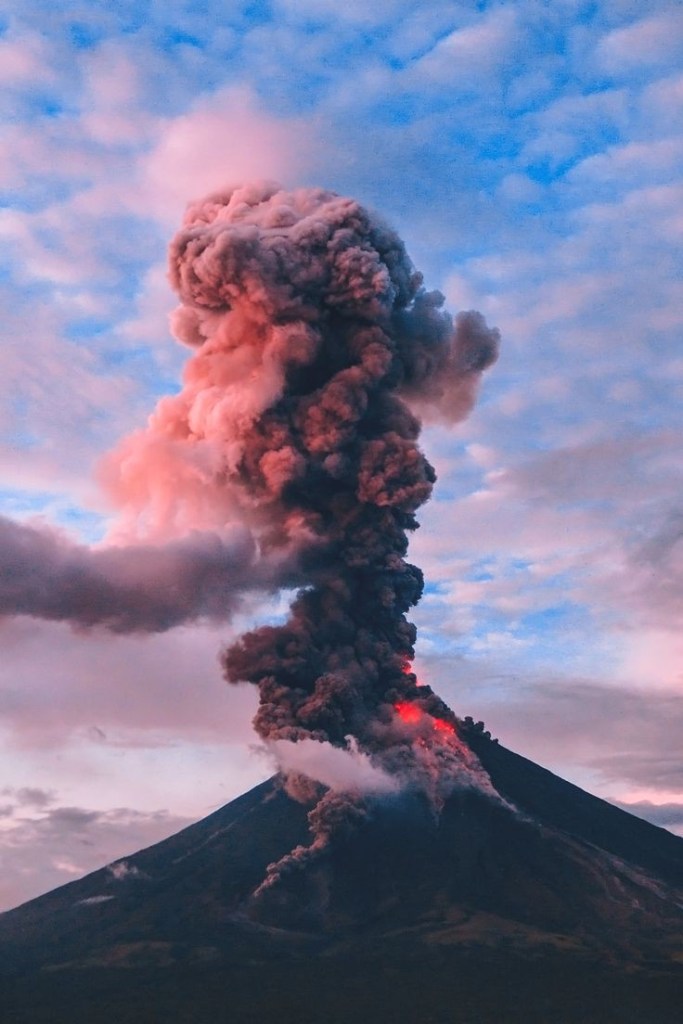
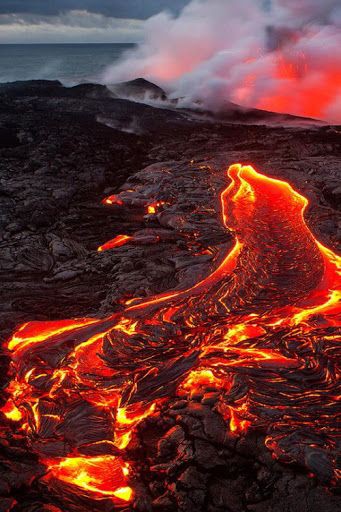
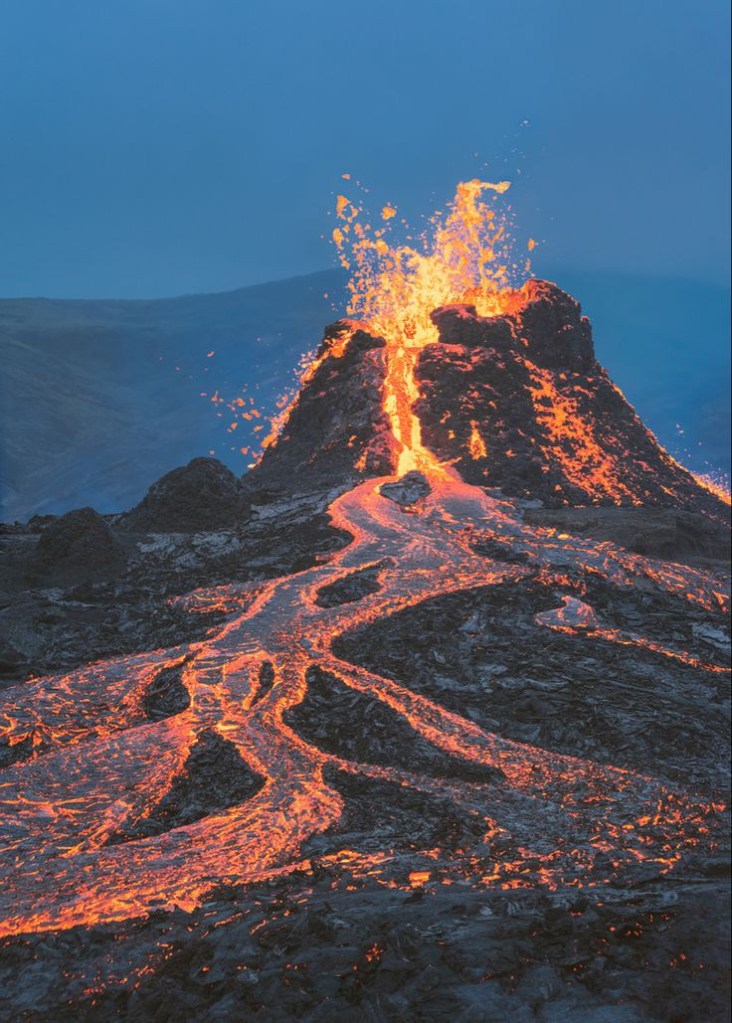
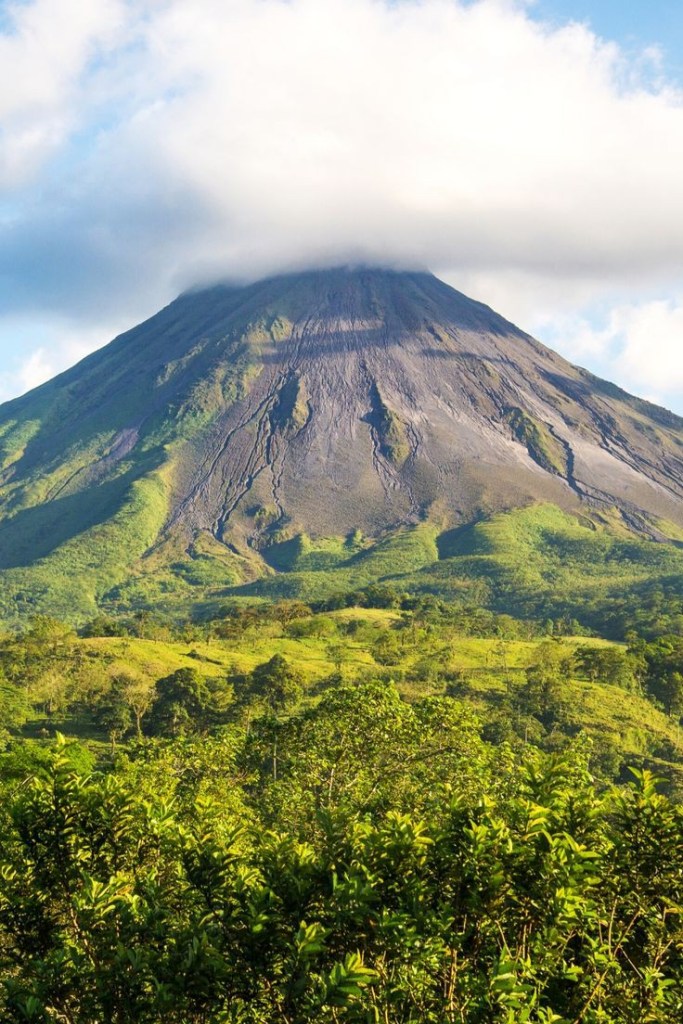
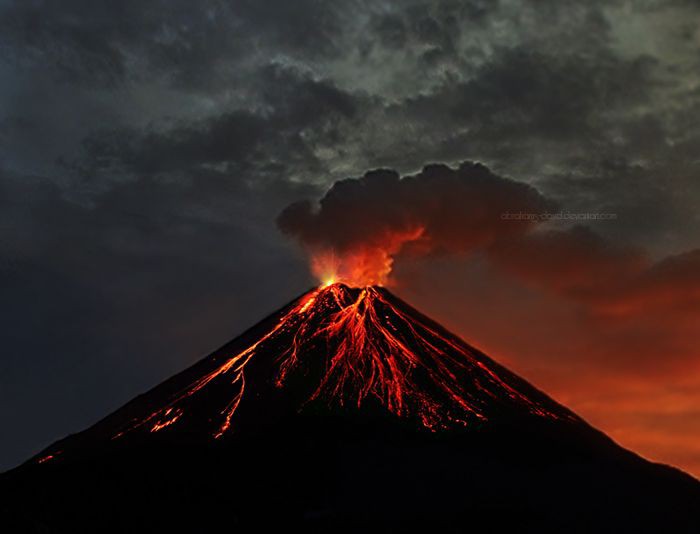
Volcano Eruption

“We are, all of us, growing volcanoes that approach the hour of their eruption, but how near or distant that is, nobody knows- not even God.”

~ Friedrich Nietzsche

We always talk about , what it would be like to see volcano eruption in front of your eyes ?

How amazing it would be like to find out , how the volcano erupt ?

There are many things that we don’t know exist in our earth 🌍. Do you want to know about it . If yes , than read the editorial .

Introduction

A volcano is a rupture in the crust of a planetary-mass object, such as Earth, that allows hot lava, volcanic ash, and gases to escape from a magma chamber below the surface.

On Earth, volcanoes are most often found where tectonic plates are diverging or converging, and most are found underwater.

The word volcano is derived from the name of Vulcano, a volcanic island in the Aeolian Islands of Italy whose name in turn comes from Vulcan, the god of fire in Roman mythology.

Many ancient accounts ascribe volcanic eruptions to supernatural causes, such as the actions of gods or demigods. To the ancient Greeks, volcanoes’ capricious power could only be explained as acts of the gods, while 16th/17th-century German astronomer Johannes Kepler believed they were ducts for the Earth’s tears.[87] One early idea counter to this was proposed by Jesuit Athanasius Kircher (1602–1680), who witnessed eruptions of Mount Etna and Stromboli, then visited the crater of Vesuvius and published his view of an Earth with a central fire connected to numerous others caused by the burning of sulfur, bitumen and coal.

Types of eruptions

  • Hydrothermal eruption. An eruption driven by the heat in a hydrothermal systems.
  • Phreatic eruption. An eruption driven by the heat from magma interacting with water.
  • Phreatomagmatic eruption.
  • Lava.
  • Strombolian and Hawaiian eruptions.
  • Vulcanian eruptions.
  • Subplinian and Plinian eruptions.

How do volcanoes erupt?

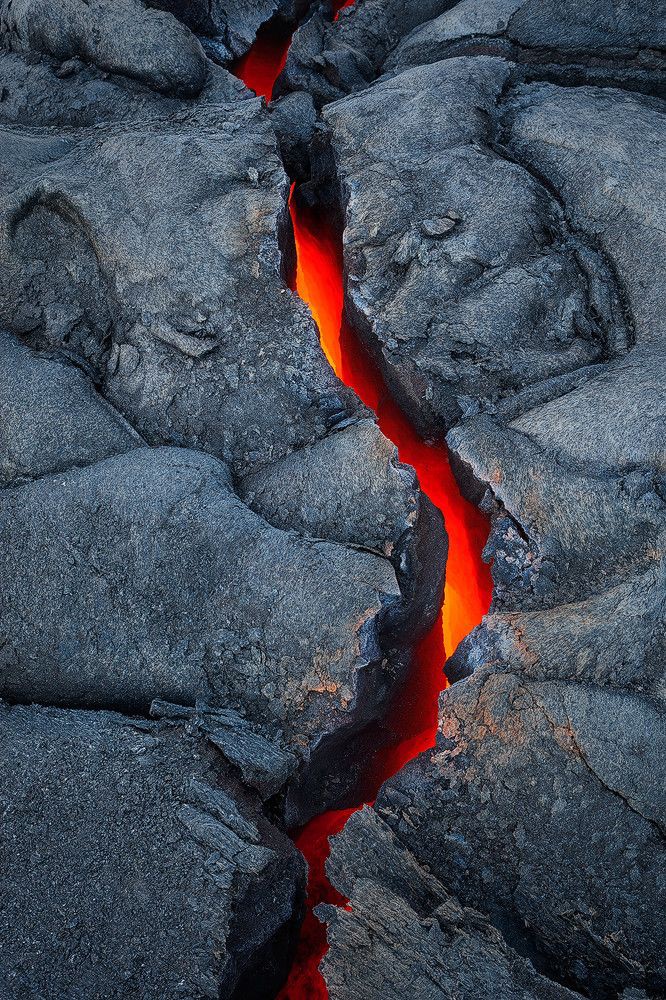
Deep within the Earth it is so hot that some rocks slowly melt and become a thick flowing substance called magma. Since it is lighter than the solid rock around it, magma rises and collects in magma chambers. Eventually, some of the magma pushes through vents and fissures to the Earth’s surface. Magma that has erupted is called lava.

The explosivity of an eruption depends on the composition of the magma. If magma is thin and runny, gases can escape easily from it.
Explosive volcanic eruptions can be dangerous and deadly.

Humans and volcanoes

Volcanic eruptions pose a significant threat to human civilization. However, volcanic activity has also provided humans with important resources.

Although volcanic eruptions pose considerable hazards to humans, past volcanic activity has created important economic resources.

Volcanic ash and weathered basalt produce some of the most fertile soil in the world, rich in nutrients such as iron, magnesium, potassium, calcium, and phosphorus.

Volcanic activity is responsible for emplacing valuable mineral resources, such as metal ores.

The paradox of volcanoes was that they were symbols of destruction but also life. Once the lava slows and cools, it solidifies and then breaks down over time to become soil – rich, fertile soil.
She wasn’t a black hole, she decided. She was a volcano. And like a volcano she couldn’t run away from herself. She’d have to stay there and tend to that wasteland.
She could plant a forest inside herself.

Matt Haig, The Midnight Library

Link

How I lost 25 kilos.

Weight loss obviously varies from person to person, As someone who has lost 25 kilos in a year I feel like I am qualified to give you some tips. Just remember that every body is different what worked for someone else may not work for you but you should not be disheartened and also remember that weight loss is possible. I personally thought i would never lose weight but here i am. These tips I am going to give you are tips that you can adopt into your lifestyle even after you have lost the weight, even if you don’t want to lose weight and you want to maintain these tips, will help you. Also if you want to lose weight start now, you cannot give any excuses as it is your life. If you lose weight it will benefit you and if you continue your unhealthy lifestyle it will affect no one but you.

  1. Change your diet.

I cannot stress how important it is to change your diet. No matter how much you workout if your diet is bad you will never lose weight. First thing you need to do is go to a dietician. These people are professionals, they have learnt how to figure out what is the root cause of the weight gain. One thing you need to remember is that everyone gains weight for a reason. A dietician finds that reason and fixes it. Even if you change your diet and workout less you will see a change in your weight. Usually carbs are the main reason for the increase in weight, so your dietician may ask you to lay off of it for a while. When you suddenly change your diet your body is not able to cope and ends up shedding the fat. I understand how hard it is to not eat your favorite food because I have gone through it but trust me the results are totally worth it.

2. Get at least 30 mins of physical activity a day.

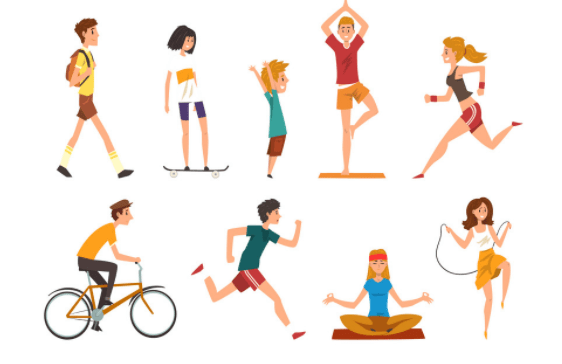
Everyday for at least 30 mins you must do some sort of physical activity. it can be walking, cycling, running, yoga, Pilates, dance or you can even go shopping. Your body needs to move. The human body has not been designed to stay in one position for a long time. By not moving your body you are actually doing harm to your body. The muscles built for movement are wasting away. 30 mins a day is all you need. Of course as you lose more weight the time you allocate for exercise needs to increase as it gets harder to lose weight. I personally hate working out in gyms, so I initially at the start of my weight loss used to dance and then now I do a mix of walking and other workouts for YouTube.

3. Control your snacking

Personally I can talk about this all day. My main problem was snacking. I never ate huge meals, infact I always ate lesser than everyone. But i was a huge snacker. I loved fried food like chips, biscuits, puffs etc. I was a person who ate when I was bored. I could probably finish a huge packet of chips all on my own even now. I also want to say that snacking is not bad, it is essential to snack throughout the day but you must see how much and what you eat. Establishing a control on my mind to help stop snacking was hard but I was able to do it, and I realize that it is harder for some to stop snacking but you can start slow. Its the change that matters. Don’t skip meals because that is going to make you hungrier and in turn is going to make you snack more. Some changes that I brought into my lifestyle were, whenever I was hungry I ate something, never starve yourself. I ate healthier snacks like fruits, nuts, healthy whole wheat biscuits. Ensure that the nuts are unsalted. You need to keep in mind that even the healthy snacks need to be eaten in moderation.

4. Eat homecooked meals

Home cooked meals are the best. They are delicious, nutritious and cost efficient. I cannot deny that fast food or the food you get in restaurants is not good, they are really good but we don’t know what exactly goes into the food. Once in a while food from outside is ok but never make it a habit. You may have noticed that you may eat a lot of food and home and not feel full but if you eat even a little from outside you instantly feel full, this is because of Sodium. The combination of fat, sugar, and lots of sodium (salt) can make fast food tastier to some people. But diets high in sodium can lead to water retention, which is why you may feel puffy, bloated, or swollen after eating fast food.

5. Try to avoid sugar

Did you know that sugar is also known as the ‘White Poison’. Sugar is so tasty but not even its taste can make up for its disadvantages. Increased sugar consumption obviously can lead to diabetes and if you are obese your chances are increased by 75%. In my case I have a family history of diabetes and being obese caused my blood sugar to be really high. I was on the verge of being diabetic but luckily I reduced my blood sugar. Lesser known fact is that most of the fast foods have not only a huge amount of salt but sugar as well.

These are some basic tips that helped me change my life for the better. Nothing is impossible and you are never too late. But first and foremost you need to accept that you are unhealthy and that you need help. So make the first step towards a happier and healthier life.

MESSIER 87-The Galaxy that gives Hope

M87
The elliptical galaxy M87 is the home of several trillion stars, a supermassive black hole and a family of roughly 15,000 globular star clusters. For comparison, our Milky Way galaxy contains only a few hundred billion stars and about 150 globular clusters. The monstrous M87 is the dominant member of the neighboring Virgo cluster of galaxies, which contains some 2,000 galaxies. Discovered in 1781 by Charles Messier, this galaxy is located 54 million light-years away from Earth in the constellation Virgo. It has an apparent magnitude of 9.6 and can be observed using a small telescope most easily in May.
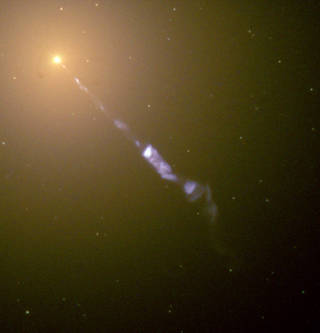
This Hubble image of M87 is a composite of individual observations in visible and infrared light. Its most striking features are the blue jet near the center and the myriad of star-like globular clusters scattered throughout the image.
The jet is a black-hole-powered stream of material that is being ejected from M87’s core. As gaseous material from the center of the galaxy accretes onto the black hole, the energy released produces a stream of subatomic particles that are accelerated to velocities near the speed of light.
At the center of the Virgo cluster, M87 may have accumulated some of its many globular clusters by gravitationally pulling them from nearby dwarf galaxies that seem to be devoid of such clusters today.
For more information about Hubble’s observations of M87, see:
http://hubblesite.org/news_release/news/2008-30
http://hubblesite.org/news_release/news/2000-20
http://hubblesite.org/news_release/news/2013-32
locator star chart for M87

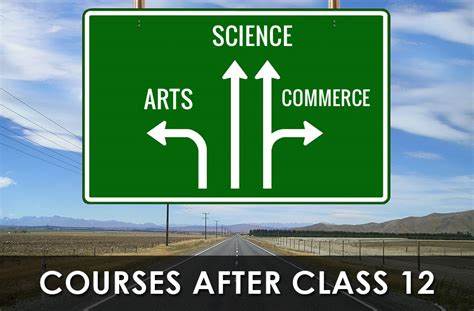
Done Class 12th , What Next?

After the class 10th and 12th people usually have a dilemma of what to do next. Most of the children opt for medical and non-medical lines eying to become a computer science engineer or a doctor. In most cases people chose these streams purely based on pay, some due to parental pressure – Well Sharma Ji’s son and daughter are engineer and doctor so how can their relative’s children chose arts or commerce. This is a common notion throughout the country. Other professions are not considered at par. But what exactly are other professions?

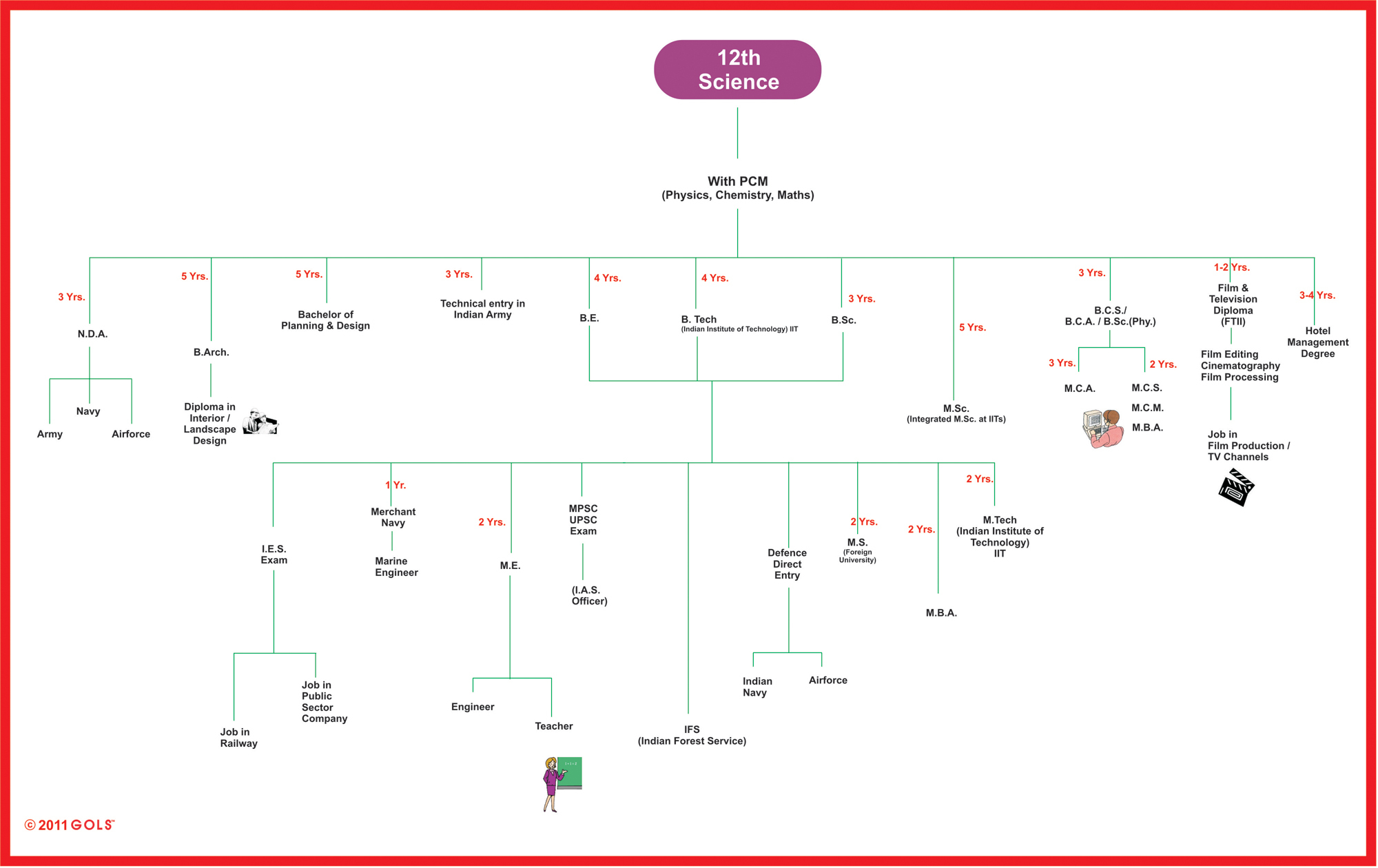
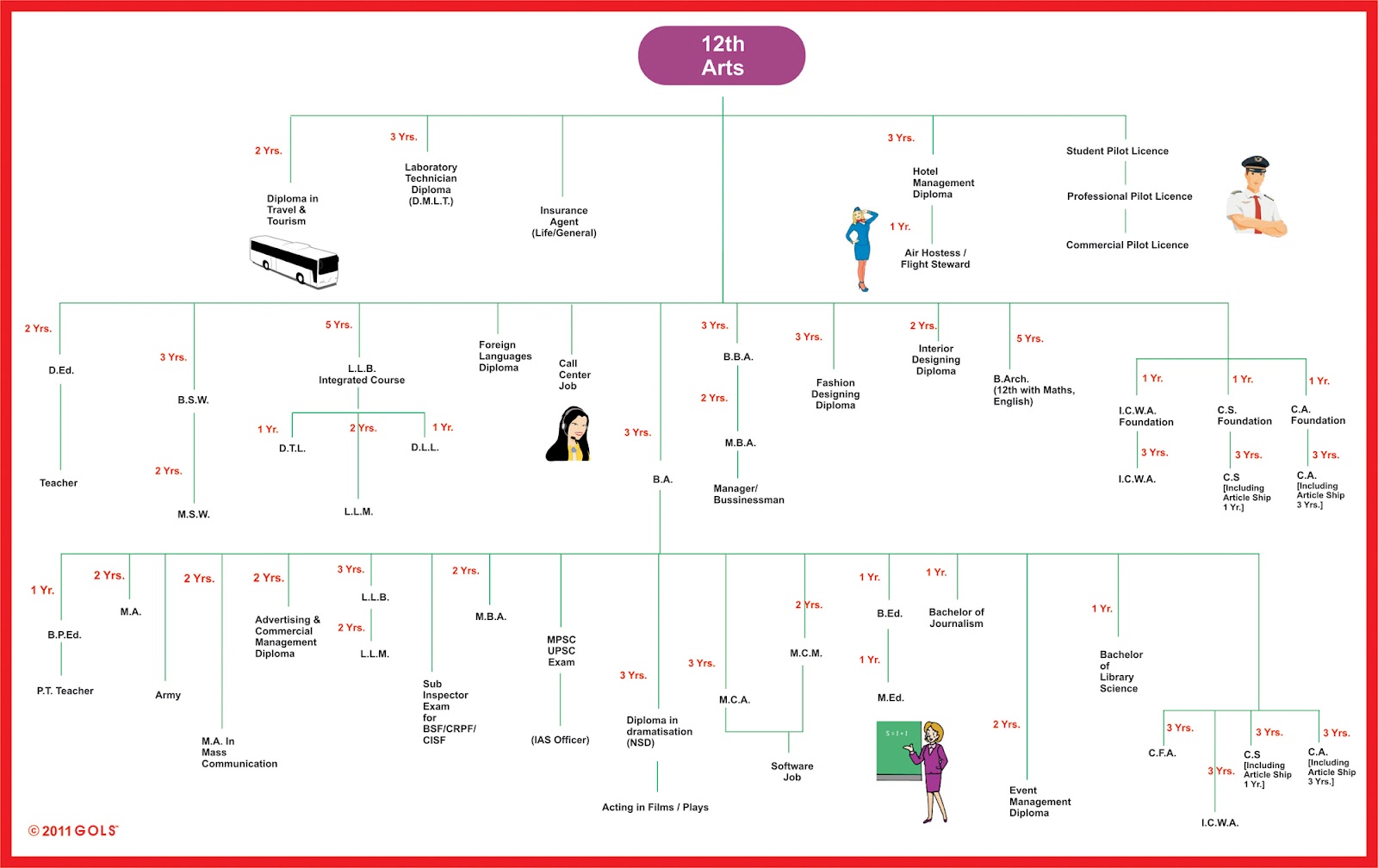
After class 10th streams are broadly divided into Medical, Non-medical, Commerce, and Arts. The detailed professions after class 12th are below:

See the source image

Non-Medical

It mainly comprises physics chemistry and math. Most of the people do BTech which is further branched into a plethora of fields like Computer science, Mechanical Engineering, Chemical and so on. People also do Bachelor of Architecture which comprises building construction. Besides this people can also opt for 3 year long BSc courses in the field of Mathematics, Chemistry, Physics, Computer Application.

Medical

After completing physics chemistry and biology students have options like MBBS, BDS which comprises of Dental Science, B Pharma. ( a 4 year long for becoming a chemist) , BSc Nursing, BHMS (Bachelor of Homoeopathic Medicine and Surgery), BAMS (Bachelor of Ayurvedic Medicine and Surgery). Just like Non, medical students can also opt for B.Sc. in Chemistry, Biology, Physics.

See the source image

Commerce

They have math, economics, accounts, business studies as their subjects. The most popular stream followed after class 12th is B.COM, a 3-year long course consisting of subjects related to finance and commerce. People who further want to do MBA usually opt for B.COM. There also other courses like BBA (Bachelor of Business Administration), CA, etc.

Arts

There are innumerous subjects like political science, history, English, economics, etc. Usually, people opt for BA after class 12th which can be done for various subjects like philosophy, political science, English, etc. People whose interest lies in drawing and painting chose BFA (Bachelor of Fine Arts). After that, they can take various professions like interior designing, etc.

Common courses

There are various courses which a student can opt after class 12th irrespective of their branch. People interested in law can opt for LLB (Bachelor of Law). People belonging to the agriculture domain opt for B.Sc. Agriculture. To become a fashion designer students do B.Sc. in Fashion Design. Students having a passion for teaching opt for B.Ed. in their particular domain. People who are intrigued by mass communication and journalism opt for BJMS(Bachelor of Journalism and Mass Communication. Likewise, there are various other fields.

Although there are various fields to explore students usually are restricted to particular fields like medical and non-medical. However, if someone has a passion in a particular domain, he/she will find success one day or another …