Made with several spices including ginger, cinnamon, turmeric and black pepper, this caffeine-free traditional Indian drink is a comforting yet invigorating concoction that’s sure to wake your senses in the morning. Cardamom, vanilla and honey can also be added to the mix.
Apple cider
Cider made with real apple cider vinegar is great for supporting digestion, since apple cider vinegar contains enzymes that can help balance blood sugar levels, control your appetite, and potentially ward off issues like heartburn and indigestion.
Coffee is the go-to morning beverage for many, while others choose not to drink it for a host of reasons.For some, the high amount of caffeine — 95 mg per serving — can cause nervousness and agitation, also known as “the jitters.” For others, coffee can cause digestive distress and headaches. Many simply don’t care for the bitter taste or are bored with their usual morning cup of Joe. Drinking too much coffee can be detrimental because of its high caffeine content. “Too much caffeine may pose a danger to your health,” the U.S. Food and Drug Administration warns. People are now are slowly dropping coffee from their daily diet and are looking for healthier beverages. This is a sign for you to rethink your caffeine intake. There are several other drinks that can help you stay awake in the morning aside from coffee. They are-
Hot cacao
Brewed cacao is a low caffeine drink that is rich in theobromine, a mild central nervous system stimulant. It offers all the “decadent flavors of dark chocolate, without any of the sugar and fat, and virtually no calories,” licensed dietitian/nutritionist Monica Reinagel wrote in an article for Food & Nutrition.
Lemon Water
Lemon water is a great way to start your day. It’s calorie- and caffeine-free and provides an ample dose of vitamin C.As an antioxidant, vitamin C plays a role in your immune system and protects your skin from sun damage. It’s essential for creating collagen, a protein that provides the basic structure for your skin, tendons and ligaments.
You can also add other fruits and herbs for a variety of flavors — cucumbers, mint, watermelon and basil are some popular options.
Herbal tea
Herbal tea like rooibos ( from South Africa) and chai tea (from India )can be great healthy alternatives to caffeine. Most herbal teas are caffeine-free, although it depends on the exact kind.They may help to support your energy levels by keeping you calm and aiding in sleep quality, and by supporting digestive/gut health. Unlike coffee ,teas are low in tannin antioxidants, which can be beneficial but also interfere with the absorption of iron. Despite a low tannin content it provides a substantial amount of other antioxidants .
Kombucha
Kombucha is made by fermenting black tea with bacteria, yeast and sugar.After fermentation, kombucha contains probiotics, acetic acid and antioxidants — all of which may have health benefits .kombucha may boost your immune system, improve cholesterol levels and blood glucose levels in people with diabetes
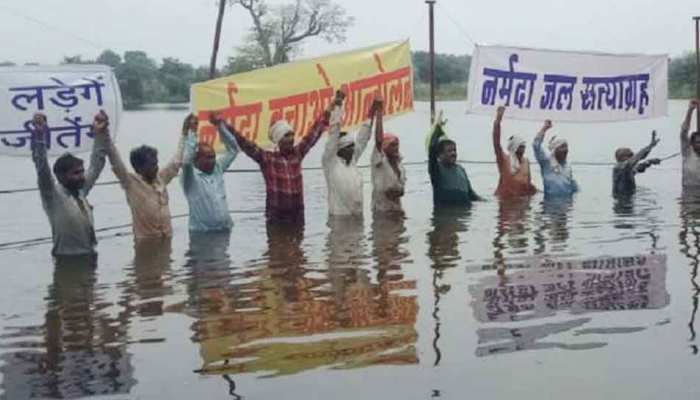
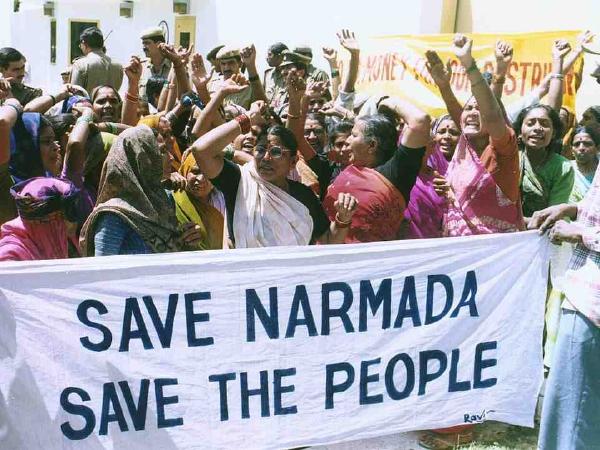
In 1985, Narmada bachao andolan became an Indian social ,and environmental movement. Narmada Bachao Andolan is the most powerful mass movement, started in 1985, against the construction of huge dam on the Narmada river. Narmada is the India’s largest west flowing river, which supports a large variety of people with distinguished culture and tradition ranging from the indigenous (tribal) people inhabited in the jungles here to the large number of rural population. The proposed Sardar Sarovar Dam and Narmada Sagar will displace more than 250,000 people. Narmada bachao andolan was led by native tribals, farmers environmentalists and Human Rights activist. Narmada bachao andolan was against and number of large Dam projects across the river Narmada, which to the states of Gujarat Madhya Pradesh and Maharashtra. The big fight is over the resettlement or the rehabilitation of these people. The two proposals are already under construction, supported by US$550 million loan by the World Bank. There are plans to build over 3000 big and small dams along the river. This protest, to express the views against a large number of dams being contrasted near Narmada river, brought a large number of adivasis, farmers, environmentalists, and human rights activists together. The movement involved prominent celebrities and people went on hunger strikes to show their support for the cause. The decision is still pending, though the court initially ruled the decision in the Andolan’s favor, thereby effecting an immediate stoppage of work at the dam and directing the concerned states to first complete the rehabilitation and replacement process. Later the court allowed the construction to proceed.
It is a multi crore project that will generate a big revenue for the government. The Narmada Valley Development plan is the the most promised and most challenging plan in the history of India. The proponents are of the view that it will produce 1450 MW of electricity and pure drinking water to 40 million people covering thousand of villages and towns. Some of the dams have been already been completed such as Tawa and Bargi Dams. But the opponents says that this hydro project will devastate human lives and bio diversity by destroying thousand of acres of forests and agricultural land. On the other hand it will overall deprive thousands of people of their livelihood. They believe that the water and energy could be provided to the people through alternative technological means that would be ecologically beneficial.
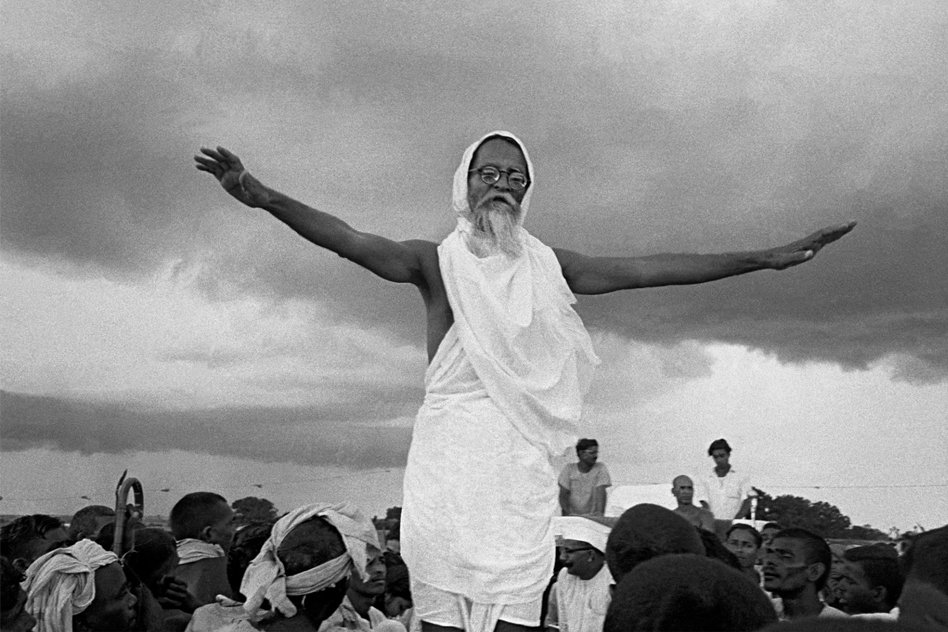
Medha Patkar and Baba Amte together let a series of protests, some of which failed while the others achieved success. In September 1989, Amte led a 60,000-person anti-dam NBA rally in Harsud—a town of 20,000 people in Madhya Pradesh that faced submersion. In May 1990, a massive NBA five-daydharna (sit-in) at then-Prime Minister V. P. Singh’s residence in New Delhi forced the Prime Minister to agree to ‘‘reconsider’’ the project. In December 1990, Amte, along with 5,000 protestors, began the Narmada Jan Vikas Sangharsh Yatra (Narmada people’s progress struggle march), marching over a hundred kilometers from Amte’s headquarters near Barwani in Madhya Pradesh to Ferkuva on the Madhya Pradesh–Gujarat border. The government reacted by deploying the Gujarati police force and by bussing in thousands of governmentsupported pro-dam demonstrators from urban centers in Gujarat. Following the government’s announcement that rising waters from the dam would begin to submerge villages, domestic protest intensified and with it the resulting backlash from the state. On January 5, 1991, Amte began a ‘‘dharna [sit-in] unto death.’’
The most popular slogans of the NBA were Vikas Chahiye, vinash nahin! (‘‘We want development, not destruction’’) and Koi nahi hatega, bandh nahi banega! (‘‘No one will move, the dam will not be built’’).Led by one of the prominent leader Medha Patkar, it has now been turned into the International protest, gaining support from NGO’S all around the globe. Protestors are agitating the issue through the mass media, hunger strikes, massive marches, rallies and the through the on screen of several documentary films. Although they have been protesting peacefully, but they been harassed, arrested and beaten up by the police several times. The Narmada Bachao Andolan has been pressurizing the world bank to withdraw its loan from the project through media .The strong protests throughout the country not only made impact on the local people but has also influenced the several famous celebrities like film star Aamir Khan , who has made open efforts to support Narmada Bachao Andolan. He said he only want that those who have been rendered homeless should be given a roof. He pleaded to the common people to take part in the moment and come up with the best possible solutions. .
In october 2010 Supreme Court approved construction in decided that the height of the Dam to be raised 90m. This is much higher than 88m which anti Dam activist demanded but it is definitely lower than the proposed height of 130 m. As the World Bank withdrew its financing in 1933 the project is now largely financed by the state governments and market borrowings ,now the project is expected to be fully completed by 2025.
Getting bored in the summer heat? Or you simply want to catch a break from a monotonous life? Well, its summer time and there is no better season to pick up some new hobbies and skills to add to the feathers in your cap. Here are 5 things you can do this summer to feel productive-
Learn to swim
Swimming is a very handy skill and you are never too old to learn to swim. It’s great if you already know to swim too, take a dip in the pool and refine those strokes. Swimming keeps one physically fit, healthy and energised. It also tones your muscles and give you that tan you’ve been wanting.
2.Learn a foreign language
It could be the tongue native to a country you hope to visit someday or a language you’ve always wanted to learn just because you find it so beautiful. Learning the basics of a new language makes the world feel a little smaller, and numerous studies have indicated that being bilingual can give your brain a boost. There are so many free apps and videos that you can refer to at least get some basics of a language.
3.Make your own jewellery
Arts and crafts have always been at the tip-top of popular summer hobbies but have you tried making your own jewellery yet? Capture your own design aesthetic in wearable pieces that you can make from the comfort of your own home. Make them for yourself, gift them to a friend, sell them on Etsy… the possibilities are endless. There are some awesome kits, books, and Youtube videos (essential techniques, supplies to purchase, and of course, hacks) that will make getting started a whole lot easier. Redecorate your room with it or spruce up your collection of gems with some DIY jewellery making.
4. Develop a green thumb
Summertime is the perfect time for gardening: there’s loads of sunlight and the right temperature to grow an entire range of vegetables like tomatoes and cucumbers, or even some herbs and flowers. Gardening can be a nice, rewarding hobby to take up in the summertime. Starting a garden can be an intimidating task but thankfully, there are plenty of resources out there to help you get your green thumb on.
5. Go Camping
Camping is a favourite pastime for many during the summer days and can also be very inexpensive . This is a fantastic low-cost hobby for adventure and nature lovers who want to disconnect from the Wi-Fi and real around a campfire. However, you shouldn’t set out without preparation, so go through this guide to make sure you’re well-prepared! It is a fun way to meet up for some outdoor time with friends and loved ones! It doesn’t have to been in the complete wilderness , just set a tent in your back yard and gaze at those stars.
Apartheid means separateness. Apartheid was a system of legal racial segregation enforced by the South African National Party government between 1948 and 1994. This system created a society of enormous repression for black South Africans. Apartheid was characterized by an authoritarian political culture based on baasskap, which ensured that South Africa was dominated politically, socially, and economically by the nation’s minority white population. According to this system of social stratification, white citizens had the highest status, followed by Indians and Coloureds, then black Africans. The economic legacy and social effects of apartheid continue to the present day.
The anti-apartheid movement was the first successful transnational social movement in the era of globalization. The movement began after a massive turnout by rural Afrikaners gave Rev. Daniel Malan’s Nationalist Party a majority of five seats in the whites-only Parliament of the Union of South Africa on May 26, 1948. The Nationalists won on a racist platform that played on white fears of the “black threat” and promised to establish strict “apartheid” or separate development policies to counter it. British Anglican archbishop Trevor Huddleston was a leader in the campaign against apartheid, an official system of discrimination against non-whites in South Africa. His efforts helped bring that struggle to the world’s attention
What is unique about the anti-apartheid movement is the extent of support it received from individuals, governments and organizations on all continents. Few social movements in history have garnered anywhere near the international support that was mobilized against the racist apartheid regime in South Africa. Although national liberation and Marxism might both be considered as successful, trans-national social movements, neither of these had the global support that the anti-apartheid movement garnered.
There were two main aspects of the anti-apartheid movement: the internal campaign to destabilize the racist apartheid regime in South Africa, and the external campaign for political, economic, and cultural sanctions. At the heart of the movement was the struggle of black Africans to end white supremacy in South Africa. This internal movement was both a catalyst for actions at the international level and the critical link that gave coherence to the movement as a whole. The external effort can be divided into two fronts: (1) regional efforts to provide military bases, material, and diplomatic support for liberation movements; and (2) the diaspora movement, which focused on seeking international sanctions against the regime and providing direct aid to the liberation movements.The internal struggle within South Africa was the core of the movement, and it served as a catalyst for regional and international support movements. This effort emerged to oppose apartheid legislation imposed after the all-white election of 1948.
Nelson Mandela’s contribution
The man we know behind this movement is Nelson Mandela. Under apartheid, the South African population was divided into four distinct racial groups: white (including Afrikaners, who speak a Germanic language called Afrikaans), black, colored, and Indian. Strict residential, economic, and social segregation was enforced on the basis of these racial categories. Non-whites were not allowed to vote in national election. Moreover, apartheid saw the institution of the “homeland system,” in which the government sought to establish separate states for members of each of the country’s many black ethnic groups. This often involved the forced removal of families from their original homes to the newly-created “bantustans” (or ethnic states). In other cases, it meant breaking up interracial and inter-ethnic families. While non-whites were confined to squalid ghettoes with few decent educational and employment opportunities, whites were afforded the basic privileges of life in a democracy.
In a 1955 article, Nelson Mandela—then a leading activist in the growing fight against apartheid—described the horrors of the system and the brutal means by which it was enforced:The breaking up of African homes and families and the forcible separation of children from mothers, the harsh treatment meted out to African prisoners, and the forcible detention of Africans in farm colonies for spurious statutory offenses are a few examples of the actual workings of the hideous and pernicious doctrines of racial inequality. To these can be added scores of thousands of foul misdeeds committed against the people by the government: the denial to the non-European people of the elementary rights of free citizenship; the expropriation of the people from their lands and homes to assuage the insatiable appetites of European land barons and industrialists; the flogging and calculated murder of African laborers by European farmers in the countryside for being “cheeky to the baas”; the vicious manner in which African workers are beaten up by the police and flung into jails when they down tools to win their demands; the fostering of contempt and hatred for non-Europeans; the fanning of racial prejudice between whites and non-whites, between the various non-white groups; the splitting of Africans into small hostile tribal units; the instigation of one group or tribe against another; the banning of active workers from the people`s organizations, and their confinement into certain areas.
Because of the injustices it perpetuated, the apartheid system gave rise to a broad resistance movement. The primary organization leading the struggle against apartheid was the African National Congress (ANC). The ANC was founded in 1913 in response to the oppression of non-white South Africans at the hands of the white ruling class. In 1943, Nelson Mandela—then a law student—joined the ANC and co-founded its youth division, the ANCYL. Mandela and other young activists had begun to advocate for a mass campaign of agitation against apartheid. In 1949, the ANCYL gained control of the ANC and a year later Mandela was elected national president of the ANCYL. Around this time, Mandela’s political outlook began to shift: while he had previously opposed cross-racial unity in the fight against apartheid, he came to be influenced by the writings of socialist thinkers who supported organizing across racial lines. He was also influenced by the nonviolent strategies of Mahatma Gandhi. Gandhi was himself a resident of South Africa for more than 20 years, from 1893 to 1914.
Mandela and other political prisoners engaged in many political debates and discussion. The prison on Robben Island, where Mandela stayed for 20 years, was sometimes called “University of Robben Island.”
Although he was sidelined from direct participation in the movement while in prison, Mandela became a symbol—both in South Africa and internationally—of the struggle against injustice. During his imprisonment on Robben Island, the fight against apartheid continued. New organizations and leaders emerged to advance the cause, and thousands of average South Africans risked their lives to resist the brutal system. A powerful international movement included boycotts and bans of South African goods; protests, including massive civil disobedience; and an explosion of music and art demanding the end of apartheid and the freeing of Nelson Mandela and other political prisoners.
Violence and instability grew within South Africa. The apartheid government faced increasing domestic and international pressure. In 1985, then President P.W. Botha offered to release Mandela from prison if he agreed to “unconditionally reject violence as a political weapon.” Mandela refused the offer. He wrote: “What freedom am I being offered while the organization of the people remains banned? Only free men can negotiate. A prisoner cannot enter into contracts.”
Despite his recognition as a central figure in the fight against apartheid, Mandela has always been quick to note that he was not personally responsible for its overthrow. As he said upon his release from prison in 1990: “I stand here before you not as a prophet but as a humble servant of you, the people. Your tireless and heroic sacrifices have made it possible for me to be here today. I therefore place the remaining years of my life in your hands.” Mandela’s courage is inspiring and his story is dramatic, but he did not end apartheid alone. In South Africa and around the world, people were inspired by Mandela’s example. They recognized that there would never be freedom in South Africa unless many people took action. In South Africa, many died in the struggle for freedom.
Vinoba Bhave was born in Gagode village, Raigad, Maharashtra. A keen follower of Mahatma Gandhi, Vinoba Bhave took part in the freedom struggle and started the Bhoodan movement in 1951. He was an avid social reformer throughout his life. Vinoba Bhave, a humble spiritual leader, the first non-violent resister to the Britishers and reformer of Independent India started what we know as the Bhoodan movement – a landmark in Indian history where its mission was to persuade wealthy landowners to willingly give a small share of their land to the landless people .About four years later after india gained independence, Vinoba Bhave carried out a unique movement of his own. He travelled across all of India to convince the wealthy land-owners or land-lords to share a small area of their land with their poor and downtrodden neighbours with the condition that they can’t sell the land. Over a span of 20 years, a total of 4 million acres of land was shared across the country through this movement. Bhoodan literally means a donation of land. As implied by the name, in this movement, landlords voluntarily give up land to be distributed to landless labourers, who would then cultivate the land..
How it started
Bhoodan or Land Gift movement began with Acharya Vinoba Bhave in 1951 in Telangana. An inspirational icon, Vinoba Bhave’s work & dedication impacted people all across the country. He vowed to life-long celibacy as well as selfless service for others when he was as young as 10 years old. As it is said about him, “Perhaps none of Gandhi’s followers have created so many worshippers of Truth & Non-violence, so many genuine workers as has Vinoba Bhave.” It all began on April 18th 1951, which we now know as the historic day this movement began. Vinoba Bhave stepped into the Nalgonda district, which was the epicenter of communist activity in the region. He stayed at Pochampalli, a village with about 700 families who have him a hearty welcome. He visited the ‘untouchables’ or Harijan colony, where they asked for 80 acres of land for 40 families. As documented in history, while the discussion was going on, Ram Chandra Reddy who was the local landlord, got up and exclaimed, “I will give you 100 acres for these people.” This made Vinoba come up with an idea, that this may have the solution for possibly resolving land issues across the country. Soon, this movement led to become the Gramdan or village-gift movement and went through many levels of allied programmes and initiatives. In October 1951 rose a demand for fifty million acres of land for the landless in the whole of India by 1957, thus turning a small goal into a mass-scale movement. The success lasted till 1957, post which it slowly faded.
Outcomes
It gained a lot of success, especially in Northern India in UP and Bihar. Over 4.5million acres of land in India was given as a donation by 1957. The core belief of land being a gift of earth which belonged to everyone made its way into minds of everyone. With time, many problems seeped into the movement later such as slow progress, bribery, donating bogus land, greed to get more land or incorrect implementation in some regions. The movement soon failed due to increasing misuse of a voluntary movement for self-serving purposes by a few.
To conclude taking an overall view it cannot be gainsaid that the Bhoodan – Gramdan Movement, despite all its real & apparent limitations, it would ever be deemed as a glorious attempt for a peaceful & non-violent solution of the basic land problem of Indian society & through it for a non-violent reconstruction of the Sarvodaya socio-economic-politico order of universal relevance & significance
Human capital refers to stock of ‘skill and expertise’ embodied in humans. Human capital is as important as physical capital for economic development. Human capital formation is the process of adding to stock of human capital over time. Human capital can be developed through creation of skilled, trained and efficient labour force by providing better education, health care facilities, etc. Highly skilled people can create new ideas and methods of production. Thus, expenditure on education, on health and on on-job-training are key instruments of human capital formation. Expenditure on education is one of the most important way of enhancing and enlarging a productive workforce in the country. Expenditure on health can create more efficient and more productive human capital. Further, on-the-job-training helps workers to update skills. Training enhances the productivity and is expected to accelerate the process of human capital formation.
Human Capital and Economic Growth
When we talk about economic growth, human capital is the main reason for the accelerated growth and expansion for many countries that provide investment in human capital. This gives the best advantages to these countries for providing the best situations for work and lifestyles.A significant advantage in generating a stable environment for growth is that the nation has the expanded high-quality human capital in fields like health, science, management, education, and other fields. Here, the main components of human capital are definitely human beings, but presently, the principal component is a creative, educated, and enterprising person with a high level of professionalism.
Human capital in the economy manages the central portion of the national wealth. Hence, all researchers consider that human capital is the most important resource of the community, which is more powerful than nature or wealth. In most countries, human capital determines the rate of development, economic, technological, and scientific progress.
(i) Inventions, innovations, and technological improvement
(ii) Higher productivity of physical capital
(iii) Raises production
(iv) High rate of participation and equality
(v) Improves the quality of life
The difference between human capital and physical capital
Both forms of capital formation are outcomes of conscious investment decisions. Decision regarding investment in physical capital is taken on the basis of one’s knowledge in this regard. The entrepreneur possesses knowledge to calculate the expected rate of return to a range of investments and internationally decide which one of the investments should be made. Physical capital is the outcome of the conscious decision of the owner the physical capital formation is mainly and economic and technical process. A substantial part of human capital formation takes place in one life when she or he is unable to decide whether it will maximize her or his earnings. Children are given different types of school education health care facilities by parents and society. The peers, educators and society influence the decisions regarding human capital investment even at the tertiary level, at the college level. Human capital formation at this stage is dependent upon the already from human capital at the school level. Human capital formation is partly a social process and partly a conscious decision of the possessor of the human capital. The owner of a physical capital, does need not be present in the place where it is used; a bus driver who possesses the knowledge and ability to drive the bus should be present when the bus is used for transportation of people and other materials physical capital is tangible and can be easily sold in the market like any other commodity. Human Capital is intangible it is endogenously built in the body and mind of its owner. Human Capital is not sold in the market; service of human capital is sold and hence there arises the necessity of owner of the human capital to be present in the place of production. Physical capital is variable from its owner where does the human capital is in separable from its owner. The two forms of capital differ in terms of mobility across space. Capital is completely mobile between countries except for some artificial trade restrictions. Human capital is not a perfectly movable between countries as movement is restricted by nationality and culture. Physical Capital formation can be built it even do import, human capital formation is to be done through conscious policy formulations in consensus with nature of society and economy expenditure by the state and the individual.
Both forms of capital depreciate with the time but the nature of depreciation differs between the two continuous use of machine lead to depreciation and change of Technology makes a machine of solute. Human capital, eating but can reduce, for large through continuous investment in education and health on the job training. This investment also facilitates the human capital to cope with change in technology which is not the case with physical capital. Natures of benefits flowing from human capital are different from that of physical capital. Human Capital benefits not only the owner but also the society in general. This is called external benefit. Educated person can effectively take part in a democratic process and contribute to the socio economic progress of a nation. Healthy person, by maintaining personal hygiene and sanitation, stops the spread of contagious diseases and epidemics. Human Capital creates both private and social benefits where as physical capital creates only private benefits. That is, benefits from a capital good flow to those who pay the price for the product and services provided by it.
Importance of Human Capital Formation:
Although the accumulation of physical capital is quite important in the process of economic growth of a country but with the passage of time, it is being increasingly realised that the growth of tangible capital stock depends extensively on the human capital formation must get its due importance.In the absence of adequate investment in human capital, utilisation of physical capital will be at low pace, leading to retardation of development.Prof. Galbraith observed, “We now get the larger part of our industrial growth not from more capital investment but from investment in men and improvements brought about by improved men.” Unless these developed economies spread education, knowledge, know-how and raise the level of skills and physical efficiency of their people, the productivity of physical capital would have been reduced at this moment.
Most of the underdeveloped countries are suffering from low rate of economic growth which is again partially resulted from lack of investment in human capital. These underdeveloped countries are facing mainly two basic problems. They lack critical skills very much needed for the industrial sector and again have a surplus labour force.Thus human capital formation wants to solve these problems by creating necessary skills in man as a productive resource and also providing him gainful employment.In order to remove economic backwardness of the underdeveloped countries as well as to instill the capacities and motivations to progress, it is quite necessary to increase the level of knowledge and skills of the people.Thus in the absence of proper development of the quality of the human factor, the underdeveloped countries will not be able to attain the desired rate of progress.
Takeaway
Economic and social benefits of human capital formation and Human Development are well-known. The spread of education and Health Services across different sectors of the society should be ensured so as to simultaneously attain economic growth and equity. The need of the hour is to better it qualitatively and provide such conditions so that they are utilised in our own country.
Great minds like Maya Angelo and Albert Einstein accomplished and excelled at their field which is rare to come across , yet the shared something with the common people , the feeling of fraudulence . Impostor syndrome refers to an internal experience of believing that you are not as competent as others perceive you to be. While this definition is usually narrowly applied to intelligence and achievement, it has links to perfectionism and the social context. To put it simply, imposter syndrome is the experience of feeling like a phony—you feel as though at any moment you are going to be found out as a fraud—like you don’t belong where you are, and you only got there through dumb luck. It can affect anyone no matter their social status, work background, skill level, or degree of expertise.
When Clance and Imes first described the impostor phenomenon (sometimes called impostor syndrome), they thought it was unique to women. Since then, a variety of research on the topic has revealed that men, too, can have the unenviable experience of feeling like frauds, according to a recent research review .Many people who feel like impostors grew up in families that placed a big emphasis on achievement, says Imes. In particular, parents who send mixed messages — alternating between over-praise and criticism — can increase the risk of future fraudulent feelings. Societal pressures only add to the problem.”In our society there’s a huge pressure to achieve,” Imes says. “There can be a lot of confusion between approval and love and worthiness. Self-worth becomes contingent on achieving.”
Characteristics of Imposter Syndrome
Some of the common signs of imposter syndrome include:
An inability to realistically assess your competence and skills
Attributing your success to external factors
Berating your performance
Fear that you won’t live up to expectations
Overachieving
Sabotaging your own success
Self-doubt
Setting very challenging goals and feeling disappointed when you fall short
While for some people, impostor syndrome can fuel feelings of motivation to achieve, this usually comes at a cost in the form of constant anxiety. You might over-prepare or work much harder than necessary to “make sure” that nobody finds out you are a fraud.This sets up a vicious cycle, in which you think that the only reason you survived that class presentation was that you stayed up all night rehearsing. Or, you think the only reason you got through that party or family gathering was that you memorized details about all the guests so that you would always have ideas for small talk
There are many factors that may play a part in imposter syndrome including new roles, family upbringing, personality traits, and social anxiety.
Types of Imposter Syndrome
Imposter syndrome can appear in a number of different ways. A few different types of imposter syndrome may include:The perfectionist: Perfectionists are never satisfied and always feel that their work could be better. Rather than focus on their strengths, they tend to fixate on any flaws or mistakes. This often leads to a great deal of self-pressure and high amounts of anxiety.
The superhero: Because these individuals feel inadequate, they feel compelled to push themselves to work as hard as possible.
The expert: These individuals are always trying to learn more and are never satisfied with their level of understanding. Even though they are often highly skilled, they underrate their own expertise.
The natural genius: These individuals set excessively lofty goals for themselves, and then feel crushed when they don’t succeed on their first try.
The soloist: These people tend to be very individualistic and prefer to work alone. Self-worth often stems from their productivity, so they often reject offers of assistance. They tend to see asking for help as a sign of weakness or incompetence.
Strategies to cope with imposter feelings include talking about what you are experiencing, questioning your negative thoughts, and avoiding comparing yourself to others.For many people with impostor feelings, individual therapy can be extremely helpful. A psychologist or other therapist can give you tools to help you break the cycle of impostor thinking, says Imes.
The impostor phenomenon is still an experience that tends to fly under the radar. Somerville learned the phenomenon existed only after he’d successfully dealt with the feelings on his own. Often the people affected by impostor feelings don’t realize they could be living some other way. “They don’t have any idea it’s possible not to feel so anxious and fearful all the time,” Imes says.
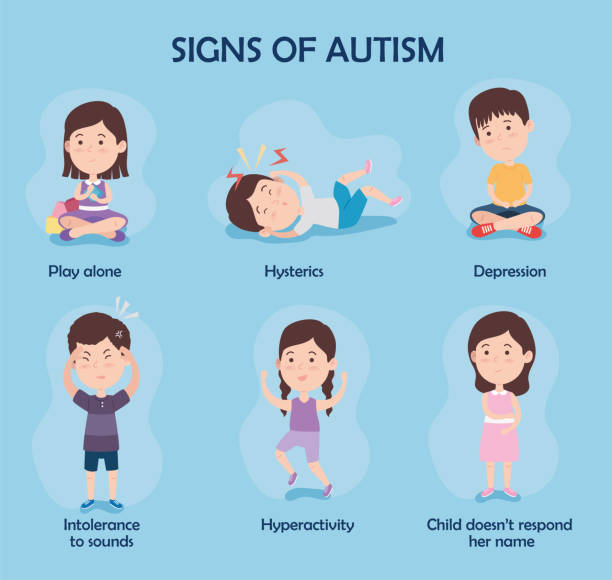
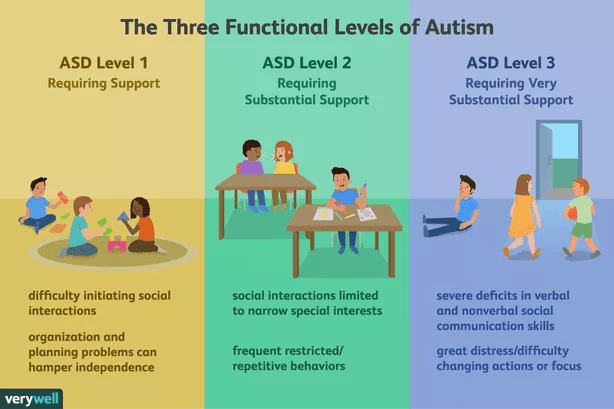
There are many people around us of different age groups that are either diagnosed or have underlying symptoms of autism. Autism is a neurodevelopmental disorder characterized by challenges with social communication, and by restricted and repetitive behaviours. is now considered part of the wider autism spectrum. People with autism have trouble with communication. They have trouble understanding what other people think and feel. This makes it hard for them to express themselves, either with words or through gestures, facial expressions, and touch. People with autism might have problems with learning. Their skills might develop unevenly. For example, they could have trouble communicating but be unusually good at art, music, math, or memory. Because of this, they might do especially well on tests of analysis or problem-solving. More children are diagnosed with autism now than ever before. But the latest numbers could be higher because of changes in how it’s diagnosed, not because more children have a disorder.
Autism is known to affect every one in every 60 individuals and boys are said to have more risk of developing it than girls. It can be hard to get a definite diagnosis of autism. Your doctor will focus on behaviour and development.
A developmental screening will tell the doctor whether a child is on track with basic skills like learning, speaking, behavior, and moving. If a child shows signs of a problem on these screenings, they’ll need a more complete evaluation. This might include hearing and vision tests or genetic tests. Your doctor might want to bring in someone who specializes in autism disorders, like a developmental paediatrician or a child psychologist. Some psychologists can also give a test called the Autism Diagnostic Observation Schedule (ADOS).parents can also find some symptoms and unusual behaviour
Common symptoms of autism include:
A lack of eye contact
A narrow range of interests or intense interest in certain topics
Doing something over and over, like repeating words or phrases, rocking back and forth, or flipping a lever
High sensitivity to sounds, touches, smells, or sights that seem ordinary to other people
Not looking at or listening to other people
Not looking at things when another person points at them
Not wanting to be held or cuddled
Problems understanding or using speech, gestures, facial expressions, or tone of voice
Talking in a sing-song, flat, or robotic voice
Trouble adapting to changes in routine
What Are the Types of Autism Spectrum Disorders?
These types were once thought to be separate conditions. Now, they fall under the range of autism spectrum disorders including:
Asperger’s syndrome. These children don’t have a problem with language; in fact, they tend to score in the average or above-average range on intelligence tests. But they have social problems and a narrow scope of interests.
Autistic disorder. This is what most people think of when they hear the word “autism.” It refers to problems with social interactions, communication, and play in children younger than 3 years.
Childhood disintegrative disorder. These children have typical development for at least 2 years and then lose some or most of their communication and social skills.
Pervasive developmental disorder (PDD or atypical autism). Your doctor might use this term if your child has some autistic behavior, like delays in social and communications skills, but doesn’t fit into another category.
What Causes Autism?
Exactly why autism happens isn’t clear. It could stem from problems in parts of your brain that interpret sensory input and process language.. It can happen in people of any race, ethnicity, or social background. Family income, lifestyle, or educational level doesn’t affect a child’s risk of autism. Autism runs in families, so certain combinations of genes may increase a child’s risk. A child with an older parent has a higher risk of autism. Pregnant women who are exposed to certain drugs or chemicals, like alcohol or anti-seizure medications, are more likely to have autistic children. Other risk factors include maternal metabolic conditions such as diabetes and obesity. Research has also linked autism to untreated phenylketonuria (also called PKU, a metabolic disorder caused by the absence of an enzyme) and rubella (German measles).There is no evidence that vaccinations cause autism.
How Is Autism Treated?
There’s no cure for autism. But early treatment can make a big difference in development for a child with autism. If you think your child shows symptoms of ASD, tell your doctor as soon as possible.What works for one person might not work for another. Your doctor should tailor treatment for you or your child. The two main types of treatments are:
Behavioral and communication therapy to help with structure and organization. Applied behavior analysis (ABA) is one of these treatments; it promotes positive behavior and discourages negative behavior. Occupational therapy can help with life skills like dressing, eating, and relating to people. Sensory integration therapy might help someone who has problems with being touched or with sights or sounds. Speech therapy improves communication skills.
Medications to help with symptoms of ASD, like attention problems, hyperactivity, or anxiety.
Complementary treatments may help boost learning and communication skills in some people with autism. Complementary therapies include music, art, or animal therapy, like horseback riding and even swimming with dolphins.
It is high time that people start to embrace autism and not ostracize such individuals but give more support and kindness. Young children must be taught about it and it’s not a topic to shy away from but accept and cherish that its ok to be different because that way you are special.
watsapp which well known to people of all generations including kids,now a days it is main source of communication or intraction between people’s.
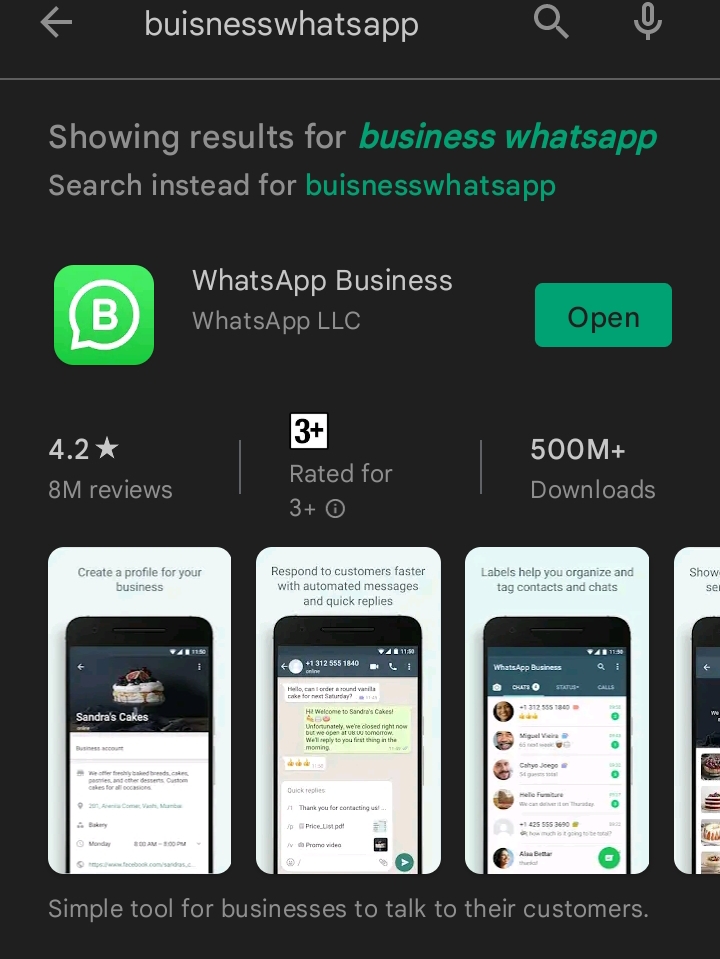
Now a days buisness are going online so meta company also introduced a best application for buisiness it is watsapp buisines, although everyone who are reading this blog are familiar with this application but please spend some of your valuable time in reading this in which we know best updated buisines watsapp Together with WhatsApp chatbot, WhatsApp Business is a very powerful tool for commerce. Thanks to many new features that the platform keeps on releasing, WhatsApp is becoming a great retail place, especially during remote times. Even if you are not going to build a WhatsApp chatbot, there
Let’s look closer at WhatsApp Business app features that you might enjoy as much as we do:
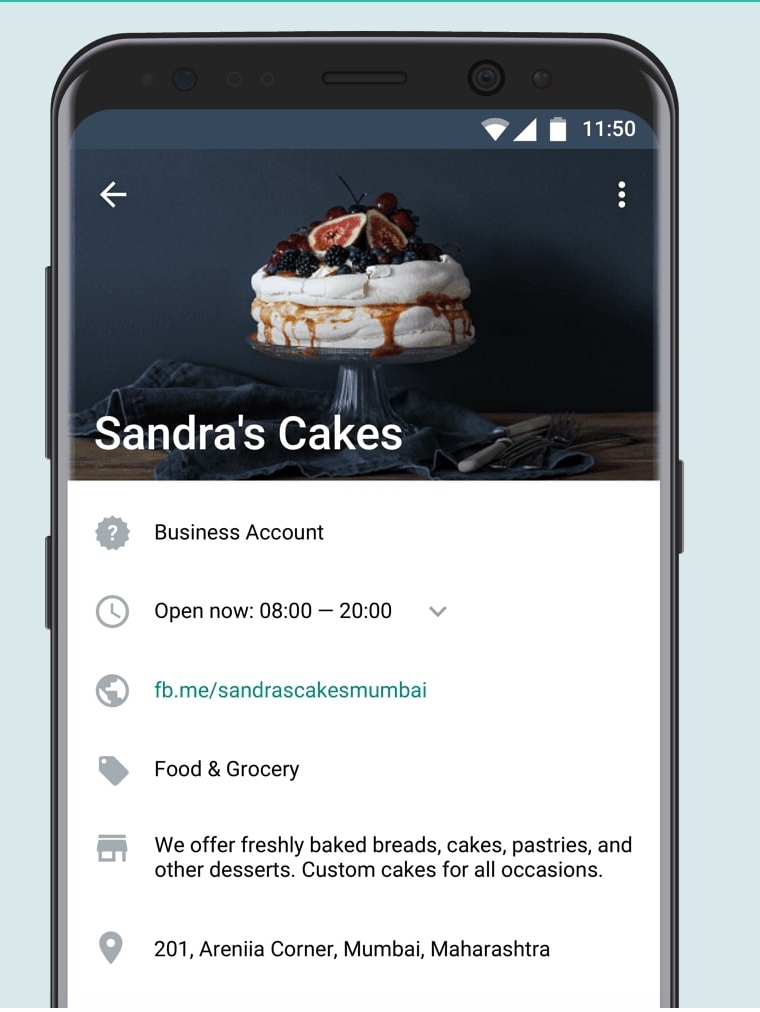
Create a business profile with helpful information for your customers, like your address, business description, email address, and website. Business accounts help brands to gain a user’s loyalty. A business profile gives the company a familiar “face” and identity. To have a “Verified” badge next to your company name, WhatsApp has to confirm that this is a verified business account.
Steps to add details about your business: Go to WhatsApp Business app – Open Settings > Business settings > Profile.
3.Quick Reply
These are frequent messages to answer common questions. Quick replies let you save and reuse messages you frequently send so you can easily answer common questions in no time. Simply press the “/” on your keyboard to select a quick reply and send.
3.Automatic Greeting Message
WhatsApp for business enables you to create a greeting message that users will receive when they start a dialog with your company or after 14 days of inactivity. By sending an instant message, you welcome and introduce a company to a new potential customer with no delays and waiting time.
Steps to set up a greeting message: Settings > Business settings > Greeting message. From here, you can create a new greeting message or edit an existing one.
4.Setting Away Message
Away messages are like greeting messages. They send a custom message to people who are trying to connect with the company after your working hours. You can write a custom message or send your working hours. You can set up for them to activate at the chosen time.
Steps to set up an away message: Settings > Business settings > Away message > “Activate away message
You can also edit your away message from here and schedule when you want to send this message. You can choose from Always send, Custom schedule, or after your work hours
5.Label Contacts
Businesses can organize their contacts and categorize them with labels for easy access. This way, you can easily search through your contacts and keep them grouped and organized.
Steps to add a label to a new contact: Click the menu button on the client’s chat page > choose a label and then save.
Steps to add a new label: Click the menu button on the client’s chat page > click “ New label” > click save
6.Access Message Statistics
WhatsApp for Business lets you access vital metrics like how many of your messages were sent, delivered, and read.
Steps to access statistics: Tap the Menu button > Settings > Business Settings > Statistics
7.Catalogs and Collections
The other feature that will be beneficial for your business is Catalogs. They look like this:
Catalogue for bakery
For each item in your catalog, you can add information, including price, description, and product code. This is so much easier for your customers than having to ask you about each item separately or go from WhatsApp to the website.
In October 2021, WhatsApp added Collections to make shopping even easier. They will act as folders to group items inside a business account. Users can navigate to the category they’re looking for right away without scrolling through the whole product list.Once added, you’re free to modify the Collection just like items to keep the information up to date.
Pro Tip: think of collections as categories on ecommerce websites. “Last chance” or “Sale” could be as converting in WhatsApp as they are on the website. Using these on WhatsApp Business account means providing similar well-paved shopping experience.
The Financial and Banking sector of any country plays a paramount role in the functioning of the economy through intermediation. This sector has undergone numerous reforms in the past few years. One of the outcomes of these reforms is that now banks are more liberalized and have the freedom to determine the interest rates on their own. Banks are allowed to determine the lending rates on loans and advances concerning the base rate. The Base Rate is one of the amendments to the lending rate introduced by the RBI. Let’s now discover what it is, the term associated with it, and the factors determining it.
What is Base Rate?
A Base rate is defined as the minimum interest rate set by the country’s central bank below which banks are not permitted to lend to their customers. This rate is usually taken as the standard interest rate by all the banks functioning in the country. Introduced in June 2010, the base rate is simply regarded as the standard lending rate offered by commercial banks.
Why is Base Rate System used?
In the earlier days, the ostensible problem with the credit market was the lack of transparency. There used to be some segments in the banking system that were hidden or kept unknown to the customers. Banks use to give no clear information on the interest rate charged for a loan. So, to bring transparency and awareness to the credit field and to ensure that banks pass the benefit of lower interest rates to borrowers, the RBI implemented the notion of Base Rate across all the banks.
Factors Determining the Base Rate
Base Rates must consider and include all the elements of lending rates which are across various categories of borrowers. It is practicable that the base rate may be different for different banks. The four significant components that typically decide or determine the base rate set by a particular bank include
Cost of Funds i.e., interest rates provided by the banks on deposits
Operating Costs
The Minimum rate of Returns
Cost of the Cash Reserve Ratio.
So, the base rate presented by one bank can be dissimilar to the rate of another bank owing to any one or more of the above-declared factors. The most prevalent factor is the difference in interest rates provided by the banks on deposits.
What is DRI Scheme?
DRI Scheme stands For Differential Rate of Interest Scheme. It was launched to provide credit access to the low-income group. It is better known as DIR Scheme. This scheme was set in motion from the year 1972. The loan scheme empowers or authorizes the banks to lend money to weaker and incapable sections of society at a concessional interest rate. In simpler terms, DRI Scheme was introduced to financially assist low-income groups. The loan scheme visualizes lending by banks to the incapable section of the society at a uniform concessional rate of interest. There is no requirement or obligation of collateral or third-party guarantee. The assets which are created or bought from the loan amount will be hypothecated to the banks.
Conclusion
Every bank must review its base rate quarterly. Since the primary intention of implementing the base rate is transparency in the prices of the lending product, every bank has to reveal its base rate details in all their branches and on their official websites too. DRI Scheme is enhancing the Financial Inclusion Goal of India. In April 2016, RBI introduced a new concept known as MCLR (Marginal Cost of Lending Rates) as a replacement for the Base Rate. So, the MCLR is the new internal benchmark that all institutions will follow.
A nano meter is a unit of length in the metric system, equal to billionth of a meter (10).
Technology is the making ,usage and knowledge of making tools, machines and techniques ,in order to solve a problem or perform a specific function.
Nanotechnology is the study of manipulating matter on an atomic scale.
Nanomaterials in textiles have proved to be immensely valuable for the manufacturing of protective garments for workers involved in emergency services such as military personnel, firefighters and medical workers.
There are different methods for the production of nanoengineered textiles. For example, sometimes synthesized nanoparticles are incorporated into the fibers or textiles.
Nanoparticles are also applied as a coating on the surface of the finished product. There are also different coating techniques such as sol-gel, plasma polymerization and layer-by-layer that are used in the application of nanoparticles onto textile fibers.
These techniques can enhance durability and are also capable of making the fabric resistant to extreme weather conditions. The composition of nanocoating materials, such as surfactants and carrier medium, can alter the surface texture of fabrics.
Nanotechnology materials advantages are:
Lighter
Faster
Stronger
Smarter
Safer
Cleaner
Even more precise.
Nanotechnology materials disadvantages are:
Very expensive
Hard to create
Single molecule of powder or dust can damage the whole thing.
Food is a basic need of life. And Education is important to make the life affluent. A hungry stomach cannot grasp the teachings of Education at school, there to provide better Education, schools all around the world, offer lunch to the students. In India, the system of school lunch is referred to as Mid-day Meal. In today’s editorial, we’re going to share insights about the system of Mid-day Meal in India.
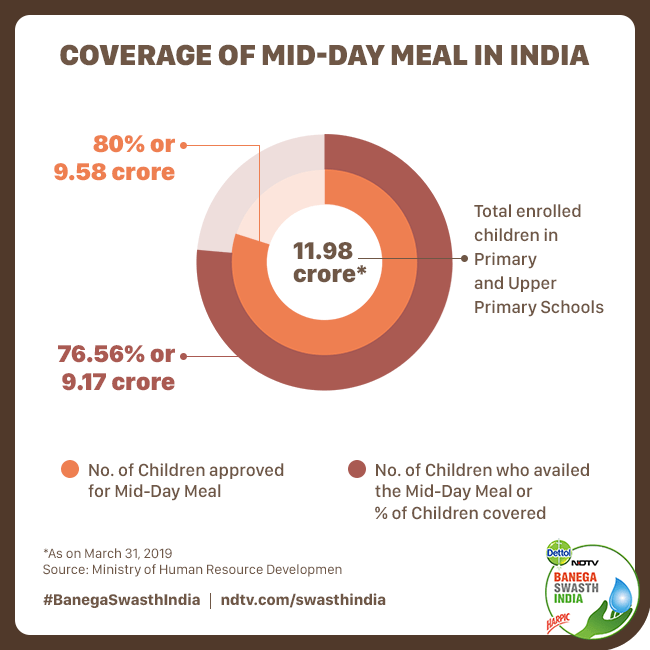
Coverage of Mid-day Meal Scheme in India
Brief Idea of What Mid-day Meal Is
The Midday Meal Scheme, launched in 1995 by former Prime Minister of India, P.V. Narsimha Rao, under the Ministry of Education, is a school meal programme in India designed to better the nutritional standing of school-age children nationwide. The programme supplies free lunches on working days for children in primary and upper primary classes in government, government aided, local body, Education Guarantee Scheme, and alternate innovative education centres, Madarsa and Maqtabs supported under Sarva Shiksha Abhiyan , and National Child Labour Project schools run by the Ministry of Labour. Serving 120 million children in over 1.27 million schools and Education Guarantee Scheme centres, the Midday Meal Scheme is the largest of its kind in the world.
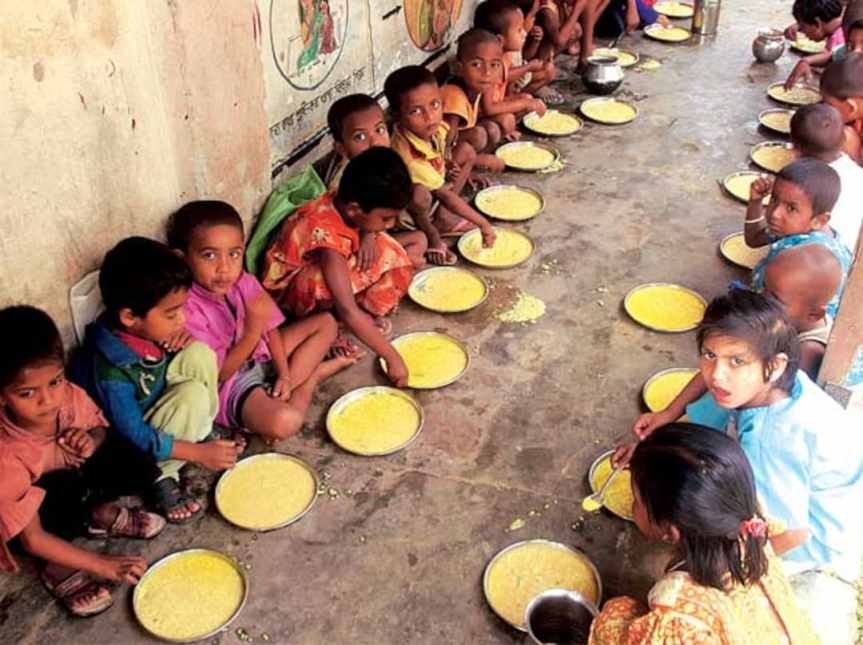
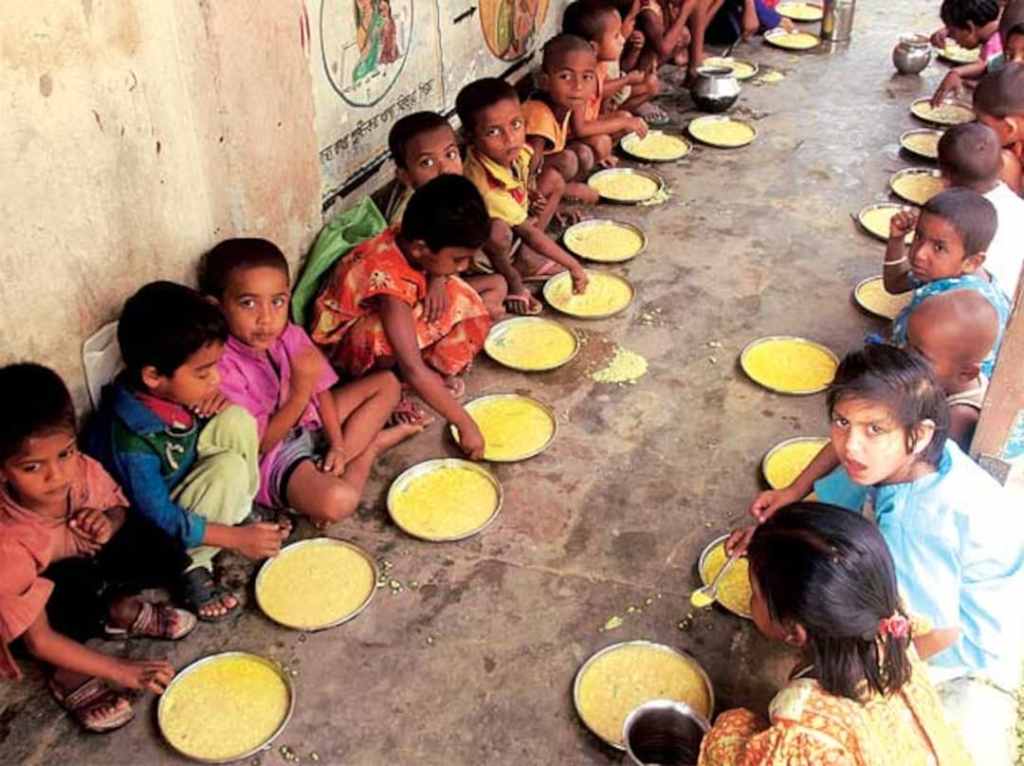
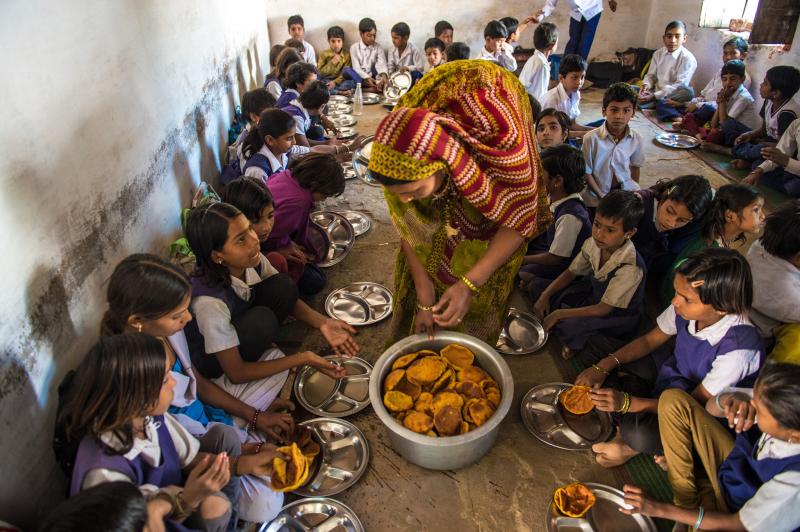
Students having Mid-day Meal at a School in India
Objectives of Mid-day Meal Scheme
To increase the enrolment in the schools of children who belong to disadvantaged sections of the society .
To increase attendance of students in Government and Government aided schools.
To retain the children studying in class I to VIII.
To give nutritional support to the children studying in the elementary level, specially in drought-prone areas.
To address hunger and malnutrition and increase socialization among the castes.
Mid-day Meal Scheme Timeline in India
Features of Mid-day Meal Scheme
It is one of the world’s largest school meal programs intended to achieve the goal of universalization of primary education.
For the implementation of the scheme, the Ministry of Human Resources and Development is the authorized body to implement the scheme.
It is a centre-sponsored scheme, so, the cost is shared between the states and the centre. Where the share of the centre is 60 percent.
The first state to implement the midday meal scheme was Kerala in 1984.
Till 2002, the scheme is designed especially for the government, government-aided and local body schools. But later on, the benefit of the mid-day meal scheme is extended to those children who were studying in educational guaranteed scheme centres or Alternative & Educational Centres.
In 2004, the scheme is again revised, and central assistance is offered for the cooking cost. Apart from that, the transport subsidy included for all states, maximum of Rs 100 per quintal is provided to the special category states and Rs 75 per quintal for other states.
The provision of serving mid-day meals during summer vacation to the children in drought-affected areas was also added.
In 2006, the cooking cost was enhanced to Rs 1.80 per child/ school day for states in North Eastern Region and Rs 1.50 per child/ school day for other states and UTs.
In 2007, the scheme benefit is also extended to the children studying in the educationally Backwards Blocks.
Apart from the calories and food intake, for micronutrients (tablets and deworming medicines), each child is entitled to receive the amount provided for in the school health program of the National Rural Health Mission.
Meals provided under the Mid-day Meal Scheme
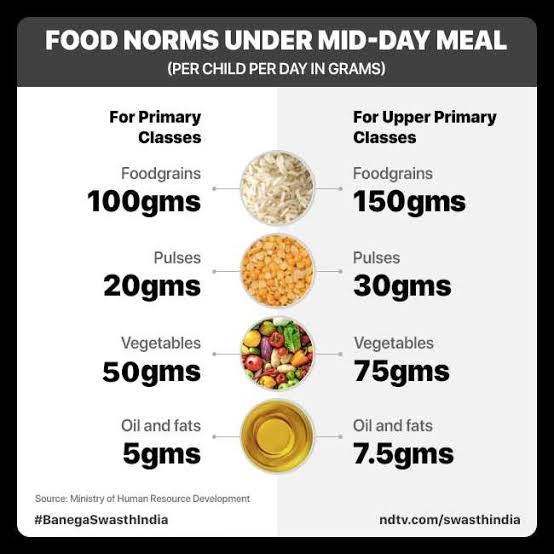
Food Norms under Mid-day Meal Scheme
The quantity of food items provided under this scheme per child per school day is as follows:
Food items
Primary level (Class I-V)
Upper level (Class VI-VIII)
Food Grains
100 gms
150 gms
Pulses
20 gms
30 gms
Vegetables (leafy also)
50 gms
75 gms
Oil & fat
5 gms
7.5 gms
Salt & condiments
As per need
As per need
Calories Intake
Primary
Upper Primary
Energy
450 calories
700 calories
Protein
12 grams
20 grams
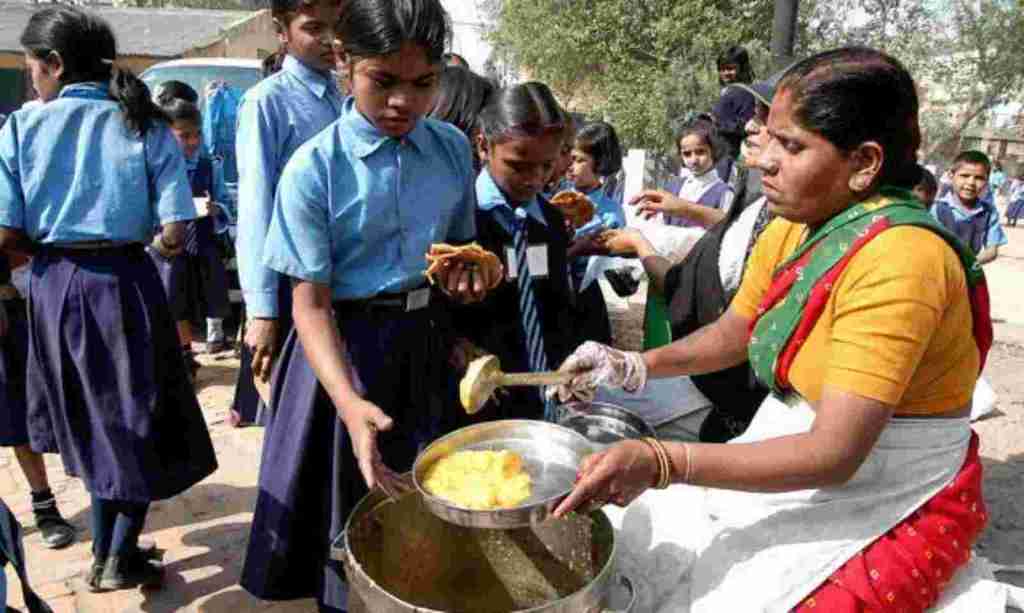
Serving of Mid-day Meal
Advantages of Mid-day Meal
It satisfies the hunger of many children.
Supplying nutrition to children of the poor section helps them in concentrating on their studies better.
Students come to government schools daily and won’t be asked to do labour work.
Addresses the issue of malnutrition.
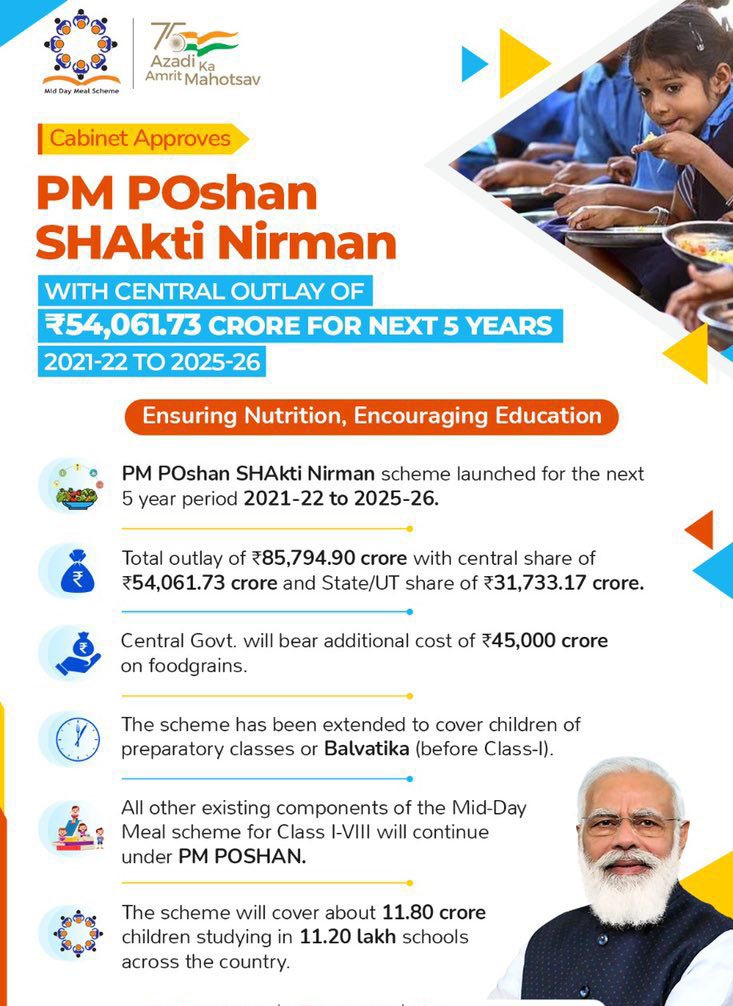
PM POSHAN SHAKTI NIRMAN
Recent Improvisation of Mid-day Meal Scheme
During the celebration of India’s75th Independence Day as Azadi Ka Amrit Mahotsav, the Cabinet approved for the implementation of PM POSHAN SHAKTI NIRMAN for next 5 years i.e. 2021-22 to 2025-26.
Conclusion
There is no doubt that school is the only place that contributes to the socio-economic development of society. Here children from various backgrounds come together for promoting the culture of unity and brotherhood. The education they receive at school prepares them to achieve their goals and lead a successful life. When we talk about government schools, here children mostly come from economically challenged backgrounds. So, even though education schemes like Sarva Shiksha Abhiyaan are being implemented, the difficult financial conditions force these children to skip school and go on work. In such kind of circumstances, the real potential of mid-day meal surfaces. Mid-day meal acts as an attractive incentive for parents to send their children to school with the sole hope that the young ones will receive at least one plate full of the meal for the day.
International Journal of Research (IJR) publishes articles in the disciplines of sustainable management and information technologies based on scientific and technological researches, as well as its methodology, concepts, function and principles and interaction among both disciplines. It aims to publish the advances and trends, and to collaborate in the dissemination of knowledge and show advances derived from researches conducted internationally.
IJR is an international, professional, and peer reviewed journal, it offers opportunities for the exchange of research results, experience and insights, and provides a forum for ongoing discussion between experts in any field of business and economic development. This journal focuses on marketing, management, finance, accounting, decision sciences, operations research and economics. The submission of manuscripts that meet the general criteria of significance and scientific excellence are encouraged.
International Journal of Research (IJR) publishes a broad range of social science research and thinking on the interaction of natural resource ecology and management around the world and at multiple scales. Papers published in the journal go through a double-blind, peer review process and meet standards of contributing significantly to theory and/or transformative policies and practices, offering scholarly depth but broad appeal to our diverse readership. The mission of the journal is to conduct interdisciplinary research, instruction, and extension education to address the sustainable management and conservation of the fishery, forest, rangeland, and wildlife resources all over the world.
Send papers for publication in this journal to ijr@ijrjorurnal.com
As soon as technology started taking its most advance form it became imperative for the businesses to have one foot on the online platform and one in the offline market. But to get a firm foot base is important, if the businesses want an outcome that is profitable and that base is not very easy to build. The virtual world as easy as it might seem isn’t that soft for the enterprises specially small and new. It is like a mirage until it’s held together with the reality that content services provide. Content services are like the rainbow which not only makes the sky after rain beautiful but also increases the number of the people who look at it. The different ventures with an aim of making a million need the rainbow of content services at every step of their journey. These services aren’t just fancy promoting or marketing of their ventures but it is also the shade during a rainstorm i.e. when the businesses find themselves in pit-hole of losses content services come to their rescue.
The main advantage that the content services provide is that the business becomes more cost effective. The content services usually provide quality service for lot less than some might charge offline. These services have a grip over the modern technology and use the same for the marketing and promotion of the brands that associate with them. The use of cost effective techniques for marketing and the hold of the virtual world better than the companies as their clients makes it easier for both the clients and the consumers to better know the brands. The kind of content that is to be used as the promotion technique plays an important part. Mainly the companies want the content that just not only describes their business in the best of interest but also that is relevant to the customers.
The content services provide the kind of content that boosts the interaction with the brands coming in for the promotion. They engage in SEO, which just increases the interaction with concerned company and thereby increasing its credib9lity. For individuals usually indulge in the highly credible companies. Content services aren’t just the marketing or promoting for the business in one single language rather it is about the multilingual promotion of the website. With over 22 regional languages that India has, the diversity of customers is the obvious result and for this diverse customers it is important to have marketing that is multilingual and content services provide this the best. The cost that the content services take might be seen as hefty by some but in real it is rather the most cost effective way of promoting business online. With the heavy competition, comes the opportunity to promote the business heavily and if content services got your back it becomes a piece of cake to attract consumers towards the business. It is the sought of investment that just gives you enough returns.














/imposter-syndrome-and-social-anxiety-disorder-4156469-1500x1000-Text-Final-0dff055111964814bd698ac1ee8b2576.png)















 Eduindex
You must be logged in to post a comment.