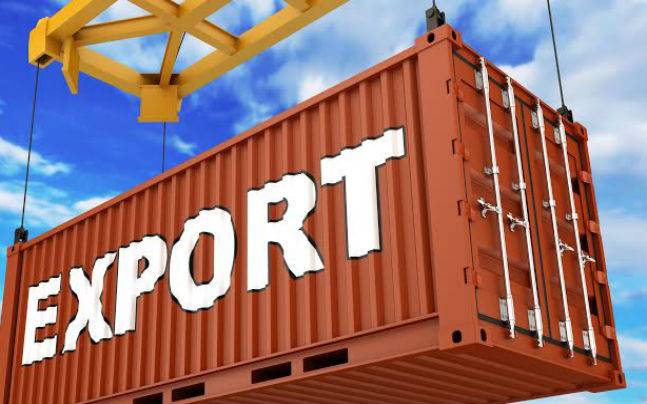
India’s Shifting Export Market and Global Economy Change Under Pandemic

India the only major Asian economy that’s grown its export share since the start of the tariff wars in 2018 is the one with the fewest trade links to China. India’s share of world exports rose to 1.71% in the first quarter of 2019 from 1.58% in the fourth quarter of 2017, data compiled by Bloomberg show. The share of every other economy among Asia’s 10 biggest exporting nations fell in the same period.

The two largest goods traded by India are mineral fuels (refined or unrefined) and gold (finished gold ware or gold metal). In the year 2013-14, mineral fuels (HS code 27) were the largest traded item with 181 billion USD worth imports and 64.685 billion USD worth re-exports after refining. In the year 2013-14, gold and its finished items (HS code 71) were the second largest traded items with 58.465 billion USD worth imports and 41.692 billion USD worth re-exports after value addition. These two goods constitute 53 per cent total imports, 34 per cent total exports and nearly 100 per cent of total trade deficit (136 billion USD) of India in the financial year 2013-14. The services trade (exports and imports) are not part of commodities trade. The trade surplus in services trade is 70 billion USD in the year 2017-18.

Part of the reason for India’s outperformance is that it’s not as integrated into global manufacturing supply chains as peers, which means exporters are cushioned from rising trade tensions in the region.

It’s a sentiment that was flagged by central bank Governor Shaktikanta Das in an interview.

“India is not part of the global value chain,” he said. “So, U.S.-China trade tension does not impact India as much as several other economies.”

China is the biggest buyer of goods from South Korea and Japan, whose share of world exports have fallen the most in Asia. For India, China is the third-largest market, after the U.S. and the U.A.E.

“Our biggest advantage is that our product basket and market basket are both quite diversified,” said Rakesh Mohan Joshi, a professor at the Indian Institute of Foreign Trade in Delhi.

Trade tensions between the U.S. and China have given India an opportunity to ramp up exports to both countries, according to Ajay Sahai, director general and chief executive officer of the Federation of Indian Export Organisations.

India’s exports to the U.S. grew at the fastest pace in six years in the year ended March 2018, while exports to China surged 31%, the second highest annual pace of growth in more than a decade, data from India’s Ministry of Commerce show.

“China is more willing to give market access to India than ever before,” said Sahai, pointing to increased access for products such as rice, fruits and vegetables, with potential for greater exports of pharmaceuticals and automobile components to China.

On the other hand, India’s exports to the U.S. could lose momentum. President Donald Trump has criticized India for its tariffs on U.S. products, and withdrew trade concessions on $6.3 billion of Indian goods on June 1. India responded with higher tariffs on about 30 American products.

India stands at number 16 in the list of global trading partners and the nation is running with its pace to reach under top 10 in the list but the covid-19 pandemic has hit not just Indian economy but the entire world economy. The all of world would take steep financial dive with this epidemic before reaching on its initial status, till then let’s hope for the betterment of not just India, but the whole of world and the severely impacted victims of this contagious virus.

Most frightening moments

MOMENT 1:

The doctor said I had three more hours.
I think I was stabbed, I don’t remember much. Nevertheless, I was at my home. I was going to take a bath. Something didn’t add up. I then woke up
I still felt the pain. Fear gripped me.
I was frightened that this might come to pass

MOMENT 2:

Dogs were crying, Cricket was on peak
Ticking of clock, Subtle BREATHING
Silence EVERYWHERE, Not in my heart, it was beating, STILL postures, Pointed look of eyes, Somewhere in the air
LIFE was LOST.

MOMENT 3:

I had never been more frightened than when I noticed I was walking alone and felt someone followed me. I hurriedly climbed the stairs with bags full of weekly groceries and went straight into the kitchen. No one are at home back home and I was expecting my father and mother in some time from their evening walk and as usual would expect the soup and salad immediately, followed with regular dinner. I suddenly felt silence all over and heard noise from my lift but ignored it. The fear wasn’t subsiding, I entered my room to safe guard myself . To my horror, It was my parents who are in the lift.

MOMENT 4:

I have never been more frightened than when, I remember was a kid playing at home, my mumma was taking afternoon nap and suddenly when I opened window I saw a big cat which was about to attack me.
That dreadful and cruel look of cat is still in my mind and always reminds me of that incidence whenever I see a cat.
“Ailurophobia is now part of my life”

MOMENT 5:

I had never been so frightened than the day I was standing alone among the gushing crowd of people! I felt as if I’m alone as I missed my 3 years old younger brother in the exhibition!

I still remember my promise to my aunt, “Don’t worry aunt, I will take care of him to the fullest! The exhibition might be crowded but my eyes will be fixed on him… Please send him with me!”

But now I feel like I can’t move to search for him. The feel of ‘he is gone forever’ never leaves my anxious heart! Nobody is here for me among the hundreds around me! My God! Am I still alive?

Child Labour

Child labour is a term you might have heard about in news or movies. It refers to a crime where children are forced to work from a very early age. It is like expecting kids to perform responsibilities like working and fending for themselves. There are certain policies which have put restrictions and limitations on children working.
The average age for a child to be appropriate to work is considered fifteen years and more. Children falling below this age limit won’t be allowed to indulge in any type of work forcefully. Why is that so? Because child labour takes away the kids opportunity of having a normal childhood, a proper education, and physical and mental well-being. In some countries, it is illegal but still, it’s a far way from being completely eradicated.

Causes of Child Labour
Child Labour happens due to a number of reasons. While some of the reasons may be common in some countries, there are some reasons which are specific in particular areas and regions. When we look at what is causing child labour, we will be able to fight it better.
Firstly, it happens in countries that have a lot of poverty and unemployment. When the families won’t have enough earning, they put the children of the family to work so they can have enough money to survive. Similarly, if the adults of the family are unemployed, the younger ones have to work in their place.
Child labour is a term you might have heard about in news or movies. It refers to a crime where children are forced to work from a very early age. It is like expecting kids to perform responsibilities like working and fending for themselves. There are certain policies which have put restrictions and limitations on children working.

Health benefits of various juices.

We get various nutrients by drinking fresh fruit juices or vegetable juices. The daily needs of minerals, vitamins, fiber and antioxidants can be fulfilled by having these juices. Also, drinking juices increases our metabolism and helps in weight loss.

Fiber burns fat and helps in weight loss. You will be surprised to know that vegetables that have high fiber content absorb water from the body and helps indigestion. Along with this, you will not feel hungry for long time. Consuming juices of many vegetables and fruits is beneficial for burning calories and weight loss.

Orange juice: Fresh orange juice not only tasty, it can also be helpful in reducing your weight. Orange is also called anti-calorie fruit because it has very few calories and drinking it provides many benefits to the body.

Bitter gourd juice: Drinking Bitter Gourd Juice helps us to increase the metabolism. Also, bitter gourd helps in keeping our weight under control due to being a low-calorie food.

Cucumber Juice: This vegetable contains a lot of water and hence, cucumber keeps the body hydrated. Also, due to being a low-calorie food this juice makes you feel full for a long time. So, you don’t have any unhealthy cravings.

Pomegranate juice: Pomegranate contains antioxidants and polyphenols. Therefore, it is considered to increase metabolic rate, decrease appetite, and burns fat.

Pineapple juice: Pineapple juice is rich in nutrients. This is considered good for gym lovers, people can have it after their workouts. In it, elements called vitamin C and bromillian are found. which, reduces inflammation of the body.

Poverty; the silent killer of Indian society

Haven’t we heard this word too often or have we stopped listening? We have all felt a shortage of cash at times. That is an individual experience. It is not the same as the social problem of poverty. While money is a measure of wealth, lack of cash can be a measure of lack of wealth, but it is not the social problem of poverty.

Poverty as a social problem is a deeply embedded wound that permeates every dimension of culture and society. It includes sustained low levels of income for members of a community. It includes a lack of access to services like education, markets, health care, lack of decision making ability, and lack of communal facilities like water, sanitation, roads, transportation, and communications. Furthermore, it is a “poverty of spirit,” that allows members of that community to believe in and share despair, hopelessness, apathy, and timidity. Poverty, especially the factors that contribute to it, is a social problem, and its solution is social

Poverty is a peculiar problem from which various countries of the world, particularly the Third World, have been suffering. There cannot be a common definition of poverty which can be broadly accepted everywhere. Thus there are large differences between the definitions of poverty accepted in various countries of the world.

Poverty is considered as the greatest challenge faced by the societies in the third world countries. Poverty is also concerned with the comparison with respect to a fixed line—known as poverty line. However, the poverty line is fixed extraneously and, therefore, remains fixed for a certain period.

Poverty Line:

Normally poverty is defined with poverty line. Now the question which is relevant at this point is what the poverty line is and how is it fixed? The answer to the question is that the poverty line is a cut-off point on the line of distribution, which usually divides the population of the country as poor and non-poor.

Accordingly, people having income below the poverty line are called poor and people with income above poverty line are called non-poor. Accordingly, this measure, i.e., the percentage of people living below the poverty line is known as head count ratio.

In India, broadly accepted definition of poverty emphasises more on minimum level of living rather than on reasonable level of living. Accordingly, it is broadly agreed that poverty can be termed as a situation where a section of the population fails to reach a certain minimum consumption standard. Differences arise with the fixing of this minimum consumption standard.

After a thorough examination, the study group set up by the Planning Commission in July 1962 recommended a standard of private consumption expenditure of Rupees 20 (at 1960-61 prices) per capita per month as the bare minimum amount common to both rural and urban areas.

Top 7 Causes of Poverty in India

1. Lack of Inclusive Economic Growth:

The first important reason for mass poverty prevailing in India is lack of adequate economic growth in India. In the first three decades of planned development (1951-81) in India, annual average growth in national income had been 3.6 per cent. With 2.1 per cent per cent per annum growth in population, per capita income grew by only 1.5 per cent per annum during this period. In addition, with the increase in saving rate from about 9 per cent in 1950-1951 to 20 per cent of GDP in 1979-80, increase in per capita consumption expenditure was too small to make any significant dent on the problem of poverty. Besides, because of prevailing income inequalities per capita consumption expenditure of the poor could have hardly risen.

2. Sluggish Agricultural Performance and Poverty:

Many economists have pointed out that in the year of good agricultural output, poverty ratio declines. Good performance in agriculture leads to more employment opportunities and fall in prices of food grains. More employment opportunities and lower food price cause poverty ratio to decline. The experience of Punjab and Haryana shows that with agricultural growth through use of new high yielding technology (popularly called green revolution); poverty ratio can be significantly reduced. However, in various states of the country such as Orissa, Bihar, Madhya Pradesh, Assam, East Uttar Pradesh, where poverty ratio is still very high new high-yielding technology has not been adopted on a significant scale and as a result agricultural performance has not been good. As a result, poverty prevails to a larger extent in them.

3. Non-implementation of Land Reforms:

Equitable access to land is an important measure of poverty reduction. Access to adequate land, a productive asset, is necessary for fuller employment of members of an agricultural household. Most of the rural poor are agricultural labourers (who are generally landless) and self-employed small farmers owning less than 2 acres of land.They are unable to find employment throughout the year. As a result, they remain unemployed and under-employed for a large number of days in a year. No wonder that these landless agricultural labourers and self- employed small farmers remain poor. Land-reforms were intended to provide them equitable access to land.

4. Rapid Population Growth:

Rapid population growth since 1951 is another important factor responsible for persisting poverty in India. Population in India has increased from 36 crores in 1951 to 102.7 crores in 2001, that is, 66 crores people have been added to the Indian population in the last about 50 years since independence. Rapid population growth causes excessive sub-division and fragmentation of holdings. As a result, per person available land has greatly declined so that households do not have access to sufficient land to produce enough output and income for them.

Further, rapid growth of population increases the dependency ratio, that is, an earning member has more persons to support. This causes lower per capita consumption expenditure which is not enough even to meet the basic needs.

5. Unemployment and Under-employment:

The existence of unemployment and under­employment in the Indian economy is another cause of poverty in India. Unemployment prevails more among casual labour whose proportion in labour force has been increasing and in their case unemployment and poverty go together.

The unemployment has been caused by rapid growth of population and labour force on the one hand and relatively low rate of capital formation and economic growth on the other. Besides, the generation of employment opportunities by the organised sector has been quite insignificant.

As a result, the demographic reassure on land has been increasing resulting in unemployment, and disguised unemployment in agriculture and the informal sector. Thus has caused low productivity, low incomes and poverty.

6. Slow Growth of Employment:

In the beginning of the planning era it was thought the organised sector over a period of 20 years will generate sufficient employment opportunities for the unemployed poor. The actual experience has belied these hopes. Take, for instance, the experience of the last decade (1990-2000) of economic development.

7. Inflation and Food Prices:

Rate of inflation and level of food prices is an important factor that causes poverty. Inflation, especially rise in food prices, raises the cost of minimum consumption expenditure required to meet the basic needs. Thus, inflation especially raises in food prices pushes down many households below the poverty line.

Global Programmes Impacting against Poverty in India

Many initiatives are being taken up at the global front as well to help solve the problem of hunger and poverty. Some of these are:

1.      Ending Child Hunger and Undernutrition Initiative (ECHUI)-

This is a global initiative started by World Food Programme (WFP) that ensues global partnership and aims at reducing the causes and effects of child hunger and undernutrition. It aims to mobilise resources for actions on national levels to build awareness and address the issue on a global scale. On any given day, WFP has 5,000 trucks, 20 ships and 92 planes on the move, delivering food and other assistance to those in most need. Every year, they distribute more than 15 billion rations at an estimated average cost per ration of US$ 0.31.

2.      Agenda 2030-

Agenda 2030 is the shortened name given to the Sustainable Development Goals (SDGs) is 17 goals set by the UN General Assembly in 2015. The top two goals of the agenda are to “End Poverty in all its forms, everywhere” and “End Hunger, achieve food security and improved nutrition, and promote sustainable agriculture”. This shows that the need of the hour is focusing on the poverty and its most drastic side effect of hunger. Most countries lack data on poverty and especially child poverty and thus it makes it difficult to make projections for the future.

3.      US Government Global Food Security Strategy (2017-2021)-

After the Global Food Security Act on 2016, the US Government, in partnership with other governments, universities, research institutes, civil societies and private sector built this strategy to focus on challenges like poverty and hunger. The vision of this strategy is “A world free from hunger, malnutrition and extreme poverty.”

Mercy Corps worked closely with private sector partners, other NGOs, academic and research institutions, the faith community and Members of Congress to help pass H.R. 5129 and S. 2269 amendment bills. This bill ensures the Global Food Security Act’s improvements to the Global Food Security Strategy and the Feed the Future Initiative will continue beyond 2018.


Civic Sense

Life is a journey from beginner to a pro. It drives us from a million ways through which we live, learn, seek, embrace and grow. The growth of a human being into a person is what involves the entire journey of a lifetime. For every second a person lives, he grows in a million uncounted, un-felt ways. The greatest mechanism for the transformation of a human being to a person is education. Education is the power that can change the world.

Education is an integral part of human development and there exist an essential need for the same. But as always said, Growth is always multidimensional. Education teachers of person theoretically. There is a need of social recognisation and realisation in people which we call the Civic sense. The sense of responsibility and concern towards being a good human is what constitutes to an important branch of growth. Teaching makes people intelligent but civic sense makes people gentleman. Also, What point is it to have an education system which lacks the basic education?
people lack in having civic sense as they were never taught about the importance regarding the same. In rushing after our ambitions, we often forget that we need to be responsible and sensible about our living too. There are many strategies and steps which could be followed in order to improve the current situation of our generation as lack of civic sense does not only pulls human away from being a complete person but also exploits the environment. Instances like dumping garbage in the middle of high speeding road, leaving over the packages marks how can professional and uncivilized this generation is.
There should be a systemised remedy provided for the same. As qualities like these are developed in the early stages, the schools should have a subject about Moral Education or  Values to Uphold to highlight the importance of being a good human being and how to pursue it.
Only if we start it from the initials, we will make it to the finals too. It is high time for the generation to step out and see the ways to turn their imperfection into areas of improvement. Besides, awareness programs should be held, laws should be made for betterment of the same. When the people will come together, the environment, ethics and morals will never have to be compromised.
Education drives human to a person but civic sense a person to the person.

TRANS FAT: METABOLIC POISON

Quotes about Trans fat (29 quotes)

Fats are mostly just a chain of carbons, usually about 12-16 carbons long. Normally each carbon had a single bond to the carbon before and after it and to two hydrogens (four bonds total).

Saturated fats have this design on every single carbon. It’s called saturated, because it is saturated with the maximum possible hydrogens attached to it.

Unsaturated fats are missing some of the hydrogens and have a second bond between the carbons missing those hydrogens. Since double bonds don’t allow the bound atoms to rotate these fats can either line up with the rest of the chain or it creates a permanent Kink in the chain. The kinked ones are called cis and the straight are called trans. Trans only happen in large quantities when we manipulate them, and not much in nature. It’s specifically partially hydrogenated oils that result in trans fats in any notable quantity, as fully hydrogenated oils results in saturated fats only.

As far as how they effect human health, they generally behave in a similar way as saturated fats, except for the extent. This is because they are straight like saturated fats and enzymes that work with saturated fats also latch onto trans fats, but can’t get past the double bond resulting in them taking much longer to break down.

There are list all, the things trans fats do in the body, but in general terms they are negatively effect blood pressure, raise LDL cholesterol (the bad kind), and seems to increase the risk for heart disease and diabetes.

It must also be noted that amount is an important factor as a tiny amount, such as what you encounter from natural foods, doesn’t have too much of an effect. It’s only the higher levels of trans fats of partially hydrogenated oils that seems to be too much for the body to take care of.

According to experts, trans fats should be avoided completely. The World Health Organization even advocated a ban on trans fats in food, as they would pose an enormous health hazard. The following products contain many trans fats:

  • Baked goods such as croissants
  • Cookies
  • Chips, flips, popcorn
  • Fast food
  • Ready meals like French fries and pizza

The list of ingredients of finished products provides information: The descriptions ” vegetable fat, partially hardened” or “unsaturated fatty acids, contains hardened fats ” stand for trans fats. In order to avoid this, you should also take care when shopping to avoid declared vegetable fat as hardened, partially hardened or hydrogenated. When frying and deep frying, you should use clarified butter, extra virgin olive oil, peanut oil or refined oils from corn, sunflowers, peanuts, soybeans and rapeseed. 

Now the question, government should ban the use the ban the use of the Trans-Fats in food items.

This is not only the government, but I think it is us, who should the first corrective step in this matter. We must ourselves understand the bad of Transfats on our health try to improve the awareness of common man on the subject to avoid Transfats contain food.

Trans Fat Free Vector Art - (5 Free Downloads)

Above is the Trans-Fats Free logo provides a boost to the ‘ Eat Right India’ movement of FSSAI.

The Eat Right India Movement is inspired by the vision of PM Narendra Modi for a ‘NEW INDIA’ by 2022 which is healthier with proper Nutrition and social security. Considering that the food plays an important role in insuring good health, FSSAI pledged to eliminate the Trans Fats from food supplements through its ‘Eat Right India’ movement.

pib] “Eat Right India” Movement – Civilsdaily

So now the question of banning Transfats will be a difficult step intially, but our government is definitely working on the subject, by bringing awareness in general that this type of fats are silent killer and should not be used. Lots has to be done before banning Transfats.

Below are some ways to avoid eating foods that contain trans fats:

  1. Eat more whole foods like fruits, vegetables, whole grains, beans, lean meats, fish, nuts, and lean poultry. Shop the perimeter of the grocery store and avoid inner aisles where you’re more likely to find processed foods that may contain trans fats.
  2. Cut back on consumption of processed foods. Eat these foods less often and in smaller portions.
  3. Not all processed foods contain trans fats. When you do eat processed foods, avoid processed foods known to contain trans fats such as chips, cookies, donuts, icing, cakes, biscuits, microwave popcorn, crackers, fried fast foods and frozen pizzas.
  4. Read food labels and avoid foods with partially hydrogenated oil listed as an ingredient.
  5. Avoid stick margarine and vegetable shortening. Swap this for olive oil, grape seed oil, canola oil, soybean oil, corn oil, or sunflower oil when baking or preparing meals at home.
  6. Whether dining in or out, avoid fried foods. Choose foods that are baked, steamed, broiled, or grilled.
3 Ways to Avoid Trans Fats - wikiHow

Flourishing Poverty

Lost are the days when the happiness abide
The humans- not the distinction..
To witness the bare feet and the aching stomach
Is what the flourishing poverty brought to us.

The glory of India has evolved through jewels of wisdom and royale but on the other hand it has been through a lot of bleak ways which spread their way now too even after ages of the start.
The ways being talked about are the ways through which poverty, with every passing tenure widens its arms and stretches farther on all the left out communities of India. Technically, poverty refers to the lack of monetary facilities which obstruct a citizen to satisfy his needs or wants. If given a detailed look,it will be realised that this evil poverty not only lies in terms of money but has a great extension when it comes to opportunities development performance and preferences especially for the left out communities of India.
Not only the inferior community experience poverty but they witness poverty at even worse when it compelled them to scrounge their glitter of life.
They are poor for not being able to withstand the glorified people. They are even poorer for not being able to witness  the politics and policies and false promises made to each one of them from endless of mediators come true. 
Poverty in India not only describes itself as lack of money but teaches a lot too. The people of slums are not bothered at all for not having a royal living but all the pray is to ‘not have’ empty stomach. When a rich kid is witnessed excluding his tattered shoes from wearing, these tender kids find the world of happiness from the same. The poor kids are not at all in complex with them being in a state of loan desolation but they count on it as a bouquet of wonders which they encounter with every ride they take to accomplish their tasks.
Poverty vanishes the abilities, worth and consideration of people and entancled in it.
No matter how much we try to deny this fact but Poverty is eating the growth of our country. It is because of this, that a country still needs ages to grow completely, inside out.
The Government of India should take decisions and actions to safeguard and protect the future talents and shining stars of the country. All of us have to initiate spreading empathy, colours and equality instead of flourishing poverty.

Poverty And Social Life

We can define poverty as the condition where the basic needs of a family, like food, shelter, clothing, and education are not fulfilled. It can lead to other problems like poor literacy, unemployment, malnutrition, etc. A poor person is not able to get education due to lack of money and therefore remains unemployed. An unemployed person is not able to buy enough & nutritious food for his family and their health decline. A weak person lacks the energy required for the job. A  jobless person remains poor only. Thus we can say that poverty is the root cause of other problems.

Absolute poverty is used to measure poverty in developing countries like India. If per day income of a family is below this level, then it is poor or below the poverty line. If per day income of a family is above this level, then it is non-poor or above the poverty line. In India, the new poverty line is  Rs 32 in rural areas and Rs 47 in urban areas. If per day income of a family is below this level, then it is poor or below the poverty line. If per day income of a family is above this level, then it is non-poor or above the poverty line. In India, the new poverty line is  Rs 32 in rural areas and Rs 47 in urban areas.

According to the Noble prize winner South African leader, Nelson Mandela – “Poverty is not natural, it is man made”. There are various causes of poverty but the most important is population. Rising population is putting the burden on the resources & budget of countries. Governments are finding difficult to provide food, shelter & employment to the rising population.

The other causes are- lack of education, war, natural disaster, lack of employment, lack of infrastructure, political instability, etc. For instance- lack of employment opportunities makes a person jobless & he is not able to earn enough to fulfill the basic necessities of his family & becomes poor. Lack of education compels a person for less paying jobs & it makes him poorer. Lack of infrastructure means there are no industries, banks, etc. in a country resulting in lack of employment opportunities. Natural disasters like flood, earthquake also contribute to poverty.

Effects of Poverty

Poverty affects the life of a poor family. A poor person is not able to take proper food & nutrition &his capacity to work reduces. Reduced capacity to work further reduces his income, making him poorer. Children from poor family never get proper schooling & proper nutrition. They have to work to support their family & this destroys their childhood. Some of them may also involve in crimes like theft, murder, robbery, etc. A poor person remains uneducated & is forced to live under unhygienic conditions in slums. There are no proper sanitation & drinking water facility in slums & he falls ill often &  his health deteriorates. A poor person generally dies an early death. So, all social evils are related to poverty.

Government Schemes to Remove Poverty

The government of India also took several measures to eradicate poverty from India. Some of them are – creating employment opportunities, controlling population, etc. In India, about 60% of the population is still dependent on agriculture for its livelihood. Government has taken certain measures to promote agriculture in India. The government constructed certain dams & canals in our country to provide easy availability of water for irrigation. Government has also taken steps for the cheap availability of seeds & farming equipment to promote agriculture. Government is also promoting farming of cash crops like cotton, instead of food crops. In cities, the government is promoting industrialization to create more jobs. Government has also opened  ‘Ration shops’. Other measures include providing free & compulsory education for children up to 14 years of age, scholarship to deserving students from a poor background, providing subsidized houses to poor people, etc.

Poverty is a social evil, we can also contribute to control it. For example- we can simply donate old clothes to poor people, we can also sponsor the education of a poor child or we can utilize our free time by teaching poor students. Remember before wasting food, somebody is still sleeping hungry.

12 Great Inventions you didn’t know were made in INDIA

Indian inventions and discoveries have been instrumental in shaping the face of the current modern world. I have picked 12 such interesting findings out of a whole bunch that will make you go, “I didn’t know that”.

Shampoo

12 Best Drugstore Shampoos 2020 Under $10

The word ‘Shampoo’ is derived from chāmpo (चाँपो). It was initially used as a head massage oil for the Nawabs of Bengal during the Mughal Empire around 1762. It evolved into shampoo over the years. Yes, you have India to thank for shampoo.

Buttons

Microsoft Store on Twitter: "Did you know Count Your Buttons Day ...

Buttons were first used in Mohenjo-daro for ornamental purpose rather than for fastening. They were first used in the Indus Valley Civilization by 2000 BCE.

The Chess Game

1st FIDE World Corporate Championship

Chess developed out of Chaturanga, which is an ancient strategy board game developed during the Gupta Empire in India around the 6th century AD. Now you know why Vishwanathan Anand is such a pro. It is simply in our roots.

Ruler / Scale

11 Online Rulers To Use When You Can't Find A Physical One

Rulers were first used by the Indus Valley Civilization prior to 1500 BCE. Made of ivory, the rulers found during excavation, reveal the amazing accuracy of decimal subdivisions on it.

Radio / Wire-less Communication

Why India has only 179 community radio stations instead of the ...

We all know that Marconi received a Nobel Prize in Physics in 1909 for contribution to the development of wireless telegraphy. But the first public demonstration of radio waves for communication was made by Sir Jagdish Chandra Bose in 1895, two years prior to Marconi’s similar demonstration in England.

Sir Bose was posthumously credited (more than a century later) for his achievement. The fact remains that this discovery truly shaped the face of modern wireless communication.

Ink

Pin on Writing

Many ancient cultures and civilizations independently discovered and prepared ink for writing purposes. The source of carbon pigment used in Indian Ink (called musi) used in ancient India, was India. Since 4th century BC, the practice of writing with ink with a sharp pointed needle was common in South India.

Flush in Toilets

Why Toddlers Go Potty at Day Care but Not at Home

Flush toilets were first used in the Indus Valley Civilization. These existed in most homes and were connected to a sophisticated sewage mechanism. The civilization was prominent in hydraulic engineering.

Diamond Mining

Diamonds

Worldwide, India was the only source of diamonds until the discovery of mines in Brazil in the 18th century. Almost 5000 years ago, diamonds were first recognized and mined in central India.

Cotton – so basically we clothed the World!

Cotton-Ancient and Modern Fiber | Memory Foam Mattress

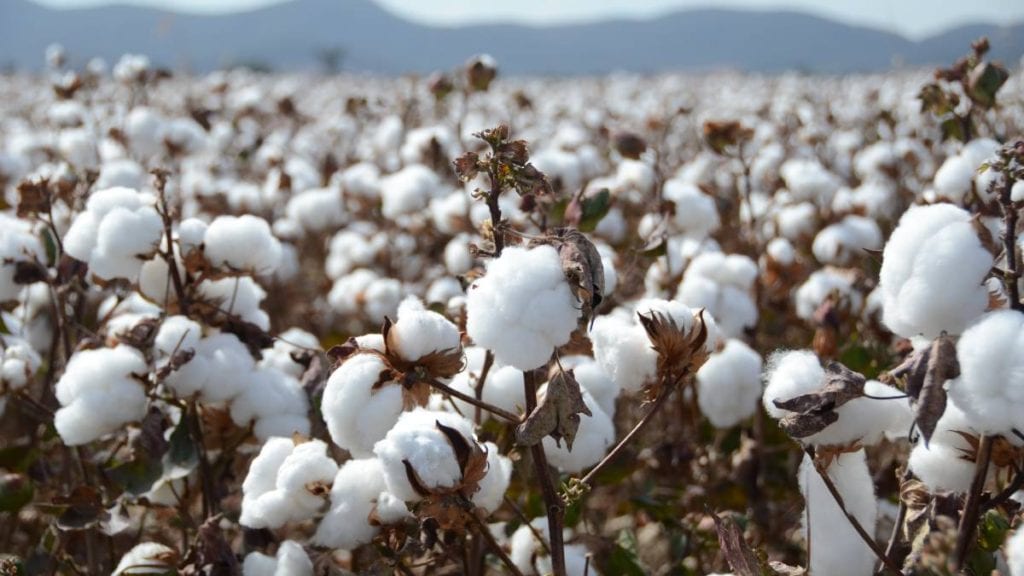
The ancient Greeks used to wear animal skins and were not even aware of cotton. But Indians were sort of cool and started cultivating cotton during the 5th – 4th millennium BCE in the Indus Valley Civilization. The word spread to the Mediterranean and beyond and soon everyone was ordering one from Flipkart. Well, pretty much.

Steel and Metal Works

How to build a working iron man suit! - YouTube

Ancient Indians were pioneers in metallurgy. High quality steel was produced, almost two thousand years before it was understood by the West. One of the most remarkable feat in metallurgy: creating a seamless celestial globe, was invented in Kashmir. It was earlier considered impossible to create a metal globe without seams.

So thanks to India, Iron Man can wear his suit now.

Plastic Surgery & Cataract Surgery

Geetika Swami on Twitter: "Sushruta,father of Plastic surgery ...

Yes, you heard it right. Indians were pioneers in Plastic Surgery and Cataract surgery, too. It was carried out in India as early as 2000 BCE by Rishi Sushruta also known as the father of surgery.

Snakes & Ladders

Snakes & Ladders ! - YouTube

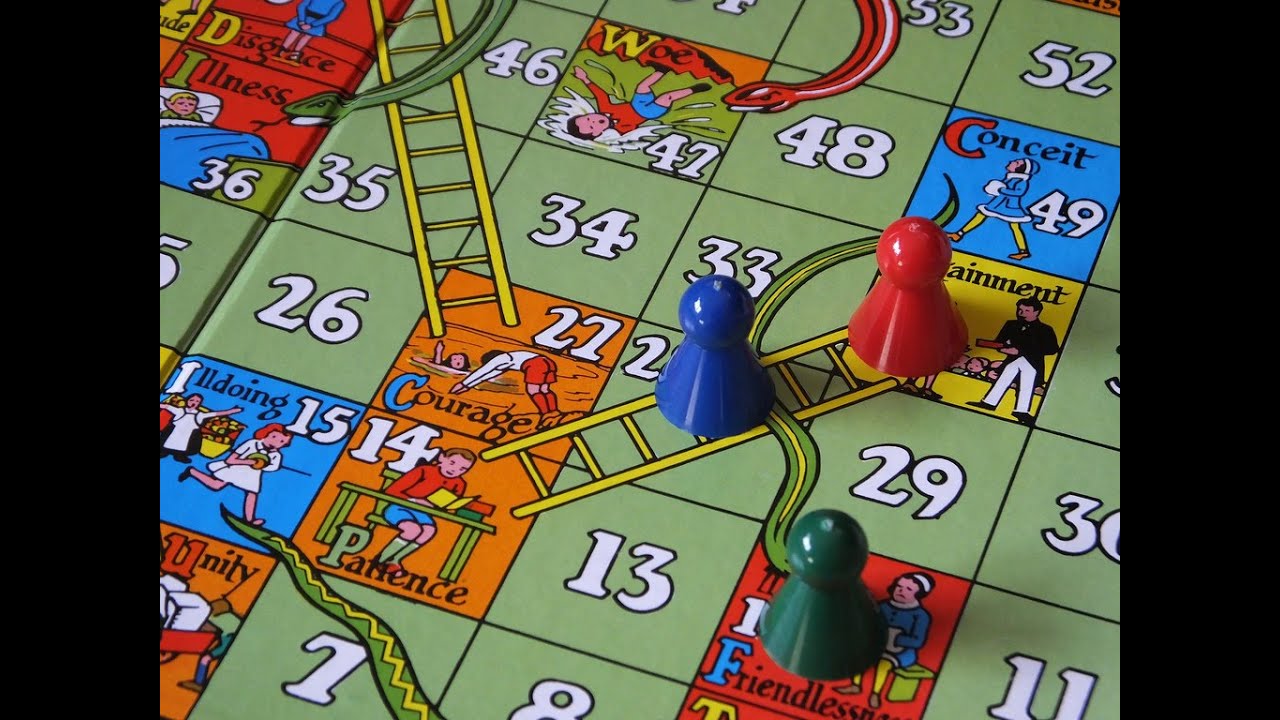
The game, Snakes & Ladders,  was invented in India as a game of morals. Later it spread to England and eventually introduced in the USA by game pioneer Milton Bradley in 1943.

Being one of the oldest civilizations in the world, complete with a rich history and culture as well as a strong and long scientific and technological tradition, it comes as no surprise that many significant inventions have come out of INDIA. 

TRIAL OF SUMMONS CASES BY MAGISTRATE

INTRODUCTION

Summon is a legal document which is issued by the court that notifies or commands a person to whom it is served to show his/ her presence in the court in order to answer the questions raised upon/to that person.

A summons case signifies a case concerning to an offence not punishable with death, imprisonment for life or imprisonment for a term exceeding two years. The trial procedure prescribed for summons cases is mainly contained in sections 251 to 259 of Criminal Procedure Code, 1973. These cases are tried with much less formality than warrant cases, and the manner of their trial is less elaborate.

STEPS IN THE TRIAL PROCEDURE

Chapter XX of CRPC deals with Trial of summons cases by Magistrates.

Section 251: explaining the substance of the accusation to the accused.

“When in a summons case a accused appears or is brought before the magistrate, the particulars of the offence of which he is accused shall be stated to him, and he shall be asked whether he pleads guilty or has any defence to make, but it shall not be necessary to frame a formal charge.”[1]

The section only dispenses with a formal charge in a summons case but is does not dispense with the statement of particulars of the offence for which accused is to be dealt with. The purpose of questioning the accused under this section is to appraise him of the charge against him. The accused should have clear statement made to him:

  • That he is about to be put on trial
  • The offence or facts constituting the offence with the commission of which he is accused.

The record must show the facts which were stated or explained to the accused by the magistrate.

Section 252: conviction on plea of guilty.

“If the accused pleads guilty, the Magistrate shall record the plea as nearly as possible in the words used by the accused and may, in his discretion, convict him thereon.”[2]

When guilty is pleaded by the accused, it is imperative that the magistrate shall record the plea of guilty as nearly as possible in words used by accused. The requirement of section 252 is not merely empty formality but is a matter of substance intended to secure proper administration of justice, because the right to appeal of the accused depends upon circumstance whether he pleaded guilty or not. It is because of the reason that the legislature requires the exact words used by accused in hid plea of guilty should be as nearly as possible be recorded in his own words or language in order to avert any inaccuracy, error or misapprehension. If there are number of accused persons, the plea of ach accused shall be recorded separately in their own words after the accusation was read over to each one of them.

Section 253: conviction on plea of guilty in nonappearance of accused in petty cases.

It has been provided by section 206 that in the case of certain petty offences, an accused who is willing to plead guilty need not appear in the court either in person or through his pleader provided, he satisfies the conditions of that section. The object is to avoid unnecessary trouble to offenders who have committed petty offences and are willing to pay the penalty. Section 253 prescribes the procedure where a person to whom a summons has been issued under sec. 206 has transmitted to magistrate his plea to guilty without appearing before the magistrate. Where the accused wishes to plead guilty without attending the court, the accused is expected to pay Rs.1000/- by post or via a messenger (pleader) to the Magistrate.

Section 254: Process if the accused not convicted on plea

Section 254 specifies for both defence and prosecution case if the accused is not convicted on appeal under section 252 and 253.

Prosecution Case

The magistrate listens to the accused and collects all the evidence. In the hearing, the prosecution will be given opportunity to try its case by putting relevant facts which represent the case and by revealing the evidence which he relied upon to justify the case. The magistrate upon this application of the prosecution, present summon to any witness to attend and to produce some document or object. The judge must write the report of the facts according to section 274. Similar as other trials in summon cases even the magistrate must comply with section 279 i.e., presentation of evidence to the accused and 280 i.e., documentation of the conduct of the witnesses.

Hearing of Defence Case

Following the prosecution of the evidence referred to in section 254 and the defence examination referred to in section 313, the court shall proceed to the defence hearing referred to in section 254(1). In the hearing of the court, the defendant is asked to say about the evidence of the prosecution. In any case, failure to hear the accused constitutes a major error in the criminal process and cannot be cured pursuant to Article 465. Evidence provided by the accused is reported in the manner set out in section 274, 279, 280 for prosecution. Upon the facts provided by the defendant, his claims under section 314 shall be allowed to be presented.

Section 255: Acquittal or conviction

Subsequently, after the evidence is recorded under 254, the magistrate shall absolve the accused if he finds the accused not guilty. If the accused is guilty, the Magistrate shall proceed otherwise in accordance with Section 360 or Section 325, sentence him in accordance with the law.

A Magistrate may convict the accused of any offence (amenable to the trial in a summons case) which from the facts admitted or proved the accused appears to have committed.[3]

Section 256: Non-appearance or the death of the complainant

Pursuant to section 256, on the date set for the trial of the accused, the complainant will be allowed by the court to acquit the accused unless the court has cause to adjourn the case for another day. Section 256(1) shall also apply in the event of the demise of the complainant. In the event that the representative of the deceased complainant does not appear within 15 days, the defendant may be absolved by the Supreme Court.

CONCLUSION

Chapter XX of Criminal Procedure Code is outlined for the trial of summons cases satisfied all the requirements of fair trial. “Fair Trial is the heart of criminal jurisprudence and the denial of fair trial is the denial of human right” as held in Rattiram v. State of Madhya Pradesh.[4] The trial of the summon cases is less formal and less strict than other trial procedure just for the quick remedy and resolution of the case .


[1] The Code of Criminal Procedure, 1973

[2] The Code of Criminal Procedure, 1973

[3] R.V. Kelkar, “Lectures on Criminal Procedure”, Fourth Edition, 2006

[4] A.I.R 2012, SC 1485

Study reveals Covid-19 can infect ears

While Covid-19 continues to wreak havoc across the globe, a recent study suggests that the virus can infect the ear as well. The study, which was published in the scientific journal JAMA, was based on the autopsy carried out on three patients who died from Covid-19. The findings revealed the virus’ presence inside the middle ear and in the mastoid area of the head. The mastoid is a hollow bone behind the ear.
The research was carried out with the team removing the mastoids from the deceased patients’ bodies and taking specimens from their middle ears. Mastoid specimens from two patients tested positive for SARS-CoV-2 .
‘Two of the 3 patients tested positive for SARS-CoV-2 virus in the mastoid or middle ear, with viral isolation from 2 of 6 mastoids and 3 of 6 middle ears.

Results for case 1 were positive for the right middle ear only. Case 2 had negative results for all samples,’ the study stated.

‘This study confirms the presence of SARS-CoV-2 virus in the middle ear and mastoid, with significant implications for otolaryngology procedures,’ it added.

The team calls for taking proper precautions to stop the spread of infection in patients visiting hospitals or during surgical procedures.

‘Droplet precautions (including eye protection and proper N95 level mask) are warranted for outpatient procedures involving the middle ear due to proximity to these potentially infectious spaces. Given the high asymptomatic rate of Covid-19 cases, caution is warranted for all elective ear surgery, and negative status by testing is indicated,’ the study stated.

Why India’s new draft EIA matters?

Environmental Impact Assessment | EIA Principles . EIA Procedure ...

Environmental Impact Assessment (EIA) is the process of assessing the likely environmental impacts of a proposal and identifying options to minimise environmental damage. The main purpose of EIA is to inform decision makers of the likely impacts of a proposal before a decision is made. EIA provides an opportunity to identify key issues and stakeholders early in the life of a proposal so that potentially adverse impacts can be addressed before final approval decisions are made.

EIA is not a way of allowing an environmental ‘veto’ on development proposals. Environmental considerations may be set aside in favor of other considerations including economic and other benefits of going ahead.

EIA is a structured approach for obtaining and evaluating environmental information prior to its use in decision-making in the development process. This information consists basically of predictions of how the environment is expected to change if certain alternative actions are implemented and advice on how best to manage environmental changes if one alternative is selected and implemented. Until relatively recently, with a few notable exceptions, EIA focused on proposed physical developments such as highways, power stations, water resource projects and large-scale industrial facilities. Slowly, but increasingly, its scope of application is expanding to include policies, plans and other actions which also form part of the development process.

Decision-makers are provided, by EIA, with information on the anticipated consequences of their choices. EIA is, therefore, a management tool with technical input, not a technical aid with ‘add on’ management aspects. This distinction is crucial to an understanding of the objectives of EIA and how it can best be implemented.

EIA has been in existence since 1970 (when it was introduced into the United States of America following the National Environmental Policy Act coming into effect) and has spread rapidly since then to all parts of the world. EIA is still relatively ‘young’ and the number of countries which use it, as a legal/administrative requirement, is still increasing. At the same time, EIA practice (and the techniques used) is evolving as experience has been gained on its utility in a wide range of development and geographic contexts.

The use of EIA has been formalized by the introduction of national laws and regulations and, in some cases, policies which establish systems of institutionalised procedures to ensure that all proposed physical development, expected to be environmentally damaging, is assessed prior to authorization and possible implementation.

Environmental Impact Statements are one part of a whole planning process that aims to protect the environment whilst economic development is occurring.

Few precaution, which needs to be taken while preparation of report of EIA are:

  • presentation should not be too complex or technical
  • Provide sufficient information about the project
  • Information base should be strong
  • Don’t forget to Omit the information
  • Include only relevant information
  • Presentation should be clear as per the targeted audience
  • Identification of adequate risk and its impacts
  • Identification of adequate indirect and far reaching impacts
  • Time constraints has to be kept in mind.

The fundamental components of an EIA would necessarily involve the following stages:

1.Screening to determine which projects or developments require a full or partial impact assessment study;

2.Scoping to identify which potential impacts are relevant to assess (based on legislative requirements, international conventions, expert knowledge and public involvement), to identify alternative solutions that avoid, mitigate or compensate adverse impacts on biodiversity (including the option of not proceeding with the development, finding alternative designs or sites which avoid the impacts, incorporating safeguards in the design of the project, or providing compensation for adverse impacts), and finally to derive terms of reference for the impact assessment;

3.Assessment and evaluation of impacts and development of alternatives, to predict and identify the likely environmental impacts of a proposed project or development, including the detailed elaboration of alternatives;

4.Reporting the Environmental Impact Statement (EIS) or EIA report, including an environmental management plan (EMP), and a non-technical summary for the general audience.

5.Review of the Environmental Impact Statement (EIS), based on the terms of reference (scoping) and public (including authority) participation.

6.Decision-making on whether to approve the project or not, and under what conditions; and

7.Monitoring, compliance, enforcement and environmental auditing. Monitor whether the predicted impacts and proposed mitigation measures occur as defined in the EMP. Verify the compliance of proponent with the EMP, to ensure that unpredicted impacts or failed mitigation measures are identified and addressed in a timely fashion.

Benefits:

EIA allows the likely significant environmental effects of a project tobe identified and to be avoided, remedied or minimised at an early stage.Nevertheless, the general public is often concerned about the possibility of unknown or unforeseen environmental effects of particular development. Where a planning application is accompanied by an ES the Planning Service will advertise the availability of the ES and take any representations about the likely environmental effects into consideration in making its decision. By making the information on the likely significant effects available, EIA can help allay fears created by a lack of information. Once EC (environmental clearance)is granted, for industries they may apply for CTE (Consent to establish) and CTO (Consent to Operate).

Environmental Impact Assessment (EIA) - Explained