Switching to solar energy is a significant investment, making it essential to choose the right team for the job. With the growing demand for renewable energy, more homeowners and businesses are turning to the trusted experts among solar power companies in Utah. Partnering with a reliable solar provider guarantees high-quality results, long-term savings, and lasting peace of mind. Here’s a guide to help you make an informed decision.
Before contacting a solar company, it’s essential to clearly define your needs. Are you installing solar panels for a residential home, a commercial property, or an off-grid site? Knowing the size, scope, and goals of your project will help you identify a team with the right expertise for your installation. When discussing your requirements, be sure to ask potential providers about their experience with similar projects. This will give you a better sense of whether they have the skills and knowledge to meet your specific needs.
Research Solar Power Companies Carefully
Finding the right team starts with thorough research. Focus on companies with a strong reputation in your area and beyond. Customer reviews, industry certifications, and local awards can offer valuable insight into their credibility. Additionally, review their portfolio of completed projects to assess their expertise. A reliable team will showcase a proven track record of successful installations that align with your expectations for quality and scale.
Prioritize Local Expertise
Working with a local solar company offers significant advantages, thanks to their familiarity with the climate, regulations, and available incentives in your area. These experts understand the unique challenges of the local environment, such as snow load requirements and the ideal panel angles for maximum sun exposure. Their in-depth knowledge not only ensures a more efficient and effective solar installation but also helps you take full advantage of state and federal tax incentives, saving you more money in the long run.
Ask About Licensing, Insurance, and Warranties
Choosing licensed and insured solar power companies ensures your protection throughout the installation process. Always verify that the team holds the required state licenses and adequate insurance, safeguarding you from liability in case of accidents. Additionally, inquire about warranties on both equipment and labor. A reliable company stands by its work, offering warranties that demonstrate their commitment to quality and customer satisfaction.
Evaluate Communication and Transparency
Effective communication is essential to the success of any solar project. A reliable team will take the time to address your questions, clearly outline the process, and keep you informed every step of the way. Transparency in pricing, timelines, and expectations demonstrates a commitment to honesty and customer satisfaction. Trustworthy companies also proactively discuss potential challenges and their solutions, ensuring you feel confident and supported throughout the entire journey.
Compare Quotes Thoughtfully
While it might be tempting to select the lowest bid, it’s essential to look beyond the price tag. Take the time to review each quote thoroughly to understand what’s included. Pay attention to factors such as equipment quality, warranty terms, project timelines, and post-installation support. Investing a little more upfront in a reputable team can lead to significant savings down the road by reducing maintenance costs, minimizing repairs, and maximizing energy efficiency.
Look for Comprehensive Services
Many solar power companies go beyond basic installation, offering a comprehensive range of services. Opting for a team that handles design, permitting, installation, and ongoing maintenance ensures seamless support at every stage. A full-service provider simplifies the process, minimizes the chance of miscommunication between contractors, and delivers a smoother, more efficient experience.
Conclusion
Trust your instincts when selecting a team for your solar project. If a company appears rushed, evasive, or overly pushy in its sales tactics, it’s likely not the right fit. A reliable solar partner will prioritize respect, provide clear and thorough answers to your questions, and focus on crafting a solution tailored to your specific needs—not just closing a sale. The sun offers limitless energy potential, and partnering with the right team can transform your solar experience. By choosing a dependable solar company, you protect your investment and ensure your energy goals are met with efficiency and care.
Thumb sucking is a common behavior in young children, often starting as early as infancy. For many kids, thumb sucking provides a sense of comfort and security, helping them self-soothe during moments of stress or tiredness. While it’s generally a harmless habit in the early years, it can become a cause for concern if it continues well into later childhood. Understanding when to worry about thumb sucking and how to help your child break the habit is crucial for their overall well-being.
Thumb sucking is often a natural reflex in infants, starting even before birth. Many babies suck their thumbs while in the womb as a form of self-soothing. Once born, thumb sucking can continue as a way for babies and young children to comfort themselves when feeling upset, tired, or bored. For some children, thumb sucking may also serve as a self-soothing mechanism during sleep, providing them with a sense of security as they drift off.
While most children stop sucking their thumb on their own as they grow older and become more independent, some may continue the habit into their toddler and preschool years.
When Does Thumb Sucking Become a Concern?
For the majority of children, thumb sucking is a temporary phase that will naturally fade as they grow. However, for some children, thumb sucking persists longer than usual and can start to cause problems. Here are some signs that thumb sucking may be something to worry about:
1. Dental Problems
Thumb sucking can affect the development of your child’s teeth and mouth, especially if the habit continues after the age of 4 or 5. Prolonged thumb sucking can lead to dental issues, such as:
Misalignment of Teeth: Thumb sucking can cause the upper front teeth to protrude or become misaligned. This is particularly true if the thumb is pressed forcefully into the mouth over a prolonged period.
Bite Issues: A child who continues to suck their thumb may develop what is known as an “open bite” where their upper and lower teeth don’t meet properly when their mouth is closed. This can make it difficult for the child to chew and speak clearly.
Changes in the Roof of the Mouth: Prolonged thumb sucking can alter the shape of the roof of the mouth, causing it to become more narrow.
2. Speech Delays
If thumb sucking continues for a long time, it can affect the development of your child’s speech. The habit can interfere with normal tongue placement and lead to speech issues such as lisps or difficulty pronouncing certain sounds. If you notice any signs of speech delay or changes in the way your child is speaking, it might be worth considering the effects of thumb sucking.
3. Social Concerns
As children get older, they may begin to feel self-conscious about thumb sucking, especially if it continues past the age of 4 or 5. At this point, children may be exposed to peer pressure or may feel embarrassed about the habit. In some cases, thumb sucking can also cause teasing or bullying from other children, which can affect their self-esteem and social development.
How to Help Your Child Stop Thumb Sucking
If thumb sucking is causing concerns, it’s essential to approach the situation with patience and understanding. Here are some strategies that can help your child break the habit:
1. Positive Reinforcement
Encouraging your child with positive reinforcement is one of the most effective ways to help them stop sucking their thumb. Offer praise when your child goes a day without thumb sucking, or use a reward system such as a sticker chart. Avoid punishment or negative reinforcement, as this can create stress and may make the problem worse.
2. Gentle Reminders
Sometimes, children suck their thumb out of habit or without realizing it. Offering gentle reminders when you notice your child sucking their thumb can help them become more aware of the behavior. You might say something like, “Remember, no thumb sucking,” in a calm and non-critical tone. Over time, your child will begin to associate the reminder with the behavior.
3. Provide Alternatives for Comfort
If your child sucks their thumb to self-soothe, offering alternative comfort objects such as a soft blanket or a stuffed animal can help. Teaching your child relaxation techniques like deep breathing or listening to calming music may also reduce the need for thumb sucking during stressful situations.
4. Create a Comfortable Sleep Routine
Thumb sucking often occurs during sleep or naptime. Establishing a comforting bedtime routine can help your child feel secure without the need for thumb sucking. This might include reading a favorite bedtime story, listening to calming music, or having a special nightlight in their room.
5. Use a Thumb-Sucking Guard
In cases where the habit persists, a thumb-sucking guard or mitt can be a helpful tool. These devices are designed to make thumb sucking uncomfortable or difficult, encouraging your child to stop. However, it’s important to approach this method carefully, as it may cause frustration in some children. Always make sure to use positive reinforcement alongside this technique.
6. Consult a Pediatric Dentist
If your child’s thumb sucking has led to dental problems or is causing concern, it’s a good idea to consult a pediatric dentist in Oregon City. They can assess the impact of the habit on your child’s teeth and offer professional advice on how to address the issue. In some cases, a dentist might recommend a dental appliance to help prevent thumb sucking.
In Conclusion
Thumb sucking is a common and natural behavior for many young children, but when it persists beyond the typical age range, it can lead to dental, speech, and social concerns. The key to addressing thumb sucking is understanding when it becomes a problem and taking a gentle, supportive approach to help your child break the habit. With the right strategies, patience, and positive reinforcement, you can help your child move past thumb sucking and support their healthy development. If necessary, always consult a pediatric dentist or pediatrician for additional guidance.
A fence does more than define property lines—it offers privacy, enhances security, and adds curb appeal to your home. With so many fencing options available, selecting the right one can feel overwhelming. To make the best choice, it’s important to understand the styles, materials, and benefits each type of fence offers.
Homeowners install fences for a variety of reasons. Whether it’s to keep pets safe, protect children, increase privacy, or simply add aesthetic charm, a fence plays both functional and decorative roles. The right fence can also increase your property value and reduce noise from nearby streets.
2. Popular Fence Styles
Privacy Fences
Tall and solid, privacy fences block the view into your yard. They’re ideal for suburban backyards or homes close to neighbors. Most are around 6 to 8 feet high and constructed from wood, vinyl, or composite materials.
Picket Fences
A classic choice for front yards, picket fences are known for their short height and spaced slats. They add charm and create a welcoming feel while offering minimal privacy. Picket fences are often made from wood or vinyl.
Split Rail Fences
Typically seen in rural settings, split rail fences have a rustic appeal. Made from wooden posts and rails, they work well for large properties, farms, or decorative purposes rather than security or privacy.
Lattice Fences
Lattice fences feature crisscrossed slats that provide partial privacy and support for climbing plants. They’re decorative and perfect for garden areas.
Modern Horizontal Fences
A newer trend in fencing, these feature horizontal slats that offer a sleek, contemporary look. They’re often made of wood or metal and used in upscale landscaping.
3. Fence Materials: Pros and Cons
Wood
Wood is a traditional and versatile option. It can be painted or stained in various colors and offers a warm, natural appearance.
Pros: Customizable, attractive, great for privacy
Cons: Requires maintenance, susceptible to rot or insect damage
Vinyl
Vinyl fencing is a low-maintenance alternative to wood. It’s available in various styles, including picket and privacy.
Pros: Durable, weather-resistant, low maintenance
Cons: Higher upfront cost, less natural appearance
Cons: Can rust (except aluminum), limited privacy, often more expensive
Chain Link
Chain link fences are functional and budget-friendly, making them common in both residential and commercial settings.
Pros: Affordable, durable, easy to install
Cons: Offers little privacy, utilitarian appearance
Composite
Composite fencing combines wood fibers and plastic, offering the look of wood without the upkeep.
Pros: Low maintenance, eco-friendly, long lifespan
Cons: More expensive than wood, limited color options
4. Factors to Consider Before Choosing
When selecting a fence, keep the following in mind:
Purpose: Are you fencing for privacy, security, decoration, or pet containment?
Budget: Materials and installation vary widely in cost.
Maintenance: Wood needs regular staining or painting, while vinyl and metal require minimal upkeep.
Climate: Some materials withstand weather better than others. For example, vinyl handles moisture better than wood.
Local Regulations: Check with your homeowners’ association or municipality for height restrictions, material rules, and permit requirements.
5. Benefits of the Right Fence
Increased Privacy and Security
Fences help prevent trespassing, keep pets and kids safely inside the yard, and reduce outside visibility.
Enhanced Curb Appeal
The right style can complement your home’s architecture, boosting its appearance and possibly its resale value.
Noise Reduction
Certain fences, like solid wood or vinyl, can act as sound barriers, ideal if you live near a busy street.
Defined Property Boundaries
Fences help avoid disputes with neighbors and clearly mark where your land begins and ends.
Final Thoughts
Choosing the right fence involves balancing aesthetics, function, and budget. Whether you’re aiming for a cozy cottage feel with a picket fence or prioritizing security with a metal barrier, there’s a style and material to suit your needs. With careful consideration and proper installation, your fence will serve your home beautifully for years to come.
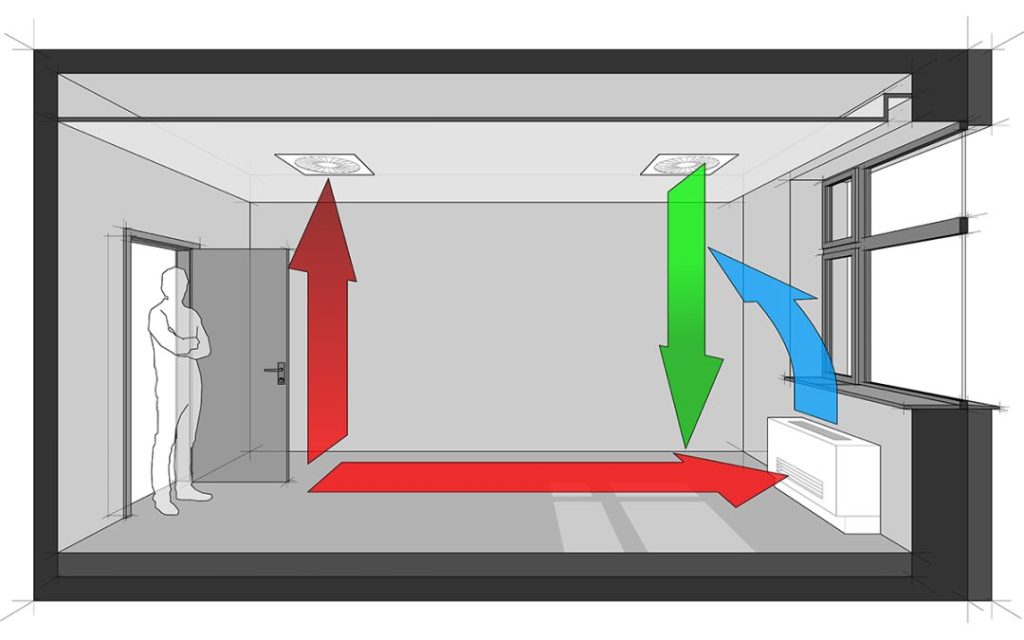
Ever wondered why some homes feel perfectly comfortable year-round while others struggle with uneven temperatures or stuffy air? The secret lies in optimized airflow. Proper air circulation ensures that your living spaces remain cozy, energy-efficient, and healthy.
This blog explores how you can optimize your home’s airflow, addressing common issues and offering tips to help you create the ultimate indoor environment. You’ll also discover how an air conditioning service in Tempe can make a difference when maintaining ideal airflow levels.
Why Airflow Matters
Efficient airflow isn’t just about keeping your home comfortable; it significantly impacts energy efficiency, air quality, and overall health. Poor air circulation can lead to hotspots in your home, stale air accumulation, and even increased energy consumption as your HVAC system works harder to maintain desired temperatures.
Signs of problematic airflow include:
Uneven room temperatures
Stale or musty air
Increased dust build-up
HVAC systems constantly running
Optimizing your airflow leads to a more balanced indoor climate, reduces strain on your HVAC system, and can even lower your utility bills.
Key Tips to Maximize Airflow
1. Position Your Vents Properly
Check that air vents and registers throughout your home are unobstructed. Furniture, rugs, or clutter blocking these pathways can restrict airflow and create uneven temperatures. Aim to keep at least 2-3 feet of open space around each vent for optimal efficiency.
Pro Tip: Redirect vent deflectors to push air toward the center of your rooms, especially for wall-mounted or floor-based vents.
2. Adjust Fan Directions Seasonally
Ceiling fans aren’t just for summer breezes. Set your fan to spin counterclockwise during warmer months to push cool air downward. Conversely, switch it to spin clockwise in the winter to pull cool air up and circulate warm air more effectively.
3. Regularly Replace HVAC Filters
Dirty filters can choke your HVAC system, drastically cutting airflow and reducing efficiency. Check and replace your filters every 1-3 months, especially if you have pets or live in areas with high dust or pollen levels.
4. Leverage Natural Cross-Ventilation
Take advantage of mother nature’s assistance. Open windows on opposite sides of your home to create a natural cross-breeze. This promotes fresh air circulation and reduces reliance on HVAC systems, especially during cooler evenings or spring months.
5. Ensure Your Ductwork is Clean and Well-Sealed
Even with regular HVAC maintenance, your ductwork might be harboring dust, allergens, or invisible leaks. A professional air conditioning service in Tempe can inspect and clean your ducts, removing any blockages and sealing leaks for improved airflow and efficiency.
6. Optimize Door and Window Usage
Indoor air circulation can be hindered by closed doors or windows. Keep internal doors open to allow air to flow freely between rooms. However, ensure that exterior doors and windows are properly sealed to prevent energy loss and unwanted drafts.
7. Use Zoned Cooling Systems for Larger Homes
For larger homes, zoned cooling systems allow you to control airflow and temperatures in specific areas independently. By doing so, you can prioritize living spaces while saving energy in unused rooms.
Additional Benefits of Airflow Optimization
Besides improved indoor comfort, optimizing airflow delivers a range of other compelling benefits:
Enhanced Health: Proper air circulation minimizes mold, mildew, and airborne allergens, improving respiratory health.
Lower Energy Bills: Efficient airflow reduces the wear and tear on your HVAC system, resulting in energy savings over time.
Sustainability: Better air distribution leads to reduced energy usage, contributing to a more sustainable and eco-friendly household.
Call the Pros for Specialized Care
Sometimes, airflow issues stem from complex underlying problems like inefficient ductwork or outdated HVAC systems. This is where professional expertise becomes invaluable.
An air conditioning service in Tempe can evaluate your home’s unique needs, provide tailored solutions, and ensure everything—from your ductwork to your HVAC system—is in peak condition.
Create Your Perfect Indoor Environment
Achieving maximum indoor comfort depends on more than just setting the thermostat. By addressing airflow inefficiencies using the tips above, you’ll enjoy a healthier, cozier home while improving your energy efficiency.
If you’re ready to take your home’s comfort to the next level, consider consulting a professional HVAC specialist. After all, optimized airflow isn’t just about staying comfortable; it’s about creating a home you love.
Pain signals that something is wrong, but not all pain is the same. Nerve pain, or neuropathic pain, is distinct and often debilitating, unlike muscle soreness or migraines. Unlike a bruise or broken bone, it comes from the nervous system itself, not external tissue damage. This blog explores what makes nerve pain unique, its causes, and how to diagnose, treat, and manage it effectively.
Nerve pain often stems from conditions that damage or disrupt the nerves, preventing them from functioning properly. The causes can vary, but here are some of the most common culprits:
1. Diabetes
Diabetes is one of the leading causes of neuropathy, a condition that results in damaged nerves, particularly in the feet and hands. High blood sugar levels over time can harm nerves and blood vessels, leading to painful sensations.
2. Injuries and Trauma
When nerves are compressed, stretched, or severed due to physical injuries, it can cause sharp pain and lasting nerve damage. For example, car accidents, falls, or even surgical complications can all lead to nerve-related pain.
3. Autoimmune Disorders
Conditions like multiple sclerosis and lupus can attack the protective coverings of nerves or even the nerves themselves, leading to chronic nerve pain.
4. Cancer and Chemotherapy
Both cancer and the treatments for it can cause nerve pain. Some cancers compress or damage nearby nerves, while chemotherapy can lead to peripheral neuropathy as a side effect.
Alcoholism, which can lead to nerve damage over time
How Does Nerve Pain Feel?
What makes nerve pain especially puzzling is its variety of sensations, many of which are hard to describe. Here are a few of the most common sensations people with nerve pain experience:
Burning
One signature sensation of nerve pain is a persistent burning that can range from mild to intense. This feeling often doesn’t subside, even when at rest, making it one of the more frustrating aspects of neuropathy.
Shooting or Stabbing
Some people compare nerve pain to sharp, stabbing jolts that come and go without warning. This sudden, electric shock-like sensation can feel unpredictable.
Tingling or Pins and Needles
A familiar yet unsettling feeling, tingling is more than just your foot “falling asleep.” It’s often relentless and can spread throughout your extremities.
Numbness
Numbness often goes hand-in-hand with nerve pain. You may find areas of your body, like your fingertips or toes, losing all sensation, yet still feeling painful in a strange, paradoxical way.
Hypersensitivity
Nerve pain can make even the slightest touch unbearably painful. For some, something as gentle as bed sheets brushing their skin can trigger intense discomfort.
Understanding these sensations is critical for recognizing nerve pain and communicating symptoms to a healthcare provider.
How Is Nerve Pain Diagnosed?
Diagnosing nerve pain often requires a combination of in-depth evaluations and tests, as it can mimic other types of pain or medical conditions. Here’s how it typically unfolds:
1. Medical History
Your doctor will ask about your symptoms, their onset, and any potential causes, such as injuries, preexisting conditions, or family history.
2. Physical and Neurological Exam
A physical exam can detect signs like muscle weakness, reduced reflexes, or unusual sensations. A neurological exam will further assess nervous system functioning.
3. Diagnostic Tests
Some common diagnostic tools include:
Nerve conduction studies (NCS): Measure how quickly electrical impulses travel through your nerves.
Electromyography (EMG): Evaluates the electrical activity in your muscles to detect issues.
Blood Tests: Used to check for underlying conditions like diabetes or vitamin deficiencies.
Imaging Tests (MRI/CT scans): Allows doctors to spot injuries or nerve compression.
Getting an accurate diagnosis is the first step toward effective treatment, so if you suspect nerve pain, consult your doctor sooner rather than later.
Treatment Options for Nerve Pain
Nerve pain can be challenging to treat, but a combination of medical interventions and alternative therapies can help. Here are the most common options available:
Medical Treatments
Medications:
Over-the-counter pain relievers like ibuprofen offer limited relief.
Prescription medications such as gabapentin, pregabalin, or antidepressants are often more effective.
Topical treatments: Lidocaine patches or capsaicin creams numb the affected area.
Nerve blocks: Frequently used for severe, localized pain, this involves injections that block pain signals.
Alternative Treatments
Physical Therapy: Exercises that target nerve function or loosen up compressed nerves can reduce pain.
Acupuncture: Some patients find relief through this traditional Chinese practice, which may help modulate pain signals.
Lifestyle Changes: Quitting smoking, maintaining a healthy diet, and regular exercise can all positively impact nerve health.
To explore options further, try searching online for “neuropathy treatment near me” and find the best fit for your needs.
Coping with Nerve Pain Day to Day
Living with nerve pain often requires adjustments to mitigate discomfort and improve quality of life. Here are some proven coping strategies:
1. Mind-Body Practices
Techniques such as meditation, yoga, or mindfulness can help manage chronic pain perception. These practices reduce stress, which often exacerbates nerve pain.
2. Ergonomic Adjustments
If nerve pain makes daily tasks difficult, invest in cushions, ergonomic chairs, or supportive footwear to ease pressure on vulnerable areas.
3. Sleep Hygiene
Nerve pain often flares up at night. Improving sleep hygiene, like keeping a consistent bedtime and using supportive pillows, can make a significant difference.
4. Support Groups
Connecting with others who share your experiences can help both emotionally and practically. Find local groups or online communities for chronic pain sufferers.
5. Stay on Top of Your Treatment Plan
Consistency is key. Attend follow-up appointments, take medications as directed, and notify your doctor of any changes in symptoms.
Conclusion
Dealing with nerve pain isn’t easy, but understanding its causes, sensations, and treatments is a strong foundation for healing. If you or someone you know is living with nerve pain, don’t hesitate to seek medical advice. Addressing symptoms early can prevent further complications and improve your quality of life. Whether it’s through medical treatments, lifestyle changes, or connecting with therapists, relief is within reach. Remember to take proactive steps today toward managing your health.
Finding the perfect bounce house near me in Sand Springs can transform an ordinary event into an unforgettable celebration. With a wide variety of options available, from colorful inflatable castles to themed jump house rentals near me, knowing what to look for helps ensure fun and safety for all guests. Whether you’re planning a birthday, school carnival, or community gathering, choosing the right inflatable bounce house can make all the difference.
Residents in Sand Springs have access to some of the best bounce house rentals in Tulsa and the surrounding areas. Many of these options are provided by trusted vendors, including the well-known event agency BISON Party Rental. They specialize in safe, affordable, and clean inflatable house rental services for all types of events.
Classic Bounce Houses: Perfect for young children who enjoy jumping and tumbling in a safe environment.
Themed Inflatable Houses: Choose from princess castles, superhero forts, or jungle adventures to match your event’s theme.
Combo Units: These include slides or obstacles, combining fun features into one large inflatable jump house.
Why Locals Prefer BISON Party Rental
The event agency BISON Party Rental has earned a stellar reputation for providing top-tier bounce house hire services. Locals in Sand Springs consistently choose them for their wide inventory, reliable service, and safety standards. Their inflatable rentals near me include a variety of options, from traditional blow up bounce house designs to innovative inflatable playgrounds.
Tips for Choosing a Bounce House
If you’re searching for bounce house rentals near me, there are several important factors to consider. Not all inflatable house options are created equal, and ensuring that your chosen rental suits your space, audience, and budget is essential.
Check dimensions and ensure it fits your event area.
Verify age and weight limits to match your guest list.
Ask about setup and takedown procedures.
Ensure the company is licensed and insured.
Read reviews and compare rental terms from different providers.
Final Thoughts
Whether you’re hosting a backyard birthday or a large festival, a bounce house adds excitement and energy to any gathering. Sand Springs residents are fortunate to have access to high-quality bounce house rentals in Tulsa and surrounding communities. Companies like BISON Party Rental make it easier than ever to plan a fun and memorable event with the perfect inflatable house rental. From classic inflatable bounce house styles to thrilling inflatable jump house combos, the options are vast and customizable. With just a little planning, your event will be a bouncing success!
Imagine the level of frustration if voltage fluctuations damage a new, expensive electronic device you bought. The unstable power supply is the real threat.
To tackle this threat, there is only one solution: a servo stabilizer.
The machine protects your sensitive devices from voltage fluctuations and increases the electronics’ lifespan.
With the wide range of servo stabilisersStabilizers available in the market, it can be challenging to decide which one to choose. So let’s delve into India’s top brands for servo Stabilizers.
Which company is best for servo stabilizer?
If you search for the best company offering servo Stabilizers, then Servo Stabiliser India will stand out as the most reliable, boasting the highest Google rating and customer reviews.
Their reputation as the top brand in India has been growing for the last 30 years.
Still, it is important to consider your needs, budget, and after-sales services before making an informed decision.
1. Servo Stabiliser of India
Servo Stabiliser India has you covered if you want tailored and specialised solutions. Known for energy-efficient designs tailored particularly for your sector needs, they… Their sophisticated servo technology guarantees dependable and consistent performance.
Furthermore, should any problems arise, their outstanding after-sales support will assist you.
2. Purevolt India
Whether for homes or businesses, Purevolt India is well-known for its high-quality servo Stabilizers.
Their small but strong design, exact voltage correction skills, and great industry knowledge distinguish them from others. Purevolt guarantees you are never left stranded with a nationwide service network.
3. Servokon
When dependability and durability are your main concerns, Servokon holds firm.
Perfect for heavy-duty use, their Stabilizers guarantee seamless operation even under severe circumstances by means of automatic voltage control.
If you operate big industrial machinery, this is a reliable selection.
4. Microtek
Known for its user-friendly designs, Microtek is well-known and respected all throughout India.
Perfect if you’re not a tech-savvy user, their servo Stabilizers offer great efficiency, digital displays for simple monitoring, and operational simplicity.
5. V-Guard
V-Guard, a brand well known for consumer electronics, provides value without sacrificing quality.
Their Stabilizers promise dependability and consistent performance with a wide product range suited to different consumer needs, particularly perfect for home use.
6. Servomax Ltd.
Servomax Limited is outstanding for heavy industrial needs.
Renowned for their robust and exacting servo Stabilizers, they can easily handle tough industrial settings. Built to last, their goods guarantee exact voltage control.
7. VCS India: Voltage Control & Stabilizers
With creative ideas and cutting technology, VCS India is fast establishing its presence.
Their emphasis is on tailored servo Stabilizers meant to improve performance and energy economy. A wonderful option if you want something catered to your particular needs.
Factors to Consider When Choosing a Servo Stabilizer
Picking the right servo stabilizer is something more than brand value and reputation.
Here we are listing some of the crucial factors to consider before buying the right servo stabilizer:
Power capacity: It should match your power requirement.
Type of load: Load tolerance must be slightly more than the total load your devices induce, regardless of whether you are using it for residential or industrial purposes.
Reliability & efficiency: It must be reliable enough to be efficient for a long duration.
After Sales Support: It must be fast and prompt to save you from the frustration of downtime.
Warranty: Before buying a servo stabilizer, make sure it comes with a standardised warranty.
Wrapping Up
Selecting the appropriate servo stabilizer will help you to avoid needless downtime and expensive damages.
Investing in trusted brands like Servo Stabilizer India and Purevolt India guarantees consistent performance and peace of mind.
Choose carefully to safeguard your priceless equipment right now.
Ready to choose?
Visit the official sites or contact approved dealers of these companies for individual advice suited to your requirements.
Getting the perfect shot isn’t just for pros – it’s a journey every student can take with the right hacks and a little creativity. With budgets tight and time even tighter, students can still produce amazing images that capture memories, tell stories, and even impress on social media. From understanding the basics of natural light to trying out new photo editing techniques, every step is an opportunity to level up your photography game.
Today, resources for learning photography have never been more accessible. For instance, learning how to use natural light can turn your photos from meh to amazing. A great resource to dive into this is the “What Students Need to Know for Perfect Photos” article, which can help you greatly. Plus, with a plethora of online tutorials and free courses from reputable platforms like National Geographic Photography, students have a treasure trove of information at their fingertips.
Beyond the technical know-how, student photographers are now using social media to showcase their skills. The rise of instant upload, engagement-driven challenges, and the ability to share an Instagram photo in seconds means creativity is not only rewarded but also has a global platform. Integrating unique perspectives and pushing the boundaries of traditional photography is now part of a student’s daily grind.
Photography Tips for Students
What Photography Hashtags to Use
One simple yet effective life hack for students is to learn how to use social media effectively. Crafting the post with the right photography hashtags can get you more exposure and open doors to a wider audience. Hashtags like #StudentPhotographer, #CampusVibes, or #PhotoOfTheDay can get your work in front of not only your peers but pros looking for fresh talent. By combining these with trending terms and local tags, you can increase your post’s visibility. Plus, regularly checking out popular hashtags can give you an idea of what other budding photographers are trying out.
Where to Find Photography Inspiration
Students often struggle to stay motivated and have multiple responsibilities to juggle. Following visual storytellers on Instagram and Pinterest can spark creativity. Whether it’s capturing the golden hours on campus or framing life in a college town, inspiration is often just around the corner. Diving into photography blogs and watching tutorials can ignite passion and birth new photography ideas for students who want to capture moments in a fresh way.
What Photography Accessories to Buy
Investing in basic photography accessories doesn’t have to break the bank. Affordable gear like portable tripods, cleaning kits, and external lenses for mobile phones can upgrade your photo quality. Try out creative attachments or even use vintage accessories to give your images a unique look. This experimentation can lead to exciting discoveries on how different tools affect lighting, composition, and the mood of a photo.
Use Polaroid
The charm of a Polaroid lies in its instant tangibility. Although digital photography is the norm, using Polaroid cameras can be a nice break from editing heavy workflows. These instant prints offer a tactile experience and make students think critically before clicking. Polaroid cameras can also be an aesthetic tool in mixed media projects or scrapbooks, blending old school with modern storytelling.
How to Do Creative Photography
Every student should push the boundaries of creative photography. It’s not just about taking a picture but about telling a story. The journey of creative photography starts with the willingness to experiment. We offer some innovative tips to get you started.
A great way to fuel your creative fire is to regularly visit photography websites, attend local exhibitions, and follow photography forums. Inspiration can come from unexpected places – a unique shadow cast by a window, an unusual angle of a campus building, or the play of natural light in a forest. Coupling these with personal experiences makes for a solid creative approach that’s authentic and fresh. Combine these with innovative photo editing software, and you can turn regular snaps into masterpieces.
Along with these creative explorations, students shouldn’t forget the basics. With options ranging from Adobe Photoshop to free alternatives like GIMP, learning to edit your shots is as important as taking them. Plus, the market is flooded with guides on the best photo editing apps for mobile devices, so turning an ordinary snap into an Instagram photo masterpiece is just a tap away.
How Photography Classes Can Help
For many students, formal instruction can take their natural talent to the next level. Enrolling in photography courses – online or in-person – can give you structured knowledge and constructive feedback.
In a classroom setting, you are introduced to an array of photography accessories – from simple lens filters to more complex lighting setups. Learning how these tools work and how to use them in a controlled environment gives you the practical skills for both studio and field photography. Universities and community centers often offer discounted or even free access to specialized equipment so you can experiment without breaking the bank.
An often overlooked part of academic learning is networking with peers and professionals. The connections you make during coursework can lead to collaborations, internships, or even freelance work. Many photography programs invite guest speakers who are industry experts, providing insights into current trends, innovative techniques, and career paths in photography. These interactions broaden your horizons and integrate theoretical learning with real-world applications.
How to Deal with Travel Photos
Travel exposes you to a multitude of cultures, landscapes, and stories that are endless sources of photography inspiration. The change of environment often sparks new ideas that challenge conventional photography norms. From striking natural landscapes to the bustling streets of cities, every scene is an opportunity to experiment with composition, lighting, and perspective. Engaging with local traditions and unique settings can lead to iconic images that capture the essence of a place.
Travel photography requires a balance between convenience and quality. Investing in lightweight but robust photography accessories – like compact tripods, portable lighting kits, or multi-purpose lenses – ensures you are well equipped on the go without being weighed down by heavy gear. Opting for versatile items can save you time and money and make travel smoother while still delivering great images.
When traveling, make sure to back up your photos regularly and edit them to get the final output right. Many students rely on photo editing apps to fine-tune colors and contrast and remove imperfections so that every snap meets the high standards of a photo. With practice and exploration, your journey to perfect travel photos will become a rich tapestry of technical skill and artistic flair.
Final Thoughts on Photography Ideas for Students
Experimentation is at the heart of photography. By pushing yourself, using refined editing software, and exploring photography ideas for students, you’ll soon find that photography is as much about personal expression as it is about technical knowledge. And by engaging with reputable sources like National Geographic Photography, you’ll stay connected to industry standards and trends.
Ultimately, whether you’re taking your first steps through photography classes or you’re a self-taught enthusiast, remember every click of the shutter is an opportunity to tell a story. Embrace the learning curve, apply the hacks, and let curiosity be your guide. The world is full of scenes waiting to be captured, and with the right mix of passion, technique, and creativity, you too can create perfect photos that are authentic and artistic.
By incorporating these hacks into your daily routine, you’ll develop a unique photographic style. The combination of structured learning, creative experimentation, and real-world practice is the secret sauce that turns ordinary images into visual stories that inspire and captivate. So go ahead, be confident, learn every opportunity, and watch as every pixel of your work reflects not only your skills but your perspective on life.
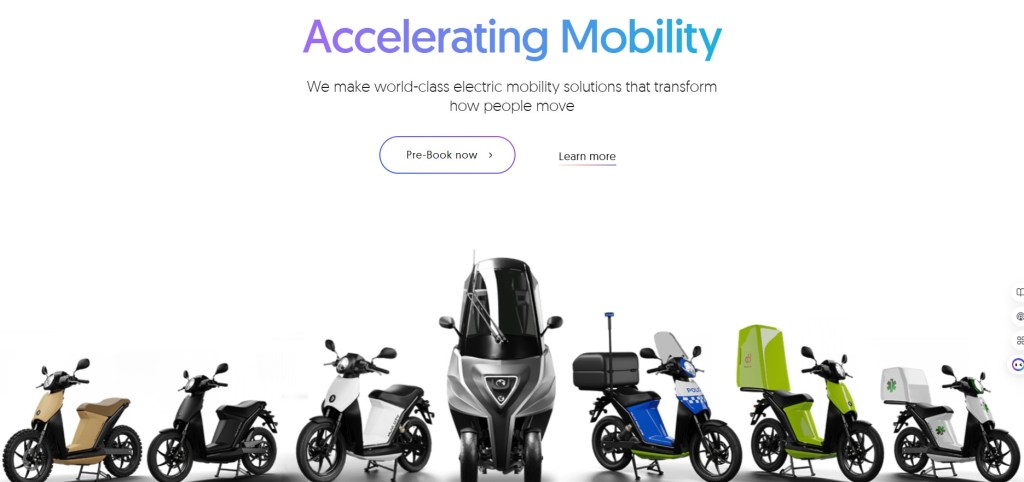
eBikeGo, a pioneering electric two-wheeler rental service, is playing a transformative role in promoting eco-friendly urban mobility across major Indian cities, including South Delhi. With a focus on reducing carbon emissions, cutting commute costs, and offering efficient last-mile connectivity, eBikeGo has steadily grown its fleet and service points, particularly in dense and high-traffic urban neighborhoods.
Overview of eBikeGo in South Delhi
Stations/Points: 150+ pick-up and drop-off points
Major Locations: Sarai Kale Khan, Lajpat Nagar, Jangpura, Nizamuddin, and surrounding neighborhoods
Operational Since: 2023
Coverage: Expanding footprint across South Delhi, with a focus on areas with metro connectivity, student and office hubs
Key Features of the Service
Affordable Pricing: Starting at just ₹25 for 30 minutes, eBikeGo offers one of the most budget-friendly urban transport options. This pricing structure is ideal for:
Short-distance travel
Daily commutes
Connecting metro stations to workplaces or residential areas
Helmet Included: Every ride comes with a complimentary helmet, ensuring rider safety and compliance with traffic laws.
Fleet Expansion Underway: Since its launch in South Delhi in 2023, eBikeGo has seen strong demand, prompting the company to expand its electric vehicle (EV) fleet and service points throughout the district. Plans include:
Increasing station density in congested zones
Introducing newer models with better battery life and features
Collaborating with local businesses and residential societies for station partnerships
Target Users
Students: With easy access to campuses and PG accommodations near areas like Lajpat Nagar and Jangpura, eBikeGo serves students who need a low-cost, quick travel option.
Office-goers: Particularly useful for commuters connecting from major metro stations like Hazrat Nizamuddin, Sarai Kale Khan ISBT, and Lajpat Nagar Metro.
Tourists and Locals: Ideal for exploring the vibrant markets and eateries in South Delhi without worrying about parking or pollution.
Sustainability & Urban Mobility Impact
eBikeGo’s presence in South Delhi supports the Delhi government’s Electric Vehicle Policy 2020, which aims to electrify 25% of new vehicle registrations by 2025. The service contributes to:
Reducing vehicular emissions and improving air quality
Decongesting roads, especially during peak hours
Promoting shared and sustainable mobility
Booking and Accessibility
App-based service: Users can book, locate, and unlock e-scooters using the eBikeGo mobile app (available on Android & iOS).
Real-time availability: Riders can see nearby bikes, battery levels, and parking zones.
Digital payments: Multiple payment options including UPI, wallets, and credit/debit cards.
Future Outlook
eBikeGo is actively working to:
Integrate with Delhi Metro Rail Corporation (DMRC) for seamless first- and last-mile connectivity.
Introduce subscription-based packages for regular users.
Set up charging infrastructure and battery-swapping stations to support uninterrupted services.
Conclusion
With its combination of affordability, convenience, and environmental benefits, eBikeGo is well-positioned to become a leading player in South Delhi’s micro-mobility ecosystem. As urban dwellers increasingly seek smarter and greener ways to commute, services like eBikeGo represent the future of intra-city travel.
References
Fishman, E., & Cherry, C. (2016). E-bikes in the Mainstream: Reviewing a Decade of Research. Transport reviews, 36(1), 72-91.
Fyhri, A., & Fearnley, N. (2015). Effects of e-bikes on bicycle use and mode share. Transportation research part D: transport and environment, 36, 45-52.
Kazemzadeh, K., & Ronchi, E. (2022). From bike to electric bike level-of-service. Transport reviews, 42(1), 6-31.
Sharma, S. N., & Dehalwar, K. (2025). Assessing the Transit-Oriented Development and Travel Behavior of the Residents in Developing Countries: A Case of Delhi, India. Journal of Urban Planning and Development, 151(3), 05025018.
Delhi’s growing demand for sustainable, convenient urban mobility has led to a rise in electric two-wheeler services — and Vogo stands out as one of the key players in this segment. Vogo offers easy-to-access e-bike rentals across select zones in Delhi, helping commuters, students, and urban travelers bridge the critical first- and last-mile gap, especially around metro stations and high-density transit hubs.
🔍 How It Works
Vogo’s operations are designed to be app-based, user-friendly, and cashless. Here’s a step-by-step look at the process:
Download the Vogo App (available on both Android and iOS).
Find a Vogo Zone near your current location — the app displays available e-bikes in real-time using GPS.
Choose between a One-Way or Round-Trip Rental based on your travel plans.
Unlock the e-bike by scanning the QR code on the vehicle using the app.
Ride to your destination and end the trip at a designated drop zone (for one-way trips) or return the bike to the pickup location (for round-trips).
💳 Flexible and Digital Payments
Vogo supports a wide range of digital payment methods to make the rental process seamless and secure:
Paytm
Credit/Debit Cards
UPI
Net Banking
Pricing is generally competitive, with rates starting around ₹8–₹10 for every 15 minutes of use. Subscription models and daily rental options may also be available, depending on location and availability.
📍 Coverage in Delhi
Vogo currently operates in selected Transit-Oriented Development (TOD) zones and metro-connected areas in East and South Delhi, including:
Trilokpuri
Karkardooma
Mayur Vihar
Laxmi Nagar
Preet Vihar
The service is particularly useful for those commuting from metro stations to workplaces, colleges, or residential areas where traditional public transport is either slow or unavailable.
🛡️ Safety and Support
Each e-bike is equipped with a smart lock, and the app offers real-time status updates, including battery level and usage duration. While helmets are not mandatory, users are encouraged to wear one for safety. Vogo also offers customer support via the app for any technical or service-related issues.
✅ Why Choose Vogo?
Eco-friendly electric fleet, reducing air and noise pollution.
App-based interface for quick access and real-time tracking.
Budget-friendly rental options for both short and long rides.
Convenient payment methods and flexible trip choices.
Whether you’re a daily commuter, a student, or a tourist, Vogo makes urban mobility cleaner, quicker, and smarter. It’s a step toward a greener Delhi — one electric ride at a time.
Finding the best healthcare staffing solution can make your work life easier. The right agency helps you get good pay, steady work, and support on the road. With so many options, it’s important to choose the one that fits your needs.
Keep reading to learn how to find the best staffing solutions for travel nurses.
Best Travel Nurse Agencies
Finding the right agency can make travel nursing easier. Good agencies offer fast placement and strong support. They help with housing, licenses, and paperwork. Some even give bonuses and extra benefits. Pay is often higher with trusted staffing solutions.
Nurses can choose where and when they want to work. Agencies connect nurses with top hospitals and clinics. To get started, just browse openings and apply. It’s a simple way to begin your travel nurse journey.
Quick Job Placement
Travel nurses need fast options. Waiting too long can cause stress. Good agencies act fast. They match nurses with jobs in days. Some jobs even start within a week. This helps nurses stay on track. There’s no need to wait for months. Agencies know which hospitals need help now.
They take care of all the details. That includes contracts, housing, and travel. Nurses just need to say yes. You can browse anytime. It’s simple and doesn’t take long. Fast placement makes travel nursing easier.
Top Pay Opportunities
Travel nurses can find high-paying jobs through top staffing agencies. These agencies offer better pay for urgent needs. Nurses with special skills often earn more. Agencies may also give bonuses for tough assignments. Overtime pay can increase earnings.
Some jobs offer extra benefits like free housing and travel. With the right agency, nurses can find jobs that pay well. This makes travel nursing a great option for earning more.
Reliable Staffing Help
The best staffing solutions offer clear communication and support. Nurses need an agency that understands their needs and offers flexibility. Competitive pay and benefits are important when choosing a staffing agency. A good agency will provide assistance with housing and travel arrangements.
They should also offer a variety of assignments to match nurses’ skills. Nurses can benefit from agencies that offer 24/7 support during assignments. Trusted agencies build long-term relationships with healthcare facilities. These connections ensure travel nurses are always in demand.
Supportive Recruiter Teams
Supportive recruiter teams play a key role in matching travel nurses with the right job opportunities. They listen carefully to nurses’ needs and preferences. Good recruiters provide clear communication throughout the hiring process. They help nurses navigate paperwork, housing, and licensing.
Supportive teams are available when questions or issues arise. Their goal is to build trust and long-term relationships. With the right recruiter team, travel nurses can focus more on patient care and less on job logistics.
Learn More About the Best Healthcare Staffing Solutions
Travel nursing can be a great way to grow your career and see new places. With the right agency, you get better pay, faster job placement, and full support.
Whether you want steady work or a new adventure, a trusted staffing team can help. Take the next step and find the agency that fits your goals. Your perfect travel nurse job is waiting.
Looking for more tips and ideas? We’ve got you covered. Check out some of our other posts now.
The National Education Policy (NEP), 2020 emphasizes the critical importance of universal and high-quality Early Childhood Education along with the power of multilingualism and the importance of including children’s languages in primary education. To fulfil the vision of NEP 2020, the Department of School Education & Literacy (DoSE&L), Ministry of Education has launched “Baalpan ki Kavita initiative: Restoring Bhartiya rhymes/poems for young children” for preparing a compendium of nursery rhymes/poems in all Bhartiya Bhasha and also in English, focusing on content relevant to the Indian context. The purpose of this initiative is that the young children can have better learning at the Foundational stage by becoming familiar with the world around them through easily understandable and joyful poems and rhymes, in their mother tongue.
To further this initiative, the DoSE&L in collaboration with MyGov is inviting contribution to the “Baalpan ki Kavita initiative: Restoring Bhartiya rhymes/poems for young children”. The participants of the contest can send existing poems/rhymes popular in folklore (mentioning the name of the author) or newly composed joyful poems/rhymes under three categories:
Pre-primary (ages 3-6)
Grade 1 (ages 6-7)
Grade 2 (ages 7-8)
Entries are invited in all Indian language (Bhartiya Bhasha), also in English, and can include regional rhymes/poems that hold cultural significance in Indian context. The competition is starting from 26.03.2025 till 22.04.2025, on the MyGov website (https://www.mygov.in/). There is no entry fee for participation. Other details of the competition can be seen on MyGov website.
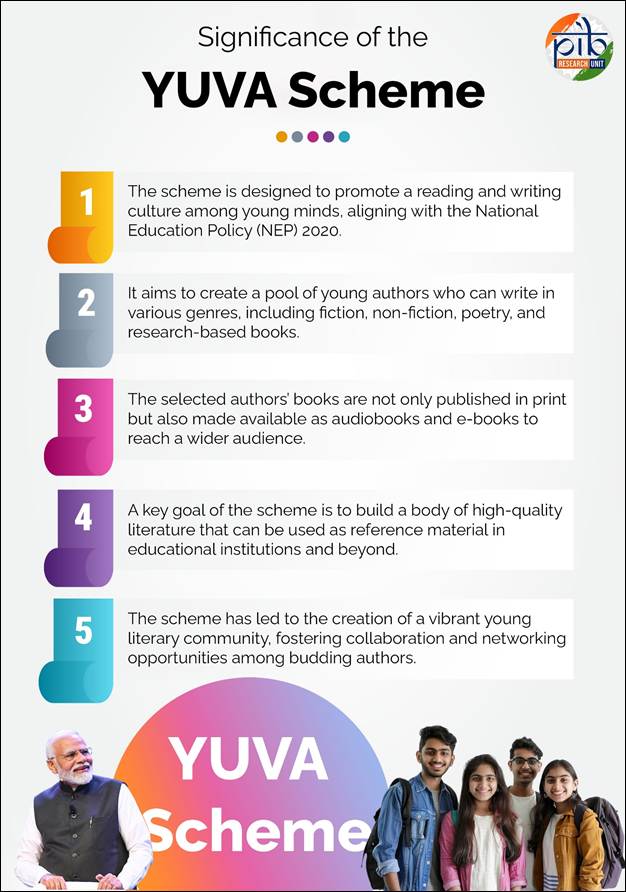
The Ministry of Education (MoE) and the National Book Trust (NBT) of India launched the thirdedition of the Prime Minister’s Young Authors Mentorship Scheme, known as YUVA 3.0, on March 11, 2025. The initiative aims to nurture young writers under 30 years of age, providing them with mentorship and exposure to hone their creative writing skills. YUVA 3.0 builds upon the success of its predecessors, YUVA 1.0 and YUVA 2.0, continuing the government’s commitment to fostering literary talent and promoting reading, writing, and book culture in India. The scheme aligns with the vision of Ek Bharat, Shreshtha Bharat, encouraging the documentation and dissemination of India’s rich cultural heritage and knowledge.
YUVA 3.0: Features and Objectives
Theme and Focus
The Themes of PM-YUVA 3.0 are: Contribution of Indian Diaspora in Nation Building; Indian Knowledge System; and Makers of Modern India (1950-2025). The scheme will help to develop a stream of writers who can write on various facets of India encompassing the past, present and future. Besides, the scheme will also provide a window to the aspiring youth to articulate themselves and present a comprehensive outlook of contribution of Indians across fields in ancient and present times.
Selection Process
The scheme invites applications from aspiring writers through MyGov India’s online portal.
A competitive process shortlists 50 young authors based on a well-defined evaluation criterion.
The National Book Trust (NBT) will constitute the selection committee.
Applicants are required to submit a book proposal of 10,000 words, which is then reviewed by a panel.
The shortlisted candidates undergo a multi-stage selection process before the final selection.
Mentorship and Support
Selected authors receive a mentorship program spanning six months.
The authors undergo workshops, interactions with mentors, and exposure to India’s literary ecosystem.
They receive financial assistance of ₹50,000 per month for six months.
Their works are published and promoted by the NBT in multiple languages.
Under the mentorship, a National Camp will be held for the PM-YUVA 3.0 Authors during the New Delhi World Book Fair 2026.
Selected authors get the opportunity to present their work at literary festivals and international forums.
Background of the YUVA Scheme
National Education Policy 2020 has emphasized on the empowerment of the young minds and creating a learning eco-system that can make the young readers/learners ready for leadership roles in the future world. India is considered to be a ‘young country’ because 66% of its total population are young and can be tapped for capacity and nation building. In this context, a national scheme for mentoring generations of young authors has proven to be a significant stepping stone for laying the foundation of the future leaders of the creative world. This scheme has been conceptualised on the premise that the 21st century India needs to groom a generation of young authors to create ambassadors of Indian literature and world view. In view of the fact that our country is ranked third in the arena of book publishing and we have a treasure trove of indigenous literature, India must project it at the global stage. The first mentorship scheme was launched on 31st May 2021, then subsequently in October 2022 and now in March 2025.
YUVA 2.0: Expansion and Achievements
Launched in October 2022, YUVA 2.0 built upon the foundation of YUVA 1.0 with a renewed focus on ‘Democracy’ as the core theme. The scheme aimed to foster young writers’ engagement with India’s democratic values, traditions, and governance structures.
Theme and Vision
The Theme of PM-YUVA 2.0 was Democracy (Institutions, Events, People, and Constitutional Values). The scheme helped in developing a stream of writers who can write on various facets of Democracy in India encompassing the past, present and future. Besides, the scheme also provided a window to the aspiring youth to articulate themselves and present a comprehensive outlook of Indian democratic values at domestic as well as international platforms.
Selection and Implementation
The competition received an overwhelming response, with a diverse pool of participants from across the country.
75 authors were selected through a competitive process. They were also required to submit a book proposal of 10,000 words.
The mentorship program included interaction with constitutional experts, historians, and renowned authors.
Special training sessions were held to enhance research skills, language proficiency, and storytelling techniques.
Outcomes and Impact
The Union Minister for Education launched 41 new books under the PM YUVA 2.0 scheme at the New Delhi World Book Fair 2025 in February.
Several books were published in multiple Indian languages, making them accessible to a broad readership.
Young authors gained national and international recognition, participating in events like the World Book Fair and literary forums.
Many participants had their books included in academic and government libraries for research and reference.
Some authors had the opportunity to meet and interact with policymakers and scholars, further enriching their perspectives.
YUVA 1.0: Inception and Legacy
The inaugural edition, YUVA 1.0, was launched in May 2021 as part of the Azadi Ka Amrit Mahotsav celebrations to commemorate 75 years of India’s independence. The scheme aimed to empower young authors and provide them a platform to express their perspectives on India’s history and contemporary narratives.
Theme and Inspiration
The theme was National Movement of India with focus on Unsung Heroes; Little known facts about the Freedom Struggle; Role of various places in National Movement; Entries bringing out new perspectives related to political, cultural, economic, or science related aspects of national movement etc. as part of Azadi ka Amrit Mahotsav. This scheme helped to develop a stream of writers who can write on a spectrum of subjects to promote Indian heritage, culture and knowledge system.
Selection and Implementation
The contestants were asked to submit a manuscript of 5000 words.
75 young authors were selected, representing diverse linguistic and regional backgrounds.
The selection was made by a committee constituted by National Book Trust (NBT).
Mentorship included training in writing, editing, and publishing processes.
Special sessions were conducted by eminent historians, journalists, and literary figures.
A consolidated scholarship of Rs.50,000 per month for a period of six monthsper author will be paid under the Mentorship Scheme.
Outcomes and Impact
The results were announced on 25.12.2021.
The books produced under YUVA 1.0 were translated into multiple Indian languages, enhancing their reach.
The initiative contributed to India’s literary heritage, encouraging young voices to document historical narratives.
Several young authors gained recognition, contributing to mainstream literature and academic discussions.
The scheme established a strong foundation for young writers, many of whom went on to publish additional books independently.
10% royalty is being paid by NBT on publication and sale of the books.
Conclusion
The YUVA scheme, in its three editions, has played a crucial role in nurturing young literary talent in India. As the program continues to evolve, it reinforces India’s commitment to promoting creative expression, multilingual literary heritage, and a culture of reading and writing among the youth. The impact of the scheme is evident in the success stories of young authors whose voices have been amplified at both national and international levels. With continued support and innovation, the YUVA scheme will remain a cornerstone of India’s literary and cultural renaissance.
The Ministry of Education, Department of Higher Education, launched PM-YUVA 3.0 -Prime Minister’s Scheme for Mentoring Young Authors, an Author Mentorship programme to train young and budding authors (below 30 years of age) in order to promote reading, writing and book culture in the country, and project India and Indian writings globally on 11th March, 2025. In view of the significant impact of the first two editions of PM-YUVA Scheme with large scale participation from young and budding authors in 22 different Indian languages and English, PM-YUVA 3.0 is now being launched.
The launch of PM-YUVA 3.0 (Young, Upcoming and Versatile Authors) is in tune with the Prime Minister’s vision to encourage the youth to understand and appreciate India’s rich culture, heritage and contribution of visionaries in the development and growth of the country.PM-YUVA 3.0 intends to bring to the fore the perspectives of the young generation of writers on the themes:1) Contribution of Indian Diaspora in Nation Building; 2) Indian Knowledge System; and 3) Makers of Modern India (1950-2025) in an innovative and creative manner. This scheme will thus help to develop a stream of writers who can write on a spectrum of subjects to promote Indian heritage, culture and knowledge system.
NEP 2020 has emphasised on the empowerment of the young minds and creating a learning ecosystem that can make the young readers/learners ready for leadership roles in the future world. India tops the chart in youth population being 66% of the total, waiting to be tapped for capacity building and thereby nation building. With the purpose of mentoring a new generation of young creative writers, there is an imminent requirement to take initiatives at highest level, and in this context, PM-YUVA 3.0 will go a long way in laying the foundation of the future leaders of the creative world.
The National Book Trust, India, under the Ministry of Education as the Implementing Agency, will ensure phase-wise execution of the Scheme under well-defined stages of mentorship. The books prepared under this scheme will be published by National Book Trust, India, and translated into other Indian languages, fostering cultural and literary exchange while promoting ‘Ek Bharat Shreshtha Bharat’. The selected young authors will engage with esteemed writers, participate in literary festivals, and contribute to a diverse body of work that reflects India’s rich heritage and contemporary progress.
The scheme aims to cultivate a new generation of writers who can articulate the contributions of the Indian diaspora in nation-building, highlighting their peaceful integration and influence across political, economic, and socio-cultural spheres. It will also emphasise on the role of Indian Knowledge System in preserving historical wisdom, generating new opportunities, and synthesising indigenous knowledge for national development. Through this initiative, young authors will explore the impact of visionaries in various fields like education, science, economy, social empowerment, etc. thereby presenting a comprehensive narrative of India’s growth and resilience.
The Schedule of PM-YUVA 3.0 (Young, Upcoming and Versatile Authors) is as follows:
Announcement of the Scheme 11 March 2025.
A total of 50 authors will be selected through an All India Contest to be conducted through https://www.mygov.in/ from 11 March 2025 – 10 April 2025.
The number of authors to be selected as per the theme:
1) Contribution of Indian Diaspora in Nation Building – 10 authors
2) Indian Knowledge System – 20 authors
3) Makers of Modern India (1950-2025) – 20 authors
The received proposals would be evaluated in April 2025.
The list of selected authors will be announced in May- June 2025.
The young authors will be trained by eminent authors/mentors from 30 June – 30 December 2025.
Under the mentorship, a National Camp will be held for the PM-YUVA 3.0 Authors during the New Delhi World Book Fair 2026.
The two-day Visitor’s Conference at Rashtrapati Bhavan concluded today.
The Conference deliberated on the themes – Flexibility in academic courses, Credit Sharing and Credit Transfer with multiple entry and exit options; Internationalisation efforts and collaboration; Translation Research and Innovation related to converting research or innovation into useful products and services; Effective student selection processes and respecting student choices in context of NEP; and Effective assessments and evaluation. The outcome of deliberations was presented before the President of India, Smt Droupadi Murmu.
In her concluding remarks, the President said that our national goal is to make India a developed country before the end of the first half of this century. To achieve this goal, all stakeholders of the educational institutions and students would have to move forward with a global mindset. Young students would make a more effective identity for themselves in the 21st century world with the strengthening of internationalisation efforts and collaborations. Availability of excellent education in our higher education institutions would decrease the tendency to study abroad. Our young talent would be better utilized in nation building.
The President said that India is moving towards becoming the third largest economy in the world. Being self-reliant is the hallmark of a truly developed, large and strong economy. Self-reliance based on research and innovation would strengthen our enterprises and economy. Such research and innovation should get every possible support. She highlighted that in developed economies, the academia-industry interface appears strong. Due to continuous exchange between the industry and higher education institutions, research work remains linked to the needs of the economy and society. She urged the heads of institutions of higher learning to make institutional efforts to have continuous discussions with senior people of industrial institutions in mutual interest. She said that this would benefit the teachers and students doing research work. She also told them that connecting the laboratories of educational institutions with local, regional, national and global needs should be their priority.
The President said that it is imperative and challenging to have an education system that is system-based and flexible according to the special talents and needs of the students. In this context, there is a need to remain constantly alert and active. Appropriate changes should continue to take place based on experience. Empowering students should be the objective of such changes.
The President said that a nation becomes strong and developed only on the strength of characterful, sensible and capable youth. In educational institutions, the character, prudence and capability of our young students are developed. She expressed confidence that the heads of institutions of higher learning would achieve the proud ideals of higher education and would present a bright future to the young children of Mother India.
Union Minister for Education Shri Dharmendra Pradhan, while addressing the gathering, expressed his gratitude to President Smt. Droupadi Murmu for her guidance and words of inspiration during the inauguration and the concluding session. He also expressed gratitude to academic leaders for their active participation and meaningful discussions at the Visitor’s Conference. He noted that their diverse perspectives and forward-thinking ideas had enriched the confluence and contributed to shaping a roadmap for the country’s bright future.
Highlighting the collective responsibility of shaping India’s education system, he emphasized that the swift and large-scale implementation of NEP 2020 should be a national mission.
Acknowledging the challenges ahead, he affirmed that with collective efforts, a shared vision, and strong commitment, the education system could be redefined, paving the way for a knowledge-driven, self-reliant Bharat on its journey to becoming a developed country by 2047.
He further underscored the significance of students as the most important stakeholders and the backbone of the education system.
Reiterating the vision of Prime Minister Shri Narendra Modi, he stressed the importance of prioritizing students’ interests by investing in their education, equipping them with the right skills, empowering them to dream big, and supporting them in achieving their aspirations—not merely as an academic obligation but as a duty toward the nation.
Union Minister of State for Education & Development of the North Eastern Region, Dr. Sukanta Majumdar presented the Vote of Thanks. Secretary, Department of Higher Education, Dr. Vineet Joshi presented the summary of the session. Shri Amit Khare, Advisor to the Prime Minister and Smt. Deepti Umashankar, Secretary to the President were also graced the occasion. Officials of the President’s house, Ministry of Education and Heads of Higher Education Institutes were also present at the event.
In addition to summing up the key takeaways of the five sessions, Dr. Joshi, in his speech, stated that the conference had served as a platform that brought together visionary leaders, educationists, and policymakers to deliberate on the future of higher education in India. He highlighted that the National Education Policy (NEP) 2020, which is a transformational reform rooted in ancient Indian principles, upholds the pursuit of knowledge (Gyan), wisdom (Pragyaa), and truth (Satya) as the highest human goals. He emphasized the five key pillars of NEP 2020, which are Learner-Centric Education, Digital Learning, Academic Research and Internationalization, Industry-Institute Collaboration, and Indian Knowledge Systems. The policy is aimed at creating a holistic, inclusive, high-quality, and accessible education ecosystem, he also added.
Session Summary:
Session 1:
The theme of the 1st Session was Flexibility in academic courses, Credit Sharing and Credit Transfer with multiple entry and exit options. The session summary was presented by Prof. Anand Bhalerao, Vice-Chancellor of the Central University of Rajasthan. He informed the key snippets of the deliberation, which were, The Need for Academic Flexibility; Credit Sharing and Transfer: A Pathway to Student Mobility; Global Best Practices as a Model for India; Multiple Entry and Exit Options Will Democratize Higher Education; and Challenges in implementation and the way forward. The Session also focused on areas of focus such as institutional readiness, Inter-university coordination, technology and infrastructure, Quality Control, and Regulatory Framework. He also informed the recommendations of the Panel which were strengthening policy and regulatory framework, building digital infrastructure for credit transfer, enhancing university collaboration and partnership, capacity building for faculty and administrators, ensuring student awareness and engagements and fostering industry collaboration and skill development.
Session 2:
The theme of the 2nd session was Internationalization efforts and collaborations and Prof. M. Jagadesh Kumar, Chairman, UGC, presented the summary. He highlighted the great potential that India has for the Internationalization of Education. Three kinds of Internationalization were discussed during the deliberation, which were encouraging Indian institutions to set up campuses outside India, the potential India has to attract international students and providing high-quality international education to Indian students in India. He especially highlighted how discussions were carried out on keeping Global South in focus. He also emphasized how Institutes can implement NEP2020, introducing the Indian Knowledge System to international students to present a unique opportunity.
Session 3:
The theme of the 3rd session was Translation Research and Innovatio. Prof. Govindan Rangarajan, Director, Indian Institute of Science (IISc) Bangalore, presented the session summary for this session. He highlighted a few challenges the HEIs face in translational research and innovation from Lab to Land. He showed the link between Science (Know-Why), Engineering (Know-How) and ‘Technology’ (Show-How). Emphasizing the importance of fundamental research, he listed the factors important for changing the faculty mindset (Publications to Products); not diluting fundamental research; link between Product patents and research papers; inspiring to solve local problems (society, industry); Translational research fellowships etc. The factors needed for building the necessary ecosystem; How to attract and partner with industry (Trust & Track record); were also discussed during the deliberation, he informed.
Session 4:
The theme of the 4th session was Effective student selection processes and respecting student choices in the context of NEP for which the session summary was presented by Prof. Manindra Agrawal, Director, IIT Kanpur.
Session 5
The theme of the 5th session was Effective Assessment & Evaluation for which the session summary was presented by Dr. K Radhakrishnan, Former Chairman, ISRO and Chairman, BoG IIT Kanpur. He elaborated on the context of the discussion, which was Technology, which is advancing exponentially and pervading (Including Pedagogy); Imperative for the multidisciplinary mind; Holistic Development of Students; Outcome-based education; and transforming the key Enablers, which are faculty, programme, and institutions. He elaborated on the facets of holistic development of studies, which include intellectual, aesthetic, social, physical, extracurricular Arts, Sports, emotional, ethical, and value-based education. He also elaborated on the discussion that took place on five dimensions of outcome-based education, which were Knowledge Acquisition (Recall); Application of Knowledge (Problem-Solving); Analytical Ability (Decipher Patterns, Trends, Critical Thinking); Synthesis (New Ideas from Multi-farious inputs); and Learning how to learn.
Click here to see the President’s speech in Hindi:







































You must be logged in to post a comment.