RBI and credit control

ReserveBankOfIndia (@RBI) / Twitter

RBI governor, Shaktikanth Das, on May 4 2022 revised the repo rates. On this context, let us look more about the credit control measures adopted by Reserve bank of India.

Reserve bank is the apex body to control the banking system in India. As we all know banks are the major link in money supply. Thus, RBI can control the money in the economy by controlling the banks. These policies are termed as monetary policy.

RBI could adopt either quantitative or qualitative methods.

Quantitative methods

Statutory Liquidity Ratio

Statutory Liquidity Ratio or SLR is the minimum percentage of deposits that a commercial bank has to maintain in the form of liquid cash, gold or other securities. It is basically the reserve requirement that banks are expected to keep before offering credit to customers. The SLR is fixed by the RBI and is a form of control over the credit growth in India.

The government uses the SLR to regulate inflation and fuel growth. Increasing the SLR will control inflation in the economy while decreasing the statutory liquidity rate will cause growth in the economy. The SLR was prescribed by Section 24 (2A) of Banking Regulation Act, 1949.

Cash Reserve Ratio

CRR is an essential monetary policy tool used for controlling the money supply in the economy, a regulation implemented in almost every nation by the Central Bank of that country.

CRR rate is the minimum percentage of cash deposits (as specified by RBI) that must be maintained by every commercial bank as per the requirement of the Central Bank.

Cash Reserve Ratio Rate is computed as a percentage of the net demand and time liabilities of each bank. Net Demand and Time Liability is reached with the total of the savings account, current account, and fixed deposit balances.

Bank rate

Bank rate is a rate at which the Reserve Bank of India (RBI) provides the loan to commercial banks without keeping any security. There is no agreement on repurchase that will be drawn up or agreed upon with no collateral as well. The RBI allows short-term loans with the presence of collateral. This is known as Repo Rate. Bank Rates in India is determined by the RBI. It is usually higher than a Repo Rate on account of its ability to regulate liquidity.

Open market operations

Open market operations refer to the selling and purchasing of the treasury bills and government securities by the central bank of any country in order to regulate money supply in the economy.

It is one of the most important ways of monetary control that is exercised by the central banks. Under this system, the central bank sells securities in the market when it wants to reduce the money supply in the market. It is done to increase interest rates. This policy is also known as the contractionary monetary policy.

Similarly, when the central bank wants to increase the money supply in the market, it will purchase securities from the market. This step is taken to reduce the rate of interest and also to help in the economic growth of the country. This policy is known as the expansionary monetary policy.

Qualitative methods

Margin Requirement:

Margin requirement refers to the difference between the current value of the security offered for loan (called collateral) and the value of loan granted. It is a qualitative method of credit control adopted by the central bank in order to stabilize the economy from inflation or deflation.

Rationing of Credit:

Rationing of credit refers to fixation of credit quotas for different business activities which is introduced when the flow of credit is to be checked particularly for speculative activities in the economy.

Moral Suasion:

The central bank makes the member bank agree through persuasion or pressure to follow its directives which is generally not ignored by the member banks. The banks are advised to restrict the flow of credit during inflation and be liberal in lending during deflation.

Speaking in Public

One of the hardest and easiest jobs to do is public speaking. If you are someone who is confident enough to speak in front of an audience, then it comes on the accessible side, which one will definitely enjoy doing. But if you are on the other side then, believe me, it is quite a task to do. I feel everyone is a victim of the brutal audience sitting over there, or the fear of going down to the stage and speaking in front of people, or sometimes one’s lack of preparation also causes some serious problems. Nevertheless, this can all be covered up.

There are some techniques which can be used to overcome the fear of the audience. These are as follows

  1. Know your content- This helps in getting an insight into what you are going to speak. Which in turn would also help to grasp the content in a better and effective way. This is the very basic step to feel confident while you are up there on the stage.
  2. Practice as much as you can- It is well said that practice makes a man perfect. Practising will make you feel easy with your content. It will familiarize you more with the content. You will get to know the different pitches, when you are supposed to speak in which pitch. Practising in front of a mirror is one of the most effective ways.
  3. Know your audience- Knowing your audience, what they expect from you can be a great help. One must know what type of audience they have and should prepare accordingly.
  4. Scan audience- Scanning for friendly faces in the audience and imagining the entire as the friendly one can also boost one’s easiness on the stage, and be extremely helpful.
  5. Redirecting Nervousness- Redirect your nervousness into bodily gestures, helps you look more engaging and confident about your content and the way you are explaining becomes attractive.
  6. Focus on the bright side- Try to be focused on the bright side of the picture. This would help in keeping away anxiety.
  7. Stay focused- Being calm and focused during all your time, while on the stage would be reflected in your performance.
  8. Keep a smile on your face- Keeping a smile unconditionally help you to feel ease at any given situation. This would be a good tip in keeping you away from the nervousness and anxiety one might face. This will give a satisfactory feeling that you are having a good time while being up there.

Veganism in a Nutshell

Once considered a niche diet, veganism has gone mainstream — so much so that the number of people following a vegan diet has increased by 350% in the last decade. By definition, veganism is a way of living in which people exclude, as much as possible, all forms of animal exploitation and cruelty.

At first glance, a vegan diet may seem complicated or overly restrictive. Many of my clients who are considering switching over to a vegan diet are initially worried about finding suitable vegan alternatives to their favourite meals. Yet, most find that once they get a few basics down, the transition is less difficult than they initially expected.

According to the Vegan Society, the term “vegan” was coined back in 1944 by a small group of vegetarians who broke away from the Leicester Vegetarian Society in England to form the Vegan Society. In addition to refraining from eating meat, they chose not to consume dairy, eggs, or any other products of animal origin The term “vegan” was chosen from the combination of the first and last letters of “vegetarian.” By 1949, the first definition of veganism had been born. It has changed slightly over the years to become what it is known as today. Many people use the term “vegan” to refer exclusively to diet. However, by this latest definition, veganism extends beyond eating a plant-based diet.

Those who identify as vegans typically aim to exclude animal exploitation or cruelty in all aspects of their lives, including the clothes they wear, the cosmetics they use, and the leisure activities they take part in .As a result, many vegans avoid purchasing wool coats, leather furniture, or down pillows and comforters. They may also opt to visit animal sanctuaries instead of going to zoos, the circus, or animal petting farms.

Reasons people go vegan

Health-Some people choose a vegan diet for its potential health benefits. Diets high in meat — especially red meat — have been linked to cancer, heart disease, and type 2 diabetes .On the other hand, plant-based diets have been linked to a lower risk of developing or prematurely dying from these diseases. Lowering your intake of animal products in favour of more plant-based options may also improve your digestion and reduce your risk of Alzheimer’s disease .A vegan diet can also help minimize the side effects linked to the antibiotics and hormones used in modern animal agriculture .Finally, vegan diets appear to be especially effective at helping people lose unwanted weight. Several studies link a vegan diet to a lower likelihood of obesity

Moral ideals-Ethical vegans strongly believe that all creatures have a right to life and freedom. They view all animals as conscious beings that, just like humans, wish to avoid pain and suffering .Because of this, ethical vegans are opposed to killing an animal in order to eat its flesh or wear its fur or skin. Vegans are also opposed to the psychological and physical stress that animals may endure as a result of modern farming practices — for instance, the small pens or cages that animals typically live in and rarely leave between their birth and slaughter.

Environment

People may also choose to avoid animal products in an attempt to limit their environmental impact. According to recent data, animal agriculture heavily contributes to greenhouse gas emissions (GHGEs), which cause climate change.Meat eaters are thought to be responsible for 2–2.5 times more GHGEs than people following a vegan diet. Ruminant animals, such as cattle, sheep, and goats, appear to emit the largest amount of greenhouse gases per gram of protein they deliver. Therefore, diets that reduce or totally eliminate dairy also produce significantly fewer GHGEs.

Foods that vegans eat

Avoiding animal products doesn’t restrict you to eating salads and tofu alone. There’s a wide variety of delicious foods you can eat on a vegan diet.

  • Beans, peas, and lentils: such as red, brown, or green lentils; chickpeas; split peas; black-eyed peas; black beans; white beans; and kidney beans
  • Soy products: such as fortified soy milk, soybeans, and products made from them, such as tofu, tempeh, and natto
  • Nuts: such as peanuts, almonds, cashews, and their butters
  • Seeds: such as sunflower seeds, sesame seeds, and their butters, as well as flaxseed, hemp seeds, and chia seeds
  • Whole grains: such as quinoa, whole wheat, whole oats, and whole grain brown or wild rice, as well as products made from these foods, such as whole grain bread, crackers, and pasta
  • Starchy vegetables: such as potatoes, sweet potatoes, corn, squash, beets, and turnips
  • Nonstarchy vegetables: such as broccoli, cabbage, asparagus, radishes, and leafy greens; these may be raw, frozen, canned, dried, or pureed
  • Fruit: such as apples, pears, bananas, berries, mango, pineapple, oranges, and tangerines; these may be purchased fresh, frozen, canned, dried, or pureed
  • Other plant-based foods: such as algae, nutritional yeast, fortified plant milks and yogurts, and maple syrup

There’s a good chance that many of the dishes you currently enjoy either already are vegan or can be made vegan with a few simple adjustments.For instance, you can swap meat-based main dishes for meals containing beans, peas, lentils, tofu, tempeh, nuts, or seeds.

Transitioning to a vegan diet is easier than most people think. That said, it does require a little additional nutrition knowledge.So if you’re interested in making the switch, consider seeking advice from a registered dietitian specializing in plant-based diets to make sure you’ve got your basics covered.Depending on your knowledge, budget, and culinary skills, you may also want to consider taking certain supplements to ensure you’re providing your body with all the nutrients it need

Veganism in a Nutshell

Once considered a niche diet, veganism has gone mainstream — so much so that the number of people following a vegan diet has increased by 350% in the last decade. By definition, veganism is a way of living in which people exclude, as much as possible, all forms of animal exploitation and cruelty.

At first glance, a vegan diet may seem complicated or overly restrictive. Many of my clients who are considering switching over to a vegan diet are initially worried about finding suitable vegan alternatives to their favourite meals. Yet, most find that once they get a few basics down, the transition is less difficult than they initially expected.

According to the Vegan Society, the term “vegan” was coined back in 1944 by a small group of vegetarians who broke away from the Leicester Vegetarian Society in England to form the Vegan Society. In addition to refraining from eating meat, they chose not to consume dairy, eggs, or any other products of animal origin The term “vegan” was chosen from the combination of the first and last letters of “vegetarian.” By 1949, the first definition of veganism had been born. It has changed slightly over the years to become what it is known as today. Many people use the term “vegan” to refer exclusively to diet. However, by this latest definition, veganism extends beyond eating a plant-based diet.

Those who identify as vegans typically aim to exclude animal exploitation or cruelty in all aspects of their lives, including the clothes they wear, the cosmetics they use, and the leisure activities they take part in .As a result, many vegans avoid purchasing wool coats, leather furniture, or down pillows and comforters. They may also opt to visit animal sanctuaries instead of going to zoos, the circus, or animal petting farms.

Reasons people go vegan

Health-Some people choose a vegan diet for its potential health benefits. Diets high in meat — especially red meat — have been linked to cancer, heart disease, and type 2 diabetes .On the other hand, plant-based diets have been linked to a lower risk of developing or prematurely dying from these diseases. Lowering your intake of animal products in favour of more plant-based options may also improve your digestion and reduce your risk of Alzheimer’s disease .A vegan diet can also help minimize the side effects linked to the antibiotics and hormones used in modern animal agriculture .Finally, vegan diets appear to be especially effective at helping people lose unwanted weight. Several studies link a vegan diet to a lower likelihood of obesity

Moral ideals-Ethical vegans strongly believe that all creatures have a right to life and freedom. They view all animals as conscious beings that, just like humans, wish to avoid pain and suffering .Because of this, ethical vegans are opposed to killing an animal in order to eat its flesh or wear its fur or skin. Vegans are also opposed to the psychological and physical stress that animals may endure as a result of modern farming practices — for instance, the small pens or cages that animals typically live in and rarely leave between their birth and slaughter.

Environment

People may also choose to avoid animal products in an attempt to limit their environmental impact. According to recent data, animal agriculture heavily contributes to greenhouse gas emissions (GHGEs), which cause climate change.Meat eaters are thought to be responsible for 2–2.5 times more GHGEs than people following a vegan diet. Ruminant animals, such as cattle, sheep, and goats, appear to emit the largest amount of greenhouse gases per gram of protein they deliver. Therefore, diets that reduce or totally eliminate dairy also produce significantly fewer GHGEs.

Foods that vegans eat

Avoiding animal products doesn’t restrict you to eating salads and tofu alone. There’s a wide variety of delicious foods you can eat on a vegan diet.

  • Beans, peas, and lentils: such as red, brown, or green lentils; chickpeas; split peas; black-eyed peas; black beans; white beans; and kidney beans
  • Soy products: such as fortified soy milk, soybeans, and products made from them, such as tofu, tempeh, and natto
  • Nuts: such as peanuts, almonds, cashews, and their butters
  • Seeds: such as sunflower seeds, sesame seeds, and their butters, as well as flaxseed, hemp seeds, and chia seeds
  • Whole grains: such as quinoa, whole wheat, whole oats, and whole grain brown or wild rice, as well as products made from these foods, such as whole grain bread, crackers, and pasta
  • Starchy vegetables: such as potatoes, sweet potatoes, corn, squash, beets, and turnips
  • Nonstarchy vegetables: such as broccoli, cabbage, asparagus, radishes, and leafy greens; these may be raw, frozen, canned, dried, or pureed
  • Fruit: such as apples, pears, bananas, berries, mango, pineapple, oranges, and tangerines; these may be purchased fresh, frozen, canned, dried, or pureed
  • Other plant-based foods: such as algae, nutritional yeast, fortified plant milks and yogurts, and maple syrup

There’s a good chance that many of the dishes you currently enjoy either already are vegan or can be made vegan with a few simple adjustments.For instance, you can swap meat-based main dishes for meals containing beans, peas, lentils, tofu, tempeh, nuts, or seeds.

Transitioning to a vegan diet is easier than most people think. That said, it does require a little additional nutrition knowledge.So if you’re interested in making the switch, consider seeking advice from a registered dietitian specializing in plant-based diets to make sure you’ve got your basics covered.Depending on your knowledge, budget, and culinary skills, you may also want to consider taking certain supplements to ensure you’re providing your body with all the nutrients it need

India’s Disinvestment Policy a New Economic Policy

Source: jagranjosh

Disinvestment is a philosophy of new economic policy of India. It is complete denationalization of assets. India adopted Disinvestment of government’s equity in PSUs and the opening up of closed areas to private participation. In recent years, the issue of privatization have been brought to the forefront due to the large scale fiscal deficits that the government has been facing.

The New Industrial Policy announced on 24th July, 1991, was an attempt to meet conditionalities imposed by IMF  and World Bank in exchange of loan. The new economic policy was increasing the role and importance of the private sector in Industrial economy of the country and various measures were announced to achieve this purpose.

In August 1996, a five member Disinvestment was set up under the chairmanship of G V Ramakrishna former planning commission member and former chairman of SEBI with an aim to introduce mass ownership and promoting worker’s shareholding. The process was expected to eventually transform the existing state owned enterprises into public owned companies. Before measure the full fledged Disinvestment strategy; there are few terms of reference for the commission as to draw long term investment programme within 5 to 10 years for PSU referred it. To determine the extent Disinvestment in each PSU;prioritize PSUs referred to it by the core group terms if the overall disinvestment programme.

Source: Business Standard

To supervise the overall sale process and take decisions on the instrument as well as pricing. To select the financial advisors for the specified PSU to facilitate the investment process. Ensure the appropriate measures are taken during the investment process to Protect the interest of the affected employees.

Objectives of Disinvestment

The following objectives were stated in July 1991 are :-

• To improve overall economic efficiency

• To reduce fiscal deficit

• To diversify the ownership of PSU for enhancing efficiency of individual enterprises.

• To reduce the financial burden on the government.

• To improve public finance.

• To encourage wider share of ownership.

• To introduce, completion and market discipline.

• To raise funds for technological upgradation modernization and expansion of public sector enterprises

Rangarajan Committee on PSU Disinvestment, Krishnamurthy reconstituted in November 1992 with C Rangarajan as its chairman. To devise criteria for selection of public sector units for disinvestment during1992 – 1993. Advise on limits on the percentage of equity to be sold respect of each unit. To indicate the modus operandi of investment. Lay down criteria for valuation of equity shares of PSUs and make other recommendations related to disinvestment.

Methods of Disinvestment

The policy on Disinvestment has evolved considerably from the time of industrial policy of 24th July, 1991 stated that in order to raise resources and encourage wider public participation, a part of the government’s shareholding in the public sector would be offered to mutual fund, financial institutions, general public and workers.

When minority shareholding of the central government in 30 individual CPSEs was sold to select financial institutions. On recommendation of Rangarajan Committee in 1993 scope for investment continue to increase and evolve over the time To meet the targets traditional modes like IPO (Initial Public Offer) and FPO (Follow on Public Offer).

The government revived schemes like strategic sakes, made significant. Refinements in order to maintain sale through auction methods and over the time introduced new ideas like ETF for CPSEs to broader base choice alternatives available for Disinvestment.

Methods that adopted in 2017 – 2018 for investment

• Offer for Sale (OFS) the kind of sales shares by promoters through stock exchange mechanism adopting auction routes.

• Initial Public Offering are listed in CPSE or sales by government out of shareholding.

• Strategic Sale are substantial portion of the Government shareholding of a Central Public Sector Enterprise (CPSE) along with transfer of management control. Buy their own share by cash rich PSUs. Institutional Placement Program (IPP) only Institutions can participate.

• CPSE Exchange Traded Fund Disinvestment through ETF routes allows sale of government of India stake in various CPSEs across diverse sectors through a single product offering.


India's Disinvestment Policy a New Economic Policy

Source: jagranjosh

Disinvestment is a philosophy of new economic policy of India. It is complete denationalization of assets. India adopted Disinvestment of government’s equity in PSUs and the opening up of closed areas to private participation. In recent years, the issue of privatization have been brought to the forefront due to the large scale fiscal deficits that the government has been facing.

The New Industrial Policy announced on 24th July, 1991, was an attempt to meet conditionalities imposed by IMF  and World Bank in exchange of loan. The new economic policy was increasing the role and importance of the private sector in Industrial economy of the country and various measures were announced to achieve this purpose.

In August 1996, a five member Disinvestment was set up under the chairmanship of G V Ramakrishna former planning commission member and former chairman of SEBI with an aim to introduce mass ownership and promoting worker’s shareholding. The process was expected to eventually transform the existing state owned enterprises into public owned companies. Before measure the full fledged Disinvestment strategy; there are few terms of reference for the commission as to draw long term investment programme within 5 to 10 years for PSU referred it. To determine the extent Disinvestment in each PSU;prioritize PSUs referred to it by the core group terms if the overall disinvestment programme.

Source: Business Standard

To supervise the overall sale process and take decisions on the instrument as well as pricing. To select the financial advisors for the specified PSU to facilitate the investment process. Ensure the appropriate measures are taken during the investment process to Protect the interest of the affected employees.

Objectives of Disinvestment

The following objectives were stated in July 1991 are :-

• To improve overall economic efficiency

• To reduce fiscal deficit

• To diversify the ownership of PSU for enhancing efficiency of individual enterprises.

• To reduce the financial burden on the government.

• To improve public finance.

• To encourage wider share of ownership.

• To introduce, completion and market discipline.

• To raise funds for technological upgradation modernization and expansion of public sector enterprises

Rangarajan Committee on PSU Disinvestment, Krishnamurthy reconstituted in November 1992 with C Rangarajan as its chairman. To devise criteria for selection of public sector units for disinvestment during1992 – 1993. Advise on limits on the percentage of equity to be sold respect of each unit. To indicate the modus operandi of investment. Lay down criteria for valuation of equity shares of PSUs and make other recommendations related to disinvestment.

Methods of Disinvestment

The policy on Disinvestment has evolved considerably from the time of industrial policy of 24th July, 1991 stated that in order to raise resources and encourage wider public participation, a part of the government’s shareholding in the public sector would be offered to mutual fund, financial institutions, general public and workers.

When minority shareholding of the central government in 30 individual CPSEs was sold to select financial institutions. On recommendation of Rangarajan Committee in 1993 scope for investment continue to increase and evolve over the time To meet the targets traditional modes like IPO (Initial Public Offer) and FPO (Follow on Public Offer).

The government revived schemes like strategic sakes, made significant. Refinements in order to maintain sale through auction methods and over the time introduced new ideas like ETF for CPSEs to broader base choice alternatives available for Disinvestment.

Methods that adopted in 2017 – 2018 for investment

• Offer for Sale (OFS) the kind of sales shares by promoters through stock exchange mechanism adopting auction routes.

• Initial Public Offering are listed in CPSE or sales by government out of shareholding.

• Strategic Sale are substantial portion of the Government shareholding of a Central Public Sector Enterprise (CPSE) along with transfer of management control. Buy their own share by cash rich PSUs. Institutional Placement Program (IPP) only Institutions can participate.

• CPSE Exchange Traded Fund Disinvestment through ETF routes allows sale of government of India stake in various CPSEs across diverse sectors through a single product offering.


Microfinance as a tool for financial inclusion

Traditional microfinance and borrower welfare - IGC Growth Brief

Indian economy is one of the developing economies in the world and is expected to reach new heights in the coming decades. But a sizeable population of this economy particularly the poor, underprivileged, disadvantaged and vulnerable group of people does not have access to most basic financial services. Formal lending agencies often left the poor unbanked on account of high levels of transaction cost incurred in lending to the poor. Their access to formal banking channels was constrained to their resource base as well as the nature of formal credit institutions. The demand for collateral security that a micro- borrower did not possess, the credit worthiness of the poor, high transaction cost due to difficulties in screening, and unattractive business proposition due to tiny savings and loans, were the deterrents faced by the formal lending institutions in loaning to the poor. Consequently, the poor continued to be dependent on informal sector lending, paying exorbitant rates of interest or underselling the product and their labor power to the creditor. Formal financial system was less accommodative to women.

The realization that this sort of unequitable development could not lead to the well -being of the society raised the need for financial inclusion. Financial inclusion is delivery of financial services like bank accounts, savings product, remittances and payment services, insurance, financial advisory services and micro credit to weaker sections in rural and urban areas at an affordable cost. It also involves actions to provide access to formal financial system like nationalized banks. Government of India and Reserve bank of India have taken series of measures and have experimented various alternatives to take financial services to the masses, but the task is stupendous, hence the pace of work should be accelerated and sustained. Since the formal banking system was limited to collateral based lending, there arose a need for developing a new system for financing the marginalized sections.
Microfinance by providing small loans and facilities to those who have been excluded from commercial financial services, has wider scope in the area of financial inclusion. The basic idea of microfinance is that poor people are ready and willing to pull themselves out of poverty if given access to economic inputs. The need for informality in credit delivery and easy access is denoted by the fast growth of microfinance providers in reaching out to small borrowers. The major microfinance providers in India are SHG-Bank linkage model, Non- Banking Financial Institutions and some trusts. Among these initiatives Self Help Groups have emerged out as an efficient alternative as they are uniquely positioned among the beneficiaries. Many of them operate over a limited geographical area, have a greater understanding among the rural poor, enjoy greater acceptability among the people and have flexibility in operations providing a level of comfort to their clientele. This fills the existing gap between formal financial networks and unfinanced poor weaker sections which is the intention of financial inclusion.

The SHG-bank linkage program gained extensive acceptance amongst NGO community and bankers. Establishing one million SHGs, the NABARD envisioned covering one third of the rural population in India. By the year 2002–03, promulgations were made for linking 200,000 SHGs. Visually perceiving SHG-bank linkage program emerging as a major way of banking with the poor in the ensuing years, the task force on microfinance estimated that at least 25,000 bank branches, 4000 NGOs, and 2000 federations of SHGs involving 0.10 million personnel of these institutions would scale up microfinance to a great magnitude.

For example, in Kerala, Kudumbashree Mission has emerged as one of the renowned Self-help group initiatives on a worldwide basis. Even though it was incorporated with the mission of women empowerment, it has grown out as source for economic empowerment for the marginalized sections of the society. It has outnumbered several other financial institutions in the case of provision of microfinance and has emerged out as a reliable tool for financial inclusion.

Microfinance as a tool for financial inclusion

Traditional microfinance and borrower welfare - IGC Growth Brief

Indian economy is one of the developing economies in the world and is expected to reach new heights in the coming decades. But a sizeable population of this economy particularly the poor, underprivileged, disadvantaged and vulnerable group of people does not have access to most basic financial services. Formal lending agencies often left the poor unbanked on account of high levels of transaction cost incurred in lending to the poor. Their access to formal banking channels was constrained to their resource base as well as the nature of formal credit institutions. The demand for collateral security that a micro- borrower did not possess, the credit worthiness of the poor, high transaction cost due to difficulties in screening, and unattractive business proposition due to tiny savings and loans, were the deterrents faced by the formal lending institutions in loaning to the poor. Consequently, the poor continued to be dependent on informal sector lending, paying exorbitant rates of interest or underselling the product and their labor power to the creditor. Formal financial system was less accommodative to women.

The realization that this sort of unequitable development could not lead to the well -being of the society raised the need for financial inclusion. Financial inclusion is delivery of financial services like bank accounts, savings product, remittances and payment services, insurance, financial advisory services and micro credit to weaker sections in rural and urban areas at an affordable cost. It also involves actions to provide access to formal financial system like nationalized banks. Government of India and Reserve bank of India have taken series of measures and have experimented various alternatives to take financial services to the masses, but the task is stupendous, hence the pace of work should be accelerated and sustained. Since the formal banking system was limited to collateral based lending, there arose a need for developing a new system for financing the marginalized sections.
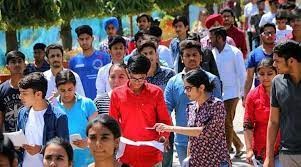
Microfinance by providing small loans and facilities to those who have been excluded from commercial financial services, has wider scope in the area of financial inclusion. The basic idea of microfinance is that poor people are ready and willing to pull themselves out of poverty if given access to economic inputs. The need for informality in credit delivery and easy access is denoted by the fast growth of microfinance providers in reaching out to small borrowers. The major microfinance providers in India are SHG-Bank linkage model, Non- Banking Financial Institutions and some trusts. Among these initiatives Self Help Groups have emerged out as an efficient alternative as they are uniquely positioned among the beneficiaries. Many of them operate over a limited geographical area, have a greater understanding among the rural poor, enjoy greater acceptability among the people and have flexibility in operations providing a level of comfort to their clientele. This fills the existing gap between formal financial networks and unfinanced poor weaker sections which is the intention of financial inclusion.

The SHG-bank linkage program gained extensive acceptance amongst NGO community and bankers. Establishing one million SHGs, the NABARD envisioned covering one third of the rural population in India. By the year 2002–03, promulgations were made for linking 200,000 SHGs. Visually perceiving SHG-bank linkage program emerging as a major way of banking with the poor in the ensuing years, the task force on microfinance estimated that at least 25,000 bank branches, 4000 NGOs, and 2000 federations of SHGs involving 0.10 million personnel of these institutions would scale up microfinance to a great magnitude.

For example, in Kerala, Kudumbashree Mission has emerged as one of the renowned Self-help group initiatives on a worldwide basis. Even though it was incorporated with the mission of women empowerment, it has grown out as source for economic empowerment for the marginalized sections of the society. It has outnumbered several other financial institutions in the case of provision of microfinance and has emerged out as a reliable tool for financial inclusion.

Healthy alternatives to coffee.

Golden milk

Made with several spices including ginger, cinnamon, turmeric and black pepper, this caffeine-free traditional Indian drink is a comforting yet invigorating concoction that’s sure to wake your senses in the morning. Cardamom, vanilla and honey can also be added to the mix.

Apple cider

Cider made with real apple cider vinegar is great for supporting digestion, since apple cider vinegar contains enzymes that can help balance blood sugar levels, control your appetite, and potentially ward off issues like heartburn and indigestion.

Coffee is the go-to morning beverage for many, while others choose not to drink it for a host of reasons.For some, the high amount of caffeine — 95 mg per serving — can cause nervousness and agitation, also known as “the jitters.” For others, coffee can cause digestive distress and headaches. Many simply don’t care for the bitter taste or are bored with their usual morning cup of Joe. Drinking too much coffee can be detrimental because of its high caffeine content. “Too much caffeine may pose a danger to your health,” the U.S. Food and Drug Administration warns. People are now are slowly dropping coffee from their daily diet and are looking for healthier beverages. This is a sign for you to rethink your caffeine intake. There are several other drinks that can help you stay awake in the morning aside from coffee. They are-



Hot cacao

Brewed cacao is a low caffeine drink that is rich in theobromine, a mild central nervous system stimulant. It offers all the “decadent flavors of dark chocolate, without any of the sugar and fat, and virtually no calories,” licensed dietitian/nutritionist Monica Reinagel wrote in an article for Food & Nutrition.

Lemon Water

 Lemon water is a great way to start your day. It’s calorie- and caffeine-free and provides an ample dose of vitamin C.As an antioxidant, vitamin C plays a role in your immune system and protects your skin from sun damage. It’s essential for creating collagen, a protein that provides the basic structure for your skin, tendons and ligaments.

You can also add other fruits and herbs for a variety of flavors — cucumbers, mint, watermelon and basil are some popular options.

Herbal tea

Herbal tea like rooibos ( from South Africa) and chai tea (from India )can be great healthy alternatives to caffeine. Most herbal teas are caffeine-free, although it depends on the exact kind.They may help to support your energy levels by keeping you calm and aiding in sleep quality, and by supporting digestive/gut health. Unlike coffee ,teas are  low in tannin antioxidants, which can be beneficial but also interfere with the absorption of iron. Despite a low tannin content it provides a substantial amount of other antioxidants .

Kombucha

Kombucha is made by fermenting black tea with bacteria, yeast and sugar.After fermentation, kombucha contains probiotics, acetic acid and antioxidants — all of which may have health benefits .kombucha may boost your immune system, improve cholesterol levels and blood glucose levels in people with diabetes

Healthy alternatives to coffee.

Golden milk

Made with several spices including ginger, cinnamon, turmeric and black pepper, this caffeine-free traditional Indian drink is a comforting yet invigorating concoction that’s sure to wake your senses in the morning. Cardamom, vanilla and honey can also be added to the mix.

Apple cider

Cider made with real apple cider vinegar is great for supporting digestion, since apple cider vinegar contains enzymes that can help balance blood sugar levels, control your appetite, and potentially ward off issues like heartburn and indigestion.

Coffee is the go-to morning beverage for many, while others choose not to drink it for a host of reasons.For some, the high amount of caffeine — 95 mg per serving — can cause nervousness and agitation, also known as “the jitters.” For others, coffee can cause digestive distress and headaches. Many simply don’t care for the bitter taste or are bored with their usual morning cup of Joe. Drinking too much coffee can be detrimental because of its high caffeine content. “Too much caffeine may pose a danger to your health,” the U.S. Food and Drug Administration warns. People are now are slowly dropping coffee from their daily diet and are looking for healthier beverages. This is a sign for you to rethink your caffeine intake. There are several other drinks that can help you stay awake in the morning aside from coffee. They are-


Hot cacao

Brewed cacao is a low caffeine drink that is rich in theobromine, a mild central nervous system stimulant. It offers all the “decadent flavors of dark chocolate, without any of the sugar and fat, and virtually no calories,” licensed dietitian/nutritionist Monica Reinagel wrote in an article for Food & Nutrition.

Lemon Water

 Lemon water is a great way to start your day. It’s calorie- and caffeine-free and provides an ample dose of vitamin C.As an antioxidant, vitamin C plays a role in your immune system and protects your skin from sun damage. It’s essential for creating collagen, a protein that provides the basic structure for your skin, tendons and ligaments.

You can also add other fruits and herbs for a variety of flavors — cucumbers, mint, watermelon and basil are some popular options.

Herbal tea

Herbal tea like rooibos ( from South Africa) and chai tea (from India )can be great healthy alternatives to caffeine. Most herbal teas are caffeine-free, although it depends on the exact kind.They may help to support your energy levels by keeping you calm and aiding in sleep quality, and by supporting digestive/gut health. Unlike coffee ,teas are  low in tannin antioxidants, which can be beneficial but also interfere with the absorption of iron. Despite a low tannin content it provides a substantial amount of other antioxidants .

Kombucha

Kombucha is made by fermenting black tea with bacteria, yeast and sugar.After fermentation, kombucha contains probiotics, acetic acid and antioxidants — all of which may have health benefits .kombucha may boost your immune system, improve cholesterol levels and blood glucose levels in people with diabetes

Narmada  Bachao Andolan

In 1985, Narmada  bachao andolan became an Indian social ,and environmental movement. Narmada Bachao Andolan is the most powerful mass movement, started in 1985, against the construction of huge dam on the Narmada river. Narmada is the India’s largest west flowing river, which supports a large variety of people with distinguished culture and tradition ranging from the indigenous (tribal) people inhabited in the jungles here to the large number of rural population. The proposed Sardar Sarovar Dam and Narmada Sagar will displace more than 250,000 people. Narmada bachao andolan was led by native tribals, farmers environmentalists and Human Rights activist. Narmada bachao andolan was against and number of large Dam projects across the river Narmada, which to the states of Gujarat Madhya Pradesh and Maharashtra. The big fight is over the resettlement or the rehabilitation of these people. The two proposals are already under construction, supported by US$550 million loan by the World Bank. There are plans to build over 3000 big and small dams along the river. This protest, to express the views against a large number of dams being contrasted near Narmada river, brought a large number of adivasis, farmers, environmentalists, and human rights activists together. The movement involved prominent celebrities and people went on hunger strikes to show their support for the cause. The decision is still pending, though the court initially ruled the decision in the Andolan’s favor, thereby effecting an immediate stoppage of work at the dam and directing the concerned states to first complete the rehabilitation and replacement process. Later the court allowed the construction to proceed.

It is a multi crore project that will generate a big revenue for the government. The Narmada Valley Development plan is the the most promised and most challenging plan in the history of India. The proponents are of the view that it will produce 1450 MW of electricity and pure drinking water to 40 million people covering thousand of villages and towns. Some of the dams have been already been completed such as Tawa and Bargi Dams. But the opponents says that this hydro project will devastate human lives and bio diversity by destroying thousand of acres of forests and agricultural land. On the other hand it will overall deprive thousands of people of their livelihood. They believe that the water and energy could be provided to the people through alternative technological means that would be ecologically beneficial.

Medha Patkar and Baba Amte together let a series of protests, some of which failed while the others achieved success. In September 1989, Amte led a 60,000-person anti-dam NBA rally in Harsud—a town of 20,000 people in Madhya Pradesh that faced submersion. In May 1990, a massive NBA five-daydharna (sit-in) at then-Prime Minister V. P. Singh’s residence in New Delhi forced the Prime Minister to agree to ‘‘reconsider’’ the project. In December 1990, Amte, along with 5,000 protestors, began the Narmada Jan Vikas Sangharsh Yatra (Narmada people’s progress struggle march), marching over a hundred kilometers from Amte’s headquarters near Barwani in Madhya Pradesh to Ferkuva on the Madhya Pradesh–Gujarat border. The government reacted by deploying the Gujarati police force and by bussing in thousands of governmentsupported pro-dam demonstrators from urban centers in Gujarat. Following the government’s announcement that rising waters from the dam would begin to submerge villages, domestic protest intensified and with it the resulting backlash from the state. On January 5, 1991, Amte began a ‘‘dharna [sit-in] unto death.’’

The most popular slogans of the NBA were Vikas Chahiye, vinash nahin! (‘‘We want development, not destruction’’) and Koi nahi hatega, bandh nahi banega! (‘‘No one will move, the dam will not be built’’).Led by one of the prominent leader Medha Patkar, it has now been turned into the International protest, gaining support from NGO’S all around the globe. Protestors are agitating the issue through the mass media, hunger strikes, massive marches, rallies and the through the on screen of several documentary films. Although they have been protesting peacefully, but they been harassed, arrested and beaten up by the police several times. The Narmada Bachao Andolan has been pressurizing the world bank to withdraw its loan from the project through media .The strong protests throughout the country not only made impact on the local people but has also influenced the several famous celebrities like film star Aamir Khan , who has made open efforts to support Narmada Bachao Andolan. He said he only want that those who have been rendered homeless should be given a roof. He pleaded to the common people to take part in the moment and come up with the best possible solutions. .

 In october 2010 Supreme Court approved construction in decided that the height of the Dam to be raised 90m. This is much higher than 88m which anti Dam activist demanded but it is definitely lower than the proposed height of 130 m. As the World Bank withdrew its financing in 1933 the project is now largely financed by the state governments and market borrowings ,now the project is expected to be fully completed by 2025.

Narmada Bachao Andolan

In 1985, Narmada  bachao andolan became an Indian social ,and environmental movement. Narmada Bachao Andolan is the most powerful mass movement, started in 1985, against the construction of huge dam on the Narmada river. Narmada is the India’s largest west flowing river, which supports a large variety of people with distinguished culture and tradition ranging from the indigenous (tribal) people inhabited in the jungles here to the large number of rural population. The proposed Sardar Sarovar Dam and Narmada Sagar will displace more than 250,000 people. Narmada bachao andolan was led by native tribals, farmers environmentalists and Human Rights activist. Narmada bachao andolan was against and number of large Dam projects across the river Narmada, which to the states of Gujarat Madhya Pradesh and Maharashtra. The big fight is over the resettlement or the rehabilitation of these people. The two proposals are already under construction, supported by US$550 million loan by the World Bank. There are plans to build over 3000 big and small dams along the river. This protest, to express the views against a large number of dams being contrasted near Narmada river, brought a large number of adivasis, farmers, environmentalists, and human rights activists together. The movement involved prominent celebrities and people went on hunger strikes to show their support for the cause. The decision is still pending, though the court initially ruled the decision in the Andolan’s favor, thereby effecting an immediate stoppage of work at the dam and directing the concerned states to first complete the rehabilitation and replacement process. Later the court allowed the construction to proceed.

It is a multi crore project that will generate a big revenue for the government. The Narmada Valley Development plan is the the most promised and most challenging plan in the history of India. The proponents are of the view that it will produce 1450 MW of electricity and pure drinking water to 40 million people covering thousand of villages and towns. Some of the dams have been already been completed such as Tawa and Bargi Dams. But the opponents says that this hydro project will devastate human lives and bio diversity by destroying thousand of acres of forests and agricultural land. On the other hand it will overall deprive thousands of people of their livelihood. They believe that the water and energy could be provided to the people through alternative technological means that would be ecologically beneficial.

Medha Patkar and Baba Amte together let a series of protests, some of which failed while the others achieved success. In September 1989, Amte led a 60,000-person anti-dam NBA rally in Harsud—a town of 20,000 people in Madhya Pradesh that faced submersion. In May 1990, a massive NBA five-daydharna (sit-in) at then-Prime Minister V. P. Singh’s residence in New Delhi forced the Prime Minister to agree to ‘‘reconsider’’ the project. In December 1990, Amte, along with 5,000 protestors, began the Narmada Jan Vikas Sangharsh Yatra (Narmada people’s progress struggle march), marching over a hundred kilometers from Amte’s headquarters near Barwani in Madhya Pradesh to Ferkuva on the Madhya Pradesh–Gujarat border. The government reacted by deploying the Gujarati police force and by bussing in thousands of governmentsupported pro-dam demonstrators from urban centers in Gujarat. Following the government’s announcement that rising waters from the dam would begin to submerge villages, domestic protest intensified and with it the resulting backlash from the state. On January 5, 1991, Amte began a ‘‘dharna [sit-in] unto death.’’

The most popular slogans of the NBA were Vikas Chahiye, vinash nahin! (‘‘We want development, not destruction’’) and Koi nahi hatega, bandh nahi banega! (‘‘No one will move, the dam will not be built’’).Led by one of the prominent leader Medha Patkar, it has now been turned into the International protest, gaining support from NGO’S all around the globe. Protestors are agitating the issue through the mass media, hunger strikes, massive marches, rallies and the through the on screen of several documentary films. Although they have been protesting peacefully, but they been harassed, arrested and beaten up by the police several times. The Narmada Bachao Andolan has been pressurizing the world bank to withdraw its loan from the project through media .The strong protests throughout the country not only made impact on the local people but has also influenced the several famous celebrities like film star Aamir Khan , who has made open efforts to support Narmada Bachao Andolan. He said he only want that those who have been rendered homeless should be given a roof. He pleaded to the common people to take part in the moment and come up with the best possible solutions. .

 In october 2010 Supreme Court approved construction in decided that the height of the Dam to be raised 90m. This is much higher than 88m which anti Dam activist demanded but it is definitely lower than the proposed height of 130 m. As the World Bank withdrew its financing in 1933 the project is now largely financed by the state governments and market borrowings ,now the project is expected to be fully completed by 2025.

I want to paint you

“… I want to paint you.”

She was surprised, sure enough. But she was also curious. Her face concealed nothing, and that was what fascinated me. As she walked through the gallery, each piece evoked something unique from inside her, and she did not bother to mask it.

Anyone could read the critique in her face, if they took the time. It is an artist’s dream – to clearly see the emotions we inspire with our work.Many had passed by my work since the showing began, pausing for a moment, offering a quick word of praise. I didn’t approach them. But, when she came to my painting, she lingered.

At first, she kept a sort of distance, taking in the portrait from optimum perspective.Then, she moved closer. Closer, still.

Narrowing her eyes, following the strokes of brush that formed arms and legs, and the arch of the neck. But, instead of smiling, like the others, she was disturbed. There was a distinct anxiety resting in her eyes. And that anxiety shattered me faster than any editorial the local paper had ever dished out. Editorials can be shredded with triumphant pleasure. But in the slight furrow of her brow, and the downward tug of her lips, this woman single handedly brought my heartbeat to a most uncomfortable rhythm. It was this distinct discomfort that pulled me from my place of observation and motivated me to speak.

“Something wrong?” I asked. I startled her, but she smiled and returned her attention to the portrait.“I was just looking at this dancer,” she replied.“Yes, but you seemed… upset?” I ventured. “What is it about the dancer?”

She darted her eyes at me for a moment, but only long enough to decide to continue our conversation.“It’s just, I feel sorry for her,” she explained.“Sorry?” I wasn’t sure what to think, really. “Why?”

“Because, I think she is lonely.”

That threw me off guard. I was accustomed to the usual praise.

“Beautiful.”

“Profound!”

“Truly, one of a kind.”

It grew tiresome in a way, but it was comfortably expected. The local venues were always thrilled with my offerings, but over time, my enthusiasm was reduced to contempt. When my secretary had first booked this showing for my latest piece, I almost threw my coffee at her. I was exhausted with the weekend shows at The Courtyard. True, they had conjured a good deal of business as of late, but I felt no satisfaction at the end of the day. All I could hope for were a few simple remarks, no real conversation.

No true appreciation.I had little expectation for this showing. My most recent work was a portrait of a ballet dancer. A studio had commissioned it, but agreed to let me display it at the show before delivery. It was simple in concept, but stood out amid the offerings of that particular show. Amid the bulky sculptures and spattering of interpretive study, my dancer’s clean lines were in stark contrast. Dark strokes outlined her body against white canvas, highlighting her single color.A pale violet tutu.“Please, what makes you say that?” I pressed herThis time, she turned to face me, surely intending to end our discussion, or perhaps threaten to call security. I had to save myself quickly.“Forgive me, it’s just, I am Stephen Erik,” I said. Her eyes widened, right on cue. “You mean, you’re the–”“Yes, I’m the one responsible for this… sad little dancer,” I replied, through somewhat gritted teeth.Sad. Sad was not the word I had imagined when bringing this piece to life. There was a soft laugh mingled with her smile, and I thought I saw a faint blush in her cheeks.“It’s wonderful to meet you, Mister Erik. I always hope to see something of yours here at the gallery, and I’ve never been disappointed.”At this, I felt I was able to breathe again. “And, you are?” I prodded.“Grace.”“Well now, Grace, please, indulge me? Why do you say the dancer is lonely?”For a moment, she hesitated, and I almost regretted revealing my identity as the artist. I’ve discovered that nice people are often afraid to offend the creator of the work. Perhaps they think we mix our own blood into the paint, or clay, or watercolors. I have never had such an attachment, although others surely have. More than spared feelings, I always craved true reaction. And, happily for me, Grace could not taper her true impressions.“She holds herself tightly. Like no one else has ever held her before,” she told me.I looked again at the portrait.

Yes, her arms were crossed over her chest, and her feet tightly planted in fifth position. I had sketched her hands myself, and yet, I had not quite noticed how tightly her fingers grasped. Or, perhaps I had done this.Perhaps I had subconsciously slipped my own hands into those of the dancer.“That’s quite an observation,” I replied. “Is that all?”“No,” she admitted. “The color. Purple. It’s such a lonely color.”I chuckled a little. “As opposed to, shall we say, yellow?”Her eyes darted back to me, wholly unamused. “Yellow can be lonely, too.”“Oh, really? How so? Tell me this philosophy of yellow,” I implored.“Yellow is a friendly color. It has lots of friends. Lots of people flock to yellow, because it smiles so much. And then, when yellow cries, they don’t know what to do. Because yellow is the one who smiles. So they just wait. Maybe they hand yellow some tissues or something. But it’s not what yellow really needs. So yellow is lonely, too,” she replied.

“Even surrounded by people who love them.”I was silent for a long while. I didn’t really know what to say. So much thought, so much perception into a color that rarely graced the edge of my palette. “And… purple?”She took a breath. “I think purple holds all of its feelings inside itself, until it is alone. And then, it cries. But nobody sees.”At that moment, I knew.

I wanted to paint this

International Nurses Day 2022: A Few Facts 

On this International Nurses Day on 12 May, I offer my salute to all Nurses including Florence Nightingale as when I was born (a little more than 65 years ago) in addition to others a nurse took care of me to take a breath in this world.  So, I have huge regard for all medical staff as my father completed his MBBS in the early 1950s rendered his selfless service to human beings in general and the poor in particular. 

This year like the earlier two years because of the awful impact of COVID19, people of the world irrespective of rich or poor, caste, creed, religion, language, etc., have been observing the services rendered by the nurses along with other medical staff. Even a few nurses have passed away while nursing the patients and many have been infected with the coronavirus.  

Anyway, every year 12 May is celebrated as International Nurses Day in commemoration of the birth anniversary of Florence Nightingale. It may be mentioned here that Florence Nightingale was born on 12 May 1820 in a wealthy and well-connected British family at the Villa Colombia. She was a British social reformer and statistician, and the founder of contemporary nursing. Moreover, she was a great human being and had feelings for sufferers, and for this reason, she came to prominence while serving as a manager and trainer of nurses during the Crimean War, in which she organized to care for wounded soldiers.

The International Council of Nurses (ICN) has announced the new theme for International Nurses Day (IND) 2022: Nurses: A Voice to Lead – Invest in nursing and respect rights to secure global health, focusing on the need to protect, support, and invest in the nursing profession to strengthen health systems around the world.  According to the publication, “Nurses: A Voice to Lead Invest in nursing and respect rights to secure global health”   by the INTERNATIONAL COUNCIL OF NURSES (2022)

The benefits of protecting the safety of nurses include the following:

• Reduced hospital-acquired infections

• Greater productivity, increased job satisfaction, and improved retention of nurses

• Improved workplace health and safety, which improves patient safety and patient outcomes

• Supporting stronger and more resilient health systems

• Reduction in workplace induced injury and illnesses and improved health and wellbeing

• Improved return on investment.

Also, it is evident from the publication that “WHO estimates that from January 2020 to May 2021 at least 180,000 health and care workers died as a result of COVID-19 (WHO 2021b). These deaths are a terrible tragedy. In addition to the human toll, the ever-expanding ripple effect is the growing and irreplaceable gap in the health workforce leading the world’s pandemic response”.

The President International Council of Nurses Dr. Pamela Cipriano said: “Nurses have suffered tremendously throughout the pandemic. They have been unnecessarily exposed to the virus, faced attacks from the public, suffered from extreme workloads, and continue to be underpaid and undervalued. If governments continue to put off investing in the health workforce, it will be to the detriment of health systems everywhere. There is no health without a healthy workforce!

‘The International Nurses Day case studies that we have been collecting portray the incredible work of nurses, and our IND theme for 2022 will continue to promote nursing work and fight for nurses’ rights to a safe working environment, decent wages, and full participation in decision-making.”

Florence Nightingale although has passed away on 13 August 1910 but will remain alive in the hearts and memories of millions in the world for her humanitarian service.

.

International Nurses Day 2022: A Few Facts 

On this International Nurses Day on 12 May, I offer my salute to all Nurses including Florence Nightingale as when I was born (a little more than 65 years ago) in addition to others a nurse took care of me to take a breath in this world.  So, I have huge regard for all medical staff as my father completed his MBBS in the early 1950s rendered his selfless service to human beings in general and the poor in particular. 

This year like the earlier two years because of the awful impact of COVID19, people of the world irrespective of rich or poor, caste, creed, religion, language, etc., have been observing the services rendered by the nurses along with other medical staff. Even a few nurses have passed away while nursing the patients and many have been infected with the coronavirus.  

Anyway, every year 12 May is celebrated as International Nurses Day in commemoration of the birth anniversary of Florence Nightingale. It may be mentioned here that Florence Nightingale was born on 12 May 1820 in a wealthy and well-connected British family at the Villa Colombia. She was a British social reformer and statistician, and the founder of contemporary nursing. Moreover, she was a great human being and had feelings for sufferers, and for this reason, she came to prominence while serving as a manager and trainer of nurses during the Crimean War, in which she organized to care for wounded soldiers.

The International Council of Nurses (ICN) has announced the new theme for International Nurses Day (IND) 2022: Nurses: A Voice to Lead – Invest in nursing and respect rights to secure global health, focusing on the need to protect, support, and invest in the nursing profession to strengthen health systems around the world.  According to the publication, “Nurses: A Voice to Lead Invest in nursing and respect rights to secure global health”   by the INTERNATIONAL COUNCIL OF NURSES (2022)

The benefits of protecting the safety of nurses include the following:

• Reduced hospital-acquired infections

• Greater productivity, increased job satisfaction, and improved retention of nurses

• Improved workplace health and safety, which improves patient safety and patient outcomes

• Supporting stronger and more resilient health systems

• Reduction in workplace induced injury and illnesses and improved health and wellbeing

• Improved return on investment.

Also, it is evident from the publication that “WHO estimates that from January 2020 to May 2021 at least 180,000 health and care workers died as a result of COVID-19 (WHO 2021b). These deaths are a terrible tragedy. In addition to the human toll, the ever-expanding ripple effect is the growing and irreplaceable gap in the health workforce leading the world’s pandemic response”.

The President International Council of Nurses Dr. Pamela Cipriano said: “Nurses have suffered tremendously throughout the pandemic. They have been unnecessarily exposed to the virus, faced attacks from the public, suffered from extreme workloads, and continue to be underpaid and undervalued. If governments continue to put off investing in the health workforce, it will be to the detriment of health systems everywhere. There is no health without a healthy workforce!

‘The International Nurses Day case studies that we have been collecting portray the incredible work of nurses, and our IND theme for 2022 will continue to promote nursing work and fight for nurses’ rights to a safe working environment, decent wages, and full participation in decision-making.”

Florence Nightingale although has passed away on 13 August 1910 but will remain alive in the hearts and memories of millions in the world for her humanitarian service.

.