Give Data on Number of Deaths Due to Oxygen Shortage During 2nd Wave, Centre Tells States

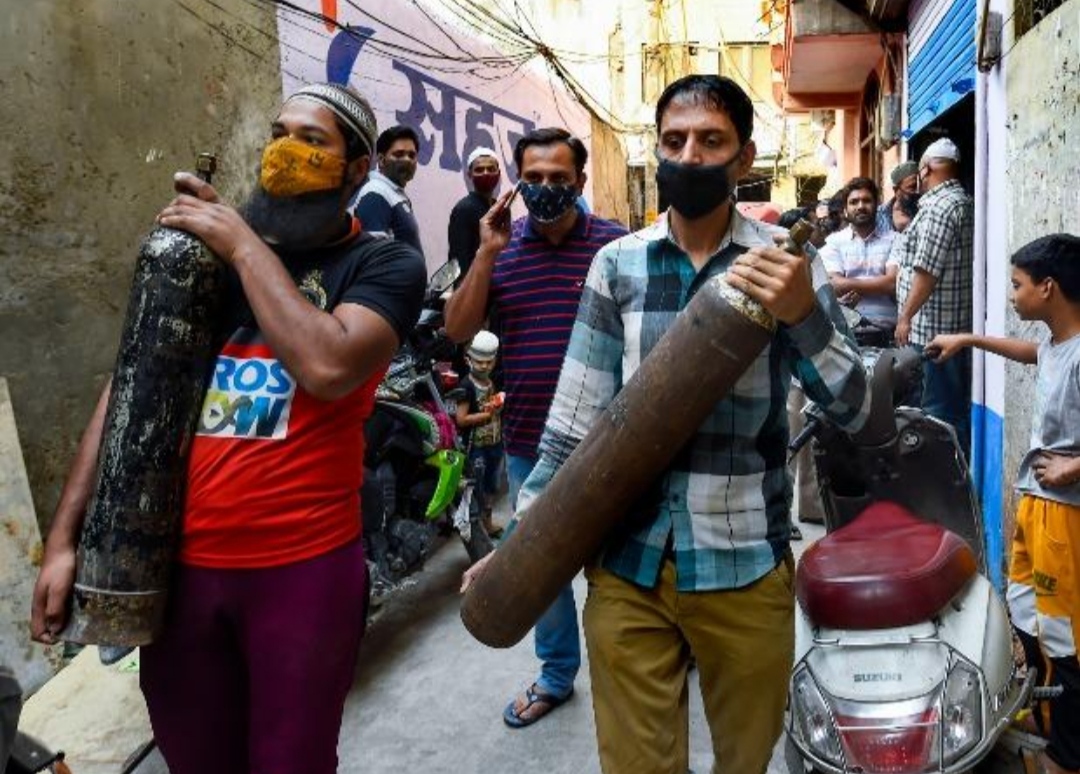
The central government wrote to the states and sought data on the number of deaths that took place due to lack of oxygen during the second Covid-19 wave. The data will be collated and presented in Parliament before the monsoon session ends on August 13.

“We have been getting repeated questions on oxygen deaths in the parliament ” a govt official told CNN-News18.

Last week, responding to a question on the acute shortage of oxygen during the second wave of the pandemic, the Health Ministry had said in Rajya Sabha that “no deaths due to lack of oxygen have been specifically reported by States and Union Territories.”

Delhi Health Minister Satyendar Jain had then said that there have been several deaths because of oxygen shortage in Delhi and other places across the country.

The second wave had seen several private hospitals across the country, especially the national capital, take to twitter with SOS messages pointing out acute shortage of oxygen and demanding urgent help.

IMPORTANCE OF MOTIVATION IN ORGANIZATION

1) Improves Performance:

The ability to do the job and the willingness to do both work affect a person’s efficiency. The ability to do the job is achieved through the help of education and training and the determination to do the job is achieved through the help of motivation.

Determination is more important than ability. For example, a person is highly educated and employed for this reason. But it does not matter if you are doing an outstanding job.

He should be encouraged to do good work. This is only possible through

Motivation. Therefore, motivation improves efficiency. Efficiency of a

One is characterized by increased productivity and lower cost.

2) Helps to Change the Negative or Tired Opinion of Employees:

Some employees of the organization have a negative attitude. They always think that doing a lot of work will not bring honor. The counselor uses a variety of techniques to change this attitude.

3) Reduced Employee Benefit:

The dignity of an organization is affected by the benefit of employees. This creates a lot of problems for managers. A lot of time and money is wasted on recruiting staff and providing them with education and training.

The only motivation can save the organization from such damage. Motivated people work longer hours in the organization and there is a decline in profitability.

4) It leads to employee stability

Staff stability is very important from the point of view of dignity and interest in concern. Employees can remain honest in business only when they feel they have participated in management. The skills and efficiency of the staff will always be beneficial to both the staff and the employees. This will lead to a positive public image in the market which will attract talented and trained people. As the saying goes, “Creating enough gold” and the role of promotion here, people are older, more knowledge and their preparation has become a concern that can be useful in business.

From the above discussion, we can say that motivation is an inner feeling that only Mentor can understand since he is in close contact with the staff. Needs, wants and desires are related and are the driving force. These needs can be understood by the Counselor and he or she can arrange incentive programs accordingly. We can say that motivation is therefore an ongoing process because the motivation process is based on unlimited needs. The process should continue everywhere.

We can summarize that motivation is important for individuals and businesses. Motivation is important for each person as:

Motivation will help him achieve his goals.
If a person is motivated, he will have a job satisfaction.
Motivation will help in personal development.
One will always benefit by working with a strong team.
Similarly, inspiration is as important to a business as:

The more employees are motivated, the more powerful the team becomes.
What is more is team work and the provision of individual employees, a highly profitable and successful business.
During the amendment, there will be more flexibility and art.
Motivation will lead to a positive and challenging attitude at work.

5) Helps to Reduce Unemployment within the Organization:

In some organizations, the unemployment rate is high. There are many causes for this negative work environment, poor relationships with colleagues and management, anonymity in the organization, insufficient remuneration, etc. Mentor removes all such shortcomings and encourages employees. Motivational employees are not always absent from work as the workplace becomes a source of joy for them.

Stock Market

A stock market is a cluster of buyers and sellers of the stocks representing the ownership claims on businesses which may include securities listed on a public stock exchange, as well as stock that is only traded privately, such as shares of private companies which are sold to investors through equity crowdfunding platforms. Investment is done through  stockbrokerages and electronic trading platforms which is a computer software program that can be used to place orders for financial products over a network with a financial intermediary. Investment is usually made with an investment strategy in mind. A stockbroker is a person who is a registered trading representative.

The total market capitalization of equity backed securities worldwide rose from US$2.5 trillion in 1980 to US$68.65 trillion at the end of 2018. As of December 31, 2019, the total market capitalization of all stocks worldwide was approximately US$70.75 trillion. The largest stock exchange markets are US stock exchange, Japan stock exchange and UK stock exchange.

Many large companies have their stocks listed on a stock exchange. This makes the stock more liquid and thus more attractive to many investors. Large companies, mainly the multi national companies have there stocks listed in various stock exchange markets. Trade in stock markets means the transfer (in exchange for money) of a stock or security from a seller to a buyer. This requires these two parties to agree on a price. Equities (stocks or shares) confer an ownership interest in a particular company. Equity is ownership of assets that may have debts or other liabilities attached to them. Equity is measured for accounting purposes by subtracting liabilities from the value of the assets.

A potential buyer bids a specific price for a stock, and a potential seller asks a specific price for the same stock. Buying or selling at the Market means you will accept any ask price or bid price for the stock. When the bid and ask prices match, a sale takes place, on a first-come, first-served basis if there are multiple bidders at a given price. The stock exchange provides a safe marketplace facilitating the exchange of securities between buyers and sellers.

Parenting and their types

Introduction:
Parenting is a way of parents understanding and learning about their children’s needs, emotional and psychological and physical ability. This does not have exclusivity to biological parents. It is the process of raising children in a healthy and loving environment where they have the space to grow and learn more about themselves and their needs. When children are raised properly, they learn to give back to the society and turn out to be good citizens. The type of parenting a child receives is very important as that determines what kind of person the child is going to grow up to be. The four types of parenting styles are: Authoritarian parenting, Authoritative parenting, Permissive parenting and Uninvolved parenting.


• Authoritarian Parenting:
Authoritarian parenting is when the parents are controlling and strict and they give very little freedom to their children. These parents are more focus on setting rules and regulations for their children rather than understanding them and their feelings. They always focus on how success is important and following the rules and listening to the parents is important. We can see very less self esteem in the children brought up with this kind of parenting as it gives children very little room to think for themselves and learn from their mistakes as their parents control every aspect of their life.


• Authoritative Parenting:
Authoritative parenting is much better way to bring up children compared to Authoritarian parenting as in this the parents show both strictness and warmth towards their children. Even though the parents write a few rules and regulations that children are supposed to follow, they are also given their own time and space to think about what they want to do and if it’s the right way to go forward with. Your children get to make their own decisions while having their parents support. We can see children with most self esteem compared to children who were brought up with authoritarian style of parenting.


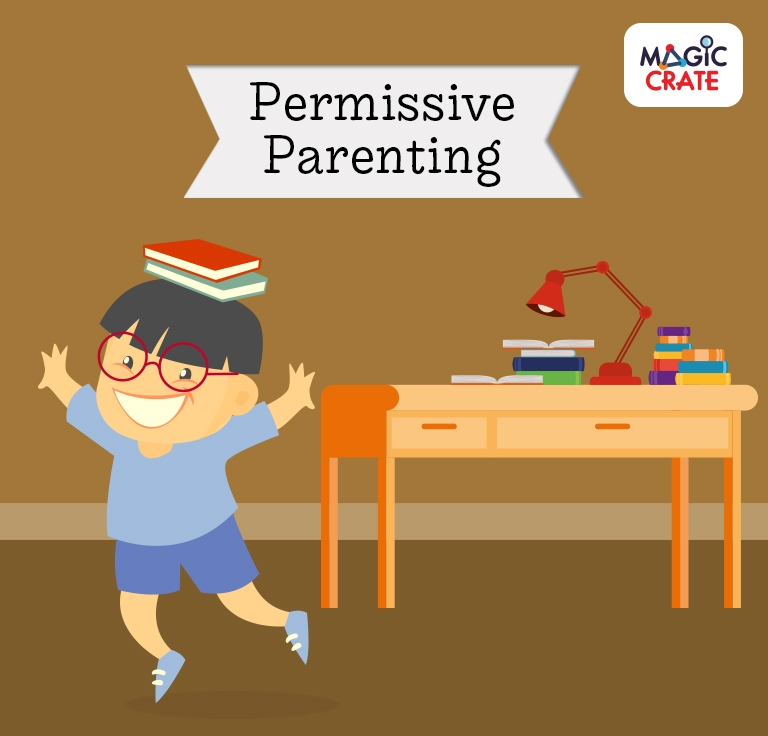
• Permissive Parenting:
In the style of parenting the parents are caring and not showing but also not strict with rules and regulations. We can see a good relationship between the parents and children. The children are free to think for themselves and make their own decisions but they also learn to take responsibilities for their actions. Here, parents have low expectations and children show poor self control as they need to make all the decisions and some children might not adapt to this quickly. We can also see how children who grew up with this style of parenting have relationship problems in the future.


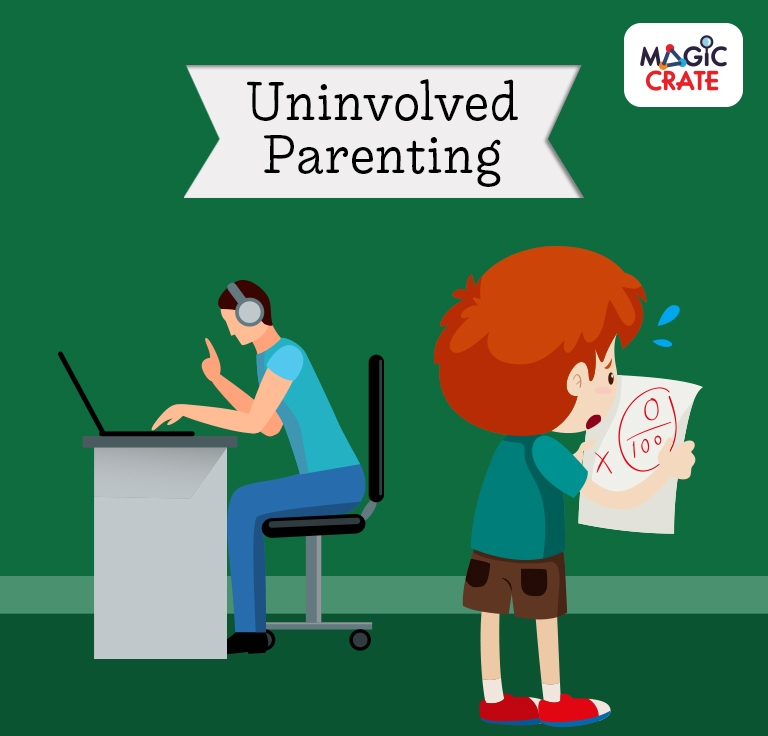
• Uninvolved Parenting:
This style of parenting is where the parents are not involved in the lives of their children. They think that just by providing them basic needs such as food, shelter etc, they have done their duty and they do not need to think about anything else anymore. There is no discipline strategy or any rules. The children are just left on their own to tackle the world. They are not given any ideas or strategies to go forward with. Children have to be responsible for themselves. Here we can see the children have very low self-esteem as they don’t know what to do with their life as they have never been led by an authority before.


Conclusion:
I understand that every parent would prefer a different kind of parenting but the main point of parenting is to help your children grow and it should be done at their pace. Some kids might be quick in learning and some slow but it’s all right because if they’re taught about how things work, they might learn it quickly. Make sure to always know your children and try to understand their needs and abilities.

The Increasing Divorce Rate in India

In every relation there are some degree of conflicts involve which is very common in the stressful situation. Maximum couple faced a lot of split up after arrival of Covid-19 related to financial matters. The initial lockdown period started with all sort of creative things but with the passage of time it grown with increasing conflicts and misunderstanding between the couples. Covid-19 and lockdown had brought a massive disaster all over the world and had sown the seeds of increasing divorce rate worldwide. Divorce is always subjected as a taboo in our country where all the litigation and bulky process of inquiry is undesirable and this is the reason people usually avoid getting divorced in India.

It’s a sad reality that we human being had a tendency of adjusting and compromising with the situation and this are the foundation of maximum of Indian marriages. As the global outburst occurred it had directly affected on the personal space of the couple by shrinking them inside four walls of the house. In such adverse circumstances acceptance and compromising things becomes much more complicated. We all known that spending time together as well as  taking breaks make things sorted and better but due to this lockdown the burden of work increased for the working partner resulting in increasing fights and conflicts which ultimately ends up in split up of the couples. Females are the backbone of any family who are always found in the receiving end of the all the troubles faced by the family. With the arrival of lockdown period the financial, mental as well as health problems raised a lot being in stuck in such pathetic situation ultimately ends up with increasing bitterness among the family and gradually this bitterness finally leads to divorce of the couple. The increasing divorce rate in India is the clear indication of the growing strained relations. In a famous lawyer platform it was found that after the arrival of this lockdown period they got six to ten calls each day regarding divorce and 20% of divorce cases are increased as per records. But before the arrival of this outbreak of corona there were other factors too which are the root cause of divorce between the couples. They are:

  • Absence of Commitment
  • Increasing Argument between the Family
  • Marriage at Young Age
  • Lack of Equality
  • Increasing Abuse and Agony

  Love is something very pure but also dynamic in nature and because of increasing fights and misunderstanding people decides to end up the relation by giving divorce. Commitment and trust plus respect are the base of any relationship. Abuse and violence are the major reason of ending up of a relationship. Many a time the reason of getting divorce is addiction which is in the form of alcohol, drugs, gambling and even pornography. In some cases these obsession are maintained and the marriage can be repaired but in most of the cases the outcome is negative only. India is a country for love thus we all should learn to spread positivity and managing our relationships.

Is work from home approach the best for the environment?

This pandemic has forced us to switch onto the online mode of work, since going to office is a near impossible task during these difficult times. Most of the corporate offices have adapted to the WFH trend. But the major question arises is the environment benefited from this choice.

For the roughly 20% to 40% of employees who can work from home, many companies are announcing that post-pandemic work won’t necessarily take place at work – at least not five days a week. Microsoft, Spotify, Salesforce, Google, Facebook, Nationwide insurance, Capital One and Citigroup, among others, have embraced hybrid configurations combining remote work and time in the office. There soon could be four times as many people working from home as did pre-Covid.

Shopify’s CEO declared in May of last year that remote work would become a permanent fixture. Accounting for the energy consumption of its nearly 6,000 employees working from home in 2020, Shopify’s emissions dropped 29%, according to Kauk. But “last year isn’t typical remote work,” she said. “It’s remote work during Covid.” What happens when the world opens back up?

Kauk posed the dilemma to Watershed, a software outfit that helps companies track and reduce their carbon footprints.

When workers’ homes become their offices, commutes may fall out of the carbon equation, but what’s happening inside those homes must be added in. How much energy is being used to run the air conditioner or heater? Is that energy coming from clean sources? In some parts of the country during lockdown, average home electricity consumption rose more than 20% on weekdays, according to the International Energy Agency. IEA’s analysis suggests workers who use public transport or drive less than four miles each way could actually increase their total emissions by working from home.

URBAN FLOODING: DROWNING CITIES AND INCREASING VULNERABILITY

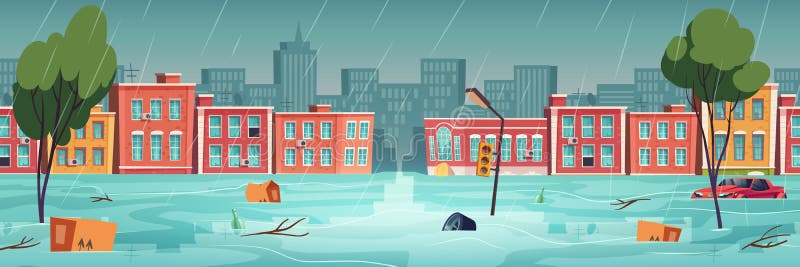
The cities are continuously experiencing extreme flooding events which requires attention and proper solution before it gets converted to a deadly disaster. URBAN FLOODING is a chronic process which is caused due because the city landscapes fail yo absorb or manage the rainfall. Urban Flooding is separate and different from coastal and riverine flooding and are more frequent and localized.

What is Urban Flooding ?

Urban Flooding is the flooding happening in urban areas due to excessive runoff in urban areas and because the runoff doesn’t get managed properly. This phenomenon can be caused during heavy rainfalls as well as in small amount of rainfall. Even small amount of rain can deteriorate or cause flooding due to inadequate infrastructure and actions taken by neighborhood or city to manage the storm water, especially in impoverished, neglected and socio-economic isolated urban communities. Urban flooding has three components: (i) caused by rainfall; (ii) falls on impervious surfaces; and (iii) increases the level of local storm water drainage capacity. These components along with heavy rainfall or precipitation, climate change, outdated drainage infrastructure and storm water management infrastructures and increased urbanization can cause major challenge and disaster in urban areas. Urban Flooding is caused due to the climate change and extreme weather conditions of the cities. The phenomenon becomes more and more frequent and common in urban areas these days. While untimely heave rains can be seen as a consequence of climate change, the urban flooding can be seen as the consequence of unplanned urbanization.

URBAN FLOODING

Urban Flooding in India

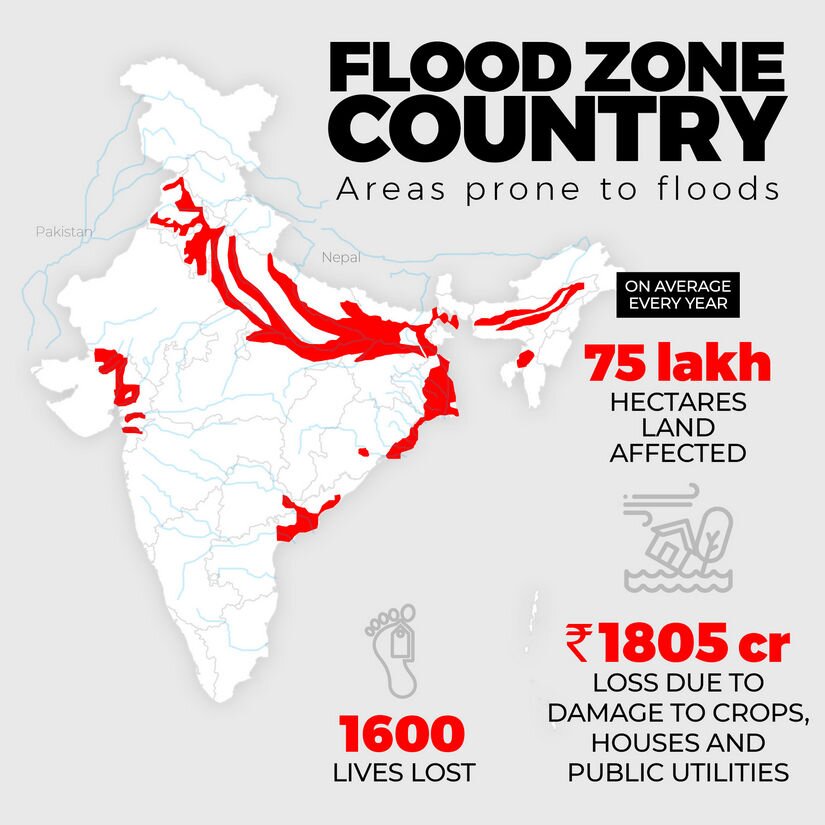
The rate of urban flooding has been increasing in India and it is severely affecting the major cities. Some of the most disastrous urban flooding were found in Mumbai (2005), Kolkata (2007), Delhi (2009), Bangalore (2015) and Hyderabad (2020) the most recent doubt. Flooding in India is mostly found in its peak in monsoons seasons and many times when the storm surges at coastal cities urban flooding is caused. There are many other causes of urban flooding also, like failure to release water from dams, increasing proportion of built up area etc. In addition to these causes, Urban Heat Island effect has also resulted in an increase in rainfall over urban areas. Global climate changes results in extreme weather patterns and increased incidences of heavy rainfall occurring over shorter periods of time. This phenomenon is also increasing sea level and threatening all the coastal cities.

URBAN FLOODING IN INDIA
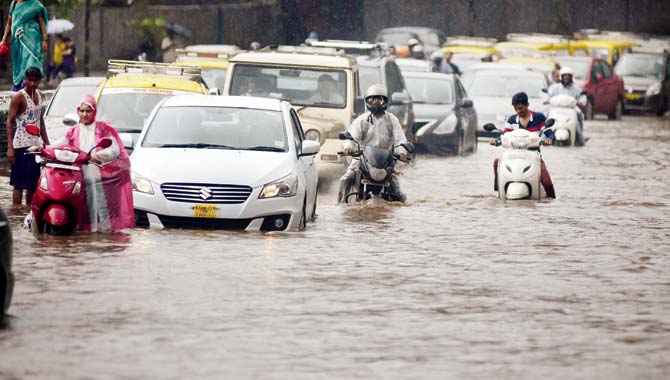
URBAN FLOODING IN NEW DELHI, INDIA

Factors behind Urban Flooding

There are number of factors behind the phenomenon and some of the major factors behind this phenomenon are

  1. Inadequate Drainage Facilities: There are many cities in the country who are relying on age old drainage systems which are efficient in carrying the rainfall when heave rainfall happens. These drains don’t have adequate capacity for carrying them.
  2. Alteration of Natural Drains: Cities have been built and developed by flattening the natural terrain and altering and manipulating the natural drainage routes.
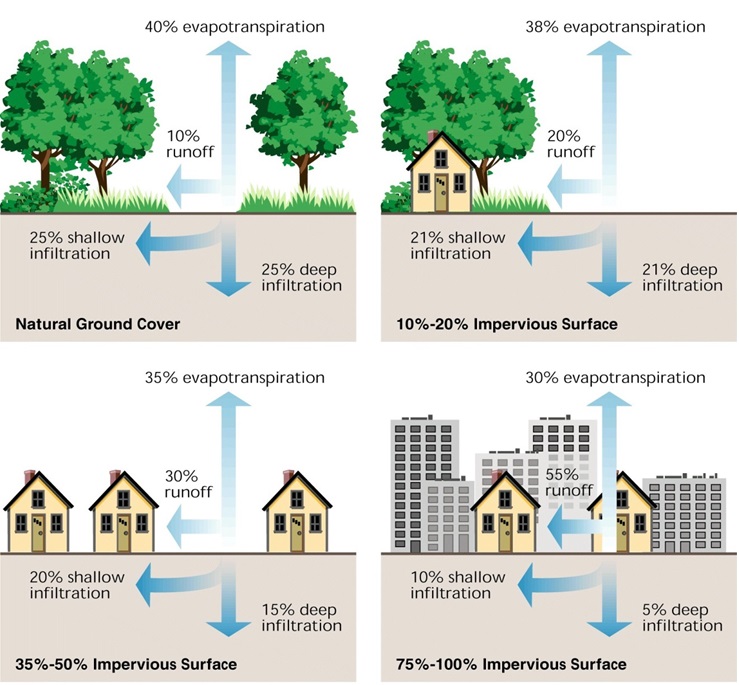
  3. Increasing Imperviousness and Reducing Seepage: With increasing urbanization, the proportion of impervious areas is also increasing. With this the seepage of rainwater decreases and leads to flooding.
  4. Encroachment over Natural Spaces: The developments are encroaching the green spaces, water bodies, open spaces etc. which are natural areas and have the ability to seep water.
HOW URBANIZATION CAUSES URBAN FLOODING
HOW INCREASING BUILT UP AREA CAUSE URBAN FLOODING ?

With the increasing rate of urbanization the capacity of natural drains has decreases and results in flooding. Improper solid waste disposal and dumping of construction debris into the drains which also contributes significantly to the reduction in capacity of the natural drains. This problem will keep on increasing with increasing population because the demand of living spaces and infrastructures are met by encroaching over floodplains and green spaces. Hence, it is important to manage and regulate the developmental works taking place in the city.

Neighbourhoods

 The term neighborhood is often used to describe the sub divisions of urban or rural settlements. In its purest definition, a neighborhood is the vicinity in which people live. Neighbourhood unit idea was proposed by Clarence Perry in 1929. Neighborhoods have some particular physical or social characteristics that distinguish them from the rest of the settlement. The clustering of these neighborhoods has formed towns, villages, and cities. The Neighbourhood unit plan in brief is the effort to create a residential neighbourhood to meet the needs of family life in a unit related to the larger whole but possessing a distinct entity. 

Perry described the neighborhood unit as that populated area which would require and support an elementary school with an enrolment of between 1,000 and 1,200 pupils. This would mean a population of between 5,000 and 6,000 people. Developed as a low density dwelling district with a population of 10 families per acre, the neighborhood unit would occupy about 160 acres and have a shape which would render it unnecessary for any child to walk a distance of more than one-quarter mile to school. 

About 10% of the area would be allocated to recreation, and through traffic arteries would be confined to the surrounding streets, internal streets being limited to service access for residents of the neighborhood. The unit would be served by shopping facilities, churches, library and a community center, the latter being located in conjunction with the school. Perry outlined six basic principles of good neighborhood design. As may be understood, these core principles were organized around several institutional, social and physical design ideals. 

  1. Major arterials and through traffic routes should not pass through residential neighborhoods. Instead these streets should provide boundaries of the neighborhood 
  2. Interior street patterns should be designed and constructed through use of cul-de-sacs, curved layout and light duty surfacing so as to encourage a quiet, safe and low volume traffic movement and preservation of the residential atmosphere 
  3. The population of the neighborhood should be that which is required to support its elementary school 
  4. The neighborhood focal point should be the elementary school centrally located on a common or green, along with other institutions that have service areas coincident with the neighborhood boundaries 
  5. The radius of the neighborhood should be a maximum of one quarter mile thus precluding a walk of more than that distance for any elementary school child 
  6. Shopping districts should be sited at the edge of neighborhoods preferably at major street intersections.
Neighbourhood unit

Principles of Neighbourhood Planning 

1) Size 

The town is divided into selfcontained units or sectors of 10,000 populations. This is further divided into smaller units called neighbourhood unit with 2,000 to 5,000 based on the requirement of one primary school. The size of the unit is therefore limited to about 1 to 1.5 sq km i.e. within walkable distance of 10 to 15 minutes. 

2) Boundaries 

The unit should be bounded on all its sides by main road, wide enough for traffic. 

3) Protective Strips 

These are necessary to protect the neighbourhood from annoyance of traffic and to provide suitable facilities for developing parks, playgrounds and road widening scheme in future. These are also called Minor Green Belts. 

4) Internal Streets 

The internal streets are designed to ensure safety to the people and the school going children in particular, since the mothers are anxious every day till the safe return of the child. The internal streets should circulate throughout the unit with easy access to shops and community centres. 

5) Layout of Buildings 

To encourage neighbourhood relation and secure social stability and balance, houses to suit the different income group should be provided such as single family houses, double family houses, cottages, flats, etc. 

6) Shopping Centres 

Each shop should be located on the circumference of the unit, preferably at traffic junctions and adjacent to the neighbourhood units. 

7) Community Centres 

Each community will have its centre with social, cultural and recreational amenities. 

8) Facilities 

All public facilities required for the family for their comfort and convenience should be within easy reach. These include the primary school, temple, club, retail shop, sport centre, etc. These should be located within 1km in the central place so as to form a nucleus to develop social life of the unit.

Neighborhood in the Contemporary Urban Context 

The concept of neighborhood unit in traditional built environments and rural settlements constituted a strong sense of attachment, identity, admittance and belonging for inhabitants. Neighborhood feeling in contemporary urban environments is less dependent on the sharing of common close physical residential environment. Impacts of urbanization, rise of mass society, modernization, improved inter connectivity and the consequent increased socio-spatial mobility in the neighborhood has been highly destructive. Increasing mobility and transportation facilities have opened up new possibilities, thereby disregarding the benefits expected of a neighborhood. 
Remote activities and changed lifestyles of dwelling occupants thus become the basic factors that shape the social environment. This issue causes segregation of the social environment from the immediate physical environment. Most of the current housing approaches concentrate on the physical attributes of single dwelling units and exclude the fact that the dwelling units rarely stand alone in a given physical space. The high-rise settlement blocks with inadequately planned physical environment characterize most of the contemporary developments. This however does not diminish the importance of the neighborhood unit.


Digital Literacy

 In the times of increasing dependency on digital technology, digital literacy plays a vital role for learning or working in this virtual world. Digital literacy refers to the skills and knowledge to access and use the digital technology responsibly.It is also called the survival skill in this digital world. 

It does not only mean the knowledge to use digital platforms, it also includes other skills such as critical thinking, practical and functional skills, efficient communication, curating information, collaboration, creativity, E-safety, cultural and social understanding, required while operating a digital platform. Digital literacy is extremely important to overcome the obstacles while learning or working in the digital era. 

It does not refer to just a technical know-how or the ability to read content online. It includes the understanding of basic rules, social practices and ethics while using cyberspace. The digital world is filled with information on various topics. It becomes imperative to know how to access and consume credible information. Awareness about the fact that every piece of information received online may not be true is extremely important. 

Most of the content online is shareable. Therefore it is important to check the credibility of the information and know the impact that the shared information can have on others. The content is also searchable. So it is important to know how to search for relevant information. Not every information we see online may be the latest one, its relevance needs to be checked before consuming or sharing it further. 

The cyberspace is interconnected with each other, people can connect here easily. Digital communication is always two-way.  Most of the content has the option to receive feedback. So it is an important aspect of digital literacy to learn effective communication skills for the digital platform. Communication can be both formal or informal in cyberspace. Nowadays, a number of career options require online collaboration and digital communication skills. 

The online behaviour of users also plays an important role. Often people do not realise the consequence of their actions online and take their digital presence for granted. Digital literacy makes people aware to make a safe cyberspace and avoid cyber bullying, abuse and harassment. It is crucial to know about the basic internet safety measures like setting a strong password, maintaining password secrecy, privacy settings in social media, reporting fake accounts etc. 

Digital literacy is being promoted in educational institutions so that the students can find and consume accurate information. The students can access diverse learning content from the digital space, especially from the facilities like the digital library. 

In this constantly changing world of technology, Digital Literacy is a lifelong learning process. The basic knowledge of functioning digitally and constantly learning about the latest updates and features of cyberspace has become essential in today’s world. 

e-RUPI – To Revolutionise Indian Digital payment system in India

The Indian government has launched an electronic voucher based digital payment system e-RUPI.

What is e-Rupi ?

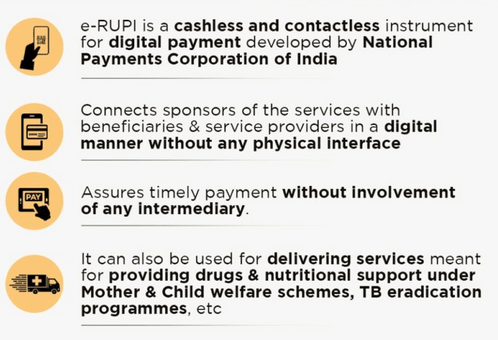
  • It is a cashless and contactless method for digital payment. It is a Quick Response (QR) code or SMS string-based e-voucher, which is delivered to the mobile of the users.
  • The users will be able to redeem the voucher without needing a card, digital payments app, or internet banking access, at the service provider.
  • It connects the sponsors of the services with the beneficiaries and service providers in a digital mode without any physical interface.
  • The mechanism also ensures that the payment to the service provider is made only after the transaction is completed.
  • The system is pre-paid in nature and hence, assures timely payment to the service provider without the involvement of any intermediary.

How is it different from Digital Currency?

e-RUPI is backed by the existing Indian rupee as the underlying asset and specificity of its purpose makes it different to a virtual currency and puts it closer to a voucher-based payment system.

Issuing Entities & Beneficiary Identification

  • The one-time payment mechanism has been developed by the National Payments Corporation of India on its Unified Payments Interface (UPI) platform, in collaboration with the Department of Financial Services, Ministry of Health & Family Welfare, and National Health Authority.
  • It has boarded banks that will be the issuing entities. Any corporate or government agency will have to approach the partner banks, which are both private and public-sector lenders, with the details of specific persons and the purpose for which payments have to be made.
  • The beneficiaries will be identified using their mobile number and a voucher allocated by a bank to the service provider in the name of a given person would only be delivered to that person.

What are its uses?

For the Government

It is expected to ensure a leak-proof delivery of welfare services and can also be used for delivering services under schemes meant for providing drugs and nutritional support under Mother and Child welfare schemes, drugs & diagnostics under schemes like Ayushman Bharat Pradhan Mantri Jan Arogya Yojana, fertiliser subsidies etc.

For the Private entities

Even the private sector can leverage these digital vouchers as part of their employee welfare and Corporate Social Responsibility (CSR) programmes.

What is the significance of e-Rupi?

The government is already working on developing a Central Bank Digital Currency and the launch of e-RUPI could potentially highlight the gaps in digital payments infrastructure that will be necessary for the success of the future digital currency.

Will this workout for India?

According to the Reserve Bank of India (RBI), there are at least four reasons why digital currencies are expected to do well in India

  • Increasing Penetration: There is increasing penetration of digital payments in the country that exists alongside sustained interest in cash usage, especially for small value transactions.
  • High Currency to GDP Ratio: India’s high currency to Gross Domestic Product (GDP) ratio holds out another benefit of CBDCs.
    • Cash-to-GDP Ratio or Currency in Circulation (CIC) to GDP Ratio or simply currency-to-GDP ratio shows the value of cash in circulation as a ratio of GDP.
  • Spread of Virtual Currencies: The spread of private virtual currencies such as Bitcoin and Ethereum may be yet another reason why CBDCs become important from the point of view of the central bank.
  • Will Act as a Cushion: Central bank digital currencies might also cushion the general public in an environment of volatile private virtual currencies.

Programming language

 Programming language is a language to write programs like c, c++,java etc 

It is a language to convert assembly code into machine code ..

Every programming language is great in its own and have vast libraries functionalities

Love

 Love is a great thing which everybody want in his or her life .love make us strong and mentally fit . Love doesn’t require anything in advance ,it  can only be gain independently. 

Love helps to build trust and boost image 

Electronic Wallets in India

It was only after the cash crunch of November 2016 that digital payments had received their booster shot into the mainstream Indian economy. Moreover, the increased penetration of internet and smartphone usage with government programs like Digital India have paved the way for electronic payments in India. The digital payment instrument that has gained exponential popularity among both the merchants and consumers however is the mobile wallet/e wallet.

A mobile wallet is a virtual place to carry your credit and debit card information in a secure digital form on your mobile device. Instead of using your physical plastic card to make purchases, a mobile wallet allows you to pay with your smartphone, tablet, or smartwatch in stores, in apps, or on the web. All it requires is to download these digital wallet apps from the app store or play store. Some of the leading players in this space are PayTm, Mobikwik, PhonePe, Google Pay among others.

There were multiple factors that contributed to the rapid adoption rate of mobile wallets in India. The increased use of the smartphones, the internet and improved telecom and payment infrastructure were drivers for the market growth due to the convenience smartphones offer in making payments. This growth in the mobile wallet market in the Asia Pacific countries is attributed to the falling smartphone prices. The granting of PPI licences (Pre-Paid Instruments) by the Reserve Bank of India played an important role in establishing e-wallets in the Indian market.

Features such as 1-click payment that enable user to easily pay across various services has made mobile wallet appealing to the users due to its simple working. There have also been multiple incentives offered by the mobile wallet companies through discounts and cashbacks to increase their appeal among the individuals. It is the ‘cost-effectiveness’ nature of these wallets that appeals to the merchants as the cost associated with acceptance of e wallets including setting-up infrastructure and transaction fees is much lower compared to the traditional card-based payment system. Paytm, for instance, does not charge merchant any fees towards installation and annual maintenance. While it charges merchant service charges for online payments, no charges are applied on QR code based in-store transactions.

However, it has not always been smooth sailing for mobile wallets even after their boost. They still face a few of the major challenges. Mandatory KYC and still evolving policies made by the government has had some negative impact on the overall growth of the adoption of these wallets. Additionally, while medium to large-value transactions continue to be made through digital banking and cards, only low-value day-to-day transactions are carried out through mobile wallets. Mobile wallets also face certain challenges from banks in establishing their foothold who are worried that it might negatively impact their revenue. Network problems and reliable and fast internet connectivity is not available in most part of the country and poses a challenge for those situated in rural and remote parts of the country. There is also a lack of awareness about the benefits of using wallets among traditional users who perceive online payment as insecure which is fuelled by instances of fraudulent activity in such transactions.

To remain competitive against cash and other alternatives, the wallet providers are now looking beyond ‘just payments’ and focusing on value-added services. These wallets encompass additional services such as utility bill payments, mobile top-up and even gold purchases. Some of the wallet providers such as Paytm and Airtel have also begun to move to other sectors to offer banking services, after receiving the approval from RBI. Although, mobile wallets appear to have a bright future in the Indian Market, several external market factors will also have an impact on their adoption. They need to keep on innovating and take advantage of the dynamism of market economics to stay in the game.

HEADACHE

Headache is a common problem that does not allow us to concentrate on our work. Nothing can take away the throbbing pain that headache causes. It may be caused due to injury, stress, eye strain, anxiety, or other medical conditions. Headache is called Cephalgia in medical terms. Many people suffer this discomfort frequently and don’t pay attention to it. But this simple headache may cause serious illnesses if left untreated. 

WHAT HAPPENS DURING A HEADACHE?

Our brain can recognize pain in various parts of the body. A headache is caused by the swelling of the blood vessels present in and around the brain. Most headaches occur in the nerves and muscles of the head and neck region. These nerves and muscles generate signals and send them to the brain which makes us feel the pain.

TYPES OF HEADACHES

Headaches are of two types – Primary headache and Secondary headache.

PRIMARY HEADACHE

There are types of primary headaches. However, some common types include

  1. Tension headache – It is the most common type which is caused due to stress and tension in the muscles of the head. It may start with a slow onset of moderate pain. It usually hurts on or around both sides of the head, in the back neck, and head. It usually goes away on its own but sometimes may need a pain reliever. For prolonged pain and chronic conditions, a doctor’s advice is required.
  2. Migraine – Migraine headaches are associated with throbbing pain along with some symptoms like nausea or vomiting, sensitivity and can last for several hours to few days. It may be caused also due to genetic reasons. Rescue medicine is prescribed by doctors to get immediate relief from the pain and preventive medicines to prevent future occurrences.
  3. Clustered headache – It is least common when compared with the other two types. It is characterized by sudden pain in any one side of the head and face. It occurs multiple times in a day and stays for 1-3 hours each time. It may be caused due to alcohol intake or tobacco usage. Treatment includes lifestyle changes and prescribed medication by the doctor.

SECONDARY HEADACHE

Secondary headaches occur because of any underlying issue or mental condition. It must be diagnosed and treated as soon as possible as it may create life-threatening situations at times. It may be caused due to bleeding of the blood vessels in the brain, tumors, abscesses, or high blood pressure. Symptoms include pain during changing postures, chewing food, etc. There are many subtypes of this headache according to the affected area and symptoms. It must be given at most care to avoid worsening of the condition.

SITUATIONS THAT NEED IMMEDIATE HELP

Sometimes headaches may be a symptom of a serious issue and occur to warn us of the disorder. If it is accompanied by drowsiness, seizures or fits, changes in vision, etc. then immediate consultation of a physician is mandatory.

CARE AND CURE

  • A healthy balanced diet of fruits and vegetables may help to stay fit and reduce the intensity.
  • Stress management relaxations and lifestyle changes can bring betterment.
  • Some counter medicines could be taken and soothing herbs such as peppermint, eucalyptus, flax seeds reduce pain as they have pain-relieving properties.

How Covid-19 pandemic has hit the fashion industry hard?

The coronavirus outbreak has negatively impacted the fashion industry on every imaginable level; production has ceased, retailers have closed, and demand has plummeted.

As we all know that fashion is an industry that runs on change with new trends, styles, and whole new ranges offered up every season. To meet those demands, it must keep the supply chain working at full steam to stitch up and ship out new fashions at breakneck speed.

According to reports the Global Fashion Agenda in its Pulse of the Fashion Industry 2019 study “Fashion companies are not implementing sustainable solutions fast enough to counterbalance negative environmental and social impacts of the rapidly growing fashion industry”.

Now the global coronavirus pandemic has brought sustainability to the forefront. As an immediate threat to everyone’s health, it demonstrates how fragile we are as human beings and how our future health and happiness depend on the healthy environment that we have around us.

The coronavirus crisis has crumpled the social fabric of our lives and the fashion industry as well. Be it the way we address our financial goals or the way we dress are in our hands which has been automatically crushed after the attack of this deadly virus.

Even as fashion titans like Louis Vuitton, Prada, Gucci and some Indian designers are casting their bread upon the waters to create safe and sustainable clothing (including PPE kits), the most that we can do is wait. and watch!

Fashion historians believe that people changed their dressing style after the 1918 Flu Pandemic, the Great Depression and World War II. The 2020 Covid-19 pandemic is no exception.

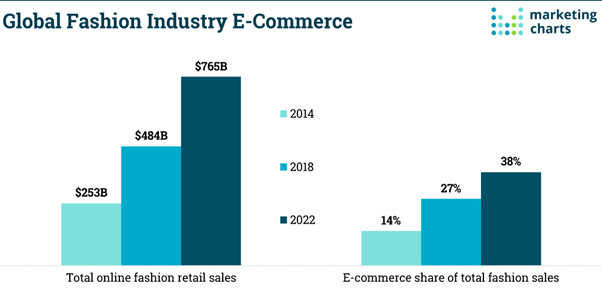
But after all this, fashion has not been put down but has found new ways. The outbreak of the coronavirus pandemic has impacted all spheres but be its online retail, or traffic on e-commerce sites like Amazon.com, E-commerce sales grew during the initial six months of 2020 as everything became online. The online market of second-hand and recycled clothes, shoes and accessories has also seen a spike during this period. Many retailers from the fashion industry in the U.S. and other countries went all out to find a different way to send products into the hands of the shoppers and started shipping as it can be time-consuming but profitable. Added to that, many consumers simply aren’t interested in buying clothes right now. There’s so much focus on purchasing essential items to survive during the lockdown and I think everyone’s minds have naturally been focused on that. So fashion just becomes an after-thought or no thought.

You may nod and naff in equal measure, but it looks like Back to Basics. Now fashion trends are varying as the world slowly emerges from the global quarantine. With weddings now becoming more intimate, smaller in size, the fusion trends will find favour with both brides and bridesmaids. Mirror lehengas, organza skirts, pre-stitched sarees, necklet gowns, dhoti-crop tops in handwoven fabrics and hand-done embroideries with traditional textile techniques will trend. It will also help support the rural artisans and handloom communities.