Nine tourists were killed after heavy boulders fell on their tempo traveller in a landslide near Basteri in Kinnaur district of Himachal Pradesh on Sunday.
Multiple landslides triggered by recent rains occurred near Basteri on the Sangla-Chitkul road at 1.25 p.m., resulting in a bridge collapse and damage to some vehicles, police said. A video of the incident, which has gone viral on social media, shows several boulders rolling downhill and smashing into the bridge, causing it to collapse.
According to the police, nine people died and two others were injured after heavy boulders fell on a tempo traveller. The passengers were going to Sangla from Chitkul. In a similar incident, a pedestrian was injured in another landslide in Kinnaur district, they added.
President Ram Nath Kovind and Prime Minister Narendra Modi expressed condolences over the death of people due to the landslides in Kinnaur.
Huge boulders dislodged by rains in Kinnaur district
“Deeply saddened by the news of the death of many people in a landslide in Kinnaur, Himachal Pradesh. Express my deepest condolences to the bereaved families and wish the injured people a speedy recovery,” Mr. Kovind tweeted in Hindi.
Mr. Modi said all arrangements are being made for the treatment of those injured and announced an ex gratia of ₹2 lakh each for the next of kin of the deceased and ₹50,000 to the injured from the Prime Minister’s National Relief Fund.
Chief Minister Jai Ram Thakur also expressed grief over the deaths and asked the district administration to ensure immediate relief and rescue operations.
Nine tourists were killed after heavy boulders fell on their tempo traveller in a landslide near Basteri in Kinnaur district of Himachal Pradesh on Sunday.
Multiple landslides triggered by recent rains occurred near Basteri on the Sangla-Chitkul road at 1.25 p.m., resulting in a bridge collapse and damage to some vehicles, police said. A video of the incident, which has gone viral on social media, shows several boulders rolling downhill and smashing into the bridge, causing it to collapse.
According to the police, nine people died and two others were injured after heavy boulders fell on a tempo traveller. The passengers were going to Sangla from Chitkul. In a similar incident, a pedestrian was injured in another landslide in Kinnaur district, they added.
President Ram Nath Kovind and Prime Minister Narendra Modi expressed condolences over the death of people due to the landslides in Kinnaur.
Huge boulders dislodged by rains in Kinnaur district
“Deeply saddened by the news of the death of many people in a landslide in Kinnaur, Himachal Pradesh. Express my deepest condolences to the bereaved families and wish the injured people a speedy recovery,” Mr. Kovind tweeted in Hindi.
Mr. Modi said all arrangements are being made for the treatment of those injured and announced an ex gratia of ₹2 lakh each for the next of kin of the deceased and ₹50,000 to the injured from the Prime Minister’s National Relief Fund.
Chief Minister Jai Ram Thakur also expressed grief over the deaths and asked the district administration to ensure immediate relief and rescue operations.
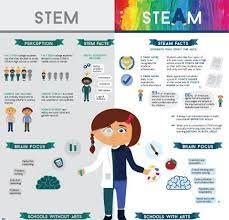
IMPORTANCE OF STEM EDUCATION FOR AN ENHANCED LEARNING
Definition Of Stem
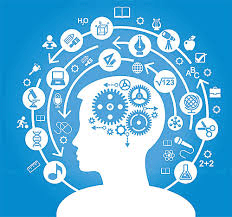
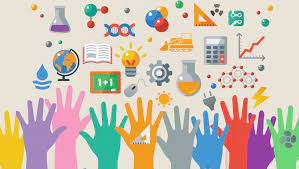
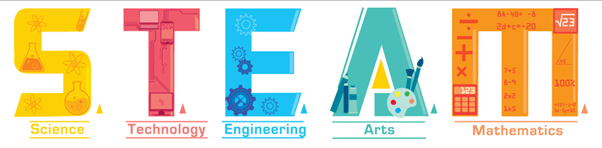
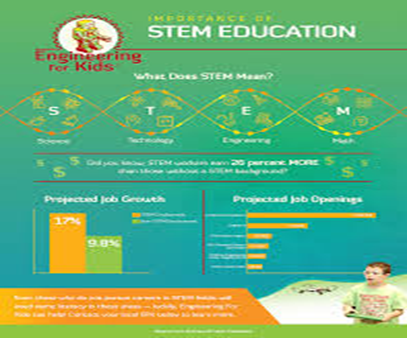
STEM is an artificial intelligence related to Science, Technology, Engineering and mathematics but it is a vast concept of more than these. It integrates and builds an advanced system of education taking into account every individual’s attention. STEM kind of learning needs to be paid attention as it has an improved technology with enclosing subjects that teaches moral values and discipline in inter-relating one another.
The main motive is to build advanced geniuses in the teenage able to tackle subject and real-time oriented issues. This tech unites with pupils making them to be well-versed and multi-talented in all occasions.
Benefits of STEM related education
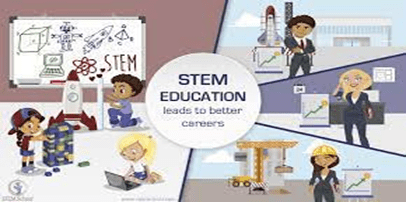
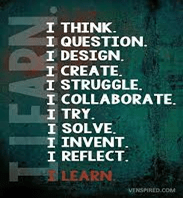
This kind of learning is focused on building higher order of thinking among students by connecting them a classroom experience to the modern world. A future model is built under campuses for upgrading their problem-solving ability, thinking skill, communication skills and creativity to sort out various critical circumstances in reality.
Generally, focuses on practical experience with real-time applications that gradually builds the skills ability level and shaping them to utilize a sense od outstanding creativity in a competitive world of 21st century.
The students brought up from this kind of teaching can tackle the reality as well as social media/virtual world simultaneously with their brilliance and social skills that comprises of curiosity, social skills, leadership, management and acceptance of up and downs in life.
In a specific period of life people will undergo circumstances where they become puzzled to take decision as choices will cause effects on their career which has to be made wisely. At that stage without realizing they randomly choose a false decision making them fall in a pit, which will be realized on later times by the same individual after which nothing can be undone.
This system basically concentrates on those kinds of cases so the growing kids can be exclusively intelligence while handling such experiences. This AI creates a similar kind illusion to make them think and decide their choices accordingly so they can adopt to changes or select a decision more preciously.
Differences from normal learning and AI integrated learning
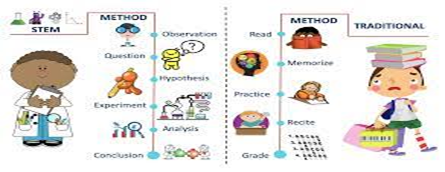
In a standard learning taught by faculties they can give you their knowledge ask them to explore it on your way but mostly pupils memorize concepts that will be totally vanished in this type of system where a machine will broaden every word and concept of subject and explaining the facts deeper by triggering your anxiety to grasp the entire knowledge.
They also become as Book-worms instead of knowing the working behind every concept thus it becomes like mugging/memorizing and vomiting/producing in exam papers just for marks rather than knowledge or skill developed education.
STEM education is the path of future learning making upcoming generation as innovative ones.
These AI models create crucial real-time happenings thus testing their initial level of thinking and providing solutions to the same. By doing this they actually promote their working of brain at a younger age which we call as maturity and experience at small ages.
It is also a known to contribute steps towards economic growth by this deep level thinking knowledge (innovation) which is unique in every kid. That is why each one is special but as they discover their innovative skill it becomes too late for individuals so by enhancing them to bring up their key skills so they are ready to face out life and unavoidable circumstances.
Ways to spread an idea to enlarge the importance about it to the Society
There are various ways through which you can advertise and spread the initiative taken by you. The only thing you require is an account in media platforms that will enroll your ads in various random posts that people may be searching for.
The only purpose of using social media is because the reach is tremendous while compared manually or just by recommendations. You need to focus on how you can market them by discussing their features and how it helps in the improvement of a teenager.
By adding relevant pictures or short clips of the same, people can get to know about the functionalities and capabilities of the system and the working.
Awareness can also be made and posters shall be published to keep a track of viewers and connect with them mutually to improve a knowledge of better learning among several institutions in exploring the skills of a teenager in their adolescent ages that support them vitally.
The base of any product to be recognized is how you explain and elaborate the advantages and benefits that grasps attention to every single student in a whole crowd or in a classroom.
If you are self-motivated to prove and provide minute specifications for the useful machine integrated model (AI/STEM education) it can be an added information for users so they support and promote in various different ways.
Social Media Channels
The enlarged platform of these trending applications has several unique features under each portal those are different from one another. From audience till owners of some companies have adopted to this virtual world that helps growing merchants to develop and stand tall of their product.
The only difficulty is not all the things are encouraged in these sites, if you want a product to be wide-spread then its uniqueness and features must grab the reader/visitor’s attention in such a way so they start marketing your brand as an affiliate or recommend your goods in some required places.
You as a producer can share things that will be helpful for any individual before trying it out. Social platforms like helps you to enrich with the fruitfulness of customers especially YouTube. There are millions of people from various continents utilizing this open platform for various entertainment.
From this article you can get to know some ideas and the importance of the STEM education as an effective way of building up the mental thinking ability by teaching them in a provoking way that enhances of building an IQ that is an advanced level for teenagers to think in a multi-tasking way.
IMPORTANCE OF STEM EDUCATION FOR AN ENHANCED LEARNING
Definition Of Stem
STEM is an artificial intelligence related to Science, Technology, Engineering and mathematics but it is a vast concept of more than these. It integrates and builds an advanced system of education taking into account every individual’s attention. STEM kind of learning needs to be paid attention as it has an improved technology with enclosing subjects that teaches moral values and discipline in inter-relating one another.
The main motive is to build advanced geniuses in the teenage able to tackle subject and real-time oriented issues. This tech unites with pupils making them to be well-versed and multi-talented in all occasions.
Benefits of STEM related education
This kind of learning is focused on building higher order of thinking among students by connecting them a classroom experience to the modern world. A future model is built under campuses for upgrading their problem-solving ability, thinking skill, communication skills and creativity to sort out various critical circumstances in reality.
Generally, focuses on practical experience with real-time applications that gradually builds the skills ability level and shaping them to utilize a sense od outstanding creativity in a competitive world of 21st century.
The students brought up from this kind of teaching can tackle the reality as well as social media/virtual world simultaneously with their brilliance and social skills that comprises of curiosity, social skills, leadership, management and acceptance of up and downs in life.
In a specific period of life people will undergo circumstances where they become puzzled to take decision as choices will cause effects on their career which has to be made wisely. At that stage without realizing they randomly choose a false decision making them fall in a pit, which will be realized on later times by the same individual after which nothing can be undone.
This system basically concentrates on those kinds of cases so the growing kids can be exclusively intelligence while handling such experiences. This AI creates a similar kind illusion to make them think and decide their choices accordingly so they can adopt to changes or select a decision more preciously.
Differences from normal learning and AI integrated learning
In a standard learning taught by faculties they can give you their knowledge ask them to explore it on your way but mostly pupils memorize concepts that will be totally vanished in this type of system where a machine will broaden every word and concept of subject and explaining the facts deeper by triggering your anxiety to grasp the entire knowledge.
They also become as Book-worms instead of knowing the working behind every concept thus it becomes like mugging/memorizing and vomiting/producing in exam papers just for marks rather than knowledge or skill developed education.
STEM education is the path of future learning making upcoming generation as innovative ones.
These AI models create crucial real-time happenings thus testing their initial level of thinking and providing solutions to the same. By doing this they actually promote their working of brain at a younger age which we call as maturity and experience at small ages.
It is also a known to contribute steps towards economic growth by this deep level thinking knowledge (innovation) which is unique in every kid. That is why each one is special but as they discover their innovative skill it becomes too late for individuals so by enhancing them to bring up their key skills so they are ready to face out life and unavoidable circumstances.
Ways to spread an idea to enlarge the importance about it to the Society
There are various ways through which you can advertise and spread the initiative taken by you. The only thing you require is an account in media platforms that will enroll your ads in various random posts that people may be searching for.
The only purpose of using social media is because the reach is tremendous while compared manually or just by recommendations. You need to focus on how you can market them by discussing their features and how it helps in the improvement of a teenager.
By adding relevant pictures or short clips of the same, people can get to know about the functionalities and capabilities of the system and the working.
Awareness can also be made and posters shall be published to keep a track of viewers and connect with them mutually to improve a knowledge of better learning among several institutions in exploring the skills of a teenager in their adolescent ages that support them vitally.
The base of any product to be recognized is how you explain and elaborate the advantages and benefits that grasps attention to every single student in a whole crowd or in a classroom.
If you are self-motivated to prove and provide minute specifications for the useful machine integrated model (AI/STEM education) it can be an added information for users so they support and promote in various different ways.
Social Media Channels
The enlarged platform of these trending applications has several unique features under each portal those are different from one another. From audience till owners of some companies have adopted to this virtual world that helps growing merchants to develop and stand tall of their product.
The only difficulty is not all the things are encouraged in these sites, if you want a product to be wide-spread then its uniqueness and features must grab the reader/visitor’s attention in such a way so they start marketing your brand as an affiliate or recommend your goods in some required places.
You as a producer can share things that will be helpful for any individual before trying it out. Social platforms like helps you to enrich with the fruitfulness of customers especially YouTube. There are millions of people from various continents utilizing this open platform for various entertainment.
From this article you can get to know some ideas and the importance of the STEM education as an effective way of building up the mental thinking ability by teaching them in a provoking way that enhances of building an IQ that is an advanced level for teenagers to think in a multi-tasking way.
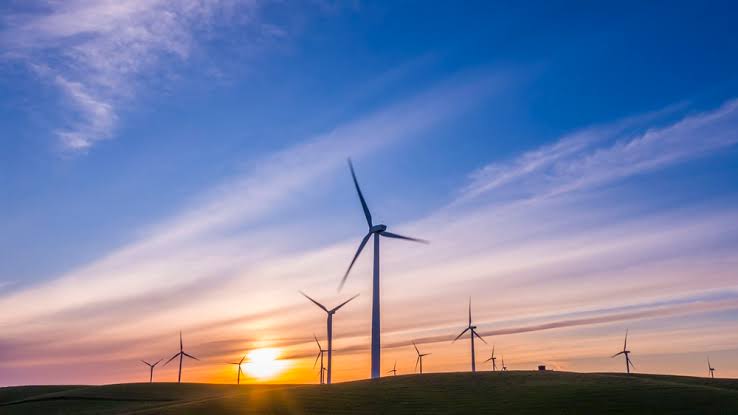
Up until recently, people still only had visual impressions of what a windmill is, often associating it with the past and particularly before the industrial revolution. Today, things have come full circle, if you will and there is now a growing demand for large, technologically advanced windmills across the world. The term wind energy or wind power describe the process through which wind turbines convert the kinetic energy in the wind into electrical energy by the use of generator.
What this introductory guide seeks to do is describe the apparatus in layman’s terms and also outline how they work and what they were intended for originally and the purposes for which they are used today. We begin with a brief definition of what a windmill is.
•It was originally a structure with sails, much like that on pre-industrial ships, and was originally used to produce flour from corn. In order to do this, the wind would have to prompt the sails to turn. They were also originally built by master craftsmen.
•A dictionary definition explains it thus; it is a machine which is propelled by the wind from a horizontal shaft which extended onto sails. Windmills still used today, mainly in parts of the world which have traditionally relied on them, are powered by electricity or water.
•The dictionary expounds this definition further by relating it to a human physical exercise technique which replicates the symbolism and movement of the original windmill. It is also famously symbolic in Cervantes’ classic of Don Quixote. This definition reminds readers that the original mill was also used to pump water and generate power.
•In modern terms, the advanced windmill operates with just three blades mainly to generate sustainable sources of electricity and energy. Today, these windmills are also referred to as wind turbines.
•According to Wikipedia, “A windmill is a mill that converts the energy of wind into rotational energy by means of vanes called sails or blades.”
How Does a Windmill Work?
Winds are produced due to uneven heating of the atmosphere by the sun, the rotation of the earth and the irregularities of the earth’s surface. Wind flow patterns differ from place to place and are modified by bodies of water, vegetation, and differences in terrain. This next section explains briefly but accurately how windmills work. Sourcing more extensive information, readers will learn that understanding technical processes initiated in wind turbines will be easy to follow because the manner in which windmills work follows a simple process. Here we continue to rely on layman’s terms.
•A number of different options were tried when modern wind turbines were first built. Today, the universal mechanizing principle is to operate the turbine by using just three blades placed around a rotor which is connected to a shaft. Note that number of variations have been tried, two blade and even one blade. But, three blades works the best.
•As its name states, the windmill’s only source of energy is derived from the wind. The wind turns the blades which spins a shaft, in turn, prompt a generator to produce electricity. These blades are connected to a generator, sometimes through a gearbox and sometimes directly. In both the cases, the generator converts the mechanical energy into electrical energy. Interestingly, most modern turbines turn in a clockwise direction. Depending on wind speed, most modern turbines can operate at speeds from as little as four meters per second to as much as 15 mps.
•Quite a number of green energy advocates and NGO’s describe the wind-generator process more succinctly by correlating it closely with the environmental sustainability initiatives.
•Once the turbine’s blades turns a shaft located inside of a box placed on top of the turbine, gearbox mode is propelled and more speed rotation is given off. A transformer within the turbine then converts electricity into a voltage suitable for distribution to a national grid.
Positive Effects of the Wind Turbine:
Finally, it is incumbent to emphasize the importance of wind turbines where environmental sustainability is concerned and as a rapid but highly effective response to global warming and climate change.
The exponential benefits are not only crucial but already evident where wind turbines are used increasingly, mainly in developed and developing nations. To finish this guide on windmills and its natural successors, wind turbines, we highlight some positive effects they have on humankind and the environment.
•No more greenhouse gases – Turbines do not emit carbon dioxide.
•Power is free – No government agency can presently regulate wind. So they cannot charge fees to those who choose to use it as an alternative source of life-sustaining and life-saving energy.
•Versatility – There is a perception in some areas that the only modern day wind turbines you are likely to see are giant monstrosities hovering over your home. Not the case, because smaller wind turbines, small enough and perfectly equipped, are being manufactured for you today. All you need do is talk to the farmers who are already utilizing customized turbines for their own agricultural needs.
Positively speaking, this may have been a whirl-wind tour of processes, purposes, features and just causes along with some historical anecdotes on ancient windmills and the modern day equivalent of the wind turbine. The main purpose here was also to stimulate increased awareness and interest in this important piece of humankind’s legacy for the future.
Up until recently, people still only had visual impressions of what a windmill is, often associating it with the past and particularly before the industrial revolution. Today, things have come full circle, if you will and there is now a growing demand for large, technologically advanced windmills across the world. The term wind energy or wind power describe the process through which wind turbines convert the kinetic energy in the wind into electrical energy by the use of generator.
What this introductory guide seeks to do is describe the apparatus in layman’s terms and also outline how they work and what they were intended for originally and the purposes for which they are used today. We begin with a brief definition of what a windmill is.
•It was originally a structure with sails, much like that on pre-industrial ships, and was originally used to produce flour from corn. In order to do this, the wind would have to prompt the sails to turn. They were also originally built by master craftsmen.
•A dictionary definition explains it thus; it is a machine which is propelled by the wind from a horizontal shaft which extended onto sails. Windmills still used today, mainly in parts of the world which have traditionally relied on them, are powered by electricity or water.
•The dictionary expounds this definition further by relating it to a human physical exercise technique which replicates the symbolism and movement of the original windmill. It is also famously symbolic in Cervantes’ classic of Don Quixote. This definition reminds readers that the original mill was also used to pump water and generate power.
•In modern terms, the advanced windmill operates with just three blades mainly to generate sustainable sources of electricity and energy. Today, these windmills are also referred to as wind turbines.
•According to Wikipedia, “A windmill is a mill that converts the energy of wind into rotational energy by means of vanes called sails or blades.”
How Does a Windmill Work?
Winds are produced due to uneven heating of the atmosphere by the sun, the rotation of the earth and the irregularities of the earth’s surface. Wind flow patterns differ from place to place and are modified by bodies of water, vegetation, and differences in terrain. This next section explains briefly but accurately how windmills work. Sourcing more extensive information, readers will learn that understanding technical processes initiated in wind turbines will be easy to follow because the manner in which windmills work follows a simple process. Here we continue to rely on layman’s terms.
•A number of different options were tried when modern wind turbines were first built. Today, the universal mechanizing principle is to operate the turbine by using just three blades placed around a rotor which is connected to a shaft. Note that number of variations have been tried, two blade and even one blade. But, three blades works the best.
•As its name states, the windmill’s only source of energy is derived from the wind. The wind turns the blades which spins a shaft, in turn, prompt a generator to produce electricity. These blades are connected to a generator, sometimes through a gearbox and sometimes directly. In both the cases, the generator converts the mechanical energy into electrical energy. Interestingly, most modern turbines turn in a clockwise direction. Depending on wind speed, most modern turbines can operate at speeds from as little as four meters per second to as much as 15 mps.
•Quite a number of green energy advocates and NGO’s describe the wind-generator process more succinctly by correlating it closely with the environmental sustainability initiatives.
•Once the turbine’s blades turns a shaft located inside of a box placed on top of the turbine, gearbox mode is propelled and more speed rotation is given off. A transformer within the turbine then converts electricity into a voltage suitable for distribution to a national grid.
Positive Effects of the Wind Turbine:
Finally, it is incumbent to emphasize the importance of wind turbines where environmental sustainability is concerned and as a rapid but highly effective response to global warming and climate change.
The exponential benefits are not only crucial but already evident where wind turbines are used increasingly, mainly in developed and developing nations. To finish this guide on windmills and its natural successors, wind turbines, we highlight some positive effects they have on humankind and the environment.
•No more greenhouse gases – Turbines do not emit carbon dioxide.
•Power is free – No government agency can presently regulate wind. So they cannot charge fees to those who choose to use it as an alternative source of life-sustaining and life-saving energy.
•Versatility – There is a perception in some areas that the only modern day wind turbines you are likely to see are giant monstrosities hovering over your home. Not the case, because smaller wind turbines, small enough and perfectly equipped, are being manufactured for you today. All you need do is talk to the farmers who are already utilizing customized turbines for their own agricultural needs.
Positively speaking, this may have been a whirl-wind tour of processes, purposes, features and just causes along with some historical anecdotes on ancient windmills and the modern day equivalent of the wind turbine. The main purpose here was also to stimulate increased awareness and interest in this important piece of humankind’s legacy for the future.
Manchester United are closing in on an agreement to sign Real Madrid defender Raphael Varane, Goal can confirm.
While the two sides were not close to agreeing terms at the start of the week, much work has been done to bridge the gap, with a deal now expected to take place for between €45m (£39/$53m) and €55m (£47m/$65m).
Varane has been one of Man Utd’s top summer transfer priorities since they completed a deal to sign Jadon Sancho from Borussia Dortmund.
In recent hours, negotiations have sped up for the World Cup-winning defender, who appears Old Trafford bound
Manchester United are closing in on an agreement to sign Real Madrid defender Raphael Varane, Goal can confirm.
While the two sides were not close to agreeing terms at the start of the week, much work has been done to bridge the gap, with a deal now expected to take place for between €45m (£39/$53m) and €55m (£47m/$65m).
Varane has been one of Man Utd’s top summer transfer priorities since they completed a deal to sign Jadon Sancho from Borussia Dortmund.
In recent hours, negotiations have sped up for the World Cup-winning defender, who appears Old Trafford bound
A friend plays the most important part in everyone’s life. Every life is incomplete without a proper comradeship. This is a fact that no one can survive without making friends. Life is full of ups and down and we all need someone to support us mentally and emotionally. A friend is the one with whom we share a bond which is rooted by trust, respect, affection, etc. Tackling problems become much easier when you have good friends beside you.
“A friend in need is a friend indeed” this is one of the most popular proverb which we all have heard at least once in our life. This phrase summarizes the eternal essence of the word friendship i.e., the friends who help at the time of need are considered as true friend. Getting a true friend is not only good luck but it’s like a blessing and such people are meant to be nurture with proper care. Place which a friend holds in each one of our life is impossible to express via words. When we have our comrade with us tackling problems becomes very much easy. Life is full of ups and down, pain and heartbreak, suffering and loss and because of all these people ends up going in depression or facing anxiety and mental issues plus any psychological disorder thus in such circumstances a friend plays a vital role in coping up. Healthy and good friendships help in overcoming the negativity of mundane life. Friendship is based on a give and take relation where one needs to give equally love and respect only then the root of such bond will be strong. Friendship must be carryout from the heart not with the intension of profits. True friends help in growing and increasing self-confidence as well as boost immunity. Francis Bacon mentioned on his essay of “Of Friendship” that every human being requires company and social contact and the one who does not believe in this and live a life with isolation is considered either as a wild breast or heavenly God. Human beings require other human beings and if someone ignores interaction are doing unfair with natural state. He also says that “a true friend acts a secondary valve for the heart to [pump life into a sick person.”
Friends do not believe in discouraging rather than they help in reaching the goals of life. But what is important is the bond should be carried out equally by both the parties. Both the parties should be equally loyal to one another if a person is not loyal than he should not expect the other person to be kind and loyal towards him. It is well said that “YOU REAP WHAT YOU SOW”, therefore first we should be ourselves ready to follow the simple code of friendship. The key success of successful friendship is good communication among each other. The base of every friendship is communication. Summing up that friendship is vital in each one of lives love, respect and proper communication can build up a good bond.
A friend plays the most important part in everyone’s life. Every life is incomplete without a proper comradeship. This is a fact that no one can survive without making friends. Life is full of ups and down and we all need someone to support us mentally and emotionally. A friend is the one with whom we share a bond which is rooted by trust, respect, affection, etc. Tackling problems become much easier when you have good friends beside you.
“A friend in need is a friend indeed” this is one of the most popular proverb which we all have heard at least once in our life. This phrase summarizes the eternal essence of the word friendship i.e., the friends who help at the time of need are considered as true friend. Getting a true friend is not only good luck but it’s like a blessing and such people are meant to be nurture with proper care. Place which a friend holds in each one of our life is impossible to express via words. When we have our comrade with us tackling problems becomes very much easy. Life is full of ups and down, pain and heartbreak, suffering and loss and because of all these people ends up going in depression or facing anxiety and mental issues plus any psychological disorder thus in such circumstances a friend plays a vital role in coping up. Healthy and good friendships help in overcoming the negativity of mundane life. Friendship is based on a give and take relation where one needs to give equally love and respect only then the root of such bond will be strong. Friendship must be carryout from the heart not with the intension of profits. True friends help in growing and increasing self-confidence as well as boost immunity. Francis Bacon mentioned on his essay of “Of Friendship” that every human being requires company and social contact and the one who does not believe in this and live a life with isolation is considered either as a wild breast or heavenly God. Human beings require other human beings and if someone ignores interaction are doing unfair with natural state. He also says that “a true friend acts a secondary valve for the heart to [pump life into a sick person.”
Friends do not believe in discouraging rather than they help in reaching the goals of life. But what is important is the bond should be carried out equally by both the parties. Both the parties should be equally loyal to one another if a person is not loyal than he should not expect the other person to be kind and loyal towards him. It is well said that “YOU REAP WHAT YOU SOW”, therefore first we should be ourselves ready to follow the simple code of friendship. The key success of successful friendship is good communication among each other. The base of every friendship is communication. Summing up that friendship is vital in each one of lives love, respect and proper communication can build up a good bond.
Ratan Tata (born 28 December 1937) is an Indian industrialist, philanthropist, and a former chairman of Tata Sons. He was also chairman of Tata Group, from 1990 to 2012, and again, as interim chairman, from October 2016 through February 2017, and continues to head its charitable trusts. He is the recipient of two of the highest civilian awards of India, the Padma Vibhushan (2008) and Padma Bhushan (2000).
Born in 1937, he is a scion of the Tata family, and son of Naval Tata who was later adopted by Ratanji Tata, son of Jamsetji Tata, the founder of Tata Group. He is an alumnus of the Cornell University College of Architecture and Harvard Business School through the Advanced Management Program that he completed in 1975. He joined his company in 1961 when he used to work on the shop floor of Tata Steel, and was the apparent successor to J. R. D. Tata upon the latter’s retirement in 1991. He got Tata Tea to acquire Tetley, Tata Motors to acquire Jaguar Land Rover, and Tata Steel to acquire Corus, in an attempt to turn Tata from a largely India-centrist group into a global business.
Ratan Tata was born in Bombay, now Mumbai, on 28 December 1937, and is the son of Naval Tata (born in Surat). His biological maternal grandmother had been the sister of Hirabai Tata, wife of group founder Jamshedji Tata. His biological grandfather, Hormusji Tata, had belonged to the broader Tata family; Ratan therefore was a Tata by birth. Parents Naval and Sonoo separated in 1948 when Ratan was 10, and he was subsequently raised by the widow of Sir Ratanji Tata, his grandmother, Navajbai Tata, who formally adopted him through the J. N. Petit Parsi Orphanage. He has a half-brother, Noel Tata (from Naval Tata’s second marriage with Simone Tata), with whom he was raised. His first language is Gujarati.
He studied at the Campion School, Mumbai till the 8th class, followed by Cathedral and John Connon School, Mumbai and at Bishop Cotton School in Shimla, and, in 1955, graduated from Riverdale Country School in New York City. In 1959, he then received a degree in Architecture from Cornell University, and in 1975, attended the seven-week Advanced Management Program of Harvard Business School — an institution which he has since endowed.
Promoted to management during the 1970s, Ratan achieved initial success by turning Group company National Radio and Electronics (NELCO) around, only to see it collapse during an economic slowdown. In 1991, J. R. D. Tata stepped down as chairman of Tata Sons, naming him his successor. When he settled down into the new role, he faced stiff resistance from many companies heads, some of whom had spent decades in their respective companies and rose to become very powerful and influential due to the freedom to operate under JRD Tata. He began replacing them by setting a retirement age, and then made individual companies report operationally to the group office and made each contribute some of their profit to build and use the Tata group brand. Innovation was given priority and younger talent was infused and given responsibilities. Under his stewardship, overlapping operations in group companies were streamlined into a synergised whole, with the salt-to-software group exiting unrelated businesses to take on globalisation.Ratan Tata (right) in Bangladesh, 2005
During the 21 years he led the Tata Group, revenues grew over 40 times, and profit, over 50 times. Where sales of the group as a whole, overwhelmingly came from commodities when he took over, the majority sales came from brands when he exited. He boldly got Tata Tea to acquire Tetley, Tata Motors to acquire Jaguar Land Rover and Tata Steel to acquire Corus. All this turned Tata from a largely India-centric group into a global business, with over 65% revenues coming from operations and sales in over 100 countries. He conceptualised the Tata Nano car. In 2015, He explained in an interview for the Harvard Business School’s Creating Emerging Markets project, the development of the Tata Nano was significant because it helped put cars at a price-point within reach of the average Indian consumer.
Ratan Tata resigned his executive powers in the Tata group on 28 December 2012, upon turning 75, appointing as his successor, Cyrus Mistry, the 44-year-old son of Pallonji Mistry of the Shapoorji Pallonji Group, the largest individual shareholder of the group and related by marriage. On 24 October 2016, Cyrus Mistry was removed as the chairman of Tata Sons and Ratan Tata was made interim chairman. The decision went through intense media scrutiny that made many scrutinize the root causes of the sudden removal, and the resultant crisis. A selection committee was formed to find a successor. The selection committee consisted of Mr. Tata, TVS Group head Venu Srinivasan, Amit Chandra of Bain Capital, former diplomat Ronen Sen and Lord Kumar Bhattacharya. All of them, except Mr. Bhattacharya, were on the board of Tata Sons. On 12 January 2017, Natarajan Chandrasekaran was named as the chairman of Tata Sons, a role he assumed in February 2017.
Tata invested personal savings in Snapdeal – one of India’s leading e-commerce websites –and, in January 2016, Teabox, an online premium Indian Tea seller, and CashKaro.com, a discount coupons and cash-back website. He has made small investments in both early and late stage companies in India, such as INR 0.95 Cr in Ola Cabs. In April 2015, it was reported that Tata had acquired a stake in Chinese smartphone startup Xiaomi. In October 2015, he partnered with American Express, investing in Bitcoin venture Abra. In 2016, he invested in Nestaway an online portal to find fully furnished flats for bachelors which later acquired Zenify to start family rental segment and online pet care portal, Dogspot. Tata Motors rolled out the first batch of Tigor Electric Vehicles from its Sanand Plant in Gujarat, regarding which Ratan Tata said, “Tigor indicates a willingness to fast-forward India’s electric dream. The government has set an ambitious target to have only electric cars by 2030.
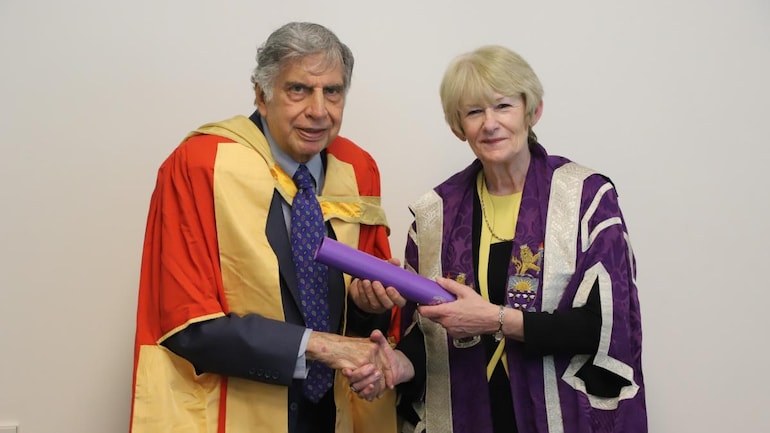
Ratan Tata awarded honorary doctorate by UK university.
Ratan Tata (born 28 December 1937) is an Indian industrialist, philanthropist, and a former chairman of Tata Sons. He was also chairman of Tata Group, from 1990 to 2012, and again, as interim chairman, from October 2016 through February 2017, and continues to head its charitable trusts. He is the recipient of two of the highest civilian awards of India, the Padma Vibhushan (2008) and Padma Bhushan (2000).
Born in 1937, he is a scion of the Tata family, and son of Naval Tata who was later adopted by Ratanji Tata, son of Jamsetji Tata, the founder of Tata Group. He is an alumnus of the Cornell University College of Architecture and Harvard Business School through the Advanced Management Program that he completed in 1975. He joined his company in 1961 when he used to work on the shop floor of Tata Steel, and was the apparent successor to J. R. D. Tata upon the latter’s retirement in 1991. He got Tata Tea to acquire Tetley, Tata Motors to acquire Jaguar Land Rover, and Tata Steel to acquire Corus, in an attempt to turn Tata from a largely India-centrist group into a global business.
Ratan Tata was born in Bombay, now Mumbai, on 28 December 1937, and is the son of Naval Tata (born in Surat). His biological maternal grandmother had been the sister of Hirabai Tata, wife of group founder Jamshedji Tata. His biological grandfather, Hormusji Tata, had belonged to the broader Tata family; Ratan therefore was a Tata by birth. Parents Naval and Sonoo separated in 1948 when Ratan was 10, and he was subsequently raised by the widow of Sir Ratanji Tata, his grandmother, Navajbai Tata, who formally adopted him through the J. N. Petit Parsi Orphanage. He has a half-brother, Noel Tata (from Naval Tata’s second marriage with Simone Tata), with whom he was raised. His first language is Gujarati.
He studied at the Campion School, Mumbai till the 8th class, followed by Cathedral and John Connon School, Mumbai and at Bishop Cotton School in Shimla, and, in 1955, graduated from Riverdale Country School in New York City. In 1959, he then received a degree in Architecture from Cornell University, and in 1975, attended the seven-week Advanced Management Program of Harvard Business School — an institution which he has since endowed.
Promoted to management during the 1970s, Ratan achieved initial success by turning Group company National Radio and Electronics (NELCO) around, only to see it collapse during an economic slowdown. In 1991, J. R. D. Tata stepped down as chairman of Tata Sons, naming him his successor. When he settled down into the new role, he faced stiff resistance from many companies heads, some of whom had spent decades in their respective companies and rose to become very powerful and influential due to the freedom to operate under JRD Tata. He began replacing them by setting a retirement age, and then made individual companies report operationally to the group office and made each contribute some of their profit to build and use the Tata group brand. Innovation was given priority and younger talent was infused and given responsibilities. Under his stewardship, overlapping operations in group companies were streamlined into a synergised whole, with the salt-to-software group exiting unrelated businesses to take on globalisation.Ratan Tata (right) in Bangladesh, 2005
During the 21 years he led the Tata Group, revenues grew over 40 times, and profit, over 50 times. Where sales of the group as a whole, overwhelmingly came from commodities when he took over, the majority sales came from brands when he exited. He boldly got Tata Tea to acquire Tetley, Tata Motors to acquire Jaguar Land Rover and Tata Steel to acquire Corus. All this turned Tata from a largely India-centric group into a global business, with over 65% revenues coming from operations and sales in over 100 countries. He conceptualised the Tata Nano car. In 2015, He explained in an interview for the Harvard Business School’s Creating Emerging Markets project, the development of the Tata Nano was significant because it helped put cars at a price-point within reach of the average Indian consumer.
Ratan Tata resigned his executive powers in the Tata group on 28 December 2012, upon turning 75, appointing as his successor, Cyrus Mistry, the 44-year-old son of Pallonji Mistry of the Shapoorji Pallonji Group, the largest individual shareholder of the group and related by marriage. On 24 October 2016, Cyrus Mistry was removed as the chairman of Tata Sons and Ratan Tata was made interim chairman. The decision went through intense media scrutiny that made many scrutinize the root causes of the sudden removal, and the resultant crisis. A selection committee was formed to find a successor. The selection committee consisted of Mr. Tata, TVS Group head Venu Srinivasan, Amit Chandra of Bain Capital, former diplomat Ronen Sen and Lord Kumar Bhattacharya. All of them, except Mr. Bhattacharya, were on the board of Tata Sons. On 12 January 2017, Natarajan Chandrasekaran was named as the chairman of Tata Sons, a role he assumed in February 2017.
Tata invested personal savings in Snapdeal – one of India’s leading e-commerce websites –and, in January 2016, Teabox, an online premium Indian Tea seller, and CashKaro.com, a discount coupons and cash-back website. He has made small investments in both early and late stage companies in India, such as INR 0.95 Cr in Ola Cabs. In April 2015, it was reported that Tata had acquired a stake in Chinese smartphone startup Xiaomi. In October 2015, he partnered with American Express, investing in Bitcoin venture Abra. In 2016, he invested in Nestaway an online portal to find fully furnished flats for bachelors which later acquired Zenify to start family rental segment and online pet care portal, Dogspot. Tata Motors rolled out the first batch of Tigor Electric Vehicles from its Sanand Plant in Gujarat, regarding which Ratan Tata said, “Tigor indicates a willingness to fast-forward India’s electric dream. The government has set an ambitious target to have only electric cars by 2030.
Ratan Tata awarded honorary doctorate by UK university.
India has achieved self-sufficiency in almost all basic and capital good industries and consumer good industries. There is a considerable rise in net domestic product, saving and investment. Self sufficiency in food grain production is achieved. There is a good deal of diversification in industrial structure.
STRATEGY PLANS :
1. Nehru-Mahalanobis Model of Growth: Prof. P.C Mahalabonis is under the guidance of Prime Minister Jawaharlal Nehru developed the heavy industry model based on the Soviet experience. This model is popularly known as Nehru-Mahalanobis model formed the basis of the second plan. Jawaharlal Nehru emphasised that “The development of heavy industry in synonymous with industrialisation”. Mahalanobis was of the opinion that without adequate investment in basic heavy industries, it would not be possible to achieve a rapid self reliant economic growth. to achieve rapid economic growth and self reliance, it is necessary to give the highest priority to basic capital goods industries in the development strategy of a plan. It was during the second plan major steel plants were set up at Durgapur, Bhilai and Rourkela. ONGC, Ranchi Heavy Engineering Corporation, Neyveli Lignite Corporation were also set up during this plan.
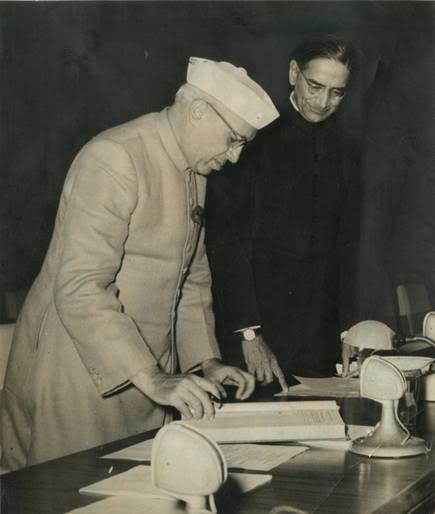
JAWAHARLAL NEHRU AND MAHALABONIS
2. Gandhian Model of Growth: Gandhi called his ideal society Sarvodaya. It is a society that ensures the welfare and well-being of all its members. It emphasizes is on all the three components of well being material, mental and more spiritual he believed that “India lives in its villages”. This plan was based on truth and nonviolence. village is considered as the focal point of development and it is considered to be self-sufficient and self regulating economy. Importance given to small scale and cottage industries to reduce unemployment. Mechanization was opposed as it would displaced people out of employment.
3. Wage Goods Strategy of Growth: According to Vakil and Brahmananda, for removal of poverty, promotion of economic growth or capital accumulation alone in is not enough. “The way out of poverty is, therefore, to pay immediate attention to making good the capital gap in respect of wage goods capacity.
4. Rao- Manmohan Model of Growth: This growth model was introduced in 1991 with emphasis on privatisation and globalisation. There was severe economic crisis since 1990 in the Indian economy issues such as low foreign exchange reserves, balance of payments problem, public sector undertaking losses compelled the then Finance Minister Manmohan Singh and Prime Minister P.V Narasimha Rao to initiate various reforms. A market driven and pattern of development was adopted. Manmohan model of development in emphasized a bigger role for the private sector. A strategy of export led growth was propagated rather than import substitution.
5. Providing Urban-Amenities in Rural Areas: A strategy of developing rural areas this model of development was initiated by the former President APJ Abdul kalam. His vision was to transform rural areas and bring it on par with urban areas. Dr. A.P.J Abdul kalam visualised for connectivities namely physical electronic knowledge that would lead to economic connectivity of rural areas. In the first phase The ministry of Rural development implemented seven pirate projects from 2004 to 2005 and 2006 to 2007 with a total outlay of rupees three billion in the states of Assam, Andhra Pradesh, Bihar, Maharashtra, Rajasthan, Orissa and uttar Pradesh. The scheme was also relaunched as a central government scheme during the remaining period of Eleventh five- year plan.
6. Five year plans: From 1947 to 2017, the Indian economy was premised on the concept of planning. This was carried through the Five-Year Plans, developed, executed, and monitored by the Planning Commission (1951-2014) and the NITI Aayog (2015-2017). With the prime minister as the ex-officio chairman, the commission has a nominated deputy chairman, who holds the rank of a cabinet minister. The first year plan was Harrod – Domar model of development economics. FYP had a target of 2.1% PA growth in national income. Top priority was given to the development of agricultural sector. The idea was agricultural development would lead to higher rate of economic growth.
ACHIEVEMENTS:
1. A Higher Growth Rate: The Indian economy has reached rapid development in all sectors. India’s macroeconomic performance has been only moderately good in terms of GDP growth rates.
2. Increase in National Income: The national income of India has increased manifold. The average annual increase in national income was registered to be 1.2% from 1901 to 1947, 3% in 1950-70, 4% in 1970-80, 5% in 1980-90 and 5.8% in 1980-81 to 2000-01. the Gross income is estimated to have risen by 7% during 2016-17 in comparison to the growth rate of 8% in 2015-16.
3. Increase in per capita: Before independence increase in per capita income was almost zero. But after the adoption of economic planning in free India per capita income has continuously be increased.
4. Growth of Economic infrastructure: India’s performance in building up the necessary economic infrastructure is really praiseworthy At the Inception of economic planning, road kilometre was 4 lakh km. India has now more than 3 million km of road network making it one of the largest in the world.
5. Development ofBasic and Capital Goods Industries: Major area of success of Indian planning is the growth of basic and capital goods industries. With the adoption of the Mahalanobis strategy of the development during the second plan period some basic and capital good industries like iron and steel witnessed spectacular growth.
6. Higher Growth of Agriculture: The most significant aspect of India’s five year plans is that their overall rate of growth of food production has now exceeded the rate of growth of population. Although in the early years of planning agricultural performance was measurable resulting in the emergence of food crisis.
7. Savings and Investment: The rise in the domestic savings rate from 10 % of GDP (Gross Domestic Capital) at the initial stages of planning to around 19% in 1980-81 is definitely impressive. The GDP of India has started to increase step by step in the following years and it rose to 36% in 2006 to 2007.
Those strategy plants also faced major failures, in spite of planning, poverty also exists and unemployment has risen. Inequalities of income have not been reduced. There is unequal land ownership, land reforms are inadequately implemented.
India has achieved self-sufficiency in almost all basic and capital good industries and consumer good industries. There is a considerable rise in net domestic product, saving and investment. Self sufficiency in food grain production is achieved. There is a good deal of diversification in industrial structure.
STRATEGY PLANS :
1. Nehru-Mahalanobis Model of Growth: Prof. P.C Mahalabonis is under the guidance of Prime Minister Jawaharlal Nehru developed the heavy industry model based on the Soviet experience. This model is popularly known as Nehru-Mahalanobis model formed the basis of the second plan. Jawaharlal Nehru emphasised that “The development of heavy industry in synonymous with industrialisation”. Mahalanobis was of the opinion that without adequate investment in basic heavy industries, it would not be possible to achieve a rapid self reliant economic growth. to achieve rapid economic growth and self reliance, it is necessary to give the highest priority to basic capital goods industries in the development strategy of a plan. It was during the second plan major steel plants were set up at Durgapur, Bhilai and Rourkela. ONGC, Ranchi Heavy Engineering Corporation, Neyveli Lignite Corporation were also set up during this plan.
JAWAHARLAL NEHRU AND MAHALABONIS
2. Gandhian Model of Growth: Gandhi called his ideal society Sarvodaya. It is a society that ensures the welfare and well-being of all its members. It emphasizes is on all the three components of well being material, mental and more spiritual he believed that “India lives in its villages”. This plan was based on truth and nonviolence. village is considered as the focal point of development and it is considered to be self-sufficient and self regulating economy. Importance given to small scale and cottage industries to reduce unemployment. Mechanization was opposed as it would displaced people out of employment.
3. Wage Goods Strategy of Growth: According to Vakil and Brahmananda, for removal of poverty, promotion of economic growth or capital accumulation alone in is not enough. “The way out of poverty is, therefore, to pay immediate attention to making good the capital gap in respect of wage goods capacity.
4. Rao- Manmohan Model of Growth: This growth model was introduced in 1991 with emphasis on privatisation and globalisation. There was severe economic crisis since 1990 in the Indian economy issues such as low foreign exchange reserves, balance of payments problem, public sector undertaking losses compelled the then Finance Minister Manmohan Singh and Prime Minister P.V Narasimha Rao to initiate various reforms. A market driven and pattern of development was adopted. Manmohan model of development in emphasized a bigger role for the private sector. A strategy of export led growth was propagated rather than import substitution.
5. Providing Urban-Amenities in Rural Areas: A strategy of developing rural areas this model of development was initiated by the former President APJ Abdul kalam. His vision was to transform rural areas and bring it on par with urban areas. Dr. A.P.J Abdul kalam visualised for connectivities namely physical electronic knowledge that would lead to economic connectivity of rural areas. In the first phase The ministry of Rural development implemented seven pirate projects from 2004 to 2005 and 2006 to 2007 with a total outlay of rupees three billion in the states of Assam, Andhra Pradesh, Bihar, Maharashtra, Rajasthan, Orissa and uttar Pradesh. The scheme was also relaunched as a central government scheme during the remaining period of Eleventh five- year plan.
6. Five year plans: From 1947 to 2017, the Indian economy was premised on the concept of planning. This was carried through the Five-Year Plans, developed, executed, and monitored by the Planning Commission (1951-2014) and the NITI Aayog (2015-2017). With the prime minister as the ex-officio chairman, the commission has a nominated deputy chairman, who holds the rank of a cabinet minister. The first year plan was Harrod – Domar model of development economics. FYP had a target of 2.1% PA growth in national income. Top priority was given to the development of agricultural sector. The idea was agricultural development would lead to higher rate of economic growth.
ACHIEVEMENTS:
1. A Higher Growth Rate: The Indian economy has reached rapid development in all sectors. India’s macroeconomic performance has been only moderately good in terms of GDP growth rates.
2. Increase in National Income: The national income of India has increased manifold. The average annual increase in national income was registered to be 1.2% from 1901 to 1947, 3% in 1950-70, 4% in 1970-80, 5% in 1980-90 and 5.8% in 1980-81 to 2000-01. the Gross income is estimated to have risen by 7% during 2016-17 in comparison to the growth rate of 8% in 2015-16.
3. Increase in per capita: Before independence increase in per capita income was almost zero. But after the adoption of economic planning in free India per capita income has continuously be increased.
4. Growth of Economic infrastructure: India’s performance in building up the necessary economic infrastructure is really praiseworthy At the Inception of economic planning, road kilometre was 4 lakh km. India has now more than 3 million km of road network making it one of the largest in the world.
5. Development ofBasic and Capital Goods Industries: Major area of success of Indian planning is the growth of basic and capital goods industries. With the adoption of the Mahalanobis strategy of the development during the second plan period some basic and capital good industries like iron and steel witnessed spectacular growth.
6. Higher Growth of Agriculture: The most significant aspect of India’s five year plans is that their overall rate of growth of food production has now exceeded the rate of growth of population. Although in the early years of planning agricultural performance was measurable resulting in the emergence of food crisis.
7. Savings and Investment: The rise in the domestic savings rate from 10 % of GDP (Gross Domestic Capital) at the initial stages of planning to around 19% in 1980-81 is definitely impressive. The GDP of India has started to increase step by step in the following years and it rose to 36% in 2006 to 2007.
Those strategy plants also faced major failures, in spite of planning, poverty also exists and unemployment has risen. Inequalities of income have not been reduced. There is unequal land ownership, land reforms are inadequately implemented.
India got independence on 15 august 1947 at midnight. There was an urgent need for a constitution to lead the nation. Dr. Rajendra parsad was elected as the president of the constitutional committee. Dr. B. R . Ambedkar was the head of the drafting committee. Our constitution was enacted on 26 november 1949 and enforced on 26 January 1950. It took 2 years 11 month and 18 day to make our constitution. Our constitution has 6 fundamental rights and 20 directive principles in itself. There were 365 articles and 6 seven fundamental rights initially.
Our constitution has a preamble. It contains the summary of our whole constitution.
Constitutional provision: The constitution provision is important for the recognition of access to information as a fundamental right.
There are many constitutional provisions in the constitution which promote education in India. These constitutional provisions act as security for the people about the access of the rights related to education. There are mainly 11 constitutional provisions. These articles are 45, 21A, 15(1) (3), 46, 25, 28 (1) (2) (3), 29, 30, 350-A, 351, 239 and 51(A).
The constitution of India provides free and compulsory education till the age of 14. The 86th amendment of the constitution created the right to education. There would be no discrimintation on the basis of gender (article 15 (1). The constitution also promotes the education for women of weaker sections (46). Article 21, 28 , 29 and 30 promotes religious education too. Article 51 states that minorities have the right to education. Noone will be discriminated against on the basis of religion, caste , gender or birth place. Article 350-A states that instruction would be in the mother tongue at primary stage. Article 351 promoted Hindi for its development and propagation.
The government of India provided many provisions to frame a strong structure for the school environment. The aim of these provisions are holistic development of the people of India. The government of India wants to provide inclusive education to all. Many administrations were made for the development and watch out on the education system. Education is also included in the concurrent list.
There is a separate ministry for education at centre as well as state level.. The ministry works over the education structure, setting goals and achieving the aims by planning organisation and direction. The ministry of education at centre level directs, controls, and plans for the ministry at state level. The state level ministry works with the guidelines provided by the central government.
The central government also controls the action of private institutions. The central government shares their funds on education with the state government. There are many pilot projects such as rural education, regional institutions for education and sarva shiksha abhiyan.
There are three lists in the constitution which are divided as the concurrent, union and states list. The list consists of subjects. Every list has some entity about education.
The whole constitution promotes education at every level. The preambles, articles and lists promote education at states and union territories level.












 Eduindex

You must be logged in to post a comment.