Samsung just released the Galaxy A series, which includes its first 5G smartphone. In India, the Samsung Galaxy A22 5G was launched with the MediaTek Dimensity 700 processor. The Galaxy A22 5G has a 5,000mAh battery, a 90Hz display, and a 5G capability for around 20,000 rupees.
Poco M3 Pro 5G is another phone with the same chipset and 5G capability. It even costs ₹4,000 less than the Samsung Galaxy A22 5G and has been on the market for a few months.
Here’s how the two low-cost 5G smartphones with the same chipset match up against one another:
Performance
The MediaTek Dimensity 700 Processor is included in both the Samsung Galaxy A22 5G and the Poco M3 Pro 5G. The SoC has an octa-core arrangement and is built on a 7nm architecture.
The Dimensity 700 has been modified to operate the two high-speed cores at 2.2GHz and the remaining six cores at 2GHz on both phones.
Both phones are powered by a 5,000mAh battery, however, the Poco M3 Pro 5G’s battery may last longer due to the lack of a high refresh rate screen. The Samsung Galaxy A22 5G receives 15W charging, while the Poco phone supports 22.5W fast charging and comes with an 18W charger.
Memory and storage
The Samsung Galaxy A22 5G comes with 8GB of RAM and 128GB of internal storage in a single memory configuration. Poco M3 Pro 5G, on the other hand, comes in two versions: one with 4GB RAM and 64GB storage, and another with 6GB RAM and 128GB storage. The 4GB model of the Poco M3 Pro was released later.
Camera
Both phones feature a triple camera setup on the back and a single selfie camera on the front. A 48MP main camera, as well as 5MP and 2MP sensors, manage photography on the Samsung Galaxy A22 5G. The Poco M3 Pro, on the other hand, has a 48MP sensor and two 2MP sensors. Both phones have an 8-megapixel front camera.
Display
The Samsung Galaxy A22 5G has a 6.6-inch display with a resolution of 1080 x 2408. The screen has a refresh rate of 90Hz.
The screen of the Poco M3 Pro 5G is a 6.5-inch panel with a resolution of 2400×1080 pixels. It has an adaptive sync display with 30Hz, 50Hz, 60Hz, and 90Hz refresh rates.
Price
The Samsung Galaxy A22 5G has a single version that costs ₹19,999. The Poco M3 Pro 5G in 4GB trim costs ₹13,999, while the 6GB model costs ₹15,999.
A toxic relationship as “any relationship [between people who] don’t support each other, where there’s conflict and one seeks to undermine the other, where there’s competition, where there’s disrespect and a lack of cohesiveness.” While every relationship goes through ups and downs, a toxic relationship is consistently unpleasant and draining for the people in it, to the point that negative moments outweigh and outnumber the positive ones. Toxic relationships are mentally, emotionally and possibly even physically damaging to one or both participants. And these relationships don’t have to be romantic, friendly, familial and professional relationships can all be toxic as well. people who consistently undermine or cause harm to a partner — whether intentionally or not — often have a reason for their behavior, even if it’s subconscious. “Maybe they were in a toxic relationship, either romantically or as a child. Maybe they didn’t have the most supportive, loving upbringing.” “They could have been bullied in school. They could be suffering from an undiagnosed mental health disorder, such as depression or anxiety or bipolar disorder, an eating disorder, any form of trauma.”
Even good relationships take work. After all, our significant other, our close friends, and even our parents aren’t perfect (and, oddly enough, they may not see us as perfect either). We have to learn how to accommodate and adapt to their idiosyncrasies, their faults, their moods, etc., just as they must learn how to do the same with us. And it’s worth it. Some relationships, however, are more difficult and require proportionately more work. We are not clones but individuals, and some individuals in relationships are going to have more difficulties, more disagreements. But because we value these relationships we’re willing to make the effort it takes to keep them. And then there are toxic relationships. These relationships have mutated themselves into something that has the potential, if not corrected, to be extremely harmful to our well being. These relationships are not necessarily hopeless, but they require substantial and difficult work if they are to be changed into something healthy. The paradox is that in order to have a reasonable chance to turn a toxic relationship into a healthy relationship, we have to be prepared to leave it (more about this later). The importance of understanding what defines a toxic relationship is elevated in a global pandemic.
Pandemic precautions have us spending more time at home. Many of us have lost the outlets that bring balance to our social, physical, and mental health–work, friends, the gym, school. Isolation at home can shed new light on the indicators that a relationship is toxic, meaning recent months have been key in identifying unhealthy patterns in our relationships. In April 2020, the Journal of Clinical Nursing reported that “home can be a place where dynamics of power can be distorted and subverted. Often without scrutiny from anyone ‘outside’ the couple or the family unit. In the COVID‐19 crisis, the exhortation to ‘stay at home’ therefore has major implications for those adults and children already living with someone who is abusive or controlling.”
Before going into main topic, let me ask you some questions that How did National Youth Day start? Who started it? Who is the reason for that?
Don’t know the answer to all this? Don’t worry. This article answers all your questions. Start reading the article with me.
Who is this Narendranath Datta?
Narendranath Datta is none other than Swami Vivekananda. As a disciple of Ramakrishna Paramahamsa, his ideas aroused the youth. From time to time some saints appear and hide in this world so that unrighteousness does not raise its head and increase its attachment to righteousness. Swami Vivekananda was one of the great saints who raised the pride of India and Hinduism on the world stage. During his stay in India he was well aware that patriotism was more important than religion.
Birth and Upbringing of Narendranath Datta
Narendranath Datta was born the son of Viswanath Datta and Bhuvaneshwari Devi. From an early age he was a man of great memory and a great athlete. He practiced meditation from an early age. He was also a rationalist. After completing his schooling, he studied philosophy at the State College, Calcutta, in 1879. There he chose to study foreign philosophies and the history of European countries.
Reason for Swami Vivekananda’s Faith in God
During this time many questions and doubts arose about the divine truths. At the time, he was discussing faith in God with many adults. Became a member of the Brahmo Samaj. He heard about Ramakrishna and went to him to learn about the divine truths. Vivekananda, who rationally accepted anything, at first could not accept Ramakrishna’s views on God. Then little by little he understood both the religion of devotion and the religion of wisdom. He accepted Ramakrishna as his guru.
When did the Name Swami Vivekananda Appear?
In 1880, Swami Vivekananda made a long tour of the country. In 1880, Swami Vivekananda made a long tour of all parts of the country. Went to many places like Varanasi, Ayodhya, Agra, Brindavan, Alwar. During this journey, his real name Narendra disappeared and he got the name Swami Vivekananda. He felt that a national revival was needed if India was to be made a living nation.
Swami Vivekananda Rock Memorial
He went to Kanyakumari on December 24, 1892, at the southern tip of the Indian subcontinent. He swam a little distance in the sea and sat on a rock and began his meditation. He meditated there for three days. That rock is today known as the Vivekananda Rock.
Swami Vivekananda’s Historic Speech
In 1893, he attended the Chicago Conference in the United States, where he coined the famous word “Sisters and Brothers of America.” Swami toured the West and returned to India in 1897 after 4 years. He started spreading information about spiritual development in India.
Why was the Ramakrishna Mission Started?
He realized that social service is only possible through a joint effort. To this end, Swami Vivekananda started the Sri Ramakrishna Mission in 1897 and formalized his thoughts and goals. Then in the next two years he started Sri Ramakrishna Mission in Belur. He then toured the West. On his return to India, Swami Vivekananda passed away on July 4, 1902 at the Ramakrishna Mission he had established.
National Youth Day
In 1984, the Government of India declared January 12, the birthday of Swami Vivekananda, as National Youth Day. Swami Vivekananda had more faith in the youth than anyone else. He believed that only in a vibrant youth can determine our future. He emphasized the importance of physical health, social responsibility and intellectual development beyond spirituality. It is not education that does not enrich the character of one who has not taught the common man to fight for life, nor teach him the lion-like courage that does not teach humanity. He said that true education is teaching to achieve self-sufficiency.
Here are some Quotes Swami said…
Fear is death, fear is sin, fear is hell, fear is unrighteousness, fear is wrong life. All the negative thoughts and ideas that are in the world have proceeded from this evil spirit of fear.
Believe in yourself and the world will be at your feet.
Arise! Awake! and stop not until the goal is reached.
You will be nearer to Heaven through football than through the study of the Gita…. You will understand the Gita better with your biceps, your muscles, a little stronger….You will understand the Upanishads better and the glory of the Atman when your body stands firm upon your feet, and you feel yourselves as man.
Strength is life, weakness is death
Finally we came to an end of the article about National youth Day. I hope you have read this article and know all the information and enjoyed it. If you like this article LIKE, SHARE and COMMENT.
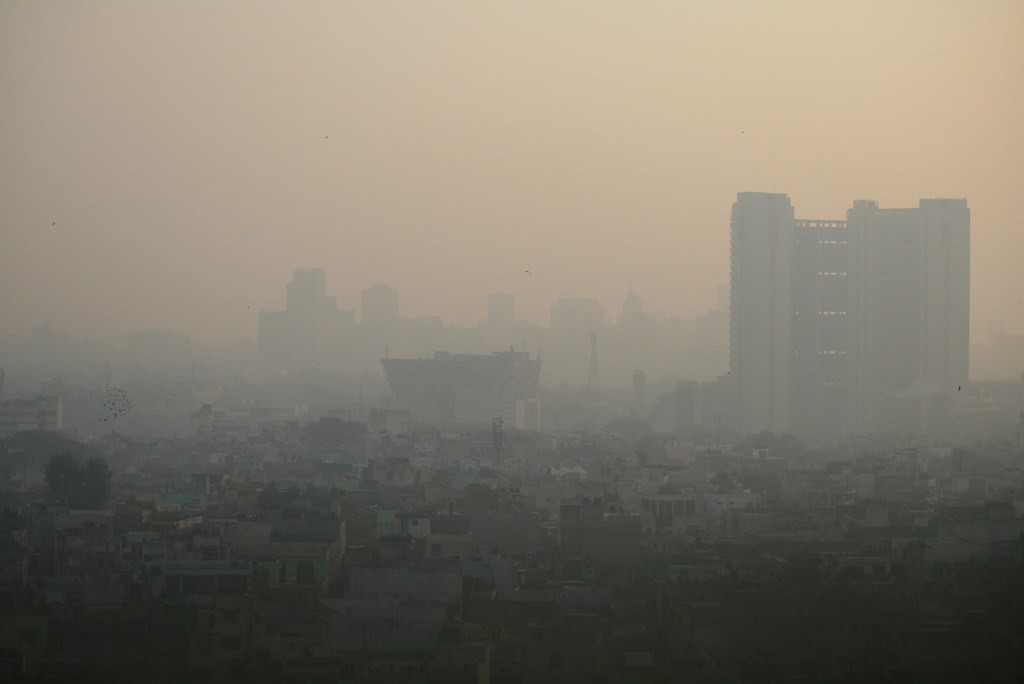
The Air (Prevention and Control of Pollution) Act was passed in the early 1980s, but due to lax regulation, it has failed to make an impact. India ranks third in the world in terms of greenhouse gas emissions, trailing only China and the United States.
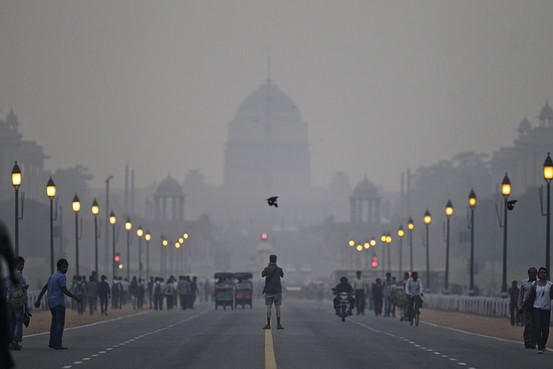
India was marked the fifth most polluted country by WHO (2019) based on PM2.5 emission concentrations, with 21 of the top 30 contaminated cities being in India.
According to WHO (2016), air pollution was responsible for one out of every nine deaths in 2012, with roughly 30 lakh deaths entirely attributable to outdoor air pollution.
In India alone, air pollution was estimated to have caused approximately 11 lakh premature deaths in 2017 (HEI 2019), with 56 percent of those deaths linked to exposure to outdoor PM2.5 concentrations and 44 percent to domestic air pollution. Indians are susceptible to an average of 83.2 g/cubic meter of PM2.5 pollutants, opposed to a much lower level of merely 8 g/cubic meter in cleaner countries.
SOURCES OF POLLUTION
Over time, India’s air quality has deteriorated due to large expansions in industries, population density, human activities, and the increased usage of automobiles. Transportation, factories, agriculture, power, waste management, biomass burning, household, construction, and demolition waste are the seven key sectors that contribute to air pollution.
Industry accounts for 50% of the pollution, with cars accounting for 27%, agricultural burning for 17%, and household cooking accounting for 7%. Air pollution-related diseases claim the lives of about 2 million Indians.
In practically every city, the transportation sector is the primary source of air pollution, although this situation is exacerbated in metropolitan areas.
In recent decades, the country has undergone considerable industrialization. As a corollary, the air quality in most metropolitan areas has plummeted. Polluting firms were divided into 17 categories by the Central Pollution Control Board (CPCB), all of which were small and medium-sized businesses. Seven among those industries designated as “essential,” namely iron and steel, sugar, paper, cement, fertilizers, copper, and aluminum. SPM, SOX, NOX, and CO2 emissions being the principal pollutants.
The main pollutants emitted by farming activities are ammonia (NH3) and nitrous oxide (N2O). Farming methods such as ‘slash and burn’ are major contributors to photochemical smog.
Power plants constitute a substantial amount of air pollution in India. The biggest source of SO2 and TSP emissions are thermal power plants. Between 1947 and 1997, emissions of SO2, NOX, and PM grew by more than 50 times, according to The Energy and Resources Institute (TERI).
Households are a prime source of pollution in India. Although most metropolitan areas use liquefied petroleum gas (LPG) as a cooking fuel, the bulk of rural Indians rely on cow dung cakes, biomass, charcoal, or wood for cooking and other needs. These emissions have dire impacts on air quality, especially indoor air quality, and may significantly impact health.
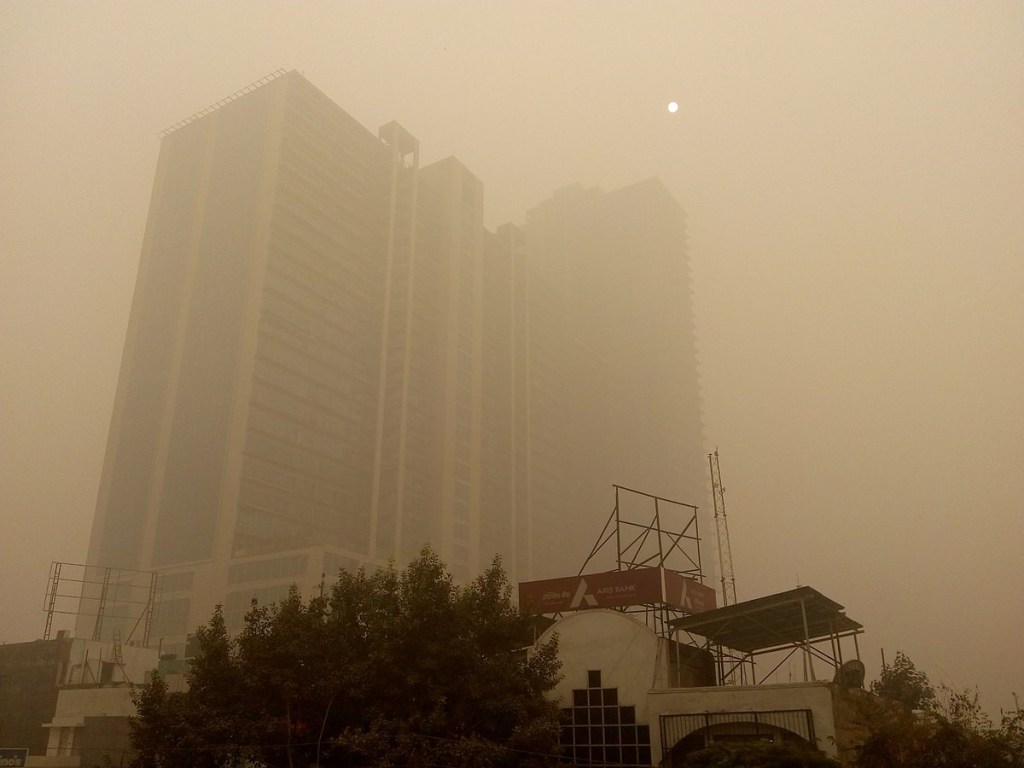
People living in polluted cities are prone to a myriad of health concerns, ranging from mild respiratory issues to life-threatening illnesses. PM, O3, SOX, and NOX emissions have the power to damage people’s cardiovascular and pulmonary systems.
More than 100,000 new-borns died as a result of indoor and outdoor harmful pollutants during their first month of life. The usage of charcoal, wood, and dried dung cakes for cooking and heating homes was associated with a substantial number of these deaths.
According to a study, over 30% of Delhi’s population experienced respiratory illnesses in 2016 as a result of air pollution. Another study indicated that between 1990 and 2010, the fatality rate in Delhi due to air pollution doubled. In 1995, 2800 individuals died prematurely in Mumbai as a result of air pollution; which climbed exponentially to 10,800 in 2010. In 2010, the number of premature deaths in Kolkata was projected to be around 13,500 whereas, Delhi recorded 18,600 annual fatalities.
MEASURES IMPLEMENTED TO CUT EMISSIONS
The Central and State governments have taken several steps to reduce pollution and enhance air quality. The use of compressed natural gas (CNG) as an alternative fuel, the odd-even measures enforced in Delhi, the introduction of Bharat Stage VI vehicle and fuel standards,the Pradhan Mantri Ujjwala Yojana (PMUY), and the National Clean Air Programme (NCAP)are all examples of initiatives in this direction.
Adoption of zig-zag technology for stack emissions from brick kilns, online surveillance of emissions via the Online Continuous Emission Monitoring Systems (OCEMS), and the installation of webcams in environmentally damaging factories are some of the steps taken to combat Air pollution in the industry sector.
Initiation of door-to-door collection of separated waste and various compost pits have been installed in metro areas to mitigate the issue of open burning of garbage and domestic wastes. Furthermore, varied steps have been taken over the years to limit the particulate matter (PM) and dust particle densities, such as green buffer around cities, the maintenance of a 33 % green cover around city environments, and the installation of water fountains throughout cities. On city streets, any car that is more than 15 years old or does not satisfy the BS6 emission regulations will be banned.
But it will take a lot more than this; to control pollution, all citizens of the country must work together.
The Air (Prevention and Control of Pollution) Act was passed in the early 1980s, but due to lax regulation, it has failed to make an impact. India ranks third in the world in terms of greenhouse gas emissions, trailing only China and the United States.
India was marked the fifth most polluted country by WHO (2019) based on PM2.5 emission concentrations, with 21 of the top 30 contaminated cities being in India.
According to WHO (2016), air pollution was responsible for one out of every nine deaths in 2012, with roughly 30 lakh deaths entirely attributable to outdoor air pollution.
In India alone, air pollution was estimated to have caused approximately 11 lakh premature deaths in 2017 (HEI 2019), with 56 percent of those deaths linked to exposure to outdoor PM2.5 concentrations and 44 percent to domestic air pollution. Indians are susceptible to an average of 83.2 g/cubic meter of PM2.5 pollutants, opposed to a much lower level of merely 8 g/cubic meter in cleaner countries.
SOURCES OF POLLUTION
Over time, India’s air quality has deteriorated due to large expansions in industries, population density, human activities, and the increased usage of automobiles. Transportation, factories, agriculture, power, waste management, biomass burning, household, construction, and demolition waste are the seven key sectors that contribute to air pollution.
Industry accounts for 50% of the pollution, with cars accounting for 27%, agricultural burning for 17%, and household cooking accounting for 7%. Air pollution-related diseases claim the lives of about 2 million Indians.
In practically every city, the transportation sector is the primary source of air pollution, although this situation is exacerbated in metropolitan areas.
In recent decades, the country has undergone considerable industrialization. As a corollary, the air quality in most metropolitan areas has plummeted. Polluting firms were divided into 17 categories by the Central Pollution Control Board (CPCB), all of which were small and medium-sized businesses. Seven among those industries designated as “essential,” namely iron and steel, sugar, paper, cement, fertilizers, copper, and aluminum. SPM, SOX, NOX, and CO2 emissions being the principal pollutants.
The main pollutants emitted by farming activities are ammonia (NH3) and nitrous oxide (N2O). Farming methods such as ‘slash and burn’ are major contributors to photochemical smog.
Power plants constitute a substantial amount of air pollution in India. The biggest source of SO2 and TSP emissions are thermal power plants. Between 1947 and 1997, emissions of SO2, NOX, and PM grew by more than 50 times, according to The Energy and Resources Institute (TERI).
Households are a prime source of pollution in India. Although most metropolitan areas use liquefied petroleum gas (LPG) as a cooking fuel, the bulk of rural Indians rely on cow dung cakes, biomass, charcoal, or wood for cooking and other needs. These emissions have dire impacts on air quality, especially indoor air quality, and may significantly impact health.
People living in polluted cities are prone to a myriad of health concerns, ranging from mild respiratory issues to life-threatening illnesses. PM, O3, SOX, and NOX emissions have the power to damage people’s cardiovascular and pulmonary systems.
More than 100,000 new-borns died as a result of indoor and outdoor harmful pollutants during their first month of life. The usage of charcoal, wood, and dried dung cakes for cooking and heating homes was associated with a substantial number of these deaths.
According to a study, over 30% of Delhi’s population experienced respiratory illnesses in 2016 as a result of air pollution. Another study indicated that between 1990 and 2010, the fatality rate in Delhi due to air pollution doubled. In 1995, 2800 individuals died prematurely in Mumbai as a result of air pollution; which climbed exponentially to 10,800 in 2010. In 2010, the number of premature deaths in Kolkata was projected to be around 13,500 whereas, Delhi recorded 18,600 annual fatalities.
MEASURES IMPLEMENTED TO CUT EMISSIONS
The Central and State governments have taken several steps to reduce pollution and enhance air quality. The use of compressed natural gas (CNG) as an alternative fuel, the odd-even measures enforced in Delhi, the introduction of Bharat Stage VI vehicle and fuel standards,the Pradhan Mantri Ujjwala Yojana (PMUY), and the National Clean Air Programme (NCAP)are all examples of initiatives in this direction.
Adoption of zig-zag technology for stack emissions from brick kilns, online surveillance of emissions via the Online Continuous Emission Monitoring Systems (OCEMS), and the installation of webcams in environmentally damaging factories are some of the steps taken to combat Air pollution in the industry sector.
Initiation of door-to-door collection of separated waste and various compost pits have been installed in metro areas to mitigate the issue of open burning of garbage and domestic wastes. Furthermore, varied steps have been taken over the years to limit the particulate matter (PM) and dust particle densities, such as green buffer around cities, the maintenance of a 33 % green cover around city environments, and the installation of water fountains throughout cities. On city streets, any car that is more than 15 years old or does not satisfy the BS6 emission regulations will be banned.
But it will take a lot more than this; to control pollution, all citizens of the country must work together.
The reputation of a person is of utmost importance to him. It can be said to be his property, in some cases, more valuable than his property. It is not a very appreciable idea to injure the reputation of a person ( some exceptions).
Defamation is an injury to the reputation of a person. Defamation can be oral or written. For example, a person may defame another orally, in front of a large crowd, or through written ways using newspapers, magazines, or social media.
Defamation is a concept treated differently under English Law and Indian Law, with some similarities.
In English Law, the oral form or the form of words and gestures is called slander, and representations made in the written form are termed libel. In English Criminal Law, only libel has been recognized as an offense. But in Indian law, both, libel and slander are criminal offenses under section 499 I.P.C.
But can any statement made concerning a person be termed as defamation?
No, that is not the case. Some prerequisites exist and they must be fulfilled for a statement to come under the ambit of defamation. Let us look into them
The statement should be defamatory– As described earlier, a defamatory statement tends to injure the reputation of an individual. Whether a statement is defamatory or not depends on how the right-thinking members of society are likely to take it. The standard to be applied is that of a right-minded citizen, a man of fair intelligence.
Statement in question must refer to the individual concerned – The statement must refer to the individual. I must be understood by right-thinking or reasonable-minded persons, as referring to the individual.
The statement must be published– Published here does not refer to a newspaper or a book. It conveys that the statement must be communicated to some other person other than the individual himself.
What happens if someone files a case of defamation in a court of law against you or some family member of yours? Will you be liable and will you pay the damages for the same? Do you have some defenses at your hand that you can produce before the hon’ble court to set yourself free? Yes, sure some defenses can be used. Some of them are discussed below.
Justification or truth – If it is somehow proved that the statement made is true, it serves as a good defense. But even ‘ truth’ is not a complete defense. It needs to be proved that the statement was made for the public good ( for example an article of a newspaper under inspection).
Fair comment- Making fair comments on matters of public interest is a defense to an act of defamation. But the following essentials are required for this defense to be used.
Firstly, it must be a comment; an assertion of opinion rather than fact. Secondly, the comment must be fair and thirdly, it must be made in the public interest.
3. Privileges- Absolute or Qualified- Some exceptions to cases of defamation exist. For example, absolute privilege is recognized in the Parliamentary Proceedings or Judicial Proceedings. That implies statements made here need no justification even though written or spoken maliciously. Qualified proceedings include matters like the publication of parliamentary proceedings or reports of parliamentary, judicial, or other public proceedings.
Defamation may seem an intricate topic, but it is not so. The phrase ‘choose your words wisely’ seems to apply very well in the case of defamation!
The reputation of a person is of utmost importance to him. It can be said to be his property, in some cases, more valuable than his property. It is not a very appreciable idea to injure the reputation of a person ( some exceptions).
Defamation is an injury to the reputation of a person. Defamation can be oral or written. For example, a person may defame another orally, in front of a large crowd, or through written ways using newspapers, magazines, or social media.
Defamation is a concept treated differently under English Law and Indian Law, with some similarities.
In English Law, the oral form or the form of words and gestures is called slander, and representations made in the written form are termed libel. In English Criminal Law, only libel has been recognized as an offense. But in Indian law, both, libel and slander are criminal offenses under section 499 I.P.C.
But can any statement made concerning a person be termed as defamation?
No, that is not the case. Some prerequisites exist and they must be fulfilled for a statement to come under the ambit of defamation. Let us look into them
The statement should be defamatory– As described earlier, a defamatory statement tends to injure the reputation of an individual. Whether a statement is defamatory or not depends on how the right-thinking members of society are likely to take it. The standard to be applied is that of a right-minded citizen, a man of fair intelligence.
Statement in question must refer to the individual concerned – The statement must refer to the individual. I must be understood by right-thinking or reasonable-minded persons, as referring to the individual.
The statement must be published– Published here does not refer to a newspaper or a book. It conveys that the statement must be communicated to some other person other than the individual himself.
What happens if someone files a case of defamation in a court of law against you or some family member of yours? Will you be liable and will you pay the damages for the same? Do you have some defenses at your hand that you can produce before the hon’ble court to set yourself free? Yes, sure some defenses can be used. Some of them are discussed below.
Justification or truth – If it is somehow proved that the statement made is true, it serves as a good defense. But even ‘ truth’ is not a complete defense. It needs to be proved that the statement was made for the public good ( for example an article of a newspaper under inspection).
Fair comment- Making fair comments on matters of public interest is a defense to an act of defamation. But the following essentials are required for this defense to be used.
Firstly, it must be a comment; an assertion of opinion rather than fact. Secondly, the comment must be fair and thirdly, it must be made in the public interest.
3. Privileges- Absolute or Qualified- Some exceptions to cases of defamation exist. For example, absolute privilege is recognized in the Parliamentary Proceedings or Judicial Proceedings. That implies statements made here need no justification even though written or spoken maliciously. Qualified proceedings include matters like the publication of parliamentary proceedings or reports of parliamentary, judicial, or other public proceedings.
Defamation may seem an intricate topic, but it is not so. The phrase ‘choose your words wisely’ seems to apply very well in the case of defamation!
We have observed many times that at tea shops there are some children are serving tea to the customer or at different shops attending the customers. Some of you may have been served by these “workers”. This is how child labor looks like. The concern is not that children should not work at dangerous places like mines or factories but the concern is that children should not work at any places. The Covid-19 pandemic led the world to economic and social crises. The most affected by these crises in society are vulnerable. As in the situation of the economic crisis in poor communities, children are at particular risk. The pandemic is forcing the children out of school and into the farms and factories to work. Child labor has always been a matter of concern globally and the Covid-19 pandemic has worsened the situation. According to a report released by UNICEF and ILO, the progress to end the child labor has stalled for the first time in 20 years, reversing the previous downward trend that saw child labor fall by 94 million between 2000 and 2016. According to a new report by ILO and UNICEF, the number of children in child labor has risen to 160 million worldwide- an increase of 8.4 million children in the last four years- with millions more at risk due to the impacts of Covid-19. Consequently, two waves of Covid-19 are affecting each stratum of society. The pandemic led to lockdown because of the risk to the life of people, they had to restrict their movement. Due to this many people lost their jobs especially daily wagers and laborers and this led to the economic crisis in their families. They fell into deep poverty. In a situation like this question arises to their survival and as a solution for themselves some family unwillingly sent their children to work which helps them to survive. The risk of child labor also increased during Covid-19 because schools are closed for an indefinite period of time and it is not sure that when the schools will run offline. Due to the closing of schools children from poor communities are not able to continue their education. Lack of access to the internet and technology many children are unable to participate in self-guided learning during school closures. In India over three-fourths of children did not have access to online learning and over one-third of children did not have access to any learning material. Due to loss of learning some students may have decided to drop out of school permanently. It is always seen that children and youth not enrolled in schools are at a much bigger risk of child labor. After the reopening of schools, parents without jobs may not be able to pay for school fees, supplies, and uniforms. According to UNICEF, more than 1.5 billion children missed their schooling due to Covid-19 restrictions, which has compelled the children to work to support their families. In countries like India, it is very crucial to deal with child labor because “children belong to classes not workplaces”. The government needs to come with more effective programs to eradicate child labor. Coming from families with no financial resources, in this pandemic the children and their families are not left with choices. It is to be ensured that at least the affected families are provided with basic needs which will prevent their children from working. NGOs like CRY is providing children with learning material. According to the CEO of CRY in 2020, close to 4000 cases of child labor were prevented or referred to rescue and support. Organizations like these are coming forward but how many can they help? There is a need for large action to protect children from child labor. One most important thing is that mindset of people should be changed as there is a saying that “Garib ka baccha kamaega nahin to khaayega kya”. These kinds of things demotivate children and their families to stand against wrongs and accept things as their fate. Also, the UN is planning to eradicate child labor by 2025, but the pandemic is impacting every positive step towards change.
We have observed many times that at tea shops there are some children are serving tea to the customer or at different shops attending the customers. Some of you may have been served by these “workers”. This is how child labor looks like. The concern is not that children should not work at dangerous places like mines or factories but the concern is that children should not work at any places. The Covid-19 pandemic led the world to economic and social crises. The most affected by these crises in society are vulnerable. As in the situation of the economic crisis in poor communities, children are at particular risk. The pandemic is forcing the children out of school and into the farms and factories to work. Child labor has always been a matter of concern globally and the Covid-19 pandemic has worsened the situation. According to a report released by UNICEF and ILO, the progress to end the child labor has stalled for the first time in 20 years, reversing the previous downward trend that saw child labor fall by 94 million between 2000 and 2016. According to a new report by ILO and UNICEF, the number of children in child labor has risen to 160 million worldwide- an increase of 8.4 million children in the last four years- with millions more at risk due to the impacts of Covid-19. Consequently, two waves of Covid-19 are affecting each stratum of society. The pandemic led to lockdown because of the risk to the life of people, they had to restrict their movement. Due to this many people lost their jobs especially daily wagers and laborers and this led to the economic crisis in their families. They fell into deep poverty. In a situation like this question arises to their survival and as a solution for themselves some family unwillingly sent their children to work which helps them to survive. The risk of child labor also increased during Covid-19 because schools are closed for an indefinite period of time and it is not sure that when the schools will run offline. Due to the closing of schools children from poor communities are not able to continue their education. Lack of access to the internet and technology many children are unable to participate in self-guided learning during school closures. In India over three-fourths of children did not have access to online learning and over one-third of children did not have access to any learning material. Due to loss of learning some students may have decided to drop out of school permanently. It is always seen that children and youth not enrolled in schools are at a much bigger risk of child labor. After the reopening of schools, parents without jobs may not be able to pay for school fees, supplies, and uniforms. According to UNICEF, more than 1.5 billion children missed their schooling due to Covid-19 restrictions, which has compelled the children to work to support their families. In countries like India, it is very crucial to deal with child labor because “children belong to classes not workplaces”. The government needs to come with more effective programs to eradicate child labor. Coming from families with no financial resources, in this pandemic the children and their families are not left with choices. It is to be ensured that at least the affected families are provided with basic needs which will prevent their children from working. NGOs like CRY is providing children with learning material. According to the CEO of CRY in 2020, close to 4000 cases of child labor were prevented or referred to rescue and support. Organizations like these are coming forward but how many can they help? There is a need for large action to protect children from child labor. One most important thing is that mindset of people should be changed as there is a saying that “Garib ka baccha kamaega nahin to khaayega kya”. These kinds of things demotivate children and their families to stand against wrongs and accept things as their fate. Also, the UN is planning to eradicate child labor by 2025, but the pandemic is impacting every positive step towards change.
Mornings may be difficult, particularly when you ‘re striving to squeeze in every additional wink of sleep you can. Waking up early, on the other hand, may make you a happier individual and studies suggest that it can enhance your overall health and general feeling of well-being.
Existing studies have found a relationship between chronotype, or a person’s biological predilection for mornings or evenings, and mood. Night owls, for instance, are more vulnerable as morning persons to suffer depression.
Morning people tend to be more in sync with conventional work-rest patterns, but night owls may struggle to adjust. Getting up early has been shown in studies to improve mood, increase satisfaction with life, and reduce mental health issues. Also there is a relationship between getting up early and having a higher level of well-being among elderly people.
Some Of The Advantages of Getting Up Early
Improved Organizational Skills
Because you have uninterrupted time to yourself in the early morning, this is usually the most productive time of day. When you are not distracted, you can do any work more quickly. You may utilise this calm and quiet time to organise your day ahead of time, allotting a certain amount of time to each of your activities. Mentally planning your day before you begin improves your organisational abilities and promotes productivity.
Avoid Heavy Traffic During Your Commute
If you get up really early, you may leave your house before peak traffic hours. You don’t lose time sitting in traffic on your way to and from work. You’ll also be on schedule for all of your subsequent engagements during the day.
Have a Stress-Free Environment
Getting up early allows you to organise your day ahead of time. You aren’t racing through your day with a crowded head. Preparing ahead of time reduces the anxiety that comes with hurrying to complete tasks. Furthermore, waking up early allows you more time for stress-relieving leisure activities, allowing you to begin your day with a peaceful and focused mind.
Reap The benefits of Quality Sleep
Morning people are more likely to fall asleep quickly. When you get up early, your body becomes fatigued quickly, which leads to great sleep as soon as you go to bed. You become used to the natural circadian rhythm, which causes you to go to bed and wake up early. Heading to sleep early increases your chances of completing all four phases of sleep over the course of four to six sleep cycles, resulting in a well-rested and refreshed feeling the next morning.
Tips to Get Out of Bed Earlier
Begin slowly
Set reasonable goals and don’t begin getting up at an unusual hour. It is better to steadily increase the time. For instance, if you are accustomed to getting up at 7 a.m., set an alarm for 6:45 a.m. When your body has adapted to the change, you can extend it for another 15 minutes. Starting slowly will allow your body to better adjust to the shift.
As Soon as You Wake Up, Get Out of the Bedroom
In the bedroom, your mind has been programmed to feel drowsy. Leaving the bedroom as soon as you wake up prevents you from falling back asleep. While attempting to become early risers, numerous night owls succumb to the urge of going to sleep when they spend some time in the bedroom.
You Should Reward Yourself
You can encourage the system while training yourself to wake up early. You may spoil yourself with your favourite coffee taste or with more time in the shower. Do something out of the ordinary to make yourself feel exceptional for achieving your goal of getting up early. Rewarding oneself encourages you to stick with the exercise.
Maintain Good Sleep Hygiene
Create a nighttime ritual that signals to your body that it is time to sleep. Take a nice shower, read your favourite book, or reflect on the good things that happened to you that day. All of these things assist you to relax and prepare your body for sleep.
Blue Lights Should Be Avoided
Melatonin synthesis might be suppressed by blue light from your television or other devices. Inadequate or delayed synthesis of this sleep-inducing hormone may have a detrimental impact on your sleep quality. To really be regular with waking up early, you must go to bed early. Keeping away from blue lights for at least an hour before sleeping aids in your objective of falling asleep earlier.
Take Care Of Yourself
If you’re feeling unwell or weary, ease up on yourself and don’t force yourself to get out of bed too early. This adaptability will keep you from hating the thought of getting up early.
Mornings may be difficult, particularly when you ‘re striving to squeeze in every additional wink of sleep you can. Waking up early, on the other hand, may make you a happier individual and studies suggest that it can enhance your overall health and general feeling of well-being.
Existing studies have found a relationship between chronotype, or a person’s biological predilection for mornings or evenings, and mood. Night owls, for instance, are more vulnerable as morning persons to suffer depression.
Morning people tend to be more in sync with conventional work-rest patterns, but night owls may struggle to adjust. Getting up early has been shown in studies to improve mood, increase satisfaction with life, and reduce mental health issues. Also there is a relationship between getting up early and having a higher level of well-being among elderly people.
Some Of The Advantages of Getting Up Early
Improved Organizational Skills
Because you have uninterrupted time to yourself in the early morning, this is usually the most productive time of day. When you are not distracted, you can do any work more quickly. You may utilise this calm and quiet time to organise your day ahead of time, allotting a certain amount of time to each of your activities. Mentally planning your day before you begin improves your organisational abilities and promotes productivity.
Avoid Heavy Traffic During Your Commute
If you get up really early, you may leave your house before peak traffic hours. You don’t lose time sitting in traffic on your way to and from work. You’ll also be on schedule for all of your subsequent engagements during the day.
Have a Stress-Free Environment
Getting up early allows you to organise your day ahead of time. You aren’t racing through your day with a crowded head. Preparing ahead of time reduces the anxiety that comes with hurrying to complete tasks. Furthermore, waking up early allows you more time for stress-relieving leisure activities, allowing you to begin your day with a peaceful and focused mind.
Reap The benefits of Quality Sleep
Morning people are more likely to fall asleep quickly. When you get up early, your body becomes fatigued quickly, which leads to great sleep as soon as you go to bed. You become used to the natural circadian rhythm, which causes you to go to bed and wake up early. Heading to sleep early increases your chances of completing all four phases of sleep over the course of four to six sleep cycles, resulting in a well-rested and refreshed feeling the next morning.
Tips to Get Out of Bed Earlier
Begin slowly
Set reasonable goals and don’t begin getting up at an unusual hour. It is better to steadily increase the time. For instance, if you are accustomed to getting up at 7 a.m., set an alarm for 6:45 a.m. When your body has adapted to the change, you can extend it for another 15 minutes. Starting slowly will allow your body to better adjust to the shift.
As Soon as You Wake Up, Get Out of the Bedroom
In the bedroom, your mind has been programmed to feel drowsy. Leaving the bedroom as soon as you wake up prevents you from falling back asleep. While attempting to become early risers, numerous night owls succumb to the urge of going to sleep when they spend some time in the bedroom.
You Should Reward Yourself
You can encourage the system while training yourself to wake up early. You may spoil yourself with your favourite coffee taste or with more time in the shower. Do something out of the ordinary to make yourself feel exceptional for achieving your goal of getting up early. Rewarding oneself encourages you to stick with the exercise.
Maintain Good Sleep Hygiene
Create a nighttime ritual that signals to your body that it is time to sleep. Take a nice shower, read your favourite book, or reflect on the good things that happened to you that day. All of these things assist you to relax and prepare your body for sleep.
Blue Lights Should Be Avoided
Melatonin synthesis might be suppressed by blue light from your television or other devices. Inadequate or delayed synthesis of this sleep-inducing hormone may have a detrimental impact on your sleep quality. To really be regular with waking up early, you must go to bed early. Keeping away from blue lights for at least an hour before sleeping aids in your objective of falling asleep earlier.
Take Care Of Yourself
If you’re feeling unwell or weary, ease up on yourself and don’t force yourself to get out of bed too early. This adaptability will keep you from hating the thought of getting up early.
According to the World Health organization’s report, Japan is the country which has the highest life expectancy of the people. Okinawa, an area in Japan has the highest life expectancy of overall an average. Okinawa is said to be the most affected area in the World War II. People were affected by hunger due to lack of resources during 1940s. They recovered themselves from the huge destruction and now they have the longest living citizens.
What they actually do? What makes them special in terms of their life expectancy?
Okinawa is a place in Japan where there is no train and people living there either use cycle or prefer to walk while travelling. This is followed by the Japanese people as it is the province, which is managed by the government.
MIRACLE DIET
People in Japan eat a wide variety of vegetables. They consume at least 5 servings of fruits and vegetables. Minimum 7 types of fruits and vegetables on their daily basis. 30% of their calories comes from the vegetables. Their tables consist of colorful varieties of vegetables.
However, their primary food is White rice, which they consume on their daily basis. They also add noodles sometimes to their diet.
Their foundation for a diet is grains. They rarely eat sugar if they consume sugar it is only cane sugar. Sugarcane has the several benefits on dietary effects as they have antioxidant property. Eating a bit of sugar after meal avoids tooth decay.
STUDIES OF MAKATOO SUZUKI
Sugars are less on their diet. i.e. One third of their diet.
Salt 7grsms per day.
Few calories food intake.
Fish 3 times per week.
Lot of legumes and beans.
SANPIN-CHA
Sanpin cha – a mix of green tea and jasmine flowers. In addition to the antioxidant property of green tea, Jasmine has varied benefits such as they strength immune system and relieve stress. Studies says that Jasmine tea reduces blood cholesterol levels. They drink on an average of three cups of jasmine tea.
GREEN TEA & WHITE TEA
Green tea plays an important role in longevity. It protects from UV damage, promotes good bone health and prevents against bacterial infection.
White tea has a high concentration of polyphenols which prevents aging. It has the greatest antioxidant power with is equal to dozen of fruit juices.
Drinking either green tea or white tea everyday reduces free radicals in the body which keep the body young.
SHIKUWASA
Shikuwasa, a citrus fruit which is widely found in Ogimi, a village in Okinawa. Shikuwasa juice is taken after diluting it with water. Their taste lies between lime and orange. As all citrus fruits have high levels of nobility which is a flavnoid, consuming nobiletin protects cancer, type 2 diabetes and obesity.
They also contain Beta carotene, vitamin C & B1 and minerals. They are used in many dishes and widely used in parties as they also serve as a cake.
SO EAT LESS, LIVE LONGER!
Calorie restriction is a very effective way to keep your body younger. Eating more calorie rich food makes one to be lethargic and body is unable to digest the food frequently. Though we don’t have any accurate study on calorie restriction based on longevity, but the data increasingly give information on adequate calorie restrictions will be a protective effect against obesity, type 2 diabetes and heart diseases. Mountain 5:2 is his best way, i.e., fasting one or two days every week and eating normally for the remaining five days.
Meaning of citizenship– Citizen are the member of the political community to which they belong. They are the people who compose the State.
Constitutional Rights and Privilegesof the Citizens of India-
Citizens of India have the following rights under the Constitution: (a) Fundamental Rights mentioned under Article-15,16,19
b) Only citizens are eligible for certain offices such as those of the President, Vice-President, Judge of the Supreme Court, or a High Court, Attorney General, Governor of a State, Advocate General.
(c) The right of suffrage for election to the House of the People and the Legislative Assembly of every State and the right to become a member of Parliament and of the Legislature of a State.
Person who became Citizens on 26thJanuary, 1950:
Under Article 5-8 of the Constitution, the following persons became citizens of India at the commencement of the Constitution –
(1) who was born as well as domiciled in the “territory of India”- irrespective of the nationality of his parents A- 5(a).
(2) who are domiciled in the “territory of India”, either of whose parents was born in the territory of India- irrespective of the nationality of his parents or the place of birth of such person A- 5(b).
(3) who or whose father/mother was not born in India, but-
(a) had his domicile, in the territory of India
(b) had been ordinarily residing within the territory of India not less than 5 years soon after preceding the commencement of the Constitution.
(4) A person who had migrated from Pakistan, provided-
(a) He or either of his parents/grandparents was born in India as defined in the Government of India Act, 1935
(b) (i) if he migrated before 19 July, 1948
(ii) if he had migrated on or after 19th 1948, he further had made an application before the commencement of this Constitution for registering himself as a citizen of India by an officer appointed by the Government of India.
(5) Person who had migrated from India to Pakistan after 1 March 1947, but had subsequently returned to India under a permit issued under the authority of the Government of India.
(6) A person who, or any of whose parents/grandparents were born in India as defined in the Government of India Act, 1935 but who is ordin
Acquisition of Citizenship after 26thJanuary 1950
The various modes of acquisition of Citizenship prescribed by the Citizenship Act, 1955 are as follows-
(a) Citizenship by birth
(b) Citizenship by descent
(c) Citizenship by registration
(d) Citizenship by naturalization
(e) Citizenship by incorporation of territory
(f) In 1985 a special provision was also added as to citizenship of persons of Indian origin covered by the Assam Accord. Under section 6A (2) two conditions are required to be satisfied –
(1) persons who are of Indian Origin came before 1 January 1966 to Assam from the specified territory
(2) have been ‘ordinarily resident ‘ in Assam as it existed in 1985 since the date of entry in Assam.
Citizenship Amendment Act, 2019- The migrants of Hindu, Sikh, Buddhist, Jain, Parsi, or Christian communities from Afghanistan, Pakistan, or Bangladesh who had entered India without valid travel documents or if the validity of their documents have been expired were regarded as illegal migrants and were ineligible to apply for Indian citizenship under section 5 and 6 of the Citizenship Act, 1955.
Meaning of citizenship– Citizen are the member of the political community to which they belong. They are the people who compose the State.
Constitutional Rights and Privilegesof the Citizens of India-
Citizens of India have the following rights under the Constitution: (a) Fundamental Rights mentioned under Article-15,16,19
b) Only citizens are eligible for certain offices such as those of the President, Vice-President, Judge of the Supreme Court, or a High Court, Attorney General, Governor of a State, Advocate General.
(c) The right of suffrage for election to the House of the People and the Legislative Assembly of every State and the right to become a member of Parliament and of the Legislature of a State.
Person who became Citizens on 26thJanuary, 1950:
Under Article 5-8 of the Constitution, the following persons became citizens of India at the commencement of the Constitution –
(1) who was born as well as domiciled in the “territory of India”- irrespective of the nationality of his parents A- 5(a).
(2) who are domiciled in the “territory of India”, either of whose parents was born in the territory of India- irrespective of the nationality of his parents or the place of birth of such person A- 5(b).
(3) who or whose father/mother was not born in India, but-
(a) had his domicile, in the territory of India
(b) had been ordinarily residing within the territory of India not less than 5 years soon after preceding the commencement of the Constitution.
(4) A person who had migrated from Pakistan, provided-
(a) He or either of his parents/grandparents was born in India as defined in the Government of India Act, 1935
(b) (i) if he migrated before 19 July, 1948
(ii) if he had migrated on or after 19th 1948, he further had made an application before the commencement of this Constitution for registering himself as a citizen of India by an officer appointed by the Government of India.
(5) Person who had migrated from India to Pakistan after 1 March 1947, but had subsequently returned to India under a permit issued under the authority of the Government of India.
(6) A person who, or any of whose parents/grandparents were born in India as defined in the Government of India Act, 1935 but who is ordin
Acquisition of Citizenship after 26thJanuary 1950
The various modes of acquisition of Citizenship prescribed by the Citizenship Act, 1955 are as follows-
(a) Citizenship by birth
(b) Citizenship by descent
(c) Citizenship by registration
(d) Citizenship by naturalization
(e) Citizenship by incorporation of territory
(f) In 1985 a special provision was also added as to citizenship of persons of Indian origin covered by the Assam Accord. Under section 6A (2) two conditions are required to be satisfied –
(1) persons who are of Indian Origin came before 1 January 1966 to Assam from the specified territory
(2) have been ‘ordinarily resident ‘ in Assam as it existed in 1985 since the date of entry in Assam.
Citizenship Amendment Act, 2019- The migrants of Hindu, Sikh, Buddhist, Jain, Parsi, or Christian communities from Afghanistan, Pakistan, or Bangladesh who had entered India without valid travel documents or if the validity of their documents have been expired were regarded as illegal migrants and were ineligible to apply for Indian citizenship under section 5 and 6 of the Citizenship Act, 1955.
Islands conjure dreams of paradise: an escape from the rat race and a perfect patch of sand where you can relax under rustling palms and gaze at a serene blue sea.
But not all islands are created the same. The beauty of some is defined more by the sea that surrounds them, which can captivate connoisseurs with its crystalline clarity and thriving coral kingdoms.
Other islands feature luxuriant jungles and velvety peaks, and some enchant travelers with their cultural jewels. Whether it’s sublime beaches, stunning topography, or exotic cultures you seek, these islands lie far from the workaday clamor but close to creature comforts.
From the Seychelles to Santorini and the Caribbean to Capri, find your very own Shangri-la in this list of the most beautiful islands in the world.
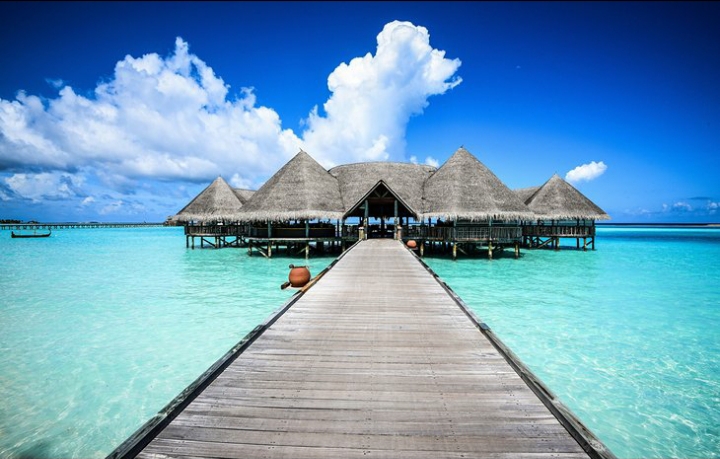
1.Maldives:
The Maldives are home to some of the world’s most ravishing islands, but it’s the sea, which truly makes these islands shine. Luminous aquamarine waters with a crystal clarity lap upon these dazzling white shores, which barely peek above the Indian Ocean.
Consisting of 26 natural atolls, the Maldives archipelago is the planet’s lowest lying nation, rising no more than three meters above the sea at its highest point, a measurement that shrinks every year.
Beneath the mesmerizing waters, coral reefs flourish, luring divers and snorkelers from around the world. Surfers also flock here to ride the uncrowded breaks.
Back on land, luxury resorts provide the perfect launching points for adventures focused upon the sea, the archipelago’s greatest asset, but also, as the planet’s climate changes, its single greatest threat.
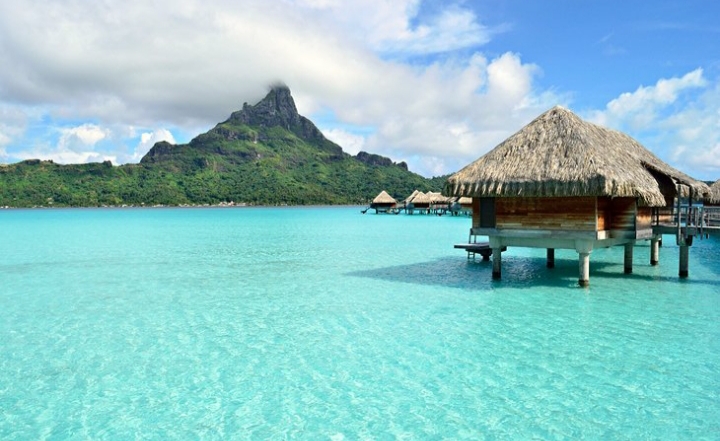
2.Bora Bora, French Polynesia:
Shaped like a giant sombrero, this lush volcanic island stars in countless South Pacific fantasies. The focal point and best asset of this tropical beauty is its ravishing lagoon in technicolor turquoise. Fish, turtles, sharks, and rays swim in the clear waters, and tiny islets or motus dot the lagoon.
The island, of course, is distinctly French, with mouthwatering cuisine to match. Diving and snorkeling are excellent in the surrounding reefs, and hiking trails weave through the palm-studded forests.
If you can afford it, hide out here in a luxurious over-the-water bungalow and bask in your good fortune as you fall asleep to the gentle slosh of the sea.
3. Palawan, Philippines:
Palawan is the Philippine’s answer to paradise. This island province stretches southwest to Borneo, with lush limestone peaks rising from a jewel-like sea so clear, that you can almost see the expressions on the fish from above the surface.
Slivers of gleaming white-sand beaches fringed with rustling palms rim many of these jungle-clad islands, while under the water, coral reefs teem with an impressive diversity of tropical fish, offering some of the best diving in the world.
Other attractions include the islands’ unique wildlife, emerald lakes, and quaint fishing villages. Coron is home to plush resorts, and El Nido drips with natural beauty and is one of the most alluring islands in the chain. From here, you can island hop around the spectacular Bacuit archipelago.
One of Palawan’s top attractions is the World Heritage-listed Puerto Princesa Subterranean River National Park, an impressive limestone cave system with a long underground river.
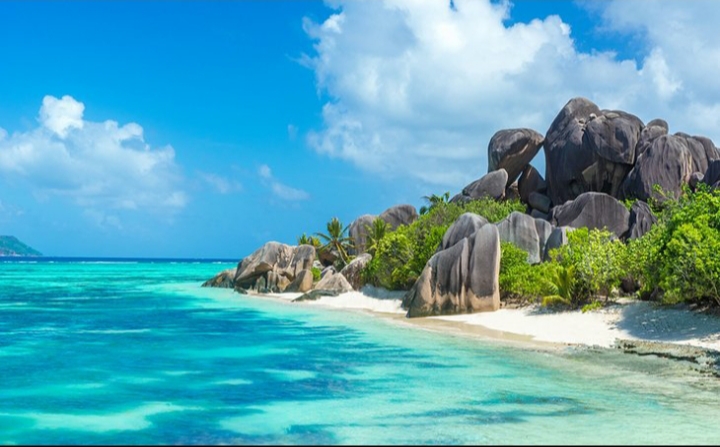
4. Seychelles:
Pristine and picture-perfect, the Seychelles are worth traveling for. East of Kenya, this relatively unspoiled archipelago of 115 coral and granite islands is packed with attractions, from UNESCO-listed jungles and thriving coral reefs to palm-lined, powdery beaches flanked by giant boulders.
Almost half the total land area of these equatorial isles is protected, and many of the islands lie within fish-rich marine sanctuaries with excellent diving and snorkeling.
The Seychelles also feature some of the planet’s richest fishing grounds, making this a top destination for anglers. Add some spicy Créole cuisine into the mix, as well as the plush resorts of Mahé, Praslin, and La Digue, and it’s easy to understand the Seychelles’ allure.
5. Santorini, Greece:
Encircling a sea-filled caldera, spectacular Santorini scores top points for its dramatic beauty. Bleached white villas tumble down volcanic cliffs. Blue-domed churches rise against the sparkling sea, and bright sprays of bougainvillea add to the eye-popping palette of color.
Perched atop the black lava cliffs, the settlements of Firá and Oia are the island’s most picturesque — and pricey, destinations — and Oia ranks among the most photographed locations in the world.
Other highlights of Santorini include Akrotíri Archaeological Site, Ancient Thira, the black sand beach of Perissa, and of course, the sublime sunsets. Sailing into this stunning caldera surrounded by soaring sea cliffs makes an unforgettable first impression.
6.The Cook Islands:
If you’ve ever dreamed of being a castaway in the South Pacific, the Cook Islands are for you. Strung between French Polynesia and Samoa but with strong ties to New Zealand, the archipelago’s 15 islands are among the most beautiful islands in the South Pacific.
Among the islands’ top attractions are enticing aquamarine lagoons, palm-fringed beaches, and volcanic peaks. Best of all, the locals are among the friendliest in the South Pacific.
Rarotonga is the main tourist hub, with its many resorts, lush peaks, and plentiful beaches. Aitutaki is one of the most beautiful islands in the South Pacific. Hibiscus-laced villages snuggle on the hillsides, and 21 motus or small islets lie along its heavenly lagoon, many within kayak distance of the resorts.
Ensconce yourself here in an over-the-water bungalow or hole up in a rustic beach shack on a remote out island and live your Robinson Crusoe fantasies.
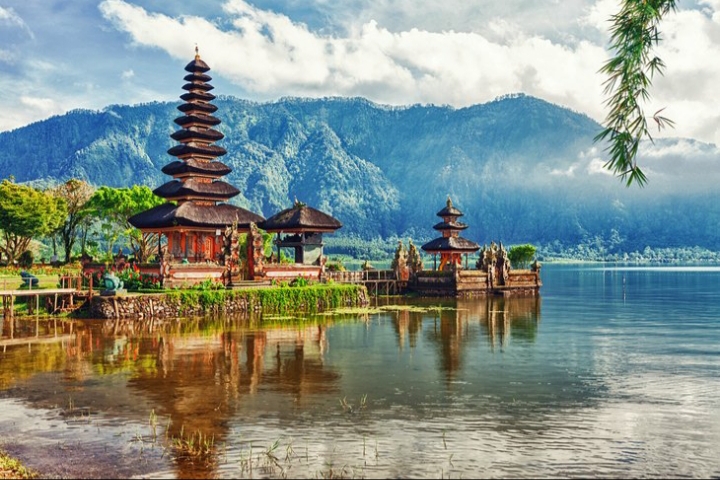
7. Bali, Indonesia:
Bali’s intoxicating culture is a feast for the senses. Incense wafts from Hindu temples, rice paddies glow in electric greens, and the food jolts the taste buds. Surfing, swimming, and sunbathing are popular activities at the island’s beautiful beaches, and tourists will find so many other things to do on this exotic isle, from temple hopping and sightseeing in the lush countryside to spa treatments, shopping, and hiking.
Soak up the spiritual side of Bali in Ubud, see Seminyak, and family-friendly Sanur, feel the pumping pulse of touristy Kuta, or explore the attractions on the neighboring volcanic island of Lombok.
Looking for somewhere chic to stay? Choose from beautiful beach resorts, and if you’re bringing the kids, you’ll find plenty of good-value places to stay with the family.
One thing’s for sure: Bali’s enchanting spirit will wash over you like a warm, tropical wave.










 Eduindex
You must be logged in to post a comment.