Persecution of Muslims

Persecution of Muslims is the religious and political persecution that is inflicted upon followers of the Islamic faith and/or those with a Muslim identity. This page lists incidents in which Muslim populations have been targeted for persecution by non-Muslim groups throughout the history of Islam, a history that coincides with medieval and modern history.

In the early days of Islam in Mecca, the new Muslims were often subjected to abuse and persecution by the pagan Meccans (often called Mushrikin: the unbelievers or the polytheists). In the contemporary period, Muslims face religious restrictions in some countries. Various incidents of Islamophobia have also occurred, such as the Christchurch mosque shootings, the Afghanistan conflict (1978–present), the Kashmir conflict, the Xinjiang Ethnic cleansing and the mass imprisonment of people in re-education camps, the West Bank annexation in Palestine, and many more incidents.

The ongoing Rohingya genocide has resulted in over 25,000 deaths from 2016 to the present, 700,000+ refugees being sent abroad since 2017, gang rapes and other acts of sexual violence which are mostly committed against Rohingya women and girls, mostly by Rakhine’s Buddhists and Burmese soldiers, the burning of Rohingya homes and mosques, as well as many other human rights violations.

The ongoing Uyghur genocide has led to more than one million Muslims (the majority of them are Uyghurs) being held in secret detention camps without any legal process, with birth rates plummeting in Xinjiang, falling by nearly 24% in 2019 alone compared to just 4.2% in the rest of China.

Domestic violence


                                                        (Photo: Bar and Bench)

Domestic violence (also named domestic abuse or family violence) is violence or other abuse in a domestic setting, such as in marriage or cohabitation.  Domestic violence may be used as a synonym for intimate partner violence, which is committed by a spouse or partner in an intimate relationship against the other spouse or partner, and can take place in heterosexual or same sex relationships, or between former spouses or partners. In the broadest sense, domestic violence can also involve violence against children, parents, or the elderly. It takes a number of forms, including physical, verbal, emotional, economic, religious, reproductive and sexual abuse, which can range from subtle, coercive forms to marital rape and to violent physical abuse such as choking, beating, female genital mutilation, and acid throwing that results in disfigurement or death. Domestic murders include stoning, bride burning, honor killing and dowry death(which sometimes involve non-cohabitating family members). 

FORMS OF DOMESTIC VIOLENCE

Physical abuse is that involving contact intended to cause fear, pain, injury, other physical suffering or bodily harm. In the context of coercive control, physical abuse is to control the victim. Physical violence can be the culmination of other abusive behavior, such as threats, intimidation, and restriction of victim self-determination through isolation, manipulation and other limitations of personal freedom. Denying medical care, sleep deprivation, and forced drug or alcohol use, are also forms of physical abuse.

Sexual abuse, is defined by World Health Organization as any sexual act, attempt to obtain a sexual act, unwanted sexual comments or advances, or acts to traffic, or otherwise directed, against a person’s sexuality using coercion. Aside from initiation of the sexual act through physical force, sexual abuse occurs if a person is verbally pressured into consenting, unable to understand the nature or condition of the act, unable to decline participation, or unable to communicate unwillingness to engage in the sexual act. This could be because of underage immaturity, illness, disability, or the influence of alcohol or other drugs, or due to intimidation or pressure.

Emotional abuse includes minimizing threats, isolation,  public humiliation, unrelenting criticism. Stalking is a common form of psychological intimidation. Victims tend to feel their partner has nearly total control over them, greatly affecting the power dynamic in a relationship, empowering the perpetrator, and disempowering the victim. Victims often suffer from depression, putting them at increased risk of eating disorders, suicide, and drug and alcohol abuse.

Economic abuse (or financial abuse) is a form of abuse when one intimate partner has control over the other partner’s access to economic resources. Marital assets are used as a means of control. Economic abuse diminishes the victim’s capacity to support themselves, increasing dependence on the perpetrator, including reduced access to education, employment, career advancement, and assets acquirement. Forcing or pressuring a family member to sign documents, to sell things, or to change a will are forms of economic abuse.

 CAUSES

A partner’s domination may take the form of emotional, physical or sexual abuse. Studies suggest that violent behavior often is caused by an interaction of situational and individual factors. That means that abusers learn violent behavior from their family, people in their community and other cultural influences as they grow up. They may have seen violence often or they may have been victims themselves. Some abusers acknowledge growing up having been abused as a child.

Children who witness or are the victims of violence may learn to believe that violence is a reasonable way to resolve conflict between people. Boys who learn that women are not to be valued or respected and who see violence directed against women are more likely to abuse women when they grow up. Girls who witness domestic violence in their families of origin are more likely to be victimized by their own husbands. Although women are most often the victim of domestic violence, the gender roles can and are reversed sometimes.

Alcohol and drugs may contribute to violent behavior. A drunk or high person will be less likely to control his or her violent impulses toward their partner, so keeping such drinking or drug use episodes to a minimum may be valuable for a person living in a domestic violence situation.

No cause of domestic violence, however, justifies the actions of the abuser, nor should it be used as a rationale for their behavior. These possible causes are only to better understand why an abuser believes it is acceptable to abuse their partner physically, sexually, psychologically or emotionally. Ultimately an abuser needs to get help for their unhealthy and destructive behavior, or find themselves living a solitary and lonely life.

 STATISTICS OF DOMESTIC VIOLENCE

        1 in 4 women and 1 in 7 men will experience severe physical violence by an intimate partner in their lifetime. (CDC, 2017)

        1 in 10 women in the United States will be raped by an intimate partner in her lifetime. (CDC, 2010)

    Approximately 16.9% of women and 8.0% of men will experience sexual violence other than rape by an intimate partner at some point in their lifetime. (CDC, 2010)

        Data on sexual violence against men may be underreported.

        An estimated 9.7% of women and 2.3% of men have been stalked by an intimate partner during their lifetime. (CDC, 2017)

        Nearly half of all women and men in the United States will experience psychological aggression by an intimate partner in their lifetime. (CDC, 2017)

GOVERNMENT SCHEMES TO CURB DOMESTIC VIOLENCE

  • Beti Bachao, Beti Padhao, meant for uplifting women in the sphere of women’s education
  • Sukanya Samriddhi Account, meant to help families’ save for their daughters
  • One Stop Center scheme meant to offer easy access for women suffering from domestic abuse or violence, and needing support
  • Pradhan Mantri Ujjwala Yojana meant to offer free LPG connections to women living below poverty line
  • Mahila Haat meant to support women entrepreneurs and women self-help groups
  • Rajiv Gandhi National Crèche Scheme for Children of Working Mothers meant to provide affordable daycare services to working women
  • Maternity Benefit Scheme meant for pregnant women and lactating mothers
  • Women’s Helpline 1091 meant to provide emergency assistance to women in trouble, especially those facing violence of any kind
WHAT CAN WE DO?

        Calling the police if you see or hear evidence of domestic violence.

        Speak out publicly against domestic violence.

        Consider reaching out to your neighbor, friends, family.

        Educating others on domestic violence.

        Organize campaigns special in rural areas.

  •   Donating to domestic violence counselling programs


Environmental laws in india

Either Stable burning in various states accrued the air pollution in Delhi and created a gas chamber around NCR ; SC came upon a committee to observe scenario , Or 4 industries inflicting stream pollution were shut down by Maharashtra pollution board . Everybody has responsive to environmental problems as higher than . The key solution for resilience to environmental issues are provided by government in various legislations , enactments and provisions on environment laws .


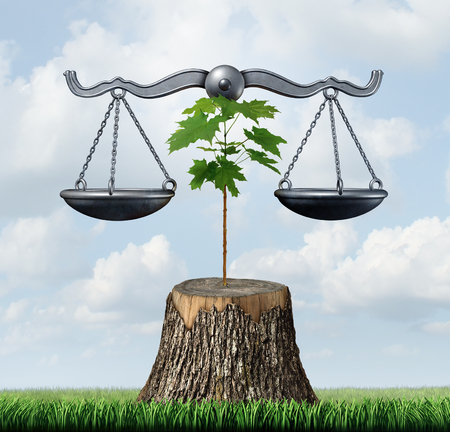
In republic of India environmental law is concern with the policy and law for protection of the environment . It aims for achieving carbon free economy through taking measures for reducing climate change. All the acts under this laws are safeguards in ensuring effective management of the environment and its multiple ecosystems . It provides for preventing environmental damage .


Natural resources in the earth were unscathed from millions of years. It were remain pure until the industrialized started . After the industrialization this resources have been exploited in Spain of 100 years only . From 19th century, the environment (air , water and land ) is directly exploited by rapidly growing population at alarming-rates.


environment includes water, air and land and the inter-relationship which exists among and between water, air and land, and human beings, other living creatures, plants, microorganisms and property , as mentioned in section 2 of environmental protection Act of 1986 . Environment is a wide sphere , it consists of social, economically , political , religious dimensions .


Addressed area of environmental laws in India :

1. Quality of water : For the prevention and control of water pollution and to maintain or restore wholesomeness of water in the country the water act of 1974 was enacted. It further provides for the establishment of Boards ( CPCB and SPCB ) for the prevention and control of water pollution with a view to carry out the aforesaid purposes. This act prohibits the discharge of pollutants into water bodies beyond a given standard, it also lays down fine and penalties for non-compliance.

2. Reduction of air pollution and maintaining air quality : The Air (Prevention and Control of Pollution) Act, 1981 (the “Air Act”) is an act to provide for the prevention , protection and abatement of air pollution .It provides for establishment of Boards at the Central and State levels with a view to carrying out the aforesaid purposes.

3. Hazardous Waste management : legislations that directly or indirectly deal with hazardous waste management are the Factories Act, 1948, the Public Liability Insurance Act, 1991, the National Environment Tribunal Act, 1995 and rules and notifications under the Environmental Act.

4. Containment cleanup, damage mitigation : preventing future damage to the environment is undeniably the primary objective of environmental law, mitigating and reducing existing damage is also important. This area most often deals with issues like toxic leaks and oil spills. The central objective of this branch of environmental law is deciding liability, planning an appropriate response, and also determining the best process of investigation and monitoring in the overall clean up process. This area also concerns itself with the study and assessment of risk in the long term, to better mitigate any future accidents and risks.

5. Sustainability of resources : United Nations has put great emphasis on ensuring the sustainability of resources. For this vision , it has advocated the formation of various legal principles and legislation. In this regards concept of environmental impact assessment introduced .

Noble legislations and enactments on environment law in India :


Laws on Forest and wild life protection:
• The Indian Forest Act, 1927 ; The Wildlife Protection Act, 1972; The Forest (Conservation) Act, 1980 ; The Environment (Protection) Act, 1986; The National Green Tribunal Act, 2010.


Laws on Water pollution :
• The Water (Prevention and Control of Pollution) Act, 1974.


Laws on air pollution :
• The Air (Prevention and Control of Pollution) Act, 1981 (the “Air Act”)


Laws on hazardous waste management :
• Biomedical Waste (Management and Handling) Rules, 1998 ; Municipal Solid Wastes (Management and Handling) Rules, 2000 ; Batteries (Management & Handling) Rules, 2001 ; Hazardous Wastes (Management, Handling and Transboundary) Rules, 2008 ; E – Waste (Management and Handling) Rules, 2011 .
Laws on wetlands


Ramsar convention (1971) : This convention was initiated to push for greater conservation and sustainable use of wetlands ; Wetlands (Conservation and Management) Rules, 2017.
Constitutional provisions on environment laws


Part IVA (Art 51A-Fundamental Duties) of the constitution casts a duty on every citizen of India to protect and improve the natural environment including forests, lakes, rivers and wildlife, and to have compassion for living creatures.


• the Constitution of India under Part IV (Art 48A-Directive Principles of State Policies) stipulates that the State shall endeavour to protect and improve the environment and to safeguard the forests and wildlife of the country.

environment makes human life possible, and our cultural environment helps define who we are. It is therefore essential that our population and economic growth are environmentally sustainable.

NCC

Introduction

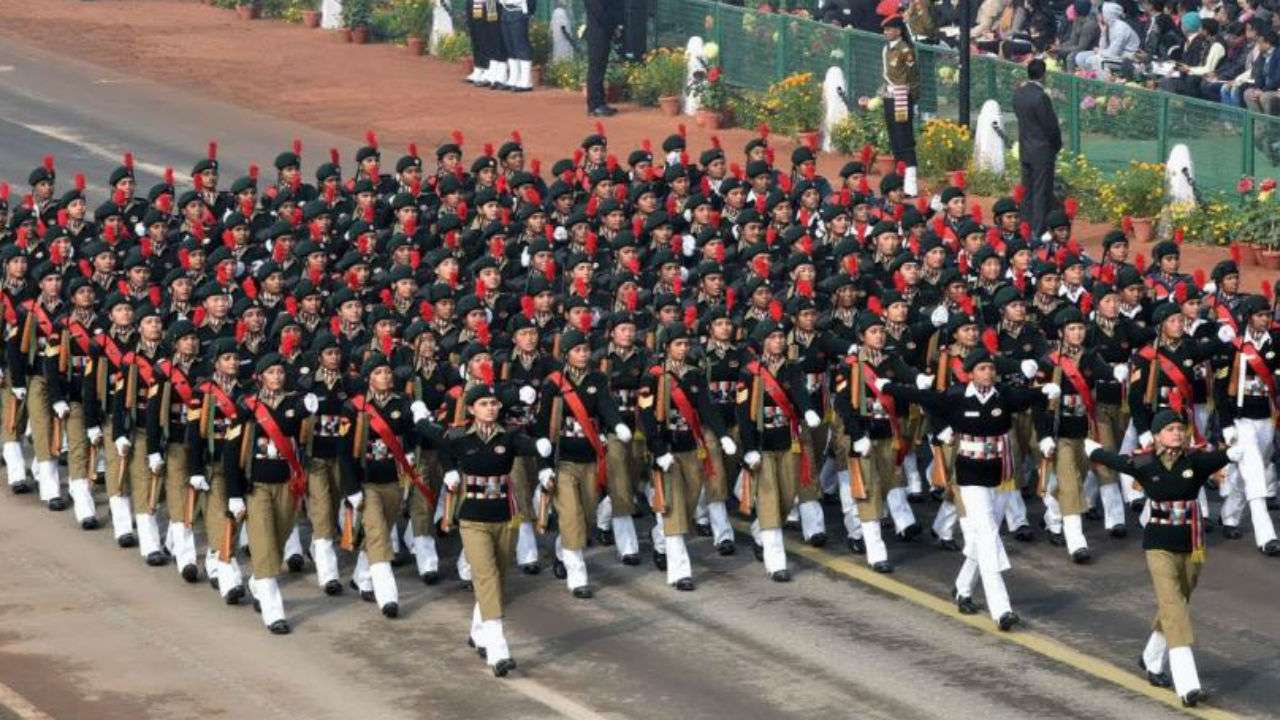
The National Cadet Corps is the youth wing of the Indian Armed Forces with its headquarters in New Delhi, India. It is open to school and college students on voluntary basis as a Tri-Services Organization, comprising the Army, the Navy and the Air Wing, engaged in grooming the youth of the country into disciplined and patriotic citizens.

The soldier youth foundation in India is a voluntary organization which recruits cadets from high schools, higher secondary, colleges and universities all over India. The Cadets are given basic military training in small arms and drill. The officers and cadets have no liability for active military service once they complete their course.

Origin

In 1949, the Girls Division was raised in order to give equal opportunities to school and college going girls. The NCC was given an inter-service image in 1950 when the Air Wing was added, followed by the Naval Wing in 1952. In the same year, the NCC curriculum was extended to include community development/social service activities as a part of the NCC syllabus at the behest of Late Pandit Jawaharlal Nehru who took keen interest in the growth of the NCC. Following the 1962 Sino-Indian War, to meet the requirement of the Nation, the NCC training was made compulsory in 1963. In 1968, the Corps was again made voluntary.

Aim and Motto

The discussion for motto of NCC was started in 11th central advisory meeting (CAC) held on 11 August 1978. At that time there were many mottos in mind like “Duty and Discipline”; “Duty, Unity and Discipline”; “Duty and Unity”; “Unity and Discipline”. Later, at the 12th CAC meeting on 12 Oct 1980 they selected and declared “Unity and Discipline” as motto for the NCC. In living up to its motto, the NCC strives to be and is one of the greatest cohesive forces of the nation, bringing together the youth hailing from different parts of the country and molding them into united and disciplined citizens of the nation.

Skill development

The benefits of joining NCC include receiving basic military training. It develops the students’ interest in three forces – Air force, Army, and Navy. NCC is the first platform that provides opportunities to the cadets to check their efficiency to join the mainstream Indian Defence Services.

The cadets are imparted training in the use of arms, along with communication skills and personality development skills, he said. The NCC helps to develop leadership qualities in students. NCC cadets Indrajith and Yashaswi have been selected for Republic Day parade in New Delhi. The NCC helps to instil confidence.

NCC is an effective organization designed to mould the youth at their most impressionable age with the aims of developing qualities of character, courage, comradeship, discipline, leadership, secular outlook, spirit of adventure and sportsmanship and the ideals of selfless service among the youth to make them useful .

Learning

Discipline, basic arms training, team ethics, following orders, various kinds of physical activities, sports, tours to remote areas, etc. are some of the things you experience and learn in NCC. These lessons are invaluable and make the journey of learning beautiful.

Link

Feminism in India

Ideally, what should be said to every child, repeatedly, throughout his or her school life is something like this: ‘You are in the process of being indoctrinated. We have not yet evolved a system of education that is not a system of indoctrination. We are sorry, but it is the best we can do. What you are being taught here is an amalgam of current prejudice and the choices of this particular culture. The slightest look at history will show how impermanent these must be. You are being taught by people who have been able to accommodate themselves to a regime of thought laid down by their predecessors. It is a self-perpetuating system. Those of you who are more robust and individual than others will be encouraged to leave and find ways of educating yourself — educating your own judgements. Those that stay must remember, always, and all the time, that they are being moulded and patterned to fit into the narrow and particular needs of this particular society.

Doris Lessing, The Golden Notebook

Feminism in India is a set of movements aimed at defining, establishing, and defending equal political, economic, and social rights and opportunities for women in India. It is the pursuit of women’s rights within the society of India. Like their feminist counterparts all over the world, feminists in India seek gender equality: the right to work for equal wages, the right to equal access to health and education, and equal political rights.Indian feminists also have fought against culture-specific issues within India’s patriarchal society, such as inheritance laws.

The history of feminism in India can be divided into three phases: the first phase, beginning in the mid-19th century, initiated when reformists began to speak in favor of women rights by making reforms in education, customs involving women; the second phase, from 1915 to Indian independence, when Gandhi incorporated women’s movements into the Quit India movement and independent women’s organisations began to emerge; and finally, the third phase, post-independence, which has focused on fair treatment of women at home after marriage, in the work force, and right to political parity.

Despite the progress made by Indian feminist movements, women living in modern India still face many issues of discrimination. India’s patriarchal culture has made the process of gaining land-ownership rights and access to education challenging. In the past two decades, there has also emerged a trend of sex-selective abortion. To Indian feminists, these are seen as injustices worth struggling against and feminism is often misunderstood by Indians as female domination rather than equality.

As in the West, there has been some criticism of feminist movements in India. They have especially been criticized for focusing too much on privileged women, and neglecting the needs and representation of poorer or lower caste women. This has led to the creation of caste-specific feminist organizations and movements

According to Maitrayee Chaudhuri, unlike the Western feminist movement, India’s movement was initiated by men, and later joined by women. But feminism as an initiative by women started independently a little later in Maharashtra by pioneering advocates of women’s rights and education: Savitribai Phule, who started the first school for girls in India (1848); Tarabai Shinde, who wrote India’s first feminist text Stri Purush Tulana (A Comparison Between Women and Men) in 1882; and Pandita Ramabai, who criticized patriarchy and caste-system in Hinduism, married outside her caste and converted to Christianity (1880s). The efforts of Bengali reformers included abolishing sati, which was a widow’s death by burning on her husband’s funeral pyre, abolishing the custom of child marriage, abolishing the disfiguring of widows, introducing the marriage of upper caste Hindu widows, promoting women’s education, obtaining legal rights for women to own property, and requiring the law to acknowledge women’s status by granting them basic rights in matters such as adoption.

The 19th century was the period that saw a majority of women’s issues which came under the spotlight and reforms began to be made. Much of the early reforms for Indian women were conducted by men. However, by the late 19th century they were joined in their efforts by their wives, sisters, daughters, protegees and other individuals directly affected by campaigns such as those carried out for women’s education. By the late 20th century, women gained greater autonomy through the formation of independent women’s own organisations. By the late thirties and forties a new narrative began to be constructed regarding “women’s activism”. This was newly researched and expanded with the vision to create ‘logical’ and organic links between feminism and Marxism, as well as with anti-communalism and anti-casteism, etc. The Constitution of India did guarantee ‘equality between the sexes,’ which created a relative lull in women’s movements until the 1970s.

Link

CHILD ABUSE

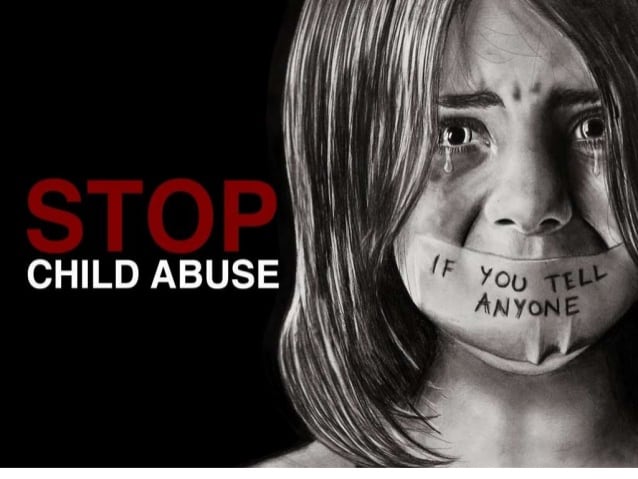
Child Abuse can be defined as harming (whether physically, emotionally, or sexually), ill-treatment, abuse, neglect or deprivation of any child.

Manipulation is when They blame you for your reaction to their Disrespect

If they are children it doesn’t mean, they can be ‘open to’ harm, injury, violence, and abuse.

As a society we are responsible to ensure that every child in our family, locality, community, region, state and nation is safe and feels safe.

Safe places for children are those where children feel secure and protected. They are nurtured, looked after and cared for.

As adults, it is our responsibility to observe child behaviour and encourage them to speak up.

Choose wisely who you defend

Because of ignorance and dependency on the abusers, children often are unable to express that they are abused.

Physical Abuse

Physical abuse can be caused from punching, beating, kicking, shaking, biting, burning or throwing the child.

Indicator in child

  • Unexplained bruises, welts, cuts, abrasions, Unexplained burns, Unexplained fractures
  • Injuries to areas of the body that is usually protected /covered.
  • Delay in seeking medical attention for a child
  • Is violent to animals or other children
  • Tries to hide bruises or other injuries
  • May be extremely withdrawn or extremely aggressive
  • Is wary of adults or of a particular individual
  • Cannot recall how the injuries occurred or gives inconsistent explanations

Emotional Abuse

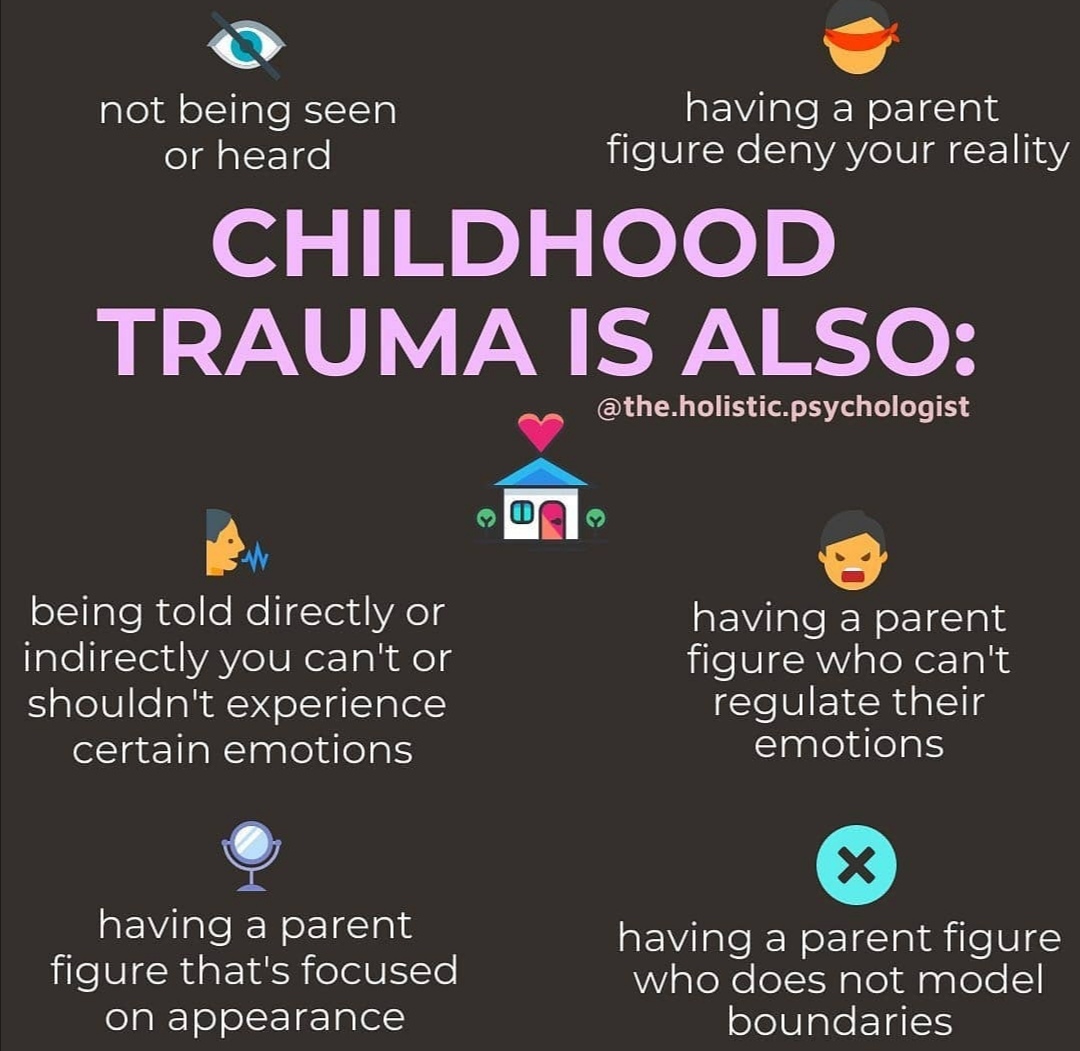
It occurs when a child’s emotional, psychological or social well-being and sense of worth is continually battered. It can include a pattern of criticizing, rejecting, discriminating, degrading, ignoring, isolating, corrupting, exploiting and terrorizing a child.

Indicator in child

  • Bed-wetting or bed soiling that has no medical cause
  • Frequent Headaches, nausea, abdominal pains
  • Has not attained significant developmental milestones
  • Displays attention seeking behaviours or displays extreme inhibition in play
  • When at play, behaviour may model or copy negative behaviour and language used at home
  • Suffers from severe developmental gaps

Indicator in adults

  • Constantly labels the child or publicly humiliates the child
  • Continually threatens the child with physical harm or forces the child to witness physical harm inflicted on a loved one
  • Has unrealistic expectations of the child

Sexual Abuse

Sexual abuse includes acts where an adult uses a child for a sexual purpose. While it may involve a stranger.

Indicator in child

  • Torn, stained or bloody underclothing
  • Bruises, lacerations, redness, swelling or bleeding in genital, vaginal or anal area
  • Blood in urine or faeces
  • Unusual or excessive itching or pain in the genital or anal area
  • Difficulty in sitting and/or walking
  • Signs of sexually transmitted disease Indicators in a child’s behaviour
  • Outburst of anger
  • Self-harm (cutting, burning or other harmful activities)
  • Age-inappropriate sexual play with toys, self, others
  • Sophisticated or unusual sexual knowledge
  • Nightmares, sleeping problems
  • Becoming withdrawn or very clingy
  • Becoming unusually secretive
  • Sudden unexplained personality changes, mood swings and seeming insecure
  • Regressing to younger behaviours, e.g. bedwetting
  • Fear of certain places or persons e.g. bedroom or bathroom, friend-uncle

Indicators in adult behaviour

  • Insist on physical affection such as kissing, hugging or wrestling even when the child clearly does not want it.
  • Insist on time alone with a child with no interruptions.
  • Spend most of their spare time with children and have little interest in spending time with people their own age.
  • Frequently walk in on children/ teenagers in the bathroom.
  • Treat a particular child as a favourite, making them feel ‘special’ compared with others in the family.
  • Regularly offer to baby-sit children for free or take children on overnight outings alone.
  • Buy children expensive gifts or give them money for no apparent reason.

What to do??

  • Learn to recognize the signs
  • Provide a listening ear
  • Offer help
  • Give helpful information
  • Explain that violence is not OK
  • Look for community systemic support for the family
  • Can contact Childline (1098) to talk over your concerns confidentially with a trained social worker. 

Take following steps on Emergency

Step-1: Immediately contact parents if child is not abused by parents and if child can give information of his/her parents.


Step-2: Contact any one of the following agencies to provide required support to parents and child: DCPU, SJPU, Childline, CPCs, Police or CWC. You can also take help from credible NGOs working on Child Rights in your area.


Step-3: Provide emergency support such as medical aid, clothing, food and transportation to safe places. Make sure that you handover this child to responsible adults from above mentioned list only.

Step-4: Help authorities with whatever information and evidence you have as regards abuse of the child to make sure that the abuser is punished. If possible give written information.

Step-5: Maintain privacy to ensure that the name of the child is not disclosed to media or public in any ways.

Prevention

  • Create Safe places for children in community, neighbourhood and society.
  • Create Structures and Systems where children can express their feelings and emotions freely without any inhibitions.
  • Create Structures and Systems to ensure safety and to ensure that children are supervised.
  • Educate children about safety measures. Provide information about the emergency contact numbers.
  • Create awareness: About child protection systems and networks. Keep this information handy.
  • Build network of concern individuals and groups to help children. Develop support systems for children.

ANGER

Anger is an emotion which is a little more dangerous than the rest of them. Anger can be triggered due to financial problems, family problems, being surrounded by people you dislike, personal issues, etc. No one likes being angry nor do we like being surrounded by people who have a bad temper.

Everyone releases anger differently. Some like to shout at people, some like to break things, some tend to self-harm. Well, these methods do help release the anger, but they aren’t healthy ways of dealing with a situation.
Let’s have a look at how anger affects our relationships.
Some people take their anger out on the family. Sometimes when parents do not have control over things at their work, they come home and try to control the lives of their families.
Many parents often fight regularly at home and make the environment of the house hard to live in. Did you know that children who grow up in an abusive environment are usually too sensitive or completely numb? These children also show a sign of aggression or anger. They also suffer from anxiety and depression.
Some people also tend to substance abuse when they are angry. Using drugs, alcohol, tobacco, in large quantities. Some of these substances also cause more anger. Substance abuse is bad for a person’s mental, or physical health. It is also bad for the people around them.
Anger makes us do things we regret. It messes our relationships with people around us because we say things that we don’t mean to and do things we don’t want to.
I am not asking you to never take your anger out. Anger is an emotion that needs to be taken out. Taking anger out does not have to be destructive. We need to find constructive or healthy ways to take out our anger.
We are angry for a reason. So, the first step to calm the anger is to ask ourselves why we are angry. Once we find out why we are angry we can start working on it. Anger is our brain’s way of telling us to find a solution to an issue.
So, if it is a person that makes you angry, you might want to break ties with them.
If you feel angry with a job, maybe it is time to quit the job.

If we don’t listen to what our anger wants. Chances are the anger will keep sticking around until we make significant changes in our life. So, next time before you lash your anger out make sure to ask yourself what got you angry.
Some other healthy ways of dealing with anger are by doing physical activity like playing sports or working out. This will allow you to be constructive with it. In my boarding days when I would get angry, I would play squash. I would imagine the ball as my problem and hit the racket with full force. To tell you the truth it did help and make me feel good.

This way our anger is coming out in constructive ways. We need to learn to channel our anger to improve our lives instead of destroying it.

Domestic Violence and Abuse

Domestic violence can be referred to as an attempt by an individual either a spouse, in a relationship or a family member to gain power or control over the other . It results in death, serious injury, and chronic medical and mental health issues for victims, their children, the elderly , their communities and is regarded as a serious social evil.

Domestic violence occurs in adult or adolescent intimate relationships where the abuser and the victim are currently or have been previously dating, cohabiting, married or divorced. They may be heterosexual, gay, or lesbian. They may have children in common or not. The relationships may be of a long or short duration. Here, the trauma faced is repeated rather than a singular event , and the effects of the trauma are emphasized due to the intimate nature of the relationship between victim and abuser. Since the victim’s daily routine is known, they can continue to exercise considerable physical and emotional control over the victim’s daily life. Also, his relationship with the victim gives him social, if not legal, permission to use such abuse. Hence the victims of domestic violence must also deal with the barriers to separation from the perpetrator created by the complexity and strength of an intimate relationship. In addition to the devastating effects, there is growing evidence that sometimes violence within the family becomes the breeding ground for other social problems such as substance abuse, violent crimes etc. In order to most effectively and efficiently respond to the individuals experiencing domestic violence, the counselors and therapists must not only understand the nature and analysis of domestic violence, but also understand how violence against intimates affects the victims, abusers, children and community as a whole.

Domestic violence is represented in form of threats, insults, sexual assaults and emotional abuse. The types of abuse or assaults endured include: Physical Abuse – (shoving, slapping, punching, kicking, throttling, biting and assault with sharp objects, guns, knives or any other dangerous weapon) , Sexual Abuse – ( Rape, attempted rape, indecent assault, on-going verbal abuse with sexual slurs such as bitch, whore, slut etc.) , Emotional, Verbal and Psychological Abuse -(the constant insults, ridicule or name calling , repeated threats of violence or death to cause emotional pain and anxiety) , Economic Abuse – ( Selling of shared property e.g. property, livestock without the consent of a victim , accessing a joint bank account for personal use without the consent of a victim) , Intimidation -(sending written or verbal death threats to a victim , sending beheaded dolls, small coffins, dead flowers or dead pets to a victim) , Harassment -(Repeatedly watching a victim outside or near his / her house, workplace, school or business premises or any place where she happens to be, repeatedly phoning a victim or causing any other person to phone his/her whether or not the caller speaks to a complainant) , Stalking – ( constantly approaching a victim and asking or demanding to talk to a victim against his/her will , damage to property may include acts of: breaking a window to gain entry into a victim’s house, cutting, breaking or damaging in any other manner shared furniture, unauthorized entry into the victim’s residence such as using a duplicate key to gain access may also constitute domestic violence.)


Despite numerous laws enacted to minimize domestic violence, the issue is still deeply rooted in the society. Hence, we must all raise our voices against this immorality and work towards eliminating domestic violence and make the world a better place to live in.