Greenberry Organics Detox activated Charcoal Face Wash

Greenberry Organics Detox activated Charcoal face wash for anti-pollution Oil control and anti-acne with the goodness of Tea tree, Mulberry and Grapefruit combo with Bio active Intense Night cream Unisex (100ml + 50ml) https://www.amazon.in/dp/B076PG55CF/ref=cm_sw_r_apan_glt_fabc_SFDCQPP9A8T30JCWP80Q

 Factors used in this face wash are Tea trees & fruits, charcoal and Vitamin c helps in keeping the skin healthy and soft. Makes the skin acne-prone and keeps it hydrated. Suitable for all types of skin.

ANIMAL TESTING SHOULD BE BANNED

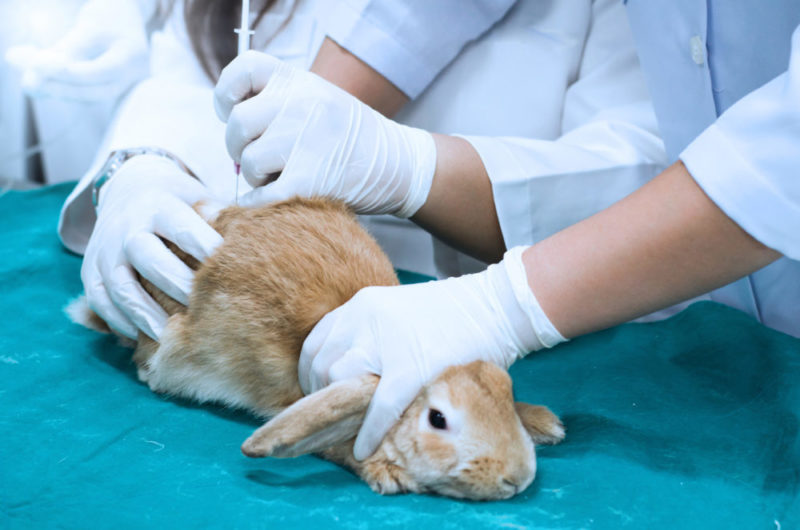
Utilizing animals in research and to test the wellbeing of items has been a subject of warmed discussion for quite a long time. Individuals have various affections for animals; many view animals as companions while others see animals as a method for propelling clinical procedures or promoting trial research. However people see animals, the reality says that animals are being taken advantage of by research offices and beauty care products organizations the whole way across the nation and from one side of the planet to the other. Despite the fact that people frequently advantage from effective animal research, the aggravation, the torment, and the deaths of animals are not worth the conceivable human advantages. In this way, animals ought not be utilized in research or to test the wellbeing of items.

5 Reasons Why Animal Testing Should Ban Worldwide

To start with, animals’ rights are abused when they are utilized in research. Animals and individuals are indistinguishable from various perspectives; the two of them feel, think, act, and experience torment. In this manner, animals ought to be treated with similar regard as people. However animals are abused when they are utilized in research since they are not given a decision. Animals are exposed to tests that are regularly difficult or cause extremely durable harm or passing, and they are never given the alternative of not partaking in the investigation. Animals don’t willingly sacrifice themselves for the progression of human government assistance and new innovation. Their choices are made for them since they can’t express their own inclinations and decisions.

Then, the agony and experiencing that exploratory animals are liable to does not merit any potential advantages to people. At the point when animals are utilized for item harmfulness testing or lab research, they are exposed to excruciating and as often as possible lethal analyses. Two of the most generally utilized harmfulness tests are the Draize test and the LD50 test, the two of which are scandalous for the extreme aggravation and enduring they curve upon test creatures. To play out these tests, the scientists connect the animals to tubes that siphon immense measures of the test item into their stomachs until they kick the bucket. This test is incredibly difficult to the animals since death can require days or even weeks.

Animal Testing of Beauty Products Now Banned in These Three States -  InVitro Intl

At long last, the testing of items on animals is totally pointless in light of the fact that practical options are accessible. Numerous corrective organizations have thought of thought of testing their items utilizing innovation or stunningly better they chose to make their items more regular and ecofriendly so it will not hurt anybody.

Notwithstanding, many individuals accept that animal testing is justified in light of the fact that the animals are forfeited to make items more secure for human use and utilization. The issue with this thinking is that the animals’ security, prosperity, and personal satisfaction is by and large not a thought. Animals are likewise living creatures since they can’t talk or battle for themselves doesn’t imply that we should take exploit them. Cruelty to animals should be banned and strict actions should be taken against people who do that or support this ideology.

Petition · Animal Testing should be banned · Change.org

Why Animal Experiments Should Be Banned

Animal experimentation has been increasing at an immense rate. Each year, millions of animals are used to test the safety, effectiveness, and usability of various products like cosmetics, drugs, chemicals, etc. These animals often undergo genetic modification, are deprived of their natural habitats, and tortured all in the name of “Scientific experiments”. Hence, it is a cruel and unnecessary activity and therefore Animal Experiments should be banned.

In the name of ‘Science’ many animals are exploited, ill-treated and made to suffer immense bouts of pains during the experimental process. The animals are cut, burned, poisoned and given crippling diseases in order to test the effects of drugs or to measure the safety of products. For instance, in the Draize Test the substance or product being tested is placed in the eye of the animal and the animal is kept under observation for further damage reports. This experiment not only leaves the animal afflicted with pain and blindness but also proves to be an act full of cruelty. Moreover, the experimented animal is not allowed euthanasia to free it from its misery but caused to bear the pain a long time. Thus, animal experiment is highly cruel and painful and must be banned.

Secondly, there are many better alternatives that can replace animal testing and provide just as much accurate results. For instance, the development of a synthetic cellular tissue that closely resembles human skin. This has enabled researchers to test the potential damage of a product on the skin by using this artificial “skin” instead of testing it on animals. Computers have also been used as an alternative, to simulate and estimate the potential damage that a product or chemical can cause. In another alternative method, in vitro testing, cellular tests are done inside a test tube. All of these tests have been proven to be useful and reliable alternatives to testing products on live animals. Therefore, because effective means of product toxicity testing are available without the use of live animal specimens, testing potentially deadly substances on animals is unnecessary.

Although there are alternatives available and animal testing significantly proves to be painful, some people still argue that animal experimentation is valid because animals are lower than humans. They believe that animals don’t possess the intelligence or knowledge like humans and thus animal experiments are justifiable. However, this is a baseless justification. Medical research proves that even though animals are lower than humans in the evolutionary chart, animals possess many features that resemble humans. For e.g. many animals, especially those belonging to the mammalian class, possess many internal organs and structures that are identical humans. Therefore, animals’ lives should be respected because they have an inherent right to be treated with dignity. The harm that is committed against animals should not be minimized because they are not considered to be “human”.

In conclusion animal experimentation should be banned because it proves to be highly painful and unnecessary. There are plenty of alternatives that can be considered instead of animal testing. Animals have the rights to live freely and to be treated with compassion. Hence, animal exploitation in any form should be banned because it is the most inhumane act that one can do towards other living beings.

INSPIRATIONAL STORY OF J.K ROWLING

J.K Rowling’s story is one of the most famous insipirational failures to the success story of our time. She had failed in almost everything she attempted to do in her life and at one point she considers herself a major failure.


Most of the people only know her as a woman writer who created Harry Potter, but what people don’t know about the struggle she faces before reaching the stardom.


BIRTH AND CHILDHOOD :


Joanne Rowling was born on 31st July 1965 in yate, Gloucestershire, England to Peter James Rowling and Anne Rowling. Her father was a Rolls- Royce aircraft engineer and mother was a science technician
She had one little sister, Dianne, as a child Rowling loves to write fantasy stories and read them to her younger sister. When she was a teenager she got a chance to read Jessica Mitford ‘s autobiography, from then on Mitford become her heroine and after that, she read all her books.


BOOK INSPIRATION AND MOTHER ‘S DEATH :


After working for Amnesty International as a researcher and bilingual secretary in London, Rowling moved to Manchester with her then- boyfriend where she worked at chamber of commerce. In1990, Rowling first had the idea for Harry Potter, a story of a young boy who attends a school of wizards, while she was on a 4 hour delayed train trip from Manchester to London.
While travelling the idea fully formed in her mind and when she reached her flat she began writing furiously. However, in December 1990 her mother died after 10 years of complications from Mutiplr sclerosis Mother’s death heavily affects Rowling and leave her extremely distraught and upset. Later she channelled her own feelings of her loss by writing about Harry’s feelings in her first book.


MARRIAGE, DIVORCE AND SINGLE MOTHER:


After a few months of her mother’s death, she moved to Portugal to teach the English language. There she met a man, fall in love with him, got married and gave birth to her daughter. In 1993 her marriage ended in Divorce and she with her infant daughter moved to Edinburgh Scotland to be closer to her sister.
This is the most struggling time for Rowling and she saw herself as a complete failure. She was divorced, jobless, no money and a dependent child. Because of all this, she suffered bouts of depression and contemplated suicide. Eventually, she signed for Government-assisted welfare describing her economic status as poor. It was a really difficult time in her life but she kept going on and put all her energy on completing her novel.


HARRY POTTER :


In 1995 Rowling completes her manuscript for Harry Potter and the philosopher’s stone on an old manual type writer. She was so poor at that time she could not afford a computer or even the cost of photocopying the novel, so she manually typed each copy and submitted to twelve publishing house in London.
The manuscript was rejected almost dozens time until she was finally given chance with £1,500 advance by a small London publisher, Bloomsbury after the company’s CEO little 8 years old daughter fell in love with it after reading the first chapter of the book.


In July 1997 Bloomsbury published first 1000 copies of Harry Potter series out of which 500 copies were distributed to libraries. Just five months later the book won Nestlé smarties Book prize it’s first award . In early 1998 an auction was held in America for the printing rights to publish the novel.
Scholastic INC won the auction for USB 105, 000, later Rowling said in a interview that she nearly died when she heard the news of this amount for printing her novel. Today Harry Potter is a global brand worth an estimated 15 billion dollars.
The last four Harry Potter books have set the records for the fastest selling books in history. The Harry Potter series to talking 4, 195 pages have been translated either in whole or in part into 65 languages. The Harry Potter books series have also gained recognition for creating an interest in reading among the children’s at a time when they were more inclined towards the Internet, computers and television.


FINANCIAL SUCCESS :


In 2001 J.K ROWLING purchased a 19th century killiechassie House, an estate house on the banks of the river tay in Perth. She also owns a £ 4.5 million Georgian house in West London. In 2004 , Forbes named Rowling as the first person to become a us dollar billionaire by only writing books.In 2017, according to Sunday times, Richard list Rowling net worth was approx. £ 650 million.


PERSONAL LIFE :


Rowling and her second husband Neil Murray were married on 26th December 2001. They live in Edinburgh with their 3 children. Rowling was a runner up in 2007. Time’s annual person of the year issue after Russia’s president Vladimir putin.


JK ROWLING’S RULES OF SUCCESS :

  • Failure helps you discovers yourself.
  • Take action on your ideas.
  • You will be criticised
  • Remember where you started
  • Truly Believe in yourself
  • learn from adversity.
    *Visualise to achieve
  • Persevere
  • Dreams can happen.
  • use your creativity.

Horticulture

Horticulture, the branch of plant agriculture dealing with garden crops, generally fruits,vegetables, and ornamental plants. The Horticulture falls between domestic gardening and field agriculture, through all forms of cultivation naturally have close links.


It is divided into the cultivation of plants for food and plants for ornament. Pomology deals with fruit and nut crops. Oliericuture deals with herbaceous plants for the kitchen, including, for example carrots, cauliflower. Floriculture deals with the production of flowers and ornamental plants; generally, cut flowers, pot plants, and greenery. Landscape Horticulture is a broad category that includes plants for the landscape, including lawn turf but particularly nursery crops such as shrubs, trees, and vines.
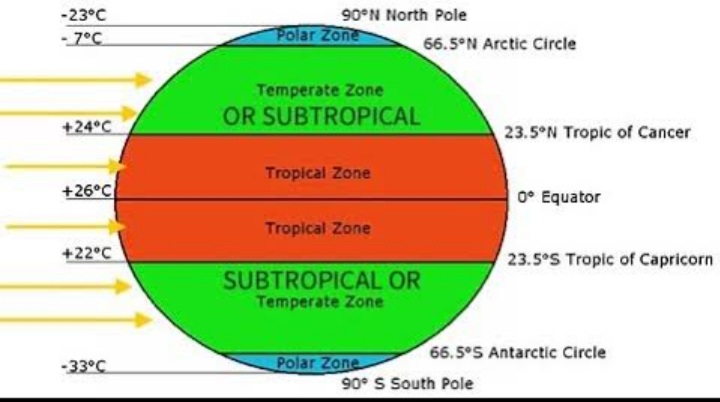
The specialisation of the horticulture and the success of the crop are influenced by many factors. Among these are climate, terrain, and other regional variations.


HORTICULTURAL REGIONS :

TEMPERATURE ZONES :


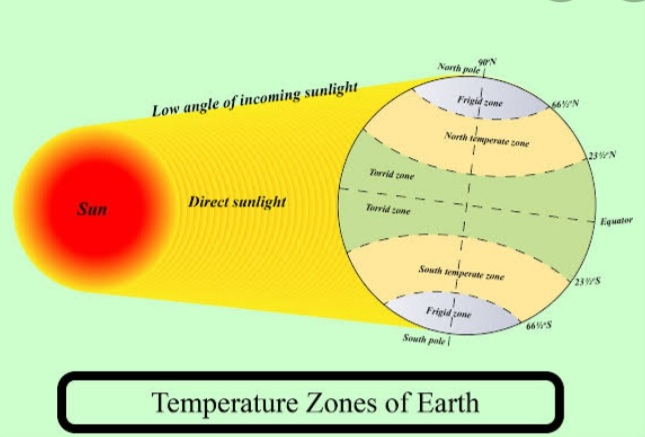
Temperature zones for horticulture cannot be defined exactly by lines of latitude or longitude but are usually regarded as including those areas where frost in winter occurs, even though rarely. Thus, most parts of Europe, North America and Northern Asia
are included, though some parts of the United States, such as southern Florida, are considered subtropical.
The temperature zones are also the areas of the grasses – the finest lawns particularly are in the regions of moderate or high rainfall- and of the great cereal crops. Rice is excluded as being tropical, but wheat, barley, corn and Rye grow well in the temperature zones.
Plants in the temperature zones benefit from a winter resting season, which clearly differentiates them from tropical plants which tend to grow continuously. Most of the great gardens of the world have been developed in temperature zones. Particular features such as rose gardens, herbaceous borders, annual borders, woodland gardens, and rock gardens are also those of temperature zone gardens. Nearly all depends for their success on the winter resting period.


TROPICAL ZONES :


There is no sharp line of demarcation between the topics and the subtropics. Just as many tropical plants can be cultivated in the subtropics, so also many subtropical and even temperature plants can be grown satisfactorily in the tropics. Elevation is a determining factor. In addition to Elevation, another determinant is the annual distribution of rainfall. Plants that grow and flower in the monsoon areas, as in India, will not succeed where the climate is uniformly wet. Another factor is the length of day, the number of hours the sun is above the horizon;some plants flower only if the day is long, but others make their growth during the long days and flower when the day is short.
In the tropics of Asia and parts of central and south America, the dominant features of the gardens are flowering trees, shrubs, and climbers. Herbaceous plants are relatively few, but many kinds of orchids can be grown.


PROPAGATION :


propagation is the controlled perpetuation of plants,is the most basic of Horticulture practices . It’s two objectives are to achieve an increase in numbers and to preserve the essential characteristics of the plant. Propagation can be achieved sexually by seed or asexually by utilising specialised vegetative structures of the plant or by employing such techniques are cutting, layering, grafting and tissue culture

SEED PROPAGATION :


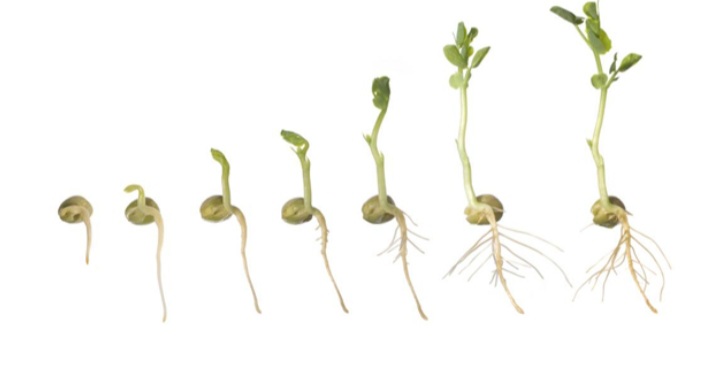
The most common method of propagation for self- pollinated plants is by seed. In self-pollinated plants,the sperm nuclei in pollen produced by a flower fertilize egg cells of a flower on the same plant. Propagation by seed is also used widely for many cross- pollinated plants pollen is carried from one plant to another.
The practice of saving seed to plant the following year has developed into a specialized part of horticulture. Seed technology involves all of the steps necessary ensure production of seed with high viability, freedom from disease, purity, and trueness to type. These processes may include specialized growing and harvesting techniques, cleaning, and distribution. Germination in such seed may be accomplished by treatment to remove these inhibitors. This may involve cold stratification, storing seed at high relative humidity and low temperatures, usually slightly above freezing. Cold stratification is a prerequisite to the uniform germination of many temperature-zone species such as apple, bear, and redbud.


VEGETATIVE PROPAGATION :


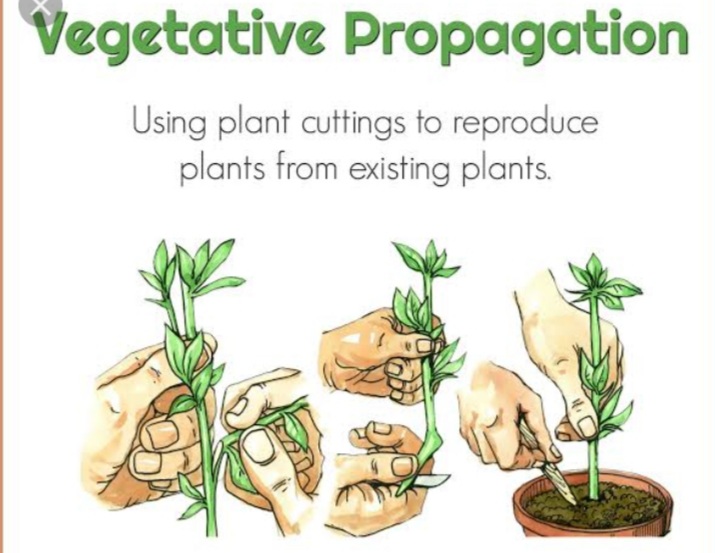
Asexual or vegetative reproduction is based on the ability of plants to regenerate tissues and parts. In many plants vegetative propagation is a completely natural process; in others it is an artificial one. It has may advantages. These include the unchanged prepetuation of naturally cross pollimated palnts and the possibility of propagation seedless progeny.
Vegetative propagation is accomplished be use of

  1. Apomictic seed
    1. Specialized vegetatice structres such as runners, bulbs, corms, rhizomes, offshoot, tubers, stems and roots.
  2. Layers and cuttimgs
  3. Grafting and budding
    1. tissue culture.

Ideal student

An ideal student is one who is good at skills and an motivation to everyone in the class. Schooling is one of the best blessings that a child can have. It is one of the best feelings which no others can have.

The ideal student is the one who respects others feelings and who will be obedient in many of the situations.

The student’s relation with the teacher is a great one. A student must maintain a healthy relationship with the teachers. Teachers play a very important role in making the student perfect and make them to understand the need of the situation. Teachers help the students to reach their desired goals and in any situation teacher motivates a student to get up and stand in all the ups and downs. Like that of the mother and the father, the teacher also feels equally happy when their student acheives high in their life and when they reach their desired goals.

An ideal student will never feel low at the failures. Instead, they will take their mistakes as an experience and will continue the hard work.

Some of the qualities that make an ideal student are :

  1. Hard work
  2. Discipline
  3. Taking responsibility
  4. Maintaining friendly relationships
  5. Respecting everyone
  6. Raising diubts without features.

SOME QUALITIES THAT MAKE AN IDEAL STUDENT FOR KIDS :

  1. • Ideal student traits make him uniqu, anong others.
    • It is believed that an ideal student will never waste his time and energy on non- productive things.
    • The ideal student has inborn winning qualities.
    • Ideal students will always goal- oriented. Thys, they play according to actions to reach their goals.
    • It is proven that ideal students will punctual in school and always on time regularly.
    • He respects everyone. He also obeys their instructions and others.
    • Ideal students are not bookwarms. They keenly observe and read wisely.
    • Ideal students take his studies with all seriousness. They dont’t allow any other activites to disturb them
    • Ideal students always seek the teacher’s guidance. Also, they believe in the knowledge of their teachers.
  2. SOME QUALITIES THAT MAKE AN IDEAL STUDENT FOR SCHOOL STUDENTS :
  1. • Ideal students are always thirsty to gain knowledge.
  2. • They always strive to reach their goals
    • Ideal students always dedicated to their education and work.
    • Ideal students behave well and very attentive in classes. They always listen to their teachers while classes are going on
    • They never hesitate to raise their doubts about studies if they feel some difficulty in understanding.
    • one of the best things about ideal students is that they are very friendly. Also, they help yo his friends regarding studies.
    • Ideal students are creative and think out of the box for any completion of tasks.
    • He always inspire eveyone and attracts the teachers and elders easily.
    • Ideal students are very responsible and underdtand the value of every wird from their elders.
  3. SOME QUALITIES THAT MAKE IDEAL STUDENT FO HIGHER CLASS STUDENTS :

• Ideal students are always fit both physically and mentally.
• Ideal students can differentiate between what is right and what is wrong .
• Ideal students always keep friendly relations with othet students even though he has many competitors
• He always maintains his promise and never feels proud of his awards and achievements.
• Ideal students will nevet trust in superstitions, but believe beliefs. It is because they think very logically abd ratinally.
• An ideal students tries to improvr in all aspects of his life and to reach goals.
• Ideal students show affection and respect towards their elders and parents.
• Ideal students read a lot of books.
• The ideal students will take responsibility for their society and country.
• An ideal student will never look fir shortcuts. They believe that hard work is the only way to succeed in life.


In simple terms, an ideal students is science towards academics and maintains friendly relations with teachers and elders. Aldo, an ideal student will have leadership and communication skills.
The role of an ideal student is both attentibe and punctual in duties. He goes to his school, college or university in time. He attends the classes on regular basis .

Renewable resources .

Replacing traditional sources of energy completely with renewable energy is going to be a challenging task. However, by adding renewable energy to the grid and gradually increasing its contribution, we can realistically expect a future that is powered completely by green energy.

– Tulsi Tanti

A way to live a new life . Without any destruction , without worrying about the future . Live a life where we can grow together , develop a life with renewable resources.

Introduction

A renewable resource, also known as a flow resource, is a natural resource which will replenish to replace the portion depleted by usage and consumption, either through natural reproduction or other recurring processes in a finite amount of time in a human time scale.

When such recovery rate of resources is unlikely to ever exceed a human time scale, these are called perpetual resources. Renewable resources are a part of Earth’s natural environment and the largest components of its ecosphere. A positive life-cycle assessment is a key indicator of a resource’s sustainability.

Renewable resources are an energy source that cannot be depleted and are able to supply a continuous source of clean energy.

Renewable resources also produce clean energy, meaning less pollution and greenhouse gas emissions, which contribute to climate change.

Examples of renewable resources.

  • Biomass .
  • Biogas.
  • Tidal Energy.
  • Wind Energy.
  • Geothermal Energy.
  • Radiant Energy.
  • Hydro Electricity.
  • Compressed Natural Gas.

Types of renewable resources.

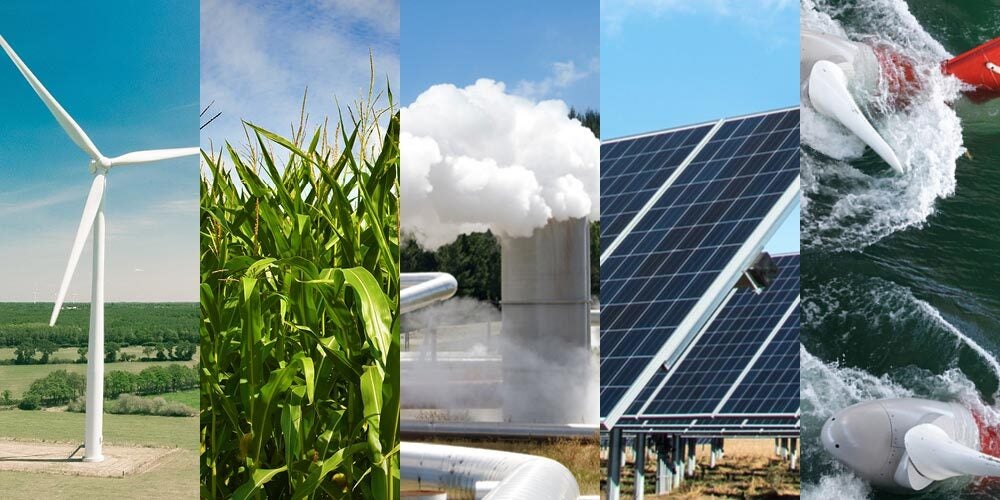
1) Solar energy. Sunlight is one of our planet’s most abundant and freely available energy resources. 2) Wind energy. Wind is a plentiful source of clean energy. 3) Hydro energy.
4) Tidal energy.
5) Geothermal energy. 6) Biomass Energy.

Impact of renewable resources.

Environmental impact

Renewable energy projects have also contributed in improving environmental impacts such as reduction of carbon dioxide gas, awakening community about the climate change. The study observed very small impacts on the people living in a particular area, tourism, cost of energy supply, and educational impacts. Significant impacts were observed in improvement of life standard, social bonds creation, and community development. They also observed that the renewable energy projects are complex to install and are local environmental and condition sensitive. Their forecasting, execution, and planning require more consideration and knowledge as compared to other projects.

Social impact

These resources also provide social benefits like improvement of health, according to choice of consumer, advancement in technologies, and opportunities for the work, but some basic considerations should be taken for the benefit of humans, for example, climate conditions, level of education and standard of living, and region whether urban or rural from agricultural point of view. Social aspects are the basic considerations for the development of any country. The following social benefits can be achieved by renewable energy systems: local employment, better health, job opportunities, and consumer choice.

Advantages of renewable resources.

  • Renewable energy won’t run out.
  • Maintenance requirements are lower.
  • Renewables save money.
  • Renewable energy has numerous health and environmental benefits.
  • Renewables lower reliance on foreign energy sources.
  • Higher upfront cost.
  • Intermittency.
  • Storage capabilities.

Conclusion

Renewable energy is becoming an important resource in all over the world . I do agree that people might exploit the resources for there own benefit . But the government is working on that aspect and trying to provide resources that can help our future households .

There are a lot of different ways of building a prosperous society, and some of them use much less energy than others. And it is possible and more practical to talk about rebuilding systems to use much less energy than it is to think about trying to meet greater demands of energy through clean energy alone.

– Alex Steffen

Link

The Amazon

The forest is a peculiar organism of unlimited kindness and benevolence that makes no demands for its sustenance and extends generously the products of its life activity; it affords protection to all beings, offering shade even to the axe-man who destroys it.

– Gautama Buddha

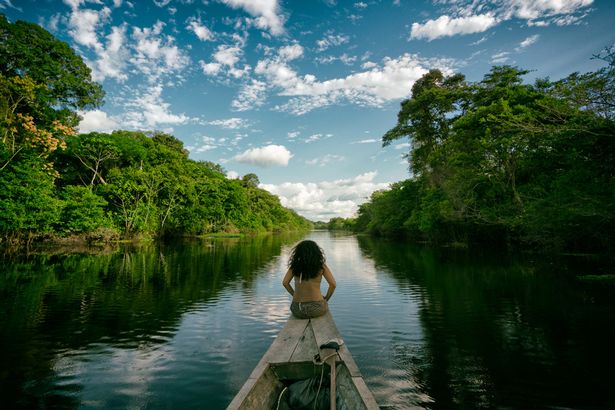
Today , let’s feel the presence of fresh air , waterfall , trees , flora and fauna . Being a citizen of a country , which is well known for its resources , different species, mixed economy and different cultures. It is important for us to see the world of flora and fauna.

Well you get to know by the heading , today we are gonna talk about THE AMAZON’S which is well known for its vast species .

Introduction .


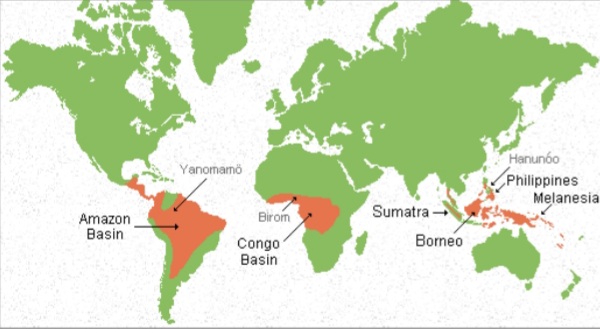
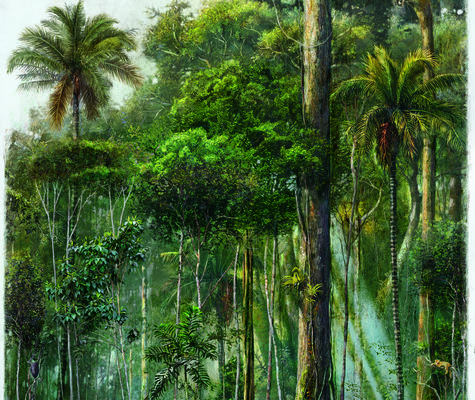
The Amazon jungle or Amazonia, is a moist broadleaf tropical rainforest in the Amazon biome that covers most of the Amazon basin of South America. This basin encompasses 7,000,000 km2 (2,700,000 sq mi), of which 5,500,000 km2 (2,100,000 sq mi) are covered by the rainforest. This region includes territory belonging to nine nations and 3,344 formally acknowledged indigenous territories.

The majority of the forest is contained within Brazil, with 60% of the rainforest, followed by Peru with 13%, Colombia with 10%, and with minor amounts in Bolivia, Ecuador, French Guiana, Guyana, Suriname, and Venezuela. Four nations have “Amazonas” as the name of one of their first-level administrative regions, and France uses the name “Guiana Amazonian Park” for its rainforest protected area. The Amazon represents over half of the planet’s remaining rainforests, and comprises the largest and most biodiverse tract of tropical rainforest in the world, with an estimated 390 billion individual trees divided into 16,000 species.

The name Amazon is said to arise from a war Francisco de Orellana fought with the Tapuyas and other tribes. The women of the tribe fought alongside the men, as was their custom. Orellana derived the name Amazonas from the Amazons of Greek mythology, described by Herodotus and Diodorus.

Flora and Fauna.

Wet tropical forests are the most species-rich biome, and tropical forests in the Americas are consistently more species rich than the wet forests in Africa and Asia.

This constitutes the largest collection of living plants and animal species in the world.

The region is home to about 2.5 million insect species, tens of thousands of plants, and some 2,000 birds and mammals. To date, at least 40,000 plant species, 2,200 fishes, 1,294 birds, 427 mammals, 428 amphibians, and 378 reptiles have been scientifically classified in the region.

The biodiversity of plant species is the highest on Earth with one 2001 study finding a quarter square kilometer (62 acres) of Ecuadorian rainforest supports more than 1,100 tree species.

Human impact on Amazon jungle.

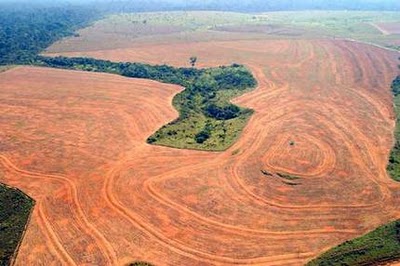
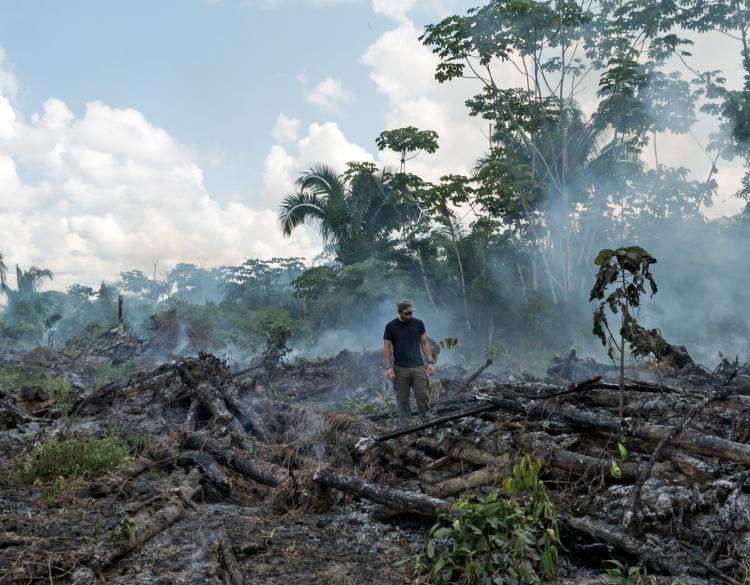
The human impact on the Amazon rainforest has been grossly underestimated according to an international team of researchers. … They found that selective logging and surface wildfires can result in an annual loss of 54 billion tonnes of carbon from the Brazilian Amazon, increasing greenhouse gas emissions.

Lead researcher Dr Erika Berenguer from Lancaster University said: “The impacts of fire and logging in tropical forests have always been largely overlooked by both the scientific community and policy makers who are primarily concerned with deforestation. Yet our results show how these disturbances can severely degrade the forest, with huge amounts of carbon being transferred from plant matter straight into the atmosphere.”

The second author, Dr Joice Ferreira from Embrapa in Brazil, said: “Our findings also draw attention to the necessity for Brazil to implement more effective policies for reducing the use of fire in agriculture, as fires can both devastate private property, and escape into surrounding forests causing widespread degradation. Bringing fire and illegal logging under control is key to reaching our national commitment to reducing carbon emissions.”

The forest is not a resource for us, it is life itself. It is the only place for us to live.

-Evaristo Nugkuag Ikanan

Link

Pet.

A pet, or companion animal, is an animal kept primarily for a person’s company or entertainment rather than as a working animal, livestock or a laboratory animal. Popular pets are often considered to have attractive appearances, intelligence and relatable personalities, but some pets may be taken in on an altruistic basis (such as a stray animal) and accepted by the owner regardless of these characteristics.

Two of the most popular pets are dogs and cats; the technical term for a cat lover is an ailurophile and a dog lover a cynophile. Other animals commonly kept include: rabbits; ferrets; pigs; rodents, such as gerbils, hamsters, chinchillas, rats, mice, and guinea pigs; avian pets, such as parrots, passerines and fowls; reptile pets, such as turtles, alligators, crocodiles, lizards, and snakes; aquatic pets, such as fish, freshwater and saltwater snails, amphibians like frogs and salamanders; and arthropod pets, such as tarantulas and hermit crabs. Small pets may be grouped together as pocket pets, while the equine and bovine group include the largest companion animals.

Pets provide their owners (or “guardians”) both physical and emotional benefits. Walking a dog can provide both the human and the dog with exercise, fresh air and social interaction. Pets can give companionship to people who are living alone or elderly adults who do not have adequate social interaction with other people. There is a medically approved class of therapy animals, mostly dogs or cats, that are brought to visit confined humans, such as children in hospitals or elders in nursing homes. Pet therapy utilizes trained animals and handlers to achieve specific physical, social, cognitive or emotional goals with patients.

People most commonly get pets for companionship, to protect a home or property or because of the perceived beauty or attractiveness of the animals. A 1994 Canadian study found that the most common reasons for not owning a pet were lack of ability to care for the pet when traveling (34.6%), lack of time (28.6%) and lack of suitable housing (28.3%), with dislike of pets being less common (19.6%). Some scholars, ethicists and animal rights organizations have raised concerns over keeping pets because of the lack of autonomy and the objectification of non-human animals.

Is India a safe environment for animals?


Cows, tigers, lions, elephants, horses, bulls, snakes, and monkeys are all revered in Hindu mythology. The Vedas, Hinduism’s early writings (written in the second millennium BCE), preach ahimsa, or nonviolence, to all living things. In Hinduism, killing an animal is considered a violation of ahimsa and results in negative karma. However, while people display their devotion to deities and the animals associated with them in temples, animals are also subjected to cruelty in places such as circuses.
The Indian Constitution contains several laws for the safety, protection, and punishment of animals, including the Indian Penal Code (IPC), the Prevention of Cruelty to Animals (Slaughterhouse) Rules, 2001, the Wildlife Protection Act, 1972, and the Prevention of Cruelty to Animals Act, 1960 (PCA Act), to name a few. Among other Regulations and Acts of the Indian Constitution, Article 48A, Article 51A(g), Sections 428 and 429 of the IPC establish rules against animal cruelty. Animal sacrifice is prohibited in all parts of the country, according to Rule 3 of the Slaughterhouse Rules, 2001. In addition, the Central Bureau of Investigation investigates specific wildlife offences (CBI).
Following the Covid 19 incident, numerous incidents have surfaced exposing the brutality of the human mind, the most recent of which being A suo motu case initiated by the Kerala High Court on animal cruelty will now take the name of Bruno, a Labrador dog reportedly slain by three teenagers in the State. In Gujarat, a stray dog was mercilessly thrashed and carried 500 metres by a two-wheeler.


A dog raped with a screwdriver in Goa, a langur hung and tortured to death in Telangana, and a street dog assaulted, tied to a motorbike, and then thrown over the second floor of a building in Ludhiana are just a few of the heinous crimes against animals that have been documented. How about the pregnant elephant who died in Kerala when suspected firecrackers disguised in fruit detonated in her mouth? On March 28, 2021, a man was seen on CCTV assaulting a stray dog in Naya Nagar, Goregaon West, Mumbai; however, no police case was filed.


Molesting a stray dog in Goregaon West, Mumbai; however, no police case was filed.
The Supreme Court of India recognised the Right to Life as enshrined in Article 21 of the Constitution of India to include animals in a case titled Animal Welfare Board of India v. Nagraja&Ors. In 2014. The Supreme Court of Nepal banned the unlawful transport of cattle to Nepal for the Gadhimai festival in 2014, which helped to reduce the number of animals killed that year. In the case of Karnail Singh and others against State of Haryana, the High Court of Punjab and Haryana recognised all creatures in the animal world, including avian and aquatic species, as legal beings on May 31st, 2019.

All inhabitants of Haryana have been designated as persons in loco parentis (in the place of a parent), allowing them to act as guardians for all nonhuman animals in the state.
The only way to bring these activities back to normal is to enact stronger rules and provide legal protection for animals. This is the first step toward achieving a mindset shift in order to build a society in which animals are treated equally to humans.

In Re: Bruno – Animal Cruelty

Introduction

Bruno was a black Labrador who was beaten to death by two juveniles and a youth on 28th June 2021 at the Adimalathura beach in Thiruvananthapuram. The Kerala High Court took suo motu cognizance of this brutal killing and renamed the case “In Re: Bruno” to pay tribute to the dog who had to suffer gross human cruelty. Cases of animal cruelty keep coming from across the country, at least 5 animals die every day in India but the actual figure would be 10 times higher because of lack of reporting. The majority of the people do not even know the crimes they are committing and others do not know they can report it under a law. More than that nobody seems to know the freedom animals have. This article will talk about the freedoms for the animals, the Act that prevents this cruelty, and the reasons for said cruelty.

Freedoms for Animals

India is a part of the World Health Organization of Animal Health (OIE), which is responsible for animal health and welfare. It says that an animal is in a good state of welfare if it is comfortable, healthy, safe, well-nourished, and able to express its innate behaviour, and is not suffering from pain fear, and distress. Chapter 7.1.2 of the guidelines of OIE recognizes five freedoms for animals:

  • Freedom from hunger, thirst, and malnutrition
  • Freedom from fear and distress
  • Freedom from physical and thermal discomfort
  • Freedom from pain, injury, and disease
  • Freedom to express normal patterns of behaviour

These rights were reaffirmed in the case of Animal Welfare Board of India v A. Nagaraja and Others (2014) 7 SCC 547.

Under Article 51A(g) of the Constitution, it is the fundamental duty of the citizens of India to have compassion for living creatures, this was reaffirmed in State of Gujarat v Mirzapur Moti Kureshi Kassab Jamat and Others (2005) 8 SCC 534.

The Prevention of Cruelty to Animals Act

The Prevention of Cruelty to Animals Act, 1960 aims to prevent the infliction of unnecessary pain and suffering on animals.

  • Section 3 makes it the duty of the person in the care of the animal to ensure its well-being.
  • Section 4 establishes the Animals Welfare Board of India whose duty is to protect animals.
  • Section 11 specifies the types of cruelty to animals such as beating, kicking, torturing, employing an unfit animal, administering injurious drugs, confining an animal in a cage, keeping an animal chained for a long time, failing to provide the animal with food or drink (in cases where you are the owner), abandoning the animal with no reasonable reason.

Why do people abuse animals?

Many cases of animal cruelty that we get to see are the big ones where the animals are abused to the extent that they die or need emergency surgeries. But that’s not the only kind of abuse these animals suffer, there are many cases of such cruelty that take place behind closed doors which we know now include even starving your pets. Various reasons have been noted for such behaviour:

  • The owner lacks control in some aspect of their life and tries to gain control by abusing the animal as it is helpless.
  • Many cases of domestic abuse are accompanied by animal cruelty where the abuser abuses the animal to show the abusee what they are capable of.
  • In certain situations, it takes place because of peer pressure where the kids try to hit the dogs with stones to show they are cool and courageous.
  • A lot of times it is because of displacement, a defense mechanism where you are angry at some person but because you can’t take out your anger on them, you target someone less threatening and helpless.
  • And the most horrifying reason is where people enjoy causing pain to the animals, this condition is usually related to some psychological disorder and these people hold the chance to hurt people also.

Conclusion

Animals are living creatures and they deserve equal respect from humans, they have the right to live a painless life and it is our duty to give it to them. If you ever see any situation of animal cruelty, you can file an FIR at your nearest police station, under the Prevention of Cruelty to Animals Act.

References

Veganism

Over the past few years, the concept of veganism has become largely popular. Many famous personalities have also started switching into veganism. According to Wikipedia, “Veganism is the practice of abstaining from the use of animal products, particularly in diet, and an associated philosophy that rejects the commodity status of animals.” There is a specific pattern of eating involved in it which includes only plant-based food items. Vegan people replace dairy products with plant based milks like soy, scrambled eggs with scrambled tofu, honey with maple syrup and similar other options. They also refrain from using other animal products like clothing from animal products and leather. It is a lifestyle which attempts to decrease animal exploitation as much as possible.

The term “vegan” was first coined by Donald Watson in 1944 when he founded the Vegan Society with a small group of vegetarians, who broke away from the Leicester Vegetarian Society in England. It is said that the term “vegan” was constructed by combining the first and last letters of “vegetarian.” At first it was used to mean “non-dairy vegetarian” and by May 1945 vegans started abstaining from “eggs, honey; and animals’ milk, butter and cheese”. They chose to not consume dairy or any other product of animal origin along with abstaining from meat like vegetarians. In 1951, the Society changed its definition to “the doctrine that man should live without exploiting animals”. It is currently defined as “a way of living that attempts to exclude all forms of animal exploitation and cruelty, be it from food, clothing, or any other purpose.” Interest in Veganism started from the latter part of 2010s as more and more vegan stores opened increasing vegan options. These have started to be increasingly available in supermarkets and restaurants across the world.

Reason behind going Vegan

Vegans generally choose to avoid animal products for reasons like Ethics, Health and Environment.

Photo by Bulbfish on Pexels.com

People who support the ethics of the practice are called Ethical Vegans who strongly agree to the belief that all creatures have the right to life and freedom. So, they oppose killing a conscious being to simply consume its flesh, drink its milk, or wear its skin — especially when alternatives are available. They also oppose the psychological and physical stress that animals may endure as a result of modern farming practices. For instance, the small pens and cages in which many livestock animals are forced to live between birth and slaughter, the farming industry’s practices of the grinding of live male chicks by the egg industry or the force-feeding of ducks and geese for the foie gras market. Ethical vegans also protest against animal cruelty and raise awareness about ending all forms of cruelty towards animals.

Some also choose veganism due to its health benefits. Plant-based diets may reduce the risk of heart disease, type 2 diabetes, cancer, and premature death. Lowering the intake of animal products may likewise reduce the risk of Alzheimer’s disease or dying from cancer or heart disease. One can also avoid the side effects linked to the antibiotics and hormones which are used in modern animal agriculture. Studies show that there is a relation between vegan diets and lower body weight and body mass index (BMI).

Photo by Daria Shevtsova on Pexels.com

Vegan diets are high in dietary fiber, magnesium, folic acid, vitamin C, vitamin E, iron, and phytochemicals; and low in dietary energy, saturated fat, cholesterol, long-chain omega-3 fatty acids, vitamin D, calcium, zinc, and vitamin B12. There is also the possibility of nutrition deficiency because elimination of all animal products may lead to nutritional deficiencies. Some of these can only be prevented through the choice of fortified foods or the regular intake of dietary supplements. Vitamin B12 supplementation is considered to be very important in some cases.

Some people avoid animal products and shift to veganism for the environmental impacts. It is widely known that animal agriculture is a very water intensive process. The UN report of 2010 suggests that animal products need more resources and produce a higher percentage of greenhouse gas emissions than plant-based options.

LEGAL RIGHTS OF ANIMALS AGAINST CRUELTY

INTRODUCTION

Legal concepts of animal cruelty reflect the morality of our society regarding the rights of animals. These concepts especially expose dominant behaviour towards animal exploitation. Omissions in the law which permit abusive animal treatment without legal penalty or threat to prosecution indicate the unquestioning support of such abuse by society. However though our society has acknowledged the need for laws on animal protection, animal welfare is usually not the main focus of these laws. Too often the underlying reason for such legislation is a public interest in shielding property or in avoiding malicious and suspicious activities.

The terminology of anti-cruelty statutes, the implementation of such laws in court, and particular regulatory provisions resulting in the absence of legal prerequisites for practices such as animal laboratory experiments all lead to an obvious conclusion: animals may cherish some levels of immunity, but they do not have rights under the constitution. Unless the legislation acknowledges more than the human interests in avoiding animal cruelty, animals would have no right to be safe from human inhibited pain and suffering.

HISTORY

The very first scriptures of Hinduism, The Vedas (originating in the second millennium BCE), teach all living beings ahimsa or nonviolence. Killing an animal in Hinduism is considered a breach of the ahimsa and cause for bad karma, his prompted many Hindus to adopt vegetarianism. However, Hindu principles do not require vegetarianism and allow the sacrificing of animals in sacred rituals and ceremonies.

India’s first National Animal Welfare Act, the Prevention of Cruelty to Animal Act or the PCA Act (1960), forbids animal cruelty, with exceptions to animal treatment for medicinal or experimental purposes. Consequent legislation has imposed controls and limitations on the use of domestic animals, livestock transport, animal slaughter, animal experimentation and employment of performing animals. General requirements for breeding and usage of animals for research have been set by The Breeding of and Experiments on Animals (Control and Supervision) Rules, 1998. According to the amendment of 2006, animals “lowest on the phylogenetic scale” must be used for experiments. 95% statistical assurance in using the minimum number of animal species and justification should be given for not using non-animal substitutes. Use of living animals in medical education experiments is banned by amendment of 2013. In 2014, ban was imposed on all cosmetic testing done on animals and the import of animal-tested cosmetics products, with this India became the 1st country in Asia to bring out such change.

HOW THE LEGAL RIGHTS OF ANIMALS AGAINST CRUELTY ARE PROPOUNDED?

Animal cruelty is wilful harming, abusing and neglecting of an animal. It is subjecting any animal to cruel mistreatment. Some forms of animal cruelty consist of deliberately placing animals in conditions that harm them, frighten them, and terrorize them.

A precedent was released in 2014 by the Supreme Court of India. It extended the shield of Article 21 of the constitution of India, which safeguards human life and liberty, to all animals. The court said, “Having an inalienable right to live in a safe and clean environment, not to be battered, kicked, bitten, tortured, pried by humans with alcohol or forced to stand in small enclosures amid bellows and crowd groans.”[1]

SOME LEGAL RIGHTS

  1. Article 51A (g) of Constitution of India: It is the fundamental duty of every citizen of India to have compassion for all living creatures.
  2. IPC Sections 428 and 429: To kill or maim any animal, including stray animals, is a punishable offence.

3. Section 11(1) (i) and Section 11(1) (j), PCA Act, 1960: Abandoning any animal for any reason can land you in prison for up to three months.

4. Rule 3, of PCA Act (slaughterhouse rules) 2001 and Ch.4 Food Safety and Standards Regulations, 2011: No animal (including chickens) can be slaughtered in any place other than a slaughterhouse. Sick or pregnant animals shall not be slaughtered.

5. ABC Rules, 2001: Stray dogs that have been operated for birth control cannot be captured or relocated by anybody including any authority.

6. Section 11(1) (h), PCA Act, 1960: Neglecting an animal by denying her sufficient food, water, shelter and exercise or by keeping him chained/confined for long hours is punishable by a fine or imprisonment of up to 3 months or both.

7. Wildlife (Protection) Act, 1972: Monkeys are protected and cannot be displayed or owned.

8. Section 22(ii), PCA Act, 1960: Bears, monkeys, tigers, panthers, lions and bulls are prohibited from being trained and used for entertainment purposes, either in circuses or streets.

9. Rule 3, Slaughterhouse Rules, 2001: Animal sacrifice is illegal in every part of the country.

10. Section 11(1) (m) (ii) and Section 11(1) (n), PCA Act, 1960: Organizing of or participating in or inciting any animal fight is a cognizable offence.

11. Rules 148-C and 135-B of Drugs & Cosmetics Rules, 1945: Cosmetics tested on animals and the import of cosmetics tested on animals is banned.

12. Section 38(J), Wildlife (Protection) Act, 1972:Teasing, feeding or disturbing the animals in a zoo and littering the zoo premises is an offence punishable by a fine of Rs. 25000 or imprisonment of up to three years or both.

13. Section 9, Wildlife (Protection) Act, 1972: Capturing, trapping, poisoning or baiting of any wild animal or even attempting to do and disturbing or destroying eggs or nests of birds and reptiles or chopping a tree having nests of such birds and reptiles or even attempting to do so constitutes to hunting so is punishable by law, with a fine of up to Rs. 25000 or imprisonment of up to seven years or both.

14. Section 11(1) (d) Prevention of Cruelty to Animals, (Transport of Animal) Rules, 2001 and Motor Vehicles Act 1978: Displaying or carrying animals, either in or on a vehicle, in any manner or position that causes discomfort, pain or distress, is a punishable offense under the two Central Government Acts.

CONCLUSION

The claim that animals are not supposed to be mistreated rely upon the same moral values, which offer human beings several fundamental rights. There are not simply a utilitarian criterion for respecting those rights. For example, we don’t accept slavery, even though slaves as oppressed persons are not able to confront people holding rights. It would be safer, at least economically, to hold slaves in the field according to a utilitarian viewpoint. This gross inequality is reprehensible, and the law acknowledges it. Animals, however, are not humans. There are also absurd associations between the exploited people and animals. Today, the notion that animals should have civil rights seems progressive and radical. Therefore, law in all fields importantly take an active part in encouraging animal rights.

REFERENCES

https://www.strawindia.org/laws-that-protect-animals-in-india.aspx

https://en.wikipedia.org/wiki/Animal_welfare_and_rights_in_India

[1] https://www.macleans.ca/society/why-animals-should-be-given-the-same-legal-rights-as-humans/

The cat families…Part 1

Felis catus also called house cat or domestic cat, domesticated member of the family Felidae, order Carnivora, and the smallest member of that family. Like all felids, domestic cats are characterized by supple low-slung bodies, finely molded heads, long tails that aid in balance, and specialized teeth and claws that adapt them admirably to a life of active hunting. Cats possess other features of their wild relatives in being basically carnivorous, remarkably agile and powerful, and finely coordinated in movement.

there are more than, 45 types of cat family members are present around the globe, which include the king lion, tiger, leopard, and many more. Here is the information regarding it.

1.Abyssinian:
undefined
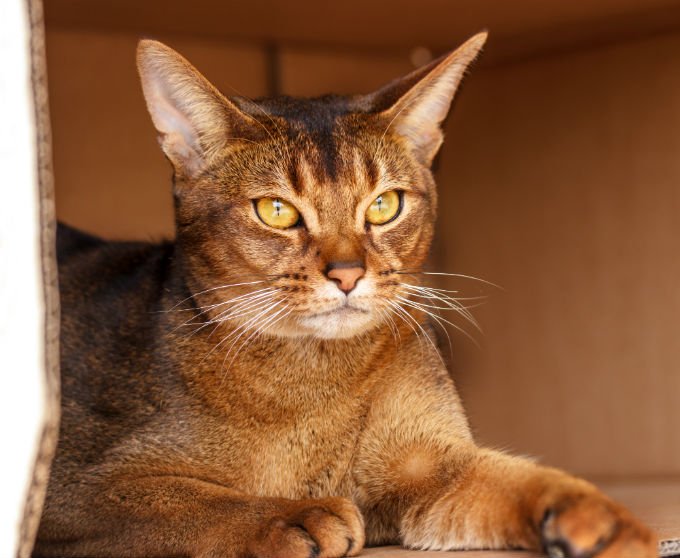
Abyssinian, breed of domestic cat, probably of Egyptian origin, has been considered to approximate the sacred cat of ancient Egypt more closely than any other living cat. The Abyssinian is a lithe cat with relatively slender legs and a long, tapering tail. The short, finely textured coat is ruddy reddish-brown, with individual hairs of the back, sides, chest, and tail distinctively ticked, or tipped, with bands of black or brown. The nose is red, the eyes are hazel, green, or gold, and the tail tip and backs of the hindlegs are black. The Abyssinian is noted for being affectionate and quiet, though generally shy with strangers.

2.African wildcat:
undefined
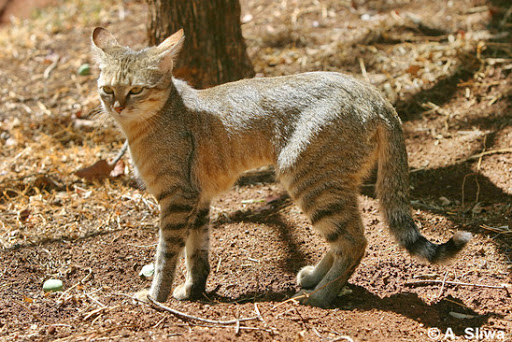
The African wildcat, also called Egyptian wildcat, small, tabby like a cat (family Felidae) found in open and forested regions of Africa and Asia. Likely the first cat to be domesticated, the African wildcat is somewhat larger and stockier than the modern house cat, with which it interbreeds readily. Its coat, paler in the female, is light or orange-brown with narrow dark stripes. The length of the animal is about 70 cm (28 inches), excluding the 40-cm tail; shoulder height averages 23 cm (9 inches), and the cat weighs about 3.5 kg (7.7 pounds). The African wildcat is a solitary nocturnal hunter that preys mainly on birds and small mammals. Mating generally occurs early in the year, and a litter of two to five kittens is born about 56 days later.

3.black panther:
undefined
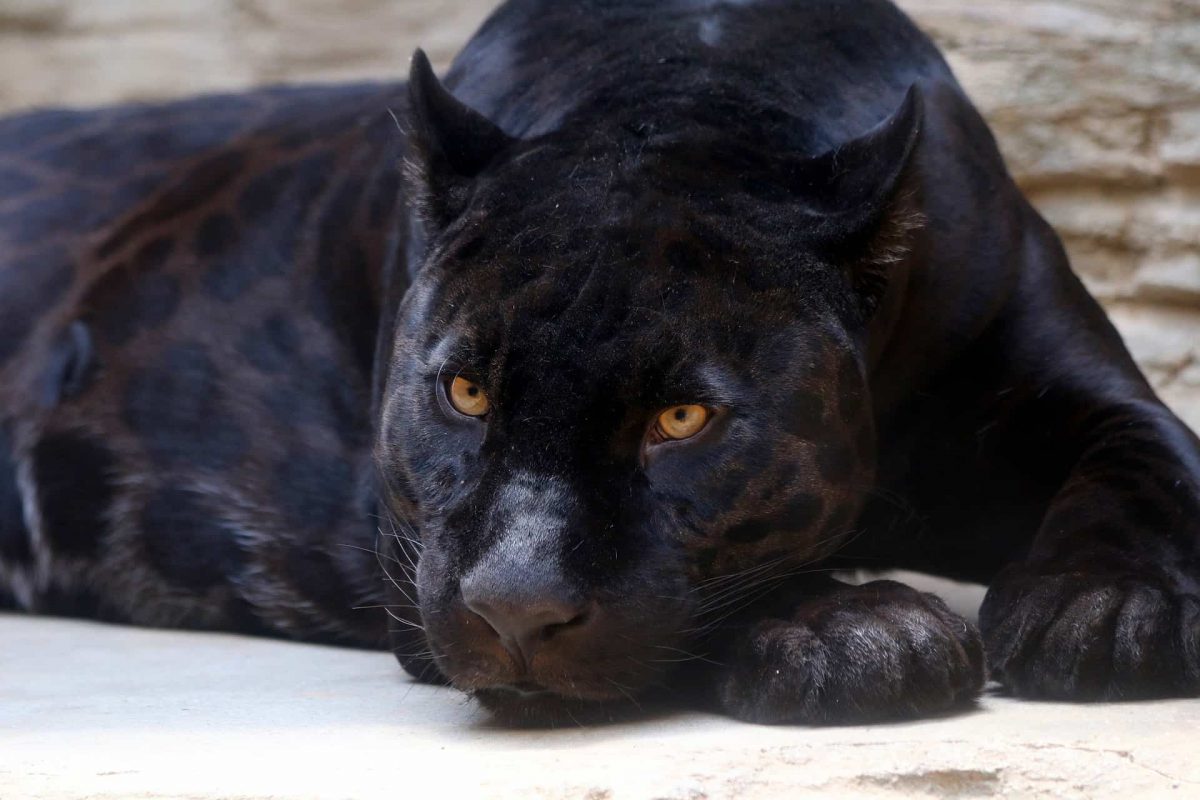
Black panther, colloquial term used to refer to large felines classified in the genus Panthera that are characterized by a coat of black fur or large concentrations of black spots set against a dark background. The term black panther is most frequently applied to black-coated leopard of Africa and Asia and jaguars of Central and South America; black-furred variants of these species are also called black leopards and black jaguars, respectively. Besides, the term is sometimes used to describe dark-colored bobcats, lynx, jaguarundis, tigers, and pumas, even though reports of black-colored representatives of some species, such as the puma, have not been confirmed.

4.bobcat:
undefined
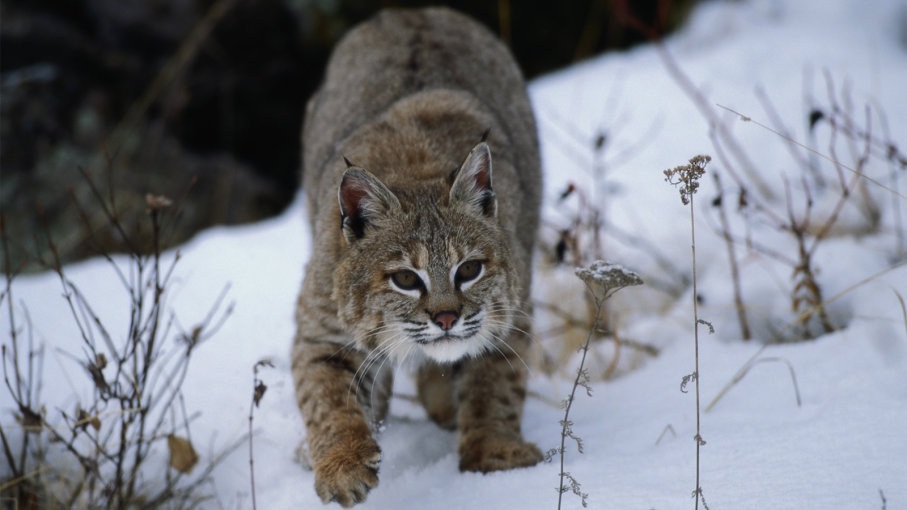
Bobcat, also called bay lynx or wildcat, bobtailed North American cat, found from southern Canada to southern Mexico. The bobcat is a close relative of the somewhat larger Canada lynx.

5.calico cat:
undefined
Burmese, breed of domestic cat, presumably of Asian origin. The Burmese are a compactly built cat with a small, rounded head and wide-set, round, yellow, or golden eyes. The short, finely textured, and glossy coat darkens from a milk-chocolate color in the kitten to a rich sable brown in the adult. The underside is paler than the coat; the ears, face, legs, and tail may be darker. The tail is tapered and may be either straight or kinked near the tip.

6.caracal:
undefined
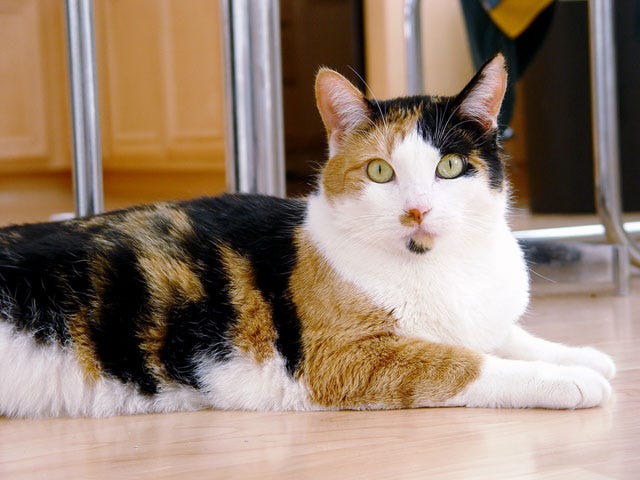
Calico cat, In North America, a blotched or spotted domestic cat, usually predominantly white with red and black patches (a pattern also called tortoiseshell-and-white). Because the genetic determination of some coat colors in cats is linked to the sex chromosome, calicoes are almost always female.

7.cat:
undefined
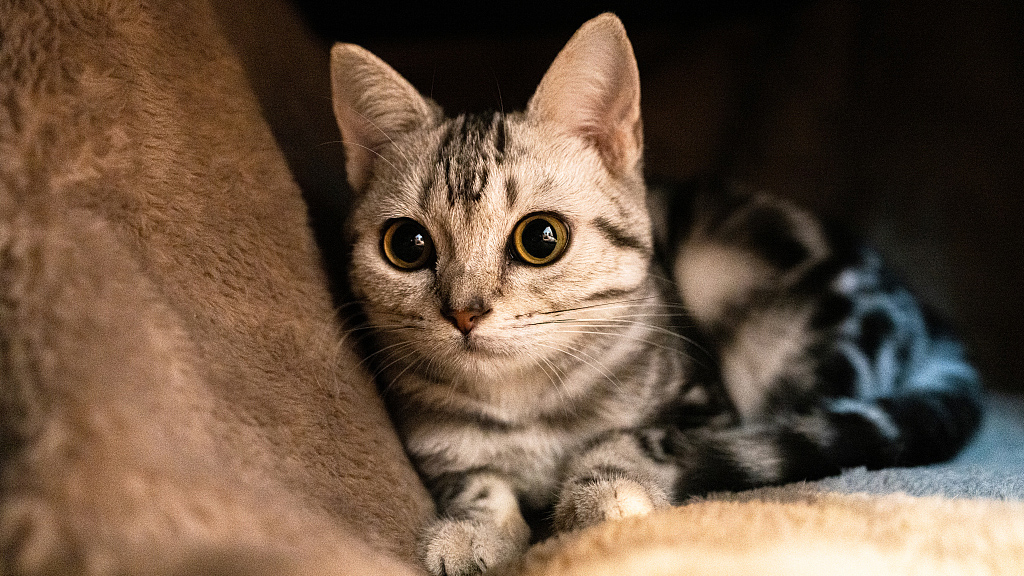
Cat also called house cat or domestic cat, domesticated member of the family Felidae, order Carnivora, and the smallest member of that family. Like all felids, domestic cats are characterized by supple low-slung bodies, finely molded heads, long tails that aid in balance, and specialized teeth and claws that adapt them admirably to a life of active hunting. Cats possess other features of their wild relatives in being basically carnivorous, remarkably agile and powerful, and finely coordinated in movement.

8.cheetah:
undefined
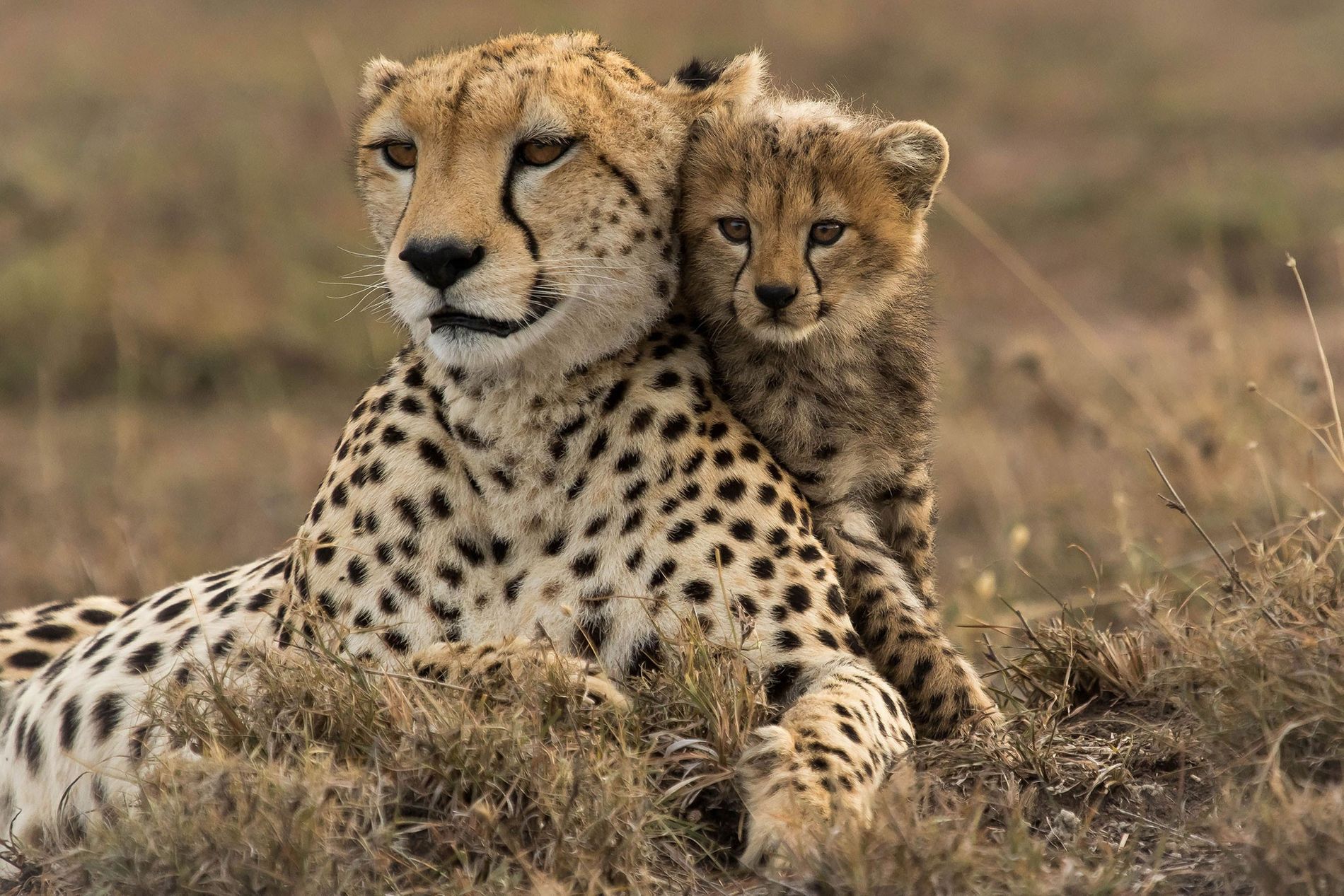
Cheetah, one of the world’s most-recognizable cats, known especially for its speed. Cheetahs’ sprints have been measured at a maximum of 114 km (71 miles) per hour, and they routinely reach velocities of 80–100 km per hour while pursuing prey. Nearly all the cheetahs remaining in the wildlife in Africa.

9.clouded leopard:
undefined
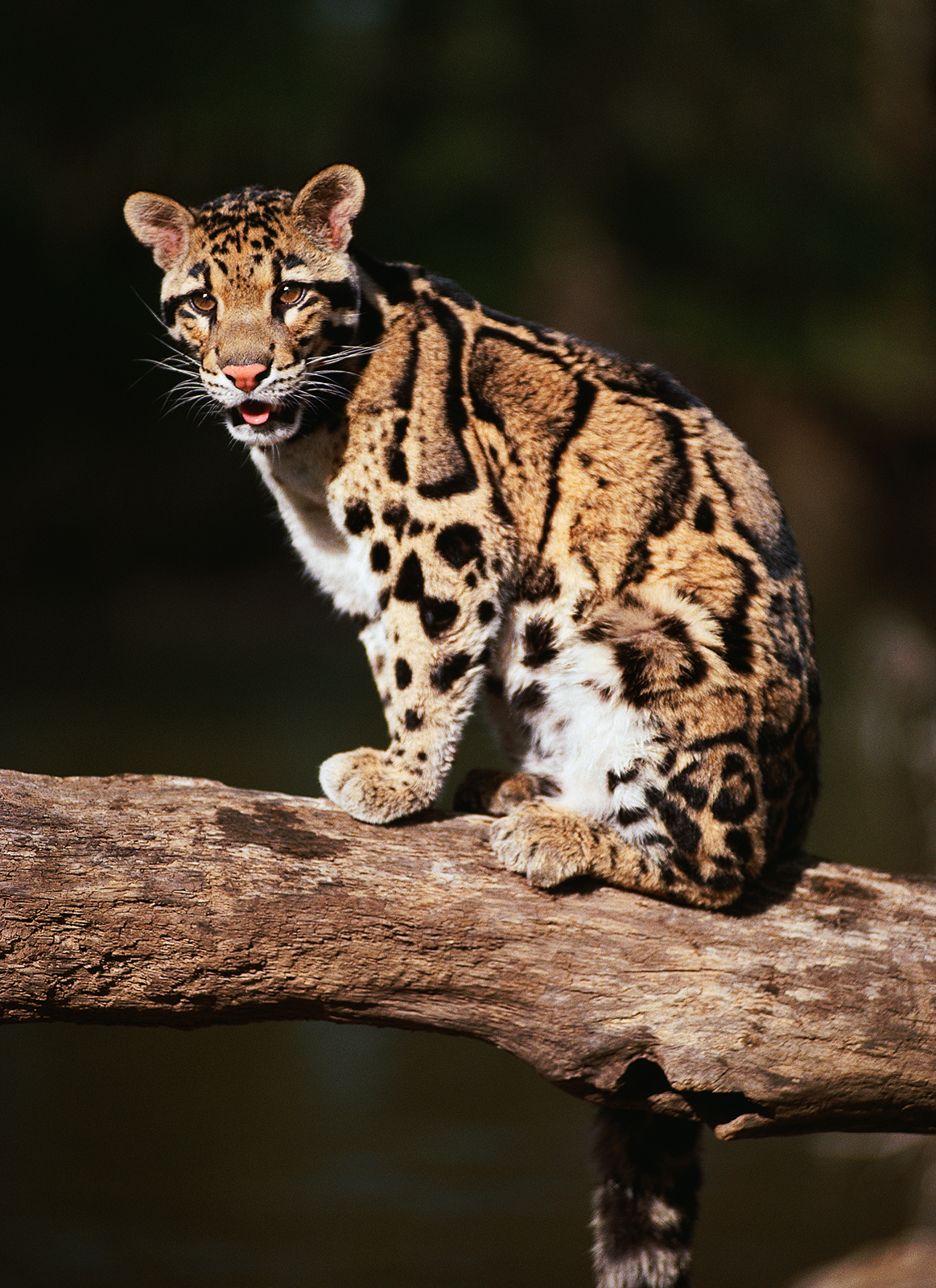
Clouded leopard, also called clouded tiger, strikingly marked cat, very similar in coloring and coat pattern to the smaller, unrelated marbled cat . There are two species of clouded leopard, which are genetically distinct from one another. Neofelis nebulosa, found on the mainland of southeastern Asia, particularly in forests and other wooded regions, and N. diardi, found on the islands of Sumatra and Borneo, are thought to have diverged about 1.4 million years ago. The population of clouded leopards declined sharply in the latter half of the 20th century as a result of hunting and deforestation. They are reported to be nocturnal and to live in trees; they prey on birds and small mammals, such as pigs and monkeys.

10.domestic shorthair:
undefined
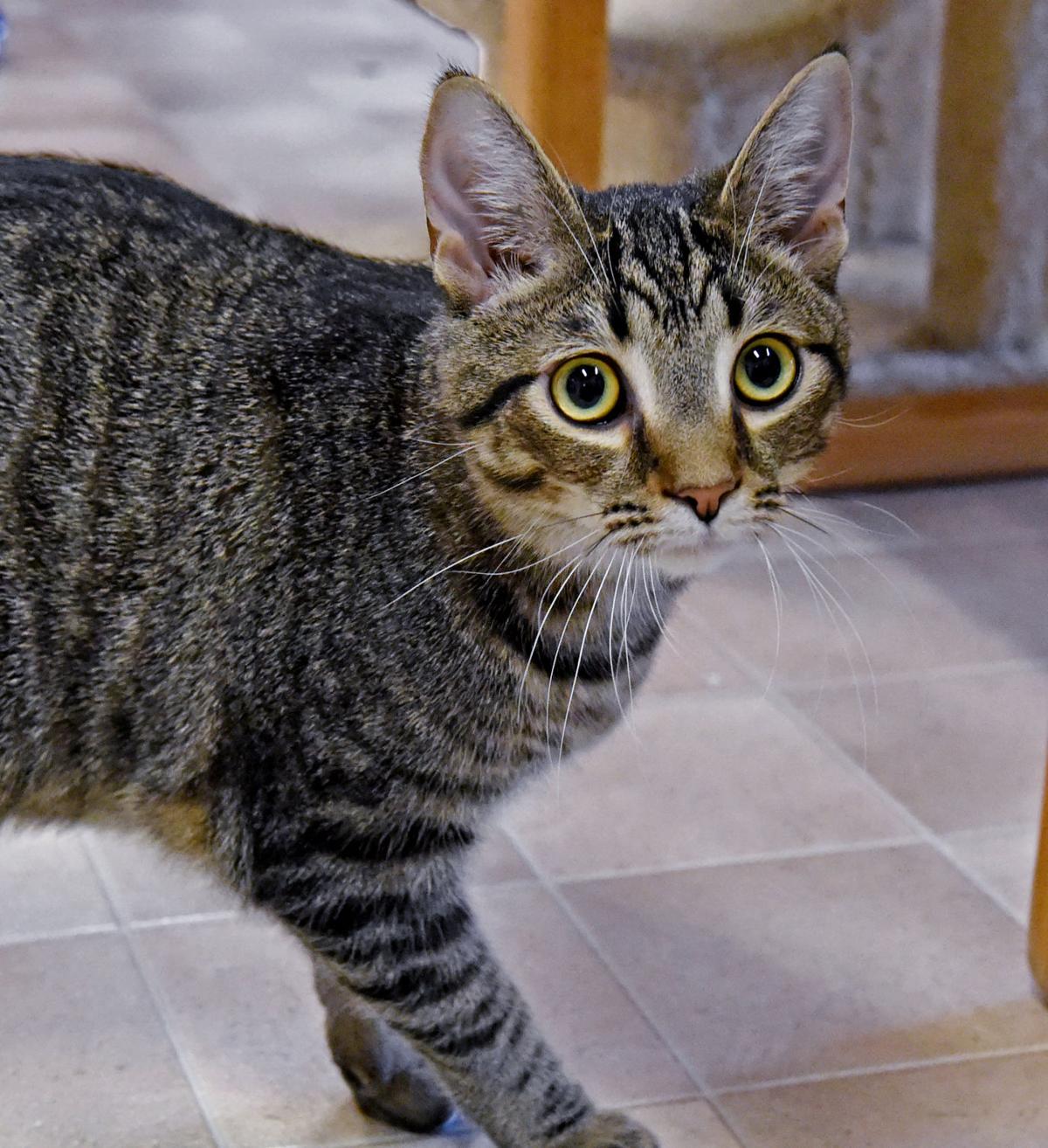
Domestic shorthair, also called British Shorthair, breed of a domestic cat often referred to as a common, or alley, cat; a good show animal, however, is purebred and pedigreed and has been carefully bred to conform to a set standard of appearance.

11.feline:
undefined
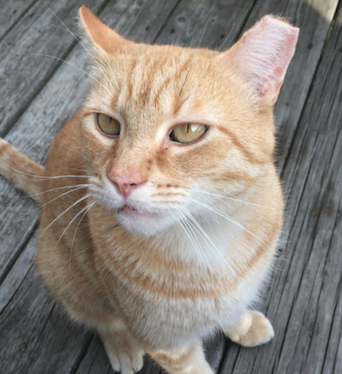
Feline any of 37 cat species that among others include the cheetah, puma, jaguar, leopard, lion, lynx, tiger, and a domestic cat. Cats are native to almost every region on Earth, except Australia and Antarctica. They are carnivorous mammals that live in a wide variety of habitats, but they are typically woodland animals.

12.fishing cat:
undefined
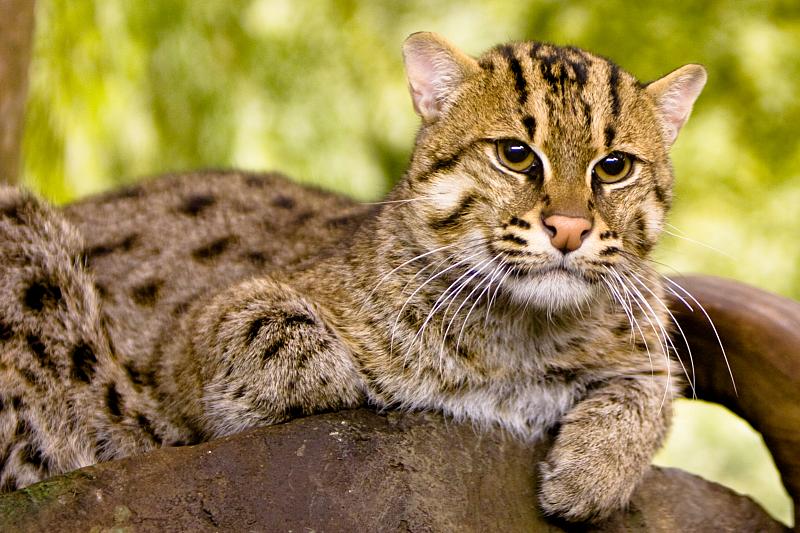
Fishing cat a tropical cat of the family Felidae, found in India and Southeast Asia. The coat of the fishing cat is pale gray to deep brownish-gray and marked with dark spots and streaks. The adult animal stands about 40 cm (16 inches) at the shoulder, weighs 8–11 kg (18–24 pounds), and is from 60 to 85 cm long, excluding the black-ringed tail, which accounts for an additional 25–30 cm. The fishing cat lives near water and in jungles, reed beds, and marshes. It is reported to fish by scooping its prey out of the water.

13.flat-headed cat:
undefined
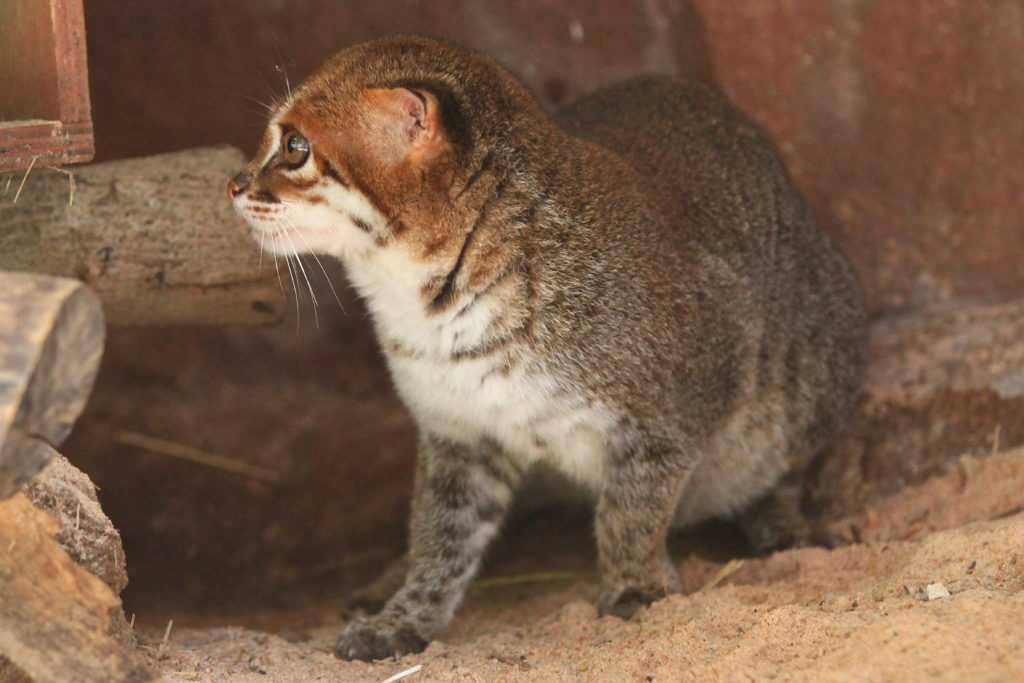
Flat-headed cat extremely rare Asian cat found in the Malay Peninsula, Sumatra, and Borneo. One of the smallest members of the cat family, Felidae, the adult is from 40 to 60 centimeters (16 to 24 inches) long without the 15–20-cm tail and weighs from 1.5 to 2.5 kilograms (3.3 to 5.5 pounds). Its coat is reddish above and white with red spots below; there are white markings around the eyes. It is the only felid known to include any substantial amount of vegetation in its diet, with a preference for fruit and, when available, sweet potatoes and similar foods. Little else is known about this cat, which is reported to be nocturnal and to hunt fish and frogs along rivers.

14.Florida panther:
undefined
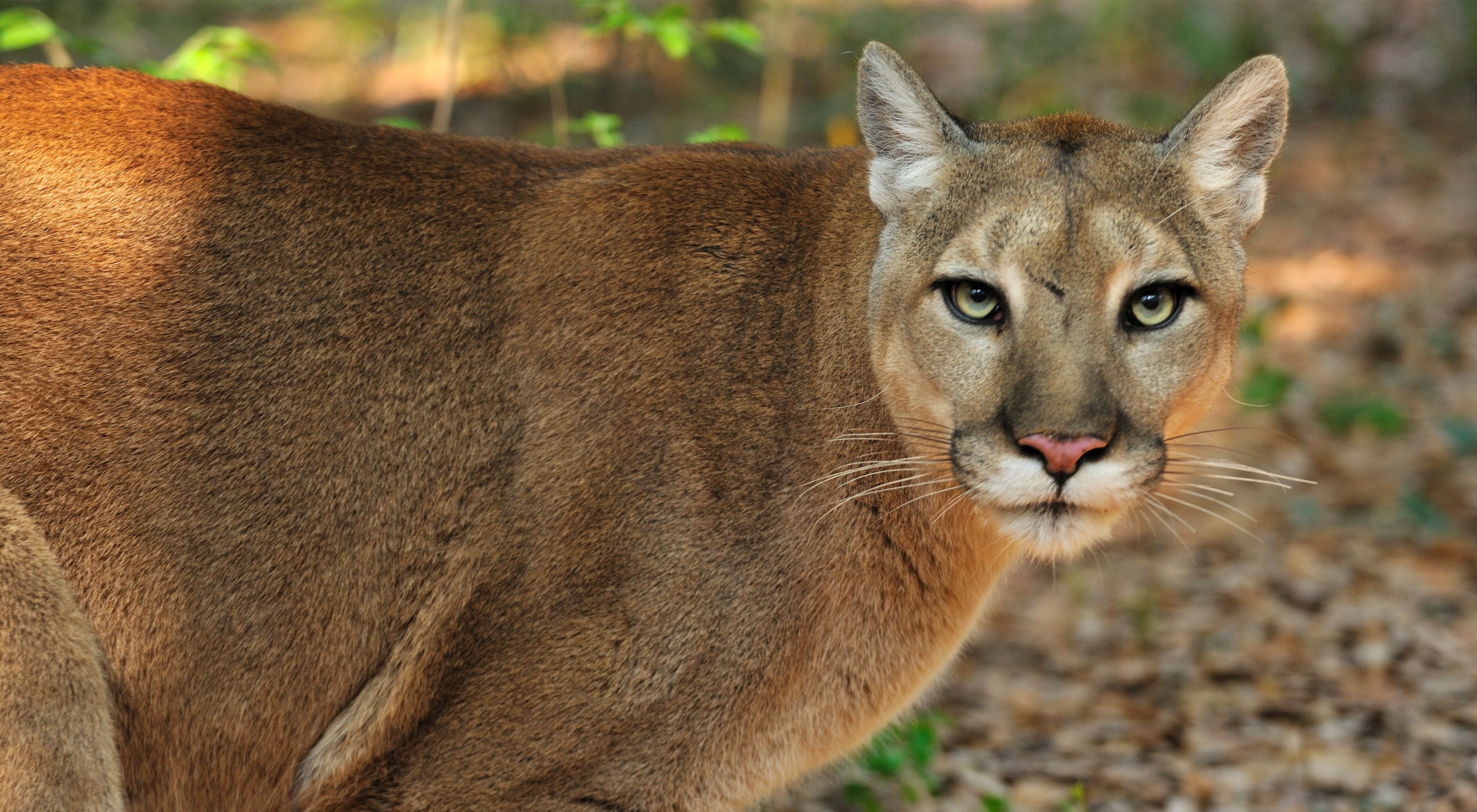
Florida panther, member of a population of large New World cats belonging to the species Puma concolor, family Felidae, confined to a small, isolated, and inbred group in southern Florida. This population is the only breeding group of pumas in the eastern United States. The Florida panther was traditionally classified as a distinct subspecies of puma and was reclassified as a population of the P. concolor cougar subspecies in 2017 after genetic analysis. The Florida panther was one of the first animals listed under the Endangered Species Act when the law first passed in 1973, and it is recognized as the state animal of Florida.

15.Geoffroy’s cat:
undefined
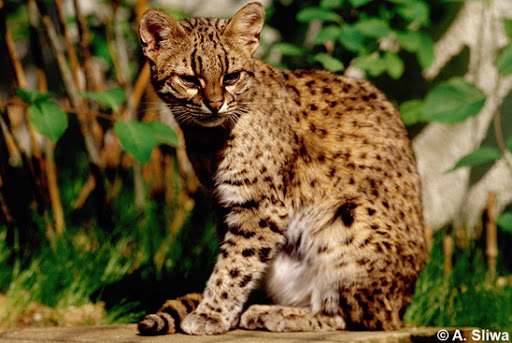
Geoffroy’s cat South American cat of the family Felidae, found in mountainous regions, especially in Argentina. It is gray or brown with black markings and grows to a length of about 90 cm (36 inches), including a tail of about 40 cm (16 inches). Geoffroy’s cat climbs well and preys on small mammals and birds. It breeds once a year; litters consist of two or three kittens.

17.Himalayan:
undefined
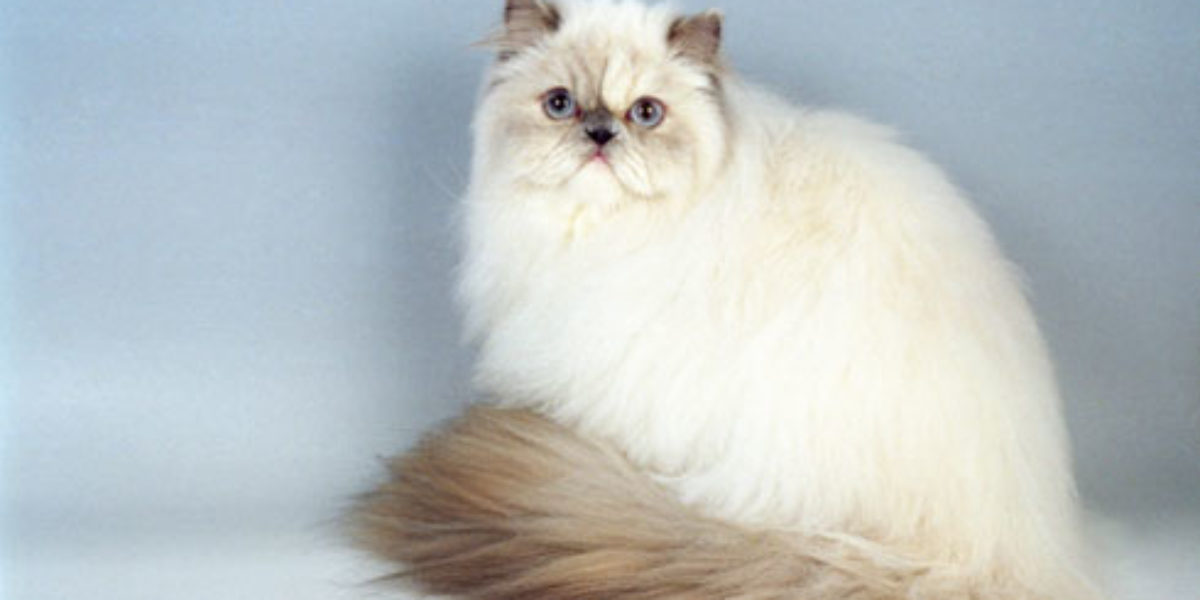
Himalayan, also called colorpoint, or colorpoint, breed of domestic cat with the coloring of the Siamese and the build and coat of the longhair, or Persian. The Himalayan is produced by matings between Siamese and longhairs followed by selected breeding of the offspring to bring out the proper coloring, coat, and build. A good Himalayan is cobby and short-legged with long, soft fur, a broad, rounded head, and round blue eyes. Born cream-colored, it later develops the darker points (ears, face, legs, and tail) of the Siamese. The points, as in the Siamese, maybe deep brown (seal point), lighter brown, blue-gray , pinkish-gray , or reddish-orange .

18.jaguar:
undefined
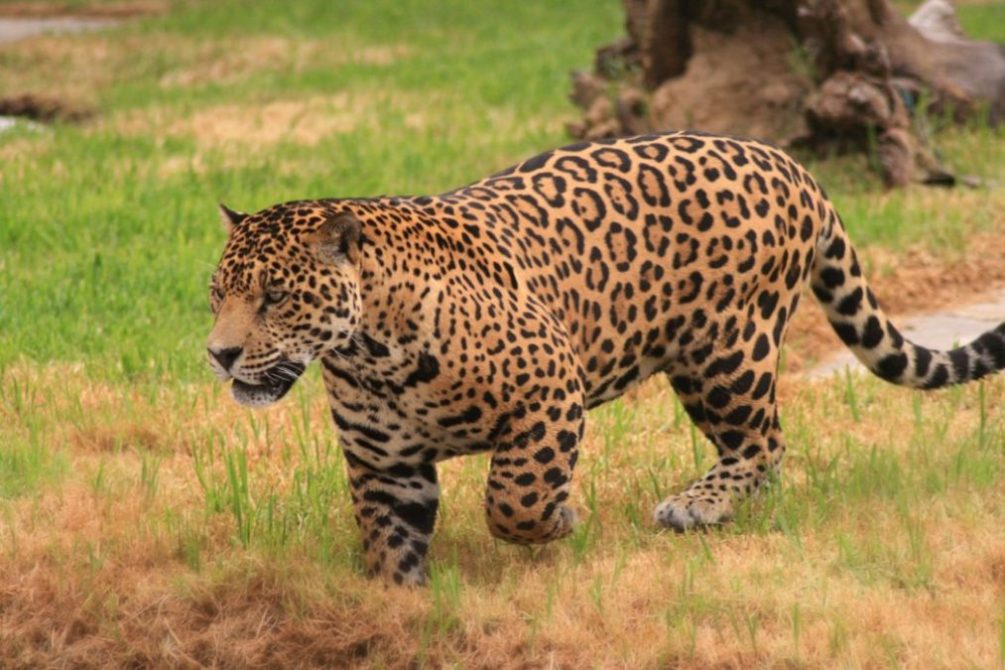
Jaguar also called el Tigre or Tigre americano, the largest New World member of the cat family, once found from the U.S.-Mexican border southward to Patagonia, Argentina. Its preferred habitats are usually swamps and wooded regions, but jaguars also live in scrublands and deserts. The jaguar is virtually extinct in the northern part of its original range and survives in reduced numbers only in remote areas of Central and South America; the largest known population exists in the Amazon rainforest.

19.jaguarundi:
undefined
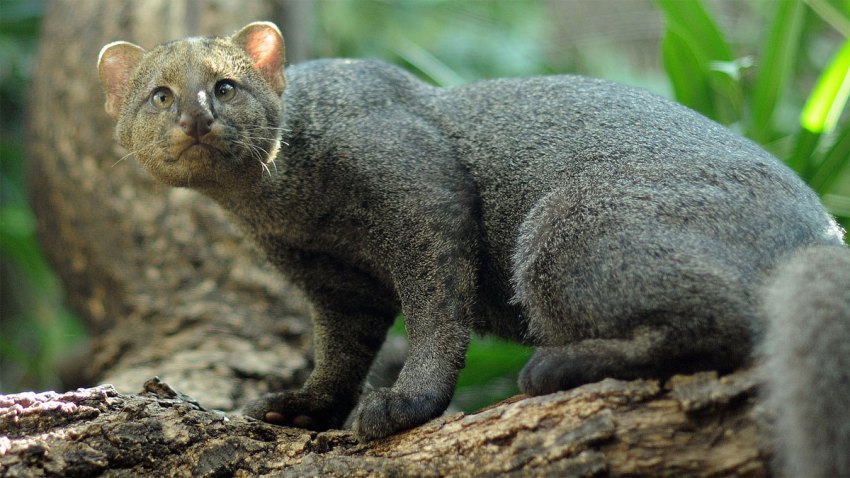
Jaguarundi, also spelled Jaguarondi small, unspotted New World cat (family Felidae), also known as the otter-cat because of its otterlike appearance and swimming ability. The jaguarundi is native to forested and brushy regions, especially those near water, from South America to the southwestern United States; it is, however, very rare north of Mexico.

20.leopard:
undefined
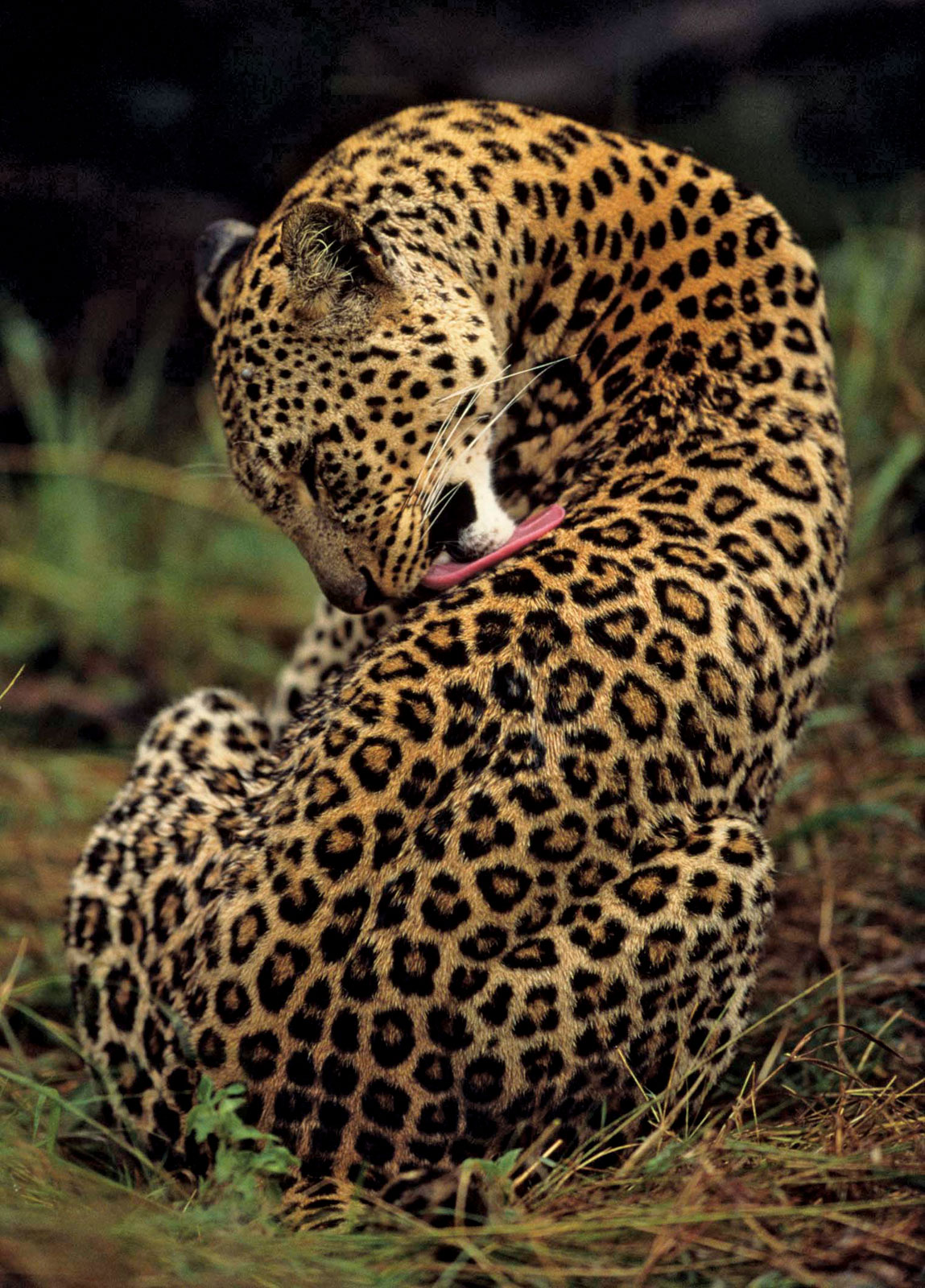
Leopard also called a panther, large cat closely related to the lion, tiger, and jaguar. The name leopard was originally given to the cat now called cheetah—the so-called hunting leopard—which was once thought to be a cross between the lion and the pard. The term pard was eventually replaced by the name leopard.

21.leopard cat:
undefined
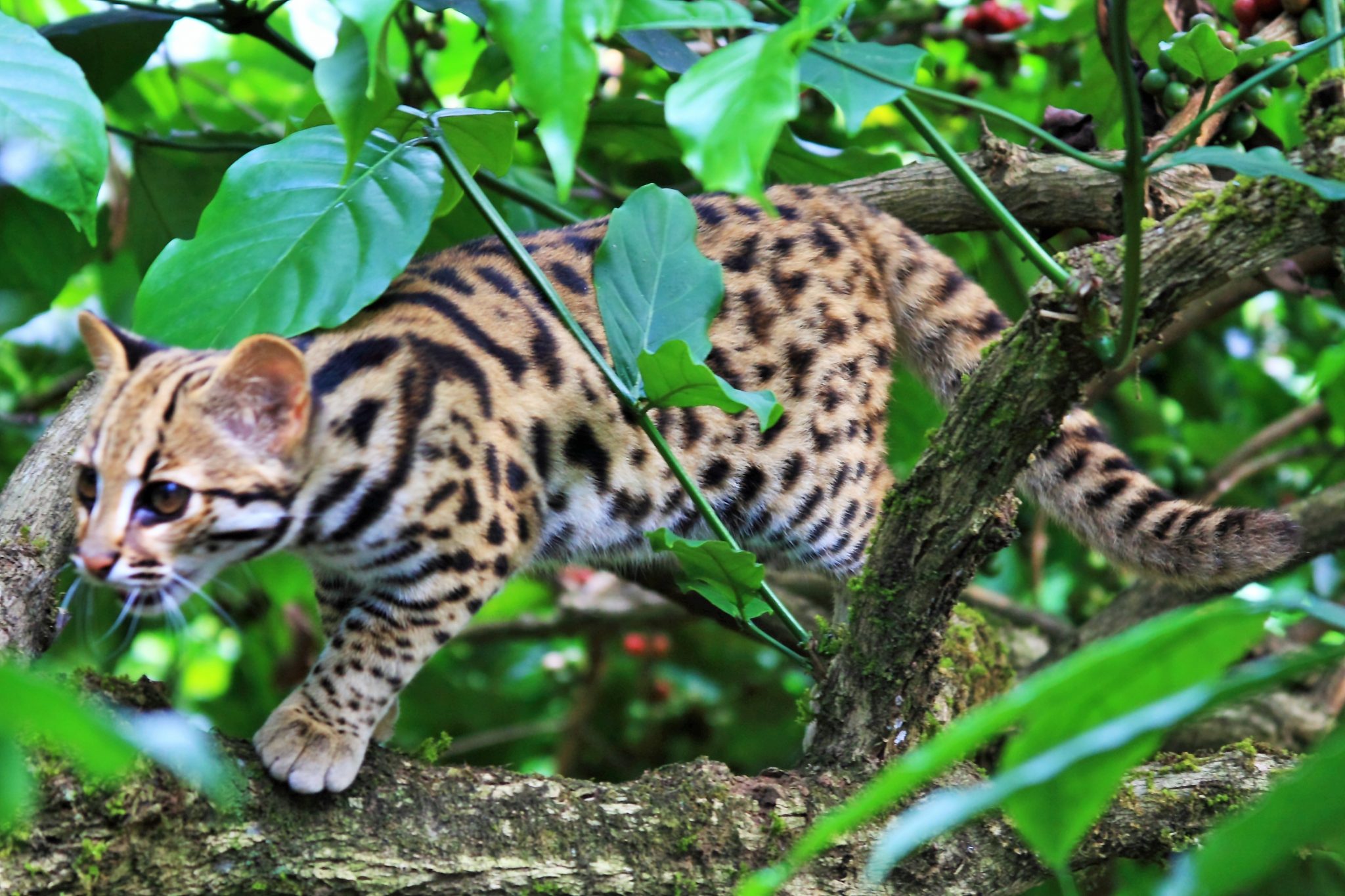
Leopard cat forest-dwelling cat, of the family Felidae, found across India, Southeast Asia, and nearby islands. The leopard cat is noted for its leopard-like coloring. The species is generally divided into one mainland subspecies, P. bengalensis bengalensis, and several island subspecies—including P. bengalensis borneoensis in Borneo, P. bengalensis Heaney on Palawan, P. bengalensis rabori on the Philippine islands of Cebu, Negros, and Panay, P. bengalensis javenensis on Bali and Java, and P. bengalensis sumatranus on Sumatra and Tebingtinggi.

22.liger:
undefined
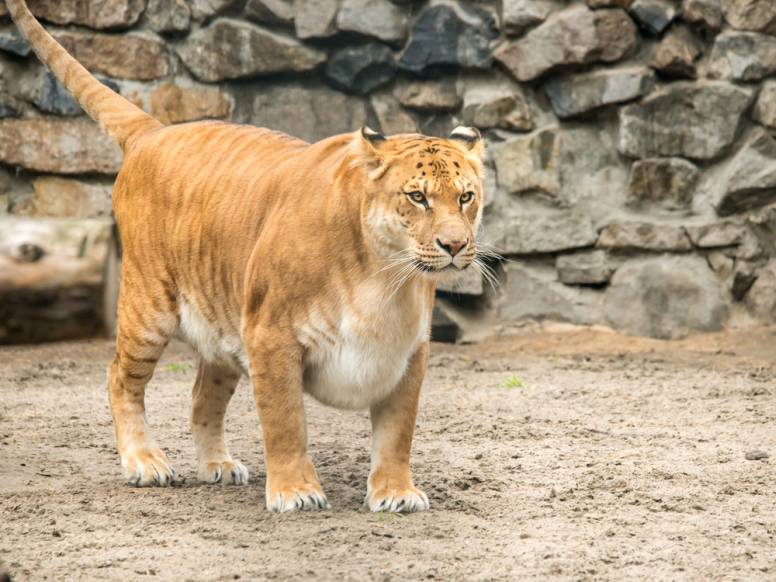
Liger, offspring of a male lion and a female tiger. The liger is a zoo-bred hybrid, as is the tigon, which is the result of mating a male tiger with a female lion. The liger and the tigon possess features of both parents, in variable proportions, but are generally larger than either. It is thought that most, if not all, male ligers and tigons are sterile. The females, however, on occasion, may be able to produce young. The terms liger and tigon are portmanteaus of the words lion and tiger.

23.lion:
undefined
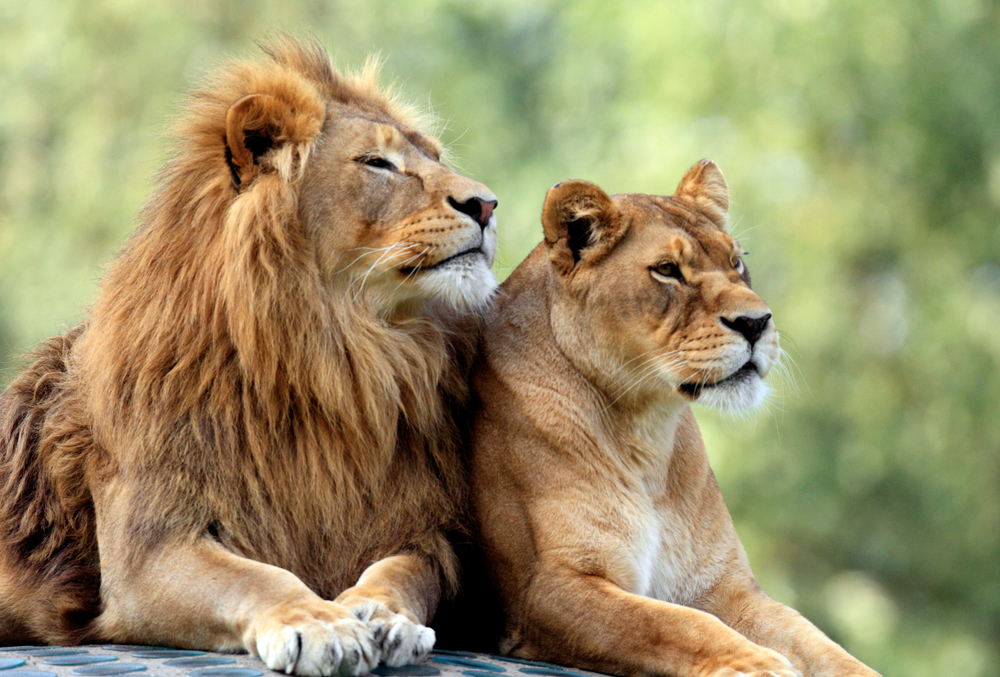
Lion is large, powerfully built cat that is second in size only to the tiger. The proverbial “king of beasts,” the lion has been one of the best-known wild animals since the earliest times. Lions are most active at night and live in a variety of habitats but prefer grassland, savanna, dense scrub, and open woodland. Historically, they ranged across much of Europe, Asia, and Africa, but now they are found mainly in parts of Africa south of the Sahara. An isolated population of about 650 Asiatic lions constitutes a slightly smaller race that lives under strict protection in India’s Gir National Park and Wildlife Sanctuary.

24.longhair:
undefined
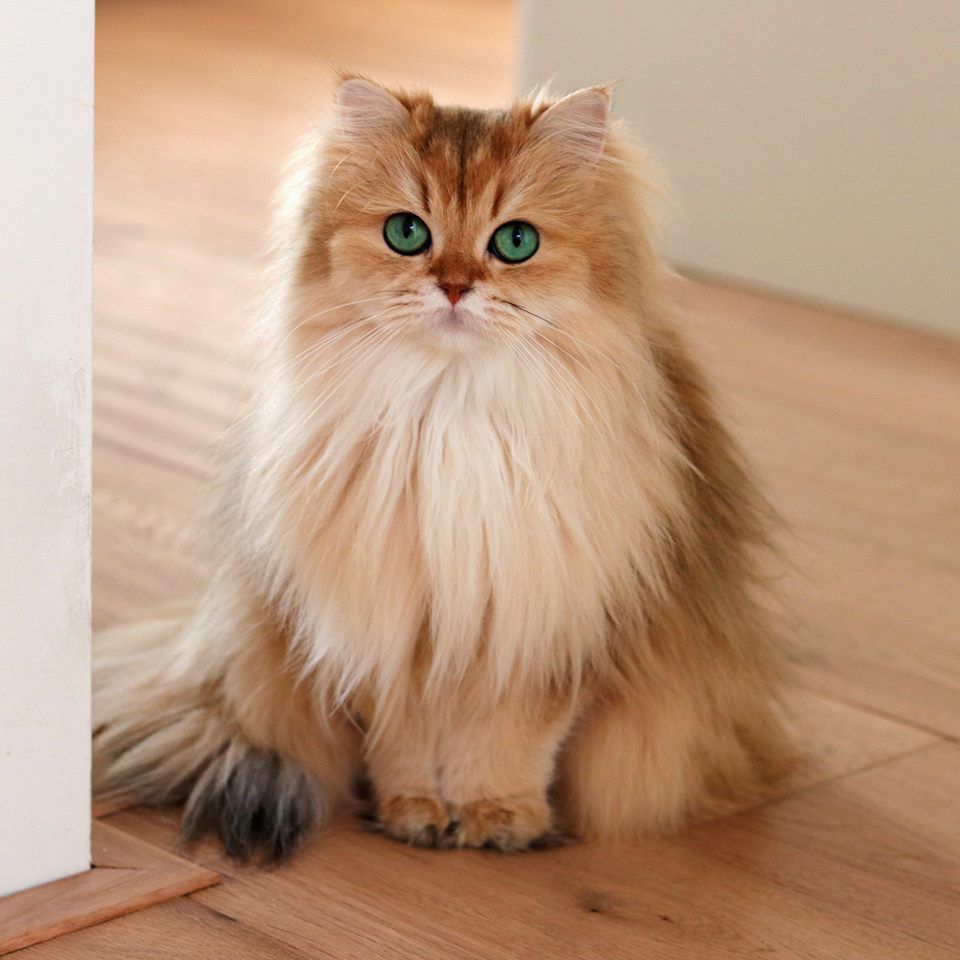
Longhair, also called Persian, breed of domestic cat noted for its long, soft, flowing coat. Long-haired cats were originally known as Persians or Angoras. These names were later discarded in favor of the name longhair, although the cats are still commonly called Persians in the United States. The longhair, a medium-sized or large cat with a cobby , short-legged body, has a broad, round head, a snub nose, and a short, heavily haired tail. The large, round eyes may be blue, orange, golden, green, or copper-colored, depending on the color of the cat. The soft, finely textured coat forms a heavy ruff about the neck.

25.lynx:
undefined
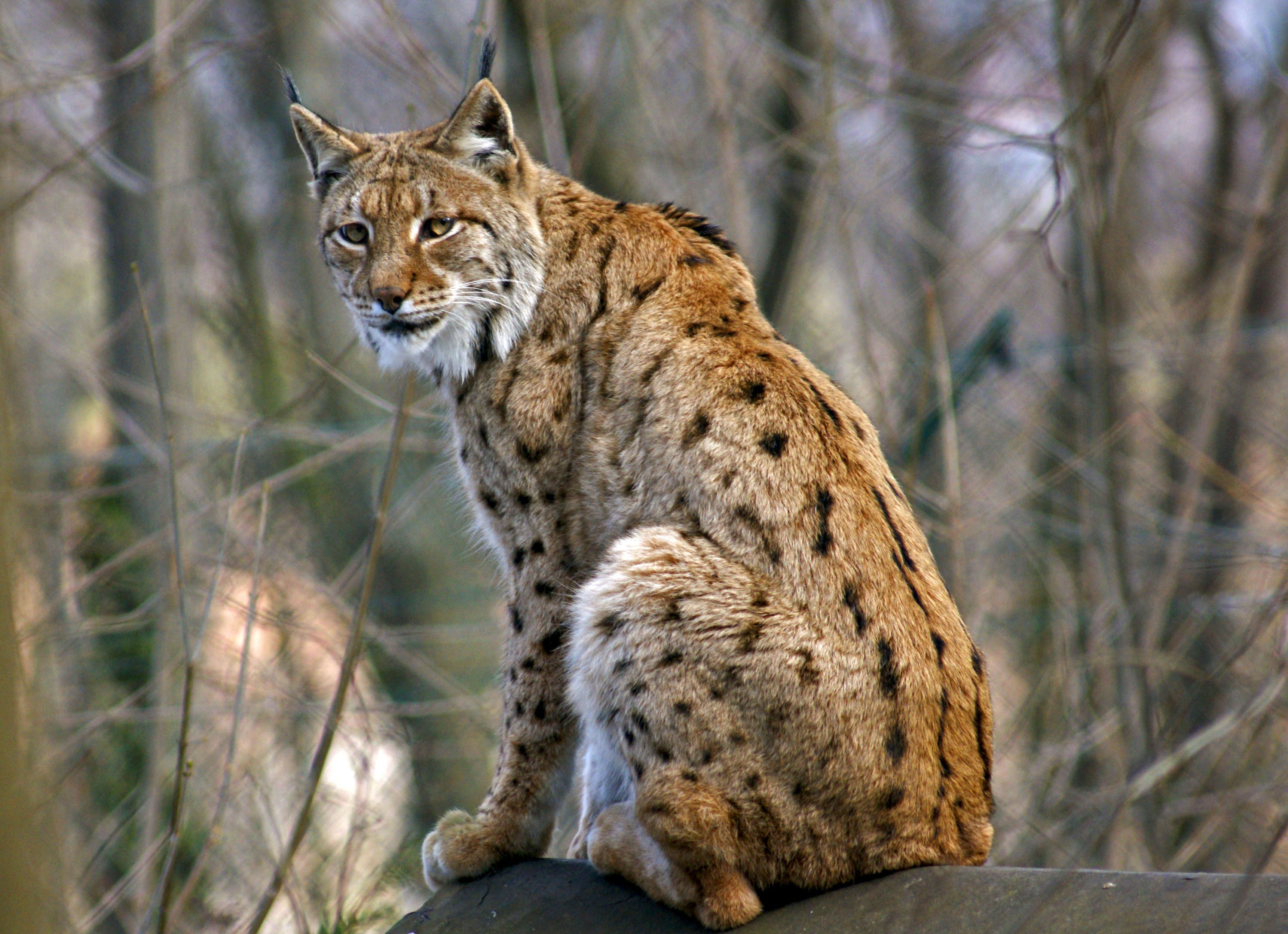
Lynx, (genus Lynx), any of four species of short-tailed cats found in the forests of Europe, Asia, and North America. The Canada lynx and the bobcat live in North America. The Eurasian lynx and the Iberian lynx are their European counterparts. The Iberian lynx is the most endangered feline; as of 2013, possibly fewer than 300 individuals remained in the mountainous scrubland of southern Spain.