Student Suicides: What are the deep rooted problems?

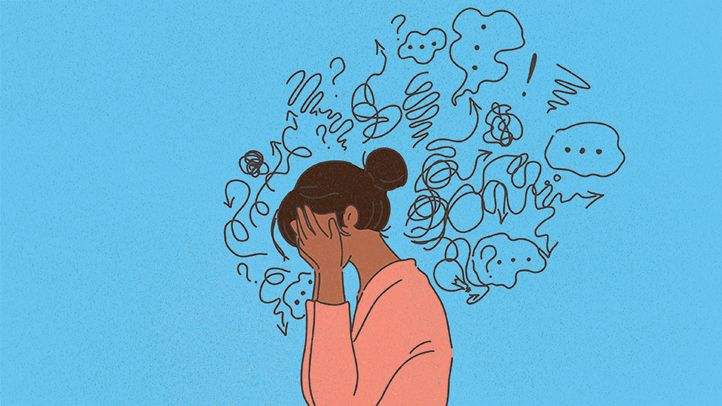
In India, as the word ‘suicide’ is heard, one assumingly conclude the reason to be some exam failure. However, in the recent years, the pandemic was quite traumatic for the students as their number of suicides spiked to high numbers pointing to some entirely different facts. In India, the rate of suicides among the youth is one of the highest worldwide. According to various surveys, it has been observed that about 72% of the students (today even more) are not capable of handling pressure and as a result have fragmentated relation with family and friends. The pressure of the society has seemingly been reduced to near 14 years from 19 years of age.

  • Mental Illness

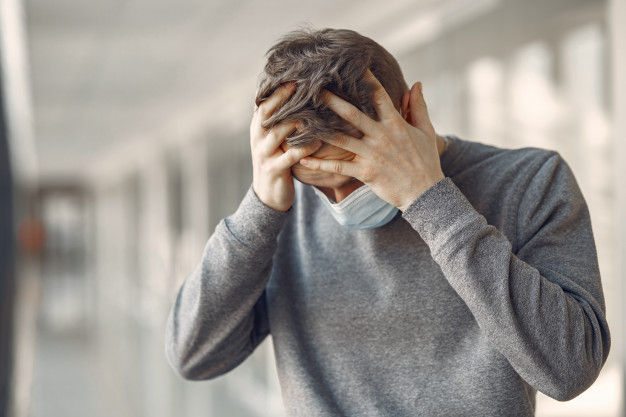
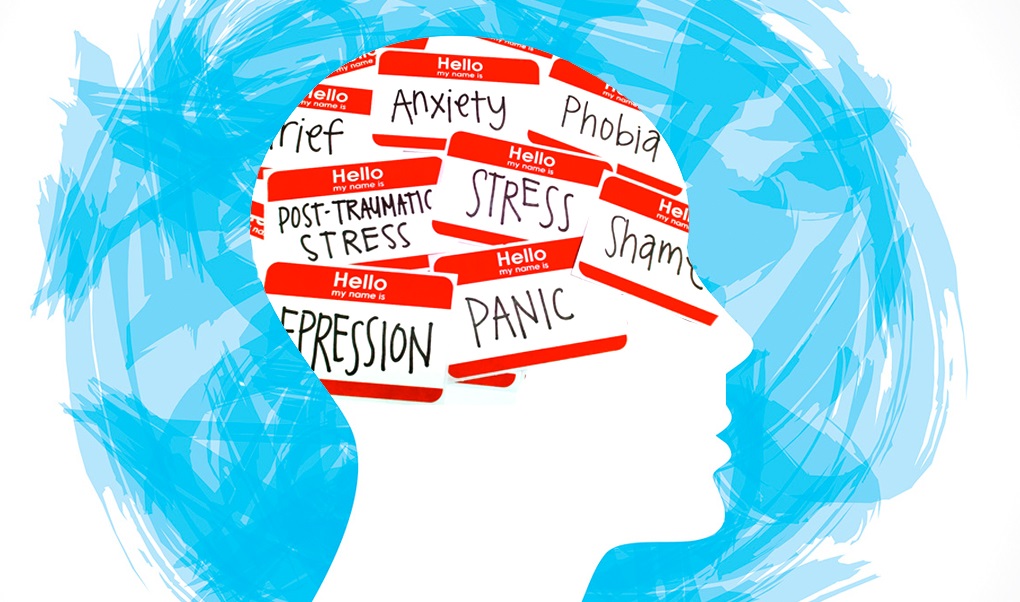
Today, one of the important cause of suicide is mental illness. Mental health was earlier considered a taboo subject in India but few recent instances has made it the talk of the town. The lives ended by students were more in the recent pandemic years as stated by the National Crime Records Bureau (NCRB). The mental health issue was identified as due to COVID lockdown, the students were compelled to stay at homes being debarred from emotional socialisation and physical classrooms for about more than a year. The students were traumatized by uncertainty of things happening around. They were unwillingly compelled to deal with fear and tension.

  • Forced Career Choices

The decision to choose the specific course or career has always been very pressurizing for the students. As a result, many submit to such pressure made by the family and teachers. The students must be allowed to lead a dream of their desire. It is believed by the parents that medical, engineering and law are the only prestigious career options. However, they fail to recognize that Arts and other courses are also interesting and they also offer a well paying career ahead. Thus, it can be inferred that in the society, there may be awareness about new subjects but the basic acceptability is still absent.

  • Silence

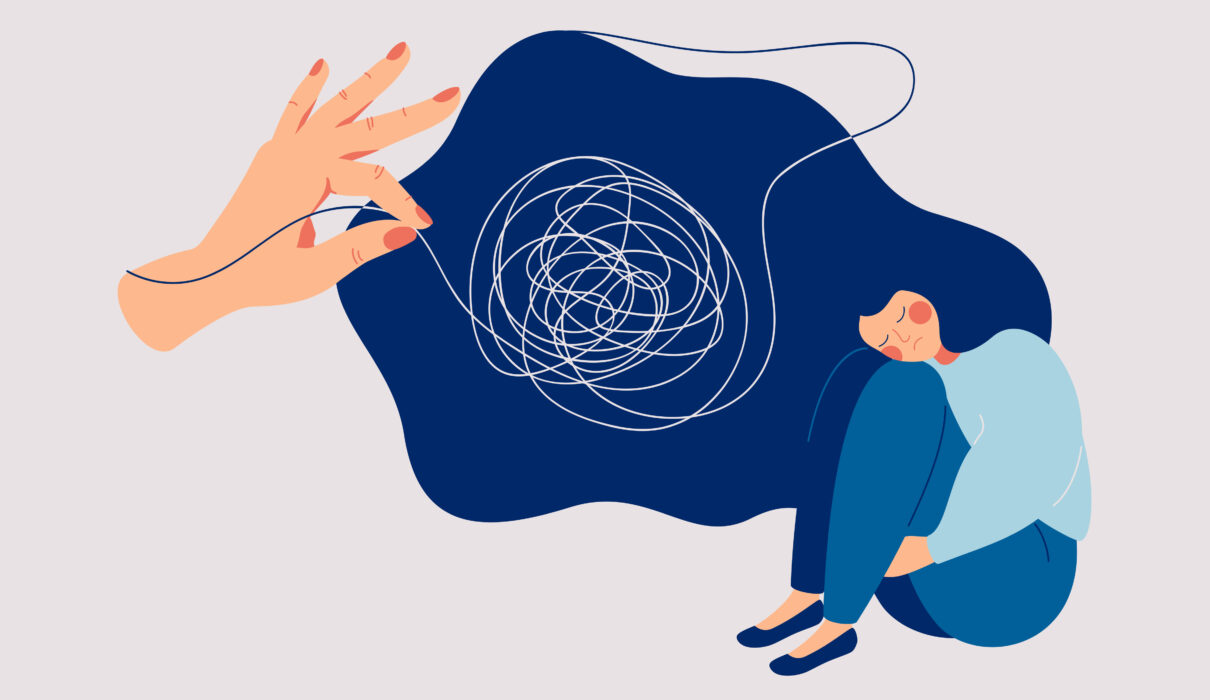
In many suicidal cases, the cause of suicide remains undiscovered. The students fail to communicate or rather express their emotions to anyone. They find it difficult to share their feelings and the pressure bothering them even to their parents. The gap between the generations sometimes seems so wide that the child feels uncomfortable in expressing their concerns to their parents even for once. Many questions arises, such as why was silence chosen by them, why they had to suffer, why could they not seek help even from their closed ones?

  • Poor Education System

Our education system is also a cause for such suicides. The desire to get admission in the top-notch universities build so much pressure inside the students that some succumb up to such stress and are forced to take some serious steps. The exposure of the students to such do or die situation and the fear to end up doing nothing haunts them terribly. The measure to secure a seat in a decent college by requirement of minimum percentage effects the students in large scale.

The deep rooted problems such as the pressure of the society and the various loopholes in the system of education needs to be concentrated thoroughly. The colleges should provide a friendly and healthy environment and also there is a need for a counselling center in every institution. The capability and caliber of every individual must be understood by their teachers and parents. The students should not be judged on their poor academic performance, rather they should be encouraged to perform better. As blaming and holding them responsible would only add up to their miseries and they might suffer in silence lonely. The students must be made aware of the various possible outcomes in life and also the methods to deal with problems. They should understand that suicide is not a solution to such problems, rather it brings much more miseries. Apart from subjective studies, great emphasis should be given on emotional strength. If one seek for help, look around there are psychologists, counsellors, special friends who are more than willing to help in order to endure it.

” Suicide doesn’t solve problems. It only makes them infinitely, un-countably worse.”

– Sinead O’ Connor

RECYCLING

Recycling is the process of converting waste materials into new materials and objects. The recovery of energy from waste materials is often included in this concept. The recyclability of a material depends on its ability to reacquire the properties it had in its original state. It is an alternative to “conventional” waste disposal that can save material and help lower greenhouse gas emissions. Recycling can prevent the waste of potentially useful materials and reduce the consumption of fresh raw materials, thereby reducing: energy usage, air pollution (from incineration), and water pollution (from landfilling).

Recycling is a key component of modern waste reduction and is the third component of the “Reduce, Reuse, and Recycle” waste hierarchy. Thus, recycling aims toward environmental sustainability by substituting raw material inputs into and redirecting waste outputs out of the economic system. There are some ISO standards related to recycling such as ISO 15270:2008 for plastics waste and ISO 14001:2015 for environmental management control of recycling practice.

Recyclable materials include many kinds of glass, paper, cardboard, metal, plastic, tires, textiles, batteries, and electronics. The composting or other reuse of biodegradable waste—such as food or garden waste—is also a form of recycling. Materials to be recycled are either delivered to a household recycling center or picked up from curbside bins, then sorted, cleaned, and reprocessed into new materials destined for manufacturing new products.

In the strictest sense, recycling of a material would produce a fresh supply of the same material—for example, used office paper would be converted into new office paper or used polystyrene foam into new polystyrene. This is accomplished when recycling certain types of materials, such as metal cans, becoming a can again and again, indefinitely, without losing purity in the product. However, this is often difficult or too expensive (compared with producing the same product from raw materials or other sources), so “recycling” of many products or materials involves their reuse in producing different materials (for example, paperboard) instead. Another form of recycling is the salvage of certain materials from complex products, either due to their intrinsic value (such as lead from car batteries, or gold from printed circuit boards), or due to their hazardous nature (e.g., removal and reuse of mercury from thermometers and thermostats).

Why is it important to recycle?

With the involvement and enthusiasm of people like you, recycling is back and so are thousands upon thousands of recycled products made from materials that would otherwise be piling up in our nation’s landfills. It makes a huge difference to our environment, our quality of life, and our country’s future.

Waste Generation Increases

In 2014, Americans generated about 258 million tons of trash and recycled 66.4 million tons and composted 23 million tons of this material, equivalent to a 34.6 percent recycling rate. On average, we recycled and composted 1.51 pounds of our individual waste generation of 4.44 pounds per person per day.

The state of the economy has a strong impact on consumption and waste generation. Waste generation increases during times of strong economic growth and decreases during times of economic decline. To learn more about waste generation in the US see the US EPA report Advancing Sustainable Materials Management: Facts and Figures.

This data is taken from Stanford University’s Recycling and Solid Waste Report 2016 and fed into the US EPA WAste Reduction Model (WARM).

Can recycling save energy?

Yes it can! Here’s some fun facts from CalRecycle to show you how!

If you look at the big picture of what it takes to create a product from scratch — to get the raw materials, transport them, process them and manufacture them — making goods with recycled material like paper, plastic, glass, and metal is a major energy saver.

Seattle economist Jeffrey Morris estimated that manufacturing one ton of office and computer paper with recycled paper stock can save nearly 3,000 kilowatt hours over the same ton of paper made with virgin wood products.

A ton of soda cans made with recycled aluminum saves an amazing 21,000 kilowatt hours by reducing the virgin bauxite (bozite) ore that would have to be mined, shipped, and refined. That’s a 95% energy savings.

A ton of PET plastic containers made with recycled plastic conserves about 7,200 kilowatt hours.

The San Diego County Office of Education has figured out that recycling one glass bottle saves enough energy to light a 100 watt light bulb for four hours.

Human-wildlife conflict has Climate Change as an emerging Factor

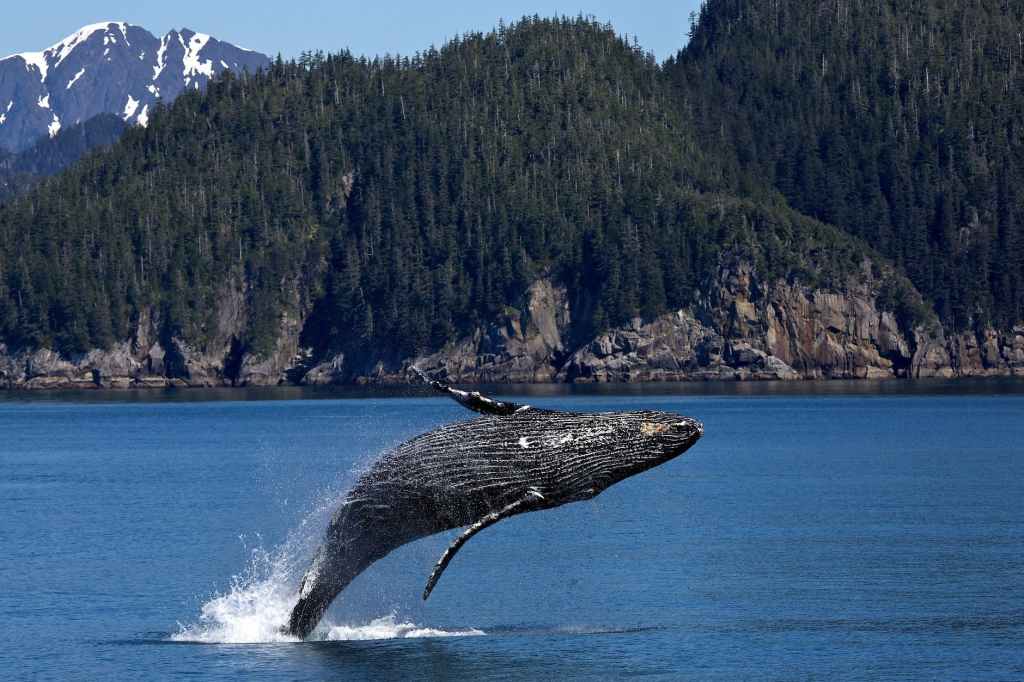
In 2015, the largest marine heat wave in the U.S. hit the Pacific Coast. Whales moved closer to shore to find prey, but they came across something dangerous—they were getting entangled in crab fishing gear.

Crab fishermen and women wouldn’t usually be out at that time of year. But the change in climate was also causing an algal bloom, toxic to crabs. So the fisheries delayed their timing by several months—the same time migrating whales were on the coast.


“It was this double-whammy,” said Briana Abrahms, an assistant professor in the Department of Biology and Center for Ecosystems Sentinels at the University of Washington.

This was one of the topics Abrahms was studying when she realized there hadn’t been much published research on how climate change is exacerbating human-wildlife conflicts. Looking at scientific literature and government reports, she came across only a few dozen. And many of those were either buried in obscure journals or just anecdotal mentions.


In a paper published in Science, she delved deeper into this area and wrote a call to action for managers and researchers to focus on this issue.Abrahms was working on another project at the same time as her whale research that was on completely different species in a completely different area, but seemed to have some similarities when it came to climate and conflict.

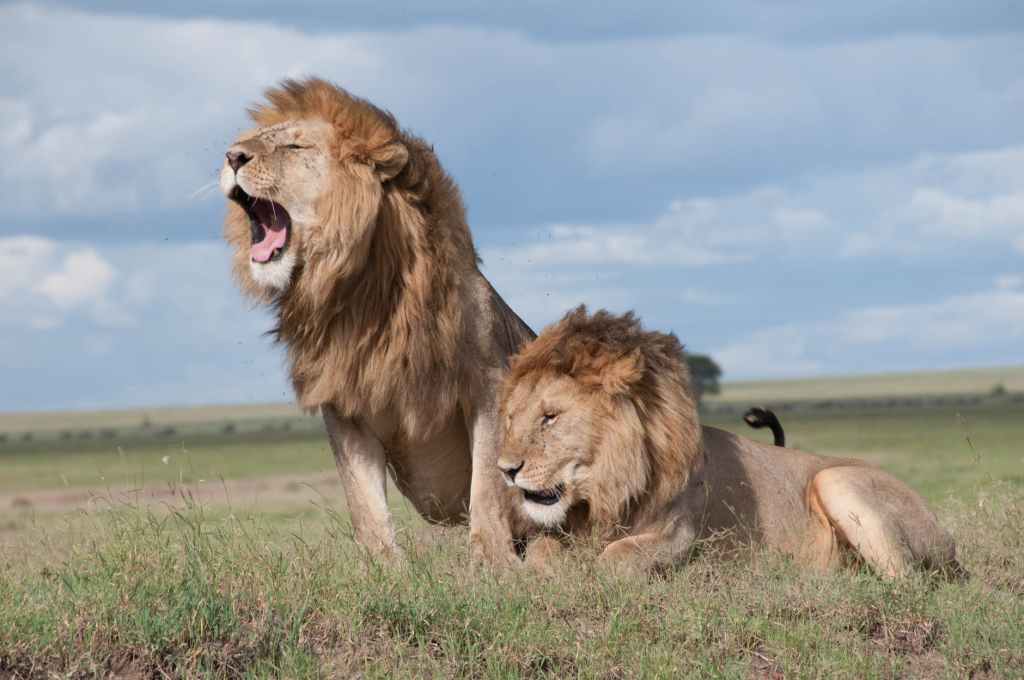
In Botswana, a government report cited some of the highest numbers of human-wild conflicts on record, mostly large carnivores preying on livestock. That happened to be during an extreme drought in 2018. “It struck me how different these systems were, but the story was the same,” she said. “I felt like it was really important to tell this story and draw attention since these climate changes and conflicts are likely to increase in the future.”


As part of her paper, Abrahms applauded a new, proactive risk assessment developed by the state of California to help managers figure out when and where to close fisheries under different climate and ocean conditions. “If you understand what the underlying driver is, in this case climate is a factor in these dynamics, you can better prepare to make management decisions and reduce conflict—or avoid it in the first place,” she said.


Abrahms also pushes for more research in these areas, especially where there are geographic and taxonomic gaps. “We definitely need more research and also need to be synthesizing research across everything already out there to understand how much we should be more worried about long-term changes,” she said.

The problem of poverty in India

In India, poverty is presently estimated by fixing a poverty line based on a differentiated calorie-norm. This means that the level of poverty depends upon the capacity of a person to purchase food and a person who can buy specific amount of food to cross the poverty line margin for nutrients and calorie intake is above the poverty line. Whereas, the person who cannot buy enough food to meet the required nutrition value of calories and carbohydrates is below the poverty line. This level is not the correct parameter to check the level of poverty.

A task force of the Planning Commission in 1979 defined the poverty line as that per capita expenditure at which the average per capita per day calorie intake was 2400 calories in rural areas and 2100 calories in urban areas. Average per capita expenditures incurred by that population group in each State which consumed these quantities of calories, as per the 1973-74 survey of NSSO, were used as the poverty lines.

The debate on the extent of poverty in India has been a matter of global interest in the recent years. The primary reason for the global interest in the debate is that the levels of poverty in India and China have come to exert significant influence over the trends in world poverty itself.

Within India too, there has been growing contestation around poverty estimates, particularly in the period of economic reforms. First, there are persistent disagreements among economists on whether the rate of poverty decline after economic reforms was slower than in the preceding period. Secondly, the shift to targeted, rather than universal, welfare schemes has witnessed the use of poverty estimates to decide on the number of households eligible to access these schemes. The report of the Expert Group on the estimation of poverty, chaired by Suresh Tendulkar, is the latest input to the “Great Indian Poverty Debate.”

It is to be noted here that many subsidies and programs are launched by the government but these additional increments do not reach the actual people that are in need of them. Instead it is sent back to the businessman and thus a lot of profit is earned on these subsidized goods. Thus, to lower the level of poverty in India, schemes have to be launched in order to directly benefit the people in need.

The Hindu states that, “A final issue with the report, of much long-term consequence, relates to the wisdom of abandoning the calorie norm. It is indeed true that the levels of calorie intakes are not well correlated with nutritional outcomes. However, abandoning the calorie norm altogether and taking solace from the fortuitous fact that calorie intakes appear adequate at the new poverty lines is an arbitrary proposition. It is unclear whether there is any basis, theoretical or empirical, for this relationship to hold true across time.”

the Tendulkar Committee has pitched for a policy position that is stranded between the harsh realities of poverty in India and the fiscal conservativeness of a neo-liberal framework. The real challenge lies in preserving the positives from the report, and strongly persisting with the demand for a universal social security system.

– Ananya Kaushal

ALCOHOLISM IN INDIA

One of the most important products of global addiction demand is an alcoholic beverage. In developing countries like India, alcohol consumption tends to be a major problem because of the various socio-cultural practices across the nation, different alcohol policies and practices across the various states, lack of awareness of alcohol-related problems among the community, false mass media propaganda about alcohol use, various alcohol drinking patterns among the alcohol consumers and the emergence of social drinking as a habit because of the widespread urbanisation across the country. 

Social consequences of alcohol use

Alcohol consumption not only affects the individuals but also his family members get affected in one way or the other. The person in an intoxicated state may indulge in domestic violence with his family members; may exhaust the savings of the family, which can negatively affect the education of his children, and the children of alcoholic fathers will have strained relationship with their family members, which can affect their psychological wellbeing.

Road traffic accidents

One of the major problem of alcohol consumption are road traffic accidents which occur due to driving vehicles under the influence of alcoholic beverages. Both developing and developed countries report high rates of road traffic accidents because of alcohol consumption.

Primary care intervention for alcohol-related problems

In developing countries like India, primary care physicians are the first contact of patients with the healthcare system. primary care management of alcohol-related problems include three core steps, namely, counselling the patient on the ill-effects of alcohol and, if necessary, prescribing medications like disulfiram and connecting with the patients by organizing treatment programs and forming support groups. If necessary, they have to refer the patient to higher centres for further care and management.

BUT WHAT ABOUT PEOPLE WHO CAN’T AFFORD THESE TREATMENT AND SUFFERES FROM ITS CONSEQUENCES

In many countries AA Meetings are held for being a support emotionally and spiritually to an alcoholic person with no financial support and most of all countries it being held have not only they have accepted this but hole heartedly supported it some for their family members or some for their friends suffering from alcoholism.

What is AA?

Alcoholics Anonymous is a fellowship of men and women who share their experience, strength and hope with each other that they may solve their common problem and help others to recover from alcoholism.

The only requirement for membership is a desire to stop drinking. There are no dues or fees for AA membership; we are self-supporting through our own contributions. AA is not allied with any sect, denomination, politics, organization or institution; does not wish to engage in any controversy; neither endorses nor opposes any causes. Our primary purpose is to stay sober and help other alcoholics to achieve sobriety.

AA is nonprofessional – it doesn’t have clinics, doctors, counsellors or psychologists. All members are themselves recovering from alcoholism. There is no central authority controlling how AA groups operate. It is up to the members of each group to decide what they do. However, the AA program of recovery has proved to be so successful that almost every group follows it in very similar ways.

WHAT DOES A.A. DO?

  1. A.A. members share their experience with anyone seeking help with a drinking problem; they give person-to-person service or “sponsorship” to the alcoholic coming to A.A. from any source.
  2. The A.A. programme, set forth in our Twelve Steps, offers the alcoholic a way to develop a satisfying life without alcohol.

HISTORY OF AA IN INDIA

Here is an account of how AA came to India and it’s growth in the subsequent years. Though there are no accurate records from the early days, what is definitely clear is that Harold M., a school teacher by profession, was the first person in India, to stop drinking and gain lasting sobriety through the spiritual principles of Alcoholics Anonymous. He stopped drinking on 5th May 1957, and hence that date is nationally acknowledged as the “Founders Day” in India.

On 5th May 2021, AA completed 64 years of its service in India. Looking back, the results are heart-warming. The wide support and awareness generated by the groups in India and its members inspires immense hope for the future.

AWARENESS OF AA

In India, AA meeting is a program which mostly seen by people through foreign movies and shows not through advertisement or medical portals as its necessity seems nonsensical by people especially in India because of their traditional values about alcohol where some drinks it as a medicine and some as men for showing their authority and masculinity over others, stupid norms like that make bad habit like drinking into ADDICTION.

What it means when you find yourself detaching from society?

Do you constantly find yourself cutting off from people without any reason? The feeling that you don’t belong? A major reason for such thoughts is that you find it difficult to blend in with your friends and family. While such mindset is not something permanent, it can develop from a constant state of neglect and lack of affection.

It is not necessary that such state of mind arises in only those who are generally closed off by nature. There is a larger percentage of so-called ‘extroverts’ who also suffer with the same complexion.

While this situation generally arises from a change in friend circle, or after losing a loved one, breakup, or a change in surroundings. Some other reasons like depression, heavy medicines, illness or other social factors can also be an imminent variable.

Some people can also call it a ‘Retreat’, a means to detach from society in order to better focus on their upcoming projects, a major people comprising this class will consist of authors, artists, and such other people in need of peace and tranquility.

The case is not always same for teenagers and young adults. Retreating from society in an abrupt manner is major teller of mental illness, depression, as it is generally termed. While it is not uncurable, a major support is required from family and loved ones in most cases. Emotional support goes a long way in providing support and a feeling of togetherness.


This does not mean that a person who appears to be detached from the general colorful society is weak. That would be a gross understatement. Such people are generally in need of a closure with whatever is it that they have suffering with. No other person can help solve this condition other than the person who suffers from it. All others can-do is provide an understanding gesture and emotional support.

The best ways to deal with such a swing of emotion could be to try to talk to someone and share your thoughts. Other than that, going out for a walk or eating your favorite dish will help make you feel better! The one thing that is imperative through the whole process is that you will emerge Stronger. A better version of your own self. With a better view of your dreams and desires. The only quality required is to have faith and be kind to yourself.

Think of your future self 5 or 10 years from now and how thankful they would be to you that in spite of all the hardships thrown your way, you held on, that is all that is required.

Just hold on!

Written by: Ananya Kaushal

Top Five Valuable Companies In India

1) LIC

LIC stands for life Insurance Corporation of India. It was established on 1 September 1956 by the government of India. The Indian government had passed the life Insurance Act and merged 245 insurance companies. You have questions, How the LIC is earning money? LIC buys money in the way of policies from the public and they invest it among the NIFTY campanies. LIC Managing Director says India’s largest life Insurance had made profit of over Rs 15000 crores on equity investment.https://m.economictimes.com/markets/stocks/news/this-institutional-player-is-making-money-with-both-hands-in-equity/articleshow/78869219.cms?utm_source=whatsapp_pwa&utm_medium=social&utm_campaign=socialsharebuttons The head of the LIC is owned by Ministry of Finance, Government of India. LIC holds the biggest company by market capitalisation with an estimate valuation of Rs 8-10 lakh crore.https://economictimes.indiatimes.com/markets/ipos/fpos/government-proposes-to-hike-lic-authorised-capital-to-rs-25000-crore/articleshow/81375724.cms

2) HDFC BANK

HDFC stands for Housing Development Finance Corporation Ltd. It is an financial services company and banking. This is the India’s largest private sector bank by assets. It was founded in August 1994.https://en.m.wikipedia.org/wiki/HDFC_Bank The Headquarters of HDFC in Mumbai, Maharashtra, India. Incorporated in 1994, HDFC Bank was the first bank in India approved by the RBI to offer financial services in the private sector. The revenue of HDFC is $22 billion in 2021. It has 120000 employees all over the India. The total valuation of HDFC is $22.70 billion.https://www.hdfc.com/

3) RELIANCE INDUSTRIES

Reliance is a multi-industry company. It has operating many business entities. It was founded by Dhirubhai Ambani on 8 May 1973. It have headquarters in Mumbai, Maharashtra, India. Reliance has business in petroleum, natural gas, petrochemical, textile, retail, telecommunications, media, television, entertainment, music, financial services, software. Now, the owner of Reliance is Mukesh Ambani. https://en.m.wikipedia.org/wiki/Mukesh_Ambani He holds (50.54%) of Reliance. The revenue of Reliance is 4.83 lakh crores INR in 2021. The total assets of Reliance is $190 billion. https://en.m.wikipedia.org/wiki/Reliance_Industries

4) TATA GROUP

Tata Group is a conglomerate company. It was founded in 1868 by Jamshedji Tata. Tata group is the one of the biggest and oldest industrial group in India. It has headquarters in Mumbai, Maharashtra, India. Tata has business in automotive, airlines, chemical, defence, FMCG, electric utility, finance, football club, home appliances, hospitality, IT services, retail , e-commerce, real estate, salt, steel, software, cement, telecom. The revenue of Tata group is $123 billion in 2020. It’s net worth is 9.3 trillion INR.https://en.m.wikipedia.org/wiki/Tata_Motors

5) HINDUSTAN UNILEVER LIMITED

Hindustan Unilever Ltd is an consumer goods of India. It was established in 1931. It has headquarters in Mumbai, Maharashtra, India. This have business like foods, cleaning, agents, person care, skincare and water purifier. The company as 18000 employees and had rs 34619 crores revenue in FY2017-18. The net income of Hindustan is rs 6764 crores in 2020.https://www.hul.co.in/ Hindustan Unilever has a market cap of ₹545,762.50 crores and is ranked among the top 10 Indian companies in terms of market capitalisation. A leader in India’s fast-moving consumer goods firm, the company has a rich history of over 80 years. The company website says on any given day, nine out of ten Indian houses use the company’s products. https://m.economictimes.com/hindustan-unilever-ltd/stocks/companyid-13616.cms

World Hepatitis Day 2021: Theme, Hep types, and Significance.

What is hepatitis? Theme this year, few symptoms, about types of Hep, and how to contribute?

THEME 2021 : “Hepatitis Can’t Wait”

What is Hepatitis:

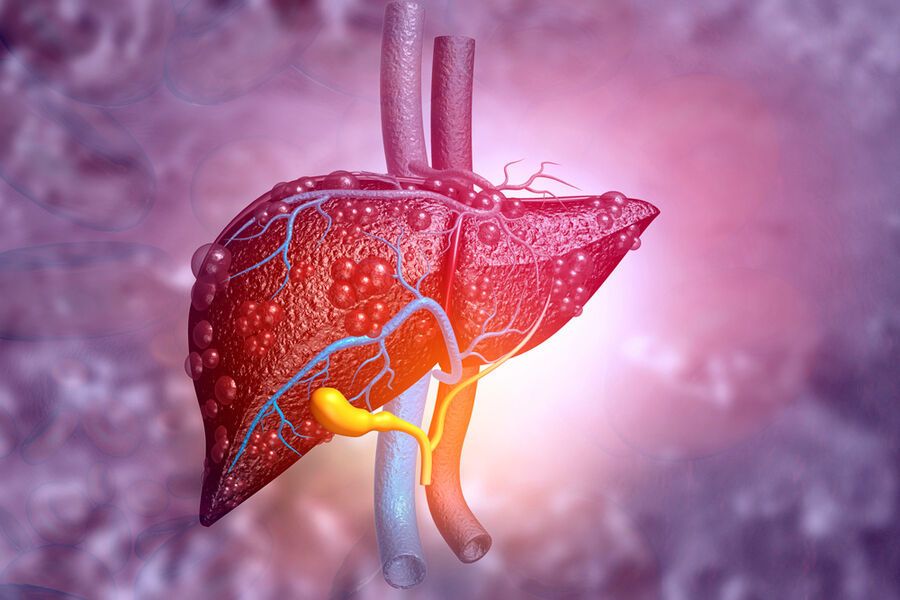
Hepatitis means inflammation of the liver. It can lead to scarring, cirrhosis, and liver cancer. There are 5 main hepatitis viruses: –

Types A, B, C, D and E. These 5 types are very serious since they cause severe illness, even leading to death. They can also cause outbreaks and spread of epidemic.

 A person dying every 30 seconds from a hepatitis related illness 

Causes :

Heavy alcohol use, toxins, some medications, autoimmune diseases can cause hepatitis

Ways of transmission: Have contact or receiving of contaminated blood or blood products, invasive medical procedures using contaminated equipment. Hepatitis B can transfer from mother to baby at birth, from family member to child, and by sexual contact.

Main symptoms:

  • Jaundice (yellowing of the skin and eyes)
  • Dark urine,
  • Extreme fatigue
  • Nausea
  • Vomiting
  • Abdominal pain. 

Types of hepatitis:

1 Hepatitis A Virus (HAV) :

Transmitted through consumption of contaminated water, food; sometimes sexual contact. It’s trace is present in faeces. In most of the cases, it is usually mild and when treated properly it can make one immune from further infections. But, left untreated it can turn life threatening.

Additional symptoms :

  • Abdominal pain or discomfort, (by your liver)
  • Clay-colored bowel movements
  • Severe itching

Safe, effective vaccines are available to prevent HAV.

2 Hepatitis B Virus (HBV): –

Transmitted through exposure to infective blood, semen, and other body fluids, mother to baby, family member to a child during early childhood, transfusions of HBV-contaminated blood and blood products, contaminated injections during medical procedures, and through injection drug use. Medical workers have a greater chance of exposure.

Add Symptoms:

  • Fever
  • Joint pain
  • Loss of appetite

Safe, effective vaccines are available to prevent HAV.

IT HAS NO CURE, BUT JUST CAN BE PREVENTED

3 Hepatitis C Virus :-

Transmitted through exposure to infective blood, instruments during surgeries; even though the chance is low, sexual transmission is possible. If detected soon it can be treated. But, most of them have no idea they have Hep C starts with it’s acute form which rarely shows symptoms.

Add. symptoms:

  • Bleeding easily
  • Bruising easily
  • Itchy skin
  • Fluid buildup in your abdomen (ascites)
  • Swelling in your legs
  • Spiderlike blood vessels on your skin

NO Vaccine yet

4 Hepatitis D Virus : –

It can transmit through blood and body fluids but it only occurs when the person is already affected with Hepatitis B. IT IS MOST SEVERE FORM OF HEPATITIS. It can lead to lifelong liver damage and even death. HBV vaccine gives protection from Hepatitis D virus. If you have HBV, haven’t taken HBV vaccine and live where HDV is more prevalent; the chance of contracting HDV is higher.

Add. Symptoms:

  • Not feeling hungry
  • Joint pain
  • Dark urine
  • Light-colored stool

NO CURE

5 Hepatitis E Virus (HEV): –

Transmission through contaminated food like undercooked meat from infected animals, such as pigs or deer, or water. The one that causes most outbreaks. It can get better by practicing hygiene, but pregnant women and people with weak immune system are at a risk.

Add. symptoms:

  • Light-colored poop
  • Skin rash or itching
  • Joint pain
  • Less hunger and throwing up

Safe and effective vaccines to prevent HEV infection have been developed but are not widely available.

Why 28th July?

It is the birthday of Dr Baruch Blumberg, the Nobel-laurate scientist discovered the Hepatitis B virus (HBV), diagnostic tests and vaccine for Hep B.

How to contribute:

  • Practice hygiene for yourself and encourage those around you.
  • Join drives which support sanitation of unhygienic, neglected areas.
  • Educate yourself and people around you.
  • Donate to legit Hep donations.
  • Before travelling to areas where Hep prevails, get yourself vaccinated against Hep.
  • Spread awareness, because it might help someone one day. (Learning about symptoms encourages one to go to Doctor)
  • Join the campaigns by WHO.

REF:

https://www.who.int/news-room/events/detail/2021/07/28/default-calendar/world-hepatitis-day-2021

Life of Michelle Obama

Michelle LaVaughn Robinson Obama is an American attorney and author who served as the First Lady of the United States from 2009 to 2017. She was the first African-American woman to serve in this position. She is married to the 44th President of the United States, Barack Obama.

Michelle LaVaughn Robinson was born on January 17, 1964, in Chicago, Illinois, to Fraser Robinson III (1935–1991), a city water plant employee and Democratic precinct captain, and Marian Shields Robinson , a secretary at Spiegel’s catalog store. Her mother was a full-time homemaker until Michelle entered high school

The Robinson and Shields families trace their roots to pre-Civil War African Americans in the American South. On her father’s side, she is descended from the Gullah people of South Carolina’s Low Country region. Her paternal great-great grandfather, Jim Robinson, was born into slavery in 1850 on Friendfield Plantation, near Georgetown, South Carolina. He became a freedman at age 15 after the war. Some of Obama’s paternal family still reside in the Georgetown area. Her grandfather Fraser Robinson, Jr. built his own house in South Carolina. He and his wife LaVaughn (née Johnson) returned to the Low Country from Chicago after retirement.

Robinson was inspired to follow her brother to Princeton University, which she entered in 1981. She majored in sociology and minored in African-American studies, graduating cum laude with a Bachelor of Arts in 1985 after completing a 99-page senior thesis titled “Princeton Educated Blacks and the Black Community” under the supervision of Walter Wallace.

Robinson met Barack Obama when they were among the few African Americans at their law firm, Sidley Austin LLP (she has sometimes said only two, although others have noted that there were others in different departments). She was assigned to mentor him while he was a summer associate. Their relationship started with a business lunch and then a community organization meeting where he first impressed her.

Before meeting Obama, Michelle had told her mother she intended to focus solely on her career. The couple’s first date was to Spike Lee’s movie Do the Right Thing (1989). Barack Obama has said the couple had an “opposites attract” scenario in their initial interest in each other, since Michelle had stability from her two-parent home while he was “adventurous”.

During an interview in 1996, Michelle Obama acknowledged there was a “strong possibility” her husband would begin a political career, but said she was “wary” of the process. She knew it meant their lives would be subject to scrutiny and she was intensely private.

Although she campaigned on her husband’s behalf since early in his political career by handshaking and fund-raising, she did not relish the activity at first. When she campaigned during her husband’s 2000 run for United States House of Representatives, her boss at the University of Chicago asked if there was any single thing about campaigning that she enjoyed; after some thought, she replied that visiting so many living rooms had given her some new decorating ideas. Obama opposed her husband’s run for the congressional seat, and, after his defeat, she preferred he tend to the financial needs of the family in what she deemed a more practical way.

Don’t ever make decisions based on fear. Make decisions based on hope and possibility. Make decisions based on what should happen, not what shouldn’t

Environmental laws in india

Either Stable burning in various states accrued the air pollution in Delhi and created a gas chamber around NCR ; SC came upon a committee to observe scenario , Or 4 industries inflicting stream pollution were shut down by Maharashtra pollution board . Everybody has responsive to environmental problems as higher than . The key solution for resilience to environmental issues are provided by government in various legislations , enactments and provisions on environment laws .


In republic of India environmental law is concern with the policy and law for protection of the environment . It aims for achieving carbon free economy through taking measures for reducing climate change. All the acts under this laws are safeguards in ensuring effective management of the environment and its multiple ecosystems . It provides for preventing environmental damage .


Natural resources in the earth were unscathed from millions of years. It were remain pure until the industrialized started . After the industrialization this resources have been exploited in Spain of 100 years only . From 19th century, the environment (air , water and land ) is directly exploited by rapidly growing population at alarming-rates.


environment includes water, air and land and the inter-relationship which exists among and between water, air and land, and human beings, other living creatures, plants, microorganisms and property , as mentioned in section 2 of environmental protection Act of 1986 . Environment is a wide sphere , it consists of social, economically , political , religious dimensions .


Addressed area of environmental laws in India :

1. Quality of water : For the prevention and control of water pollution and to maintain or restore wholesomeness of water in the country the water act of 1974 was enacted. It further provides for the establishment of Boards ( CPCB and SPCB ) for the prevention and control of water pollution with a view to carry out the aforesaid purposes. This act prohibits the discharge of pollutants into water bodies beyond a given standard, it also lays down fine and penalties for non-compliance.

2. Reduction of air pollution and maintaining air quality : The Air (Prevention and Control of Pollution) Act, 1981 (the “Air Act”) is an act to provide for the prevention , protection and abatement of air pollution .It provides for establishment of Boards at the Central and State levels with a view to carrying out the aforesaid purposes.

3. Hazardous Waste management : legislations that directly or indirectly deal with hazardous waste management are the Factories Act, 1948, the Public Liability Insurance Act, 1991, the National Environment Tribunal Act, 1995 and rules and notifications under the Environmental Act.

4. Containment cleanup, damage mitigation : preventing future damage to the environment is undeniably the primary objective of environmental law, mitigating and reducing existing damage is also important. This area most often deals with issues like toxic leaks and oil spills. The central objective of this branch of environmental law is deciding liability, planning an appropriate response, and also determining the best process of investigation and monitoring in the overall clean up process. This area also concerns itself with the study and assessment of risk in the long term, to better mitigate any future accidents and risks.

5. Sustainability of resources : United Nations has put great emphasis on ensuring the sustainability of resources. For this vision , it has advocated the formation of various legal principles and legislation. In this regards concept of environmental impact assessment introduced .

Noble legislations and enactments on environment law in India :


Laws on Forest and wild life protection:
• The Indian Forest Act, 1927 ; The Wildlife Protection Act, 1972; The Forest (Conservation) Act, 1980 ; The Environment (Protection) Act, 1986; The National Green Tribunal Act, 2010.


Laws on Water pollution :
• The Water (Prevention and Control of Pollution) Act, 1974.


Laws on air pollution :
• The Air (Prevention and Control of Pollution) Act, 1981 (the “Air Act”)


Laws on hazardous waste management :
• Biomedical Waste (Management and Handling) Rules, 1998 ; Municipal Solid Wastes (Management and Handling) Rules, 2000 ; Batteries (Management & Handling) Rules, 2001 ; Hazardous Wastes (Management, Handling and Transboundary) Rules, 2008 ; E – Waste (Management and Handling) Rules, 2011 .
Laws on wetlands


Ramsar convention (1971) : This convention was initiated to push for greater conservation and sustainable use of wetlands ; Wetlands (Conservation and Management) Rules, 2017.
Constitutional provisions on environment laws


Part IVA (Art 51A-Fundamental Duties) of the constitution casts a duty on every citizen of India to protect and improve the natural environment including forests, lakes, rivers and wildlife, and to have compassion for living creatures.


• the Constitution of India under Part IV (Art 48A-Directive Principles of State Policies) stipulates that the State shall endeavour to protect and improve the environment and to safeguard the forests and wildlife of the country.

environment makes human life possible, and our cultural environment helps define who we are. It is therefore essential that our population and economic growth are environmentally sustainable.

STRESS MANAGEMENT :Give your stress wings and let it fly away.

Set peace of mind as your highest goal, and organise ur life around it.

What is stress?

Stress is a natural feeling of not being able to cope with specific demands and events. However, stress can become a chronic condition if a person does not take steps to manage it.

Stress is the body’s natural defense against predators and danger. It causes the body to flood with hormones that prepare its systems to evade or confront danger. People commonly refer to this as the fight-or-flight mechanism.

When humans face a challenge or threat, they have a partly physical response. The body activates resources that help people either stay and confront the challenge or get to safety as fast as possible.

The body produces larger quantities of the chemicals cortisol, epinephrine, and norepinephrine. These trigger the following physical reactions:

  • increased blood pressure
  • heightened muscle preparedness
  • sweating
  • alertness

These factors all improve a person’s ability to respond to a potentially hazardous or challenging situation. Norepinephrine and epinephrine also cause a faster heart rate.

Stress is your body’s response to changes in your life. Because life involves constant change ranging from everyday, routine changes like commuting from home to work to adapting to major life changes like marriage, divorce, or death of a loved one there is no avoiding stress

Your goal shouldn’t be to eliminate all stress but to eliminate unnecessary stress and effectively manage the rest. There are some common causes of stress  that many people experience, but each person is different.

Causes of stress.

stress can be the reason behind high blood pressure.

Stress can come from many sources, which are known as “stressors” Because our experience of what is considered “stressful” is created by our unique perceptions of what we encounter in life (based on our own mix of personality traits, available resources, and habitual thought patterns), a situation may be perceived as “stressful” by one person and merely “challenging” by someone else.

Simply put, one person’s stress trigger may not register as stressful to someone else. That said, certain situations tend to cause more stress in most people and can increase the risk of burnout stress management

How can we manage our stress?

Stress can be effectively managed in many different ways.

Exercise

Physical activities can help in improving your sleep. And better sleep  means better stress management. Doctors don’t yet know exactly why, but people who exercise more tend to get better deep “slow wave” sleep that helps renew the brain  and body. Just take care not to exercise  too close to bedtime, which disrupts sleep for some people.

Exercise also seems to help mood. Part of the reason may be that it stimulates your body to release a number of hormones like endorphins and endocannabinoids that help block pain, improve sleep, and sedate you. Some of them (endocannabinoids) may be responsible for the euphoric feeling, or “runner’s high,” that some people report after long runs.

People who exercise also tend to feel less anxious and more positive about themselves. When your body feels good, your mind often follows. Get a dose of stress relief with these exercises:

  • Running
  • Swimming
  • Dancing
  • Cycling
  • Aerobics

Diet

The benefits of eating health foods extend beyond your waistline to your mental health. A healthy diet  can lessen the effects of stress, build up your immune system, level your mood, and lower your blood pressure. Lots of added sugar  and fat  can have the opposite effect. And junk food can seem even more appealing when you’re under a lot of stress.

To stay healthy and on an even keel, look for complex carbohydrates, lean proteins, and fatty acids found in fish, meat, eggs, and nuts.

Antioxidants  help too. They protect your cells against damage that chronic stress can cause. You can find them in a huge variety of foods like beans, fruits, berries, vegetables, and spices such as ginger.

Scientists have pinpointed some nutrients that seem to help lessen the effects of stress on the body and mind. Be sure to get enough these as part of a balanced diet:

  • vitamin C
  • Magnesium
  • Omega-3 fatty acids

Sleep

A common side effect of stress is that you may struggle to fall asleep. If this happens three times a week for at least 3 months, you may have insomnia, an inability to fall and stay asleep. Lack of sleep can also add to your stress level and cause a cycle of stress and sleeplessness

Better sleep habits can help. This includes both your daily routine and the way you set up your bedroom. Habits that may help include:

  • Exercise regularly.
  • Get out in the sunlight.
  • Drink less alcohol and caffeine  close to bedtime.
  • Set a sleep schedule.
  • Don’t look at your electronics 30-60 minutes before bed.
  • Try meditation  or other forms of relaxation at bedtim

The role of your bedroom in good sleep hygiene also is importantYour bed also plays an important role. Your mattress should provide support, space and most of all, comfort.

Relaxation Techniques

Yoga. This is a form of exercise, but it can also be a meditation. There are many types of yoga. The ones that focus on slow movement, stretching, and deep breathing  are best for lowering your anxiety  and stress.

Meditation. It has been around for over 5,000 years for a reason. Meditation works well for many people and has many benefits. It can lower stress, anxiety, and chronic pain as well as improve sleep, energy levels, and mood. To meditate, you will need to:

  1. Find a quiet place.
  2. Get comfortable (sitting or lying down).
  3. Focus your attention on a word, phrase, object, or even your breath.
  4. Let your thoughts come and go and do not judge them.

Deep breathing. When you practice deep breathing, you turn on your body’s natural ability to relax. This creates a state of deep rest that can change how your body responds to stress. It sends more oxygen to your brain and calms the part of your nervous system that handles your ability to relax.

Try belly breathing. Get comfortable, close your eyes, and place one hand on your stomach  and the other on your chest. Take a deep breath in through your nose. You should feel your belly rise more than your chest. Now, exhale through your nose and pay close attention to how your body relaxes. Repeat.

Monkey-pox

Recently, we may heard about monkeypox, which took place in Texas, USA. Now, let’s have a brief intro about monkeypox.

A rare case of monkeypox was detected in Texas, marking the first such cases recorded in the state, the Centers for Disease Control and Prevention (CDC) said. “While rare, this case is not a reason for alarm and we do not expect any threat to the general public.”

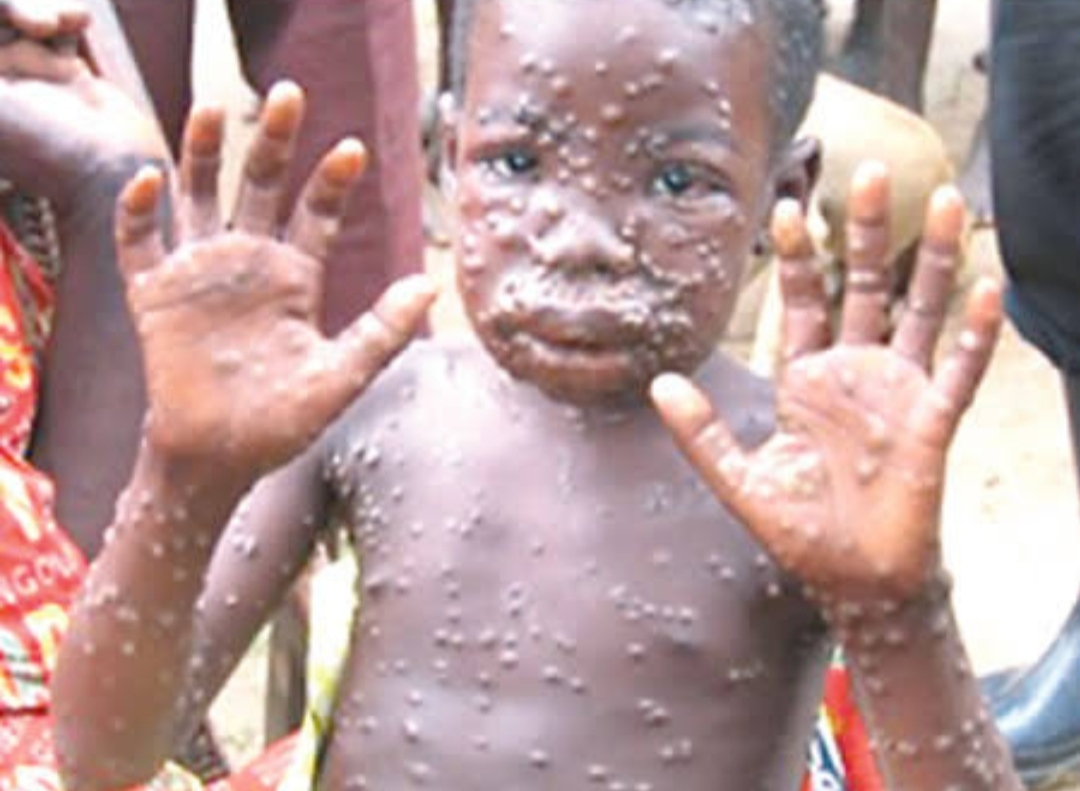
Monkeypox belongs to the same family of viruses as smallpox. It is a rare but serious viral illness that is characterised by flu-like symptoms and swelling of the lymph nodes, which gradually progresses to a widespread rash all over the face and body.It spreads from one person to another via respiratory droplets.

The first case of monkeypox in humans was recorded in 1970 in the Democratic Republic of Congo during a period of intensified effort to eliminate smallpox.

Scientists have so far discovered two distinct genetic groups of monkeypox virus—Central African and West African.The most recent case detected in the US has been infected by the type of virus found in parts of West Africa, including Nigeria, CDC said.

The United Kingdom, Israel and Singapore have recorded cases of monkeypox in six passengers, all of whom were returning from Nigeria.

Mental Health- still a taboo?

Just because no one else can heal or do your inner work for you, doesn’t mean you can, should or need to do it alone.

Lisa Olivero

Have you ever felt the stark desire to inevitably scream in a room full of people, hoping they just care enough to notice the signs you have been leaving regarding your deteriorating mental state and how desperately you need help? But instead, you just accept your solitude in an empty chair and try to repress your bottled-up emotions deep within the realms of your consciousness.

A lot of us might have gone through the same situation at a certain point in our lives. The primary reason behind this subconscious aversion to the expression of thoughts is the mere fact that humans have been conditioned to do so throughout their lives. Men are typically the most vulnerable victims of this detrimental mindset. From an early age, they are frequently instructed to not cry like a girl. According to a survey, a significant percentage of men in the nation are currently depressed, and they themselves admitted that they lack a support system.

Mental health is still a deeply rooted stigma that people aren’t ready to accept. In order to understand the concept one needs to broaden the perspective of understanding humans and follow certain ways like-

  1. Instead of asking,”How are you?” ask,” How are you, really?”
  2. Look for obvious signs in a person- whether they feeling low from abnormal no. of days.
  3. Asking your closed ones to describe their day in detail and be a good listener.
  4. Do not mistreat someone who is already going through some sort of trauma.
  5. Treat people with kindness, you never know what someone is going through.

Additionally, in India, therapists continue to be overlooked as a useful resource for treating a person’s mental health. A person is called a “lunatic” if they see a therapist. In light of the increased public awareness during the pandemic’s lockdown time, these issues are being explored on social media, and many people now see psychology as a crucial component of the educational system. People have now started considering mental health as being equally essential as physical health as because of an alarming spike in suicide incidents during this period.
Still, awareness needs to be assured at ground level and there is still a long way to go to see the day when all of us are not reluctant to lend a helping hand to our fellow humans.

A fundamental aspect of any society should be understanding, accepting, and embracing each and every emotion one feels which makes them human.

Substance Abuse in India

Substance abuse refers to the harmful or hazardous use of psychoactive substances, including alcohol and illicit drugs. The use of psychoactive substances causes significant health and social problems for the people who use them, and also for others in their families and communities.

Millions of Indians are dependent on alcohol, cannabis, and opiates, and drug misuse is a pervasive phenomenon in Indian society, says a new report, published jointly by the UN Office on Drugs and Crime and India’s Ministry of Social Justice. Cannabis, heroin, and Indian-produced pharmaceutical drugs are the most frequently abused drugs in India. Cannabis products, often called charas, bhang, or ganja, are abused throughout the country because it has attained some amount of religious sanctity because of its association with some Hindu deities.

Hindu deities are just a reason for people to use drugs without being called as a addict. People started to buy these kind of drugs easily and smoking bhang is now becoming a trend it cant be stopped until its supply is stopped . Drug trafficking is one of the most serious problems for most countries all over the world. Generally, drug trafficking means production, distribution and sale of illegal drugs. Historically, it is possible to talk about appearance of illegal drug trade around the beginning of the 19th century.

The Narcotics Control Bureau (NCB) is the chief law enforcement and intelligence agency of India responsible for fighting drug trafficking and the abuse of illegal substances. Governments has made the punishments severe. More than small quantity but less than commercial quantity of drugs the punishment is 10 years rigorous imprisonment or fine of Rs. 1,00,000 or both and for commercial quantity of drugs the punishment is 10-20years rigorous imprisonment or fine of Rs. 2,00,000 or both.

Best way to stop drug usage is making awareness to people about harmful effects of consuming drugs

Awareness on Educational Rights

‘Education is a human right which should be accessible to everyone without any discrimination.’

Right to Education (RTE) Act, 2009

The Right to Education Act 2009, also known as the RTE Act 2009, was enacted by the Parliament of India on 4 August 2009. 

Free and compulsory education for children aged between 6-14 years in India under Article 21 (A) of the Constitution of India.

This act came into effect on 1 April 2010 and made India one of the 135 countries to have made education a fundamental right for every child. 

1. Compulsory and free education for all

2. The benchmark mandate

3. Special provisions for special cases

4. Quantity and quality of teachers

5. Zero tolerance against discrimination and harassment

6. Ensuring all-round development of children

7. Improving learning outcomes to minimize detention.

8. Monitoring compliance of RTE norms

9. Right to Education Act is justiciable

10. Creating inclusive spaces for all

Still there is no proper awareness about this among people.

Qualified faculty, including both male and female teachers, close accessibility of schools, proper infrastructure, hygienic toilets, and free meal system must be implemented in all the schools.

Awareness creates interest and interest creates demand. So, let’s show some interest and hope that this demand creates a real, free, and quality education for everyone someday soon.