Top 9 Benefits of Enrolling in an Online Adult School

Considering furthering your education but struggling to find time? You’re not alone. Adults seek to update their skills or pursue new careers while balancing work and family commitments.

An online adult school can be the key to achieving your goals without compromising your current responsibilities. With flexible learning options, tailored programs, and various course offerings, these institutions cater specifically to adult learners. Let’s delve into the top nine benefits of enrolling in an online adult school that could change your life.

1. Flexible Learning Schedules

One major benefit of online adult schools is the flexibility they offer, which is especially helpful for adults juggling multiple responsibilities. With online programs, you can choose when and where to study, allowing you to fit education into your busy life. Whether you work full-time, care for a family, or have other obligations, these programs make it possible to pursue learning without sacrificing other important areas of your life.

This flexibility also means you can plan your studies around your personal schedule. For instance, you might study early in the morning, during a lunch break, or late at night-whatever works best for you. Unlike traditional schools that require fixed attendance times, online classes let you create a routine that fits your needs.

2. Diverse Course Options

Online adult schools offer a wide range of courses, giving learners the chance to explore many different areas. This variety makes it easier for you to find classes that align with your personal interests or career goals. Whether you want to learn practical skills for a new job, improve abilities you already have, or dive into something completely new, these schools often have career advancement options to match what you’re looking for.

For example, if you’re interested in technical skills, you might find courses on computer programming, graphic design, or digital marketing. These skills are highly valued in today’s job market and can open doors to better job opportunities. If your interests lie in the liberal arts, you could choose from topics like literature, history, or creative writing, which allow you to explore your passion for knowledge and self-expression.

Personal development courses are another great option. These might focus on leadership, communication, or even time management, helping you grow not only professionally but also in your everyday life. Some programs also offer hobby-related classes, such as photography, cooking, or music, which are perfect for those looking to learn for enjoyment and relaxation.

3. Affordable Education

Going back to school can be expensive, but online adult programs are often much cheaper than traditional colleges. One big reason is that these programs cut down on many of the extra costs that come with attending a physical school. For example, you don’t need to spend money on commuting since you can study from home. There’s no need to pay for housing on or near campus, which can be a big expense for students at traditional schools.

Another way online programs save money is by offering digital materials. Instead of buying expensive textbooks, many courses provide e-books, online resources, or other materials that are free or low-cost. This makes learning more affordable and accessible for everyone.

Online schools also tend to have lower tuition fees compared to traditional colleges. This is because they don’t have to maintain large buildings or other facilities, which means they can pass those savings on to students. Some programs even offer payment plans or financial aid options, making it easier for you to afford your education.

4. Boost Skills and Credentials

In today’s job market, having the right skills and credentials can make a big difference. Online adult schools can help you develop new abilities or strengthen the ones you already have. Completing courses shows employers that you’re serious about growing professionally, giving you a better chance at promotions or new job opportunities.

5. Focus on Personal Growth

Many online adult programs don’t just teach work-related skills-they also emphasize personal development. Classes on leadership, communication, or problem-solving can help you grow as a person. These skills are valuable in both your career and personal life, making you more confident and satisfied with your progress.

6. A Global Learning Community

Online schools connect you with people from all over the world. You can interact with classmates and teachers who have different perspectives, helping you learn about new cultures and ideas. This global connection can inspire creative thinking and give you a broader understanding of the world around you.

7. Personalized Learning

Online adult schools often offer tailored experiences to meet your specific needs. Many programs use technology to adjust the material so it fits your learning style. This kind of personalization can be very helpful, especially if traditional classroom settings didn’t work well for you in the past.

8. Learn at Your Own Speed

Another great feature of online programs is the ability to learn at your own pace. You can take extra time to understand harder topics or move quickly through easier ones. This approach helps you truly grasp the material and remember it better, making your education more effective.

9. Better Job Prospects

Finishing a program at an online adult school can lead to new career opportunities or help you get promoted in your current job. Employers value candidates who continue their education because it shows dedication and a willingness to improve. By enrolling in these programs, you can stand out in a competitive job market and move closer to your professional goals.

When considering further education, it’s essential to understand the difference between an MBA vs. Master’s Degree in your field. The choice can greatly affect your career trajectory since an MBA focuses more on business administration and management skills, while a specialized Master’s

A degree might delve deeper into a particular discipline. Evaluating your career goals will help guide your decision and ensure you choose the path that aligns with your aspirations.

Take the Leap in an Online Adult School

With its numerous benefits, enrolling in an online adult school can be a transformative step in your educational journey. From flexible learning schedules to increased career opportunities, the advantages are clear.

Don’t let your busy life prevent you from pursuing your educational dreams. Explore the options available and consider how an online adult school can help you reach your full potential.

For more topics aside from adult education courses, visit our blog!

Scope for Bachelor of Architecture (B.Arch) Course

Daily writing prompt
What is something others do that sparks your admiration?

The Bachelor of Architecture (B.Arch) is a professional undergraduate degree designed for individuals passionate about planning, designing, and constructing buildings and other physical structures. With the rapid pace of urbanization, technological advancements, and a growing focus on sustainable development, the demand for skilled architects has grown exponentially. This article explores the scope, opportunities, and career prospects for students pursuing a B.Arch course.


1. Overview of the B.Arch Course

The B.Arch program is a five-year degree course blending theoretical knowledge with practical skills in architecture. It covers diverse topics, including:

  • Architectural Design and Principles
  • Building Materials and Construction Techniques
  • Urban Planning and Landscape Architecture
  • Sustainable and Green Architecture
  • Computer-Aided Design (CAD) and Building Information Modeling (BIM)

This holistic approach equips students with the skills to design aesthetically pleasing, functional, and sustainable structures.


2. Career Opportunities After B.Arch

A degree in architecture opens up diverse career opportunities in various domains. Here are some of the prominent career paths:

a. Professional Practice

Graduates can become licensed architects by registering with professional bodies like the Council of Architecture (COA) in India. This allows them to design residential, commercial, or public buildings and work as independent consultants or join architectural firms.

b. Urban Planner

Urban planning involves designing and developing efficient, sustainable cities. Architects with a focus on urban design can work with government bodies, private organizations, or international agencies to address challenges in urbanization and infrastructure.

c. Landscape Architect

Specializing in landscape architecture enables graduates to design outdoor spaces such as parks, gardens, and recreational areas that harmonize with the natural environment.

d. Sustainable Design Specialist

With the growing emphasis on green buildings and energy-efficient designs, architects specializing in sustainability are in high demand to create eco-friendly structures.

e. Academics and Research

Those with a passion for teaching can pursue advanced studies (M.Arch or Ph.D.) and contribute to architectural education and research.

f. Interior Designer

Architects with a flair for interiors can transition into designing functional and aesthetic interior spaces for homes, offices, and public spaces.

g. Real Estate Development

Graduates can work as project managers or consultants in real estate firms, overseeing the design and execution of large-scale residential and commercial projects.


3. Emerging Trends in Architecture

a. Smart Cities and Infrastructure Development

The global push towards smart cities has created significant opportunities for architects to design intelligent, technology-driven urban spaces.

b. Sustainable Architecture

The need for energy-efficient and environmentally friendly designs has led to a surge in demand for architects skilled in sustainable practices and materials.

c. Digital Architecture

Architects are leveraging advanced tools like virtual reality (VR), augmented reality (AR), and AI-driven design software to revolutionize how buildings are conceptualized and built.

d. Heritage Conservation

Preserving cultural and historical sites is a growing field that requires architects to balance restoration with modern requirements.


4. Skills Required for Success

To excel in the field of architecture, students should develop the following skills:

  • Creative Thinking: Essential for innovative and aesthetic designs.
  • Technical Proficiency: Knowledge of CAD, BIM, and structural analysis tools.
  • Problem-Solving Abilities: Addressing client needs and environmental challenges.
  • Project Management: Overseeing budgets, timelines, and resources.
  • Communication Skills: Collaborating with clients, engineers, and contractors.

5. Job Market and Salary Prospects

The architecture field offers lucrative salary packages, which vary depending on experience, location, and specialization:

  • Entry-Level: ₹3–6 lakhs per annum in India or $40,000–$60,000 globally.
  • Mid-Level: ₹6–12 lakhs per annum or $60,000–$90,000 globally.
  • Senior-Level: ₹12–25 lakhs per annum or $90,000–$150,000 globally. Experienced architects and those working in niche fields like sustainable design or urban planning often command higher salaries.

6. Future Prospects

The B.Arch course offers a promising future due to:

  • Increasing urbanization and the demand for infrastructure development.
  • Growing awareness of climate change, driving the need for sustainable architecture.
  • Expanding real estate and construction industries worldwide.
  • Government initiatives like the Smart Cities Mission in India and global green building movements.

7. Higher Education and Specialization

After completing a B.Arch degree, graduates can pursue advanced studies to specialize in areas such as:

  • Master of Architecture (M.Arch) in Urban Design, Landscape Architecture, or Interior Design.
  • Certifications in sustainable design or advanced software like BIM.
  • Ph.D. programs for academic and research careers.

8. Challenges in the Field

While the scope of architecture is vast, it comes with challenges:

  • Meeting client expectations while adhering to budget constraints.
  • Keeping up with evolving technologies and building regulations.
  • Balancing aesthetics with functionality and sustainability.
  • Handling competition in a saturated market.

9. Conclusion

The B.Arch course is a gateway to a fulfilling career for those with a passion for creativity, design, and problem-solving. With growing urbanization and the focus on sustainable development, architects are increasingly playing a pivotal role in shaping the future of our built environment. The wide-ranging opportunities in professional practice, research, and academia make B.Arch a highly rewarding career choice.

Photo by Andrea Piacquadio on Pexels.com

Internship Opportunity for Journalism at Eduindex News

Daily writing prompt
Describe a man who has positively impacted your life.

Are you passionate about storytelling, eager to investigate compelling issues, and interested in building a career in journalism? Eduindex News, a leading online news portal, is offering an exciting internship opportunity for budding journalists. This internship is a golden chance to gain hands-on experience in the dynamic world of journalism while honing your skills in writing, editing, and reporting.

About Eduindex News

Eduindex News is a well-established online news platform that focuses on delivering insightful and balanced coverage of global events, educational developments, and socio-economic trends. Known for its emphasis on credible journalism, Eduindex News serves as a reliable source of information for readers worldwide. The platform covers a diverse range of topics, including education, culture, politics, technology, business, and more.

Why Choose the Eduindex News Internship?

Eduindex News provides a unique learning experience tailored to prepare interns for the competitive field of journalism. The internship is structured to equip candidates with essential industry skills and foster professional growth. Here are the highlights:

  1. Real-World Experience:
    • Interns will work on live projects, including news reporting, feature writing, and investigative journalism.
    • You’ll have the opportunity to pitch story ideas and collaborate with senior journalists.
  2. Skill Development:
    • Enhance your skills in content creation, research, editing, and multimedia reporting.
    • Learn how to use professional tools for writing, video editing, and graphic design.
  3. Mentorship:
    • Gain mentorship from seasoned journalists and editors at Eduindex News.
    • Learn the nuances of journalistic ethics, news analysis, and audience engagement.
  4. Portfolio Building:
    • Publish your work on Eduindex News, allowing you to build a professional portfolio.
    • Showcase your skills to potential employers with bylines under your name.
  5. Networking Opportunities:
    • Connect with industry professionals and fellow interns to expand your network.
  6. Flexible Work Environment:
    • This internship offers remote work options, enabling candidates to contribute from anywhere.

Internship Roles and Responsibilities

As an intern at Eduindex News, you’ll be expected to perform various roles, including:

  • Researching and writing news articles, editorials, and opinion pieces.
  • Conducting interviews with subject matter experts and sources.
  • Fact-checking and ensuring the accuracy of published content.
  • Collaborating with the editorial team to plan and execute news coverage.
  • Assisting in multimedia projects such as video reporting and podcast production.
  • Promoting published articles through social media and other digital platforms.

Eligibility Criteria

Eduindex News welcomes applications from students and recent graduates in journalism, mass communication, or related fields. Candidates should meet the following criteria:

  • Strong command of the English language.
  • Excellent writing and editing skills.
  • A keen interest in current events and news reporting.
  • Basic knowledge of digital media tools and platforms.
  • Ability to meet deadlines and work under pressure.

Duration and Stipend

  • The internship duration ranges from 1 to 6 months, depending on the candidate’s availability and performance.
  • A certificate of internship will be provided upon successful completion. Exceptional interns may also be considered for full-time roles at Eduindex News.

How to Apply?

To apply for the journalism internship at Eduindex News, follow these simple steps:

  1. Prepare your resume highlighting your skills and achievements.
  2. Write a cover letter explaining your interest in journalism and why you wish to intern at Eduindex News.
  3. Submit 2-3 writing samples or links to published work (if available).

Send your application to editor@eduindex.org with the subject line “Internship Application – Journalism.”

Testimonials from Previous Interns

  • “My internship at Eduindex News was a transformative experience. I learned the ins and outs of journalism and got the chance to publish my work. The team was incredibly supportive!” – Aditi Sharma
  • “Eduindex News helped me develop the confidence to pursue a full-time career in journalism. The mentorship and real-world exposure were invaluable.” – Ramesh Kumar

Conclusion

An internship at Eduindex News is more than just a learning experience—it’s a stepping stone to a successful career in journalism. Whether you dream of being a news reporter, editor, or media strategist, this opportunity will help you build the skills, knowledge, and network required to achieve your goals.

Don’t miss this chance to kickstart your journalism journey with one of the most dynamic platforms in the industry. Apply now and make your mark in the world of news and media!

What to Expect During the Personal Training Certification Process

Daily writing prompt
What’s your favorite cartoon?

Are you passionate about fitness and helping others achieve their health goals?

Personal training certification is the key to turning that passion into a rewarding career. With the right certification, you can unlock opportunities to make a difference in people’s lives while pursuing a fulfilling profession.

The journey to becoming a personal trainer can open doors to various career paths in the fitness industry. Earning a personal training certification allows you to gain credibility and the knowledge needed to guide clients safely and effectively. In this blog, we will discuss what to expect during the personal training certification process.

Preparing for the Written Exam

Getting ready for the personal training certification exam is important. Start by learning the key topics. Study the terms, exercises, and health concepts that are essential for personal trainers.

Make a study plan and stick to it. Use flashcards to remember important terms. It helps to review old exams and practice questions.

Group study can also help. Join a study group or class. This makes learning fun and effective.

Hands-On Training and Gaining Practical Experience

Hands-on training is a vital part of the personal training certification process. You will learn how to work with clients and teach exercises. This includes showing proper forms and correcting mistakes.

Find a local gym or training center. They often offer practical sessions. Shadowing experienced personal trainers can give you great insights.

Your hands-on experience will boost your confidence. The more you practice, the better you will become. This will help you in your future career as a personal trainer.

Completing the Required Practical Assessments

Practical assessments are crucial for your trainer certification. You will need to demonstrate skills in front of an evaluator. They will check how well you can train clients.

Practice all the required assessments. This includes exercises and client interactions. Knowing what to expect will ease your nerves.

Be sure to follow all guidelines during your assessment. Confidence is key to showing your skills. Doing well will help you earn your personal trainer certification.

Navigating Continuing Education and Recertification Requirements

Once you earn your personal training certification, learning doesn’t end. Continuing education courses help keep your knowledge up to date. These courses ensure you stay informed about new trends and changes in the fitness industry.

You’ll need to complete certain courses for recertification. These may include updates on the latest research and trends in personal training. Make sure you check which courses are required to stay certified.

There are many organizations offering fitness certification courses. You can choose courses that interest you to grow your skills. For instance, visiting https://www.americansportandfitness.com/products/barre-certification can help you gain more expertise and get certified in return.

Ready for Success: Your Path to Personal Training Certification

Obtaining your personal training certification opens doors to a rewarding career. It not only boosts your credibility but also equips you with essential skills to guide others toward their fitness goals. By staying updated through continuing education, you ensure ongoing success in this dynamic industry.

With hard work and dedication, you’ll be well on your way to a fulfilling career as a personal trainer. Keep learning, practicing, and pushing yourself to new heights.

Did you find this article helpful? Visit more of our blogs!

Top Ten Exams after 10th Passing

Daily writing prompt
Your life without a computer: what does it look like?

After completing 10th grade, students have a variety of options to consider for further education and career paths. Here are the top ten exams and streams that students can pursue after 10th:

Photo by George Dolgikh on Pexels.com

1. Class 11 Board Exams (Science, Commerce, Arts)

  • Overview: Students can choose to enroll in Science, Commerce, or Arts streams. The choice largely depends on their interests and career aspirations.
  • Key Focus: Subjects vary by stream, with Science focusing on Physics, Chemistry, and Mathematics, Commerce on Business Studies and Accountancy, and Arts on subjects like History and Psychology.

2. National Institute of Open Schooling (NIOS)

  • Overview: NIOS offers a flexible education system where students can complete their secondary education through open schooling.
  • Key Focus: It is suitable for students who prefer self-paced learning or need to balance other commitments.

3. Diploma Courses

  • Overview: Various technical and vocational diploma courses are available, including Engineering, Hotel Management, and Nursing.
  • Key Focus: These courses provide practical knowledge and skills for specific industries, often requiring an entrance exam.

4. ITI (Industrial Training Institute)

  • Overview: ITI courses focus on technical skills in fields such as electrician, plumbing, and welding.
  • Key Focus: Students learn specific trades, enhancing employability in skilled labor sectors.

5. Joint Entrance Examination (JEE)

  • Overview: JEE is a national-level exam for admission into engineering programs in prestigious institutions like IITs and NITs.
  • Key Focus: It tests students on Physics, Chemistry, and Mathematics.

6. National Eligibility cum Entrance Test (NEET)

  • Overview: NEET is the entrance exam for students aiming to pursue undergraduate medical courses (MBBS, BDS).
  • Key Focus: The exam assesses knowledge in Biology, Chemistry, and Physics.

7. Common Entrance Test (CET)

  • Overview: Various states in India conduct CETs for admission into professional courses, including engineering and medical programs.
  • Key Focus: Depending on the state, the CET may cover subjects like Mathematics and Science.

8. Commerce Stream Entrance Exams

  • Overview: For students interested in pursuing Commerce, exams for BBA (Bachelor of Business Administration) programs are available.
  • Key Focus: These exams often assess aptitude in Mathematics, English, and Logical Reasoning.

9. Creative Arts Entrance Exams

  • Overview: Students interested in pursuing Fine Arts, Design, or Performing Arts can take entrance exams specific to these fields.
  • Key Focus: Exams may include practical assessments, portfolios, and interviews.

10. Foreign Language and Vocational Courses

  • Overview: Students can opt for foreign language courses or vocational training that offer specialized skills.
  • Key Focus: These courses enhance language proficiency or provide practical skills for various careers.

Conclusion

Choosing the right path after 10th grade is crucial for a student’s future. It’s important to assess personal interests, strengths, and career goals when considering these options. Each of these exams and courses opens different avenues for higher education and career opportunities.

A Money-Minded Guide to Well-Paying Career Paths


Are you considering pursuing higher education to advance your career prospects? If so, it’s important to understand the various good-paying career paths that align with your interests and goals. While a high salary is always desirable, finding the right balance between passion and financial stability is key, so it’s important to choose a career that you’re interested in, too. Let’s go over some of the best-paying careers you can pursue through higher education, and hopefully, we can provide some insight on how to make an informed decision for your future success. 

Healthcare

Healthcare Professionals are often among those who enjoy some of the highest salaries in their field due to the extensive training and expertise required for these roles. Physicians, dentists, and pharmacists typically command six-figure salaries. These serious callings require intensive study over a long period of time before they can practice professionally – if you want to get into medicine, you have to be ready for some serious studying! 

Becoming a physician specifically requires completing at least one bachelor’s degree followed by four years or more at medical school, after which there may be additional residencies or fellowships necessary depending on specialty choices made during this process. Therefore it’s essential that prospective students take into account all aspects associated with each speciality prior to committing themselves fully as the financial cost and time commitment are substantial.

Technology

Highly skilled technology professionals are also in high demand, offering attractive salaries to those with the right qualifications. Whether it’s software development, data science, or engineering, there are many lucrative opportunities available. 

Software developers require a bachelor’s degree in computer science or a related field, or at least substantial informal training, and can look forward to working on cutting-edge technologies while earning comfortable salaries. Like Software developers, data scientists need substantial computer science knowledge, as well as an understanding of statistics and business – usually requiring a master’s degree – to analyze complex data that informs decision-making processes within organizations. 

Engineering roles span across several disciplines such as civil, mechanical, electrical, and aerospace, which typically require at least a bachelor’s degree; some positions may require higher education such as master’s degrees or higher certifications depending on the role requirements. Product managers often tie these disciplines together, using their proven interpersonal skills to help people from different sides of the technology industry collaborate to help create a final, working product.

Business and Finance

For those looking to make a career in business and finance, there are many rewarding opportunities available. From management consultants to investment bankers and financial analysts, these roles offer lucrative earning potential for those with the right skill set. 

Management consulting is an attractive option for individuals who have a bachelor’s degree in business administration or another related field. These professionals work with organizations to identify areas of improvement that could lead to increased efficiency and growth. An MBA is a very flexible degree and can be beneficial when it comes time for job applications in other careers as well, as it will help you stand out and make you look more entrepreneurial compared to other candidates vying for the same role. 

Investment banking requires at least a bachelor’s degree in finance or another related field; having an MBA, MAF, or similar degree is required in this field due to extreme competitiveness in the industry and a required level of expertise that is higher than a four-year program alone can provide. As investment bankers, professionals help investors meet their investment goals through various financial instruments such as stocks, securities, and bonds.

Financial analysts analyze data regarding investment strategies and then present recommendations based on their findings; they usually hold degrees relating to economics, finance or similar disciplines like accounting. To further increase chances of advancing within this profession, certifications such as Chartered Financial Analyst (CFA) should also be considered by interested parties.

There are many different types of careers that can lead to a high salary. With so many different options available, it’s important to consider your own passions, strengths, and weaknesses to ensure you select the option that’s best for you.

Emerging career options among Indian youth.

Empirical research by various trade organizations, media houses, and the Indian government clearly point towards a single fact: Youth can’t find jobs because they opt for traditionally favourite courses such as medicine, engineering and management. Rather than breaking away from the flock, study emerging trends and finding new generation careers, Indian youth pursue careers they wrongly believe would secure an excellent future.

Blogging

Blogging isn’t something that quirks with a flair for writing engage in. Instead, it’s a top class new generation career for youth. Blogging can help you get high-paying jobs with top companies or make money from home with minimal investment. All you require is passion or in-depth knowledge about a topic or field with creative writing and presentation skills.

Instagram Influencer

Almost every popular brand in the world is on Instagram. And for a reason too: this photo and video sharing website has over 800 million users worldwide. No business worth its name can afford to neglect Instagram as an effective marketing too. Nor can it overlook the importance of influencer marketing through Instagram.

Mobile Applications Developer

As cheaper smartphones and inexpensive mobile data packages flood the Indian market, there’s a correspondingly high demand for Android and IOS –based apps. India’s emergence as a digital economy is imminent. And the country’s moving rapidly towards digitization in various important spheres such as governance, law & order as well as healthcare. In coming years, most Indians will depend heavily on mobile apps for various activities. And organizations are already under pressure to provide apps that ease various processes such as application for services and jobs.

Digital Marketing

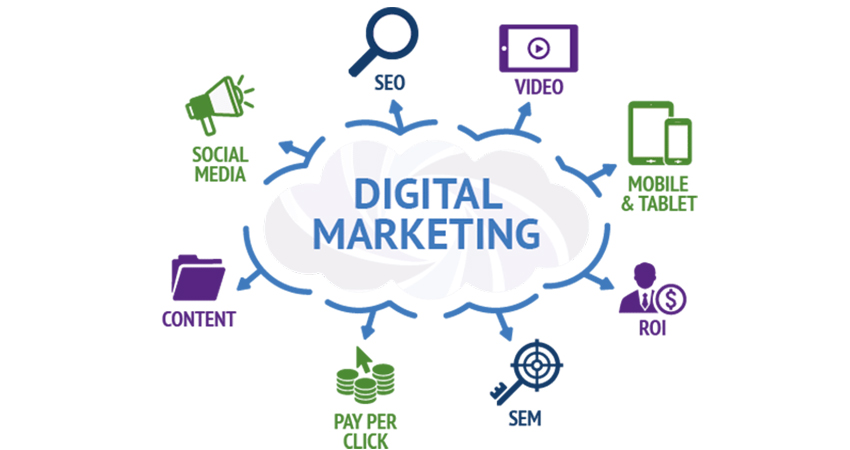
By using digital marketing strategies businesses can create their online presence in the form of a website, increasing more traffic to their website, attracting the target customers, interacting with the end customers in real time, collaborating with other businesses for more promotions, all this in an extremely cost efficient way. Digital marketing has helped businesses create their brand value thereby increasing trust and confidence of their customers. This has led to tremendous increase in the demand for many skilled digital marketing professionals for every business, big or small.

Virtual Gaming

The gaming landscape, especially PC and console gaming in India, has changed over the last few years. The major credit for this can be given to the nationwide availability of high-speed internet connectivity. Not only has this contributed to the increasing number of online gamers but gaming is now being considered a viable career option in the country.

Online Platforms for Learning.

An online learning platform is a webspace or portal for educational content and resources that offers a student everything they need in one place: lectures, resources, opportunities to meet and chat with other students, and more. It is also an excellent way for the student and the teacher to monitor student progress. Whether you want to learn a new language or obtain career-advancing certifications, signing up for an online course could be just the perfect solution. The online class is typically provided through online learning platforms. 

Online learning has numerous advantages over traditional learning methods. Some of these include the possibility for students to make use of self-paced learning and to choose their own learning environments. Additionally, e-learning is both cost-effective and cost-efficient, as it removes the geographical obstacles often associated with traditional classrooms and education. The benefits of an online course platform are that both students and teachers can track the students’ progress through the course material, and everything is neatly organized in one place. Additionally, students may also have an option of interacting with each other on the platform.

Some of the popular Online learning (e-learning) platforms.

Coursera.

Coursera isn’t just a place to take classes that are like college courses—it actually offers real academic courses from real professors and universities at a fraction of the cost of getting an online degree. The platform partners with over 200 universities and companies to provide real learning experiences that can connect to real-world benefits. In some cases, you can even earn certifications or degrees entirely through Coursera, which can then potentially lead to professional benefits like raises, promotions, and more. 

Course Hero.

Course Hero is home to study resources, 24/7 homework help and textbook guides to provide students across top institutions with tailored reinforcement of the courses in which they are enrolled. The library of materials uploaded to Course Hero’s platform can be searched by either school or textbook to find the exact resource a student needs, with tutors available to provide total support.

Edx.

Generally, this online learning platform has a high-end pedigree. edX was established by graduates from both MIT and Harvard University. Real college courses that are generated and taught by real college tutors are available in a vast array of topics and fields. They have a slight leaning toward the Science, Technology, Mathematics, and Engineering fields. Nonetheless, there are plenty of topics in the humanities, arts, and languages as well. By partnering with the universities, this course provides professional degree certificates as well as the “micro” degree programs at both the bachelor’s and the master’s levels. In this sense, they largely serve as tools for professional development. 

Skill Share.

Whereas many online class platforms do confer college-style classes, Skillshare is not formal and is mainly targeted at boosting creative skills. Some business and marketing classes exist on this online education platform. Most of the courses though tend to have a focus on the creative fields and are administered by practicing experts in various fields. Common examples of these fields are interior design, visual arts, animations, films, and photography. 

LinkedIn Learning.

Formerly called Lynda.com, LinkedIn Learning is an educational platform that confers professional course training in the fields of technology, business, creative fields, and technology-related areas mainly in the form of videos. The online learning marketplace is largely available as a premium service for the users of LinkedIn and has so far provided well over 16,000 courses in a whopping 7 languages. Its focus is mainly to aid individuals in investing in their professional development. 

Udemy.

If you want to learn something, it’s probably on Udemy. The site is less of a unified platform and more of a portal or repository where students can access well over 100,000 courses on every topic imaginable. There’s not one standard format for a Udemy course—the platform allows instructors to design multimedia lectures with audio, video, and text elements, plus readings, quizzes, and other activities. Udemy allows students to preview classes they’re interested in and does offer a 30-day refund if you’re dissatisfied.

FutureLearn.

FutureLearn lets you learn online from universities and companies all over the world, including Anglia Ruskin University, King’s College London, Monash University, and the University of Wollongong. On top of their university partnerships, they also partner with specialist organizations such as Accenture, Amnesty International, the British Library, and UNESCO. From personal development video lessons to employment-related course content, FutureLearn definitely deserves its place near the top of our best online learning platforms list.

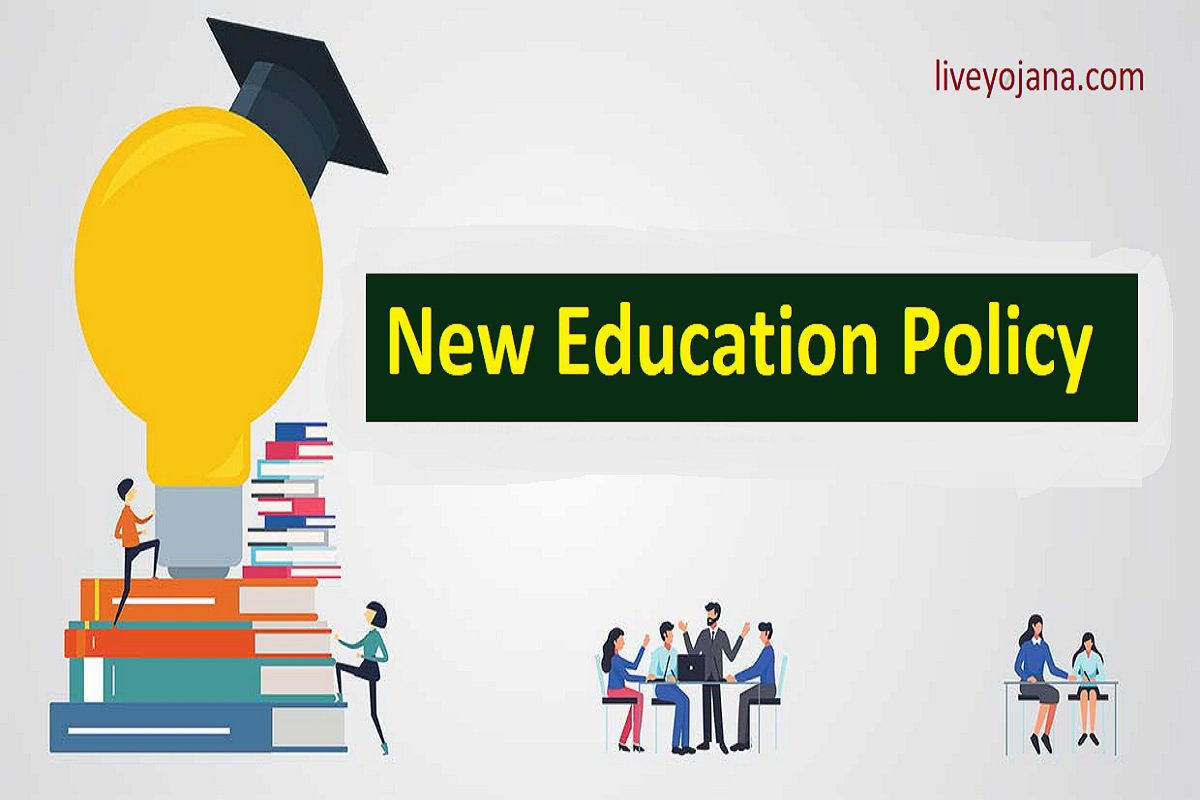
NEW EDUCATION POLICY TO BRING EVOLUTION IN THE EDUCATION SYSTEM.

NEW EDUCATION POLICY:
° Students are currently undergoing school exams conducted by responsible authorities in grades 3, 5, and 8.
° 10th and 12th grade board exams will continue, but will be redesigned for overall development.
° Mathematical reasoning and scientific temperament coding begins in 6th grade .Vocational training begins at school in sixth grade and includes internships.
° The 10 + 2 structure is replaced by 5 + 3 + 3 + 4. The new system consists of grades 12 and 3 years preschool / Anganwadi.
° Until 5th grade, this policy emphasizes the local / regional / native language as the teaching language.
° In schools and universities, Sanskrit is also included as a student option at all levels and consists of three language formulas.
° Under Graduate is now 3 or 4 years, with multiple degree options eligible for this period, such as a 1 year certificate, 2 years diploma, 3 years degree, 4 years bachelor’s degree in research, etc.
° An Academic Credit Bank (ABC) is created to store, transfer, and award bachelor’s degrees from digital learning achievements earned by students from various universities.
° The curriculum has been reduced to essentials for all subjects. They focus on critical thinking, discovery, inquiry, debate, and education based on analytical and holistic learning methods for education.
° Focus on e-learning so you can reduce your reliance on textbooks
Under the new policy, education will receive 6% of GDP, up from 1.7%. This definitely boosts the education system.
° By the end of 2040, all universities should be interdisciplinary institutions with more than 3000 students each. University affiliation will be phased out over the next 15 years.

Foucus on Regional /Mother Tongue Language:
As you know, young children learn new things as soon as they teach in their own language, not in another language they are unfamiliar with. This policy is aware of it, so children will be taught in their native language until the age of 5, but it can change to 8th grade .

NEW CURRICULUM STRUCTURE:
•) Rebuild the school curriculum and teaching methods into new 5 = 3 + 3 + 4 patterns.
•) The new curriculum structure is designed to attract the attention of learners at various developmental stages, such as 3-8 years old, 8-11 years old, 11-14 years old, 14-18 years old.
•) Elementary level lasts 5 years:
3 years before school, 1st and 2nd grade.
The preparatory stage lasts for 3 years: 3rd, 4th and 5th grade.
Middle school or high school lasts 3 years: 6th, 7th and 8th grade.
High school or junior high school lasts four years: 9th, 10th, 11th, 12th grade.
All of the above levels include Indian and regional traditions, ethical thinking, socio-emotional learning, quantitative and logical thinking, digital literacy, computational thinking, scientific manipulation, language and communication skills.

“Learning starts with failure; the first failure is the beginning of education.”

– John Hersey

Child Labour in India.

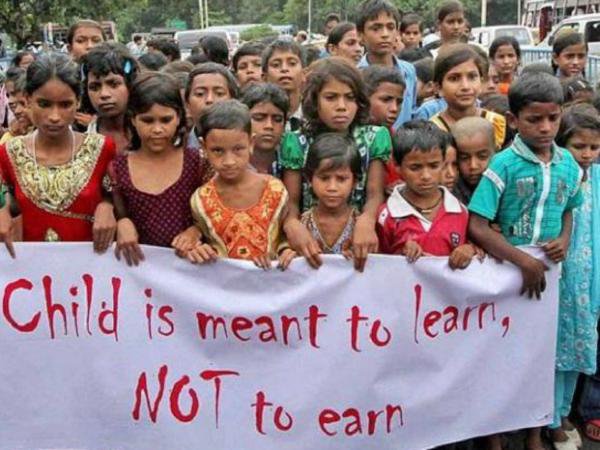
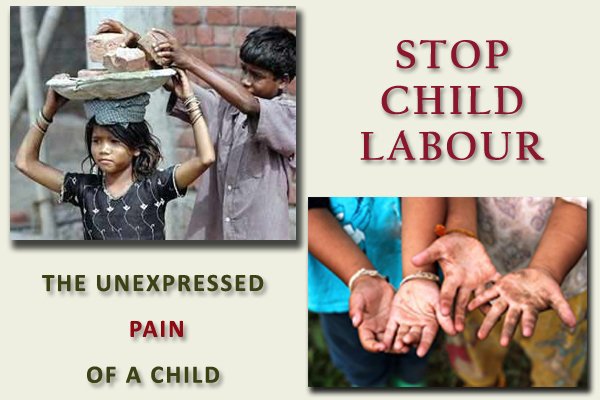
Child labor is the deprivation of children’s childhood, affecting their ability to attend regular school and exploiting them through all forms of work that are mentally, physically, socially and morally harmful.

After gaining independence from colonial rule, India enacted many constitutional protections and child labor laws. The Constitution of India in the principles of basic rights and public policy prohibits child labor under the age of 14 in factories, mines, castles or other dangerous occupations (Article 24). The Constitution also stipulated that by 1960 India would provide all children aged 6 to 14 with the infrastructure and resources for compulsory free of charge education . (Articles 21-A and 45).
In 2011, the Indian Census found that of the 259.64 million children in this age group, the total number of child laborers [ages 5-14] was 10.1 million. The problem of child labor is not unique to India. Approximately 217 million children work worldwide, many of whom work full-time.

In India child labour is defined as the involvement of children under the age of 17 in economically productive activities, with or without compensation and wages . Such participation can be physical, mental, or both. This work includes part-time or unpaid work on farms, family businesses, or other economic activities such as cultivation or milk production for sale or personal consumption. The Government of India divides child labor into two groups. The main workers are those who work more than 6 months a year. And marginal child laborers are workers who work all year round, but less than six months a year. In 1979, the Government of India established the Gurupadswamy Commission to learn about child labor and how to fight it. The Child Labor Probation and Regulation Act was enacted in 1986 on the recommendation of the Commission. A national child labor policy was developed in 1987 focusing on the rehabilitation of children working in dangerous professions. Since 1988, the Ministry of Labor and Employment has established approximately 100 industry-specific national child labor projects to rehabilitate child laborers.

The Government of India has enacted numerous laws, organizations and institutions to combat the issue of child labor. Some initiatives include child labor bans and regulations, laws prohibiting the employment of children in certain occupation and regulating the working conditions of children. The National Child Labor Policy attempts to take a sequential approach with a primary focus on the rehabilitation of children working in dangerous professions and processes of works. The Ministry of Labor and Employment is responsible for providing and supervising a range of child labor policies in India. In addition, as Osment reported, NGOs such as Care India, Child Rights and You, and Global March Against Child Labor were implemented to tackle child labor through access to education and resources. However, these efforts were of little success.

Non-governmental organisations:
Bachpan Bachao Andolan, Child Rights and You, ChildFund, CARE India, GoodWeave India,Talaash Association, Global March for Child Labor, and many other NGOs are campaigning to eliminate child labor in India. increase.

Career planning?

Hello , salaam, namaste !

So how is your career planning going on? Is everything going according to your plan or did you even plan your career or not ? If not, then when are you going to? what about promotion ,bonus or salary? – same regular typical ,annoying and boring questions right asked by many of our near and dear and even far ones right?

I know , I know how it feels ,even I passed from that stage ,sorry I’m still in that stage ,so yeah I know how irritating and annoying those questions feel and how those questions even make us feel guilty about our career planning.

As a student I felt and even do feel that career planning is the most important part of my education ,but the thing was I used to be always confused about what to choose, in my +1 and +2 should I choose the stream which I like or should I play safe and choose stream which is offering more number of opportunities. ok somehow I played safe and choose a stream, but later again after choosing the stream find the exams which you have to take in order to get a good college and after joining the college struggle or say competition to find a good decent job ,so this is it ?

For a good decent job or further studies you have to start planning from 5-6 years before ,and if the plan goes well then there you have you job and if not then a back up plan and all this to enjoy good ,peaceful life, so much of planning and execution right, I know but what can we do ,this thing feels so important in one’s life specially if you are from a brown household .

If you ask me I would tell that career planning is important if you really want good career and growth in career and start doing this from early stage like in your tenth standard mostly and research about what options do you have and take opinions and advices from people of that field and get to know about their work their other opportunities .

One advice from my side is choose the stream you like ,follow your passion but also play safe and try to grab as many opportunities as possible and I can definately tell that people who work with their heart ,follow their passion and choose what they like are much more happy than people who just choose the stream because of the opportunities they are offering.

”Find out what you like doing best, and get someone to pay you for doing it.”

-Katharine Whitehorn

Career planning?

Hello , salaam, namaste !

So how is your career planning going on? Is everything going according to your plan or did you even plan your career or not ? If not, then when are you going to? what about promotion ,bonus or salary? – same regular typical ,annoying and boring questions right asked by many of our near and dear and even far ones right?

I know , I know how it feels ,even I passed from that stage ,sorry I’m still in that stage ,so yeah I know how irritating and annoying those questions feel and how those questions even make us feel guilty about our career planning.

As a student I felt and even do feel that career planning is the most important part of my education ,but the thing was I used to be always confused about what to choose, in my +1 and +2 should I choose the stream which I like or should I play safe and choose stream which is offering more number of opportunities. ok somehow I played safe and choose a stream, but later again after choosing the stream find the exams which you have to take in order to get a good college and after joining the college struggle or say competition to find a good decent job ,so this is it ?

For a good decent job or further studies you have to start planning from 5-6 years before ,and if the plan goes well then there you have you job and if not then a back up plan and all this to enjoy good ,peaceful life, so much of planning and execution right, I know but what can we do ,this thing feels so important in one’s life specially if you are from a brown household .

If you ask me I would tell that career planning is important if you really want good career and growth in career and start doing this from early stage like in your tenth standard mostly and research about what options do you have and take opinions and advices from people of that field and get to know about their work their other opportunities .

One advice from my side is choose the stream you like ,follow your passion but also play safe and try to grab as many opportunities as possible and I can definately tell that people who work with their heart ,follow their passion and choose what they like are much more happy than people who just choose the stream because of the opportunities they are offering.

”Find out what you like doing best, and get someone to pay you for doing it.”

-Katharine Whitehorn

The Era of Digital Marketing

Almost 60 percent of the world population has access to the internet, which accounts for 4.66 billion active internet users in the year 2021. With the help of internet we can pay our bills, shop online, book tickets, even get an academic degree and much more. The possibilities are endless.

Other than that people also use internet as a medium of recreation such as for watching videos, playing games and most importantly spending their time on social media. In today’s time, an average internet user spends 7 hours of their day scrolling social media, answering emails, browsing websites for information, content, so on and so forth. Gone are the days when people had to physically travel to get their work done or just for entertainment. Now, everything is a click away, be it an important payment, or learning a skill, or playing any games.

The internet revolution also gave rise to a lot of industries and one such industry is of digital marketing. The rise in people buying smartphones and computers has essentially increased the numbers of people on the internet, and hence the era of digital marketing is growing at a phenomenal pace.

What is digital marketing?

Digital marketing refers to a branch of marketing at caters to use the internet and other online technologies such as mobile phones, desktop computers and other digital channels such as search engines, social media, websites, email, etc., to sell or promote their products or services. The development of digital marketing goes hand in hand with technology. Digital marketing is considered to offers a wider range of pros as compared to traditional marketing.

  • Digital marketing helps in targeting the required audience.
  • Digital marketing is more economical.
  • Digital marketing allows marketers to track the performance of the products or services, in every way possible.

However, in spite of the rise in digital marketing, traditional marketing still play an important role.

Digital Marketing and Online business

Online business is the first thing that comes to our mind when we think of digital marketing. As the digital era is growing, the need for offline businesses to also have an online portal signifies the power, digital marketing holds. Digital marketing offers small scale businesses to reach maximum number of people without investing a lot on advertising.

During the pandemic, there has been a rise in the number of small businesses, and their primary way of promoting their business has been on social media by creating content, such as posting photos, reels and so on. If a particular reel or photos gains popularity, this would mean more customer interaction and eventually will lead to more selling of the product or service.

Jeff Bezos once said, “It’s hard to find things that won’t sell online.”

Digital Marketing as a career choice

Digital marketing has been growing at an unprecedented rate and the growth is an ever expanding one. And it only makes sense to invest in a career that yields lucrative results. The most convincing part of digital marketing is that, it is for everyone. No degree is required, just a bit of creativity and passion for marketing, that will help strive for a successful digital marketing career.

Digital marketing can get as specialised as social media marketing to email marketing, SEO, etc., and can be an all-encompassing field as well, which also benefits entrepreneurs to propagate their own ventures. The possibilities are never ending. Hence, choosing digital marketing as a career option can be called a safe bet.

Digital marketing as an industry is here to stay, and it would ripe benefits if used to its fullest content. The era of digital marketing is at its glory and its never too late to be a part of it.

Exhorts IIM students to align their careers with the aspiration of the country

 The Prime Minister, Shri Narendra Modi laid the foundation stone of the permanent campus of IIM Sambalpur today via video conferencing. Governor and Chief Minister of Odisha, along with Union Ministers Shri Ramesh Pokhriyal ‘Nishank’, Shri Dharmendra Pradhan and Shri Pratap Chandra Sarangi were also present on the occasion.

Speaking on the occasion, the Prime Minister said that the permanent campus of the IIM Sambalpur will not only showcase the culture and resources of Odisha but will also give Odisha a global recognition in the field of management. He said that recently the country witnessed a trend of Indian multi-nationals as opposed to the earlier trend of outside multi-national coming to India. Tier 2 and Tier 3 cities are seeing startups and India has seen more ‘unicorns’ in recent troubled times, rapid reforms are taking place in agriculture field. In such a scenario the Prime Minister asked the students to align their career with the aspiration of the country. In this new decade, it is your responsibility to give Brand India a global recognition, the Prime Minister said.

The Prime Minister dwelled at length on the students’ role in making the local rise up to the global level. He asked students to work on the ideas of improving tourism in the light of the immense local potential in the Sambalpur area. He asked them to work on the local products which have great potential such as local handicraft, textiles and tribal art. He also asked them to work on the better management of abundant minerals and other resources of the region as all this will contribute to the Aatamnirbhar Bharat Campaign. IIM students will need to find innovative solutions for making local global as they can work as a bridge between Aatamnirbharta Mission, local products and international collaboration.  “You have to show your management skills with the mantra of Innovation Integrity and Inclusiveness”, Shri Modi said.

The Prime Minister talked about the new management challenges in the light of new technologies like additive printing, changing production techniques, logistics, and supply chain management. These technologies coupled with digital connectivity, and work from anywhere concept have turned the world into a global village. India has undertaken rapid reforms in recent months and has tried not only to keep pace with the changes but also tried to anticipate and surpass them, the Prime Minister added.

The Prime Minister said that that the changing work styles are impacting demands on management skills and top-down or top-heavy management skills are being replaced by collaborative, innovative and transformative management. With bots and algorithms in picture, technological management is equally important as human management.

Shri Modi asked the student to research the way Covid crisis was handled in India with innovation and collaboration at such a big scale. He asked them to study how capacity and capability was expanded in such a short time. He expressed happiness that the country is coming out of the short-term approach of problem solving and how the focus now is on long term solutions. He gave example of Jan Dhan accounts and how LPG connection coverage in the country improved from 55 per cent in 2014 to 98 per cent today, to illustrate his point of mass scale innovation, planning and implementation. “Management is not just handling big companies but management also means taking care of lives”, the Prime Minister said.

The Prime Minister added that it is important to understand the challenges before the country to become good managers. For this, it is essential that higher educational institutions have a wider scope and are not focused merely on their expertise. The National Education Policy, the Prime Minister said, emphasizes on broad-based, multi-disciplinary and holistic approach to remove silos in the professional education that have emerged over a period of time. 

Congratulating everyone on the occasion of foundation laying today, Shri Pokhriyal said IIM Sambalpur will strongly contribute to the growth and development of the country. He expressed confidence that Institution will definitely be recognized globally for its remarkable contribution in providing quality education. He highlighted that under the able leadership of Prime Minister Shri Narendra Modi, Government has given utmost priority to the development and upgradation of educational facilities. In this context, he mentioned about the significant increase in the number of seats across institions and in the number of engineering, medical and management institutions in over last 6 years.

Urging students to invest in team building, he said this will strengthen the bond and enhance the spirit of association. He also urged to stress on value addition at every level by leveraging technique, skill and innovation. Calling upon everyone to stay alert towards the global developments and changes, He emphasized on the need to up-skill, update and upgrade oneself to face the global challenges. He called upon students to move ahead following the motto of ‘nation first – character must’ for success and for establishing India as a Vishwaguru. He said that the country is moving steadfast on the path of progress. He also spoke about New Education Policy and reiterated that it is built on the strong foundational pillars of equity, quality and accessibility.

Shri Dharmendra Pradhan remarked that today is the historic day for everyone. Highlighting Prime Minister Shri Narendra Modi’s clarion call for an Atmanirbhar bharat, he urged students to walk in the direction given by Prime Minister to achieve the goals of self reliant India. Saying that the Sambalpur region is rich in minerals and surrounded by lot of economic activities, He hoped that IIM Sambalpur will endeavour to develop a new entrepreneurial ecosystem and emerge as a focal point of Atmanirbhar Bharat.  He hoped that institution will strive to implement the spirit of New Education Policy.

*****

Career Guidance for Students

 Central Board of Secondary Education (CBSE) organizes a two day capacity building programme for the teachers on career guidance of students. The trained teachers take sessions with senior students in their respective schools. The programme focuses on dimensions of career information, strategies and resources used in imparting career information, setting up a career resources room in a school, role of a teacher in imparting career guidance and understanding career development.

In Kendriya Vidyalaya Sangathan (KVS) services of counselors are engaged on part time contractual basis in all Kendriya Vidyalayas across the country. There is also a provision of inviting experts from different fields to sensitize students about the career options available for them to pursue.

In Jawahar Navodaya Vidyalayas (JNV) career guidance sessions are conducted regularly by the Counselors, Teachers and Vice Principals. Special sessions are also conducted for students in JNVs by inviting eminent experts of various fields.

National Scholarship Portal (NSP) is one-stop solution through which various services starting from student application, application receipt, processing and disbursal of various scholarships to students are enabled. The main objective of NSP is to ensure timely disbursement of scholarships to students and to provide a common portal for various scholarships schemes of Central and State Governments. National Means-cum-Merit Scholarship Scheme (NMMSS) of D/o SE&L is on-boarded on NSP. The details are available on the NSP Portal. The link is as follows: https://scholarships.gov.in