Paris Agreement and Climate Change

Introduction

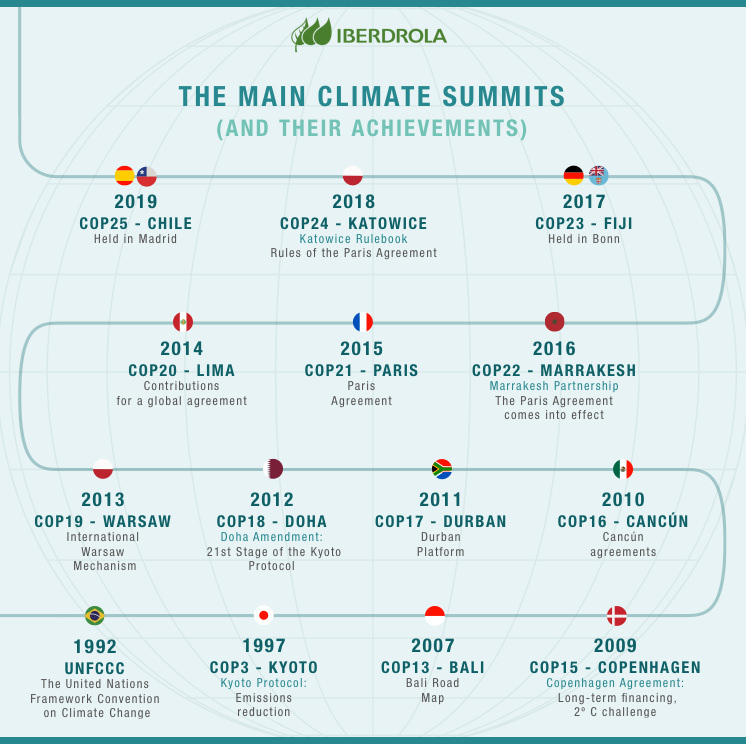
The Paris Agreement is an international treaty on climate change which is legally binding. It was adopted on 12th December 2015 by 196 parties at the Conference of the Parties (COP) 21 and it came into force on 4th November 2016. The goal of this agreement is to limit global warming to almost 2 degrees Celsius but ideally 1.5 degrees Celsius, as compared to the pre-industrial levels. Every country creates an NDC (Nationally Determined Contributions) wherein the countries mention the actions they will take to reduce their Greenhouse Gas emissions. The Paris Agreement also recognizes the financial differences of the countries and says that the developed countries should take the lead when it comes to providing financial assistance and help the vulnerable countries. The progress of the agreement is being tracked by the creation of the Enhanced Transparency Framework (ETF), under which, starting from 2024, the countries will report on the actions taken and the progress, transparently.

COP 26

The 26th Conference of the Parties was originally scheduled from 9th to 19th November 2020 but due to COVID-19, it was postponed to 1st to 12th November 2021, in Glasgow, UK. Several unresolved issues from the Paris Agreement are to be resolved during this Conference, such as governing of carbon markets and the accountancy of climate finance. The developing nations pointed fingers at the rich nations to fulfil their promise of finance. They also highlighted the lack of urgency from the recent G7 and G20 summits.

COP 26 has to finalize the rulebook that implements the 2015 Agreement. The nations have to give the climate-vulnerable nations the $100 billion annually as promised in 2009. They have called for almost 50% of funding to be allocated towards future climate adaptation, plus a separate allocation for the loss and damage that has already been inflicted on the poor nations.   

Other Climate Change Agreements
Montreal Protocol, 1987 – This agreement is not aimed towards dealing with climate change however it is an important environmental agreement. This agreement required the countries which have ratified it, to stop producing products that damage the ozone layer, such as, chlorofluorocarbons (CFCs).

UN Framework Convention on Climate Change (UNFCCC), 1992 – This is the first-ever global treaty that directly addresses climate change. This treaty established the annual forum named the Conference of the Parties (COP). Agreements such as the Kyoto Protocol and the Paris Agreement came into existence through these forums.

Kyoto Protocol, 2005 – It was adopted in 1997 and came into force in 2005, it is known as the first legally binding climate treaty. The goal of this treaty is to reduce emissions by an average of 5% below the 1990 levels although the treaty did not force developing countries.

Effects of Global Warming

  • Shrinking of Glaciers
  • Ice on rivers and lakes break earlier than usual
  • Plants and animal ranges have shifted
  • Trees flower sooner
  • Loss of sea ice
  • Accelerated rise of sea level
  • Intense heatwaves
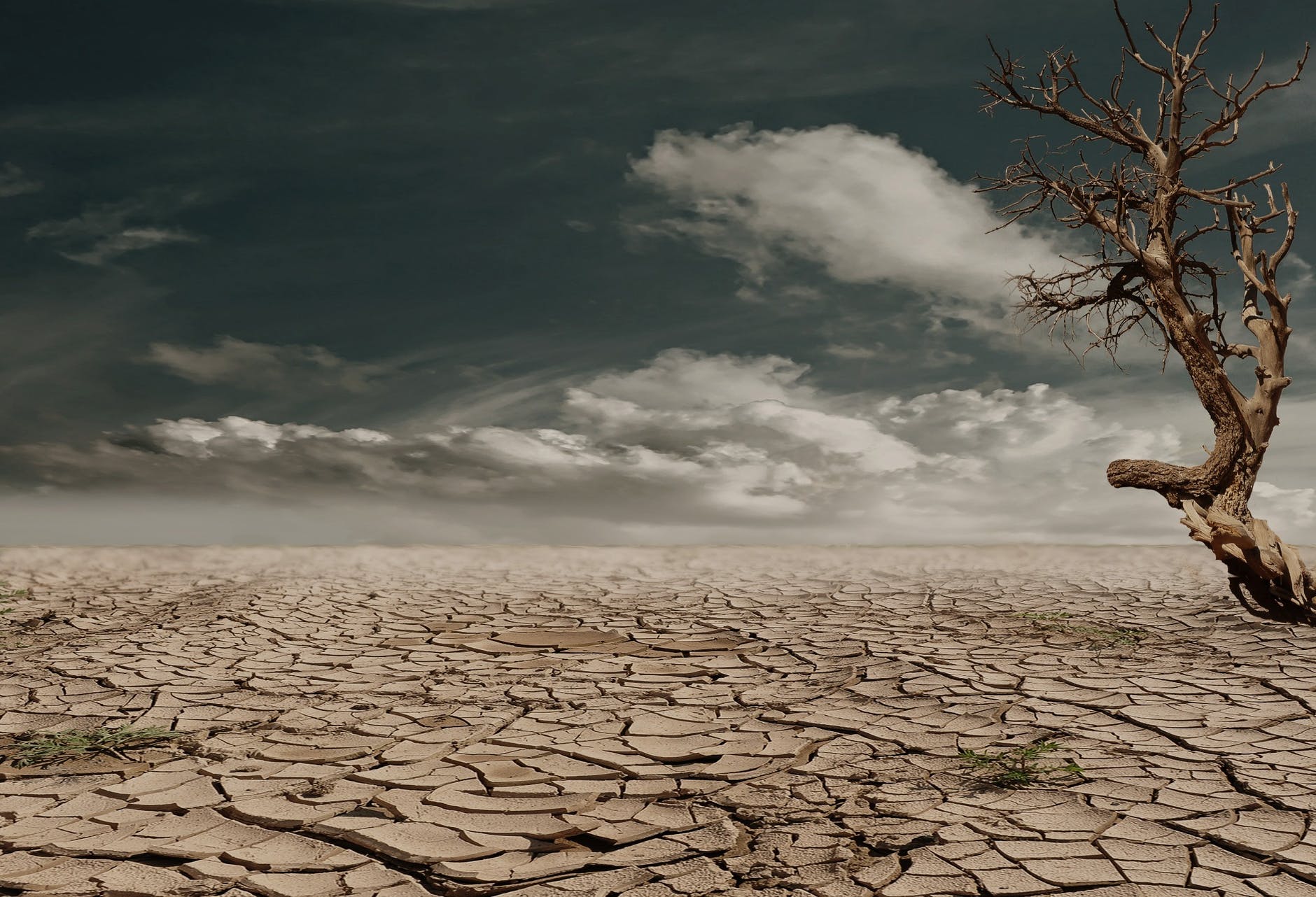
  • More droughts
  • Changes in precipitation patterns
  • The frequency of cyclones will increase and will be more intense
  • The Arctic is likely to become Ice-Free

Conclusion

Heat Waves have been recorded in the United States of America and Canada this 2021. This is only just more proof of Global Warming and its effects. This will keep increasing if the countries don’t take the agreements like the Paris agreement seriously. More importantly, the rich countries need to finally start acting responsibly and fulfil their promises to save the planet.  
References

17 Sustainable Goals by United Nations.

Sustainable development is development that meets the needs of the present without compromising the ability of future generations to meet their own needs. Sustainable development has continued to evolve as that of protecting the world’s resources while its true agenda is to control the world’s resources. Environmentally sustainable economic growth refers to economic development that meets the needs of all without leaving future generations with fewer natural resources than those we enjoy today. Let us know 17 Sustainable Goals set by UN and their progress by now.

1) Poverty Eradication:

The 2030 Agenda acknowledges that eradicating poverty in all its forms and dimensions, including extreme poverty, is the greatest global challenge and an indispensable requirement for sustainable development.

2) ENDING HUNGER:

The total number of persons suffering from severe food insecurity has been on the rise since 2015, and there are still millions of malnourished children. The economic slowdown and the disruption of food value chains caused by the pandemic are exacerbating hunger and food insecurity.

3) Ensure healthy lives and promote well- being for all at all ages

Progress in many health areas continues, but the rate of improvement has slowed and will not be sufficient to meet most of the Goal 3 targets. Globally, an estimated 295,000 maternal deaths occurred in 2017, resulting in an overall maternal mortality ratio of 211 maternal deaths per 100,000 live births, a 4 per cent reduction compared with 2015 and a 38 per cent reduction compared with 2000. The majority of the deaths occurred in low- and lower-middle-income countries, and roughly 66 per cent of them occurred in sub-Saharan Africa. At the current pace of progress, the world will fall short of the target of the Goal.

4) Ensure inclusive and equitable quality education and promote lifelong learning opportunities for all:

At the end of 2019, millions of children and young people were still out of school, and more than half of those in school were not meeting minimum proficiency standards in reading and numeracy.

5)Achieve gender equality and empower all women and girls

The commitment to advancing gender equality has brought about improvements in some areas, but the promise of a world in which every woman and girl enjoy full gender equality and all legal, social and economic barriers to their empowerment have been removed remains unfulfilled.

6)Ensure availability and sustainable management of water and sanitation for all

In 2017, 3 billion persons lacked soap and water at home. In 2016, 47 per cent of schools worldwide lacked handwashing facilities with available soap and water, and 40 per cent of health-care facilities were not equipped to practise hand hygiene at points of care.

7) Ensure access to affordable, reliable, sustainable and modern energy for all

The world is making good progress on increasing access to electricity and improving energy efficiency. However, millions of people throughout the world still lack such access, and progress on facilitating access to clean cooking fuels and technologies is too slow.

8) Promote sustained, inclusive and sustainable economic growth, full and productive employment and decent work for all:

In 2018, the rate of growth of global real GDP per capita was 2 per cent. In addition, the rate for least developed countries was 4.5 per cent in 2018, less than the 7 per cent growth rate targeted in the 2030 Agenda.

9) Build resilient infrastructure, promote inclusive and sustainable industrialization and foster innovation:

In 2019, 14 per cent of the world’s workers were employed in manufacturing activities, a figure that has not changed much since 2000. The share of manufacturing employment was the largest in Eastern and South-Eastern Asia (18 per cent) and the smallest in sub- Saharan Africa (6 per cent).

10)Reduce inequality within and among countries

In 73 of the 90 countries with comparable data during the period 2012–2017, the bottom 40 per cent of the population saw its incomes grow. Moreover, in slightly more than half of those countries, the bottom 40 per cent experienced a growth rate in income that was higher than the overall national average.

11) Make cities and human settlements inclusive, safe, resilient and sustainable:

Rapid urbanization has resulted in a growing number of slum dwellers, inadequate and overburdened infrastructure and services and worsening air pollution.

12) Ensure sustainable consumption and production patterns:

As at 2019, 79 countries and the European Union reported on at least one national policy instrument that contributed to sustainable consumption and production in their efforts towards the implementation of the 10-Year Framework of Programmes on Sustainable Consumption and Production Patterns.

13) Take urgent action to combat climate change and its impacts.

The year 2019 was the second warmest on record and the end of the warmest decade, 2010 to 2019. In addition, with a global average temperature of 1.1°C above estimated pre-industrial levels, the global community is far off track to meet either the 1.5 or 2°C targets called for in the Paris Agreement.

14. Conserve and sustainably use the oceans, seas and marine resources for sustainable development:

Oceans and fisheries continued to support the global population’s economic, social and environmental needs while suffering unsustainable depletion, environmental deterioration and carbon dioxide saturation and acidification.

15) Protect, restore and promote sustainable use of terrestrial ecosystems, sustainably manage forests, combat desertification, and halt and reverse land degradation and halt biodiversity loss:

Forest areas continued to decline, protected areas were not concentrated in areas of key biodiversity and species remained threatened with extinction.

16) Promote peaceful and inclusive societies for sustainable development, provide access to justice for all and build effective, accountable and inclusive institutions at all levels:

Conflict, insecurity, weak institutions and limited access to justice remain a great threat to sustainable development. Millions of people have been deprived of their security, human rights and access to justice.

17) Strengthen the means of implementation and revitalize the global partnership for sustainable development:

Strengthening multilateralism and global partnerships is more important than ever before. The global nature of the pandemic requires the participation of all governments, the private sector, civil society organizations and people throughout the world.

Madagascar Droughts: Climate Change

Madagascar is the fourth biggest island in the world, situated in the Indian Ocean. The island country is deemed as ‘Megadiverse’ by Conservation International with more than 250,000 species of plants and animals most of which do not exist anywhere else. Almost 90% of the species found on the island are endemic. The island of 28 million people is one of the poorest countries in the world and has been ravaged by many natural and human-induced hazards.

So we can confidently say that the country is extremely rich and unique biodiversity. On the eastern coast of Madagascar the Rainforests of Atsinanana comprising of six national parks with an endemic rate of species touching almost 80%. This area has also been added to the World Heritage List since 2007. The area is considered important to both ecological and biological processes and it also supports the rare species of Lemurs and many other primates.

Deforestation has been a major issue in Madagascar and this has also threatened the Lemurs and them and many endemic species of the island heavily rely on these forests. Madagascar witnessed rapid deforestation for long a time and this only accelerated by the end of the 19th century due to French Colonization. The forested areas were gradually converted into coffee fields and the country lost its original forest cover by almost 80%. As of today, the primary forest cover stands a little over 10 percent.

Deforestation has not only affected the ecology of the country but has also affected the soil quality and increased soil degradation. Subsistence agriculture is quite common among the inhabitants of the islands. Slash and burn is another method that has affected the forest cover of the island as these methods are not beneficial after a certain population cluster. Another big reason for the rapid deforestation is illegal logging and this benefits private entities and large corporations. The country has also seen a rapid growth in its population which currently is estimated at 26 million, up from 2.2 million in 1900. This has increased the requirement for more land for cultivation.

Currently, Madagascar is going through a very severe drought and deforestation can partly be a reason for this phenomenon. But there are other issues of cause too. Due to climate change, Madagascar has also suffered the consequence of the increased frequency of extreme weather events. It’s the worst drought in 40 years and has taken grip of the Southern part of the island. Due to low rainfall various streams, rivers and small dams built for irrigation dried up last year. The majority of the people in the south of the country rely on rain-fed, small-scale agriculture to survive.  With no rainfall and non-existent agriculture output, there has been an emergency in the country with severe food scarcity. Many people in the region have resorted to eating insects, wild roots.

According to experts’ deforestation, drier soils and higher temperatures due to climate change are the likely cause of droughts.

Climate experts

The island is already suffering from the covid-19 virus combined with the pressure of droughts and famines have caused strain to the poor country. Food and other aids are being provided to the affected areas of the country but supply is still not aligning with the current demand. A long-term solution will be required to tackle this situation as this problem is only going to get more serious in the future.

References:

Why do Volcanoes Erupt?

You may have heard about the eruptions of volcanoes like Mount Vesuvius and Mount Tambora that devastated the land surrounding them and killed thousands of people living in their vicinity. However, not many of us stop to question why or how a volcano erupts in the first place. It is indeed not only an interesting, but also a useful bit of knowledge to have about one of the most fascinating natural phenomena that occur in our world.

What is the process?

We know that deep within the earth, the temperatures are extremely high. In fact, it is so hot that some rocks gradually start melting and become a thick flowing substance called magma. This melting takes place in the layer of the earth’s interior called the ‘mantle’. The mantle is the layer between the dense, superheated core and thin outer crust of the earth. The immense heat from the core melts the earth’s mantle and this melted rock (magma) begins its journey to the surface. The melting may happen where tectonic plates are pulling apart or when one plate is pushed down under another.

Magma being a lighter and more viscous substance than the rock surrounding it, starts rising to the top and collecting in areas known as magma chambers. As the magma rises, bubbles of gas also form inside it. Eventually, some of the runnier magma charges through any vents or fissures in the earth’s crust and gets released onto the surface as lava. Hence, magma that is released through volcanoes are then called lava, which flow in every direction away from the volcano to surrounding areas.

For the magma that is thicker in nature, the gas bubbles are not able to escape easily and the pressure starts building as the magma rises. When the pressure that is building reaches a point where it is too high for the earth’s surface to handle, an explosive eruption happens from the volcano. Such eruptions may also occur suddenly if the rocky surface above the magma has eroded over time, allowing the pressurized magma to easily burst through. Explosive eruptions are what often cause mass death and destruction, as the lava flows with much greater force and heat intensity. It can melt anything in its path, and most human creations will succumb to its natural power. The aforementioned bubbles, which are of undissolved water and sulphur, then burst with the intensity of a gunshot and release plumes of ash into the atmosphere. This ash can suffocate plants, animals and humans.

Another way eruptions happen is when water underneath the earth’s surface happens to come in contact with hot magma and creates steam. This may happen when ocean water is able to slip into the earth’s mantle and mingle with the magma. Over time, the rock strength of earth’s surface decreases as the pressure builds, and the steam can gradually build enough pressure to cause an explosion through the volcano.

It is important to highlight that some volcanic eruptions are explosive while others are not. As explained, it depends on the composition of the magma. If it is runny and gas is able to escape easily, lava will simply flow out. This is easy for people to avoid as it flows slowly and gives them time to move away. However, if magma is thick and gas cannot escape easily, pressure builds up until there is a violent explosion for it to escape. Magma blasts into the air, and lava flows at a greater speed for a greater distance. This is often unexpected and harder to escape from.

What is the role of Climate Change?

Geological studies have shown that human-induced climate change will most likely cause an increase in volcanic activity around the world. This is primarily because climate change has caused melting of glaciers in the earth’s crust. These glaciers have an impact on the flow of magma to the surface, and so melting glaciers may cause more magma eruptions. Basically, after glaciers are removed, the surface pressure decreases and the magma can more easily propagate to the surface and thereby erupt.

A team of researchers in the UK found that with the advancement of glaciers over time, there was diminishing volcanic activity. In turn, the team found that as the climate warmed up due to global warming and glaciers melted, there were more frequent and bigger eruptions. It has been found that even relatively minor climate changes may have an influence on this. Hence, it can be concluded that today’s global warming could mean more frequent, and even greater volcanic eruptions.

The Arctic’s last ice area

 A region present in Northern Greenland was named the Arctic’s last ice area. This was named as such because scientists believed that this area was the strongest and most resistant to global warming. Global warming has caused some major effects around the globe melting of ice caps, ever-rising sea levels, erratic weather conditions all of these occur due to global warming. Due to various human activities, harmful gases and pollutants are released into the atmosphere which results in increasing the temperature and also causing a breach in the ozone layer.

Let’s take a close look into what the last ice area means; the National Geographic in the year 2015 estimated the climatic changes and their effects on our environment and predicted that by the end of 2040, the final place to able to withstand global warming would be this area. It’s devasting to imagine that in another two decades there will only be a small island on which global warming would not have its effect. Furthermore, the World Wildlife Fund also stated that the current climatic conditions are majorly responsible for the shrinking Arctic and are not a good sign for the future. They also made it clear that not only the animals residing in the Arctic are exposed to danger, but also the local Inuit societies that survive on these lands.

This area was regarded important as it would help sustain several species that require the habitat as and when the surrounding areas would have melted. This area is now prominent with several polar bears who use this region as their hunting grounds. But now this area has begun to melt, raising concerns all around the globe. Researchers have stated in a Journal published in “Communications Earth & Environment” in August 2020 this region recorded an ever-low concentration of sea ice; suggesting that the Last Ice area has begun to deteriorate.

The main question that arises is that when did the melting start. Well According to research led by the University of Washington, the initial signs of melting were observed in the year 2018.  They also claimed that about 80% of melting had occurred due to weather-related scenarios like winds and the other 20% was due to global warming. This has resulted in the gradual melting of ice caps throughout the Arctic region, causing panic among the locals.

With the additional help of satellite imagery researchers have identified that sea ice levels were less than 50%. Although satellite imagery cannot be considered to be accurate, it does give us an idea about how worse the situation is. The lead author of the study under the University of Washington also stated the alternate reason for the melting was maybe due to the open ocean causing a cycle of absorbing heat energy from the ice, forcing it to melt.

Although the results and studies are unsatisfactory in giving any accurate reason behind this, it tells us that the effects due to global warming have begun sooner than we had expected and we must get together and must prevent further harm to our environment.

The fragile ecology of the Himalayas

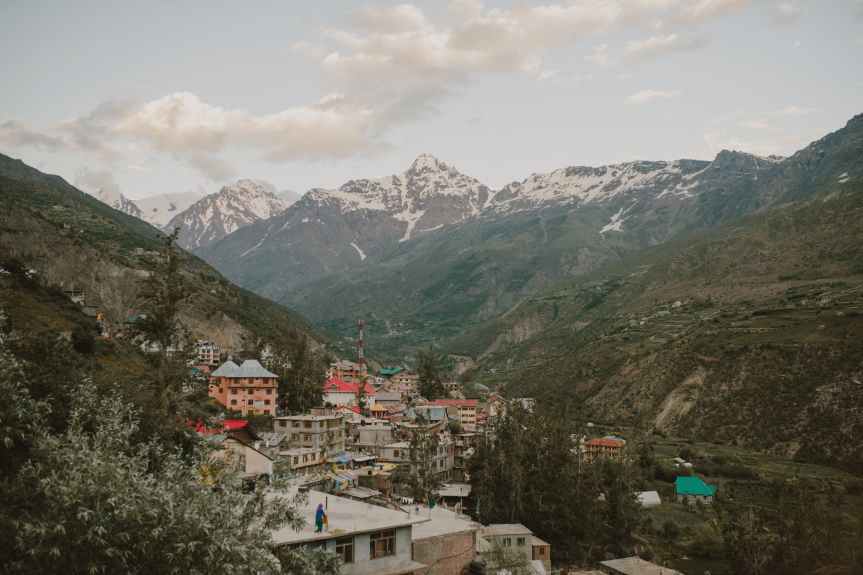
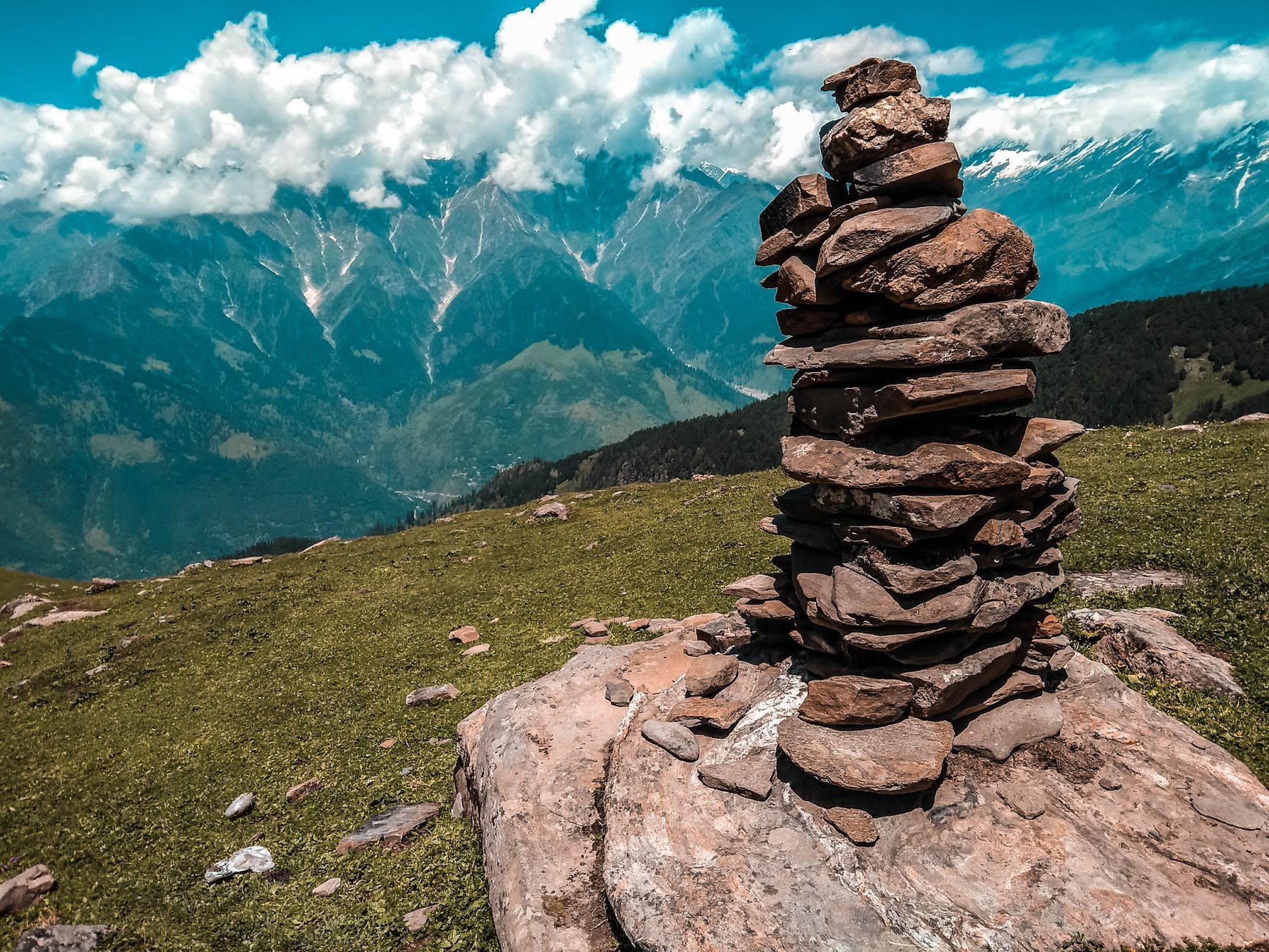
On 7 February 2021 Uttarakhand’s Chamoli district experienced a disaster in the form of an avalanche when a small portion of the Nanda Devi glacier broke off. The sudden deluge caused considerable damage to NTPC’s Tapovan-Vishnugad hydel project and the Rishi Ganga Hydel Project. At least 72 people were confirmed to have been killed in the disaster. But this is not a new phenomenon and every year there are many reports of sudden deluge all across the Himalayan region.

The Himalayas has maintained the climate of the Indian subcontinent. Himalayas act as a barrier by diverting the monsoons to pour the rain in the fertile northern pains rather than to drift away to further north. Similarly, the mountain range also blocks the cold northern winds to reach the Indian subcontinent. The Himalayas all the way from Afghanistan to Myanmar with 110 peaks over 24,000 feet. They are also very rich in biodiversity and are the source of numerous perennial rivers and water bodies. Rivers like Indus, Ganges, and Brahmaputra that originate in the Himalayas are the lifelines of millions of people in the subcontinent.  

But in recent years, the Himalayan region has seen a drastic transformation with increasing population and deforestation. The Himalayas are still a very young mountain range and this means the region is not as stable as older mountain ranges. This is also the reason for the high number of earthquakes. There are many exploitative projects and resource extractions initiatives have are going throughout the region. The increasing influx of tourists in the Ladakh region which is increasing the pressure in the already sensitive region or the limestone extraction near Mussoorie which has transformed the surrounding lush mountain region barren and unstable are just some of the instances.  The cities located in the periphery of the Himalayas have started are also facing the same degradation problems in the plain region. Due to ever-increasing population growth, the size of cities is also increasing and this means overflowing garbage and drains. Unplanned growth of new settlements and uncontrolled tourism has only exacerbated this issue.

Photo by rasik on Pexels.com

Steps to safeguard the region

There is a need for safeguards on a national level that would help in preserving the fragile ecology of this region. First, it needs to be ensured that there is sustainable urbanization in the mountain habitats by town planning and adoption of architectural norms. Due to the sensitivity in this region, it is imperative that we have to control the growth of new settlements in the region and the existing settlements should be developed with all the basic urban facilities. Solid waste management is another area that needs to be the focus. Plastic bags use should be banned in all the towns and villages in the Himalayan region. Some states like Himachal Pradesh and Sikkim have enforced this rule but there are still many other states that have not fully implemented this rule. Pilgrimage is an important part of the tourism sector in the Himalayan region. Sustainable pilgrimage needs to be promoted and the inflow of pilgrims has to be determined according to the ecological capacity of that site. Roads are an essential node for the connectivity and development of a region but the construction of the roads and highways needs to take into account the sensitivity and fragility of the region as well. Environmental impact assessment should be compulsory before the construction of roads. Finally, environmental awareness needs to be propagated so that every individual can be empathetic and mindful of the dangers of environmental degradation. A coordinated effort will be essential between local cultures, local people, unions, and state governments to make this happen.

References:

http://www.ipcs.org/comm_select.php?articleNo=582

Permaculture

Permaculture is a fusion of the words ‘Permanent’ and ‘culture’. The term was devised by Bill Mollison and David Holmgren in 1978. In Mollison’s words, permaculture can be defined as the “conscious design and maintenance of agriculturally productive ecosystems which have the diversity, stability, and resilience of natural ecosystems. All this is achieved with a harmonious integration of landscape and people sustainably. The farms are designed in such a way that it promotes the coexistence of competing plants species. Currently, more than 3 million people practice permaculture across 140 countries.

Permaculture benefits claims

The practitioners of permaculture claim that as the population is increasing, there is increasing pressure to produce more food. The modern method of monoculture is not a sustainable method of growing food where a large area of land is used for only one crop and lots of chemical fertilizers are required to sustain the crop production. This also puts immense pressure on the topsoil and the soil loses its fertility and more fertilizers are required to maintain the productivity and output. Monoculture is discouraged by permaculturists because it promotes farming with a commercial-driven mindset and only selected varieties of crops and plants are grown that are commercially viable. Sometimes wild and uncultivated foods like tubers and millets are sidelined from the people’s diet even though when they are just if not more nutritious than any other food. Practicing permaculture can help small farmers to be more self-sufficient in producing their food and not rely on external input. Farmers also get the opportunity to grow large varieties of fruits, grain, and vegetables under a single roof. But it’s more than just self-sufficiency and the farm itself generates manure and this helps in saving the fertilizer costs. There is even more, as perennial plants are a structural part of the permaculture, this means that plants don’t require regular tending. This reduces the labor expenses as well. It also allows the plants to endure harsh weather conditions like the heavy downpour in monsoons or winters.

Challenges and future

Modern conventional agriculture science has been a boon in terms of production quantity as a whole but still, there are lots of problems that we are facing right now due to the use this form of farming. The focus should also be on the quality first and then quantity. What modern agriculture science has done is that it has separated the farmer from the soil. The focus and research are on the yields and nutritive properties of plants. Food has to come from the soil and most of the solutions are available in nature itself. Permaculture provides a pragmatic and efficient way for our subsistence farmers to produce food. In India where small farmers are the majority and they will also face immense pressure from the dangers of climate change and the increasing constraints on resources, epically water. Then there is the monetary issue as well. Permaculture helps in this case as the food is closer to the producer and there is less wastage of food. This makes food production economical and sustainable in a long run. Still replacing permaculture with traditional agriculture will not be easy and practical, but with small steps, it can emerge as a viable way to produce food and maintaining the ecology of the planet.

The Hot Planet Story

Two frogs are playing in a pond, then suddenly, BAM! They are kidnapped and taken to a kitchen by a chef. The chef boils up a pot of water and throws one frog inside. Sensing danger, the frog jumps out of the pot and escapes. The chef tries a different strategy with the other frog. This time, he turns on the heat slowly so that the frog doesn’t realize that it is being cooked.

REST IN PEACE Froggy.

Are we not facing the same situation? Yes, Global Warming.

Photo by Pixabay on Pexels.com

Global warming is the increase in the average temperature of the earth. It is one of the greatest environmental challenges.

Global warming is caused due to many reasons, the primary one being human activity. Greenhouse effect is the main cause of global warming. A greenhouse is made of glass which helps the plants stay warm even when it is cold outside. Similarly, the greenhouse gases like methane and carbon dioxide act as an insulation to keep us warm. This is a natural process. But if more and more greenhouse gases enter the atmosphere, the earth becomes warmer rapidly. But what causes this?

Here we go again….. Human activity.

Over population

Deforestation

Burning of fossil fuels

Industrialization

All this leads to melting of glaciers which increases the sea level. This further leads to change in ecosystem. Rise in droughts, forest fires, hurricanes, and desertification are also caused due to global warming

Still, global warming remains to be a controversy, leading to many debates. Some people believe that global warming is just a natural cycle and the drastic climate changes have nothing to do with human activity. In my opinion, blaming the nature is not right. Since we are greedy and don’t want to fix the issue, we find such excuses.

Now moving on the solutions.

  • Spreading awareness, is a great step to fight against global warming, that is what this article is about, isn’t it?
  • Simple solutions like unplugging devices when not in use, carpooling, using LED lights and CFLs, planting trees and recycling can both save money and reduce our carbon footprint.
  • Using renewable energy sources, zero-carbon technologies like wind turbines, solar panels, and biomass boilers can be built to conserve energy.
  • Start-ups that develop such technologies should be encouraged and offered tax and loan incentives.

We can take such measures to protect our planet. Together we shall fight climate change and protect our dearest planet.

Photo by Olya Kobruseva on Pexels.com

Why Polar Bears are on The Verge of Extinction

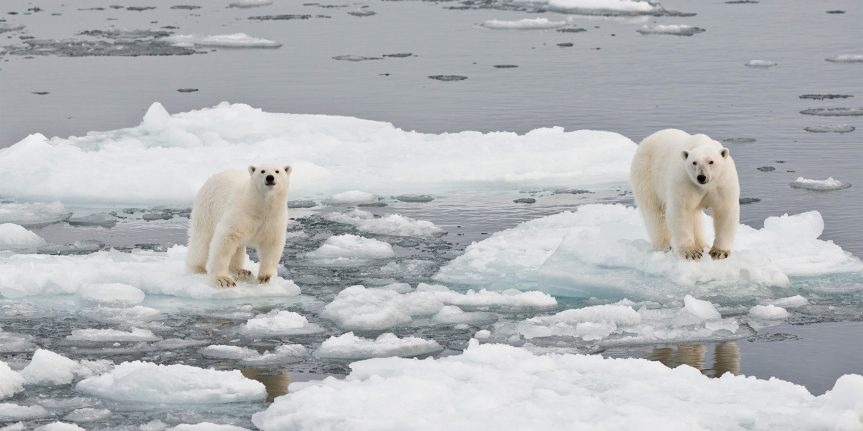
The loss sea ice habitat from climate change is the biggest threat to the survival pf polar bears. Other reasons include human-polar bear conflict, toxic pollution, oil spills and potential hunting of some subpopulations.

Polar Bear-Human Conflicts

As the sea ice of the Arctic thins and disperses, increasing number of polar bears spend longer periods in along the Arctic coastlines. Here their powerful sense of smell attracts them to human communities. Scent leading to garbage, stored food, dog teams, and animal carcasses bring them into greater conflict with people residing in the Arctic.

As apex predators, polar bears pose a significant threat to human life and property. In recent years the attacks on humans, who come within the polar bear’s range, continue to rise.

Effects of Climate Change

Due to climate change the Arctic is heating up twice as fast as anywhere in the world, melting the sea ice cover by 14% per decade. Comparing the data recorded between 1981-2010, we have lost about 770,000 square miles.

Polar bears rely on sea ice as their hunting ground and to rest, breed, and store energy for the summer and sutumn, when food can be scarce. The bears health decline as they go longer periods without food. Bears that come ashore, after the ice breaks up, are roughly 22 pounds lighter and in poorer condition. They also must travel long distances to stay with the rapidly receding ice.

Polar bears suffering from malnutrition can face extreme starvation -especially females with cubs. Scientists have found the main cause of death for cubs to be either lack of food or lack of fat on nursing mothers.

Industrial Impacts

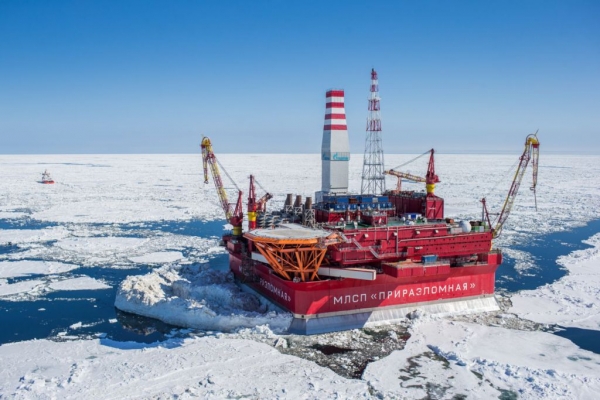
As summer ice retreats, a new ocean is emerging, which allows more opportunities for industrial development at sea, and on large parcels of land. Offshore petroleum installations and operations in the Arctic are expected to increase in number. This results in destruction of habitat, poisoning of the bears when they ingest oil and contaminated prey which causes disturbance in the food web. As traffic by oil tankers and cargo ships in Arctic waters increases, so do the oil spills and human disturbance to their habitat.

CLIMATE CHANGE

“Saving our planet, lifting people out of poverty, advancing economic growth… these are one and the same fight. We must connect the dots between climate change, water scarcity, energy shortages, global health, food security, and women’s empowerment. Solutions to one problem must be solutions for all.”

Climate is sometimes mistaken for weather. But climate is different from weather because it is measured over a long period of time, whereas weather can change from day to day, or from year to year. The climate of an area includes seasonal temperature and rainfall averages, and wind patterns. Different places have different climates. A desert, for example, is referred to as an arid climate because little water falls, as rain or snow, during the year. Other types of climates include tropical climates, which are hot and humid, and temperate climates, which have warm summers and cooler winters.

Climate change is the long-term alteration of temperature and typical weather patterns in a place. Climate change could refer to a particular location or the planet as a whole. Climate change may cause weather patterns to be less predictable. These unexpected weather patterns can make it difficult to maintain and grow crops in regions that rely on farming because expected temperature and rainfall levels can no longer be relied on. Climate change has also been connected with other damaging weather events such as more frequent and more intense hurricanes, floods, downpours, and winter storms. In polar regions, the warming global temperatures associated with climate change have meant ice sheets and glaciers are melting at an accelerated rate from season to season. This contributes to sea levels rising in different regions of the planet. Together with expanding ocean waters due to rising temperatures, the resulting rise in sea level has begun to damage coastlines as a result of increased flooding and erosion.

The cause of current climate change is largely human activity, like burning fossil fuels, like natural gas, oil, and coal. Burning these materials releases what are called greenhouse gases into Earth’s atmosphere. There, these gases trap heat from the sun’s rays inside the atmosphere causing Earth’s average temperature to rise. This rise in the planet’s temperature is called global warming. The warming of the planet impacts local and regional climates. Throughout Earth’s history, climate has continually changed. When occurring naturally, this is a slow process that has taken place over hundreds and thousands of years. The human influenced climate change that is happening now is occurring at a much faster rate. To avoid the worst effects of climate change, we need to dramatically reduce global carbon emissions. But we must also prepare for the significant and unavoidable consequences of carbon emissions such as increasing temperatures, shifting precipitation patterns, ocean acidification, sea level rise and the increasing intensity and frequency of extreme weather events. WWF works with local communities, governments and others around the world to help nature and people prepare for the many impacts of a changing climate. e are the first generation to feel the sting of climate change, and we are the last generation that can do something about it.

Climate Change and its Immediate future in India

One of the significant regions that will be affected by environmental change in its furthest point in the near future is South Asia, particularly India principally due to its different territory. Environmental change is required to have a genuine effect around here as the nation is quickly debilitating its regular assets subsequently, annihilating its current circumstance generally because of “urbanization, industrialization and financial development.” 

India faces a disturbing ecological and financial test in its push to ensure its quick draining of normal assets. Water and air quality are deteriorating step by step because of the increase of different toxins in the air. Furthermore, the areas that will be exposed to the most noteworthy openness to environmental change are the country’s waterfront eco frameworks, biodiversity and farming efficiency. Additionally, the locale is as of now subject to regular dangers, for example, the 2013 Uttarakhand floods, landslides, the 2015 Chennai flood and the 2016 dry spell. 

There is additionally proof of unmistakable expansions in the force or potential recurrence of numerous outrageous climate occasions, for example, heat waves, expanded droughts and serious precipitation. The antagonistic effects of such calamities range from hunger, weakness to infections, loss of pay and livelihoods.15 According to the World Bank, an increment of 2°C on the planet’s normal temperature in the following not many years will just make India’s rainstorm more erratic. The change in downpour designs across India is anticipated to leave various regions submerged and others without enough water in any event, for drinking. 

“In India, over 60% of the harvest region is downpour taken care of, making it profoundly defenseless against environment instigated changes in precipitation designs. It is assessed that by the 2050s, with a temperature increment of 2°C-2.5°C contrasted with pre-modern levels, water for rural creation in the stream bowls of the Indus, Ganges and Brahmaputra will decrease further and may affect food sufficiency for about 63 million individuals.” 

A hotter environment is likewise expected to hinder the neediness decrease rate. Despite the fact that environmental change will influence everybody’s lives in the area, poor people will be the most influenced as they are the once generally subject to rain-based farming and have no or insignificant assets to support their business. An expansion of 2°C by the 2040s will hit crop creation in South Asia as well and will lessen the yield by 12%, requiring more imports to satisfy needs at home. Likewise, diminishing food accessibility would lead to extensive medical conditions particularly among ladies and youngsters. Dissolving of icy masses and loss of 

Snow presents a critical danger to solid water assets in India. Fundamental waterways like the Ganges, Indus and Brahmaputra, rely altogether upon snow and frosty dissolved water, which makes them even more vulnerable to unfavorable effects of a dangerous atmospheric deviation. This could additionally expand the danger of flooding of low regions and represent a danger to horticulture. Having momentarily investigated the effect of environmental change, the accompanying area will have an endless supply of the new climate occasions that were generally an immediate consequence of environmental change in India.

Lower-carbon improvement, however, could yield quick advantages, for example, cleaner air, more prominent energy security and fast occupation creation. India’s environment targets are viewed as ‘2°C viable’, for example a decent amount of worldwide exertion. Be that as it may, seeking after a cleaner, more asset productive way could invigorate a quicker, more attractive monetary recuperation and secure India’s thriving and seriousness in the long haul.

‘Climate change and Corporate responsibility’

“We don’t inherit the earth from our ancestors, we borrow it from our children”   


According to united nations framework convention on climate change “Climate change means a change of climate which is attributed directly or indirectly to human activity that alters the composition of the global atmosphere and which is in addition to natural climate variability observed over comparable time periods”.

Climate is determined by many factors influencing energy flows the most important being greenhouse gases. Sun’s energy influences climate on earth. The amount of heat radiations which the earth receives depends on how far the sun is from the earth and the sun’s emission power. The sunlight received by earth, a part of it is reflected back to space by the atmosphere, clouds, land, water surface and ice. Aerosols tiny particles in the atmosphere can increase the reflection of sunlight. This solar energy absorbed by earth is returned to space as infrared (heat) radiations. Not all gases interact with infrared radiations. Some gases like water vapor, methane and carbon-dioxide absorb infrared radiation flowing upwards from earth’s surface and re-radiate it in all directions. They thus impede outward flow of infrared energy from earth to space. This is called ‘greenhouse effect and the gases that cause it are called greenhouse gases.


Climate change is a phenomenon which mainly occurs through natural or anthropogenic factors. Latitude, ocean currents, wind and air masses, elevation, relief and nearness to water are some important natural factors that affect climate change. Anthropogenic factors affecting climate change include air pollution from vehicles, crackers and industrial activity, overuse and exploitation of natural resources like fossil fuels and infrastructure activities lay roadway to development but at the same time affects climate severely.


Reducing climate change involves reducing the factors that affect it like greenhouse gases. We as citizens can reduce the human interference with climate change by lowering our fuel consumption which in turn is possible by using cycles instead of two or four wheelers, by using community vehicles more often, by walking to nearby areas instead of using vehicles, switching off power plugs when not needed, saving water by not wasting it while we bath, brush or clean things. United nations framework convention on climate change (UNFCCC) is an international environmental treaty addressing climate change, negotiated and signed by 154 states at the united nations conference on environment and development informally called the earth summit.  UNFCCC has its main objective to stabilize greenhouse gas concentrations in the atmosphere.  Today it has 197 member countries which ultimately works to prevent dangerous human interference with the climate system. Under this framework the industrialized countries have to report regularly on their climate change policies and measures, including issues governed by Kyoto protocol. They must also submit an annual inventory of their GHG emissions.


Kyoto protocol is an international treaty which extends the 1992 UNFCCC. Under this 192 nations committed to reduce their emissions by an average of 5.2% by 2012 which would be 29% of world’s total emissions. 

In 2019 a report published by the United Nations said that to limit the temperature rise to 2 degree Celsius, the world will need to cut emissions by 2.7 % each year from 2020 to 2030, and triple the climate targets. Even if all the Paris agreement pledges as they are in 2019, are fulfilled the temperature will rise by 3.2 degrees this century.  

“Corporate social responsibility is a concept whereby companies integrate social and environmental concerns in their business operations and in their interaction with their stakeholders on a voluntary basis.” 


CSR is termed as “triple-bottom-approach” which helps the companies in promoting itself as well as in fulfilling its responsibility that it hold towards the society at large. According to United Nations Industrial Development Organisation, CSR based on triple bottom line approach can help countries in the developing bracket to accelerate their socio-economic growth and help them become more competitive. Companies can fulfill their responsibilities through various activities like pollution control mechanisms, waste reduction or by contributing in educational and social programs. CSR is said to improve brand image of a company and increase its goodwill. 


There are three basic principles that comprise CSR- 

Sustainability- If resources of an organization are utilized efficiently then they will be available for the future generations too after satisfying needs of present generations. As the availability of resources is limited and non-renewable resources like oil, natural gas, minerals which are used in abundance are regenerated after long spans of years resources must be used optimally. 


Accountability- The main aim of a business organization is to maximise its profits. But apart from making profits a company should be accountable to its employees and community members. A satisfied and motivated workforce will work more productively than exploited workers. 


Transparency – From government’s point of view transparency is very essential for an organization. All its activities must be transparent so that if any organization tries to hide anything about the conduct of its activities it can be easily located.


Any actions that the organization undertakes has an effect on its external environment in which it resides whether it be social, legal, cultural or economic environment. An organization can have very significant effect on its external environment and can actually change that environment through its activities. Organizational activities can affect utilisation of natural resources, competition between various firms, land transformation or degradation dur to raw material extraction, distribution of wealth among owners and workers of the firm and the greatest of all affected is climate change due to greenhouse gas emissions. 


The most recent concern that every organization faces is effect of its activities on climate. Companies act, 2013 has formulated section 135, companies (corporate social responsibility) rules, 2014 and schedule VII which prescribes mandatory provisions for the companies to fulfill their CSR. A company or subsidiary of the company having net worth of Rs. 500 crore or more or turnover of Rs 1000 crore or more, or net profit of Rs. 5 crore or more during the immediately preceding financial year must undertake CSR activity. A foreign company having its branch office or project office in India, which fulfills the above criteria is applicable for CSR. However, if a company ceases to meet the above criteria for 3 consecutive financial years then it is not required to comply with CSR provisions till such time it meets the specified criteria.

Every company on which CSR is applicable is required to constitute a CSR committee with directors on its board. 


Functions of CSR committee- 


Formulate and recommend to the board a CSR policy which shall indicate all the activities to be undertaken by the company Recommend the expenditure required on the above mentioned activities. 

Monitor the CSR policy from time to time. 

Institute a transparent monitoring mechanism for implementing the CSR projects or programs undertaken by the company. The board of directors shall disclose contents of CSR policy in its report and the same shall be displayed on the company’s website. 

Schedule 7 of the act states the activities that the companies can undertake under CSR- 

Eradicating hunger, poverty and malnutrition, promoting health care including preventive health care and sanitation. 

Rural development projects.

Slum area development. 

Promoting education, including special education and employment enhancing vocation skills. 

Promoting gender equality, empowering women, setting up homes and hostels for woman and orphans, setting up old age homes, day care centers etc. 


About 20 most influential companies contribute one-third of all the greenhouse gas emissions that we have presently. Companies can reduce their greenhouse gas emissions as a part of social obligation, by following stringent guidelines. Smart thermostats and motion-activated lights can be used to avoid wasting energy, reducing GHG emissions. Companies can measure and analyse GHG emissions and accordingly reduce its energy consumption. They can use renewable energy sources, can use environment-friendly infrastructure and transport, promote environment-friendly ways of working and most important of all it can spread awareness among its employees and various stakeholders. 


Companies take actions to reduce GHG emissions in the environment. Microsoft has pledged to reduce operational emissions by 75% by 2030, but has been operating as 100% carbon neutral since 2012. Tata chemicals spent the highest on CSR in 2019, although its prescribed CSR budget for 2019-2020 was 21.39 Crores, the company spent 37.81 Crores on community development projects. Tata chemicals as a part of its CSR responsibility established Tata chemicals society for rural development in 1980 as a society and trust. 


Since the lockdown began TCSRD has been actively supporting government by distributing disinfectants, stitching masks, ensuring food security and providing medical help. Infosys Ltd. Spent 2% of its profit towards various schemes of corporate social responsibility. BHEL a government company as a part of its corporate social responsibility for COVID-19 relief , organized ‘Swachhata Pakhwada 2020’ from July 1 to 15, 2020. Mahindra and Mahindra ltd company spent 93.50 Crores out of which 8.36 Crore was spent on project Nanhi kali which provides educational support to underprivileged girls in India through an afterschool support programme.


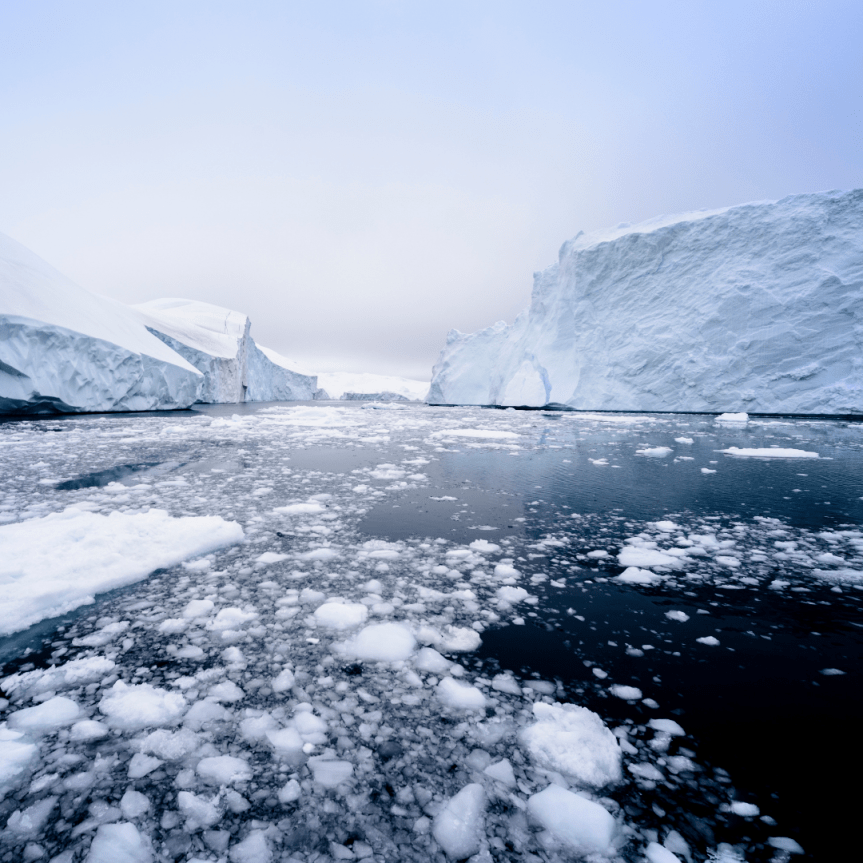
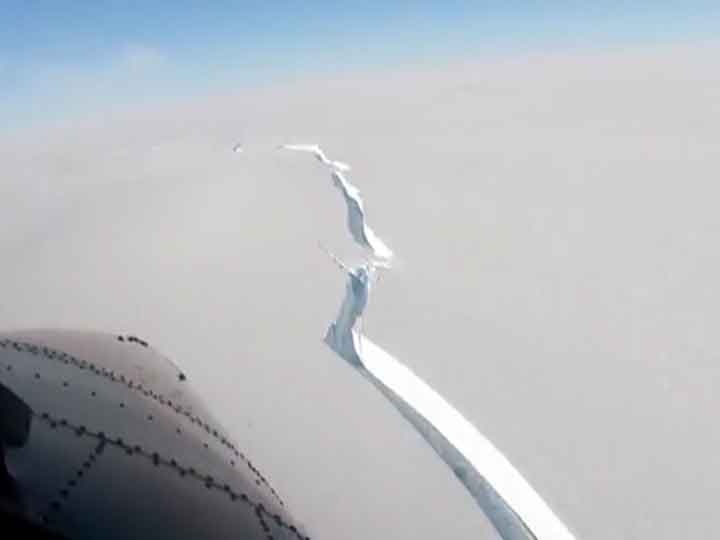
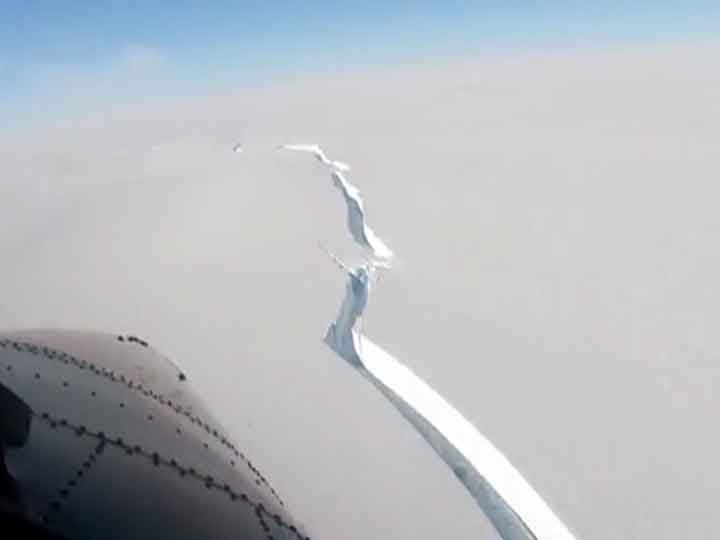
An massive iceberg, approx. the size of New Delhi broke off in Antarctica

(Image credit: Halley team/British Antarctic Survey)

An iceberg of 1270 sq. km in size has broken off from Antarctica. This happened in the Burnt Ice Shelf, the Iceberg is apparently is of the shape of Indian capital New Delhi. According to the reports it was breaking at the rate of 1km per day.

Icebergs are pieces of ice that have broken off from glaciers or ice shelves and are now floating in open water, according to the National Oceanic and Atmospheric Administration.

The North Rift crack grew toward the northeast at a rate of about 0.6 miles (1 km) per day in January; but on the morning of Feb. 26, the crack widened a couple hundred meters in just hours. This ice split happened due to a natural process, and there’s no evidence that climate change played a role, according to the statement. The Brunt Ice Shelf, a 492-foot-thick (150 meters) slab of ice, flows west at 1.2 miles (2 km) per year and routinely calves icebergs.

The thickness of the iceberg is 150 meters. A picture of this has also been released by the British Antarctic Survey. According to scientists the incident occurred in the Burnt Ice Shelf area. This disintegration is called ‘calving’, in which vast icebergs separate from the frozen area.

The current calving was first recorded in November 2020. By January 2021, the speed of its breakdown had reached one km per day, on Friday it was eventually declared broken. There is so much snow on Antarctica that if it breaks and melts in the sea, the water level will rise by 70 meters. Many cities and islands will be completely submerged.

Ice calving, also known as glacier calving or iceberg calving, is the breaking of ice chunks from the edge of a glacier. It is a form of ice ablation or ice disruption. It is the sudden release and breaking away of a mass of ice from a glacier, iceberg, ice front, ice shelf.

According to researchers “Our teams at B.A.S.(British Antarctic Survey) have been prepared for the calving of an iceberg from Brunt Ice Shelf for years,” Dame Jane Francis, the director of the B.A.S., said in a statement. “Over coming weeks or months, the iceberg may move away; or it could run aground and remain close to Brunt Ice Shelf.”

Why do icebergs melt?

When an iceberg reaches warm waters, the new climate attacks it from all sides. On the iceberg surface, warm air melts snow and ice into pools called melt ponds that can trickle through the iceberg and widen cracks. At the same time, warm water laps at the iceberg edges, melting the ice and causing chunks of ice to break off. On the underside, warmer waters melt the iceberg from the bottom up. This phenomenon of ice-calving happens over a long period of time but the fast paced climate change had accelerated the process.

Global Justice & Climate Change

A series of efforts to critique and develop theories of global justice have developed into major research programs for a range of political philosophers and theorists of late. Cosmopolitans argue that robust duties of justice exist between non-compatriots. Non-cosmopolitans either deny the existence of such duties of justice or assert that they are substantially less robust than those between compatriots.

The privilege of making use of fossil fuels has most often fallen to the comparatively wealthy sections of the world, while the burdens of climate change are obviously falling more drastically on the poor. The pressing question of who is responsible for the costs of climate change and the costs of adaptation to it lies at the heart of global justice. Another concern is how an international treaty will assign mitigation costs and whether costs will be assigned in a way that constrains poverty eradicating economic growth in the developing and least developed countries.

The United Nations Framework Convention on Climate Change (UNFCCC), formed by international treaty in 1992, is the international institution wherein international agreements dealing with climate change occur. Both the treaty and the institution that developed as a result of the treaty. The UNFCCC provides the institutional setting for international negotiations and the Convention provides a deliberative framework in a set of guiding norms.

Cosmopolitans are likely to favour distinguishing the burdens of responding to climate change in a way that provides allowances to developing countries. The Convention applies to a world characterized by extreme poverty and global inequality. Economic development can eradicate poverty but it is energy intensive. A climate change treaty that raises energy prices in the developing world threatens to slow, or prevent, the process by which billions of people may be raised out of extreme poverty.

Considerations of global justice and the Convention’s language of common but differentiated responsibilities have led some people to conclude that a morally acceptable international treaty should distribute various responsibilities of states according to their historic contribution of greenhouse gasses. This idea is subsumed in the polluter-pays-principle. The idea is that those who pollute should pay in proportion to their contribution to the overall pollution problem.

Meanwhile the ability-to-pay-principle assigns responsibility in proportion to an agent’s capacity. The ability-to-pay is often used in the assignment of burdens for financing state activities such as defence against various threats and the provision of certain aspects of the well-being of citizens.

Sustainable development, on the other hand, would be consistent with theories of global justice that require eradicating poverty or decreasing inequalities. It would also be in line with the Convention’s commitment to sustainable development, a comprehensive conception of which had been laid down in its preamble. The goal of development is to eradicate poverty- this requires economic growth, which in turn requires growth in energy consumption and, when cheap fossil fuels are used, a by-product of energy consumption is CO2 emissions. To achieve a poverty eradicating development, developed countries would have to cut down on their emissions heavily. Thinkers such as Darrel Moellendorf have gone on record to say that since emissions growth over the next several decades will come mostly from the developing countries, an effective climate change treaty ought to address their concerns.

Climate Change and Human Rights

It is an indisputable fact that climate change has detrimental effects on human beings and in particular on the disadvantaged. Yet, many normative frameworks of analysis tend to ignore the human rights angle.

Scholars such as Simon Caney believe that a Human Rights approach is the appropriate way forward to use as the main lens while viewing and analyzing Climate Change. Caney recognized three major elements of this.  1. Climate change jeopardizes some key human rights. 2. A human-rights-cantered analysis of the impacts of climate change enjoys several fundamental advantages over other dominant ways of thinking about climate change. 3. A human-rights-cantered analysis of the impacts of climate change has far-reaching implications for the kind of action that should be taken.

The need of the hour is an understanding among the international community at large that climate change isn’t simply a political or economic issue. It is very much a human rights issue, the biggest one of its kind. Problems such as greenhouse gas emission into the atmosphere, not only destroy ecosystems but at the same time, they also violate human rights.

The United Nations Environment Programme in its 2015 Climate and Human Rights report outlined that extreme weather events are more prevalent in a warming world, leading to death, destruction of property and crops and limited access to food, water, shelter, healthcare as well as education. This report hence highlighted the detrimental implications that climate change has on human life.

World leaders must understand the severity of the problem at hand. A lot is at stake for humanity and the question of human rights if we continue to delay climate action. Environmentalists believe that most effective option would be to reduce greenhouse gas emissions as quickly as possible. The impacts of the greenhouse gasses currently in the atmosphere will be felt for decades. Thus, applying a human rights approach is more crucial than ever before.

As climate change intensifies, people will be forced to adjust, invest big in infrastructure or migration. This shows that those who have more money can afford to escape severe damage. But those who are historically neglected or marginalized in will be further disadvantaged and threatened. This shows that climate change does not impact everyone equally. Low income communities, women will all be disproportionately affected as global temperatures rise. These groups will thus suffer the most due to climate change. But what this inequality of climate impacts could lead to is a continued hindrance to the progress of climate action as those better-off would continue to feel that they’re relatively safe from the adverse effects of climate change.

Thus, in order to level the playing field, it is crucial to recognize the adverse effects of climate change, which violates human rights and disproportionately affects communities that are already most vulnerable. The reason that we need a human-rights approach is because it attempts to protect the vulnerable, while a cost-benefit analysis fails to do so because of its character, and a security-based approach fails to do so because its concern is only with climate change that causes conflict.