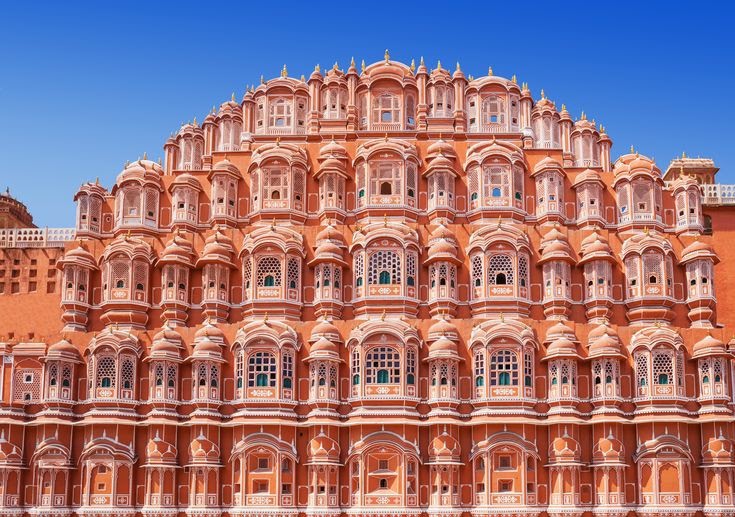
Jaipur: “The Pink City” of India and a epitome of Rich Culture

The very first thaught which comes to our mind when we think about jaipur is “The pink city” , but the glory of this historic city is not just limited limited to few historical events. It’s one of the most culturally rich city of india. Jaipur was founded in 1727 by the Kacchawa Rajput ruler Jai Singh II, the ruler of Amer, after whom the city is named. It was one of the earliest planned cities of modern India, designed by Vidyadhar Bhattacharya. During the British Colonial period, the city served as the capital of Jaipur State. After independence in 1947, Jaipur was made the capital of the newly formed state of Rajasthan.

Jaipur is a popular tourist destination in India and forms a part of the west Golden Triangle tourist circuit along with Delhi and Agra.On 6 July 2019, UNESCO World Heritage Committee inscribed Jaipur the “Pink City of India” among its World Heritage Sites. The city is also home to the UNESCO World Heritage Sites Amer Fort and Jantar Mantar.
History & Development

Unlike other medieval cities of the region, Jaipur was deliberately planned as a new city located on the plains and open for trade, as opposed to cities on hilly terrain and military cities of the past, though its planning still responded to the surrounding hill tops in all topography. The site selected within the valley that lay to the south of the Amber hills was comparatively flat and undeveloped. It was also adequately protected, nestled within hills having an array of forts and defence posts. Thus, the new city could be planned as an inviting trade and commerce city with an ambitious vision of the ruler Sawai Jai Singh II and his architect- planner Vidyadhar.

The City of Jaipur is an exceptional example of indigenous city planning and construction in South Asia. In a remarkable difference from the existing medieval practices where settlements developed in a more organic manner. It is an expression of the astronomical skills, living traditions, unique urban form and exemplary innovative city planning of an 18th century city from India.

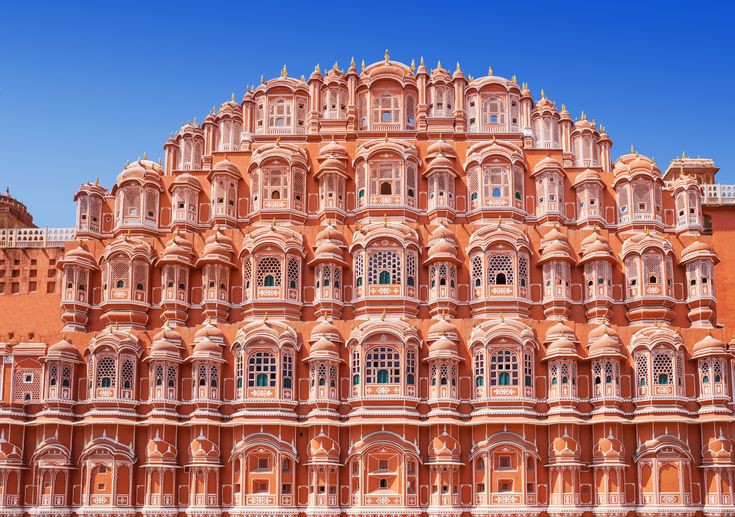
The design of the new city was a breath-taking departure from the prevalent practices in city development in the sub-continent. Its urban morphology reflected the coming together of cultural elements from eastern and western planning, expressing a culture of a ‘trade and commerce city’ and townscape that is unparalleled anywhere in South Asia. Envisaged as a trade capital, the main avenues of the city were designed as markets, which still remain as characteristic bazaars of the city. Chaupar, or designed large public squares at the intersection of roads, is another feature that is distinct to Jaipur as are its single and multicourt havelis and haveli temples. Besides an exemplary planning, its iconic monuments such as the Govind Dev temple, City Palace, Jantar Mantar and Hawa Mahal excel in artistic and architectural craftsmanship of the period.
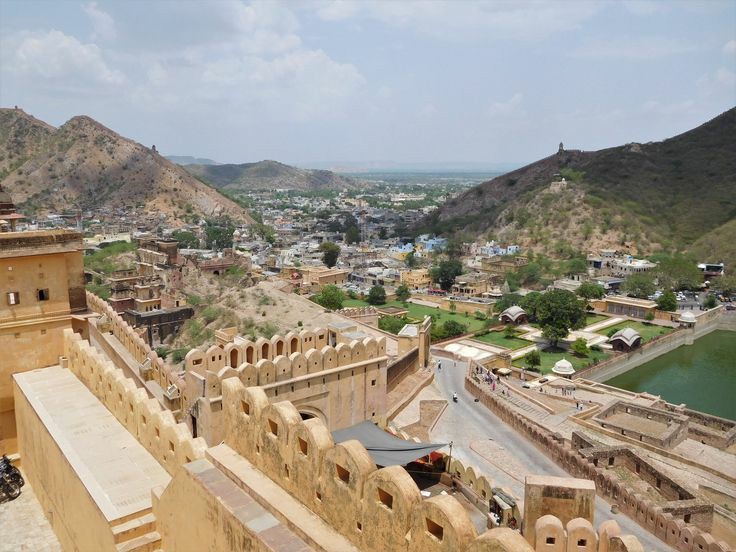
The boundaries of the property conform to the original 18th century plans of Sawai Jai Singh II and relate to the surrounding topography as well as the original vision for the planned city. The size and scale of all town planning elements such as width of roads, hierarchy of public spaces, open spaces, water bodies, built form all are intact as per the original plan. The iconic built heritage structures retain their original form, character and architectural style. Though some areas of bazars and inside havelis in chowkris are undergoing major changes, but most are still intact form and location.

it is an exemplary development in town planning and architecture that demonstrates an amalgamation and important interchange of several ideas over the late medieval period. It shows an interchange of ancient Hindu, Mughal and contemporary Western ideas that resulted in the customised layout of the city. It is believed that Raja Jai Singh arrived at the final layout after a thorough analysis of several town plans sourced from across the globe. Following the grid-iron plan prevalent in the west but with traditional zoning, superimposed by the desire to rival Mughal cities, Jaipur reflected new concepts for a thriving trade and commerce hub that became a model for the later towns in the adjoining Shekhawati region and others parts of Western India.
The inscribed area of the historic walled city of Jaipur within the walls and gates includes all of the attributes of the property (18th century town plan with its grid iron plan, chaupars, chowkris, city wall and nine city gates; urban form with 11 bazaar facades, shop typology along bazaars, havelis and haveli temples along bazaars and at chaupars, iconic monuments, gates leading to inner streets; craft streets and bazaar areas). The inner areas of chowkris and the related old havelis are not attributes of the property.

The tourist hub

Jaipur is always honored for its magnetic heritage beauty which is indiscreet from more than thousands of years. And, if you are a lover of the wild, culture and history, then travel to Jaipur and celebrate this day by visiting some of its Heritage Sites.According to TripAdvisor’s 2015 Traveller’s Choice Awards for Destination, Jaipur ranked 1st among the Indian destinations for the year.The Presidential Suite at the Raj Palace Hotel, billed at US$45,000 per night, was listed in second place on CNN’s World’s 15 most expensive hotel suites in 2012.
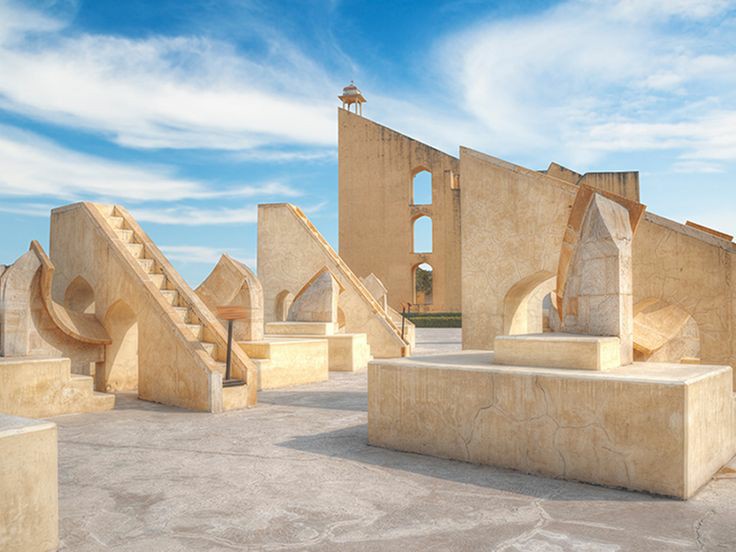
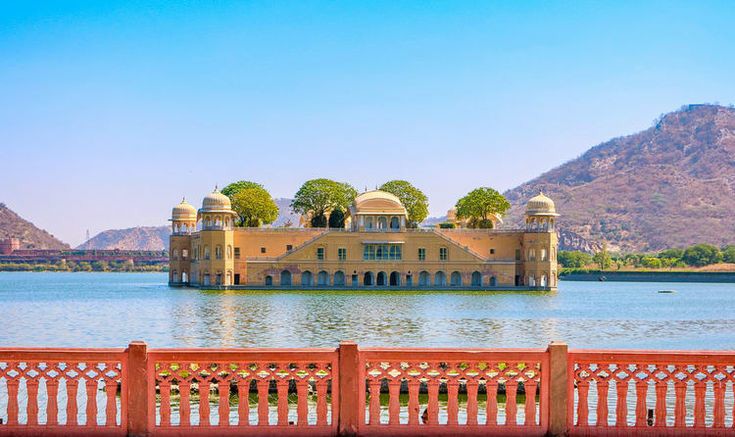
Visitor attractions include the Birla Auditorium, Albert Hall Museum, Hawa Mahal, Jal Mahal, City Palace, Amer Fort, Jantar Mantar, Nahargarh Fort, Jaigarh Fort, Birla Mandir, Galtaji, Govind Dev Ji Temple, Garh Ganesh Temple, Moti Dungri Ganesh Temple, Sanghiji Jain temple and the Jaipur Zoo.The Jantar Mantar observatory and Amer Fort are one of the World Heritage Sites.Hawa Mahal is a five-storey pyramidal shaped monument with 953 windows that rises 15 metres from its high base. Sisodiya Rani Bagh and Kanak Vrindavan are the major parks in Jaipur,Raj Mandir is a notable cinema hall in Jaipur.
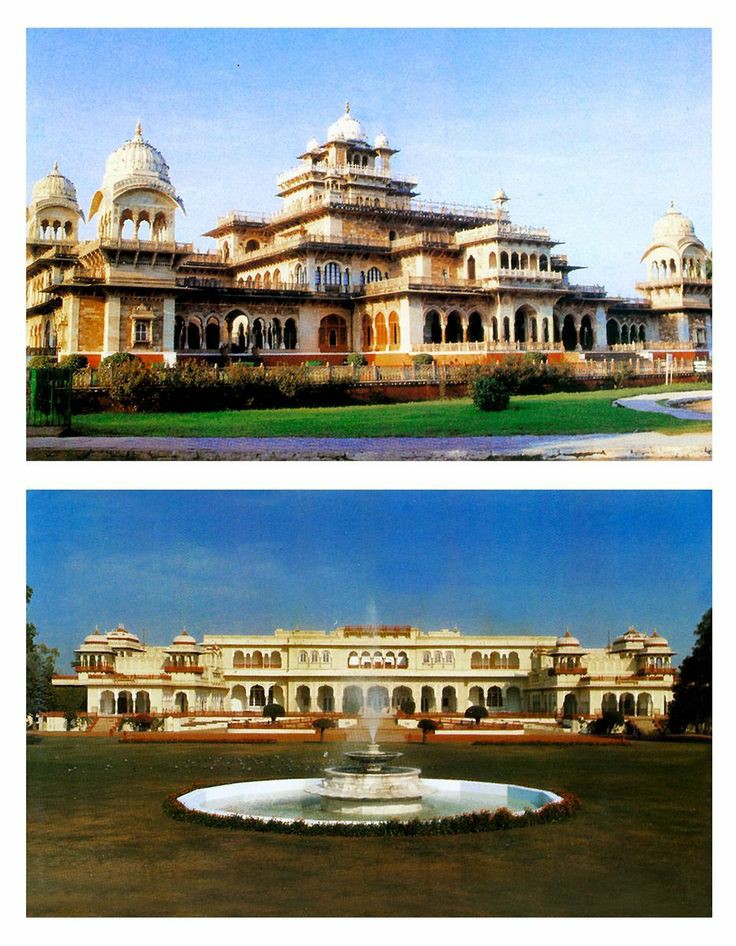
Jaipur has many cultural sites like Jawahar Kala Kendra formed by Architect Charles Correa and Ravindra Manch. Government Central Museum hosts several arts and antiquities. There is a government museum at Hawa Mahal and an art gallery at Viratnagar. There are statues depicting Rajasthani culture around the city.Jaipur has many traditional shops selling antiques and handicrafts, as well as contemporary brands reviving traditional techniques, such as Anokhi. The prior rulers of Jaipur patronised a number of arts and crafts. They invited skilled artisans, artists and craftsmen from India and abroad who settled in the city. Some of the crafts include bandhani, block printing, stone carving and sculpture, tarkashi, zari, gota-patti, kinari and zardozi, silver jewellery, gems, kundan, meenakari and jewellery, Lakh ki Chudiya, miniature paintings, blue pottery, ivory carving, shellac work and leather ware.

WHY INDIA IS INCREDIBLE ?

You may have heard the expression “Incredible India” commonly however the genuine significance behind this expression can fascinate you. Martin Luther King, Jr said that “To different nations, I might go as a tourist, however to India, I come as a pilgrim.” What is the genuine article that made our nation so incredible ? Life in India can be upbeat, intense, beautiful, distressing, tumultuous however never exhausting.

What makes India a great country — The Indian Panorama

India really sets an illustration of “Unity in diversity”. It’s practically difficult to track down some other country with as much variety as India. Every Indian state can be considered as another country since when you go there language changes, garments changes, food changes and way of life changes. Despite that we all have same thoughts and we live with each other peacefully.

11 Quotes About India By Famous Personalities

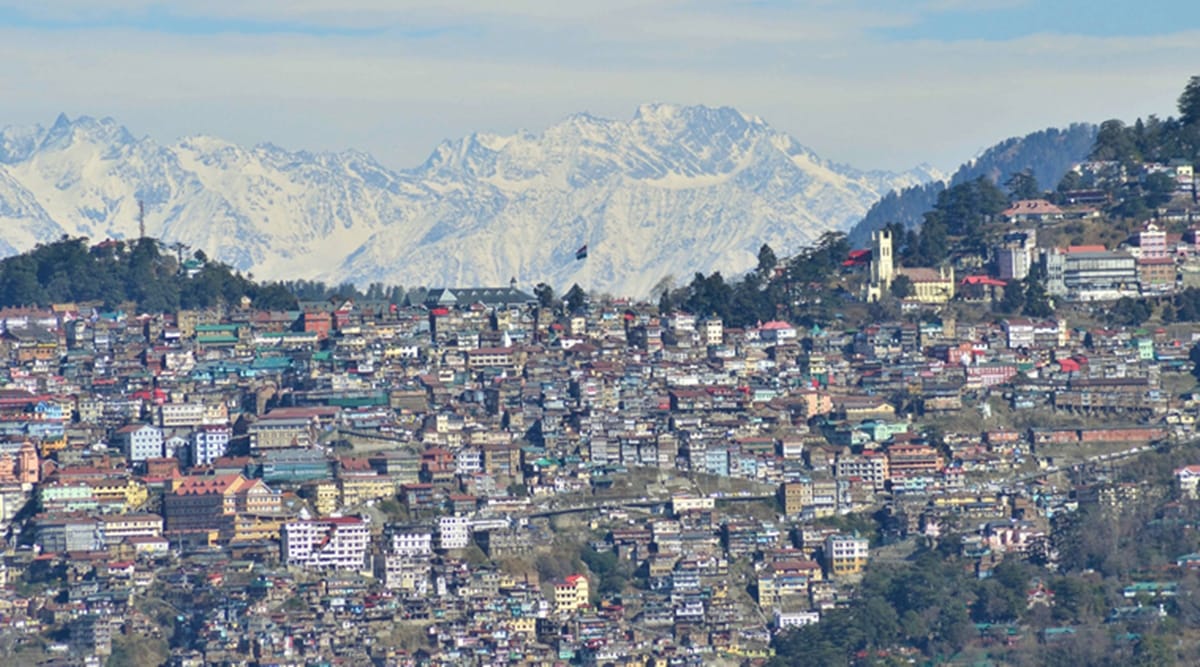
Not only that but people of different religions also live in India. That is the reason we have such countless celebrations which we praise all together. “Atithi Devo Bhava” which implies our guests are God to us. Indian food is overall mainstream you can’t get enough of it. Indian markets are open for both richer as well as poorer. Variety isn’t just among individuals yet additionally in climate. Assuming you need to see the warm places then, at that point deserts of Rajasthan can draw you in. However, assuming you need to see excellence of mountains you are generally welcome in Himachal Pradesh and Jammu Kashmir. Also there are numerous vacationer places in India which incorporate posts, sanctuaries, landmarks and some more.

50 years of Himachal Pradesh: A trip down the history lane | India News,The  Indian Express

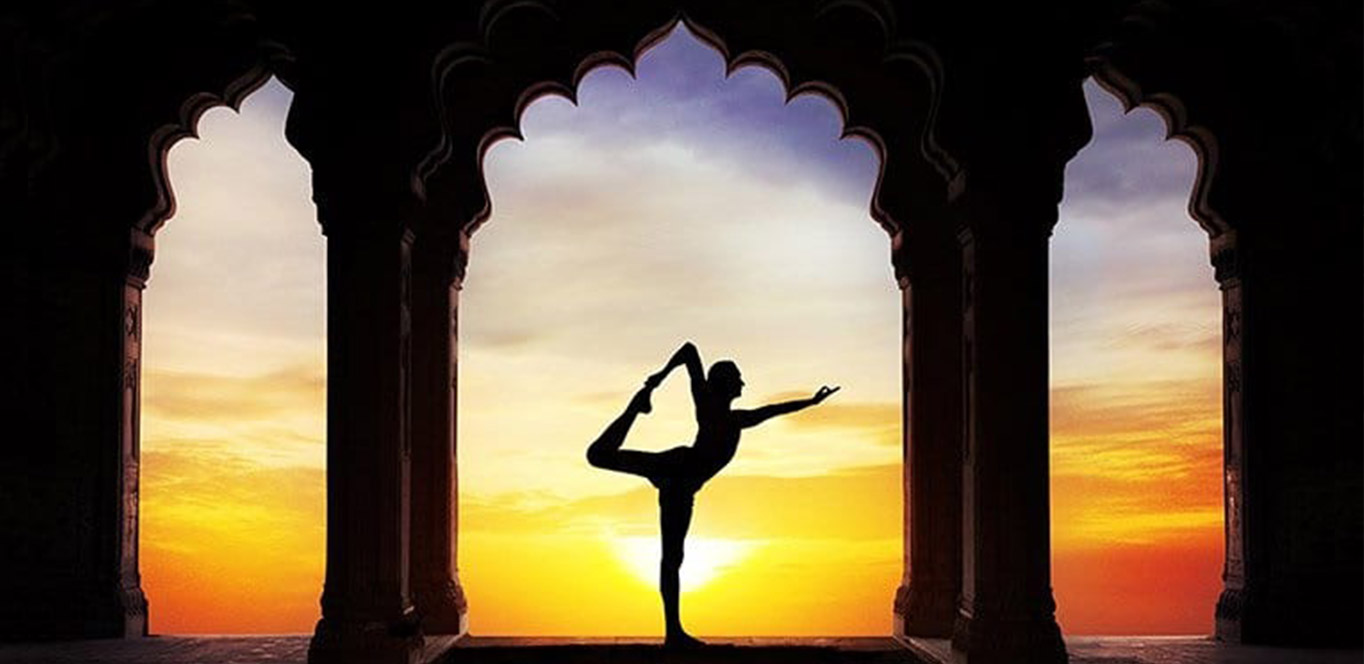
India is the land of Yoga. Yoga assists one with being truly and intellectually fit. It assists you with expanding your focus, give alleviation while having a pressure entire day. Subsequently, these all things demonstrate that why India is great. On this 75th Independence Day let us all make a promise to serve our country till death and endeavor to make India “The Best Nation in the World”. We are extremely fateful to be born in this Incredible Nation.

Yoga and Well-being - 15 Days - India Tour Guide & Driver

TOP 5 MAHARASTRIAN FOOD YOU MUST TRY

You haven’t tried any Maharashtrian dish till now? Ohh you must! What are you waiting for, here are some Maharashtrian foods for you, try these absolutely delicious Maharashtrian dishes and experience the cuisine in all its glory!

What comes in your mind when you think about Maharashtrian food, Mumbai’s famous Vadapao, Misal Pav from Pune, Kolhapur’s Tambda Rassa and many more. From Misal pav to Aamti to Bhelpuri, each one of them is a gem. So here are some famous and extremely tasty Maharashtrian foods for you.

1. Zunka Bhakar

Zunka Bhakar is a traditional meal of Maharashtrian people. It’s a meal of poor, who can’t afford any food, Zunka Bhakar is like a blessing for them. Every Maharashtrian loves Zunka Bhakar. Zunka is made with besan paste and served with bajra or jwari roti which is called as Bhakar.

2. Puran Poli

Puran Poli is like festival food for all Maharashtrian out there, its specifically made during all festivals like Diwali, Gudi Padwa even on birthdays Maharashtrians made Puran Poli. Made with gram flour and stuffed with sweet mixture of dal, this Maharashtrian bread is a sweet delight for your taste buds.

If you love sweets you should definitely try Puran Poli!

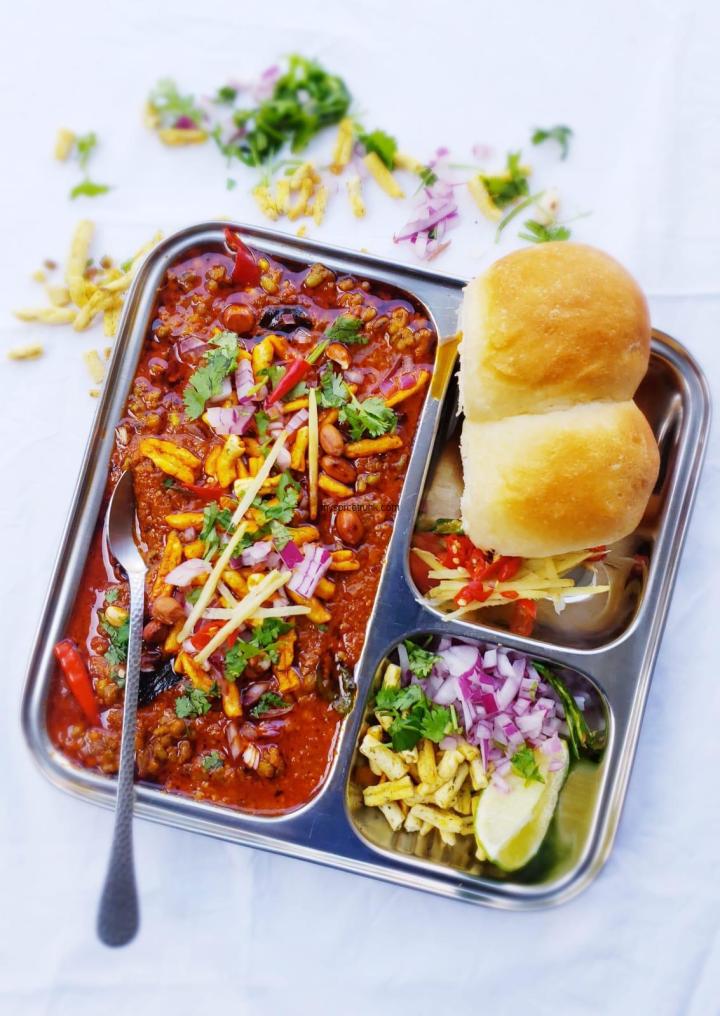
3. Misal Pav

Misal Pav is basically for breakfast but, you can had it anytime it’s a meal that can be had at any time of the day. If you are living in a Pune and you still haven’t tried Misal Pav then, what are you waiting for, you must try this out today!!

Misal Pav is made with potatoes, hot masalas and team up with bread to create a perfect, Maharashtrian meal.

4. Kandepohe

A famous Maharashtrian breakfast. For Maharashtrians Kandepohe with Chaha (tea) is like heaven. If we have any guests or any marriage proposal meeting exists, we Maharashtrians first made kandepohe, it’s like compulsory.

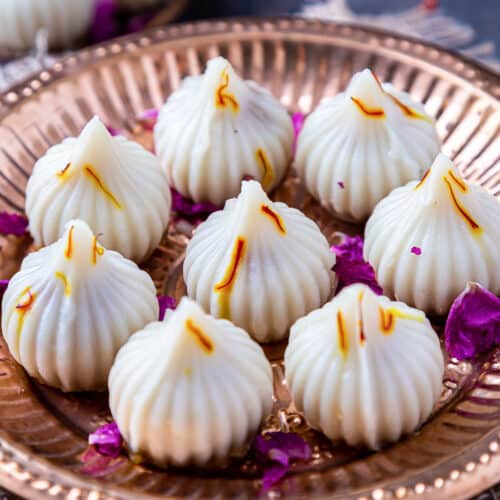
5. Modak

Modak, the favourite meal of Ganeshji, it’s specially made on Ganesh Chaturthi, Modaks are now made in many parts of the country as well. Sweet flour dumplings stuffed with coconut, jaggery, nutmeg and saffron.

Top 5 Major types of Farming.

Types of agriculture in India:

Agriculture is one of the most important fields in India as well as everywhere on earth. Without agriculture, we can’t imagine the world. So, it is compulsory to know the importance of various types of agriculture in India.

1. Primitive Subsistence farming

Primitive Subsistence Farming: This type of farming is practiced on small patches of land. Primitive tools and family/community labour are used in this type of farming. The farming mainly depends on monsoon and natural fertility of soil.

2.Dry farming

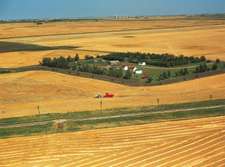
Dry farming or Dry Land Farming refers to an improved system of cultivation whereby maximum amount of water is conserved by soil and water management. It involves efficient system of soil and crop management in the regions of low land and uneven distributed rainfall.

3.Wet farming


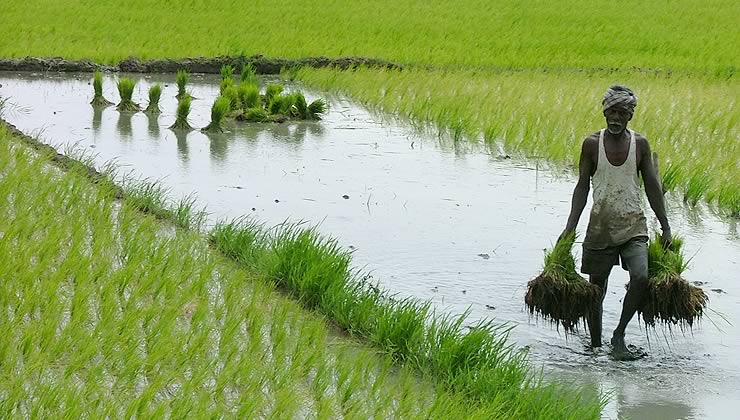
Wet Farming is practiced in the areas of alluvial soils where annual average rainfall is more than 200cm. Here, more than one crop is grown in a year because enough amount of moisture in the soil is available. Rice and jute are the main crops of these types of farming.

4.Shifting agriculture

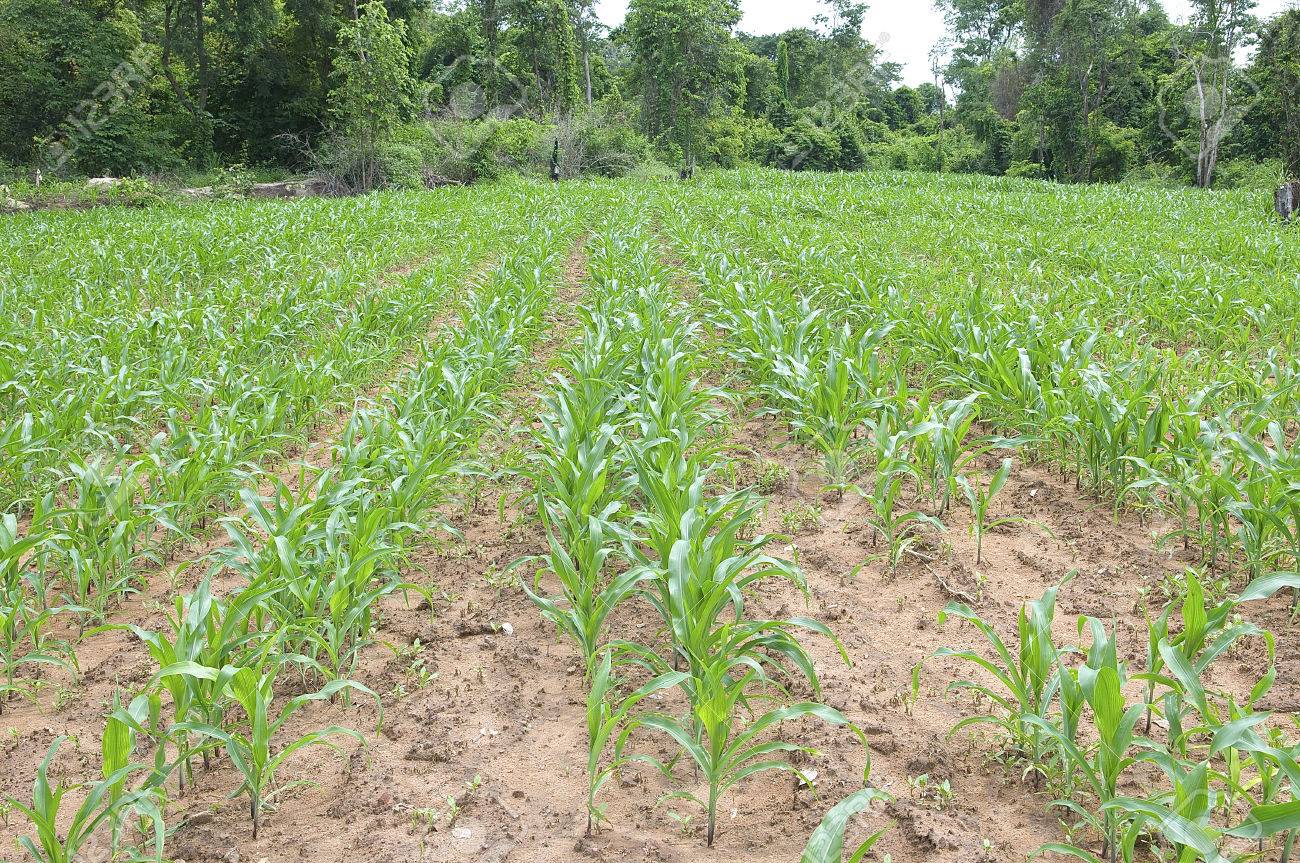
Shifting agriculture is a system of cultivation in which a plot of land is cleared and cultivated for a short period of time, then abandoned and allowed to revert to producing its normal vegetation while the cultivator moves on to another plot.

5.Mixed and Multiple Agriculture

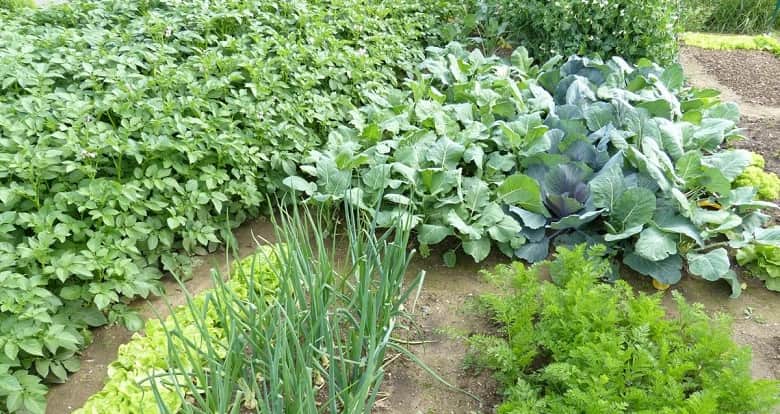
Mixed cropping is the practice of cultivating more than one crop, that is growing of two or more crops simultaneously in the same field

2010 v/s 2020

We no longer smile at people

It has been ages since I last smiled at an unknown stranger when our eyes met. Social media, news, movies, has made us so uptight and alert that our natural reflex has shifted from smiling to suspecting them.

We no longer enjoy food as we did

Snapchat and Instagram have made people forget the value of here and now. Instead of being happily in the present moment, we are often more focused on portraying a happy life which may be far from the reality. The satisfaction of the first sip of the morning tea or the first bite of the domino’s pizza doesn’t feel the same as it did a decade ago. The first thought that we have when we see a delicious food now is to click a perfect picture to show other’s how wonderful our life is.

We no longer see Bollywood as we did before

A decade back movie stars were famous for their work and that was enough in itself. Acting was seen as a profession and a job. However, the current Bollywood seems more like a political party than a show business. It is not the work but the lives of the celebrities that we are most interested in. Political leaders are supposed to have opinions and that is what is to be taken seriously by the people. However, now it is the opinions of our favourite celebrities that we are more into.

We no longer have real meaningful bond

The friendship and relationship trends have changed since the last decade. There were more meaningful bonds between link minded people who were true to one another (even behind their back). However, now the long evening chai meets have turned to Starbucks coffee meets. Where though we are physically together, but mentally and emotionally far into two different worlds in our mobile phones.

KNOW YOUR CHOCOLATE – CACAO OR COCOA?

Cacao tree belongs to the family Malvaceae, native to the deep tropical regions of Mesoamerica. Its seeds and beans are used to make chocolate liquor, cocoa solids, cocoa butter and chocolate.


Yes, you heard me right. Cocoa are Cacao are different from one another. Though they start their journey from the same station i.e. the cacao plant, yet they end up to different final destinations with major differences in their nutritional values.
Theobroma cacao or the cacao tree, also known as the ‘food of the Gods’ produced many cocoa pods. These pods include beans (which are later converted into cocoa or cacao) and a white fleshy pulp called Baba (which is used in making white chocolate).


Cocoa starts its journey from cacao. Cacao seeds are raw beans from the cacao plant. They undergo fermentation process that develops their distinct chocolate flavour and aroma. The dried, roasted and crushed beans then form nibs that are used to make cocoa.

It is the roasting process that converts cacao to cocoa. Cacao is made from fermented, dried, unroasted cacao beans. Being unprocessed they contain a higher amount of nutritional values that the cocoa looses to the heat. The roasted beans are further treated with alkaline to reduce its bitterness. This makes them loose 60% of their flavanol.

Cacao contains flavanols, which have various antioxidant, heart-protective and anti-cancer properties. They are a good source of several minerals, including selenium, magnesium, chromium and manganese. They are rich in tryptophan, an amino acid our body uses to make serotonin (a brain chemical that helps the mind relax).
The polyphenols in cacao is linked to numerous health benefits, including reduced inflammation, better blood flow, lower blood pressure and improved cholesterol and blood sugar levels


Bottom line : Higher bitterness indicates higher content of cacao, and hence provides more nutritional benefits.

Communication skills

Good communication is very important to convey what is there in the mind. Whatever language, communicating in a understandable way is very important. communication today is very important both in the business world and in private life.

Even though the person is good at skills and is capable of doing things better, lack of communication degrades the skills and brings a negative mark on the person which is a bad thing for the individual.

Top 5 communication skills and How to improve them

Developing strong communication skills is essential when it comes to building a successful careee. Communication skills play a key role in your private life too. These 5 skills are absolutely necessary for sucessful commuincation in the workplace or private life.

1. Listening :

Listening is one of the most important aspects of communication. Successful listening is not just and understanding of spoken or written information, but also an understanding of how the speaker feels during communication. If a speaker can see and feel that someone is listening and understanding that can help build a stronger, deeper realtionship between interlocutors.

Careful listening can also create an environment in which everyone feels safe to express ideas, opinions and feelings, or plan and solve problems in a creative way.

2. Straight talking :

Conversation is the basis of communication, and one must not neglect its importanc. Even a simple, friendly conversation with colleafues can build mutual trust and even detect problems before they become serious. A healthy does of chatting with and unknown person can lead to a business opportunity . Be accessible and friendly because then you will be able to talk to almost anymore.

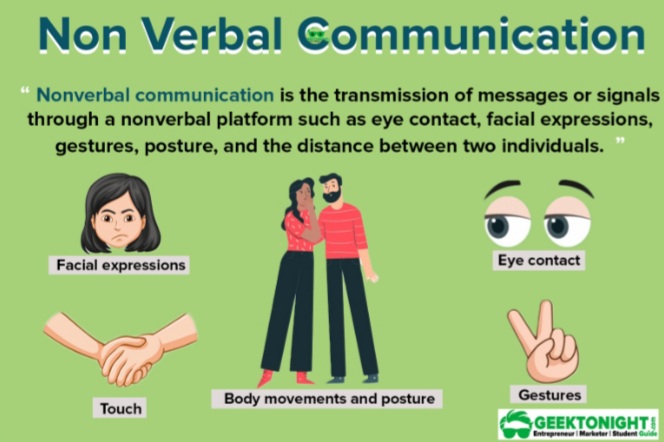
3. Non- verbal communication :

When we talk about things that matter to us then we send a lot of nonverbal messages. Non verbal signals are wordless communication, body position, facial experssion, hand movements, gestures, eye contact, attitude and tone of your voice, muscle tension and the way you breathe. The way you look, listen create, react, gesture , speaks far more about feelings than words will ever be able to.

4. Stress Management :

In small quantities, stress can be very useful and encouraging for work . However, when the stress becomes constant and completely begins to take effect, it can affect communication, clarity of opinion and appropriate behavior and action. When you are under stress you may misunderstand other people, send confusing nonverbal signals, and use funny patterns of behavior.

5. Emotion control :

In communication, feelings play an important role. Making decisions more often affects the way you feel than the way you think. Gudided by emotions, your nonverbal behavior affects the understanding of other people and how others understand and perceive you. Control of emotions provides you with tools to understand others, yourself and the messages you send. Though recognizing feelings makes it simple, many people have strong feeling like anger, sorrow, or fear being pushed under the carpet.

Importance of communication :

Communication thus helps understand people better removing misunderstanding and creating clarity of thoughts and expression. The communication brings people together, closer to each other. The communication is an important management function closely associated with all other managerial functions.

Everybody has their own way of communicating. It is influenced by cultural background, the way someone was raised, their gender, their temperament, and much more. At that point true communication may become utterly impossible. Sometimes we may have a difficult time understanding anothers feelings , needs and habits.

* communication serves four major functions with a group of organization :

* control

* Motivational

* Emotional expression

* Information

* communication serves five major purposes :

* to inform

* to express feelings

* to imagine

* to influence and

* to meet social expectations

For example:

For instance, if an individual is going to an interview with great confidence. An individual who is good at different kinds of skills, and also good at executing them and he is lack of communication skills. As the person is not a good communicator, the person faces difficulty in explaining the things to the other person which is known to him. Instantly, this brings a bad impression on the person and a negative mark will be marked on him. The negative mark has a lot to do with. The negative mark can also lead to the rejection of the person in the interview.

Being knowledgeable is very important to achieve certain goals in life, attaining good communication skills and being a good communicator is also equally important to achieve high in the life. Being a good communicator is not A big deal. It is so easy as the lifestyle. Any individual can be good communicator if he communicates all the time with other people in the possible way.

BIRIYANI : THE BLESSINGS OF MUGHALS

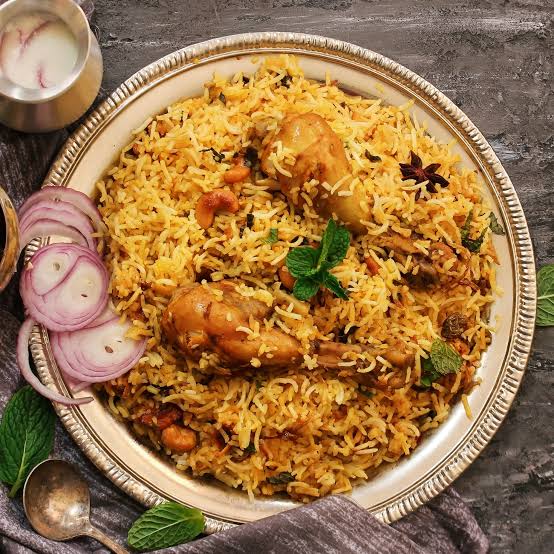
The origin of biriyani in India is uncertain. Many theories are put forward in the origin of Biriyani in our country. The delicacy is considered as a food pride of our country. According to historian Lizzie Collingham, the modern biryani developed in the royal kitchens of the Mughal Empire (1526–1857) and is a mix of the native spicy rice dishes of India and the Persian pilaf.Indian restaurateur Kris Dhillon believes that the dish originated in Persia, and was brought to India by the Mughals. Pratibha Karan the author of the book “Biriyani” says that it is derived from a South origin dish called pilaf . She speculates that the pulao was an army dish in medieval India. Armies would prepare a one-pot dish of rice with whichever meat was available. Over time, the dish became biryani due to different methods of cooking, with the distinction between “pulao” and “biryani” being arbitrary.

Biriyani ❤️

INGREDIENTS

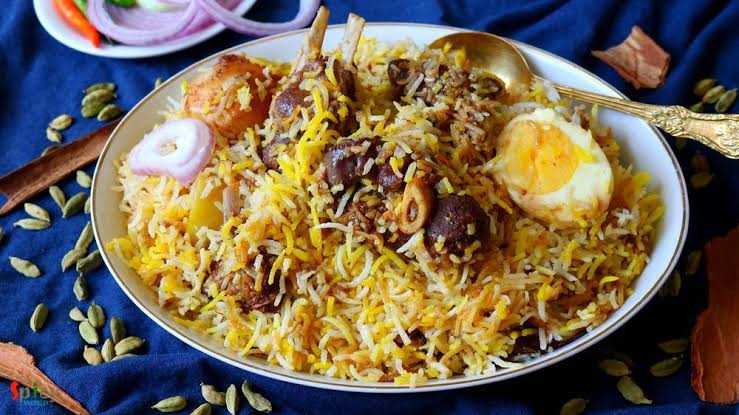
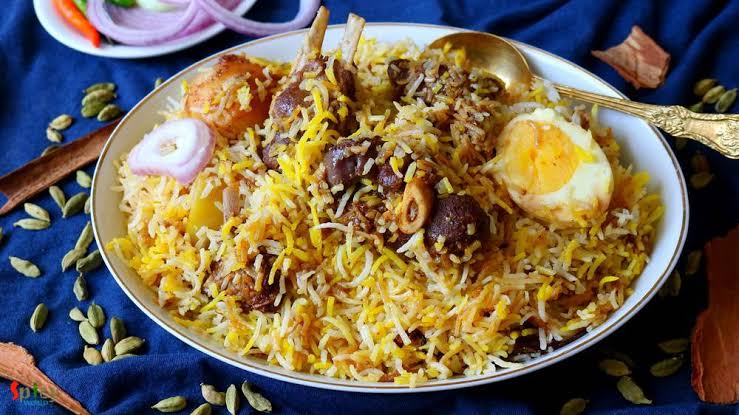
The spices and condiments used in biryani may include ghee (clarified butter), nutmeg, mace,pepper, cloves, cardamom, cinnamon, bay leaves, coriander, mint leaves, ginger, onions, tomatoes, green chilies, and garlic. The premium varieties include saffron.

The main ingredient that usually accompanies the spices is chicken or goat meat; special varieties might use beef or seafood instead. The dish may be served with dahi chutney or raita, korma, curry, a sour dish of aubergine (brinjal), boiled egg, and salad.

The taste of India

VARIETIES OF BIRIYANI

There are many types of biryani, whose names are often based on their region of origin. For example, Sindhi biryani developed in the Sindh region of what is now Pakistan, and Hyderabadi biryani developed in the city of Hyderabad in South India.

Some have taken the name of the shop that sells it, for example: Haji Biriyani, Haji Nanna Biriyani in Old Dhaka, Fakhruddin Biriyani in Dhaka, Students biryani in Karachi, Lucky biryani in Bandra, Mumbai and Baghdadi biryani in Colaba, Mumbai. Biryanis are often specific to the Muslim communities where they originate; they are usually the defining dishes of those communities.

KOLKATA BIRIYANI

Calcutta or Kolkata biryani evolved from the Lucknow style, when Awadh’s last Nawab Wajid Ali Shah was exiled in 1856 to the Kolkata suburb of Metiabruz. Shah brought his personal chef with him. The Kolkata biriyani is characterized by the unique presence of potato in it, along with meat. It is said that the Nawab, having is lost his kingdom, could not afford meat, so his chefs tried to compensate by adding potato.

Kolkata biriyani
Biriyani is a dish which brings pride to our food culture
Anuj Das

Indian culture

Different types of cultures in India

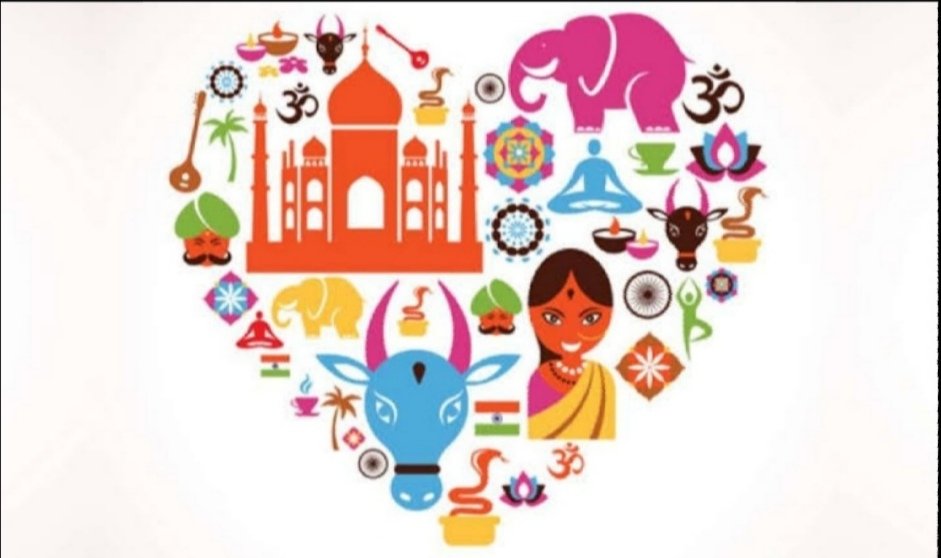
And Indian culture is the one of the most liked culture by all other countries in the world. The around the world get attract to our culture fastly. Because our culture is not boughted by sentimentally. There is a scientific reason behind every culture in India.

In india the culture is different from North to South. We can see lot of difference.

North culture

Traditions

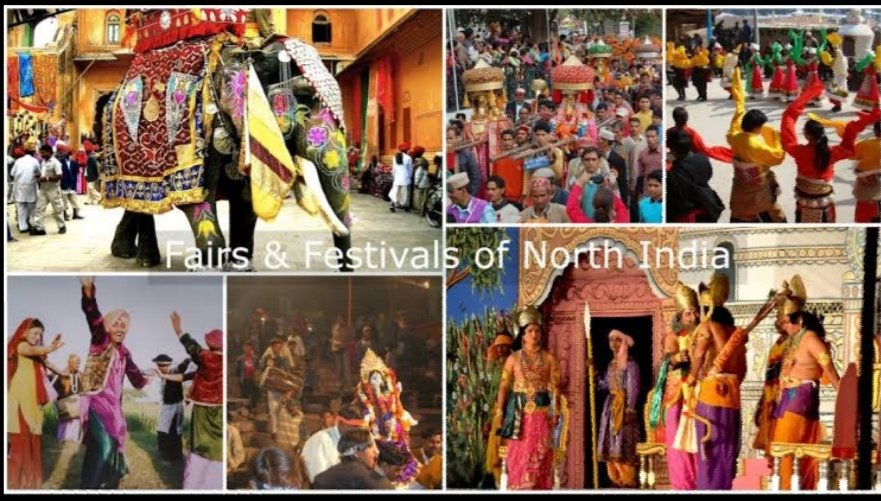
There are so many festivals that are celebrated widely in North India with pomp and show like Dusshera, Diwali, Karvachauth, Holi, Navratri, Shivratri, Guru Nanak Jayanti. Many festivals are called with different names in various regions but are same North India festivals are celebrated in Uttarayana. Ram Navmi and Janamasthami related to Lord Rama and Krishna are give importance in the North

Different festivals in North

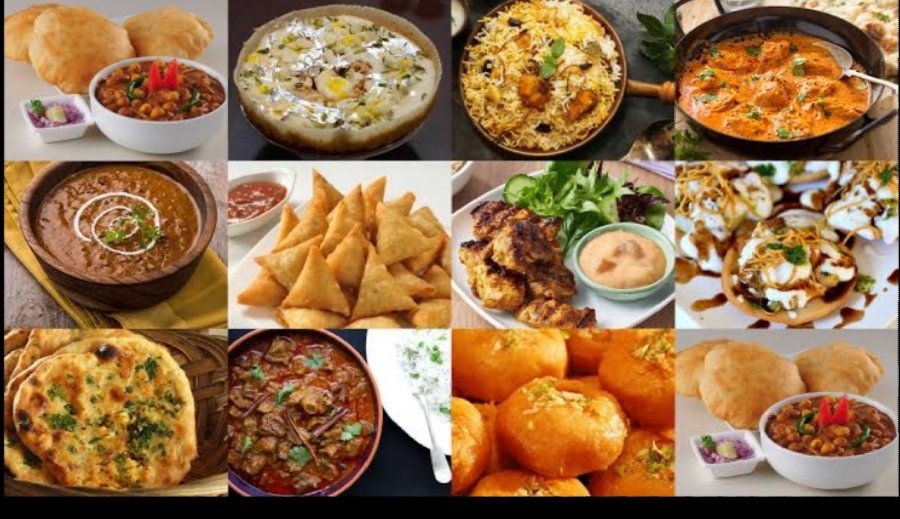
Food

Differnt foods in north are samosa, chats, tandoori chicken, chloe bhatore, amristari kulcha, dal makahani, in north most of them eats roti every night.

North Indians eats very spicy food compare to South Indians they also eats street food a lot

South culture

Traditions

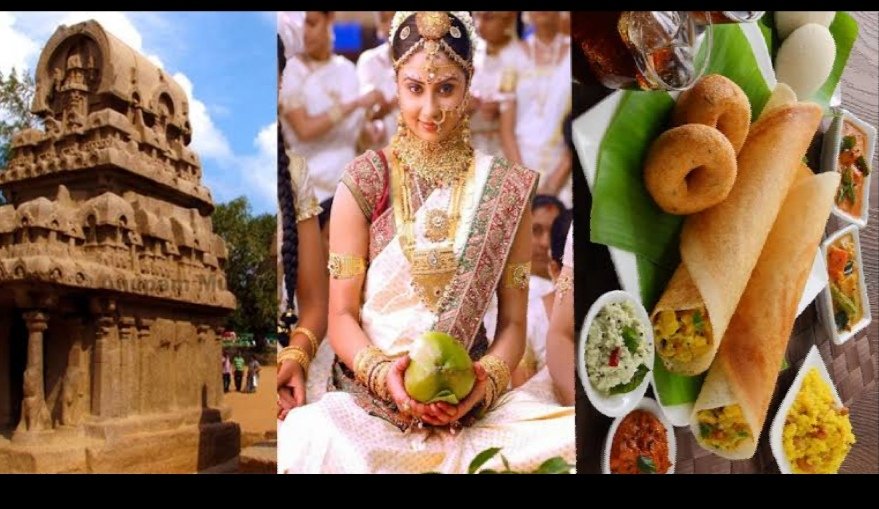
South Indian culture refers to the culture of the South indian states of andhra pradesh, kerala, tamilnadu, telangana. South Indian culture, though with its visible differences, forms an important part of the Indian culture. The people from different place attract to the South indian culture enteranally. Not only the people from India also from other countries like the South indian culture and they also follow these. And the clothing, dancing and scluputers are very famous from India. And for entertainment purpose there is a huge cinema following in South and there are different types of dances like bahartahnatyam, kuchipudi, kathak and etc.. And the languages speak in South are malyalam, tamil, telugu mostly.

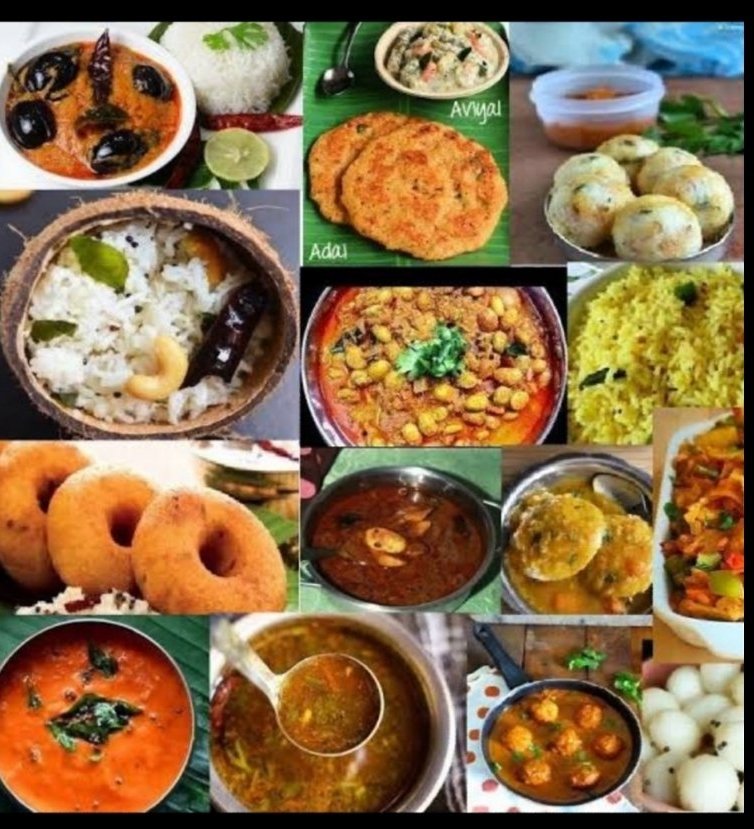
FOOD

South indian food is very tasty. there are differnet types of food items idly, vada, sambar, dosa and onion dosa and in South mostly the people were brahmins and non veg items fish, chicken and mutton are also very famous. And avakay is very famous for telugu people. And for tamil people sambar. And in kerala there were many coconut trees. And they use mostly tha coconut oil. And pulihora is very famous dish in South.

CONCLUSION

And at last the culture is different in South and North but over all the culture of india is very famous in over all universe because it hits very different and attractive from culture in another counties.