The National Human Rights Commission (NHRC), India is organizing a three-day Capacity Building Programme on human rights for the officials of State Human Rights Commission, Arunachal Pradesh, at New Delhi. The programme is a part of the ongoing initiative of the Commission to reach out and help in the capacity building of the State Human Rights Commissions (SHRCs) for protection and promotion of human rights of all. The NHRC works in tandem with SHRCs and other such bodies to protect and promote human rights in the country.
In his opening remarks, Mr Bharat Lal, Secretary General, NHRC emphasized that sensitivity, promptness and responsiveness are important traits to dealing with human rights issues and violations. The NHRC and SHRCs are part of a framework in the country to ameliorate the cause of human rights. The programme has been designed for having interactive sessions.
Mr Lal underscored the importance of proactive and speedy redressal of complaints to provide relief to the victims of human rights violations. This would help people to develop faith in the system. The three-day programme would enable the officers to understand how the system should be functioning. He expressed the hope that the exposure to the structured functioning of the NHRC, within the ambit of the Protection of Human Rights Act, 1993 would be useful for the officers of the APSHRC.
Earlier, the APSHRC Acting Chairperson, Mr Bamang Tago thanked the NHRC, India for organizing this programme. He said that the APSHRC is relatively a new SHRC, therefore, this capacity building programme is crucial for its officers, particularly in terms of learning the handling, registration and disposal of cases from the NHRC given its experience over the past three decades. He expressed the hope that the training would help not only the SHRC as an organization but also each participant individually in deepening their understanding of human values and the rights in the country.
At the start of the 3-day programme, Shri Devendra Kumar Nim, Joint Secretary, NHRC said that it would equip the officers towards promoting and protecting the rights of the people. Their exposure to the functioning of the NHRC which inter alia includes registration and processing of complaints, enquiries, training, research, international mechanism, outreach activities, media and communication, publications, etc. may support them in carrying out their work more efficiently and effectively, to build a shared vision of protecting and promoting human rights in the country.
Union Minister of State (Independent Charge) Science & Technology; Minister of State (Independent Charge) Earth Sciences; MoS PMO, Personnel, Public Grievances, Pensions, Atomic Energy and Space, Dr Jitendra Singh has launched Grievance Redressal Assessment and Index (GRAI) 2023 in the presence of Shri V. Srinivas, Secretary, Department of Administrative Reforms and Public Grievances (DARPG), Govt. of India.
Grievance Redressal Assessment and Index (GRAI) was conceptualized and designed by the DARPG, Govt. of India based on the recommendation of Parliamentary Standing Committee of Ministry of Personnel, Public Grievances and Pensions with an objective to present organigation-wise comparative picture and provide valuable insights about strengths and areas of improvement regarding grievance redressal mechanism. The first edition of GRAI 2022 was released on 21 June 2023.
Eighty-nine Central Ministries and Departments were assessed and ranked based on a comprehensive index in the dimensions of (1) Efficiency, (2) Feedback, (3) Domain and (4) Organisational Commitment and corresponding 11 indicators. To compute the index, data between January and December 2023was used from the Centralised Public Grievance Redressal and Management System (CPGRAMS).
As part of GRAI, Ministries and Departments are grouped in three groups based on the number of grievances registered in calendar year 2023 at CPGRAMS viz.
Groups
Registered Grievance Range
No. of Ministries/Departments
A
registered grievances > 10,000
28
B
registered grievances 2,000 to 9,999
33
C
registered grievances < 2,000
28
Department of Agriculture and Farmers Welfare, O/o the Comptroller & Auditor General of India and Department of Investment & Public Asset Management have topped the rankings in Group A, B and C respectively. A detailed list with top three Ministries and Departments in composite and dimension-wise ranking is as follows:
#
Rank 1
Rank 2
Rank 3
Group A:Grievances > 10,000
Composite
Department of Agriculture and Farmers Welfare
Department of Posts
Ministry of Cooperation
Efficiency
Ministry of Cooperation
Department of Telecommunications
Ministry of Labour and Employment
Feedback
Department of Agriculture and Farmers Welfare
Central Board of Direct Taxes (Income Tax)
Department of Defence
Domain
Unique Identification Authority of India
Ministry of Home Affairs
Ministry of Cooperation
Organisational Commitment
Department of Posts
Department of Telecommunications
Ministry of Corporate Affairs
Group B:Grievances 2,000 – 9,999
Composite
O/o the Comptroller & Auditor General of India
Department of Land Resources
NITI Aayog
Efficiency
Department of Legal Affairs
Department of Land Resources
NITI Aayog
Feedback
O/o the Comptroller & Auditor General of India
Department of Expenditure
Department of Financial Services (Pension Reforms)
Domain
Department of Land Resources
Ministry of Parliamentary Affairs
Ministry of Drinking Water and Sanitation
Organisational Commitment
Department of Empowerment of Persons with Disabilities
Department of Land Resources
Ministry of Ayush
Group C:Grievances < 2,000
Composite
Department of Investment & Public Asset Management
Ministry of Development of North Eastern Region
Department of Pharmaceuticals
Efficiency
Department of Investment & Public Asset Management
Ministry of Development of North Eastern Region
Ministry of Mines
Feedback
Department of Pharmaceuticals
Department of Public Enterprises
Department of Investment & Public Asset Management
Domain
Ministry of Development of North Eastern Region
Department of Youth Affairs
Department of Bio Technology
Organisational Commitment
Department of Official Language
Department of Chemicals and Petrochemicals
Legislative Department
In the GRAI 2023report released by DARPG, detailed Root-Cause Analysis has been included with specific inputs on areas of further improvement. This report presents a two-dimensional (vertical and horizontal) analysis of the root causes of effective redressal of grievances of each Ministries and Departments in an easily discernible colour coded analysis. The report also presents brief description of technical partners DARPG has engaged to facilitate the Ministries and Departments to optimally utilize CPGRAMS as a means of effective grievance redressal media.
Over the years, CPGRAMS has become a key tool for enhancing government accountability and transparency by enabling citizens to file and track grievances online. The Commonwealth Secretariat has recognised CPGRAMSas a best practice in Commonwealth Secretaries of Public Service / Secretaries to Cabinet meeting in April 2024.
The GRAI 2023 report presents a clear roadmap with an advisory for the Ministries and Departments to leverage CPGRAMS and its features like IGMS 2.0, TreeDashboard, etc., to enhance grievance redressal. The roadmap for improvement emphasizes integrating advanced technologies like AI and ML for data analysis, predictive analytics and preventive measures while revising ATR formats for better reporting. Capacity building for GROs, enhancing accountability through audits and extending CPGRAMS integration to the third-tier of government are key recommendations.
ESCI stands for the Emerging Sources Citation Index, a research database managed by Clarivate, which is a global leader in research analytics. The ESCI was launched in 2015 as part of Web of Science, a platform that includes several well-known citation indices, such as the Science Citation Index (SCI), Social Sciences Citation Index (SSCI), and Arts & Humanities Citation Index (AHCI).
ESCI journals represent a category of scholarly journals that are in the process of being evaluated for inclusion in the more prestigious citation indices, such as SCI or SSCI. These journals are typically emerging or have demonstrated an increasing impact in their respective fields but have not yet achieved the citation levels or broad recognition necessary for inclusion in the more established indices.
In this article, we will dive into the following aspects of ESCI journals within Clarivate’s Web of Science:
What is ESCI?
Criteria for ESCI Journal Inclusion
Differences Between ESCI and Other Citation Indices
Importance of ESCI Journals
How ESCI Affects Researchers and Authors
How Journals Get Indexed in ESCI
List of ESCI Journals and their Scope
ESCI Journals and Academic Career Progression
1. What is ESCI?
The Emerging Sources Citation Index (ESCI) is an index introduced by Clarivate Analytics (formerly Thomson Reuters) to serve as a middle ground between unindexed journals and those included in well-established citation indices like the Science Citation Index (SCI) or the Social Sciences Citation Index (SSCI).
ESCI includes journals that may not yet meet the rigorous standards for the established indices but are still recognized as valuable sources of scholarly content. These journals often focus on emerging fields, new interdisciplinary research, or regional content that may not yet have global visibility but is still highly relevant to specific academic or scientific communities.
Inclusion in ESCI signals that a journal is considered to have academic merit and is on track to potentially gain recognition in broader academic circles. However, it does not yet have the citation impact that journals in SCI or SSCI indices typically do.
2. Criteria for ESCI Journal Inclusion
Clarivate has a set of standards for selecting journals for inclusion in the ESCI. While the specific criteria are not fully disclosed, the following factors are generally considered:
Academic Quality: Journals must demonstrate scholarly rigor in their editorial process, peer-review practices, and the quality of articles they publish. This includes having professional editorial boards, following international standards for peer review, and ensuring transparency in publishing practices.
Relevance: ESCI journals should have a subject focus that is emerging or growing, offering high relevance to a specific academic community or niche research area. These could include rapidly developing disciplines, innovative interdisciplinary research, or underrepresented geographical or linguistic regions.
Citation Potential: Journals are evaluated for their citation potential. Although ESCI journals may not have extensive citation data initially, they are expected to grow in influence and impact. This is a key distinction between ESCI journals and those indexed in more established indices, which typically have higher citation numbers and long-term academic impact.
Publication Frequency and Editorial Content: ESCI journals are expected to maintain a regular publication schedule, typically with a certain minimum number of issues published per year. The editorial content must align with scholarly communication practices, including original research articles, reviews, and other accepted types of scholarly work.
International Coverage: Clarivate typically prefers journals that have an international scope or appeal, but regional journals that demonstrate a strong impact within a particular academic or geographic community may also be included.
3. Differences Between ESCI and Other Citation Indices
Clarivate’s citation indices, like SCI, SSCI, and AHCI, are highly selective and include journals that have achieved a certain level of citation impact, which is typically a sign of broad recognition and influence within their respective disciplines. ESCI, on the other hand, includes journals that may not yet have reached these citation thresholds but show promise and potential for future growth. Here’s a comparison:
Aspect
ESCI
SCI/SSCI/AHCI
Citation Impact
Emerging, but lower citation impact compared to SCI/SSCI
Established journals with high citation counts
Journal Selection
Based on quality and potential for growth
Based on long-term citation performance and prestige
Scope
New or emerging fields, interdisciplinary, or regional journals
Established fields with broad global reach and historical significance
Indexing Requirements
Journals must show academic merit but have limited citation history
Journals must demonstrate sustained academic impact and citation frequency
Audience
Niche, emerging scholarly communities
Global, well-established academic communities
4. Importance of ESCI Journals
While ESCI journals may not have the same level of global recognition as those indexed in SCI or SSCI, they play a vital role in the academic publishing ecosystem. Here are several reasons why ESCI journals are important:
Supporting Emerging Research: ESCI serves as a platform for emerging or niche research areas that may not yet have significant visibility but are rapidly growing or developing. These journals can contribute to advancing knowledge in areas such as new technologies, interdisciplinary fields, or research that is regionally important.
Increasing Journal Diversity: By including journals from different regions and less mainstream disciplines, ESCI helps diversify the global academic publishing landscape. It provides a voice for scholars working in underrepresented fields or regions.
Providing Access to Scholarly Work: ESCI journals offer access to high-quality research in emerging fields. This is particularly useful for researchers looking for cutting-edge topics or early-stage developments that haven’t yet been widely covered by established journals.
Facilitating Journal Growth: For journals indexed in ESCI, the index serves as a stepping stone to recognition in SCI or SSCI. ESCI inclusion increases a journal’s visibility, helping it attract higher-quality submissions and more citations over time.
5. How ESCI Affects Researchers and Authors
For researchers and authors, publishing in ESCI journals offers both opportunities and challenges:
Opportunities:
Early Career Exposure: Researchers, especially those working in emerging or niche fields, can gain early exposure by publishing in ESCI journals. These journals may provide a platform to showcase new and innovative ideas that may not yet fit into larger, more established journals.
Increased Visibility: Inclusion in ESCI provides visibility in Web of Science, a globally recognized academic database. Articles published in ESCI journals are discoverable and citable, providing researchers with the opportunity to gain recognition for their work.
Potential for Future Recognition: ESCI journals are often viewed as stepping stones to inclusion in more prestigious citation indices like SCI or SSCI. Authors can contribute to the growth and development of these journals, helping them eventually achieve broader recognition.
Challenges:
Limited Citation Impact: Due to the emerging nature of ESCI journals, articles published in these journals may not initially receive the same level of citation as those in more established journals. This could affect researchers looking to build their citation profiles early in their careers.
Recognition and Prestige: While ESCI inclusion is a positive step, some academic institutions or funding bodies may prioritize journals indexed in more prestigious indices. For authors aiming for high recognition, publishing in ESCI journals may not have the same weight as publishing in SCI or SSCI journals.
6. How Journals Get Indexed in ESCI
Journals that wish to be indexed in ESCI must undergo a thorough evaluation process conducted by Clarivate’s editorial team. This process includes:
Submission of Application: Journals must submit a formal application to Clarivate for inclusion in the ESCI, providing detailed information about their editorial policies, peer-review process, citation practices, and impact potential.
Evaluation: Clarivate evaluates the journal’s editorial content, citation metrics, publishing frequency, and overall quality. This involves an assessment of factors like editorial board composition, adherence to best publishing practices, and the journal’s relevance within its academic field.
Decision and Inclusion: If the journal meets the necessary criteria, it is included in ESCI. Inclusion is based on the overall potential for the journal to grow in citation impact and academic influence.
Ongoing Monitoring: Once a journal is included in ESCI, it is continuously monitored for performance. Clarivate reviews journals on an ongoing basis to ensure they continue to meet the necessary standards for inclusion.
7. List of ESCI Journals and Their Scope
The ESCI includes thousands of journals from various disciplines, including:
Sciences: Emerging areas in fields such as biotechnology, environmental science, materials science, and engineering.
Social Sciences: New research areas in sociology, anthropology, psychology, education, and business.
Arts and Humanities: Journals that focus on niche topics in literature, cultural studies, philosophy, and history.
A detailed list of ESCI journals can be found on the Web of Science platform, where journals are categorized by subject and scope.
8. ESCI Journals and Academic Career Progression
For academic researchers, publishing in ESCI journals can be an important step in their career progression, especially for early-career scholars. ESCI inclusion demonstrates that a journal has academic merit and is being taken seriously within the scholarly community.
Migration from the hill areas of Uttarakhand is a concerned issue. Many people especially from far-flung rural areas migrate to nearest towns or cities within or outside the state in search of employment and better educational and health facilities. The continuous migration from some villages have resulted in the absolute desertion of those villages with no inhabiting population left behind. These un-inhabited villages are being termed as Ghost Villages.
As per 2011 Census, there are 1048 villages with zero population and another 44 villages have population less than 10 persons.
Browse the list of ghost villages in Uttarakhand by each districts. Pauri district in Garhwal region and Almora district in Kumaon region contain the most number of ghost villages in Uttarakhand.
The film, inspired by Devi’s own life, tells the story of an elderly couple’s love. PITHORAGARH: Hira Devi, 80, is an unlikely film heroine from one of Uttarakhand’s ghost villages, Gadtir, which has several empty houses because of migration. Hira Devi, 80, is an unlikely film heroine from one of Uttarakhand’s ghost villages, Gadtir, which has several empty houses because of migration. The octogenarian, who is illiterate and has lived in the mountain village most of her life, recently got a chance to star in ‘Pyre’, a film inspired by a story similar to her own, which will have its world premiere on Tuesday (Nov 19) at the 28th Tallinn Black Nights International Film Festival in Estonia.
Have you ever wondered how to keep your mind sharp as you age?
Engaging in creative and artistic activities can be a powerful way to stay mentally active, improve mood, and bring joy to daily life. Whether it’s painting, writing, or even gardening, these activities not only spark creativity but also help you stay connected to the world around you.
In this article, we’ll explore fun and simple ways for seniors to keep their minds vibrant and healthy through creative and artistic pursuits.
Painting or Drawing
Painting and drawing are great ways for seniors to express their creativity. They can use different mediums like pencils, charcoal, or paints to create art. These brain boosting art activities help improve focus and fine motor skills as they work on details and shading.
Starting with simple sketches or watercolors is a good option for beginners. More experienced artists may enjoy trying oils or acrylic paints. Creating art can be a relaxing activity that gives seniors a sense of accomplishment.
Crafting
Crafting includes activities like knitting, crocheting, and making jewelry. These activities help keep the hands and mind busy with creative projects. Seniors can create items that are both functional and decorative, such as scarves or bracelets.
Crafting can be a social activity when done with others. It also offers a way for seniors to express their personal style and preferences. The sense of completion from finishing a project can boost self-esteem and well-being.
Writing and Journaling
Writing is an excellent activity to keep the mind active. Seniors can write about their memories, stories, or poems. This allows them to reflect on their life and express their thoughts in words.
Journaling is a simple and helpful way to organize ideas. Writing about daily events or personal experiences helps with memory. It also encourages the practice of thinking critically and creatively.
Music and Dance
Learning to play an instrument can keep the mind sharp and focused. Seniors may also enjoy listening to music, which can bring back memories and boost mood. Music activates different parts of the brain and can be a source of relaxation.
Dance helps with physical coordination and balance. Seniors can enjoy simple movements to music or follow dance routines. It also provides an outlet for self-expression and can increase energy levels.
Puzzles and Brain Games
Puzzles and brain games like Sudoku or crossword puzzles help keep the brain active. These games can improve memory, logic, and problem-solving skills. Seniors can enjoy these activities alone or with friends, making them both fun and beneficial for cognitive health.
Engaging in regular brain exercises, such as puzzles, is a proven way to promote improved cognitive health with memory care in Kansas City. These activities support mental well-being by keeping the brain sharp and alert.
Unlock Your Potential With Creative and Artistic Activities for a Sharper Mind
Engaging in creative and artistic activities can improve the overall well-being of seniors. These activities help maintain mental sharpness and promote a sense of purpose. They also provide opportunities for self-expression and can bring joy to daily life.
By participating in these creative activities for the brain, seniors can stay active, improve their mood, and feel more connected to themselves and others. Creativity offers a powerful way to enhance quality of life.
Did you learn something new from this article? If so, be sure to check out our blog for more educational content.
Choosing the right respite center for your loved one is an important decision. It’s not just about finding a place for care-it’s about ensuring your family member feels safe, comfortable, and well cared for.
A good respite center can provide support when you need a break. In this post, we’ll share some helpful tips to guide you in choosing the best center for your loved one’s needs. Read on.
Understand Your Loved One’s Needs
Before choosing a respite center, take time to understand the needs of your loved one. Do they have specific health conditions or mobility challenges? Knowing these details will help you find a center that can offer the appropriate level of care.
Consider whether your loved one requires special needs care or medical attention. Some centers offer more comprehensive services, including medication management or support for those with dementia. Make sure to ask about the services available at each center.
Check for Accreditation and Licensing
When selecting a respite center, make sure it is properly accredited and licensed. Accreditation ensures that the center follows industry standards for care and safety. A licensed facility is required to meet specific regulations, so you can trust that your loved one will be in good hands.
You can also ask about the staff’s training and experience. It’s important that caregivers are trained to handle specific medical conditions or mobility issues. A well-trained team will provide the best care for your loved one.
Consider the Services Offered
When choosing a respite center, it’s important to consider the services offered. Some centers provide basic care, while others offer specialized services like memory care or physical therapy. You should make sure the center can meet your loved one’s specific health needs.
Look for centers that offer a variety of activities to keep your loved one engaged. This can include recreational programs, social activities, and even educational sessions. If you’re unsure about what’s available, check out these respite care services for seniors in Burlington if you’re looking for a well-regarded option in your area.
Know What’s Covered by Medicare
If your loved one qualifies, it’s important to understand what services are covered by Medicare respite. Some centers offer services that are eligible for Medicare respite benefits. This can help reduce the financial burden on your family while ensuring your loved one receives quality care.
Make sure to ask the center about their Medicare respite policies. If your loved one has special needs or chronic conditions, some centers may offer additional support that is covered by respite care Medicare. This could include personal care, nursing services, and more.
Ensuring Comfort and Care: Selecting the Right Respite Center
Choosing the right respite center is key to ensuring your loved one receives the best care. Take time to consider their needs, the services offered, and the center’s location. Look for a place that feels welcoming and safe.
Don’t forget to ask about Medicare respite options if applicable. With the right planning, you can find a respite center that gives both you and your loved one peace of mind.
Did this article help you? If so, take a look at some of our other blog posts for more informative reads.
Morse Code is a method of encoding text characters as sequences of dots (.) and dashes (-) that can be transmitted using sound, light, or visual signals. Named after its inventor, Samuel Morse, this system revolutionized long-distance communication in the 19th century and laid the groundwork for modern telecommunications. Though largely superseded by advanced technologies, Morse Code remains a valuable skill and is still used in various specialized applications today.
History of Morse Code
Invention by Samuel Morse: In the early 1830s, Samuel Morse, an American artist and inventor, along with Alfred Vail, developed the first version of Morse Code. It was initially intended for use with the telegraph, an electrical device that sends signals over wires.
First Successful Transmission: On May 24, 1844, Morse sent the first official telegraph message, “What hath God wrought,” from Washington, D.C., to Baltimore, Maryland. This event marked the beginning of a new era in communication.
Evolution of the Code: The original version of Morse Code was not suitable for all languages. As a result, a modified version called International Morse Code was developed in 1851, which is still in use today. The differences mainly involve changes to certain letters and punctuation marks.
How Morse Code Works
Morse Code represents letters, numbers, and punctuation using sequences of dots (short signals) and dashes (long signals). Each letter and number has a unique combination, making it possible to communicate messages clearly and efficiently.
The Basic Components
Dot (·): Represents a short signal. Typically lasts for one unit of time.
Dash (−): Represents a long signal, which is three times the duration of a dot.
Space:
Between dots and dashes within a character: 1 unit of time.
Between characters within a word: 3 units of time.
Between words: 7 units of time.
Morse Code Alphabet and Numbers
Here is the complete International Morse Code chart:
Letter
Code
Letter
Code
Number
Code
A
·−
N
−·
1
·−−−−
B
−···
O
−−−
2
··−−−
C
−·−·
P
·−−·
3
···−−
D
−··
Q
−−·−
4
····−
E
·
R
·−·
5
·····
F
··−·
S
···
6
−····
G
−−·
T
−
7
−−···
H
····
U
··−
8
−−−··
I
··
V
···−
9
−−−−·
J
·−−−
W
·−−
0
−−−−−
K
−·−
X
−··−
L
·−··
Y
−·−−
M
−−
Z
−−··
Special Characters and Punctuation
Period (.): ·−·−·−
Comma (,): −−··−−
Question Mark (?): ··−−··
Apostrophe (‘): ·−−−−·
Exclamation Mark (!): −·−·−−
Slash (/): −··−·
Parentheses ( ): −·−−·−
Ampersand (&): ·−···
Colon (:): −−−···
Semicolon (;): −·−·−·
Equals Sign (=): −···−
Plus (+): ·−·−·
Hyphen (-): −····−
Underscore (_): ··−−·−
Quotation Mark (“): ·−··−·
Dollar Sign ($): ···−··−
At Sign (@): ·−−·−·
Practical Uses of Morse Code
Despite being an old technology, Morse Code still finds use in various fields due to its simplicity and effectiveness:
Aviation and Maritime: Morse Code is still used in aviation (especially for navigation aids like VORs and NDBs) and maritime communication (like SOS signals).
Emergency Situations: Morse Code can be used to send distress signals when other forms of communication fail. The SOS signal (· · · − − − · · ·) is universally recognized.
Military: The military uses Morse Code for secure, covert communication, especially in special operations.
Amateur Radio (Ham Radio): Many amateur radio enthusiasts still use Morse Code, particularly for long-distance communication due to its ability to be transmitted over low bandwidth and noisy channels.
Assistive Technology: Morse Code can assist individuals with disabilities. For example, those with limited motor skills can use Morse Code inputs to communicate using specialized devices.
Learning Morse Code
Learning Morse Code may seem daunting, but with consistent practice, it becomes second nature. Here are some tips for beginners:
Tips and Techniques
Start with the Basics: Begin by learning the most commonly used letters (E, T, A, O, N, etc.).
Use Mnemonics: Associating Morse Code patterns with memorable phrases or rhythms can help retention.
Practice Regularly: Use online resources, mobile apps, or flashcards to practice consistently.
Listen to Morse Code: Hearing Morse Code regularly helps in recognizing patterns faster. There are plenty of apps and websites that play random sequences for practice.
Join a Community: Engage with amateur radio operators or Morse Code enthusiasts who can provide support and additional resources.
Morse Code Mnemonics Example
A (·−): Think of the phrase “A sail” (short and long).
B (−···): The phrase “Be a good boy” (one long, three short).
C (−·−·): Think of “Coca-Cola” (alternating sounds).
O (−−−): “Oh!” (a long exclamation).
Technological Impact of Morse Code
Morse Code was a key driver in the development of modern communication systems:
Telegraph: The invention of the telegraph, which used Morse Code, was the first form of long-distance communication that did not rely on physical transportation of messages.
Radio Communication: Early radio transmissions relied heavily on Morse Code due to its simplicity and the fact that it could be transmitted over low-quality channels.
Digital Communication: The binary nature of Morse Code (dots and dashes) influenced the development of digital communication protocols and encoding schemes.
Conclusion
Morse Code may seem like a relic from the past, but its enduring legacy and continued relevance in specialized fields highlight its significance. From enabling the first real-time long-distance communication to serving as a reliable backup in emergency situations, Morse Code has stood the test of time. Whether you’re an enthusiast looking to explore the history of telecommunications or someone interested in learning a new skill, Morse Code remains a fascinating and valuable part of our technological heritage.
Books: The Art and Skill of Radio-Telegraphy by William G. Pierpont, Morse Code for Dummies by James Anderson
Apps: Morse Code apps like Morse-It, Morse Code Trainer, and Gboard Morse Code Keyboard for mobile practice.
Fun Fact
Did you know that Morse Code is not only auditory but also visual? It can be communicated using light signals (like a flashlight), making it versatile in various scenarios, especially in emergency situations where sound-based communication is not feasible.
NCGG concluded its 2nd Webinar of webinar series on Public Policy and Good Governance in collaboration with IIT Kanpur on 24th October 2024. The webinar was chaired by Shri V. Srinivas, Secretary, Department of Administrative Reforms and Public Grievances (DARPG) & Director General, National Centre for Good Governance (NCGG).
There were two esteemed speakers for the webinars. The first speaker for the webinar was Dr. Ajay Kumar, former Defence Secretary, Government of India & Distinguished Visiting Professor at IIT Kanpur and the second speaker for the webinar was Prof. Vimal Kumar, Head, Dept of Economic Sciences, IIT Kanpur.
Dr. Ajay Kumar delivered lecture on Challenges in Public Policy highlighting the role of Government of India in Policy making and how over the time it has changed its approach in policy making. His lecture further highlighted that changes in public policies should be calibrated in phases, the impact of digitization in mitigating the challenges faced while making new policies by highlighting the digitization of land records. He also highlighted on using data in decision making. He elaborated on the different approaches to policy making and emphasized that the process of policy making should involve diverse stakeholders. While discussing the challenges in public policy he also suggested the solutions such as incentivizing the progressive policies.
The second speaker for the webinar was Prof. Vimal Kumar, Head of Economic Sciences, IIT Kanpur who delivered his lecture on Platform Business Model & their regulation in Digital Economy. He started his lecture by discussing a quick history of Business in India from artisans producing single product to mass production. His lecture also suggested the importance of network and platform creation for any successful business model. He emphasized on diverse usage of various business platforms including payment networks, social media, traditional media such as newspaper, e-commerce platforms like Amazon & Flipkart, Apple’s App store and others. He also highlighted network on a platform within the group and cross-group wherein he explained attraction loop and attraction spill over. He concluded his lecture with the importance of digital platform using the comparison between BMW and Uber as case studies.
The webinar was concluded by the vote of thanks given by Dr. Himanshi Rastogi, Associate Professor, NCGG. Dr. Rastogi, expressed her heartfelt thanks to all participants, from Institutes of National Importance and Central Universities. She also thanked Shri V. Srinivas, Secretary, DARPG & Director General, NCGG for chairing the webinar.
The National Industrial Corridor Development Corporation Limited (NICDC), under the administrative control of the Department for Promotion of Industry and Internal Trade (DPIIT), Ministry of Commerce and Industry, Government of India, in collaboration with the CEPT Advisory Foundation (CAF) of the Centre for Environmental Planning and Technology (CEPT) University, organised a workshop to discuss the sustainable design of administrative buildings for 12 new greenfield industrial smart cities recently approved by the Government of India. This first-of-its-kind workshop, held on October 24, 2024, at the CEPT University campus in Ahmedabad, Gujarat, focused on highlighting sustainable design concepts such as biophilic architecture, integrated and inclusive planning, energy efficiency, and climatic bio-massing.
It has been envisioned that administrative buildings in these futuristic smart cities will embody these advanced principles to create uniquely designed structures that contribute to eco-friendly urban landscapes.The workshop was held to inspire Special Purpose Vehicles (SPVs) and state officials to participate in discussions on emerging technologies and sustainable practices on both national and global levels.
Participants engaged in two detailed sessions during the workshop. In the initial session, the emphasis was placed on the value of good design and its role in creating appealing, functional workspaces. Distinguished architects demonstrated exemplary projects to showcase the advantages of innovative designs, while open discussions were held on the latest design trends and implementation challenges. This session was led by renowned professionals, including Ms. Aparna Khemani from Gensler, Mr. Bedanta Saikia from Edifice, and Mr. Ambrish Arora from Studio Lotus.
In the second part of the workshop, the CAF team outlined a robust and transparent process for procuring architectural services. This presentation emphasized the importance of balancing quality and cost in commissioning competent designers through a reliable and thorough process. This session was facilitated by Mr. Prasad Jasti from Jacobs and Mr. Avanish Pendarkar, Center Head, CEPT Urban Planning and Design Foundation – CoE.
CEO and MD, NICDC, Shri Rajat Kumar Saini, IAS, stressed the significance of developing unique, iconic administrative buildings in the industrial smart cities being established under the National Industrial Corridor Development Programme. The aim of these industrial corridors is to create dynamic zones that stimulate industrial growth, improve logistics, and foster eco-friendly environments. Shri Saini expressed the NICDC’s vision of collaborating with CEPT University and CAF to develop resilient cities equipped to meet the needs of future generations.
CAF Director, Mr. Darshan Parikh, highlighted the importance of this collaboration with NICDC and SPVs, emphasising that CAF is committed to supporting NICDC in realising the vision of iconic buildings across designated locations. Mr. Parikh added, “Together, we aim to work collaboratively to bring the best design competencies for the development of these iconic administrative buildings”.
The workshop concluded with state officials gaining a deeper understanding of the nuances involved in designing and planning context-specific, innovative administrative buildings. This initiative represents a step toward the goal of Viksit Bharat, showcasing the pivotal role that architecture, culture, design, planning, technology, research play in building a robust and sustainable future.
NICDC, formerly known as the Delhi Mumbai Industrial Corridor Development Corporation, is responsible for developing greenfield industrial smart cities with manufacturing as the primary economic driver, as part of the National Industrial Corridor Development Programme.
CEPT Advisory Foundation (CAF) is a section 8 (non-profit) company that focuses on advisory projects, constituted in November 2023. CAF offers services across nine thematic centres, including urban planning, transport, infrastructure, and water supply and sanitation. Its portfolio includes over 200 projects, ranging from development and strategic plans to feasibility studies and development control regulations.
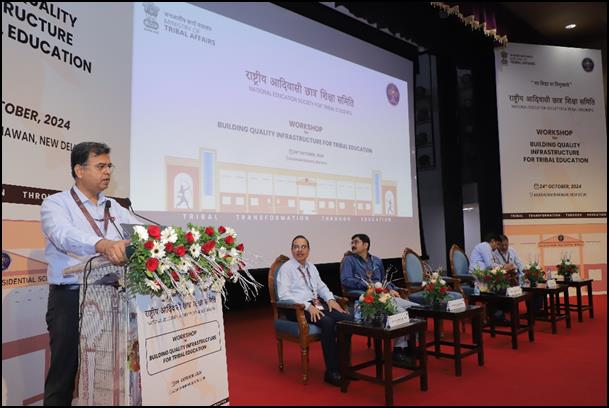
National Education Society for Tribal Students (NESTS) successfully organized a workshop on “Building Quality Infrastructure for Tribal Education” on 24th October 2024 at Akashvani Bhawan, New Delhi. This event is part of the government’s ongoing efforts to provide quality educational infrastructure for tribal communities through Eklavya Model Residential Schools (EMRSs), ensuring sustainable and effective learning environments.
Shri Ajeet K. Srivastava, Commissioner of NESTS, inaugurated the workshop, emphasizing the critical need for completing EMRS construction on time with emphasis on quality of construction. He stated, “Non completion of good quality EMRS on time means tribal children not going to school which is unacceptable.” He exhorted the participants to take pledge that they would construct EMRS before time by ensuring best quality of construction. Commitment to multifaceted development is evident in NESTS’ initiatives, including modern educational programs like the Amazon Future Engineering program and the organization of a Principal’s Conclave focused on academic and administrative excellence. This holistic approach underscores the importance of providing both high-quality infrastructure and advanced educational opportunities for tribal students.
Shri Ajeet K. Srivastava, Commissioner, NESTS addressing the gathering.
The workshop covered essential technical aspects such as geotechnical investigations, material testing, earthwork, and the reinforcement of construction practices in tribal areas. Participants included civil engineers, project managers, and architects, all eager to share best practices and insights from the newly launched handbook titled “Building Quality Infrastructure for Tribal Education.”
Interactive sessions focused on project planning, architectural layouts, and specific reinforcement issues related to tribal education infrastructure. Participants emphasized the importance of aligning construction practices with the unique geographical and cultural contexts of tribal regions for sustainable development.
Throughout the day, expert speakers provided valuable insights, fostering collaboration and innovative solutions to infrastructure challenges.
Topics included quality assurance during the construction process, effective material testing methodologies, and strategies for successful project planning. Interactive Q&A sessions allowed participants to address specific issues related to EMRS development, facilitating knowledge exchange and practical problem-solving.
This pioneering workshop represents a significant step forward in NESTS’ mission to enhance educational access and quality for tribal communities, reaffirming its vision of providing equal opportunities for all tribal students.
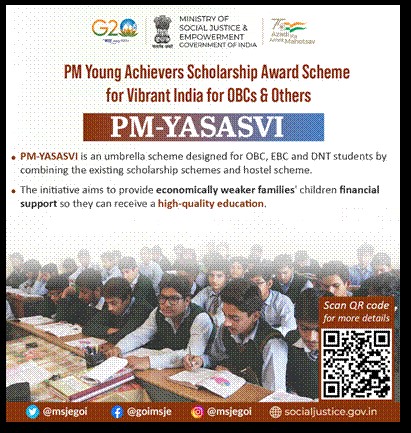
With a vision of “Sabka Sath, Sabka Vikas”, the Ministry of Social Justice and Empowerment has implemented the PM Young Achievers Scholarship Award Scheme for Vibrant India (PM-YASASVI). This comprehensive umbrella scheme is aimed at uplifting students from Other Backward Classes (OBC), Economically Backward Classes (EBC), and Denotified Tribes (DNT) by providing them with access to quality education during their formative years.
The PM YASASVI scheme consolidates and enhances several earlier initiatives, including the Dr. Ambedkar Post-Matric Scholarship Scheme for EBCs and the Dr. Ambedkar Pre-Matric and Post-Matric Scholarship Scheme for DNTs, which were subsumed under this program starting from 2021-22. By integrating these schemes, PM YASASVI aims to ensure a more streamlined and impactful approach to supporting the educational needs of socially and economically disadvantaged students.
Objective
The overarching goal of the scheme is to promote educational empowerment among these vulnerable groups, helping them overcome financial barriers and complete their education. This initiative not only fosters individual academic growth but also contributes to the broader vision of creating a more inclusive and equitable society.
Under this Scheme students can avail Pre-Matric Scholarship from Class 9 to 10 and Post Matric Scholarship for their higher studies at post-matriculation or post-secondary stage. Students who excel in their studies also get an opportunity of Scholarship to study in Top Class Schools and Colleges under the Scheme of ‘Top Class School Education’ and ‘Top Class College Education’. Hostel facilities are also provided to OBC students under the ‘Scheme of Construction of Hostels for OBC boys and girls.’
PM –YASASVI for OBC, EBC and DNT students has been formulated having following five sub-schemes:
Pre-Matric Scholarship for OBC, EBC and DNT Students
Post-Matric Scholarship for OBC, EBC and DNT Students
Top Class School Education for OBC, EBC and DNT Students
Top Class College Education for OBC, EBC and DNT Students
Construction of Hostel for OBC Boys and Girls
Scope
The Pre-Matric Scholarship is designed for students in classes IX and X attending government schools, offering an annual academic allowance of Rs. 4,000 to families with an income below Rs. 2.5 lakh. For the 2023-24 academic year, Rs. 32.44 crore has been allocated to states and Union Territories for its implementation. The Post-Matric Scholarship supports students pursuing post-secondary education, providing academic allowances ranging from Rs. 5,000 to Rs. 20,000 based on the category of the course. For this scheme, Rs. 387.27 crore has been released for the current year.
Additionally, the Top Class School and College Education schemes are designed to support meritorious students from OBC, EBC, and DNT categories. These programs cover tuition fees, hostel expenses, and other academic costs, with school students (Class 9-12) eligible for funding up to Rs. 1.25 lakh annually. College students at top institutions receive full financial support, including tuition, living expenses, and educational materials. To further enhance access to education, Rs. 12.75 crore has been allocated in 2023-24 under the ‘Construction of Hostels for OBC Boys and Girls’ scheme, which aims to provide accommodation for socially and educationally backward students near government schools and institutions, ensuring they have better access to quality education.
Benefits
The PM YASASVI aligns with the government’s broader vision of fostering inclusivity, equity, and societal upliftment. By offering comprehensive support to students from OBC, EBC, and DNT categories, it directly addresses the systemic barriers that prevent many from accessing quality education. This initiative not only ensures financial assistance but also promotes educational empowerment for some of the most vulnerable sections of society, thereby creating opportunities for upward mobility and self-reliance.
The scheme’s focus on supporting students at both school and college levels helps to nurture talent from an early age and carry it through to higher education, laying a strong foundation for personal and professional growth. Moreover, by integrating earlier scholarship initiatives into a single, streamlined program, PM YASASVI enhances the impact of these efforts, contributing to the creation of a more inclusive and equitable education system. PM-YASASVI is ensuring that no student is left behind in the pursuit of academic and social progress. This scheme is playing a crucial role in the welfare and upliftment of marginalized communities, enabling them to contribute meaningfully to the vision of Viksit Bharat @ 2047.
Impact
The PM YASASVI (Young Achievers Scholarship Award Scheme for Vibrant India) scheme has made significant strides in providing financial assistance to students from Other Backward Classes (OBC), Economically Backward Classes (EBC), and De-Notified Tribes (DNT). In Financial Year 2023-24, a substantial sum of ₹ 193.83 cr. was allocated for the Pre-Matric Scholarship, benefiting 19.86 lakh students during 2023-24, with further beneficiaries for 2023-24 expected. Similarly, under the Post-Matric Scholarship scheme, ₹988.05 cr. was released, benefiting 27.97 lakh students in 2023-24. These scholarships aim to empower underprivileged students by alleviating financial burdens, thereby promoting education across marginalized communities.
Additionally, the government has invested in other educational support initiatives. ₹14.30 cr. has been released for the construction of hostels, accommodating 1146 students in 2023-24. Top-class education programs and overseas study interest subsidies have also seen significant funding, reaching thousands of students. For example, ₹ 111.18 cr. was allocated to support 4762 students in top Class education in college scheme and Rs. 6.55 Cr. Was allocated to support 2602 students in Top Class education in Schools for OBC, EBC & DNT Students and ₹ 56.24 Cr. was granted as interest subsidies to 2789 students pursuing overseas education. These efforts reflect the growing impact of the PM YASASVI scheme, which is transforming the educational landscape for disadvantaged students, enabling them to achieve their academic potential and contributing to overall societal upliftment.
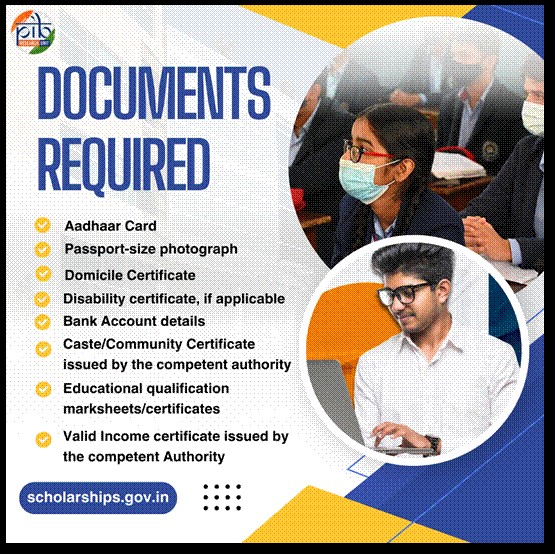
*Any additional documents specified in the application form
Key Points
Selection Process: The YASASVI Entrance Test (YET) 2023 is the basis for candidate selection, conducted by the National Testing Agency (NTA) under the direction of the Ministry of Social Justice and Empowerment (MSJ&E), Government of India.
Eligibility: Open to OBC, EBC, and DNT students with a total annual family income of up to ₹2.50 lakhs. Additional eligibility criteria may apply, depending on the specific scholarship scheme.
Where to Apply: Eligible students can apply online at the National Scholarship Portal: scholarships.gov.in.
Conclusion
By offering a comprehensive array of scholarships and support programs, PM-YASASVI is addressing the financial constraints that often hinder access to education for marginalized communities. The integration of various earlier schemes into one streamlined initiative ensures that students are supported from their school years through to higher education, creating pathways for personal and professional growth. With the government’s ongoing commitment to expanding access to quality education, the PM YASASVI Scheme is making a tangible impact on the lives of thousands of students, helping to create a more inclusive and prosperous India.
Selling your home can be an emotional and daunting process, often marked by a mix of excitement and anxiety. Whether you’re moving for a job, downsizing, or seeking a change of scenery, understanding the selling journey can help you navigate the complexities involved. Here’s what to expect when you decide to list your home.
Before you even list your home, preparation is key. Start by decluttering and depersonalizing your space. Potential buyers want to envision themselves in your home, so it’s important to create a neutral environment. Remove personal photographs, excess furniture, and any items that may distract from the home’s features.
Consider making necessary repairs, such as fixing leaky faucets, patching up holes in the walls, or freshening up the paint. Investing in minor updates, like landscaping or new light fixtures, can significantly enhance curb appeal and attract buyers.
2. Setting the Right Price
One of the most critical aspects of selling your home is setting the right price. Overpricing can deter potential buyers, while underpricing may lead to financial loss. To find the ideal price, research comparable homes in your area that have recently sold. Consult a real estate agent to gain insights into the market and determine a competitive price based on current conditions and the unique features of your property.
3. Choosing a Real Estate Agent
Hiring a knowledgeable real estate agent can significantly impact your selling experience. Look for an agent with a strong track record in your local market. They can provide valuable advice on pricing, marketing strategies, and negotiation tactics. During your initial meetings, ask about their marketing plans, communication style, and experience to ensure they align with your needs.
4. Listing Your Home
Once you’ve prepared your home and set a price, it’s time to list it. Your agent will typically create a listing that includes high-quality photographs and a compelling description of your home’s features and amenities. Online listings are critical since most buyers start their search on the internet. Ensure your agent promotes your home across multiple platforms, including real estate websites, social media, and local listings.
5. Showings and Open Houses
Expect your home to be shown to potential buyers, often at a moment’s notice. Be prepared for various showings and open houses. During this time, it’s crucial to keep your home clean and presentable. Consider a flexible schedule, allowing your agent to arrange showings at convenient times for potential buyers.
When buyers visit, try to make yourself scarce. This allows them to explore your home freely and discuss their thoughts without feeling pressure. Ensure the atmosphere is welcoming: open curtains, turn on lights, and perhaps even bake cookies for an inviting scent.
6. Receiving Offers
As offers start to come in, your agent will present them to you. Each offer will include important details such as the proposed price, contingencies, and timelines. Don’t be discouraged if the first offer isn’t what you expected; it’s a part of the negotiation process.
Evaluate each offer carefully, considering not only the price but also the terms. Some buyers may request repairs or have contingencies that could affect the closing process. Work closely with your agent to determine the best course of action, whether it’s accepting an offer, making a counteroffer, or waiting for better terms.
7. Negotiation
Negotiation is a critical part of selling your home. Expect back-and-forth communication as you and the buyer work towards a mutually agreeable price and terms. Your agent will help facilitate this process, advising you on how to respond to offers and counteroffers effectively.
Keep in mind that negotiations can sometimes be tense. Be prepared to compromise on certain aspects, whether it’s the price, closing date, or specific repairs. Maintaining open lines of communication with your agent can help ease any tension and keep the process moving forward.
8. Closing the Deal
Once you’ve accepted an offer, the next phase is preparing for the closing process. This stage involves a significant amount of paperwork, including the purchase agreement, disclosures, and various legal documents. Your real estate agent will assist you in navigating this phase, ensuring that all required documents are completed correctly.
In Utah, it’s also wise to work with a real estate attorney to ensure compliance with state laws and to help you understand your rights and obligations. Typically, a home inspection will take place during the closing process, allowing the buyer to evaluate the condition of your property. If any issues come to light, you may need to negotiate repairs or concessions before the sale is finalized.
9. Moving Out
After closing, it’s time to move out of your home. Make a moving plan well in advance to ensure a smooth transition. Create a timeline for packing, schedule your moving day, and arrange for utilities to be disconnected. Consider hiring professional movers or enlisting friends and family to help with the process.
In Conclusion
Selling your home is a significant journey that requires careful planning, preparation, and patience. By understanding what to expect at each stage of the selling process, you can approach the experience with confidence and ease. Collaborating closely with a knowledgeable real estate agent can provide invaluable support, helping you achieve a successful and satisfying sale. Remember, while the process can be challenging, it’s also an exciting opportunity to embark on a new chapter in your life.
In today’s competitive business environment, cost management in large-scale operations has become a critical component for maintaining profitability and sustainability. Whether you’re managing a manufacturing plant, a sprawling logistics network, or a multi-national corporation, understanding and implementing effective cost management strategies can mean the difference between thriving and merely surviving. This blog post will explore various techniques and insights into managing costs effectively, tailored for decision-makers who aim to enhance operational efficiency.
Effective cost management is crucial for any business, but it becomes even more essential as operations scale. Large-scale operations often involve complex processes, multiple stakeholders, and significant capital investments. Mismanagement at any level can lead to financial losses and potential operational setbacks. By focusing on cost management, businesses can optimize resources, streamline operations, and improve overall financial health.
Cost management is not just about cutting expenses; it’s about making strategic decisions that align with long-term goals. For example, investing in technology that reduces manual labor can lead to immediate costs but result in substantial savings over time. This mindset shifts the focus from short-term budget constraints to long-term operational efficiency and sustainability.
Lastly, operating at a large scale allows businesses to take advantage of economies of scale. However, without proper cost management strategies, these advantages can quickly dissipate. Implementing robust cost management processes ensures that large-scale operations remain agile, efficient, and competitive in a rapidly changing market.
Streamlining Procurement Processes
Procurement is a major cost center in large-scale operations. Efficient procurement strategies can significantly reduce waste and lower costs. Centralizing procurement functions to enhance negotiation power with suppliers is one approach. By consolidating purchases, businesses can leverage better pricing, terms, and contracts, thereby reducing costs.
Automation is another valuable tool for streamlining procurement. Implementing technology solutions like procurement software can reduce manual errors, increase transparency, and improve efficiency. Automation also enables real-time analytics, allowing businesses to make data-driven decisions that enhance cost management.
Building strong relationships with suppliers also plays a pivotal role in cost management. Collaborating with suppliers can lead to better pricing agreements, improved product quality, and quicker delivery times. Establishing trust and open communication lays the groundwork for a mutually beneficial partnership that enhances cost efficiency.
Enhancing Workforce Efficiency
Labor costs are a significant expense for large-scale operations. Improving workforce efficiency can yield substantial cost savings. One approach is to invest in employee training and development programs. Equipping employees with the skills they need to work efficiently reduces errors, improves productivity, and increases job satisfaction.
Adopting flexible work arrangements is another strategy that can enhance workforce efficiency. Offering remote work options or flexible schedules can reduce overhead costs while improving employee morale and retention. This flexibility can lead to increased productivity and lower turnover rates.
Leveraging technology to automate repetitive tasks can also pay dividends. By freeing up employees from mundane tasks, businesses can focus their efforts on higher-value activities. This not only leads to cost savings but also drives innovation and continuous improvement within the organization.
Optimizing Supply Chain Management
Supply chain management is a critical area for cost management in large-scale operations. Effective supply chain strategies can reduce costs and improve service levels. One way to achieve this is by optimizing inventory levels. Implementing just-in-time inventory systems can reduce carrying costs and minimize waste.
Utilizing technology to improve supply chain visibility is another key strategy. Real-time tracking and data analytics can provide insights into demand patterns, supplier performance, and potential disruptions. Businesses can proactively address issues and avoid costly delays by gaining better visibility into the supply chain.
Collaborating with supply chain partners can also yield cost-saving opportunities. Developing strategic partnerships and sharing information can improve coordination, reduce duplication, and enhance efficiency. Such collaboration fosters an integrated supply chain that operates seamlessly and cost-effectively.
Leveraging Technology for Cost Efficiency
Technology plays a crucial role in cost management for large-scale operations. Investing in advanced technologies can improve processes, reduce errors, and enhance decision-making. For instance, utilizing industrial piping in Utah can streamline production processes, reduce downtime, and enhance overall efficiency.
Data analytics is another powerful tool for cost management. By analyzing large volumes of data, businesses can identify cost-saving opportunities, uncover inefficiencies, and make informed decisions. Predictive analytics can also help anticipate demand fluctuations and optimize resource allocation.
Incorporating automation into various aspects of operations can result in significant cost savings. Automated systems can handle repetitive tasks, monitor performance, and generate insights. This reduces labor costs and enhances accuracy, speed, and consistency across the organization.
Conclusion
Effective cost management is essential for large-scale operations seeking sustainable growth and profitability. By implementing strategies such as streamlining procurement, enhancing workforce efficiency, optimizing supply chain management, and leveraging technology, businesses can achieve cost efficiency and maintain a competitive edge.
To further enhance your cost management efforts, consider exploring additional resources or consulting experts in the field. Remember, successful cost management requires a holistic and proactive approach. By continually evaluating and optimizing your operations, you can ensure a strong foundation for long-term success.
In today’s fast-paced world, investing in self-improvement has become more important than ever. Personal development is not just about gaining new skills or knowledge; it’s about enhancing the quality of your life and achieving your goals. This blog post explores the concept of self-improvement as an investment and how even small personal choices can yield substantial returns over time.
Investing in yourself is one of the most rewarding decisions you can make. It encompasses learning new skills, adopting healthier habits, and expanding your mindset. By prioritizing self-improvement, you can unlock a range of benefits, from increased confidence to better career prospects.
One of the most significant advantages of personal investment is the boost in self-confidence. When you commit to improving yourself, you develop a sense of accomplishment and self-worth. This newfound confidence can help you tackle challenges and seize opportunities with determination and resilience.
In addition to self-confidence, investing in personal growth can enhance your career. Acquiring new skills and expanding your knowledge base makes you more valuable in the job market. Employers are always on the lookout for individuals who are committed to continuous improvement.
Setting Clear Goals and Intentions
The first step in investing in self-improvement is setting clear goals and intentions. Without a roadmap, it’s easy to get lost or distracted. Begin by identifying areas of your life you’d like to improve and establish specific, achievable objectives.
Clear goals give you a sense of direction and purpose. They provide you with motivation and a framework to measure your progress. By setting intentions, you are more likely to stay focused and committed to your self-improvement journey.
To set effective goals, use the SMART criteria—Specific, Measurable, Achievable, Relevant, and Time-bound. This approach ensures that your goals are realistic and attainable, making it easier to track progress and celebrate successes along the way.
Cultivating a Growth Mindset
A growth mindset is essential for self-improvement. It involves believing that your abilities and intelligence can be developed through dedication and hard work. This perspective fosters a love of learning and resilience in the face of challenges.
Having a growth mindset allows you to view setbacks as opportunities for growth rather than failures. It encourages you to take risks and step outside your comfort zone, leading to personal and professional development.
Cultivating a growth mindset involves being open to feedback, learning from mistakes, and seeking new experiences. By adopting this mindset, you create a foundation for continuous self-improvement and lifelong learning.
Building Strong Habits
Habits play a crucial role in self-improvement. They are the building blocks of change and can significantly impact your life. Developing positive habits requires discipline, patience, and consistency.
Start by identifying habits that align with your self-improvement goals. Whether it’s exercising regularly, reading daily, or practicing mindfulness, focus on incorporating these habits into your routine.
Building strong habits takes time and effort, but the rewards are well worth it. Over time, these habits become second nature, contributing to your overall well-being and success.
The Role of Education and Skill Development
Education and skill development are integral components of self-improvement. They open doors to new opportunities and help you stay competitive in a rapidly changing world. Whether through formal education or self-directed learning, acquiring new skills is a valuable investment.
Consider enrolling in courses, attending workshops, or pursuing certifications to enhance your knowledge and abilities. These investments can lead to career advancement, increased earning potential, and personal fulfillment.
Remember, learning doesn’t have to be limited to your professional life. Explore hobbies and interests that bring you joy and satisfaction. This holistic approach to education enriches your life and contributes to your overall development.
Prioritizing Health and Well-being
Your health and well-being are fundamental to personal growth. Without a strong foundation of physical and mental health, it’s challenging to achieve your goals and live life to the fullest.
Prioritize self-care by adopting healthy habits such as regular exercise, balanced nutrition, and adequate sleep. These practices boost your energy levels, improve your mood, and enhance your cognitive function.
Mental well-being is equally important. Practice mindfulness, seek support when needed, and engage in activities that promote relaxation and stress reduction. A healthy mind is better equipped to handle life’s challenges and maintain focus on self-improvement.
Building Meaningful Relationships
Relationships are a key aspect of personal development. Surrounding yourself with supportive, positive individuals can inspire and motivate you to grow. Invest time in nurturing meaningful connections with family, friends, and mentors.
Strong relationships provide emotional support, guidance, and encouragement. They offer different perspectives and insights that can enrich your self-improvement journey. By cultivating a network of positive influences, you create an environment conducive to personal growth.
Remember, meaningful relationships are built on trust, communication, and mutual respect. Be open, honest, and empathetic in your interactions to foster genuine connections.
Financial Literacy and Stability
Financial literacy and stability are essential components of personal growth. Understanding how to manage your finances empowers you to make informed decisions and plan for the future.
Invest time in learning about budgeting, saving, and investing. These skills provide you with the freedom and flexibility to pursue your self-improvement goals without financial stress.
Achieving financial stability enables you to invest in experiences and opportunities that enhance your personal development. Whether it’s further education, travel, or hobbies, having control over your finances allows you to make choices that align with your aspirations.
Leveraging Technology for Self-Improvement
Technology offers a wealth of resources to support your self-improvement efforts. From online courses to productivity apps, technology can enhance your learning experience and streamline your personal development.
Explore platforms that offer courses aligned with your goals and interests. Use productivity tools to manage your time and tasks effectively. Leverage social media and online communities to connect with like-minded individuals and share experiences.
While technology can be a powerful ally, it’s essential to use it mindfully. Set boundaries to prevent digital overload and ensure that your tech usage contributes positively to your self-improvement.
Dental Implants in Richland WA and Self-Care
Investing in self-care extends beyond daily habits—it includes taking care of your dental health. For instance, seeking dental implants in Richland WA can significantly enhance your quality of life if you’re dealing with missing teeth. Good oral health is vital for overall well-being and confidence, allowing you to focus more on your self-improvement goals.
Dental implants provide a permanent solution that looks and feels natural, improving your smile and boosting your self-esteem. This investment in your health can lead to better social and professional interactions, contributing positively to your self-improvement efforts.
Measuring Your Progress and Celebrating Success
Tracking your progress is crucial for staying motivated and achieving your self-improvement goals. Regularly evaluate your growth and make adjustments as needed. Celebrate your successes, both big and small, to maintain momentum and build confidence.
Set aside time to reflect on your achievements and the lessons learned along the way. This practice reinforces your commitment to self-improvement and helps you stay focused on future goals.
Remember, self-improvement is a lifelong journey. Be patient with yourself and acknowledge the progress you’ve made, no matter how incremental it may seem.
Conclusion
Investing in self-improvement is one of the most rewarding choices you can make. By prioritizing personal development, you unlock a lifetime of returns in the form of confidence, success, and fulfillment. Whether it’s through setting goals, building habits, or seeking knowledge, the path to self-improvement is filled with opportunities for growth.
Take action today and invest in yourself. Whether it’s enrolling in a course, joining a community, or starting a new habit, every step you take brings you closer to realizing your full potential. Remember, the best investment you can make is in your own future.
Owning a home is a dream come true for many, but with ownership comes responsibility. Regular home maintenance is often overlooked, yet it is crucial for ensuring the longevity of your property. Whether you’re a homeowner, a real estate investor, or a DIY enthusiast, understanding the importance of routine upkeep can save you time, money, and headaches in the long run. In this blog post, we’ll explore why regular maintenance matters, practical tips for keeping your home in top shape, and how it can enhance the value of your investment.
A well-maintained home not only looks good but functions efficiently. Regular maintenance helps identify and resolve minor issues before they escalate into significant problems. For example, a small leak in the roof might seem trivial, but if left unattended, it can lead to water damage, mold, and costly repairs. By addressing such issues promptly, you preserve the integrity of your home and ensure it remains a safe haven for your family.
Another reason maintenance is vital is energy efficiency. Routine tasks such as cleaning air filters or sealing windows can significantly reduce energy consumption, resulting in lower utility bills. A home that runs smoothly is not only cost-effective but also environmentally friendly, making it an important consideration for today’s eco-conscious homeowners.
Finally, regular upkeep enhances the resale value of your property. When potential buyers see that a home has been well-maintained, they are more likely to view it as a sound investment. This can lead to higher offers and a quicker sale, providing you with a better return on your investment.
Essential Exterior Maintenance Tasks
The exterior of your home is its first line of defense against the elements. Keeping it in excellent condition involves several key maintenance tasks. Start by inspecting your home’s siding for cracks or damage. These should be repaired promptly to prevent moisture from seeping in and causing structural issues.
Next, focus on your home’s roof. Regularly check for missing or damaged shingles, as these can lead to leaks. If your roof is aging, it may be time to consider installing a new roof in Sandy to protect your home from harsh weather conditions. Remember, a sturdy roof is essential for the overall safety and longevity of your home.
Don’t forget about your gutters and downspouts. Clean them regularly to ensure proper drainage and prevent water damage to your home’s foundation. Additionally, inspect the exterior paint and touch up any areas that are peeling or chipping to maintain your home’s curb appeal.
Indoor Maintenance for a Healthy Home
Inside your home, several maintenance tasks can keep everything running smoothly. Start with your HVAC system. Change the filters regularly to ensure efficient operation and improve indoor air quality. Schedule professional inspections at least once a year to catch any potential issues early.
Plumbing is another critical area. Check for leaks under sinks and around toilets, and repair them immediately to prevent water damage and mold growth. It’s also a good idea to test your water heater’s pressure relief valve annually to ensure it’s functioning correctly.
Electrical systems need attention, too. Test smoke detectors and carbon monoxide alarms monthly to keep your family safe. Also, inspect electrical outlets and cords for signs of wear or damage, and replace them if necessary to prevent potential hazards.
Saving Money with DIY Maintenance
Many maintenance tasks can be done yourself, saving you money on professional services. For instance, cleaning out gutters, replacing air filters, and touching up paint are simple tasks that require minimal tools and skills. Not only does DIY maintenance save money, but it also gives you a sense of accomplishment and a deeper understanding of your home.
However, it’s essential to know your limits. Some tasks, like roof repairs or electrical work, are best left to professionals who have the experience and equipment to do the job safely. Always prioritize safety over savings when considering DIY projects.
Creating a Maintenance Schedule
A well-organized maintenance schedule is key to keeping your home in top condition. Start by listing all the tasks that need to be done annually, seasonally, and monthly. This includes everything from inspecting the roof to checking the HVAC system.
Use a calendar or a home maintenance app to keep track of tasks and set reminders. By spreading out tasks throughout the year, you’ll avoid feeling overwhelmed and ensure that nothing is overlooked.
Community and Professional Resources
Don’t hesitate to tap into community resources for maintenance tips and advice. Local hardware stores often offer free workshops on home improvement projects, providing valuable skills and knowledge. Online forums and social media groups can also be great places to share experiences and get recommendations for reliable local contractors.
When professional help is needed, choose skilled and reputable service providers. Whether you’re installing anew roof in Sandy or fixing a plumbing issue, quality workmanship is crucial for long-term results. Ask for referrals from friends or neighbors and check online reviews to find the best professionals in your area.
Regular home maintenance is essential for protecting your investment and ensuring a safe and comfortable living environment. By staying on top of routine tasks and addressing issues promptly, you can extend the life of your home and enhance its value. For those who wish to learn more, various resources are available, from DIY guides to local workshops. Remember, a well-maintained home is a happy home.





































You must be logged in to post a comment.