Behavioural Economics

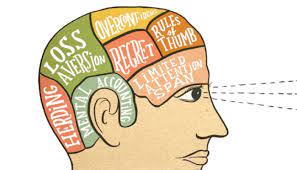
In an ideal world, people would always make optimal decisions that provide them with the greatest benefit and satisfaction. In economics, rational choice theory states that when humans are presented with various options under the conditions of scarcity , they would choose the option that maximizes their individual satisfaction. This theory assumes that people, given their preferences and constraints, are capable of making rational decisions by effectively weighing the costs and benefits of each option available to them. The final decision made will be the best choice for the individual. The rational person has self-control and is unmoved by emotions and external factors and, hence, knows what is best for himself. Alas behavioral economics explains that humans are not rational and are incapable of making good decisions.

Behavioral Economics is the study of psychology as it relates to the economic decision-making processes of individuals and institutions. Behavioral economics draws on psychology and economics to explore why people sometimes make irrational decisions, and why and how their behavior does not follow the predictions of economic models. Decisions such as how much to pay for a cup of coffee, whether to go to graduate school, whether to pursue a healthy lifestyle, how much to contribute towards retirement, etc. are the sorts of decisions that most people make at some point in their lives. Behavioral economics seeks to explain why an individual decided to go for choice A, instead of choice B.

Because humans are emotional and easily distracted beings, they make decisions that are not in their self-interest. For example, according to the rational choice theory, if Charles wants to lose weight and is equipped with information about the number of calories available in each edible product, he will opt only for the food products with minimal calories. Behavioral economics states that even if Charles wants to lose weight and sets his mind on eating healthy food going forward, his end behavior will be subject to cognitive bias, emotions, and social influences. If a commercial on TV advertises a brand of ice cream at an attractive price and quotes that all human beings need 2,000 calories a day to function effectively after all, the mouth-watering ice cream image, price, and seemingly valid statistics may lead Charles to fall into the sweet temptation and fall off of the weight loss bandwagon, showing his lack of self-control.

Globalization!

Globalization is the word used to describe the growing interdependence of the world’s economies, cultures, and populations, brought about by cross-border trade in goods and services, technology, and flows of investment, people, and information.

Globalization is driven by the convergence of political, cultural and economic systems that ultimately promote — and often necessitate — increased interaction, integration and dependency amongst nations.

The more that disparate regions of the world become intertwined politically, culturally and economically, the more globalized the world becomes.

These international interactions and dependencies are enabled and accelerated by advances in technology, especially in transportation and telecommunications. In general, money, technology, materials and even people flow more swiftly across national boundaries today than they ever have in the past. The flow of knowledge, ideas and cultures is expediated through Internet communications.

There are three types of globalization:

1. Economic globalization. This type focuses on the unification and integration of international financial markets, as well as multinational corporations that have a significant influence on international markets.
2. Political globalization. This type deals mainly with policies designed to facilitate international trade and commerce. It also deals with the institutions that implement these policies, which can include national governments as well as international institutions, such as the International Monetary Fund and the World Trade Organization.
3. Cultural globalization. This type focuses on the social factors that cause cultures to converge — such as increased ease of communication and transportation, brought about by technology.

Start from down and reach the up

Hello guys, today’s topic is going to be very informative.

“Start up ” have you ever heard of this
Word before? Even if you have never heard of the word start up many of us actually heard about those startups which are doing fantastic .

Start ups are the newly established business,by one or more entrepreneurs.These entrepreneurs set up business by taking financial risks .

Start ups are actually initiated by its founders based on an idea which has a potential to become successful and bring profits to the company .

Even though startups gives wings to an individual’s dreams it is not easy to create an impact with an startup during this tough competition era.

And while setting up an start up the individual needs to have necessary funds so mostly the start ups are setup by taking loans,or borrowing money from families,friends.

So generally startup are built around one main idea which can change the whole picture,which can create an impact in the industry.

Startups can become successful only when the foundations that is the base on which the company is started should be rock solid,their main aim should not change even though some alterations can be done .

As the company grows the more the need of funds increases so especially the risk of setting up a startup should be taken very seriously and the decision must taken carefully.

There are many thing that you need such as impressive idea,funds and trusted partners and sacrifice your time,health  for the wellbeing of the startup.

Start ups basis is believe ,the belief you have in your own self,your idea which is projected outside.

Entrepreneurs should have certain qualities that is needed for a successful startup so many institutions and universities are providing training for those who dream of starting their own company.

But in reality many startups that don’t stand a chance in the competition lack those qualities,they have the idea but cannot put into action,they cannot manage work as they have very little experience in this industry,they get swayed by others words and forget their whole main aim .

Mock startups are those programs where a student gets to experience the simulation of the real world.

Even the government entrepreneurship programs ,non profit entrepreneurship programs support many start ups They give guidance and even support them if the idea shows a potential .

Intellectual advisors ,hardworking staff ,investors who don’t mind to try risks for profits ,mentors who can guide you ,and great Teamwork makes the dream work that is it accelerates the growth rate of that start up.

Every start up has their own ups and downs but what is important is to never lose faith in yourselves and always hope for the best by putting out your best .

Startups don't have a instant success they to grow step by step and the more impact it has on the business industry the more it grows.

Some of the successful startups are

  • Ola
  • Swiggy
  • Zomato
  • Oyo
  • Flipkart

Every succesful company at present is a startup in the past and lessons should be learnt from those experiences

So always dream big ,work hard ,have faith,never lose hope ,never give up, and

“Learning from failures , paves the way to success.”

Thankyou^^

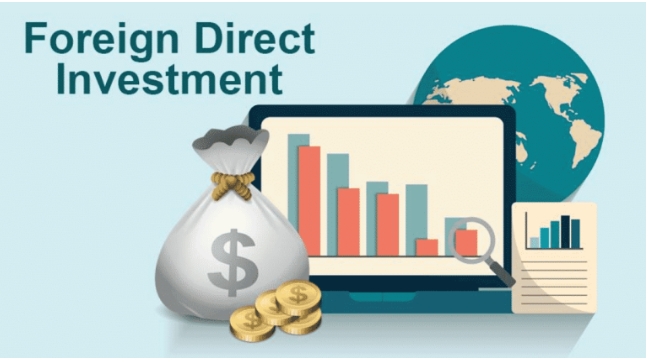
Foreign Direct Investment

FDI stands for “Foreign Direct Investment”. It is an investment by foreign individual(s) or company(ies) into business, capital markets or production in the host country. FDI plays an important role in the economic development of a country. The capital inflow of foreign investors allows strengthening infrastructure, increasing productivity and creating employment opportunities in the Host country.

Foreign Direct Investment in India

Foreign direct investment policy in India is regulated under the Foreign Exchange Management Act (FEMA) 2000 administered by the Reserve Bank of India (RBI). India is one of the top five attractive location for investment. Japan bank of international cooperation continues to rate India as topmost promising country for overseas business operations.

The Government has put in place a policy framework on FDI which is transparent, Predictable, and easily comprehensible. The framework is embodied in circular which may be update.

How FDI works?

Foreign direct investments are commonly made in open economies that offer a skilled workforce and above average growth prospects for the investor, as opposed to tightly regulated economies. Foreign direct investment frequently involves more than just a capital investment. It may include provisions of management or technology as well. The key feature of foreign direct investment is that it establishes either effective control of or at least substantial influence over the decision-making of a foreign business.

Who can invest in India?

A non-resident can invest in India subject to FDI policy except in those sectors which are prohibited. An FII or FPI may invest in the capital of an Indian economy under the portfolio investment schemes which limits the individual holding FII or FPI below 10% of the capital of the Company. The aggregate limit of investment is 24% of the capital of the company. The aggregate limit can be increased to the sectorial cap as applicable by Indian company concerned through a resolution by its bord of director followed by special resolution to that effect and subject to prior intimation to RBI. However, a citizen of Bangladesh or an entity established in Bangladesh can invest only under government route.

* Recent amendments in FDI policy.

1. The amendments in FDI policy is to discourage opportunistic investment in Indian companies by neighbouring countries like china during the COVID-19 pandemic. 2. Recent China’s central bank has increased stake to 1.01% in HDFC bank via automatic route. 3. Revised FDI policy – Any entity of a country which shares land borders with India or where the beneficial owner of investment into India is Situated or is citizen of any such country can invest only under a Government Route.

Why Do We Need FDI?

1. Helps in balancing international payment:- FDI is the major source of foreign exchange inflow in the country. It offers a supreme benefit to country’s external borrowings as the government needs to repay the international debt with the interest over a particular period of time.

2. FDI boosts development in various fields:- For the development of an economy, it is important to have new technology, proper management and new skills. FDI allows bridging of the technology gap between foreign and domestic firms to boost the scale of production which is beneficial for the betterment of Indian economy.

3. FDI & Employment:- FDI allows foreign enterprises to establish their business in India. The establishment of these enterprises in the country generates employment opportunities for the people of India. Thus, the government facilitates foreign companies to set up their business entities in the country to empower Indian youth with new and improved skills.

4. FDI promotes exports from host country:- Foreign companies carry a broad international marketing network and marketing information which helps in promoting domestic products across the globe. Hence, FDI promotes the export-oriented activities that improve export performance of the country.

The Indian government has initiated steps to promote FDI as they set an investor-friendly policy where most of the sectors are open for FDI under the automatic route (meaning no need to take prior approval for investment by the Government or the Reserve Bank of India). The FDI policy is reviewed on a continuous basis with the purpose that India remains an investor-friendly and attractive FDI destination. FDI covers various sectors such as Defence, Pharmaceuticals, Asset Reconstruction Companies, Broadcasting, Trading, Civil Aviation, Construction and Retail, etc.

we can say that FDI plays a crucial role in the growth of Indian economy as it helps to bring new technologies, employment generation and improvement in business operations, etc.

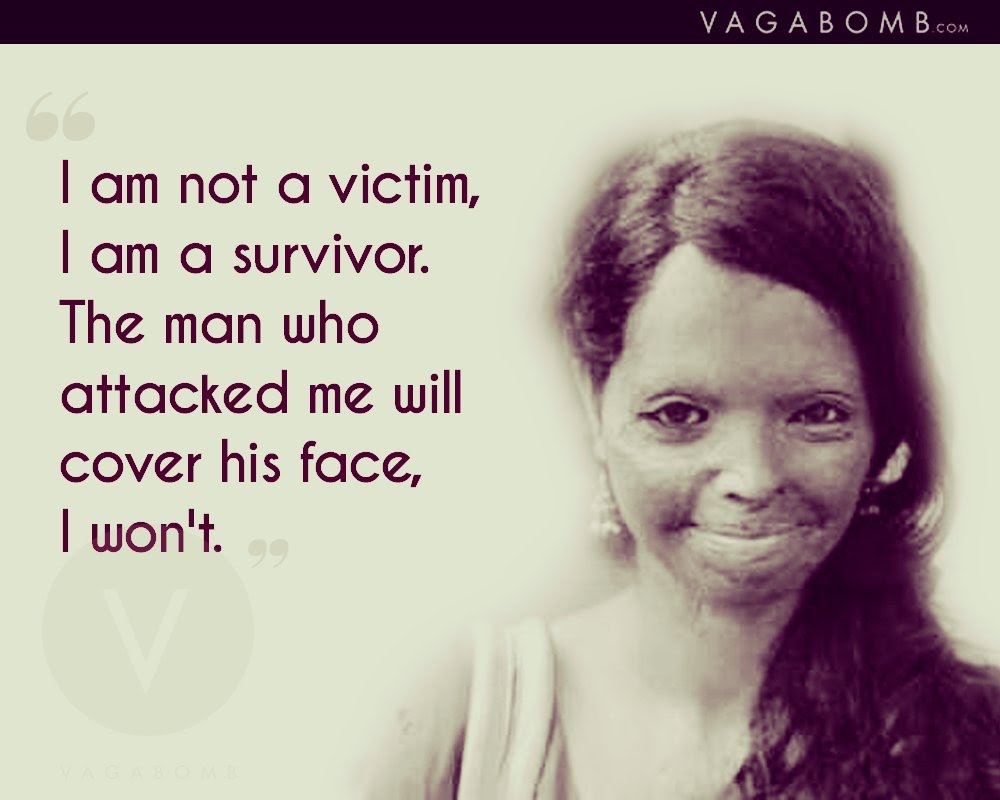
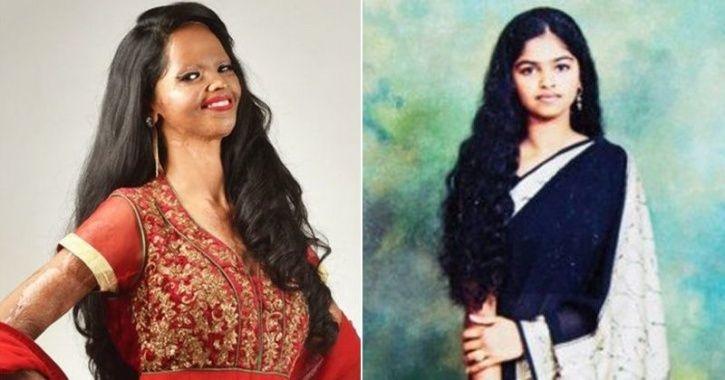
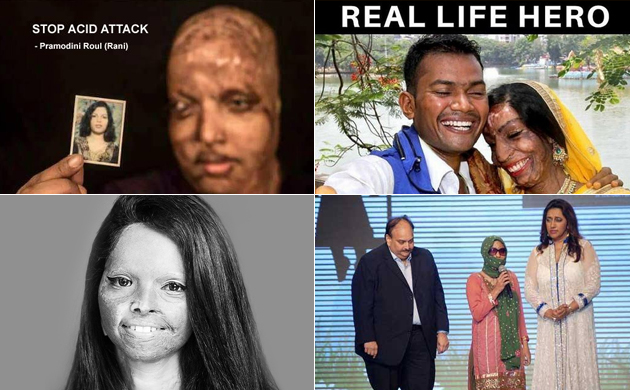
A Survivor : The Story of Lakshmi Agarwal

She was just a 15 year old girl . A girl , full of life . But what happened to her .

It’s her story . A story of a survivor.

She was powerful not because she wasn’t scared but because she went on so strongly, despite the fear.”

– Atticus

At the age of 15 , when a girl or a boy makes happy memories and learn about life . She was attacked in the market full of people . She was attacked because she rejected an old jerk of 32 years old.

A 32 year old proposed a marriage proposal to a 15 year old girl , who lives near the neighborhood. She ignored and rejected him and he planned an acid attack .

Her name is Lakshmi Agarwal , she was attacked at the age of 15 in 2005 in New Delhi after rejecting the romantic advances of Naeem Khan . She didn’t inform anyone about the scenario because she believed her parents and society would have blamed her and stopped her study .

After 10 months , Lakshmi was in the market and Naeem asked her again through message about the marriage proposal but she didn’t respond . And in no time , Kamran (Naeem’s older brother ) and his girlfriend attacked her with acid . He was in the motorcycle and his girlfriend Rakhi threw acid on Lakshmi , when Kamran called her name and she looked behind for response.

She fainted on the road and when she regain consciousness she went middle of the road asked for help and met with multiple accidents but no one stopped to help her . She was burning in fire and her skin was melting.

A man named Arun Singh called PCR and told police about the situation . Someone threw water to help her but it turned out opposite and the acid burnt her neck . Arun think it might be late , so he helped her on the backseat of his car , later the seat cover turned into black hole due to the acid .

Arun admitted her in the hospital , called police and her family . Lakshmi went through many surgeries and operations including eye surgery. Four days later Naeem Khan got arrested but was bailed after a month later .

Protests and media attention.

After many protests and media attention Naeem got life imprisonment .

Lakshmi’s story was one of the series in the Hindustan Times. Lakshmi was scared after the attack because most of her face and body parts were not same as before . But she didn’t loose hope ,she fought for justice , asked for help for the victims of acid attacks and pleaded the law for the ban on sale of acid.

Meanwhile government failed to frame policies on acid sale and chemical attacks .

Seriousness is not seen on the part of the government in handling the issue,” the bench headed by Justice RM Lodha.

In 2013 , the plea of Agarwal was heard and later claims that “ Acid is freely available in shops. Our own volunteers have gone and purchased acid easily. In fact, I have myself purchased acid,” she said. “We have launched a new initiative called ‘Shoot Acid’.

After , the law passed by Supreme court . Lakshmi founded NGO named Chhanv Foundation to help acid attack survivors in India.

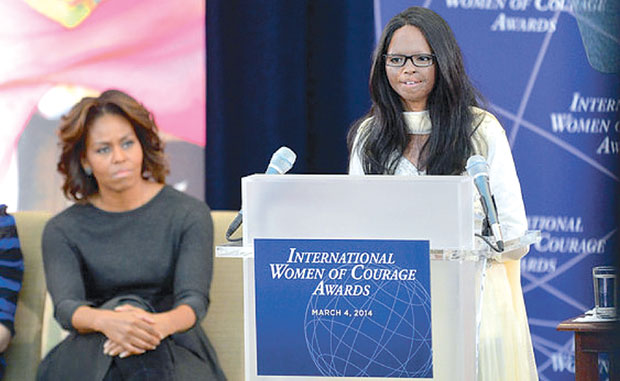
In 2019, she was honored with the International Women Empowerment Award from the Ministry of Women and Child Development, the Ministry of Drinking Water and Sanitation and UNICEF for her campaign of Stop Acid Sale. In 2014, she received the International Women of Courage award at the hands of First Lady Michelle Obama.

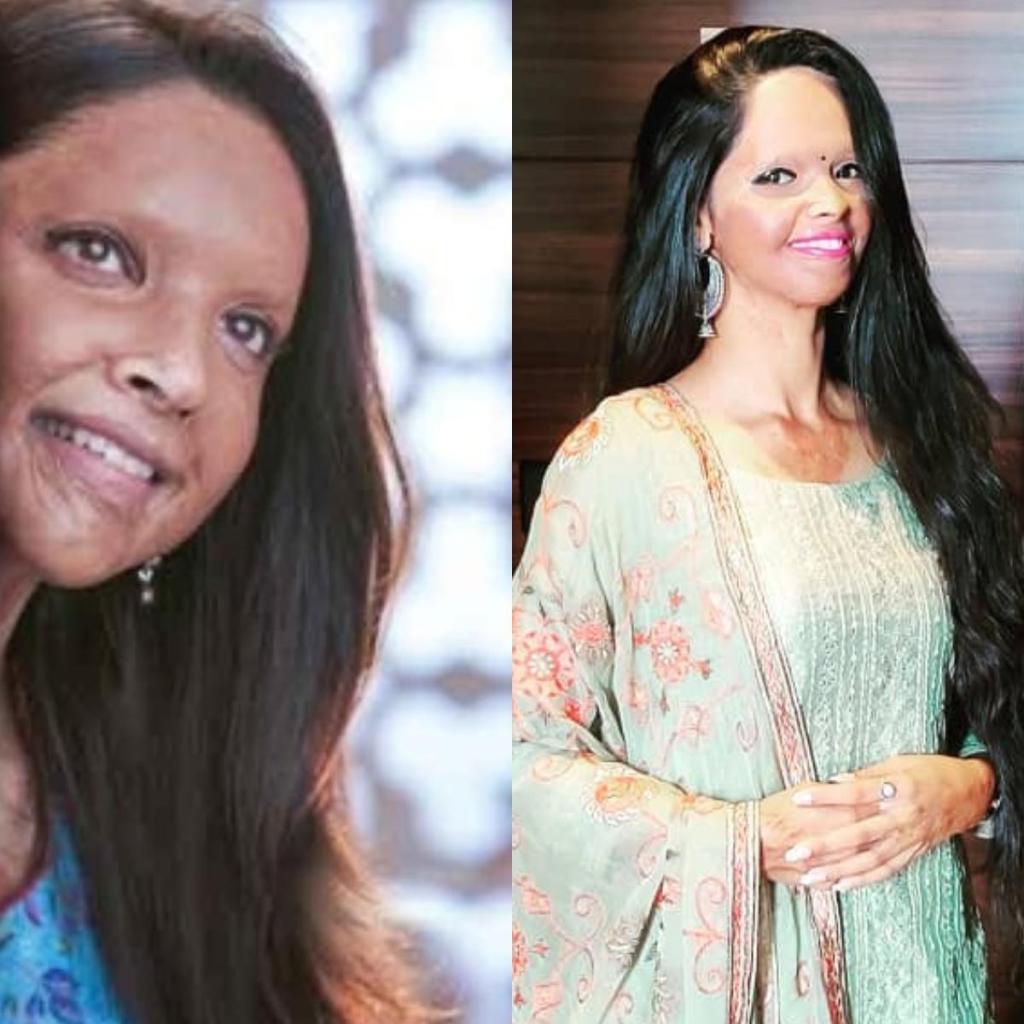
And the movie Chhapaak is based on her life and stars Deepika Padukone in her role.

“And one day she discovered that she was fierce, and strong, and full of fire, and that not even she could hold herself back because her passion burned brighter than her fears.”

– Mark Anthony

Link

Bangladesh: From Basket Case to Economic Success

Bangladesh, a country since its inception known as one of the poorest and most overly populated nations, is now gradually seeing economic improvement to an even greater degree than its contemporaries: India and Pakistan. At one point, Bangladesh was included in the list of Least Developed Countries (LDC) enumerated by the UN; but now it has been estimated that by 2024 it will break free from this categorization as it has seen a drastic increase in standard of living, fertility rates, and lowered infant mortality rates.

A Rough Start

Bangladesh got its independence from Pakistan in the year 1971 with the help of India. However, this independence was achieved through a lot of violence and struggle, so the Bangladeshi administration was not able to fulfil even some of the basic needs of its people due to the damage it had suffered, both economical and physical. Following this, there was even a major famine which killed nearly 15 lakh people in the country. This, along with political instability and constant military coups made it very difficult for any growth to take place in the country.    

The Basket Case

After its independence, the foreign secretary of USA at the time, Alexis Johnson, called Bangladesh an ‘International Basket Case’. A basket case means a country burdened by economic strife and which falls into severe debt in order to cope with its financial crises. Such countries are those that struggle to maintain a self-sufficient and autonomous economy. Other newspapers would also predict that Independent Bangladesh will be an economic failure. Such predictions at the time were made due to the fact that Bangladesh was overburdened by a very dense populations, leading to severe problems like food shortage. It was also not a country rich in natural resources which would allow it to bolster its economy, so the general view was it would become an underdeveloped state and become economically dependent on other countries. This became true in the 1980s, when Bangladesh heavily relied on foreign aid to stay afloat and meets its needs.

How did Bangladesh become a well-performing economy?

Firstly, there is the well-known fact of the cheap labor or low-skill manufacturing that Bangladesh provides. After China, you are most likely to see a ‘Made in Bangladesh’ tag on the clothes bought in even the most expensive and high-end shopping areas in the world. This is because international clothing and apparel companies look to countries like Bangladesh for cheap labor and manufacturing so as to make greater profits on their products. This industry has provided major employment in the country, and has contributed up to 10% of its GDP at times, helping the country a lot in its growth.

Furthermore, around 80% of the workforce in these factories are women, which is an indicator of high employment for women and their empowerment. In a country where women are generally limited to being homemakers, the employment of women has led to fruitful advancements. Many reports have shown that as more and more women employed in factories, their educational attainment, age of marriage, and general welfare has increased. This is due to the fact that they have become economically independent and have seen an increase in income, thereby allowing expenses to be made on girl child’s education and not making marriage for money a necessity. Today, even the male-female wage gap is slowly decreasing in Bangladesh.

Then there is also the role of NGOs in Bangladesh. International and national NGOs got involved in the improvement of Bangladesh’s socioeconomic situations, with the building of schools and advancement of medical infrastructure. NGOs have played a unique role in Bangladesh’s improvement, as generally such welfare measures should be taken by the government so as to gain public trust. However, the Bangladesh government has given much leeway to the NGOs, and has encouraged to work together with them so as to promote growth in the country. This attitude has led to significant improvements, and other governments hesitant to work with NGOs for fear of it affecting their public image should look to Bangladesh as an example of its benefits.

Finally, and perhaps most important, is the balanced foreign policy of Bangladesh. They have created such a foreign policy that they have received foreign aid from many different countries, even those that have opposed their independence like the USA. Also, the scheme of remittances (money transferred by Bangladeshi citizens working in foreign countries to their home) in the foreign policy has contributed greatly to the GDP of the country. Overall, the foreign policy has allowed for products and services from Bangladesh to be bought and sold in foreign, richer countries, thereby helping income.

Conclusion

Hence, in this way Bangladesh has seen much economic success especially in the last decade or so. What remains to be seen is how the country will move forward in the years to come. Will their dependence on the clothing and garment industry be dangerous? Will international trade regulations become stricter as the country is economically improving? Only time will tell us the answer to these but for now, Bangladesh can celebrate how far it has come.

Hunger watch report

News

Source: Department of Consumer Affairs, Hunger Watch

• Impacts of Covid-19 pandemic, lockdown – on
personal income and food consumption.

• Hunger watch report analysed to provide
important information.
Income drop.

• In October 2020 – compared to pre lockdown
level
 27% of respondents lost their income due to
the national lockdown
 24% of its respondents record that they lost
50% of their income
 6% responded that their income did not change
despite the lockdown
Source: Department of Consumer Affairs, Hunger Watch

Retail inflation

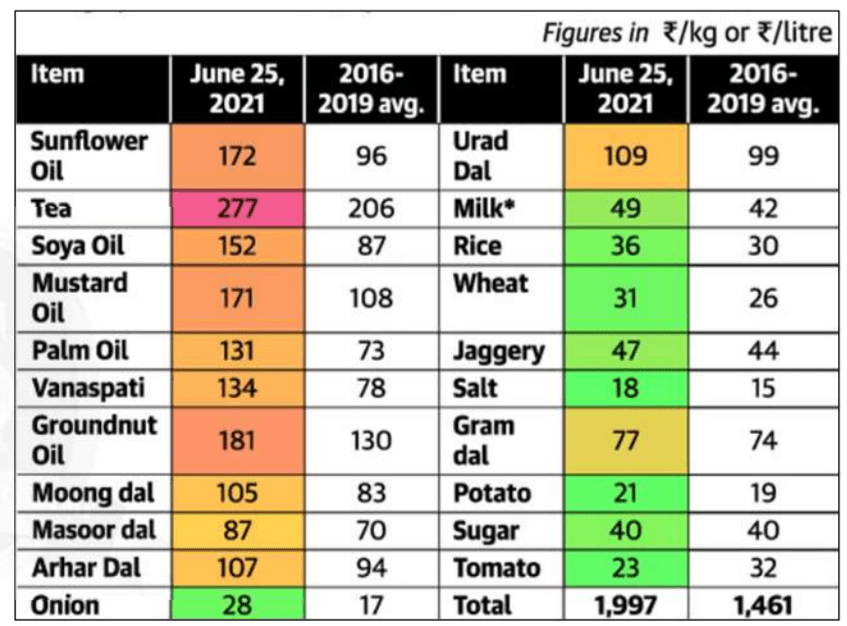
• In June 2021 – the prices of edible oil and pulses are increasing significantly .

• retail price analysis of 21 essential items across India.

• In June 2021- a Consumer – to buy a kg of essential item – has to spend rs.500 more compared to average cost between the year 2016 and 2019 .

• table given – indicates the retail price difference in various occasions .

• with retail inflation – the drop in income level has burdened the consumers.

hold Consumption of Commodities

• the impact of income factor and inflation
factor can be seen from the change in consumption level
 data of October 2020 is compared with March 2020.

• Report – level of household consumption of all
commodities listed have decreased.

• In October 2020 – 38% of households reported
that the consumption of vegetables decreased a lot.

• consumption of egg/meat commodities have also decreased – another problem in ensuring nutrient security.

Conclusion

adequate policy responses are the need of the hour to address both food and nutrition security in the country.

International day of Tropics

The serenity of the lulling ocean is a wondrous thing to behold..more precious than the gems coveted and covered in platinum or gold…

Oksana Rus

Introduction

International day of Tropics is observed every year on June 29th . This day is celebrated to highlight the different challenges and opportunities faced by the nation as well as by the people who lived in tropical areas .

Firstly , you want to know about things like :

What are tropics ?

Why we celebrate international day of Tropics ?

Or

Is it worth it to talk about these things and is it really important ?

Well hold your horses and try to calm .

What is tropic day and why we celebrate it ?

Well a tropic day is celebrated to highlight the importance of Tropics , it signifies extraordinary and astounding diversity of tropical nations .

The Tropic defined as a area /region between tropic of Cancer and tropic of Capricorn . The day aim at promoting tropical regions and awareness to the people about the diversity of these regions .

While these regions go through little seasonal changes on day to day basis because of some factors like tomography , climatic variation that causes changes in temperature and make these regions warm.

This day introduced to the world when in June 29th , 2014 twelve leading tropical research institutes come together and collaborate. The inaugural state of the Tropics report was launched . The report offers some unique perspective for the increasing the importance of these regions .

United Nations General Assembly adopted resolution A/RES/70/267 in 2016, which declared that 29 June of each year is to be observed as the International Day of the Tropics.

The International day of Tropics briefly explained the issues affecting the tropical zone’s all over the world. To raise awareness and important role the countries played to Sustainable goals .

International day of Tropics 2021

As per the state tropics report the theme of this year is “ THE DIGITAL DIVIDE IN THE TROPICS ”

With the record of sustainable development goals as well as developmental scope . The biodiversity of these regions are maximum and its loss is also greater there. Tropical regions comprise 98% world’s mangrove forests, and around 99% mangrove species.

Due to the subpolar zone the Sun is directly overhead which is one of the region of extinction of flora and fauna in the Tropics. The region is subjected to myriad and need immediate attention to ensure sustainable development.

More than 50% of renewable water resource could be founded their. But the threat lies which causes eviction of lives in the Tropics.

Importance :

Due to the problems it’s our duty as a human being to spread awareness about the implications in climate changes , deforestation , urbanization , global warming effect the biodiversity and lives in Tropics.

The International day of Tropics organize many events in which people share their stories , events and lives in these areas and formulate strategies to ensure the development of such regions .

You who sacrifice fortunes to see the luxuriance of the tropics or the polar lights of the arctic, must pay more dearly to see the One for whom the luxuriance of the tropics is poverty and the polar lights are a tallow candle.

Nikolaj Velimirović, Prayers by the Lake

Link:

AN ANLYSIS ON OVERALL GROWTH IN THE INDIAN ECONOMY [2020-2021]

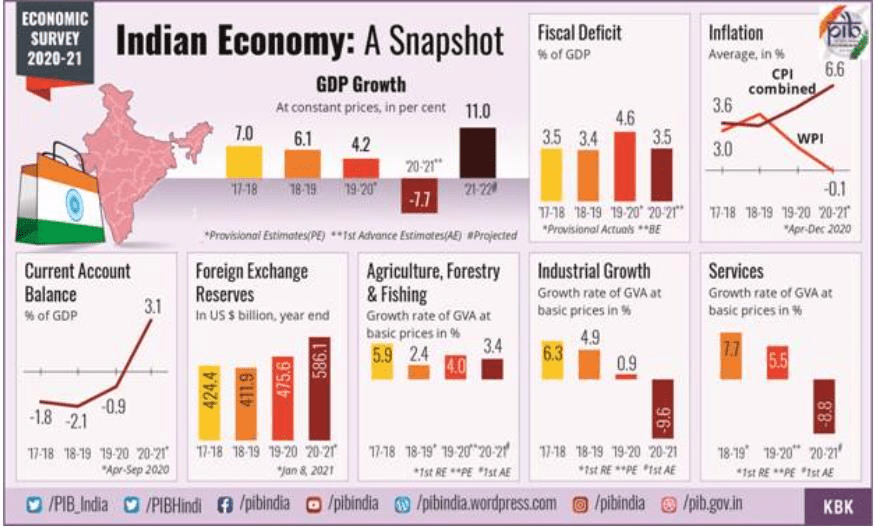
The following research paper discuses about the various aspects of the Indian economy, GDP, Economic slowdown etc. The COVID-19 pandemic ensued global economic downturn, the most severe one since the Global Financial Crisis. The lockdowns and social distancing norms brought the already slowing global economy to a standstill. Global economic output estimated to fall by 3.5% in 2020 (IMF January 2021 estimates).Governments and national banks across the globe conveyed different arrangement instruments to help their economies, for example, bringing down strategy rates, quantitative facilitating measures, and so forth India received a four-column methodology of control, financial, monetary, and long haul underlying changes: Calibrated financial and money related help was given, padding the defenseless during the lockdown and boosting utilization and speculation.

PRICES AND INFLATION

Averaged 6.6% during April-December, 2020 and remained at 4.6% in December, 2020, principally determined by ascend in food swelling (from 6.7% in 2019-20 to 9.1% during April-December, 2020, attributable to develop in vegetable costs) CPI feature and its sub gatherings saw swelling during April-October 2020, driven by significant expansion in value energy – because of the underlying interruptions brought about by COVID-19 lockdown Moderated value force by November 2020 for most sub gatherings, combined with positive base impact.

Sustainable Development and Climate Change

Voluntary National Review (VNR) presented to the United Nations High-Level Political Forum
(HLPF) on Sustainable Development . Limitation of SDGs is significant to any methodology pointed toward accomplishing the objectives under the 2030 Agenda. Sustainable advancement remains center to the improvement technique regardless of the remarkable COVID-19 pandemic emergency .Eight National Missions under National Action Plan on Climate Change (NAPCC) zeroed in on the targets of variation, relief and readiness on environment chances. India’s Nationally Determined Contributions (NDC) states that money is a basic empowering influence of environment change activity . The financing contemplations will subsequently stay basic particularly as the nation ventures up the objectives considerably .The objective of mutually preparing US$ 100 billion every year by 2020 for environment financing by the created nations has stayed tricky.

GDP

India’s real GDP has recorded a growth of 11 per cent in 2021-22 and the nominal GDP by 15.4 per cent- which has been the the highest since independence. The V-shaped economic recovery is supported by the initiation of a mega vaccination drives with the hopes of a robust recovery in the services sector and prospects for robust growth in consumption and investment. The Union Minister for Finance & Corporate Affairs, Nirmala Sitharaman presented the Economic Survey 2020-21 in Parliament, which stated that the rebound will be led by the low base and continued normalization in economic activities as the rollout of COVID-19 vaccines gathers traction. The fundamentals of the economy remain strong as gradual scaling back of lockdowns along with the astute support of Atmanirbhar.

Conclusion

India has evolved through the pandemic on the back of strong policy initiatives by the government, along with an optimistic outlook for economic recovery. India has administered ~4 million doses of COVID-19 vaccines in two weeks since January 16, 2021, becoming the fifth-largest inoculated country globally. India has become the world’s vaccine hub and extended support to 90+ countries seeking to stock up vaccines.

Since March 2020, early lockdown, health-infra ramp-up, incremental unlocking, blanket testing, social distancing, tailored fiscal stimulus (to reduce supply-side disruptions and revive demand) and structural reforms initiated by the government have helped restrict the fatality rate in India to 1.2%—one of the lowest in the world. India is emerging as the world’s fastest-growing major economy, with the IMF holding its growth forecasts as high as 6.8% for FY23. Also, the Economic Survey 2020-21 has drawn attention to the V-shaped economic growth—a testament to the burgeoning Indian economy and its intrinsic strength. India is not yet out of the danger of the pandemic. Social distancing continues to be the most effective tool to combat the pandemic as activity levels continue to rise in the economy boosted by the rapidly escalating inoculation drive in the country. Infrastructure to boost sectors to grow with unlocking of economy Terming investment in infrastructure “quintessential” to boost growth, the Economic Survey on Friday said post unlocking of the economy, infra sectors are poised for growth and construction of roads is expected to return to the high pace attained before COVID-19. The infrastructure sector will be the key to overall economic growth and macroeconomic stability, the Survey said emphasizing that the year after the crisis (2021-22) will require sustained and calibrated measures to facilitate the process of economic recovery and enable the economy to get back on its long term growth trajectory.

COVID 19 PANDEMIC- IS IT THE END OF THE WORLD?

BY: VAIBHAVI MENON

“We are in this together and we will get through this together” is a quote we often hear in today’s time. The COVID 19 pandemic was definitely a situation that most of us didn’t expect and it resulted in a loss of thousands of lives and heart breaking situations. Coronavirus disease (COVID19) is an infectious disease caused by a newly discovered coronavirus.  The first COVID case was reported from Wuhan, China, on 31 December 2019. From there began the endless struggle to free the world of this hazardous disease and methods on how to do so are still being conducted as of today. The virus spread so quick that no one had time to prepare resulting in loss of economy and loved ones. The numbers kept increasing and it became hard to provide facilities for everyone in need of them.

However ways on how to prevent the virus have definitely been helpful to a lot of us. One huge step taken was the world wide lockdown where people were asked to remain in quarantine and airplanes had shut down preventing travel of citizens to avoid spreading the virus. Prevention methods such as wearing of masks, maintaining social distance, avoiding social gatherings and even a nationwide lockdown were all put into place. Various testing methods had been developed to diagnose the disease. The standard diagnostic method is by detection of the virus’ nucleic acid by real-time reverse transcription polymerase chain reaction (rRT-PCR), transcription-mediated amplification (TMA), or by reverse transcription loop-mediated isothermal amplification (RT-LAMP) from a nasopharyngeal swab. Some common symptoms of the virus could be dry cough, fatigue or headaches while non common symptoms could be loss of taste and smell, breathing difficulties etc. Although the virus affected everyone in a negative manner, there were several companies who benefited from it and used it to their advantage. Companies such as Amazon, Zoom, Tesla, Apple had a rise in their economic prices. Vaccinations were soon introduced from different countries where some worked while some didnt and there was shortage in the number of vaccinations due to high demand for them. People also found new ways of communication through the technological platforms further helping in development of countries. Another positive aspect of this is that we as an individual have found time to spend with our family thus strengthening relationships and bonds with family. On the other hand communication has become more hander and children growing in this pandemic have tended to develop a introvert personality which could be a negative feature for them in the future.

In the present people have began to adapt to this form of lifestyle where technology plays a important role in survival and are slowly learning to be more comfortable with this method of communication. Inspite of that studies are still being made on how to put a stop to the virus or how to develop better methods of prevention which hopefully is something that’ll happen soon because We are in this together and we will get through this together.

Going to hit a century : Diesel price!

Diesel fuel, in general is any liquid fuel specifically designed for use in diesel engines, whose fuel ignition takes place, without any spark, as a result of compression of the inlet air mixture and then injection of fuel. Therefore, diesel fuel needs good compression ignition characteristics.

The most common type of diesel fuel is a specific fractional distillate of petroleum fuel oil, but alternatives that are not derived from petroleum, such as biodiesel, biomass to liquid (BTL) or gas to liquid (GTL) diesel are increasingly being developed and adopted. To distinguish these types, petroleum-derived diesel is increasingly called petrodiesel in some academic circles.

In many countries, diesel fuel is standardised. For example, in the European Union, the standard for diesel fuel is EN 590. Diesel fuel has many colloquial names, most commonly, it is simply referred to as Diesel. In the UK, diesel fuel for on-road use is commonly abbreviated DERV, standing for diesel-engined road vehicle, which carries a tax premium over equivalent fuel for non-road use. In Australia, diesel fuel is also known as distillate, and in Indonesia, it is known as Solar, a trademarked name by the local oil company Pertamina.

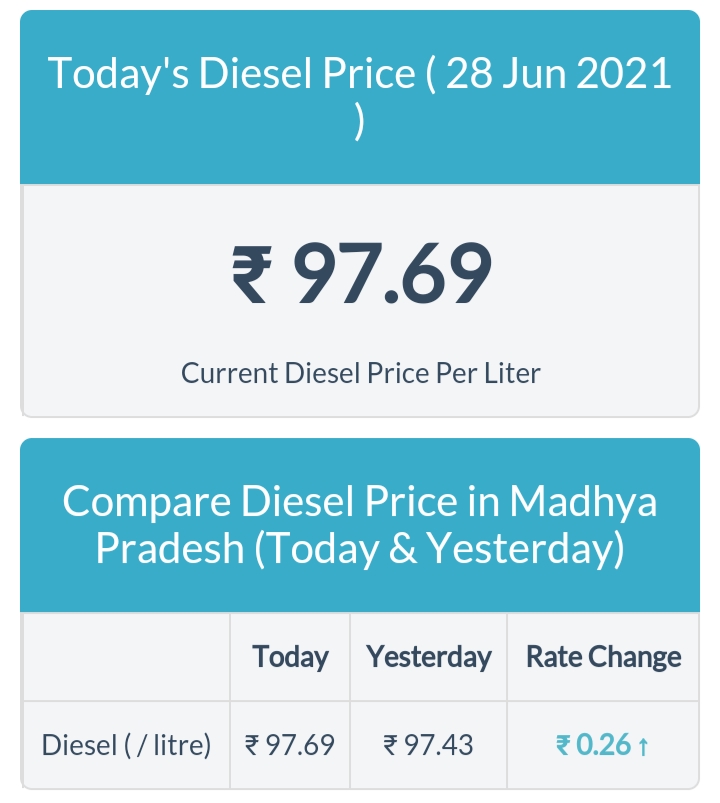
Diesel price in Madhya Pradesh today is fixed by state-run oil marketing companies based the daily ‘Dynamic Fuel Pricing’ mechanism. Here, you can check the current diesel price in Madhya Pradesh, find todays diesel price as well as the quarterly price trend in Madhya Pradesh. New diesel prices in Madhya Pradesh are updated by oil firms daily at 6:00 am IST.

You can also find out how diesel prices in Madhya Pradesh are calculated and how prices are compared to other states. Additionally, find the current Madhya Pradesh diesel price and primary factors impacting diesel prices in India as well as the highest and lowest price recorded during a month.

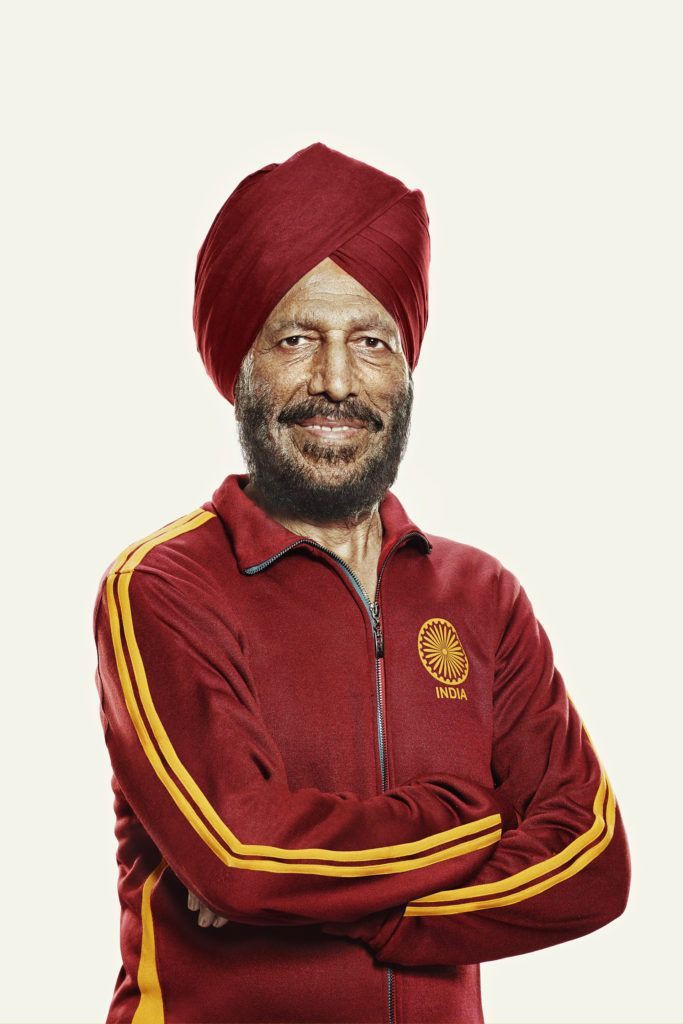
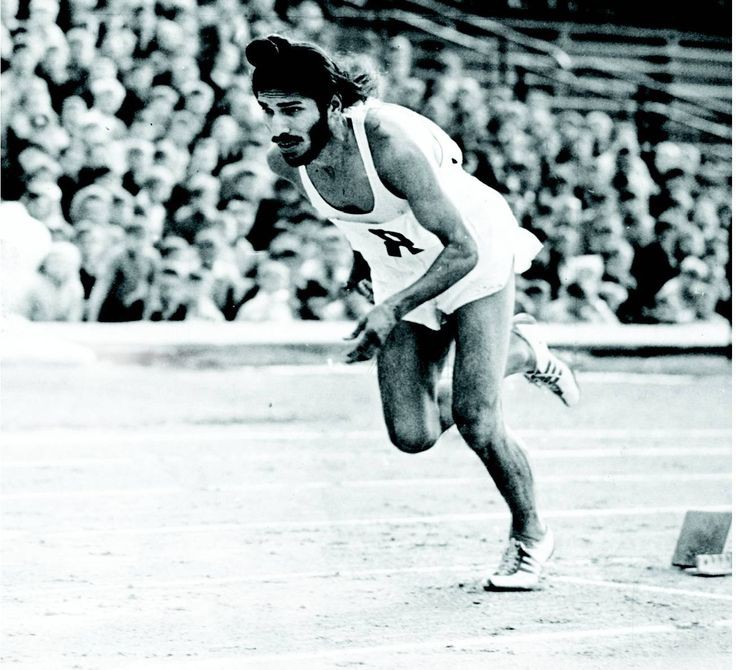
The Flying Sikh : The journey of MILKHA SINGH

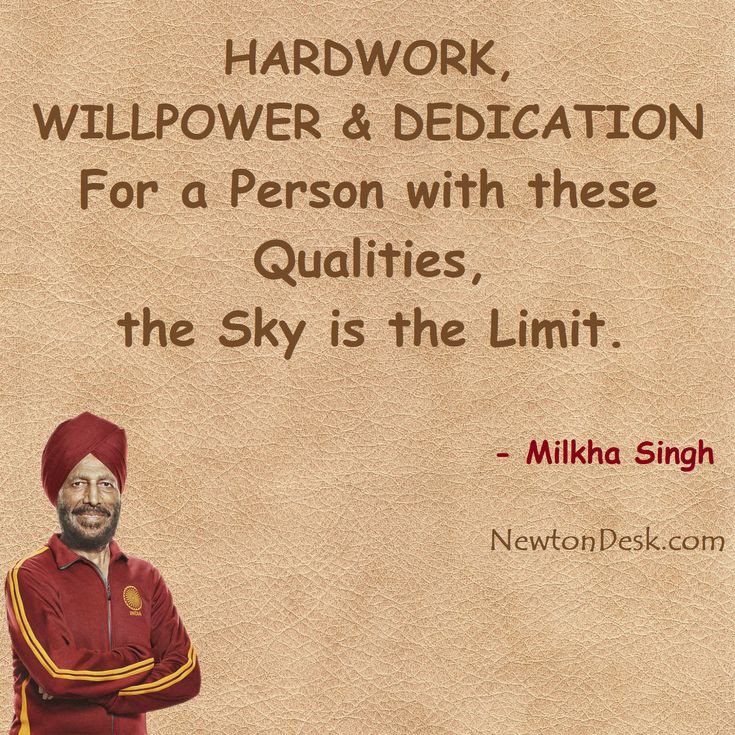
I was moved to tears by the thought that from being nobody the night before, I had become somebody.

– Milkha Singh

The beginning

He was an athlete , an army officer and a proud citizen . He won for his motherland and inspired many . Yes , he was an inspiration and served for his nation .

He was born in November 20,1929 in Govindpura , Punjab ( present – Punjab , Pakistan ) . He was one of his 15 siblings from whom 8 died during the partition . In early age , he moved to Delhi , India in 1947 .

He wasn’t interested in army or becoming one but wanted to prove himself and others that he can be the one . It was his forth attempt when he gained access and introduced to the athletic later .

He once said that “I came from a remote village, I didn’t know what running was, or the Olympics”. And that’s where he started his journey as an athlete .

Medal awards and Popularity

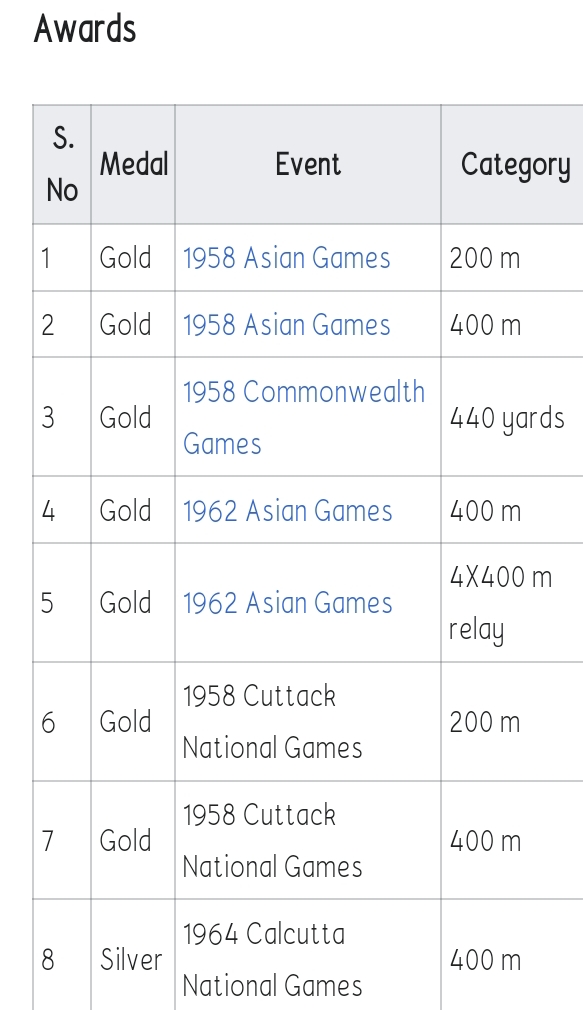
With many Olympic , National and International awards . Rather than his award Milkha Singh was quite popular in media . His powerful aura worked from sports men to the Ministry .

Later in his life he married Nirmal saini , a former captain of Indian women volleyball team and had three daughters and a son .

He became Director of sports in Punjab Ministry of Education and was awarded with Padmashri in 1959. He also turned down Arjuna award in 2001 by saying that it was to be awarded to younger atheletes rather than him.

An inspiration

As an athlete , he inspired young aspirants who want to become from Nothing to Something . He shared his ideas that before his first game he was just a runner but after he earn first postion he became Something from Nothing .

” I was moved to tears by the thought that from being nobody the night before, I had become somebody. “

-Milkha singh

He also co- wrote his biography with his daughter “THE RACE OF MY LIFE ” in 2013 . Which inspired “Bhaag Milkha Bhaag ” an autobiography film in 2013 . A trust had been founded for the poor and needy sports people in 2013 due to the recognition of film .

A day of loss

On June 18th ,2021 , we lost one of the legendary Indian icon , an ace of athlete due to the post covid – complication . “We are deeply indebted to the doctors at PGI for their valiant efforts and the love and prayers we received from across the world and from yourselves,” – statment given by his family .

PM Narendra Modi pay a tribute to MILKHA SINGH in his monthly radio program ‘Maan ki baat’ . He urged India to cheer and motivate for forthcoming Tokyo Olympics .

He said “When talking about the Olympics, how can we not remember Milkha Singh Ji. When he get hospitalized, I got a chance to speak to him, I had requested him to motivate the athletes going for Tokyo Olympics”

We lost one gem of our India but we didn’t lost his contribution to his motherland . He has given a lot and it’s our time to remember what gave to us .

Link:

SEBI: Securities and Exchange Board of India

SEBI (LOGO)

The Securities and Exchange Board of India (SEBI) is the regulatory body for securities and commodity market in India under the jurisdiction of Ministry of Finance , Government of India. It was established on 12 April 1988 and given Statutory Powers on 30 January 1992 through the SEBI Act, 1992.

Securities and Exchange Board of India (SEBI) was first established in 1988 as a non-statutory body for regulating the securities market. It became an autonomous body on 30 January 1992 and was accorded statutory powers with the passing of the SEBI Act 1992 by the Indian Parliament. SEBI has its headquarters at the business district of Bandra Kurla Complex in Mumbai and has Northern, Eastern, Southern and Western Regional Offices in New Delhi, Kolkata, Chennai, and Ahmedabad respectively. It has opened local offices at Jaipur and Bangalore and has also opened offices at Guwahati, Bhubaneshwar, Patna, Kochi and Chandigarh in Financial Year 2013–2014.

The SEBI is managed by its members, which consists of the following:

*The chairman is nominated by the Union Government of India.
*Two members, i.e., Officers from the Union Finance Ministry.
*One member from the Reserve Bank of India.
*The remaining five members are nominated by the Union Government of India, out of them at least three shall be whole-time members.

SEBI has to be responsive to the needs of three groups, which constitute the market:

*issuers of securities
*investors
*market intermediaries

SEBI has three powers rolled into one body: quasi-legislative, quasi-judicial and quasi-executive. It drafts regulations in its legislative capacity, it conducts investigation and enforcement action in its executive function and it passes rulings and orders in its judicial capacity. Though this makes it very powerful, there is an appeal process to create accountability.

Mumbai HQ (Head Quarters)

A society that can breach the stereotype in India .

I never feel confined by gender, by labels, by expectations, by stereotypes. I’m free to be myself.

Princess Nokia

Introduction

During the last two decades it is said that to be a women is the most precious gift a human can have . To be able to give birth to another human being that lives inside precisely 9 months at most .

But their is another dispute that a women can only be a insider . That can fulfill the needs of the dominant society.

Isn’t these two statements are contradictory. In first one a women is a precious gift and in another she can only fullfill one’s needs but only in four walls .

Aren’t they human or a thing that can only live under the roof of men for living ?

Women have always played an important role in the society . Even in the ancient times , they were considered as an equal with the men . So what change , the air , the water , the life style or the mindset . We can also say that the stereotype mindset in society .

Years and years before people grew their ego and think about their individual benefits. Women lead life with virtue , wisdom and respect .

When it start

It was all not same as it was now , their were times when women rule the nation . But due to the foreign invasion , women suffer immensely . At the mediaeval times , women came to be confined within the four walls of the house .

Mediaeval period also known as ‘DARK AGE ‘ as very few women’s were found to be a ruler at that period . It was the period when women brought to the deeds where they made to be inferior to men .

They were raped and brutally killed by the demons who think they can dominate them .

Rani Padmavati, Jodha Bai, Gulbadan Begum, Nurjahan, Jahan Ara , Mumtaj Mahal, Razia Sultan , Jija Bai are some of the women who fought for their right , safety , people , family and love also saved many .

“And one day she discovered that she was fierce, and strong, and full of fire, and that not even she could hold herself back because her passion burned brighter than her fears.”

– Mark Anthony

Modern era

It’s a century of love , reliability , equality and most important individuality .

Then why women are always compared to the men . Why they questioned when they are innocent . ( Well not all are innocent and victim , just for those who are ) .

I do believe that men and women are different . Their differences doesn’t make them weak . It’s just a perspective and view of people that make them vulnerable .

But do women care , it’s their own life not to say that anyone means ANYONE can come and stamp their ‘so called ’ rules on them . Not against the male gender but to those who think they can dominate and lock them in four walls .

Not to say, if women lock men in four wall room . So what will happen to them . Umm. Let’s think , they run like a horse at the time when the room unlocked .

If OJO -MOJO can’t stay in their rooms can’t OLLE do the same . Yes she can , also kick their humpy dumpy bum.

Let’s end the topic and eat some more . It’s a 21st century donot let someone walk on you , you can stand for yourself .

“Don’t let anyone speak for you, and don’t rely on others to fight for you.”

– Michelle Obama

This editorial is written under one’s perspective . Neither against any gender nor in favour .