Air pollution management

 In the wake of rapid urbanization, alarmingly high levels of air pollution can be seen in the metropolitan cities like Delhi. Air pollution management is the need of the hour in order to protect our environment and restore the natural purity of air. 


Air pollution : A rising concern 

Air pollution is caused due to the presence of undesirable solid or gaseous particles in the air. It is considered to be one of the major threats to environmental health. The origin of air pollution can be traced back to the time when humans had discovered the usage of firewood. But it started increasing drastically in the beginning of the 20th century due to high scale usage of petrol and diesel. 

Concentration of industries and rapid growth in usage of motor vehicles in the densely populated cities led to high density of pollution. This can not only impact the polluted city or nearby regions, but can also affect the global environment. Ozone layer present in the Stratosphere plays a significant role as a shield against the harmful ultraviolet rays. Depletion of ozone layer and acidification of rain are the consequences of rising pollution levels in the air. 

High levels of harmful gases like Carbon Monoxide are released by poorly maintained vehicles, burning of wood, coal,  or other natural gases. Nitrogen Oxide, Sulphur Oxides, and Lead are some other dangerous chemicals causing air pollution. Prolonged exposure to such pollutants can cause lung diseases, asthma, and chronic bronchitis. These pollutants can also affect the plants as pollutants break down the waxy coating on the leaves which disturbs the process of photosynthesis. 

Management of air pollution

Some stringent laws have been imposed to curb the pollution and control emission of toxic gases.  

  • Motor Vehicle Act was introduced in 1988 by the Ministry of Road Transport and Highways. It includes punishment for offences related to air pollution by vehicles. According to the act vehicles emitting gases more than the prescribed limit are punishable. Requirement of a pollution certificate for the vehicle is also mandatory under the act.  
  • Air Pollution Control Act introduced in 1981 aims to limit the emission of particulate matter, Lead, Carbon Monoxide, Sulphur and other such gases. Industries, vehicles, and power plants are punishable if they release more than the prescribed limits of these harmful pollutants. A penalty fine or imprisonment can be given for violation of the rules. The act is implemented and ensured by the Pollution Control Board to improve the air quality.

Role of individuals to curb air pollution

  • First and foremost duty of an individual is to minimise the usage of vehicles emitting pollution as far as possible. This can be achieved by using public transport, cycling or walking for short distances, and car-pooling. 
  • Avoid smoking, especially in public places as it harms the health of the individual and pollutes the air inhaled by people in the vicinity
  • Inform the Pollution Control Board in writing about any industry exceeding the pollution limit and report to the local authorities about cutting down of trees without permission in the locality. 

Air pollution can be managed with the help of collective efforts by the people. It is our duty to act responsibly and incorporate eco-friendly methods in our daily lifestyle as much as possible. 
What is Eco-tourism

Definition

Ecotourism is now described as “responsible travel to natural regions that conserves the environment, supports local people’s well-being, and includes interpretation and education” (TIES, 2015).

Both staff and visitors are expected to participate in education.

Ecotourism has been hailed as a panacea around the world: a way to fund conservation and scientific research, benefit rural communities, promote development in poor countries, improve ecological and cultural sensitivity, instill environmental awareness and social conscience in the travel industry, satisfy and educate discriminating tourists, and some claim and bring world peace

Photo by Maria Orlova on Pexels.com

Ecotourism is a type of tourism that aims to have a low environmental impact, is environmentally friendly, and avoids the negative consequences of many large-scale tourism projects in previously undeveloped areas.

History of eco-tourism

Although the origins of the term “ecotourism” are unknown, Heizer (1965) appears to be one of the first to use it, identifying four “pillars” or principles of responsible tourism: minimizing environmental impacts, respecting host cultures, maximizing local benefits, and maximizing tourist satisfaction.

In the 1970s and 1980s, ecotourism grew out of the environmental movement’s womb. Growing environmental concerns, along with a growing discontent with mass tourism, resulted in a surge in demand for alternative outdoor experiences.

At the same time, developing countries came to recognize that nature-based tourism may be a source of foreign cash while also being a less resource-intensive alternative to forestry and agriculture.

Many Definitions of Eco-Tourism

Ecotourism, according to Ceballos-Lascurain, is “travelling to relatively undisturbed or uncontaminated natural areas with the specific goal of studying, admiring, and enjoying the scenery and its wild plants and animals, as well as any existing cultural manifestation (both past and present) found in these areas.”

Ecotourism is defined as “responsible travel to natural regions that conserves the environment and improves the well-being of local people,” according to the Ecotourism Society.

“Ecotourism is nature-based tourism that combines teaching and interpretation of the natural environment and is managed to be environmentally sustainable,” according to the Ecotourism Association of Australia.

This definition emphasises that the word “natural environment” encompasses cultural elements, and that “ecologically sustainable” refers to a fair return to the local people as well as long-term resource conservation.

Ecotourism, according to Tickell, is “travel to appreciate the world’s wonderful diversity of natural life and human culture without harming either.”

Ecotourism is a type of environmentally friendly tourism that promotes environmental and cultural awareness, appreciation, and conservation.

Photo by Mateusz Sau0142aciak on Pexels.com

Types of Eco-Tourism

We defined mass tourism as a more traditional kind of tourism development in which short-term, free-market principles predominate and profit maximization is the primary goal. Tourism development was once thought to be a desirable and generally “clean” business for nations and regions to pursue.

This was especially true in terms of gains in foreign exchange profits, job creation, and infrastructure development, such as transportation networks.

We are more prone these days to demonize or portray traditional mass tourism as a beast; a creature with few redeeming features for the destination place, its people, and its natural resource base.

This isn’t to say that “mass tourism” hasn’t generated issues; it has. There has been a legitimate need to establish an alternative way to tourism growth that mitigates the harmful effects of mass tourism.

As a result, the concept of “alternative tourism” has gained popularity. This alternate strategy has been referred to as a “competing paradigm” to mass tourism, but it may also be seen as a complimentary approach. That is, there is no such thing as “alternative tourism.”

As a result, the dispute devolves into a semantic one. It may be best to recognize that alternative tourism is a natural result of a growing awareness of tourist development and its strengths and weaknesses.

Alternative tourism is a broad phrase that refers to a variety of tourist tactics (e.g., suitable, eco, soft, responsible, people to people, and green tourism), all of which claim to provide a more environmentally friendly alternative to traditional mass tourism in specific areas.

However, as Weaver correctly points out, alternative tourism is not without its detractors. It is apparent that just because alternative tourism arose in response to mass tourism’s negative repercussions does not mean it is less destructive or better than its alternatives.

Nature of Ecotourism

Between 2008 and 2017, tourism is predicted to rise at a rate of 4.3 percent per year in real terms. Ecotourism, often known as nature-based tourism, is the fastest-growing segment of the tourism business, increasing three times faster than the overall industry.

There can be little doubt that rising environmental concerns, along with the historically common habit of travel as a means of escape to nature, are encouraging people to seek solitude with nature, resulting in an increase in the number of visitors to national parks and other protected places.

Nature-based tourism encompasses a variety of aspects. Although not all forms of travel to natural places are necessarily ecotourism, this is an important step in distinguishing nature-based tourism from ecotourism and provides us with a number of levels at which to differentiate the link between certain tourism activities and nature:

Those activities or experiences that rely on the natural world.
Those activities or experiences that are made better by the presence of nature.
Those activities or experiences that happen to take place in a natural context.
Nature-based tourism is divided into numerous categories, each of which employs a combination of these dimensions.

Camping, too, is an activity/experience that is frequently enhanced by nature. Most people would rather camp in a natural area than along the side of a busy highway.

As a result, while nature is an important aspect of these experiences, it is not the driving force behind them.

EPI INDEX


The Environment Performance Index (EPI) is a summary of the sustainable development status of 180 countries around the world. The index uses 32 performance measures for the following 11 issue categories:


  1. Air quality
  2. Sanitation and drinking water
  3. Heavy metals
  4. Waste management
  5. Biodiversity and habitat
  6. Ecosystem services 
  7. Fisheries
  8. Climate change
  9. Pollution emissions
  10. Agriculture 
  11. Water resources


These categories track the performance and progress towards the two main policies, environmental health and ecosystem vitality. EPI provides a scorecard after analyzing the environmental performance of the country. The EPI highlights toppers and laggards in the environmental performance, and provides viable guidance for the countries seeking a sustainable future.


EVALUATION


As a composite index, the Environmental Performance Index aggregates the data of many sustainability indicators into one particular number. The data for EPI comes from trusted third-party sources, such as international government agencies, NGOs, and academic research centers. From the data provided EPI draws an indicator scale of 0-100 (from worst to best performance). At the end, the scores of each country are weighed and aggregated into issue categories and then into EPI score. The EPI index shows which countries can best solve the environmental challenges. For the first time, the 2020 EPI rankings included waste management metric and an indicator on CO2 emissions. 


Will the transition to electric automobiles have a positive impact on our environment?

In the present scenario, the mightiest contributor to air pollution is the transport industry. Today we have automobiles zooming past us at an alarming rate. In our country, the previous year i.e., 2020 we saw the sales of passenger cars almost hit 3 million. If this trend continues how it is growing, we might not have a future to live. The possible solution to reduce the emissions from an automobile is to either shift to a Hybrid vehicle or an all-electric one. Let’s see what’s going to happen if we could successfully undergo this transition.

Firstly, let’s take a look at why the people in our country aren’t open to electric vehicles. The major issue is the easiness of refueling the vehicle. Currently, it is very easy to do so with fuel-run vehicles; but if forced to shift to an electric vehicle causes a major drawback in the time taken to refuel the vehicle. Next, we have the affordability; the current average price of a regular automobile ranges from 7.5 lakhs to 8.5 lakhs. The average cost of a hybrid or electric vehicle is approximately situated at 20 lakhs, which makes a major financial hindrance to the con-man of our country.

Although during a drive an electric vehicle produces almost no harmful emissions directly to the environment some indirect emissions cause harm to the environment. To charge an electric vehicle the need for electricity is very essential. Presently, in our country around 60% of the electricity produced comes from burning coal. Burning up fossil fuels results in enormous amounts of carbon emissions into the atmosphere. Here we are trying to reduce the effect of pollution on our environment by just finding new methods to harm our environment.

On the contrary, the emission produced by an electric vehicle is just half of that produced by a fuel-run car annually. This provides a huge amount of relief and satisfaction that we might able to reduce our carbon footprint. But questions arise whether it is possible to make one’s transport almost completely green and harmless to the environment. Possibly, there might be a way to do so. To reduce the amount of electricity generated by incinerating fossil fuels, we must explore other greener sources of energy. One might consider these to be energy produced from solar, wind, geothermal, hydel and many more., these sources might help us in building a better environment.

It is not a feasible approach to drastically switch to an electric approach; it will take immense time to completely switch. Although it seems to be nearly impossible, but with right investment and policies from the government we can ensure a smooth transition. By supporting this transition, we can reduce the emissions from our conventional automobiles. It is clear that the cost of electric automobiles is currently rocket high, but when manufacturing companies see the trend for EV’s they will consider mass production a large scale and then prices will gradually reduce.  

To conclude, EV’s are the future and will surely help reduce the effects of global warming, ozone depletion and many other environmental issues. Currently, a conventional gasoline run automobile can only provide an efficiency of 60-70%. Whereas an electric powered vehicle has an efficiency in the range of 80-90%. Hence the shift to electric powered vehicles, will not only reduce the harm on our environment, but also will be lighter on the pocket.

Which countries are open for Indian tourists.

Destinations such as Maldives, Croatia, South Africa, Switzerland, Russia, Lebanon, Germany, Ukraine, UAE, Turkey and Iceland have started allowing non-essential travel, subject to vaccination or other conditions.

India’s biggest online travel portal, MakeMyTrip, has seen a 35% jump in searches for international leisure packages in July compared to that in the previous month, with the Maldives and Russia ranking high on the list of preferred destinations.

“As positivity rates drop, we hope it encourages more countries to open their borders to Indian travellers,” said Vinay Malhotra, regional group chief operating officer, South Asia, Middle East and North Africa and Americas at visa processing firm VFS Global.

Aloke Bajpai, group CEO at Ixigo, said search enquiries on the company’s platform for travel to overseas destinations have seen 80-85% increase in July as compared to last month. “With several countries easing travel restrictions, interest in leisure international travel to countries such as the Maldives, Switzerland, Germany, Qatar and Turkey is rising,” he said.

Some countries such as Qatar and Switzerland require a full vaccination certificate (Covishield) from Indian travellers. Iceland has given an option to travellers to either submit a full vaccination certificate or a Covid-19 recovery certificate. Unvaccinated travellers can travel to countries such as the Maldives, Russia, Germany, Turkey, Nepal and Ukraine by providing a negative RT-PCR report issued within 72 hours of departure.

To cash in on the increasing interest, SOTC Travel has introduced a range of offers such as ‘Buy One Get One Free – Get your Companion’s Holiday Free’ for overseas destinations. Daniel D’souza, country head for leisure at the company, said the most popular destinations in terms of enquiries include Dubai, the Maldives, Russia and Switzerland. The company has seen a 35-40% increase week-on-week in enquiries, he said.

Kanika TTekriwal, CEO, JetSetGo Aviation, said travellers are still conscious about the high likelihood of contracting the virus via regular flights. As a result, her private jet and helicopter services company has been seeing 10-12 booking queries each day since air travel suspension was lifted for the Maldives and some European countries.

Effects of air pollution

Effects of air pollution

  • Human health
  • Animals
  • Plants
  • Material
  • Stratosphere
  • Environment

Impact on plants

  • Reduced plant growth
  • Damage to leaves of crops plant
  • Susceptible to disease, pest, Frost

Impact on materials

  • Cars
  • Homes
  • Monument, sites

Impact on health

  • By VOCs, suspended particles
  • Lung cancer
  • Headache, dizziness
  • Respiratory diseases
    • Asthma – By SO2, smoking
    • Bronchitis – NO2
    • Influenza, cold- NO2

Effect on human health

  • Irritation of eye, nose and throat.
  • In severe cases, there may be headache, nausea and loss of coordination and concentration.
  • It lowers our resistance to cold and pneumonia.
  • CO has affinity towards hemoglobin which cause disturbance in
    • transportation of oxygen
    • impairing our concentration
    • slow our reflexes
    • make us confused and sleepy
    • feel suffocation.
  • SO2 in the air lead to disease of lung and other lung disorders such as wheezing and shortness of breath.
  • Chronic respiratory disease- lung cancer, heart disease, damage to the brain liver or kidney.
  • Effect of arsenic, Asbestos, Mercury and Benzene can cause mutation, reproduction problems or even cancer.

Effects on plant

  • Pollutant enters through stomata.
  • Pollutant Erode waxy coating of the leaves called cuticle
    • Cuticle prevent excessive water loss and damage from disease pest, drought and Frost.
  • Destroy chlorophyll
  • Affect photosynthesis
  • Damage of leaf structure causes :-
    1. Necrosis – damage to leaf structure.
    2. Chlorosis- loss /reduction of chlorophyll causing yellowing of leaves.
    3. Abscission – Dropping of leave.
    4. Epinasty – Downward curling of leaves.
    5. Death of plants.

Effect on aquatic life

  • Precipitation in the form of acid rain cause high acidity in freshwater lake.
  • Acid rain affect aquatic life especially fish.
  • Some of freshwater lake have experienced total fish death.

Effect on material

  • Due to corrosiveness, particulates can cause damage to exposed surfaces.
  • Ozone causes crackling of rubber.
  • SO2 and water form H2S – corrosion as well as disfigurement of Statue made up of limestone or marble.
  • Oxides of Nitrogen can cause fading of cotton and Rayon fibres.

Effect on environment

  • Visibility
  • Pollutants in the presence of Sunlight produce photochemical smog.
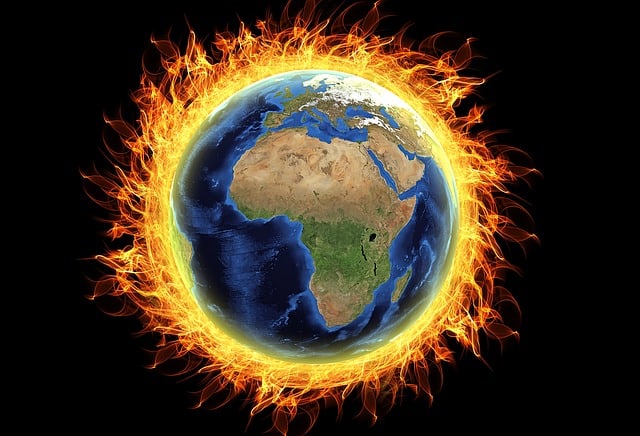
  • Emission of greenhouse gases tends to global warming.
  • Chlorofluorocarbons carbons also cause Ozone layer depletion.

The phenomenon of trapping and reradiating heat by greenhouse gases in the atmosphere is referred to Greenhouse effect.

  • Natural greenhouse effect keep Earth warm .
  • Global mean temperature of earth is + 15 degree Celsius.
  • Water vapour, CO2, H2O, CH4, ozone and cfcs present in minute quantities but maintain the temperature of Earth.
  • In the absence of greenhouse gases, the temperature of earth would be much lower than – 20 degree Celsius.

Enhanced greenhouse effect means global warming.

WHAT DOES ADOLESCENCE NEED?

Need for independence

With the growing physical and mental development an adolescent wants to express his opinion independently, to take part in different social activities and to become self-dependent like any adult member of the society. On attaining adolescence, the child who earlier used to depend on his elders, finds himself full of life and energy and cannot help but to take part in the diverse activities of the society. Thus, he defies the dominance of his elders and wants to proceed in life independently

Need for self-recognition

The adolescents not only want to take part in different social activities but also want self-recognition. They want to attract attention of other people by showing their abilities. The children in adolescence want to project themselves before the society in such a way so that people can appreciate their qualities and give them due respect and recognition.

Need for self-expression

There is a great desire among the children in adolescence to express their feelings, thoughts and ideas. At this age, every child wants to express himself in his area of proficiency like sports, dramatics, studies, music, literature, art or any other medium.

Need for social life

One of the important needs of adolescents is to take part in the greater social environment. Before entering into the age of adolescence, children do not get much scope to mix with people outside their family. But as they attain adolescence children want to experience the greater social-life and want to get involved closely in different social activities. This need for social life gets an outlet when the adolescents involve themselves in the activities of different social institutions like club, social welfare committee, community service etc.

Need for self-reliance

Another important need of children in adolescence is the need for self-reliance. There is a great desire among the children of this age to become self-reliant as soon as they attain puberty. And they start dreaming about their future professions and the ways to establish themselves in their respective fields. The children of this age are also very eager to acquire professional qualifications according to their choice.

Need for Philosophy of life, morality and need to know the unknown

The children in adolescence want to have a philosophy of life, a clear concept of morality and want to know all the things which are unknown to them. They have a lot of inquiries regarding the basic purpose of life. They want to know how human life can be goal-directed and what is the main aim of life. When the children attain puberty, they also indulge in a great deal of thinking over the concept of right and wrong, good and bad. They want to evaluate all the activities of themselves and people around them in accordance with the concept of right and wrong. There is always a tendency among them to do whatever is morally right. And if they do something morally wrong, they go through terrible mental agony. At adolescence, there is also a great desire among the children to know what is unknown to them. The new discoveries of science have a great influence on the minds of adolescents.

Need to satisfy sex-related curiosity

As the children attain puberty they develop a deep sex-related curiosity. This curiosity greatly perturbs them as the result of natural outcome of their sexual development. First, they try to satisfy this curiosity by natural means. But later, by being ignored or scolded by the elders, they try to satisfy this curiosity through abnormal ways. Adolescence is one of the important stages of growth and development of the child. At this stage a unique disturbance develops in the mind of the child. According to modern Psychologists, this disturbance in the mind of the child is not an essential outcome of his physical development, rather it occurs in the mind of adolescents because of unfavourable environment.

Blue Origin Trip: People, Earth, Space and Environment

Jeff Bezos, the founder of Amazon and Blue Origin, the richest man on the planet and a lot many adjectives that are used for him – finally and quite successfully monetized space travel in the eyes of the Earthlings.

Jeff Bezos launches to space aboard New Shepard rocket ship - BBC News
Commercial Astronaut Bezos in his maiden space voyage.

To begin with, he thanked and congratulated all earthlings for this success. He added that it was we, the people and all the employees of Amazon who had paid for it. Well, he isn’t exactly lying. And we could be thankful to him too, for he has successfully monetized space travel – something we all wanted to hear as kids – well maybe not the monetization part. But it will be this monetization that will fuel more companies to enter into the market. Elon Musk has already worked a lot on reusable space crafts, not to forget that many space agencies – the most prominent being ISRO in India are working to create cheaper means of launching cargo and satellites into space and there are many private space-based start-ups opening up too. Maybe in a decade, space travel will be accessible to at least the upper middle class across the planet.

But should we really thank Jeff Bezos? Opening space for travel opens space for greater amount of debris and maybe a push for institutions all around the world to find out ways to tackle an already existing problem. To add to that, Space travel and Musks’s goal of colonising Mars are but only more incentives to reduce budget on the environment in the long run. Sounds like a dystopian Science Fiction but history points out to the facts that when man was not bound by citizenship laws, forests and agrarian lands have gone barren only because they had options. It is this history that has pushed us towards all the environmental litigations we know of. Will we be as enthusiastic about them if Mars colonies were a reality? As Musk has himself repeatedly stressed that Earth might no longer be livable. Well, scientifically, it is livable upto another 4.5 billion years. But we, the people and the way in which we living beings influence the climate might not allow the planet to see more than 500 years from now. And we are not to be shamed about it. Our education, our governments and our media is more accountable than we are. These are the institutions that tell us what and how the world is. And unfortunately, we believe that is the way the world is.

So, should we or should we not support a scientific and technological advancement?

The answers don’t really lie with anyone. While Bezos travelled to space and Musk revolutionised reusability of the crafts, we still saw public demonstrations in South America against the change in fishing litigations, India against the allegedly anti-environment and corporate-friendly revisions in Environment Impact Assessment Law draft and in Brazil against the government’s decision to not do a lot about the Amazon fires. Humanity still loves this Earth and while in a distant future, capitalism can shame people for doing so, it is increasingly unsuccessful right now. And let us not only keep it that way, but also create ways to add to that love.

Food Pollution.

We, human beings are vulnerable to various types of pollution. And Food is one of the most significant things we need to survive in this world. So, if the food we consume becomes polluted then what are the chances for us to stay healthy? Food Pollution over time has become a topic of concern, so let’s have look at it. 

What is Food Pollution?

Food Pollution is defined as the presence of toxic chemicals (elements or compounds) or biological contaminants which are not naturally present in food or are above their natural background level (for those chemicals which are naturally found in some foods).

What are the effects of Food Pollution?

Food Pollution can affect us by causing mild to moderate to severe food illness and it can also cause various health issues like hormonal and metabolic imbalance, and even various types of cancer. Certain pesticides present in the food can also cause Nervous System problems. Further, in few cases, highly polluted food can cause immediate food poisoning or even death. Approximately, more than 70 million cases of food-borne diseases occur alone in the U.S. every year, resulting in 5,000 deaths per year. 

What are the causes of Food Pollution? 

There are several causes of Food Pollution. Practically, any pollutant has the potential to pollute food just by coming in contact with it.  And vegetables can get polluted by bacterial problems which can only be destroyed by processing the contaminated food at high temperatures. Let’s have a look at situations where toxic chemicals can get into the food:-

★ consumption of polluted water and/or food by fish or other animals;

★ food processing, packaging, and handling;

★ propagation and concentration of pollutants through the food chain;

★ growing of food (e.g. crops, fruits, vegetables) in polluted soils, solid wastes (e.g. mine tailings), or areas with polluted groundwater;

★ irrigation of grown food (e.g. vegetables, fruits, crops) with polluted water;

★ growing of food (e.g. crops, fruits, vegetables) in areas with polluted air;

★ agricultural treatments with pesticides, insecticides, and/or herbicides;

★ agricultural application of sewage sludge and/or polluted fertilizers (which contain ash from power plants). 

Safe Food Alternative

Japan has come up with an alternative for producing safe food, according to which vegetables should be grown in factories that terminate the unpredictable effect of environmental pollution, unpredictable weather, or pests. Also, the process would be all computerized that would control various factors affecting growth. This idea of a safe food alternative was given by OZU cooperation in Tokyo. Can this be the way of future agriculture? Well, this we’ll see. 

Hazards of Food Pollution are everywhere and all can be done on an individual level is; by informing ourselves and taking action. 

Food Pollution.

We, human beings are vulnerable to various types of pollution. And Food is one of the most significant things we need to survive in this world. So, if the food we consume becomes polluted then what are the chances for us to stay healthy? Food Pollution over time has become a topic of concern, so let’s have look at it. 

What is Food Pollution?

Food Pollution is defined as the presence of toxic chemicals (elements or compounds) or biological contaminants which are not naturally present in food or are above their natural background level (for those chemicals which are naturally found in some foods).

What are the effects of Food Pollution?

Food Pollution can affect us by causing mild to moderate to severe food illness and it can also cause various health issues like hormonal and metabolic imbalance, and even various types of cancer. Certain pesticides present in the food can also cause Nervous System problems. Further, in few cases, highly polluted food can cause immediate food poisoning or even death. Approximately, more than 70 million cases of food-borne diseases occur alone in the U.S. every year, resulting in 5,000 deaths per year. 

What are the causes of Food Pollution? 

There are several causes of Food Pollution. Practically, any pollutant has the potential to pollute food just by coming in contact with it.  And vegetables can get polluted by bacterial problems which can only be destroyed by processing the contaminated food at high temperatures. Let’s have a look at situations where toxic chemicals can get into the food:-

★ consumption of polluted water and/or food by fish or other animals;

★ food processing, packaging, and handling;

★ propagation and concentration of pollutants through the food chain;

★ growing of food (e.g. crops, fruits, vegetables) in polluted soils, solid wastes (e.g. mine tailings), or areas with polluted groundwater;

★ irrigation of grown food (e.g. vegetables, fruits, crops) with polluted water;

★ growing of food (e.g. crops, fruits, vegetables) in areas with polluted air;

★ agricultural treatments with pesticides, insecticides, and/or herbicides;

★ agricultural application of sewage sludge and/or polluted fertilizers (which contain ash from power plants). 

Safe Food Alternative

Japan has come up with an alternative for producing safe food, according to which vegetables should be grown in factories that terminate the unpredictable effect of environmental pollution, unpredictable weather, or pests. Also, the process would be all computerized that would control various factors affecting growth. This idea of a safe food alternative was given by OZU cooperation in Tokyo. Can this be the way of future agriculture? Well, this we’ll see. 

Hazards of Food Pollution are everywhere and all can be done on an individual level is; by informing ourselves and taking action. 

GLOBAL WARMING

GLOBAL WARMING

  Global warming as we know is an increase in the temperature of Earth atmosphere.a gradual increase in the overall temperature of the earth’s atmosphere 
HOW BAD IS GLOBAL WARMING ?
   Global warming is causing the earth average surface temperature to increase causing changes to our natural climate system.The changes are making extreme weather events more likely and more server
GLOBAL WARMING CAUSES
Most of the causes of global warming to human activities
  –Pollution
  –Deforestration
  –Urbanization
Greenhouse gases play and enormous role in a global warming as they absorb the heat and causes the Earth’s temperature rise.
PREVENTION FOR GLOBAL WARMING
Stop deforestation.
• Reduce pollution.
Reduce energy use.
Keep lights off when you are not in room.
• Wash clothes in cold or worm not hurt Water.

😲😲😲 WOW FACTSSSSS

Wow facts are the facts that will amaze you and will challenge your General knowledge and today I am here to challenge your quiz capacity…..wowwwww factssssssss …hope you will enjoy today’s blog….. So here are 10 wow facts

WOW FACTS 😊💞

Glaciers and ice sheets hold about 69 percent of the world’s freshwater….. To find the bulk of the world’s freshwater you need to trek to the poles, as 68.7% of it is encased in ice caps, permanent snow, and glaciers.

The best place in the world to see rainbows is in Hawaii. If you’re an avid rainbow gazer and want to get your fill of the beautiful phenomenon, look no further than the state of Hawaii.

New creatures have been found in deep-sea volcanoes. over 90 putative bacterial and archaeal genomic families and nearly 300 previously unknown genera.” Some research has linked hydrothermal vents, like deep-sea volcanoes, to the “origin of life.” So are we looking at the early signs of future land-dwellers?

North Korea and Cuba are the only places you can’t buy Coca-Cola. this fizzy drink is sold practically everywhere, it still hasn’t (officially) made its way to North Korea or Cuba, according to the BBC. That’s because these countries are under long-term U.S. trade embargoes.

There are more twins now than ever before. twins is it lucky to see twins well now it’s becoming common..From about 1915, when the statistical record begins, until 1980, about one in every 50 babies born was a twin, a rate of 2 percent

The world’s most densely populated island is the size of two soccer fields. Santa Cruz del Islote in the Archipelago of San Bernardo off the coast of Colombia may only be about the size of two soccer fields (two acres), but the artificial island has four main streets and 10 neighborhoods. Five hundred people live on the island in around 155 houses. With so many people packed into such a small space, it’s the most densely populated island in the world, according to The Guardian.

Indonesia is home to some of the shortest people in the world.
Aerial view of Indonesia …. Though there are short people and tall people everywhere, Indonesia is home to some of the shortest people in the world, according to data compiled from various global sources

LIBERIA is only one country in the world that doesn’t use the metric system. Liberia is the only country with no metric system. For simplicity’s sake, most of the more than 200 countries in the world use the metric system when describing things like length or mass. However, there were recently three countries that stood out: Liberia, Myanmar, and the United States.

In 2018, Liberia commerce and industry minister Wilson Tarpeh said the government planned to adopt the metric system in order to promote accountability and transparency in trade, according to the Liberian Observer. Myanmar made a similar commitment, which leaves the U.S. as the lone holdout

The longest place name on the planet is 85 letters long.

People who live in Mamungkukumpurangkuntjunya Hill, Australia, need a little patience when it comes to learning to spell their hometown’s name. But you know what? So do the folks from Lake Chargoggagoggman-chauggagoggchaubunagungamaugg in Massachusetts and Tweebuffelsmeteen-skootmorsdoodgeskietfontein, South Africa.

I can’t read it

Only two countries use purple in their national flags. The flag of Nicaragua features a rainbow in the center that includes a band of purple, while the flag of Dominica boasts a picture of a sisserou parrot, a bird with purple feathers. These elements make them the only two flags in the world that use the color purple.

Why Conserving Biodiversity is Important and How we can conserve it?

Biodiversity describes the whole range of the different varieties of living things and systems of this earth. Biodiversity can be found everywhere – it includes animal species, plant species, genes, ecosystems and landscapes. Biodiversity is what allows ecosystems to work and flourish. Over millions of years many different species of plants and animals have come to live in the same habitats. Over time they balance each other and hold the ecosystem together. And this biodiversity has been facing a constant decline and adversity. As humans become greedier, we forget our roots and the sole source that keeps us alive and goes on exploiting all the resources available to us in order to gain large profits.


For billions of years the loss of biological diversity has been caused by gradual natural occurrences such as glaciation or extreme events such as volcanic eruptions.
However, for the last few thousand years the main cause has been the growth of human population and the enormous pressure we exert on the planet. We transform our natural ecosystems into agricultural fields and urban areas, we release pollutants, CO2 and invasive species into the environment which damages our ecosystems. Our economic pursuits have led to the extinction of many animal and plant species. When a species is removed (biodiversity is reduced) the ecosystem can lose its balance, causing it to break down. One iconic example of this is sea otters in kelp forests along the California coast. Sea otters feed on sea urchins and sea urchins feed on kelp. If sea otters are removed sea urchins multiply, eating large portions of the kelp forest, destroying the habitat and eventually leading to the death of other animals that live there. The whole ecosystem falls apart. The loss of biodiversity is therefore compromising the quality of our lives. The grave importance and impact that our biodiversity has on us has been described in the previous answer. Biodiversity acts as our main base for ecological balance in the world. If this balance is destroyed, there’s no doubts that destruction will be upon us.


Therefore, if we ignore our responsibilities in protecting the biodiversity we will inevitably end up destroying our future. Thus, it is important for us to conserve our biodiversity. Biodiversity conservation refers to the protection, upliftment, and management of biodiversity in order to derive sustainable benefits for present and future generations. Here are some ways that we can conserve biodiversity.


(1) Government legislation – Governments have the power to control what is done to the habitats within their country. Legislation that protects natural habitats by outlawing development, harvesting of natural resources, or other human exploitation has a huge impact on maintaining natural biodiversity.
Protecting habitats before they have been altered is the best form on biodiversity conservation and is most successfully implemented by government regulations.


(2) Plant local flowers, fruits and vegetables – Research the plants and vegetables that are local to your area and grow a variety. Each plant and vegetable helps to protect biodiversity and supports the wider ecosystem of your local area.


(3) Conserve Your Water Use – Fresh bodies of water are essential to biodiversity.
Reducing the amount of water you use, by having a 5-minute shower or not running the water when washing up the dishes, can help protect vital wetlands.
Plant scientists are also working to help conserve by developing crop varieties that use less water.


(4) Reducing amount of invasive species – Invasive species are sometimes introduced to an area on purpose, but also sometimes by accident. To limit the number of invasive species moved by accident planes, ships, and cargo must be thoroughly checked before it is offloaded in a new country. Additionally, people should not bring new species of animals or plants to an area without consulting ecologists knowledgeable on the region.


(5) Reduce, Reuse and Recycle – Recycling lessens pollution by decreasing energy, electricity, and water consumption and the need for landfills. Not only can you recycle bottles and cans, but your local recycling centre will usually allow you to recycle clothes, electrical goods and batteries.
(6) Support Farmers – Farmers play a key role in conserving biodiversity. With the help of biotechnology and plant science, farmers can grow more food on the same amount of land. This takes the pressure off the need to convert natural habitats into farmland.


(7) Maintenance of Wetlands – Maintain wetlands by conserving water and reducing irrigation. Avoid draining water bodies on your property.
(8) In-situ conservation methods – The most effective way for us to conserve biodiversity with our present knowledge is probably in-situ conservation, that is the conservation of species within their natural habitats. Sometimes direct measures can be taken to protect a species or ecosystem, like creating a wildlife refuge or bird sanctuary.


(9) Ex-situ conservation methods – In some situations, though ex-situ conservation methods are essential. That is, the conservation of biological diversity outside of the natural habitats. We are all familiar with efforts to save the last members of endangered species by capturing them from the wild and transporting them to a zoo where many of their natural threats are removed, their health can be monitored and breeding efforts made. The goal is to grow the population and reintroduce them to their natural habitat. Some plants that can no longer survive in nature unaided are candidates for ex-situ conservation. These are generally maintained in botanical gardens. In addition to plant tissue, microbial cultures are collected and saved.


(10) Purchase of environmental-friendly products – Use environmentally friendly products. Dispose of hazardous material safely. Chemicals that enter the sewer system can contaminate freshwater and ocean ecosystems.


(11) Take a Walk – Climate change can have devastating consequences for biodiversity. Reducing your carbon footprint by taking the bus or walking can help protect it. Plant scientists are also working to combat climate change every day. One example is through innovative developments in conservation till age, which uses less fuel and therefore reduces the emission of greenhouse gases.


(12) Educate Yourself and Those Around You – Learn as much as you can about nature and share your knowledge with others. Educating people about the importance of biodiversity conservation increases public awareness of the issue. Visit ecological interpretation centres, natural history museums, and native fish hatcheries to study local ecosystems. Volunteer at an organization that focuses on conservation or restoration of habitat.


Biodiversity is the utmost gift that we are blessed with and it is our duty to preserve it and let our future generations enjoy the benefits of it as much as we did. As E.O. Wilson rightly said, we should learn to use our biodiversity in the right manner, understand its connect with humanity and learn its importance because it is the most priceless possession we can ever have.

Sustainable Waste Management In Indore: A Case Study

Sustainable Waste Management In Indore: A Case Study
Indore, a fast-growing city in India, has emerged as a model for sustainable waste management practices. Over the past few years, Indore has consistently ranked as the cleanest city in India, thanks to the efficient waste management system put in place by the municipal corporation.
This case study explores the background, challenges faced, solutions implemented, and key learnings from Indore’s successful waste management system.
Indore, with a population of over 3.2 million people, generates around 1,100 metric tons of waste daily. Prior to 2016, the city struggled with waste management, leading to unhygienic conditions, increased pollution, and negative impacts on public health.
However, the launch of the Swachh Bharat (Clean India) campaign in 2014 led the Indore Municipal Corporation (IMC) to undertake a comprehensive transformation of its waste management system. This involved an overhaul of existing infrastructure, policies, and community engagement initiatives to create a more efficient and environmentally friendly waste management system.
Challenges faced:
Lack of waste segregation at the source:
Indore faced issues with mixed waste, which hindered the recycling and disposal process. Unsegregated waste resulted in inefficient waste collection and processing, causing further strain on the waste management system.
Inefficient waste collection and transportation system:
With limited resources and vehicles, the city’s waste collection and transportation system could not keep up with the growing population and waste generation.
Open dumping and burning of waste: The absence of adequate waste processing facilities led to the practice of open dumping and burning of waste, which contributed to air and land pollution.
Inadequate public awareness and participation: Citizens were not fully aware of the importance of waste segregation, recycling, and proper disposal, resulting in low participation rates and disregard for waste management rules.
Limited infrastructure for waste processing and disposal: The city’s waste processing and disposal infrastructure was unable to cope with the increasing waste generation, leading to unmanaged landfills and environmental degradation.
Solutions implemented:
Segregation at the source:
The IMC implemented a mandatory waste segregation policy, requiring households to separate waste into wet (biodegradable) and dry (recyclable) categories. This allowed for more efficient waste collection and processing, as well as increased recycling rates.
Door-to-door waste collection:
A fleet of over 600 GPS-enabled vehicles were deployed to collect segregated waste daily from all households and commercial establishments. This ensured timely and efficient waste collection, preventing littering and illegal dumping.
Waste processing and disposal: The city established a state-of-the-art waste processing facility capable of handling 1,000 metric tons of waste daily, including a 15 MW waste-to-energy plant and a 200 TPD (tons per day) composting plant. These facilities enabled the city to process and dispose of waste more effectively, reducing the environmental impact of waste disposal.
Public awareness and participation: The IMC launched numerous awareness campaigns, involving local celebrities, schools, and religious institutions, to educate the public on the importance of waste segregation and cleanliness. This resulted in increased community involvement and support for the waste management program.
Strict monitoring and enforcement: Regular inspections, fines, and incentives were introduced to ensure compliance with waste management rules. This helped maintain the cleanliness of the city and encouraged citizens to adhere to waste segregation and disposal guidelines.
Results achieved:
Waste segregation:
Over 90% of households in Indore now segregate their waste, significantly improving the efficiency of waste collection and processing, and reducing the burden on landfills.
Waste processing:
The city’s waste processing facility successfully manages 1,000 metric tons of waste daily, with a 95% waste recovery rate. This has led to a substantial reduction in landfill usage and has minimized the environmental impact of waste disposal.
Cleanliness:
Indore has consistently ranked as the cleanest city in India in the annual Swachh Survekshan survey since 2017. This highlights the success of the city’s waste management system and the active participation of its residents in maintaining cleanliness.
Health and environment:
Cases of vector-borne diseases have dropped by 60% since the implementation of the waste management system, and air quality has improved due to reduced open burning of waste. This has led to a healthier environment and improved overall quality of life for Indore’s residents.
Key learnings:
Political will and administrative commitment are crucial for the successful implementation of waste management systems. Indore’s transformation was made possible by strong leadership and a dedicated municipal corporation committed to addressing the city’s waste management challenges.
Public awareness and participation play a significant role in ensuring the success of waste management initiatives. By actively involving the community and raising awareness about the importance of waste segregation and proper disposal, Indore was able to achieve a high level of public participation and support.
Strict monitoring and enforcement mechanisms help ensure compliance with waste management rules and regulations. Indore’s approach to enforcing waste segregation and disposal guidelines, combined with regular inspections and penalties, proved to be effective in maintaining the city’s cleanliness.
Investing in modern waste processing infrastructure can significantly improve the efficiency of waste management systems and reduce environmental impact. Indore’s investment in a state-of-the-art waste processing facility allowed the city to process and dispose of waste more effectively, leading to a substantial reduction in landfill usage and associated environmental issues.
Indore’s transformation into a clean, sustainable city serves as an inspiring example for other urban centers in India and around the world.
By adopting a comprehensive, integrated approach to waste management, Indore has successfully addressed its waste management challenges and set a benchmark for sustainable urban living.
The city’s experience provides valuable insights and lessons for other municipalities looking to improve their waste management systems and promote environmental sustainability.

CONSTITUTIONAL PROVISIONS RELATED TO ENVIRONMENT

Environmental legislation are often defined as, a set of laws and regulations which are aimed toward protecting the environment from harmful actions. In both the international commitments and constitutional framework of India, the need for protection and conservation of environment is reflected.

Constitutional Provisions

By the Constitution (Forty-Second Amendment) Act, 1976 , Article 48A was added as a part of Directive Principles of State Policy and Article 51A as a fundamental duty of every citizen of India.

Article 51A under Part IV A of the Indian constituition talks about the 11 fundamental duties that are expected to be performed by the citizens of India. One of these is to protect and improve the natural environment including forests, lakes, rivers and wildlife, and to have compassion for living creatures. Furthermore, Article 48 A, of the Directive Principles of State Policy (DPSP) enumerated in Part IV of the Indian Constitution says that the State shall aspire to protect and improve the environment and to conserve the forests and wildlife of the country.

Some of International Conventions for Environment Protection to which India is a Signatory :

Stockholm Convention

The objective of the convention is to target additional POPs for action, supporting safer alternatives, and make a POPs-free future. It calls to ban nine of the dirty dozen chemicals (key POPs), limit the use of DDT to malaria control. As per Article 25(4), India ratified the Convention in 2006.

Montreal Protocol 1987

The Montreal Protocol was negotiated and signed by 197 parties in 1987 with the aim to control the consumption and production of chlorofluorocarbons (CFCs) which is responsible for Ozone Layer depletion.

The adoption of the 2016 Kigali Amendment to the Montreal Protocol is projected to reduce future global average warming in 2100 due to hydrofluorocarbons (HFCs) from a baseline of 0.3–0.5°C to less than 0.1°C.

United Nations Framework Convention on climate change (UNFCCC)

It was signed in 1992 at the United Nations Conference on Environment and Development ( Earth Summit, the Rio Summit or the Rio Conference). The parties to the convention meet annually at the Conference of the Parties (COP) to review the progress under the convention. It aims to achieve stabilization concentration of greenhouse gases in the atmosphere at a certain level that would prevent the climate.

United Nations Convention to Combat Desertification (UNCCD)

It was established in 1994 with the aim to take care of and restore land and soil productivity, and to minimise impact of drought.