Why Indians ignore global issues like climate change

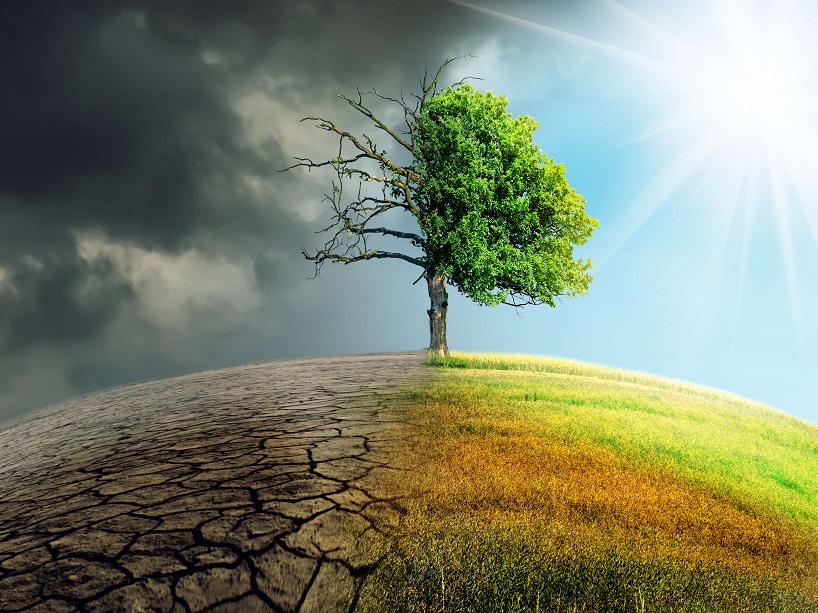
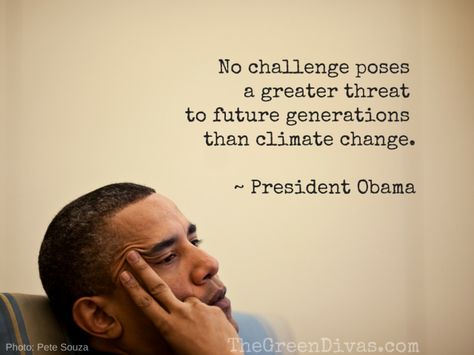
Climate change is a change in the climate or environment of  the planet . it is not a natural process ,but an outcome of human activities and interference with nature. Climate change is not an issue of today or yesterday. It’s been started for a very long time. Transformation or variation in nature has been started in nature since the age of industrialization. climate change is the biggest threat for humanity .It is making our earth inhabitable. . Human civilization was developing at the cost of nature. And after that we all have followed their footprints for getting luxurious lifestyle, comfort, easiness .

development is required , but should not be done at the cost of nature.

Climate change is most worriment issue of today’s world. but the point is whether all countries are equally serious about it. Solemnity about this global issue varies from country to country , because economical condition of countries, lifestyle of their people, education level, women’s condition in countries are not same . That is why it is obvious to have difference in their awareness and  actions. the more people will aware the more they will take action. Awareness relies  on the economical, political and educational level of the country . climate change is such a issue that is difficult to understand .the  . having knowledge is worthless if proper actions are not being made and implemented. All the countries are accountable for this global issue ,however  their contribution is  unlike . the hazardous impact of climate change will not be as per of countries contribution . the planet is affected by this.

Climate change increase flood risk. The global average surface temperature has increased 2 degree since the pre – industrial era . Every upcoming year is becoming warmest year ,breaking the record of previous years.  incidents of wild fires have become more apparent of become more apparent ,extinction of wild species ,demolition of ozone layer ,shrinking glaciers , increasing sea level and intensity of tornados, avalanches , new epidemics , water ,air ,soil pollution and heat waves . it more likely to face adverse effect in forthcoming days.

India is the 4th largest emitter of greenhouse gas after china , united state  and EU . For country like india , it   is not possible to pay more attention on this global issue , when they have major issue like corruption , poverty, population, unemployment, education system, basic sanitation, healthcare system, women’s safety, infrastructure, agriculture distress etc. The germanwatch institute presented the result of the global climate risk index 2020.India is also in the top 10 countries. India’s climate risk index is 18.17 and is the major victim of extreme heat ,flood and sand storm among other divesting natural events . Global disasters are making headlines everyday .for instance California wildfire ,Uttarakhand wildfires, Australian bushfires, tycoon and floods etc. Human civilization has put itself in a great hazard by its activities.

India is a developing country and is not responsible much for it as compared to other countries. Two third of people  in india are  living in poverty,: they lack a basic need. Middle class aim to have decent well paid job, hope to own a house of their own, seek to have a secure retirement  and want to secure the  healthcare and  educational need of their family. Affluent section are  busy in their luxurious life. In India citizens are tackling with more sever issue such as food security ,shelter, employment ,lack of good education and politics is concern with other things .

 In Indian politics climate change is not a major issue. Indian politics revolves more around religion , faith, party system ,temple, cast etc. Good education makes people aware and it leads the country toward new innovations  and breakthroughs ,which will ultimately help us in fight with climate change .In agriculture  sector we need new crop seed  with climate resilient feature because our land will have to face more flood ,droughts and extreme heat. We need new innovation in renewable energy sector ,people will only switch their  energy source when they find renewable energy source as cheap as traditional one. Although many major automobile companies have launched electric vehicle ,electric cycle but they are so expensive that middle class can’t  afford to buy. Research and development in this sector will help them to reduce the price while improving its  functionality .one main thing we need to ensure  that  these electric vehicles must use renewable energy for their charging.

People’s participation is crucial in any anti climate action plan proposed by government .There is lot of examples  of individual endeavours  such as Greta Thunburg, Devaki Amma from Kerela state of India who alone grew a forest and Anupam  Mishra know for the conservation of rivers and water sources. So everyone has a place in fight with climate change .

Lack of coordination  at  both national  and international level. countries have made many agreements , protocols, pacts and organization to combat the climate issue like IPCC ,UNFCC,RIO SUMMIT ,PARIS PACT,MONTIAL PROTOCOL ,COP SUMMIT but we can clearly see the lack of seriousness in world politics. Their words are more than action. Like all developing countries, India’s concern about economic development and poverty alleviation is justified. And must be fully respected in any global climate regime, As virtually stated  explicitely in the UNFCCC  (United Nations Framework Convention on Climate Change).

At world level, the largest polluter or carbon emitter –US walked out  of the global agreement. However , later US  rejoin the paris agreement United state has produced  6.6 billion matric tons of carbon dioxide in 2019,the second largest emitter in the world after china. india is  the third largest emitter of greenhouse  gases.   For  the first time The Paris Agreement has  brought  together entire countries with a common goal of limiting   global warming to below 2 degree Celsius .  To attain this long  term temperature goal, countries motive to reach global peaking of greenhouse gas emissions as soon as possible  to achieve a climate neutral world by mid century.

Use of MS Excel in today’s world.

Excel is typically used to organize data and perform financial analysis. It is used across all business functions and at companies from small to large. The main uses of Excel include: Data entry.
Excel is a software program created by Microsoft that uses spreadsheets to organize numbers and data with formulas and functions. Excel analysis is ubiquitous around the world and used by businesses of all sizes to perform financial analysis.

The main uses of Excel include:

1 Data entry
2 Data management
3 Accounting
4 Financial analysis
5 Charting and graphing
6 Programming
7 Time management
8 Task management
9 Financial modeling
10 Customer relationship management (CRM)
** Almost anything that needs to be organized!

Excel is used extensively in finance and accounting functions. In fact, many organizations run their entire budgeting, forecasting, and accounting functions entirely out of Excel spreadsheets.

While Excel is defined as a “data” management tool, the data that is most commonly managed is financial. At CFI, we would define Excel as the ultimate financial software. While there are other pieces of financial software that are tailored toward performing specific tasks, the strongest point about Excel is its robustness and openness. Excel models are as powerful as the analyst wishes them to be.

Accountants, investment bankers, analysts, and people in all types of financial career paths rely on excel to perform their daily job functions.

And one should know how to use MS Excel. Its on of the most important skill in today’s corporate world.

Understanding Luminous Pollution.


Many of us are taking steps to reduce carbon footprints. We responsibly recycle glass, metal, paper, plastic waste each week. However, unknowingly we are contributing to carbon emissions through light pollution which intrudes the delicate ecosystem. Light pollution in many countries is neglected and not regulated. 

The excessive, misdirected, or unnecessary use of artificial outdoor lighting is known as Light pollution a.k.a Luminous pollution, or Photopollution. Light pollution alters the color and contrast of the nighttime sky, natural starlight, and disrupts the circadian rhythms, which affects the environment, inhabitants, and astronomy research.

As countries are developing, the need for artificial outdoor lighting has also increased and light pollution has spread into suburban and rural areas. 

Types of light pollution:-

1) Light Trespass

2) Glare

3) Sky Glow

4) Light Clutter

What are the causes of light pollution?

Poorly designed residential, commercial and industrial lights contribute significantly to luminous pollution. Also, the use of unnecessary outdoor artificial lights contributes to luminous pollution. Approximately about 30℅ of light is wasted due to poorly designed artificial outdoor lights. 

Let’s have a look at the effects of light pollution.

As mentioned above, light pollution has effects on our environment and its inhabitants, and also on astrology. Mentioned below are some of the known effects of light pollution:-

Effect on the environment:                Excessive nighttime lighting releases more than 12 million tons of carbon dioxide every year into the atmosphere, which would take around 702 million trees to absorb. 
Luminous pollution also increases air pollution by resisting a natural occurring radical that cleans the air at night, called Nitrate radical. 

Effect on wildlife:                                    Light pollution can alter the feeding, mating, sleeping, and migration cycles of the entire wildlife. Wildlife can also feel the disorientation of time due to excessive light pollution.

Effect on energy:                            According to a study by IDA( International Dark-Sky Association) in 2007,  it is estimated that about 30% of the light emitted by public outdoor light fixtures is wasted, which equals 22 TWh/year of energy wastage. That is equivalent to the following:

★About 3.6 million tons of coal per year.

★ About 12.9 million barrels of oil per year.

Effect on Astronomy:            Astronomers are most affected by luminous pollution. As it makes it harder to view and find extraterrestrial bodies for the astronomers even with the aid of a telescope.

Effect on Humans:                                  Like plants and animals, humans are also regulated by circadian rhythms. The rhythms respond to the light and darkness around any organism, which when altered can result in various health hazards like sleeping disorders, depression, diabetes, cancer, cardiovascular disease, obesity, etc.

How to prevent light pollution?

Given below are some ways to prevent light pollution:-

I) By using warm white lightning as it scatters less.

II) By using shielded outdoor light fixtures.

III) By picking the right exterior light fixtures with the right cutoff angle, which prevents light from escaping above the horizontal plane.

IV) By using motion sensor outdoor fixtures.

V) By using IDA-certified light fixtures. 

Agriculture

When tillage begins, other arts follow. The farmers, therefore, are the founders of human civilization.”

— Daniel Webster

Introduction

It all started thousand of years ago , when the human civilization came into existence . Agriculture was a key to survival . People were farming for there domestic purpose , not for the others .

As the civilization started to grow accustomed of agriculture , they grew food in surplus that enabled people to live in cities. Plants were independently cultivated in at least 11 regions of the world.

The development of agriculture enabled the human population to grow many times larger than could be sustained by hunting and gathering.

It was the beginning of different civilization in different parts of the World. From those civilizations , one of them was our’s The Indus Valley Civilization . Vedic literature provides some of the earliest written record of agriculture in India. Rigveda hymns , describes plowing, fallowing, irrigation, fruit and vegetable cultivation.

Some of the ancient and historical evidence suggests rice and cotton were cultivated in the Indus Valley.

Agriculture : In India and World today .

India ranks second worldwide in farm outputs. As per 2018, agriculture employed Indian work force and contributed 17–18% to country’s GDP.

In 2016, agriculture and allied sectors like animal husbandry, forestry and fisheries accounted for 15.4% of the GDP (gross domestic product) with about 41.49% of the workforce in 2020.India ranks first in the world with highest net cropped area followed by US and China.The total agriculture commodities export was US $ 3.50 billion in March – June 2020.

Agriculture is the primary source of livelihood for about 58% of India’s population. Share of agriculture and allied sectors in gross value added (GVA) of India at current prices stood at 17.8 % in FY20.

During 2019-20 crop year, food grain production reached a record of 296.65 million tonnes. In 2020-21, Government of India is targeting food grain production of 298 million tonnes.

India is among the 15 leading exporters of agricultural products in the world. Agricultural export from India reached US$ 38.54 billion in FY19 and US$ 35.09 billion in FY20.

Agriculture is an important industry in the United States. The agriculture industry, which includes both crops and livestock, is responsible for producing most of the world’s foods and fabrics. Agriculture impacts so many things that it’s hard to imagine a world without this important industry.

Schemes and Initiatives

Due to the high requirement of agriculture . It is important for the government to take initiatives and provide better infrastructure to the farmers. However , the required level of investment for the development of marketing, storage and cold storage infrastructure is estimated to be huge.

The Indian Council of Agricultural Research (ICAR), established in 1905, was responsible for the search leading to the “Indian Green Revolution” of the 1970s. The Union Minister of Agriculture is the president of the ICAR. The Indian Agricultural Statistics Research Institute develops new techniques for the design of agricultural experiments, analyses data in agriculture, and specialises in statistical techniques for animal and plant breeding.

Schemes by government for Indian agriculture :

  • Dairy Entrepreneurship Development Scheme.
  • Rainfed Area Development Programme (RADP)
  • Paramparagat Krishi Vikas Yojana (PKVY)
  • Pradhan Mantri Krishi Sinchai Yojana (PMKSY)
  • National Agriculture Market (e-NAM)
  • Pradhan Mantri Kisan Maandhan yojana.
  • Pradhan Mantri Fasal Bima Yojana (PMFBY)
  • Kisan Credit Card (KCC) scheme.
  • Pashu Kisan Credit Card Scheme.
  • PM-Kisan Scheme.

Conclusion

Agriculture sector is one of the prominent sector in India as well as all over the world . India is becoming self – sufficient in pulses and other crops .

Gone are the days , when India was unable to provide sufficient amount of food to the citizens . Gone are the days , when people used to think agriculture was not as important as other sectors . Gone are the days , when people used to think less of farmers . And gone are the days , when people were less educated about agriculture.

Farming is a profession of hope.

— Brett Brian

Link

CLIMATE CHANGE AND PLANT SCIENCE

When prevention of climate change is uncertain, preparation is necessary .

CLIMATE CHANGE

Climate change continues to cause unusual and unpredictable weather around the world.
Longer drought, flooding, major stroke, snowfall, temperature extreme will increase earth’s temp upto 3-4 ‘C.

Rising CO² level and warmer earth means plant will grow bigger (more surface area of leaves) and thus plant consume more water.
Thus, we face water scarcity.

Smog contain Ozone particles and causes various problems – asthma, heart disease, skin cancer etc.

Plant sciences is the study of plants in all their forms and interactions using a scientific approach.

California’s Almond Orchard:-

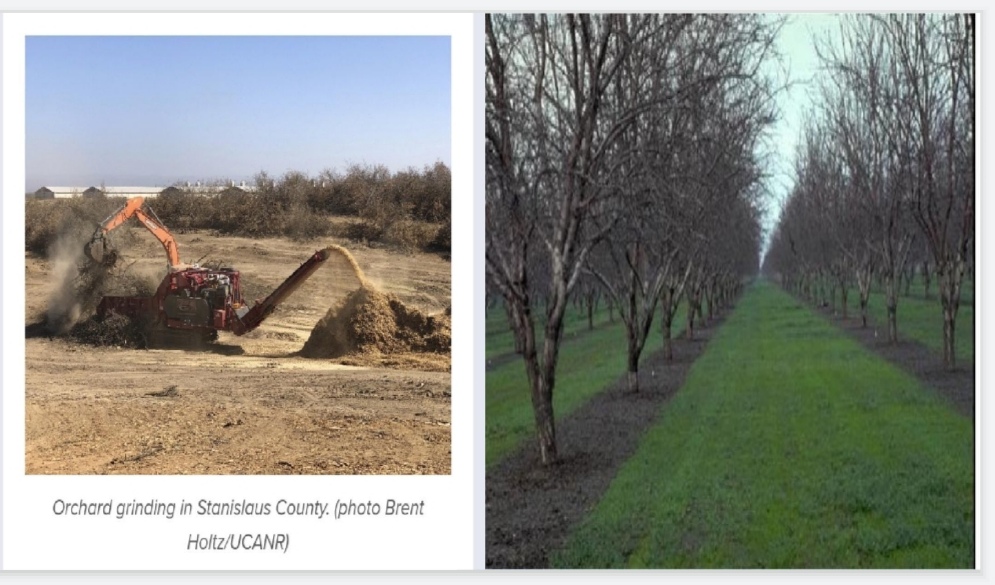
In the past, for removing and disposing of the old trees we burn them in the field. But now Old trees are ground, chipped and turned back into soil before New almond tress are planted.
It help almond orchard to be more sustainable and resilient to drought and also increasing carbon content in soil.

Whole orchard recycling result compare to burned treatment :
1) Sequester 5 tons of carbon per hectare.
2) Increase water-use efficiency by 20 percent.
3) Increase crop yields by 19 percent.

scientists from the BBSRC managed to breed a new fast-growing broccoli that no longer relies on a period of cold weather to flower, and goes from seed to harvest in only 8-10 weeks. This discovery is especially relevant for broccoli, as it is flower buds that we eat.

Many terrestrial, freshwater, and marine species have shifted their geographic ranges, seasonal activities, migration patterns, abundances, and species interactions in response to ongo­ing climate change.

Increased carbon dioxide tends to suppress photo-respiration in plants. 

  • C⁴ plant adapt better for high CO² Concentration and photorespiration. 
  • It make 4 C sugar (OAA) thus fix more CO² and produce high amount of energy. 
  • It suited for hot dry climate.
  • C4 plants include such low-latitude crops as maize, sorghum, sugar-cane, and millet, plus many pasture and forage grasses. 
  •  Better adapt for photo oxidation. Prevent photooxidation due to kranz anatomy.

THE CLIMATE CRISIS HAS ALREADY BEEN SOLVED. WE ALREADY HAVE A FACTS AND SOLUTIONS . ALL WE HAVE TO DO IS WAKE-UP AND CHANGE                     – Greta Thunburg

IMPACT OF COVID-19 ON CARBON EMISSIONS

The unprecedented global disruption caused by the coronavirus pandemic is likely causing a sharp, brief drop in carbon emissions. 

  • Due to global lockdown ‘s impact on transport, demand for oil has fallen at an unprecedented scale. 
  • Gas demand falls less than oil or coal. 
  • The country’s CO² emission fell down by 15% during March and fell 30%in April. 
  • According to Daily data from the national grid. Coal – fired power generation fell 15% in March and 31% in April. 
  • Renewable energy generation increased by 6.4% in March. 
  • Due to reduced power generation, Industrial activity and transport volume. Thus, it has reduced fossil – related and cement – induced CO² emission. 

China is  the first country where the virus’s impact on carbon emissions  became visible

Carbon dioxide emission in China

According to China Emissions Accounts and Datasets(CEADs) :

  • Reduction of 257.7 Mt. (11%) over Q1 2019
  • Secondary industry contributed 186.8Mt.(72.5%) CO² to the total reduction (largely due to lower coal consumption and cement production). 
  • Hubei contributed 40.6Mt. reduction (due to decrease of 48.2%in secondary industry).
  • Transportation significantly contributes 65.1Mt. With a change of – 22.3% in freight transport and – 59.1% in passenger transport compared with Q1 2019.

      Globally :

  • Aviation decreased by 75%.
  • Surface Transport by 50%.
  • Power generation by 15%.
  • Industry – uncertain but~35%.
  • Small increase in residential buildings of 5%.

     Fossil Fuel:

  • Drop 8% in 3 month and peak drop 17% unprecedented 
  • Emissions in individual countries decreased by ~27%.
  • Emission from surface transport accounted for 43% of decrease, industry and power together accounted 43% and aviation. 
  • Drop in CO² Emissions had no detectable impact on atmospheric CO² or Climate change 
  • It is extremely small compared to the emission accumulated. 

Carbon dioxide emissions in India 

  • As lower power demand growth and competition from renewables weakened the demand for thermal power generation through the last 1 year. 
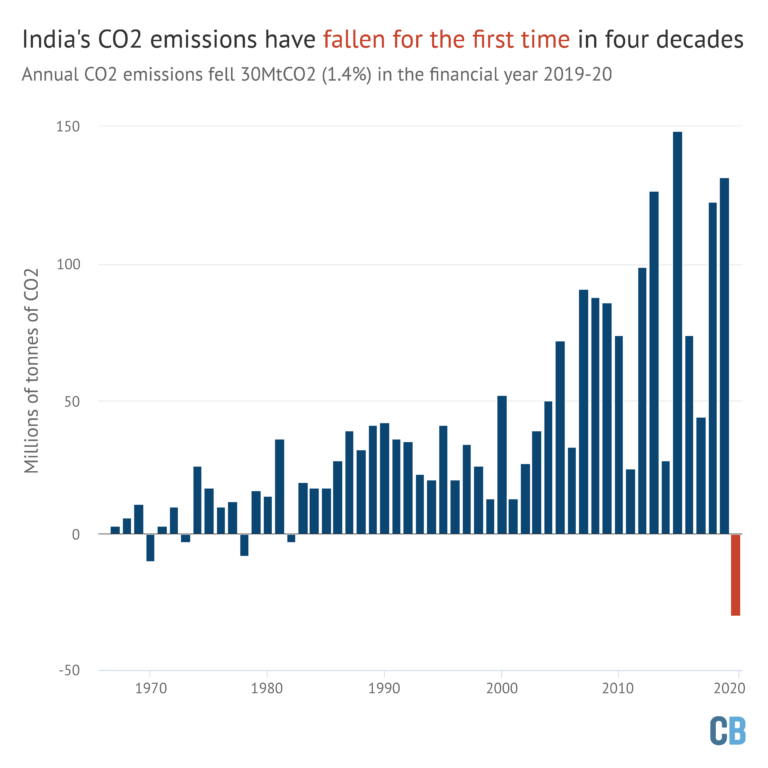
  • CO² emission fell by an estimated 15% during March and 30% in April. 
  • The fiscal year ending March, coal sales by main coal producer Coal India Ltd. Fell by 4.3%.

Coal import increased by3.2%

Total coal delivery fell by 2%

  • In March, coal output increased 6.5%. 

     Oil Demand :

  • Oil consumption slow down since early 2019.
  • During national lockdown, oil consumption fell 18% on March 2020.
  • Crude oil production in India decrease 5.9% compared to last financial year.

Thus, CO² emissions fell by 30mt.(1.4%) in fiscal year ending March. 

Environmental health due to Carbon Emission during Global lockdown

  • The positive effect of lockdown is to decrease the CO2 emission by −17% (−11 to −25%) by 7th April 2020 with respect to the mean level of emission in 2019.
  •  Air quality index (AQI) is the assessment of air quality. The lower the AQI value, the better is the air. The normal air quality index range is (100−200) and presently it is in the satisfactory range (50–100) category as reported by Gurfam being a scientist at SAFAR. 
  • Zambrano-Monserrate et al. (2020) reported that the air quality index (AQI) has decreased by 44%, 33%, 29%, 15% and 32% in north, south, east, central and western India respectively. 
  • The same study also shows that from March 16th to April 14th, 2020, 22 cities of India show the reduction of PM10 (Particulate matter), PM2.5, CO, NO2, by 43, 31, 10 and 18%. During the quarantine period in COVID-19, the amount of NO2 was decreased by 22.8 μg/m3 and 12.9 μg/m3 in Wuhan and China respectively. 
  • In 367 cities, the PM2.5 fell by 18.9 μg/m3. As per the report of CAMS 2020 reduction of 20–30% of PM2.5 is observed in a wide area of China.
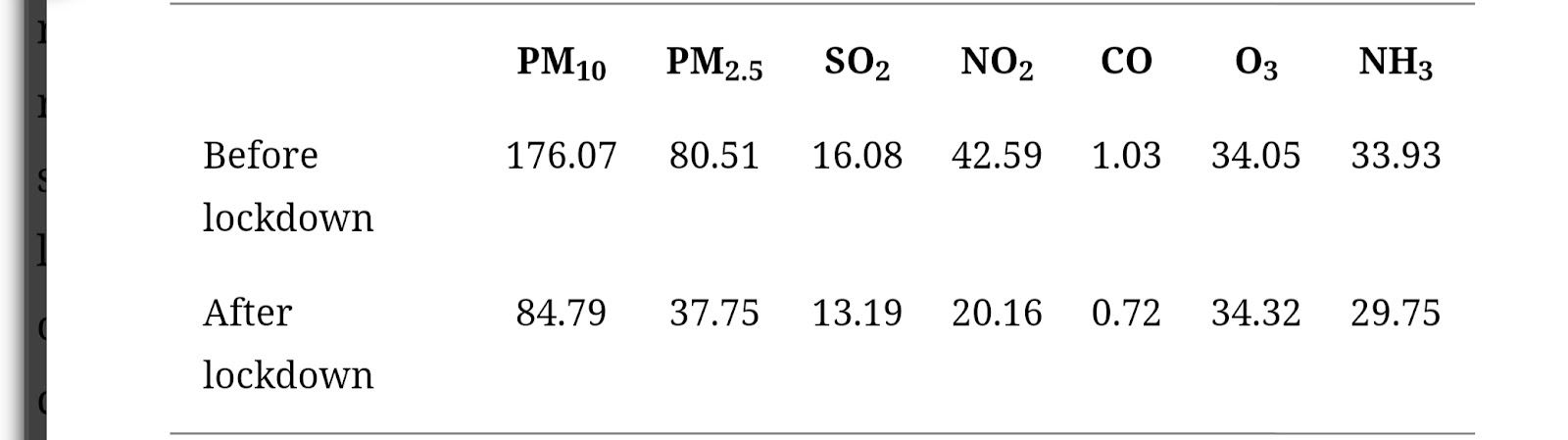
  •  Mahato et al.investigated that after three weeks of lockdown period from 24th March 2020, pollution of the Delhi, India, has experienced a noticeable reduction of different air pollution causing materials in the following Table

Comparison between different pollutants present in air before and after lockdown.

Reduction in carbon emission also lead to Ozone layer recovery over Antarctica:

  • The ozone layer is found in the upper atmosphere called the stratosphere between 10 and 50 km from the earth. 
  • The ozone layer acts as a natural sunscreen and plays a very important function by absorbing the harmful U—V rays from the sun. 
  • Ozone-depleting substances (ODS) are gases such as chlorine and/or bromine which breaks the ozone layer in the stratosphere. Various ODS are present in the environment are chlorofluorocarbon (CFCs), hydrochlorofluorocarbon (HCFCs), Methyl chloride and various halones.
  •  By the reaction with UV sunlight, these gases form chlorine and bromine and they are responsible for the depletion of the ozone layer. 
  • The international community signed the Montreal Protocol on substances about the depletion of the ozone layer, 30 years ago.
    •  According to the protocol, the consumption and production of ozone-depleting compounds should be regulated.
    •  By banning chlorine-containing synthetic compounds the rate of depletion declined and scientists expect to recover back to the 1980 level up to 2070.
    •  As per the scientific data of 2018, the stratosphere recovered at the rate of 1–3% per decade since 2000.
  •  After the lockdown began on Jan 23, the particulate matter pollution decreased by an average of 35% and NO2 decreased by an average of 60%. 
  • At the same period, scientists found the average surface ozone concentration increased by a factor of 1.5–2. 
  • Emission of ozone-depleting substances is also natural or man-made.
  •  All man-made emission is controlled because of lockdown during COVID-19. 
  • Production and consumption of ODS are also reduced. The World meteorological Organization (WMO) states that economic activity has been limited during COVID-19 which results in a decline in CO2 emission.
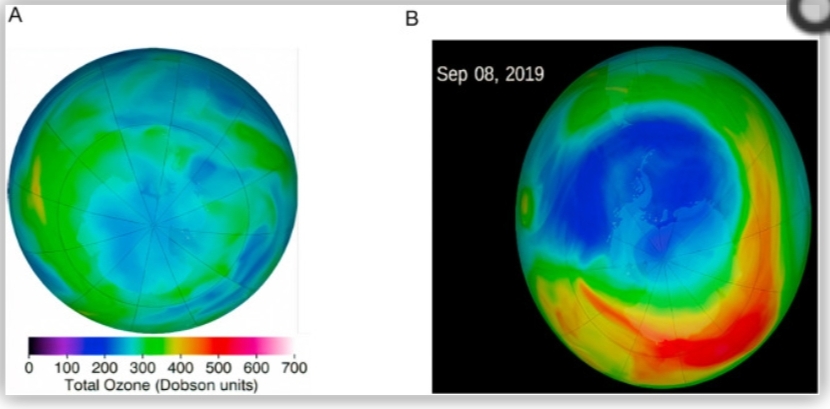
  •  In 2019, As per NASA and NOAA reported that the south pole region of Antarctica has warm temperature in the upper atmosphere which caused a small ozone hole since it was first seen in 1982 . 
  • On 23rd April 2020 Copernicus, atmospheric monitoring services (CAMS) announced that the largest hole was ever seen in the ozone layer over the arctic has been closed.
  •  Although lockdown is surely showing the prominent sign of nature, balance restoration of the ozone layer .
The map of holes in the ozone layer over Antarctica (a) 23rd May, 2020  (b) September 08, 2019

Impact of COVID 19 on Energy resources

The breakout of the Coronavirus Disease (COVID-19) toward the end of 2019 and its culminating transformation into a global pandemic sent shockwaves across the nations. Not only people lost their lives to it, but also numerous industries and governments as a whole succumbed to its impacts. To prevent the spread of the disease, many countries have resorted to observing country-wide lockdowns, damaging the normalcy of their economy. The world economy has seen new lows by trillions of dollars during this period, giving rise to times of constant anxiety about the future. The renewable energy sector, which has always been one of the leading areas to promote sustainability in terms of the environment, too is not spared from being affected by the pandemic. An amalgamation of the effects of the pandemic on the global economy and fluctuating oil prices resulting from country-wide lockdowns across the world further triggered its impact on the renewable energy industry. This work highlights the extensive impacts of COVID-19 on the renewable energy sector of India, a country that has proved itself to be proactive and progressive when it comes to solutions toward sustainable development. It showcases the present impacts of the pandemic on the sector and highlights future projections of the way it may continue to affect this sector as the world continues to struggle with the pandemic. The authors have brought up a set of their opined regulations that the administration and policymakers of the renewable energy sector of India can adopt to avert or reduce the extensivity of the impact of COVID-19 on their sector.

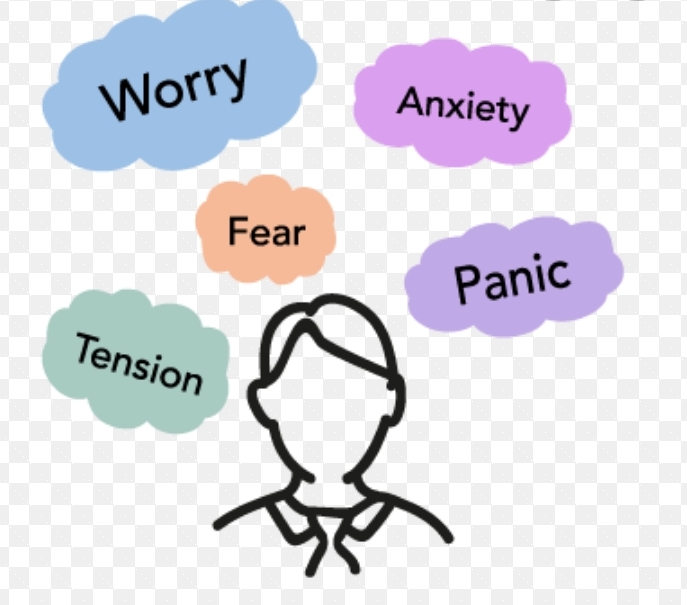
Is it your anxiety .

“Your mind will answer most questions if you learn to relax and wait for the answer.”

—William S. Burroughs

Am I losing my mind or its just my mind playing tricks ?

In the world , where people are ready to fight against their competitor . What will happen when you loose ?

Or didn’t get what you desire the most ?

Would you accept the reality or choose to mourn for your loss.

Introduction

Do you ever feel anxious about going to the new place or meeting with new people ?

Do you ever feel the numbness in your body when you lost something or someone ?

Have you ever get overwhelmed by your fears ?

So what do you call it .

Is it an anxiety disorder?

Well hold your horses because it’s not . Like really we all feel anxious , hesitation , numbness , fear in our life . But if you think it’s an anxiety disorder . It’s a big NO .

If you want to know what is anxiety disorder and how to differentiate it from normal anxiety . You have to ask me .

SO . ASK . ME .

Well if you don’t ask me then also I will tell you .

When we feel something is crawling on our leg but didn’t find a thing . Instead of sleeping peacefully , we think of possible aspects that will make our night hell .

Well it happened with me and guess what , I always wake up middle of the night and try to find the invisible ghost ( is it only me who thinks about these weird things or it happened with you as well .)

Anxiety is when these types of situations happened only single time , maybe 2 or 3 times. But when these kind of situations happened every time whenever you sleep than maybe you have Anxiety Disorder.

What is Anxiety Disorder?

Let’s get to know about the Father before we get to know about the Son .

Anxiety is a feeling that comes and goes, but does not interfere with your everyday life.This type of anxiety is unpleasant, but it may motivate you to work harder and to do a better job.

But what about Anxiety Disorder . Well I am explaining just have some patience . You know patience is the virtue of life .

Yes , we were talking about the Son . I mean Anxiety Disorder . It is the feeling of fear may be with you all the time. It is intense and sometimes debilitating. These type of anxiety can cause more damage than you think about.

You will stop enjoy everything . In extreme cases you stop socialising with other and if it left untreated, it may be worse like you will kill yourself.

According to the APA ( American Psychiatric Association) , women are more likely than men to be diagnosed with an anxiety disorder.

Types of Anxiety Disorder

  • Panic Disorder .
  • Phobia .
  • Social Anxiety Disorder.
  • Separation Anxiety Disorder.
  • PTSD (Post Traumatic Stress Disorder.)
  • Illness Anxiety Disorder .

In present world , PTSD is most likely to be found in the women rather than men. It happens when a person goes through some traumatic experience.

Symptoms:

  • Increased heart rate.
  • Rapid breathing.
  • Restlessness.
  • Trouble concentrating.
  • Difficulty falling asleep.
  • Stop trusting.
  • Worried about small things .

Remedies :

  • Getting enough sleep.
  • Meditating.
  • Staying active and exercising.
  • Eating a healthy diet.
  • Staying active and working out.
  • Avoiding alcohol.
  • Avoiding caffeine.
  • Quitting smoking cigarettes.

Conclusion :

Anxiety Disorder can be found in anyone from 5 year old boy to 80 year old woman or from 15 year old girl to 50 year old man. It may be cured , only if it treated properly . If not , it can cause some serious issue .

What lies behind us and what lies before us are tiny matters compared to what lies within us.

—Henry Stanley Haskins

Link

The fragile ecology of the Himalayas

On 7 February 2021 Uttarakhand’s Chamoli district experienced a disaster in the form of an avalanche when a small portion of the Nanda Devi glacier broke off. The sudden deluge caused considerable damage to NTPC’s Tapovan-Vishnugad hydel project and the Rishi Ganga Hydel Project. At least 72 people were confirmed to have been killed in the disaster. But this is not a new phenomenon and every year there are many reports of sudden deluge all across the Himalayan region.

The Himalayas has maintained the climate of the Indian subcontinent. Himalayas act as a barrier by diverting the monsoons to pour the rain in the fertile northern pains rather than to drift away to further north. Similarly, the mountain range also blocks the cold northern winds to reach the Indian subcontinent. The Himalayas all the way from Afghanistan to Myanmar with 110 peaks over 24,000 feet. They are also very rich in biodiversity and are the source of numerous perennial rivers and water bodies. Rivers like Indus, Ganges, and Brahmaputra that originate in the Himalayas are the lifelines of millions of people in the subcontinent.  

But in recent years, the Himalayan region has seen a drastic transformation with increasing population and deforestation. The Himalayas are still a very young mountain range and this means the region is not as stable as older mountain ranges. This is also the reason for the high number of earthquakes. There are many exploitative projects and resource extractions initiatives have are going throughout the region. The increasing influx of tourists in the Ladakh region which is increasing the pressure in the already sensitive region or the limestone extraction near Mussoorie which has transformed the surrounding lush mountain region barren and unstable are just some of the instances.  The cities located in the periphery of the Himalayas have started are also facing the same degradation problems in the plain region. Due to ever-increasing population growth, the size of cities is also increasing and this means overflowing garbage and drains. Unplanned growth of new settlements and uncontrolled tourism has only exacerbated this issue.

Photo by rasik on Pexels.com

Steps to safeguard the region

There is a need for safeguards on a national level that would help in preserving the fragile ecology of this region. First, it needs to be ensured that there is sustainable urbanization in the mountain habitats by town planning and adoption of architectural norms. Due to the sensitivity in this region, it is imperative that we have to control the growth of new settlements in the region and the existing settlements should be developed with all the basic urban facilities. Solid waste management is another area that needs to be the focus. Plastic bags use should be banned in all the towns and villages in the Himalayan region. Some states like Himachal Pradesh and Sikkim have enforced this rule but there are still many other states that have not fully implemented this rule. Pilgrimage is an important part of the tourism sector in the Himalayan region. Sustainable pilgrimage needs to be promoted and the inflow of pilgrims has to be determined according to the ecological capacity of that site. Roads are an essential node for the connectivity and development of a region but the construction of the roads and highways needs to take into account the sensitivity and fragility of the region as well. Environmental impact assessment should be compulsory before the construction of roads. Finally, environmental awareness needs to be propagated so that every individual can be empathetic and mindful of the dangers of environmental degradation. A coordinated effort will be essential between local cultures, local people, unions, and state governments to make this happen.

References:

http://www.ipcs.org/comm_select.php?articleNo=582

Think Before You Eat

Can our eating habits effect our environment? What we today will be responsible for tomorrow’s destruction? Is there a relation between between global warming and food we eat? Answer to all these questions is a big “YES”

The relation between food and environment can be understood through chain of carbon foot print. ‘Carbon footprint’ is amount of greenhouse gases that emits due to human activities which obviously includes ‘eating habits’. Almost every food we consume emits carbon gases in certain amount. But consumption of meat releases highest carbon gases as compared to other food products. The carbon hierarchy within meat is as follows-

Beef > lamb > pork> poultry.

According to Agriculture Organisation of United Nations (FAO) emission from global live stocks is estimated at 7.1 gigatons of carbon dioxide each year. Not only consumption but also food that we waste emits carbon gases. Decomposition of waste food is a long process and throughout this process certain amount of green house gases is released , thus, deteriorating the condition of our planet. According to FAO around 1.3 billion tons of food produced for human consumption are either lost or wasted every year.

So the question arises, how can we save our planet from further destruction ? Answer is quite simple — changing our diet. Planning our diet in a careful manner may create a huge impact not only globally but also in our individual health. Eating more leafy vegetables and cutting down meat consumption will surely contribute to a noble cause. We often ignore the food choices we make and try our best to satisfy our tummy. So next time before consuming food lets ask one question, is it good for my planet and my health? This simple question may change our future.

All about : Business enenvironment

Photo by Zeeshaan Shabbir on Pexels.com

The word ‘business environment’ indicates the aggregate total of all people, organisations and other forces that are outside the power of industry but that may affect its production. 

Business environment is an aggregate of all conditions, events and influences that surround and affect it. It is broad and ever changing as its separate elements interact. A single firm’s environment is narrow in scope than the total environment of business. It is complicated and continuously changing.” —Professor Keith Davis.

No business can exist in a vacuum. The rapidly changing business environment might shorten the life of a given strategy. The external changes might influence the activities and quality of decisions of both the firm and its competitors. George Salk says, “If you’re not faster than your competitor, you’re in a tenuous position, and if you’re only half as fast, you’re terminal.”

Hence, as Kenich Ohmae says that “environmental analysis is the critical starting point of strategic thinking.” Charles Darwin has said, “It is not the strongest of the species that survive nor the most intelligent, but the one most responsive to change.”

We live in a dynamic environment that changes all the time. Businesses must understand the changes in the environment and how these changes affect their performance. The process of thinking strategically requires that managers understand how the structure and competitive dynamics of their industry affect the performance and profitability of their companies. Armed with an appreciation of the forces in their industry that give rise to opportunities and threats, managers should be able to make better strategic decisions.

Successful managers must recognize opportunities and threats in their firm’s external environment. Regardless of the industry, the external environment is critical to a firm’s survival and success. A host of external factors influence a firm’s choice of direction and action.

https://byjus.com/commerce/business-environment/

https://www.google.com/url?sa=t&source=web&rct=j&url=https://www.economicsdiscussion.net/business-environment/business-environment/32496&ved=2ahUKEwi03ayMjsLxAhWH73MBHSywCNMQFjAdegQIQhAC&usg=AOvVaw0q8hAs46xYNiZxMosg94ta&cshid=1625151231113

Energy Economics

This up and coming career option deals with the consumption and supply of energy on a macroeconomic scale. Energy economists analyse energy markets and financial decisions that affect the global energy market. Energy commodities include gasoline, electricity, natural gas, coal etc. In recent years, natural resources like crude oil and geothermal deposits have been decreasing at an alarming rate and it is imperative that we now conserve these energy resorces and learn to use them efficiently. The objective of energy economics is to use these natural resources without degarding the environment in any way. This can be done because energy can be neither created nor destroyed. Rather, it can only be converted into different forms. Also, energy taken from the physical environment ultimately has to return back. So, energy has to be converted into renewable forms like solar, wind and hydroelectric energy to keep the environmental impact to a minimum.

In economics, energy will always have positive demand no matter what the price becomes. Because of this, energy is seen as an essential good. Meaning some portion of the consumer’s income always goes toward energy. As such, the public policies that affect the global energy market should be taken very seriously. The main concerns that energy economists have to deal with are the demand and supply for each of the main fossil fuels and the competition for these fuels and of course, the impact these fuels have on the environment.

Energy economists can be classified into resource and environmental economics, mineral economics, and energy. Each of these three specialities arose because of different perceived needs and they all have different bases. Resource and environmental economics arose due to a federal government study on natural resource availability. After seeing the problems with availability of natural resources, the US setup Resources for the Future, a research institute that dealt with managing natural resources. Mineral economics came about in the 1930s when mineral extraction issues were being faced. Finally, energy economics as a separate speciality came about in the 1970s when there was a energy crisis and the people needed some organisation that dealt with these kind of issues.

Thus, energy economics is a very viable field to pursue a career in as they are more in demand now than they ever have been.

-Siddhant Kulkarni

A Survivor : The Story of Lakshmi Agarwal

She was just a 15 year old girl . A girl , full of life . But what happened to her .

It’s her story . A story of a survivor.

She was powerful not because she wasn’t scared but because she went on so strongly, despite the fear.”

– Atticus

At the age of 15 , when a girl or a boy makes happy memories and learn about life . She was attacked in the market full of people . She was attacked because she rejected an old jerk of 32 years old.

A 32 year old proposed a marriage proposal to a 15 year old girl , who lives near the neighborhood. She ignored and rejected him and he planned an acid attack .

Her name is Lakshmi Agarwal , she was attacked at the age of 15 in 2005 in New Delhi after rejecting the romantic advances of Naeem Khan . She didn’t inform anyone about the scenario because she believed her parents and society would have blamed her and stopped her study .

After 10 months , Lakshmi was in the market and Naeem asked her again through message about the marriage proposal but she didn’t respond . And in no time , Kamran (Naeem’s older brother ) and his girlfriend attacked her with acid . He was in the motorcycle and his girlfriend Rakhi threw acid on Lakshmi , when Kamran called her name and she looked behind for response.

She fainted on the road and when she regain consciousness she went middle of the road asked for help and met with multiple accidents but no one stopped to help her . She was burning in fire and her skin was melting.

A man named Arun Singh called PCR and told police about the situation . Someone threw water to help her but it turned out opposite and the acid burnt her neck . Arun think it might be late , so he helped her on the backseat of his car , later the seat cover turned into black hole due to the acid .

Arun admitted her in the hospital , called police and her family . Lakshmi went through many surgeries and operations including eye surgery. Four days later Naeem Khan got arrested but was bailed after a month later .

Protests and media attention.

After many protests and media attention Naeem got life imprisonment .

Lakshmi’s story was one of the series in the Hindustan Times. Lakshmi was scared after the attack because most of her face and body parts were not same as before . But she didn’t loose hope ,she fought for justice , asked for help for the victims of acid attacks and pleaded the law for the ban on sale of acid.

Meanwhile government failed to frame policies on acid sale and chemical attacks .

Seriousness is not seen on the part of the government in handling the issue,” the bench headed by Justice RM Lodha.

In 2013 , the plea of Agarwal was heard and later claims that “ Acid is freely available in shops. Our own volunteers have gone and purchased acid easily. In fact, I have myself purchased acid,” she said. “We have launched a new initiative called ‘Shoot Acid’.

After , the law passed by Supreme court . Lakshmi founded NGO named Chhanv Foundation to help acid attack survivors in India.

In 2019, she was honored with the International Women Empowerment Award from the Ministry of Women and Child Development, the Ministry of Drinking Water and Sanitation and UNICEF for her campaign of Stop Acid Sale. In 2014, she received the International Women of Courage award at the hands of First Lady Michelle Obama.

And the movie Chhapaak is based on her life and stars Deepika Padukone in her role.

“And one day she discovered that she was fierce, and strong, and full of fire, and that not even she could hold herself back because her passion burned brighter than her fears.”

– Mark Anthony

Link

POST COVID PHASE

“Courage above all is the first quality, by a warrior” – Karl Von Clause

Kudos to you for going through the pain and struggles caused by the covid virus and completing the quarantine period. Yes, that’s a brilliant effort from your side. The virus would have lost its power and is of no harm anymore. But the effects caused by the virus in the past 2 weeks would persist in your body for quite a period. That may sound hard to believe, but it’s the ground reality. No worries, a warrior is prone to struggles and he might easily overcome them,

Common effects post covid:

  • Tiredness: Most people feel tired for two to three weeks post covid. They might feel that they do not have the same energy to do their works or might feel pain while walking even for a shorter distance.
  • Weight loss: If you are prone to diarrhea, vomit, and high fever for more than one day, you might surely suffer from this. You might have shed two to three kilograms of weight. Do not freak out by this. Think in an alternative way. You have reduced your wait without the efforts you would usually put on a gym.
  • Hairfall: Yeah you have heard it right. Hairfall is more common in the post covid phase. This will be happening for two weeks.
  • Shortness of breath:  will be the for a long time. In case if you have used oxygen support during the treatment, then it would take time for your lungs to breathe normally. It’s natural that if our body metabolism is affected by an external factor, it would have an edge off in it. 

Do’s and Dont’s post covid:

  • Although you might have been bored sitting in one place with mere physical activity in the past weeks, you must not actively involve in physical activities which involve huge efforts. Avoid lifting heavy weights, staying up late, and watching a digital screen for a long time.  
  • You might have done a regular exercise or a walk of over three kilometers of cycling for an hour daily. Do not expect the same energy at the initial phase. Try to start with a walk of half a kilometer and increase the distance day by day. 
  • Drink plenty of water and stay hydrated throughout the day.
  • Practice simple breathing exercises which you could find on youtube to strengthen your lungs. It is better to practice them early in the morning. Sunlight might shower you with additional benefits.
  • Plan a diet of protein-rich foods. If you feel that you are not able to eat properly due to throat pain, eat in bits. Vegetable salads, fresh juices, mushrooms, nuts, milk, eggs would help you to regain your stamina. 
  • Avoid going out frequently for a month. Even if you have a necessity, follow all the safety precautions. 
  • Reduce talking over phones for more than an hour. You will feel shortness of breath.

All the effects will gradually fade away after a month and you start to  feel better, Have a great recovering phase ahead. 

Humans made the conditions for the pupfish’s extinction- now humans keep it alive.

The pupfish, also known as the rarest fish in the world, are a group of killifish with striking coloration. They are mostly found in the extreme and isolated environment. These rare species of fish lives in a single pool in the Mojave Desert. They went almost extinct with their only canyon pool being pumped.

The description of Pupfish

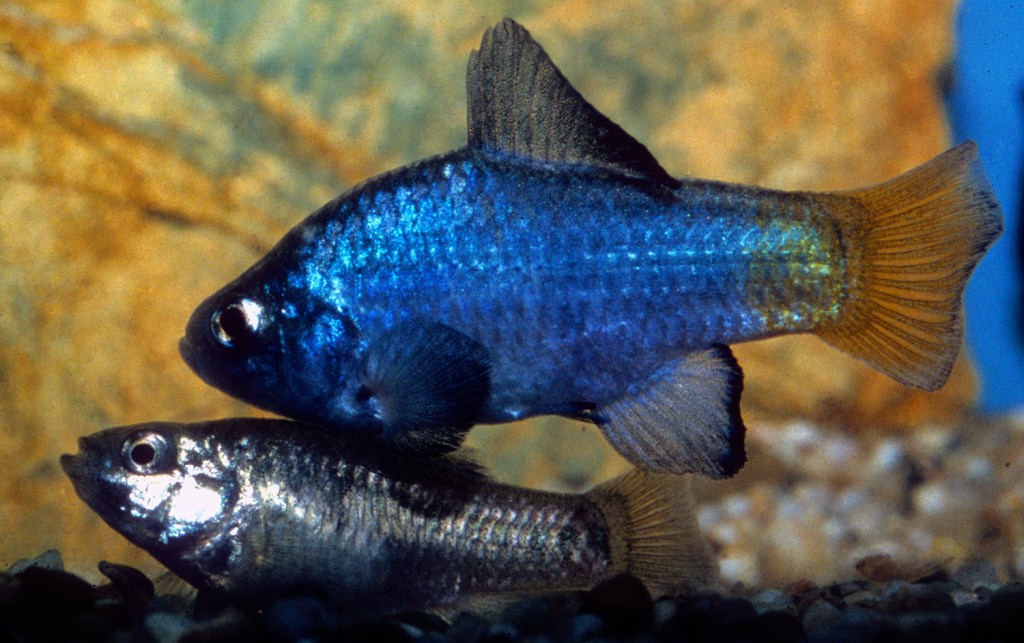
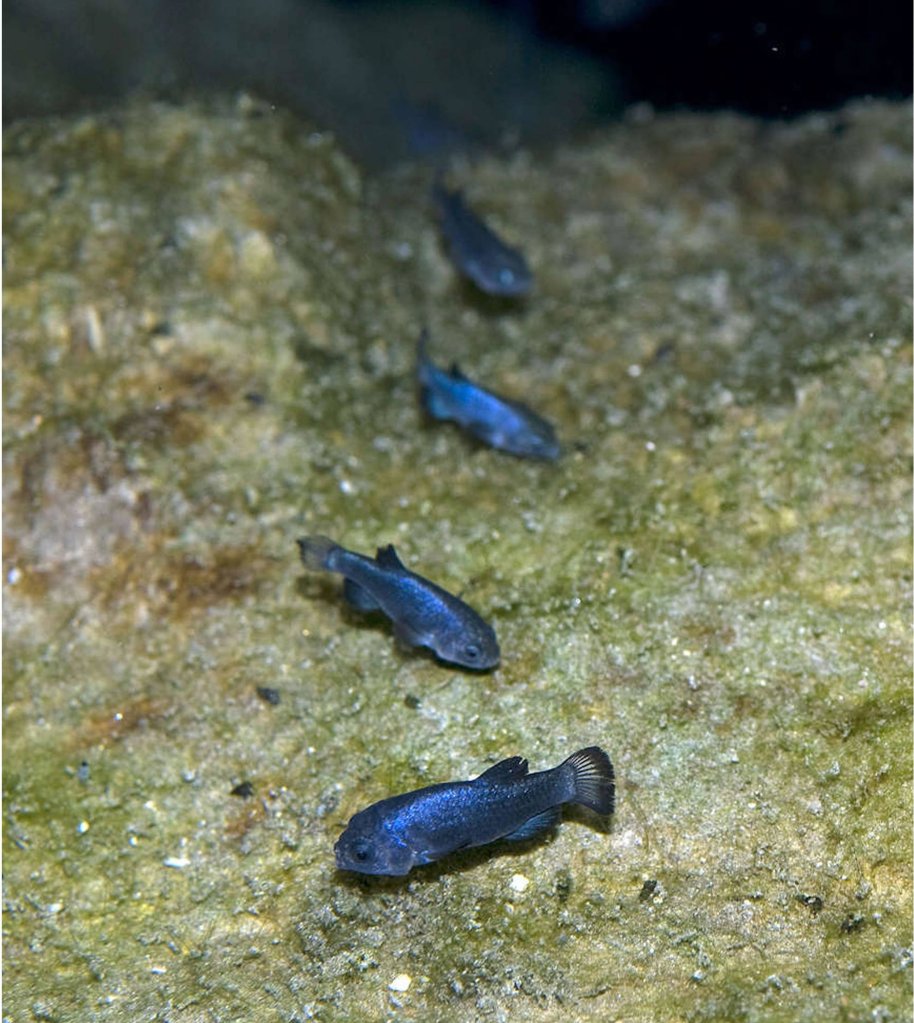
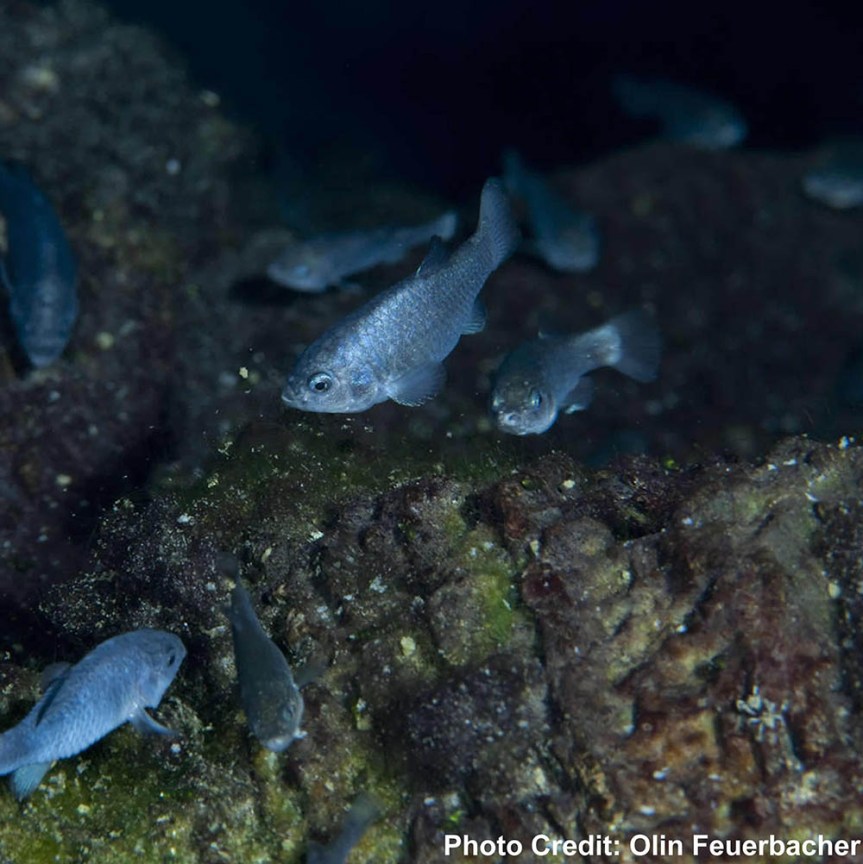
Pupfish are small, colorful, knuckle-sized and ray-finned fishes. The most famous amongst them are the Devil’s Hole pupfish. The Devil’s Hole pupfish are bright blue with purple accents whereas, the white sands pupfish has yellow and orange fins. Most of the pupfish are very tiny, some even less than an inch in length.

The diet of these pupfish includes variety of things, consisting of algae, plants, aquatic invertebrates and some insects.

About the devils hole pupfish

The fascinating and playful pupfish with bright, silvery-blue and lustrous body are found in an oasis within the Death Valley called as- The Devils Hole. These mighty goldfish-like fishes survive in the 92 degrees water of the Devil’s Hole. They withstand harsh conditions that would kill most other fish.  Another fact about this fish is that it acts as an indicator of seismic activity around the globe.

Read-https://www.nationalgeographic.com/animals/article/endangered-devils-hole-pupfish-breeding-breakthrough

Hottest, Driest and the Lowest National Park

The Death Valley as the name sounds is a land of the most extreme conditions. You can expect a scorching heat of 110 F to 120 F +. Even though this land experiences droughts and record summer heat, in the winters the peaks of the mountains are snow-laden. This land welcomes rainstorms rarely. Lush oases harbor tiny fishes and refuge for wildlife and humans. The name might sound very morbid but it is home to a great diversity of life.

What threatened their existence?

In the late 1960’s and early 1970’s, groundwater was pumped out extensively for the agricultural purposes. This activity led to a major downfall of the water level in Devil’s Hole. These invasions were a threat to the very existence of this fascinating species.

So, a group of academics, government employees and private citizens met in 1969 to speak about the protections needed for the fauna in Devil’s Hole.

The desert pupfish has been classified as endangered by IUCN. Due to the pumping of the aquifer since 1960’s, the fish never recovered. Later, it was decided that a back-up population was needed. A replica was created where one part of the population resides in the fake canyon, and the other in the natural canyon.

How many Devils Hole pupfish are left in 2020?

The observable population of the Devil’s Hole pupfish has reached 136. In the years 2006, 2007, and 2013 their population was less than 40. In the 1970s, 1980s, and 1990s, scientists counted near about 200 Devils Hole pupfish. And in the late 1990s there was startling decline in their numbers.

“Despite these extremes, Devils Hole pupfish continue to display their resiliency that have allowed them to survive for thousands of years”, said Brandon Senger, Supervising Fisheries Biologist for the Nevada Department of Wildlife (NDOW).

Steps to improve waste disposal methods

The population of humans is increasing at a rapid rate due to which the wastes produced by them are increasing at a significant phase. Recycling is the only way to make the situation better. We all are aware of this fact, but the efforts we put into recycling are at rock bottom. Either by knowingly or unknowingly we do a lot of mistakes that are worsening the existing circumstances. So, let’s have an understanding of the steps we need to follow to improve the waste disposal process and thus contribute to a better future.

Steps to be followed in our homes:

Our homes are the starting point of the wastes which are dumped in huge piles across the country. Everyday morning we cut the edges of milk packets and throw them away unaware of the fact that it could turn into a huge threat to society. Recently Karnataka Vice President tweeted that if Bangalore alone cuts the milk packet without tearing the corning edge 50,00,000 pieces of wastes can be saved. She says that if the edges are being cut, it’s difficult to recycle those pieces even if they are properly segregated. Also, these pieces easily get missed out while transportation and they cause huge trouble by clogging in public drainages.

Segregation of bio-degradable and non-biodegradable waste is the primary step to be followed in waste disposal which most of us do not pay full attention to. Place two separate bins in your house and make sure every member of your house pays attention while disposing of the waste. If you live in apartments or societies encourage everyone to practice waste segregation in a proper manner. Those who are maintaining gardens at your house, reuse the plastic bottles and buckets in your house for planting and use the waste food as manure to the soil. 

Reduce, Reuse, Recycle:

“All wastes must be viewed as a recycling opportunity” – Beezer Molten

The more effort paid to recycle or reuse the products, the more sustainable our future is. Both in your house and in your workplace find ways to reuse and recycle products. Encourage your children to actively participate in the cleaning of public places like beaches in order to make them understand the importance of recycling. 

There are startups that actively build products that are recycled and are cool to fit in our lifestyles. Some of such startups are as follows:

  1. Econiture: is a Bangalore-based startup that turns recycled plastic into beautiful home decor and furniture.
  2. Anthill creations: is an IIT alumni based startup where they use old tyres and plastics and turn them into beautiful playgrounds and libraries.
  3. Trashcon: is an emerging startup that collects, plastics, segregates it using robots and turns them into home and office furniture. 

There are products that could be used as an alternative to our everyday plastics such as wooden combs, toothbrushes, pens etc. Many companies are producing such ecofriendly products nowadays. Let us all support their initiative by purchasing from them.

https://www.thenewsminute.com/article/here-s-why-you-should-not-snip-tip-your-milk-packet-104271