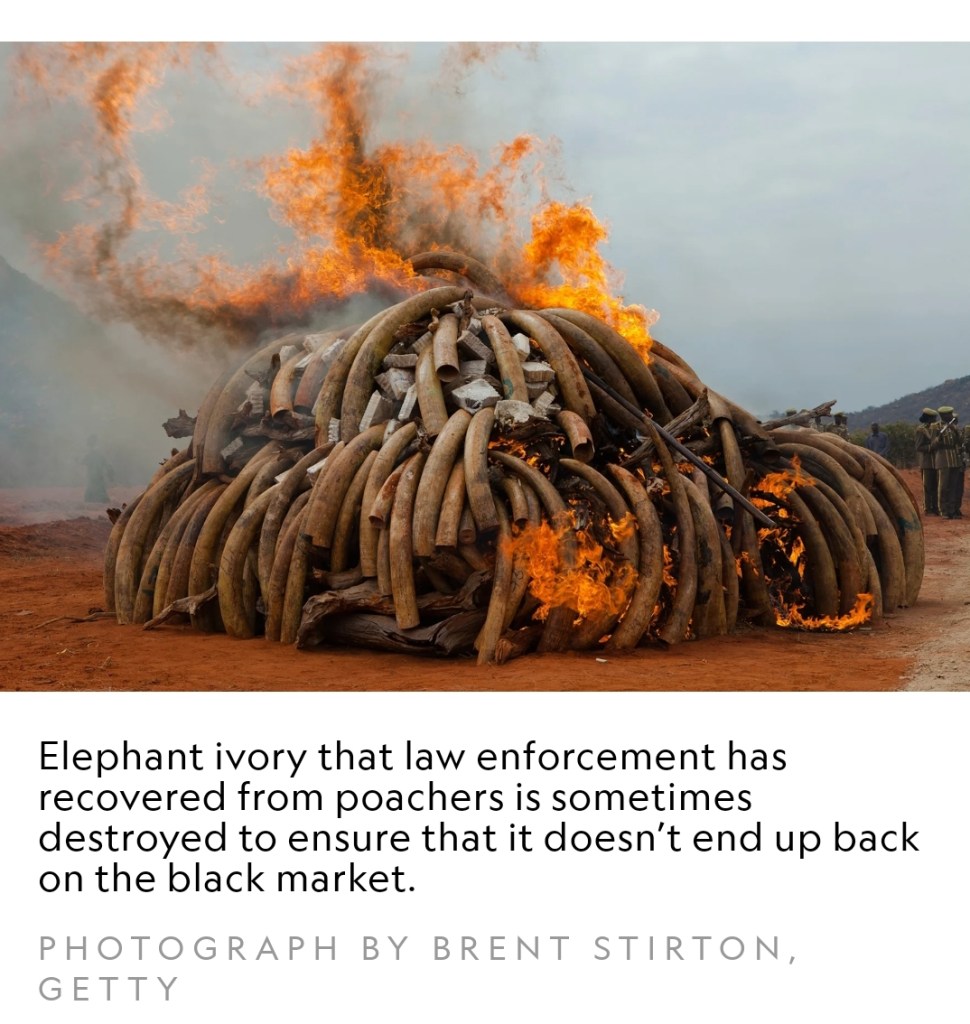
Behind every ivory trinket-is a dead elephant?

It is distressing to see the plight of the tusk-bearing animals these days. Numerous news headlines are daily highlighting the illegal smuggling of ivory. The extortionate value and demand of the ivories are not only in India, but also in the international markets. Wild animals are mercilessly being poached on a massive scale, possessing a major existential threat to wildlife. But do we really care or do enough to stop this inhumane and selfish act?

Let us first understand the connotation of the word ‘poaching’.

Poaching, in simple words, is the illicit act of killing, shooting, hunting or capturing of animals. The aim of this illegal act is mainly for the purpose of trade of animal products like skin, teeth, horn, bone, etc. Poaching plays a decisive role in being a contributor to biodiversity loss. Due to this felonious act, the number of extinctions has increased dramatically over the past decades. It is necessary to understand that poaching is not only about the uncontrolled killing of protected animals or endangered animals but any unlawful killing of animals.

Smuggling of elephant tusks

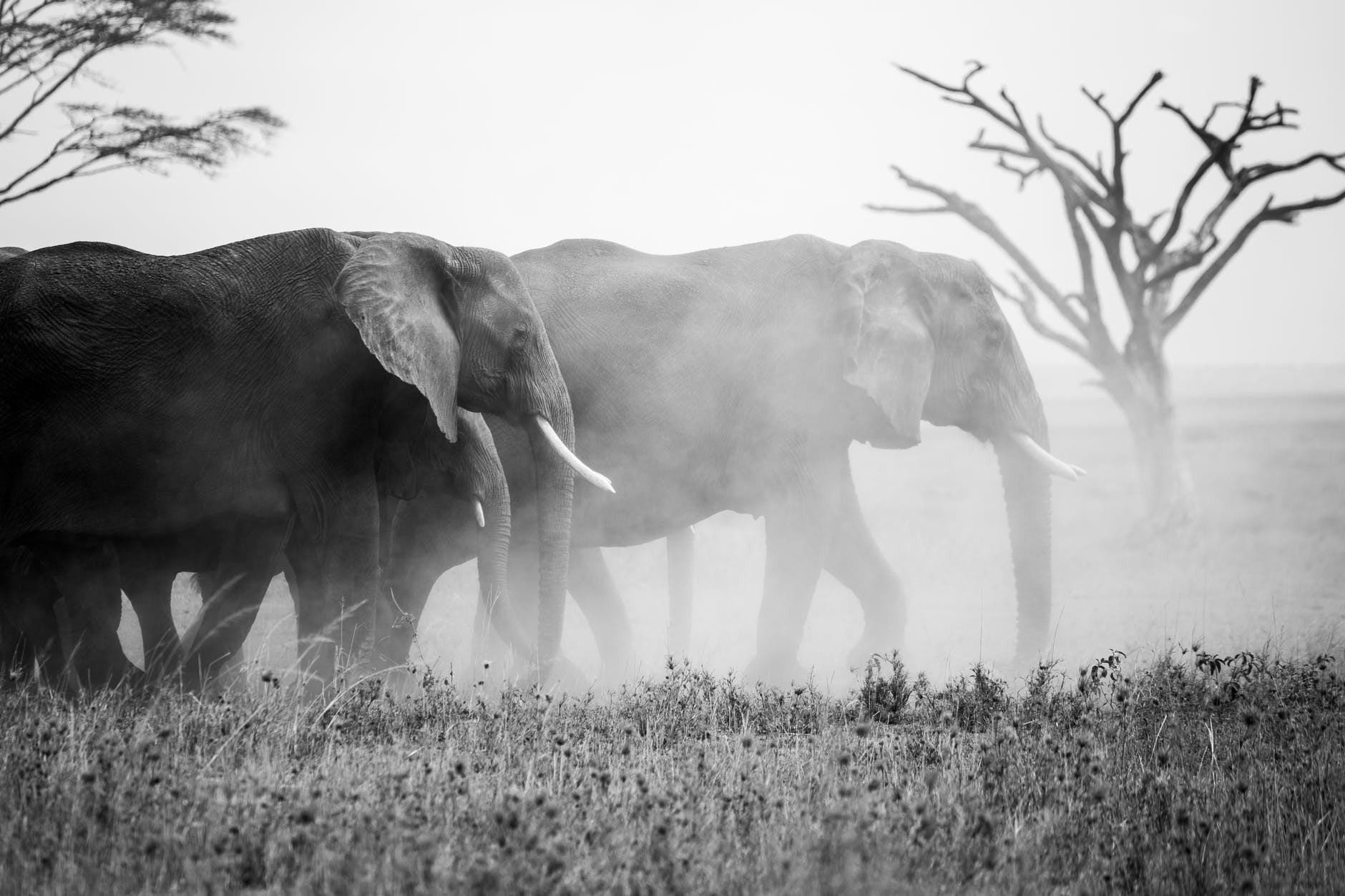
In India, poaching of elephants is very common and a major challenge to be combated. Ivory trade is in high demand mostly in the Asian countries. About 20,000 elephants are mercilessly killed every single year for their tusks. These ivory tusks are then smuggled in the international markets to eventually end up as ivory trinkets.

Ivory trade has been in practise for millennia. In the 14th century BCE, the exportation of ivory and slaves from Africa and Asia were done extensively. The freshly captured slaves along with the tusks were sold. The ivory was then used to make ornaments and aesthetically pleasing commodities.

On July 6, 2016, a complete ban on commercial trade in African elephant ivory went into effect in the United States. The African elephant population has decreased dramatically. Near about 350,000 elephants are left in Africa, as per 2019 data. It is quite shocking to know that 10,000 to 20,000 elephants are slain every year. Elephant numbers have dropped by 62% over the last decade, and if not brought under control, then they’ll be extinct by the end of the next decade.

Major countries where these tusks are sold

China is the biggest consumer market for ivory products. However, a ban was enforced on ivory trade by China in the year 2017. But it is evident that ivory is in high demand in many countries. Illegal selling of ivory is still rampant. In the year 2011, a whopping amount of 100kg of ivory was seized by Tanzanian officials. That same year several countries including Tanzania and Kenya seized a total of 17 ivory shipments weighing 800 kg.

According to surveys and in-depth interviews the demand for ivory is known to be concentrated in: China, Thailand, Vietnam, the Philippines, and the United States.

Last year, about 8.8 tonnes of ivory items were seized in Singapore.


The adverse effects of tusk-removal on the elephants

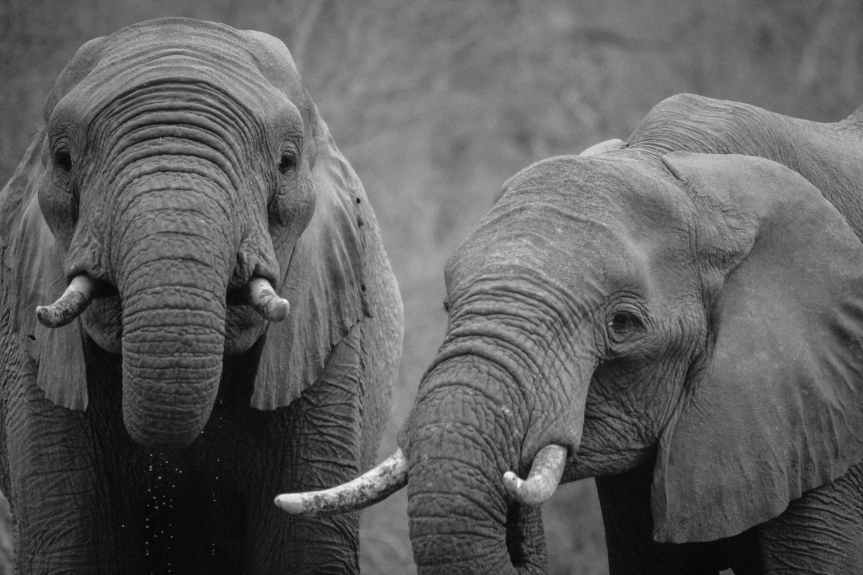
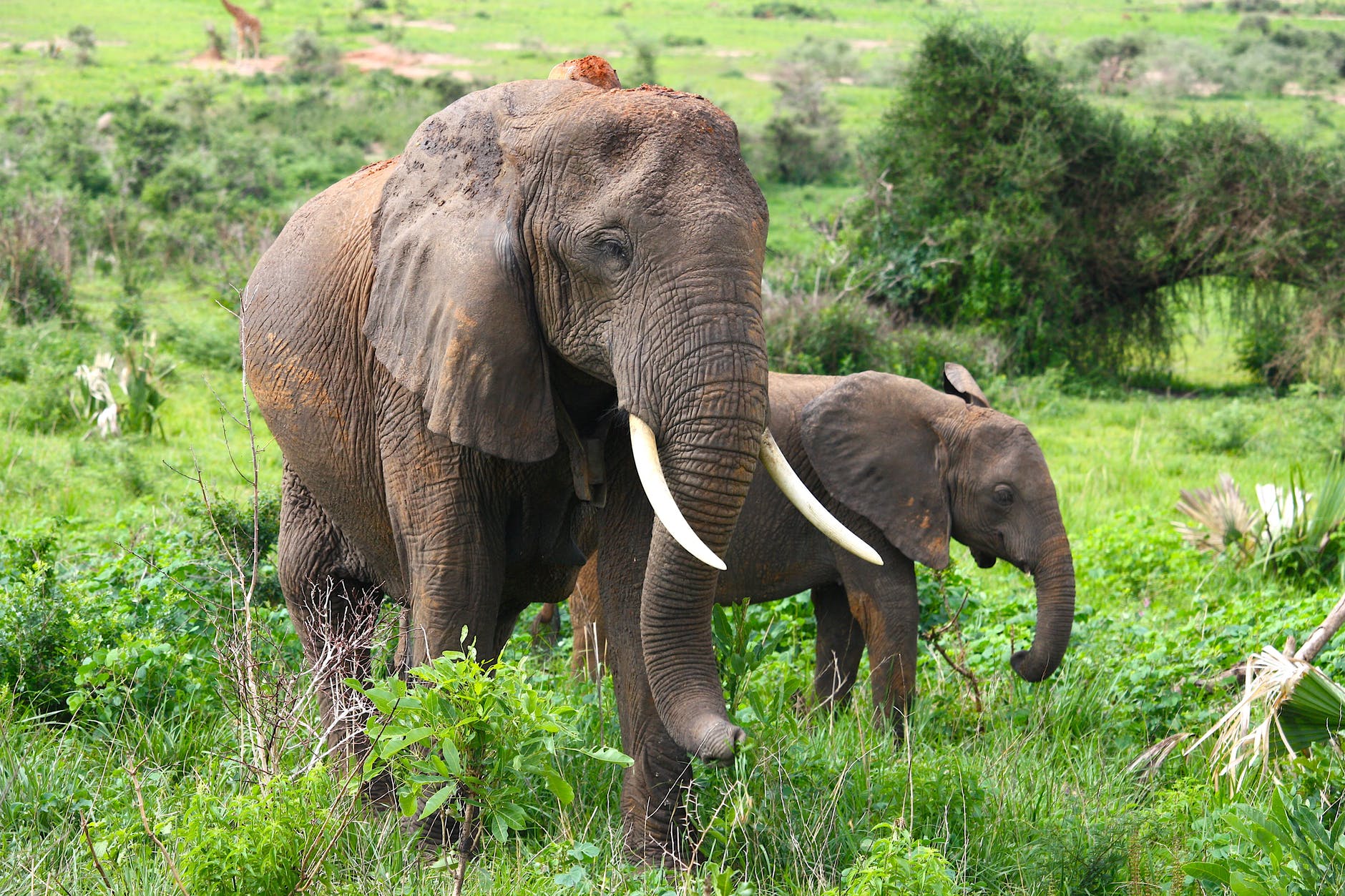
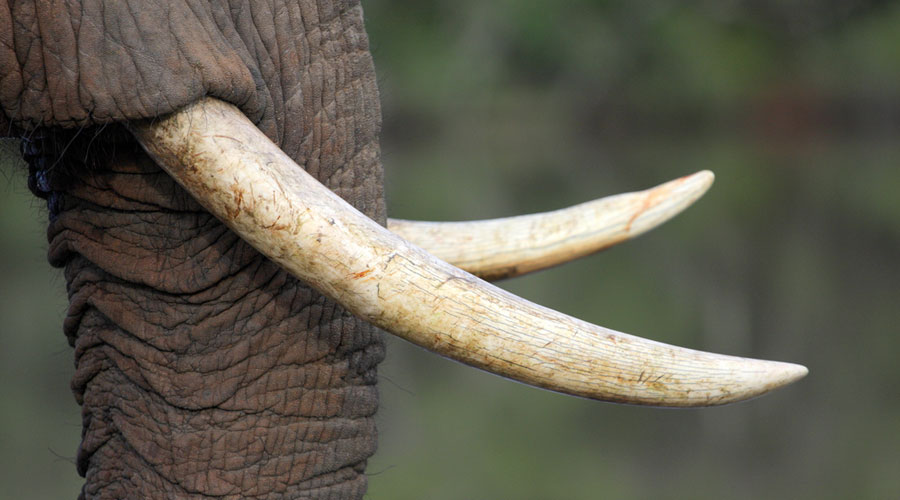
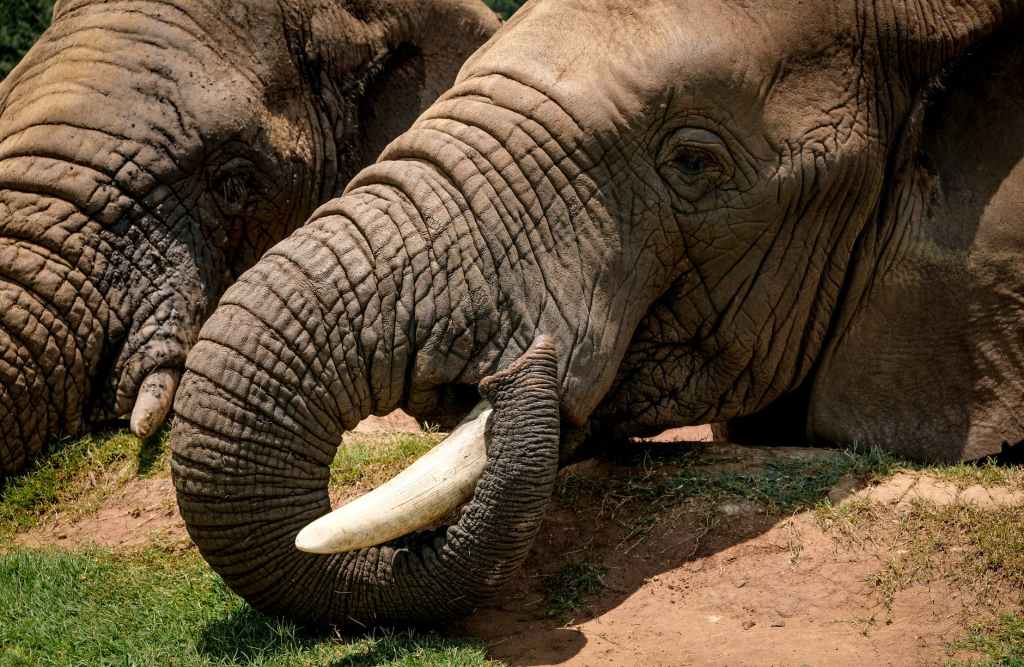
I am sure that we have all seen the majestic elephants flaunting big, off-white tusks on either side of their trunks. These tusks are both beautiful on the elephant and of utmost importance in the species’ survival.

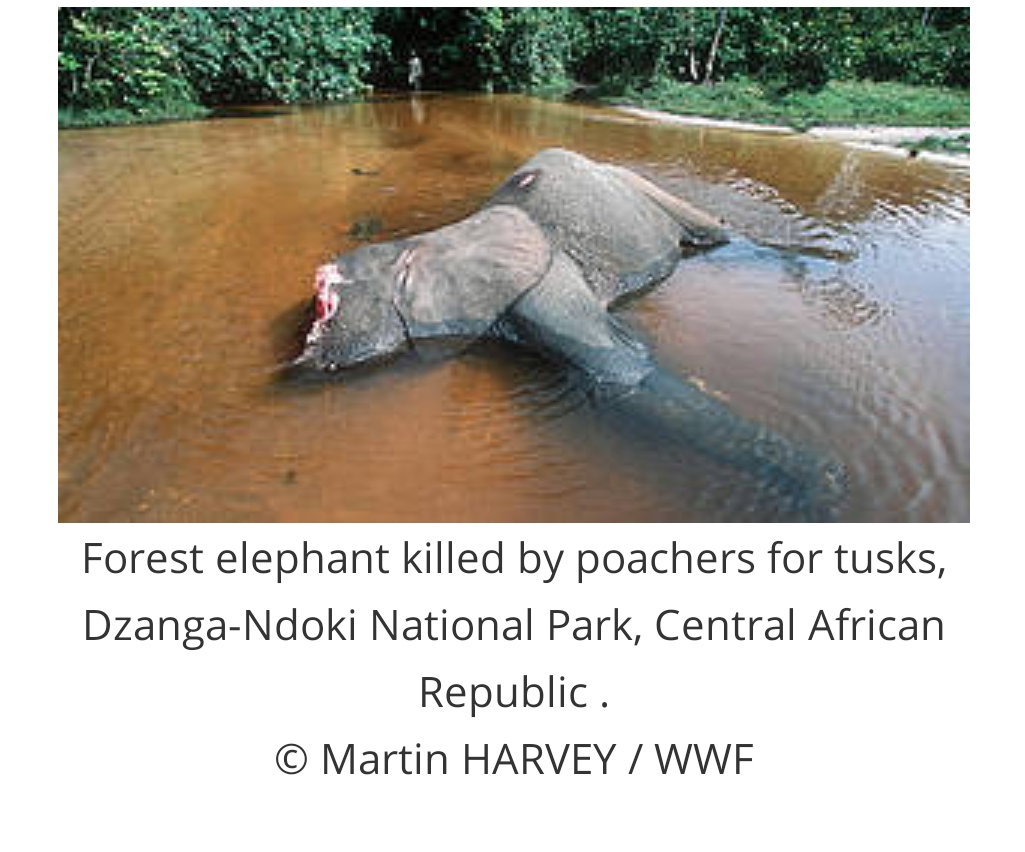
Many poachers claim that there are no after effects of tusk-removal. Either the elephants are killed or sedated before removing their beautiful tusks.

An elephant’s tusk is deeply embedded in its skull. When the tusks are removed, there is a big hole left afterwards. The hole is big enough to stick your arm into it. If the tusks are removed at the point where it protrudes from the head, the nerve is exposed. Either way, now the wound is open and vulnerable to all sorts of infection. So, even though the elephant remains alive it is still at risk. Now, suppose there is an ivory poacher. Any poacher will want as much ivory as he can acquire with as little risk as possible. If he opts for the removal of the tusk completely, he/she will have to completely sedate or kill the elephant, because of little time and the fear of getting caught.

But is it just the elephants?

The answer is a ‘Big No’. Ivory has been valuable since ancient times in art and manufacturing a range of items and artefacts. Though elephant ivory is the most important source, ivory of walruses, mammoth, killer whale, sperm whale, hippopotamus, narwhal and warthog are used as well.

The international and national trade of ivory of threatened species such as African and Asian elephants is illegal.

Read about ivory trade and other tusk bearing species at- https://en.m.wikipedia.org/wiki/Ivory_trade#:~:text=The%20ivory%20trade%20is%20the,resulting%20in%20restrictions%20and%20bans.


SOME ATTRACTIONS OF ISTANBUL-TURKEY

The incredible Istanbul

Istanbul is the main attraction of Turkey. Istanbul is the center of this country for its culture,economic status and history. Also Istanbul is the capital city. According to history , in 657 BCE , Istanbul was founded as Byzantion by Megarian colonists. Later it became Istanbul .

Galata tower

Istanbul is a country which is covered by empires across the centuries and stands in both Europe and Asia. It is one of the most popular travel spots in the World. Some popular and attractive tourist spots are- Aya Sophia, Topkapi Palace, Basilica Cistern, Blue Mosque,Istanbul Archaeology Museum, Hippodrome,Süleymaniye Mosque,Grand Bazaar,Spice Bazaar,Chora Church,Dolmabahçe Palace,Little Aya Sofya,Museum of Turkish and Islamic Arts,Rüstem Pasa Mosque,Yedikule Fortress,Galata Tower,Carpet Museum,Fatih Mosque,Pera Museum,Istiklal Caddesi and Taksim,Üsküdar and most popular Cappadocia hot balloon.

Let’s be introduce with some of them-

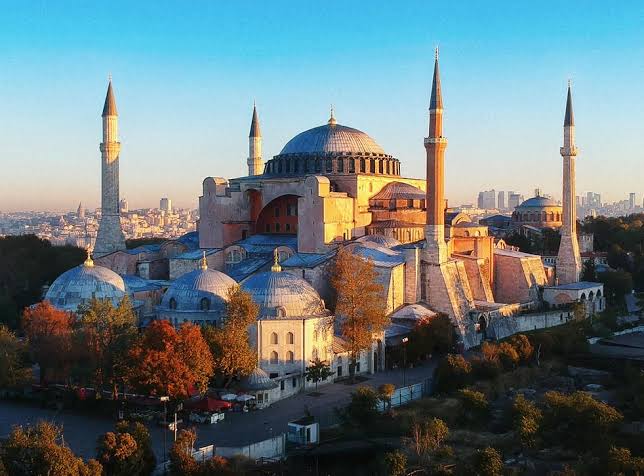
Aya Sofya or Hagia Sophia

Aya Sofya or Hagia Sophia

According to history in AD 536, for the 1st time  when the Byzantine Emperor Justinian entered his finished church, he cried out “Glory to God that I have been judged worthy of such a work. Oh Solomon, I have outdone you!” Aya Sofya or Hagia Sophia means ‘holy wisdom’. It is a domed monument of Constantinople (6th century AD). It was the emperor’s swaggering statement to the world of the wealth and technical ability of his empire. Tradition maintained that the area surrounding the emperor’s throne within the church was the official center of the world.

 Topkapi Palace 

The Topkapi Palace is a large museum in the east of the Fatih district of Istanbul in Turkey, there are the imperial collections of the Ottoman Empire and maintains an extensive collection of books and manuscripts in its library.

Topkapi Palace

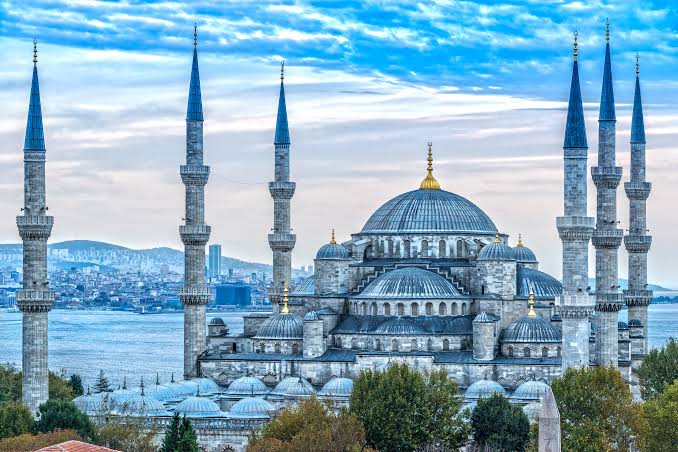
The Blue Mosquewhich

The Blue Mosquewhich

The Blue Mosquewhich is called Sultanahmet Camii in Turkish is an historical mosque in Istanbul .For the blue tiles surrounding the wall  it is known as Blue Mosque. It was situated between 1609 and 1616 years, like many other mosques, it also comprises a tomb of the founder, a madrasa and a hospice.

The Basilica Cistern

The Basilica Cistern

The Basilica Cistern is the largest among the ancient cisterns beneath the city which provided a water filtration system for the nearby buildings. This underground chamber measures approximately 138 meters (453 ft) by 64.6 meters (212 ft) and is capable of holding 80,000 cubic meters (2,800,000 cu ft) of water. The ceiling is supported by 336 marble columns.

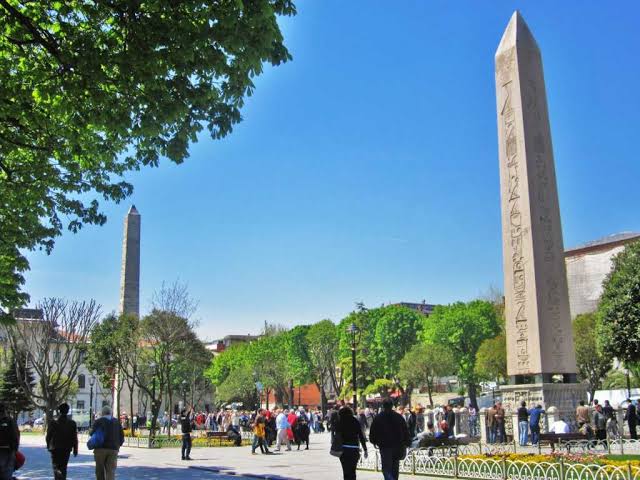
The Hippodrome

The Hippodrome

The Hippodrome’s name comes from Greek word hippos(horse) and dromos(course). It was an ancient Greek stadium for horse racing and chariot racing. But in present day  there isn’t much of the Hippodrome left to see, except for a small section of the gallery walls on the southern side, but the At Meydani (park), which now stands on the site, is home to a variety of monuments.

Archaeology Museum

Archaeology Museum

The Istanbul Archaeology Museums are a group of three archaeological museums which are  located in the Eminönü quarter of Istanbul, Turkey, near Gülhane Park and Topkapı Palace. The three museums are- in the main building the Archaeological museum, Museums of the Ancient Orient and Museum of Islamic Art.

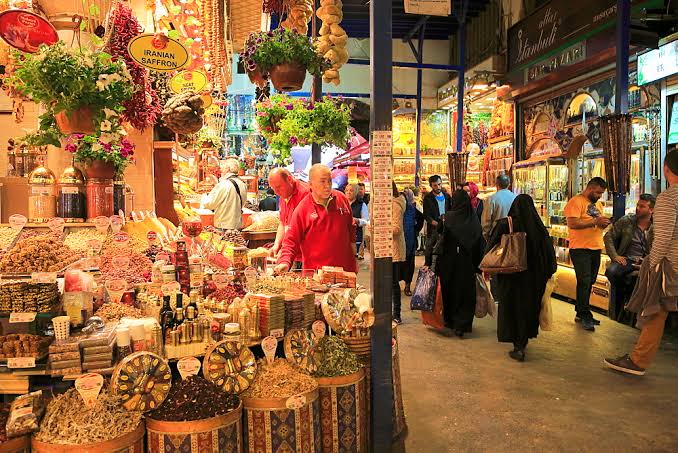
Grand Bazaar

Grand Bazaar

In Istanbul, the Grand Bazaar is one of the largest and oldest covered markets in the world. It has a total area of 30,700 m2. There are 61 covered streets and over 4,000 shops attracting between 250,000 and 400,000 visitors daily.

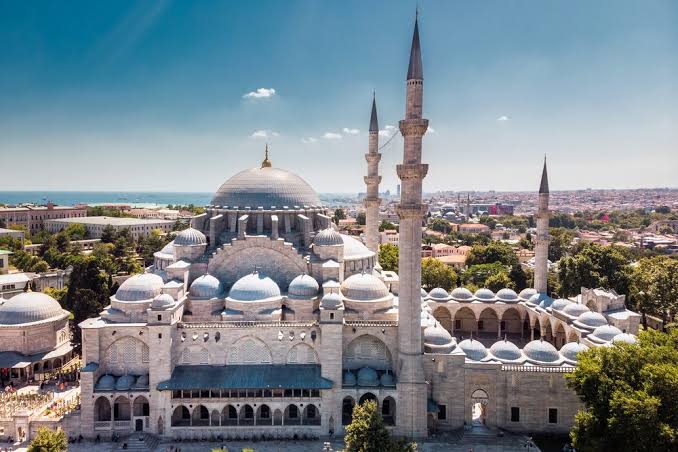
The Süleymaniye Camii 

The Süleymaniye Camii

The Süleymaniye Camii (Suleymaniye Mosque) is one of its most distinctive features with its truly staggering size which was built by the legendary architect, Mimar Sinan, it is one of his masterpieces and his largest design. It is not only the inspiring size that is impressive (the central dome stands 47m high), but also the elegantly decorated interior.  The sense of space and light is emphasized by the supporting semi-domes to the northwest and southeast and the monumental arched spaces to the southwest and northeast.

The Spice Bazaar 

The Spice Bazaar 

The Spice Bazaar  is one of the largest bazaars in this city. Located in the Eminönü quarter of the Fatih district, it is the most famous covered shopping complex after the Grand Bazaar.

Cappadocia

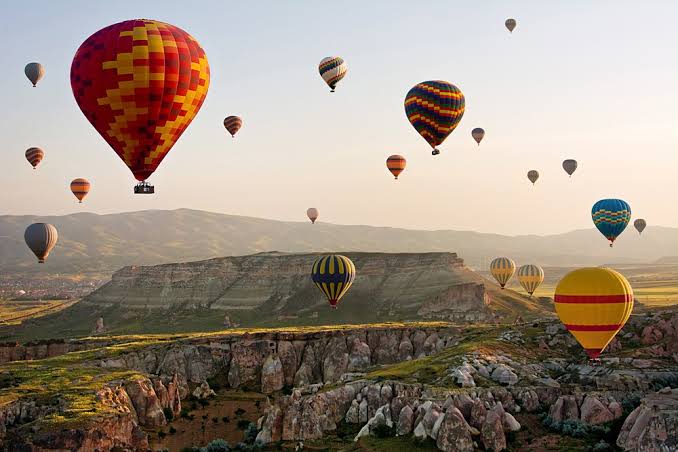
Cappadocia the hot balloons

Cappadocia is  in central Anatolia, in the heartland of what is now Turkey.The area is popular for the hot balloon ride. As it has many areas with unique geological, historic, and cultural features.Hot-air ballooning is very popular in Cappadocia and is available in Göreme. Trekking is enjoyed in Ihlara Valley, Monastery Valley (Guzelyurt), Ürgüp and Göreme.

So we must say Istanbul is incredible.

Green Economics

Over the past five years or so the issue of climate change has moved from a peripheral concern of scientists and environmentalists to being a central issue in global policy making. It was the realization that the way our economy operates is causing pollution on a scale that threatens our very survival that first motivated the development of a green approach to the economy. We are in an era of declining oil supplies and increased competition for those that
remain. This raises concerns about the future of an economy that is entirely dependent on oil and a wider recognition of the importance of using our limited resources wisely. This was the other motivation for the development of green economics. In addition, green economists have been concerned about the way an economic system based on competition has led to widening inequalities between rich and poor on a global as well as a national scale, and the inevitable tension and conflict this inequality generates.

Green economics is a methodology of economics that supports the harmonious interaction between humans and nature and attempts to meet the needs of both simultaneously. Green economic theories encompass a wide range of ideas all dealing with the interconnected relationship between people and the environment. Green economists assert that the basis for all economic decisions should be in some way tied to the ecosystem, and that natural capital, such as water, gold, natural gas, silver, or oil, etc. and ecological services have economic value.

The term green economics is a broad one but it encompasses any theory that views the economy as a component of the environment in which it is based. The United Nations Environment Program(UNEP) defines a green economy as “low carbon, resource efficient, and socially inclusive.” As such, green economists generally take a broad and holistic approach to understanding and modeling economies, paying as much attention to the natural resources that fuel the economy as they do to the way the economy itself functions.

While the idea of an equitable economy powered by renewable energy sources is alluring, green economics has its share of critics. They claim that green economics’ attempts to decouple economic growth from environmental destruction have not been very successful. Most economic growth has occurred on the back of non-renewable technologies and energy sources. Weaning the world, especially developing economies, from them requires effort and has not been an entirely successful endeavor. The emphasis on green jobs as a social justice solution is also fallacious, according to some. The raw material for green energy in several cases comes from rare earth minerals mined in inhospitable conditions by workers who are paid cheaply. An example of this is electric car maker Tesla, whose car batteries are made using raw materials mined from Congo, a region wracked by civil war. Another criticism of green economics is that it is focused on a technological approach to solutions and, consequently, its market is dominated by companies with access to the technology.

Environmental issues faced in India

Environment refers to the physical elements. It includes the land, water and air. It is the living ecosystem that maintains the existence of human life. The term environment is derived from a French word ‘Environia” which means to surround. In other words environment can be defined as the sum total of all the living and non-living things and their effects that influence human life.

The main environmental issues faced in India are pollutions namely air pollution, water pollution, noise pollution, disposing chemical waste improperly, leakage of harmful gases, etc. are just few among the environmental problems.

Pollutions refer to imbalance caused in the environment through the actions of humans. This imbalance can lead to health-related issues which can affect the future generations. It is caused by man-made activities. It is necessary to protect the environment because the present generations are mere care-takers of the future generations. It is their responsibility to give the earth to the future in a proper and healthy manner. Let us try to understand the different types of pollution and their effects on the environment.

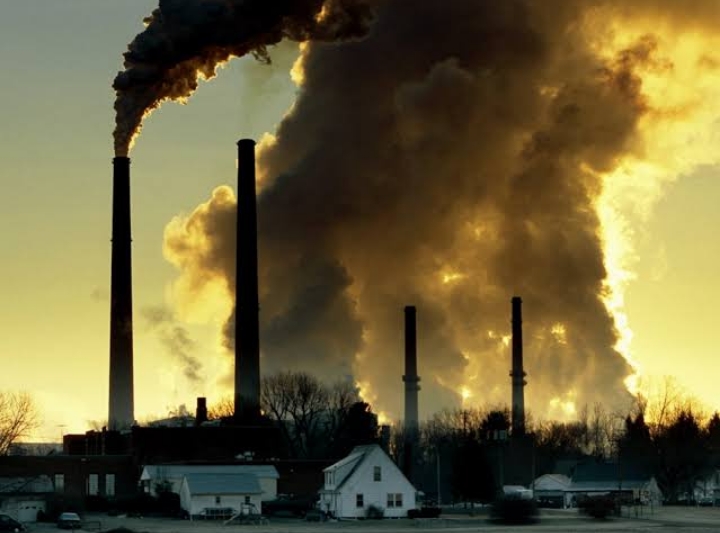
Air Pollution: Air pollution is the release of pollutants such as gases, particles, biological molecules, etc. in to the air that is harmful to human health and the environment. In other words, it refers to the contamination of air by harmful gases, dust and smoke which affect biotic and abiotic things. It is necessary to maintain the correct amount of gases present in the atmosphere such as 78% of nitrogen, 21% of oxygen and the remaining is other gases. When there is an increase of other gases in the atmosphere it can result in global warming, ozone layer depletion, cancer diseases, breathing issues, skin problems, acid rains, asthma, etc. For example: Delhi is the existing example of air pollution. It causes a new weather in Delhi know as smog which is a mixture of smoke (emitted from vehicles, factories and other sources) and fog. It causes serious health issues for the people living there.

Gases released from factories causing air pollution

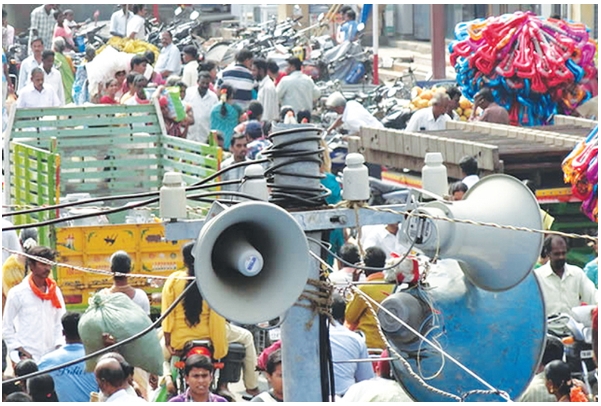
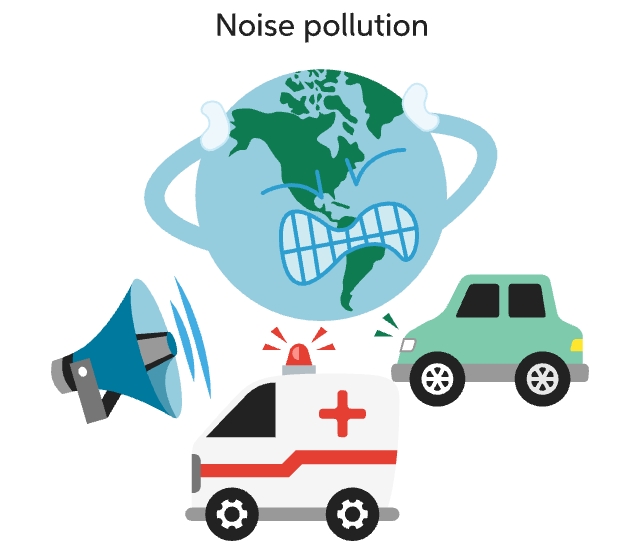
Noise Pollution: Noise pollution or Sound Pollution refers to that unwanted sound that interferes with a person’s peaceful existence. India is a developing country. Movement of people and goods for such economic and urban development is necessary. As a result, there is immense noise produced by the trains, buses, vehicles, trucks, airplanes, huge rallies for various reasons, etc. In residential areas we can see loud music played by residents. High noises levels can lead to cardiovascular and permanent hear impairment. It can even cause change in the behavioural aspect of a person. It can cause stress, lack of sleep, and other harmful effects on the health of an individual. Moreover, this earth not only belongs to humans. Loud noises can frighten animals as well; it can cause sudden heart attacks to such animals.

Noise Pollution caused by the crowd

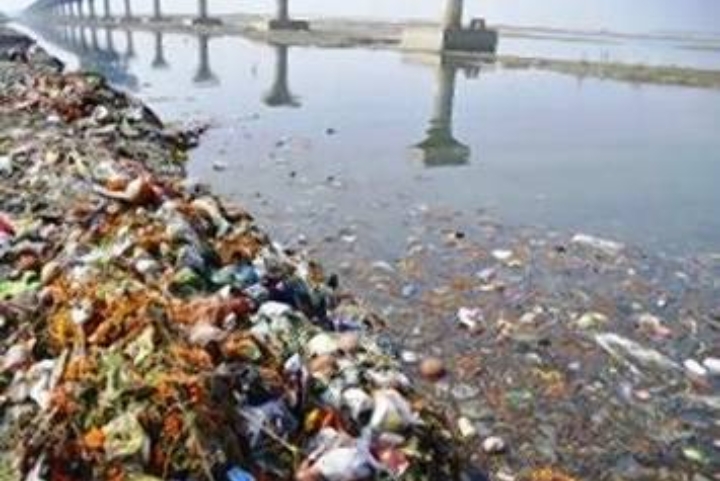
Water Pollution:. Water pollution is the contamination of water bodies with man-made affluents, chemicals, waste, etc. Such disposal is harmful for humans and the living organisms in such water-bodies. There are instances of where the court has stopped an industry from functioning due to improper disposable of waste in the locality. The effect of water pollution often leads to death, skin rashes, pinkeye, respiratory infections, tuberculosis, etc. Three-fourth of the Earth is covered with water. But less than 1% of the earth’s freshwater is accessible to us.

Water Pollution

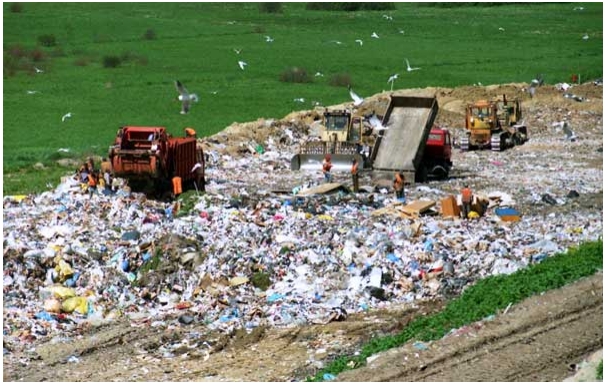
Land Pollution: This pollution is on-process and the effects such pollution will be evident at an unexpected situation. The land is abused and deteriorating constantly. This is caused by the solid wastes, untreated chemical affluents, etc. In other words, it is the degradation or destruction of the soil and groundwater.

Land Pollution

Destruction of the environment can lead to various calamities. In order to prevent such disaster or calamities, laws are implemented to protect the environment for the livelihood of present and future generations. Environmental Protection Act, 1986:- Section 2(a) states that environment includes water, air and land and the inter-relationship which exists among and between water, air and land, and human beings, other living creatures, plants and property.

After India got independence from British rule, formed its own constitution by 1950 but The leaders of the country gave more priority to the economic development and elimination of poverty in the country. As a consequence the constitution did not deal much about the environmental aspects. It was only in 1972, during a United Nations Conference on Human Environment held at Stockholm led to adoption of various measures to preserve the environment and prevent pollution. Accordingly, Indian Parliament inserted two Articles, i.e., 48A and 51A in the Constitution of India in 1976.

* Article 48 A states that the State shall endeavour to protect and improve the environment and to safeguard the forests and wild life of the country. *Article 51A: This article mentions the Fundamental Duties that should be followed by the citizens. It also mentions to protect and improve the natural environment including forest, lakes, rivers and wild life, and to have compassion for living creatures. *Apart from these two articles, Article 21 of the constitution includes the right to clean and healthy environment.

Save environment it’s our responsibility

Is it the end or the begining of new era.

“Everything that has a beginning has an ending. Make your peace with that and all will be well.” ~

Jack Kornfield

Life is not always meant to fill with bliss and happiness . It also has its demon and darkness . And we are unable to understand the consequences that can be happen in future .

This is what we are facing now and it’s popularity is all over the world . Well well .. we all met the celebrity i.e., known as “ CORONA VIRUSE ”

Yes yes I know how much amazed we all were when we get to know about it . The excitement leads to the death of 1/4 of a population . Let’s move on from the gossip girls .

“But you are involved in the world, and your actions have consequences for other people, and if you don’t recognize that, then that’s the supreme kind of cruelty. Everyone shares someone else’s fate to some extent.” ~

Malcolm Bradbury

Like a gentle men he is . Malcolm has distracted us from the main theory that is “ Every action has equal and opposite reaction ”

From the past decades , census has been directly pointing out the deterioration in Nature . It leads to the extinction of wild life . More than one million of species had been reportedly facing problem and extinct .

So what do you think . Is it a revenge that nature is taking in the form of corona virus ?

Or

Is it a lesson to the human kind for playing with the nature ?

Well in both questions we get one thing clearly that is human kind has to pay .

Based on the report by WHO more than 3.3 million people died due to COVID19 in January . Their are “excess death” of people which caused mass havoc in the mind of the people all over the world .

So where were we virus , death , human kind , extinction . Ohh yeah now I remember we were talking about the hate of nature for human beings . Ops , sorry . Don’t mind sometimes I just flow with sentiments .

Well , yeah we were talking about the devastation in the human world by nature .

I am not a socialist or a misanthrope . I loved nature as much as you do . But what we didn’t understand is that how much we hurt our environment . And when we come to the realisation .

It’s being like OJO run his lovely Siren on MOJO . What , who is Siren . Siren is OJO’s favourite truck . Yeah I know I am very funny .

Reality hits us with the truck in the form of COVID .

I really do talk about COVID in this editorial rather than I used in my daily life .

We need to recreate our life in the form that It will not harm the nature . I know it’s a tough time to speak about this but until we will not stop ourselves for our wrong doing . It will come back to us and hit it with the force that no human kind can protect themselves from the destruction.

Embrace a new perspective.

Let move together to the new world where we can live with nature

This given editorial is written under one’s perspective. I am not judging anyone’s decision . You have youern own perspective and i am standing with that .

monsoon delayed in capital, temperature to touch 42 degrees celsius next week

Despite monsoon not reaching the Delhi NCR region, Chandigarh, and parts of Punjab yet, the North-West India region has got 58% surplus rain so far. According to IMD, East and North East, Central and the South Peninsula regions have all got above normal rains so far.

Daytime temperatures in Delhi, which have been below normal for the most part of June, are set to rise and touch 42 degrees Celsius next week as rains skip the National Capital. The Indian Meteorological Department had earlier forecast an early monsoon in the region. However, changes in wind patterns meant that the advancement of moisture laden winds, which bring monsoon rain, has now been hampered.

According to officials at IMD, there is now a chance that monsoon rains will hit Delhi after its onset date of June 27.

“Further advancement of the Southwest Monsoon into the remaining parts of Rajasthan, Western Uttar Pradesh, Haryana, Chandigarh, Delhi, and Punjab is likely to be slow as large scale features are not favorable and the forecast wind pattern by the numerical models do not indicate and favorable condition for sustained rainfall over the region during the forecast period,” the IMD stated.

Despite monsoon not reaching the Delhi NCR region, Chandigarh, and parts of Punjab yet, the North-West India region has got 58% surplus rains so far. According, to IMD, East and North East, Central and the South Peninsula regions have all got above normal rains so far. While light rain is expected on Friday and Saturday, with the maximum temperature expected to be 39 degrees Celsius, the next four days are expected to be dry, with the maximum temperature expected to touch 42 degrees Celsius on Tuesday and Wednesday.

On Thursday morning, the minimum temperature was recorded at 28.3 degrees Celsius, normal for this time of the year. The maximum temperature on Wednesday was recorded at 40.5 degrees Celsius, 2 degrees above normal. Humidity has been high throughout the past week, touching 77% on Wednesday.

 Due to not favorable conditions, there is a possibility of delayed arrival of monsoon in the southern districts of Punjab and Haryana including Delhi and northwest parts of Rajasthan. Although rain and thundershower activities are possible over North India from 25th to 27th June, it will not be Monsoon rain. During the next few days, rain will remain very light in many parts of Maharashtra including Mumbai and the temperature is

likely to rise. Heat and humidity are very likely to increase over Northwest India including Delhi during the next few days.

Ecommerce in India!

So let’s have a look that what does ecommerce mean~ E-commerce is the activity of electronically buying or selling of products on online services or over the Internet.

And if we talk about “Ecommerce in India” then, India has an Internet user base of about 696.77million as of May 2020, about 40% of the population. In 2017, the largest e-commerce companies in India were Flipkart, Snapdeal and Amazon. In 2018, Amazon beat Flipkart and was recorded the biggest ecommerce in India in terms of revenue. And it’s rapidly growing up day by day.

In India, cash on delivery is the most preferred payment method, accumulating 75% of the e-retail activities. Demand for international consumer products (including long-tail items) is growing faster than in-country supply from authorised distributors and e-commerce offerings. Long tail business strategy allows companies to realize significant profits by selling low volumes of hard-to-find items to many customers, instead of only selling large volumes of a reduced number of popular items. The term was first coined in 2004 by Chris Anderson.

In 2017, the largest e-commerce companies in India were Flipkart, Snapdeal and Amazon. In 2018, Amazon beat Flipkart and was recorded the biggest ecommerce in India in terms of revenue.

And some of the ecommerce sites are:

1. Amazon.in

2. Flipkart

3. Snapdeal

4. ebay India

5. IndiaMART

6. Shopclue

And so on…

But one should properly check the product and should take a clear look in the mind that this product is the only one which I want to purchase and they’ve can go on but inspection of the product must be the first priority of the customer.

BATTLE AGAINST PLASTIC

“It’s just one straw, it’s just one plastic cup, it’s just one plastic bag”

7.8 billion people

Do you ever wonder where “away” is when you throw stuff “away”?

There is no waste that does not degrade in nature. Humans, on the other hand, invented plastic, which, due to its qualities, will always be considered “unnatural” in the ecosystem. Plastic production is low-cost, and the material’s possibilities are limitless. Because of its widespread use, plastic virtually always finds up in the environment, resulting in more plastic pollution. Every day, you come into contact with many sorts of plastic, such as a lunch box or, more commonly, a plastic bag. Plastic pollution has reached every corner of the world. It’s made its way to the depths of our oceans, isolated forest routes, Arctic ice, and island beaches where turtles lay their eggs. And the amount of plastic waste in the oceans is so large that it is referred to as the “7th continent”. By next decade, there will be more plastic in the oceans than fish, if current trends continue. We don’t know how long these plastic will take to degrade (or if it will ever degrade), but we do know that once it’s in our soil, rivers, and oceans, it’s impossible to remove. Away from the seas, plastic waste is a major issue, overflowing landfills, clogging rivers, and polluting the environment through open burning or cremation. Some plastics also contain and absorb harmful substances, putting wildlife and humans at risk.

Now, the first thing which comes to our mind when we think of a solution to this problem is recycling. But truth is only minimal percent of plastic is recycled on a global scale. Even in advanced nations, household plastic recycling rates are frequently less than 50%, with very little of it being transformed back into packaging. The majority of “recycled” packaging waste gets down cycled into lower-value or non-recyclable products, only delaying the plastic’s final trip to the landfill.

What are our options now? Short-term objectives could include reducing needless packaging that is difficult or impossible to recycle and increasing the use of reusable and refillable methods for carrying and storing goods. We’ll need to adjust our consuming habits in the long run.

The most effective strategy to combat this problem is to alter our mindsets and habits with these challenging but really useful methods:

The classroom is an excellent place to begin discussing this problem and possible solutions. Kids may improve their science knowledge and leadership skills while also learning how to make the world a better place. Educators have the power to encourage students to make a difference in the world.

By volunteering or protesting: Citizen Activists are cleaning up riverbanks, parks, and beaches in their communities, and using these events to identify the polluting firms.

There are inventive methods to prevent single-use plastics whether you’re arranging a dinner, a picnic, or even a large-scale community event.

Plastic can pollute the environment if it is not properly managed, yet it also has several benefits, such as resistance. As a result, many plastic things can be reused or adapted to new uses. It is critical to explore how plastic things can be repurposed before discarding them. And support restaurants, food chains, shops that choose to reuse.

The battle against plastic is long and hard but it’s our battle to fight, so that the generations ahead don’t have to bear the consequences of our mistake.

Monsoon!

Yeah! Its a season of joy, enjoyment, happiness, and we should enjoy it at the best.

A monsoon is traditionally a seasonal reversing wind accompanied by corresponding changes in precipitation, but is now used to describe seasonal changes in atmospheric circulation and precipitation associated with annual latitudinal oscillation of the Intertropical Convergence Zone between its limits to the north and south of the equator. Usually, the term monsoon is used to refer to the rainy phase of a seasonally changing pattern, although technically there is also a dry phase. The term is sometimes incorrectly[according to whom?] used for locally heavy but short-term rains.

The major monsoon systems of the world consist of the West African and Asia–Australian monsoons. The inclusion of the North American Monsoon and South American monsoon with incomplete wind reversal has been debated.

The term was first used in English in British India and neighbouring countries to refer to the big seasonal winds blowing from the Bay of Bengal and Arabian Sea in the southwest bringing heavy rainfall to the area.

So we should definitely enjoy this season!

Forest Law in India: A Critical Analysis

Forests are a valuable resource for humans. And India is the 7th largest nation in the world occupying almost 3% of the world area. But on the other hand, the forests cover lies in India is only 1.8%. Forests are one of the most important natural resources, as well as a vivid expression of nature. They are also regarded as guardians and protectors of the country’s wildlife. Forests are important not only for their botanical value, but also for their recreational and scenic beauty, which brings glory and attraction to many places in India and other countries. Forests often contribute to the agriculture of the area in which they are located, whether in terms of soil fertility, soil erosion prevention, or promoting perennial stream flow in rain-fed rivers. They provide a sanctuary for wild animals, protect tribal populations, and preserve cultural identities. As a result, forests contribute to the ecological balance.

Forests also provide income, provide raw materials, and serve as a source of fuel and fodder, in addition to these environmental and ecological benefits. Conflicting views are inevitable when it comes to forest management. Ecological stability would be jeopardized if claims of growth were made.

Forests in India are under significant pressure today, and are rapidly decreasing as a result of rapid human and livestock population growth, over-use and exploitation of forest resources, conversion of forest land for non-forestry activities, agricultural development, and other illegal on forest land. Each & every legislation carries the expectations and desires of the social and political forces at work at the time it was enacted.

Historical Background

Initially, it was about the worship of holy groves, elephants in the medieval age, and how society was before colonial rule, as well as people’s attitudes toward forests.

Then there was the change in conservation strategies, with the emphasis moving from community management to more analytical management under the umbrella of the state. And lastly, the evolution of the forest laws Post Independence.

Until the early 18th century, a large number of communities on the Indian Subcontinent relied on hunting and gathering for food. The abundant rainfall and lush vegetation aided livelihoods. These communities traded forest products like herbs and honey for salt, clothes, tools, and sometimes grain with the local agricultural communities. These hunting and gathering cultures thrive on the forest products. The importance of trees, forests, and wildlife is stated in the Vedas, Puranas, and Arthashastra.

The forests were divided into four groups: Forest for wood, Reserve forest, Elephant forest and Forest for hunting.

Forests were held by local chiefs during that period, with access rights given to the peasants.

Only surplus grain production was claimed by the mughals, as well as a tax on animals above a certain weight. Villages were self-sufficient and dealt with the state as a whole. Taxes were collected both as a group and as a household. Horticulture, sheep farming, fishing, and forest holdings were all exempt. Apart from hunting preserves, the state had no clear claims to territory.

When Europeans arrived in India, the Industrial Revolution was in full swing, and a wide variety of items had become commodities. This had a major influence on Indian society.

It shifted the emphasis away. It also resulted in the disintegration of local communities. Now with manufacture and commerce became the dominant practices everything was measured in money.

The main aim of colonial law was to take over the forest land for its expansion, so resolution rights were not granted, and tribal rights were barely documented in areas where they were.

After independence, the proclaimed forests of princely states, zamindars, and private owners were transferred to the forest department, worsening the situation.

Analysis

In year 1856, Lord Dalhousie stressed the importance of a clear forest policy in India. The reason behind this awareness was the increasing difficulty in securing adequate supplies of wood (which was needed for the massive extension of railway lines that was being undertaken at the time). The first Indian Forest Act was passed in 1865. It came into effect on May 1, 1865. The Act granted the government the authority to classify any land covered in trees as government forests and to create rules for their protection. This was the British government’s first attempt at forest legislation in India. In 1878, a revised Forest Act was passed, putting an end to decades of traditional community use of their woods and giving colonial government power over forestry. On the one hand, the provisions of this Act created a virtual State monopoly over the forests in a legal sense, and on the other, they attempted to establish that the villagers’ traditional use of the forests was not a “right,” but a “privilege” that could be revoked at any time.

A new comprehensive Forest Act was passed in 1927 to make forest laws more practical and to strengthen the Forest Act. It replaced all previous laws. The Act is divided into 13 chapters and contains 86 sections. The Act’s key goals were:

1) Consolidate forest-related legislation.

2) Regulation of and the transportation of forest produce.

3) To impose a tax on timber and other materials.

There is no specific definition for forests in this Act. It divided Indian forests into three categories: Reserved forests (completely regulated by the government), Protected forests (partially controlled by the government), and Village forests (controlled by attaching villages).

Drawbacks of The Indian Forest Act, 1927

A thorough examination of the act shows that it was never intended to preserve India’s vegetation cover, but instead was passed to:

1) Ensure that cutting down of trees is governed.

2) Make money by cutting down trees and selling forest products.

Furthermore, it denied nomads and indigenous peoples of their rights and privileges to use the forests and its product. Its primary goal was to supply raw materials to forest-based industries. Forests have long been recognized as an important component of ecological equilibrium and environmental sustainability. It is important to note that the revenue-driven mentality toward the forests prevailed even after independence. As a result, the 1927 act failed miserably to protect the forest from exploitation.

The Indian Forest Policy of 1952 was a straightforward continuation of colonial forest policy. It became conscious, however, of the need to increase forest cover to one-third of total land area. Total annual revenue from forests was a critical national need at the time. Due to the two World Wars, the need for defense, construction projects such as river valley projects, industries such as pulp, paper, and plywood, and communication, forest produce was heavily reliant on national interest, and as a result, large areas of land were cleared to generate revenue for the state.

The Forest Conservation Act of 1980 was passed in order to prevent further deforestation and to protect forests. In essence, the Act simply transfers jurisdiction over forest land use decisions from the state to the central government.

On December 18, 2006, both the Lok Sabha and the Rajya Sabha passed the Scheduled Tribes and Other Traditional Forest Dwellers (Recognition of Forest Rights) Act, 2006. This law aims to give traditional forest dwellers ownership rights to forestland. The law addresses the rights of forest dwellers to land and other resources, which have been denied to them for decades as a result of India’s colonial forest laws. The Act was informed into effect on December 31, 2007, just over a year after it was passed.

The wildlife conservation lobby and the Ministry of Environment and Forests fiercely opposed the Act, describing it as the “ideal formula” for ensuring the destruction of India’s forests and wildlife by “legalizing encroachments.” Some of the criticism stems from those who see the legislation as a land-distribution system that will result in tribes and forest dwellers receiving forest land. Wildlife conservationists, on the other hand, have voiced their opposition to the Act, claiming that it would make it difficult to establish “inviolate spaces,” or areas free of human presence, for the purposes of wildlife conservation. Conservation of tigers, in particular, has been a source of concern. Many conservationists have also expressed support for amending the Act.

The Act’s proponents claim that major construction projects, such as dams, power plants, and mining operations, should be monitored rather than the forced removal of conventional forest-dependent communities in order to save the forests. Several organizations argue that it is not tribes who are introducing commercial activities into forests, but rather external commercial forces that are degrading forest resources and eroding tribal communities’ traditional lifestyles.

Role of Judiciary on Forest Laws

Forest conservation is extremely important. The area covered by forest is steadily shrinking as the Indian population grows. At least 30% of the country’s land should be covered in sufficient forest cover to ensure ecological stability. There was widespread deforestation, and the forest cover was reduced to less than 18%. Originally, forests were put on the State List, allowing states to pass forest laws on their own. Forests were added to the Concurrent List in 1976, allowing Parliament to pass legislation on the subject. Despite the government’s main efforts, deforestation has persisted. The Supreme Court issued broad guidelines in 1996 to oversee the implementation of forest laws throughout the country. In India, the courts have played a pivotal role in environmental and eco-system preservation. The Indian Supreme Court has given numerous directives and instructions to avoid environmental degradation in a number of cases. The framework of the judicial system, as well as the constitutional and legislative provisions, must be considered in order to comprehend the role of the courts in this regard. In India, litigation has enunciated a web of doctrines and interpreted Constitutional law from an environmental standpoint. Non-forest activities and the awarding of leases for non-forest activities were also outlawed by the court.

The article focused on many of the major forest laws; during the British time, several laws were enacted in order to generate revenue. For the continuation of human society as we know it, forests and the goods they provide are universally needed. We generally do not consider it worthy of further inquiry since shifting our society to one that is not dependent on the forest and its associated benefits requires such a massive fundamental change. Given this situation, it is critical that we develop mechanisms to sustainably manage the forest for all of the benefits it can bring. The first step was taken in the form of the Indian Forest Act, 1927, whose main goal was to categorize forests and determine to what degree the government could intervene in private forest matters, as well as how the notification for reserved forest was made. At times, I believe the state intervened in private affairs as well. With the enactment of the Forest (Conservation) Act in 1980, a significant change in post-independence forest management regimes occurred. The Act was enacted to control large-scale forest land diversion for non-forest purposes. It did not, however, include a blanket prohibition on such diversion. As a result, large areas of forest have been diverted for agriculture, mining, and construction purposes, such as dams that cause forest destruction. Furthermore, the legislation was criticized for restricting local communities’ rights. The Government of India launched a new National Forest Policy, which represented a significant departure from the 1952 policy by focusing on environmental stability and forest conservation while meeting the domestic needs for fuel, wood, fodder, and minor forest produce for rural and tribal populations. As discussed above it is clear that we must strictly enforce the forest laws, and that all administrative organs must work together in a normative approach to ensure that the forest laws are properly implemented, since laws are worthless without the aspect of enforcement and remedies.


POLYTHENE BAGS ARE HARMFUL FOR THE ENVIRONMENT

Introduction

Plastic bags are the main cause of plastic pollution. The pollution which is destroying our environment. To reduce pollution plastic bags must be banned. Humans try to decompose them but it does not decompose instead it leads to air, water as well as soil pollution. It is said that plastic bags are the leading causes of increasing pollution.
For this reason plastic bags are banned in various countries. In spite of knowing the consequences, plastic bags are still used widely in most parts of the world making it harmful for the environment.

Plastic bags are readily available in the market and are used widely.These are popular at the grocery stores, markets, etc because they are handy and are comfortable to carry the grocery items like rice, wheat flour, pulses. Apart from grocery items it is used to carry veggies, fruits etc.
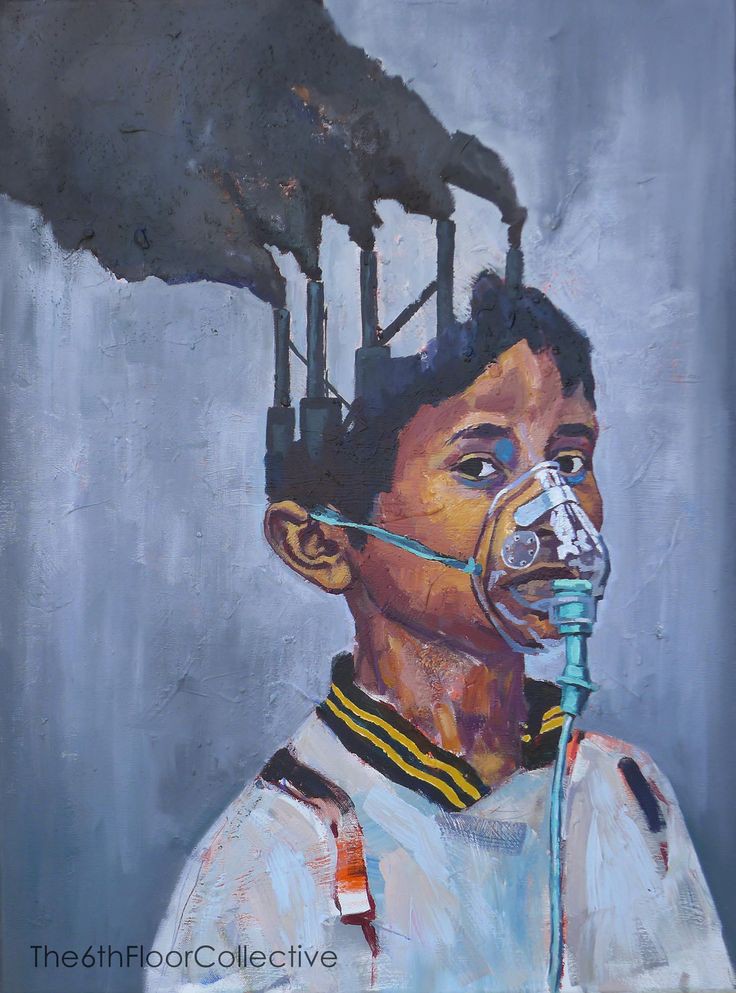
It is available in various sizes; these are quite economical and also easy to carry or use. But the cost for using these bags -is overlooked. These bags are costing us our beautiful environment. The plastic bags that we use in our everyday life are very much harmful to the environment. The actual problem is much more severe than it appears to us.
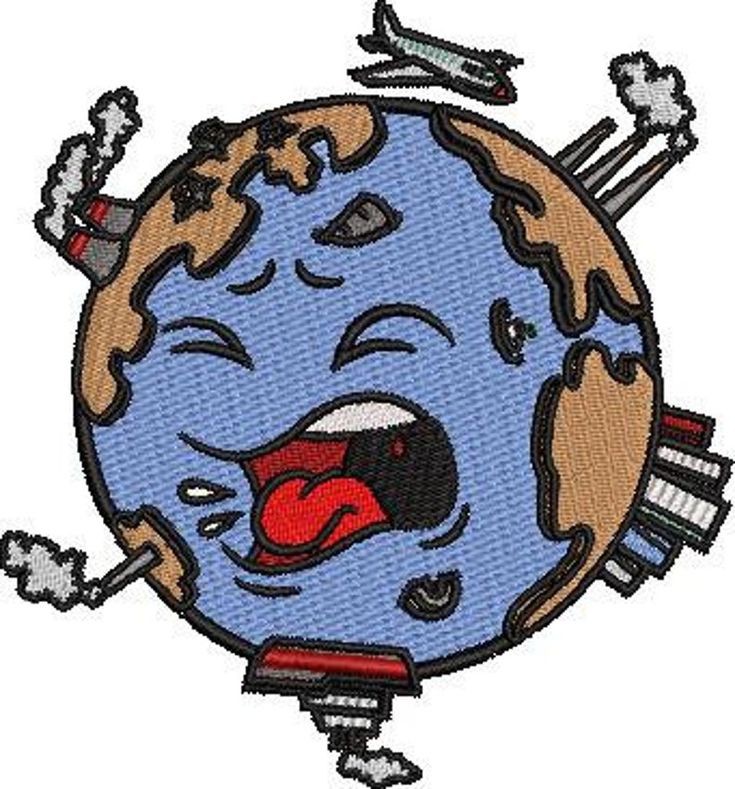
Plastic bags are destroying the soil making our agricultural lands infertile. It also causes several other serious problems. To ensure a cleaner and greener environment many countries have banned the use of plastic bags. Among those countries, India is one of them.

Our country has banned the use of plastic bags in many states. However, the implementation of this rule hasn’t been proper.

These are still available in the market. The retailers provide goods in these bags, and the shoppers gladly take their stuff in these easy to carry bags. And another reason for this does not have a proper option to replace them.

It is time for each one of us to understand the severity of the issue and stop the use of plastic bags.

Plastic Bags – A Boon or A Bane /A Curse?

Plastic bags are lightweight and can be carried anywhere without much effort.

This may sound like a blessing to us, but in reality it is much more harmful than its uses. They get carried away by the wind and water because of its light weight. They end up landing on the seas and water and pollute them. They get stuck in fences and pollute the environment while getting carried away with the wind.

The material used to make plastic bags is polypropylene. This material makes them durable thus making them last for a longer time. This polypropylene is prepared from natural gas and petroleum. They are non biodegradable in nature.
Green-house gases like Methane Carbon, Monoxide, and Carbon Dioxide are released during the production of various plastics products including plastic bags. This is a significant cause of global warming in the world today.

There is a misconception that recycling is an alternative to the misuse of plastic bags but recycling of plastic products cannot be a good choice because only 5% of the plastic bags can be recycled and the remaining 95% find their way in soil, water and landscape causing pollution. Only 35-40 percent of plastic bags are being recycled and the remaining 60% is not even known where it is gone.

As 60% of the plastic bags are not being traced, the producers are forced to produce more products to meet the needs of people. Everyone considers plastic bags as the most convenient bags to carry loads but it has the most harmful effects on human health.
Synthetic substances present in the polythene bags can disturb the typical working of hormones in the body.Most plastic pieces in the seas, like plastic bags, have a few contaminations, for example, PCBs (polychlorinated biphenyl) together with PAHs (Polycyclic fragrant hydrocarbons), which disturbs the normal function of our hormones.

When the marine creatures eat these synthetic substances, they travel through the food web then later into the people who consume sea animals, especially the fish.

How can we minimize their use?
In many countries across the world plastic bags have been restricted in several nations all over the world.

In many states the Government of India has already restricted the utilization of plastic bags.

Strict measures must be taken to ensure that the use of these bags is stopped. There must be curbs on the production of plastic bags altogether.
Retailers for selling as well as those who are carrying and using plastic bags must be fined.
Good quality plastic available in the market must be made chargeable. This is a good strategy to minimise the use of plastic bags.
To provide a proper alternative of polythene bags is another good strategy. The alternative must be cost efficient and have to be similar in use.

Conclusion
We had often overlooked and underestimated the harmful consequences caused due to plastic bags because we don’t notice the long term effect of these small, easy to carry bags used in our daily life.

People keep on using these bags owing to their convenience. They completely ignore the real fact about these bags that they are harmful for the environment and are a threat to life on earth.

@track2trainingseminar @track2traininginstitute @edunewsnetwork @pen2prints @

IMPACT OF HUMAN POPULATION ON ENVIRONMENT

WHAT IS POPULATION
The number of organisms of the same species that live in a particular geographic area at the same time, with the capability of interbreeding is called population.

HUMAN POPULATION:
Human population refers to a collection of humans living in a particular geographic area. The social science that entails the statistical study of human populations is called Demography. Thus, human population is the number of people in a city or town, region, country or world; population is usually determined by a process called census (a process of collecting, analyzing, compiling and publishing data).

HUMAN POPULATION GROWTH The increase in the number of individuals in a population is population growth. Annual global human population growth amounts to around 83 million or
1.1% per year. In 1800 the global population was 1 billion which has rises to 7.9 billion in 2020. The UN projected population to keep growing, and estimated that by the middle of 2030, 2050 and 2100 the total population will rise to 8.6 billion ,9.8 billion and 11.2 billion respectively. But some academics outside the UN have developed human population models that shows the additional downward pressures on population growth. They also suggested that if this happens then the population would peak before 2100.

POPULATION EXPLOSION AND ITS CAUSE:

The sudden increase in population growth in an unmannered way is called population explosion.

Causes of population explosion:
The causes of population explosion are as follows:-
High Birth Rate
The major cause responsible for the rapid growth of population is high birth rate. In India, the birth rate was found to be 45.8 per thousand during 1891-1900 and 25.8 per thousand in 2001, but still it is considered to be substantially high. This shows in spite of the increase in the widespread propaganda of family planning, family welfare programmes and population education campaigns, instead of a decrease in the birth rate it is increasing.
2. Low Death Rate
The death rate in recent years has phenomenally fallen which is another important factor that leads to the rapid increase in population. The death rate in India was about 8.5 per thousand in 2001. But because of the advancement in medical science, dreadful and chronic diseases such as smallpox, cholera, plague, typhoid are no longer dreaded. Better facilities for sanitation and cleanliness, provision of pre-natal and post-natal care has also reduced infant mortality rate.
3. Early Marriage
The practice of early marriage is another important reason for the rapid increase in population in India. The marriage of girls at an early age results in a longer span for reproductive activity and thus leads to an increase in the number of children.
4. Social and Religious reasons
In India,marriage is a compulsory institution as per social norms.so people have to marry.Therefore, people do not hesitate to increase the size of the family as in a joint family everyone takes equal responsibility . Apart from this most people think that it is necessary to give birth to at least one male child so in expectatin of getting a male child, they go on increasing the family size.
5. Poverty
Poverty is another cause of population growth. Children are source for income of the family. So instead of going to school they go to work and thus prove to be an asset for the family. This makes the parents believe that every child born will become an earning member of the family.
6. Standard of living
People whose standard of living is low tend to have more children because an additional child is considered as an asset rather than a liability. Since majority is uneducated and think that every child born will become the earning member of the family they keep on increasing the family size.
7. Illiteracy
Most of the people in India are either illiterate or has the minimum education. This leads them to accept low paying work but fails to support the family resulting poverty. Due to the prevalence of higher rate of illiteracy, there is widespread ignorance in the form of social customs and beliefs like early marriage and preference for a male child. As a result, there is high rate of population growth in the country.

IMPACTS OF POPULATION GROWTH ON ENVIRONMENT: Population growth leads to overconsumption that causes environmental concerns, such as biodiversity loss and climate change, due to resource-intensive human development that exceed planetary boundaries.The impacts of overpopulation and the environment are often interrelated and complex.
Farming impacts
If the population increases the need for food also increases. To meet the need of food intensive farming is done.This includes harmful mechanisation, chemical fertilizers and pesticides that degrades the soil quality causing soil erosion. This also leads to eutrophication that depletes water from oxygen having negative effects. To create new farmland deforestation is done resulting in a negative outcome.
Agriculture is responsible for about 80 percent of deforestation.
Deforestation
Deforestation leads to a reduced ability to capture CO2, resulting in the increase of greenhouse gas problems. Deforestation is also strongly associated with loss of habitat and extinctions.
Human population increase is related to all of these deforestation pressures. The more people we need, the more food, more wood products, and more firewood.
Eutrophication
The main cause of eutrophication is agricultural runoff caused by the presence of excessive nutrients in bodies of water.
Eutrophication causes the dense growth of plant life that consumes oxygen, resulting in the death of aquatic animals. Other major sources of eutrophication are industry and sewage disposal–both related to population growth.
Loss of Freshwater
Although there are plenty of water resources,only 2.5 percent of water resources are fresh water, and only a small fraction of it is available as unpolluted for drinking purposes. This is because with the increase of Human population, human waste also increases which pollutes the water making it unsuitable for drinking. Also with the increase in population the need for drinking water increases thus water scarcity also increases.
Global Warming
Human population growth and climate change have grown hand in hand as the use of fossil fuels has exploded to support industrialized societies. More the number of people, the more is the demand for oil, coal, gas, and other energy sources extracted from below the Earth’s surface that spew carbon dioxide (CO2) into the atmosphere when burned, trapping warm air inside like a greenhouse. Most fossil fuel consumption comes from developed countries.It is a sobering thought that most developing nations aspire to similar industrial economies as they experience economic growth, which further escalates CO2 emissions into the atmosphere.

PREVENTION:The population can be controlled by following measures.
A. Social Measure:
Population explosion is a social problem and it is deeply rooted in society.

1. Minimum age of Marriage:
The minimum age of marriage should be raised because fertility depends on age of marriage. Fixed by the law the minimum age of men is 21years found 18 years for women.
2. Raising the Status of Women:
Women should be given opportunities to develop socially and economically.
3. Spread of Education:
The spread of education changes the outlook of people. The educated men will prefer to delay marriage and adopt small family norms. Educated women are health conscious and avoid frequent pregnancies and thus help in lowering birth rate.

4. Adoption:
Some parents who do not have any children are advised to adopt the orphan children. It will be beneficial to orphan children as well as lower the population.

5. Change in Social Outlook:
Social outlook of the people must be changed. Marriage should not be considered as social binding anymore.

6. Social Security:
People should be covered under-social security schemes. So that they do not depend upon others in the event of old age, sickness, unemployment etc. with these facilities they will have no desire for more children.

B. Economic Measures:
1. More employment opportunities:
The first and foremost measure is to raise the employment avenues in rural as well as urban areas.This step can check the population growth.

2. Development of Agriculture and Industry:
If agriculture and industry are properly developed then a large number of people will be employed and when their income increases they would improve their standard of living and adopt small family norms.

3. Standard of Living:
Improved standard of living acts as a deterrent to large family norms. In order to maintain their higher standard of living people prefer to have a small family.

4. Urbanisation:
People in urban areas have a lower birth rate than those living in rural areas. Urbanisation should therefore be encouraged.

C. Other Measures:
1. Late Marriage:
At the age of 30years,marriage should be solemnized. This will reduce the period of reproduction among the females bringing down the birth rate.
2. Self Control:
Self control is a powerful method to control the population. It helps in reducing the birth rate.

3. Family Planning:
This method implies family by choice and not by chance. People can regulate the birth rate by using preventive measures like cheap contraceptive devices for birth control etc.

4. Recreational Facilities:
For many people sex is the only recreation of life which is responsible for a high birt rate. But the birth rate will fall if other recreational activities like cinema, theatre, sports and dance etc are available to the people. As a result of which people will not have sex for recreation reducing in lower birth rate.

5. Publicity:

The communication media like T.V., radio and newspaper will propagate the benefits of the planned family to the uneducated and illiterate persons especially in the rural and backward areas of the country.

6. Incentives:
The govt. can give various types of incentives to the people to adopt birth control measures. This will result in small family norms reducing the birth rate.

7. Employment to Woman:
If women are given employment they will get incentives for their work. This will keep them busy and is a good measure of population control. @track2traininginstitute @track2trainingseminar @edunewsnetwork

Sustainable development and its pillars

Sustainable development is development that meets the needs of the present without compromising the ability of future generations to meet their own needs….The concept of sustainable development was introduced in early 1980’s (in particular through the publication of the World Conservation Strategy by IUCN, UNEP and WWF, 1980), in order to reconcile conservation and development objectives.

Sustainable development consists of a long-term, integrated approach to developing and achieving a healthy community by jointly addressing economic, environmental, and social issues, whilst avoiding the over consumption of key natural resources.

The 3 pillars of sustainable development is
Social development, economic development,environmental protection.

Economic Development
It requires that a business or country uses its resources efficiently and responsibly so that it can operate in a sustainable manner to consistently produce an operational profit.

Social Sustainability Social sustainability is the ability of society, or any social system, to persistently achieve a good social well being. Achieving social sustainability ensures that the social well being of a country, an organisation, or a community can be maintained in the long term.

Environmental Sustainability Environmental sustainability means that we are living within the means of our natural resources.To live in true environmental sustainability, we need to ensure that we are consuming our natural resources, such as materials, energy fuels, land, water…etc, at a sustainable rate. Some resources are more abundant than others and therefore we need to consider material scarcity, the damage to environment from extraction of these materials and if the resource can be kept within Circular Economy principles.

Keeping It Clean- The Garbage Man

Sanitation and a clean environment are every human being’s right. The ones who keep the environment clean for us are often not recognized. The sanitation workers or the garbage man collect the garbage generated by us just so that we can have a tidy and healthy surroundings.


Imagine living in a stinky and littered world. It won’t be just gross but unhealthy too; breeding ground for so many germs, viruses, and diseases. Fortunately, we have sanitation workers who are dedicated and available to regularly collect and dispose of the garbage generated by us.

The garbage men play a vital role in maintaining a hygienic civilization. Not just garbage from homes, but different sectors generate different sorts of waste or garbage. These waste products can be hazardous. To safely get rid of it and to maintain public health the garbage men step ahead to collect and dispose of such waste products. However, these people are not always appreciated for the tenacious work that they do for their local community.

History of Garbage Man Day

The owner of JDA (special waste management and sanitation firm), John D. Arwood first recognized the exceptional work of his waste disposal staff and celebrated Garbage Man Day. It was initially celebrated nationally, and John D. Arwood in 2011, funded the first Garbage Man Day. Since then, every year 17th June is recognized as Global Garbage Man Day to recognize the efforts and appreciate the work of sanitation workers.

The day got renamed officially in 2019, as Waste & Recycling Workers Week as sanitation workers don’t just consist of garbage men but many other people, like the waste recyclers.

Why Garbage Man Day?

The garbage men work in a hazardous environment. The garbage or waste they deal with has many elements that can cause them physical harm. The surroundings are also odorous which can make them fall sick, and inhaling foreign particles can even cause respiratory issues.

Medical wastes can be very harmful. Broken glass bottles can not only cause injury but the chemicals or bleaches pouring out or a little bit left in those bottles can cause burns or injuries if came to skin contact. Garbage collection and disposal are not easy tasks. Severe injuries often lead the workers to end up in hospitals, in some cases causing disabilities and even death due to severe injuries or infections.

The day should not just be celebrated to appreciate the extraordinary work of the sanitary workers but also to spread awareness about the risk and severity of the job. Every job has its importance and need. Every job and the one doing it should be applauded for their efforts and dedication.

Globally more and more organizations, companies, and communities are coming together to recognize the efforts of the sanitization workers. Even as individuals we can celebrate this day to appreciate them and contribute to keeping the environment clean by not littering in our surroundings. Participation can be marked in various awareness programs, educating the public about the sanitation workers’ work, and awarding the workers in whatever way possible.