7 common women’s health issues

While both men and women contract various conditions, some health issues affect women differently and more commonly. 

The following seven illnesses pose considerable health risks.

Heart Disease

Heart disease causes one in every four deaths among women.Although the public considers heart disease a common issue among men, the condition affects males and females nearly equally.

Breast Cancer

Breast cancer, which typically originates in the lining of the milk ducts, can spread to other organs, and is the most aggressive cancer affecting the global female population.The condition presents more among female populations in developed nations due to their extended life spans.

Ovarian and Cervical Cancer

Many people are not aware of the differences between ovarian and cervical cancer.Cervical cancer originates in the lower uterus, while ovarian cancer starts in the fallopian tubes. While both conditions cause similar pain, cervical cancer also causes discharge and pain during intercourse.

Gynecological Health

Bleeding and discharge are a normal part of the menstrual cycle.However, added symptoms during menstruation may indicate health issues, and unusual symptoms, such as bleeding between menstruations and frequent urinating, can mimic other health conditions.

Pregnancy Issues

Pre-existing conditions can worsen during pregnancy, threatening the health of a mother and her child.Asthma, diabetes, and depression can harm the mother and child during pregnancy if not managed properly.

Depression and Anxiety

Natural hormonal fluctuations can lead to depression or anxiety.Premenstrual syndrome (PMS) occurs commonly among women, while premenstrual dysmorphic disorder (PMDD) presents similar, but greatly intensified, symptoms. 

Health Technology for Women

Soon, new technologies will emerge to assist care providers in treating women’s health conditions.
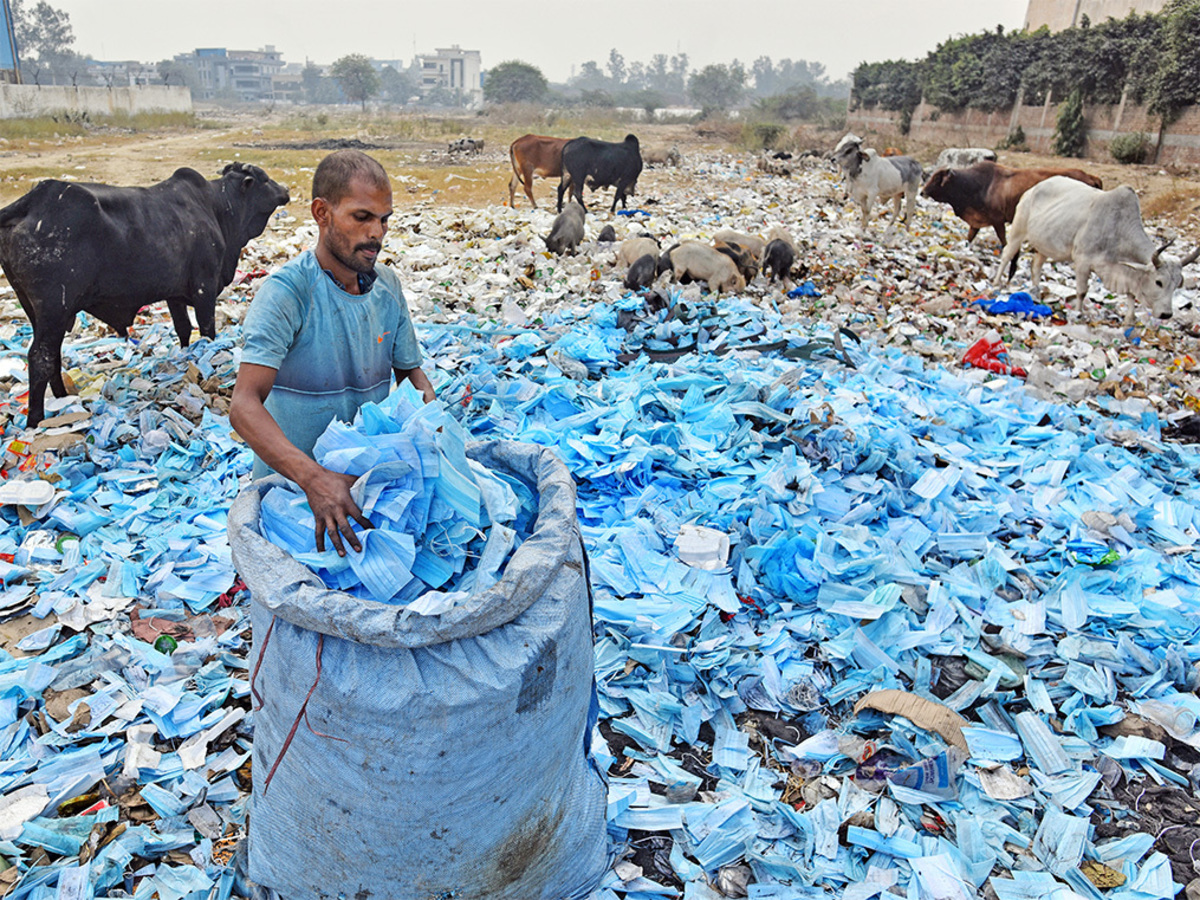
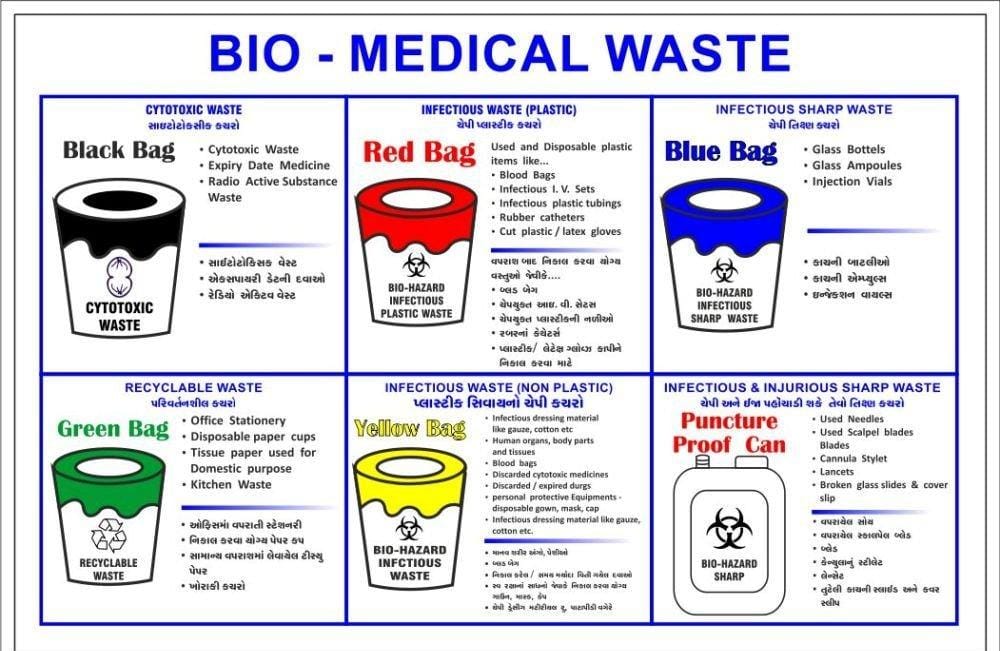
Biomedical Wastes

Our environment is degrading day by day. India with its growing population is also keeping up with the waste generation.

Nowadays pollution is everywhere whether its air pollution, water pollution, land pollution, noise pollution, radioactive pollution and the pollution from E waste what not?

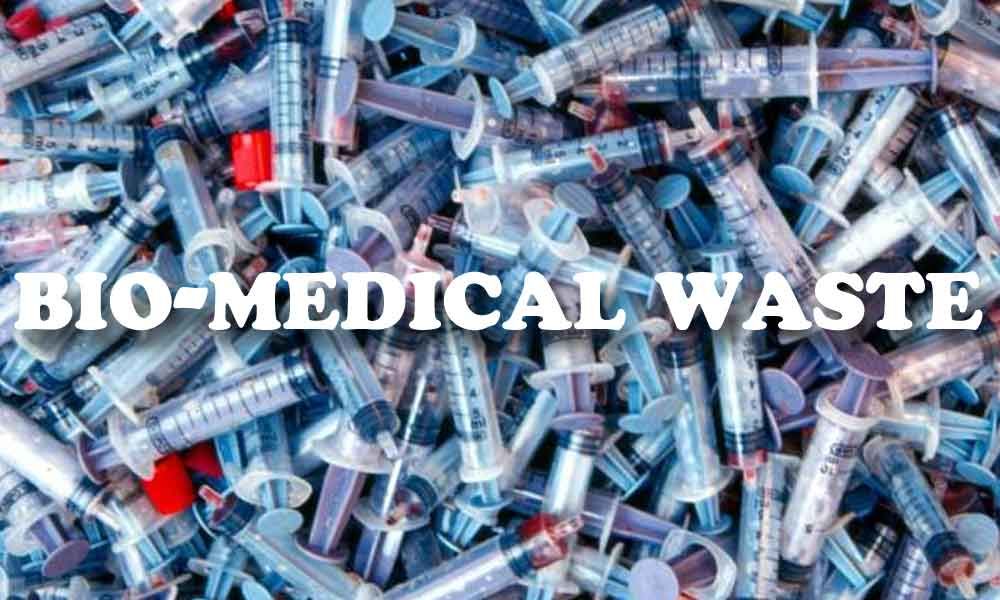
Biomedical Waste( BMW) is any waste produced during the diagnosis treatment or immunization of human or Animal Research activities retaining threat or in the production the testing of biological or in health camps.

Let the waste of the ‘sicks’, not ruin the life of the ‘healthy’

Common generator of Biomedical wastes are :-

  • Hospital
  • Emergency Medical Services
  • Medicinal Research Laboratories
  • offices of physician , dentist, veterinarians
  • home Health Care
  • funeral homes

From WHO stats 2000,the improper treatment of medical waste( primary use of infected needles and syringes) caused 21 million hepatitis B infection and 2, 60, 000 HIV infections worldwide.

During this pandemic situation, we have witnesses another huge list of Biomedical Waste generation in India. India generated over 18000 tons of covid-19 related biomedical waste in starting 4 months of this pandemic. This includes personal protective equipment (PPE), gloves, face mask, head cover, plastic coverall, hezmet suit and syringes among others.

Types of Biomedical Waste

Infectious waste

  • Suspected of containing pathogen in a sufficiently large quantity or concentration to result in disease in susceptible host.
  • Cultures and stock of infectious Agent from laboratory.
  • Waste from operation and autopsies on patient with infectious disease.
  • Waste having come into contact with infected hemodialysis patient.

Pathological waste

  • Infectious material containing dead tissue may conceal specially dangerous and communicable infectious Agent.
  • Include – blood, body fluid, tissues, organs, body parts, human foetus etc.
  • Subcategory of pathological waste is Anatomical waste.
    • Consist of identifiable human or animal body parts healthy or otherwise.

Radioactive waste

  • Waste generated during the different application of radioisotopes in biological research on medicine.
  • May contain infectious biological components from Anatomical, research or clinical sources.
  • By product of various nuclear Technology process.
  • Include-
    • Nuclear medicine
    • nuclear research
    • Nuclear power
    • Manufacturing
    • construction
    • Caol
    • Rare Earth mining
    • Nuclear weapon reprocessing

Pharmaceutical waste

  • Contaminated or expired drugs and vaccine as well as antibiotics and pills.
  • Result from many activities and location in health care facilities.
  • Small quantities at households can often be thrown away in the municipal waste stream.
  • But large quantities kept at pharmacies distribution Centre, Hospital etc. be managed to minimise the risk of release or to exposure to the public.

Genotoxic waste

  • Waste from drugs that are used in radiotherapy and units.
  • One of the type of hospital waste that are extremely dangerous and may cause cell mutation or cancer.
  • Cytotoxic drugs are main components.
  • Include –
    • Urine
    • Faeces
    • Vomit treated with Chemicals or cytotoxic drug.

Sharps

  • Object that are Sharp enough to cut or puncture the skin.
  • Transmit infections directly into the bloodstream.
  • Generally treated as highly hazardous medical waste regardless of whether they are contaminated or not.
  • Includes –
    • knife
    • Blades
    • Infusion set
    • Needles
    • Broken Glass
    • Nails
    • Scalpel

Chemical waste

  • Contain radioactive element poses particularly difficult problem of disposal.
  • Includes –
    • Heavy metal from Medical appliance
    • Disinfectant
    • Solvent
  • Difficulty in disposal are partly technical and partly political
    • The radioactive constituent that find their way into groundwater and surface water must be kept to exceedingly small amount for very long time.
    • Fear of mysterious effect of radiation, politician reluctant to consider disposal of radioactive waste in the area of their constituent.

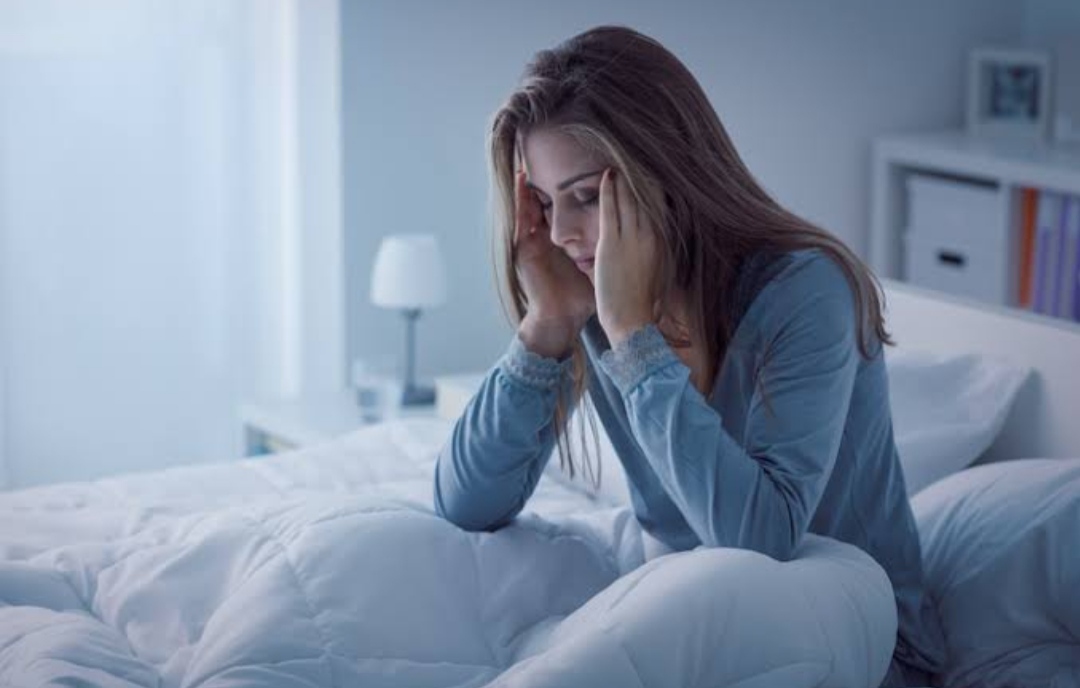
Insomnia

Insomnia is sleep sickness ,which doesn’t allow the person to sleep.It might be because of poor health, unhealthy eating habits, depression , anxiety,stress or any other medical problem.

Symptoms

The most common symptoms for this diesease is sleep sickness , can’t feel relaxed,staying asleep.

Natural medication

Some natural medicine and herbal plants that helps you get some sleep:

*Glycine

Glycine consists of amino acids allows to lower the body temperature and feel relaxed and get some sleep.

You can have Glycine rich food to maintain the Glycine intake in the body .Some food rich in nutrients are:

Bean,Spinch , cabbage,and some fruits like bananas and kiwis.

*Valerian roots

Valerian is a herbal plant that help you to get proper sleep .

Some other ways

*Exercise

Regular exercise and meditation can gelp you to get proper sleep and helps you to maintain good health.

*Balanced diet

A nutritious and health diet which include all the vitamins and minerals is really very important to have a good sleep.

*Drink Water

Drinking enough water can help you to have proper and healthy sleep routine .One should drink 7-8 glasses of water everyday.It help you to stay healthy and make your skin glow.

Hope this will help to shut your eyes and get a good sleep .

Stay Healthy ,Stay Safe.

How continuous sleep loss can impact on our mental and physical health..?

Recently a new study took place to see what will happen if we sleep less than 6 hours a day and if it is continued for 8 days, what type of consequences we will face.

The results of a recent study suggest that, all it takes is three consecutive nights of sleep loss to cause our mental and physical wellbeing to greatly deteriorate.

Scientists said that minimum eight hours of sleep is necessary for an adult to main physical and mental health.

“”Many of us think that we can pay our sleep debt on weekends and be more productive on weekdays.””

“However, results from this study show that having just one night of sleep loss can significantly effects our daily functioning.”

After the study, experts said that we will experience symptoms like angry, nervous, lonely, irritable and frustrated feelings as a result of sleep loss. We will also experience more physical symptoms, such as upper respiratory issues, aches, gastrointestinal problems and other health concerns.

It is necessary and important to balance both the health and work. Take enough rest , stay healthy both physically and mentally.

Volcano Eruption

“We are, all of us, growing volcanoes that approach the hour of their eruption, but how near or distant that is, nobody knows- not even God.”

~ Friedrich Nietzsche

We always talk about , what it would be like to see volcano eruption in front of your eyes ?

How amazing it would be like to find out , how the volcano erupt ?

There are many things that we don’t know exist in our earth 🌍. Do you want to know about it . If yes , than read the editorial .

Introduction

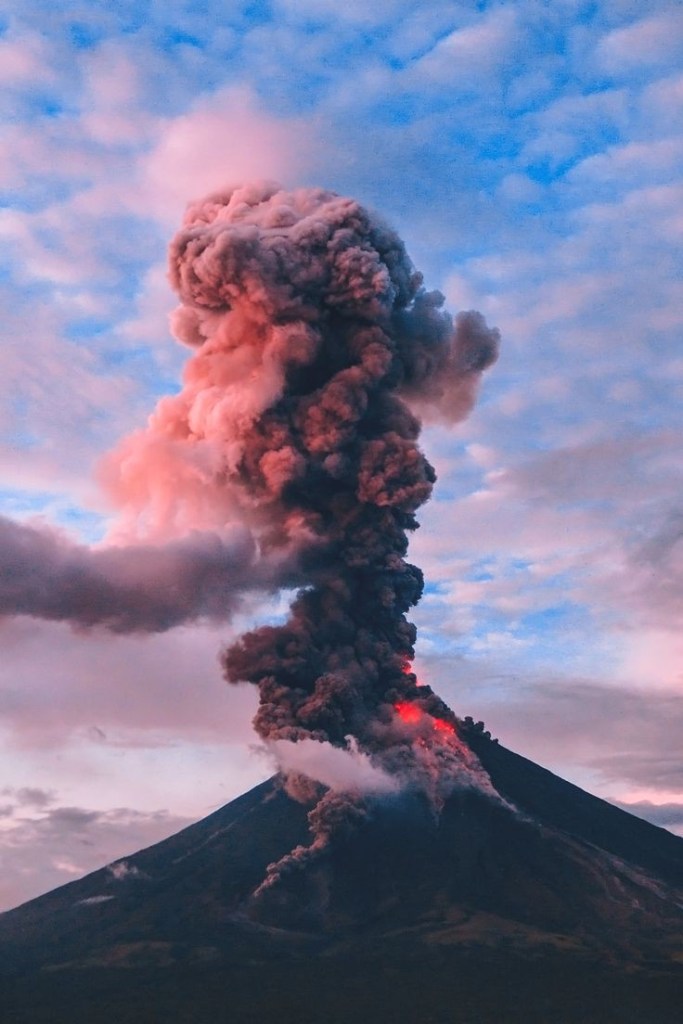
A volcano is a rupture in the crust of a planetary-mass object, such as Earth, that allows hot lava, volcanic ash, and gases to escape from a magma chamber below the surface.

On Earth, volcanoes are most often found where tectonic plates are diverging or converging, and most are found underwater.

The word volcano is derived from the name of Vulcano, a volcanic island in the Aeolian Islands of Italy whose name in turn comes from Vulcan, the god of fire in Roman mythology.

Many ancient accounts ascribe volcanic eruptions to supernatural causes, such as the actions of gods or demigods. To the ancient Greeks, volcanoes’ capricious power could only be explained as acts of the gods, while 16th/17th-century German astronomer Johannes Kepler believed they were ducts for the Earth’s tears.[87] One early idea counter to this was proposed by Jesuit Athanasius Kircher (1602–1680), who witnessed eruptions of Mount Etna and Stromboli, then visited the crater of Vesuvius and published his view of an Earth with a central fire connected to numerous others caused by the burning of sulfur, bitumen and coal.

Types of eruptions

  • Hydrothermal eruption. An eruption driven by the heat in a hydrothermal systems.
  • Phreatic eruption. An eruption driven by the heat from magma interacting with water.
  • Phreatomagmatic eruption.
  • Lava.
  • Strombolian and Hawaiian eruptions.
  • Vulcanian eruptions.
  • Subplinian and Plinian eruptions.

How do volcanoes erupt?

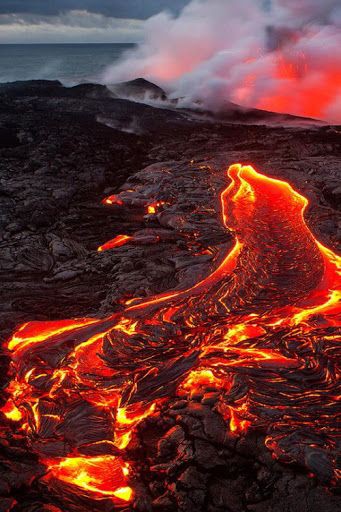
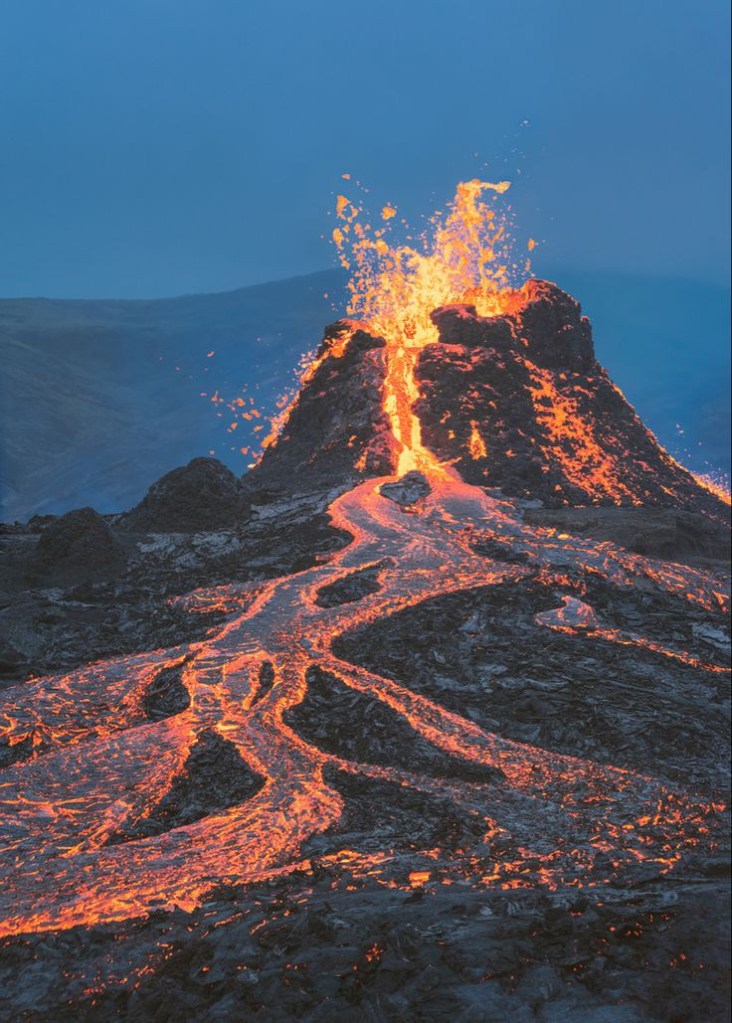
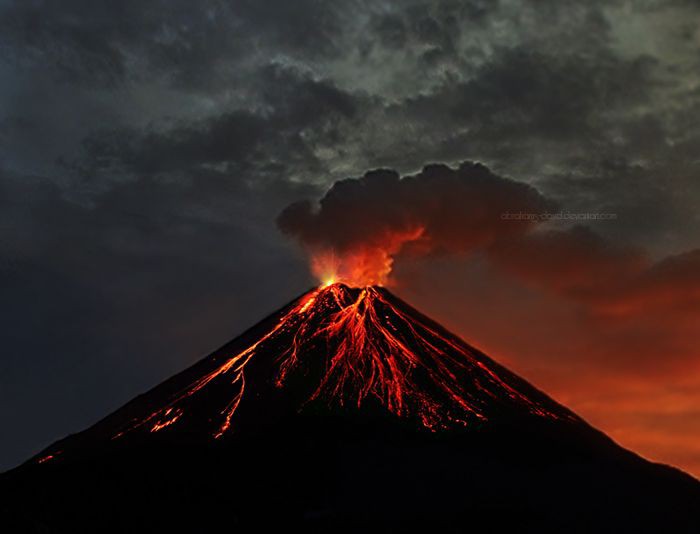
Deep within the Earth it is so hot that some rocks slowly melt and become a thick flowing substance called magma. Since it is lighter than the solid rock around it, magma rises and collects in magma chambers. Eventually, some of the magma pushes through vents and fissures to the Earth’s surface. Magma that has erupted is called lava.

The explosivity of an eruption depends on the composition of the magma. If magma is thin and runny, gases can escape easily from it.
Explosive volcanic eruptions can be dangerous and deadly.

Humans and volcanoes

Volcanic eruptions pose a significant threat to human civilization. However, volcanic activity has also provided humans with important resources.

Although volcanic eruptions pose considerable hazards to humans, past volcanic activity has created important economic resources.

Volcanic ash and weathered basalt produce some of the most fertile soil in the world, rich in nutrients such as iron, magnesium, potassium, calcium, and phosphorus.

Volcanic activity is responsible for emplacing valuable mineral resources, such as metal ores.

The paradox of volcanoes was that they were symbols of destruction but also life. Once the lava slows and cools, it solidifies and then breaks down over time to become soil – rich, fertile soil.
She wasn’t a black hole, she decided. She was a volcano. And like a volcano she couldn’t run away from herself. She’d have to stay there and tend to that wasteland.
She could plant a forest inside herself.

Matt Haig, The Midnight Library

Link

The Importance of Good Hygiene!!!

 Maintaining good personal hygiene is very important for your health and social reasons. Also, the presence of the COVID-19 virus makes it much necessary to maintain good personal hygiene. Well, it’s a poor choice if you don’t maintain good hygiene. And if you do maintain it, it’ll benefit your health and also it impacts the people around you. It necessitates keeping your hand, head, body, and the place around you clean, to stop the spread of germs and illness. 

We also must see the social benefits as it is associated with cleaning your body on a day-to-day basis, it reduces the chances of body odor and thus preventing any chances of embarrassment at school or work.

Why does a good personal hygiene routine look like?

As of now, we know the necessity and importance of maintaining a good personal hygiene routine – but what does it contain?

Given below are steps one can follow to keep themselves and their families clean and free of germs that could cause future illness.

Hand washing 

Our hands are the biggest carriers of germs. We use our hands to interact with different surfaces like shaking hands with people, eating our meals, while playing, using a keyboard, using a common telephone, etc.

Maintaining good hand hygiene can protect you from illness caused by germs and bacteria such as cold, cough, flu, etc. You can protect yourself from illnesses caused by germs and bacteria by washing your hands frequently with soap and water, sanitizer, or any liquid soap. You should wash your hands:-

Before and after eating.

★Before cooking fold.

★After using the toilet.

★After being in contact with an animal.

★After coughing, sneezing, or being in contact with someone who is ill.

Dental Care

Maintaining oral hygiene is as important as maintaining hand hygiene. Maintaining it can prevent gum disease, bad breath, tooth decay, and many other infections. Always remember to:-

★Floss your teeth daily.

★Make sure you brush your teeth twice a day.

★Store your toothbrush in a clean, dry place and replace it regularly.

Bathing

Do take baths on a day-to-day basis to maintain good personal hygiene. Daily bathing is an essential part of good personal hygiene because:-

★Taking bath with soap and warm water can kill odor-causing bacteria.

★Skin infections can be reduced by washing and drying the infected area.

★ Shampooing and conditioning your hair at least once a week can keep the scalp clean and free from head lice.

Hygienic Clothes

Germs and bacteria also can stick to your clothes. It is very important to wash your clothes after each use, especially after being contacted by an ill person. You can add antiseptic liquids to your laundry load to remove germs.

Maintaining a personal hygiene routine is not that difficult. Once you get used to it, it becomes a habit. And also it is important to give a message to your family members, and especially children, to make their own hygiene routines.