Monsoon!

Yeah! Its a season of joy, enjoyment, happiness, and we should enjoy it at the best.

A monsoon is traditionally a seasonal reversing wind accompanied by corresponding changes in precipitation, but is now used to describe seasonal changes in atmospheric circulation and precipitation associated with annual latitudinal oscillation of the Intertropical Convergence Zone between its limits to the north and south of the equator. Usually, the term monsoon is used to refer to the rainy phase of a seasonally changing pattern, although technically there is also a dry phase. The term is sometimes incorrectly[according to whom?] used for locally heavy but short-term rains.

The major monsoon systems of the world consist of the West African and Asia–Australian monsoons. The inclusion of the North American Monsoon and South American monsoon with incomplete wind reversal has been debated.

The term was first used in English in British India and neighbouring countries to refer to the big seasonal winds blowing from the Bay of Bengal and Arabian Sea in the southwest bringing heavy rainfall to the area.

So we should definitely enjoy this season!

Yoga!

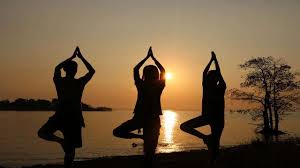
Yoga Sanskrit: योग; Sanskrit for “yoking” or “union”, is a group of physical, mental, and spiritual practices or disciplines that originated in ancient India. Yoga is one of the six orthodox philosophical schools of Hinduism. There are a broad variety of yoga schools, practices, and goals in Hinduism, Buddhism, and Jainism and there are four paths or types of yoga: Karma yoga, Kriya yoga, Bhakti yoga, and Jnana yoga. Research studies have shown that traditional yoga systems that include breathing exercises and asanas or postures, chants, and meditation can reduce stress and improve immunity and lung functions. Traditional forms and modern methods of yoga are practiced worldwide.

The practice of yoga has been thought to date back to pre-vedic Indian traditions, possibly in the Indus valley civilization around 3000 BCE. Yoga is mentioned in the Rigveda, and also referenced in the Upanishads, though it most likely developed as a systematic study around the 5th and 6th centuries BCE, in ancient India’s ascetic and Śramaṇa movements.

The chronology of earliest texts describing yoga practices is unclear, varyingly credited to the Upanishads. The Yoga Sutras of Patanjali date from the 2nd century BCE, and gained prominence in the West in the 20th century after being first introduced by Swami Vivekananda. Hatha yoga texts began to emerge sometime between the 9th and 11th century with origins in tantra.


Yoga gurus from India introduced yoga to the West following the success of Vivekananda’s adaptation of yoga without asanas in the late 19th and early 20th centuries. The term “yoga” in the Western world often denotes a modern form of hatha yoga and yoga as exercise, consisting largely of the asanas. Outside India, it has developed into a posture-based physical fitness, stress-relief and relaxation technique. Traditional yoga, however, includes physical exercise, meditation, and spirituality. Yoga has its own epistemological method, which assumes the ontology and metaphysics of the closely correlated Samkhya darsana.

In this today’s world it’s so difficult to spend our time and go to gym and take a diet and etc etc. But yoga is formed to pe in a peace of mind where we are not just physically but we are mentally fit too.

POLYTHENE BAGS ARE HARMFUL FOR THE ENVIRONMENT

Introduction

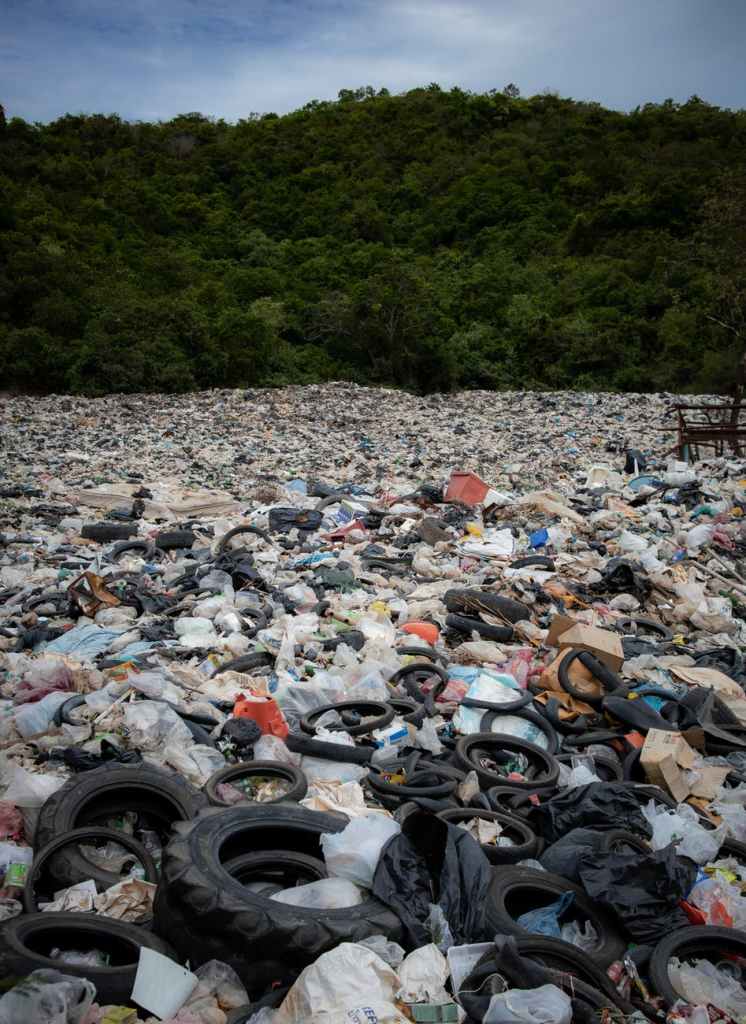
Plastic bags are the main cause of plastic pollution. The pollution which is destroying our environment. To reduce pollution plastic bags must be banned. Humans try to decompose them but it does not decompose instead it leads to air, water as well as soil pollution. It is said that plastic bags are the leading causes of increasing pollution.
For this reason plastic bags are banned in various countries. In spite of knowing the consequences, plastic bags are still used widely in most parts of the world making it harmful for the environment.

Plastic bags are readily available in the market and are used widely.These are popular at the grocery stores, markets, etc because they are handy and are comfortable to carry the grocery items like rice, wheat flour, pulses. Apart from grocery items it is used to carry veggies, fruits etc.

It is available in various sizes; these are quite economical and also easy to carry or use. But the cost for using these bags -is overlooked. These bags are costing us our beautiful environment. The plastic bags that we use in our everyday life are very much harmful to the environment. The actual problem is much more severe than it appears to us.

Plastic bags are destroying the soil making our agricultural lands infertile. It also causes several other serious problems. To ensure a cleaner and greener environment many countries have banned the use of plastic bags. Among those countries, India is one of them.

Our country has banned the use of plastic bags in many states. However, the implementation of this rule hasn’t been proper.

These are still available in the market. The retailers provide goods in these bags, and the shoppers gladly take their stuff in these easy to carry bags. And another reason for this does not have a proper option to replace them.

It is time for each one of us to understand the severity of the issue and stop the use of plastic bags.

Plastic Bags – A Boon or A Bane /A Curse?

Plastic bags are lightweight and can be carried anywhere without much effort.

This may sound like a blessing to us, but in reality it is much more harmful than its uses. They get carried away by the wind and water because of its light weight. They end up landing on the seas and water and pollute them. They get stuck in fences and pollute the environment while getting carried away with the wind.

The material used to make plastic bags is polypropylene. This material makes them durable thus making them last for a longer time. This polypropylene is prepared from natural gas and petroleum. They are non biodegradable in nature.
Green-house gases like Methane Carbon, Monoxide, and Carbon Dioxide are released during the production of various plastics products including plastic bags. This is a significant cause of global warming in the world today.

There is a misconception that recycling is an alternative to the misuse of plastic bags but recycling of plastic products cannot be a good choice because only 5% of the plastic bags can be recycled and the remaining 95% find their way in soil, water and landscape causing pollution. Only 35-40 percent of plastic bags are being recycled and the remaining 60% is not even known where it is gone.

As 60% of the plastic bags are not being traced, the producers are forced to produce more products to meet the needs of people. Everyone considers plastic bags as the most convenient bags to carry loads but it has the most harmful effects on human health.
Synthetic substances present in the polythene bags can disturb the typical working of hormones in the body.Most plastic pieces in the seas, like plastic bags, have a few contaminations, for example, PCBs (polychlorinated biphenyl) together with PAHs (Polycyclic fragrant hydrocarbons), which disturbs the normal function of our hormones.

When the marine creatures eat these synthetic substances, they travel through the food web then later into the people who consume sea animals, especially the fish.

How can we minimize their use?
In many countries across the world plastic bags have been restricted in several nations all over the world.

In many states the Government of India has already restricted the utilization of plastic bags.

Strict measures must be taken to ensure that the use of these bags is stopped. There must be curbs on the production of plastic bags altogether.
Retailers for selling as well as those who are carrying and using plastic bags must be fined.
Good quality plastic available in the market must be made chargeable. This is a good strategy to minimise the use of plastic bags.
To provide a proper alternative of polythene bags is another good strategy. The alternative must be cost efficient and have to be similar in use.

Conclusion
We had often overlooked and underestimated the harmful consequences caused due to plastic bags because we don’t notice the long term effect of these small, easy to carry bags used in our daily life.

People keep on using these bags owing to their convenience. They completely ignore the real fact about these bags that they are harmful for the environment and are a threat to life on earth.

@track2trainingseminar @track2traininginstitute @edunewsnetwork @pen2prints @

Indian cricket team.

Indian cricket team.

The Indian men’s national cricket team, also known as Team India and Men in Blue, is governed by the Board of Control for Cricket in India (BCCI), and is a Full Member of the International Cricket Council (ICC) with Test, One-Day International (ODI) and Twenty20 International (T20I) status.

Cricket was introduced to India by British sailors in the 18th century, and the first cricket club was established in 1792. India’s national cricket team did not play its first Test match until 25 June 1932 at Lord’s, becoming the sixth team to be granted test cricket status. From 1932 India had to wait until 1952, almost 20 years for its first Test victory. In its first fifty years of international cricket, India was one of the weaker teams, winning only 35 of the first 196 Test matches it played. The team, however, gained strength in the 1970s with the emergence of players such as batsmen Gavaskar, Viswanath, Kapil Dev, and the Indian spin quartet.

Traditionally much stronger at home than abroad, the Indian team has improved its overseas form, especially in limited-overs cricket, since the start of the 21st century, winning Test matches in Australia, England and South Africa. It is second cricket team to win World Cup after West Indies. It has won the Cricket World Cup twice – in 1983 under the captaincy of Kapil Dev and in 2011 under the captaincy of Mahendra Singh Dhoni. After winning the 2011 World Cup, India became only the third team after West Indies and Australia to have won the World Cup more than once, and the first cricket team to win the World Cup at home. It also won the 2007 ICC World Twenty20 and 2013 ICC Champions Trophy, under the captaincy of MS Dhoni. It was also the joint champions of 2002 ICC Champions Trophy, along with Sri Lanka. The team has also won the Asian Cup seven times, making them one of the most successful cricket team in both Asia and the world. They are also one of the only four teams to win all major ICC tournaments. India have also won the ICC Test Championship, ICC ODI Championship, ICC T20I Championship and the World Championship of Cricket in 1985.

The Indian cricket team has rivalries with other Test-playing nations, most notably with Pakistan, the political arch-rival of India. However, in recent times, rivalries with nations like Australia, South Africa and England have also gained prominence.

As we do have our favourite cricketer, we all have different tastes but mine is MS Dhoni (Mahendra Singh Dhoni) he’s the beat no one can’t beat him but as we see our current Indian team so these are the players:

1. Virat Kohli.

2. Rishabh pant.

3. Kl Rahul.

4. Subhman gill.

5. Rohit Sharma.

6. Ravichandran Ashwin.

7. Jasprit B.

8. Yuzvindra chahal.

9. Umesh Yadav.

10. Ravendra Jadeja.

11. Kedar Jadhav.

And so on there’s alot of players in our Indian cricket team. And our Indian cricket team is doing so well. And is considered as one of the best teams.

MENSTRUAL HYGIENE: A CHALLENGING DEVELOPMENT ISSUE


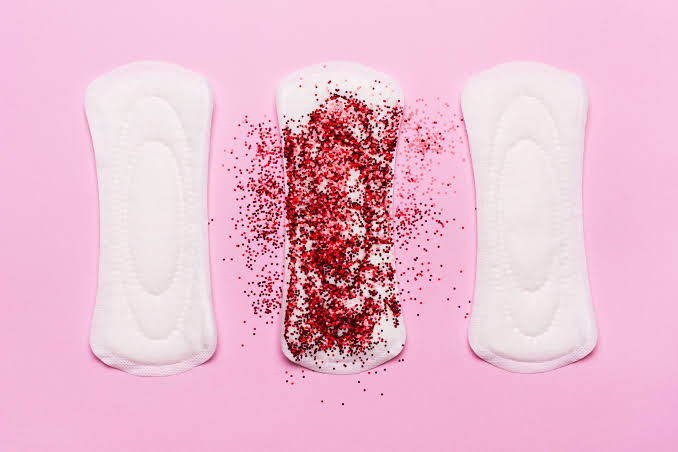
Menstruation is still now a social taboo in Indian Society.The major reasons behind menstruation still being a taboo in the Indian society are illiteracy, poverty and lack of awareness.

WHAT IS MENSTRUATIONS?
The blood coming out from vagina normally occurs as part of a woman’s monthly cycle called menstruation or periods. Every month, our body prepares for pregnancy. The uterus, or womb, sheds its lining in case of no pregnancy . The menstrual blood is partly blood and partly tissue from inside the uterus. We can say that periods are the onset of puberty in girls. During this time a girl goes through several physical and psychological changes in her body. It is associated with bleeding along with stomach ache , nausea as well as mood swings.
After the onset of puberty , it brings various rules, restrictions, isolation and changed expectations in the girls life by the society. These changes in attitude towards girls such as restrictions on their self expressions, schooling, mobility and freedom has far reaching consequences on the mindset of women.

MENSTRUATION- A TABOO
In the Indian society menstruation is still considered as a taboo. Till now, adolescent girls are not given proper information about menstruation. People create major hurdles in educating girls about menstrual hygiene.

Mothers also don’t talk with their daughters about this topic because they feel shy while expressing the terms. Another reason they don’t discuss this topic is because most of them lack scientific knowledge on puberty and menstruation.
Most of the people in India, especially the girls are illiterate. This is one of the reasons for which menstruation is still a relevant taboo in our Indian society. The other important reasons are poverty and lack of awareness about menstrual health and hygiene.
Very less number (less than 18 percent) of Indian women use sanitary pads.

TROUBLES SUFFERED BY THE WOMEN:
In many families women’s freedom is still in the hands of patriarchal discourse. With the evolution of these cultures, there has not been any significant change in people’s attitudes and mentality towards menstruation.

In some families menstruation is still denoted as an unclean or embarrassing thing. For them even mentioning menstruation in public or private places is embarrassing. Most girls feel embarrassed to go to a medical store to buy sanitary pads for them. There are also many girls who cannot afford to buy the Sanitary Napkins.

Most of the girls in financially unprivileged families drop out of school when they begin to menstruate. More than 77 percent of girls and women in India use an old cloth, which is often reused, ashes, newspapers, dried leaves and husk sand during periods.

During these periods women are not allowed to participate in day-to-day activities. They are not allowed to enter the house or carry in with their household chores. They are even restricted from entering the kitchens. They are restricted from entering the temple. They are not even allowed to any sacred places and also not allowed to perform any rituals. They are restricted from doing all these works because they think that a menstruating woman is impure and everything she touches turns impure or bad. They think after menstruation a woman must be purified before entering the house or other places.
While menstruating, a woman goes through several psychological trauma and mood swings . During this time they should be given proper care but instead they are treated poorly by the society.

SURVEYS:
According to the latest National Family and Health Survey 58 per cent of young Indian women (15-24 years) use a hygienic method of protection (mostly sanitary pads) which is a significant increase from the 12 percent using pads in 2010. This is a consequence of greater attention to menstrual hygiene management over the past few years in India. This not only prevails in the Indian society but is a global issue.
On a global level, at least 500 million women and girls lack adequate facilities for menstrual hygiene management. The lack in appropriate information on sanitation and hygiene facilities, especially in public places like schools, workplaces or health centres can pose a major obstacle to women and girls.

CONCLUSION:
To prevent this troubles faced by the menstruating women in our society, we must give them proper education about menstrual health and hygiene, provide financial support or distribute sanitary napkins to the unprivileged women so that they don’t have to suffer the ill fate. @track2traininginstitute @edunewsnetwork

International yoga day

Yoga is a physical, mental, and spiritual discipline that originated in India. Yoga is a Sanskrit word that refers to connect or merge, and it represents the integration of body and consciousness. Yoga is a priceless gift from our old tradition. Yoga represents the union of mind and body, thought and action. a holistic approach that is beneficial to our health and well-being. Yoga is more than simply exercise; it is a means of discovering a sense of oneness with yourself, the world, and nature. It is now performed in various forms all around the world and is growing in popularity. Recognizing its universal reach, the United Nations declared 21 June as International Day of Yoga by resolution 69/131 on 11 December 2014. The International Day of Yoga strives to enhance global awareness of the numerous advantages of practicing yoga. India proposed the draught resolution creating the International Day of Yoga, which was approved by a record 175 member countries. Prime Minister Narendra Modi initially mentioned the notion in his speech at the start of the 69th session of the General Assembly.

THEME– The theme for International Yoga Day 2021 is “Yoga for Wellbeing”. The Day will be observed at a time when the COVID-19 pandemic is still wreaking havoc on people’s lives and livelihoods around the world. Beyond its immediate impact on physical health, the COVID-19 pandemic has intensified psychological distress and mental health problems, such as sadness and anxiety, in many countries, since pandemic-related restrictions remain in various forms. This has underlined the critical necessity to treat the pandemic’s mental health dimension in addition to the physical health issues. Yoga’s message of fostering both physical and emotional well-being has never been more relevant. During the pandemic, there has been an increasing trend of people over the world embracing Yoga to keep fit and revitalized, as well as to combat social isolation and depression. Yoga is also being used to help COVID-19 patients in quarantine and isolation with their psychosocial treatment and recovery. It is especially beneficial in calming their concerns and anxiety. Recognizing the importance of Yoga, this year’s International Day of Yoga observance focuses on “Yoga for well-being” – how the practice of Yoga can support the holistic health of every individual.

BENEFITS Yoga has been shown in studies to help with stress relief as well as blood pressure regulation. Individuals suffering from despair and anxiety can benefit from performing it every day. Some yoga asanas that can aid with stress and tension relief are savasana, seated forward twist, staying forward curves, and side stretches. When it comes to increasing your immunity, the simplest strategy is frequently the most successful. Sukhasana — a traditional meditation stance that allows your body to relax and breathe deeply. Furthermore, it can aid in the reduction of stress hormones and the maintenance of a healthy heart rate, which results in a strong immune system that protects the body from a variety of health disorders. Some yoga poses, such as plank pose, headstands, handstands, and side planks, might help enhance your body’s overall ability to work more efficiently daily. Some yoga asanas, such as Surya Namaskar, warrior position, plank posture, and others, are helpful and can help you lose weight if done regularly. Yoga, in addition to enhancing your physical health, can help you improve your mental health and sharpen your mind. It also helps your ability to concentrate. As a result, frequent yoga practice leads to enhanced mood, less depression, higher self-esteem, self-acceptance, and a positive outlook on life.

Keeping It Clean- The Garbage Man

Sanitation and a clean environment are every human being’s right. The ones who keep the environment clean for us are often not recognized. The sanitation workers or the garbage man collect the garbage generated by us just so that we can have a tidy and healthy surroundings.


Imagine living in a stinky and littered world. It won’t be just gross but unhealthy too; breeding ground for so many germs, viruses, and diseases. Fortunately, we have sanitation workers who are dedicated and available to regularly collect and dispose of the garbage generated by us.

The garbage men play a vital role in maintaining a hygienic civilization. Not just garbage from homes, but different sectors generate different sorts of waste or garbage. These waste products can be hazardous. To safely get rid of it and to maintain public health the garbage men step ahead to collect and dispose of such waste products. However, these people are not always appreciated for the tenacious work that they do for their local community.

History of Garbage Man Day

The owner of JDA (special waste management and sanitation firm), John D. Arwood first recognized the exceptional work of his waste disposal staff and celebrated Garbage Man Day. It was initially celebrated nationally, and John D. Arwood in 2011, funded the first Garbage Man Day. Since then, every year 17th June is recognized as Global Garbage Man Day to recognize the efforts and appreciate the work of sanitation workers.

The day got renamed officially in 2019, as Waste & Recycling Workers Week as sanitation workers don’t just consist of garbage men but many other people, like the waste recyclers.

Why Garbage Man Day?

The garbage men work in a hazardous environment. The garbage or waste they deal with has many elements that can cause them physical harm. The surroundings are also odorous which can make them fall sick, and inhaling foreign particles can even cause respiratory issues.

Medical wastes can be very harmful. Broken glass bottles can not only cause injury but the chemicals or bleaches pouring out or a little bit left in those bottles can cause burns or injuries if came to skin contact. Garbage collection and disposal are not easy tasks. Severe injuries often lead the workers to end up in hospitals, in some cases causing disabilities and even death due to severe injuries or infections.

The day should not just be celebrated to appreciate the extraordinary work of the sanitary workers but also to spread awareness about the risk and severity of the job. Every job has its importance and need. Every job and the one doing it should be applauded for their efforts and dedication.

Globally more and more organizations, companies, and communities are coming together to recognize the efforts of the sanitization workers. Even as individuals we can celebrate this day to appreciate them and contribute to keeping the environment clean by not littering in our surroundings. Participation can be marked in various awareness programs, educating the public about the sanitation workers’ work, and awarding the workers in whatever way possible.

YOUR FOOD GUIDE TO FIGHT COVID-19

The second wave of COVID-19 pandemic has made us susceptible to the life-threatening effects of the corona virus and such is its effect that people are focusing more on building immunity and strengthen body’s immune system to fight the deadly virus. Well it’s not that easy however, if one takes the right steps at the right time it can be instrumental for faster recovery from COVID-19.   According to experts the key to faster recovery is by modifying the diet and adding healthy and nutritious foods which can help in improving the slackening immunity.

“Good nutrition helps your battered body build up its energy levels as fast as possible “says Dr Kavitha Fenn Arunkumar who is a Madurai based psychiatrist. Moreover, she recommends the intake of easy to digest food frequently rather than taking three big elaborate meals.

So what are the things which are essential for the recovery from COVID-19?

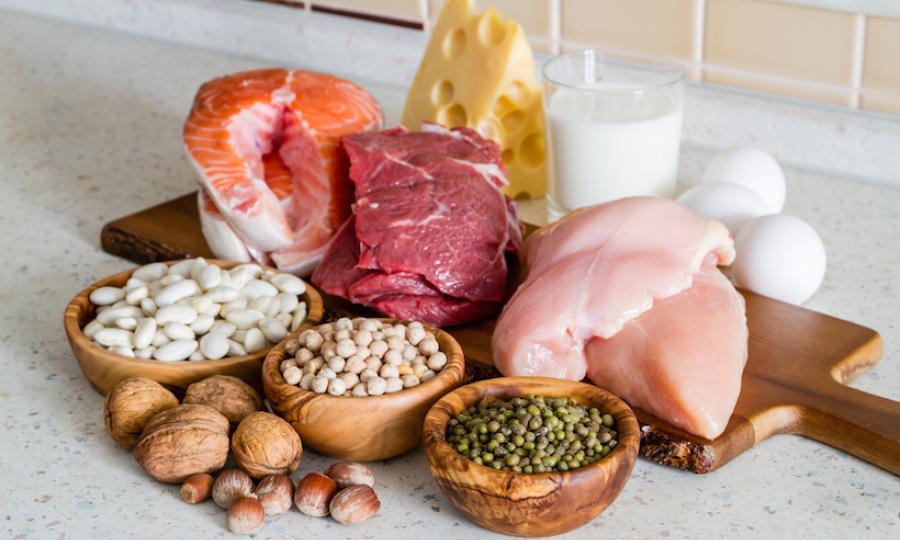
1.Say yes to protein rich foods

Protein helps in building muscles and repairs cell damage, which further helps in boosting your immunity. The reason why experts suggest increasing the intake of protein rich foods is because it helps in healing the cell damage caused due to COVID-19.

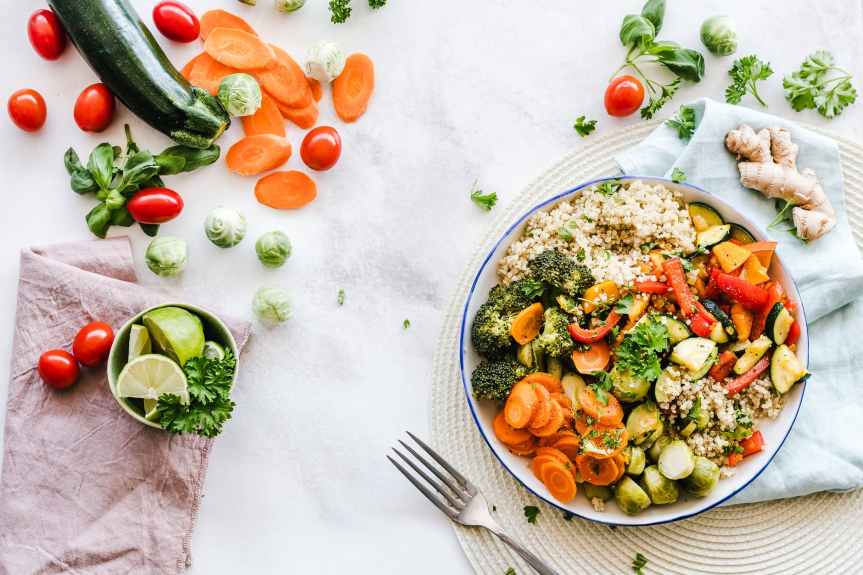
Adding protein rich foods like fish, lean meat, nuts and seeds, legumes and pulses to your diet during or post COVID-19 helps in replenishing the lost nutrition. These protein rich foods are also a great source of omega 3 fatty acids that help in boosting metabolism thereby improving gut health.

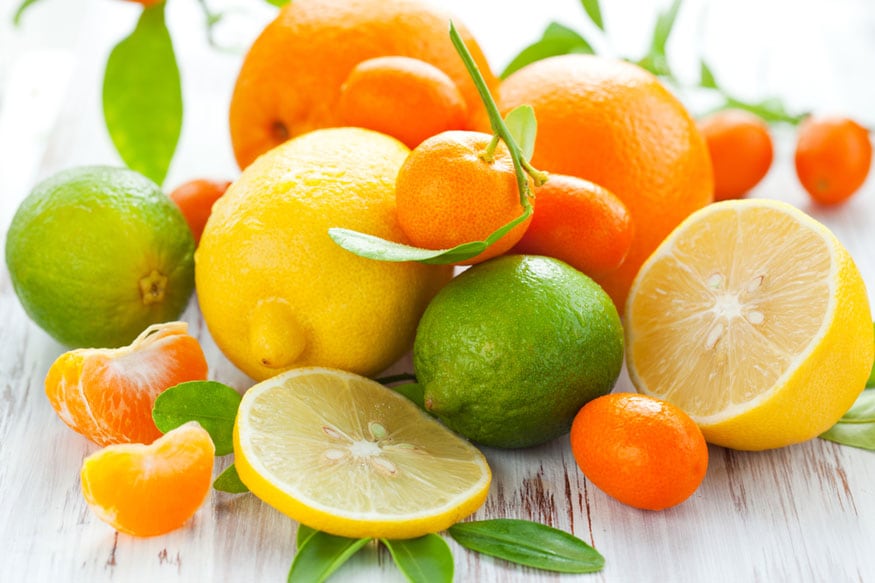
2. Vitamins should be your best friend

 Adding fresh  fruits and veggies help in faster recovery, this is the reason why experts suggest to include them in the diet during any recovery. Adding fresh fruits and veggies rich in vitamins and antioxidants help in strengthening the body’s resistance to combat deadly virus attacks like COVID-19. The addition of Vitamin C and multivitamin rich fruits like oranges, mango, pineapple, lemons help in reviving lost nutrients, hydrates the body and helps in boosting respiratory system.

3. Add soya to your diet

The addition of protein rich soy in your daily diet can help in healing and faster recovery post COVID-19. As per the Food Safety and Standards Authority of India, it has been suggested that adding high protein soy based foods can help in boosting immunity naturally. Also going for a nutrient dense vegetarian diet can improve overall health and immunity, post COVID-19.

4. Keep check on sugar intake

 Apart from adding these healthy foods to your daily diet, you must keep a check on the intake of sugar and salt as they may lead to a spike in sugar levels or blood pressure levels, which eventually slows down the recovery process

5. Hydrate yourself

During any sort of illness, dehydration and its associated challenges remain a major risk to our body. During such times, it becomes imperative to prioritize basic self-care, including drinking adequate fluids. One can also add lassi, coconut water or ORS during their COVID-19 recovery phase.

Tuberculosis

Tuberculosis, MTB, or TB (short for tubercle bacillus) is a common, and in many cases lethal, infectious disease
caused by various strains of mycobacteria, usually Mycobacterium tuberculosis. Tuberculosis usually attacks the lungs but can also affect other parts of the body. It is spread through the air when people who have an active MTB
infection cough, sneeze, or otherwise transmit their saliva through the air. Most infections in humans result in an
asymptomatic, latent infection, and about one in ten latent infections eventually progress to active disease, which, if
left untreated, kills more than 50% of those infected.
The classic symptoms are a chronic cough with blood-tinged sputum, fever, night sweats, and weight loss (the last
giving rise to the formerly prevalent colloquial term “consumption”). Infection of other organs causes a wide range
of symptoms. Diagnosis relies on radiology (commonly chest X-rays), a tuberculin skin test, blood tests, as well as
microscopic examination and microbiological culture of bodily fluids. Treatment is difficult and requires long
courses of multiple antibiotics. Social contacts are also screened and treated if necessary. Antibiotic resistance is a
growing problem in (extensively) multi-drug-resistant tuberculosis. Prevention relies on screening programs and
vaccination, usually with Bacillus Calmette-Guérin vaccine.
One third of the world’s population is thought to have been infected with M. tuberculosis, and new infections occur at a rate of about one per second.In 2007 there were an estimated 13.7 million chronic active cases, and in 2010 8.8 million new cases, and 1.45 million deaths, mostly in developing countries. The absolute number of tuberculosis cases has been decreasing since 2006 and new cases since 2002. In addition, more people in the developing world contract tuberculosis because their immune systems are more likely to be compromised due to
higher rates of AIDS.

The distribution of tuberculosis is not uniform across the globe; about 80% of the
population in many Asian and African countries test positive in tuberculin tests, while only 5–10% of the U.S.
population test positive.

Risk factors
There are a number factors that make people more susceptible to TB infections. Worldwide the most important of these is HIV with co-infection present in about 13% of cases. This is a particular problem in Sub-Saharan Africa
where rates of HIV are high. Tuberculosis is closely linked to both overcrowding and malnutrition making it
one of the principal diseases of poverty.
Chronic lung disease is a risk factor with smoking more than 20
cigarettes a day increasing the risk by two to four times and silicosis increasing the risk about 30 fold. Other disease states that increase the risk of developing tuberculosis include alcoholism and diabetes mellitus (threefold increase). Certain medications such as corticosteroids and Infliximab (an anti-αTNF monoclonal antibody) are
becoming increasingly important risk factors, especially in the developed world.There is also a genetic susceptibility for which overall importance is still undefined.

Transmission
When people with active pulmonary TB cough, sneeze, speak, sing, or
spit, they expel infectious aerosol droplets 0.5 to 5 µm in diameter. A
single sneeze can release up to 40,000 droplets.[44] Each one of these
droplets may transmit the disease, since the infectious dose of
tuberculosis is very low and inhaling fewer than ten bacteria may cause
an infection.

Prevention
Tuberculosis prevention and control efforts primarily rely on the vaccination of infants and the detection and appropriate treatment of active cases.The World Health Organization has achieved some success with improved
treatment success and a small decrease in case numbers.
Vaccines
The only currently available vaccine as of 2021 is Bacillus Calmette-Guérin (BCG) which while effective against disseminated disease in childhood, confers inconsistent protection against pulmonary disease. It is the most
widely used vaccine worldwide with more than 90% of children vaccinated. However the immunity that it induces, decreases after about ten years. As tuberculosis is uncommon in most of Canada, the United Kingdom
and the United States, BCG is only administered to people at high risk. Part of the reason against the use of vaccine is that it makes the tuberculin skin test falsely positive and thus of no use in screening. A number of new vaccines are in development.
Public health
The World Health Organization (WHO) declared TB a global health emergency in 1993 and in 2006 the Stop TB Partnership developed a Global Plan to Stop Tuberculosis that aims to save 14 million lives between its launch and
2015. A number of targets that they have set are not likely to be achieved by 2015 due to the increase in HIV
associated tuberculosis and multi-drug resistant tuberculosis.
Treatment
Treatment for TB uses antibiotics to kill the bacteria. Effective TB treatment is difficult, due to the unusual structure and chemical composition of the mycobacterial cell wall, which makes many antibiotics ineffective and hinders the entry of drugs. The two antibiotics most commonly used are isoniazid and rifampicin and treatments can be
prolonged. Latent TB treatment usually uses a single antibiotic, while active TB disease is best treated with
combinations of several antibiotics, to reduce the risk of the bacteria developing antibiotic resistance. People with latent infections are treated to prevent them from progressing to active TB disease later in life.

HEALTH IS WEALTH

Health is wealth

Ways to keep your body healthy

A healthy body not only contributes to a more active, productive and fulfilling life, but can also add years to your life. If your body is healthy, your body has a strong immune system to combat health problems. Staying healthy physically can help you stay healthy emotionally too. Here are some of the ways to keep your body healthy.

  1. Eat healthy foods

When you eat right, you not only feel better and have more energy, but you also provide your body with vital nutrients – protein, carbohydrate, fat, vitamin, minerals and fiber that maintain your body’s health. A nutrient-rich diet includes whole grains, fish, nuts, eggs, fat-free dairy foods such as yogurt and milk. Avoid processed and refined foods, which are typically loaded with saturated fats and sugar. These foods have little nutritional value and can cause your blood glucose levels to rise and then quickly drop, leaving you feeling tired.

  • Regular exercise

Regular exercise is crucial to keeping your body healthy. Regular physical activity helps control

your weight, strengthens your bones and muscles, improves your mood and overall mental health and may add extra years to your life. Regular exercise is very important in your day to day schedule.

  • Get enough sleep

Sleep plays a vital role not only in your daily performance, but also in keeping your body healthy throughout your life. Sleep is necessary for the healing and repair of your heart and blood vessels. It aids in balance of your body’s hormones and supports your immune system, which defends harmful substances, relies on adequate sleep to remain strong and function properly. Aim for seven to eight hours of sleep a day. Sleep is very important in one’s life.

  • Drink water

Water is an essential nutrient that makes up between 60-70 percent of your body. Every cell in your body. Every cell in your body needs water to function properly. Water maintains body temperature, moves nutrients and waste materials through your body, helps normalize blood pressure and lubricates and organs. Keeping well-hydrated is essential not only to your body’s health, but also to its survival. A good rule of thumb for estimating adequate daily water intake is to drink, in ounces, half your total body weight.

How anyone can become so productive in their daily life

In today’s world, people always try to find out the better method that they will use to make their life more productive and useful but the problem is they are always following shortcuts and after sometimes they regret and become depressed, so in this post, we discussed some important tips that not only motivate you but also you can easily follow them.

1) Self-motivation

Now these days when we saw someone who is perfect in all fields of life and doing something better in their life we only choose two-path first we become his/her fan and follow them blindly or we feel jealous with his/her that God give them good family, or good life so they are using that benefits but I thought we should not be trapped in these conditions. it is good to inspire someone but not follow them blindly. Do something whatever big or small but inspire from that things. Because that particular work will change your not someone else work.

2) Competite with yourself

Competition is one of the keys in the process of success because whatever you are doing the study, business, etc you have to change with time and these changes will have to be beneficial for the process, so I thought is competition is important but you are free to choose your competitors so I think you should choose yourself because this is the best in all the competition in the world.

3) Time management

This is the basic ingredient without it you are not going to achieve something better in your life. Because life is itself a competition of you with yourself and for this. you have limited time on this planet so I think managing the time is very important for this game. Because without it you have so many tasks to complete but there is no time is available for them. so, manage your time perfectly and use a single moment of your life .

4) understand the concept of life

Life is not an emotional drama it is a perfect game that is designed by God so don’t be trapped in the different levels of life. Enjoy every single second of your life and don’t get sad when there is something not occur according to your will. Understand the basic concept of life that life has some rules and you have to understand all of these if you want to be happy in your life. Sometimes you have to sacrifice the best things in your life so be strong and ready to face all the problems of your life just like a warrior.

5) solve problems

This has become our habit that we are always run from the problems whatever the problem is, financially, socially, in the relationship, etc we always want to find out some shortcut and run away from them. But buddy this is life and the problem with it is that its rules are universal everyone single one who is on this planet has to follow them with or without will.so try to face every problem in your life

These are some rules that will surely help you to find a better purpose in your life and make your life more productive.

Covid Vaccines: Why you can’t compare 92% efficiency with 81% efficiency

The only way to fight this deadly pandemic is by vaccinating ourselves. People are people’s cure. With so many companies releasing Covid-19 vaccines, people get confused as to which parameter is to be used while comparing them. Most of them start comparing vaccines based on their efficiency. There is a strong reason behind why you shouldn’t do that.

Parameters to consider

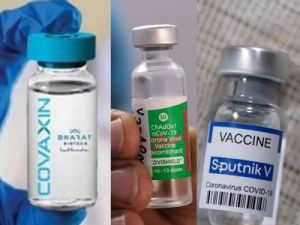
covishield,covaxin,sputnik
Covaxin, Covishield, Sputnik V (left to right)

Let us consider the three most used vaccines in India: Sputnik V, Covaxin, Covishield. The efficacy rates of the three are:

  • Sputnik V- 92%
  • Covaxin-81%
  • Covishield-70%

Based on this data, one may conclude that Sputnik V is the best and Covishield the worst. But before reaching this conclusion, let us consider some more important specifications.

Sputnik V vaccine:

Sputnik V is an adenoviral based Russian made vaccine, used against Covid-19. It works by introducing a weakened virus into the body so that they don’t immediately replicate and cause disease. Instead it prepares our immune system so that when the real virus attacks, the severity can be minimum to none. It requires two doses, with a 21 day interval between.

The trials were conducted on volunteers from Russia from June 2020 to Nov 2020 against the original and UK variant Covid-19. 19,000 volunteers from Russia participated in the trial, so trials were not done on Indian people.

Covaxin:

Covaxin was developed by India’s National Institute of Virology (NIV). It works by introducing a dead Covid virus into the body, thus enabling the immune system to develop a response, and this method is often considered safe. It was first trialed on animals, and then proceeded to human trials. It requires two doses, with a 4-6 week interval between.

The trials were conducted on volunteers from India from June 2020 to Jan 2021 against both the original and UK variant virus. Trials were done on a total of 26,000 volunteers.

Covishield:

Covishield was developed by Oxford University and AstraZeneca. It works by introducing a weakened version of a common cold adenovirus into the body and triggers an immune response. It requires two doses, with a 4-8 week interval between.

The trials were conducted on volunteers from USA from August 2020 to December 2020 against the original virus only. Trials were done on a total of 30,000 volunteers.

As it can be observed, all three vaccine trials were conducted under different time periods, in different countries, on people of different nationalities on different variant viruses. Thus comparing them solely on the efficiency rates alone is not fair.

So which one to choose?

The answer to this question is that all three do their jobs as specified. There is no single ‘perfect’ vaccine. So instead of waiting for a vaccine with higher efficiency rate, try to vaccinate yourself as soon as possible. The goal of a vaccine is not to prevent you from getting Covid-19, but to reduce its severity, thus reducing severe symptoms and death.

Evidently, no vaccinated individual during the trials were hospitalized when they got Covid-19. The intake of medicines prescribed by their doctors, good food and isolation cured them. Hence this is proof that vaccination reduces the severity of the virus. Do not be under the false pretense that once vaccinated, Covid-19 cannot affect you and hence do not roam out. You maybe vaccinated, but other may not be. So do not be the cause of their attack.

This post was written with the intention of debunking the false hope of people that better efficiency rate equals better vaccine. So vaccinate yourself when you get the chance instead of waiting for the perfect vaccine. Be safe and be home. Let us together win this battle and soon return back to normal.

CRISPR the genetic scissor: Alluring or repelling?

The marvels of human discovery has no bounds. From reaching the moon to creating vaccines, man has always been on the lookout for creating an impact, be it influential or destructive. CRISPR is one such discovery which can revolutionize treatment of diseases. When man landed on moon, people talked about how we may corrupt it. When he created vaccines, people talked about how it may kill instead of curing. Discoveries are followed by heavy criticism. Sometimes, these can be ignorant ramblings. Sometimes, a warning of the inevitable. So, when CRISPR was discovered, critics implied that it may lead to the extinction of an entire species! Is it a useless rambling or a warning?

What is CRISPR?

CRISPR is a gene editing technique which allows us to edit our very origin, the DNA. In simple words, just like using a CTRL C, CTRL V and DEL on our computers, CRISPR allows to us to delete defective gene, copy a good gene and allows us to paste it in place of the mutated gene. Instead of taking care of the aftermaths of a disease causing mutated gene, we now cut it altogether and thus eliminate the disease altogether. Indeed a genetic scissor.

The silver lining of all this is that, it is extremely efficient, fast and cost conservative. Yes, hearing about gene cutting and editing, you could’ve been convinced that it isn’t for the common man. But no, you are gravely mistaken. In fact the reason some people consider it a curse is because of its affordability and efficiency, which when misused, can cause some serious irrevocable damage to the chain of lives.

The science behind

If you do not want to get into the details, then you may very well skip this heading and move onto to the next. But let me tell you, devil’s in the details! Much like a coded computer program our genes are essentially coded patterns of chemicals: adenosine(A), cytosine(C), guanine(G) and thymine(T). Our DNA is a specific arrangement of 6 billion of these chemical building blocks. Just like how a single error in the computer program can disrupt its functionalities, a single error in arrangement of A,C,G,T results in genetic diseases. 1 error among 6 billion and everything breaks into chaos. Read more here.

For instance, lets consider sickle cell anemia where our body doesn’t have enough healthy red blood cells as some of the cells become ‘sickle’ shaped leading to shortage of blood flow. The sickle shape is occurs when A is replaced with T. Without CRISPR, a person suffering from sickle cell anemia has a 15% chance of curing it by bone marrow transplantation, a costly solution. With CRISPR, all we have to do is correct the error. Cut the additional T, prepare a healthy A, and insert it in the place of the second T. Voila, you are now free of sickle cell anemia with your pockets not emptied!

The ethical concerns

The major concern revolving around CRISPR is the aftermaths it may cause. While trying it rectify a genetic error, we may by mistake create a new one by cutting excessive DNA, or pasting a different one. An individual impaired with such unintended consequences of CRISPR, not only suffers himself, but can also pass it to his/her generations due to gene-drive. Gene drive is preferentially inherited by all offspring which in turn can pass it on to their offspring.

CRISPR is actively being used to modify genes of animals and insects. We can now design plants with higher yields and with higher nutritional content, animals which are susceptible to diseases, and even mosquitoes which are rendered sterile. This can lead to the extinction of the entire mosquito species. This can disrupt the entire food chain as a species whose food source was the extinct species, will now be endangered too, setting off a chain reaction.

Designer Babies?

With CRISPR science fiction can come to reality. CRISPR allows us to modify our genes. Genes are who we are. So it literally allows us to modify who we are! Genetically editing human embryo instead of kids or adults, can result in creating the ‘ideal’ baby. Genes which promote increased muscle strength, brain activity can be pasted which allows babies born to be more healthy and intelligent.

You know where this can lead to and the increased concern this can provide. With CRISPR additionally being cost effective, who is to say no to a healthier intelligent baby? This leads to unnatural selection, defying Darwin’s evolutionary natural selection model, producing a race of superhumans. Even though the CRISPR on human embryos is highly disallowed, some may try to misuse it, causing devastating effects.

Concluding remarks

The world is moving at an alarming pace. Who knew 20 years ago that you can communicate across seas with just one click on the phone. While as alarming as it maybe, it has also lifted people up, proving that advancements do more good than bad, forcing us to go with the flow. It is up to the ethics of humankind to keep the good-bad balance and make sure that advancements not only improve the lifestyles of humans, but also the compassion in our hearts, for we are nothing but borrowed fragments of compassion, left by our ancestors.


Compassion isn’t about giving solutions, it is about giving all the love you’ve got.

-Cheryl Strayed

The yellow fungus: 2021 has one more fatal disease to offer

Looks like the torments are going to take up new dimensions this 2021. While 2020 introduced us to the new normal, 2021 superseded its predecessor and comes bearing a variety of diseases to offer. We faced the mutated Covid-19, the wave of black fungus originating from Rajasthan, a few days ago we came across white fungus and its implications. As a ‘cherry’ on top of it all, today, India reported the first case of yellow fungus in Uttar Pradesh.

What is yellow fungus?

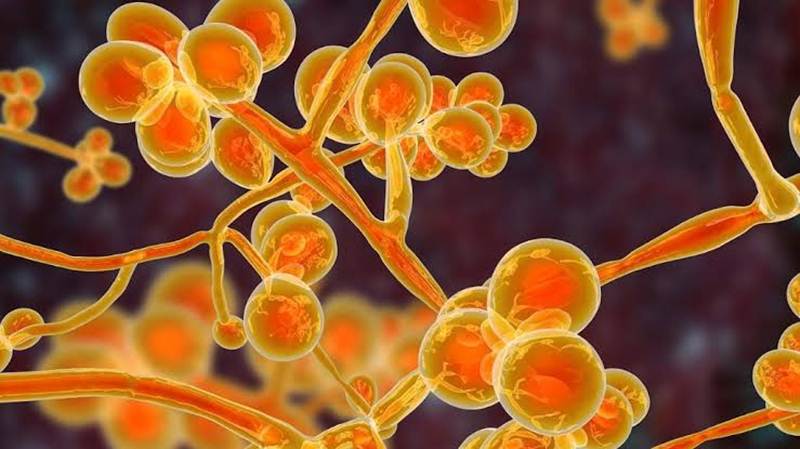
Yellow fungus otherwise known as mucor septicus, is a fungal infection just like black fungus and white fungus. It is said to often occur in lizards rather than human beings and has been classified deadly when compared to black and white fungus. The reason for its fatality is that it is harder to detect it, thus reducing the time to treat it at its earlier stages. In the worst case, it can also lead to organ failure and thus is not to be taken carelessly. The cause of fungal infections, be it black white or yellow, is said to arise due to poor hygiene. Fungal infections grow rapidly in atmospheres with higher humidity(30-40%).

Symptoms

Initial symptoms of yellow fungus are lack of appetite, lethargy and weight loss. The generality of early stage symptoms is the reason for its difficult detection. As the infection spreads, it can lead to sunken eyes, more time to heal wounds, development of pus and ultimately, it can induce necrosis(death of body cells and tissues), affecting organs leading to organ failure and in the worst case, death.

Out of the blue, why are fungal infections surfacing now?

Fungal infections are more likely to attack people with reduced immunity much than people with enriched immunity. Due the backlash faced by people due to Covid-19, the immunity system of people affected remained vulnerable. This vulnerability along with poor hygiene was taken advantage of, leading to rising cases of fungal infections. The director of the New Delhi’s All India Institute of Medical Sciences (AIIMS) Randeep Guleria, stated that another reason for the spread is due to the irrational use of steroids for the treatment of Covid-19 contributing to compromised immunity. Find what Randeep Guleria said regarding this here.

Preventive methods

What can be done on our part to fight fungal infections? The obvious answer to it is clean environment. Some methods to follow:

  • Keep your residing place dry and clean as humidity is a growth factor for fungus.
  • Avoid using damp towels, shoes etc as they can become breeding grounds.
  • Do not wear tight clothing which can lead to absorption of sweat causing humid patches
  • Dispose stale food as soon as possible
  • Covid-19 patients should be careful and should report to hospital immediately on encountering symptoms

Be on the look out during these crazy times. Stay indoors and come out only if it is absolutely necessary. Be safe and take care.

Black Fungus Crisis In India! Symptoms, Cause, Treatment

What is Mucormycosis or Black Fungus? What are it’s symptoms, causes and treatment? Why there is sudden rise in cases of it? And who is at most risk?


Black Fungus

From the past few days, many cases of black fungus are found in India. Black Fungus or Mucormycosis is a very rare and a dangerous fungal infection that could even lead to death. This disease was made notifiable to public by government of India on thursday after asking states to report detail of confirmed and suspected cases to Integrated Disease Surveillance Programme.

Black Fungus cases have been confirmed in 18 states including Karnataka, Maharashtra, Uttarakhand, Telangana, Madhya Pradesh, Bihar, Haryana, Delhi, Andhra Pradesh. Most of these have confirmed it as a notifiable disease. Some states have also declared it as an epidemic like Gujarat, Odisha, Tamil Nadu and union territory of Chandigarh.


Mucormycosis is a very rare and deadly infection caused by exposure to mucor mould. It is present everywhere including the surroundings like soil, plants, decaying fruits and vegetables and even in nose and mucous of healthy people as per Dr. Nair.

It affects brain, lungs, sinus, eyes and other parts and could be extremely dangerous, especially in the case of diabetic individuals or those with very low immunity such as patients of cancer or AIDS.

Basically the floating fungal spore is the cause of it. It can enter your body through any cut in your skin and cause infection. But it is more dangerous if it travel through nose or sinus.

The reported cases of this infection are usually those who were under treatment or were recovered recently. The overusage of steroids is triggering this fungal infection.

Those who are under treatment of Covid 19 are given steroids so that inflammation in their lungs could be reduced. But these steroids also result in reducing immunity and pushing up the sugar levels of infected whether he/she is diabetic or not. It is believed that reduction in immunity and a high increase in sugar level is the primary cause of it.

The disease is having a dangerous mortality rate of about 50%.And if not treated earlier, the doctors have to remove affected part by surgery to save the patient.


Black Fungus symptoms:

  • Sinus Pain
  • Nasal Blockage
  • One sided headache
  • Swelling or Numbness
  • Toothache
  • Loosening of teeth
  • Chest Pain
  • Blurry vision
  • Blackness in skin

Who are at most risk?

  • Recently recovered people from corona
  • Diabetic people
  • People with low immunity
  • People who intake lots of steroids
  • People suffering from Cancer or Aids

Prevention for Black Fungus

  • Use masks
  • Wear long sleeved clothes
  • Wear shoes
  • Maintain personal hygiene
  • Exercise
  • Control Diabetes
  • Maintain Blood Sugar Levels
  • Reduce steroids
  • Keep hydrating yourself
  • Discontinue immunomodulating drugs

There is no specific treatment of black fungus till now. The only option to cure it is by surgery which makes this disease more dangerous. As the infected people have to get their eyes, jaw or any part of body that is infected to cure it.Overall currently in this tough time, one need to stay at home, stay fit, have a healthy diet and exercise. Try to keep your immune system strong and keep patience in current situation.