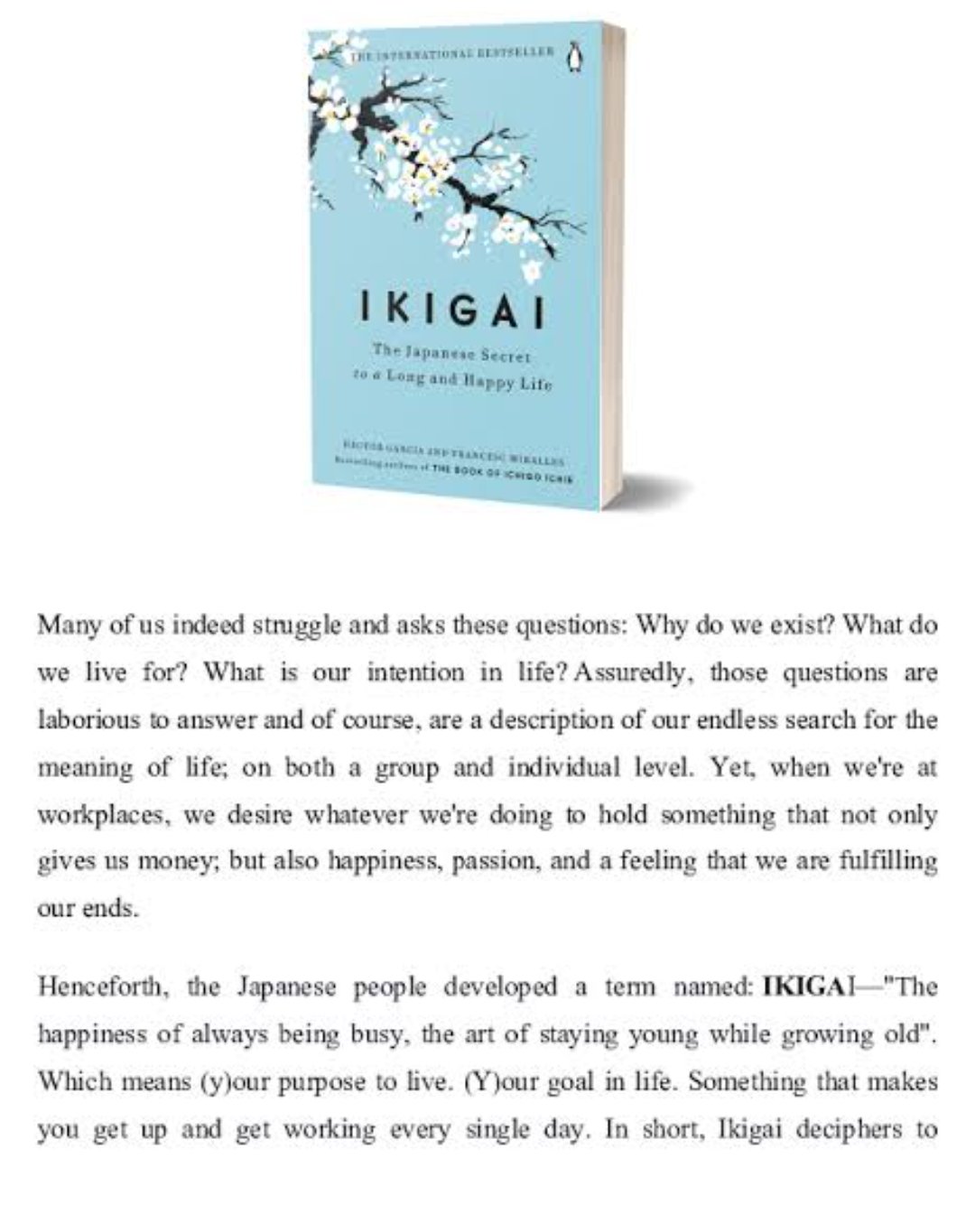
Summary of book Ikigai by Hector Garcia

 Summary of book Ikigai by Hector Garcia

I was hoping this book would be a deep dive into the “how” of ikigai. However, it’s more of an introduction to a variety of different topics including: the Blue Zones, logotherapy, longevity, flow, tai chi, yoga, resilience, and more. If you’re new to those topics, then this is the book for you!
What is Ikigai?

1. In Japanese, ikigai is written by combining the symbols that mean “life” with “to be worthwhile.”
2. “Translates roughly as ‘the happiness of always being busy.’” (Note: I believe they mean “busy” in the sense of living a full life vs busy life)
3. “There is a passion inside you, a unique talent that gives meaning to your days and drives you to share the best of yourself until the very end. If you don’t know what your ikigai is yet, as Viktor Frankl says, your mission is to discover it.” (Note: Viktor Frankl is the author of Man’s Search for Meaning)
4. “Our ikigai is different for all of us, but one thing we have in common is that we are all searching for meaning. When we spend our days feeling connected to what is meaningful to us, we live more fully; when we lose the connection, we feel despair.”
5. “Our ikigai is hidden deep inside each of us, and finding it requires a patient search. According to those born on Okinawa, the island with the most centenarians in the world, our ikigai is the reason we get up in the morning.”
6. “Once you discover your ikigai, pursuing it and nurturing it every day will bring meaning to your life.”
7. “They have an important purpose in life, or several. They have an ikigai, but they don’t take it too seriously. They are relaxed and enjoy all that they do.”
8. “One thing that everyone with a clearly defined ikigai has in common is that they pursue their passion no matter what.”

Ikigai Book Highlights

Stress & Existential Crisis:

1. “Many people seem older than they are. Research into the causes of premature aging has shown that stress has a lot to do with it.”
2. “The American Institute of Stress investigated this degenerative process and concluded that most health problems are caused by stress.”
3. “Existential crisis, on the other hand, is typical of modern societies in which people do what they are told to do, or what others do, rather than what they want to do. They often try to fill the gap between what is expected of them and what they want for themselves with economic power or physical pleasure, or by numbing their senses.”
4. “Those who give up the things they love doing and do well lose their purpose in life. That’s why it’s so important to keep doing things of value, making progress, bringing beauty or utility to others, helping out, and shaping the world around you, even after your ‘official’ professional activity has ended.”

Morita Therapy:

1. “Many Western forms of therapy focus on controlling or modifying the patient’s emotions. In the West, we tend to believe that what we think influences how we feel, which in turn influences how we act. In contrast, Morita therapy focuses on teaching patients to accept their emotions without trying to control them, since their feelings will change as a result of their actions.”
2. “Logotherapy and Morita therapy are both grounded in a personal, unique experience that you can access without therapists or spiritual retreats: the mission of finding your ikigai, your existential fuel. Once you find it, it is only a matter of having the courage and making the effort to stay on the right path.”
 

Flow:

1. “The happiest people are not the ones who achieve the most. They are the ones who spend more time than others in a state of flow.​”
2. “In order to achieve this optimal experience, we have to focus on increasing the time we spend on activities that bring us to this state of flow, rather than allowing ourselves to get caught up in activities that offer immediate pleasure.”
3. “Concentrating on one thing at a time may be the single most important factor in achieving flow.”
4. “Japanese people often apply themselves to even the most basic tasks with an intensity that borders on obsession.”
5. “Our ability to turn routine tasks into moments of microflow, into something we enjoy, is key to our being happy, since we all have to do such tasks.”
6. “Artists, for example, who carry the torch of their ikigai instead of retiring, have this power. Art, in all its forms, is an ikigai that can bring happiness and purpose to our days. Enjoying or creating beauty is free, and something all human beings have access to.​”
7. “Artists know how important it is to protect their space, control their environment, and be free of distractions if they want to flow with their ikigai.”
8. “Many such artists might seem misanthropic or reclusive, but what they are really doing is protecting the time that brings them happiness, sometimes at the expense of other aspects of their lives. They are outliers who apply the principles of flow to their lives to an extreme.​”
9. According to Csikszentmihalyi, in order to focus on a task we need:
1. To be in a distraction-free environment
2. To have control over what we are doing at every moment .

Ogimi, Okinawa:

1. “We realized right away that time seems to have stopped there, as though the entire town were living in an endless here and now.”
2. “Many Japanese people never really retire—they keep doing what they love for as long as their health allows.”
3. “The Japanese are skilled at bringing nature and technology together: not man versus nature, but rather a union of the two.”
4. “Okinawans live by the principle of ichariba chode, a local expression that means ‘treat everyone like a brother, even if you’ve never met them before.’”
Celebrations seem to be an essential part of life in Ogimi.

Slow Living:

1. “Being in a hurry is inversely proportional to quality of life. As the old saying goes, ‘Walk slowly and you’ll go far.’ When we leave urgency behind, life and time take on new meaning.​”
2. “Looking back, our days in Ogimi were intense but relaxed—sort of like the lifestyle of the locals, who always seemed to be busy with important tasks but who, upon closer inspection, did everything with a sense of calm. They were always pursuing their ikigai, but they were never in a rush.”
3. “They are always busy, but they occupy themselves with tasks that allow them to relax. We didn’t see a single old grandpa sitting on a bench doing nothing.​”
4. “The restaurant is right by the sea and seems like something from the planet Tatooine, from Star Wars. The menu boasts in large letters that it serves ‘slow food‘ prepared with organic vegetables grown in the town.​”
 

Secrets of the Centenarians & Supercentenarians:

1. “Over the course of a week we conducted a total of one hundred interviews, asking the eldest members of the community about their life philosophy, their ikigai, and the secrets to longevity:
Don’t worry
Cultivate good habits
Nurture your friendships every day
Live an unhurried life
Be optimistic”
2. “Eat and sleep, and you’ll live a long time. You have to learn to relax.” — Misao Okawa (117 years old)
3. “I’ve never eaten meat in my life.” — María Capovilla (116)
4. “Everything’s fine.” — Jeanne Calment (122)
5. “Your mind and your body. You keep both busy, you’ll be here a long time.” — Walter Breuning (114)
6. I just haven’t died yet.” — Alexander Imich (111)
7. “Food won’t help you live longer…The secret is smiling and having a good time.”
8. “My secret to a long life is always saying to myself, ‘Slow down,’ and ‘Relax.’ You live much longer if you’re not in a hurry.”
9. “The key to staying sharp in old age is in your fingers. From your fingers to your brain, and back again. If you keep your fingers busy, you’ll live to see one hundred.”
What Is Ikigai?

Ikigai (ee-key-guy) is a Japanese notion that combines the words iki, which means “alive” or “life,” and gai, which means “benefit” or “value.” When these phrases are combined, they indicate something which provides your life value, significance, or goal.

The notion of ikigai is claimed to have originated from traditional Japanese medicine’s core health and wellness concepts. According to this medical tradition, one’s physiological well-being is influenced by one’s mental wellbeing and perception of meaning in life

Explanations of ikigai are frequently associated with components of social identity, such as job and family life, but it is also explained as something more. It is the concept of finding meaning in all you are doing in life. Interests, relationships, public service and traveling all contribute to your ikigai.

Ikigai is frequently connected with a Venn diagram depicting the points where the following elements overlap:

  • What you love
  • What you are good at
  • What the world needs
  • What you can be paid for

THE DIFFERENT SPHERES OF IKIGAI

WHAT YOU LOVE

This sphere contains everything we do or encounter in life that offers us the most joy and helps us feel the most lively and satisfied. What matters is that we give ourselves permission to think very carefully as to what we enjoy, without regard for whether we are excellent at it, whether the world needs it, or if we can be paid to do it.

WHAT ARE YOU GOOD AT

This sphere contains whatever you are exceptionally great at, such as abilities you’ve learned, interests you’ve pursued, talents you’ve demonstrated since a young age, and so on. It’s possible that you’re excellent at something. This category includes skills or capabilities, regardless of if you are passionate about them, if the world needs them, or if you can be compensated for them.

WHAT THE WORLD NEEDS

The “world” here could refer to mankind overall, a local group with whom you are in contact, or somewhere in between. Whatever the world requires may be established based on your perceptions or the requirements voiced by others. Outside one’s own needs, this area of ikigai links most directly with other people and doing good for others.

WHAT YOU CAN BE PAID FOR

This domain of the diagram also alludes to the world or society as a whole, because it involves what somebody else is prepared to pay you for. Whether you can get compensated for your interests or skills is determined by circumstances such as the condition of the economy, the demand for your passions/talents, and so on.

A “balance point” in this ikigai diagram would thus include something that you are passionate about, are also skilled at, that perhaps the world really needs currently, and for which you will get paid.

IN PURSUIT OF A PURPOSE

Everybody, according to the Japanese culture, possesses ikigai. It denotes the worth that one discovers in their life or the things which make one feel as though their life is worthwhile. It pertains to both mental and spiritual situations that give one the impression that their existence has meaning.

What particularly appeals to me about ikigai is its interchangeability. It is unique to each individual and recognises that the concept of “happy” is really rather complex. Ikigai, as an idea, can grow alongside you. If one route of purpose is no longer available, you may adapt, shift, and follow other pursuits with purpose. This is accommodated by Ikigai.

Even though the present really doesn’t seem right, if you do not feel genuinely valued in your current condition but have a great desire to strive towards, you will have discovered your ikigai.

We frequently measure ourselves to everyone else, and when people around us appear to be doing better than us, we might feel like losers We soon overlook what we’re aiming for and we reject our current journey. This is where I believe ikigai may truly help. When we follow the concepts of ikigai, we are brought back to ourselves, towards our own purposes, and to the road we are taking to get there. Ikigai is just as much about adjustments, difficulties, and blunders as it is about achieving the “ideal” goal of a contented existence.

The concept in itself is not innovative or revolutionary, but it’s worth remembering.

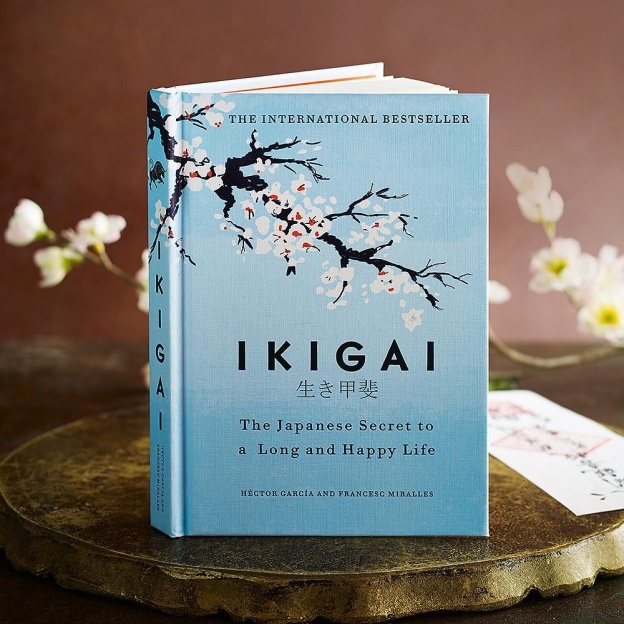
book review :IKIGAI- The Japanese secret to a long happy life.

” Life is not a problem to be solved. Just remember to have something that keeps you busy doing what you love while being surrounded by the people who love you”- Ikigai by Hector Garcia and Francesca Miralles

IKIGAI is a Japanese concept referring to have direction or purpose in life, providing a sense of happiness and fulfillment and towards which the person may take action, giving them satisfaction and a sense of meaning.

This book touches on various elements of life that certainly we all are aware of, but always fail to implement in our daily life by giving ourselves unnecessary excuses. This book talks about how every person in this world has the ikigai ( a reason for being ), and by asking a few simple questions to yourselves, you can discover yours and live a prosperous and happy life. The authors of the book have beautifully put down all the ideas and facts which will persuade you to live your life to the fullest. The authors in the book bring the Japanese secret for the readers from the wise people of OKINAWA Island in Japan on how to live a happy and long life.

The best part of this book is, unlike many other self-help books, this does not go on and on. There are very few chapters. The idea or the message which the authors try to convey is straightforward. Read the book carefully, and it will surely teach you how you can bring meaning and joy to every day by following your IKIGAI .

Overall, a wonderful book to read if you feel stuck in your life or just want to make some changes in your life.

HAPPY READING ; )

IKIGAI-JAPANESE SECRET 4 HAPPY LIFE

“THE VERY PURPOSE OF OUR LIFE IS TO BE HAPPY”

IKIGAI-JAPANESE SECRET 4 HAPPY LIFE, this book is authored by Hector Gareta and Francese Miralles. It is based on the ancient, well practiced Japanese technique called Ikigai which gives the true meaning of life and kai meaning the realization of hopes and expectations. It is the reason for well being, encompassing joy, a sense of purpose and meaning and feeling of well being. Most importantly Ikigai gives the reason to jump out of the bed each morning.

A purpose to fulfill or to chase a goal gives us the meaning to live a life.  Ikigai is a beautiful combination of what you love, what you are good at, what the world needs and what you can be paid for. This book is all about finding the true purpose of one’s life and how to can be the path to achieve the happiness. It is the compound of your passion, profession and vocation.

The book touches the various aspects of life which can help us to achieve a very happy long life. Int this book they have described about many therapies in which they clearly explained about the idea that the humans are the most motivated species by a search for the meaning proving that the meaning of the life is the biggest quest in our minds.

In the subsequent chapters of Ikigai- Japanese secret 4 happy life it helps us to deep dive into discovering the meaning of our life.  So it is quite evident that the author is stressing more about discovering the meaning rather than creating one for you. This book draws a lot of references from an island called “OKINAWA” where there are more than 24.5 inhabitants of age more than 100 for every 1,00,000 people, here everyone has a purpose if not they help each other as a community to find the true purpose.

The book Ikigai beautifully tried to explaining the deep art of staying young while growing old. It gives the references of five blue zones in the world where residents of their places live longer than the average. The five blue zones are as follows:

    1. The Italian island of Sardinia.
    2. Okinawa, Japan.
    3. Loma Linda, California.
    4. Costa Rica’s isolated Nicoya Peninsula.
    5. Ikaria, an isolated Greek island.

In this book the author spoke about a technique describing about finding the beauty in imperfection and incomplete things. Here flawed is preferred over perfection. Japanese whole heartedly believe that only the imperfect, incomplete and fragmentary things are beautiful because they symbolizes and resembles the nature.

IKIGAI-JAPANESE SECRET 4 HAPPY LIFE: FINDING THE FLOW IN EVERYTHING YOU DO

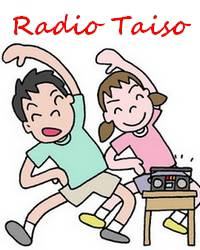
 The author helps us to find the flow in everything we do and helps us to find the meaning of being in the flow. If you have discovered the true meaning of your life then you need to completely immerse into the experience without being distracted by the surroundings and you attain the flow. The book also shares various technique that keep our mind and and body intact. It talks about Yoga, Meditation, Sun salutation, Radio Taiso and TaiChi.

Radio Tai

Man performing tai chi in a stunning setting.
Man Performing Tai Chi By The Ocean
30, Backlit, Balance, Blue, Boulder, Chi gong, Chi gung, Cloud, Communion with nature, Elegance, Exercising, Harmony, Nature, Ocean, One man only, One person, Power, Real people, Relaxation exercise, Ripple, Rock, Scenic, Sea, Silhouette, Sky, Spirituality, Square, Standing, Sunlight, Tai chi, Tranquil scene, Tree, Tropical, Turquoise, Water, Wave, Well-being, Zen-like

do checkout my previous article on YOGA AND MEDITATION: 2 PILLARS OF HEALTHY LIFE

IKIGAI-JAPANESE SECRET 4 HAPPY LIFE: 10 MOST IMPORTANT RULES

  1. Stay Active Never Retire:  Remain active throughout your life. Keep helping others and bringing beauty into their lives even after your professional career has ended.
  2. Don’t Hurry:  Stay slow, gentle, and full of ease.
  3. Eat Less Than Your Hunger:  Practice the 80 percent rule: Eat only until you feel 80 percent full. Or, practice intermittent fasting.
  4. Surround Yourself With Good Friends: Enjoy the company of the people you love, and who love you back.
  5. Keep Moving and Get in shape:  Practice gentle movement of some kind.
  6. Keep Smiling:  Maintain a cheerful attitude.
  7. Reconnect With Nature: Take time to get away from cities and recharge your spiritual batteries in communion with nature. do checkout my previous article on NATURE: THE TRUE HEALER
  8. Be Grateful: Take some time every day to direct a grateful attitude toward everything in your life. Find beauty in everything by applying the attitude of wabi-sabi.
  9. Live In The Moment: Give up regrets and fearful anticipation. Live in the now. Practice ichi-go ichi-e.
  10. Follow Your IKIGAI ,Unique Talent and Passion: Follow your ikigai, which motivates you to spend your life sharing the best of yourself with the world. If you’re still not sure what your ikigai is, bear in mind the advice of Viktor Frankl: If you don’t know your mission, then currently, your mission is to find it.

do read this IKIGAI-JAPANESE SECRET 4 HAPPY LIFE here:[PDF*] Ikigai Book PDF Free Download in English (Japanese Concept) (onlinenotes.in)