SEBI clears norms for gold exchanges

The Securities and Exchange Board of India (SEBI), on Tuesday approved the framework for a gold exchange as well as for vault managers, facilitating trading in securities tied to the yellow metal. The markets regulator’s approval for the proposals made in the Union budget paves the way for the gold exchanges to be set up for the trading in ‘Electronic Gold Receipts’ (EGRs) like in the case of other securities. Existing stock exchanges will allowed to provide the platform for trading of EGRs, SEBI said after a board meeting in Mumbai.

The denomination for trading the EGRs and conversion of EGRs into gold would be decided by the exchanges with the approval of SEBI, Chairman Ajay Tyagi said, while addressing the media. The clearing corporation would settle the trades executed on the exchanges by way of transferring EGRs and funds to the buyer and seller, respectively, he said.

Vault Managers

EGR holders, at their discretion, could withdraw the underlying gold from the vaults after surrendering the EGRs. SEBI-accredited vault mangers would be responsible for the storage and safe keeping of gold deposits, creation of EGRs, withdrawal of gold, grievance redressal and periodic reconciliation of physical gold with the records of depository. The vault managers would have to have a net worth of at least 50 crore rupees. On the broader objective of such exchanges, Mr. Tyagi said, “India is a net importer of gold. We are price takers not price setters. The whole idea is to move from being price takers to the price setters. Price discovery at the exchanges will lead to… transparency in gold pricing.” Mr. Tyagi added that the exchanges would enable transparent price discovery, investment liquidity and assurance in the quality of gold. SEBI also cleared norms for social exchanges.

Major geopolitical developments and it’s impact on India

Over the past several weeks, a number of important developments have taken place which may appear disconnected at a glance but in fact add up to a significant shift in regional and global geopolitics.

ONE, the withdrawal of US and NATO forces from Afghanistan and the complete takeover of the country by the Taliban. This resulted in chaos and overall disruption of the semblance of peace the country earlier possessed. With the Taliban claiming the residents of the country are happy with their takeover and the disrupted president on the run, the future of the country appears in shambles.

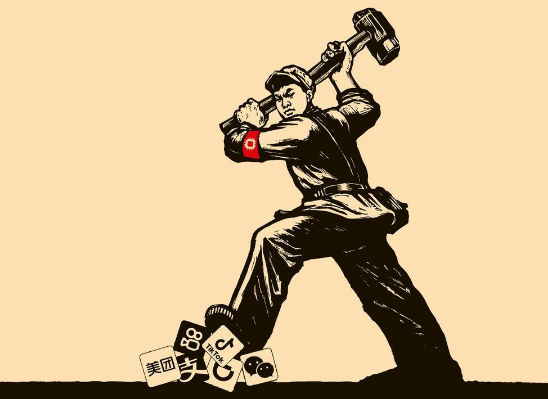
TWO, significant domestic political changes in the People’s Republic Of China. This includes the ideological and regulatory assault against its dynamic private high-tech companies and now recently, its real estate companies. As a result, it has a heightened risk perception among international business and industries which had seen China as a huge commercial opportunity until now. While the economical affairs of the country are entirely their own to manage and govern, there will be a lasting impact on the general job opportunities.

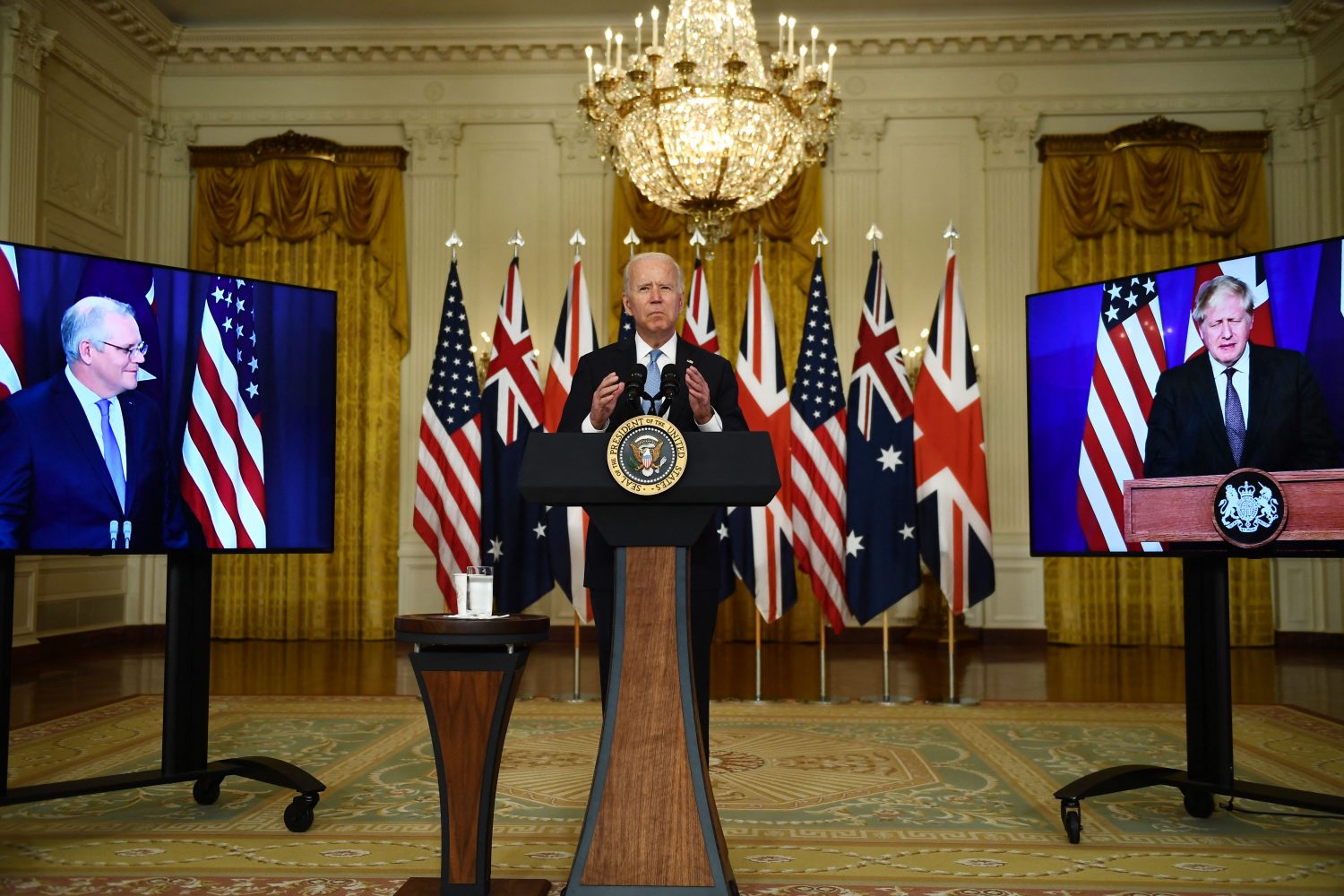
THREE, the announcement of the Australia-UK and US (AUKUS) alliance which represents a major departure in US strategy by its commitment to enable Australia to join a handful of countries with nuclear submarines. The alliance clearly portraits Australia’s strategic choice to firmly support USA despite its considerable economic and commercial equation in China.

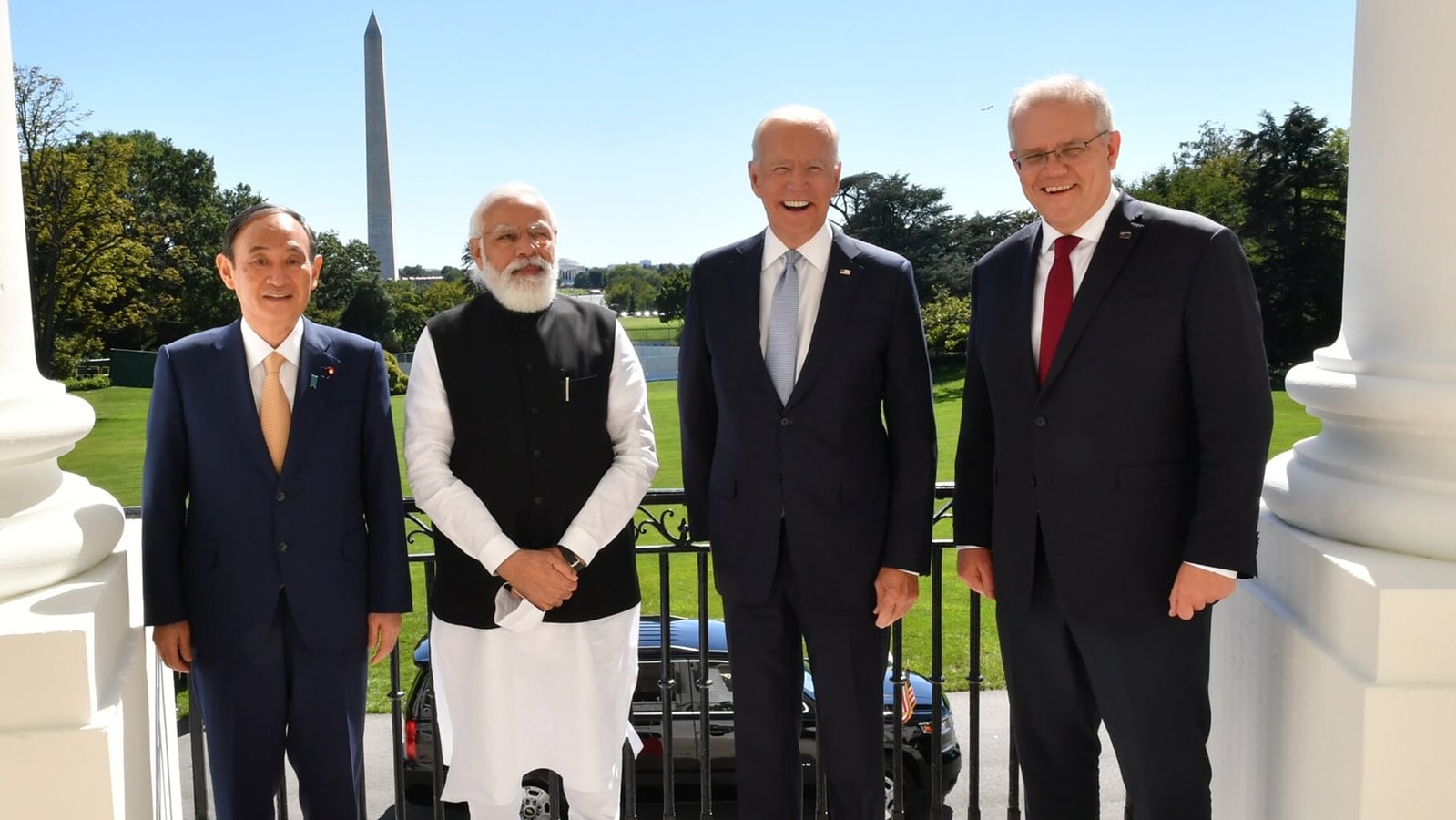
FOUR, the convening of the four nation Quad physical summit (India, Australia, Japan and the US) IN Washington. This reflected a major step towards its formalization as an influential grouping in the Indo-Pacific going beyond boundaries and into a personal level of safeguarding.

These four developments together present India with both risks and opportunities. While the latter outweighs the risks henceforth. It would indeed be fitting to say a future of uncertainties awaits the entire world. Are these measurements a preparation of the unseen future or simply precautions is something only time will reveal.

Written by : Ananya Kaushal

REGARDING CORRECT CERTIFICATE FROM EDUINDEX

From few days I am writing emails to give me certificate of date 16 june to 16 july. since month of july i am doing so but AGAIN and AGAIN I am rcieving wrong certificate. I need to prepare summer internship report. i cant attach wrong certificate. This is my last option to write here. I am in a complusion otherwise I would have not written here.

Its my humble request to everyone who is reading it please like . So that it can come in front of the team.

And if team you are reading this please prepare a certificate from the 16 june to 16 july. In my offer letter too you have mentioned same date. COMMENT ME IF YOU HAVE PREPARED. I WILL SEND U DETAILS.

I am quite depressed with such an unlawful behaviour.

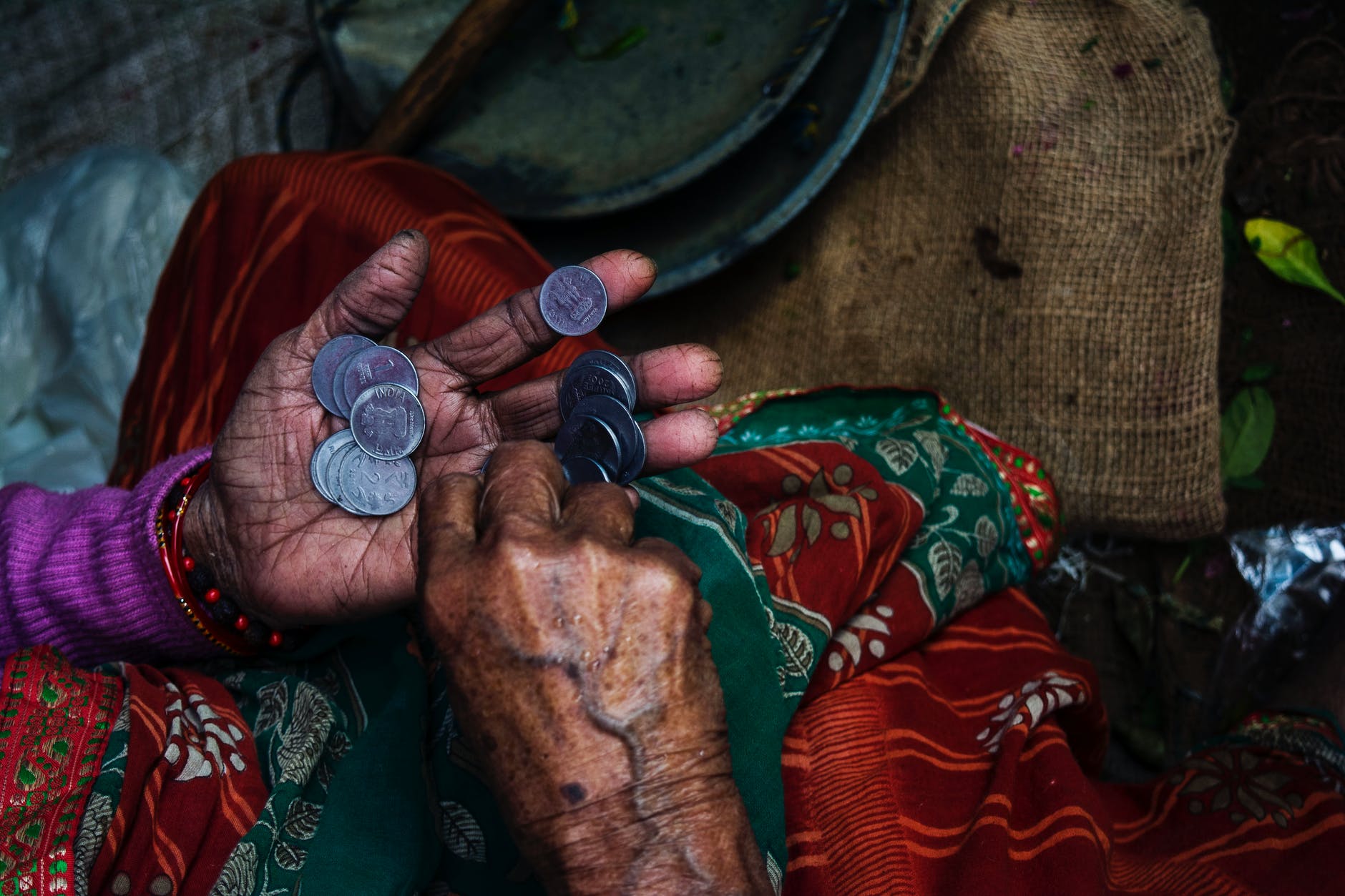
The problem of poverty in India

In India, poverty is presently estimated by fixing a poverty line based on a differentiated calorie-norm. This means that the level of poverty depends upon the capacity of a person to purchase food and a person who can buy specific amount of food to cross the poverty line margin for nutrients and calorie intake is above the poverty line. Whereas, the person who cannot buy enough food to meet the required nutrition value of calories and carbohydrates is below the poverty line. This level is not the correct parameter to check the level of poverty.

A task force of the Planning Commission in 1979 defined the poverty line as that per capita expenditure at which the average per capita per day calorie intake was 2400 calories in rural areas and 2100 calories in urban areas. Average per capita expenditures incurred by that population group in each State which consumed these quantities of calories, as per the 1973-74 survey of NSSO, were used as the poverty lines.

The debate on the extent of poverty in India has been a matter of global interest in the recent years. The primary reason for the global interest in the debate is that the levels of poverty in India and China have come to exert significant influence over the trends in world poverty itself.

Within India too, there has been growing contestation around poverty estimates, particularly in the period of economic reforms. First, there are persistent disagreements among economists on whether the rate of poverty decline after economic reforms was slower than in the preceding period. Secondly, the shift to targeted, rather than universal, welfare schemes has witnessed the use of poverty estimates to decide on the number of households eligible to access these schemes. The report of the Expert Group on the estimation of poverty, chaired by Suresh Tendulkar, is the latest input to the “Great Indian Poverty Debate.”
It is to be noted here that many subsidies and programs are launched by the government but these additional increments do not reach the actual people that are in need of them. Instead it is sent back to the businessman and thus a lot of profit is earned on these subsidized goods. Thus, to lower the level of poverty in India, schemes have to be launched in order to directly benefit the people in need.

The Hindu states that, “A final issue with the report, of much long-term consequence, relates to the wisdom of abandoning the calorie norm. It is indeed true that the levels of calorie intakes are not well correlated with nutritional outcomes. However, abandoning the calorie norm altogether and taking solace from the fortuitous fact that calorie intakes appear adequate at the new poverty lines is an arbitrary proposition. It is unclear whether there is any basis, theoretical or empirical, for this relationship to hold true across time.”

The Tendulkar Committee has pitched for a policy position that is stranded between the harsh realities of poverty in India and the fiscal conservativeness of a neo-liberal framework. The real challenge lies in preserving the positives from the report, and strongly persisting with the demand for a universal social security system.


Written by: Ananya Kaushal

Four steps to increase self-confidence

We all standed in the situation where we are thought about whether we will succeed in the life or not. To overcome this situation we need the tool called self-confidence. Some people think self-confidence is an natural born talent, but in reality ‘self-confidence’ is one of the skill in the human life which can got by doing practice and consistently. Here are I came with four habits that will improve you in daily life to boost confidence.

1) PRACTICE AND REPEATION

In life, every human being is starting their life with zero knowledge. They even don’t know how to talk , how to eat, how to walk etc. In initial life we speak with unknown way and get practice so we speak in acceptable way. Even many legends are suggested in at first but they overcome this situation by doing “PRACTICE AND REPEATION”. In initial everybody make mistakes so you don’t be affair of mistakes and failures. By doing practice and consistently, it will become easy and make you confident. https://youtu.be/LiNdUXhGeX4

2) RECALL YOUR ACHIEVEMENTS

In world we have seen some people who always spread negativism and aslo they disagree for your optimistic growth. So don’t feel low to this negatives it will waste your time and wealth. At this time, you should remember some small achievements and note it down in the small notebook it will boost your brain and confidence. And aslo write even small achievements that will help you in daily activities and aslo for building new habits.

3) POSITIVE SELF TALKING

We all everyone speak ourself everyday however it’s a common habit for everyone. But how we speak ourself is matters whether we speaking positively or negatively. Because of matter, our self talk will target about our self-confidence. If we talk about negative we attached by negative. If we talk about positive we attached by positive. Speak yourself daily mirror like:

  • I am wealthy
  • I am rich
  • I am smart
  • I am confident

ALWAYS CULTIVATE GOOD THOUGHTS AND REMAIN POSITIVE

4) FOCUS ON POSITIVE THINGS

In the life we all have both positive and negative effects. As we running our life with happiness, sadness, relaxation , many of us always attached by the negatives. This negatives are attached by themselves in the way of thinking. So the importance of thinking is attracted when you’re thinking in positive.

← Back

Thank you for your response. ✨

Please rate our website(required)

The Toil Which Screams For Justice

Source: Times Of India

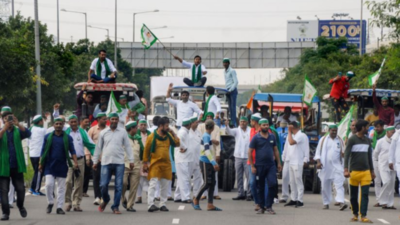
A Bharat bandh has been called by the Samyukt Kisan Morcha (SKM) on 27th of September from 6 am to 4 pm. The prime reason behind the protests is pressurizing the government in repealing the three farmer laws passed in the September (monsoon session of the Parliament) of last year.
The ruling Congress in Punjab however, has shown its support to the cause of the Farmer’s Union. The national highways, link roads and railway tracks have been blocked and vehicular movement has been prohibited within the bandh’s time frame in Punjab.
In Noida, Barricades were broken by the protestors who reached the Noida Authority Office in sector-6. The farmers were protesting over their demands and the compensation for their lands which was acquired by the Noida Authority.
In Punjab, farmers have protested in 350 places and in Haryana 25 places have been blocked in the Jind district itself.
The protests led to the vehicular disruption in Jharkhand where the supporters blocked the highways.
Similar demonstrations have been witnessed in Jammu demanding the laws to be repealed. The protest was led by CPI(M) leader MY Tarigami who sat on a dharma and took out a rally. Thereby, blocking the road.
Chaos was witnessed in many parts. In Jalandhar for example, Army vehicles were stopped by the protestors and said that the jawans should support them in their protest. In Bengaluru, on the other hand, a protestor ran his car over the DCP(Deputy Commisioner of Police)and was arrested.
However, states like Arunachal Pradesh and Maharashtra remained unaffected
The BKU leader Rajesh Tikait spoke about how Yogi Adityanath had promised in the manifesto to increase the price of the of sugarcane to Rs 375-450 but ended up being increased by mere Rs 25 and therefore asked for the accountability of the losses faced. However, he also mentioned the Bandh to be successful and the main reason for the protest to talk with the government which is not happening.


Let’s Rewind


What were the farm laws of 2020?

•The Farmers’ Produce Trade and Commerce (Promotion and Facilitation) Bill, 2020
•The Farmers (Empowerment and Protection) Agreement of Price Assurance
• Farm Services Bill, 2020, and The Essential Commodities (Amendment) Bill, 2020


Why were they resented?

The provisions of the new farm law intends to help the marginalized farmers who lack the means to bargain or invest in technology for their farms.
The provision of the act of Agri Market is one of the key reasons for the current protests. It mentions that the farmers can sell their produce to whoever they want, outside than the APMC mandi but however it may lead the commission agents to be deprived of their mandi fees. Better prices were also promised through cost cutting on transportation and competition.

The law on contract farming seeks to help the marginal farmers by the provision which states that the farmers can enter into contract with agri business firms on pre agreed prices of their produce. This will shift the market unpredictability from the farmer to the sponsor.

Why are the farmers resenting the laws?

Firstly, they fear that the companies may change the terms of the agreement and they will have to suffer loses for the crops. The primary fear is the dismantling of the Minimum Support Price (MSP) system.
Secondly, the farmers fear that selling the produce to WHOEVER they want might not provide them with an assured price. The disbanding of the mandi system and the losses of the arthiyas(commission agent who provides farmers with loans) is indeed a fact to be feared of.

What are the farmers demanding?

The farmers are demanding the withdrawal of the three laws which is putting a question on the further existence of the MSP system. The farmer unions are also ready to accept if the MSP is legally assured to stay prevalent.


What is the root of the protest?

It is the system of Minimum Support Price which is prevalent in India. MSP is the minimum price provided by the government to the farmers on buying on their produce. The MSP is decided by the the state-run Commission for Agricultural Costs and Prices (CACP) which consists of 23 commodities which it procures.
The Food Corporation of India on the other hand largely procures only wheat and paddy which it sells to the poor at a subsidized price.

Ecological Organization of Organisms

All organisms are interdependent and interrelated with one another and with their environment. This concept applies at all levels from a small pond to the world. Implicit in ecological organization is the idea that plants and animals do not occur randomly, but rather that particular kinds are especially adapted to a certain complex of environmental conditions and therefore coexist with others of similar requirements and tolerance in communities.

All individuals of a particular species constitute a population. A community, therefore, is an aggregation of populations. Maintenance of a community is dependent upon flow of energy through functional strata of populations. One stratum is com posed of producers, the plant species which, through photosynthesis, convert solar energy to chemical energy contained in plant tissues. the second stratum consists of consumers, the animals which ingest plants or other animals that have fed upon plants. the third stratum is the de-composers, mainly bacteria and fungi but also including many kinds of small animals which decompose dead organisms and organic debris to release basic chemical substances to the environment to be taken up by living plants. These strata, their activities, and energy transfer through the community constitute an ecosystem. Ultimately, the total ecological organization is recognized as the world ecosystem, or ecosphere (also called biosphere).

In the context of ecological organization and the ecosystem are embodied a number of basic ideas which give meaning to the inter relatedness of life. One of the most important of these is environment, and although the term has been used freely up to this point, it bears defining. Environment comprises the sum of all the external factors, processes, and conditions that affect a living system. These may be other living systems (the biotic environment) or nonliving factors (the abiotic environment). Thus inside an animal a single nerve cell may be embedded in a biotic environment of muscle cells and other nerve cells and subjected to abiotic states such as oxygen and salt concentration in the tissue The biotic environment of a hickory tree in a deciduous forest commonly includes other hickory trees, along with beech, maple, poplar, and birch, a rich understory of shrubs, and animals such as deer, squirrels, tree-nesting birds, numerous insects, and many others. Abiotic conditions and processes, including rainfall, ice, wind, evaporation, light, temperature, and soil type, together with biotic constituents, all affect the hickory tree.

Of greatest significance in ecological organization is the concept of dynamism in ecosystems. Organisms do not simply live side by side in the abiotic environment. Rather, there are constant, often complex, action systems in which all living systems exert some effect on one another and on the nonliving surroundings, which in turn influence the living mechanisms of the organisms present. Furthermore, there is great variation among ecosystems from tropical to polar regions, from sea level to oceanic depths and mountain tops, through geological time, and through changing climates and land-water distribution, through seasons, and night and day. Abiotic factors, such as oxygen, carbon dioxide, nitrogen, and water, are constantly being cycled in various ways throughout the world community. Water, for example, covers 70 percent of the earth’s surface, and is the primary environment in which life exists since every living cell must be moist. Distribution of this important liquid is de pendent upon a world hydro-logical cycle.
Solar energy must be transformed into chemical energy and passed to all organisms for maintenance of their life and growth. Autotrophic organisms serve as the basis or core of ecosystem food webs that are actually energy-transfer systems. Unlike chemical nutrients that are cycled, energy must be supplied constantly, for it is used and transformed to heat. Thus through photosynthesis and eating and being eaten, organisms are intensely interdependent and interrelated. They are further bound through requirements and contributions relative to breeding sites, cover, shading, predation, competition, and numerous other aspects of living.


The Beauty of Diversity – INDIA

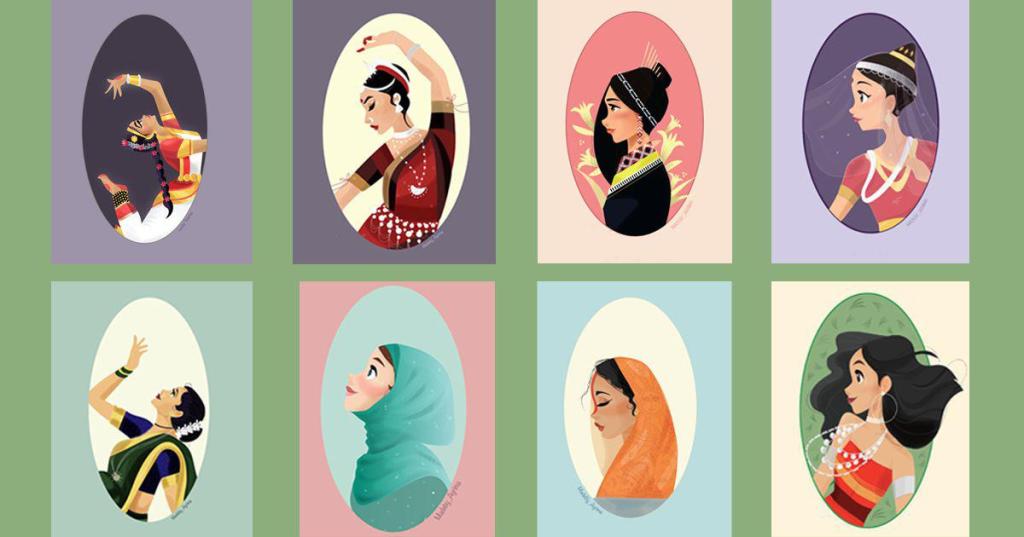
India a name when comes to your mind, what is the the picture of india for you? If you know about india and had lived here than you will have a picture of where some wear dhoti other lungi and some other pajama. There is even diversity in the way of wearing saree like bangali, Gujarat, assami, marathi, orria and much more.

The real beauty of India

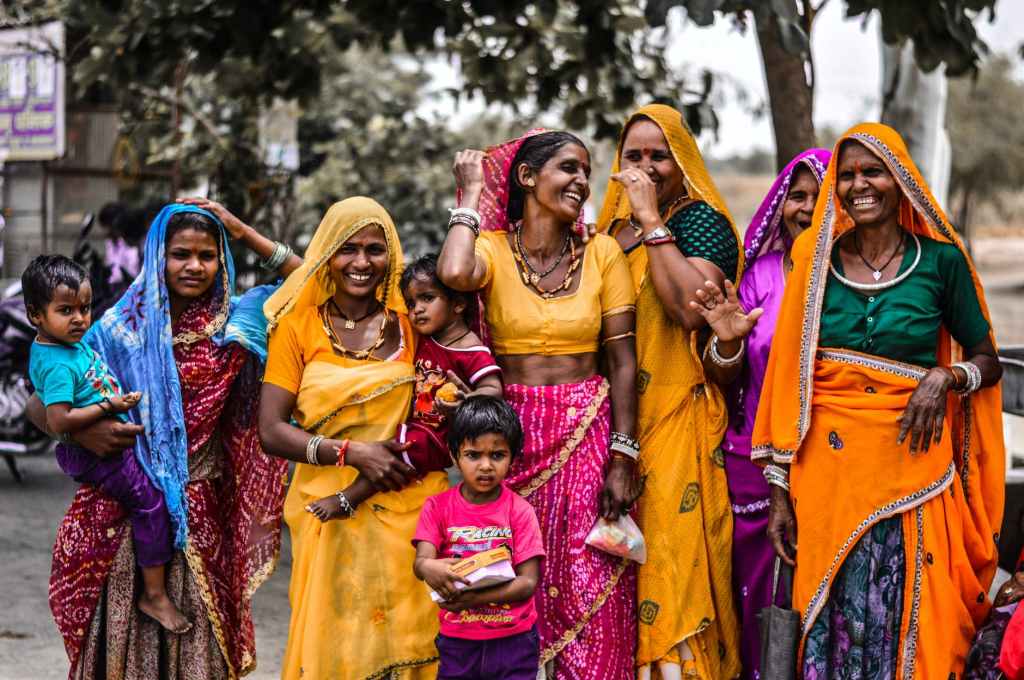
India is actually a planet in it self, where there are numerous festivals, people, issues etc all of a different kind but in one nation. Where you will find a Hindu enjoying eid with Muslim, a Muslim taking care of a Hindu temple, a Sikh serving langer to each and every being on this earth who wants to have it.

In India everything is diverse our geography, climate, culture, attaire, language, cuisine, looks, religion, festivals etc. But one thing is common in everyone that is we are Indians and we love our india. We celebrate eachother’s festivals, we enjoy eachother’s cuisine, we wear eachother’s attaire, ultimately we are united.

We fight among ourself (which I agree is not a good thing), but when anyother tries to offend our country we unites.

India’s is really an amazing country, whose real essence is ‘unity in diversity’.

WHO tightens global air quality norms

The World Health Organisation (WHO) in its first ever update since 2005, has tightened global air pollution standards in recognition of the emerging sience in the past decade that the impact of air pollution on health is much more serious than earlier envisaged.

The move doesn’t have an immediate effect in India as the National Ambient Air Quality Standards (NAAQS) do not meet the WHO’s existing standards. The Government has a dedicated National Clean Air Programme that aims for a 20% to 30% reduction in particulate matter concentrations by 2024 in 122 cities, keeping 2017 as the base year for the comparison of concentration. However, experts say the WHO move sets the stage for eventual shifts in policy in the government towards evolving newer stricter standards.

The upper limit o annual PM2.5 as per the 2005 standards, which is what countries now follow, is 10 micro-gram per cubic metre. That has now been revised to five micro-gram per cubic metre. The 24-hour ceiling used to be 25 micro-gram but has now dropped to 15. The upper limit of PM10, or particulate matter of size exceeding 10 micro-gram, is 20 micro-gram and has now been revised to 15, whereas the 24-hour value has been revised from 50 to 45 micro-gram. India’s NAAQs- last year revised in 2009- specify an annual limit of 60 micro-gram per cubic metre for PM10 and 100 for a 24-hour period.

WHO
(2005)
WHO
(UPDATED)
India
(NAAQs)
PM2.5 annual mean10540
PM2.5 24-hour mean251560
PM10 annual mean201560
PM10 24-hour mean5045100

“WHO’s new Air Quality Guidelines are an evidence based and practical tool for improving the quality of the air on which all life depends. I urge all countries and all those fighting to protect our environment to put them to reduce suffering and save lives,” WHO Director General Tedros Adhanom Ghebreyesus said in a statement.

Every year, exposure to air pollution is estimated to cause 7 million premature deaths and result in loss of millions more healthy years of life.

Big Fat Indian Weddings

The groom riding on the back of a horse, just being the prince charming, this beautiful bride had been waiting for, since she was nine, hundreds of people dancing, singing, celebrating, some other busy hosting more than a thousand people and the guests just rejecting every good thing. Rings a bell? Yes! That is what a Big Fat Indian Wedding Is! Will this showing off business take us anywhere? Why can’t we just have a wedding to satisfy ourselves rather than some strangers? The tradition of BIG FAT WEDDING has been in India for as long as humans have existed on earth and even a slightest change is considered crime in the eyes of the envoys of these traditions. With fair variety of food amounts taking space in the rented marriage halls as deemed necessary and appropriate measure of the respect they give to their guest has to be toxic at another level.

Hidden Ills

These high budgeted, well planned, stretching for over a week weddings could be fun for people who can afford it but for those who are to take loans just to satisfy the people (of half of whom doesn’t even matter to them), is something that definitely catches the eye. The issue with these weddings is that their sole purpose is not the happiness and contentedness of the bride and the groom but of the people who does not even knew the couple existed until before their wedding day. The show business is something that is worrisome to people who intend on getting married with lesser crowds and obviously lesser money. Because when these people do not follow the lead of burning millions in food, drinks, lodging, entertainment, for the people they hardly know, they are termed as misers, or even sometimes questioned if they are happy for their own wedding. The glorification of picture perfect wedding, the one where bride has at least one Sabyasachi or Manish Malhotra, groom gets a diamond ring for the engagement, there are as many as thousand shaguns given to all the guests, the hotels are no less than five stars, magnificent wedding sets inspired from dharma movies and only some 10-15 years worth savings going away with each step, is doing the harms it can in all the directions.

Picture Credits: WeddingWire.in
http://shorturl.at/noLQW

The amount to be spent on the wedding which was once one’s own choice today has become not only the status symbol but also a way of getting much craved respect from far away relatives. The amount that is spent has gone so high that people are compelled to give up all their savings along with loans burden on their heads. Everything becoming expensive day-by-day, the total cost can range anything from 20 lakhs to 5 crores, which also happens to be some family’s total savings or at least half of it. From decor to events to catering to photography with list adding on, the wealth drains with every event until it’s over. 80% people take loans for the wedding expenses. Reliance Money has stated that “An Indian wedding is generally a three-day affair with different ceremonies and rituals lined up. Each ceremony requires its own set of apparel, set-up, and materials. The average cost of a single ceremony may range between 6 to 10 lakhs.” Could we even think that these weddings are nothing more than wastage of money in its most prime way?

Refined Way

as the younger generation is getting married with their own money and not with their families taking loans, there has been a change in the way the weddings are being planned out. They marry on their own terms and more specifically in their own budgets. These new couples of 21st century aren’t the ones who spend money to impress some strangers but the ones who plan and spend as their own needs. The court marriages have emerged as a new trend with only the couple and parents saving the money and mostly donating it. With covid hitting the world and restricting the number of people in weddings in India, people have been inviting guests that are close to them. Now weddings are turning into more of a private affair than a public one, with only limited guests and less spending, there by moving forward in the right direction of curbing the ills of BIG FAT INDIAN WEDDING.

Reference: https://www.reliancemoney.co.in/getting-married-in-india-what-does-an-average-wedding-cost

Top Five High Demanded Skills

1)GOOGLE SEO

SEO stands for “SEARCH ENGINE OPTIMIZATION”. In easy way, it means the process for improving the website to increase the visibility of people who searching in Google and other search engines. In this job, the SEO expert are marketing professional who use research and analysis to improve a website’s ranking an search engine like Google. SEO is a good carrier in 2021 because it gives you access to diverse opportunities.https://developers.google.com/search/docs/beginner/seo-starter-guide

2) DIGITAL MARKETING

Digital Marketing is the promotion of brands to connect with potential customers using the internet and other form of digital communication. They do marketing through email, display advertising, affiliate marketing, public relations. Digital marketing is the one of the demandable skill which pay you high. Even we can done digital marketing from home with using phone, laptop. Their strategy of digital marketing is marketing the platform, apps, products etc. https://en.m.wikipedia.org/wiki/Digital_marketing

3) BLOCKCHAIN TECHNOLOGY

BLOCKCHAIN Technology is defined as decentralised ledger that records the provenance of a digital asset. In BLOCKCHAIN technology, the experts develops enable source digital transaction by creating system to record and store BLOCKCHAIN data in a way that prevents changes or hacks. This technology needed skills in C++, Python, Typescript. There are many free online courses to learn. Blockchain technology from edX, Coursera, Udemy etc. This Blockchain developer have good carrier for earning. The average Blockchain developer salary is 3 lakhs to 5 lakhs.https://www.euromoney.com/learning/blockchain-explained/what-is-blockchain

4) CONTENT CREATION

Content creation is the process of identifying a new topic you want to write about, deciding which form you want the content to take, formalizing your strategy, and then actually producing it. It is providing free and useful information to the audience. It make become successful if are giving curious and look for topic their target audience likely carrying about. The most popular type of content are the blog post and articles. https://en.m.wikipedia.org/wiki/Content_creation#:~:text=Content%20creation%20is%20the%20contribution,user%2Faudience%20in%20specific%20contexts.&text=A%20Pew%20survey%20described%20content,contribute%20to%20the%20online%20world.%22

5) CODING

Coding is the computer program to create computer software, games, apps and website etc. It is the step-by-step instructions that get computer to do what you want them to do. They are many coding website to learn. The first computer programming language was created in 1883. In coding we want to understand a script that a computer can understand. Approximately the coding earn upto $50000 per year. This also demanded skill for the next decades.https://www.mygreatlearning.com/blog/all-about-coding-languages/?amp

Child Marriage legalised on Rajsthan

Currently, Rajasthan govt released an amendment “Rajasthan compulsory Registration of Marriage Amendment Bill 2021” it allowed registration of child marriages, it’s 21 century and we all are aware of how heinous child marriage is, here are some of my views on this act

In my views law is not wrong
Those who commit or help in child marriage will still be punished, but those who already had marriage were not allowed to have registration and so they were not able to avail all govt schemes and benefits, those saying it will make it easier to do child marriage remember availing govt benefits are everyones fundamental rights.

Those saying it’s illegal look it like this rape is illegal but rape victim and culprit both have some rights that we can’t snatch, like culprit must be allowed to go court etc, ofcourse child marriage is as heinous as rape and here victims are both boy and girl but why they suffer whole life for it, they can’t get rashion, jobs, water, now as everything is more and more digitalizing and you can’t prove you’re married, it will become more hard to avail services like jacha bacha Suraksha and this are thee parents who most need it.

Also one negative point is it will make child marriage easier, but many people will not be able to avail fundamental rights isn’t it totally wrong also we can make child marriage hard by making strong rules. As we have data of child marriage we can ask govt employee who are posted there why they let it happen like police or magistrate, they will become more accountable this way.

If I’m missing some points or you want to share your views here’s my email soni362002@gmail.com

Top Five Side Hustle For Student

How to earn money while your student?

Yes, you can earn up to $500 a day for your work. In fact ,many students would be wonder if it’s even possible .To get started, here are five verified side hustles.

1)SELLING COURSES AND EBOOOKS

WISE PEOPLE ARE HUNGRY FOR EDUCATION.DON’T BE AFRAID TO SHARE WHAT YOU KNOW

You can earn cash for the courses, eBooks on the online. As the world is developing with mobile phones, desktop you can built a course, eBooks in online and sell it through many websites. The selling courses may helping hand in financially and mastery in the field. If you are beginner , fell free to learn and acquire knowledge from online websites which may help you make extra money. Selling online course can be moneymaking if you’re skilled to handover great content and built traffic. With the online platform , you can vend your course and start making money right away.

Here are some tips to write for selling :

  1. Choose a topic wisely
  2. Be a learner and researcher on the topic
  3. prepare the key phrase
  4. Develop SEO knowledge.

2)BECOME A ONLINE TUTOR:

Some of us have hobbies to teach anything in the simple way. This hobby may help in the online world to make some money. Tutoring isn’t only a good paying side hustle for students, it can also bonus for full-time professions. Being tutoring may boost your knowledge , confidence and productivity. Many expects are using tutoring as the side income. Many of us have knowledge in some particular field but we are not sharing or tutoring to others .If you have knowledge in the particular field fell free to learn and master it. Online tutoring is one of the profitable business. It can improve learning outcome.

Here are few steps to guide to become an online tutor:

  1. Choose your knowledgeable topic
  2. Choose some online platform
  3. Join e-learning platform
  4. Place the course model.

3)RUN PAGES ON INSTAGRAM

Many student are having Instagram pages but there are some students earning money by using Instagram Business page. Recent survey shows that eighty percent of student are using Instagram only for entertainment. So be wise with online world whether you are time passer or money maker.

BE SMART, WORK SMART

Here are some maitaining strategy to build instagram pages

  1. Organize your content strategy
  2. Use popular Hashtags
  3. Connect with influencers
  4. Be a motivator, activist

4)START ONLINE STORE

The most valuable things in the world is process of selling anything. You can start your selling through online or offline. There are many online selling platform which useful for you.

SELL THE PROBLEM TO SOLVE NOT THE PROCESS

Here are some simlpe steps to start online store :

  1. choose a idiomatic Name
  2. Make website address to sell online
  3. Use an e-commerce platform
  4. Spread the website
  5. Proceed your special selling proposition

5) INVEST IN STOCK MARKET

BUY LOW, SELL HIGH

According to the recent survey , only three percent of Indian population are investing in the stock market. The stock market is the only and easy way to build wealth. Many is the only and easy way to build wealth. Many student are think that stock marker is the rich’s game. But in reality, even hundred rupees is enough to earn money in the stock market. It is safe to invest in stock market , however as an investor, one must research and plan accordingly.


https://groww.in/?utm_campaign=refe&utm_ref_code=sibi13656316&utm_source=web&utm_medium=referral&_branch_match_id=954317150051404591


Here are some ways to earn money in stock market

  1. Learn stock trading
  2. Do research on the stock or company \
  3. Be patience
  4. Learn everyday
  5. Never play with money with emotions influence.

7 spices of India

Photo by Taryn Elliott on Pexels.com

India is the biggest producer, consumer and exporter of spices in the world. India exports about 180 different spices to 150 countries of the world. A wide variety of spices are grown in different parts of the country many of which are native to these places. Others are imported and cultivated locally. Spices have been used in Indian kitchens for centuries, they are one of the most important thing in our daily diet. Spices are added to food to give it flavor, aroma, and to preserve it, also spices are said to be really good for health. Several spices are blended together to give food the known Indian taste. Not only in kitchens but spices play a vital role in pharmaceutical products, medicines, cosmetics, etc. Spices are known to help in curing many deseases like arthritis cancer, diabetes.

Spices add a twist to our foods. Without spices food looks, smells and tastes dull and lifeless, a pinch of common spices is what we all need. Be it cardamom in our tea, turmeric in lentils or curry leaves in curry, all the spices offer something different and are an essential part of our lives. They are known to be effective in gastric problems, blood disorders, infectious diseases. There are 7 spices which are a must to have in indian households. These spices are used for their aroma and spices and for their potential health benefits.

TURMERIC

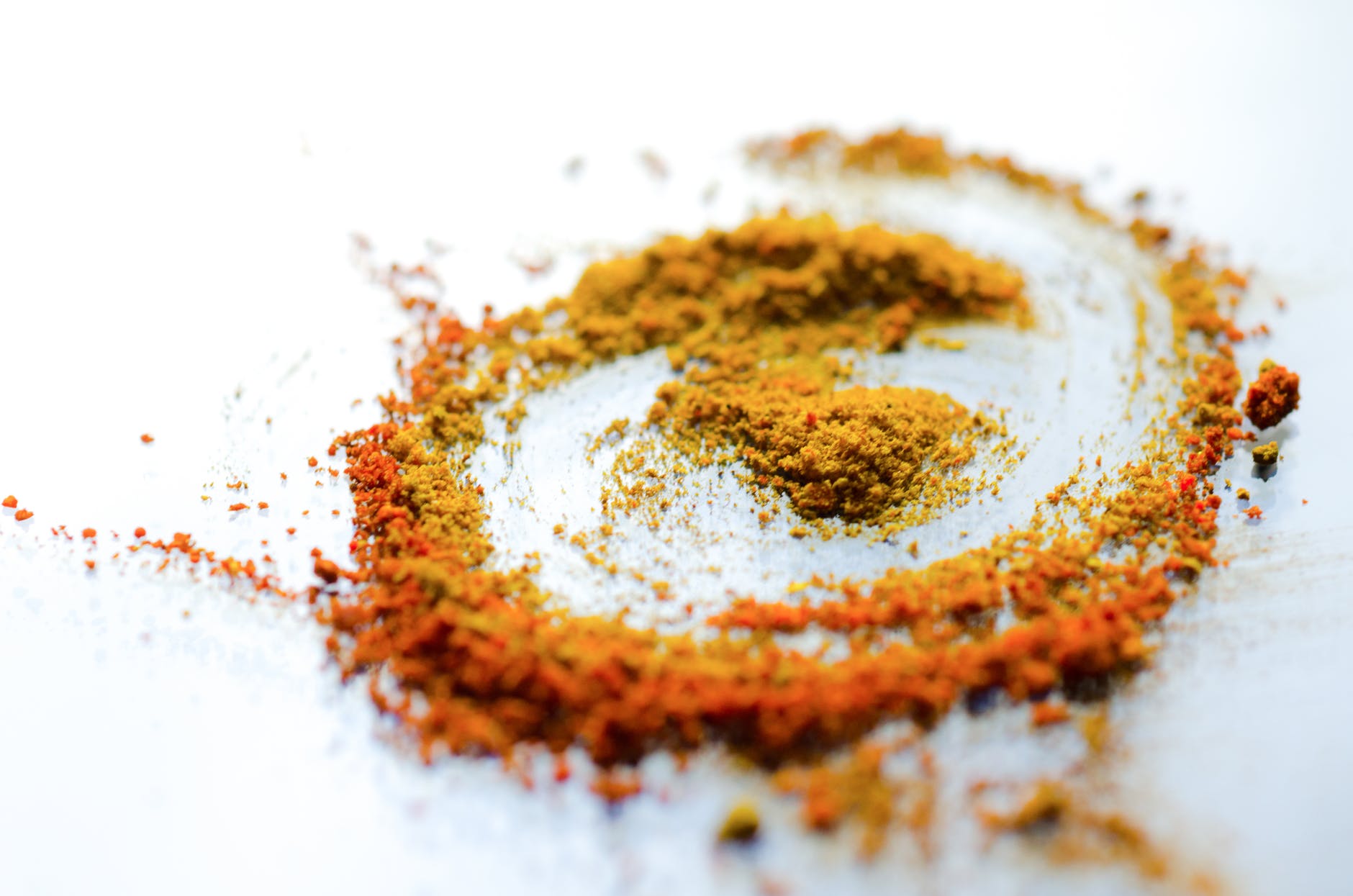
Photo by Skitterphoto on Pexels.com

Turmeric has been used since ancient times as a healer, coloring agent and most importantly to give a yellow shade to our food and all the health benefits it provides us with consuming just a small amount daily. It is like a sack of nutrients. It has many benefits including, it’s antioxidant and antispetic properties. It has been a prominent ingredient in cosmetic industry as well. Face creams, face washes, etc with the goodness of turmeric are found in abudance. It is grown as a rhizom and can be used as fresh or dried. Cucurmin is the main component of turmeric. It is also helpful in stopping blood for minor cuts. Also known as golden spice or indian saffron. It helps relieve pain, aids digestion and supports immune system. A glass of milk with turmeric can be very effective at night for better sleep and digestion. It is known to provide warmth to the body, clean blood and cure skin realted problems.

CUIMIN

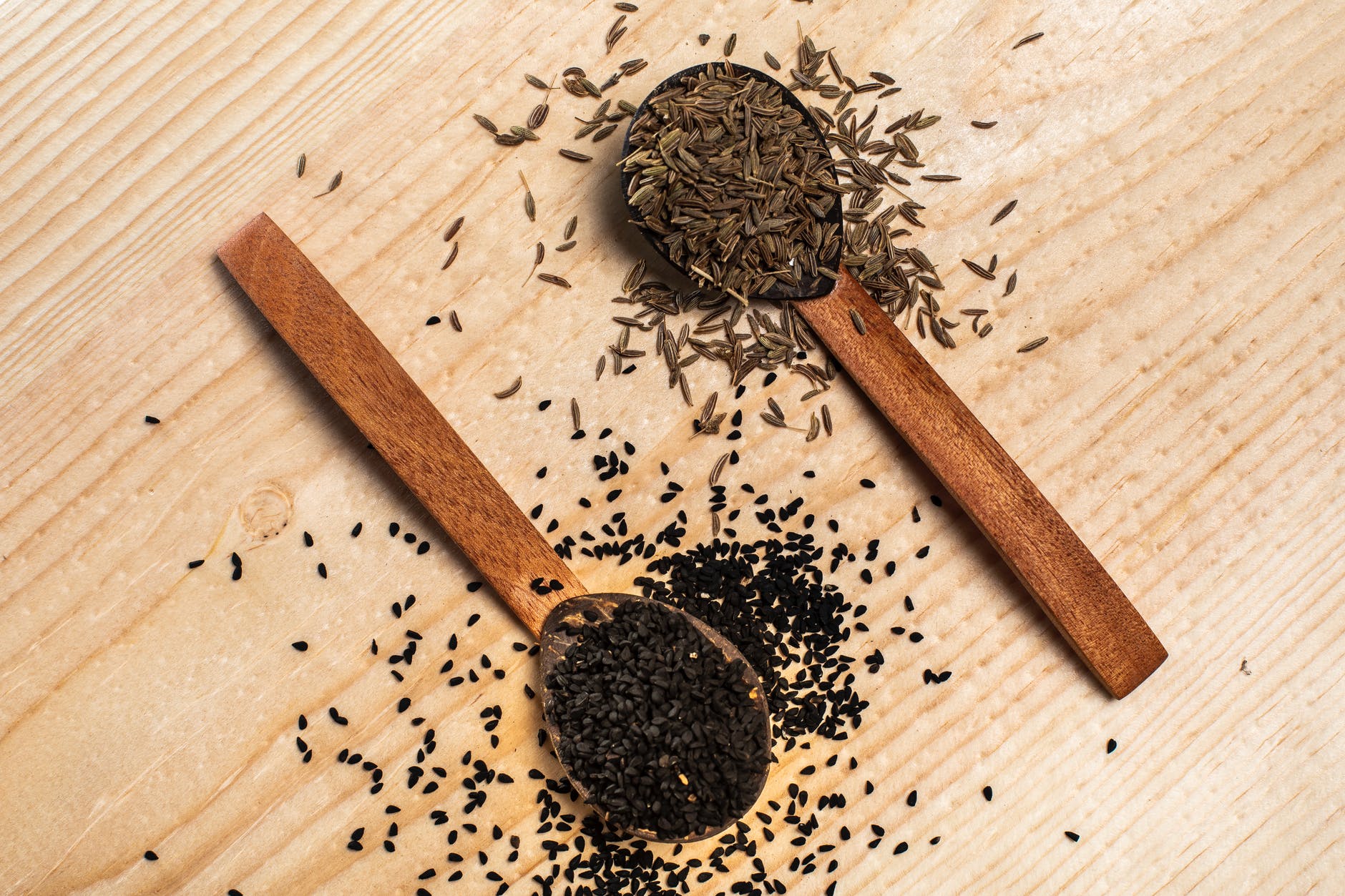
Photo by Jubair Bin Iqbal on Pexels.com

Cumin consists of oil that provide a particular aroma to the seeds. It is the basic and one of the first ingredient used while cooking. Smal boat shaped seeds is an ancient spice used as whole or powder and is infused with the hot oil or lightly roasted to bring out the flavor. It has an earthy aroma, and is beneficial for heart related diseases due to its antioxidant properties and has various vitamins and minerals in it. Cumin seeds improve taste and craving. Cumin oil posesses antifungal and antimicrobial properties. It is helpful in toothache and jaundice as well and is widely used in pharmaceutical industries.

FENUGREEK

Photo by Eva Elijas on Pexels.com

India accounts for the major production of fenugreek and is derived from various states out of which Rajasthan alone gives 80% of the indian output. The majority is cultivated and consumed in India itself. It is used as a herb dried or fresh in cooking, it possesses bitter taste which is reduced by roasting the seeds. Fenugreek plant is about 2-3 feet tall, it’s green leaves and pods that contain small, golden-brown seeds. For many years it has been used in Chinese medicines to treak skin problems many other diseases. And for similar reasons it has long utilized in households and can be found in shampoos and soaps as well. For it’s nutritious value and sweet nutty taste it has been a must to have spice in Indian kitchens. Fenugreek may be helpful in aiding diabetes and is also taken as supplement.

CORIANDER

Photo by Eva Elijas on Pexels.com

Coriander is one of the most used herb to flavor dishes, the seeds known as Coriander and the leaves as cilantro. Commonly known as dhaniya in india, It is also known as chinese parsley. Used in soups, currie masalas in India, middle, eastern and asian meals. While leaves and dried or ground seeds are used, coriander is useful in lowerin blood sugar, boosting immune system, lower heart related deseases. Both seeds and leaves of coriander are very different in taste. Whole seeds are added to vegetables, pickes, lentils and baked goods. Their aroma is released by warming. While leaves are used to garnish dishes. Coriander seeds are toasted and ground before eating as their texture can be hard to chew. A bright shining green plant. Surprisingly it has several skin benefits. It slowly absorbs the sugar in stomach and stimulates insulin and is found effective in lowering blood sugar levels in diabetic patients.

CLOVE

Photo by Eva Elijas on Pexels.com

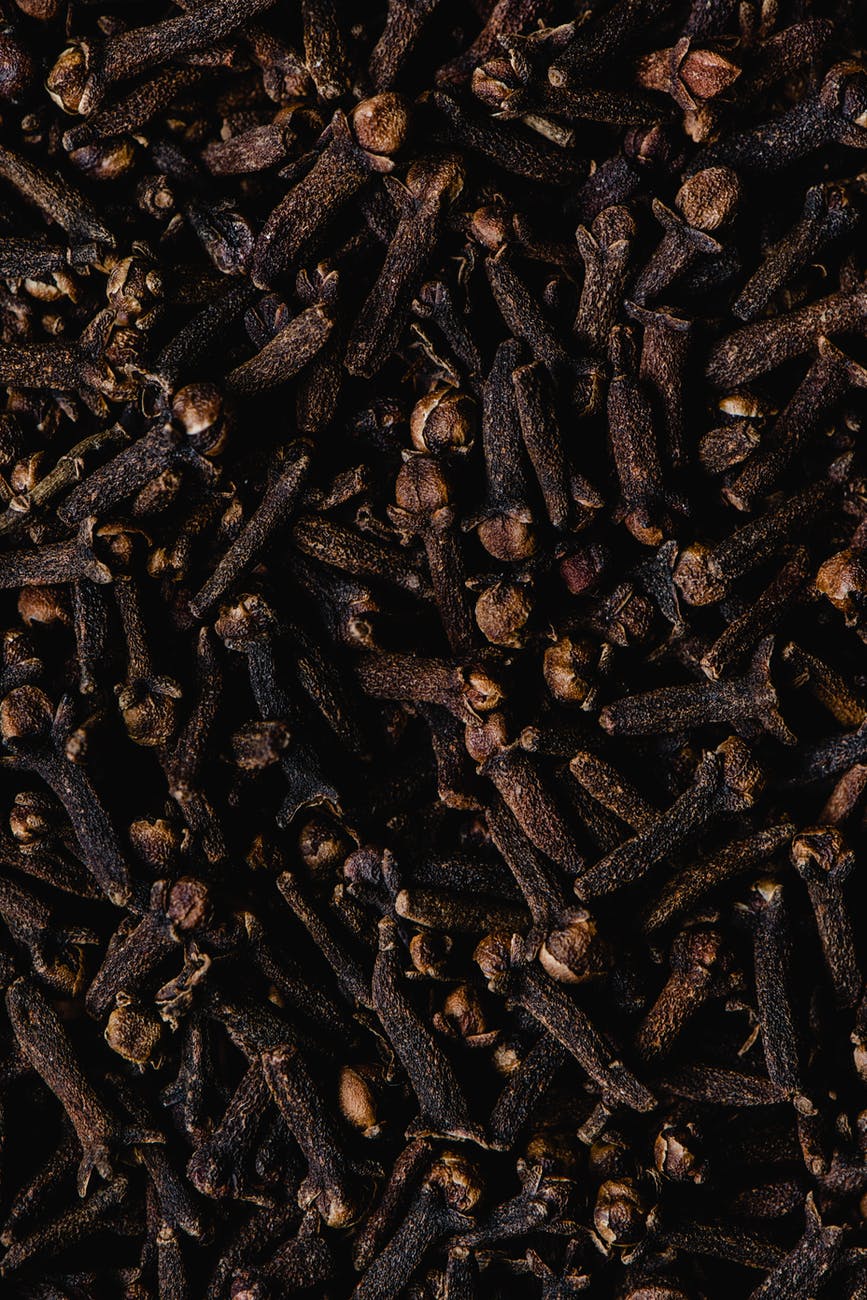
Clove is grown in Asia and America, its oil, stem, dried flower buds and leaves are used in making medicines. Clove is very effective in dental problems and can cure toothache when applied directly to it. Also used as a flavoring in foods and beverages, toothpaste, perfume, soaps and cigarettes. It resembles a nail in shape. It’s use in culinary is mainly for flavoring as it blends both with sweet and savory dishes. Clove oil has antispetic and antibiotic properties and is used especially in dentistry. Clove is often found in indian cuisine for it aroma and flavor and is a part of garam masala, which is a mixture od different spices.

CINNAMON

Photo by Nicole Michalou on Pexels.com

Cinnamon is a spice extracted from bark, leaves, flowers, fruits, and roots of the cinnamon tree and has been a part of traditional medicine for thousands for years. It has many health benefits and is also used for flavoring and fragrance. It is effective in blood sugar levels, lower cholesterol, stomach issues and obesity. It has antioxidant, antibiotic and anti inflammatory properties and has traces of nutrients in it. In india it is used in making chutneys, meat or rice dishes. Sometimes while cinnamon sticks are also used.

CARDAMOM

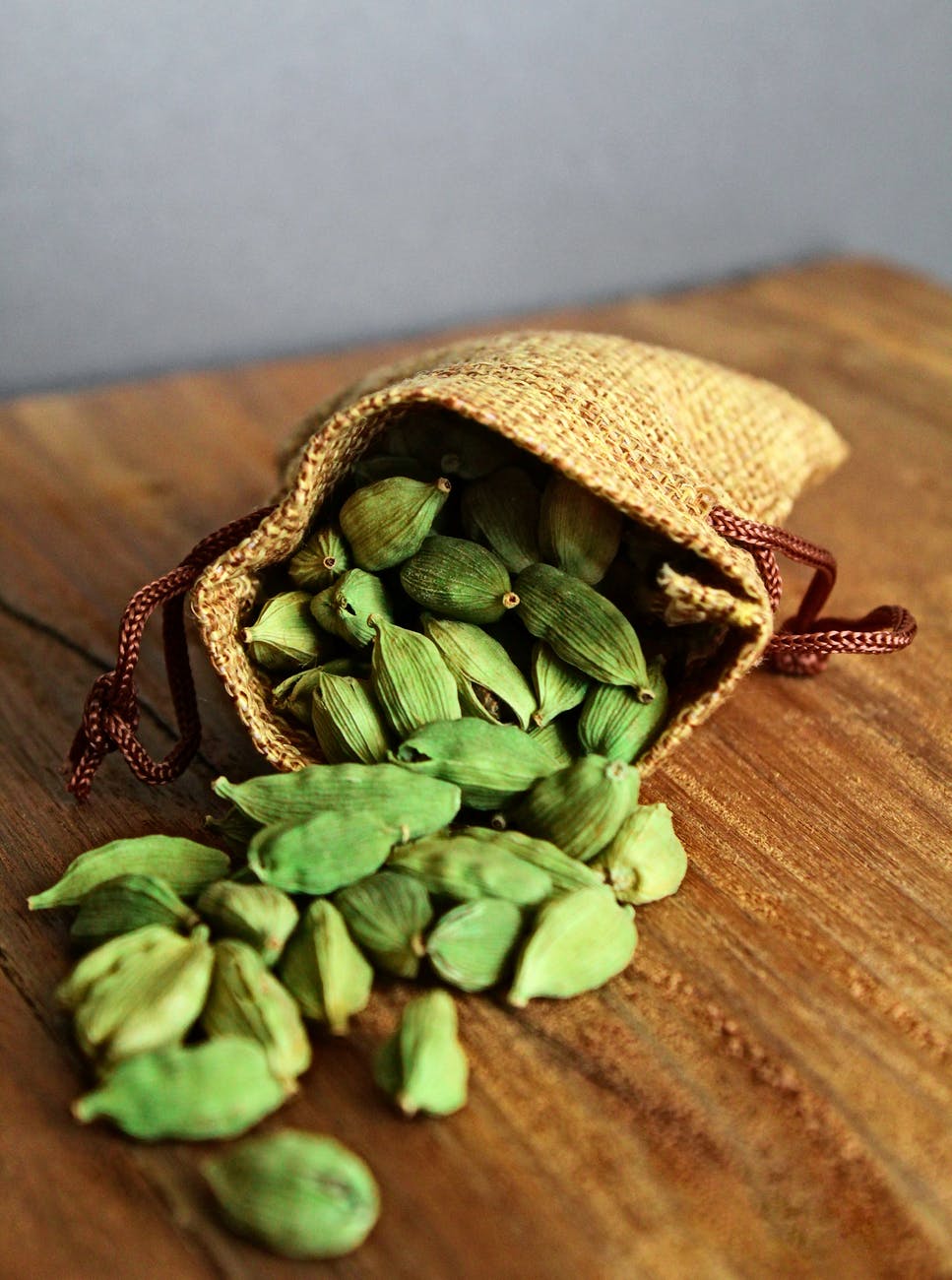
Photo by Nidhin K S on Pexels.com

After Saffron and vanilla, cardamom is the most expensive spice in the world. This versatile pod is used in teas, spices and many sweets are garnished using cardamom. In indian cuisine whole pods of cardamom are used in making curry, milk deserts and many other dishes. It is widely used in making chai as it for its aroma and flavor. It benefits in gastric problems, cardiovascular issues, controlling cancer and cholesterol and is rich in nutrients. It is also included in garam masala as an essential ingredient. These small green and black pods have a wide range of uses added to their list.

UPSC: 2021 & General

Exam & The Conducting Body

Civil Services Exam or CSE is a national level exam adorned with the title of “Most Difficult Exam to Crack”. It is conducted by UPSC – Union Public Service Commission and sometimes referred as just UPSC exam. UPSC CSE fills for 24 services ranging between 700-1400 annually. The top most All India service is that of an IAS officer and since most aspirants aim for this top post, it is simply known as IAS exam too. Although UPSC conducts several government exams every year in a variety of streams but only CSE gets the prestige of being this difficult for the level of position it bestows upon the officers. UPSC CSE or UPSC is a three-level exam which are: Preliminary (Two objective papers), Mains (Total nine papers) and a personality test (Interview). One sits for a total of 32 hours of examination to qualify the exam. On an average, the number of students that pass the first stage of exam is 11 to 12 times more than the number of vacancies. This demonstrates the competition & hype of UPSC among students. And this all hype is not inexplicable for the later highly respectful, well paying government job which the aspirants fancy for at the end of their struggle.

Examination News & Notifications

Such is the popularity and reputation of UPSC CSE exam that the news sources are not limited. There are n number of websites, portals, newspapers, coaching institutes’ sites, YouTube Channels, and several other offline & online sources that provide the news and notifications of UPSC exam without any cost. The official website of UPSC is https://upsc.gov.in/ . UPSC Aspirants and other interested students can visit the above given official website regularly to keep a check on the latest updates and notifications regarding the exam. The first notification regarding UPSC 2021 was issued on the official website on 4th march, 2021 along with the release of application form for the same.  The notification also informed the aspirants to fill the CSE 2021 application form by 23rd of March,2021 latest. Later, another notification was issued stating some changes in the exam dates caused due to novel Coronavirus. It is also given accompanying the updated schedule that even this date sheet can be subject to alterations in future if required. Keeping this in mind, students are advised to visit the official website regularly to not miss any news or announcements in future regarding the exam.

Examination Dates

Earlier the date for CSE exam phase 1 i.e., Preliminary exam was 27th of June, 2021. It seems COVID-19 like all other fields, affected UPSC CSE dates this year too and hence the date for the Preliminary exam that was scheduled to be conducted on June 27th will now be conducted on Oct. 10, 2021. Also, the Mains exam of UPSC Civil Services Exam will be held on the dates 7th, 8th, 9th, 15th & 16th of January, 2022. Apart from the form filling dates, UPSC has announced form withdrawal dates. Candidates who have filled the form can withdraw the form between 31st March, 2021 to 6th of April, 2021.

Application Fee

If we talk about the fees of the exam, it can be concluded that the fees asked for form filling in UPSC CSE exam is not as much as compared to other competitive exams, reasons being the conducting body and the difficulty level of the exam. The General Category, OBC & EWS belonging male candidates are required to pay a sum of Rs. 100 for Preliminary exam and Rs. 200 for the Mains exam. It must be clear that all category females, Persons with Benchmark Disabilities (PwBD) and SC/ST Candidates are exempted to pay fees at any phase of the examination.

Eligibility Criteria

For an UPSC aspirant, given below is the eligibility criteria based on various factors that make her/him eligible to appear in the most prestigious and India’s toughest government exam:

1.    Nationality

  • A person willing to sit for UPSC exam with the intention of getting into Indian Administrative Service or Indian Police Service must be a citizen of India.
  • Apart from IAS & IPS all other services require the candidate to be:
    • An Indian citizen.
      • A subject of Bhutan or a citizen of Nepal.
      • A refugee from Tibet who is living for permanent purpose in India before Jan. 1st, 1962.
      • A person of Indian Origin with a desire for permanent settlement in India from, Pakistan, Myanmar, Kenya, Tanzania, Uganda, Sri Lanka, Vietnam, Ethiopia, Malawi, Zaire & Zambia.

2.    Educational Qualifications

  • A candidate must have earned a graduation degree in any discipline from any open/private/central/deemed/state University.
  • A graduation degree from any foreign university that is recognized by Indian Association of Universities.
  • Graduation degree can be completed on a regular mode or through distance education.
  • A special recognition by the Govt, of India for a qualification as equivalent as above-mentioned graduation degree.

3.    Age

  • A person (male/female) is eligible to sit for the exam with a minimum age of 21 years as calculated on 1st of August, in the respective year of exam.
  • Age limits vary for different categories. The different upper age limits:
    •  For General category & EWS is 32 years.
      • For OBCs is 35 years.
      • For SCs/STs/PwDs is 37 years.
      • For Defence Services Personnel disabled in operations during hostilities, it is 40 years.

4.    Attempts

  • The number of attempts allowed to candidates (male/female) vary for different categories, which is as follows:
    • 6 attempts for General Category.
      • 9 attempts for OBCs.
      • Unlimited number of attempts for SCs/STs.

Vacancies

The vacancies for posts to be filled by UPSC through CSE exam is not fixed. The number of vacant positions is released by the Commission prior to the exam every year which vary in number. The vacant positions vary from minimum 700 to maximum 1500 approximately. Past data shows this sharp variation with exact number of vacancies. For instance, year 2018 saw a total vacancy of 759 and in 2014 vacancies were as much as 1364. This variation occurs every year. The number of vacant posts released by UPSC this year, i.e., 2021 is 712 which shows a decrease of 84 vacancies as in 2020, which was 796.

Salary

The salary offered by The Government of India to officers chosen through UPSC varies from post to post and service to service. The tag of government job and such a reputation that comes with the job, generally overshadow the salary question. For instance, the salary range of two top most services are given below:

  • For the top service like IAS, the salary range is 56,000 to 2,50,000 INR.
  • IPS officer’s salary ranges between 39,000 to 2,12,000 INR.

This trend of such large difference between the ranges of salaries is due to difference in posts, rank & no. of years in the service completed by the candidate.

Exam Pattern

As stated above, the UPSC conducts the Civil Services Exam in three stages. A detailed brief of the three stages is as follows:

A.    Preliminary or Prelims:

The first stage of this grand marathon kickstarts with Prelims exam. Prelims consists of two objective exams- General Studies I & General Studies II (CSAT). Both the papers involve negative marking. GS I is of 200 marks containing 100 MCQs, whereas GS II is of 200 marks containing 80 questions. One who clears both, qualifies for the second stage which is Mains exam.

B.    Mains:

The second stage has nine subjective type papers which are conducted approximately for a week.  The nine papers can be detailed as:

  1. Paper A – Compulsory Indian Language – 300 marks.
  2. Paper B – English – 300 marks.
  3. Paper I – Essay – 250 marks (till last)
  4. Paper II – General Studies I
  5. Paper III – General Studies II
  6. Paper IV – General Studies III
  7. Paper V – General Studies IV
  8. Paper VI – Optional I
  9. Paper VII – Optional II

All the nine papers mentioned above are of 3 hours each.

C.    Personality Test

The final stage of UPSC CSE exam is personality test or Interview of 275 marks.

Admit Card

Admit Card is the candidature document that students need to carry to the exam hall at the chosen exam center. Any student found without the admit card is not allowed to sit for the UPSC CSE. Admit card contain the name, picture, roll number and things allowed and not allowed to be carried on the day of the examination. Students can download the admit cards from the official website of UPSC https://www.upsc.gov.in/ . Generally, UPSC releases the admit cards for CSE exam four weeks prior to the exam scheduled to be held so that students get plenty of time in their hands to download & print the admit cards and also some might want to visit the exam center before the exam to avoid any kind of errors on the day of exam.

Result

Like every other information, UPSC releases the results of the exams conducted by it on the official website https://www.upsc.gov.in/ . Students can check the results by following the below given procedure:

  • Visit the official website of UPSC https://www.upsc.gov.in/ .
  • Scroll down to find the tag “FINAL RESULT”.
  • Look for the result link you are looking for.
  • Enter the roll no. and tap for search result.
  • Download and save the print for future requirements.

The marksheets of the students who haven’t qualified the last stage will be uploaded on the website within fifteen days of announcement of final result and will appear on the website for approximately 30 days. This is to help students to evaluate their weak subjects and to understand that where have they lost points.

How to Apply

Aspirants can visit the official website https://www.upsc.gov.in/ and fill out the forms.