Internship Opportunity for Journalism at Eduindex News

Daily writing prompt
Describe a man who has positively impacted your life.

Are you passionate about storytelling, eager to investigate compelling issues, and interested in building a career in journalism? Eduindex News, a leading online news portal, is offering an exciting internship opportunity for budding journalists. This internship is a golden chance to gain hands-on experience in the dynamic world of journalism while honing your skills in writing, editing, and reporting.

About Eduindex News

Eduindex News is a well-established online news platform that focuses on delivering insightful and balanced coverage of global events, educational developments, and socio-economic trends. Known for its emphasis on credible journalism, Eduindex News serves as a reliable source of information for readers worldwide. The platform covers a diverse range of topics, including education, culture, politics, technology, business, and more.

Why Choose the Eduindex News Internship?

Eduindex News provides a unique learning experience tailored to prepare interns for the competitive field of journalism. The internship is structured to equip candidates with essential industry skills and foster professional growth. Here are the highlights:

  1. Real-World Experience:
    • Interns will work on live projects, including news reporting, feature writing, and investigative journalism.
    • You’ll have the opportunity to pitch story ideas and collaborate with senior journalists.
  2. Skill Development:
    • Enhance your skills in content creation, research, editing, and multimedia reporting.
    • Learn how to use professional tools for writing, video editing, and graphic design.
  3. Mentorship:
    • Gain mentorship from seasoned journalists and editors at Eduindex News.
    • Learn the nuances of journalistic ethics, news analysis, and audience engagement.
  4. Portfolio Building:
    • Publish your work on Eduindex News, allowing you to build a professional portfolio.
    • Showcase your skills to potential employers with bylines under your name.
  5. Networking Opportunities:
    • Connect with industry professionals and fellow interns to expand your network.
  6. Flexible Work Environment:
    • This internship offers remote work options, enabling candidates to contribute from anywhere.

Internship Roles and Responsibilities

As an intern at Eduindex News, you’ll be expected to perform various roles, including:

  • Researching and writing news articles, editorials, and opinion pieces.
  • Conducting interviews with subject matter experts and sources.
  • Fact-checking and ensuring the accuracy of published content.
  • Collaborating with the editorial team to plan and execute news coverage.
  • Assisting in multimedia projects such as video reporting and podcast production.
  • Promoting published articles through social media and other digital platforms.

Eligibility Criteria

Eduindex News welcomes applications from students and recent graduates in journalism, mass communication, or related fields. Candidates should meet the following criteria:

  • Strong command of the English language.
  • Excellent writing and editing skills.
  • A keen interest in current events and news reporting.
  • Basic knowledge of digital media tools and platforms.
  • Ability to meet deadlines and work under pressure.

Duration and Stipend

  • The internship duration ranges from 1 to 6 months, depending on the candidate’s availability and performance.
  • A certificate of internship will be provided upon successful completion. Exceptional interns may also be considered for full-time roles at Eduindex News.

How to Apply?

To apply for the journalism internship at Eduindex News, follow these simple steps:

  1. Prepare your resume highlighting your skills and achievements.
  2. Write a cover letter explaining your interest in journalism and why you wish to intern at Eduindex News.
  3. Submit 2-3 writing samples or links to published work (if available).

Send your application to editor@eduindex.org with the subject line “Internship Application – Journalism.”

Testimonials from Previous Interns

  • “My internship at Eduindex News was a transformative experience. I learned the ins and outs of journalism and got the chance to publish my work. The team was incredibly supportive!” – Aditi Sharma
  • “Eduindex News helped me develop the confidence to pursue a full-time career in journalism. The mentorship and real-world exposure were invaluable.” – Ramesh Kumar

Conclusion

An internship at Eduindex News is more than just a learning experience—it’s a stepping stone to a successful career in journalism. Whether you dream of being a news reporter, editor, or media strategist, this opportunity will help you build the skills, knowledge, and network required to achieve your goals.

Don’t miss this chance to kickstart your journalism journey with one of the most dynamic platforms in the industry. Apply now and make your mark in the world of news and media!


Journalism and Politics

 The relationship between journalism and politics is intricate and significant, with each having a profound impact on the other.


  1. Information Dissemination: Journalism plays a vital role in informing the public about political events, policies, and decisions. It serves as a bridge between the government and the people by providing accurate and timely information.

  2. Watchdog Function: Journalists act as watchdogs, holding political leaders and institutions accountable. Investigative journalism uncovers corruption, malpractice, and misuse of power, fostering transparency and accountability in governance.

  3. Shaping Public Opinion: Media coverage can influence public opinion on political matters. The way news is framed, presented, and emphasized can sway public perceptions of politicians, policies, and current events.

  4. Access to Information: Journalists rely on access to information from political sources to report accurately. Governments and politicians control the flow of information, and conflicts often arise over transparency and the right to access certain information.

  5. Media Bias and Objectivity: Political biases can influence media coverage. Some outlets may have inherent biases based on their ownership, funding sources, or political affiliations, impacting the objectivity of their reporting.

  6. Press Freedom: The relationship between journalism and politics can be contentious in regions where press freedom is restricted. Governments may attempt to control or censor the media, suppressing critical reporting and limiting journalistic freedoms.

  7. Political Communication: Politicians use media outlets to communicate their agendas, policies, and messages to the public. They often engage in media strategies to shape their public image and gain support.

  8. Ethical Considerations: Journalistic ethics come into play when reporting on political matters. Issues such as accuracy, fairness, and the balance between public interest and privacy need to be carefully navigated.

The dynamics between journalism and politics are complex, with both playing pivotal roles in shaping societies. A free and responsible press is essential for democracy, as it ensures an informed citizenry capable of making well-informed decisions and holding leaders accountable. However, the relationship can also be fraught with challenges, including issues of bias, manipulation, and the struggle for control over information dissemination.

Top Ten Books of Journalism

Journalism serves as a cornerstone of a well-informed society, providing crucial information and analysis that shape public discourse. Aspiring journalists, seasoned reporters, and curious readers alike turn to a diverse array of literature to grasp the essence of this dynamic field. This essay delves into some of the top journalism books that have left an indelible mark on the profession, offering insights into the art and responsibility of storytelling. crazymonkeycafe.com is an emerging platform to check out.

Photo by Andrea Piacquadio on Pexels.com
  1. “All the President’s Men” by Carl Bernstein and Bob Woodward: This iconic book chronicles the Watergate scandal and the investigative efforts of the two Washington Post journalists, Bernstein and Woodward. Their tenacity and dedication in uncovering the truth demonstrate the vital role of investigative journalism in upholding democracy and holding those in power accountable.
  2. “The Elements of Journalism: What Newspeople Should Know and the Public Should Expect” by Bill Kovach and Tom Rosenstiel: This foundational work delves into the ethical considerations and principles that guide journalism. Kovach and Rosenstiel outline the core elements of journalism, emphasizing accuracy, fairness, independence, and transparency. The book provides readers with a comprehensive understanding of the journalistic ethos.
  3. “Into the Wild” by Jon Krakauer: While not a traditional journalism book, Krakauer’s narrative nonfiction masterpiece exemplifies the power of immersive reporting. The author traces the journey of Christopher McCandless, a young man who ventured into the Alaskan wilderness. Krakauer’s meticulous research and storytelling skills illuminate the line between personal exploration and ethical responsibility in reporting.
  4. “The New New Journalism: Conversations with America’s Best Nonfiction Writers on Their Craft” by Robert S. Boynton: This anthology compiles interviews with prominent journalists and writers, shedding light on the evolving landscape of nonfiction storytelling. Boynton explores the various techniques used by writers such as Susan Orlean, Jon Krakauer, and Gay Talese, providing aspiring journalists with diverse perspectives on the craft.
  5. “On Writing Well” by William Zinsser: While not exclusively a journalism book, Zinsser’s guide to writing effectively transcends genres. The book emphasizes clarity, simplicity, and brevity in communication, offering journalists valuable tools to engage their audience without sacrificing substance.
  6. “The Road to Serfdom” by F.A. Hayek: Though not a journalism-focused book, Hayek’s work remains a testament to the importance of economic journalism. This seminal book argues for the dangers of centralized planning and the importance of individual liberties, illustrating the significance of informed economic reporting in shaping public policy debates.

Conclusion:

The realm of journalism is multifaceted, encompassing investigative rigor, ethical considerations, immersive storytelling, and effective communication. These top journalism books exemplify the depth and breadth of the field, providing readers with insights that extend beyond headlines. From the tenacious pursuit of truth in “All the President’s Men” to the principles of responsible journalism outlined in “The Elements of Journalism,” these books contribute to a nuanced understanding of the profession’s role in society. Aspiring journalists, seasoned reporters, and engaged citizens can all benefit from the wisdom and knowledge embedded within these literary treasures.

Journalism And Its Benefits


What is journalism?


The practice of journalism requires collecting, researching,
synthesizing, and presenting news and information. Additionally, it is a
byproduct of these actions.

Certain distinguishable traits and practices make journalism
distinct from other pursuits and outcomes. These characteristics not only set
journalism apart from other types of communication, but also make it essential
in democracies. History demonstrates that a society tends to have more news and
information the more democratic it is.


Benefits of Journalism


1.   You may
get to travel

Since it’s difficult to cover news globally,
However, working as a sports or entertainment journalist occasionally allows
you to travel extensively.


While exploring and moving around, you can talk
about current events. Who doesn’t enjoy travelling, right? This, in my opinion,
is one of the greatest advantages of journalism
.


2.   You can
meet different people


No matter what profession you are in, exposure
is crucial for your personal development. When you work in journalism, you are
exposed to many different things, which aids in your recognition.


 Meeting all of those folks enables you to make
some really great friends as well as realize how relative life is and how our
way of life back home is merely one of many other lives that people celebrate
across the world.


3.   You can
share your ideas


The
capacity to further your opinions and convictions is another benefit of working
as a journalist. In general, you can publish anything you want as long as it
abides by local laws, especially if you’re a freelance journalist who doesn’t
work for a media company. 
As a
result, if you see something you disagree with, you could become more conscious
of it and thereby feel better.


4.   You can
cover a variety of genres


In
general, journalism offers you a wide range of topics on which to write. You
can never learn everything because there are so many new things introduced
every day.

As a
result, you won’t eve
r run out of topics to write about, and you’ll have the
freedom to focus on the subjects you think will be most important to and
interesting to your readers.

The field
of journalism is not standardized. In fact, you will pick up fresh information
every day because you will be speaking with a range of people.


5.   You will
never find it boring

If you work as a newscaster, you won’t become
bored. They have a wide range of jobs and frequently interact with different
people, so I’m confident they’ll always have topics of conversation.


Additionally, you typically work in unfamiliar
environments and face problems every day. Journalism is one of the never-ending
careers as a result, so if you’re curious and want to be surprised, being a
journalism specialist can be the best choice for you.


6.   You can
create your new comfort zone


A great way to step outside of your comfort zone
is to become a journalist. Because we humans are generally afraid of making a
mistake, we tend to want to stay in our comfort zone and refrain from trying
too many new things
.


This might be exceedingly limiting, though, as
character development occurs solely as a result of new experiences. In
journalism, you must be willing to speak with people you otherwise would not
have. Throughout your work, you’ll also discover some unexpected items.

What is Journalism ? Write different aspects of journalism?

What is Journalism?

Journalism is the collection and distribution of news and related updates on what’s happening around the world on social media, distributing posters and pamphlets, e-mails, magazines, blogs and many more. Journalism is the main pillar of our society or for our whole world because they work hard and they update news so we can watch, and read it. 

As in today’s world, the channels are increasing so much and the audience is also increasing watching it. Without journalism or journalist, we are nothing, we will not know any single news whatever is happening around us.

In today’s world if any student is making up their mind to start a career in journalism. You have taken the right decision. You will end up with a beautiful career in the Journalism field.

What are the different aspects of Journalism?

News

News is the most important factor in Journalism. News should be very much clear and it should be true. Remaking and over-repeating news bore citizens. Straightforward news likes people very much as they want to hear the fact.

Investigate

Before delivering any news on any platform we should investigate the matter. The investigation is necessary. If a matter has not been investigated and news has been delivered it shows a very bad impact on the news channel or the company.

Reviews

People share their reviews and their feedback. Reviews help a lot to understand the importance of the thing and help to improve or not. It might help in any way. Without review, nothing is accepted as good.

Columns

Columns are based primarily on the personality of the author, allowing him or her to write about subjects in a personal style. Column writers can take a humorous approach, or specialise in a particular subject area or topic. IColumnists need to develop a voice that is recognisable by their readership. Columnists can interpret events or issues or write about their own experiences or thoughts. Columns are usually published weekly.

Journalism is a very good profession and hard working. Journalists are the main pillar of our world.

Different aspects of Journalism

 Different aspects of Journalism

Journalism means covering, producing, and distributing news and information about various events, facts, ideas, and people. This is a form of communication where you interact with the audience. 

Journalism is not limited to one thing, each event, and happening, has different aspects of journalism like investigation, online, watchdog, politics, sports, entertainment, education, crime, etc. These are different aspects of Journalism:

Investigation Journalism

Investigation journalism deal with work toward uncovering hidden truth or facts about a person, matter, event, etc. It works to find the facts by studying cases that required a lot of effort. The scandals can be exposed by making headlines. A single case can take a few months or years due to complex procedures, so one should have a lot of knowledge and patience to work as an investigative journalist.

Watchdog journalism

Watchdog journalism guards society against illegal activity or inefficiency from societal powers, such as corporations and politicians. It is similar to investigative journalism. Watchdog journalists monitor the activities of large companies and influential figures and report activities that may have negative impacts on society. This type of journalism helps ensure societal powers remain accountable for their actions.

Online journalism

Online journalism reports facts through internet media, such as digital newspapers, blogs, or social media. All kinds of information are freely available on the internet, but sources are not always credible. Online journalists create and deliver content that is related to traditional journalism practices reporting the facts of a situation or event. Online journalism allows reporters to quickly deliver information to audiences through online media without delays for print layout, processing, and delivery or broadcast time slots.

Sports journalism

Sports journalism focuses on athletic news. Sports journalists report scores, standings, and rankings for different teams or athletes in different sporting events. It can be both print and broadcast media. Sports commentating is a form of sports journalism in broadcast and online journalism.

Entertainment journalism

Entertainment journalism relates to the current events of popular figures and trends. Entertainment journalists provide news about the entertainment business, including celebrities, movies, television, books, and events. Entertainment journalists may cover movie premiers and awards ceremonies as well as news about the entertainment industry. 

Political journalism

Political journalism focuses on government, politics, and political candidates. It covers different segments of political activity, such as local, national, or international news. Political journalists often report on the activities of elected officials, political processes, and the results of political work. It includes reporting political news and conducting investigative and watchdog reporting to ensure that the public has access to information about political activity.

Journalism and its aspects.

Journalism is the profession and activity of investigating and reporting issues, events, current scenario, fashion and trends to the world audience in the form of writing for newspaper and magazines or broadcasting on television, radio and online media such as blogs and networking sites. This field or activity includes writing, designing, editing and photography. Journalists are the people who collect primary and secondary information and news and the product generated by such professionals are known as journalism. Journalism has played important and crucial role during elective democracies all over world and from there it has emerge as a professional identity which is called as journalists. Even today also journalists have unique status and role in the society. Journalism covers all information about individual, society, politics, organizations, government and business. News media are the source of information about public affairs.

Some of the aspects of journalism are:

Print Journalism

Print Journalism is the practice of investigating and reporting of events in newspaper, magazines or in printed form to a broad audience. Print journalism also covers cultural aspects of society such as arts and entertainment. Photojournalist often paired with a print journalist who takes photographs to tell the story using a medium of photographs.

Broadcast Journalism

Instead of printing the news, broadcast journalists report via television, digital videos, and radio. Broadcast journalism can be prerecorded or presented live.Broadcast journalists include news anchors, producers, correspondents, audio technicians, and more.

Investigative Journalism:

Investigative journalism aims to find out about the facts and presenting them in an unbiased form to the public. Many a time the investigators may find themselves in situations where the person is recalcitrant and not willing to share the information. These are the situations where investigators have to show their talents and gather the original information for the presentation of facts to the public.

Watchdog Journalism

Watchdog journalism refers to journalists gathering facts and using the information to expose the wrongdoings of people in power. Watchdog journalism is a key component of a democratic society. The journalists promote change and hold leaders accountable for their actions. Articles, documentaries, and radio shows shine a light on poor behavior to invoke positive change.

Reviews Journalism

Review writing is rather exciting, here the writer gets to state the facts about any event, object, happening or any person and then present his viewpoint on the same as a summary of his entire research or findings. It is based on research and experience of the writer.

Sports Journalism

Sports journalism is a specific segment that only covers sport-related news. It includes live sporting events, recaps, and stories about professional athletes. As the popularity of athletic competitions increased, journalists starting covering the events in newspaper columns. A sports journalist knows more than the average person about one or multiple sports. They can provide detailed insights and analyze sports-related data.

Political Journalism

Political journalists cover news related to politics, politicians, and political science. Political journalism is a key part of a democratic society. It aims to publish unbiased reports on government officials, policy changes, and supreme court cases. The goal of political journalism is to keep voters informed. Political journalists are experts in political science and strive to provide factual and honest information.

Trade Journalism

Trade journalism covers developments in the business world. These articles can be technical, analytical, or industry-specific. Publications by trade journalists often focus on commodities, like oil and gas. Or, they may report on specific sectors, like the finance industry.

Columns Journalism

Columns are like a personal blog where the writer gets to express his views on any subject of his choice. He can write humorous blogs or any type of area where he expertise. Columns are generally published on a weekly basis.

Feature Writing

Feature writing involves long blogs about the scope, depth or interpretation of any event, object or any subject of concern. It brings the topics and viewpoints to which were previously unseen to the limelight. The data is collected and the information is inferred by conducting interviews and consulting experts in the field. Feature writings are generally very useful and are award-winning blogs when the goals are achieved.

India’s last village Mana.

Mana Village is located in the Chamoli district of Uttarakhand, at an altitude of 3200 m , on the banks of the Saraswati River, about 5 km from the famous Hindu pilgrimage site Badrinath. This beautiful place is located 26 km from the border between India and Tibet and is the last village of India.
According to the 2011 census, the village was home to about 558 households and with population of about 1214 people . Most of the population here belong to Marchhas and Jads or Bhotias. During the winter, the area is covered with snow, so the entire population moves to lower altitudes. Many cafes here tell people that their store is the last cafe on the Indian border. Most of the people here speaks Garhwali Or Hindi languages.
If you visit this place, you will notice that the shopkeepers in the area sell their products under the title “Last Village”, such as “The Last Tea and Coffee Corner in India”.

Religious importance of mana village:

The village of Mana is of great religious importance to Hindus as it is associated with the Mahabharata era. Pandavas, the five mythical figures of the epic Mahabharata, is believed to have passed through the village of Mana on his final journey to heaven. There is also a stone bridge called “Bheempul” near the Saraswati River. It is believed to have been created by Bheem, one of the Pandava’s .

How do you get to Mana village?
You can reach Mana village easily as it is easily accessible from Rishikesh / Haridwar/Dehradun and situated just 5 km from Badrinath Temple. The nearest train station is located in Haridwar, about 275 km away, and you can reach the village by bus / taxi from outside this station. Mana is just 315 km from Dehradun and there is a regular bus in front of the train station.

Mana attractions :

Neelkanth Peak: At an altitude of 6597 feet above sea level, Neelkanth Peak is one of the region’s main attractions. Also known as the “Queen of Garhwal”, this snow-capped peak rises beautifully above the Badrinath Temple and is a must-see for adventure and trekking lovers.

Tapt Kund: According to Hindu mythology, Tapt Kund is the Sanctuary of the Lord of Agni (Fire). This natural hot spring is thought to have medicinal properties, and it is said that soaking in Tapt Kund water will cure skin diseases.

Vasudhara: This is a scenic waterfall about 9km from Badrinath Temple. According to Legend it is the place where Pandavas stayed for some time during their exile.

Vyas Gufa: As the name implies, Ved Vyas, a famous scholar and author of the epic Mahabharata, lived in this cave while writing the four famous vedas. What makes this cave interesting is a small shrine dedicated to him, which is said to be over 5,000 years old.

Beehma Pul: One of Mana Village’s main attractions is Beehma Pul. Beehma is said to have built this Bheem Pul, a stone bridge to allow his wife Draupadi to cross the Saraswati River on a journey to heaven.

History of Television in India.

Television was founded by John Baird. The first television service was started in 1936 by British Broadcasting Corporation (BBC) of Britain . In 1939, television broadcasts began in the United States. In 1953 the first successful programme in colour was transmitted by Columbia Broadcasting System (CBS) in USA. In today՚s world, television has become one of the most powerful means of mass communication . It can impart education, information and entertainment . Television has end up becoming an necessary a part of our lives.


HISTORY
India’s first television station was established on October 24, 1951, in the Department of Electronics and telecommunications at Government Engineering College in Jabalpur. Television began in India as an experiment on September 15, 1959. It was first started as two hours programmes a week under the authority of AIR. Early programs of these experimental broadcasts were generally educational programs for children and farmers. By 1975, only seven Indian cities were using television services. The Satellite Instructional Television Experiment (SITE) was an important step by India for the use of television for the development of people and the country. Initially, the show was mainly produced by Doordarshan (DD), who was part of AIR at the time. Transmissions were made twice a day, morning and evening. In addition to information on agriculture, health and family planning, other important topics covered in these programs were audience education and awareness raising. Entertainment was also included in the form of dance, music and cinema. In 1976 Television services were separated from radio . Color television was introduced to the Indian market in 1982.

In the late 1980s, more and more people began to own televisions. There was only one channel, but the TV show was saturated. Therefore, the government opened another channel, partly broadcasting nationally and locally. This channel was called DD2 and was later renamed to DD Metro. Both channels were broadcast on the ground. In 1997, Prasar Bharati, was established.Doordarshan, along with AIR, was incorporated into a state-owned enterprise under Prasar Bharati. Transponders of the American satellites PAS-1 and PAS-4 assisted in the transmission and broadcasting of shows on DD. An international channel called DD International was launched in 1995 and broadcasts programs abroad 19 hours a day to Europe, Asia and Africa via PAS-4 and to North America via PAS-1.The 1980s were the prime time for DD, with shows like comedies such as Hum Log (1984-1985), Wagle Ki Duniya (1988), Buniyaad (1986-1987). Epics like Ramayan (1987–1988) and Mahabharat (1989–1990) brought millions to Doordarshan and later on Chandrakanta (1994–1996). Song-based programs for Hindi movies such as Chitrahaar and Rangoli, and crime thrillers such as Karamchand and Byomkesh Bakshi. Children’s shows such as Tenali Rama ,Vikram Betal and Malgudi Days .


Private Channels influence:
The introduction of communication channels was a revolutionary move to reach so many people. It became an opening for Private and Commercial broadcasters in our country. The emergence of private channels began in India in the 1990s after CNN aired the Gulf War. Hong Kong-based STAR (Satellite Telivision Asia Region ) enterned in a contract between an Indian company and Zee TV. It became the first Private Indian Hindi satellite channel. During this time, several local stations have emerged. Apart from local ones various international channels such as Channel, CNN, BBC, Discovery, etc were also available for Indian TV viewers. Their were various categories of channels available for viewers,such as the 24-hour news channel, Religious channels, cartoon channels, movie channels, something for everyone .


Changes and Evolution:
A significant change that has occurred is the use of different methods of delivering television programming. Just a while ago their were satellite-based antennas, but now the mode has converted to dishes. Other shipping methods are are delivery via cable network and direct satellite transmission. Now you can watch TV shows on your mobile phone , the technology behind it is called Internet Protocol Television. The emergence and spread of televisions and computers and the access to content anytime, anywhere, everyone has brought revolutionary change and access to the world of entertainment.

“I always say film is art, theater is life and television is furniture .”

Kenny Leon

Journalism And Mass Media


Mass Communication is all about impacting the masses through news, views, and opinions. People consume the news and views through multiple mediums like radio, TV, magazines, the internet, social media, films, or any other platform. People (the masses) then form opinions based on these communications emanating from these channels. Mass communication is a broad field that includes photography, filmmaking, journalism, advertisement, public relations, content writing, blogging, and print media, among others. Here, one should note that the purpose of mass communication includes news, entertainment, and information, to name a few. 


On the other hand, journalism mainly focuses on communicating news to people across all genres – politics, economics, business, science, sports, or entertainment news. Journalism includes three simple steps: Collecting data or news, writing and editing it, validating it with facts and pictures, broadcasting it to the masses through all channels including print and electronic media. As the name suggests, print media includes newspapers and magazines, and electronic media includes TV, radio, and the Internet.


Career Opportunities in Journalism

  • TV anchor/news reporter
  • Newspaper editor/reporter
  • Proof-reader in print/electronic media
  • Content Developer in print/electronic media
  • Photojournalist
  • Translator
  • Camera manager
  • Creative designer
  • Researcher in print/electronic media
  • Producer
  • Set Manager


Career Opportunities in Mass Communication

One can expect to make a remarkable career after finishing a course in Mass Communication as there are plenty of opportunities in different fields like:

  • Branding & Advertising
  • Film Making
  • Video Editing
  • Photography
  • Public Relations
  • Radio Jockey, Video Jockey
  • Journalism
  • Content Writing and Development
  • Event Management
  • Creative Direction
  • Sound Mixing and Recording


It’s time for action, make your move now!


RTI ACT and Investigative Journalism.

Just like citizens, the RTI act has enabled lot many journalists in the country to investigate regarding their concerned issues. RTI act over the years has become an important weapon for journalists to divulge hidden and lesser known information. RTI act has become so crucial and an “everyday thing” for some journalists that they have build their entire career out of it.

Some of the famous cases where RTI act has helped journalists in their investigation procedure are:

1) Chhatrapati Shivaji Memorial Project by journalist Mr. Vishwas Waghmode:

Mr. Waghmode, a journalist at the time in The Indian Express investigated the controversial Chhatrapati Shivaji Memorial project. According to him, the initial cost quoted by the contractor was Rs.3826 crores which was supposed to be the lowest bid as opposed to the government’s bid which was Rs.2500 crores. The government in order to resolve this issue set up a committee led by the chief secretary in order to renegotiate the cost which successfully got the cost down to the government’s estimate of Rs.2500 crores. Mr.Waghmode in connection with this case stated that the rules do not allow renegotiation but rather they are supposed to issue fresh tenders. He further added that the opposition was alleging the government had reduced the height of the statue in order to reduce the cost which the government vehemently denied.

In order to have the “genuine information”, he took the help of RTI act. Mr. Waghmode discovered and revealed how the government had in reality decreased the height of the statue and the horse by 7.5m. But in order to show that the height of the statue was not reduced, they had instead increased the height of the sword by 7.5m. He further revealed that since the sword was straight, the amount of money required to build the sword was quite less when compared to the reduction in height and that in turn helped them reduce the cost by a substantial amount.

RESULT:

When all of this came into the public eye, the State Government could not justify why the height of the sword was increased and was in deep shame.

2) HONORARY DOCTORATE SCAM by Shyamlal Yadav.

When we talk about investigative journalism in India, we can never ignore this name, that is, Shyamlal Yadav. In 2018, Mr. Shyamlal Yadav in The Indian Express published a series of investigative reports on how India has emerged as one of the biggest markets for “predatory” publishers of substandard research journals.


On February 6, 2018, The Indian Express scrutinised over 500 RTI applications filed over 470 higher educational institutions to find that monitoring authorities, and hundreds of politicians and bureaucrats were awarded such degrees between 1997 and 2017.

The list for instance included former director of IISC, who received 18 honorary doctorates from public universities between 2006 and 2012 when he was chairman of NAAC’s EC. The list also had several UGC chairmen who had such degrees during their tenure.


RESULT:
Rules were made by higher authorities in 2019 after the investigative report via RTI files whereby NAAC officials, family weren’t allowed to accept honorary doctorates from institutions under their watch. RTI was used to dig out crucial facts in this case.

3) Discontinuation of LIC policies by Shyamlal Yadav

Shyamlal Yadav got information through RTI from Life Insurance Corporation (LIC) that there were 59 million insurance policies those were lapsed permanently due to discontinuance of premium. And the premium deposited since then had become LIC property. Despite many efforts LIC did not provide the info on total money deposited against those policies till the date they lapsed. As a result, Indian Express published the story about the discontinuation.


RESULT:


Within 25 days of publication of the story, LIC issued fresh
advertisements regarding renewal of policies.

4) Streams of Filth by Shyamlal Yadav:

This was an investigation by Shyamlal Yadav regarding water pollution in India that took over one year. About 39 RTI applications regarding expenses by Government on water projects were filed.
It came into notice that large amount of money was spent by Government for water purification projects but there was little effect on nation’s lifelines.
The story was published in The Indian Express and was selected by UNESCO as one of the 20 best Investigative pieces in the world.


RESULT:
Central Pollution Control Board said the rivers of India are not just polluted but severely toxic.

All About Bachelor of Journalism & Mass Communication

Mainstream courses are chosen by a majority of people. But if you want to do something creative and different from the usual courses, then a Bachelor of Journalism & Mass Communication (BJMC) is a great option.

It is an undergraduate program for the students who aspire to work in the media industry such as print (newspaper, magazines, books), radio, television, and films. This program is best for inquisitive students, have a good command of the language, have the interest and confidence to report the happenings around the world, and have a grip on writing. Students with an interest in editing software and technical knowledge can also opt for this program.

Bachelors of Journalism & Mass Communication is a degree program for 3 years, which is divided into 6 semesters.

Eligibility Criteria

The students willing to get admission in the BJMC course need a minimum qualification of 10+2 in any stream, with at least a 50% score (varies according to the college requirement).

Admission Process

The admission process varies in different colleges. Some take admissions based on merit lists and some have entrance exams for it. If the admission is based on a merit list, then the result of class 12th is into account. This is also known as direct admission. If the admission is based on the entrance exam, then it is conducted in stages or rounds. The first round includes a written exam, after which the qualified students need to qualify for the personal interview (PI) round and group discussion round. 

If any student has prior work experience or has worked on any project, then on that basis also some colleges select the students for admission.

Some of the common subjects consisted in BJMC course

  • Advertising
  • Film Theory & Practice
  • Media Laws & Ethics
  • Public Relations
  • Basics of Research
  • Basics of Photography
  • Writing for Media
  • Animation Theory & Practice

Career Options in Bachelors of Journalism & Mass Communication

BJMC is a vast field and has a variety of options to pursue your career. It has an opportunity in both government and private sectors. Students willing to get into jobs after completion of their bachelors can do so. Students willing to pursue their higher studies can complete their masters and have better job opportunities and salary packages as they have a much broad perspective in the field.

Students willing to work in the government sector, especially in civil services can give Civil Service Exam conducted by the Union Public Service Commission (UPSC) and become IIS Officers. IIS stands for Indian Information Services. The job of the IIS officer is o communicate the information on behalf of the government. 

List of Job Opportunities for Journalism & Mass Communication Students:

  • Journalist
  • Radio Jockey (RJ)
  • Columnist
  • Animator
  • Public Relations Officer
  • Photo Journalist
  • Video Editor
  • Copy Writer
  • News Analyst
  • Television Anchor
  • News Anchor
  • Film Maker
  • Illustrator
  • Advertisement Agency
  • Fashion Photographer
  • Wildlife Photographer

The list does not end here. The job opportunities are enormous.

Salary Package

A student can earn a handsome amount after the successful completion of his or her course. The salary varies according to job responsibility and the organization. For a fresher, the salary varies from between Rs. 1 lakh to Rs. 4 lakhs. However, the amount tends to rise with time and experience.

All about Journalism

What is journalism?

India is 7th largest country in the world and the second largest country according to the population. It’s obvious, something happens every day in such a big country which obviously affects people living in the country.
From all the events, some may affect a large amount of people and some may not. But it is important to share every information to the people living inside the country about what’s happening in the country and even the world where they are living. Journalism does that for them.

It is the profession to gather, access, write and share information about any news to the people via newspapers, radio, television or even internet. The one who works in this profession is called journalist.

INFORMATION AND NEWS:

You must have thought how these words are different from each other. We can define them in this way:

NEWS – News is account which is about what has happened in the world and is shown as a news in newspaper, as a news programmme on T.V or RADIO.

INFORMATION – Information describes facts and detail about a certain subject.

We can say, “Every news is an information but every information is not news”.

TYPES OF JOURNALISM:

There are many types of journalism one can practice. Few of them are Print journalism, Photojournalism, Advocacy journalism, Broadcast journalism, Investigative journalism, Tabloid journalism, Yellow journalism etc.

THE FIRST NEWSPAPER:

Journalism has a huge history. It was after 1440 when Johannes Guttenberg invented the printing press which started Printing Press revolution.

The art of printing first entered India through Goa. In 1965, when English was to cease being a principal language of the country, English newspapers numbered more than newspapers in any other language. Later, Hickey brought out the Bengal Gazette on January 29, 1780. This was the time after which many newspapers and magazines started to get printed, even in regional languages.

Later on, journalism started to get practiced on radio and television too. Many programs were broadcast on All India Radio and news bulletins were introduced digitally via televisions. Although, radio was introduced for entertainment purpose but then it was also used as a mass media to circulate news.

As technology is getting advanced, the whole is using internet for almost every purpose, journalism has also spread its legs in the world of internet. News articles are shared via websites and mobile applications throughout the world.

CAREER IN JOURNALISM:

Journalism is not commonly opted by the students after 10+2. But if you have a creative mind and if you are willing to step out of your comfort zone and do something adventures then you can surely go for it.
Journalism will never exhaust as long as there are incidents happening around us which needs to be reported, i.e it will never die. The digitalization might be hurting the traditional way of journalism, but something better is coming it’s way. You should be the one willing to step out of you.

Who delivers the Amazon cardboard boxes???

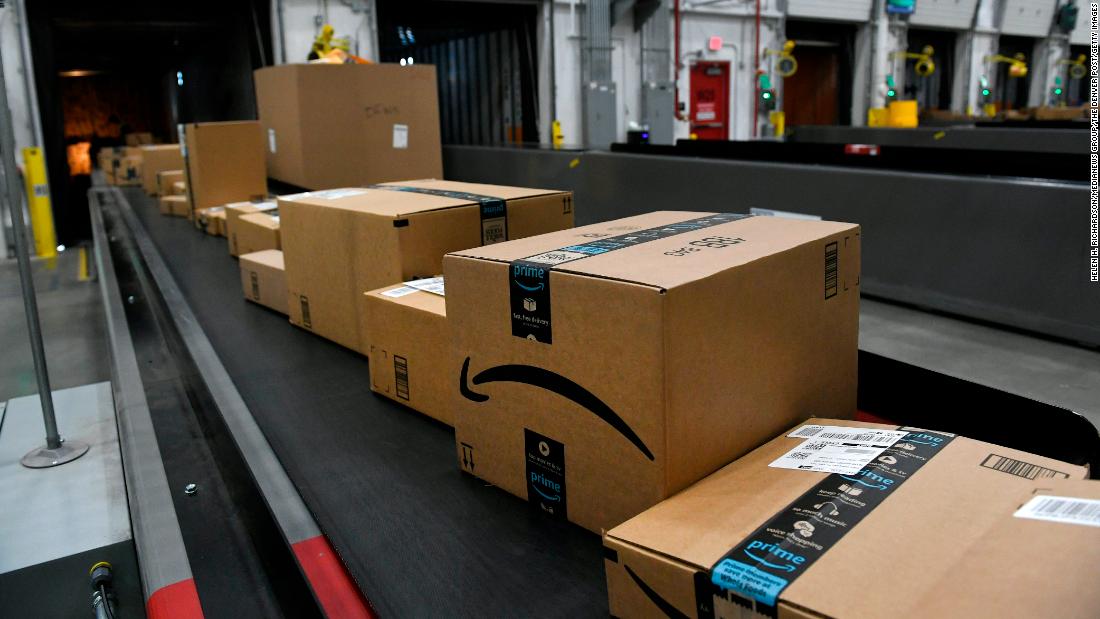
Cardboard boxes that have been used for generations and thrived in the age of e-commerce continue to flourish or could the cardboard box be facing a new challenger? Cardboard boxes are a very big deal within the U.S. The United States is the Saudi Arabia of trees. Someone’s going to make the first box and that’s almost inevitably a mill generally in the Southeast United States. China certainly doesn’t have trees and India the extent they do have trees they’re not necessarily the right types of trees and shouldn’t be dedicated towards making boxes for us. The box business grew rapidly up through 1999 when the U.S. coordinated box market had its peak shipment. Starting in the early 2000s the U.S. corrugated box market faced multiple economic obstacles.

The great recession dragged on box demand and even after the recession demand continued to slow for commodity like soda and for the boxes that transport them. The move to digital devices also coincided with a drop in demand for copy paper and newsprint. But box makers found a grace in e-commerce sales and Amazon sale specifically which were growing at mostly integer rates within the recession and post-recession years. Those e-commerce sales have become a significant market for the containerboard industry. In 2018 told a U.S. e-commerce sales were estimated to be $512 billion almost 50 percent higher than in 2015. Amazon captured 48 percent of those sales. Most estimates are that e-commerce accounts for about 10 percent of the U.S. box market. Amazon accounts for close to 5 percent of U.S. box demand. By our estimates they are clearly the single largest box user in the US. International Paper with a third of the market I think does closer to 50 percent of all the amazon boxes evidently they got a bit more share than perhaps some of the smaller players.

Amazon's incredible, vanishing cardboard box - CNN

Amazon said they deal with most of the big box makers across the U.S. according to analysts. Those manufacturers include International Paper, WestRock, Packaging Corporation of America and Georgia-Pacific. Some investors were turning to these companies as a way to invest in the e-commerce giant without having to purchase Amazon’s pricey stock. People didn’t really start talking about buying International Paper or WestRock as a secondary investment in Amazon till about the last five years. Despite the boost from e-commerce sales the box business still isn’t growing all that much. And since 2018 their stocks have mostly underperformed the S&P 500. In 2018, 69 percent of International Papers total revenue came from the box business and that sales volume has been mostly flat for the past five years. Although the big producers sold less boxes in 2018 than in 2000, industry consolidation has dramatically narrowed the fields.

The handful of big players remaining are based in Memphis, Tennessee, Atlanta, Georgia and Lake Forest, Illinois. Analysts have told CNBC that substantial industry mergers have made it easier to collectively hike prices and those price increases have helped drive revenue. There are portions of the business that are in indisputable secular decline but if you’re in the brown part of the business, making these boxes, that’s been some very welcome growth. But those extra boxes piling up on people’s doorsteps have led to a backlash from disgruntled customers who are sick of receiving golf ball sized products in supersized boxes. It used to be that you’d order a toothbrush and it would come in three giant boxes and you’d say to yourself, what is this? Well, Amazon is trying to rectify that by using fewer boxes and using other types of packaging where appropriate. With e-commerce packaging underfire Amazon decided to change the way they do shipping. In 2008, Amazon introduced the Frustration Free Packaging program. It aims to reduce the extra packaging created when retail packaged products are placed inside Amazon boxes to be shipped. Instead, products certified in the program that are roughly the size of a blender or larger need to be packaged in their own ready to ship boxes. And those boxes also need to be made of 100 percent recyclable materials. For customers that means that the packaging is easy to recycle and the box is easy to open without all the excess packaging materials.

Use That Pile of Empty Amazon Boxes to Do Something Wonderful ...

Amazon offered vendors an incentive of a dollar per shipment to modify their packaging. And starting August 1st 2019 Amazon is charging a $1.99 penalty for each product shipped that needs to be reboxed. And basically the point of this deadline is for Amazon to get out of the business of packaging. They want their vendors to send them boxes that Amazon doesn’t have to touch or rebox. Over the last two years we have invented two different kinds of flexible mailers. One is the blue and white all plastic mailer. We’ve recently launched in the last six, eight months a paper padded mailer that’s actually fully recyclable with the paper stream. Amazon said they made about 10 million shipments using the paper padded mailer and depending on the month the plastic mailer is used about 20 to 30 percent of the time. So really when we come down to deciding if the product is of the size it can go on a mailer, it’s not likely to be damaged by going in the mailer, the mailer is always the better fitting option and frankly is easier for the customer to choose to recycle than breaking down a corrugate box. We’re driving in that direction for many different reasons. But those plastic mailers generally are not accepted in municipal recycling programs and you’ll need to bring them to a store that accepts plastic bags. The latest stats from the EPA show that corrugated boxes were recycled at a rate of 92 percent in 2015 while plastic bags, sacks and wraps were recycled at a rate of 13 percent in 2015.

AMAZON E-COMMERCE SELLERS, IT'S TIME TO REVIEW YOUR ADVERTISING ...

When you think about what is the greatest pain point for the consumer after having it get there safely arrive on time people are concerned about receiving something that is plastic or made a poly because of the environmental concerns. Some waste management companies say plastic packaging also causes problems for the recycling systems. Plastic mailers get caught in the recycling machinery slowing down the process and raising the costs for recyclers and sometimes contaminating entire bundles. Until Scotty on the Enterprise can beam the products from the warehouse to your living room I think Amazon’s going to be good for the corrugated business. I think there’s going to be noise I think you’re going to have challenges from time to time where people say, “Should we try and the plastic pouch?”, in the long run plastic is going to be on the wrong side of history. Because Amazon is a market leader in the U.S. e-commerce sector any move away from cardboard to plastic mailers could signal a shift for the entire industry. The corrugated box could be about to undergo a major facelift. We’re seeing some major trends among consumers and what they’re expecting from e-commerce and the first one is actually this desire for increased engagement with the package. In 2015, Amazon partnered with Universal Pictures and Illumination Entertainment to ship orders in bright yellow delivery boxes featuring cartoon characters from the movie Minions. The boxes promoting the movie and a special Amazon U.R.L. dedicated to shopping for merchandise from the film.