In ancient roman period there existed a practice about which few know today. The businessmen and other influential people acted as patrons for painters and writers in return of something which required more than their artistry. They acted as ‘Anteambulo’. The term literally translates to ‘clearing the path’. The artists had the responsibility to walk in front of their patrons, communicating messages and finding directions for them. It was like a give and take relation wherein the artists got the necessities of life and patrons for their work. On the other hand, the influential businessmen got artists to clear the path for them.
So, why am I narrating such an ancient practice in this article?
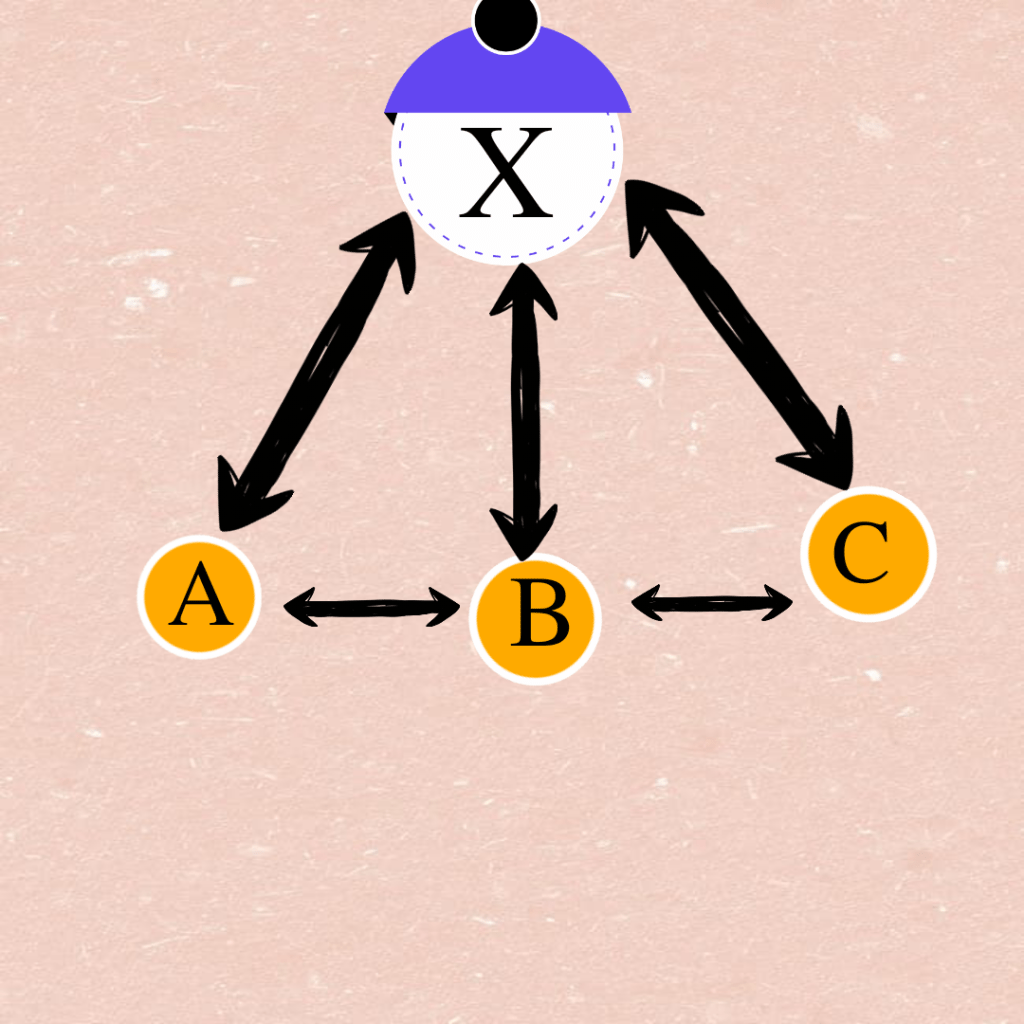
Leading requires a habit of following. A leader with no experience is actually, more inferior than a follower. Referring to the practice of Anteambulo, it was the artist who had to clear the path for his patron. It can be seen in two perspectives:
•The egoistic approach: Serving someone by finding paths for them may sound rude . An artist may go on to describe the practice as biased and discriminatory and may despite the upper castes in his works. But while he does that, he forgets how, because of his patron, he was able to bring his views and arts to life and to the people.
• The humble approach: Clearing the path for someone else may equal to serving someone but while clearing the path and finding directions( both physical and philosophical) for your superior you makes it easy for the master to flourish which in turn provides you with your necessities of life and your art AND you learn where to go, what to avoid, the right method and the right direction as you have been giving directions to the patron. Clearing the path for yourself becomes easy and crystal clear. The point of the approach is, when a master flourishes, so does the follower.
What is the significance of ‘Anteambulo’ in today’s world?
Its endless. In today’s world where ego dominates every other person, the theory of Anteambulo acts like a lesson. Who even likes their bosses and seniors at work? They seem so bossy to most. It hurts your image of yourself. You end up asking questions to yourself and sometimes to them:
•Who are you to be so bossy? Who do you think you are?
Answer: Who do YOU think you are? You are questioning to someone superior who knows what they are doing and who definitely know who they are. They struggled to be there. But who are YOU? Your high grades? Your skills? Your beauty? Your ‘idea’ of yourself? No. Sometimes all we know or all we ‘think’ we know is too less or too wrong.
You are your patience, your curiosity, your morals, your determination, your action and above all, your humility. Every person born till date was blessed with humility and polluted with ego. They either cleaned it up or set up more factories in themselves.
• Its him/her who benefits out of my hard work! He won’t give me credit so I will not do the work either. Why should I?
Answer: Because it’s not about the credit, its about the learning. Using the ‘I loose so he looses too’ formula will make you the biggest looser. Ryan Holiday refers to this practice as the ‘Canvas Strategy‘. In Ryan Holiday’s words, ‘Find canvas for other people to paint on’ . And definitely, not ask credits for finding the canvas but learn from what and how the other paints. Push someone who is really good at doing something so that they can do better and you can learn from them. When you start with a new job or a course or when you’re training for some new sports, you have no knowledge of it. Even If you do, its not enough. Knowing theoretical knowledge and gaining practical knowledge together, makes you grow. In order to gain practical knowledge, you need to observe, learn and look up to someone who is better than you. Being an Anteambulo is never wrong.
Have you ever helped someone without expectations? Just for the sake of helping?
Then, congratulations. You are an Anteambulo too.
Helping someone out of a problem or just listening to one’s problems can make wonders. The other person may feel better, get back their hope or something even better….they may be the better version of themselves! After all it is the small things that make big changes. Observe them. See how your advices, how your love for them makes them grow. With time, you may learn to solve problems with ease. That will be a lesson. A learning. Being the Anteambulo and bringing up better work and new ideas to your seniors,boss,friend,teacher or coach may assist them in doing the best in new ways and you may too, in the process, learn how to make use of these new ideas in a similar way to succeed.
Don’t run for the credit but for the knowledge. Every learner is a leader.
Communication can make or break your efforts to connect with your team, manage and coordinate initiatives, and build trust within your organization. Great pioneers speak with a worker first focal point. They communicate based on the needs and preferences of their team members and seek to listen to and understand the employee experience.
2.Have a dream for what’s to come/have a vision
Vision gives center, inspiration, and course to travel through change and snags. Great pioneers have a reasonable vision and can express the way ahead to their group. Leaders ought to have the option to interface the work on the ground to the master plan and give the explanation for all that they do.
3. Understanding what others want
For dealing with agroup one should understand what sorts of jobs are reasonable for every single individual from the group. The pioneer ought to have the capacity to use every individuals potential to the most extreme. Each colleague ought to have singular objectives fell down from a solitary Goal and vision of the group. Colleagues accordingly feel that their commitments are significant in accomplishing the goal/Goal.
4.Consider themselves responsible
Great pioneers consider themselves responsible and are continually attempting to improve and advance. They are perpetually discontent with business as usual. Responsibility and consistent improvement require a guarantee to looking for and following up on criticism, gaining from errors, and course remedying.
5.Show appreciation
A grateful pioneer is an powerful pioneer. Appreciation brings positive collaborations and association, expands commitment, and fabricates flexibility. Grateful leaders comprehend that achievement is a collaboration and they make a point to perceive the work and commitments of their group.
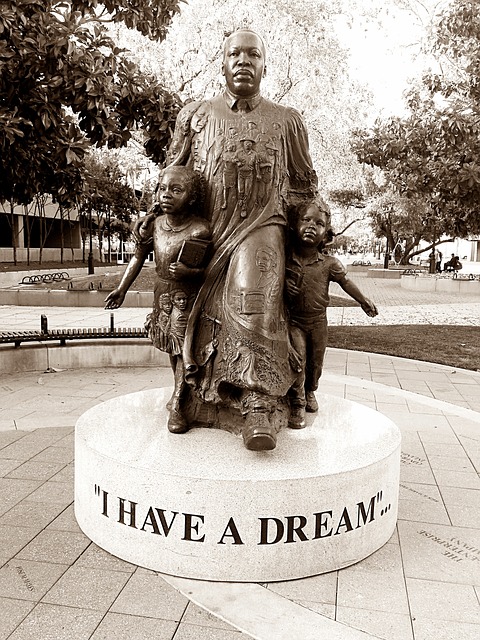
Awards And Honors: Grammy Award (1970) Nobel Prize (1964)Notable Works: “I Have A Dream”
Occupation – Baptist, minister,activist
Known for – Civil rights movement, Peace movement
Awards – Nobel Peace Prize (1964) Presidential Medal of Freedom (posthumously, 1977) Congressional Gold Medal (posthumously, 2004)
About his Life:
There are people who are able to defeat the ravages of the eternal enemy-time and continue to live on in the minds of men, There are a select few who challenge the limitations of a system that fails to deliver justice. Men like Martin Luther King Jr are soldiers of God who do not care for the consequences when it comes to fighting for the truth. King was born on 15 January 1929, at Atlanta and died on 4 April 1968, at Memphis. Not a very long life, but what he achieved during this time is enviable. Few men reach such dazzling heights of spiritual success even in several lives.
King was a US civil rights leader. The son and grandson of Baptist teachers, King was deeply influenced by the idea of non-violence while in college. The influence of Mahatma Gandhi was obvious. Ordained a Baptist minister himself in 1954, he became pastor of a church in Montgomery. University. He was elected to head the Montgomery Improvement Association whose boycott efforts eventually ended the city’s policies of racial discrimination on public transportation. 1955, he received a doctorate from Boston University. He was elected to head the Montgomery improvement association whose boycott efforts eventually ended the city’s policies of racial discrimination on public transportation.
History:
In 1957, he formed the Southern Christian Leadership Conference and began lecturing nationwide, urging active non-violence to achieve civil rights for African Americans. In 1960, he was back in Atlanta to become co-pastor of Ebenezer Baptist Church with his father.
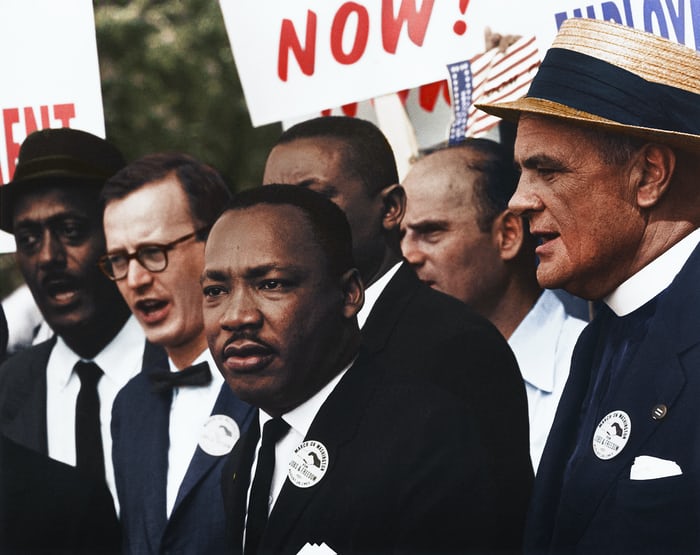
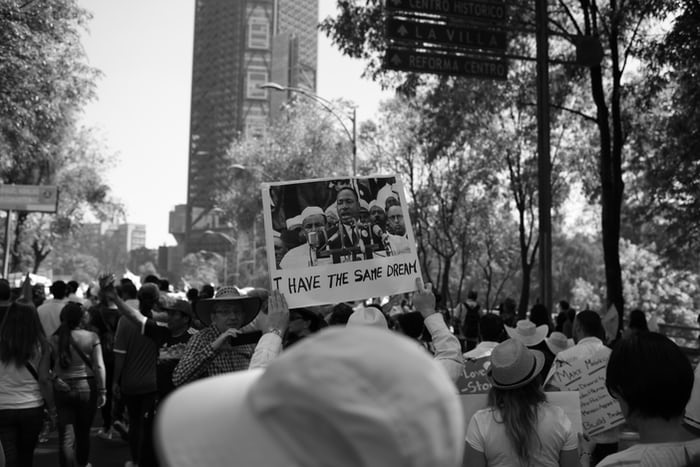
He was arrested and jailed for protesting segregation at a lunch counter. The case drew national attention and none other than the then presidential candidate, John F Kennedy, had to intercede to obtain his release. In 1963 King helped organise the March on Washington, an assembly of more than 200,000 protestors, at which he made his famous ‘I have a dream’ speech. This powerful and moving speech celebrates humanity as one big family where being human is more important than being black or white. The march influenced the passage of the Civil Rights Act of 1964. King was awarded the 1964 Nobel Prize for Peace.
In 1965, he was criticised from within the civil-rights movement for yielding to state troopers at a march in Selma and for failing in the effort to change Chicago’s housing segregation policies. Thereafter, he broadened his advocacy, addressing the plight of the poor of all races and opposing the Vietnam War. In 1968, he went to Memphis to support a strike by sanitation workers. There, on April 4, he was assassinated by James Earl Ray. A U.S. national holiday is celebrated in King’s honour on the third Monday of January in the USA. King, like Gandhi, was a gentle yet powerful prophet of a non- violent revolution who sacrificed his life for his principles. King lives through his work and words in the hearts of millions, and his untiring zeal to achieve justice motivates individuals to keep trying. The kind of following King has today undoubtedly makes us feel, ‘when one is willing, the Gods join in’. (Aeschylus).
MK day:After years of campaigning by activists, members of Congress and Coretta Scott King, among others, in 1983 President Ronald Reagan signed a bill creating a U.S. federal holiday in honor of King.Observed on the third Monday of January, Martin Luther King Day was first celebrated in 1986.
Assassination of Martin Luther King:
The events in Selma deepened a growing rift between Martin Luther King, Jr. and young radicals who repudiated his nonviolent methods and commitment to working within the established political framework.
As more militant Black leaders such as Stokely Carmichael rose to prominence, King broadened the scope of his activism to address issues such as the Vietnam War and poverty among Americans of all races. In 1967, King and the SCLC embarked on an ambitious program known as the Poor People’s Campaign, which was to include a massive march on the capital.
On the evening of April 4, 1968, Martin Luther King was assassinated. He was fatally shot while standing on the balcony of a motel in Memphis, where King had traveled to support a sanitation workers’ strike. In the wake of his death, a wave of riots swept major cities across the country, while President Johnson declared a national day of mourning.
James Earl Ray, an escaped convict and known racist, pleaded guilty to the murder and was sentenced to 99 years in prison. He later recanted his confession and gained some unlikely advocates, including members of the King family, before his death in 1998.
Martin Luther king Jr. Quotes:
“The ultimate measure of a man is not where he stands in moments of comfort and convenience, but where he stands at times of challenge and controversy.”
“Freedom is never voluntarily given by the oppressor; it must be demanded by the oppressed.”
“The time is always right to do what is right.”
“True peace is not merely the absence of tension; it is the presence of justice.”
“Our lives begin to end the day we become silent about things that matter.”
“Free at last, Free at last, Thank God almighty we are free at last.”
“Faith is taking the first step even when you don’t see the whole staircase.”
“In the end, we will remember not the words of our enemies, but the silence of our friends.”
“I believe that unarmed truth and unconditional love will have the final word in reality. This is why right, temporarily defeated, is stronger than evil triumphant.”
“I have decided to stick with love. Hate is too great a burden to bear.”
“Be a bush if you can’t be a tree. If you can’t be a highway, just be a trail. If you can’t be a sun, be a star. For it isn’t by size that you win or fail. Be the best of whatever you are.”
ELON MUSK, the famous and most successful person in the tech world, who played many roles and faced many struggles to become what he is today. Elon Musk was born and raised in South Africa.
We all know him as an entrepreneur, businessman, CEO of Tesla and spacex, but he is also a skilled investor, software developer, designer, inventor, rocket scientist, actor, film producer, one of the richest man in the world.
During his school days, he was a victim of severe bullying. At the age of 12, he created a video game(blaster) and sold it to a computer magazine. Elon Musk is the founder of X.com (later it became paypal), spacex, Tesla motors.
Recently Elon Musk turned 50, over the past decades Musk managed to become CEO of Tesla and spacex, founder of the boring company, co-founder of OpenAI, Neuralink. He also played a vital role in space rockets, electric cars, solar batteries.
“”Failure is a option here, if things are not failing then you are not innovative enough.””. – Elon Musk
“” I think it’s possible for ordinary people to choose to be extraordinary.”” –Elon Musk
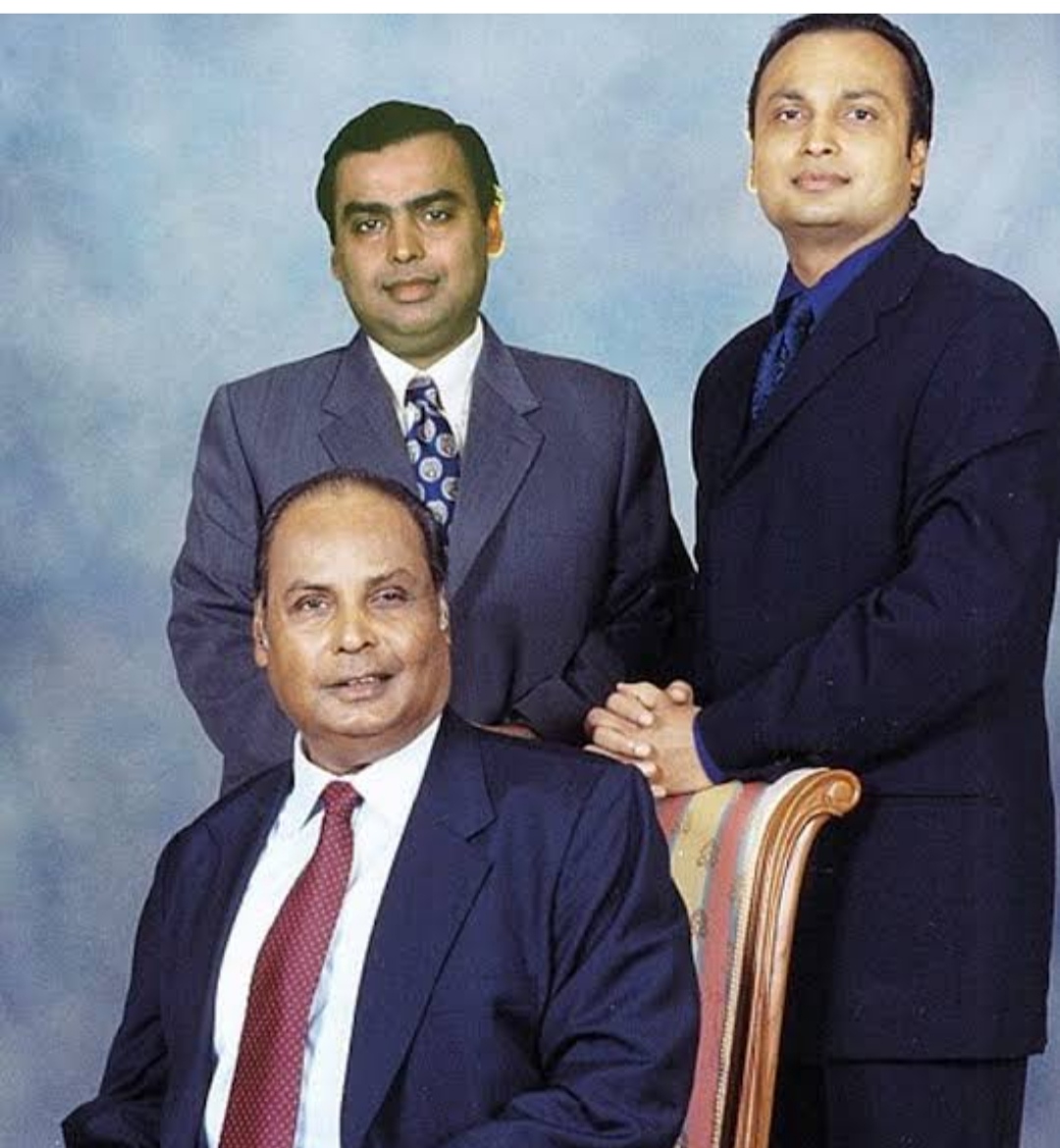
Dhirajlal Hirachand Ambani, popularly known as Dhirubhai Ambani. He is the father of Mukesh Ambani and Anil Ambani
Dhirubhai Ambani was a successful Indian business tycoon who founded Reliance Industries.
Dhirubhai Ambani,Indian industrialist,the founder of Reliance Industries, a giant petrochemicals, communications, power, and textiles.
Reliance is the biggest exporter in India and the first privately owned Indian company.
Dhirubhai Ambani passed away in 2002, before his death itself in 1980’s he handover the reliance corporation to his sons Mukesh Ambani and Anil Ambani.
Reliance Power Limited (R-power), formerly known as Reliance Energy Generation Limited (REGL) is a part of the reliance Anil Ambani Group. It was established to develop, construct, operate and maintain power projects in the Indian and international markets.
Mukesh Ambani runs Reliance industries which has interests in petrochemicals, oil and gas, telecom and retail.
Reliance industries limited, diverse businesses include petrochemicals, natural gas,retail, telecommunications,mass media and textiles. Reliance is one of the most profitable companies in India.
Reliance’s Mukesh Ambani and Nita Ambani are the owners of the second most expensive home in the World, ANTILIA, Mumbai.
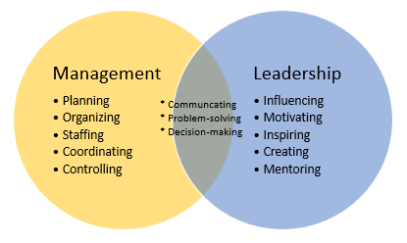
Leadership is the ability to motivate a group to focus on a particular goal to achieve it. In an organisation, managers have a right to do managerial task and not all managers have ability to lead effectively. Leader is an important person he can manage tasks as well as influence or motivate other members to achieve the goal.
Importance of Leadership
Commencement of work: Leader initiates or starts the work by explaining plans and regulations to subordinates who all are working together in a team.
Counselling: It is the duty of leader not to only supervise his subordinates but also counsel and guide them about their work, so that they can perform their work effectively and efficiently.
Motivation: Leader also plays a role of motivator. He motivates his subordinates by giving then opportunities and rewards based on their performance.
Developing confidence: It is important for every employee to be confident about their work, and leader is the person who can boost their confidence by encouraging them.
Coordination: For achieving any organisational goal, coordination is very important amongst employees and leader can maintain synchronisation through effective coordination.
Establish work environment: In every organisation it is important to maintain effective work environment. Employees are human resource for any organisation, it is necessary that leader should have personal contact with every subordinate and listen their concerns.
Qualities of leaders
A leader has special or unique trait which distinguish them from others. There are various qualities in a leader which enhances his work ability and which effectively motivates other to work hard.
Neutral: Leader should be neutral towards every individual. He should not be bias on any basis towards his subordinates, rather be logical and make fair decision.
Physical Characteristics: Physical appearance is important for every leader. Physique and health are necessary for leader so that subordinates can focus on what he wants to convey.
Communication ability: Good leader must have this quality because communication is the way to explain what he wants from his subordinates. With good communication skills leader can explain the policies and procedure to subordinates easily.
Responsible: Leader must be responsible towards his authority then only he can maximize his skills and capabilities in performing his role. Before motivating others he should himself feel motivated and give his best in performing each task.
Intelligence: Leader must be intelligent along with responsible then only he can find out solution for every problem faced by a team and he can analyze the advantages and disadvantages of a situation arise in an organization.
Leadership Styles
Leadership style is a way or attribute in which leader works in a group with other group member or perform in a team. There are various leadership styles which prevail in an organization:
Authoritarian Leadership
In this type of leadership, autocratic leader have full authority and responsibility of the work. He gives instructions and explains duties to his subordinates without consulting with them. He holds the power and has authority of decision making. This style of leadership has negative effect as leader himself takes all decisions, and doesn’t concern for his subordinates opinion. In autocratic leadership, less time is consumed in taking action because here leader is the one person who decides, give orders and employees do work accordingly. But somewhere, it have a negative impact on employees because may be they feel that their opinions and suggestions are of no use. Basically, in this type of leadership there is no delegation of authority by leader.
Autocratic Leadership
2. Democratic Leadership
In this type of leadership, leader includes every individual in decision making process or any policy formulation. He consults with his subordinate before taking any decision and let them influence his decision sometimes as per the requirements of management. He decentralise his authority by doing so. Leader himself forces his subordinates to give their input or ideas which will be beneficial for the management. It also helps in boosting morale or motivating employees, they feel that their participation is also important in decision-making process.
Democratic Leadership
3. Free-rein Leadership
This style of leadership is different from above two style of leadership in many ways. Here, leader delegate his responsibility to subordinates for decision making and he himself doesn’t intervene. He gives no order or direction to his subordinates and permits the group to work as per their opinion or ideas. He wants that each individual gives his best and take all efforts to achieve the set goals.
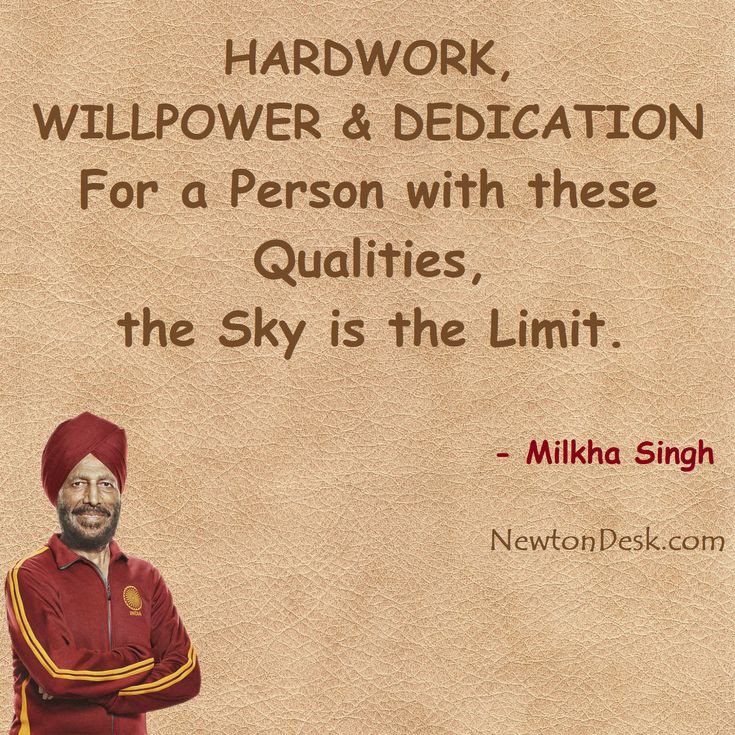
I was moved to tears by the thought that from being nobody the night before, I had become somebody.
– Milkha Singh
The beginning
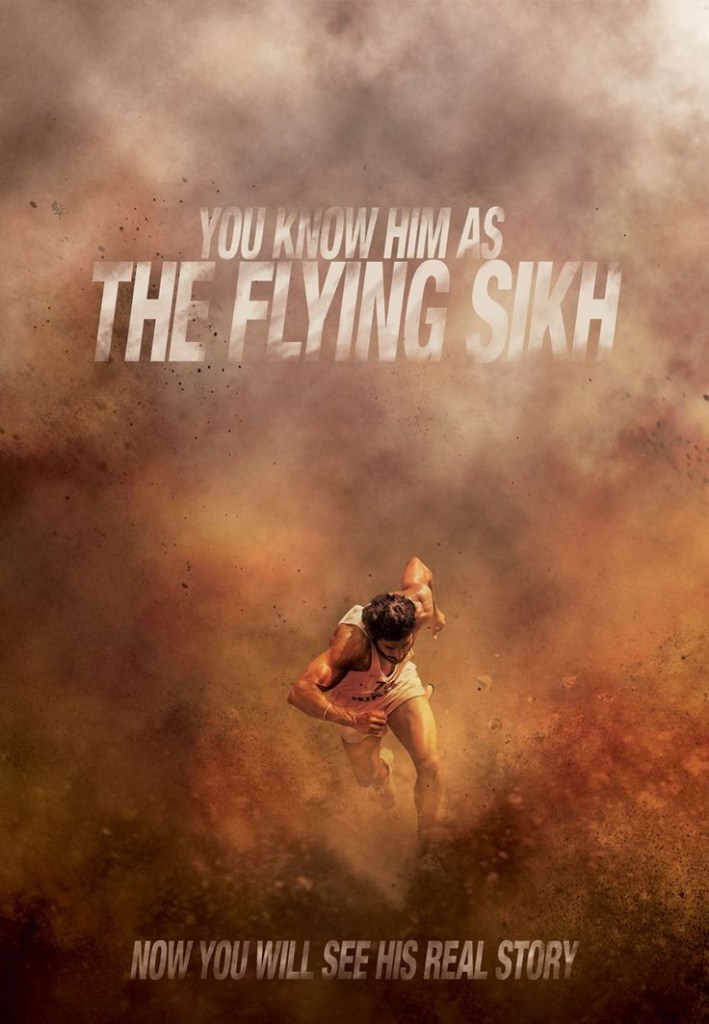
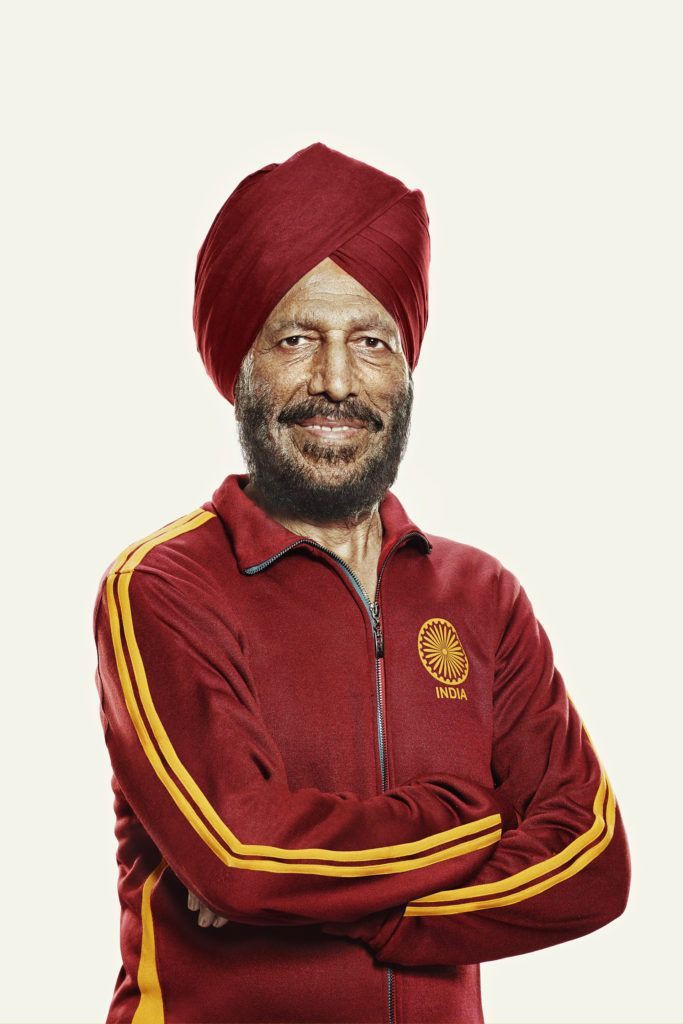
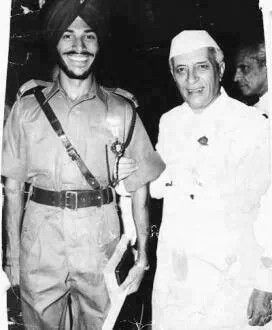
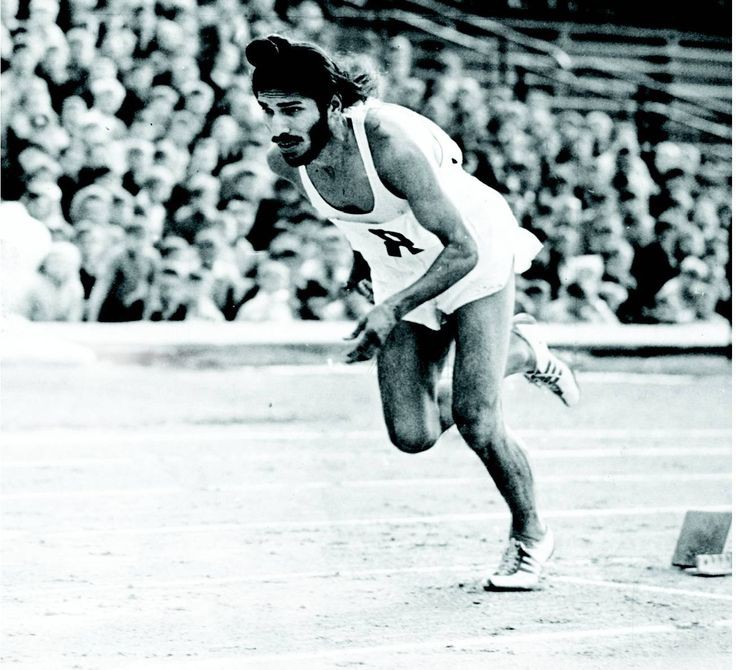
He was an athlete , an army officer and a proud citizen . He won for his motherland and inspired many . Yes , he was an inspiration and served for his nation .
He was born in November 20,1929 in Govindpura , Punjab ( present – Punjab , Pakistan ) . He was one of his 15 siblings from whom 8 died during the partition . In early age , he moved to Delhi , India in 1947 .
He wasn’t interested in army or becoming one but wanted to prove himself and others that he can be the one . It was his forth attempt when he gained access and introduced to the athletic later .
He once said that “I came from a remote village, I didn’t know what running was, or the Olympics”. And that’s where he started his journey as an athlete .
Medal awards and Popularity
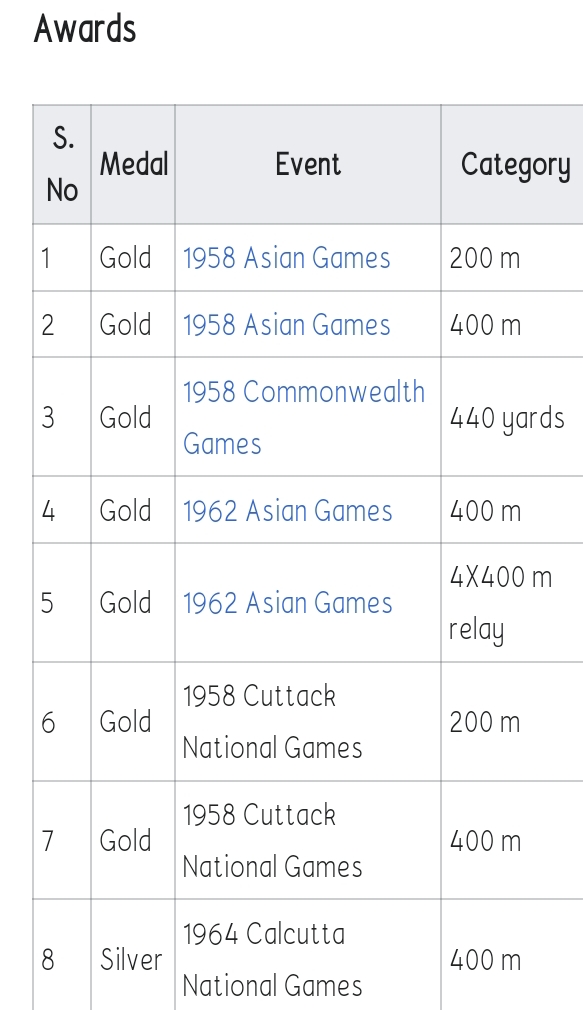
With many Olympic , National and International awards . Rather than his award Milkha Singh was quite popular in media . His powerful aura worked from sports men to the Ministry .
Later in his life he married Nirmal saini , a former captain of Indian women volleyball team and had three daughters and a son .
He became Director of sports in Punjab Ministry of Education and was awarded with Padmashri in 1959. He also turned down Arjuna award in 2001 by saying that it was to be awarded to younger atheletes rather than him.
An inspiration
As an athlete , he inspired young aspirants who want to become from Nothing to Something . He shared his ideas that before his first game he was just a runner but after he earn first postion he became Something from Nothing .
” I was moved to tears by the thought that from being nobody the night before, I had become somebody. “
-Milkha singh
He also co- wrote his biography with his daughter “THE RACE OF MY LIFE ” in 2013 . Which inspired “Bhaag Milkha Bhaag ” an autobiography film in 2013 . A trust had been founded for the poor and needy sports people in 2013 due to the recognition of film .
A day of loss
On June 18th ,2021 , we lost one of the legendary Indian icon , an ace of athlete due to the post covid – complication . “We are deeply indebted to the doctors at PGI for their valiant efforts and the love and prayers we received from across the world and from yourselves,” – statment given by his family .
PM Narendra Modi pay a tribute to MILKHA SINGH in his monthly radio program ‘Maan ki baat’ . He urged India to cheer and motivate for forthcoming Tokyo Olympics .
He said “When talking about the Olympics, how can we not remember Milkha Singh Ji. When he get hospitalized, I got a chance to speak to him, I had requested him to motivate the athletes going for Tokyo Olympics”
We lost one gem of our India but we didn’t lost his contribution to his motherland . He has given a lot and it’s our time to remember what gave to us .
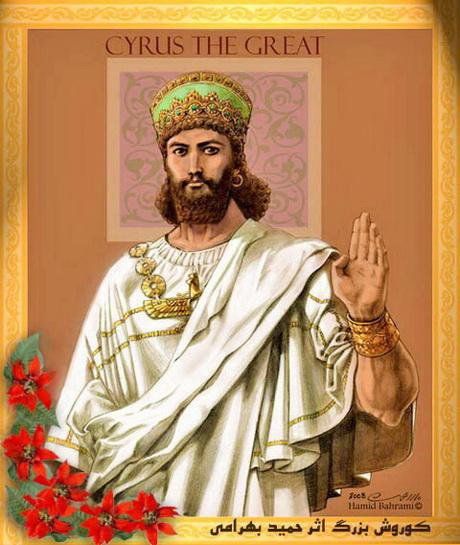
He was the founder of the Persian (Achaemenid) Empire. Cyrus conquered the empires of Media, Lydia and Babylonia, creating the first multi-ethnic state. He was admired for his tolerance of different customs and efficient and fair administration.
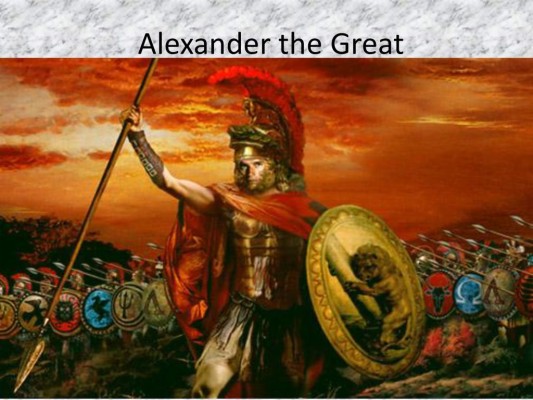
Alexander the Great (356–323 BC)
Alexander the Great
Tutored by Aristotle, the great philosopher, Alexander the Great emerged as one of the greatest military leaders. By the age of 30, Alexander had created an Empire which stretched from his Macedonian home to the Himalayas in India. Alexander became a legendary leader, even during his life, and he inspired great loyalty from his army.
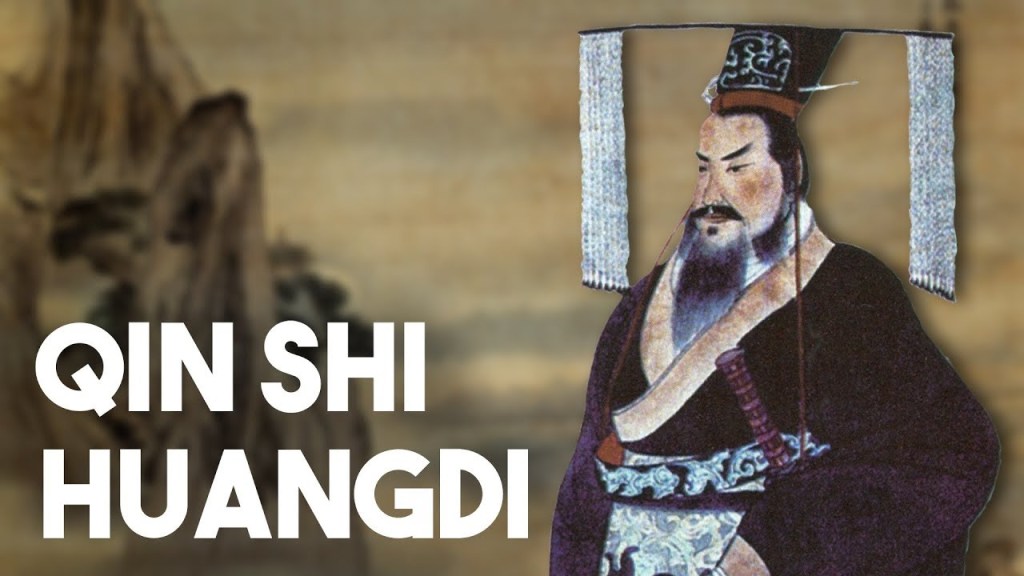
Emperor Qin Shi Huang (260–210 BC)
Emperor Qin Shi Huang
Huang led the state of Qin and conquered all warring states of China, creating the first unified state of China, which at the time was the largest Empire in the world. He also introduced a central bureaucracy with a legal framework and unified rules and regulations. Huang was ruthless in dealing with any opposition but is considered the creator of modern China.
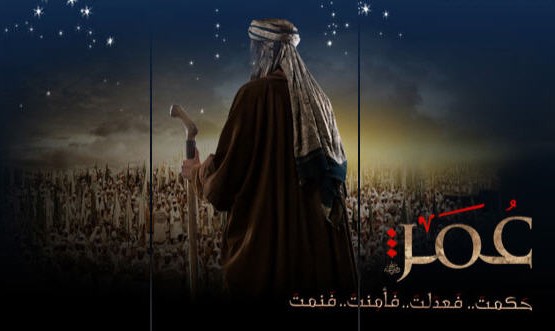
Umar Ibn Al-Khattab (586 – 684)
Umar Ibn Al-Khattab
The Second Muslim Caliph and confidant of Muhammad. Under Umar, the Rashidun Caliphate spread to Syria, Palestine, Iraq and Iran. He was influential in the spread of Arab culture and the new Muslim religion.
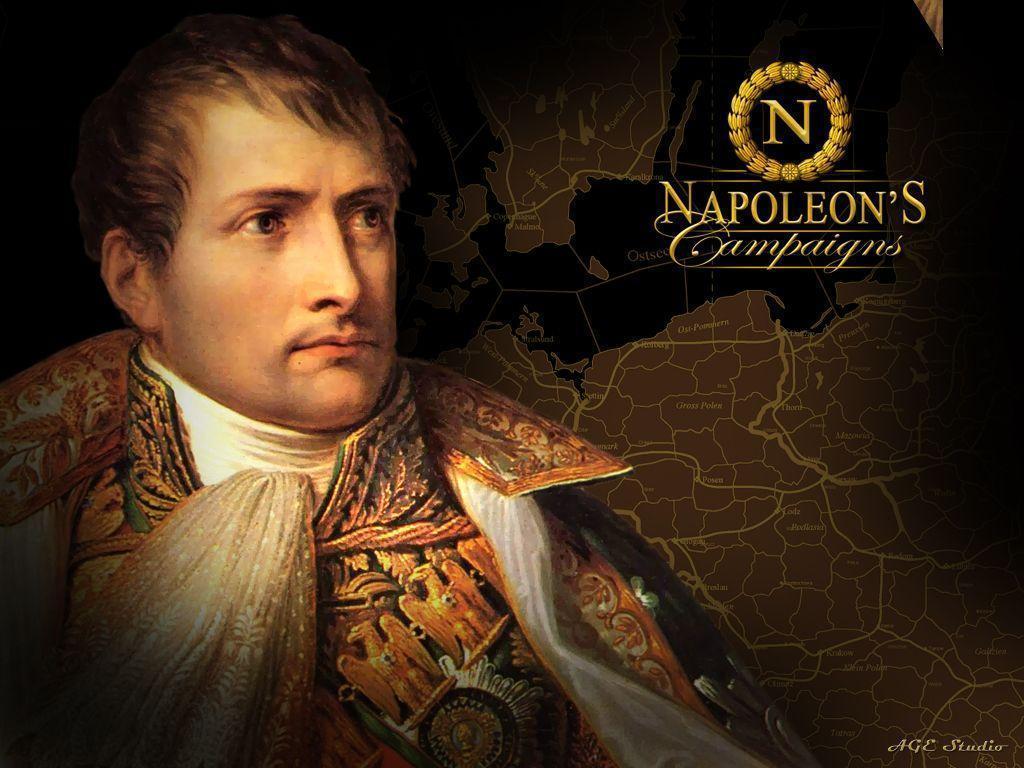
Napoleon Bonaparte (1769–1821)
NAPOLEON BONAPARTE
As Emperor of France (1804–1815), Napoleon’s forces swept across Europe. Napoleon frequently overcame numerical odds to win sweeping military victories. He established a dominion over much of Europe, changing the fate of the world.
Mikhail Gorbachev(1931– )
mikhail gorbachev
Leader of the Soviet Union(1988–1991). Gorbachev oversaw the transition from Communism to democracy in the Soviet Union and Eastern Europe and allowed the Berlin wall to come down. Gorbachev also instigated ‘Glasnost’, seeking to end restrictions on free speech and promote religious freedom. A leader who was willing to give up power, for the sake of his country and people.
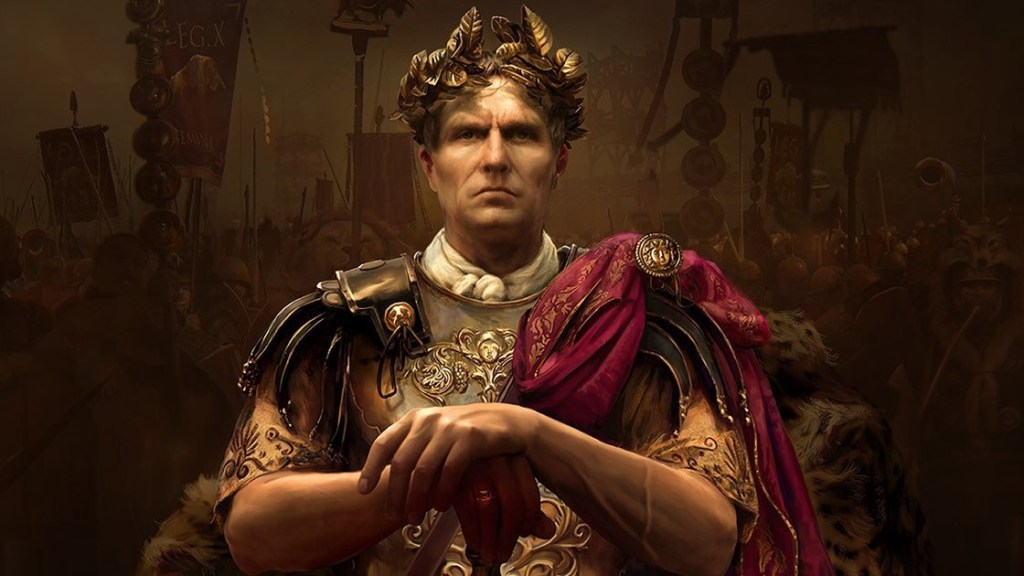
Julius Caesar (100 BC–44 BC)
Julius Caesar
Under Caesar, the Roman Empire stretched to its furthers points – crossing the Rhine and into Britain for the first time. However, Caesar oversaw the fall of the Roman Republic and the rise of the age of the Roman Emperors. Caesar’s motto: ‘ I came, I saw, I conquered’.
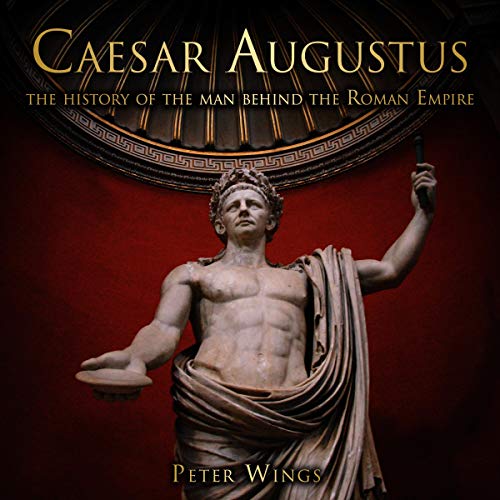
Augustus Caesar (63 BC-AD 14)
Augustus Caesar
First Emperor of Rome. Caesar (born Octavian) was one the most influential leaders in world history, setting the tone for the Roman Empire and left a profound legacy on Western civilisation.
Mahatma Gandhi (1869–1948)
Mahatma Gandhi
Gandhi was the leading political figurehead in the fight for Indian self-determination and independence. Gandhi inspired millions through his non-violent protests. Under his leadership, India gained independence, but at the cost of a separated nation, creating instead two countries: India and Pakistan. Gandhi is still revered as the father of the nation in India.
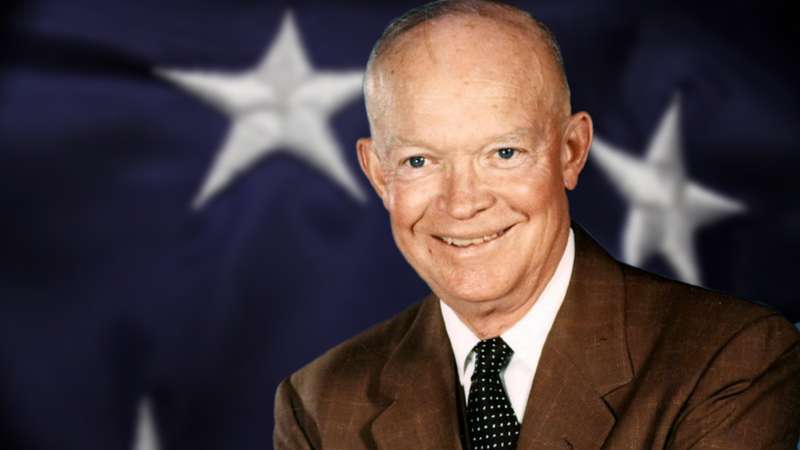
Dwight Eisenhower (1890–1969)
Dwight Eisenhower
A five-star General in the US army, Eisenhower was Supreme Allied Commander for the D-Day invasion of occupied Europe and the subsequent liberation of occupied Europe (1944–45). He led the Allied coalition to victory, smoothing over simmering tensions with great political skill. He went on to become President of the US (1952-1960).
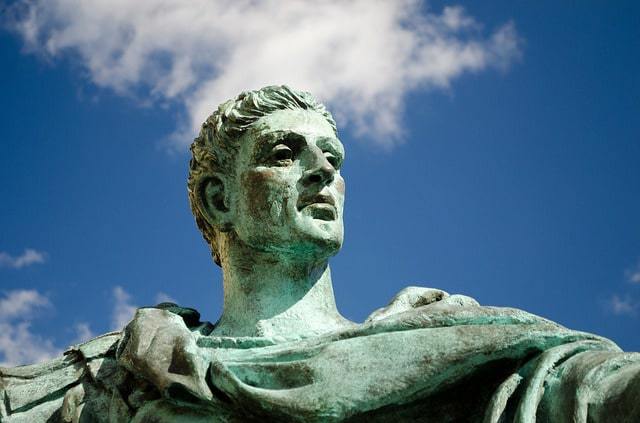
Constantine the Great (272–337)
Constantine the Great
Constantine served as Roman emperor from 306 to 337. He successfully defeated both internal rebellions and consolidated the Roman Empire defeating the Franks, Alamanni, Visigoths, and Sarmatians.
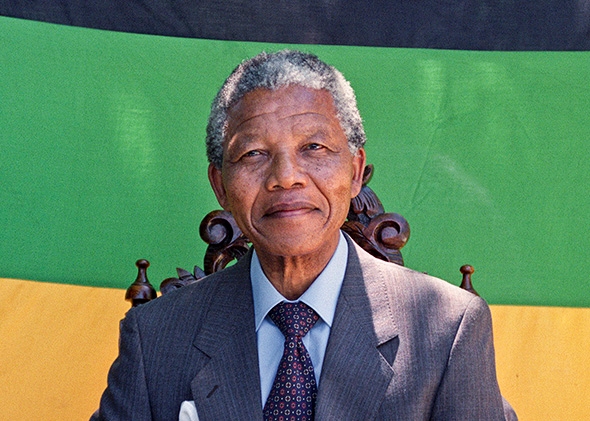
Nelson Mandela (1918–2013)
Nelson Mandela
Anti-apartheid leader. Mandela spent over twenty years in jail for his opposition to the racist apartheid system, which excluded black people from many areas of society. He was elected the first President of Democratic South Africa in 1994. Under Mandela’s leadership, he helped South Africa to emerge peacefully from its apartheid era.
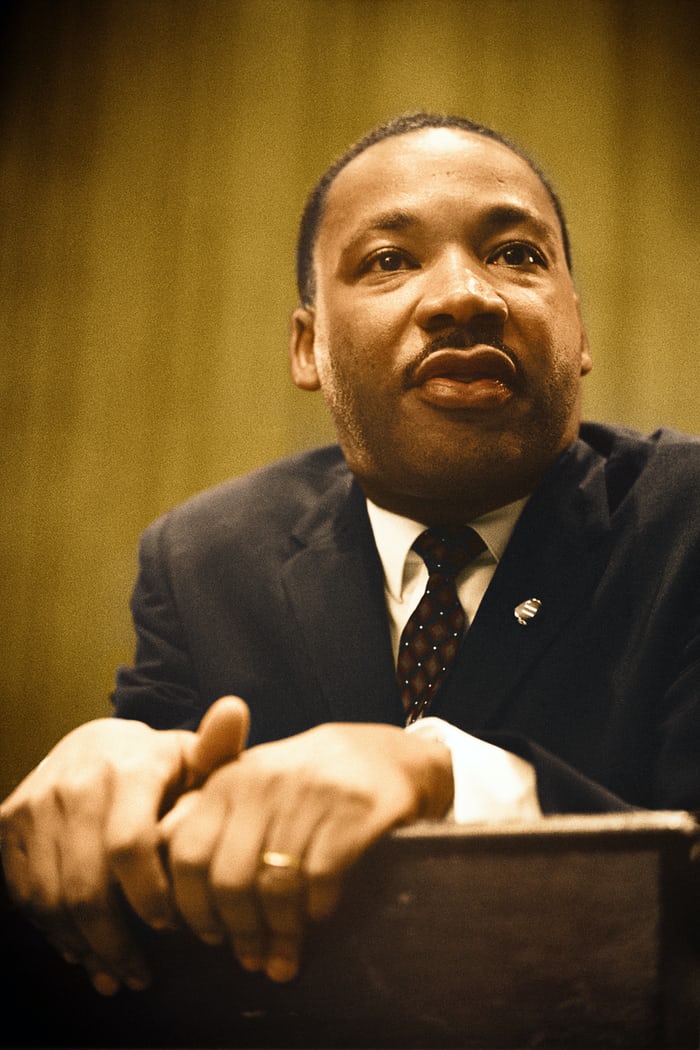
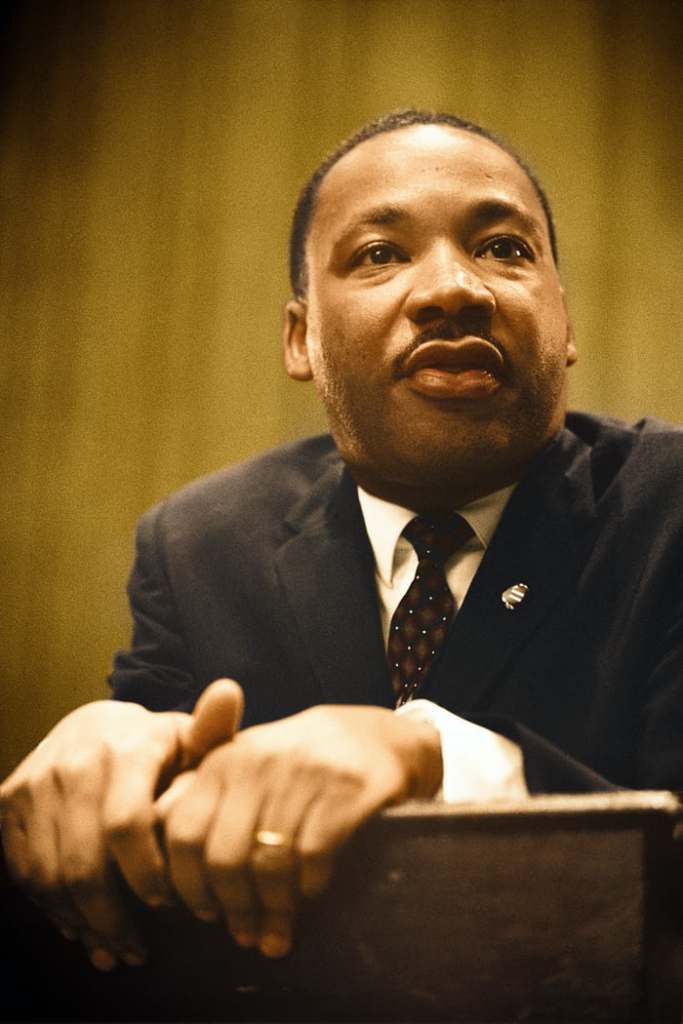
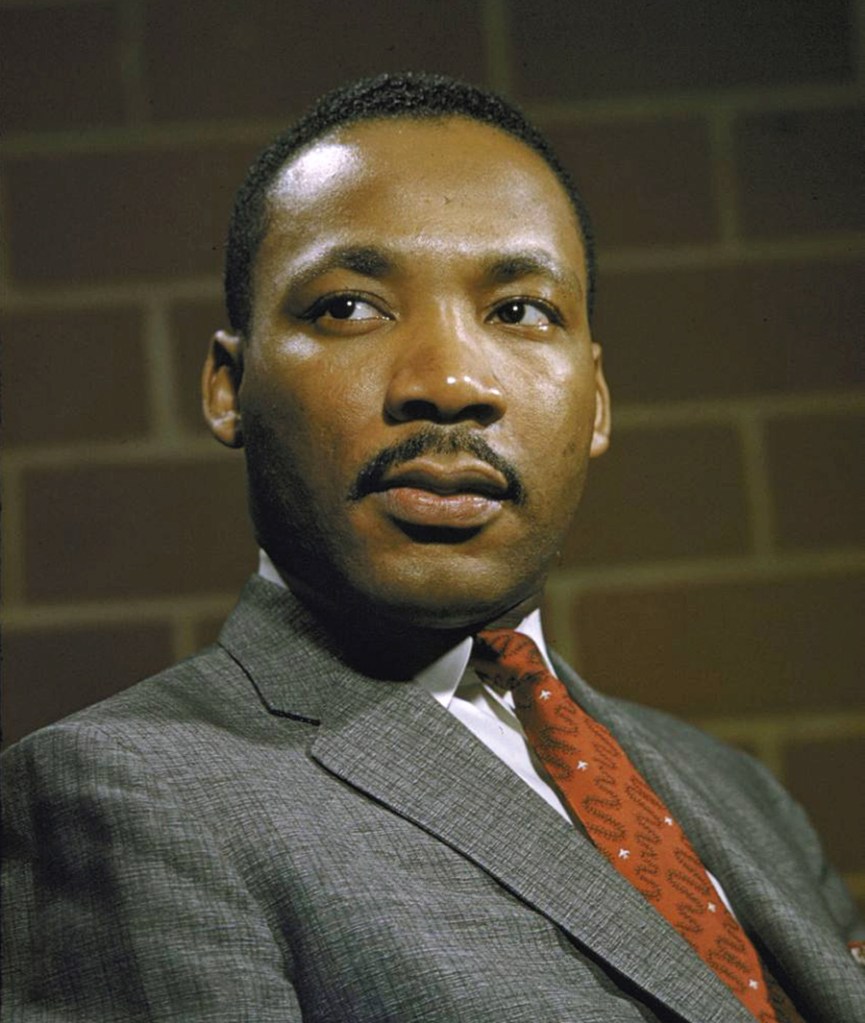
Martin Luther King (1929–1968)
Martin Luther King
Non-violent civil rights leader. He inspired the American civil rights movement to achieve greater equality within the US. Helped to organise the 1963 March on Washington, where he gave his famous ‘I have a dream’ speech.
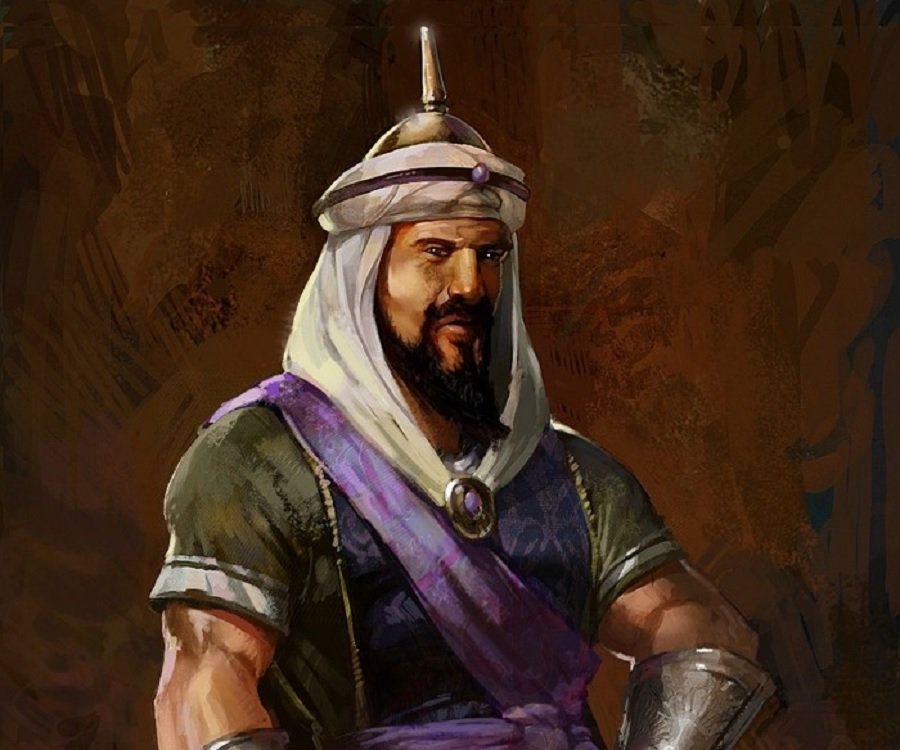
Saladin (1138–1193)
SALADIN
led the United Arab armies in Islamic opposition to Christian crusades. In 1187, he defeated the Crusader army and led the Muslim reconquest of Palestine. He earned the grudging respect of the Crusaders and King Richard I.
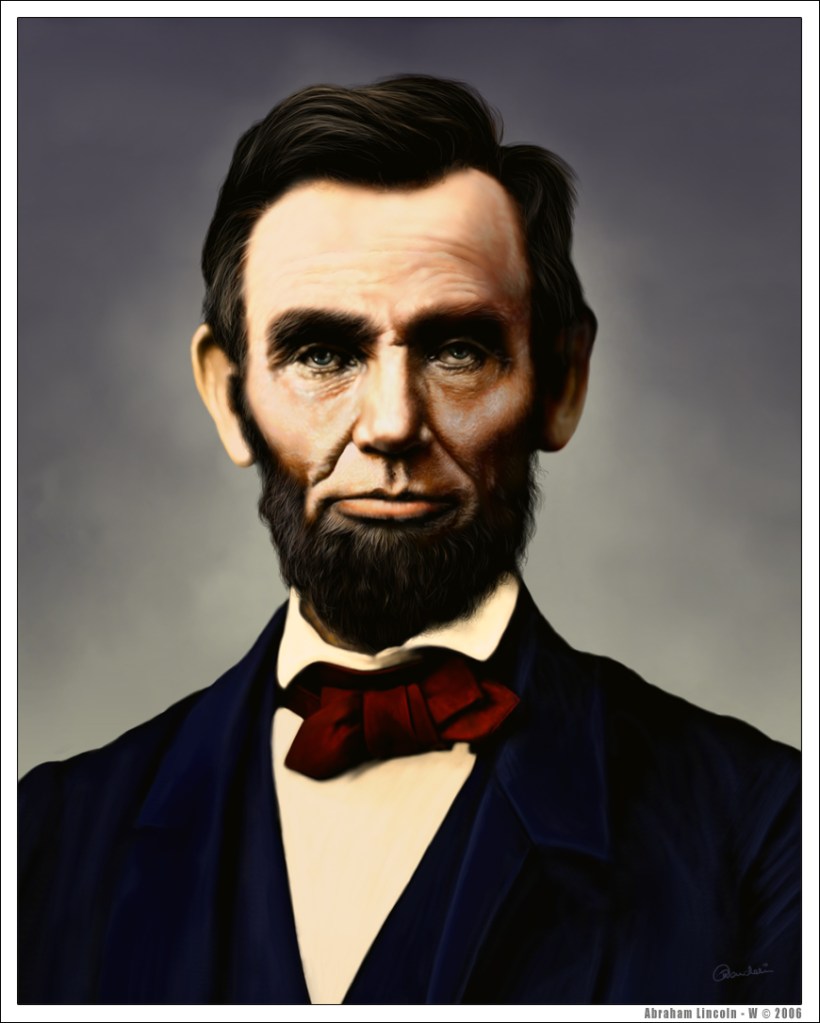
Abraham Lincoln (1809–1865)
Abraham Lincoln
Lincoln was president of the US during the American civil war. His leadership was critical in holding the Union of US states together. Towards the end of the civil war, he also pushed for the end of slavery. His speeches, such as The Gettysburg Address are still seen as some of the finest expositions of American principles.
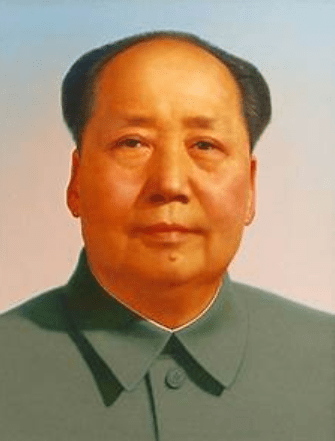
Chairman Mao (1893–1976)
Chairman Mao
Mao led the Chinese Communist party to victory during the long march and fight against the nationalists. He then maintained an iron grip on the country, through his “Cultural Revolution” of the 1960s to his death in 1976. Mao was revered by many Chinese, on pain of death or political incarceration. He is held responsible for the deaths of millions of people.
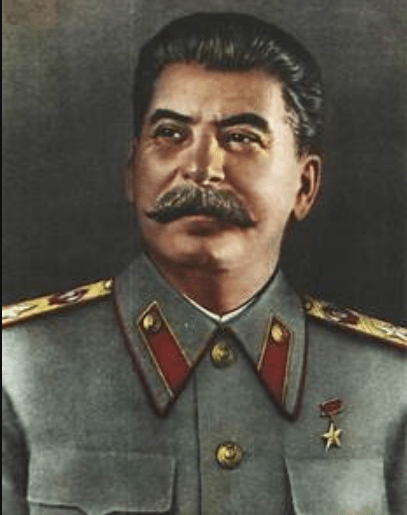
Joseph Stalin (1879–1953)
Joseph Stalin
Leader of Soviet Union, from the death of Lenin until 1953. During his leadership, he developed a strict dictatorship and frequently purged any potential rivals. During the Second World War, he was the Supreme military commander in overseeing the defence of Russia against the invading German army. He led the country in total war against the Germans.
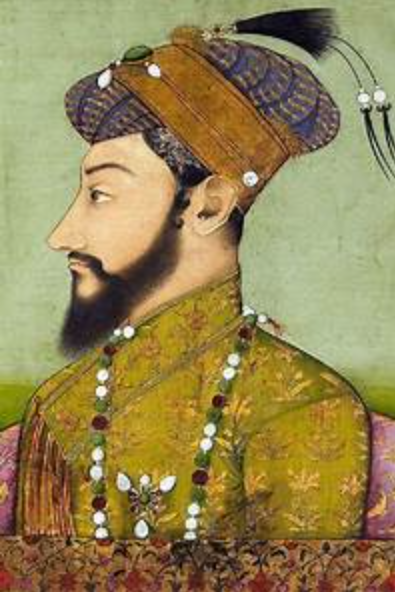
Akbar the Great (1542–1605)
Akbar the Grea
The third Moghul Emperor, Akbar consolidated his Empire across India, through a series of striking military victories. His reign saw the blossoming of the Moghul Empire as a beacon of culture and religious tolerance.
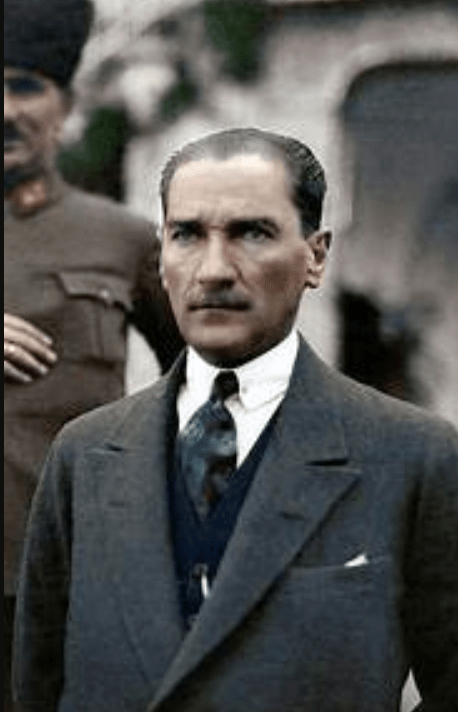
Ataturk (1881–1938)
Ataturk
Military officer in the Turkish army. Led the Turkish independence struggle and founded the Turkish Republic. Widely revered in Turkey as the father of the nation.
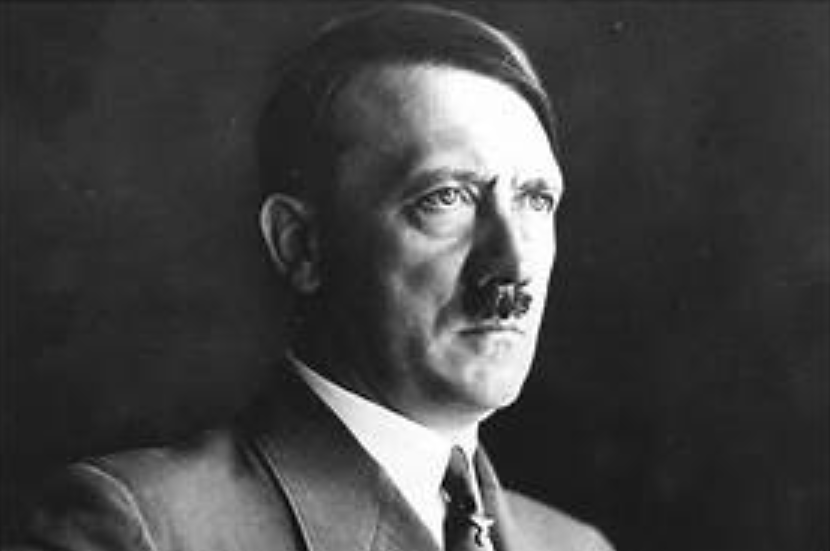
Adolf Hitler (1889–1945)
Adolf Hitler
Dictator of Nazi Germany from 1933–1945. Ordered invasion of Poland, Western Europe, North Africa and the Soviet Union. As leader, he also persecuted the Jews and other minority groups, being responsible for the deaths of more than 6 million Jews and people of other minorities.
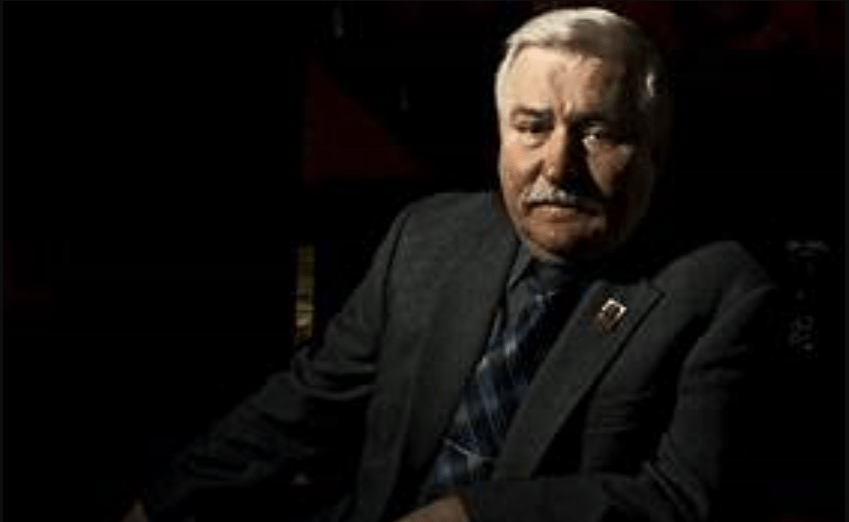
Lech Walesa (1943– )
lech walesa
Leader of the Polish Solidarity Movement, which sought to end Communist rule. Walesa became the first non-Communist President in 1991. Awarded the Nobel Peace Prize in 1983.
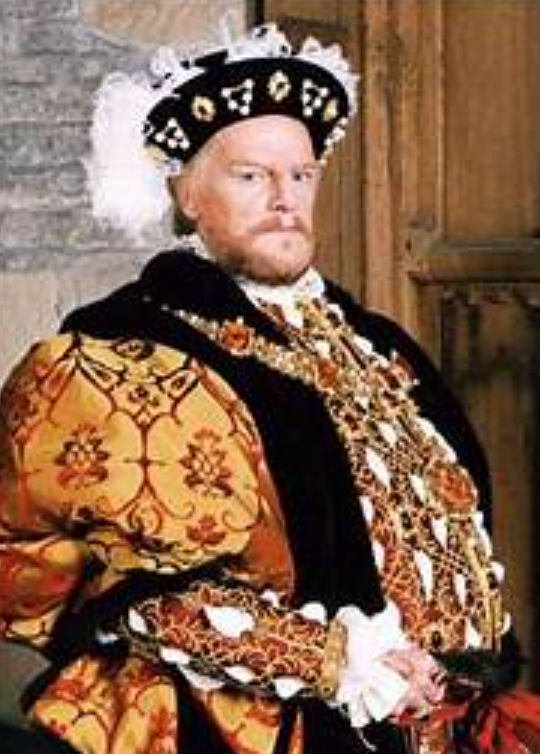
King Henry VIII(1491–1547)
King Henry VIII
He was England’s most famous and perhaps most notorious King. He had six wives, two of whom he executed. Henry VIII also split the Church of England from Rome to enable him to remarry.
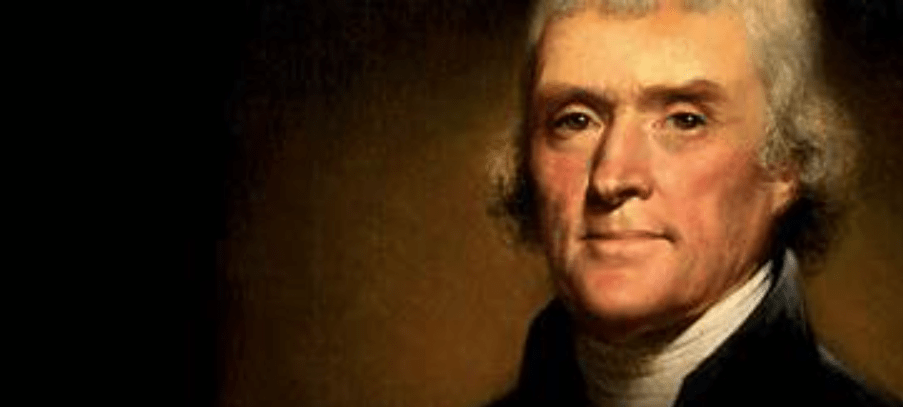
Thomas Jefferson (1743–1826)
Thomas Jefferson
He is the 3rd President of US. Principle author of the Declaration of Independence. Third President of the US from 1801–1809.
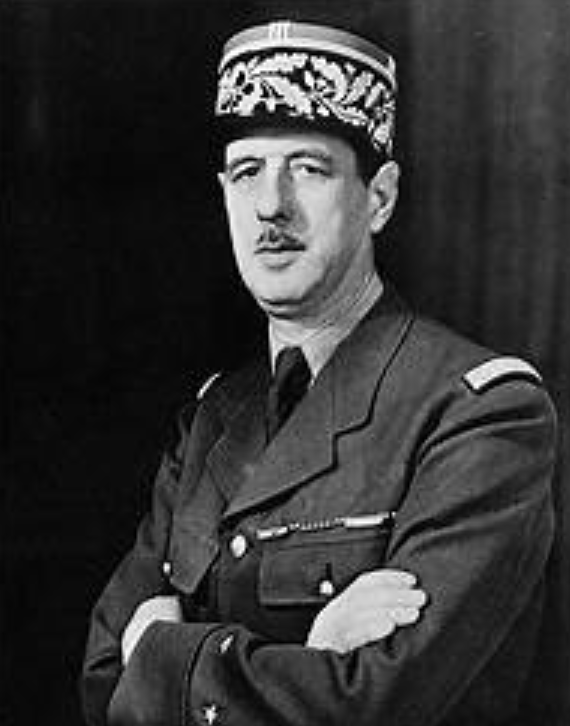
Charles de Gaulle (1890–1970)
Charles de Gaulle
French leader who offered opposition to the Nazi occupation. During the Second World War was ‘Leader of the Free French’ based in London. After the war became an influential figure in shaping France’s post-war future.
Female Leaders
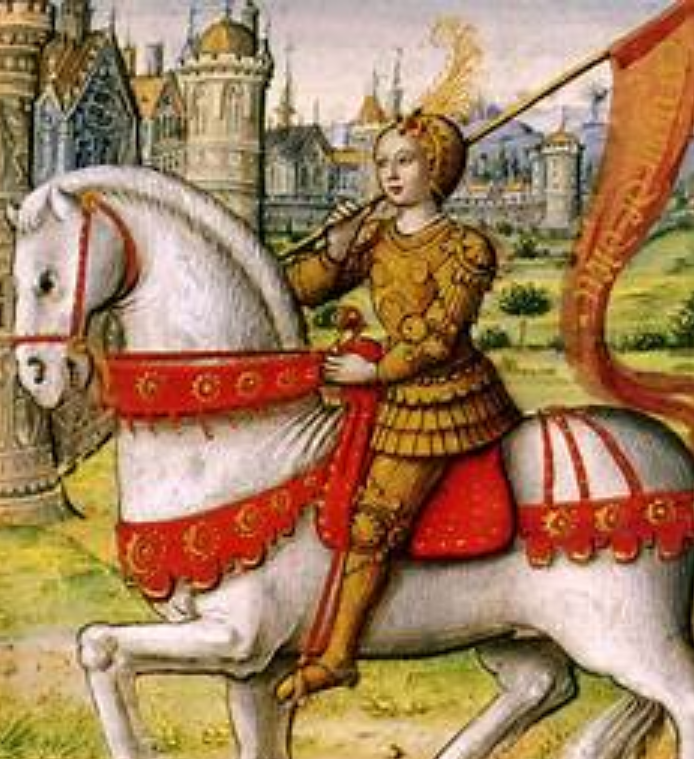
Joan of Arc (1412-1431)
Joan of Arc
A poor peasant girl who made the most unlikely of leaders. But coming from obscurity, she helped lead the French Dauphin into successful battles against the English. She had a religious temperament and credited heavenly voices for her instruction and leadership. Died a martyr’s death after refusing to recant her experiences. Seven years after her death, her prophecy of French independence came true.
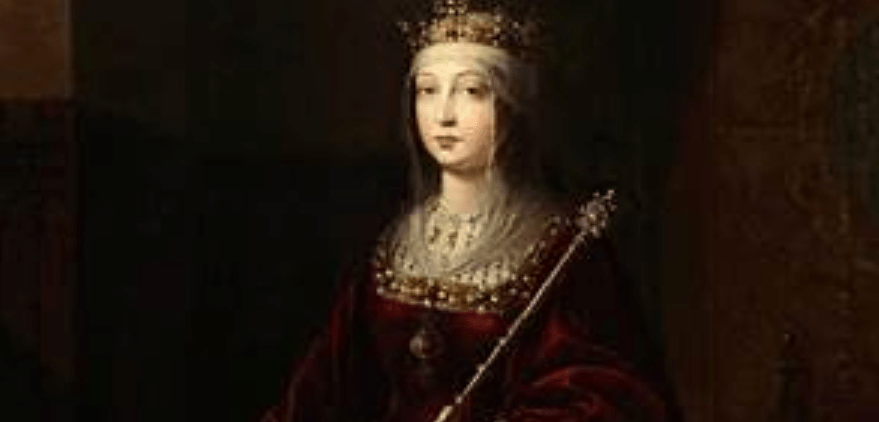
Queen Isabella I of Castile (1451 – 1504)
Queen Isabella I of Castile
Isabella ruled Castile with her husband King Ferdinand of Aragon, effectively united the Spanish provinces. She allowed and financed the journey of Christopher Columbus and also set up the Spanish Inquisition. Her daugher Catherine of Aragon married Henry VIII and grandson Charles V became Holy Roman Emperor.
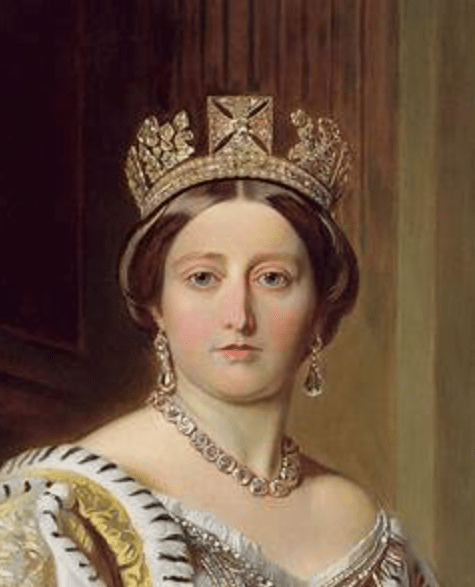
Queen Victoria (1819–1901)
Queen Victoria
She is a Queen of England from 1837 to her death in 1901. During her reign, the British Empire spread across the globe. Victoria herself was made Empress of India by her prime minister. She came to epitomise a century and maintained close relationships with her Prime Ministers, especially Disraeli.
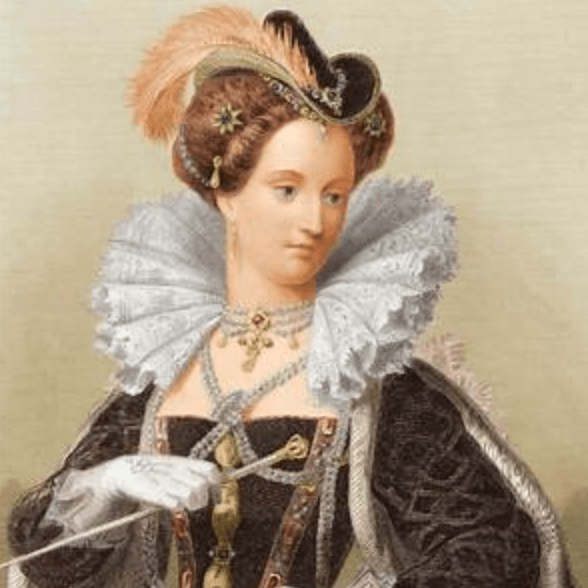
Queen Elizabeth I (1533–1603)
Queen Elizabeth I
She is the daughter of Henry VIII who took the throne after a period of social and political turmoil. However, her reign proved a stabilising influence, and importantly saw the defeat of the Spanish Armada. During her reign, an increased number of explorations were made to the ‘New World’ – the Caribbean and North America.
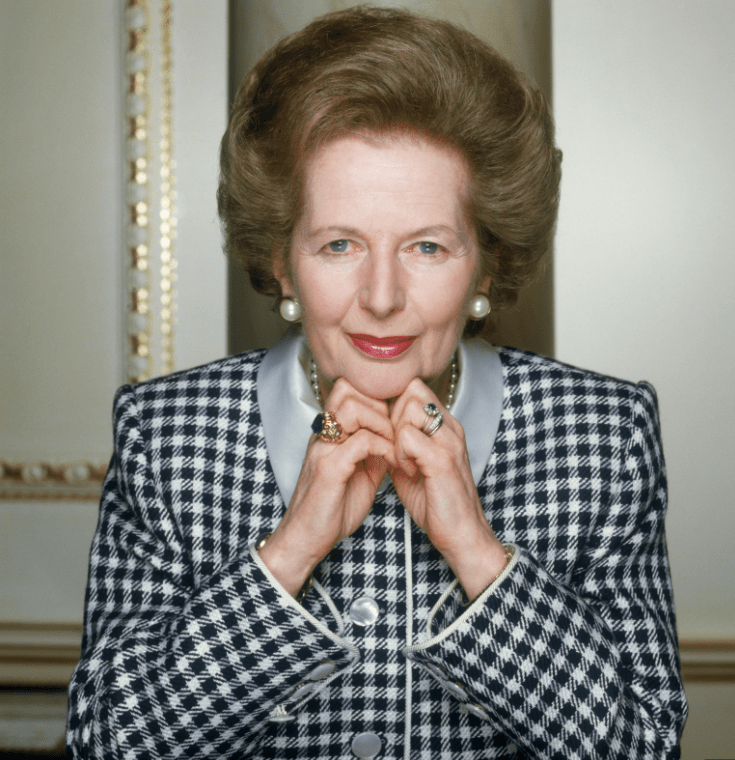
Margaret Thatcher (1925–2013)
Margaret Thatcher
She Is a British Prime Minister from 1979–1990. She oversaw a period of rapid social and economic change in Britain. She was a conviction politician, unafraid to speak her mind and pursue her own ideology.
Boudicca (1st Century)
Boudicca
Led British citizens in revolt against the Roman occupation. Initially successful, Boudicca defeated the Romans in minor skirmishes before being defeated.
Aung San Suu Kyi (1945– )
Aung San Su Kyui
Burmese opposition leader. Awarded Nobel peace prize for opposition to military rule. Aung San Suu Kyi was placed under house arrest for many years due to her political principles.
Spiritual Leaders
Jesus Christ (c. 2BC–C 32 AD)
Jesus Christ
He is the central figure of Christianity. His teachings and life inspired his apostles to spread his message, and they began early Christian communities. His teachings and life later formed the basis of the New Testament and the development of the Christian religion.
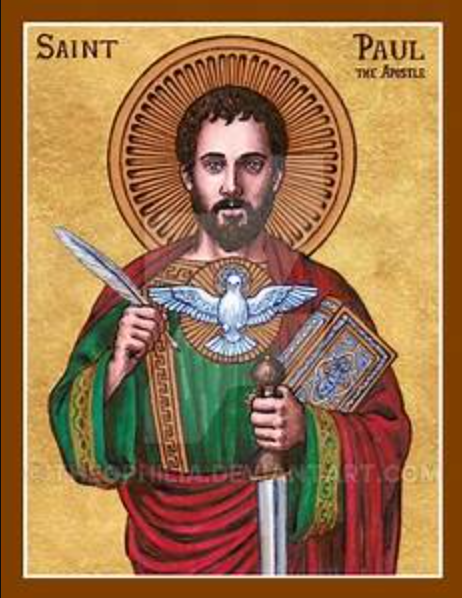
St Paul ( 5–67AD)
St Paul
Missionary and influential early Christian. The letters of St Paul form a significant part of the New Testament. St Paul began his life as Taurus of Saul prosecuting Christians but later converted to Christianity.
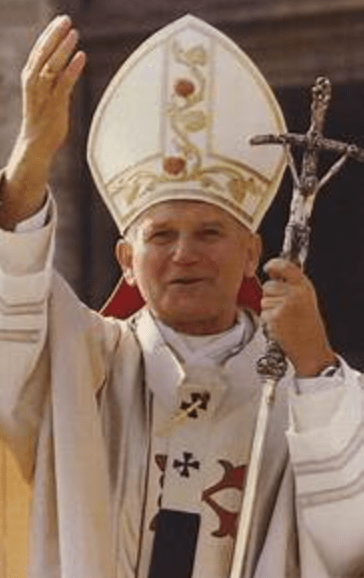
Pope John Paul II (1920–2005)
Pope John Paul II
Had a great effect on many lives that he touched. People felt he was a sincere and compassionate person. Lived through two very difficult periods of Poland’s history – occupation by Nazi Germany and the Communist era, before becoming Poland’s first pope.
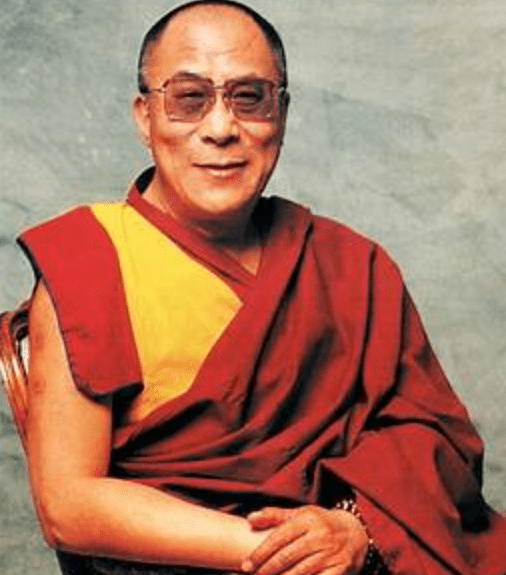
14th Dalai Lama (1935– )
14th Dalai Lama
Leader of Tibetans in exile. Has sought to negotiate with Chinese to respect the traditions and culture of Tibetans. Believes in non-violent protest.
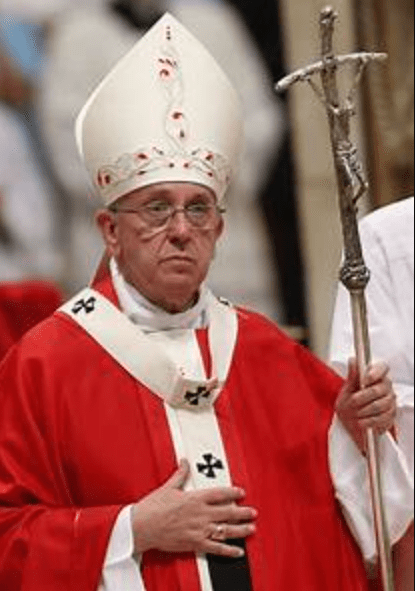
Pope Francis (1936– )
Pope Francis
The first Jesuit pope and the first pope from the Americas, he has sought to reform the Vatican and the Catholic church. Pope Francis has stressed a more humble approach to the position of the pope and has been keen to bring people together.
As you know, management involves getting work done through the people and by virtue of their positions, managers can issue orders and instructions to their subordinates to get the work done, but it is also necessary to ensure that subordinates put in their maximum effort in performing their tasks and hence managers have to regulate and influence the subordinates behaviour and conduct at work and it is through the leadership role of managers that employees may be induced to perform their duties properly and maintain harmony in group activities. A manager, having formal authority, can direct and guide his subordinates and command their obedience by virtue of his positional power but as a leader, a manager can influence work behaviour by means of his leadership ability to get the cooperation of all members of the group. Leadership may be defined as a process of influencing group activities towards the achievement of certain goals. Thus, the leader is a person in a group who is capable of influencing the group to work willingly and he guides and directs other people and provides purpose and direction to their efforts and according to eminent writers Hodge and Johnson Leadership is “ Leadership is the ability to shape the attitude and behaviour of others whether in formal or informal situations” and According to Livingston Leadership is “ Leadership is the ability to awaken in others the desires to follow a common objective”.
CHARACTERISTICS OF LEADERSHIP
Managerial leadership mainly possess the following characteristics:
Leadership is needed in all walks of life, such as economical, social, political and industrial spheres.
It is the duty of the leader to maintain proper discipline among his subordinates.
It is a continuous process whereby the manager influences, guides and directs the behaviour of subordinates.
A true leader is responsible for including encouragement and confidence among employees of any organization.
The success of a manager as a leader depends on the acceptance of his leadership by the subordinates.
The manager-leader is able to influence his subordinate’s behaviour at work due to the quality of his own behaviour as a leader.
The leader leads his group with authority and confidence.
The leader establishes the relationship between an individual and a group around some common interest.
A true creates a bond of friendship between organization and subordinates.
Leadership helps others in choosing and attaining specified goals to the maximum satisfaction of both the leader and the follower.
SOME IMPORTANT QUALITIES OF LEADERSHIP
1. Knowledge and intelligence
A leader, to be effective, must have knowledge of group behaviour, human nature and activities involving technical and professional competence. He must have an intelligent perception of human psychology and the ability to think clearly and argue cogently on points of dispute.
2. Integrity and Honesty
A leader should possess a high level of integrity and honesty and he should be a role model regarding ethics and values.
3. Motivation Skills
A leader should be an effective motivator and he should understand the needs of the people and motivate them through satisfying their needs.
4. Self-confidence
Confidence about one’s leadership ability makes it possible for a leader to analyse and face different situations and adopt a suitable style and Lack of self-confidence often prevents managers to adopt a participative style and repose trust in their subordinates.
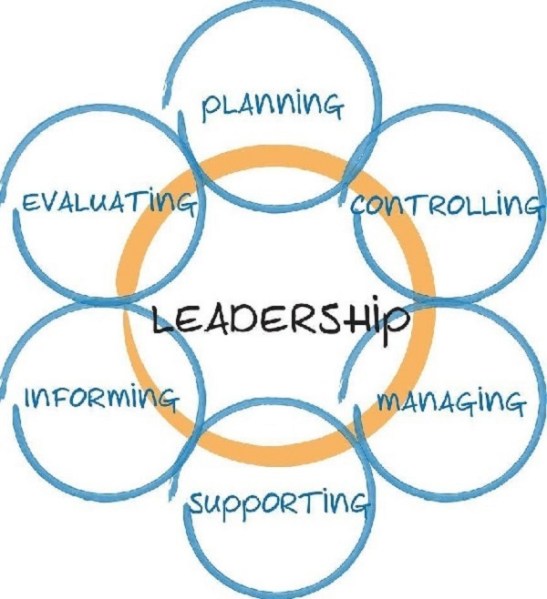
Leadership is a process by which a person influences others to accomplish an objective and directs the organization in a way that makes it more cohesive and coherent. Leaders help their team and organization make progress and act in the right way. They can be found at many levels in our communities, businesses, organizations, and in homes across the world. Good leaders should build a vision, set clear goals and directions, and map a dynamic path forward for their team or group. True leadership can be determined, observed and measured by others desire to follow. Leadership means that leaders work with their followers to achieve objectives that they all share. Establishing shared objectives that leaders and followers can consolidate is difficult but worth the effort. Leaders who are willing to expend time and effort in determining appropriate goals will find these goals achieved more effectively and easily if followers and leaders work together. Leader-imposed goals are generally harder and less effectively achieved than goals developed together. Also leadership tends to operate in groups. It is about influencing a group of people who are engaged in a common goal or purpose and works towards achieving their goals. Therefore, leadership is about directing a group of people toward the accomplishment of a task by working skillfully.
Leaders exert influence on the environment through the goals and performance standards they establish, the values they establish for the organization and the business and people concepts they establish. People want to be guided by leaders they respect and who have a clear sense of direction. Hence effective leadership requires certain important characteristics. These include:
1.To be an effective leader, you need to roll up your sleeves and take charge. They must have strong self-confidence and must be confident enough to ensure others follow him. This includes being confident enough to lead, knowing that your plans and vision are not only viable for the team but the absolute best decision possible.
2.If you’re in a leadership role, good communication skills are absolutely crucial. Being able to express yourself openly and build empathy with other people is the foundation of effective leadership. Good communication will increase the rate of work.
3.Integrity is a set of values about which we must never compromise, no matter the circumstances. \We must have a strong handle on those values is critical to the basis of trust and loyalty, and allows people to identify whether or not we are someone they want to follow. An honest leader succeeds when they stick to their word, live by their core values, lead by example, and follow-through. Without integrity, no real success if possible.
4.A good leader must be an excellent innovator. He must display a creative attitude in his work. Most noteworthy, innovation is a guarantee of survival of a group or innovation. Without creative thinking, progress is not possible.
5.Great leadership styles focus on problem-solving and team dynamics much more than self-promotion. A great leader will never be effective if they’re more concerned with themselves than with the well-being of their team. Being humble and vulnerable with their team members will make a leader much more relatable and effective.
Good leaders are made not born. If we have the desire and willpower, we can become an effective leader.
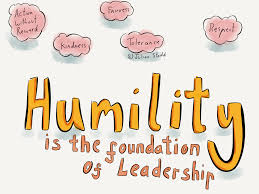
Humility is one of the most fundamental and solid foundations of all the virtues. It is the quality of having a modest view of one’s importance. When a person expresses humility and treats everyone with equality, one becomes fulfilled. It must not be seen as a weakness as the secret of success lies in it. It is the first step towards attaining and spreading positivity. Humility also acts as a catalyst as it enhances the attributes of our philosophies and traditions. For instance, ‘Atithi Devo Bhava’ means to welcome a guest like God. When one possesses humility, one bow down to a guest. Hence, the meaning of this tradition gets reflected not only in the conduct but also in body language.
We must always be humble and put others before ourselves in a concerned manner so that no one is offended. Being humble has now become a rare quality, and one who has it shines in the universe. When a person lives with humility, one becomes flexible and adaptable, and these characteristics take that person far in life. Humility builds generosity, compassion, charitable disposition, and so man other traits in us. These people lend the first helping hand towards someone in need. They do it instinctively, and they start developing wisdom. Humility, coupled with inherent values makes for a leader, and this leader always looks inside when in trouble and chooses the best option, which is in the interest of everyone. We must remember that we become successful when we make others successful. So, the leader with humility will be not only successful but also happy.
This person does not look outside for happiness or doesn’t strive for it. Humility in him brings it automatically. A humble person will always thank God for all the opportunities he receives. The entire struggle that he went through for it made him what he is. This thankfulness spreads more and more positivity, and a person becomes successful in terms of name, money and spirituality. Not at all times is a happy time for a person with humility. He gets his share of struggles. There are hardships, obstacles, but humility inculcates the values of tolerance and patience, and so a person can convert adverse situations into favourable ones. If not, then he has the necessary virtues to face and cope with all sorrows.
Time and experience will tell us that ultimately humility is not about ‘I’, ‘Me’, ‘My’ and ‘Mine’. It is about ‘We’. A ‘We’ person will have all physical and mental capabilities to do wonders and connect people. We here on Earth with relationships, and these we must value with humility as it makes us a leader.









 Eduindex
You must be logged in to post a comment.